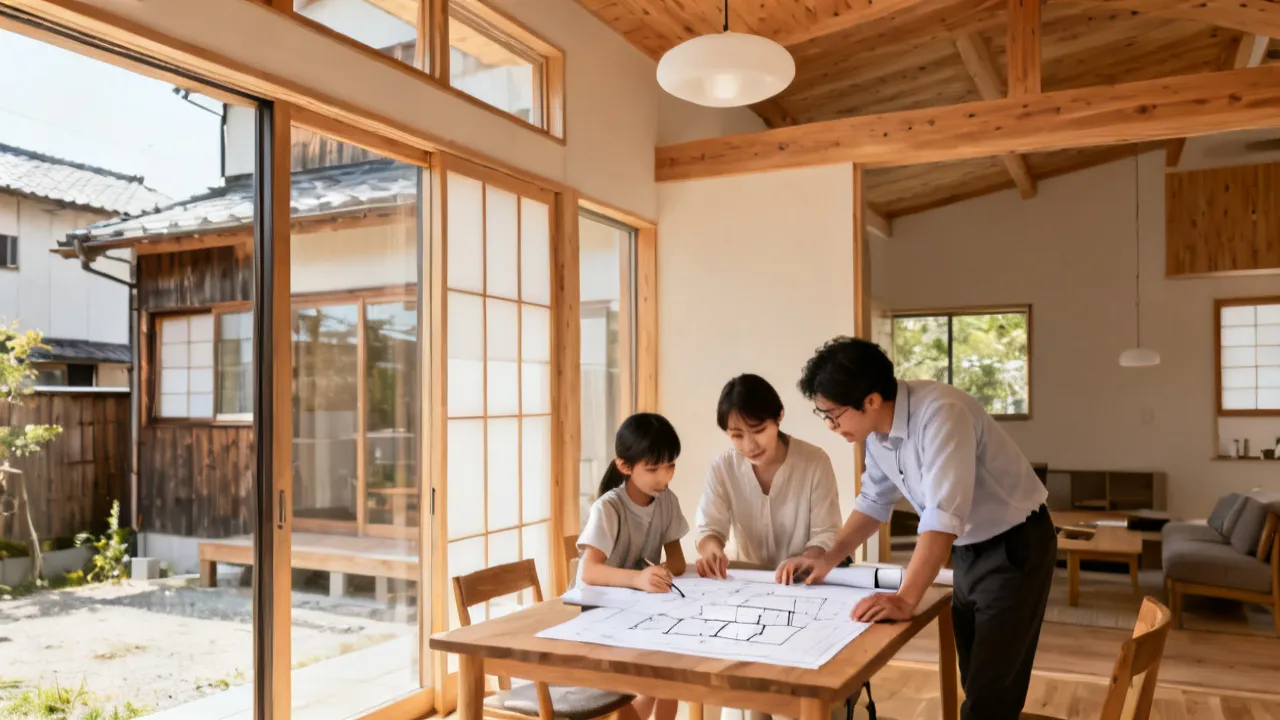
Understanding the Cohousing Phenomenon
Cohousing is a community-centric living arrangement that emphasizes collaboration and shared resources. Originating in Denmark, it offers a blend of private residences and shared spaces like gardens and kitchens, fostering a strong sense of community. This article delves into its distinct characteristics, benefits, and challenges, while also exploring its representation and evolution on platforms like Wikipedia.

Exploring Cohousing: A New Residential Model
Cohousing, a term growing in popularity, represents a distinctive residential model that combines private living spaces with a wealth of shared community facilities. This approach to living, extensively documented on platforms like Wikipedia, encourages collaboration and fostering strong community ties. Traditionally, cohousing offers a blend of individual apartments or houses with expansive shared areas such as gardens, kitchens, and recreational spaces, steering away from the conventional urban dwelling experience. The shift towards cohousing reflects a broader cultural movement favoring community and sustainability over individualism and isolation.
A Brief History of Cohousing
Originating in Denmark in the 1960s, cohousing sought to address the growing need for both personal space and communal interaction amidst rapid urbanization. It grew as a response to the growing suburban sprawl that created isolated neighborhoods devoid of community spirit. It provided families with the opportunity to own private dwellings while sharing resources and responsibilities with their neighbors. The first cohousing project, Bofællesskaber, was developed by architects Jan Gudmand-Høyer and his associates, which included features designed to promote social interactions, such as shared kitchens and communal courtyards. As this model proliferated across the globe, adaptations emerged to respect local customs and needs. In countries like Sweden and the United States, cohousing incorporated more diverse facilities catering to various demographics and lifestyles. The model has since proliferated across the globe, adapting to varied cultural nuances while maintaining its core ethos of community and shared living.
Cohousing in Contemporary Society
In today's increasingly interconnected world, cohousing offers a viable solution to urban isolation and environmental sustainability. As cities face mounting challenges such as housing shortages, increased living costs, and social disconnection, the popularity of cohousing is reshaping the narrative of urban living. By sharing resources, residents often lead a more eco-friendly lifestyle. Besides reducing physical waste through resource sharing, cohousing allows inhabitants to cultivate a sense of belonging and support. Cohousing communities are being recognized for their potential to boost emotional well-being by creating environments where social interaction is woven into the everyday fabric of life.
Moreover, cohousing aligns well with the growing awareness of the need for sustainable living. By integrating sustainable building practices, such as using renewable energy sources and eco-friendly materials, many cohousing communities aim to minimize their environmental impact. Furthermore, communal gardens provide residents with fresh produce, encouraging sustainable food practices right within their neighborhoods.
The Role of Wikipedia in Cohousing Awareness
Wikipedia, a globally accessible information platform, plays a critical role in shaping public awareness and knowledge about cohousing. By compiling a rich array of both historical and modern perspectives, it serves as a vital resource for anyone seeking to understand the intricacies of this residential model. Users can find detailed articles that outline not only the fundamental principles of cohousing but also success stories and case studies from various locations around the world. From discussing its benefits and challenges to mapping its geographic spread, Wikipedia offers a comprehensive look at cohousing's impact worldwide.
Furthermore, Wikipedia encourages community collaboration in maintaining its content, enabling contributors to share experiences and insights from their own cohousing communities. This participatory approach enriches the information available and fosters an ongoing dialogue about cohousing practices that might influence future projects. Thus, it not only informs but also mobilizes interest in this model of living. By increasing visibility and understanding of cohousing, Wikipedia has become a pivotal tool for prospective residents, urban planners, and policymakers looking to innovate housing solutions.
Benefits of Cohousing
- Community and Support: The inherent design of cohousing facilitates frequent social interactions, which can lead to stronger community bonds and mutual support. Regular community events, shared meals, and spontaneous gatherings help nurture relationships, making them vital emotional support systems in times of need.
- Sustainability: Sharing resources such as tools, appliances, and transportation reduces duplication and overall consumption, promoting a more sustainable lifestyle. Cohousing communities often adopt a collective approach to living, encouraging car-sharing arrangements, collective buying of groceries, and community gardens which further minimize their carbon footprint.
- Cost Efficiency: While initial investment in a cohousing project may be higher, the good savings in utilities, maintenance, and shared amenities often outweigh the initial costs. Residents benefit not just from shared amenities but also from reduced costs in home maintenance, landscaping, and even childcare in family-oriented communities, making cohousing a financially savvy choice over the long term.
- Enhanced Social Activities: Cohousing offers ample opportunities for recreational and social activities, enriching the lives of the residents. Regular potlucks, game nights, and group activities promote a vibrant community life. Moreover, such activities create opportunities for people of different ages to interact, creating social fabric that integrates diverse perspectives and experiences.
- Intergenerational Interaction: Many cohousing communities are designed to be intergenerational, promoting interaction between various age groups. This model enables the older generation to share their wisdom and experiences while providing younger residents and families with a supportive network, fostering an environment rich in learning and growth.
Challenges Faced by Cohousing Communities
Despite its advantages, there are several challenges that cohousing communities face. These include:
- Decision-Making: Consensus-driven decisions can sometimes lead to prolonged discussions, impacting the overall efficiency of community management. Striking a balance between participatory governance and effective decision-making can be challenging, especially as the community grows.
- Privacy Issues: Despite having private residences, the shared nature of many facilities can sometimes affect individual privacy. For instance, the presence of communal areas means that residents may encounter neighbors more frequently than in traditional housing, which could be a potential adjustment for those who value solitude.
- Financial Barriers: The initial cost of setting up or joining a cohousing community can be prohibitive for some families. While sharing costs in the long run is beneficial, securing funding and financing for such projects can often be challenging. Potential residents may find it difficult to navigate the different financial structures associated with cohousing, especially when conventional mortgage systems do not easily merge with cooperative living models.
- Lack of Understanding: Some potential residents may have misconceptions about what living in a cohousing community entails, leading to hesitance in joining. Education and outreach efforts are essential to dispel myths and clarify the benefits of cohousing, which may involve tailored information campaigns directed at the general public.
Cohousing: A Global Perspective
Diverse renditions of cohousing can be found worldwide, each adapting to its cultural context while adhering to the core principles of shared living. In countries like the United States, cohousing communities are often intergenerational, reflecting the country's emphasis on family and inclusivity. Communities might focus on shared meals, parenting resources, and childcare cooperatives designed to enhance family support systems.
Meanwhile, Scandinavian countries maintain a focus on sustainable living and environmental responsibility. For instance, communal living arrangements in Sweden often emphasize eco-friendly construction methods and strong community engagement in neighborhood decision-making processes. Countries in Asia are beginning to explore cohousing through co-living spaces that attract young professionals seeking affordable housing while fostering community. In these settings, amenities often blend traditional Japanese living styles with modern design aesthetics, creating spaces that promote collective responsibility and connection.
As the global interest in alternative housing solutions surges, the future of cohousing presents an exciting opportunity for reimagining residential life. Countries like Canada and Australia are witnessing increased support at various levels of government to stimulate cohousing initiatives, recognizing their benefits for social welfare and environmental sustainability.
Comparative Analysis
| Attribute | Cohousing | Traditional Housing |
|---|---|---|
| Community | Strong emphasis on communal living | Primarily individual-focused |
| Resource Sharing | Encouraged and facilitated | Minimal |
| Sustainability | Key principle of design | Varies significantly |
| Social Interaction | Regular opportunities for bonding | Limited interaction, primarily with neighbors |
| Space Utilization | Common facilities reduce the need for larger private spaces | Individual spaces are typically larger |
| Emotional Support | Inherent support structure from community | Usually reliant on external friendships |
FAQs
What is the main goal of cohousing?
The primary goal is to create communities that foster strong social interactions and sustainability by balancing private living spaces with shared resources and responsibilities.
How does Wikipedia contribute to cohousing knowledge?
Wikipedia provides a comprehensive overview of cohousing, including its history, benefits, challenges, and geographic spread, thereby raising public awareness and facilitating learning. Its collaborative model allows fluid updates and contributions that reflect the evolving understanding of cohousing and its real-world outcomes.
Are cohousing communities expensive to join?
While initial costs might be high, the shared expenses on utilities, maintenance, and communal facilities often result in good savings. Additionally, many cohousing developments work to develop equitable financing models to help lower barriers for potential residents, thereby facilitating more inclusive community building.
What kind of residents typically participate in cohousing?
Cohousing communities attract a diverse range of residents including families, singles, retirees, and young professionals. Each group contributes unique perspectives and experiences, enriching community life and deepening connections. The diversity fosters a dynamic environment where residents can learn from one another, share resources, and support each participant's needs.
How can one get involved in cohousing?
Individuals interested in cohousing can begin by researching local communities or newly forming projects. Various organizations, such as the Cohousing Association in the United States, provide resources to aid prospective residents in learning more about existing communities, understanding the process of creating new ones, and connecting with like-minded individuals. Attending workshops, info sessions, and community tours can also provide insights into the cohousing experience.
In conclusion, cohousing is a compelling alternative to traditional living arrangements, offering a sense of community, shared resources, and a sustainable lifestyle. With resources like Wikipedia making this information accessible, individuals around the globe are increasingly exploring cohousing as a viable living option. As the world grapples with complex societal challenges, cohousing stands as a testament to the power of communal efforts and shared responsibilities, providing a sustainable path forward for urban living.