Choosing Dental Floss Through Clien Reviews
This guide explains how to evaluate “치실 추천 클리앙” discussions and choose dental floss according to interdental spacing, gum condition, dexterity, and daily habits. Clien is a Korean online community where users exchange practical product experiences, but forum comments should be treated as personal observations rather than clinical advice. The article compares floss formats, examines comfort and cleaning performance, outlines safe technique, and identifies situations requiring professional dental guidance.
What “치실 추천 클리앙” Can and Cannot Tell You
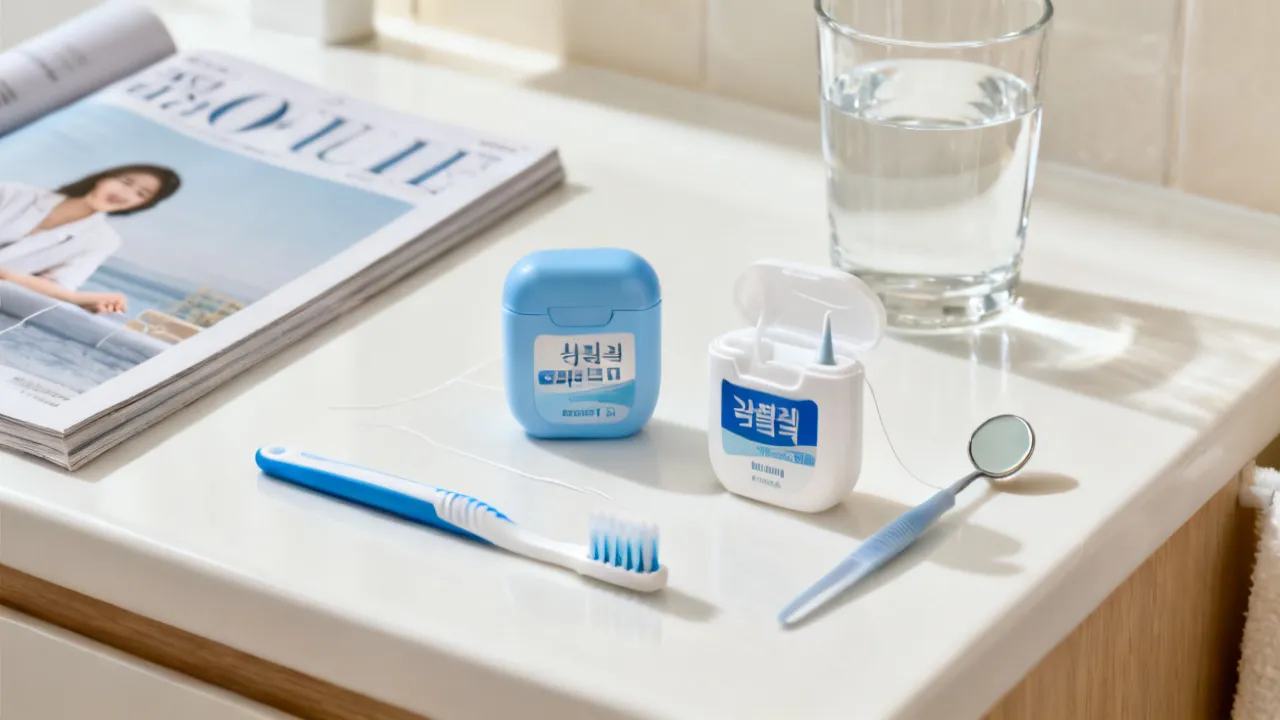
People searching for 치실 추천 클리앙 are usually looking for practical guidance rather than a textbook description of oral hygiene. They may want to know which floss is easy to insert, whether a particular thread shreds, how well a handle-style flosser works around molars, or which option is less irritating to sensitive gums. Clien discussions can be useful because members often describe repeated day-to-day use, packaging, availability, and personal preferences in concrete language.
However, a community recommendation is not the same as a clinical assessment. One user may have tightly contacting front teeth, while another may have crowns, orthodontic appliances, bridges, implants, or enlarged spaces caused by gum recession. A product that works smoothly for one mouth can be difficult or unsuitable for another. The most reliable approach is therefore to use community discussions as a source of product ideas, then apply dental principles to the final choice.
From an oral-health perspective, the central question is not which floss is universally “best.” It is whether the chosen interdental cleaner can pass gently through the contact area, curve around the sides of the teeth, remove plaque near the gumline, and become part of a consistent routine without causing avoidable injury. The American Dental Association and other professional dental organizations generally recognize floss and other interdental cleaners as tools for cleaning areas that a toothbrush cannot reach. The specific tool depends on the individual’s anatomy and ability.
Key conclusion: When reviewing 치실 추천 클리앙 posts, prioritize reports about handling, breakage, insertion, and long-term usability. Then confirm that the product format suits your interdental spaces and any dental treatment you have received.
It is also useful to remember that online recommendations are shaped by the questions people choose to ask. A highly discussed product may simply be one that was easy to purchase, heavily promoted, or associated with a memorable personal experience. Quietly effective products may receive fewer comments. Popularity can help identify candidates, but it should not replace an assessment of fit, technique, and oral condition.
Why Interdental Cleaning Matters
A toothbrush is effective on many accessible tooth surfaces, but the contact areas between teeth require a different motion. Plaque can accumulate where bristles do not reach easily, particularly along the gumline and between posterior teeth. Interdental cleaning is intended to disturb and remove this buildup before it remains in place for prolonged periods.
The benefit is not simply cosmetic. Inadequate plaque control can contribute to gum inflammation and can make existing dental problems more difficult to manage. Interdental cleaning also helps remove food particles that create discomfort or an unpleasant sensation, although removing visible food is only one part of the process. The primary objective is gentle plaque disruption along the sides of the teeth.
Professional guidance usually emphasizes technique and regularity over brand loyalty. A premium-looking package cannot compensate for a thread that is too thick to pass through the contact point, a handle that does not reach the back teeth, or a method that causes repeated gum trauma. Conversely, a simple product used correctly may be highly effective for a particular person.
Readers should also distinguish between temporary bleeding and persistent bleeding. When someone begins flossing after a long period without interdental cleaning, irritated gums may bleed during the first several uses. That possibility does not mean bleeding should be ignored. Persistent, heavy, or worsening bleeding warrants a dental examination, especially when accompanied by swelling, pain, bad taste, pus, loose teeth, or gum recession.
Interdental cleaning is most useful when it is approached as part of a complete routine. Brushing cleans broad outer, inner, and chewing surfaces; floss or another interdental device cleans the sides of teeth; and professional care addresses hardened deposits and problems that cannot be managed at home. No single product performs all of these functions.
How to Interpret Clien Product Discussions
Online product conversations often contain several kinds of information mixed together. Separating them makes the review process more useful.
1. Direct-use observations
Comments such as “the thread passes between my back teeth,” “the handle is easy to grip,” or “the material did not shred after several uses” are direct observations. They can help readers predict convenience, although they still reflect one person’s mouth and technique.
2. Preference statements
Statements about flavor, texture, coating, packaging, or visual design are legitimate preferences but should not be treated as evidence of cleaning superiority. A mint flavor may make a product more pleasant, while an unflavored option may suit a person who dislikes strong sensations. Neither preference alone establishes better plaque removal.
3. Clinical conclusions
Comments claiming that a product cures gum disease, reverses cavities, or replaces professional treatment should be viewed cautiously. Such claims require clinical evidence and individual diagnosis. A community forum is not a substitute for an examination, radiograph, periodontal assessment, or treatment plan.
4. Purchasing information
Users may discuss pack size, local availability, delivery condition, or changes in packaging. These details can become outdated, and product formulations may vary by market or over time. Check the current package, manufacturer information, and instructions before purchase.
A useful reading habit is to look for repeated, specific observations across independent comments rather than relying on one enthusiastic statement. If several users with similar dental situations report the same handling issue, it may be worth considering. Even then, the final test is whether the product works comfortably and safely in your own mouth.
Pay attention to the language used in reviews. “Thin” may mean that the floss is physically narrow, or it may simply mean that it feels easy to slide. “Strong” may refer to resistance to shredding, but it could also describe a firm holder. “Soft” may indicate a comfortable coating, a fuzzy expanding fiber, or a thread that loses its shape. Translating subjective descriptions into specific features helps prevent misunderstandings.
Review dates also matter. A post from several years ago may refer to an earlier version of the product, a different importer, or a discontinued package. When multiple users mention a change in thickness, coating, or holder design, check the current product information before assuming that the old and new versions are identical.
Choosing the Right Floss Format
Dental floss is available in several formats. The main categories include traditional spool floss, tape-style floss, pre-threaded or disposable floss holders, and specialized products for bridges, braces, or wider spaces. Each format has practical strengths and limitations.
Traditional spool floss
Spool floss is supplied as a continuous strand that the user cuts and wraps around the fingers. It offers flexibility because the user can adjust the working section and reach different angles. The technique can be especially effective for wrapping the thread into a “C” shape around each tooth.
The main difficulty is dexterity. Some people find finger wrapping uncomfortable or awkward, particularly when cleaning the back teeth. Users with limited hand mobility, arthritis, or a strong gag reflex may struggle to maintain control. Clien recommendations that praise spool floss often come from people who value thinness, maneuverability, or reduced packaging, but those advantages must be balanced against handling ability.
Tape-style floss
Dental tape is generally flatter and broader than conventional thread. Some users find its wider surface comfortable against the tooth, especially when the contact point is not extremely tight. Others may find it difficult to insert into narrow contacts. A tape can be an appropriate option when the anatomy allows smooth insertion and the user prefers a broader feel.
Thickness is not always obvious from the package image. Product descriptions may use terms such as thin, expanding, woven, or tape, but the practical experience depends on coating, tension, and contact tightness. If a thread repeatedly catches, forcing it downward is not a safe solution. A thinner design or a dental professional’s advice may be more appropriate.
Pre-threaded floss holders
Floss holders attach a short length of thread to a handle. They are often convenient for beginners, people who dislike wrapping floss around their fingers, or users who need a quick method during travel. A rigid handle can also provide better reach around posterior teeth.
The limitations include reduced flexibility and the need to use a fresh section appropriately. If the same short thread is moved through many areas without rinsing or changing, debris can be transferred between sites. Disposable holders also generate more material waste than a spool. Their environmental and cost implications should be considered alongside convenience.
Another issue is tension. Some holders keep the thread extremely tight, which can make it easy to insert but harder to curve around the tooth. If the user merely moves the strand up and down in the middle of the gap, the holder may clean less effectively than expected. A holder should be angled so that the thread contacts one side of the tooth and then the other.
Specialized floss for bridges and orthodontic appliances
People with fixed bridges, retainers, or braces may need a threader, tufted floss, super floss-style product, or an interdental brush. The appropriate choice depends on the design of the appliance and the available spaces. Ordinary floss may not pass under a bridge pontic or around orthodontic brackets without assistance.
A dental hygienist can demonstrate the correct route. This is especially important around implants and restorative work, where improper pressure or an unsuitable product may irritate soft tissue or damage a delicate component. Product discussions can offer useful ideas, but appliance-specific instruction should come from the treating dental team.
Water flossers and other powered devices
Water flossers use a directed stream of water to clean around teeth and dental appliances. They may be convenient for people who find thread difficult to manipulate. Some users also prefer them around braces, bridges, or implants. Nevertheless, a water flosser does not automatically replace every form of mechanical interdental cleaning for every person. The nozzle, pressure, angle, and cleaning routine affect the result.
For readers comparing 치실 추천 클리앙 comments with water-flosser discussions, it is helpful to define the decision first. Are you seeking a compact daily tool, improved access around an appliance, reduced finger handling, or a supplement to ordinary floss? The answer may lead to different products.
Interdental brushes
Interdental brushes consist of small bristles held on a wire or flexible core. They can be particularly useful when spaces are open enough for the bristles to contact both tooth surfaces. They are often discussed for people with periodontal pockets, recession, bridges, braces, or larger posterior spaces.
Size selection is critical. A brush that slides through without touching the sides may be too small to clean effectively, while one that requires force can injure the tissue or bend the wire. Different parts of the mouth may require different sizes. The correct dimensions are best selected with professional guidance, especially after periodontal treatment.
Matching the Product to Interdental Space
The most important selection factor is the size and shape of the space between teeth. Contacts can be tight near the front teeth and broader near molars. Gum recession, missing teeth, orthodontic movement, crowns, and periodontal changes can create spaces that vary throughout the mouth.
For tight contacts, a thin, smooth strand may pass more easily. The thread should slide through with controlled pressure rather than snapping into the gum. For open spaces, a larger interdental brush may clean more effectively than a very thin strand because it can contact the sides of the teeth. The correct brush size should fill the space gently without being forced.
It is common for one person to need more than one tool. For example, thin floss may suit the front teeth, while small interdental brushes may be better around posterior spaces or areas of gum recession. This mixed approach can be more realistic than expecting one product to work equally well everywhere.
| Oral condition or preference | Potentially suitable format | Important consideration |
|---|---|---|
| Very narrow contact points | Thin, smooth spool floss or a slim holder | Do not force the strand or snap it into the gums |
| Moderately open spaces | Floss, tape, or an appropriately sized interdental brush | Choose the tool that contacts the tooth surfaces without pressure |
| Limited finger dexterity | Floss holder or water flosser | Confirm that the handle reaches the back teeth |
| Fixed bridge | Threader, tufted floss, or an interdental brush | Follow the route demonstrated by a dental professional |
| Braces or fixed retainer | Orthodontic floss aid or interdental brush | Clean around brackets and wires without bending or dislodging them |
| Implant or crown | Product selected with professional guidance | Use gentle technique and follow the restorative team’s instructions |
Spacing can also change over time. A contact that was tight before periodontal treatment may become more open after swelling decreases. Orthodontic movement can alter the path of insertion. A new crown or filling may create a contact that feels different from the original tooth. These changes do not necessarily mean that one brand has suddenly become defective; the anatomy may have changed.
Material, Coating, and Comfort
Floss may be made from different synthetic fibers or fiber structures, and it may include a coating intended to improve glide. Some products expand slightly when wet or under tension, while others remain relatively smooth and narrow. These design differences influence how the thread feels and behaves.
A coated surface may help the thread pass through a tight contact, but sensitivity to flavoring or coating ingredients is possible. If a product causes burning, irritation, rash around the lips, or unusual discomfort, stop using it and seek advice if the symptoms persist. A person with known allergies should read the package carefully and discuss concerns with a healthcare professional.
Waxed and unwaxed descriptions are useful but not absolute predictors of performance. Some users prefer the grip of unwaxed floss, while others appreciate the sliding quality of waxed varieties. Thread construction, tension, and the shape of the contact point may matter more than the label alone.
Fragrance and flavor can influence routine adherence. A strong mint sensation may be pleasant for one user and unpleasant for another. Since consistent use is central to benefit, comfort is a reasonable selection criterion. It should not, however, be confused with clinical effectiveness.
Texture can be especially important for people with sensitive gums. A very rigid thread may feel efficient but uncomfortable, while an extremely soft or fuzzy thread may feel gentle but fail to pass through narrow contacts. The best compromise is a product that is comfortable enough to use carefully and stable enough to wipe the tooth surfaces.
A Safe Step-by-Step Flossing Method
Correct technique reduces the chance of cutting the gums and improves contact with the tooth surfaces. The following method is consistent with the basic principles taught in dental hygiene education.
- Wash or clean your hands. Interdental cleaning involves contact with the mouth, so clean hands are a sensible starting point.
- Prepare an adequate length. With spool floss, use enough thread to create a clean working section and maintain control. Avoid reusing a visibly frayed or contaminated section.
- Guide the floss gently through the contact. Use a controlled back-and-forth motion. Do not press straight downward into the gum tissue.
- Curve the floss around one tooth. Form a “C” shape and slide it slightly beneath the gumline only as far as comfort allows.
- Move up and down against the tooth. The aim is to wipe the side of the tooth, not merely move the thread through the gap.
- Repeat on the adjacent tooth. Each contact contains two tooth surfaces, and both should be addressed.
- Use a clean section. Advance the thread or rinse the holder as appropriate. This helps avoid spreading debris.
- Continue around the entire mouth. Include the back surfaces of the last molars when accessible.
- Rinse and clean the device properly. Dispose of single-use products according to local waste guidance, and maintain reusable devices as instructed by the manufacturer.
Many people make the mistake of moving floss only vertically in the center of the gap. That action may remove a loose particle but does not adequately wipe the curved surfaces of the teeth. Another common error is using a rapid sawing motion with excessive force. A gentle, deliberate movement is preferable.
When using a floss holder, rotate or tilt the handle rather than trying to force the thread into a straight path. The front teeth are often easier to approach from the front, while the rear teeth may require a sideways angle and a mirror. A small amount of saliva or water can help with comfort, but lubrication should not be used to justify excessive pressure.
Flossing Before or After Brushing
There is no need to turn the order into a rigid rule for everyone. Flossing before brushing may loosen plaque and debris so that brushing can clear the mouth afterward. Some people prefer brushing first because it helps them remember the interdental step. The best sequence is the one that supports thorough, regular cleaning.
For those who use fluoride toothpaste, brushing should be performed according to the toothpaste instructions. Many dental professionals advise spitting rather than extensively rinsing immediately afterward so that fluoride remains in contact with the teeth, but local professional guidance and product labeling should be followed.
Interdental cleaning should not be used as a substitute for toothbrushing. The two methods address different surfaces and functions. Mouthwash may serve a supplementary role in selected situations, but it does not mechanically replace cleaning between teeth.
Some people find that cleaning between the teeth before breakfast is easiest, while others prefer doing it before bed. The timing matters less than choosing a moment when there is enough light, attention, and time to avoid rushing. A routine linked to an existing habit, such as brushing at night, can make adherence easier.
How Often Should You Use Dental Floss?
Dental professionals commonly encourage regular interdental cleaning, often as part of a daily oral-hygiene routine. The exact frequency can vary with gum health, diet, orthodontic treatment, restorations, and a dentist’s instructions. Someone with active periodontal treatment may receive a more detailed schedule than someone with uncomplicated oral health.
For a person who currently flosses rarely, beginning with a manageable routine may improve adherence. Some users find it easier to clean one arch at a consistent time, then build toward the whole mouth. The long-term objective is complete, gentle cleaning rather than an intense but short-lived effort.
Do not interpret a lack of visible debris as proof that no cleaning is needed. Plaque can be present without obvious food particles. Likewise, an unpleasant smell on the thread may suggest accumulated debris or gum inflammation, but it is not a diagnosis by itself.
Bleeding, Tenderness, and Common Mistakes
Bleeding during interdental cleaning can have several explanations, including inflamed gums, aggressive technique, an unsuitable product size, or an area that has been neglected. A person should not continue increasing pressure in an attempt to “scrub away” the bleeding. Instead, review the technique and arrange a dental assessment if the problem persists.
Common mistakes include:
- Forcing thick floss through a tight contact;
- Snapping the thread into the gum;
- Cleaning only the front teeth;
- Ignoring the side of the tooth facing the tongue;
- Using the same contaminated section throughout the mouth;
- Continuing with a thread that repeatedly shreds;
- Assuming a holder is effective without reaching the posterior contacts;
- Using an interdental brush that is too large for the space;
- Replacing professional care with home cleaning when symptoms are present.
Shredding may result from rough fillings, a calculus deposit, a fractured restoration, a sharp contact, or the material itself. If the same location repeatedly catches or breaks the thread, do not simply change brands and ignore the site. A dentist should inspect the area.
Localized bleeding is different from bleeding throughout the mouth. Widespread bleeding, persistent swelling, or a change in the appearance of the gums may indicate inflammation that requires more than a new floss. On the other hand, a single difficult contact after recent dental work may point to a filling or crown contour issue. The pattern and duration of symptoms are useful information to report at an appointment.
Special Considerations for Dental Work
Crowns and bridges
Crowns can create altered contact points, and bridges often require cleaning beneath the artificial tooth. A standard floss technique may not reach the underside of a bridge. Threaders or specialized floss can help, but the route should be demonstrated. Forceful pulling can irritate the tissue or damage a temporary restoration.
Implants
Implant maintenance requires careful attention to the surrounding soft tissue and the design of the prosthesis. Advice may differ depending on whether the implant supports a single crown, a bridge, or a removable appliance. Follow the implant provider’s instructions concerning floss, brushes, water devices, and professional maintenance.
Braces
Orthodontic appliances create additional surfaces where plaque can collect. Cleaning needs to pass around brackets and under wires without bending components. Floss threaders, orthodontic floss, and small interdental brushes are commonly discussed options, but the orthodontic clinic should determine the most suitable combination.
Retainers
Fixed retainers can make ordinary flossing difficult behind the front teeth. A threader or small interdental brush may be needed. Removable retainers should be cleaned separately according to the orthodontist’s instructions, since some household cleaners can damage the material.
Gum recession and periodontal disease
Recession may enlarge the space between teeth and expose root surfaces. These areas may require interdental brushes or a tailored technique rather than a very thin strand alone. People undergoing periodontal treatment should follow the measurement and product-size guidance provided by the dental team.
Recent dental procedures
After extraction, periodontal surgery, implant placement, or another procedure, the normal cleaning routine may need temporary modification. Do not assume that an online recommendation applies during the healing period. Follow the written instructions from the clinic, including when to resume cleaning near the treated area and whether a particular device should be avoided.
Evaluating Product Quality and Packaging
When comparing products mentioned in 치실 추천 클리앙 conversations, evaluate practical quality rather than relying on visual presentation. Check whether the package identifies the manufacturer or importer, provides usage instructions, and states relevant material or safety information. Packaging should be intact and the product should be stored in a clean, dry place.
Consider the following questions:
- Does the thread pass through the tightest contact without excessive force?
- Does it remain intact during a complete cleaning session?
- Can the user maintain a C-shape around the tooth?
- Does the holder reach the posterior teeth?
- Does the product cause persistent irritation?
- Is the package size appropriate for the intended frequency of use?
- Can the product be obtained consistently from a reputable retailer?
- Does the format generate unnecessary waste for the user’s routine?
Price can matter, but a lower purchase price is not automatically better value if the product is uncomfortable and remains unused. Conversely, a higher-priced product is not automatically more effective. A sensible evaluation considers cost per successful use, durability, convenience, and whether the product allows adequate cleaning.
Inspect holders for sharp edges, loose components, or a thread that is not securely attached. For reusable water-flosser tips, follow the replacement schedule and inspect the tip for wear. A device that becomes difficult to clean or develops an odor should not be kept indefinitely simply because it was expensive.
Environmental and Practical Considerations
Traditional spool floss usually uses less plastic per cleaning session than individually molded holders, although the total environmental impact depends on materials, packaging, transport, and disposal. Reusable handles may reduce some packaging but require proper hygiene and replacement of the working floss. Water devices use electricity and water but may reduce reliance on disposable holders.
These considerations should remain secondary to safe oral hygiene, particularly for people with braces, bridges, or periodontal concerns. Still, selecting a format that aligns with personal values can improve long-term satisfaction. The most sustainable product is often the one that a person uses correctly and consistently rather than repeatedly purchasing and abandoning.
Consumers should not flush floss, plastic holders, or interdental brush wires down the toilet. These items can contribute to plumbing blockages and environmental waste. Follow local disposal guidance, and consider buying a larger spool or refill package when it is practical and hygienic to do so.
A Practical Decision Framework
The following framework can help turn online research into a structured decision.
Step 1: Identify the hardest area
Ask where cleaning fails: tight front contacts, crowded teeth, back molars, bridge margins, implant areas, or spaces created by gum recession. The most difficult area often determines the required product format.
Step 2: Assess hand control
Can you wrap and control spool floss without discomfort? Can you see and reach the back teeth? If not, a holder, threader, interdental brush, or water flosser may improve usability.
Step 3: Consider dental treatment
List any braces, retainers, bridges, crowns, implants, recent extractions, or periodontal treatment. Product selection should respect the instructions for these conditions.
Step 4: Review specific user reports
Search Clien discussions for details that match your situation. Look for comments describing tooth spacing, dental appliances, repeated use, and technique rather than only short statements about preference.
Step 5: Test carefully
Use the product gently for several sessions. Monitor insertion, shredding, gum comfort, reach, and whether the thread contacts both tooth surfaces. A product that passes one contact but fails elsewhere may be useful only in selected areas.
Step 6: Reassess symptoms
If bleeding, pain, swelling, or persistent odor continues, consult a dental professional. Do not keep changing products indefinitely while an underlying dental issue remains unexamined.
Step 7: Record what works
It can be helpful to note which product suits each part of the mouth. For example, a person may use thin floss for crowded incisors and an appropriately sized interdental brush near a bridge. Recording this information reduces the temptation to judge a product based on one difficult location and makes future shopping more efficient.
What an Industry Expert Would Prioritize
From a dental-hygiene and product-evaluation perspective, the first priority is functional fit. The product must reach the target surfaces and permit controlled movement. The second priority is tissue safety. A thread that routinely cuts or snaps into the gums is not appropriate, even if its packaging or online popularity is attractive. The third priority is adherence. A technically excellent tool has limited value if the user finds it too difficult to operate.
An expert would also distinguish between product design and user technique. If a floss holder does not reach the back molars, the problem may be its handle geometry. If spool floss frays at one location, the issue may be a rough filling or calculus. If an interdental brush bends immediately, the size may be too large or the contact may be too tight. Diagnosing the cause prevents unnecessary switching among products.
Experts generally avoid absolute claims. Oral-care products are not selected in isolation from anatomy, restorative work, and disease status. A responsible recommendation explains the conditions under which a tool is likely to work and identifies when professional assessment is necessary.
They also consider the user’s learning curve. A product that requires a complicated sequence may be perfectly effective after instruction but unsuitable for someone who cannot reproduce that technique. Demonstration, a mirror, adequate lighting, and occasional review by a hygienist can improve results more than moving from one brand to another.
Reliable Sources for Oral-Hygiene Guidance
General principles in this article are consistent with patient education from established dental and public-health organizations, including the American Dental Association, the National Health Service, and professional dental-hygiene guidance. These organizations emphasize brushing with fluoride toothpaste, cleaning between teeth, using appropriate technique, and seeking professional care for persistent symptoms. Product-specific instructions should come from the current manufacturer labeling and the individual’s dentist or dental hygienist.
Readers should be cautious with unreferenced claims about dramatic disease prevention, guaranteed whitening, or universal superiority. If a post cites research, check whether the study concerns the same product type, user population, and outcome. A laboratory result may not predict convenience or performance in everyday use.
Product reviews are most useful when they disclose relevant context. A comment from someone with no restorations may not answer the question of how a floss performs under a bridge. A review written immediately after opening a package may describe initial feel but not long-term shredding or adherence. Reviews that include duration of use, dental conditions, and specific locations are generally more informative than simple star ratings.
Frequently Asked Questions
Is a product mentioned in 치실 추천 클리앙 automatically suitable for me?
No. Clien posts can provide practical user experience, but suitability depends on interdental spacing, gum condition, dexterity, dental appliances, and technique. Use recommendations as a starting point and assess how the product performs in your own mouth.
Which is better, spool floss or a floss holder?
Neither is universally better. Spool floss offers flexibility and precise tooth-surface adaptation, while a holder may be easier to grip and reach with. Choose the format that permits thorough cleaning without excessive force.
Why does my floss keep breaking in one spot?
A rough filling, calculus, sharp tooth edge, tight contact, or unsuitable floss can cause repeated breakage. If the issue occurs consistently in the same location, arrange a dental examination rather than repeatedly forcing the thread.
Does bleeding mean I should stop flossing?
Not necessarily, but bleeding should not be dismissed. Use gentle technique, avoid snapping the floss, and observe whether the problem improves. Persistent or significant bleeding requires professional evaluation.
Can I use floss around a crown?
Often yes, but the correct method depends on the crown and surrounding contact. Pass the floss gently and avoid force. If the thread catches, shreds, or cannot pass, ask a dentist or hygienist to inspect and demonstrate the appropriate method.
What should I use under a bridge?
A threader, tufted floss, or an interdental brush may help clean beneath a bridge. The best option depends on the space and bridge design. Professional instruction is particularly valuable because the underside can be difficult to visualize.
Are water flossers a replacement for string floss?
They can be useful interdental-cleaning devices, especially for some people with braces, bridges, or limited dexterity. Whether one device can replace another depends on the individual’s condition and professional guidance. Use the pressure and nozzle technique specified for the device.
How do I choose floss for tight teeth?
Look for a smooth, appropriately thin strand that can pass through the tightest contact with controlled movement. Never force thick floss through a narrow space. If every product catches, a dentist should check for calculus, restoration irregularities, or crowding.
Is flavored floss more effective?
Flavor affects user preference and may support regular use, but flavor alone does not establish superior cleaning performance. Select a flavor that you can tolerate and use consistently.
Can children use dental floss?
Children may need parental assistance until they have sufficient hand control and understanding. A holder can simplify handling, but adults should ensure that the device reaches all necessary areas and that the child does not use excessive force. Pediatric dental guidance is helpful when contacts are crowded or appliances are present.
Should I floss before visiting the dentist?
Continue your normal routine rather than changing it only before an appointment. A clinician benefits from seeing the usual condition of the gums and identifying areas that need improvement. Do not delay an appointment because you have not flossed recently.
Can flossing remove tartar?
No. Floss can remove plaque and food debris from accessible surfaces, but hardened tartar generally requires professional removal. Attempting to scrape it away with sharp household objects can injure the gums and damage tooth surfaces.
What if my gums are painful after flossing?
Review whether the thread was forced or snapped into the tissue. Persistent pain, localized swelling, ulceration, or pain associated with a specific tooth should be assessed by a dental professional. Discomfort may indicate more than a product preference issue.
Can I use the same floss holder for the entire mouth?
A disposable holder contains a limited working section, so follow the manufacturer’s instructions. Rinse it when appropriate, avoid dragging visible debris from one area to another, and replace it if the thread becomes frayed or contaminated. A holder that cannot maintain a clean working surface may be less practical than spool floss.
Should I use floss if I have sensitive teeth?
Sensitivity itself is not usually a reason to avoid interdental cleaning, but the cause of sensitivity matters. Exposed root surfaces, cavities, cracks, worn fillings, or gum recession may require professional assessment. Use gentle pressure and avoid forcing the thread into the gumline. If pain persists or occurs with temperature changes, arrange an examination.
Why does floss smell after use?
The thread may collect plaque, food debris, or material from an inflamed gum area. Odor from one repeated location can be a useful reason to ask a dentist to inspect that site. Smell alone cannot diagnose gum disease, but persistent odor combined with bleeding or swelling should not be ignored.
Is it acceptable to floss only when food is stuck?
Removing trapped food can provide immediate comfort, but routine interdental cleaning has a broader purpose: disrupting plaque even when no visible food is present. Limiting use to noticeable food impaction may leave plaque undisturbed for long periods.
Final Guidance
The search term 치실 추천 클리앙 reflects a sensible desire for firsthand information, particularly in a community known for detailed discussions of everyday products. The strongest way to use those discussions is not to copy a single recommendation but to compare experiences against objective criteria: insertion, reach, durability, tissue comfort, dental compatibility, and routine adherence.
Start with the areas that are hardest to clean. Select a format that fits those spaces, use a gentle C-shaped technique, and replace or adjust the tool when it shreds or causes repeated irritation. People with braces, bridges, implants, gum recession, persistent bleeding, or suspected dental disease should obtain individualized instructions from a dentist or dental hygienist.
In the end, the most appropriate dental floss is the one that fits your mouth, can be handled safely, reaches the necessary surfaces, and becomes part of a consistent oral-care routine. Community reviews can narrow the options, but sound technique and professional guidance determine whether the choice is genuinely suitable.
A practical recommendation should therefore be conditional rather than absolute. A thin, smooth floss may be a sensible starting point for crowded contacts; a holder may be easier for someone with limited dexterity; an interdental brush may be more effective in open spaces; and a threader or water flosser may assist around appliances. These are not competing universal answers. They are tools matched to different situations.
Use online discussions to learn what daily handling is like, but let your own anatomy and dental advice determine the final choice. If a product is comfortable, reaches the needed areas, remains intact, and encourages consistent use without persistent bleeding or pain, it is likely a more appropriate choice than a popular product that does not work in your mouth.