Understanding the German IDS Dental Trade Show
This guide explains 독일 Ids, commonly understood as the International Dental Show in Cologne, and examines its role in dental technology, clinical education, procurement, and international business. Organized by Koelnmesse in cooperation with the Association of the German Dental Industry, IDS brings manufacturers, distributors, dental professionals, and laboratory specialists together to evaluate products and industry developments. The article outlines its purpose, visitor planning, product categories, compliance considerations, and practical methods for gaining value from attendance.
What 독일 Ids Means in the Dental Industry
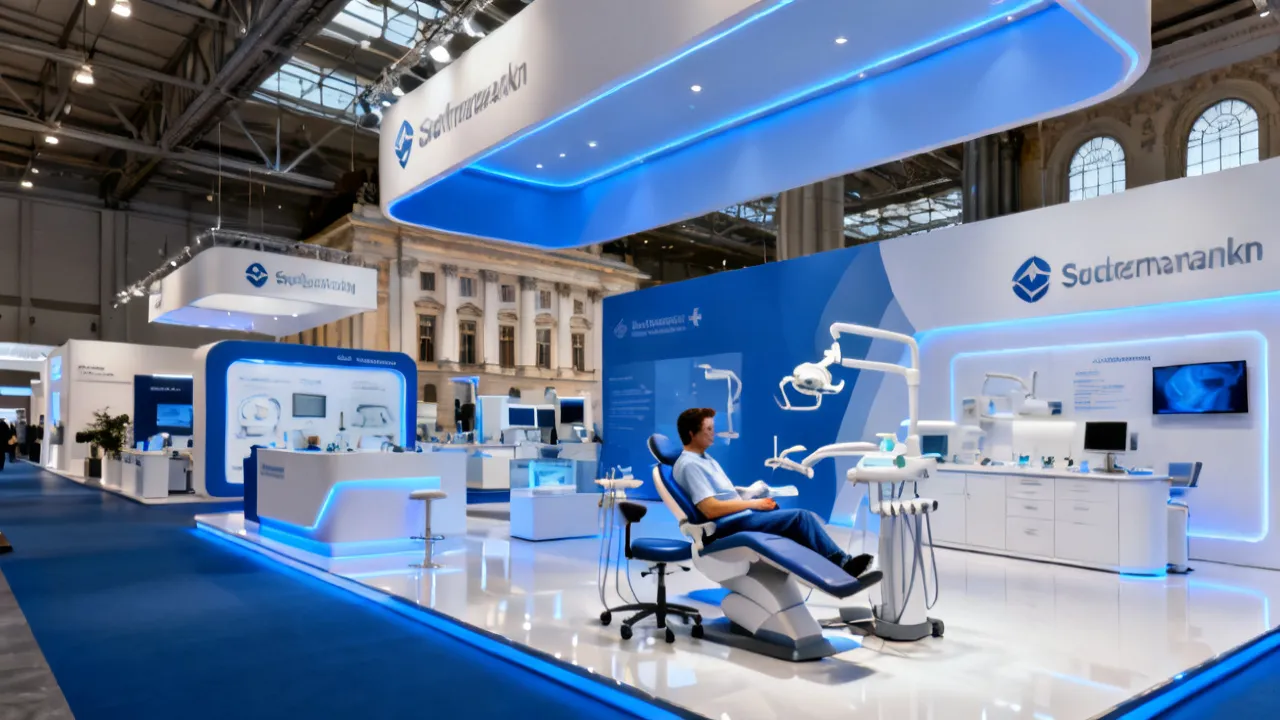
독일 Ids generally refers to the International Dental Show, widely known as IDS, one of the most significant professional exhibitions for dentistry and dental technology. The event takes place in Cologne and serves as a meeting point for dental practitioners, dental laboratory professionals, manufacturers, distributors, educators, researchers, and investors. Rather than functioning as a consumer-oriented exhibition, IDS is primarily a business and professional platform where participants assess equipment, compare suppliers, discuss clinical workflows, and monitor changes in dental technology.
For an industry professional, the importance of IDS lies less in the size of the exhibition hall and more in the concentration of decision-makers and technical information. A visitor may be able to compare several intraoral scanners in one day, speak directly with technical representatives, examine milling systems, review infection-control equipment, and observe demonstrations of digital planning software. This concentrated environment can make the event valuable for practices and laboratories that are preparing a major investment or reviewing their long-term technology strategy.
IDS also provides a useful lens through which to understand the structure of the dental market. The exhibition connects clinical dentistry with laboratory production, manufacturing, software development, materials science, infection prevention, education, and regulatory affairs. As a result, the show is not limited to instruments or chairs. Its scope includes the complete workflow from diagnosis to treatment planning, production, delivery, maintenance, and documentation.
The official event structure, exhibitor information, and professional announcements should be checked through Koelnmesse and the Association of the German Dental Industry, commonly associated with the German abbreviation VDDI. Dates, admission rules, hall layouts, professional programs, and exhibitor participation may change between editions, so current information should always be confirmed through official event materials before travel or purchasing decisions.
Why IDS Matters to Dental Practices and Laboratories
Dental technology decisions often involve several layers of cost and operational impact. A scanner, CAD/CAM system, imaging unit, or sterilization device can affect staff training, room layout, patient communication, maintenance, and the relationship between a clinic and its laboratory partners. IDS offers a setting in which these issues can be examined together rather than considered as isolated purchases.
From an expert perspective, the most valuable outcome of attending IDS is usually not the collection of brochures. It is the development of a clearer purchasing framework. A practice owner can identify the clinical problem that needs to be solved, compare the available workflow options, assess integration requirements, and ask suppliers questions that are difficult to answer through a website or short sales call.
For example, a practice considering an intraoral scanner should not evaluate image quality alone. It should also consider the scanning software, export formats, laboratory compatibility, subscription arrangements, technical support, training requirements, data ownership, and the time required for routine use. Similarly, a laboratory reviewing a milling system should examine material compatibility, calibration, maintenance, production capacity, software integration, service response, and the skills required of technicians.
IDS can support this type of evaluation because competing suppliers frequently present their solutions in the same broad product environment. However, visitors should remain cautious. Exhibition demonstrations are often carefully prepared, and a short demonstration cannot represent every clinical or laboratory condition. The most reliable approach is to use the exhibition for initial comparison and then conduct structured due diligence after returning to the practice or laboratory.
The Main Product Categories at IDS
The exhibition normally covers a wide range of dental products and services. The exact classification may vary by edition, but the following categories provide a practical overview of what visitors may encounter.
| Category | Typical Topics | Key Evaluation Questions |
|---|---|---|
| Digital dentistry | Intraoral scanners, CAD/CAM software, digital planning, cloud platforms, and workflow management | Does the system integrate with existing software, laboratories, and data-management procedures? |
| Dental laboratory technology | Milling machines, 3D printers, furnaces, scanners, design software, and laboratory materials | What materials, file types, service requirements, and production conditions are supported? |
| Clinical equipment | Dental units, treatment centers, operating lights, compressors, suction systems, and ergonomic accessories | Will the equipment fit the room, support the clinical workflow, and remain serviceable locally? |
| Imaging and diagnostics | Intraoral imaging, panoramic systems, cone-beam computed tomography, sensors, and imaging software | How are image quality, radiation protection, software compatibility, training, and maintenance addressed? |
| Materials and consumables | Restorative materials, impression materials, bonding systems, ceramics, alloys, and laboratory supplies | What are the intended indications, handling requirements, evidence base, and regulatory conditions? |
| Infection prevention | Autoclaves, washer-disinfectors, sterilization accessories, packaging, monitoring, and hygiene products | Does the solution align with applicable standards, documentation procedures, and staff capacity? |
| Orthodontics | Brackets, aligner workflows, digital planning, retainers, instruments, and laboratory services | What clinical oversight, case-management process, and technical support are available? |
| Practice management | Patient communication, scheduling, billing, imaging records, cybersecurity, and administrative software | How securely and efficiently does the system manage patient information and daily operations? |
The table is a starting point rather than a purchasing checklist. A product category can include technologies at very different levels of maturity. A newly introduced device may be technically interesting but less established in local service networks. A familiar system may have a strong support structure but offer fewer workflow innovations. The correct choice depends on the user’s clinical objectives, budget, staffing model, and regulatory environment.
Digital Dentistry as a Central Theme
Digital dentistry is one of the most visible themes associated with contemporary IDS editions. It includes far more than the conversion of a physical impression into a digital file. A digital workflow may connect diagnosis, treatment planning, patient communication, guided procedures, laboratory design, manufacturing, quality control, and archiving.
An intraoral scanner, for instance, may support patient education by displaying a three-dimensional representation of the dentition. It may also reduce the need for conventional impression materials in selected cases. Yet the clinical value depends on operator training, scanning strategy, moisture control, soft-tissue management, software performance, and the intended restorative or orthodontic application. It is therefore inappropriate to judge a scanner solely by its promotional demonstration.
Interoperability is another essential issue. Dental practices often use a combination of clinical-management software, imaging applications, laboratory portals, and accounting or scheduling tools. Visitors should ask whether systems use widely accepted file formats, whether exports are subject to restrictions, and whether additional fees apply to certain functions. They should also clarify how updates are delivered and what happens if a subscription ends.
Artificial intelligence is increasingly discussed across medical and dental technology. At IDS, visitors may encounter tools that assist with image analysis, treatment planning, documentation, or workflow automation. Such systems should be assessed according to their intended use, validation, regulatory status, human oversight requirements, and data-protection implications. An automated suggestion is not equivalent to an independent clinical diagnosis. The treating professional remains responsible for interpreting information within the appropriate clinical context.
For practices considering digital adoption, a phased approach is often more practical than a complete transformation at once. A clinic might begin with digital impressions for selected restorative cases, assess laboratory communication, train staff, and review patient acceptance before expanding into additional applications. This approach generates operational evidence and reduces the risk of purchasing a system that does not fit the practice’s actual workflow.
Digital adoption also changes the responsibilities of the dental team. Clinicians must understand scanning limitations and quality checks, assistants may manage equipment preparation and file transmission, and administrators may need to oversee licenses, user accounts, and vendor communication. A technology investment is more likely to succeed when the practice treats implementation as a team project rather than assigning all responsibility to one enthusiastic user.
Dental Laboratory Technology and Production Workflows
Dental laboratories frequently attend IDS to examine equipment, materials, and production systems. Laboratory technology can influence turnaround times, quality-control procedures, staffing requirements, and the range of restorations a facility can produce internally. It can also alter the relationship between a laboratory and external manufacturing partners.
CAD/CAM systems deserve careful analysis because the apparent machine specification is only one part of the overall workflow. A laboratory should review scanner performance, design software, nesting tools, milling strategies, compatible blanks, finishing procedures, dust management, calibration, and service support. A machine that appears productive in a demonstration may require additional personnel, specialized maintenance, or process controls that affect the total cost of ownership.
Three-dimensional printing is another area in which visitors should distinguish between technical possibility and routine clinical suitability. Printers may be used for models, surgical guides, temporary applications, orthodontic appliances, denture components, or other laboratory purposes, depending on the material and regulatory authorization. The printer itself is only one component. Post-processing equipment, validated cleaning, curing, resin handling, software, ventilation, quality checks, and documentation are also important.
Materials selection requires particular care. Ceramics, polymers, metals, composites, and resins are designed for specific indications and processing methods. A material’s appearance or ease of use does not establish that it is appropriate for every restoration. Laboratory professionals should request technical documentation, intended-use information, processing instructions, compatibility details, and evidence supporting the proposed application.
An effective IDS visit for a laboratory therefore includes both technical and operational questions. The visitor should ask how the equipment behaves during routine production, how failures are diagnosed, whether replacement parts are available, how software updates are managed, and which responsibilities remain with the user. A supplier that provides clear answers on maintenance and quality control may be more valuable than one that focuses only on headline specifications.
Laboratories should also consider production resilience. If a printer, furnace, or milling unit becomes unavailable, can cases be redirected to another machine or external partner? Are digital files stored in a way that permits recovery? Does the laboratory have a documented backup process for critical components? A resilient workflow may justify a slightly higher investment if it reduces the risk of extended delays and emergency outsourcing.
How to Prepare for an IDS Visit
Preparation determines whether a trade-show visit becomes a strategic exercise or an exhausting walk through exhibition halls. The first step is to define the purpose of attendance. A visitor may be seeking a scanner, evaluating a new laboratory workflow, comparing imaging systems, looking for distribution partners, studying infection-control solutions, or gathering information for a future renovation.
Once the purpose is clear, the visitor should create a short list of priority topics. Three to five objectives are usually easier to manage than an ambitious plan to inspect every product category. The list might include:
- Comparing two or three digital impression workflows.
- Reviewing equipment suitable for a planned treatment-room renovation.
- Assessing laboratory production options for selected restorations.
- Understanding software integration and data-export conditions.
- Identifying suppliers with dependable service coverage in the buyer’s operating region.
Visitors should also prepare technical information about their current environment. Relevant details may include the existing practice-management software, imaging systems, laboratory processes, network structure, room dimensions, electrical requirements, staff skills, and expected case volume. Suppliers can provide more useful answers when they understand the context in which a product would be installed.
A written question list is particularly helpful. Suggested questions include:
- What clinical or laboratory indications is the product designed to support?
- Which parts of the workflow require an ongoing subscription or service agreement?
- What file formats can be imported and exported?
- What training is included, and what additional training is recommended?
- How long does installation normally take?
- What maintenance is required, and who performs it?
- How are software updates, cybersecurity, and data backups handled?
- What documentation is supplied for regulatory and quality-management purposes?
- What is the expected response process if the equipment stops working?
Appointments can be useful when a visitor has a specific project. They are not always necessary for general exploration, but a scheduled meeting allows the supplier to arrange a product specialist, prepare technical specifications, and discuss commercial conditions. Visitors should leave time between appointments because large exhibitions involve substantial walking, queues, demonstrations, and unexpected conversations.
It is also useful to divide the visiting team’s responsibilities. One person may focus on clinical performance, another on technical integration, and another on pricing and contracts. After each meeting, the team can record a short rating based on predetermined criteria. This prevents every product from being judged according to the same vague impression of enthusiasm or visual appeal.
Step-by-Step Guide to Evaluating Suppliers
The following process can help professionals move from initial interest to a more reliable purchasing decision.
Step 1: Define the operational problem
Begin with the problem rather than the product. The issue may be inconsistent impressions, limited laboratory capacity, inadequate sterilization documentation, inefficient scheduling, or insufficient imaging capability. A clearly defined problem makes it easier to distinguish a meaningful solution from an attractive but unnecessary feature.
Step 2: Identify the users
Determine who will operate, maintain, and supervise the technology. A system used by dentists may require a different interface and training model from one used primarily by laboratory technicians. Include dental assistants, hygienists, technicians, practice managers, and information-technology staff where relevant.
Step 3: Establish technical requirements
Write down the minimum requirements before visiting suppliers. These may concern compatibility, room dimensions, network access, imaging protocols, materials, output formats, sterilization procedures, or integration with existing systems. Separating essential requirements from desirable features prevents the evaluation from being dominated by presentation quality.
Step 4: Compare complete workflows
Evaluate the steps before and after the product’s main function. For a scanner, this includes patient preparation, scanning, file review, case submission, laboratory communication, corrections, and archiving. For a sterilizer, it includes loading, cycle selection, monitoring, recordkeeping, unloading, and instrument storage. A complete workflow comparison is more informative than a single product demonstration.
Step 5: Review compliance and documentation
Ask for the documentation needed to understand intended use, safety, maintenance, and regulatory status. Depending on the product and market, this may include conformity information, instructions for use, technical files, cleaning guidance, material specifications, and quality-control recommendations. Buyers should consult qualified regulatory or legal professionals when the product has complex compliance implications.
Step 6: Examine service support
Service can determine whether a technology remains useful after installation. Ask who provides technical assistance, where service personnel are located, how spare parts are supplied, and whether remote support is available. Clarify the handling of equipment failure, software faults, calibration problems, and warranty claims.
Step 7: Calculate total ownership cost
The purchase price is only one component of expenditure. Include installation, training, consumables, software licenses, subscriptions, maintenance, calibration, accessories, renovations, data storage, insurance, and staff time. A lower initial price may not produce a lower long-term cost if the system requires frequent consumables or extensive external support.
Step 8: Request a practical trial or reference discussion
Where possible, arrange a demonstration in a working practice or laboratory environment. Speak with users who have operated the system beyond the exhibition setting. Ask about implementation difficulties, staff acceptance, service response, workflow changes, and the difference between expected and actual performance.
Step 9: Document the comparison
Record supplier names, product versions, technical questions, answers, estimated costs, and follow-up commitments. Photographs of booth materials may be useful, but written notes are essential because many products can appear similar after several hours of presentations.
Step 10: Make the decision after review
Do not treat exhibition enthusiasm as a purchasing deadline. Review proposals with the people who will use the technology, confirm the commercial terms in writing, and verify that the selected product meets the original operational requirements. A short delay for careful evaluation can prevent a much longer period of disruption.
Conditions and Requirements for Responsible Purchasing
Purchasing dental technology requires more than comparing brands. The buyer must ensure that the product is appropriate for the intended use and legally marketable in the relevant jurisdiction. Requirements vary according to the product type, location, intended application, and applicable regulatory framework.
Clinical devices may be subject to medical-device rules, electrical-safety requirements, radiation-protection obligations, infection-control standards, or professional licensing conditions. Imaging equipment may require specialized installation and staff training. Materials may have specific indications and handling requirements. Software that processes patient information may create obligations concerning privacy, cybersecurity, access control, and data retention.
Before signing an order, buyers should confirm:
- The product’s intended use and authorized applications.
- The identity and responsibilities of the manufacturer, importer, distributor, and service provider.
- The availability of instructions and technical documentation in an appropriate language.
- Installation requirements, acceptance testing, and staff training.
- Maintenance, calibration, and quality-control responsibilities.
- Software licensing, data ownership, export rights, and backup procedures.
- Warranty coverage, exclusions, response procedures, and replacement arrangements.
- Consumable availability and compatibility with future product updates.
- Contract terms concerning delivery, payment, cancellation, and dispute resolution.
These conditions are particularly important for international buyers. A product displayed in Cologne may not be distributed, serviced, or authorized in the same way in another market. Buyers should obtain local advice when importing equipment or materials and should not assume that an exhibition presentation constitutes regulatory approval in every jurisdiction.
Practices should additionally examine the effect of the purchase on professional liability. If a software system supports diagnosis, treatment planning, or automated design, the practice should establish who reviews the output and how decisions are documented. A clear internal procedure can reduce confusion when different clinicians use the same platform in different ways.
Understanding Pricing Without Relying on Headline Offers
IDS does not represent a single product with a single price. Costs vary widely according to category, configuration, accessories, software, training, service, and regional distribution. Exhibition conversations may provide preliminary commercial guidance, but a formal quotation is necessary for meaningful comparison.
When comparing proposals, request an itemized structure. The quote should distinguish the base equipment from optional modules, installation, delivery, taxes, training, maintenance, consumables, software access, and extended support. For digital systems, clarify whether the quoted amount covers a perpetual license, a recurring subscription, or a combination of both.
Dental practices should also consider the effect of implementation on productivity. Staff training may temporarily reduce available appointment capacity. Room modifications may interrupt operations. A laboratory may need to adjust design protocols or retrain technicians. These indirect effects should be considered in the implementation plan even if they do not appear as separate invoice items.
An industry expert would generally recommend comparing at least three dimensions: clinical suitability, operational fit, and financial sustainability. A product that performs well technically but cannot be maintained locally may be a poor investment. Conversely, a system with modest specifications may be appropriate if it is reliable, compatible, and well supported.
Financial analysis can include a basic break-even calculation. For example, a practice introducing a scanner may estimate the number of cases required to offset the equipment and training costs after considering laboratory fees, impression-material savings, staff time, and possible reductions in remakes. Such calculations should use realistic case volumes rather than optimistic projections based on the supplier’s busiest reference site.
Professional Networking and Education
Networking is an important part of IDS, but it should be approached with a specific purpose. Manufacturers and distributors can explain product developments, while practitioners and laboratory professionals can provide practical observations. Educators and researchers may offer a broader perspective on evidence, training, and future directions.
Visitors can improve the quality of professional conversations by introducing themselves clearly and stating their area of interest. A laboratory technician evaluating digital production will have different questions from a practice manager reviewing patient-management software. Focused discussions are more likely to produce useful follow-up information than general exchanges based only on product slogans.
Educational sessions should also be assessed critically. A presentation may describe a workflow, clinical technique, or technology trend, but attendees should distinguish between educational content, commercial promotion, and evidence-based guidance. When a claim could influence patient care, it should be examined against peer-reviewed research, recognized professional guidance, and the product’s approved intended use.
The event may also help international visitors understand how professional dentistry is organized in European markets. Cologne’s trade-fair culture, efficient public transport, multilingual business environment, and strong connection to manufacturing and engineering make it a practical setting for international exchange. Visitors often combine exhibition attendance with meetings at laboratories, distributor offices, or educational institutions in the surrounding region.
Networking can be valuable even when it does not lead directly to a purchase. A conversation with a distributor may reveal service conditions in a particular country, while a discussion with a laboratory may identify collaboration opportunities. Manufacturers may also be seeking feedback from users before expanding a product into new applications. Professional contacts should be recorded with permission and followed up respectfully after the event.
Planning Travel to Cologne
Cologne is a major European city with a long commercial and cultural history. The Cologne Cathedral, the Rhine promenade, the Old Town, and museums such as the Museum Ludwig are well-known landmarks. These sites can provide a useful cultural contrast to the highly technical atmosphere of the exhibition halls.
Travel planning should account for the scale of the event. Comfortable footwear, a portable charger, organized meeting notes, and a realistic daily schedule are practical necessities. Public transportation can be useful for moving between accommodation, the exhibition grounds, and central Cologne, although visitors should verify current routes and event-related travel arrangements before departure.
Business etiquette in Germany often places value on punctuality, preparation, and clear documentation. Arriving on time for a scheduled meeting, bringing concise technical questions, and confirming next steps in writing can create a positive impression. English is widely used in international trade settings, but learning a few simple German expressions can still be courteous. “Guten Morgen” is appropriate in the morning, “Guten Tag” is a general daytime greeting, and “Danke” means thank you.
Visitors should also plan for privacy and data security. If discussing patient cases, use anonymized information and avoid displaying identifiable records in public areas. Devices containing confidential data should be protected with appropriate access controls. These precautions are important at any professional exhibition, especially one attended by international participants and multiple commercial organizations.
Accommodation should be reserved early when attendance is expected to be high. Hotels near the exhibition grounds can be convenient, but locations in central Cologne or nearby cities may offer more choices and can still be practical when public transportation is available. International visitors should check passport, visa, insurance, payment, and mobile-connectivity requirements well before departure.
How to Distinguish Innovation from Market Presentation
Trade shows are designed to attract attention. Bright displays, live demonstrations, polished videos, and confident product claims are normal features of the exhibition environment. They can help visitors understand a technology, but they can also make comparison difficult.
A disciplined evaluation separates four questions:
- What does the product claim to do? This identifies the supplier’s stated function and intended use.
- What evidence supports the claim? This may include technical testing, clinical studies, regulatory documentation, or user experience.
- Under what conditions does it work? Performance may depend on materials, operator training, software versions, environmental conditions, or specific case types.
- What happens in routine operation? This covers maintenance, errors, support, consumables, staff workload, and integration.
For example, a supplier may emphasize rapid scanning, automated design, or simplified production. The buyer should ask how the result is measured, whether the claim applies to all cases, and what manual checks remain necessary. This does not mean rejecting innovation. It means placing innovation within a realistic clinical and operational framework.
Reliable decisions are strengthened by independent information. Potential sources include official regulatory publications, peer-reviewed dental research, recognized professional associations, manufacturer instructions for use, and formal technical documentation. Industry news can identify trends, but it should not be the sole basis for patient-care or capital-investment decisions.
Visitors should be particularly careful with comparisons that use different definitions. “Accuracy,” “speed,” “productivity,” and “automation” may be measured under different conditions by different companies. Asking for the testing method, sample size, case type, and software version can reveal whether two claims are genuinely comparable.
Data Protection and Cybersecurity in Digital Dentistry
Digital dental systems process sensitive information, including images, scans, treatment plans, identity details, and communication records. Cybersecurity should therefore be part of the purchasing discussion from the beginning rather than an issue addressed after installation.
Visitors should ask where data are stored, how they are transferred, who can access them, and how accounts are managed. If a cloud platform is involved, clarify the hosting arrangement, backup process, service availability, breach-notification procedures, and data-export options. A practice should also understand how information can be retrieved if it changes software providers.
Technical safeguards may include strong authentication, role-based permissions, encryption, network segmentation, routine updates, secure backups, and staff awareness training. The exact measures should reflect the system and applicable law. Manufacturers can describe the technical architecture, but the practice remains responsible for implementing suitable internal policies and access procedures.
Cybersecurity also applies to connected equipment. Imaging devices, scanners, printers, milling systems, and practice-management platforms may communicate across a network. Before installation, the practice’s technical administrator or external information-technology provider should review connectivity requirements, update policies, and possible conflicts with existing systems.
Data portability deserves special attention. A practice should not assume that access to a dashboard is the same as ownership of usable patient records. Before purchasing, ask whether scans and images can be exported in standard formats, whether metadata are retained, and whether exports remain available after a contract ends. These questions protect the organization’s continuity if the supplier changes its platform or business model.
Environmental and Resource Considerations
Dental organizations increasingly examine the environmental effects of equipment, materials, packaging, energy consumption, and waste management. IDS can help visitors identify suppliers that provide information about product durability, repairability, energy use, packaging, and material disposal.
Environmental assessment should remain specific and evidence-based. A digital workflow may reduce the use of certain impression materials in some cases, but it also involves electronic equipment, software infrastructure, electricity, and consumable components. A three-dimensional printing process may offer production advantages while generating resin-related waste that requires controlled handling. The correct assessment depends on the entire lifecycle rather than one feature.
Buyers can ask suppliers about equipment lifespan, replacement parts, refurbishment, recycling arrangements, packaging reduction, and disposal instructions. They can also review whether a proposed workflow reduces repeated remakes or transportation without creating additional quality problems. Operational efficiency and environmental responsibility can support each other when they are measured carefully.
Resource planning also includes water, compressed air, suction, and sterilization energy. A treatment center or laboratory system may require infrastructure that affects long-term consumption. When comparing equipment, consider not only the purchase price but also operating efficiency, maintenance-related waste, and the availability of repair rather than complete replacement.
Common Mistakes Made by First-Time Visitors
First-time visitors often try to cover too much territory. The scale of IDS can make it tempting to collect information from every hall, but excessive volume can reduce the quality of evaluation. A focused itinerary generally produces more useful results.
Another common mistake is failing to involve the people who will operate the technology. A purchase made solely by senior management may encounter resistance if assistants, technicians, or clinicians were not consulted. Staff involvement also reveals practical issues that may not be obvious during a sales presentation.
Visitors sometimes overlook recurring costs. Software subscriptions, consumables, service agreements, calibration, and training can materially affect the financial outcome. These items should be documented before comparing products.
A further mistake is assuming that compatibility is automatic. Two systems may both be described as digital but still require additional software, conversion steps, or manual intervention. File formats, export restrictions, integration fees, and data-management policies should be confirmed in writing.
Finally, visitors may rely too heavily on exhibition impressions. A confident representative and attractive display can create positive momentum, but the final decision should be based on documented requirements, independent review, total cost, compliance, and service capacity.
Another avoidable error is failing to distinguish between a product launch and a product that is ready for immediate routine use. New systems can be promising, but early adopters may encounter software revisions, limited training materials, or a smaller service network. This does not make new technology unsuitable; it means the buyer should understand the level of implementation risk and plan accordingly.
Recommended Follow-Up After the Exhibition
The value of IDS continues after the visitor leaves Cologne. Within a few days, organize notes by product category and business objective. Remove duplicate information and identify unanswered questions. Group suppliers according to whether they are suitable for immediate consideration, future monitoring, or general market awareness.
Request formal proposals from the most relevant suppliers. Ask each supplier to use a comparable structure so that prices, services, support, and implementation requirements can be assessed fairly. If the project is substantial, involve a procurement adviser, clinical specialist, laboratory manager, or information-technology professional as appropriate.
Arrange demonstrations in the actual practice or laboratory when possible. A real environment reveals room constraints, network limitations, staff workflow, and patient-management issues. It may also show whether the supplier’s training approach is practical for the organization.
Before implementation, prepare a written project plan. It should cover installation, staff training, data migration, workflow testing, quality checks, contingency procedures, and performance review. Establish measurable objectives, such as reducing remakes, improving documentation, increasing production consistency, or simplifying communication with laboratories. The objective should relate to patient care or organizational performance rather than technology adoption alone.
After implementation, review the outcome at defined intervals. Ask users what is working, where errors occur, and which training gaps remain. Compare actual operating costs with the original estimate. A structured review helps the organization gain the intended value and provides evidence for future investment decisions.
Follow-up should also include supplier accountability. If a representative promised a technical document, reference contact, trial period, or service quotation, record the commitment and request it within an agreed timeframe. Clear follow-up reduces misunderstandings and helps distinguish suppliers that provide reliable support from those that are focused only on closing a sale during the exhibition.
FAQs About 독일 Ids
What is 독일 Ids?
독일 Ids is a common search expression for IDS, the International Dental Show associated with Cologne. It is a professional dental and dental-technology exhibition where manufacturers, distributors, clinicians, laboratory professionals, educators, and business representatives meet to examine products, workflows, and industry developments.
Who should attend IDS?
Dental practitioners, dental assistants, hygienists, orthodontic teams, dental technicians, laboratory managers, practice owners, distributors, educators, and procurement professionals may all find the event relevant. The best reason to attend is a defined professional objective, such as evaluating equipment, studying workflows, meeting suppliers, or developing business relationships.
Is IDS intended for the general public?
IDS is primarily a trade and professional event. Admission policies and eligibility conditions can vary, so prospective visitors should review the official registration information for the relevant edition. Product demonstrations and discussions are generally oriented toward professional use rather than consumer purchasing.
What should a dental practice compare at IDS?
A practice should compare clinical suitability, workflow integration, staff training, maintenance, data security, regulatory documentation, recurring costs, and local service support. Product specifications are useful, but they should be evaluated alongside the practical conditions of the individual practice.
How can laboratories prepare for the event?
Laboratories should define their production priorities, identify current bottlenecks, document existing software and equipment, and prepare questions about materials, file formats, calibration, maintenance, workflow capacity, and service response. Bringing a technician or laboratory manager can improve the quality of technical discussions.
Are products displayed at IDS automatically approved for every market?
No. A product’s presence at an exhibition does not establish that it is authorized for every jurisdiction or every intended use. Buyers must verify applicable regulatory requirements, manufacturer documentation, local distribution arrangements, and professional obligations before purchasing or using a product.
How should visitors assess artificial intelligence in dental products?
Visitors should ask what the system is designed to do, what evidence supports its performance, what data it uses, how results are reviewed by a clinician, and what regulatory conditions apply. AI-generated suggestions should be treated as decision-support information unless the product’s authorized use states otherwise.
What are the most important questions for digital systems?
Ask about interoperability, file formats, data ownership, cloud hosting, subscription terms, backup procedures, cybersecurity, software updates, training, and technical support. These factors can influence the long-term usefulness of a digital system as much as its scanning or design performance.
Should a buyer make a purchase decision during IDS?
An exhibition may be an appropriate place to begin commercial discussions, but significant purchases should normally follow a structured review. Obtain a formal quotation, verify documentation, arrange a practical demonstration, evaluate service support, and confirm total ownership cost before signing a contract.
What is the most effective way to benefit from IDS?
Define objectives before arrival, schedule priority meetings, take organized notes, compare complete workflows, and follow up promptly. The strongest results come from treating IDS as part of a broader evaluation process rather than as a one-day shopping experience.
Conclusion
독일 Ids, understood as the International Dental Show in Cologne, offers a concentrated view of dental technology, laboratory production, clinical equipment, digital workflows, infection prevention, and professional services. Its value is greatest when visitors arrive with clear objectives and evaluate products according to evidence, intended use, integration, compliance, service, and total ownership cost.
The exhibition can introduce a practice or laboratory to new possibilities, but responsible decision-making begins after the demonstration. Professionals should compare complete workflows, involve end users, review regulatory and cybersecurity requirements, obtain detailed proposals, and test whether a proposed system solves a genuine operational problem. Used in this way, IDS becomes more than a showcase of equipment: it becomes a structured opportunity to improve clinical processes, laboratory collaboration, and long-term planning within the dental sector.