독일 Ids: A Professional Guide to Dental Trade Shows
This guide explains 독일 Ids, commonly used to refer to the International Dental Show in Cologne, and examines its role in dental technology, procurement, education, and professional networking. It outlines the exhibition’s typical product categories, visitor planning considerations, supplier evaluation methods, regulatory questions, and practical preparation steps. The article also provides an objective framework for comparing exhibitors and assessing whether attending the event aligns with a dental practice, laboratory, distributor, or healthcare technology business.
Understanding 독일 Ids
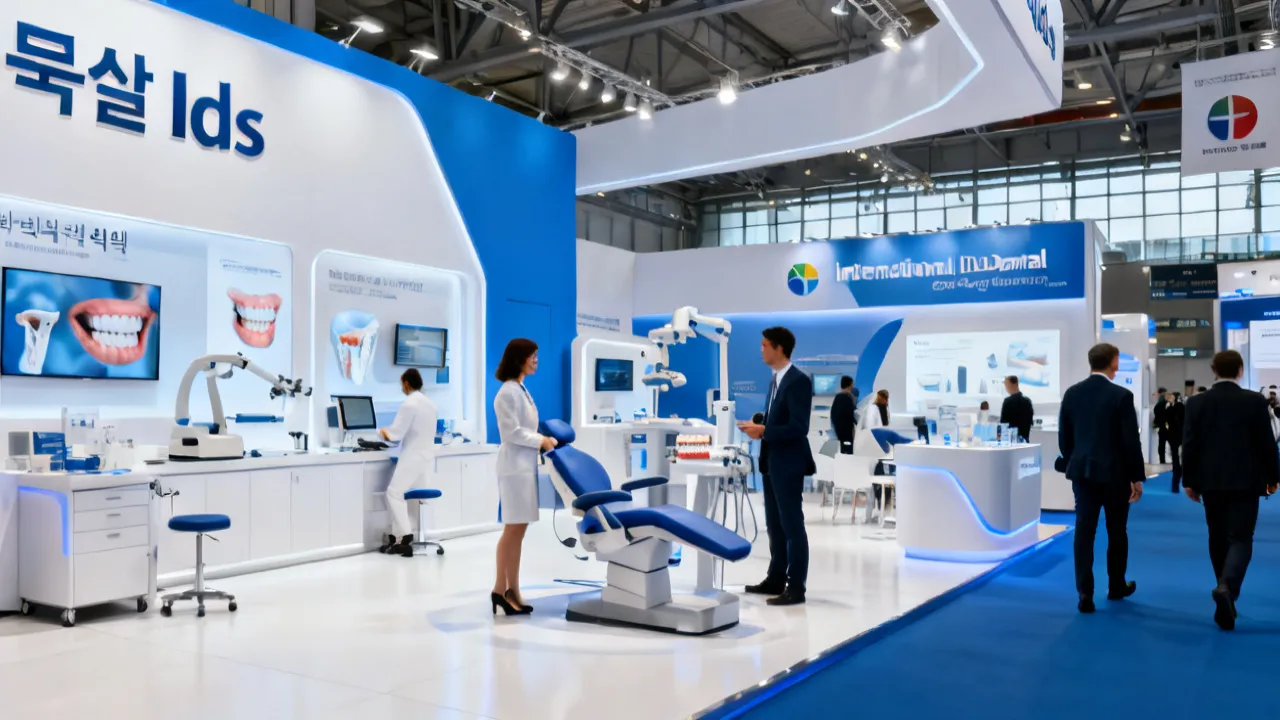
The term 독일 Ids is commonly used in Korean-language searches to describe the International Dental Show, usually abbreviated as IDS. Held in Cologne, Germany, IDS is one of the most recognized international events for the dental sector. It brings together manufacturers, distributors, dental laboratories, clinicians, educators, software companies, equipment specialists, and other stakeholders involved in oral healthcare.
For professionals evaluating dental products, 독일 Ids is more than a large exhibition. It is a concentrated environment for comparing technologies, observing demonstrations, discussing regulatory requirements, examining workflow changes, and building commercial relationships. The event can be particularly valuable for visitors who want to understand how products fit into a complete clinical or laboratory process rather than assessing each item in isolation.
Its importance comes from the breadth of the dental industry represented under one roof. Visitors may encounter imaging systems, CAD/CAM equipment, laboratory materials, dental units, infection-control products, orthodontic solutions, implants, instruments, practice-management software, digital workflow platforms, and education services. Because product launches and demonstrations often occur alongside established product lines, the exhibition can provide a broad view of current market direction.
IDS is associated with Cologne’s Koelnmesse exhibition grounds and is traditionally organized in cooperation with the Association of the German Dental Industry, known by the German acronym VDDI. Dates, halls, exhibitor lists, registration arrangements, and access policies can change from one edition to another. Visitors should therefore confirm operational details through the official event organizer and the relevant exhibitor before making travel or purchasing decisions.
The event is also significant because it connects different parts of the dental supply chain. A clinician may see a new scanning system, while a laboratory technician learns how that scanner’s files connect to a design platform and a manufacturing device. A distributor may discover a product that requires localized training and regulatory support. A software provider may establish partnerships with equipment manufacturers. These connections help explain why IDS remains influential even as purchasing, demonstrations, and professional networking increasingly occur online.
Why 독일 Ids Matters to Dental Professionals
From an industry perspective, the greatest value of 독일 Ids lies in direct comparison. A product brochure may describe technical specifications, but an exhibition allows visitors to see the interface, ask implementation questions, observe a demonstration, and compare competing approaches during the same visit. This is useful when the purchase involves a significant investment or affects the daily workflow of an entire practice or laboratory.
The event also helps professionals separate product categories from individual brands. For example, a visitor considering intraoral scanning can compare scanning speed, software integration, file formats, maintenance requirements, training arrangements, and laboratory compatibility. Someone evaluating a milling system can examine material options, production capacity, software dependencies, calibration procedures, and service coverage. These discussions can reveal practical differences that are not immediately visible in marketing materials.
Clinicians may attend to review treatment technologies, instruments, imaging systems, ergonomics, and infection-control procedures. Dental laboratory owners may focus on scanners, milling units, sintering equipment, ceramics, resins, workflow software, and outsourcing partnerships. Distributors may examine territory arrangements, documentation, product training, logistics, and after-sales support. Students and educators may use the exhibition to understand the relationship between clinical education and commercial technology.
However, a large exhibition should not automatically be interpreted as a recommendation for every product displayed. Presence at a trade show confirms that a company is exhibiting; it does not independently validate a product’s clinical performance, regulatory status, durability, or suitability for a particular healthcare environment. Professional judgment remains essential.
IDS can also help organizations understand the maturity of a technology. Some products are established and supported by extensive user experience, while others are relatively new and may require additional validation. An attractive demonstration can generate interest, but buyers should ask how long the product has been commercially available, how many installations exist in comparable settings, how updates are managed, and whether the manufacturer has a reliable post-market support process.
What Visitors Typically Find at the Exhibition
The product mix at 독일 Ids generally reflects the full dental value chain. Categories may vary by edition, but the following areas are commonly relevant to professional visitors.
| Category | Typical Examples | Key Evaluation Questions |
|---|---|---|
| Digital dentistry | Intraoral scanners, CAD/CAM software, design platforms, cloud workflow tools | Does the system integrate with existing equipment, export standard files, and support the intended workflow? |
| Dental laboratory technology | Laboratory scanners, milling machines, furnaces, printers, materials, and finishing systems | What are the production requirements, material limitations, maintenance needs, and training obligations? |
| Imaging and diagnostics | Intraoral imaging, panoramic systems, cone-beam computed tomography, sensors, and software | What are the installation conditions, image-management requirements, compliance responsibilities, and service arrangements? |
| Clinical equipment | Dental units, operating lights, delivery systems, stools, compressors, and suction equipment | Will the equipment fit the treatment room, support ergonomics, and work with existing utilities? |
| Instruments and consumables | Hand instruments, rotary instruments, endodontic products, restorative materials, and impression materials | How are products used, sterilized, stored, reordered, and documented in routine practice? |
| Implantology and oral surgery | Implant systems, surgical instruments, membranes, bone substitutes, and planning software | What training, documentation, clinical evidence, and traceability systems support the product? |
| Orthodontics | Brackets, aligner-related systems, wires, retainers, scanners, and treatment-planning software | How does the solution fit diagnosis, planning, manufacturing, monitoring, and patient communication? |
| Practice management | Scheduling, billing, patient communication, electronic records, cybersecurity, and analytics software | How are data protection, interoperability, user access, backup, and technical support handled? |
| Hygiene and infection control | Cleaning devices, sterilizers, packaging systems, disinfectants, and monitoring tools | Does the equipment support applicable reprocessing procedures and provide appropriate documentation? |
In addition to equipment and materials, visitors may encounter professional services, training providers, financing companies, logistics specialists, and organizations focused on laboratory outsourcing or continuing education. These services can be important because technology adoption is rarely limited to the physical product. A practice may need workflow consulting, staff training, installation planning, software migration, or a new maintenance arrangement before a purchase becomes useful.
Visitors should also distinguish between products intended primarily for clinical use and those intended for laboratory, educational, or research applications. The intended user, operating environment, and regulatory classification may differ even when two products appear similar. Asking the exhibitor to explain the intended purpose and limitations is therefore a basic but important part of the evaluation process.
Digital Dentistry as a Central Theme
Digital dentistry is one of the most visible themes associated with modern IDS editions. Its development has affected diagnosis, treatment planning, restoration design, laboratory production, communication with patients, and collaboration between clinics and laboratories. Nevertheless, digital adoption is not simply a matter of purchasing a scanner or installing software. It involves data standards, staff training, file management, cybersecurity, equipment maintenance, and workflow redesign.
An industry expert assessing a digital solution would begin with the intended use rather than the device’s headline specification. A practice that wants to send scans to several laboratories may prioritize open data export and broad compatibility. A laboratory operating a tightly integrated production environment may prefer a controlled ecosystem if it improves consistency and reduces manual steps. Neither model is universally superior. The appropriate choice depends on patient volume, staff skills, existing equipment, laboratory relationships, and investment capacity.
Visitors should ask whether a system exports commonly used file types, how updates are delivered, and whether additional fees apply to essential functions. They should also determine whether the software depends on a particular cloud environment, what happens if the internet connection is interrupted, and how data can be retrieved if the practice changes suppliers. These questions are especially important where a digital platform becomes embedded in patient records or laboratory production.
Demonstrations at 독일 Ids can be useful, but a demonstration is not the same as a validated workflow test. Visitors should request a structured trial or reference discussion when possible. A meaningful assessment might include scanning a variety of cases, exporting files, designing a restoration, transferring the case to a laboratory, and reviewing the final result. The goal is to assess the entire sequence, including points where staff may encounter delays or errors.
Digital workflows also require careful consideration of data ownership. The clinic or laboratory should understand whether it retains unrestricted access to patient and production files, whether the supplier stores data in the cloud, and what happens if the contract ends. Data portability should be discussed before adoption rather than after a disagreement or supplier change. Buyers should ask whether file export is available in a practical format and whether export fees, technical assistance, or special software are required.
Cybersecurity deserves equal attention. Connected devices and cloud platforms may involve user accounts, remote access, network connections, automatic updates, and third-party integrations. Ask how passwords are managed, how access is logged, how vulnerabilities are communicated, and how the supplier responds to a security incident. A digital dental workflow should be assessed not only for convenience and speed but also for reliability, privacy, and continuity.
How to Evaluate Exhibitors and Suppliers
Supplier evaluation should be systematic. The visual scale of a booth, the number of staff present, or the popularity of a demonstration may attract attention, but these factors do not establish whether a supplier is suitable for long-term cooperation. A professional assessment should cover product quality, documentation, regulatory position, service capability, commercial terms, and organizational stability.
First, identify the supplier’s role. Some companies manufacture products, some act as authorized distributors, and others provide software or services around products made by third parties. The contractual relationship matters because warranty responsibilities, technical support, complaint handling, and replacement procedures may differ.
Second, request product documentation appropriate to the category. Depending on the device or material, this may include instructions for use, declarations of conformity, safety information, technical specifications, cleaning and sterilization instructions, software documentation, or information on intended use. Documentation should be understandable to the personnel who will operate the product.
Third, examine service arrangements. A dental unit, imaging system, milling machine, sterilizer, or practice-management platform can affect daily operations. Ask about installation, commissioning, preventive maintenance, response times, spare parts, software support, and escalation procedures. If the supplier relies on a local service partner, clarify who is responsible for each stage.
Fourth, consider total cost rather than the initial quotation alone. A realistic assessment may include installation, training, consumables, service contracts, software subscriptions, calibration, upgrades, compatible accessories, shipping, customs treatment, and disposal obligations. A lower purchase price may not lead to a lower operating cost if the system requires proprietary materials or frequent service visits.
Finally, assess communication quality. A supplier that gives clear answers, distinguishes confirmed facts from future plans, and explains limitations is often easier to work with than one that relies only on broad claims. At a major exhibition, the quality of the conversation can be as informative as the product demonstration.
Buyers should also investigate supplier continuity. This does not require a complex financial audit for every purchase, but it is reasonable to ask how long the company has supported the product, whether local distribution is stable, and whether spare parts and software support are expected to remain available. A dental system may remain in service for many years, so the supplier’s ability to support the product after the initial sale is important.
Regulatory and Compliance Considerations
Regulatory review is essential when considering products displayed at a European dental trade show. The applicable requirements depend on the product’s classification, intended purpose, manufacturer location, distribution route, and the market in which it will be used. A visitor should not assume that exhibition display automatically means that a product is authorized for purchase or clinical use in every country.
Within the European Union, medical devices are governed by the Medical Devices Regulation, commonly referred to as Regulation (EU) 2017/745, while in vitro diagnostic devices fall under Regulation (EU) 2017/746. The European Commission provides official regulatory information, and national competent authorities may publish additional guidance. Requirements can include conformity assessment, technical documentation, post-market surveillance, vigilance, labeling, and the use of an appropriate conformity mark where applicable.
European regulatory status may not be sufficient for a product intended for another market. Korean purchasers, for example, should assess the requirements of the Korean Ministry of Food and Drug Safety, including product classification, import procedures, local representation where relevant, labeling, and advertising restrictions. A distributor should confirm the applicable process before committing to commercial importation.
For software and connected devices, compliance questions extend beyond medical-device status. Data protection, cybersecurity, access control, hosting location, backup, software updates, and incident response should be examined. If patient information will be transferred across borders, the clinic or laboratory must establish a legally and operationally appropriate data-handling process.
For imaging equipment and other technologies that may involve radiation, national rules concerning installation, operation, quality assurance, staff qualification, and patient protection may apply. The exact obligations depend on jurisdiction and equipment type. Professional buyers should consult the relevant authorities or qualified specialists rather than relying solely on a sales conversation.
An industry expert’s practical rule is simple: request documentation before signing a purchase agreement, not after delivery. If a supplier cannot explain the product’s intended use, responsible economic operator, documentation status, and support structure, the buyer should pause the evaluation.
Regulatory review should also include labeling and language. Instructions, warnings, maintenance information, and software interfaces may need to be available in a language appropriate to the market and users. A product that is technically suitable but supplied without usable local documentation can create training, safety, and compliance problems. Advertising claims should be reviewed separately from approved intended-use statements, especially when the product is marketed for clinical outcomes beyond its documented purpose.
Preparing for a Visit to 독일 Ids
Preparation determines whether a visit produces useful information or becomes an exhausting walk through exhibition halls. IDS can contain a large number of exhibitors and product demonstrations. Without a plan, visitors may collect brochures but return without a clear purchasing shortlist.
Step 1: Define the business problem
Begin with a specific operational question. Examples include reducing manual data entry, improving laboratory communication, replacing aging imaging equipment, expanding same-day restorative capacity, improving sterilization documentation, or standardizing materials across multiple treatment rooms. A defined problem creates a basis for comparison.
Step 2: Establish evaluation criteria
Decide which factors are essential and which are desirable. Criteria may include clinical performance, workflow compatibility, training, service availability, regulatory documentation, interoperability, installation requirements, consumable dependence, data protection, and total cost of ownership. Assigning priority levels prevents a visually impressive feature from overshadowing a critical operational requirement.
Step 3: Build an exhibitor shortlist
Review the official exhibitor information when it becomes available and group companies by product category. Schedule meetings with priority suppliers before arriving. Allow additional time for unscheduled discoveries, but protect appointments involving major investment decisions.
Step 4: Prepare technical questions
Questions should be specific. For a scanner, ask about file export, software updates, calibration, scan strategy, and integration with laboratories. For a sterilizer, ask about cycle validation, documentation, maintenance, loading limits, and compatibility with instruments. For practice software, ask about migration, user permissions, backup, cybersecurity, training, and data retrieval.
Step 5: Bring the right team
A purchasing manager may focus on price and contract terms, while a clinician notices treatment implications and a dental technician evaluates laboratory compatibility. If the decision affects multiple departments, bringing representatives from those departments can reduce the risk of adopting a system that works well for one group but creates difficulties for another.
Step 6: Create a documentation method
Use a consistent form for each supplier. Record the representative’s name, product model, intended use, key specifications, service terms, regulatory documents requested, estimated implementation time, and follow-up commitments. Photographing booth information can help with organization, provided that photography is permitted.
Step 7: Plan post-event verification
Do not make a major decision solely because of an exhibition conversation. After returning, compare documents, test compatibility, check references, obtain a formal quotation, and involve the staff who will use the system. A second-stage evaluation often reveals practical questions that were not apparent during the event.
Step 8: Plan the physical visit
Large exhibition grounds require practical planning. Visitors should review the venue map, identify entrances and meeting points, wear comfortable professional footwear, and allow time between appointments. A mobile phone, portable charger, notebook, business cards, and a method for organizing digital brochures can make the day more efficient. It is also useful to schedule regular breaks, because fatigue can reduce the quality of technical discussions later in the day.
Step 9: Separate research from negotiation
The first conversation with an exhibitor should normally focus on suitability and technical understanding. Negotiation may be more productive after the buyer has reviewed alternatives and clarified the exact configuration required. Visitors can indicate serious interest while avoiding premature commitments based on incomplete information.
Conditions and Requirements for Effective Procurement
Attending 독일 Ids can support procurement, but successful implementation depends on conditions beyond the exhibition floor. The buyer should consider whether the organization has the financial, technical, human, and regulatory capacity to adopt the chosen product.
| Requirement | What to Confirm | Why It Matters |
|---|---|---|
| Defined use case | The clinical, laboratory, or administrative problem the product is expected to solve | Prevents investment in technology that has no clear operational purpose |
| Infrastructure | Space, electrical supply, network access, ventilation, compressed air, drainage, or other installation needs | Reduces installation delays and unexpected building modifications |
| Staff capability | Training needs, responsible users, competency checks, and time allocated for adoption | Improves safe and consistent use after installation |
| Regulatory documentation | Intended use, conformity information, labeling, safety instructions, and local market requirements | Supports lawful procurement and responsible clinical operation |
| Interoperability | File formats, software integration, data migration, and compatibility with current systems | Limits duplicate work and supplier lock-in |
| Service coverage | Installation, maintenance, repairs, spare parts, software support, and response procedures | Protects continuity of practice or laboratory operations |
| Financial plan | Purchase price, operating costs, consumables, subscriptions, training, and renewal terms | Provides a more accurate view of long-term affordability |
| Data governance | Storage, access rights, backups, cybersecurity, retention, and cross-border transfers | Protects patient information and organizational continuity |
Implementation planning should identify an accountable project owner. This person can coordinate the supplier, clinical users, laboratory personnel, information-technology staff, infection-control team, and finance department. Without clear responsibility, installation decisions may be delayed and user concerns may remain unresolved.
A phased implementation may be preferable to an immediate organization-wide rollout. A practice can begin with one treatment room or a limited group of trained users, document problems, and adjust procedures before expanding. A laboratory can test a new material or production device on selected cases while maintaining an established backup workflow. This approach creates practical evidence and reduces disruption.
Understanding Pricing and Commercial Discussions
No specific price information is provided for 독일 Ids products, and exhibition quotations differ significantly by category, specification, market, and contract structure. Prices for clinical equipment, laboratory systems, software, materials, and services should therefore be treated as supplier-specific rather than generalized across the event.
Exhibition discussions are often exploratory. A displayed system may have multiple configurations, optional modules, installation packages, training levels, and service plans. The price of the core unit may not include accessories needed for routine operation. Buyers should request a written quotation that clearly separates the base product from optional components and recurring charges.
For imported equipment, the purchaser may also need to account for transportation, insurance, customs procedures, import duties where applicable, local taxes, installation, translation of documentation, and local compliance work. The commercial treatment depends on the transaction structure and destination country. A Korean purchaser should clarify whether the quotation is issued by the manufacturer, a European distributor, or a local representative, and which party is responsible for import formalities.
Software deserves particular attention because the initial license may not represent the full cost. Recurring subscriptions, cloud storage, support, user seats, updates, integrations, data migration, and termination procedures can materially influence the long-term budget. Ask whether essential functionality continues if a subscription ends and how data can be exported.
For consumables and proprietary materials, calculate expected usage over a realistic period. A device with attractive initial pricing may require a narrow range of branded materials. Conversely, a system with a higher initial price may provide broader material flexibility or stronger service infrastructure. The correct comparison is based on the organization’s actual workflow, not on the booth quotation alone.
Contract terms should cover delivery, acceptance testing, installation, training, warranty exclusions, service response, replacement parts, software updates, and termination rights. If the product is purchased through a distributor, the buyer should understand which entity receives complaints and which entity provides technical support. Currency fluctuations and payment schedules may also matter for international purchases, particularly when delivery occurs several months after the exhibition.
Cologne as a Professional Exhibition Destination
Cologne, known in German as Köln, is a major European city on the Rhine and an established destination for international exhibitions. Its trade-fair infrastructure, rail connections, hotels, restaurants, and business services support visitors from many countries. The city’s central railway station is closely associated with Cologne Cathedral, one of Germany’s best-known landmarks, while the Rhine promenade and historic old town provide a recognizable setting for visitors between meetings.
These local features can make a demanding business trip more manageable. Visitors often schedule meetings during the day and use the evening to review notes in a quieter environment. Cologne’s dining culture includes regional dishes such as Himmel un Ääd and traditional Kölsch beer, although professional visitors should select venues appropriate for business discussions and dietary needs. Public transportation is widely used, but travel time should be checked carefully during large events because hotel availability and local congestion can change.
German business culture generally values punctuality, preparation, clear documentation, and direct communication. Arriving on time for an appointment, bringing a concise product brief, and distinguishing confirmed requirements from tentative interests can improve the quality of supplier discussions. English is commonly used in international trade settings, but German-language materials may still be important for local documentation, service coordination, or regulatory review.
Visitors from Korea may also benefit from preparing bilingual terminology for product categories, technical specifications, sterilization procedures, software functions, and contract terms. A professional interpreter or bilingual colleague may be helpful when discussing complex regulatory or technical matters. Misunderstandings involving intended use, warranty exclusions, data responsibilities, or installation requirements can have significant consequences.
Travel planning should include accommodation location, transportation to the exhibition grounds, meeting schedules, and time for unexpected delays. During major trade events, hotels near the venue may become expensive or unavailable. Visitors should check cancellation conditions and confirm whether public transportation tickets, event admission, or local travel passes are included in their arrangements.
How to Compare Technologies Objectively
Technology comparison should follow a structured method. Start by defining the same use case for every supplier. If one company demonstrates a routine single-unit restoration and another presents a more complex case, the comparison may not be meaningful. Ask suppliers to explain how their system performs under conditions that resemble the buyer’s real workload.
Next, distinguish measurable specifications from broad promotional language. Specifications can be useful when they relate directly to the intended application, but a higher number does not automatically produce a better clinical result. For example, processing speed may matter in a high-volume laboratory, while service availability may matter more in a small practice with limited technical support.
Evaluate the learning curve. A system that requires extensive training may still be appropriate if it offers substantial capability, but the training burden should be included in the implementation plan. Ask how long ordinary users typically need to become competent, what training materials are supplied, and whether advanced functions require separate instruction.
Assess failure modes and recovery procedures. What happens if a scan is incomplete, a device stops during a production cycle, a network connection fails, or a software update causes a compatibility issue? Suppliers should be able to describe troubleshooting procedures and escalation routes. Resilience is a practical measure of product value.
Finally, evaluate the evidence available. Depending on the product, relevant evidence may include technical validation, usability information, post-market data, peer-reviewed research, published clinical studies, or documented customer references. Evidence requirements should match the risk and intended use of the technology. Marketing claims alone should not determine a healthcare procurement decision.
Comparison should include the human experience of using the product. Observe whether controls are intuitive, whether cleaning and maintenance are straightforward, and whether the system provides useful error messages. Ask staff members who will operate the equipment to describe what they find confusing or convenient. Small interface details can influence adoption more than an advanced feature that is rarely used.
Common Mistakes Visitors Should Avoid
- Trying to see every booth: Large exhibitions reward prioritization. A short list usually produces better conversations than an attempt to cover the entire venue.
- Focusing only on the headline price: Installation, training, service, software, consumables, and compliance may affect the real cost.
- Ignoring interoperability: A system that cannot exchange data with existing platforms may create additional manual work.
- Accepting verbal assurances without documentation: Important claims should be included in formal specifications or contractual documents.
- Overlooking local support: International manufacturers may rely on regional partners for installation, maintenance, and spare parts.
- Making a decision during the event: A structured post-event review helps identify omissions and compare alternatives fairly.
- Failing to involve end users: Clinicians, technicians, assistants, and administrative staff may identify workflow issues that purchasing teams cannot see alone.
- Underestimating data obligations: Connected systems require careful attention to patient privacy, access controls, backups, and cybersecurity.
- Collecting information without classification: Brochures and samples are difficult to use later if they are not labeled by supplier, product, and purpose.
- Confusing a future promise with a current function: Buyers should distinguish available features from planned releases and development roadmaps.
Post-Exhibition Follow-Up
The value of 독일 Ids continues after the visitor leaves Cologne. Within a few days, organize notes by category and assign each supplier a status such as research, technical review, quotation requested, pilot evaluation, or unsuitable. This prevents the follow-up process from becoming a collection of unstructured brochures and emails.
Request missing documents in writing. These may include product specifications, declarations, instructions for use, service agreements, training outlines, compatibility lists, software terms, and warranty conditions. Ask suppliers to identify assumptions in their quotation, such as existing network infrastructure or customer-provided installation facilities.
For major equipment, conduct a site assessment. The supplier should confirm dimensions, access routes, utility requirements, environmental conditions, network needs, and installation responsibilities. Site preparation can influence the final project cost and schedule more than the exhibition conversation suggests.
Where possible, arrange a demonstration in a comparable practice or laboratory. A reference visit can reveal noise, cleaning requirements, user interface limitations, maintenance routines, and workflow effects that are difficult to assess at a busy trade show. References should be selected from organizations with similar scale and intended use.
Use a weighted decision matrix for final comparison. Assign categories such as clinical suitability, workflow compatibility, regulatory readiness, service, training, data management, total cost, and supplier responsiveness. The weighting should reflect the organization’s priorities. A transparent method makes it easier to explain the decision to colleagues, owners, or procurement committees.
Follow-up should include a clear timeline. For example, the first week can be used to organize contacts and request documents, the next period for technical review and quotations, and a later stage for demonstrations or pilot testing. Assigning an owner and deadline to each action prevents promising opportunities from disappearing after the event.
Professional Perspective on the Event’s Long-Term Value
From an industry expert’s perspective, 독일 Ids should be viewed as a market intelligence platform as much as a purchasing destination. The event helps professionals identify emerging product categories, understand supplier positioning, observe changing workflow expectations, and discuss operational concerns with peers. Even when no purchase is made, the visit may improve future planning by clarifying which technologies are mature, which require additional validation, and which do not fit the organization’s needs.
The most valuable visitors are not necessarily those who collect the largest number of product samples. They are the ones who return with a clearer understanding of their own workflow and a documented shortlist of solutions that can be evaluated objectively. A successful visit connects exhibition information to a defined business or clinical need.
It is also important to maintain professional independence. Trade shows are designed to present products attractively and encourage commercial conversations. That function is legitimate, but it means visitors should distinguish between demonstration, promotional statement, regulatory evidence, and independent assessment. A disciplined procurement process protects both the organization and its patients.
The event’s long-term value may also arise from professional relationships. A conversation with a laboratory owner, clinician, engineer, or distributor can provide practical information unavailable in formal marketing materials. These contacts may later support benchmarking, troubleshooting, education, or collaboration. Networking is most effective when visitors introduce themselves clearly, explain their area of interest, and follow up respectfully with a specific question or proposal.
Recommended Checklist
- Define the clinical, laboratory, or administrative problem to be addressed.
- Identify the product categories relevant to that problem.
- Review the official event information and exhibitor directory.
- Arrange meetings with priority suppliers.
- Prepare technical, regulatory, service, and pricing questions.
- Bring representatives from the departments affected by the purchase.
- Record product models, contacts, documents, and follow-up commitments.
- Ask about installation, training, maintenance, software, and consumables.
- Check market-specific compliance requirements before importing or using equipment.
- Request formal quotations with clearly separated one-time and recurring costs.
- Compare suppliers using consistent criteria.
- Arrange trials, reference discussions, or site assessments for significant purchases.
- Document the final decision and implementation responsibilities.
- Confirm data export, backup, access control, and cybersecurity arrangements for connected systems.
- Review warranty limitations, service response times, and spare-parts availability.
- Prepare a training and change-management plan for end users.
- Set a post-event deadline for quotations, technical reviews, and final recommendations.
FAQs About 독일 Ids
What does 독일 Ids mean?
독일 Ids is a Korean search expression commonly used to refer to IDS, the International Dental Show associated with Cologne, Germany. The event serves the international dental industry and includes manufacturers, distributors, clinicians, laboratories, software providers, educators, and related professional organizations.
Where is IDS held?
IDS is associated with the Koelnmesse exhibition grounds in Cologne, Germany. The exact halls, entrances, access procedures, and event arrangements may vary by edition, so visitors should verify the latest information with the official organizer.
Who should attend 독일 Ids?
The exhibition may be relevant to dentists, dental technicians, practice owners, laboratory managers, distributors, procurement professionals, educators, researchers, and healthcare technology specialists. Its value depends on the visitor’s objectives and preparation.
Can visitors purchase products directly at the exhibition?
Some exhibitors may discuss orders, quotations, distribution arrangements, or follow-up demonstrations during the event. However, purchasing conditions vary. Buyers should confirm documentation, warranty, import responsibilities, service coverage, delivery terms, and applicable local requirements before signing an agreement.
Are prices standardized across exhibitors?
No. Prices depend on product configuration, quantity, territory, currency, installation, training, service, software terms, materials, and distribution arrangements. A written quotation is necessary for meaningful comparison.
What should Korean buyers check before importing dental equipment?
Korean buyers should review the product’s classification, local authorization requirements, labeling, importer or representative responsibilities, electrical and safety requirements, customs documentation, warranty support, and after-sales service. The applicable process should be confirmed with the relevant Korean authorities or a qualified regulatory professional.
Is European compliance automatically valid in Korea?
No. European conformity or market access does not automatically satisfy Korean requirements. A product may need additional review, registration, documentation, or local representation depending on its category and intended use.
How can visitors compare digital dentistry systems?
Compare systems using the same workflow scenario. Review file formats, software integration, training, data storage, cybersecurity, update policies, maintenance, laboratory compatibility, recurring charges, and data export procedures. A practical demonstration or pilot is more informative than a headline specification alone.
What questions should be asked about after-sales service?
Ask who installs the system, who performs maintenance, how technical issues are escalated, where spare parts are held, what response times apply, whether software support is included, how calibration is handled, and what happens when the warranty ends.
How long should a visitor spend at the exhibition?
The appropriate length depends on the number of product categories and meetings. A visitor with several scheduled appointments may need multiple sessions, while a focused research visit can be shorter. Planning by hall and product priority is more useful than selecting a duration without a defined agenda.
What is the most important preparation step?
The most important step is defining the problem or investment decision before arrival. A clear objective helps visitors select relevant exhibitors, ask precise questions, and evaluate information after the event.
Should a small dental practice attend?
A small practice can benefit if it has a focused objective, such as replacing imaging equipment, assessing digital impressions, improving infection control, or comparing practice software. Smaller organizations may gain particular value by comparing service models and speaking with suppliers about training and local support, since they may not have dedicated technical personnel.
Is it useful to attend even when no purchase is planned?
Yes. A research visit can provide market intelligence, help establish a future investment plan, and improve understanding of available workflows. Visitors should still define a learning objective so that the trip produces organized information rather than general impressions.
What should visitors do with samples and brochures?
Samples and brochures should be labeled with the supplier, product name, intended use, date, and follow-up contact. After the event, sort them according to the evaluation project. Materials without a clear purpose or contact record are less useful during procurement review.
Sources and Verification Standards
For reliable planning, visitors should consult the official IDS and Koelnmesse event information for dates, venue arrangements, registration, exhibitor details, and visitor services. Regulatory questions should be checked against official information from the European Commission, relevant German competent authorities, and the Korean Ministry of Food and Drug Safety when products are intended for the Korean market. Technical and clinical claims should be assessed through manufacturer documentation, applicable standards, peer-reviewed research, and appropriately selected professional references.
Because event schedules, product portfolios, regulatory interpretations, and supplier arrangements can change, this article should be used as a planning framework rather than as a substitute for current official confirmation. The most reliable approach combines exhibition research with written documentation, local regulatory review, technical assessment, and a structured procurement process.
Before publication, purchasing, or clinical implementation, readers should verify the current edition’s dates, admission policies, exhibitor information, product availability, regulatory status, and commercial terms. Information obtained at a trade show can be valuable, but responsible decisions require confirmation from authoritative sources and qualified professionals familiar with the destination market.