독일 IDS Guide for Dental Industry Professionals
This guide explains 독일 IDS, widely known as the International Dental Show in Cologne, and examines its role in dental technology, clinical education, procurement, and international business. It outlines the exhibition’s professional scope, visitor planning process, product evaluation methods, regulatory considerations, and practical networking strategies. The article also distinguishes verified event information from assumptions and presents an objective framework for assessing suppliers, technologies, and commercial opportunities.
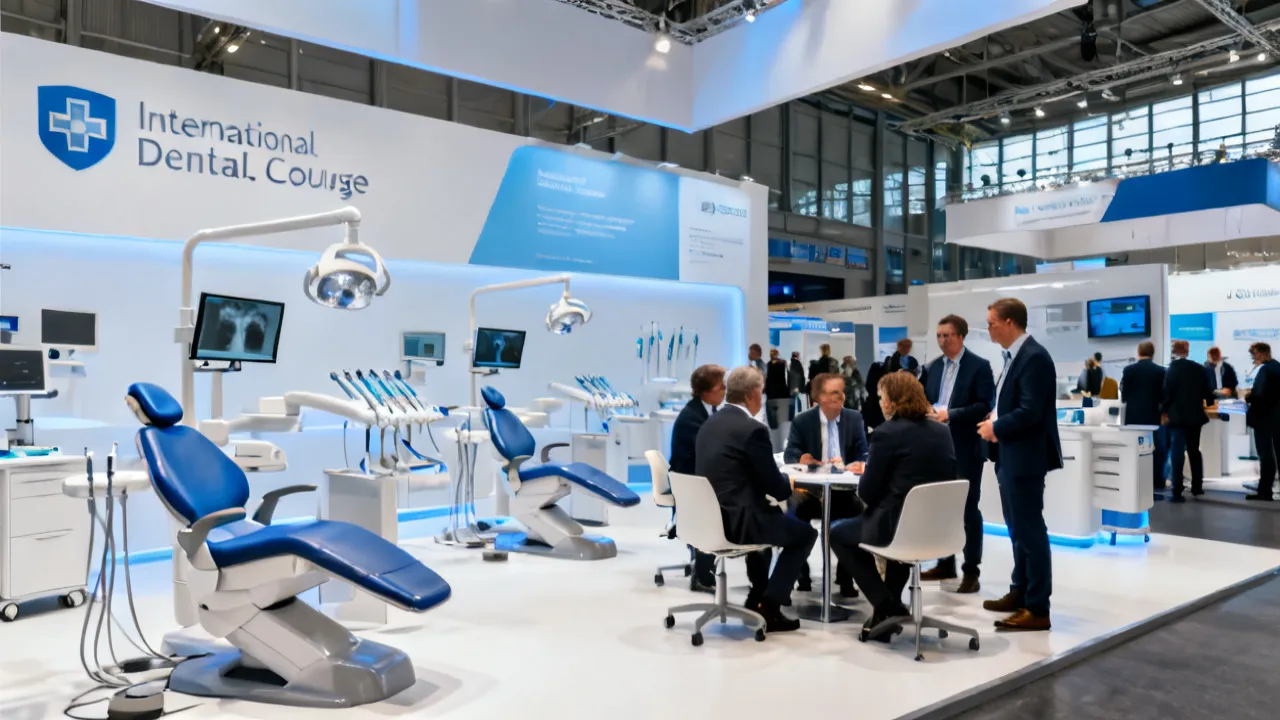
Understanding 독일 IDS
독일 IDS generally refers to the International Dental Show, one of the most important professional exhibitions for dentistry and dental technology. Held in Cologne, Germany, the event brings together manufacturers, distributors, laboratories, clinicians, dental technicians, researchers, procurement specialists, educators, and industry observers from many countries. Its scope extends across clinical equipment, laboratory systems, consumables, preventive care, digital dentistry, infection control, orthodontics, implantology, imaging, practice management, and emerging technologies.
For an industry professional, IDS is not simply a large product display. It is a concentrated business and information environment where suppliers introduce product updates, dental practices compare workflows, laboratories examine production systems, and international partners assess potential distribution arrangements. The event’s importance comes from this combination of commercial activity, professional exchange, technical education, and direct access to decision-makers.
Because exhibition details can change between editions, visitors should confirm dates, admission rules, exhibitor lists, hall plans, educational sessions, transportation arrangements, and registration conditions through the official event organizer and venue information. The International Dental Show is associated with the Society for the Promotion of the Dental Industry, commonly known by its German abbreviation GFDI, while Koelnmesse is responsible for trade-fair operations at the Cologne exhibition grounds.
The Korean search term 독일 IDS can be useful for people researching the exhibition from Korea or other international markets. However, the best planning approach is not to treat the event as a general consumer fair. IDS is primarily a professional platform, and its value depends on preparation, product relevance, regulatory awareness, and the quality of meetings arranged before arrival.
The exhibition can be especially valuable for visitors who need to understand how separate technologies fit together. A scanner, design platform, manufacturing unit, material supplier, imaging system, and practice-management program may all affect one another. By allowing professionals to see several parts of the dental ecosystem in one location, IDS offers an opportunity to evaluate not only individual products but also complete workflows.
Why the International Dental Show Matters
The dental sector is unusually dependent on integrated workflows. A scanner may affect laboratory design. A milling unit may require compatible materials and software. A dental chair may influence ergonomics, maintenance schedules, imaging integration, instrument positioning, and room configuration. Consequently, a trade show such as IDS allows visitors to evaluate systems in context rather than examining isolated products through brochures or online catalogues.
An exhibition also reveals how suppliers position their businesses. Some companies focus on high-volume consumables, while others specialize in premium clinical equipment, laboratory automation, software, implants, biomaterials, or specialized instruments. Comparing these business models can help a buyer understand whether a supplier is suitable for a single practice, a multi-site dental group, a laboratory network, or a national distribution partnership.
Industry professionals also use IDS to monitor broader developments. These may include:
- Digital impressions and computer-aided design and manufacturing.
- Artificial intelligence applications in imaging, documentation, and workflow support.
- Three-dimensional printing for models, surgical guides, provisional restorations, and selected clinical applications.
- Advances in implant components, biomaterials, and guided procedures.
- Ergonomic improvements in dental units and laboratory workstations.
- Cloud-connected practice management and laboratory communication systems.
- Infection prevention, sterilization, traceability, and instrument reprocessing.
- Materials designed for particular restorative, orthodontic, or laboratory indications.
- Energy efficiency, waste reduction, and responsible equipment lifecycle management.
- Remote service, predictive maintenance, and connected equipment monitoring.
- Digital patient communication, treatment visualization, and case acceptance tools.
- Automated production planning and quality-control systems for dental laboratories.
These themes should not be interpreted as proof that every new product is clinically superior or commercially suitable. A professional evaluation requires evidence, regulatory documentation, compatibility testing, training support, and a realistic assessment of total ownership cost. A product may be technologically impressive while still being unsuitable for a particular clinic because of installation limitations, insufficient support, restricted software access, or unfamiliar consumables.
IDS also matters because it shortens the distance between manufacturers and end users. A buyer can ask a product engineer about a technical issue, speak with a laboratory that has already implemented a workflow, and then discuss commercial terms with a regional representative. This sequence can reveal differences between advertised capability and practical operation. It can also help suppliers understand the problems that dental professionals actually face in daily work.
The Exhibition’s Main Professional Audiences
IDS attracts several overlapping audiences. Understanding their priorities makes it easier to plan a productive visit and choose the right questions for each booth.
Dentists and dental practice owners
Clinicians often attend to compare treatment equipment, imaging systems, practice software, handpieces, chairs, sterilization solutions, restorative materials, and implant-related products. Their main questions usually concern patient safety, clinical indications, learning requirements, staff adoption, maintenance, infection prevention, and integration with existing equipment.
Practice owners may also be interested in improving patient experience. Lighting, noise levels, chair movement, digital consultation tools, and treatment-planning displays can influence how patients perceive a practice. These factors may not appear in technical brochures, so an in-person visit can help a practice team judge usability and ergonomics.
Dental technicians and laboratory managers
Laboratory professionals may focus on scanners, CAD/CAM platforms, milling systems, furnaces, 3D printers, materials, finishing tools, shade systems, and production management software. The key issue is often not the headline specification but the effect on throughput, repeatability, rework, staffing, and compatibility with customer workflows.
A laboratory manager should examine how a new system affects the complete production schedule. For example, a printer may reduce manufacturing time but increase washing, curing, inspection, or finishing labor. A milling unit may provide high precision but require a restricted material supply. The practical value of a technology depends on the balance between speed, reliability, labor, and quality control.
Distributors and importers
Distributors assess territory protection, minimum order quantities, technical support, product registration, pricing structure, training commitments, warranty procedures, and market exclusivity. A supplier may have an attractive product but still be unsuitable if documentation, spare parts, or regulatory responsibilities are unclear.
Importers should also examine whether the manufacturer understands the target market. Korean customers may expect Korean-language manuals, local technical support, rapid delivery of consumables, and training adapted to local clinical education. A successful distribution relationship requires more than the right product; it requires a realistic plan for registration, promotion, inventory, service, and post-market communication.
Researchers and educators
Universities and research organizations may use IDS to review technologies for teaching laboratories, clinical studies, materials testing, and collaborative projects. Their priorities can include reproducibility, access to technical data, software research modes, data governance, and long-term supplier cooperation.
Educators may also compare how easily a system can be introduced to students. A device that is powerful but difficult to operate may require substantial curriculum time. Institutions should ask about educational licenses, demonstration units, replacement policies, research discounts, and access to technical representatives who can support faculty and students.
Procurement and healthcare organizations
Institutional buyers usually examine standardization, service-level agreements, staff training, cybersecurity, procurement compliance, and lifecycle planning. They may also need to compare several sites, ensure consistent consumables, and establish documented approval procedures before purchasing.
Hospitals and large dental groups should pay particular attention to interoperability. Equipment may need to connect with patient-record systems, imaging archives, billing platforms, sterilization records, and centralized reporting tools. A system that works well in one independent practice may require additional controls before it can be deployed across multiple locations.
What Visitors Can Expect to See
The exact hall allocation changes by edition, but the professional scope of IDS is broad. Visitors may encounter products and services in the following categories.
| Category | Typical Examples | Important Evaluation Questions |
|---|---|---|
| Dental units and practice equipment | Dental chairs, delivery systems, lighting, suction, compressors, and ergonomic accessories | How does the system support clinical workflow, service access, infection control, and staff ergonomics? |
| Diagnostic imaging | Intraoral imaging, panoramic systems, cone-beam computed tomography, sensors, and image software | What are the intended indications, image-management requirements, training needs, and compliance obligations? |
| Digital dentistry | Intraoral scanners, laboratory scanners, CAD software, milling units, and digital design platforms | Which file formats, materials, integrations, service plans, and workflow limitations apply? |
| Laboratory technology | Furnaces, casting equipment, polishing systems, 3D printers, sintering units, and laboratory tools | What production volume, ventilation, maintenance, calibration, and operator training are required? |
| Materials and consumables | Restorative materials, impression materials, cements, burs, discs, blocks, and laboratory resins | What are the approved indications, storage conditions, documentation requirements, and compatibility limits? |
| Implantology and surgery | Implants, abutments, surgical instruments, guided surgery systems, and biomaterials | What clinical evidence, training pathway, traceability system, and post-market support are available? |
| Orthodontics | Brackets, wires, aligner systems, digital planning tools, and orthodontic accessories | How are cases planned, monitored, documented, and supported by the supplier? |
| Hygiene and infection prevention | Sterilizers, washer-disinfectors, packaging equipment, indicators, and cleaning products | Does the equipment support validated reprocessing procedures and local regulatory expectations? |
| Practice software | Scheduling, patient records, billing, imaging integration, analytics, and communication systems | How are privacy, cybersecurity, backup, interoperability, and user permissions managed? |
The table is a starting point rather than a substitute for technical due diligence. A product category may contain significant differences in intended use, installation requirements, certification, training, and support structure.
Visitors should also expect to see many products presented as part of a complete ecosystem. A manufacturer may show a scanner, design software, printer, resin, curing unit, and cloud service together. This presentation can be helpful, but it may also make it difficult to determine which parts are essential and which parts are optional. Ask the supplier to identify the minimum configuration required for the intended application and the additional components needed for future expansion.
How to Prepare for 독일 IDS
Preparation determines whether the event becomes a useful business exercise or an exhausting sequence of unplanned conversations. The most effective visitors define a small number of objectives before booking travel.
Step one: Define the purpose of the visit
Write down the decision the visit should support. Examples include replacing an imaging system, evaluating a digital laboratory workflow, identifying a Korean distribution partner, comparing implant systems, researching sterilization equipment, or studying the direction of the dental technology market.
A purpose that is too broad produces scattered notes and weak follow-up. A focused objective allows the visitor to compare suppliers using consistent criteria. A team attending for different reasons should agree on a shared priority list while assigning individual responsibilities to each member.
Step two: Separate essential requirements from preferences
Essential requirements are conditions that a product must satisfy. They may include regulatory authorization, compatibility with existing software, available service support, room dimensions, power requirements, material compatibility, or a defined budget range.
Preferences are desirable features that may influence the final decision but are not mandatory. This distinction prevents visually impressive features from overshadowing operational needs. It is useful to write requirements in measurable terms, such as maximum installation width, required file format, minimum daily capacity, or maximum acceptable repair response time.
Step three: Review the exhibitor directory
Use the official exhibitor directory and event map when they become available. Group potential exhibitors by product category, hall, and meeting priority. Classify them as:
- Priority A: suppliers requiring a scheduled meeting.
- Priority B: companies worth visiting if time permits.
- Priority C: exploratory stops for market intelligence.
Do not assume that every company appearing in a search result will be exhibiting at the relevant edition. Company participation, booth location, product availability, and presentation schedules can change. Confirm booth numbers shortly before travel because large exhibitions sometimes revise layouts or add temporary demonstration areas.
Step four: Contact suppliers before arrival
For equipment purchases or distribution discussions, contact exhibitors in advance. Explain your professional role, market, intended application, approximate decision timeline, and the people attending the meeting. This allows the supplier to prepare technical staff rather than assigning a general sales representative who may not answer detailed questions.
Meeting requests should identify the subject clearly. “Discuss digital dentistry” is less productive than “Compare scanner export formats, laboratory integration, service terms, and data ownership for a multi-clinic workflow.” If the meeting concerns a possible partnership, provide a short company profile and clarify whether the discussion is exploratory or related to an active procurement process.
Step five: Prepare a comparison worksheet
A worksheet helps prevent inconsistent judgments. Useful fields include product model, intended use, regulatory status, installation requirements, software compatibility, consumable dependence, training, warranty, service response, replacement parts, estimated operating cost, and unresolved questions.
Visitors should record the name and role of each contact. A business card alone may not provide enough context several weeks later, particularly after a crowded international exhibition. Take a short note immediately after each conversation describing the main benefit, the principal concern, and the next action.
Step six: Plan the daily route realistically
Large exhibition grounds can require considerable walking, and conversations often take longer than expected. Schedule only a limited number of high-priority meetings each day. Leave time for travel between halls, unexpected technical discussions, meals, note-taking, and follow-up questions.
It is better to complete six meaningful meetings than to rush through twenty booths without understanding the products. Teams can divide responsibilities, with one person focusing on clinical systems, another on laboratory technology, and another on regulatory or commercial issues. The team should meet at the end of each day to compare observations.
Conducting Effective Meetings at the Exhibition
Trade-fair meetings often begin with a demonstration. Demonstrations are valuable, but they can also create an overly favorable impression because the supplier controls the environment. An expert visitor should move from presentation to verification.
Ask the representative to demonstrate the workflow that reflects the intended use. For example, a laboratory evaluating a scanner should consider scanning speed, file export, margin visibility, handling of difficult surfaces, software steps, and integration with downstream production. A dental practice reviewing imaging equipment should ask about positioning, image management, patient records, staff training, maintenance, and the process for resolving technical issues.
Important questions include:
- What is the intended use and who is the qualified user?
- Which clinical or laboratory indications are supported?
- Which indications are excluded or require additional validation?
- What regulatory documents can the supplier provide?
- Which software, materials, accessories, and consumables are required?
- Can the product integrate with existing systems?
- What happens if the internet connection or cloud service is unavailable?
- How are data exported, stored, protected, and backed up?
- What training is included, and what training has a separate charge?
- What are the expected maintenance intervals and service procedures?
- Which parts have limited availability or long replacement lead times?
- How are warranty claims handled across borders?
- What is the expected useful life of the equipment?
- How often are software updates released, and are updates mandatory?
- Which functions require a recurring subscription or paid license?
When a supplier uses performance claims, request the underlying technical documentation. Marketing language can be useful for identifying a product’s intended positioning, but it should not be treated as independent evidence. Ask whether performance data were generated internally, by an independent laboratory, or through peer-reviewed research. Also determine whether the tested configuration matches the version being offered.
It can be useful to ask the same question to several suppliers. Consistent questions make comparisons more reliable and may reveal which companies provide specific, transparent answers. If a representative cannot answer a technical question at the booth, request a written response from an engineer rather than accepting an unsupported general statement.
Evaluating Digital Dentistry Technologies
Digital dentistry is one of the most visible themes associated with IDS, but digital adoption should be evaluated as a workflow decision rather than a purchase of individual hardware.
Intraoral and laboratory scanners
Scanner evaluation should include accuracy, handling, scanning strategy, software usability, file formats, export restrictions, data storage, updates, and integration with laboratories or design platforms. A high scanning speed in a controlled demonstration does not automatically translate into improved clinical productivity.
Consider the entire chain: patient preparation, scanning, correction, prescription creation, data transfer, design, manufacturing, quality control, and delivery. If one stage creates delays or requires repeated manual intervention, the perceived benefit of the scanner may be reduced.
Ergonomics are also important. The weight of the handpiece, cable arrangement, tip size, software feedback, and ease of disinfection may affect staff acceptance. A scanner used for many patients each day should be evaluated by the clinicians and assistants who will operate it, not only by an executive or purchasing manager.
CAD/CAM systems
CAD/CAM systems can support restorations, models, surgical guides, orthodontic appliances, and other applications. Buyers should examine supported materials, open or restricted workflows, software licensing, update policy, hardware requirements, and technician training.
“Open” and “closed” workflow descriptions require careful interpretation. A system may accept several file types but still limit certain manufacturing functions, materials, or integrations. Ask for a written explanation of what can be imported, exported, edited, and manufactured without additional licenses.
Laboratories should calculate whether the system supports their actual case mix. A machine optimized for a specific restoration type may not be suitable for a laboratory that needs wide material flexibility. Buyers should also ask how design files, production records, and patient information can be migrated if the supplier’s platform changes or the business later adopts another system.
Three-dimensional printing
Three-dimensional printing requires more than selecting a printer. The evaluation should include resin or material authorization, print orientation, washing, curing, ventilation, quality control, software, calibration, waste management, and post-processing labor. The intended application is critical because a device suitable for models may not be suitable for a regulated clinical appliance or surgical component.
Visitors should also distinguish between technical feasibility and validated clinical use. A product may be capable of producing an object, while the supplier’s documentation may limit the approved application to a narrower category. Ask how material batches are controlled, how failed prints are documented, and how the organization should respond when post-processing conditions vary.
Productivity claims should be assessed using a complete cycle time. This includes preparation, printing, washing, curing, inspection, and finishing. A short printing time may not result in a short delivery time if post-processing is labor-intensive or if the printer requires frequent calibration.
Artificial intelligence and imaging software
Artificial intelligence tools in dentistry require particularly careful review. Ask whether the software is intended to assist documentation, image analysis, education, triage, or diagnosis. These functions have different professional and regulatory implications.
Important issues include the population used for validation, the possibility of false-positive and false-negative results, human oversight, audit trails, data processing locations, cybersecurity, and the responsibility of the clinician. An algorithm should support professional judgment rather than replace the clinical assessment required by applicable rules.
Users should ask whether the software learns from customer data, whether data are anonymized, and whether patients or institutional administrators must provide additional consent. They should also understand how users are notified when the algorithm changes. A new version may alter performance, interface behavior, or documentation requirements.
Regulatory and Compliance Considerations
International visitors should not assume that an exhibition demonstration proves that a product may be marketed or used in every jurisdiction. Regulatory status depends on the product, intended use, manufacturer, importer, local representative, technical documentation, and applicable national requirements.
For products intended for the European market, visitors may encounter references to the European Union Medical Device Regulation, commonly abbreviated as MDR. The status of a product must be assessed in relation to its classification and intended purpose. Dental materials, imaging equipment, software, instruments, implants, and laboratory products may be subject to different requirements.
Visitors from Korea should separately examine Korean regulatory requirements before importing or distributing a product. Depending on the product category, relevant responsibilities may involve local authorization, importer obligations, labeling, Korean-language documentation, quality management, post-market surveillance, and reporting procedures. The precise requirements should be confirmed with the appropriate Korean authority or a qualified regulatory consultant.
Key documents to request may include:
- Declaration of conformity, where applicable.
- Instructions for use and technical documentation.
- Product classification and intended-use statement.
- Quality-management information.
- Safety and performance information.
- Material composition or safety documentation where relevant.
- Cleaning, disinfection, sterilization, or reprocessing instructions.
- Software cybersecurity and update information.
- Warranty and service conditions.
- Traceability and complaint-handling procedures.
- Information about authorized representatives and importers.
- Evidence supporting clinical, technical, or performance claims.
Documentation should be reviewed by the responsible professional team before a commercial commitment is made. Regulatory advice is especially important when a product is intended for importation, clinical use, private-label distribution, or modification.
Compliance should also be considered throughout the product lifecycle. A distributor may have responsibilities after the sale, including complaint collection, adverse-event communication, field-safety action support, and record retention. These duties should be clearly assigned in the distribution agreement rather than left to informal understanding.
Comparing Suppliers Beyond the Purchase Price
Exhibition pricing can be difficult to interpret. A quoted figure may exclude installation, shipping, taxes, software subscriptions, training, maintenance, consumables, accessories, or local regulatory work. Some offers may apply only to a particular configuration or order quantity.
A more reliable method is to calculate the total cost of ownership. This may include:
| Cost Area | What to Examine |
|---|---|
| Initial equipment | Base unit, standard accessories, required modules, and configuration limits |
| Installation | Site preparation, delivery, assembly, calibration, electrical work, and validation |
| Software | License structure, subscriptions, user limits, updates, cloud services, and export fees |
| Consumables | Materials, cartridges, burs, filters, printing supplies, packaging, and replacement parts |
| Training | Initial instruction, advanced education, onboarding of new staff, and travel requirements |
| Maintenance | Preventive service, calibration, remote support, technician visits, and response times |
| Downtime | Backup procedures, loan equipment, repair logistics, and business interruption risks |
| End-of-life management | Upgrade path, data migration, disposal, recycling, and replacement planning |
This structure does not produce a single universal answer. A less expensive machine may have higher consumable dependence, while a more expensive system may reduce labor or integrate with existing software. The correct comparison depends on workload, staffing, clinical priorities, service geography, and expected utilization.
Suppliers should be asked to provide assumptions behind their financial estimates. If a company claims that a system will reduce labor costs, ask what utilization rate, operator skill level, maintenance schedule, and production volume were used for the calculation. Financial modeling should reflect the visitor’s actual circumstances rather than a generalized marketing example.
Currency and cross-border costs also deserve attention. Exchange-rate movements, freight charges, import duties, insurance, local installation, and taxes can materially change the final cost for a Korean buyer. A preliminary exhibition quotation should therefore be treated as a starting point until a formal, complete quotation is issued.
Planning Travel to Cologne
Cologne is a major European business destination with an established exhibition infrastructure. The Koelnmesse grounds are connected to the city’s public transportation network, and visitors commonly combine exhibition attendance with meetings in central Cologne or nearby business districts.
Practical planning should account for:
- Exhibition opening hours and the time needed for entry procedures.
- Travel time between the airport, accommodation, meeting locations, and exhibition grounds.
- Public transportation schedules and the availability of event-related travel arrangements.
- Accommodation demand during major trade-fair periods.
- Business meeting etiquette and the need for punctuality.
- Language requirements for technical and commercial discussions.
- Secure handling of product samples, documents, and personal data.
- Appropriate clothing and comfortable footwear for long periods of walking.
- Reliable access to digital tickets, meeting schedules, maps, and translation tools.
Cologne’s cultural setting can also influence the experience. The city is known for Cologne Cathedral, the Rhine riverfront, historic neighborhoods, museums, and a distinctive local identity. These landmarks may provide convenient settings for informal professional conversations, although sensitive commercial discussions are better conducted in a controlled meeting room.
German business communication often values preparation, directness, accuracy, and clear documentation. This does not mean that every conversation follows one pattern, but an organized agenda and precise follow-up are generally appreciated. Visitors should avoid promising a purchase or partnership during a first meeting unless internal approval has already been completed.
Visitors should also consider practical health and comfort issues. A large exhibition can involve many hours of standing, crowded aisles, and limited opportunities for uninterrupted work. Scheduling regular breaks allows the team to review notes while impressions are still fresh. Important documents should be stored securely, and confidential patient or business data should never be displayed casually at a public booth.
Professional Etiquette and Cross-Border Communication
International trade fairs bring together different expectations concerning decision-making, negotiation, time, and communication. A visitor from Korea may encounter European suppliers that prefer detailed technical discussion before commercial negotiation. Conversely, a supplier may expect the visitor to state the intended market and decision process clearly.
Useful practices include:
- Introduce the organization and professional role at the beginning of the meeting.
- Explain whether the purpose is clinical evaluation, procurement, distribution, research, or market observation.
- Use a written question list for complex technical subjects.
- Confirm whether photographs, recordings, or product data collection are permitted.
- Distinguish confidential information from general marketing material.
- Ask for follow-up documents in a specific format and by a specific date.
- Summarize the agreed next steps before leaving the booth.
- Clarify who has authority to make a commercial decision.
Technical translation deserves attention. If a meeting concerns implants, software integration, imaging, or regulatory documentation, informal translation may create misunderstandings. A qualified interpreter or bilingual technical specialist can be valuable when the discussion involves specifications, contractual duties, or clinical indications.
When using interpreters, provide the question list in advance. Specialized terms such as intended purpose, sterilization validation, interoperability, clinical evaluation, and post-market surveillance may be translated differently depending on context. Written confirmation after the meeting can prevent small language differences from becoming major commercial problems.
How to Assess Product Demonstrations
Demonstrations should be treated as structured evidence-gathering opportunities. First, observe the standard workflow presented by the supplier. Then ask what changes when conditions are less ideal. For example, how does the system perform with limited access, unusual anatomy, different material batches, interrupted connectivity, or a new operator?
Ask whether the demonstration uses production software, a training mode, preselected files, or a specially prepared sample. This distinction is not a criticism of the supplier; it simply clarifies what the visitor is actually observing.
For clinical equipment, request information about cleaning, disinfection, sterilization, and routine maintenance. For laboratory equipment, ask about calibration, ventilation, consumable storage, and operator safety. For software, investigate permissions, backups, data export, security updates, and support escalation.
The strongest assessment combines four perspectives:
- Clinical or technical suitability: Does the product perform the intended task?
- Operational suitability: Can staff use it consistently within the existing workflow?
- Commercial suitability: Are the cost, support, and supply conditions sustainable?
- Regulatory suitability: Can the product be legally imported, marketed, and used for the intended purpose?
Visitors should consider asking for a demonstration of an exception or recovery procedure. Examples include recovering from a failed scan, restarting after a software interruption, replacing a consumable, correcting an incorrectly positioned component, or exporting data for use in another system. These actions often reveal the practical maturity of a product more clearly than a flawless standard demonstration.
Networking and Business Development at IDS
IDS can support international networking, but meaningful relationships rarely develop from exchanging a brochure alone. A productive conversation identifies a specific mutual opportunity. This could involve distribution in a defined territory, a laboratory technology pilot, clinical education, research cooperation, or supplier qualification.
Distributors should prepare a concise market profile covering customer segments, sales channels, service capacity, regulatory experience, current product portfolio, and geographic coverage. Manufacturers need to understand not only the distributor’s sales reach but also its ability to provide training, technical support, complaint handling, and compliant promotion.
Dental practices and laboratories can also benefit from peer networking. Discussions with professionals who already use a system may reveal practical issues not visible in a polished demonstration. However, peer comments should be treated as experience-based observations rather than universal proof. Workflows differ by country, staffing model, patient population, and equipment configuration.
Follow-up discipline is essential. Within a few business days, send a short message that records the product discussed, the documents requested, and the next action. After that, classify each contact as active, under review, or unsuitable. This prevents the post-exhibition backlog from becoming unmanageable.
Networking is most effective when the visitor offers useful information in return. A distributor may share insight into local customer expectations, procurement channels, reimbursement conditions, or service challenges. A laboratory may explain its production requirements and provide feedback on workflow design. Mutual specificity creates a stronger foundation than general expressions of interest.
A Step-by-Step Post-Exhibition Evaluation Process
The period after IDS is often more important than the event itself. A structured review can convert observations into defensible decisions.
Step one: Consolidate notes
Combine booth notes, photographs, brochures, technical files, business cards, and meeting summaries. Remove duplicate material and label each document with the supplier, product, date, and intended application.
Step two: Verify claims
Separate confirmed facts from statements requiring evidence. Confirm intended use, certification, software capabilities, performance claims, warranty scope, and service arrangements in writing.
Step three: Apply mandatory filters
Eliminate products that fail essential conditions such as regulatory eligibility, compatibility, installation feasibility, data-security requirements, or service availability. There is little value in comparing an attractive system that cannot be lawfully or practically deployed.
Step four: Request formal quotations
Ask for quotations based on the same configuration. Each quotation should identify equipment, accessories, software, training, installation, shipping, taxes, warranty, maintenance, payment terms, and delivery estimates. Comparing different configurations can produce a misleading result.
Step five: Seek a reference or evaluation opportunity
Where appropriate, ask for a reference site, controlled evaluation, or technical trial. The evaluation should use predefined criteria and involve the staff who will operate the system. A product that satisfies management but frustrates daily users may fail after installation.
Step six: Conduct a risk review
Assess supply continuity, service response, cybersecurity, regulatory changes, consumable dependence, staff turnover, and vendor concentration. A technically strong product may still be unsuitable if a single operational weakness creates substantial exposure.
Step seven: Make a documented decision
Record why the selected supplier meets the requirements and why alternatives were not chosen. Documentation supports internal accountability and makes future replacement or expansion easier.
Step eight: Plan implementation
Before signing a final agreement, establish an implementation schedule. Define site preparation, delivery, installation, acceptance testing, staff training, data migration, workflow validation, and post-installation review. Assign responsibility for each task so that the equipment does not arrive before the facility or staff are ready.
Step nine: Measure outcomes after deployment
After implementation, compare actual results with the original objectives. Useful measures may include turnaround time, remake rate, appointment efficiency, maintenance frequency, staff satisfaction, consumable usage, and patient experience. This creates a practical record that can guide future purchases and supplier negotiations.
Conditions and Requirements for Different Visitor Types
| Visitor Type | Recommended Preparation | Key Conditions to Confirm |
|---|---|---|
| Dental practice | Define treatment priorities, room limitations, staff needs, and existing software | Installation, training, service response, infection control, and compatibility |
| Dental laboratory | Document production volume, materials, design workflow, and staffing | Throughput, calibration, file formats, material validation, and maintenance |
| Distributor | Prepare market information, regulatory capabilities, and service strategy | Territory, import duties, registration, technical support, and supply continuity |
| Research organization | Define study objectives, data requirements, and collaboration expectations | Research access, reproducibility, data governance, technical support, and documentation |
| Institutional procurement team | Set standardized specifications and approval criteria before the event | Contract terms, cybersecurity, lifecycle cost, training, and multi-site support |
| Student or early-career professional | Study the product categories and prepare basic technical questions | Professional access rules, educational sessions, identification, and networking goals |
Different visitor types should avoid using identical evaluation standards. A small dental practice may prioritize ease of use and local service, while a laboratory may prioritize throughput and open file exchange. A distributor may focus on market authorization and margin structure, whereas a research organization may require access to raw data and reproducible settings.
Reliable Sources for Verification
Information about 독일 IDS should be checked against authoritative sources rather than relying solely on social media, reseller announcements, or outdated travel articles. The most relevant sources include the official International Dental Show event materials, GFDI communications, Koelnmesse visitor information, manufacturer technical documentation, European regulatory publications, and applicable Korean regulatory guidance.
The official event materials are the appropriate source for dates, admission procedures, exhibitor participation, hall plans, and program details. Manufacturer documents are relevant for product specifications and intended use, but they should be read critically and compared with regulatory records where applicable. European Union regulatory publications provide legal context for products placed on the European market. Korean authorities and qualified local consultants should be consulted for Korean importation and clinical-use requirements.
When reviewing a claim, identify its source, publication date, geographical scope, product model, and intended use. A statement about one software version or one regulatory market should not automatically be applied to another version or jurisdiction.
Visitors should be cautious with unofficial event pages that display old dates or incomplete hall information. Search results may remain visible long after an exhibition edition has ended. The safest practice is to begin with the official organizer’s website and then use manufacturer pages to confirm meeting contacts and product information.
Common Planning Mistakes
Trying to cover every hall
IDS is extensive, and attempting to visit every exhibitor often results in superficial conversations. A priority-based route is more effective than maximizing the number of booths visited.
Focusing only on equipment specifications
Specifications matter, but workflow, training, maintenance, data handling, and staff adoption often determine whether a system succeeds in practice.
Accepting verbal assurances without documentation
Commercial and regulatory statements should be confirmed in writing. This is particularly important for compatibility, delivery, warranty, territory rights, and intended use.
Ignoring local requirements
A product displayed in Germany may require additional procedures before it can be imported or used in Korea. Local regulatory review should begin before signing a distribution or purchase agreement.
Leaving follow-up until much later
After a large international exhibition, details quickly become difficult to recall. Promptly organizing notes and sending precise follow-up questions improves the quality of supplier communication.
Assuming a demonstration represents normal operation
Ask about operator variation, maintenance, difficult cases, software interruptions, and material handling. The real test is whether the system performs reliably under ordinary working conditions.
Sending an unprepared delegation
If several people attend without assigned roles, the team may collect repetitive marketing information while missing key technical details. Each participant should know which questions to ask and which decisions require internal discussion.
Signing an agreement too quickly
Trade-fair urgency can encourage premature commitments. Buyers should allow time for legal review, regulatory confirmation, budget approval, and comparison with alternatives. A discounted exhibition offer is not necessarily advantageous if important terms remain unclear.
Frequently Asked Questions
What does 독일 IDS mean?
독일 IDS usually refers to the International Dental Show in Cologne, Germany. It is a professional dental and dental-technology exhibition attended by manufacturers, clinicians, laboratories, distributors, researchers, and procurement teams.
Is IDS intended for the general public?
IDS is primarily designed for dental professionals and industry participants. Admission categories, registration conditions, and access rules can vary by edition, so visitors should review the official event requirements before making travel arrangements.
Which professionals benefit most from attending IDS?
Dentists, dental technicians, laboratory managers, distributors, importers, researchers, educators, and procurement specialists can all benefit. The value is greatest when the visitor has a defined product, workflow, research, or partnership objective.
Can visitors purchase equipment at IDS?
Suppliers may discuss quotations, commercial conditions, product demonstrations, and order procedures at the exhibition. However, visitors should review configuration, installation, warranty, taxes, shipping, regulatory status, and service obligations before committing to a purchase.
How should a Korean distributor prepare for 독일 IDS?
A Korean distributor should prepare a market profile, define the relevant product categories, review Korean regulatory responsibilities, identify service capabilities, and schedule meetings with suitable manufacturers. It is also useful to prepare questions about territory, documentation, supply continuity, training, and post-market support.
Are product demonstrations sufficient for making a purchase decision?
No. Demonstrations are useful for initial assessment but should be followed by documentation review, formal quotations, compatibility checks, regulatory verification, and, where appropriate, reference-site evaluation or controlled testing.
What should visitors bring to supplier meetings?
Bring a professional identification document, business cards or digital contact information, a written requirements list, room or workflow specifications, existing software details, product questions, and a method for recording notes. For complex meetings, technical and regulatory specialists may also be necessary.
How can visitors compare several digital dentistry systems?
Use consistent criteria covering intended use, accuracy, workflow, file formats, material compatibility, software licensing, data management, training, support, maintenance, and total cost of ownership. Comparing only speed or purchase price can produce an incomplete conclusion.
What regulatory issues should be considered before importing dental products?
Review product classification, intended use, conformity documentation, labeling, importer responsibilities, quality systems, post-market surveillance, and local authorization requirements. European market access and Korean market access are separate questions and should be assessed independently.
Is Cologne convenient for international visitors?
Cologne has established transport, accommodation, and exhibition infrastructure. During major trade fairs, hotels and transportation can become busy, so visitors should confirm venue information and reserve travel arrangements in advance.
How should suppliers be evaluated after the event?
Consolidate notes, verify claims, apply mandatory requirements, request comparable quotations, assess service and regulatory support, and document the final decision. A structured post-event review is more reliable than choosing based on the most memorable booth presentation.
Should visitors attend educational sessions?
Educational sessions can be useful when they match the visitor’s objectives. Before attending, review the topic, speaker background, commercial sponsorship, and learning outcomes. A session may provide valuable market context even when it is not sufficient to establish clinical evidence for a particular product.
How early should meetings be arranged?
High-priority meetings should be requested as soon as the official exhibitor information and travel dates are available. Popular suppliers may have limited appointment slots, particularly during the busiest days. Visitors should still leave unplanned time to investigate unexpected technologies and speak with smaller companies.
Expert Perspective: Turning Exhibition Visits into Strategic Decisions
From an industry-analysis perspective, the central question at 독일 IDS is not “Which product looks most advanced?” It is “Which solution can deliver the intended result within the organization’s clinical, technical, financial, regulatory, and human constraints?” This distinction is crucial because dental technology is interconnected. The purchase of one device can create requirements for software, materials, training, maintenance, room design, and data governance.
Experienced buyers therefore evaluate suppliers as well as products. A manufacturer’s long-term value may depend on documentation quality, responsiveness, training capacity, parts availability, software support, and willingness to clarify limitations. A product with fewer headline features may be the stronger choice if it is reliable, serviceable, compatible, and well understood by the team that will use it.
IDS is also valuable as a market-observation platform. Visitors can identify which problems suppliers are trying to solve, how clinical and laboratory workflows are converging, and where regulation is shaping product design. Yet observation must remain separate from proof. Trends can indicate areas for further investigation, but they do not replace clinical evidence, technical validation, or a local compliance review.
For Korean professionals searching for 독일 IDS, the most effective approach is to combine international market awareness with local operational discipline. Study the exhibition before arrival, arrange focused meetings, ask precise questions, document claims, and conduct a structured review afterward. This process turns a large and complex trade fair into a practical source of procurement intelligence, professional education, and carefully assessed business opportunities.
The long-term benefit of attending is often not a single purchase. It may be a clearer understanding of the market, a better-defined investment plan, a relationship with a technical partner, or the discovery of an operational problem that needs to be solved before new equipment is acquired. When approached with a clear purpose and disciplined evaluation process, 독일 IDS can support better decisions across clinical dentistry, dental laboratories, distribution, education, and research.