독일 Ids: A Practical Guide for Dental Professionals
This guide explains 독일 Ids, the commonly used Korean reference to Germany’s International Dental Show, with practical advice for visitors, exhibitors, buyers, and dental technology observers. It examines the event’s professional role, exhibition categories, planning considerations, business etiquette, product evaluation methods, and compliance issues. IDS is an established international dental trade fair held in Cologne, where manufacturers, laboratories, clinicians, distributors, and researchers meet to assess developments in dentistry and oral healthcare.
What 독일 Ids Represents
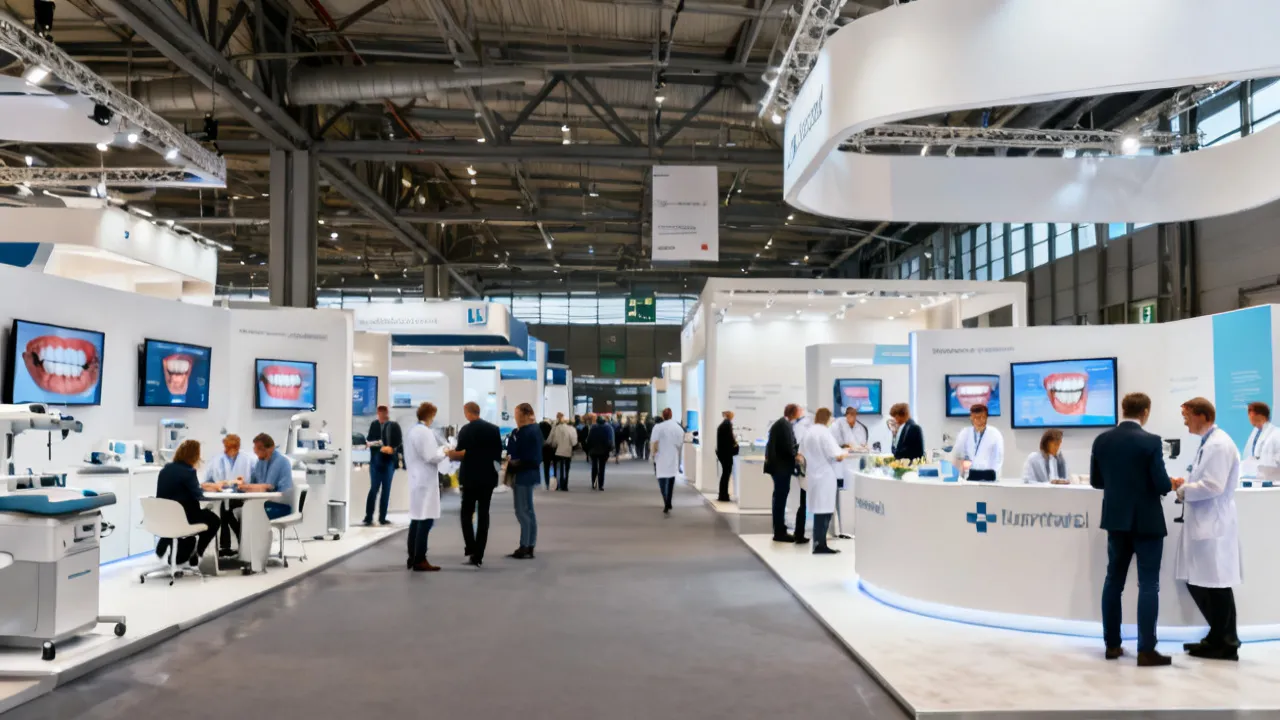
독일 Ids generally refers to the International Dental Show, commonly abbreviated as IDS, in Cologne, Germany. The event is one of the best-known professional trade fairs in the dental sector and serves as a meeting point for manufacturers, dental laboratories, dentists, hygienists, researchers, distributors, software companies, and professional associations. Rather than functioning as a public health exhibition, IDS is primarily a business-to-business platform for examining products, technologies, workflows, services, and market partnerships.
For professionals considering attendance, the most important point is that IDS should be approached as a structured research and procurement environment. A successful visit is not simply a matter of walking through exhibition halls. The scale of the show, the breadth of product categories, and the amount of technical information available require advance preparation. Visitors who define their objectives before arrival are better positioned to compare suppliers, assess integration requirements, and distinguish practical value from attractive presentation.
The show is held in Cologne, a major German trade-fair city with strong rail, air, hotel, and convention infrastructure. Its venue, Koelnmesse, is located near the Rhine and is accessible from Cologne Central Station. The city’s international character makes it suitable for professional visitors, while landmarks such as Cologne Cathedral, the Hohenzollern Bridge, and the Rhine promenade provide recognizable cultural context for overseas attendees. However, the professional purpose of the visit should remain central: a trade fair meeting is most productive when every appointment has a clear question, decision criterion, and follow-up plan.
The meaning of IDS also extends beyond the physical exhibition. For many companies, it is a point at which product development, commercial strategy, education, and international cooperation become visible at the same time. A manufacturer may introduce a new material, a software provider may announce a platform connection, a laboratory may search for production partners, and a professional association may discuss changes affecting clinical practice. This combination makes the event useful not only for purchasing but also for understanding the direction of the dental market.
Why Professionals Pay Attention to IDS
Dental care is influenced by several overlapping developments, including digital workflows, material science, imaging, infection prevention, clinical efficiency, laboratory automation, and regulatory compliance. IDS brings many of these fields into one physical environment. This allows professionals to compare competing approaches in a way that is more difficult through isolated online research or individual sales presentations.
From an industry expert’s perspective, the value of the show lies less in the number of products displayed and more in the concentration of decision-relevant information. A dentist may compare chairside and laboratory-based restorative workflows. A dental technician may evaluate scanners, milling systems, furnaces, materials, and software compatibility. A distributor may investigate territory rights, after-sales support, training capacity, and spare-parts logistics. A clinic manager may focus on installation, staff adoption, service contracts, and the total cost of ownership.
IDS also provides an opportunity to observe how the dental industry is framing current priorities. Exhibitors often present solutions related to:
- Digital impressions and intraoral scanning
- Computer-aided design and manufacturing
- Three-dimensional imaging and radiology
- Dental materials and restorative systems
- Implantology and surgical equipment
- Orthodontic products and aligner workflows
- Preventive dentistry and prophylaxis
- Dental unit equipment and treatment-room design
- Laboratory technology and workflow management
- Practice software, cloud services, and data exchange
- Infection-control equipment and consumables
- Education, maintenance, and professional services
These categories are not interchangeable. A product that looks advanced may be unsuitable for a particular clinic because of software limitations, inadequate training, incompatible materials, local registration requirements, or insufficient technical support. IDS is therefore most useful when the visitor evaluates the entire operating system around a product, not only the device itself.
The event is also valuable because it encourages cross-disciplinary conversations. A dentist who normally communicates with a laboratory through email may discover a more integrated digital workflow. A technician may learn how clinicians are using new scanning or imaging systems. A distributor may recognize that a product requires clinical education before it can be introduced successfully into a new market. These interactions can reveal practical constraints and opportunities that are not obvious from a catalogue.
Another reason professionals pay attention is timing. Major trade fairs often gather new product launches, updated versions, market announcements, and competitive responses in one period. This does not mean every product shown is ready for immediate adoption. It does mean that visitors can identify which technologies are mature, which are developing, and which are being promoted primarily as future possibilities.
Who Should Consider Visiting?
IDS is relevant to a broad professional audience, but the expected benefit depends on the visitor’s role and objectives.
Dentists and Clinic Owners
Clinicians may attend to investigate treatment technologies, compare equipment, evaluate digital workflows, or plan a future practice upgrade. A dentist considering an intraoral scanner, for example, should not limit the assessment to scanning speed. The evaluation should also include learning requirements, software subscriptions, export options, laboratory compatibility, service response, data security, and the effect on patient communication.
Clinic owners may also use the show to assess ergonomics and staff productivity. A new treatment unit, sterilization system, or imaging device can influence room layout, appointment length, staff movement, and maintenance scheduling. The financial decision should therefore include the effect on the entire practice rather than focusing solely on the equipment price.
Dental Technicians and Laboratory Managers
Laboratory professionals often focus on production accuracy, material compatibility, throughput, software interoperability, maintenance, and staff training. The most appropriate technology may differ according to whether a laboratory primarily handles crowns, bridges, dentures, implants, orthodontic appliances, or complex aesthetic cases. A demonstration should be connected to actual laboratory cases and documented workflow requirements.
Laboratory managers should examine the relationship between automation and quality control. A machine that increases production capacity may also require new inspection procedures, calibration routines, or employee training. Questions about rejected work, reprocessing, material waste, and software updates can be as important as questions about maximum output.
Distributors and Importers
Distributors can use IDS to identify manufacturers, discuss market entry, compare commercial terms, and assess whether a supplier has the capacity to support a new territory. Important questions include minimum order quantities, exclusivity, warranty handling, product registration, technical training, marketing assistance, and replacement-part availability.
They should also assess whether the manufacturer understands the target market. A product may be technically suitable but difficult to distribute if labeling is unavailable in the local language, if training must be delivered by overseas staff, or if spare parts take several weeks to arrive. Distribution success depends on logistics, education, compliance, and customer support as much as on the product’s initial appeal.
Researchers and Educators
Academic visitors may use the exhibition to observe emerging technologies, establish industry contacts, and identify topics for education or applied research. Product claims should be treated as starting points for further examination rather than as independent clinical evidence. Peer-reviewed literature, regulatory documentation, and controlled evaluations remain necessary when a product is being considered for formal research or clinical recommendation.
Educators may also evaluate whether a system is appropriate for student training. Important factors include ease of supervision, availability of teaching licenses, data privacy, maintenance, reproducibility, and the ability to demonstrate fundamental principles rather than only automated results.
Students and Early-Career Professionals
Students can gain a broad overview of the dental industry, but they should prepare carefully. The event may contain highly specialized terminology and commercial demonstrations. A focused itinerary—such as digital dentistry, dental materials, or laboratory systems—usually produces more useful learning than an attempt to see every hall.
Students should ask exhibitors about internships, continuing education, technical careers, and the skills expected in emerging areas. Conversations with manufacturers, laboratories, and software companies can help clarify the difference between clinical, laboratory, commercial, engineering, and regulatory career paths.
Major Exhibition Areas and What to Examine
The following categories provide a practical framework for organizing a visit to 독일 Ids. Product availability and hall arrangements can change from one edition to another, so visitors should rely on the official event directory and current exhibitor information when planning.
| Category | Typical Products or Services | Professional Evaluation Questions |
|---|---|---|
| Digital dentistry | Intraoral scanners, CAD/CAM systems, design software, milling units, and 3D printers | How does the system integrate with existing software, laboratories, materials, and data formats? |
| Imaging | Intraoral radiography, panoramic systems, cone-beam computed tomography, and imaging software | What are the clinical indications, installation requirements, training needs, and radiation-protection procedures? |
| Dental materials | Composites, ceramics, cements, impression materials, and laboratory products | What evidence, handling instructions, curing requirements, and storage conditions apply? |
| Implantology | Implants, surgical instruments, prosthetic components, and planning software | Is the system supported by appropriate documentation, compatible components, and reliable clinical training? |
| Orthodontics | Brackets, wires, aligner-related systems, imaging, and digital planning tools | What case-selection criteria, laboratory support, software workflow, and retention protocols are required? |
| Practice equipment | Dental chairs, delivery systems, lighting, suction, compressors, and cabinetry | Can the equipment fit the available room, utilities, ergonomics, and maintenance schedule? |
| Infection prevention | Instrument processing, sterilization, disinfection, packaging, and monitoring products | Does the system support applicable national procedures, documentation, staff training, and validation? |
| Practice management | Scheduling, clinical records, billing, imaging integration, and communication platforms | How are privacy, access control, backups, interoperability, and data migration managed? |
The table is intended as a planning tool rather than a product ranking. A responsible comparison should consider clinical suitability, evidence, regulatory status, total cost, usability, and vendor support together.
Visitors should also pay attention to supporting infrastructure. A digital system may require stable network connectivity, compatible computers, updated operating systems, sufficient storage, and reliable backup procedures. A laboratory machine may require compressed air, extraction, temperature control, or dedicated electrical capacity. These requirements can affect the installation budget and may determine whether a product is feasible in the available facility.
How to Prepare Before the Exhibition
Preparation should begin several weeks or months before travel, depending on the purpose of the visit. The first step is to write a short decision brief. It should identify the problem to be solved, the current workflow, the expected users, the desired implementation date, and the budget range. For example, “replace outdated equipment” is too general. A stronger brief might state that a clinic is evaluating imaging equipment that can integrate with its existing practice-management system and that staff training must be completed within a defined operational window.
The second step is to separate essential requirements from desirable features. Essential requirements may include local service coverage, a specific file format, compatibility with current materials, or documented compliance with applicable regulations. Desirable features might include a lighter handpiece, a wider color range, or an additional analytics dashboard. This distinction prevents a persuasive demonstration from changing the purchasing criteria without proper justification.
The third step is to research exhibitors in advance. Use the official IDS exhibitor directory, the current floor plan, and manufacturer information to identify relevant stands. Contact companies before arrival when a technical discussion, product demonstration, or distributor meeting is needed. Appointments are particularly useful for visitors traveling from outside Germany because a short exhibition schedule can otherwise become crowded.
The fourth step is to prepare a question list. Questions should be specific enough to produce comparable answers. Instead of asking whether a device is “easy to use,” ask how long initial training usually takes, whether user permissions can be customized, how software updates are delivered, and what happens when the system is unavailable. Instead of asking whether a material is “high quality,” request the intended indications, instructions for use, supporting evidence, and compatibility limitations.
The fifth step is to involve the people who will use or maintain the product. A purchasing manager may understand the commercial terms, but a dental assistant may identify sterilization or room-flow problems that are not visible in a demonstration. A technician may notice software or material limitations, while an information-technology specialist may identify cybersecurity or network concerns. Decisions are more durable when affected staff participate in the evaluation.
It is also useful to establish a communication plan for the exhibition. Decide who will take technical notes, who will collect commercial information, and who will photograph equipment or record demonstrations where permission is granted. Create a shared folder or digital form so that all observations are stored consistently. This reduces the risk of losing important details when several colleagues visit different stands.
A Step-by-Step Visit Strategy
- Define the primary objective. Choose one principal goal, such as selecting a scanner, finding a laboratory partner, reviewing infection-control systems, or understanding a new clinical category.
- Build a shortlist. Identify several relevant exhibitors instead of relying on the first attractive demonstration.
- Arrange priority meetings. Schedule technical and commercial discussions before travel where possible.
- Review the venue map. Group meetings by hall or location to reduce unnecessary movement and protect time for follow-up conversations.
- Observe live demonstrations critically. Ask whether the demonstration reflects an ordinary workflow or a carefully prepared showcase.
- Record consistent information. Use the same evaluation form for every supplier, including price structure, implementation, evidence, service, and compatibility.
- Request appropriate documentation. Collect instructions for use, technical specifications, regulatory information, warranty terms, and training details.
- Separate discovery from commitment. A first meeting should normally support due diligence rather than result in an immediate purchase.
- Review findings each evening. Summarize the strongest and weakest points while discussions are still fresh.
- Complete post-event verification. Confirm specifications, references, quotations, installation conditions, and contract terms before making a decision.
This process reflects an important procurement principle: exhibition enthusiasm should not replace structured evaluation. A device may perform well during a short demonstration while creating unexpected costs in software licensing, consumables, maintenance, or staff time.
Visitors should allow unscheduled time in their itinerary. Some of the most useful conversations occur after a planned meeting, but a schedule filled to capacity leaves no room for technical follow-up or unexpected discoveries. A practical plan might reserve the morning for priority appointments, the afternoon for targeted exploration, and a short period at the end of the day for note-taking and document organization.
Evaluating Dental Technology at the Show
Technology assessment should begin with the clinical or operational need. A scanner, for instance, may offer excellent image capture but still fail to improve a clinic’s workflow if the laboratory cannot receive the files or if the software environment requires repeated manual conversion. Similarly, a 3D printer should be assessed in relation to materials, post-processing, validation, maintenance, and intended applications—not only printing speed.
Industry professionals often use five evaluation dimensions:
1. Clinical or Technical Fitness
Does the product perform the intended task within the required level of precision, reliability, and repeatability? Ask about indications, limitations, contraindications, environmental conditions, and quality-control procedures. A manufacturer’s demonstration should be supplemented by technical documentation and, where relevant, independent evidence.
2. Workflow Integration
Every device enters an existing system. Evaluate file formats, software interfaces, data ownership, network requirements, sterilization pathways, laboratory communication, and staff responsibilities. Integration problems can create more disruption than the original equipment is intended to solve.
3. Total Cost of Ownership
Purchase price is only one element. The full calculation may include installation, training, software subscriptions, consumables, calibration, maintenance, upgrades, insurance, financing, replacement parts, and downtime. A lower initial price does not automatically indicate better value, while a higher purchase price may be justified if documented productivity and service advantages are relevant to the practice.
4. Regulatory and Quality Documentation
Medical devices placed on the European market are subject to applicable European Union requirements. Depending on the product and its classification, relevant documentation may include conformity information, instructions for use, risk-management records, post-market surveillance processes, and declarations connected to the applicable legal framework. Visitors should request documentation suitable for the market in which the product will be used and should not assume that exhibition presence alone proves compliance.
5. Supplier Capability
Assess the company as carefully as the product. Ask how long technical support takes, who performs repairs, whether training is local or remote, how software updates are managed, and whether replacement parts are available. For international buyers, confirm language support, import responsibilities, local representation, warranty territory, and customer-service escalation procedures.
A sixth dimension is organizational readiness. Even an excellent system may fail if the practice lacks a responsible implementation leader, adequate training time, or a process for measuring results. Before purchasing, identify who will authorize the installation, who will train new staff, who will monitor performance, and who will contact the supplier when problems arise.
Digital Dentistry and Interoperability
Digital dentistry is one of the most visible areas at IDS, but the term covers many different technologies. It can include image capture, digital design, milling, additive manufacturing, treatment planning, guided surgery, orthodontic planning, patient communication, and administrative integration. Visitors should define which stage of the workflow they are evaluating rather than treating “digital” as a single category.
Interoperability deserves special attention. Open systems may allow users to export files in widely recognized formats, while closed ecosystems may offer closer integration within one manufacturer’s products. Neither model is automatically superior. A closed system may provide a smoother validated workflow, whereas an open system may offer greater flexibility and supplier choice. The appropriate decision depends on the organization’s need for control, compatibility, simplicity, and future expansion.
Ask how data can be exported if the practice changes suppliers. Confirm whether subscriptions are required to access historical records, whether software updates change file compatibility, and whether cloud services include backup and recovery procedures. Data portability is especially important for long-term patient records and for laboratories that work with multiple clinics.
Demonstrations should include difficult cases, not only ideal scans or uncomplicated designs. Visitors can ask how the system handles saliva, reflective surfaces, missing anatomy, limited access, incomplete scans, or interrupted connections. A realistic test reveals more about usability than a carefully staged presentation.
Understanding Pricing and Commercial Discussions
IDS is a useful place to begin commercial conversations, but quoted prices should be interpreted carefully. Exhibition pricing may depend on configuration, order volume, territory, delivery terms, installation, training, service contracts, or financing arrangements. A verbal estimate is not a complete commercial offer.
When comparing suppliers, request an itemized quotation. It should identify the base product, optional modules, required accessories, software licenses, recurring charges, consumables, taxes, delivery, installation, training, warranty coverage, and maintenance. International purchasers should also clarify customs responsibilities, import documentation, currency exposure, and the applicable law governing the contract.
Buyers should avoid making decisions solely because a supplier offers a temporary exhibition incentive. A purchasing decision should remain consistent with the clinical need, evidence, compliance requirements, and long-term operating cost. If a discount is presented, ask whether it changes the warranty, delivery schedule, service level, or configuration. Commercial clarity is more valuable than urgency.
Financing deserves separate consideration. Leasing, installment plans, and vendor financing can make a purchase easier to approve, but they may create long-term obligations. Compare the total amount payable, ownership conditions, early-termination terms, interest, insurance, and end-of-term options. A financial arrangement should be evaluated alongside expected utilization and revenue, not in isolation.
Regulatory Considerations for International Visitors
Germany is part of the European Union, and dental products placed on the European market may be subject to European medical-device, product-safety, data-protection, and chemical or environmental rules, depending on the nature of the product. The precise obligations vary by device category and intended use. A dental chair, a software application, an implant, a restorative material, and a laboratory accessory may not follow identical regulatory pathways.
Visitors from outside the European Union should distinguish between purchasing a product at a German trade fair and legally placing or using that product in another country. Importers may have duties related to registration, labeling, local-language instructions, conformity assessment, post-market reporting, and authorized representation. A supplier should be asked to identify which party assumes each responsibility.
Software requires additional attention. Dental platforms can process personal and health-related information, which means privacy, access control, hosting location, encryption, retention, backup, and data-export policies should be examined. Under the European Union’s General Data Protection Regulation, organizations handling personal data must address legal and operational responsibilities. The exact obligations depend on the parties and processing activities, so professional legal or compliance advice may be appropriate for complex deployments.
Radiology and imaging equipment also require careful review. Installation, shielding, operator training, quality assurance, maintenance, and radiation-protection duties may be governed by national and regional rules. A product’s technical sophistication does not remove the need for proper clinical governance.
Materials and chemicals may have their own storage, labeling, transport, and disposal requirements. Ask about shelf life, temperature limits, batch traceability, safety data sheets, and procedures for defective or recalled products. Laboratories and clinics should ensure that the person responsible for stock management understands these requirements before ordering large quantities.
Sustainability and Resource Efficiency
Sustainability has become increasingly relevant to dental procurement. Clinics and laboratories may examine energy consumption, water use, packaging, material waste, equipment lifespan, repairability, and disposal procedures. These considerations should be connected to measurable operating conditions rather than broad environmental language.
For equipment, ask about standby power, expected service life, replaceable components, refurbishment options, and upgrade paths. For consumables, examine packaging volume, recycling instructions, storage efficiency, and material waste during production. A product that reduces waste may also lower operating costs, but the claim should be supported by a clear comparison with the alternative.
Visitors can ask whether a manufacturer publishes environmental policies, product life-cycle information, or take-back programs. Such policies do not replace clinical or financial evaluation, but they can support an organization’s procurement standards and reporting obligations. Sustainability should be assessed as one element of responsible long-term ownership.
Professional Conduct and Business Etiquette in Cologne
German trade-fair culture generally values punctuality, preparation, clear documentation, and direct but professional communication. Arrive at appointments on time, bring a concise description of your organization, and explain your role in the purchasing or evaluation process. Business discussions may be efficient and structured, especially when several technical topics must be covered in a limited period.
English is widely used in international dental business, although some meetings may be conducted in German. Learning simple expressions such as “Guten Morgen,” “Danke,” and “Auf Wiedersehen” is a courteous gesture. Written follow-up should confirm responsibilities and timelines rather than relying on informal recollection.
Cologne itself is known for its open, welcoming atmosphere and distinctive local identity. Visitors may encounter the city’s Kölsch dialect and its strong traditions, particularly around seasonal events. Nevertheless, professional appointments should be treated separately from social sightseeing. The cathedral area, museums, Rhine walks, and historic neighborhoods can be enjoyable after scheduled meetings, but exhibition days often involve considerable walking and require practical clothing and comfortable footwear.
Professional etiquette also includes asking permission before taking photographs or recording demonstrations. Some prototypes, technical arrangements, or patient-related examples may be confidential. Visitors should not assume that a publicly accessible stand allows unrestricted photography. Respect for privacy and intellectual property helps maintain productive relationships.
Travel and Venue Planning
Cologne is connected to major German and European cities by rail and air. Cologne Bonn Airport provides regional access, while Frankfurt Airport is connected to Cologne by high-speed rail. Visitors should check current transport schedules, venue entry rules, badge requirements, accommodation availability, and local public-transport arrangements before departure.
Accommodation near the exhibition grounds can be convenient but may become expensive or limited during major events. Hotels near Cologne Central Station, Deutz, or the city center may provide alternative access, although travel time should be checked against the planned meeting schedule. Visitors staying in the center can often reach the venue by rail or tram, but transport operations and event-specific services may vary.
Prepare a practical day kit: identification, registration confirmation, meeting schedule, business cards or digital contact details, a charger, a portable battery, comfortable shoes, and a method for recording technical notes. If product samples or printed materials are collected, organize them by category and supplier. Unsorted brochures quickly become difficult to use after returning home.
Visitors with mobility, dietary, medical, or language needs should investigate available services before arrival. Large exhibition venues can involve long distances between entrances, halls, meeting areas, and restaurants. Planning rest periods is not merely a matter of comfort; fatigue can reduce the quality of technical discussions and decision-making.
Exhibitor Preparation for 독일 Ids
Exhibiting at IDS requires a different strategy from attending as a visitor. The stand should communicate a clear value proposition within a short period. Demonstrations should be organized around real professional problems rather than a list of technical features. For example, a digital workflow demonstration can show scanning, design transfer, laboratory communication, production, and documentation in sequence.
Exhibitors should train staff to distinguish among clinical questions, technical questions, distribution inquiries, media requests, and general product interest. Each visitor should receive an appropriate next step. A technical specialist may need to answer integration questions, while a commercial representative may handle territory or pricing discussions. Poorly coordinated handovers can reduce confidence even when the product is strong.
International exhibitors should prepare terminology and documentation in the languages relevant to their target markets. Product claims must be accurate, supportable, and consistent with authorized indications. Staff should avoid suggesting that a product guarantees a clinical outcome or removes the need for professional judgment. Responsible communication protects both the buyer and the manufacturer.
Lead collection should also be purposeful. Record the visitor’s role, project type, geography, decision timeline, technical requirements, and agreed follow-up action. A large number of unqualified contacts is less valuable than a smaller number of accurately documented opportunities.
Exhibitors should plan post-event follow-up before the show begins. A lead should receive the promised technical document, quotation, sample, or meeting invitation within the agreed period. Marketing teams can measure success through qualified leads, completed demonstrations, distributor discussions, trial installations, and customer education—not merely foot traffic.
How to Compare Suppliers After the Show
The most important work often begins after the exhibition. Within a few days, organize notes into a comparison document. Remove promotional language and convert each discussion into verifiable criteria. If one supplier claims superior accuracy, identify the test conditions, measurement method, intended application, and supporting evidence. If another promises rapid service, ask for the service-level terms in writing.
A weighted scoring model can improve consistency. Possible categories include clinical suitability, workflow compatibility, regulatory documentation, user experience, training, service, cybersecurity, total cost, supplier stability, and implementation risk. The weights should reflect the organization’s priorities. A small clinic may place greater emphasis on simplicity and local support, while a large laboratory may prioritize throughput, automation, and system integration.
Conduct reference checks where appropriate. Ask existing users about installation, staff adoption, software updates, repairs, consumable availability, and the supplier’s response to problems. References should be relevant to the intended application and organizational scale. A product that performs well in a high-volume laboratory may not be suitable for a small practice with limited technical resources.
Finally, arrange a controlled evaluation or trial when possible. Define the test cases, users, success criteria, data-management procedures, and review date in advance. An informal trial can produce favorable impressions without answering the practical questions that matter most.
After the evaluation, document the decision rationale. Record why the selected supplier met the requirements and why alternatives were not chosen. This is helpful for internal accountability, future budgeting, staff communication, and later review if the technology does not perform as expected. It also creates a baseline for measuring whether the investment delivered the anticipated benefits.
Measuring the Return on an IDS-Informed Purchase
A purchase influenced by IDS should be evaluated using practical outcomes. Depending on the product, useful measures may include treatment time, remakes, material consumption, appointment capacity, laboratory turnaround, staff satisfaction, maintenance incidents, patient acceptance, or administrative workload. The chosen measures should be established before implementation so that expectations are clear.
For example, a clinic introducing a digital impression system might monitor the percentage of cases completed digitally, the number of rejected scans, laboratory communication time, remakes related to impressions, and staff training hours. A laboratory installing a new production machine might assess daily output, production accuracy, material waste, downtime, and the number of cases requiring manual correction.
Not every benefit is easily expressed in immediate financial terms. Better patient communication, improved ergonomics, more predictable scheduling, and reduced stress may be meaningful outcomes. Nevertheless, qualitative benefits should be described clearly and considered alongside measurable operating results.
Common Mistakes Visitors Make
- Trying to see everything: Large trade fairs cannot be evaluated effectively without prioritization.
- Confusing novelty with usefulness: A new feature matters only when it solves a defined clinical or operational problem.
- Ignoring recurring costs: Software, consumables, maintenance, and training can materially affect the long-term budget.
- Accepting unsupported claims: Promotional statements should be verified through documentation and independent evidence.
- Overlooking interoperability: A product may work well alone but create friction within the existing workflow.
- Failing to define ownership: Buyers should know who handles installation, training, compliance, repairs, and updates.
- Making an immediate commitment: A busy exhibition environment is not always suitable for final due diligence.
- Collecting materials without structure: Notes should identify supplier, product, use case, limitations, and next action.
- Bringing the wrong decision-makers: Excluding users, technicians, or information-technology staff can conceal important implementation problems.
- Comparing different configurations: A basic version from one supplier should not be compared with a fully equipped version from another without adjusting the specifications.
These mistakes are avoidable. The central discipline is to maintain a written evaluation method and apply it consistently.
Conditions and Requirements for a Product Purchase
Before purchasing a dental product identified at IDS, organizations should confirm several conditions. The exact requirements depend on the product category and the country of use, but the following checklist provides a practical baseline.
- Defined clinical or operational purpose
- Confirmation of intended use and product classification
- Applicable conformity and regulatory documentation
- Instructions for use in the required language
- Compatibility with current hardware, software, materials, and laboratory partners
- Installation requirements, including space, power, ventilation, network, or shielding
- Staff training and competency arrangements
- Warranty, maintenance, calibration, and repair terms
- Data protection and cybersecurity review for connected systems
- Itemized pricing and recurring-cost schedule
- Delivery, import, tax, and insurance responsibilities
- Post-market support and complaint-reporting procedures
- Acceptance testing and performance criteria
For implantable, surgical, radiological, or software-based products, the checklist may need to be expanded. Management should involve clinicians, technicians, information-technology staff, procurement personnel, and compliance advisors where appropriate. A multidisciplinary review reduces the risk that a technically attractive purchase creates operational problems later.
Contract terms should receive the same attention as technical specifications. Confirm what happens if installation is delayed, if the product fails acceptance testing, if software becomes unavailable, or if the supplier changes ownership. For cloud-based systems, review service availability, data recovery, export rights, and termination procedures. For equipment requiring regular calibration, identify whether the supplier or the practice is responsible for scheduling and documentation.
Sources and Evidence to Consult
Reliable research should combine official event information with professional and regulatory sources. The official IDS and Koelnmesse materials are appropriate for dates, admission procedures, venue information, exhibitor directories, and program details. The Association of the German Dental Industry, commonly known as VDDI, provides industry context connected to the event and the German dental sector.
For regulatory questions in Europe, visitors may consult official European Union materials concerning medical devices, product safety, data protection, and market access. National competent authorities and professional regulators are more appropriate for country-specific requirements. Clinical and technical claims should be checked against peer-reviewed literature, recognized standards, independent testing, and the manufacturer’s authorized technical documentation.
Sources should be used according to their purpose. An exhibition brochure may explain a product’s features, but it does not replace clinical evidence. A regulatory document may confirm market conformity, but it does not automatically prove superiority over alternatives. An independent study may support a particular performance claim, but its methods and population must be relevant to the intended use.
Visitors should record the date and version of technical documents. Software specifications, pricing models, regulatory classifications, and service arrangements can change. Keeping a dated record makes later comparisons more reliable and helps distinguish information received at the show from information supplied during subsequent negotiations.
Frequently Asked Questions
What does 독일 Ids mean?
독일 Ids is a Korean-language search expression commonly used to refer to Germany’s International Dental Show, or IDS, in Cologne. The event is a professional dental trade fair involving clinical, laboratory, manufacturing, distribution, and technology organizations.
Is IDS intended for the general public?
IDS is primarily designed for professional participants. Admission rules, registration categories, and access conditions can vary by edition. Prospective visitors should review the current official event requirements before making travel arrangements.
Where is the International Dental Show held?
The event is held at Koelnmesse in Cologne, Germany. The venue is close to Cologne Central Station and the Rhine, making it accessible by rail and public transportation.
How often is IDS organized?
IDS has traditionally followed a recurring trade-fair schedule, but exact dates and arrangements may change. Visitors should confirm the current edition through official event information rather than relying on older promotional material.
What should a dentist prepare before attending?
A dentist should define the clinical or operational problem being investigated, identify relevant suppliers, schedule priority meetings, prepare technical questions, and establish a comparison method. It is also useful to bring information about current software, equipment, laboratory relationships, and room constraints.
Can visitors compare dental equipment directly?
Yes, direct comparison is one of the event’s practical benefits. However, demonstrations should be evaluated under consistent criteria. Visitors should ask about indications, limitations, installation, training, service, compatibility, documentation, and total cost rather than focusing only on appearance or speed.
Are prices normally displayed at exhibition stands?
Some exhibitors may discuss prices, while others provide quotations after learning the required configuration and market. Pricing may depend on accessories, volume, installation, software, service, delivery, and local taxes. An itemized written quotation is more useful than a general exhibition estimate.
Does visiting an IDS stand confirm regulatory approval?
No. Exhibition presence does not by itself establish that a product meets every requirement in the buyer’s country. Buyers should request appropriate regulatory documentation and confirm import, registration, labeling, and professional-use obligations.
What is the best way to evaluate digital dentistry products?
Assess the complete workflow: data capture, design, file transfer, manufacturing, quality control, storage, backup, laboratory communication, updates, and staff training. Interoperability and long-term support are often as important as the device’s headline specifications.
Should a buyer sign a contract at the show?
A final decision should normally follow due diligence. If a contract is considered at the exhibition, review the configuration, warranty, delivery, service, cancellation, data, compliance, and governing-law provisions carefully. Independent professional advice may be appropriate for substantial purchases.
What should international buyers ask suppliers?
They should ask about authorized representation, local registration, language requirements, customs, delivery terms, warranty territory, technical support, spare parts, training, software hosting, data protection, and responsibility for post-market reporting.
How can exhibitors make their IDS participation more effective?
Exhibitors should present clear use cases, train staff, prepare accurate multilingual documentation, provide access to technical specialists, qualify leads, and establish specific post-event follow-up procedures. Demonstrations should reflect realistic workflows and authorized product claims.
Can one visit provide enough information for a final purchase decision?
Usually, one visit is best treated as an important research stage rather than the sole basis for a major purchase. The event can narrow the field, reveal suitable suppliers, and clarify technical questions. Final decisions should normally include documentation review, reference checks, financial analysis, and, where possible, a controlled trial.
Final Assessment
독일 Ids is best understood as a concentrated professional environment for learning, comparison, partnership development, and informed procurement. Its value does not depend on collecting the greatest number of brochures or visiting the largest stands. It depends on asking precise questions, checking evidence, understanding regulatory responsibilities, and evaluating how a product will function in a real dental practice or laboratory.
Visitors who prepare a decision brief, use consistent comparison criteria, and conduct follow-up verification can turn the exhibition into a practical business and clinical research exercise. The strongest outcomes usually come from combining the event’s direct demonstrations and professional conversations with independent evidence, careful financial analysis, and local compliance review. In that sense, IDS is not merely a showcase of dental products; it is a structured opportunity to understand how technologies, people, workflows, and standards interact across the modern dental industry.
The most effective attendee leaves Cologne with more than a collection of contacts. They leave with a refined understanding of the problem they are trying to solve, a shortlist of credible options, a list of unanswered questions, and a realistic implementation plan. That result may lead to a purchase, a partnership, a research project, or a decision not to invest yet. Each of these can be a successful outcome when it is based on disciplined evaluation.