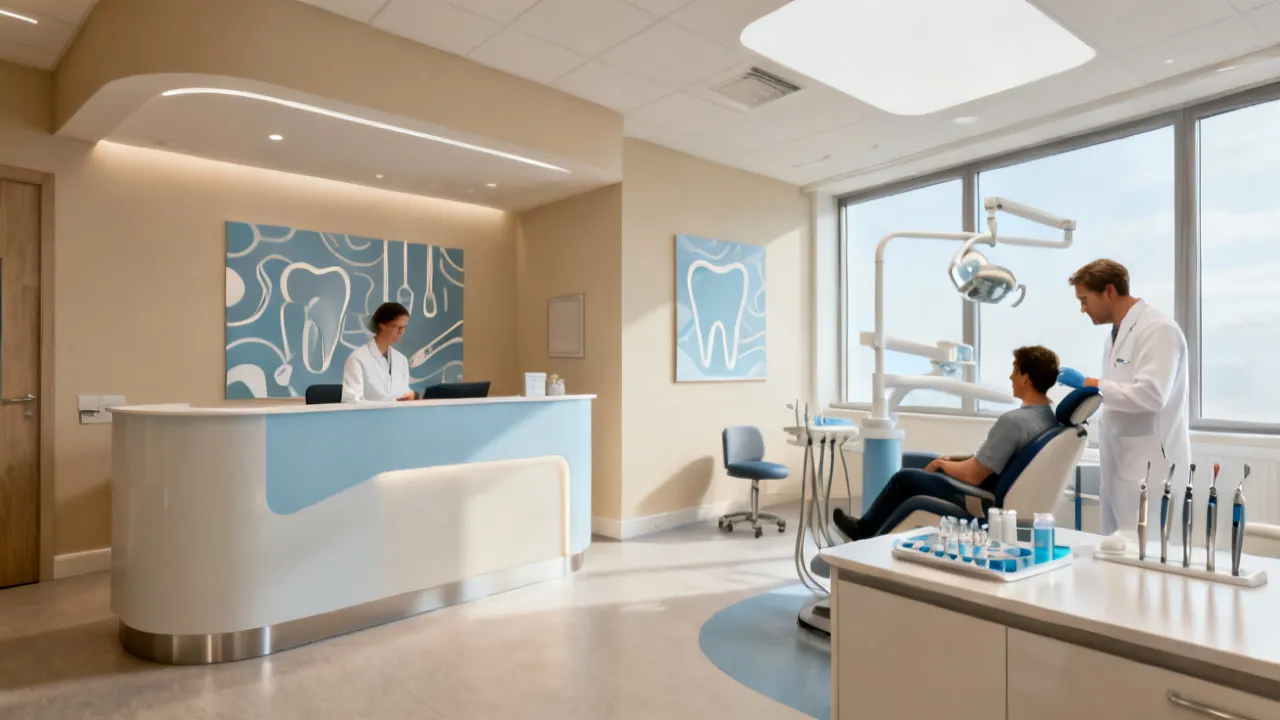
Understanding Oral Diseases and Prevention
This guide explains 구강 질환, or oral diseases, through their main causes, warning signs, diagnosis, treatment pathways, and prevention strategies. Oral diseases include conditions affecting the teeth, gums, oral mucosa, jaw, and related tissues. Dental caries, periodontal disease, oral infections, tooth loss, and oral cancer differ in severity and management, but many share preventable risk factors such as plaque accumulation, tobacco exposure, high sugar intake, and delayed professional care. The article also outlines evidence-based home care, clinical assessment, treatment questions, and situations requiring prompt attention.

What 구강 질환 Means in Clinical Practice
구강 질환 is the Korean term for oral diseases, a broad group of conditions affecting the teeth, gums, tongue, cheeks, lips, palate, jaw, salivary glands, and supporting tissues. The term does not describe one diagnosis. It includes common problems such as dental caries and gingivitis, as well as more complex conditions involving infection, inflammation, immune responses, trauma, developmental changes, medication effects, and abnormal tissue growth.
From an industry and clinical perspective, the most important point is that oral disease should not be treated as an isolated cosmetic concern. The mouth is a living biological environment connected to nutrition, speech, swallowing, sleep, pain, facial expression, and overall quality of life. A cavity can progress from a small enamel lesion to a painful infection. Gingivitis can remain reversible when addressed early, while untreated periodontal disease may damage the tissues supporting the teeth. Persistent sores, changes in color, or unexplained lumps may require assessment for conditions that are less common but clinically important.
The World Health Organization identifies oral diseases as a major global health concern and emphasizes prevention, early detection, and access to appropriate care. However, individual risk varies considerably. Age, medication use, saliva production, oral hygiene, diet, tobacco and alcohol exposure, systemic illness, pregnancy, disability, and access to dental services can all influence oral health. A responsible guide therefore avoids one-size-fits-all claims and focuses on symptoms, risk assessment, professional diagnosis, and practical prevention.
Oral health also has an important social and economic dimension. Untreated dental pain can interfere with school attendance, employment, sleep, and the ability to eat a balanced diet. Families may postpone care because of cost or fear, allowing a manageable condition to become more complex. Employers, insurers, public-health organizations, dental manufacturers, and healthcare systems all have a role in improving access to prevention and treatment. Effective oral-health strategies should address both clinical science and the practical circumstances that determine whether people can follow recommendations.
Why Early Attention Matters
Many oral diseases develop gradually and may cause little or no discomfort at first. Dental caries can be present before a person feels sensitivity. Early gum inflammation may appear only as occasional bleeding during brushing. Some oral lesions are painless. Waiting for severe pain is therefore an unreliable method of deciding whether a dental examination is needed.
Early assessment generally gives clinicians more options. A small carious lesion may be managed with preventive support or a conservative restoration, whereas advanced decay may require root canal treatment or extraction. Inflamed gums may respond to professional cleaning and improved plaque control, while advanced periodontal disease may need a structured treatment program involving deep instrumentation, periodontal monitoring, or referral to a specialist.
Early care also helps separate ordinary irritation from conditions needing investigation. A cheek bite that heals as the tissue recovers is different from a persistent ulcer. Temporary sensitivity after a dental procedure differs from progressive spontaneous pain. Clinical examination, dental radiographs when indicated, medical history, and sometimes laboratory or tissue testing allow the dentist to distinguish among these possibilities.
Early intervention is not only about preserving teeth. It can prevent secondary problems such as altered chewing patterns, muscle fatigue, nutritional restriction, sleep disruption, and anxiety about future treatment. In children, timely management can protect developing permanent teeth. In older adults, it can help maintain the ability to eat, speak, and participate socially. The earlier a condition is identified, the more likely it is that treatment can be planned around the patient’s preferences and circumstances.
Expert perspective: The most effective oral-health strategy is usually not a single product or procedure. It is a continuous process: identify personal risks, remove plaque consistently, reduce frequent sugar exposure, attend appropriate examinations, and act promptly when a symptom changes or persists.
Major Categories of 구강 질환
Dental Caries
Dental caries, commonly called tooth decay, results from a dynamic interaction among tooth structure, oral microorganisms, dietary carbohydrates, saliva, and time. Bacteria in dental plaque metabolize fermentable carbohydrates and produce acids. Repeated acid exposure can remove minerals from enamel and dentin. Saliva can help buffer acids and support remineralization, but its protective capacity may be reduced by dry mouth, medication effects, dehydration, or frequent snacking.
Possible signs include white or brown discoloration, food getting trapped in a particular area, sensitivity to cold or sweets, visible holes, or toothache. Some lesions are detected only during a dental examination or on radiographs. Treatment depends on lesion activity, depth, location, symptoms, and the condition of the surrounding tooth. Options may include risk-factor modification, fluoride-based preventive care, a restoration, pulp treatment, or extraction when the tooth cannot be predictably preserved.
Caries risk is not determined only by how much sugar a person consumes. Frequency matters because each exposure can produce an acidic period in the mouth. Sugary drinks sipped over a long period may therefore be more harmful than the same amount consumed with a meal. Sticky foods can remain on tooth surfaces, while acidic products may contribute to both erosion and decay-related risk. A dental professional can help identify realistic changes rather than recommending unnecessarily restrictive diets.
Gingivitis
Gingivitis is inflammation of the gum tissue, most often associated with plaque accumulation along the gumline. The gums may look red or swollen and may bleed during brushing or flossing. Bleeding is not a reason to stop gentle cleaning; instead, it can indicate that plaque control and professional assessment need attention. Other causes of gum bleeding can occur, including trauma, hormonal changes, medication effects, or systemic conditions, so persistent bleeding should not be self-diagnosed.
Gingivitis is often manageable when the underlying irritants are addressed. A dental professional may remove plaque and calculus, demonstrate brushing and interdental cleaning techniques, and review contributing factors. The gums may improve gradually rather than immediately, particularly when inflammation has been present for a long time. A person who continues to experience bleeding despite careful home care may need evaluation for calculus, periodontal pockets, ill-fitting restorations, or a non-plaque-related cause.
Periodontitis
Periodontitis is a more advanced inflammatory disease affecting the tissues that support the teeth. It can lead to periodontal pocket formation, attachment loss, bone loss, gum recession, tooth mobility, and eventual tooth loss. Risk is influenced by plaque biofilm, smoking or tobacco use, diabetes, genetic susceptibility, stress, certain medications, and barriers to regular care.
Periodontitis may cause bleeding, persistent bad breath, gum recession, changes in the way teeth meet, loose teeth, or discharge around the gums. Some patients have limited symptoms despite significant disease. Diagnosis typically involves periodontal probing, assessment of gum recession and tooth mobility, review of plaque levels, and radiographs when clinically appropriate.
Management is usually staged. The initial phase may include education, professional removal of deposits, behavior changes, and control of relevant medical risks. Some patients require additional periodontal treatment or specialist consultation. Long-term maintenance is essential because periodontal disease is managed over time rather than resolved by one appointment. Even after inflammation improves, previously damaged supporting tissues may remain vulnerable and require monitoring.
Dental Erosion, Abrasion, and Attrition
Not all tooth surface loss is caused by bacterial decay. Erosion involves chemical loss of tooth structure from acids that are not produced by bacteria. Dietary acids, gastric reflux, and repeated exposure to acidic drinks can contribute. Abrasion refers to mechanical wear from external forces, such as aggressive brushing or abrasive habits. Attrition occurs when opposing teeth wear against each other and may be associated with bruxism or normal use over time.
These conditions can produce sensitivity, flattened biting surfaces, transparent-looking enamel edges, grooves, or changes in tooth shape. Management depends on identifying the source. A dentist may recommend changes in brushing pressure, timing of toothbrushing after acidic exposure, dietary adjustments, management of reflux, protective appliances, or restorative treatment when structure or function is compromised.
Tooth wear may be difficult to reverse once substantial enamel has been lost. For that reason, identifying the cause is often more important than immediately choosing a restorative procedure. A night guard may help some patients with grinding, but it is not suitable for every situation and should be designed or recommended after an assessment. Similarly, reducing acidic exposure may be more valuable than repeatedly applying products intended only to mask sensitivity.
Oral Infections
Oral infections may be bacterial, viral, fungal, or mixed. Dental abscesses can develop when bacteria enter the pulp or surrounding tissues. Symptoms may include spontaneous tooth pain, swelling, tenderness, fever, a bad taste, pain during chewing, or sensitivity that lingers after hot or cold exposure. A dental abscess requires professional evaluation because antibiotics alone may not remove the source of infection.
Oral candidiasis, often called thrush, is a fungal infection that may appear as removable or non-removable white patches, redness, soreness, or altered taste. It can be associated with antibiotic use, inhaled corticosteroids, immune compromise, dentures, or dry mouth. Treatment should be based on clinical assessment and the individual’s health history. Recurrent episodes may require investigation of an underlying cause rather than repeated self-treatment.
Viral infections can produce blisters, ulcers, or localized pain. Because several conditions can look similar, treatment should not rely solely on online images or over-the-counter product descriptions. A clinician can assess the appearance, duration, location, associated symptoms, and possible exposure history. Hygiene measures, avoidance of sharing oral items, and appropriate medical advice may be important when an infection is contagious.
Oral Mucosal Conditions
The oral mucosa includes the soft tissues lining the mouth. Common conditions include traumatic ulcers, recurrent aphthous ulcers, contact reactions, lichen planus, geographic tongue, and irritation caused by dental appliances. Many are benign, but the diagnosis depends on the lesion’s pattern and clinical course.
A mouth ulcer that follows accidental biting may heal as the tissue recovers. A lesion that persists, repeatedly occurs in the same location, becomes firm, bleeds without clear cause, or is accompanied by neck swelling deserves professional evaluation. The clinician may ask about tobacco, alcohol, medications, nutritional status, trauma, immune conditions, and previous lesions.
Some people experience recurrent ulcers during periods of stress, illness, hormonal change, or nutritional deficiency. This does not mean that every recurrent ulcer has one identifiable cause. Keeping a record of timing, duration, triggers, and associated symptoms may help the clinician determine whether further testing or specialist referral is appropriate.
Salivary Gland Disorders and Dry Mouth
Saliva lubricates oral tissues, supports swallowing, helps control acidity, and contributes to protection against caries. Dry mouth, or xerostomia, may result from medication, dehydration, anxiety, radiation therapy, autoimmune disease, diabetes, or salivary gland dysfunction. Patients may notice difficulty eating dry foods, a sticky sensation, frequent thirst, altered taste, cracked lips, sore tissues, or a rapid increase in cavities.
Salivary gland disorders can also cause swelling, pain during meals, recurrent infections, or a persistent lump near the jaw or cheek. A clinician may examine the glands, review medication use, assess hydration, and order additional tests when necessary. Management can include frequent water intake when medically appropriate, saliva substitutes, sugar-free stimulation, fluoride protection, and treatment of the underlying cause.
Temporomandibular and Jaw Conditions
The temporomandibular joints, chewing muscles, and related structures can produce pain, stiffness, clicking, locking, headaches, or difficulty opening the mouth. Symptoms may be influenced by clenching, grinding, stress, trauma, arthritis, dental changes, or muscle overuse. Not every clicking joint requires treatment, particularly when there is no pain or limitation.
Assessment may include examination of jaw movement, muscle tenderness, bite, joint sounds, and related habits. Conservative care is often considered first, such as reducing extreme jaw movements, using heat or cold as advised, managing clenching triggers, and following a structured exercise or appliance plan. Persistent locking, significant trauma, progressive limitation, or severe pain requires timely evaluation.
Oral Cancer
Oral cancer can affect the lips, tongue, cheeks, floor of the mouth, hard palate, soft palate, or other oral and throat structures. Warning signs can include a persistent ulcer, red or white patch, unexplained bleeding, a lump, ongoing pain, difficulty chewing or swallowing, numbness, voice changes, or a change in the fit of dentures. These signs do not automatically indicate cancer; infection, trauma, and other conditions can produce similar symptoms. Their persistence or progression makes timely assessment important.
Recognized risk factors include tobacco exposure, alcohol use, certain viral infections, age, and previous disease history. The pattern of risk differs among populations, and no single factor predicts an individual diagnosis. Examination may be followed by referral, imaging, or biopsy when indicated. A biopsy is the established way to identify the nature of many suspicious tissue changes.
Early detection may expand treatment choices and reduce the extent of surgery or other therapy needed. Dentists and physicians may inspect areas that are difficult for patients to see, including the floor of the mouth and the sides or underside of the tongue. A person should report any unusual tissue change even if it is painless, because lack of pain does not reliably indicate harmlessness.
Common Causes and Risk Factors
Oral disease usually develops through several interacting influences rather than one isolated cause. The following factors are especially relevant during a dental risk assessment:
- Plaque accumulation: A persistent biofilm can contribute to caries and gum inflammation.
- Frequent sugar exposure: Repeated consumption of sugary foods or drinks increases the number of acid challenges affecting teeth.
- Tobacco and nicotine products: Smoking and other tobacco exposure can worsen periodontal risk and contribute to oral cancer risk.
- Alcohol exposure: Higher alcohol consumption is associated with increased risk for several oral and upper-aerodigestive conditions, particularly when combined with tobacco.
- Dry mouth: Reduced saliva may result from medications, dehydration, radiation treatment, medical conditions, or gland dysfunction.
- Medical conditions: Diabetes, immune disorders, reflux, and other illnesses can influence oral tissues or healing.
- Medication effects: Some medicines contribute to dry mouth, gum enlargement, altered taste, or bleeding tendencies.
- Oral appliances: Poorly fitting dentures, retainers, mouthguards, or orthodontic components can trap plaque or cause repeated trauma.
- Bruxism and clenching: Repeated force can contribute to tooth wear, fractures, muscle pain, and jaw symptoms.
- Limited access to care: Cost, transportation, disability, fear, work schedules, and geographic distance can delay diagnosis and treatment.
Risk factors should be interpreted in context. For example, a person with dry mouth may require a different prevention plan from someone whose main concern is frequent snacking. A patient with diabetes may benefit from coordination between dental and medical professionals. Individualized advice is more reliable than assuming that every patient should follow the same schedule or use the same products.
Behavioral factors should also be approached without blame. People may understand the importance of brushing yet struggle because of pain, depression, disability, shift work, caregiving responsibilities, or limited access to supplies. Clinicians can improve adherence by asking what is realistic, simplifying routines, and choosing tools that match the patient’s abilities and environment.
Symptoms That Deserve Attention
Symptoms can help determine urgency, but they cannot replace diagnosis. Arrange a dental assessment for persistent or recurring toothache, sensitivity that worsens, gum bleeding, swelling, bad breath that does not improve with routine cleaning, loose teeth, changes in bite, or difficulty wearing a dental appliance.
Seek prompt medical or dental attention for facial swelling, fever, difficulty opening the mouth, or pain that interferes with eating or sleeping. Urgent care is particularly important when swelling affects the floor of the mouth, tongue, throat, or neck, or when breathing or swallowing becomes difficult. These features may indicate a spreading infection or airway risk.
A persistent mouth ulcer, red or white patch, lump, unexplained numbness, or unexplained bleeding also warrants examination. The appropriate timing depends on the clinical situation, but waiting for a lesion to become painful is not advisable. Photographs can help track changes, yet they should supplement rather than replace an in-person assessment.
| Finding | Possible significance | Recommended response |
|---|---|---|
| Bleeding during brushing | Gingival inflammation, trauma, medication effect, or another cause | Use gentle plaque control and arrange an assessment if bleeding persists |
| Short, sharp sensitivity | Exposed dentin, early decay, recession, or wear | Arrange an examination, especially if the symptom is localized or increasing |
| Lingering pain after heat or cold | Possible pulpal inflammation or deeper dental disease | Seek dental assessment rather than relying only on desensitizing products |
| Facial or gum swelling | Possible abscess or other inflammatory process | Contact a dental professional promptly; seek urgent care if swallowing or breathing is affected |
| Persistent ulcer or patch | Trauma, infection, inflammatory disease, or a potentially serious lesion | Arrange an oral examination, particularly if it changes or does not heal |
| Loose adult tooth | Periodontal disease, trauma, or another structural problem | Seek assessment to identify whether supporting tissues can be stabilized |
| Dryness with rapidly increasing cavities | Reduced saliva protection or medication-related xerostomia | Review medicines and preventive options with a clinician |
How 구강 질환 Is Diagnosed
A professional evaluation begins with history taking. The dentist may ask when symptoms started, what makes them better or worse, whether there is bleeding or swelling, and whether the patient has experienced trauma. Medical conditions, medication use, allergies, tobacco and alcohol exposure, dietary habits, pregnancy, and previous dental treatment can all affect the assessment.
The clinical examination may include inspection of teeth, gums, tongue, cheeks, palate, jaw movement, and neck tissues. Dentists may measure periodontal pockets, assess tooth mobility, test sensitivity, check the fit of restorations, and examine areas that are difficult to see at home. Radiographs are not automatically required at every visit; they are selected when the expected diagnostic benefit justifies exposure and cost.
Additional investigations depend on the problem. A suspected oral lesion may require review after removing a source of irritation, referral to an oral medicine specialist, or biopsy. A suspected jaw disorder may involve imaging or evaluation of the temporomandibular joints. Patients should ask what a test is intended to clarify, what alternatives exist, and how the result will influence treatment.
Clinical reasoning principle: A symptom is a starting point, not a final diagnosis. Tooth sensitivity, for example, may result from caries, recession, erosion, a cracked tooth, occlusal stress, or pulpal disease. The most appropriate treatment depends on identifying the cause.
Treatment Approaches
Preventive and Nonoperative Care
Preventive care may include fluoride exposure, dietary counseling, plaque-control instruction, management of dry mouth, protective products, and monitoring. This approach is particularly relevant when disease is early or risk is elevated but tissue damage remains limited. The plan may be adjusted after reviewing progress and patient adherence.
Preventive treatment is active clinical care, not simply a recommendation to “do better.” It may involve applying professional fluoride, placing sealants in appropriate pits and fissures, prescribing high-fluoride products for selected patients, or creating a structured recall plan. Clinicians should explain how each measure addresses a specific risk and how long it should be used.
Restorative Dentistry
When tooth structure has been damaged by caries, fracture, or wear, a restoration may rebuild form and function. The choice among restorative materials depends on lesion size, location, moisture control, bite forces, appearance, durability considerations, allergies, and the patient’s priorities. No material is ideal for every tooth or every patient.
Restorative treatment should preserve as much healthy tooth structure as possible while providing a durable seal and acceptable function. Patients should understand that restorations require maintenance and can eventually fracture, wear, or develop recurrent disease at their margins. Good home care and regular examinations remain important after a filling, crown, veneer, or other restoration.
Endodontic Treatment
Root canal treatment may be considered when the dental pulp is irreversibly inflamed or infected and the tooth remains suitable for restoration. The process generally involves removing diseased pulp tissue, cleaning and shaping the canal system, sealing it, and restoring the tooth. The dentist should explain the expected prognosis, alternatives, number of visits, and the importance of the final restoration.
Not every painful tooth requires root canal treatment, and not every tooth treated endodontically has the same long-term outlook. Cracks, loss of supporting bone, remaining tooth structure, and the quality of the final restoration all influence prognosis. A second opinion may be reasonable when treatment is complex or when the available options have substantially different consequences.
Periodontal Treatment
Periodontal management focuses on controlling inflammation and preserving supporting tissues. It may include professional instrumentation, individualized home care, smoking cessation support, diabetes-related coordination, and maintenance visits. Advanced cases may require periodontal surgery or specialist care. Treatment success depends not only on the procedure but also on ongoing plaque control and monitoring.
Periodontal treatment is often measured through changes in bleeding, pocket depth, attachment stability, symptoms, and the patient’s ability to maintain clean surfaces. The goal is not necessarily to create perfect-looking gums, but to reduce active inflammation and preserve function. Some recession or bone loss may remain even when disease is controlled.
Extraction and Tooth Replacement
Extraction may be considered when a tooth cannot be restored predictably, presents a serious infection risk, or has a poor long-term prognosis. Replacement options may include a removable partial denture, fixed bridge, or dental implant, depending on bone volume, general health, periodontal stability, function, and personal preference. A careful treatment plan should address healing time, maintenance, potential complications, and long-term costs.
Replacing a missing tooth is not always medically urgent, but missing teeth can affect chewing, speech, tooth movement, and confidence. The best option depends on the patient’s goals and ability to maintain the replacement. Implants, for example, require adequate bone and healthy surrounding tissues and are not maintenance-free. A removable appliance may be more affordable or appropriate in some circumstances.
Management of Oral Mucosal Disease
Treatment varies widely. Removing a source of trauma may be sufficient for an irritation lesion, while infections may require targeted medication. Inflammatory or immune-related conditions may require specialist assessment and monitoring. A lesion that appears to improve but repeatedly returns should still be discussed with a clinician, especially when its pattern changes.
Daily Prevention Strategies
Effective prevention is based on consistency. Brush twice daily with a fluoride toothpaste suitable for the person’s age and health needs. Use a soft-bristled brush and gentle pressure, paying attention to the gumline and areas around restorations or orthodontic appliances. Replace a worn brush or brush head when the bristles no longer clean effectively.
Clean between teeth using floss, interdental brushes, or another device recommended for the space and gum condition. Interdental brushes can be useful where spaces are open, while floss may suit tighter contacts. Technique matters more than loyalty to one product category. Patients with limited dexterity may benefit from powered brushes, adapted handles, or assistance from a caregiver.
Limit the frequency of sugary foods and drinks rather than focusing only on the total quantity consumed. Water is generally a practical beverage between meals. Acidic drinks and foods should not be held in the mouth for prolonged periods. After acidic exposure, rinsing with water may help clear the mouth; brushing immediately may be unsuitable in some situations because softened enamel can be more vulnerable to mechanical wear.
People who use inhaled corticosteroids should follow their prescriber’s instructions and ask whether rinsing after use is appropriate. Denture wearers should clean appliances according to professional guidance, remove them for the recommended period, and have sore spots assessed. Mouthguards and retainers should be kept clean and checked for damage or poor fit.
Tobacco cessation is one of the most important steps for oral and general health. Patients who drink alcohol should discuss consumption with a healthcare professional if it is difficult to reduce or if it may be contributing to health risks. The dental team can provide brief advice and referral pathways without treating the issue as a matter of blame.
Children and adults who have difficulty performing oral hygiene may need a routine that is broken into small steps. For example, one person may find it easier to brush while seated, use a larger handle, or clean one section of the mouth at a time. Caregivers should receive practical instruction and should inspect the mouth periodically when the patient cannot reliably report symptoms.
Professional Checkups and Maintenance
There is no universally correct interval for every patient. Examination frequency should reflect caries risk, periodontal status, age, medical history, medication use, pregnancy, tobacco exposure, previous disease, and the ability to maintain oral hygiene. Some people need more frequent monitoring during active treatment or after a significant change in health; others may be suitable for a longer interval determined by their clinician.
During a maintenance visit, the professional may review symptoms, examine teeth and soft tissues, assess plaque and gum condition, update medical history, and reinforce practical home-care methods. Preventive procedures are selected according to risk rather than performed automatically. The purpose of regular care is not merely to polish teeth, but to detect changes, reduce risk, and preserve function.
Patients should bring an updated medication list and mention pregnancy, allergies, diabetes, immune conditions, cancer treatment, anticoagulant use, or recent surgery. These details can influence the safety and timing of dental procedures. They should also mention new symptoms since the previous visit, even if they seem unrelated to the original reason for care.
Special Considerations Across Life Stages
Children and Adolescents
Children depend on adults for diet patterns, supervision, and access to care. Primary teeth matter because they support eating, speech, comfort, and the development of the permanent dentition. Parents and caregivers should seek guidance on brushing, fluoride exposure, bottle and cup habits, snacks, and dental visits. Adolescents may face increased risk from orthodontic appliances, sports injuries, energy drinks, tobacco or nicotine products, and inconsistent routines.
Dental anxiety can begin early. A calm, age-appropriate introduction to dental care may reduce fear and improve future attendance. Adults should avoid using dental treatment as a threat and should not describe routine procedures in alarming terms. Protective mouthguards may be recommended for some sports, while urgent assessment is important after a significant dental injury, especially when a permanent tooth is displaced or knocked out.
Pregnancy
Hormonal changes can alter gum sensitivity and bleeding. Pregnancy does not eliminate the need for dental care, although treatment planning should consider the stage of pregnancy and the patient’s medical situation. Nausea, vomiting, dietary changes, and reflux may increase acid exposure. A pregnant patient should tell both the dental and medical teams about the pregnancy so that examinations, radiographs, medication choices, and procedures can be planned appropriately.
Pregnancy-related gum changes should not be assumed to explain every symptom. Severe swelling, persistent pain, fever, or a non-healing lesion still requires evaluation. Preventive care during pregnancy may also benefit the family by helping parents establish healthy feeding and oral-hygiene routines before the baby’s first teeth appear.
Older Adults
Older adults may experience root caries, dry mouth, gum recession, tooth wear, denture-related problems, and difficulty with manual brushing. Multiple medications and chronic conditions can complicate oral care. A practical plan may include adapted hygiene tools, caregiver support, saliva-management strategies, regular assessment of denture fit, and coordination with physicians or pharmacists.
Tooth loss should not be accepted as an unavoidable part of aging. Many older adults retain natural teeth for decades when disease is prevented and treated. However, treatment decisions should consider comfort, hand function, memory, transportation, finances, and the patient’s priorities. A technically complex plan may not be suitable if the required maintenance is unrealistic.
People With Disabilities or Complex Health Needs
Accessibility is part of clinical quality. Some patients need longer appointments, communication aids, sensory adjustments, transfer support, sedation assessment, or caregiver participation. Dental teams should adapt instructions to the individual’s abilities and establish a realistic maintenance routine. A plan that cannot be performed at home is unlikely to succeed, regardless of how technically sound it appears in the clinic.
Patients with intellectual, developmental, neurological, or physical disabilities may have difficulty communicating pain or tolerating examination. Caregivers should watch for changes in eating, sleep, behavior, facial expression, or resistance to oral care. These changes can sometimes signal dental discomfort. Clinics can improve care by offering accessible appointment times, clear communication, and continuity with familiar staff.
Conditions and Requirements for a Safe Dental Visit
Before treatment, patients should provide accurate information about symptoms, allergies, medications, pregnancy, implanted devices, bleeding disorders, previous reactions to anesthesia, and relevant medical diagnoses. They should explain whether they have difficulty swallowing, breathing, opening the mouth, lying back, or tolerating sounds and textures.
For procedures involving sedation, surgery, or complex medical conditions, additional requirements may apply. These can include fasting instructions, an escort, medication adjustments, laboratory results, or medical clearance. The requirements vary by procedure and provider, so they should be confirmed directly with the treating clinic.
After treatment, follow the clinician’s instructions about eating, brushing, rinsing, medication, activity, and review appointments. Contact the dental team if pain, swelling, bleeding, numbness, fever, or an allergic reaction is greater than expected or is worsening. Emergency services are appropriate when breathing or swallowing is compromised.
Comparing Common Oral Health Priorities
| Priority | Main objective | Typical professional focus | Patient contribution |
|---|---|---|---|
| Caries prevention | Reduce mineral loss and preserve tooth structure | Risk assessment, fluoride guidance, dietary review, early detection | Consistent brushing, interdental cleaning, reduced frequent sugar exposure |
| Gum health | Control inflammation and protect supporting tissues | Periodontal measurements, professional debridement, maintenance planning | Daily plaque removal, tobacco cessation, attendance at reviews |
| Tooth wear control | Prevent further loss of enamel or dentin | Identify chemical, mechanical, or functional causes | Modify acidic exposure, brushing force, clenching habits, and appliance use |
| Oral lesion assessment | Distinguish transient irritation from disease requiring investigation | Visual examination, history, review, referral, or biopsy when indicated | Report persistent or changing lesions promptly |
| Dry-mouth management | Reduce discomfort and caries risk | Review medicines and medical causes, recommend protective measures | Maintain hydration as medically appropriate and follow personalized guidance |
| Tooth replacement planning | Restore function and support oral stability | Assess bone, gums, bite, adjacent teeth, and long-term maintenance | Understand alternatives, care requirements, and follow-up commitments |
How to Prepare for an Oral Health Consultation
- Record the main concern. Note the location, onset, intensity, triggers, and whether the symptom is improving or worsening.
- List relevant health information. Include medicines, supplements, allergies, pregnancy, chronic conditions, and previous dental reactions.
- Describe daily habits. Mention brushing frequency, interdental cleaning, sugary or acidic exposures, tobacco, alcohol, clenching, and appliance use.
- Bring previous information. If available, provide recent radiographs, treatment records, or details of specialist care.
- Ask about diagnosis. Request an explanation of the suspected condition and what evidence supports it.
- Clarify treatment choices. Ask about benefits, limitations, risks, expected longevity, alternatives, and consequences of delaying care.
- Confirm aftercare. Understand warning signs, medication instructions, eating restrictions, and the recommended review interval.
It can be useful to ask for a written treatment plan when several appointments are expected. The plan should identify which condition is being treated, which teeth or tissues are involved, the sequence of care, approximate costs, and the point at which progress will be reassessed. Patients have the right to ask questions and to request clarification in plain language.
Evaluating Oral Health Information and Products
Consumers encounter many claims about whitening, gum repair, antimicrobial rinses, supplements, herbal preparations, and home diagnostic tools. A product’s marketing language should not be confused with clinical evidence. Look for clear information about the active ingredient, intended use, contraindications, age restrictions, and supporting research. A product that helps one problem may worsen another; an abrasive whitening product, for example, may be unsuitable for a patient with erosion or sensitivity.
Mouthwash can support a specific care plan, but it does not replace mechanical plaque removal. Products containing active ingredients should be used according to professional or label directions. Children, pregnant patients, people with swallowing difficulties, and those taking multiple medicines may need tailored advice.
Online symptom checkers and photographs can raise useful questions, but they cannot reliably diagnose 구강 질환. A professional examination remains important when a symptom persists, progresses, or affects function. Be cautious of claims promising rapid reversal of advanced disease or suggesting that routine dental treatment is unnecessary.
Whitening products deserve particular caution. Surface stains may respond to appropriate whitening, but intrinsic discoloration, decay, defective restorations, and enamel damage require different approaches. Whitening may temporarily increase sensitivity and does not change the color of existing crowns, fillings, or veneers. A dental examination before cosmetic treatment can prevent a cosmetic product from being applied over an untreated disease.
Evidence and Professional Sources
Reliable oral-health guidance is commonly developed from recognized public-health and professional sources. The World Health Organization provides global information on oral health and major disease categories. The U.S. Centers for Disease Control and Prevention publishes resources on oral health, periodontal disease, and related risk factors. National dental associations, government health services, and university-based dental schools may provide patient guidance grounded in clinical standards.
Clinical recommendations can differ by country because regulations, fluoride policies, healthcare systems, and available services vary. Patients should use national guidance alongside advice from their own dentist or physician. When reviewing a study or report, consider whether it describes a controlled clinical trial, a systematic review, an observational study, or an expert consensus. Evidence quality and relevance matter more than a striking headline.
This article is educational and does not establish a diagnosis or replace individualized professional care. A dentist, oral medicine specialist, periodontist, endodontist, oral and maxillofacial surgeon, physician, or other qualified clinician may be involved depending on the condition.
Frequently Asked Questions
What is the difference between 구강 질환 and a dental problem?
구강 질환 means oral diseases in a broad sense. It includes dental problems such as caries, but also gum disease, oral mucosal conditions, salivary disorders, jaw conditions, infections, and oral cancer. “Dental problem” is often used informally and may refer mainly to the teeth, while 구강 질환 covers a wider anatomical and clinical range.
Can oral disease exist without pain?
Yes. Early caries, gingivitis, periodontal disease, and some oral lesions can produce few symptoms. Pain often appears when inflammation or structural damage has progressed. Routine examinations and attention to visual changes, bleeding, swelling, or persistent sores are therefore important.
Is bleeding during brushing normal?
Bleeding is common but should not be dismissed as normal. It may indicate plaque-related inflammation, trauma, medication effects, or another condition. Gentle cleaning should generally continue, while persistent or heavy bleeding should be assessed by a dental professional.
Does mouthwash replace brushing and interdental cleaning?
No. Mouthwash may have a role in a specific preventive or therapeutic plan, but it does not physically remove plaque as effectively as brushing and cleaning between teeth. The appropriate product depends on the patient’s condition, age, swallowing ability, and treatment goals.
When is a mouth ulcer concerning?
Seek assessment when an ulcer does not heal as expected, repeatedly returns in the same location, becomes larger or firmer, bleeds, is associated with numbness or a neck lump, or occurs with difficulty swallowing. Many ulcers are benign, but persistence and change warrant professional review.
Can antibiotics cure a dental abscess by themselves?
Antibiotics may be appropriate in selected cases, particularly when there are systemic signs or spreading infection, but they do not usually eliminate the dental source. Drainage, root canal treatment, extraction, or another procedure may be required. The decision must be made by a qualified clinician.
How often should a person visit the dentist?
The appropriate interval depends on individual risk. Patients with active caries, periodontal disease, dry mouth, complex medical conditions, or recent treatment may need closer monitoring. A dentist should recommend an interval based on examination findings rather than a universal schedule.
Are children at risk of 구강 질환?
Yes. Children can develop caries, gum inflammation, dental trauma, enamel defects, and developmental concerns. Primary teeth are important for comfort, eating, speech, and guidance of permanent teeth. Early professional advice helps families establish suitable brushing, dietary, fluoride, and injury-prevention routines.
What should someone do about sudden facial swelling?
Contact a dental professional promptly. If swelling is rapidly increasing or affects breathing, swallowing, speech, the tongue, or the neck, seek emergency medical care. Do not rely on pain medication or leftover antibiotics to manage a potentially spreading infection.
Can tobacco or alcohol affect oral health?
Yes. Tobacco exposure is associated with periodontal problems, delayed healing, tooth loss, and oral cancer risk. Alcohol can also contribute to risk, particularly at higher levels and when combined with tobacco. A healthcare professional can provide practical cessation or reduction support.
Is tooth sensitivity always caused by enamel loss?
No. Sensitivity may be related to gum recession, exposed dentin, caries, a cracked tooth, worn restorations, erosion, clenching, or pulpal inflammation. The duration and trigger of the pain help guide assessment, but examination is needed to identify the cause.
Can oral disease affect general health?
Oral conditions can affect eating, sleep, communication, comfort, and daily functioning. Oral inflammation and infection may also be relevant to people with certain medical conditions. The relationship is complex and does not mean that every oral problem causes a systemic disease. Coordinated care is appropriate when oral and medical conditions overlap.
Should a person stop brushing when the gums bleed?
In many cases, stopping brushing allows more plaque to remain and may worsen inflammation. Gentle brushing with a soft brush is generally preferable, but severe pain, heavy bleeding, or unusual bruising should be discussed with a clinician. The correct technique and cause of bleeding should be assessed rather than assumed.
Are natural or herbal remedies always safe?
No. Natural products can cause irritation, allergy, staining, medication interactions, or delayed treatment of a serious condition. Some products may be abrasive or contain ingredients that have not been adequately tested for oral use. Patients should tell their dentist about supplements and herbal preparations, especially before surgery or sedation.
Conclusion
구강 질환 encompasses a wide spectrum of conditions, from early tooth decay and gingivitis to infections, periodontal disease, mucosal disorders, salivary problems, jaw conditions, and oral cancer. The most dependable approach combines daily plaque control, sensible dietary habits, tobacco avoidance, attention to persistent symptoms, and professional assessment based on individual risk. Prevention is valuable, but it is not a substitute for diagnosis when pain, swelling, bleeding, tooth mobility, or tissue changes appear.
Patients can improve the quality of care by keeping an accurate health history, asking how a diagnosis was reached, comparing reasonable treatment options, and understanding the maintenance required after treatment. When symptoms involve facial swelling, breathing, swallowing, or rapid progression, urgency takes priority. In all other cases, timely, evidence-informed dental care offers the best opportunity to protect oral function and preserve healthy tissues.