Choosing and Using an Ultrasonic Tartar Remover
This guide explains what the Korean term 초음파 치석 제거기 means, how ultrasonic tartar-removal devices work, and why professional assessment remains important. It distinguishes clinical ultrasonic scalers from consumer-oriented products, reviews safety, hygiene, product-selection criteria, and maintenance, and outlines situations in which home use should be avoided. The discussion is based on established dental-care principles and guidance from recognized health and regulatory authorities.
What 초음파 치석 제거기 Means
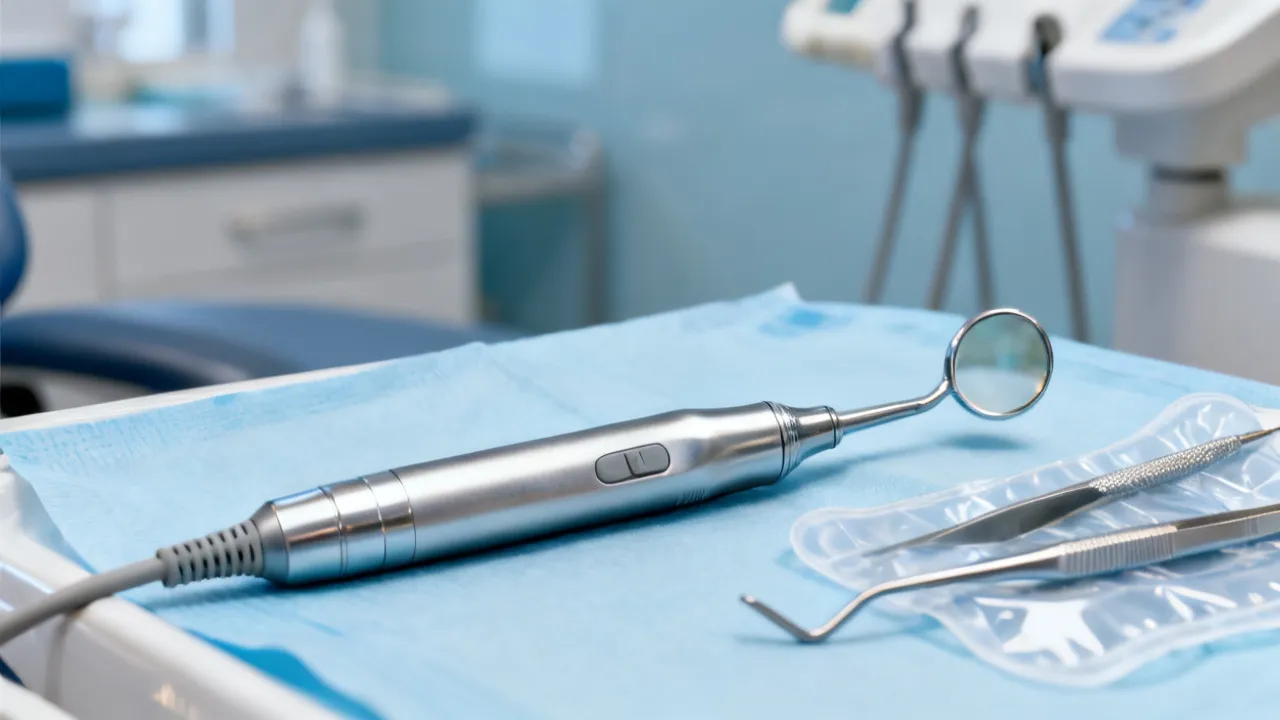
초음파 치석 제거기 is the Korean term commonly translated as “ultrasonic tartar remover” or “ultrasonic calculus remover.” The phrase generally refers to a device that uses high-frequency mechanical vibration to help disrupt and remove hardened deposits from tooth surfaces. In professional dentistry, the comparable instrument is an ultrasonic scaler, which is operated by a trained dental professional during a clinical cleaning or periodontal procedure.
The most important point is that an ultrasonic device is not automatically suitable for unsupervised home use. Dental calculus, also called tartar, is mineralized plaque that adheres firmly to teeth. Once plaque has hardened, brushing and ordinary flossing cannot reliably remove it. A scaler may help detach deposits, but selecting the correct power, tip, technique, water flow, and treatment area requires knowledge of dental anatomy and oral disease.
Consumer products marketed under the name 초음파 치석 제거기 may differ considerably from clinical instruments. Some are designed for cosmetic surface cleaning, while others imitate the appearance or operating principle of professional equipment without offering equivalent control, cooling, infection-control features, or clinical performance. A device’s marketing description should therefore not be treated as proof that it can safely replace a dental examination.
From an industry expert’s perspective, the right question is not simply, “Does this device vibrate?” The more useful questions are:
- What type of deposit is the device intended to address?
- Is it manufactured and labeled according to applicable medical-device requirements?
- Does the user understand the limitations and contraindications?
- Can every component that contacts the mouth be cleaned, disinfected, or replaced appropriately?
- Is there an underlying gum or tooth condition that requires professional treatment?
These considerations are more important than appearance, accessory count, or the number of operating modes listed on a product page. A polished housing, a bright display, or a large collection of interchangeable tips does not demonstrate that a device is clinically appropriate. In oral care, the safety of the surrounding process matters as much as the action of the vibrating tip itself.
How Ultrasonic Scaling Works
Professional ultrasonic scalers use a powered tip that moves at a high frequency. The vibration helps fracture or loosen calculus, while a stream of water cools the tip and flushes away debris. The instrument is normally used with a light, controlled touch rather than forceful pressure. The clinician constantly adjusts the angle, movement, and power according to the tooth surface and the location of the deposit.
The water spray also contributes to the operating environment. It can reduce heat generated by the vibrating tip and help clear the treatment area. In a dental clinic, this spray is managed with suction, protective equipment, surface barriers, instrument processing, and established infection-prevention procedures. The spray is not merely a comfort feature; it is part of the equipment’s operating and safety design.
Ultrasonic scaling does not dissolve every type of stain or deposit. Extrinsic stains from coffee, tea, tobacco, or certain foods may require polishing or another appropriate approach. Soft plaque is best controlled through brushing, interdental cleaning, and professional preventive care. Cavities, fractured fillings, exposed root surfaces, and gum pockets cannot be diagnosed or corrected merely by operating a scaler.
The term “ultrasonic” describes the energy used by the instrument; it does not describe a guaranteed clinical outcome. Two devices may use similar terminology yet differ in vibration pattern, tip design, water delivery, power control, electrical safety, and intended user. Product specifications must therefore be read in context.
Professional scalers may use magnetostrictive or piezoelectric technology, with each design producing a particular pattern of tip movement. The operator must understand that pattern because it influences how the tip should be adapted to a tooth. A consumer may see a frequency number on a product page, but frequency alone does not explain the device’s actual performance, heat production, amplitude, or suitability for a particular surface.
Understanding Plaque, Calculus, and Stain
Calculus is not simply a hard version of ordinary food residue. It forms when bacterial plaque remains on a tooth and becomes mineralized by substances in saliva. It may develop above the gumline, where it is visible as a rough yellow or brown deposit, or below the gumline, where it may be difficult for a person to see.
Fresh plaque is a soft, organized biofilm. It can often be disrupted with a toothbrush and an interdental cleaning aid. If it remains undisturbed, mineral salts can harden it into calculus. The longer it remains, the more firmly it can attach to enamel, restorative material, or root surfaces. This is why preventive plaque removal is generally safer and easier than trying to remove large, established deposits later.
Calculus can have a rough surface that encourages additional plaque retention. It may therefore contribute to an environment in which gum inflammation continues. However, calculus itself is only one part of the picture. The severity of gum disease also depends on bacterial activity, the host response, smoking, diabetes, oral hygiene, genetics, medication, and other health factors.
Subgingival calculus is particularly important. A person may notice bleeding, swelling, persistent bad breath, or gum tenderness, but the extent of the problem cannot be judged reliably at home. Gum disease can involve inflammation and supporting tissues around the teeth. In such circumstances, scraping visible areas without addressing the underlying condition may create a false sense that the problem has been resolved.
Stains are different from calculus. A brown area may be a surface stain, but it may also be calculus, decay, a defective restoration, or exposed root dentin. White or chalky areas may represent early enamel changes rather than deposits. A mirror and a household light do not provide enough information to make a dependable diagnosis.
Why Tartar Removal Requires Care
Improper scraping can damage the mouth. Excessive force may produce scratches on enamel, restorations, or exposed root surfaces. A vibrating tip held in one place too long may create heat or discomfort. Contact with soft tissue can cause trauma. A user may also push deposits beneath the gum margin, disturb a restoration, or overlook an area requiring diagnosis.
Tooth sensitivity after scaling can occur even when treatment is performed correctly, particularly when deposits have covered exposed root surfaces or when gums are inflamed. However, severe pain, prolonged sensitivity, swelling, pus, facial swelling, or difficulty opening the mouth should not be treated as ordinary cleaning reactions. These symptoms require dental evaluation.
One risk is removing only the most visible portion of a deposit. The surface may appear smoother while calculus remains at the edge of the gum or between teeth. Another risk is mistaking a piece of tooth or filling for tartar and attempting to remove it. A chipped restoration can sometimes feel like a hard deposit, especially when visibility is poor.
There is also a behavioral risk. A person who successfully removes a small visible deposit may become more confident and begin using the device more frequently or more aggressively. Repeated self-treatment can lead to abrasion, gum recession, or delayed care for periodontal disease. A successful cosmetic result in one area does not prove that the same technique is safe throughout the mouth.
Professional Ultrasonic Scalers Versus Home Devices
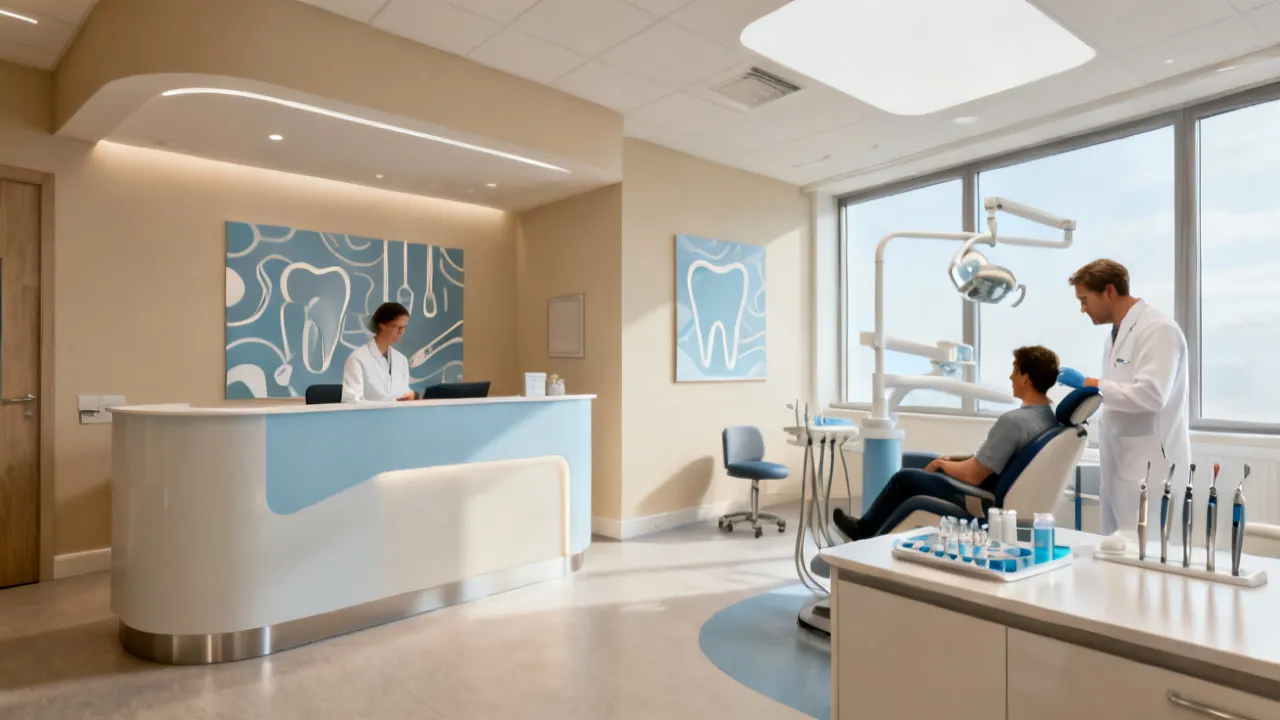
The distinction between professional equipment and consumer-oriented 초음파 치석 제거기 products should be clear. A clinical ultrasonic scaler is part of a broader treatment system. It is used by a dentist, dental hygienist, or other appropriately trained professional who evaluates the patient before, during, and after the procedure.
| Consideration | Professional ultrasonic scaler | Consumer-oriented device |
|---|---|---|
| Operator | Used by trained dental personnel within a clinical scope of practice. | Usually intended for personal use, with varying levels of instruction. |
| Clinical assessment | Selected after examining teeth, gums, restorations, and medical history. | Often used without a formal oral examination. |
| Power and control | Designed for controlled clinical adjustment and procedure-specific use. | May offer limited settings and less predictable control. |
| Water and suction | Integrated into a dental unit with suction and infection-control procedures. | May have a small reservoir or no continuous water-management system. |
| Tip handling | Tips are selected, maintained, processed, and replaced according to clinical protocols. | Tip quality, replacement intervals, and processing requirements vary. |
| Purpose | Removal of deposits as part of diagnosis, prevention, or periodontal treatment. | Usually marketed for limited surface cleaning or personal maintenance. |
| Visibility and access | Used with clinical lighting, mirrors, suction, and instruments designed for difficult areas. | Often used with limited visibility and restricted access. |
| Follow-up | Findings can be recorded and treatment can be modified at subsequent visits. | Users must decide independently whether the result is adequate. |
This comparison does not mean every consumer product is ineffective or inherently unsafe. It means the setting, user, and control system are different. A household device cannot reproduce the full clinical environment simply because it uses vibration. Nor should a product claim to diagnose or treat periodontal disease unless it has the appropriate authorization and supporting evidence in the relevant market.
Clinical instruments also benefit from routine calibration, maintenance, and quality checks. A dental office can identify a worn handpiece, damaged tip, inadequate water flow, or abnormal vibration before treatment. A household user may not recognize gradual performance changes until discomfort or damage occurs.
What Buyers Should Examine Before Purchase
People searching for 초음파 치석 제거기 may encounter a wide range of prices, specifications, and promotional statements. Price alone is not a reliable indicator of safety or usefulness. A lower-cost product may omit replacement tips, cleaning instructions, or durable construction. A higher-priced product may include features that are unnecessary for a particular user or may still be unsuitable for independent oral treatment.
A careful purchasing review should begin with the following points.
1. Intended use and user classification
Read the intended-use statement rather than relying on the product name. Is the device described as a dental instrument for professional use, a cosmetic surface-cleaning tool, or a personal oral-care appliance? Professional-use equipment may require training, installation, water management, and regulated servicing. A product intended for professionals is not automatically appropriate for a household.
2. Regulatory information
Check whether the manufacturer identifies the applicable regulatory classification and the market in which the device is sold. Depending on the jurisdiction, medical devices may be overseen by authorities such as the U.S. Food and Drug Administration, the European Union’s medical-device framework, the Korean Ministry of Food and Drug Safety, or another national regulator. A genuine registration or conformity statement should be verifiable through official channels, not merely displayed as an unexplained badge.
Regulatory status does not mean that a device can perform every task suggested in advertising. It indicates that the product has been assessed or documented under a particular framework and intended use. Claims about removing disease, treating gum infection, whitening teeth, or replacing professional care should be viewed cautiously unless they are supported by appropriate authorization and evidence.
3. Tip design and replacement
Tips are not interchangeable in a clinical sense. Their shape, material, size, and edge profile influence how they contact a tooth. A tip that is too sharp, worn, bent, or damaged can increase the risk of scratches and soft-tissue injury. Buyers should ask whether replacement tips are available through an identifiable manufacturer or authorized distributor.
Do not continue using a tip simply because it still vibrates. Wear can alter its performance and shape. Instructions should explain inspection, cleaning, storage, and replacement. If the manufacturer provides no practical information about the tip, that is a meaningful concern.
Some products include very thin pointed tips that appear useful for reaching narrow areas. In reality, a pointed shape can concentrate force on a small area and may be more difficult to control. Tip selection should be based on the manufacturer’s stated purpose, not on the assumption that a sharper instrument is more effective.
4. Cleaning and infection-control instructions
Any component that enters the mouth should have clear processing instructions. Determine whether it can be rinsed, disinfected, or sterilized, and whether the device body must be protected from liquid. A product that cannot be cleaned thoroughly may become contaminated between uses.
Reusable instruments require more than wiping with a household tissue. The appropriate process depends on the material and the manufacturer’s instructions. If the device is intended for one person only, it should not be shared with family members. Shared oral instruments can transfer microorganisms and create avoidable hygiene risks.
5. Water system and electrical safety
Ultrasonic instruments often use water during operation. A device with a reservoir should have instructions for filling, emptying, cleaning, and preventing stagnant water. Electrical components must be protected from moisture, particularly around sinks and wet countertops.
Look for information about voltage, charging, battery handling, overheating protection, and approved adapters. Products imported from another country may use a different plug, voltage, or charger. An adapter that changes the plug shape does not necessarily convert electrical voltage.
6. Manufacturer transparency
A responsible manufacturer normally provides a business address, customer-support method, instruction manual, warranty terms, and identifiable model number. Product listings that rely only on dramatic before-and-after images, unexplained technical language, or urgent sales messaging should be evaluated carefully.
Independent reviews can provide information about durability and usability, but they do not replace clinical evidence or regulatory documentation. Reviews should be read for recurring practical issues such as broken tips, leakage, difficult cleaning, battery failure, or unclear instructions.
7. Return policy and support
Because a device is intended to enter the mouth, the seller should explain how defective or opened products are handled. Confirm whether replacement tips and chargers remain available after the initial purchase. A device that cannot be supported after a few months may not be a sensible long-term oral-care investment.
Conditions in Which Home Use Should Be Avoided
There are circumstances in which a person should not attempt to remove calculus with a household 초음파 치석 제거기. The safest choice is to arrange a dental assessment first when any of the following applies:
- There is spontaneous gum bleeding, significant swelling, pus, or persistent tenderness.
- A tooth is loose, painful when biting, fractured, or associated with facial swelling.
- There is a suspected cavity, broken filling, crown problem, implant complication, or orthodontic appliance.
- The user has exposed roots, severe sensitivity, enamel defects, or a history of root-surface damage.
- The device would be used near a surgical site or a recently treated area.
- The user has a condition or medication history that affects bleeding, healing, immunity, or infection risk.
- The manufacturer specifically excludes the user’s medical condition or age group.
- The person cannot clearly see the area being treated or cannot control the instrument reliably.
People with pacemakers or other implanted electronic devices should follow the advice of their physician and dentist and consult the device manufacturer’s compatibility information. Older equipment and newer instruments may differ in electromagnetic behavior, so generalized assumptions are not appropriate.
Children should not use a powered tartar-removal instrument without direct professional guidance. Their teeth, gums, and motor control are still developing, and a tool that seems manageable to an adult may be difficult to control in a child’s mouth.
Individuals who have recently undergone tooth extraction, gum surgery, bone grafting, implant placement, or another oral procedure should follow the treating clinician’s instructions. The healing period may require gentle cleaning methods and avoidance of vibration or direct contact. A device that is acceptable for a healthy visible tooth may be inappropriate near a healing wound.
Step-by-Step Risk-Aware Decision Guide
Step 1: Identify the problem
First determine what you are seeing. A hard deposit, soft plaque, stain, chipped filling, and decayed tooth can look similar in a mirror. If the material does not brush away, do not assume that it is calculus. A dental professional can distinguish deposits from tooth structure and restorations.
Step 2: Check for warning signs
Examine whether there is bleeding, pain, swelling, bad taste, sensitivity, mobility, or a change in the way the teeth meet. Warning signs indicate that the goal should be diagnosis, not merely cosmetic cleaning.
Step 3: Review the device documentation
Read the entire instruction manual before charging or placing the device in the mouth. Confirm the intended user, operating duration, tip limitations, cleaning method, water requirements, and emergency shutoff procedure. If the manual is unavailable or poorly translated, consider that a safety issue rather than a minor inconvenience.
Step 4: Verify the manufacturer
Record the model number and check the manufacturer’s official product information and relevant regulatory database where applicable. Be cautious if the seller cannot identify the manufacturer, if the model number changes across listings, or if the device is described with clinical claims that are not supported by documentation.
Step 5: Obtain professional advice when uncertain
A dental hygienist or dentist can explain whether the deposit is suitable for professional scaling, whether a restoration is present, and whether home maintenance is appropriate. A short consultation may prevent damage that is more costly and uncomfortable to correct later.
Step 6: If use is permitted, follow the narrowest intended purpose
Do not expand the device’s purpose beyond the instructions. Avoid using it to probe gum pockets, scrape around implants, remove bonded orthodontic material, or treat a painful area. Use only the recommended tip and setting, and stop immediately if pain, bleeding, heat, or unusual vibration occurs.
Step 7: Clean and store the device correctly
After use, process the mouth-contact components according to the manual. Allow parts to dry as instructed, keep them protected from dust, and do not store a damp tip in a sealed container unless the manufacturer specifically recommends that method. Inspect the cable, charger, reservoir, and tip before the next use.
Step 8: Record unusual reactions
If the device causes bleeding, pain, sensitivity, or a change in a restoration, note when the symptom occurred and which tip or setting was used. This information can help a dental professional determine whether the problem is related to existing disease, technique, or the instrument itself. Do not discard the model number or packaging before the issue is assessed.
How Dental Professionals Approach Ultrasonic Scaling
In a clinic, ultrasonic scaling is normally one part of a broader sequence. The professional reviews the medical history, examines the mouth, identifies deposits, and determines whether radiographs or periodontal measurements are necessary. Scaling may then be combined with hand instrumentation, polishing, oral-hygiene instruction, or periodontal treatment, depending on the findings.
Clinical technique is based on controlled adaptation. The tip is kept moving, and the operator avoids unnecessary pressure. Different areas of the mouth require different access and angles. Narrow spaces, crowded teeth, restoration margins, and root surfaces may not be safely or effectively reached by an inexperienced user.
Professional treatment also includes patient communication. The clinician can pause when sensitivity occurs, alter the water flow, choose another instrument, or explain why a particular deposit should not be disturbed immediately. This feedback loop is absent when a person operates a device alone in front of a bathroom mirror.
Another important distinction is visibility. Dental professionals use focused lighting, mirrors, suction, retractors, and appropriate instruments. They can identify whether a dark area is stain, calculus, caries, a restoration margin, or exposed dentin. A consumer device cannot make that diagnosis.
After treatment, a professional can explain what caused the deposits and how to reduce their return. For a person with periodontal pockets, the plan may include targeted cleaning, monitoring of gum measurements, and scheduled maintenance. Simply removing a visible edge of calculus does not provide this continuing care.
Maintenance Habits That Reduce Calculus Formation
The most effective long-term strategy is usually prevention rather than repeated scraping. Plaque is the precursor to calculus, so daily plaque control can reduce the amount of material available to mineralize. Essential habits include brushing with a suitable fluoride toothpaste, cleaning between teeth, and attending dental visits at an interval recommended for the individual’s oral-health status.
Technique matters more than buying the most complicated device. The toothbrush should reach the gumline without aggressive pressure. Interdental brushes, floss, or other cleaning aids may be recommended according to the space between teeth and the presence of bridges, implants, braces, or gum recession.
Rinsing after meals may help clear loose debris, but it does not replace brushing or interdental cleaning. Tobacco use, dry mouth, dietary patterns, medication effects, and irregular dental care can influence plaque and calculus accumulation. People with recurring deposits should ask why they form rather than repeatedly removing visible material without an assessment.
Professional cleanings are also individualized. Some people need routine preventive visits, while others with periodontal disease or specific risk factors may need a structured maintenance schedule. The correct interval should be determined by a qualified dental professional rather than by a device advertisement.
People with dry mouth may benefit from discussing hydration, saliva substitutes, medication effects, and fluoride products with a healthcare professional. A dry oral environment can make plaque feel thicker and may increase the risk of decay. Likewise, smokers may experience less visible bleeding despite significant gum disease, so the absence of bleeding does not always confirm healthy gums.
Common Marketing Claims and How to Interpret Them
“Removes all tartar”
No general statement can guarantee complete removal for every person. Deposits vary in hardness, location, and relation to the gumline. Complete periodontal debridement may require professional instruments, direct vision, specialized training, and more than one appointment.
“Pain-free cleaning”
Comfort depends on sensitivity, inflammation, deposit location, technique, and the condition of the tooth. A product may be designed to reduce discomfort, but the phrase should not be interpreted as a promise that every user will experience no pain.
“Professional results at home”
This is a broad promotional statement, not a clinical diagnosis. Professional results include assessment, infection control, appropriate treatment planning, and follow-up. A household appliance may provide a limited cleaning function, but it does not replicate the entire professional process.
“Safe for implants and braces”
Safety around implants, veneers, crowns, braces, and other dental work depends on the material, design, tip, power, and location. A broad statement should be supported by specific instructions and, when relevant, advice from the treating dental professional.
“Whitens teeth”
Removing surface stain may make teeth appear cleaner, but this is not the same as bleaching or changing the internal color of enamel. Aggressive use aimed at whitening can cause unnecessary abrasion or sensitivity.
“Kills bacteria”
Vibration and water flow may disturb some material, but a device should not automatically be considered a treatment for infection. Gum disease involves complex biological processes, and bacterial reduction at one visible site does not eliminate disease throughout the mouth. Claims of sterilizing the mouth or curing infection require especially careful scrutiny.
Hygiene and Infection Prevention
Oral instruments must be treated as items that contact biological material. Saliva, blood, plaque, and tissue debris can remain on surfaces that appear clean. A person should never share a mouth-contact tip, and the device should not be placed on an unclean bathroom surface during use.
Cleaning and disinfection are separate concepts. Cleaning removes visible soil; disinfection reduces microorganisms according to the product and method used. Sterilization is a higher level of microbial control and may be required for certain instruments in professional settings. The manufacturer’s instructions determine which process is compatible with a specific device.
Household chemicals can damage plastic, seals, metal, or electrical components. Do not improvise with bleach, boiling water, alcohol, or an ultraviolet box unless the manufacturer states that the method is suitable. A method that appears hygienic may shorten the device’s life or leave harmful residue.
Water reservoirs deserve particular attention. Empty and maintain them as instructed, because stagnant water can become contaminated. If a reservoir develops an odor, discoloration, slime, or visible residue, discontinue use until the system has been appropriately cleaned or serviced.
Do not place a used tip directly back into a storage case while it is wet or visibly contaminated. If the manual specifies a particular drying or disinfection sequence, follow that sequence. If the instructions are contradictory or impossible to follow in a household setting, choosing a simpler preventive tool may be more prudent.
Possible Risks and What to Do If They Occur
Potential problems include gum irritation, bleeding, tooth sensitivity, scratches on restorations, damage to exposed root surfaces, and incomplete removal that leaves a person believing the area is clean. Excessive pressure or prolonged contact may increase these risks.
Mild gum bleeding may occur because of existing inflammation, but it can also result from direct mechanical injury. The presence of blood does not prove that a deposit is being removed effectively. Continuing to work on the same area can make the injury worse.
If mild irritation occurs, stop using the device and observe the area. Avoid repeating the procedure in an attempt to “finish” the cleaning. Maintain gentle routine oral hygiene and seek dental advice if the symptom does not settle or if it worsens.
Urgent dental or medical care may be appropriate for facial swelling, uncontrolled bleeding, fever, difficulty swallowing, difficulty breathing, or severe pain. These signs may indicate infection or another condition that cannot be managed by an oral-care appliance.
If the device overheats, emits an unusual smell, sparks, leaks, or causes an electrical shock, disconnect it safely and stop using it. Do not continue testing a damaged charger or cable. Contact the manufacturer or an appropriate service provider.
Environmental and Practical Considerations
Durability is relevant to both safety and waste. A device with replaceable tips, a documented service process, and a clear warranty may be more practical than a product that must be discarded after a minor failure. However, replacement availability should be confirmed before purchase rather than assumed.
Consider whether the device can be stored hygienically, whether the sound and vibration are tolerable, and whether the user can see and control the target area. A product with many modes may be less useful than one with clear instructions and dependable handling. Simpler operation can reduce misuse.
Packaging and shipping conditions also matter. Inspect the device on arrival for cracked housings, bent tips, missing seals, or water damage. Keep the receipt, model number, and instruction manual. These details help with warranty support and product-safety reporting if a problem occurs.
Battery disposal should follow local requirements, especially for rechargeable lithium batteries. Do not puncture, crush, or place a swollen battery in ordinary household waste. If the product has reached the end of its useful life, separate electrical components and mouth-contact parts according to local recycling or disposal guidance.
Evidence, Sources, and Responsible Interpretation
Reliable information about ultrasonic scaling should come from dental schools, professional dental associations, public-health authorities, peer-reviewed research, and medical-device regulators. Useful reference points include guidance from the American Dental Association, the Centers for Disease Control and Prevention’s infection-control recommendations for dental settings, the U.S. Food and Drug Administration’s medical-device information, the United Kingdom’s National Health Service, and the Korean Ministry of Food and Drug Safety.
These sources address different questions. Dental organizations discuss oral-health practice and professional cleaning. Public-health bodies address hygiene and infection prevention. Regulators focus on product classification, labeling, manufacturing, and authorized claims. None of these sources should be interpreted as endorsing every product sold under the term 초음파 치석 제거기.
When reviewing a study or product claim, consider whether the research evaluated the exact model, the intended user, the specific type of deposit, and the relevant clinical outcome. Laboratory vibration tests may show that a material can be disrupted, but they do not establish that an untrained person can safely use the device in a living mouth.
It is also important to distinguish advertising testimonials from clinical evidence. Personal experiences may describe comfort or convenience, but they cannot determine whether gum disease was treated, whether enamel was damaged, or whether calculus was completely removed.
Evidence should also be judged by the outcome measured. A study showing that a device reduces visible staining is not the same as a study showing improved periodontal health. A short-term report of user satisfaction does not establish long-term effects on enamel, restorations, root surfaces, or gum recession. Technical performance, patient comfort, safety, and clinical benefit are separate questions.
Frequently Asked Questions
Is 초음파 치석 제거기 the same as a dental ultrasonic scaler?
The Korean phrase translates to ultrasonic tartar remover and may refer to several types of products. A professional dental ultrasonic scaler is a regulated clinical instrument used by trained personnel. A consumer product may use similar terminology but have a different purpose, power range, design, and level of clinical control. Always check the intended use and regulatory information.
Can an ultrasonic tartar remover replace a dental cleaning?
No household device should be assumed to replace a dental cleaning or examination. Professional care includes diagnosis, assessment of gum health, treatment planning, and cleaning of areas that may not be visible or safely reachable at home. A consumer device may have a limited maintenance role only when its use is appropriate and does not replace routine professional care.
Can it remove tartar below the gumline?
Attempting to work below the gumline without training can cause injury and may leave deposits behind. Subgingival calculus is associated with conditions that require professional assessment. Do not use a household tool as a substitute for periodontal evaluation.
Will it damage enamel?
Risk depends on the instrument, tip condition, power, angle, pressure, duration, and tooth surface. Enamel is hard, but improper contact can still damage restorations or exposed root surfaces and may contribute to sensitivity. Using a device aggressively does not improve safety or necessarily improve cleaning.
Why do my gums bleed during cleaning?
Bleeding can be associated with gum inflammation, trauma, or both. It should not automatically be interpreted as evidence that the device is working. Stop using the device and arrange a dental assessment, especially if bleeding is frequent, heavy, or accompanied by swelling or pain.
Can people with braces use one?
Orthodontic brackets and wires create additional surfaces where plaque accumulates. A powered scraper may damage appliances or irritate soft tissue if used incorrectly. Follow the orthodontist’s cleaning instructions and use tools specifically recommended for the appliance.
Can it be used around dental implants?
Implant components and surrounding tissues require individualized care. The wrong tip or technique may damage a component or irritate peri-implant tissues. The treating dentist or implant professional should identify suitable instruments and cleaning methods.
Is a higher power setting better?
Not necessarily. Power must be appropriate for the device, tip, surface, and intended use. Higher power can increase discomfort, heat, spray, and the possibility of damage. Use only the setting recommended in the instructions or by a dental professional.
How often should the device be used?
There is no universal schedule for a consumer 초음파 치석 제거기. Repeated scraping can cause irritation or damage if the diagnosis is wrong or the technique is poor. Preventive brushing, interdental cleaning, and professionally recommended appointments are more reliable foundations for oral care.
Can ultrasonic vibration whiten teeth?
It may help disturb certain surface deposits or stains, but it is not equivalent to professional or dentist-supervised whitening. The natural color of teeth is not changed simply by scraping the surface, and aggressive use can create sensitivity.
What should I do if the device causes pain?
Stop immediately. Do not continue in another area to determine whether the discomfort is temporary. If pain persists, or if there is swelling, bleeding, sensitivity to temperature, or a damaged restoration, contact a dental professional.
Are online product reviews enough to confirm safety?
No. Reviews can reveal practical experiences, but they do not establish regulatory status, infection-control suitability, or clinical effectiveness. Verify the manufacturer, intended use, instructions, warranty, and applicable regulatory information.
Can family members share one device?
Mouth-contact components should not be shared unless they are specifically designed for safe reprocessing between users and processed according to validated instructions. In many household products, individual replacement tips are the safer approach, but the manufacturer’s directions should be followed.
What is the safer alternative for visible tartar?
The safer alternative is professional scaling after an examination. At home, focus on brushing the gumline gently, cleaning between teeth, and avoiding attempts to pry off hard deposits with improvised tools. A dental appointment can also identify whether the deposit is associated with gum disease or another condition.
Can a water flosser remove established calculus?
A water flosser can help clean between teeth and along the gumline, especially when used as part of a regular routine. It generally does not remove firmly mineralized calculus. Its preventive role is different from the deposit-removal function of a scaler.
Final Assessment
초음파 치석 제거기 can describe an ultrasonic device intended to disturb or remove hardened dental deposits, but the term covers products with very different levels of design, oversight, and clinical suitability. Professional ultrasonic scalers are effective components of dental care when operated by trained personnel within a properly controlled clinical setting. Consumer devices should be approached as limited oral-care tools rather than automatic substitutes for diagnosis or treatment.
The safest purchasing decision begins with intended use, regulatory documentation, tip quality, hygiene requirements, electrical safety, and manufacturer transparency. The safest use begins with recognizing warning signs and accepting that some deposits or symptoms require professional attention. Daily plaque control remains central, while dental examinations and cleanings provide the assessment that a device cannot perform.
For anyone considering a 초음파 치석 제거기, a cautious approach is therefore appropriate: verify the product, understand its limitations, avoid diseased or restored areas without professional advice, follow the instructions precisely, and stop when pain or abnormal bleeding occurs. In oral care, controlled technique and informed judgment matter considerably more than the device’s promotional claims.
The practical principle is simple: use home-care products to prevent and manage plaque, not to experiment on unexplained hard areas or painful gums. If a deposit is truly calculus, professional removal is usually the most predictable option. If it is not calculus, scraping may make the problem worse. A device can provide mechanical energy, but only an appropriately trained professional can determine what is being treated, how it should be treated, and whether additional care is necessary.