Choosing and Using an Ultrasonic Tartar Remover
This guide explains how 초음파 치석 제거기 devices work, where they may fit within an oral-care routine, and why professional dental scaling remains the safer option for established tartar. It reviews operating principles, practical limitations, safety considerations, product features, purchasing questions, maintenance, and common user mistakes. The discussion is based on general dental guidance and emphasizes evidence-informed decision-making rather than exaggerated product claims.
Executive Overview
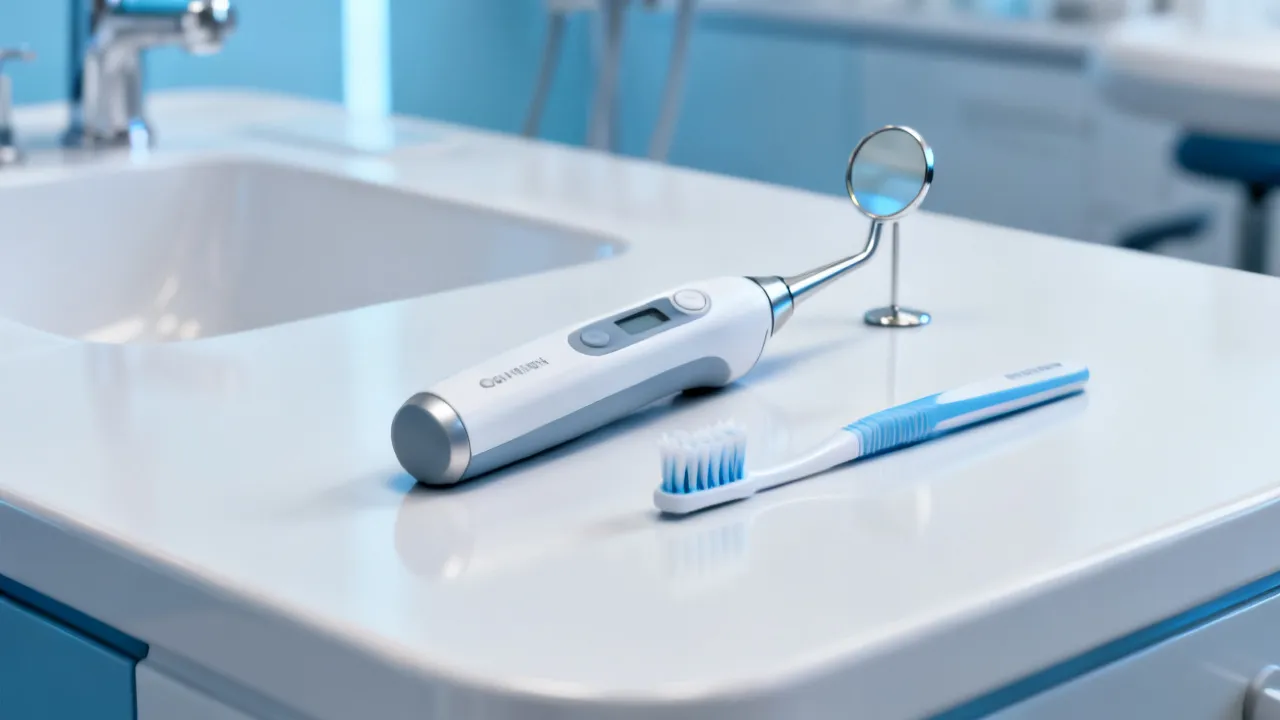
초음파 치석 제거기 refers to an ultrasonic tartar remover, a compact device marketed for removing deposits from tooth surfaces. These products typically use a vibrating metal or polymer tip, sometimes combined with water, light, or multiple operating modes. Their appearance may resemble the instruments used in dental clinics, but a consumer device is not equivalent to professional ultrasonic scaling equipment. Differences in power control, tip design, visibility, infection-control procedures, operator training, and clinical assessment are substantial.
The most important conclusion is straightforward: a home device should not be treated as a substitute for a dental examination or professional scaling. Hardened tartar, also called dental calculus, forms when plaque mineralizes. Once it adheres firmly near or below the gumline, brushing and ordinary flossing cannot reliably remove it. Attempting to scrape it without a clear view of the area can damage the gum margin, create sensitivity, roughen enamel or restorative materials, or leave deposits behind.
From an industry perspective, the value of a 초음파 치석 제거기 is better assessed through its limitations than through promotional claims. A responsible evaluation asks whether the device has clear instructions, sensible power settings, appropriate tips, credible safety information, replaceable components, and transparent seller support. It also considers the user’s oral-health status. A person with gum disease, dental implants, crowns, orthodontic appliances, bleeding, loose teeth, or significant sensitivity may require professional advice before using any scraping instrument.
Priority guidance:
- Use daily plaque-control methods first: brushing with fluoride toothpaste and cleaning between teeth.
- Arrange a dental assessment when tartar is visible, gums bleed repeatedly, breath concerns persist, or teeth feel loose.
- Do not use a metal tip below the gumline or in an area that cannot be seen clearly.
- Follow the manufacturer’s instructions and stop when pain, bleeding, sharp sensitivity, or tissue injury occurs.
- Do not assume vibration, LED lighting, or a high number of modes proves clinical effectiveness.
What Is a 초음파 치석 제거기?
A 초음파 치석 제거기 is generally designed to create rapid tip movement that may loosen superficial deposits on the visible tooth surface. In professional dentistry, ultrasonic scalers use controlled mechanical vibration and, in many systems, a water stream to disrupt calculus and cool the instrument. Dental professionals select a tip, power level, and technique according to the deposit, tooth anatomy, gum condition, and the presence of restorations or implants.
Consumer products vary widely. Some are marketed as ultrasonic cleaners, while others are closer to powered dental scrapers. The term “ultrasonic” may not describe the complete operating system in a clinically meaningful way. A product may produce vibration without providing the water delivery, fine control, ergonomic design, or clinical safeguards associated with a professional device. For that reason, buyers should examine technical documentation rather than relying on the product name.
Visible yellow or brown material is not always tartar. It may be staining from coffee, tea, tobacco, certain foods, or mouth-rinse ingredients. It can also be a cavity, a damaged filling, exposed root surface, or a deposit associated with gum disease. A device cannot diagnose the cause of discoloration. Scraping a lesion that needs treatment may delay appropriate care.
How the Device Produces Vibration
The operating principle of a consumer device may involve a piezoelectric or magnetostrictive vibration system, although product descriptions do not always explain the technology clearly. In either case, the tip moves at a high frequency while the user guides it along a surface. The movement may break up or loosen a deposit, but the practical result depends on the hardness and location of the calculus, the shape of the tip, the contact angle, the applied pressure, and the user’s visibility.
In a clinical setting, vibration is used as part of a carefully controlled process. Water can cool the tip and help flush away debris. Suction manages fluid and particles. The clinician can change the tip or setting immediately when approaching a sensitive root surface, a restoration, or an implant. A consumer device may not provide equivalent cooling or debris control, particularly if it is designed for use on a dry tooth surface.
Users should therefore avoid judging performance by sound or sensation. A louder motor does not necessarily mean better deposit removal. Stronger vibration can make the device harder to control and may increase discomfort or the risk of surface damage. Similarly, a device that produces little sensation may still be unsuitable if its tip is poorly designed or difficult to position.
How Tartar Develops
Plaque is a soft microbial biofilm that develops on teeth. If it is not disrupted regularly, minerals from saliva can harden it into calculus. The rate and location of buildup differ among individuals. Common areas include the inner surfaces of the lower front teeth and the outer surfaces of upper molars, where saliva ducts open into the mouth. Crowded teeth, dry mouth, smoking, some medications, and inconsistent interdental cleaning can increase the practical difficulty of plaque control, although the underlying causes should be assessed individually.
Calculus provides a rough surface that can retain additional plaque. It is associated with gum inflammation, but the presence of tartar alone does not establish the severity of periodontal disease. A dental professional may inspect the gums, measure periodontal pockets, assess bleeding, review radiographs when appropriate, and check for decay or defective restorations. This broader assessment cannot be replicated by a handheld home instrument.
Preventive care therefore has two separate goals. The first is to disrupt soft plaque before it mineralizes. The second is to remove established calculus safely. Toothbrushes, interdental brushes, floss, and other home-care tools are primarily intended for the first goal. Professional instruments are used for the second when clinically indicated.
Saliva chemistry also influences the tendency to form calculus. Some people notice deposits returning quickly even when they brush regularly. This does not necessarily mean that they are failing to clean their teeth. Salivary mineral content, tooth alignment, gum anatomy, dry mouth, diet, smoking, and the position of salivary ducts can all affect the pattern of buildup. A repeated cycle of scraping and recurrence should lead to an evaluation of the underlying pattern rather than increasingly forceful home treatment.
Professional Scaling Versus Home Devices
| Consideration | Professional ultrasonic scaling | Consumer 초음파 치석 제거기 |
|---|---|---|
| Assessment | Performed after an examination of teeth, gums, restorations, and risk factors. | Usually used without a clinical diagnosis. |
| Visibility | Clinicians use lighting, mirrors, suction, and positioning designed for oral treatment. | Users may have limited visibility, especially around back teeth and the gumline. |
| Power and technique | Selected according to deposit type, tooth surface, tissue condition, and instrument tip. | May offer preset modes, but the user must interpret the correct setting. |
| Water control | Many clinical systems use water for cooling and debris management. | Some consumer models use little or no water, depending on design. |
| Areas treated | Can address visible and clinically accessible deposits with appropriate instruments. | Best limited to clearly visible, superficial areas, if use is appropriate. |
| Infection control | Subject to clinical sterilization and instrument-processing procedures. | Requires careful cleaning and disinfection by the owner according to instructions. |
| Diagnosis | May identify decay, gum disease, damaged restorations, or other conditions. | Does not diagnose the cause of a stain, deposit, or symptom. |
The comparison explains why a home device should be positioned as an optional consumer-care tool rather than a replacement for dental treatment. A professional may also use hand instruments, polishing equipment, periodontal instruments, or other methods depending on the clinical situation. In some cases, a routine cleaning is inappropriate until pain, infection, severe inflammation, or another problem has been assessed.
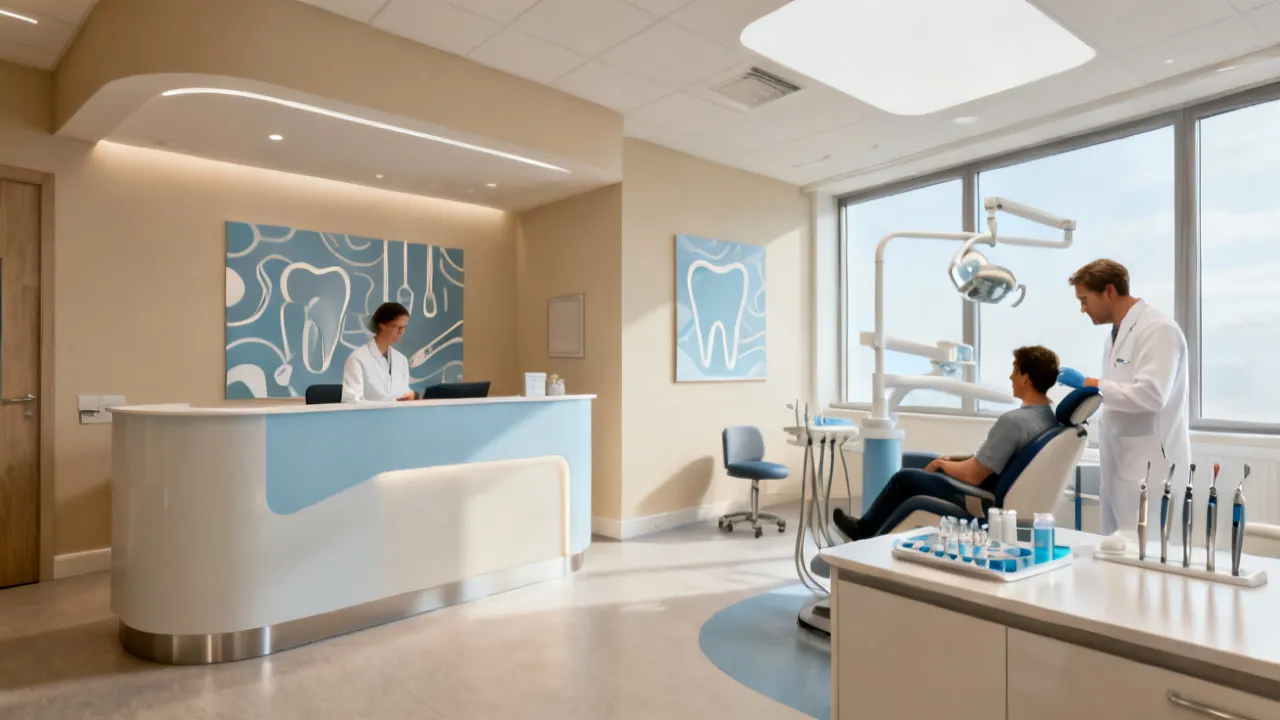
There is also an important difference in working position. A dental professional can see the tooth directly while controlling the patient’s cheek, tongue, saliva, and head position. The patient is usually reclined, and the clinician can use a mirror to view surfaces that the patient cannot see naturally. A person using a home device must often work in a cramped position while looking through a mirror, which reverses left and right and reduces precision. This limitation is especially relevant for the inner surfaces of the lower front teeth and the far back molars.
Potential Benefits and Realistic Limits
Some users are interested in a 초음파 치석 제거기 because they want to maintain the appearance of the visible tooth surface between dental visits. A compact device may be convenient to store and may offer a more targeted approach than a conventional toothbrush. Certain models include a work light, rechargeable battery, interchangeable tips, or a low-intensity setting that makes the device easier to handle.
These features can improve usability, but usability should not be confused with proven clinical benefit. A light may improve visibility without making the instrument safer around the gumline. Several power levels may provide adjustment without explaining which level is suitable for a particular deposit. A polished tip may feel smooth while still causing injury if it is pressed against soft tissue or used at an unsuitable angle.
Home use may be particularly limited when deposits are extensive, hard, located between teeth, or positioned below the gumline. Calculus beneath the gums is not simply a cosmetic issue. It may coexist with periodontal pockets, bleeding, recession, or bone loss. Repeatedly treating the visible edge without addressing the underlying condition can create a misleading impression of improvement.
Another limitation is the risk of confusing removal with prevention. Even if a small superficial fragment is dislodged, the device does not change the factors that caused plaque to remain in that area. Without consistent brushing and interdental cleaning, deposits can recur. A sound oral-care plan uses mechanical plaque removal every day and professional monitoring when recommended.
A possible short-term cosmetic benefit should also be separated from long-term oral-health outcomes. Removing a visible flake may make a tooth look cleaner, but it does not prove that inflammation has resolved or that periodontal pockets have improved. A healthy-looking tooth surface can coexist with disease below the gumline. This is one reason why appearance alone is an unreliable measure of treatment success.
Who May Be More Likely to Misuse the Device?
Risk is not determined only by the device. It is also influenced by the user’s eyesight, dexterity, experience, expectations, and willingness to stop when discomfort occurs. Someone who has difficulty holding a small instrument steadily may unintentionally scrape the gums or repeatedly contact a restoration. People who expect immediate whitening may apply more force or use the device for longer than recommended.
Older adults, people with arthritis or reduced hand strength, and users with visual impairment may find mirror-guided use difficult. Children and teenagers may not appreciate the distinction between a visible stain and a hardened deposit. Individuals with anxiety about dental visits may also be tempted to use a home instrument to postpone care, even when symptoms suggest that an examination is needed.
These concerns do not mean that every user will experience harm. They do mean that product suitability should be considered individually. A device that appears simple in an advertisement may require more coordination and anatomical awareness than the marketing suggests.
Safety Considerations Before Purchase
Before purchasing or using any 초음파 치석 제거기, a user should consider personal dental circumstances. The following situations warrant professional guidance rather than self-directed scraping:
- Persistent gum bleeding, swelling, pus, or a bad taste.
- Loose teeth, sudden changes in the bite, or teeth that feel mobile.
- Severe or persistent tooth pain, facial swelling, or fever.
- Deep gum recession, exposed roots, or pronounced tooth sensitivity.
- Dental implants, implant-supported restorations, crowns, veneers, bridges, or extensive fillings.
- Fixed braces, retainers, or other orthodontic appliances.
- Recent oral surgery, tooth extraction, periodontal treatment, or gum grafting.
- Medical conditions or medicines that affect bleeding, healing, or infection risk.
- Difficulty seeing the treatment area or controlling fine hand movements.
Metal instruments can scratch some restorative surfaces or create roughness that attracts plaque. The risk depends on the material, tip design, pressure, angle, and technique. It is not appropriate to assume that a tip labeled “safe for enamel” is automatically suitable for porcelain, composite resin, titanium components, exposed dentin, or cemented restorations.
Users should also avoid sharing tips. Oral instruments can carry saliva and microorganisms. A household cleaning routine may not equal professional sterilization. If more than one person uses a device, each person should have properly designated accessories, and the manufacturer’s cleaning instructions should be followed carefully.
People who take anticoagulants or antiplatelet medicines should not stop prescribed medication merely to use a tartar remover. Instead, they should discuss planned dental care with a dentist and, when appropriate, their physician. Similarly, people with diabetes, immune compromise, or a history of delayed healing may need an individualized plan because gum inflammation and oral infections can require closer monitoring.
Evaluating Product Design and Seller Information
Price alone is not a reliable indicator of quality. A higher-priced product may include better construction or support, but cost does not prove that the device is clinically effective. A lower-priced product may be adequate for a limited purpose, yet unclear instructions or difficult-to-replace tips can create safety concerns. The buyer should evaluate the complete product ecosystem rather than a single headline feature.
Important product questions
- Does the manufacturer provide a complete user manual in understandable language?
- Are intended users and contraindications clearly described?
- Does the product specify the power supply, battery type, charging requirements, and water-use instructions?
- Are replacement tips available through an identifiable supplier?
- Does the seller provide a traceable business identity, customer-support channel, and return conditions?
- Are cleaning, drying, storage, and disinfection instructions specific rather than vague?
- Does the device have a low setting suitable for cautious familiarization?
- Is there an automatic shutoff or another feature that limits prolonged operation?
- Are warnings provided for implants, orthodontic appliances, restorations, and sensitive teeth?
- Are marketing statements supported by product documentation or independent evidence?
Consumers should be cautious when product pages promise removal of every type of stain, dramatic whitening, permanent gum improvement, or professional-level results without explaining the evidence. A device intended to disrupt deposits should not be promoted as a treatment for periodontal disease. Nor should an illuminated tip be presented as a diagnostic system unless it has an appropriate, documented diagnostic function.
When reviewing price, include the long-term cost of replacement tips, batteries, shipping, warranty limitations, and professional care that may still be necessary. A device purchased for occasional use may have different value from one used frequently, but frequent use is not automatically advisable. The safest frequency depends on the manufacturer’s instructions and the user’s oral condition.
Regulatory information deserves careful attention as well. A seller may use a certification mark, registration number, or statement that the product is “medical grade,” but such wording does not necessarily establish that the product has been evaluated for every advertised claim. Buyers should look for the responsible manufacturer, model number, country-specific compliance information, and a way to report defects. If the listing lacks a manual, safety warnings, or a clear manufacturer identity, the product should be treated cautiously regardless of its visual similarity to clinical equipment.
Step-by-Step Approach to Responsible Use
The following procedure is a conservative educational framework, not a substitute for individualized dental instruction. It applies only when the device’s instructions permit the proposed use and the user has no condition requiring professional assessment.
Step 1: Inspect the mouth without scraping
Use a clean mirror and adequate lighting. Look for the location, size, and apparent surface of the deposit. If the area is hidden, painful, bleeding, or close to a restoration, do not proceed. A dark mark, crack, cavity, or damaged filling may resemble tartar.
Step 2: Read the complete instructions
Check the permitted surfaces, operating duration, charging procedure, tip installation, water requirements, and cleaning method. Do not rely only on a short promotional description. If the manual does not explain safe handling or contraindications, that lack of information is itself a reason for caution.
Step 3: Prepare the device and environment
Wash your hands, inspect the tip for damage, and ensure that the battery or power supply is appropriate. Use a stable mirror position and good lighting. Keep the device away from water unless it is specifically rated for the intended environment. Do not operate a charger or electrical accessory in a way that conflicts with its safety instructions.
Step 4: Begin at the lowest practical setting
If use is appropriate, start with the lowest setting recommended by the manufacturer. Hold the instrument lightly. Excessive pressure does not necessarily improve cleaning and may increase the chance of tissue injury or surface damage. The tip should not be forced into a contact point between teeth.
Step 5: Stay on visible tooth structure
Do not place the tip below the gumline. Avoid the gums, tongue, cheeks, and lips. Do not work on surfaces that cannot be seen directly. A scraping movement should be brief and controlled rather than prolonged, forceful, or repetitive.
Step 6: Stop at the first warning sign
Stop immediately if there is sharp pain, persistent bleeding, strong sensitivity, a burning sensation, visible gum injury, or a change in the tooth or restoration. If symptoms continue, arrange dental advice. A small amount of bleeding can reflect inflamed gums, but repeated or significant bleeding should not be dismissed as normal cleaning.
Step 7: Clean and store the device
Detach accessories only as instructed. Clean, disinfect, rinse, and dry the tip according to the manufacturer’s directions. Store it in a clean, dry container that allows appropriate ventilation. Do not use abrasive chemicals or unapproved sterilization methods that could damage the tip or device.
Step 8: Return to daily plaque control
After any limited use, resume brushing twice daily with fluoride toothpaste and clean between teeth using a method suited to the individual. The device should never replace these foundational habits. If deposits return quickly, the more useful response is a dental review and an examination of brushing technique, interdental access, diet, dry-mouth factors, and other relevant issues.
Common Mistakes to Avoid
Applying excessive pressure
Many users interpret resistance as evidence that more force is needed. In reality, firm pressure can push the tip into the gum margin or cause scratches. Ultrasonic and vibrating instruments are designed to work through controlled movement, not aggressive scraping. A difficult deposit may require professional access rather than greater force.
Using the device on every discoloration
Not every mark is a removable deposit. Some stains are embedded in enamel, while others reflect decay or restorative changes. Repeated attempts to scrape such marks can damage the surface without improving appearance. A dental professional can distinguish external stain from conditions that need treatment.
Working below the gumline
This is one of the most consequential errors. Deposits beneath the gumline may be associated with periodontal disease and are difficult to see accurately at home. Blind instrumentation can traumatize tissue and leave calculus in place. Professional periodontal instruments and assessment are more appropriate for this area.
Using damaged or mismatched tips
A bent, chipped, corroded, loose, or incompatible tip may behave unpredictably. Users should replace accessories according to the manufacturer’s guidance and should not modify the tip. Mixing parts from different systems can affect fit, vibration, and safety.
Assuming a marketing label proves performance
Terms such as “professional,” “deep cleaning,” or “advanced ultrasonic” can describe positioning rather than independently verified clinical performance. Look for clear specifications, a responsible manufacturer, and realistic instructions. Avoid evaluating products solely through dramatic before-and-after images, anonymous reviews, or claims that do not identify a testing method.
Continuing after the deposit has loosened
A user may continue operating the device because the tooth still feels uneven or because a small amount of discoloration remains. That sensation may result from natural tooth anatomy, an existing restoration, enamel texture, or a fragment that requires professional removal. Continuing to scrape the same area can produce unnecessary abrasion or gum trauma. Once the intended limited use is complete, the safer response is to stop and reassess.
Ignoring the device after charging
Rechargeable devices require attention to battery condition and storage. A swollen battery, damaged cable, unusual heat, intermittent operation, or burning odor should be treated as a product-safety problem, not as a normal feature. The device should be removed from service and handled according to the manufacturer’s disposal or warranty instructions. Electrical safety is part of responsible oral-device use.
Oral-Care Routine That Reduces Tartar Formation
The most effective home strategy is consistent plaque disruption. Brush all tooth surfaces with a soft-bristled toothbrush and fluoride toothpaste, paying attention to the gumline without scrubbing aggressively. The appropriate brushing duration and technique should be practical enough to maintain every day. Electric and manual toothbrushes can both be useful when used correctly.
Cleaning between teeth is equally important because a toothbrush cannot reach every interdental surface. Floss, interdental brushes, or other tools may be suitable depending on the size of the spaces, orthodontic appliances, restorations, and dexterity. A dental hygienist can demonstrate the appropriate method and size. Mouthwash may serve a supplemental purpose in selected circumstances, but it does not mechanically remove established tartar.
Regular dental examinations help identify conditions that are not visible in a bathroom mirror. The appropriate interval varies with age, disease risk, previous findings, tobacco exposure, oral hygiene, and other factors. People with a history of periodontal disease may need a more structured maintenance plan than people at lower risk.
Diet and lifestyle factors can also influence oral health. Frequent exposure to fermentable carbohydrates can support plaque activity, while tobacco use is associated with significant oral-health concerns. Dry mouth may increase discomfort and plaque retention and can result from medicines or medical conditions. These issues are better addressed through a broader preventive plan than through more frequent use of a scraping device.
Technique is often more important than the number of products in a routine. A person may own a sophisticated electric toothbrush, water flosser, and tartar remover yet still miss the gumline or the spaces between teeth. A dental professional can reveal those patterns with plaque-disclosing methods and provide targeted instruction. In many cases, improving a basic routine produces greater benefit than adding another powered device.
When Professional Care Is Necessary
Seek prompt dental care for facial swelling, fever, difficulty swallowing, difficulty breathing, uncontrolled bleeding, or severe pain. These symptoms can indicate an urgent condition and should not be managed with a home tartar remover.
A routine appointment is appropriate when tartar is visible and firmly attached, when gums bleed repeatedly, or when breath odor and unpleasant taste persist despite consistent cleaning. A professional can determine whether the problem involves gingivitis, periodontitis, decay, a defective restoration, infection, or another cause.
Professional scaling may involve ultrasonic instruments, hand instruments, polishing, localized treatment, or referral to a periodontal specialist. The procedure selected depends on the examination. Some patients may need local anesthesia or staged treatment, particularly when deposits are extensive or the gums are sensitive. The aim is not simply to make teeth look cleaner; it is to manage oral disease and preserve healthy tooth-supporting tissues.
After professional treatment, patients may receive individualized maintenance instructions. These can include a specific interdental brush size, a prescription toothpaste, a recommendation to stop smoking, treatment for dry mouth, or a shorter recall interval. Following those instructions reduces the temptation to use a home scraper as a substitute for continuing care.
Special Considerations for Dental Restorations and Implants
Natural enamel is not the only surface that may be exposed to a consumer instrument. Crowns, bridges, veneers, fillings, implant crowns, orthodontic brackets, retainers, and bonding materials can all have different hardness and surface characteristics. A tip that is acceptable for one material may be inappropriate for another. Even when a restoration is not visibly damaged, microscopic roughening can make future plaque retention more difficult.
Implant care requires particular caution. The visible crown and the surrounding gum tissue are part of a larger implant system, and inflammation around an implant can progress without the same symptoms as ordinary tooth decay. Instrument selection around implants is determined by the implant material, restoration design, and clinical findings. A home device should not be used to probe around an implant or to treat bleeding in that area without professional advice.
Orthodontic appliances create additional edges and retention sites. A scraper can catch on a bracket, loosen an attachment, bend a wire, or damage an aligner. Specialized orthodontic brushes and interdental tools are generally more appropriate for routine home cleaning. Any persistent deposit around an appliance should be discussed with the treating dental team.
Evidence and Source Context
General recommendations in this article are consistent with the educational principles published by established dental and public-health organizations. The American Dental Association discusses daily plaque control, fluoride toothpaste, interdental cleaning, and the importance of professional dental care. The Centers for Disease Control and Prevention provides public-health information on oral health and gum disease. The National Institute of Dental and Craniofacial Research explains tooth decay, gum disease, oral hygiene, and the role of dental professionals. National health services and professional dental associations in different countries provide comparable guidance on brushing, interdental cleaning, and assessment of gum symptoms.
Readers should consult the current guidance issued by the relevant dental authority in their country and the instructions supplied with the specific device. Product specifications, regulatory classifications, and permitted claims can differ by market. A general educational article cannot confirm whether a particular model meets local medical-device requirements.
Evidence for consumer tartar-removal devices should be interpreted carefully. A laboratory demonstration showing that a vibration can dislodge material does not establish that unsupervised home use improves gum health or is safe on every oral surface. Clinical evidence should specify the device, comparison method, participants, duration, adverse events, and outcome measures. Testimonials and photographs may illustrate individual experiences, but they cannot replace controlled evaluation.
Environmental and Practical Considerations
Product value also includes durability and waste. A device that requires proprietary tips that are difficult to obtain may be less practical than one with transparent replacement support. Disposable accessories should be replaced at the recommended interval rather than used after becoming worn, but unnecessary replacement creates additional waste. Buyers can ask whether parts are recyclable, whether batteries are replaceable, and whether the company provides repair or take-back information.
Storage conditions matter. A wet tip left in a closed case can develop an unpleasant odor and may support microbial contamination. A device stored loose in a bathroom drawer can contact cosmetics, dust, or other household items. A clean, dry, designated storage location helps protect the accessory and makes it easier to remember routine cleaning. These details do not make an unsuitable product clinically appropriate, but they reduce avoidable hygiene and maintenance problems.
Expert Assessment Checklist
| Question | What a responsible answer should address |
|---|---|
| What is the device intended to do? | It should describe a limited cleaning function rather than claim to diagnose or treat gum disease. |
| Where may it be used? | The instructions should identify permitted tooth surfaces and areas that must be avoided. |
| How is the tip controlled? | Power levels, operating time, contact guidance, and pressure warnings should be explained. |
| How is it maintained? | Cleaning, drying, disinfection, storage, and replacement procedures should be specific. |
| What support is available? | The supplier should provide identifiable customer service, warranty terms, and replacement-part information. |
| What evidence supports the claims? | Claims should be modest, transparent, and connected to identifiable testing or documentation. |
Decision Framework for Consumers
A simple decision framework can help consumers avoid treating every visible deposit in the same way. First, ask whether the material is soft plaque, external stain, or hard calculus. If the answer is uncertain, do not use a sharp instrument to find out. Second, ask whether the area is fully visible and whether the surface is natural enamel without a restoration. If it is not clearly visible or involves dental work, professional advice is preferable. Third, consider whether there are symptoms such as bleeding, pain, swelling, sensitivity, mobility, or persistent odor. Symptoms shift the priority from cosmetic cleaning to clinical assessment.
If there are no symptoms, the material appears superficial, and the device has clear instructions, a consumer may still choose not to use it. Daily brushing and interdental cleaning remain the lower-risk first response. If the deposit does not improve, or if it returns rapidly, a dental appointment is more informative than repeated experimentation. This framework emphasizes that “possible to use” and “necessary to use” are different questions.
Retailers and health-content publishers can apply the same framework when presenting these products. Responsible descriptions should state what the device cannot do, identify populations requiring caution, avoid implying that home use is equivalent to scaling, and direct readers toward professional care when warning signs are present. Clear limitations are not a weakness in product communication; they help prevent misuse and build consumer trust.
Frequently Asked Questions
Can a 초음파 치석 제거기 remove all tartar?
No. A consumer device may loosen or remove a limited amount of superficial material in some circumstances, but it cannot reliably remove all calculus. Deposits between teeth, below the gumline, or around complex dental work may require professional instruments and clinical assessment.
Is ultrasonic vibration the same as professional ultrasonic scaling?
No. Professional systems are used by trained clinicians who control the instrument, water, tip, power, access, and treatment area. Consumer products may use a related vibration concept but differ in power, design, cooling, visibility, and safeguards.
Can I use the device if my gums bleed?
Repeated gum bleeding should be assessed rather than covered up by scraping. Inflamed gums may bleed during ordinary cleaning, and forceful instrument use can worsen tissue irritation. Arrange dental advice, especially if bleeding is accompanied by swelling, pain, pus, loose teeth, or persistent bad taste.
Can it whiten teeth?
Removing a superficial deposit or external stain may change appearance, but this is not the same as bleaching or medically supervised whitening. A device should not be used aggressively to change the natural color of enamel. Discoloration that does not respond to ordinary hygiene should be evaluated.
Is a metal tip safe for crowns and veneers?
Safety depends on the material, tip, pressure, angle, and manufacturer’s instructions. Metal contact can damage or roughen some restorative surfaces. Users with crowns, veneers, bridges, implants, or extensive fillings should obtain specific guidance before using a scraping instrument near them.
Can children use a 초음파 치석 제거기?
Children generally require age-appropriate oral-care tools and supervision. A vibrating scraper introduces risks related to movement, visibility, and accidental soft-tissue contact. Parents should ask a dental professional before considering such a device for a child.
How often should the device be used?
There is no universally appropriate schedule for every product or user. Follow the manufacturer’s instructions, avoid repeated treatment of the same area, and do not increase frequency to compensate for poor brushing or unresolved tartar. Rapid recurrence should prompt a dental assessment.
What should I do if the device causes sensitivity?
Stop using it and observe the symptom. Persistent, sharp, or worsening sensitivity may reflect exposed dentin, enamel wear, decay, a cracked tooth, gum recession, or tissue injury. A dental professional can identify the cause.
Does an LED light make the device safer?
An LED may improve illumination, but it does not guarantee correct technique or diagnose oral disease. Safe use still depends on visibility, pressure control, appropriate areas of contact, and respect for the device’s warnings.
Can I share the device with family members?
Sharing tips is not advisable. Oral instruments should be assigned to one person unless the manufacturer provides a validated reprocessing method. Separate accessories and careful cleaning reduce avoidable hygiene concerns, but household cleaning is not equivalent to clinical sterilization.
Should I use the device before or after brushing?
The order matters less than safe technique and consistent plaque control. If a user has been specifically advised to use a device, the manufacturer’s instructions should guide timing. Brushing and interdental cleaning remain the central daily practices, while a scraper should not be used to replace them.
Can it replace a dental cleaning?
No. A dental cleaning may include examination, periodontal evaluation, professional deposit removal, polishing, individualized instruction, and referral when necessary. A home device cannot provide this complete service.
Why does tartar come back after professional cleaning?
Professional cleaning removes existing deposits but does not permanently prevent new plaque from forming. Plaque can mineralize again, especially near salivary ducts or areas that are difficult to reach. If recurrence is rapid, ask a dental professional to review home-care technique, interdental tools, gum health, dry-mouth factors, smoking, and the recommended maintenance interval.
Is a water flosser the same as a tartar remover?
No. A water flosser is designed to flush or disrupt food particles and plaque around teeth and appliances. It is not intended to chip off established calculus. It may be useful as part of an interdental-care routine, but it should not be expected to replace scaling.
What if a piece of tartar falls off by itself?
Do not assume that the area is fully clean. A loose fragment may leave a rough edge or reveal inflamed tissue, decay, or additional calculus. Rinse gently, continue ordinary brushing and interdental cleaning, and arrange an examination if the area bleeds, feels sharp, or remains uncomfortable.
Final Perspective
A 초음파 치석 제거기 can appear attractive because it is compact, highly visible in online retail, and associated with professional dental technology. Its practical role, however, is narrow. The device may be considered only for cautious, limited use on clearly visible surfaces when the user has no relevant dental concerns and the instructions are complete. It should never be used as a diagnostic tool or as a reason to postpone professional care.
The strongest purchasing decision is not based on the highest vibration claim, the largest accessory bundle, or the most dramatic advertisement. It is based on transparent instructions, appropriate warnings, reliable construction, replaceable parts, support from an identifiable supplier, and realistic expectations. More importantly, it is based on recognizing when a home instrument is unsuitable.
For most people, the foundation of tartar prevention remains simple: brush thoroughly with fluoride toothpaste, clean between teeth, respond to gum symptoms, avoid tobacco, and attend dental examinations according to individual needs. When hardened deposits are already present, professional scaling is the dependable route for safe assessment and removal. A home device may supplement an established routine in carefully selected circumstances, but it should not take the place of informed dental care.