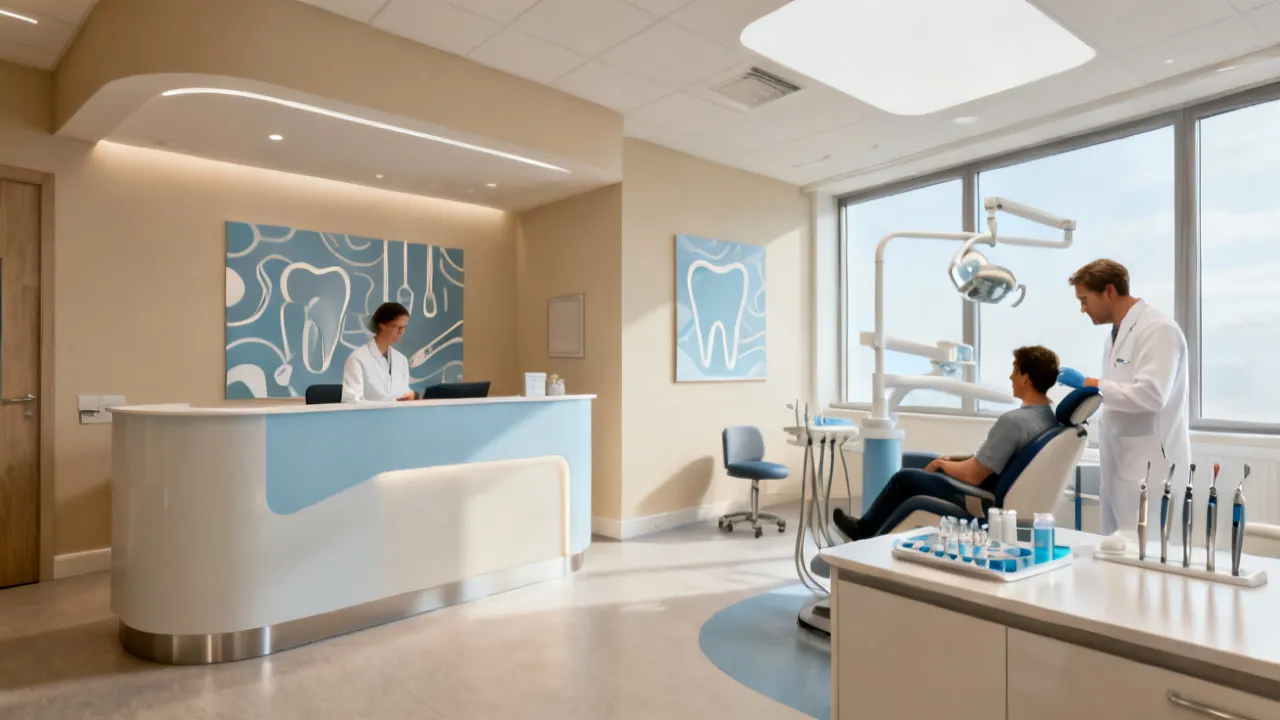
Understanding Ultrasonic Tartar Removers Safely
This guide explains how an 초음파 치석 제거기 works, where it may fit within oral-care routines, and why professional evaluation remains important. Ultrasonic tartar removers use high-frequency vibration to disrupt deposits on tooth surfaces, but consumer models vary in design, power, safeguards, and intended use. The article reviews device types, safety considerations, purchasing criteria, operating limits, maintenance, and common questions from an evidence-based dental-care perspective.
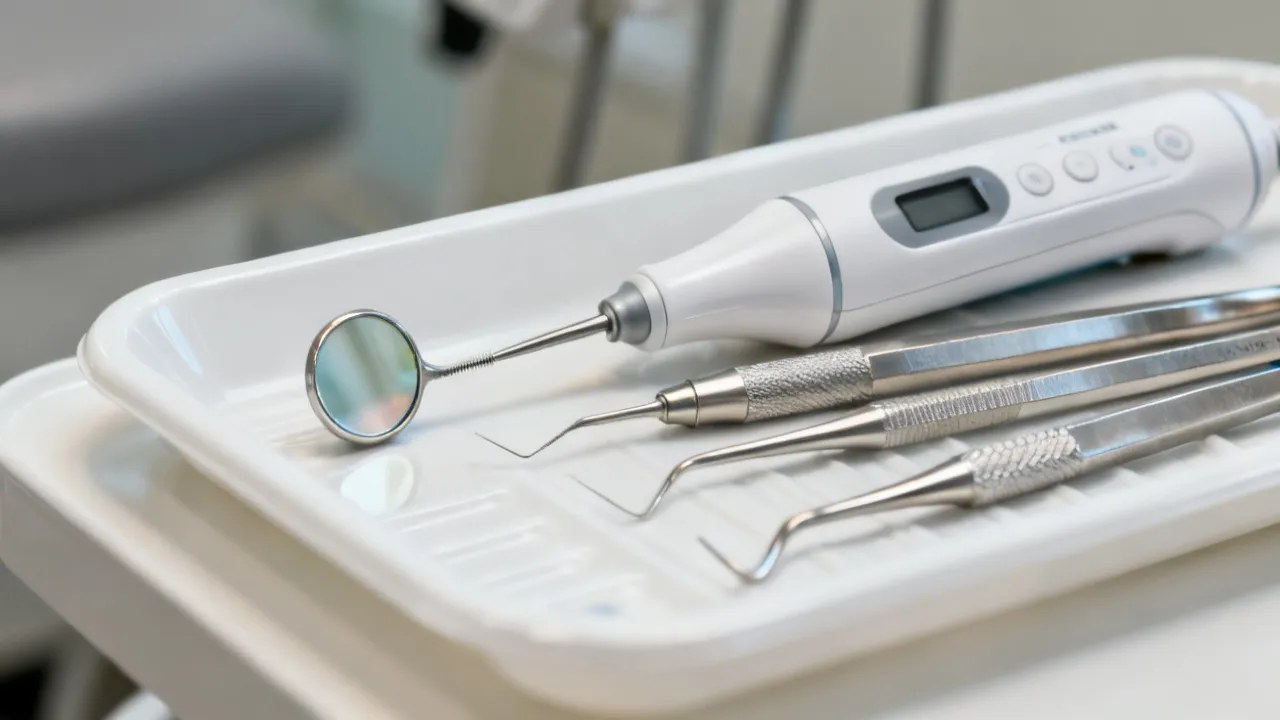
What an Ultrasonic Tartar Remover Can—and Cannot—Do
An 초음파 치석 제거기, or ultrasonic tartar remover, is a device designed to use rapid mechanical vibration to loosen or disrupt deposits on tooth surfaces. In professional dentistry, ultrasonic scaling systems are used by trained dental professionals as part of periodontal maintenance and other clinical procedures. Consumer products may resemble those instruments, but they are not automatically equivalent in power, precision, water delivery, tip design, infection-control standards, or clinical suitability.
The most important point is simple: hardened tartar is not the same as soft plaque. Plaque is a sticky microbial film that can often be reduced through consistent brushing, interdental cleaning, and professional guidance. When plaque mineralizes, it becomes calculus, commonly called tartar. Calculus can adhere firmly to enamel, restorations, and areas near or below the gumline. Its removal may require controlled instrumentation, good visibility, appropriate pressure, and an assessment of the surrounding gum tissue.
A home device may help some users reach visible surface deposits, but it should not be treated as a replacement for a dental examination. A person who has bleeding gums, gum recession, loose teeth, dental implants, orthodontic appliances, crowns, veneers, exposed root surfaces, or a history of periodontal disease may need a personalized recommendation before using any scraping or vibrating instrument.
Industry perspective: The central purchasing question should not be “Which device removes the most tartar?” It should be “Is this device appropriate for my mouth, and can I use it without damaging healthy tissue or existing dental work?” A device that appears powerful may be less suitable if it encourages excessive pressure, poor visibility, or repeated treatment of the same area.
How Ultrasonic Scaling Technology Works
Professional ultrasonic scalers generally use a powered tip that vibrates at a high frequency. The movement helps break up deposits and can assist in disrupting bacterial biofilm. Many clinical systems also use water irrigation. The water cools the tip, flushes debris, and improves the working environment. The dental professional controls the angle, movement, pressure, and treatment duration while monitoring the gums and tooth surfaces.
Consumer-oriented products marketed as an 초음파 치석 제거기 may use different technologies. Some produce vibration at a lower intensity than clinical units. Others combine vibration with a visible light, a small metal or polymer tip, or several operating modes. Product terminology is not always standardized, so the word “ultrasonic” should not be interpreted as proof of clinical equivalence.
Performance depends on more than motor speed. Important technical factors include:
- Tip movement: The amplitude and pattern of vibration influence how the instrument contacts deposits.
- Tip geometry: A narrow tip may improve access but may also increase the risk of concentrated pressure.
- Water or cooling design: Professional equipment commonly integrates irrigation; a dry consumer device may require greater caution.
- Pressure control: A device that stops, changes sound, or signals excessive pressure may reduce misuse, although such safeguards are not a substitute for training.
- Power consistency: Battery performance can affect the operating behavior of rechargeable devices.
- Visibility: A light can improve visual access, but it does not reveal deposits beneath the gumline or diagnose disease.
- Vibration stability: Consistent vibration may make the device easier to control, while fluctuating power can cause users to compensate by pressing harder.
- Heat management: The instrument must dissipate heat generated during operation. A hot tip or housing may indicate prolonged contact, a blocked cooling path, or a technical fault.
- Automatic shutoff: Some products stop after a fixed period or when excessive pressure is detected. This may reduce overuse but cannot determine whether a treatment is clinically appropriate.
The working action should be understood as controlled contact, not aggressive scraping. Tooth enamel is hard, but exposed dentin, cementum, restorations, and root surfaces may be more vulnerable to abrasion or surface alteration. The gums can also be injured by an instrument that is directed too deeply or used with excessive force.
The sound of a device may also be misleading. A loud vibration does not necessarily indicate effective calculus removal, and a quieter device is not necessarily weak. Changes in sound can occur when the tip contacts a hard deposit, a restoration, a wet surface, or soft tissue. Users should not interpret every sound change as a signal to increase pressure. Product instructions should explain the intended contact technique, but when the instructions are vague, conservative use is preferable.
Plaque, Calculus, and Surface Staining
Confusion about the target of an ultrasonic tartar remover often leads to unrealistic expectations. Plaque is generally soft and can be managed through daily hygiene. Calculus is mineralized and may be firmly attached. Surface stains from coffee, tea, tobacco, or certain foods may look like tartar, but color alone does not identify the deposit. A dark line near the gumline could reflect calculus, stain, an old restoration, decay, or another condition requiring professional assessment.
Calculus may occur above the gumline or below it. Subgingival deposits are difficult to see and may be associated with inflamed periodontal tissues. Trying to reach below the gumline with a consumer instrument can cause bleeding, pain, tissue trauma, or incomplete removal. It may also create the false impression that the underlying condition has been resolved.
| Oral deposit or finding | Typical appearance | Appropriate first response |
|---|---|---|
| Plaque | Soft, sticky, or slightly filmy coating | Brush with fluoride toothpaste and clean between teeth consistently |
| Supragingival calculus | Hard deposit near or above the gumline | Arrange professional assessment and removal when indicated |
| Subgingival calculus | Often not visible; may accompany bleeding or pocketing | Seek a periodontal evaluation rather than attempting deep home removal |
| Extrinsic stain | Brown, yellow, or dark surface discoloration | Have the cause identified before selecting a cleaning method |
| Decay or restoration defect | May appear as a spot, line, chip, or irregular area | Do not scrape; request a dental examination |
Calculus can vary in color and hardness. Newly formed deposits may be pale yellow or cream-colored, while older deposits can become brown, greenish, or dark because of exposure to tobacco, blood products, food pigments, or other substances. A heavily stained deposit is not necessarily more dangerous than a light-colored one, and a light-colored deposit is not necessarily harmless. Appearance cannot reliably establish the depth, age, or biological significance of calculus.
Some deposits may be partly hidden by swollen gum tissue. In that situation, a user may see only the exposed edge and attempt to remove it, while the larger portion remains beneath the tissue. This is one reason why a small visible improvement should not be confused with complete cleaning.
Why Professional Assessment Comes First
Dental professionals do more than remove deposits. They examine the gums, measure or assess periodontal findings where appropriate, inspect restorations, identify decay, and distinguish stain from calculus. They can also determine whether bleeding results from inflammation, trauma, medication, systemic factors, or another cause.
The American Dental Association and public-health dental guidance generally emphasize daily plaque control and regular dental care rather than relying on household instruments to manage established disease. The exact interval for dental visits depends on an individual’s risk profile. Someone with a history of periodontal disease, dry mouth, tobacco exposure, diabetes, extensive restorations, or difficulty controlling plaque may need a different maintenance schedule from someone at lower risk.
Professional ultrasonic scaling is also performed within a broader infection-control system. Instruments are processed according to clinical protocols, surfaces are managed, and the operator uses protective equipment and appropriate technique. At home, an instrument may be used by one person, but it still needs cleaning and storage that prevent contamination. Sharing a tip or device without suitable reprocessing is not appropriate.
Practical rule: If a deposit is painful to touch, located under the gumline, associated with persistent bleeding, or surrounded by swelling, stop home experimentation and arrange dental care.
An examination is particularly valuable when a person has not had dental care for an extended period. A user may believe that the only problem is tartar, but a clinician may identify gum pockets, bone loss, decay, a cracked tooth, an overhanging filling, or a bite-related problem. Removing a surface deposit without addressing these factors may provide a temporary cosmetic change while allowing disease to continue.
Potential Benefits of a Consumer Device
When used conservatively and for an appropriate purpose, a consumer 초음파 치석 제거기 may offer certain practical benefits. It may help a user inspect visible areas, support awareness of oral hygiene, or assist with limited surface maintenance between professional appointments. The built-in light on some products can make the front surfaces of teeth easier to view. Adjustable modes may allow a cautious user to begin with lower intensity.
These benefits should be described in measured terms. A device may be convenient, but convenience does not establish safety or effectiveness for every user. A product’s advertised ability to remove deposits should be considered alongside its instructions, regulatory status in the relevant market, warranty terms, tip replacement policy, and warnings.
There is also a behavioral benefit when a device encourages better attention to oral hygiene. However, the same tool may promote over-treatment if users believe that a smooth feeling after scraping means all oral-health problems have been solved. Smoothness is not a diagnosis. A tooth can feel clean while gum inflammation, decay, erosion, or a defective restoration remains present.
Some users may appreciate not having to schedule an appointment for every minor visible stain or deposit. Even so, the device should occupy a limited place in a broader oral-care routine. It should not become an everyday polishing tool, and it should not be used simply because the user enjoys the sensation of a very smooth tooth surface. Natural teeth and restorations do not need continuous mechanical treatment to remain healthy.
Risks and Limitations
The most common risk is mechanical injury caused by excessive pressure or poor control. Potential problems include gum irritation, cuts, tenderness, recession-related discomfort, scratches on restorations, and abrasion of exposed root surfaces. A user may also chip a fragile deposit or restoration edge without addressing the underlying issue.
Another risk is delayed treatment. If a person repeatedly removes visible deposits but does not seek care for bleeding, bad breath, loose teeth, sensitivity, or swelling, periodontal disease or another condition may progress unnoticed. A home instrument can remove a symptom-producing deposit without eliminating the cause.
Noise and vibration may also be uncomfortable. Users with sensitive teeth, temporomandibular discomfort, strong gag reflexes, or anxiety about dental instruments may find the device difficult to control. A person who cannot maintain a stable view of the working area should not continue simply to complete a routine.
Water and electricity require attention as well. Rechargeable devices should be kept away from charging hazards and inspected for damaged seals, cracked housings, or frayed cables. The manufacturer’s charging and cleaning directions should be followed. A device that becomes unusually hot, changes sound, loses power unpredictably, or develops a damaged tip should be removed from service.
There is also a risk of surface damage that may not be immediately obvious. A scratch on enamel, a roughened composite filling, or a disturbed restoration margin may not cause immediate pain. However, rough surfaces can retain plaque and stain more readily, potentially creating a new maintenance problem. If a tooth feels rough after use in a way that was not present before, the user should stop and have the surface evaluated.
Repeated trauma can also alter a person’s perception of gum health. A small area of recession may expose a sensitive root, and the resulting sensitivity may lead the user to brush less effectively. In this way, an attempt to improve cleanliness can unintentionally make daily plaque control more difficult.
Who Should Seek Advice Before Use?
Individual circumstances matter. Professional advice is particularly important for people who have:
- Active gum disease, periodontal pockets, or recurrent gum bleeding
- Dental implants, implant-supported restorations, or healing surgical sites
- Recent extractions, periodontal procedures, bone grafts, or oral surgery
- Braces, retainers, or other orthodontic appliances
- Crowns, veneers, bridges, inlays, onlays, or extensive fillings
- Significant gum recession, exposed roots, enamel erosion, or dentin sensitivity
- Loose teeth, tooth mobility, unexplained pain, or swelling
- Bleeding disorders or medication-related concerns that affect bleeding
- Reduced hand control, impaired vision, or difficulty maintaining safe instrument positioning
Children and adolescents should not be given a powered tartar-removal instrument without guidance from a dental professional and close adult supervision. Their oral anatomy, orthodontic status, and cooperation level can vary, and an adult device may not be designed for them.
Pregnancy does not automatically prohibit ordinary oral hygiene, but gum changes during pregnancy can be significant. A pregnant patient with bleeding, swelling, or persistent discomfort should discuss symptoms with a dental professional rather than using a home instrument to manage them independently.
People with a reduced immune response, a history of complicated oral infections, or significant medical conditions should also disclose their health history to a dental professional. The concern is not that every such person must avoid all home oral-care products. Rather, the appropriate intensity, timing, and technique may differ, especially after surgery or during active treatment.
How to Evaluate an 초음파 치석 제거기 Before Buying
Product selection should begin with documentation rather than appearance. A polished design, bright light, or a large number of modes does not demonstrate that a device is suitable for a particular mouth. Look for a clearly identified manufacturer, instructions in a language the user understands, contact information, warranty terms, intended-use statements, and safety warnings.
1. Verify the intended user and purpose
Some devices are designed for professional use only. Others are marketed for household use but may still carry warnings against use on implants, restorations, or below the gumline. The intended purpose should be specific. Claims that a device treats gum disease, removes every type of stain, or replaces dental cleaning deserve careful scrutiny.
2. Review tip materials and replacement options
Tips should be made from materials appropriate to the stated application. The product should explain how to inspect, clean, and replace them. A worn, bent, rough, or damaged tip should not be used. If replacement tips are unavailable or difficult to identify, long-term ownership becomes less practical and potentially less safe.
3. Examine pressure and mode controls
Lower settings are generally more appropriate for cautious evaluation than immediately selecting the strongest mode. Automatic pressure alerts can help, but users should not assume that a warning system detects every harmful angle. A device should be easy to stop instantly, especially when used near the gumline.
4. Consider visibility and ergonomics
A stable grip, accessible controls, and adequate lighting matter more than decorative features. The handle should not force the wrist into an awkward position. A mirror is useful, but users should not operate in an area they cannot clearly see. If the device requires stretching, twisting, or working by feel, the chance of accidental injury increases.
5. Check electrical and water-resistance information
Read the product’s specific water-resistance rating and cleaning instructions. “Water resistant” does not necessarily mean that the device can be submerged or rinsed under running water. Charging should occur according to the manufacturer’s directions, away from standing water and damaged outlets.
6. Assess after-sales support
Reliable support is relevant for a health-related product. The supplier should be able to answer questions about replacement tips, battery care, cleaning, warranty coverage, and reported faults. A low purchase price may not represent good value if the device lacks instructions or replacement components.
7. Look for transparent operating specifications
Consumers should be cautious when a listing provides only vague statements such as “high frequency” or “professional vibration.” Useful documentation may identify operating modes, battery capacity, charging time, tip compatibility, expected running time, and limitations. Technical details do not by themselves prove clinical effectiveness, but the absence of basic information makes responsible evaluation more difficult.
8. Consider return and complaint procedures
A product should be purchased from a supplier that clearly explains returns, warranty claims, and safety complaints. This is particularly important for devices that contact body tissues. If a supplier cannot identify the manufacturer, provide an instruction manual, or respond to questions about defects, choosing a different product may be prudent.
| Evaluation area | Questions to ask | Why it matters |
|---|---|---|
| Intended use | Is it for household use, professional use, or both? | Determines whether the controls and warnings match the user’s situation |
| Tip design | What materials and shapes are supplied? | Influences access, surface contact, and compatibility with dental work |
| Power control | Can the user begin at a low setting and stop immediately? | Supports cautious handling and reduces uncontrolled contact |
| Maintenance | How are the device and tips cleaned and stored? | Helps limit contamination and premature wear |
| Support | Are instructions, warranty details, and replacement tips available? | Improves long-term usability and accountability |
| Electrical safety | Are charging, water exposure, and battery instructions clear? | Reduces the chance of avoidable electrical or overheating problems |
| Claims | Does the advertising promise diagnosis, disease treatment, or complete tartar removal? | Helps distinguish realistic maintenance claims from misleading expectations |
A Conservative Step-by-Step Approach
The following process is intended as a risk-management framework, not a substitute for clinical instruction. Product instructions take priority when they are more restrictive.
- Confirm that home use is appropriate. If you have symptoms, recent dental treatment, implants, braces, or extensive restorations, seek advice first.
- Inspect the device. Check the housing, tip, charging port, controls, and seals. Do not use a cracked device or damaged tip.
- Read all warnings. Pay attention to restrictions involving gumline access, dental work, children, water exposure, and charging.
- Prepare a clean, well-lit area. Wash your hands, use a mirror, and keep the instrument from contacting unclean surfaces.
- Begin with the lowest suitable setting. Test the sound and vibration away from the gum tissue before placing the tip near a tooth.
- Work only on visible, hard surface deposits. Do not probe under the gums, into pockets, around wounds, or between tightly contacting teeth.
- Use light contact and short intervals. Let the device do the work. Do not press, force, or repeatedly polish the same spot.
- Stop at pain, bleeding, heat, or unusual sensitivity. These signs should not be treated as evidence that the device is working effectively.
- Inspect the area afterward. Look for gum irritation, chipped material, roughness, or a change in a restoration.
- Clean and store the device. Follow the manufacturer’s method, allow components to dry as directed, and keep tips protected.
This approach deliberately excludes deep scaling. Subgingival treatment requires professional visibility and assessment. It also excludes attempts to remove suspected decay, repair defects, smooth fractured teeth, or alter orthodontic components.
Users should avoid treating the entire mouth in one prolonged session. A long session increases fatigue, and fatigue can reduce visibility and hand control. If the device is being used for a limited visible area, a short session followed by observation is more cautious than trying to produce an immediately perfect result.
Do not use the instrument while distracted, lying down, walking, or in a moving vehicle. A mirror can slip, and an unexpected movement can direct the tip into the gums or soft tissues. The user should be seated upright and able to stop instantly.
Cleaning, Disinfection, and Storage
Oral-care instruments can retain saliva, debris, and microorganisms. A household user should follow the manufacturer’s cleaning instructions precisely. The instruction may distinguish between wiping the handle, rinsing a removable tip, soaking a component, and using an approved disinfectant. These steps are not interchangeable.
Do not use harsh chemicals, abrasive cleaners, or improvised sterilization methods unless the manufacturer specifically permits them. Heat can damage plastics, seals, batteries, or internal electronics. A device should be allowed to dry fully before storage if the instructions require drying. Store it in a clean location rather than loose in a bathroom drawer where it may contact contaminated surfaces.
Tips should not be shared casually. If a product is used by more than one person, each user should have a separate tip where the design permits it, and the manufacturer’s hygiene instructions should be followed. Replacing a tip at the recommended interval is important because a worn edge may behave differently from the original component.
A protective case can be useful during travel, but the device should not be sealed in a damp case immediately after washing. Moisture trapped inside a closed container can encourage microbial growth and may damage electronic parts. The components should be dried as directed before being stored.
Combining Device Use With Better Daily Hygiene
An 초음파 치석 제거기 cannot compensate for ineffective daily plaque control. The foundation remains a soft-bristled toothbrush, fluoride toothpaste where appropriate, and cleaning between teeth with floss, interdental brushes, or another method recommended by a dental professional.
Brushing technique matters. The brush should be positioned to contact the tooth surfaces and the gumline without forceful scrubbing. Two minutes is a commonly cited professional recommendation for brushing, but technique and consistency are as important as the clock. People with braces, bridges, implants, or limited dexterity may benefit from tailored tools and instruction.
Interdental cleaning is especially relevant because a vibrating device used on the visible front surface cannot reliably clean tight spaces or diagnose deposits between teeth. An interdental brush may be more suitable than floss for some users, while others may need floss threaders, water irrigation, or specialized aids. The correct choice depends on the size of the space and the condition of the gums.
Diet and lifestyle also influence oral health. Frequent exposure to fermentable carbohydrates can support acid production by plaque bacteria. Tobacco use can worsen periodontal risk and staining. Dry mouth may increase the risk of plaque accumulation and tooth decay. These issues are better addressed through dental guidance and behavior changes than through stronger device settings.
It is important to distinguish prevention from removal. Daily brushing and interdental cleaning reduce the amount of plaque available to mineralize. Once calculus has formed, home care may help prevent new buildup around the remaining surfaces, but it may not remove the established deposit. This distinction explains why a person can brush well and still need professional scaling.
Professional Ultrasonic Scaling Compared With Household Devices
Professional ultrasonic scaling is part of a clinical service. The operator can use direct vision, mirrors, suction, water irrigation, hand instruments, periodontal measurements, and diagnostic judgment. If a deposit is difficult to remove or a tooth surface is irregular, the clinician can adapt the technique and decide whether further treatment is needed.
A household device has a narrower role. It may have limited power, a small battery, no integrated irrigation, and no mechanism for identifying root anatomy or periodontal pockets. Even if the tip removes a visible fragment, the user cannot independently confirm that the entire deposit has been removed or that the tooth surface remains intact.
| Feature | Professional ultrasonic scaling | Consumer 초음파 치석 제거기 |
|---|---|---|
| Operator | Trained dental professional | Household user |
| Assessment | Includes examination and clinical judgment | Usually limited to what the user can see and feel |
| Water delivery | Often integrated into the clinical system | Varies by product and may be absent |
| Gumline access | Can be selected according to clinical findings | Should not be used for deep or unseen areas without professional direction |
| Infection control | Managed through clinical sterilization and hygiene protocols | Depends on careful household cleaning and storage |
| Follow-up | Can include diagnosis, treatment planning, and monitoring | Does not provide a diagnosis or periodontal follow-up |
Professional equipment may also be used with different inserts selected for different areas and deposit types. A clinician can change technique around a crown, implant restoration, orthodontic bracket, or sensitive root surface. A household device may provide several tips, but the user may not know which tip is appropriate for each material or anatomical location.
How Dental Work Changes the Decision
Natural enamel is not the only surface in the mouth. Crowns may be made from ceramic, zirconia, porcelain-fused-to-metal materials, resin, or other combinations. Fillings may contain composite resin, amalgam, glass ionomer, or other materials. Veneers and bridges have margins where aggressive contact may disturb the bond or create a rough edge.
Implant maintenance is also material-specific. The implant itself, the abutment, and the visible crown are different components. The surrounding gum and bone require monitoring, and the recommended instruments may differ according to the implant system and restoration. An online product listing cannot reliably determine whether a generic metal tip is appropriate.
Orthodontic appliances create additional edges and spaces where plaque can collect. A tip can catch on a bracket, bend a wire, damage elastic components, or injure the gum. People wearing fixed or removable appliances should ask their orthodontic team about appropriate cleaning aids rather than adapting a tartar remover independently.
Warning Signs That Need Dental Attention
Do not rely on an ultrasonic tartar remover when symptoms suggest an active dental problem. Arrange professional care for gum swelling, persistent bleeding, pus, facial swelling, severe or increasing toothache, sensitivity that lingers, a loose adult tooth, a broken restoration, or difficulty opening the mouth.
Urgent evaluation is appropriate for facial swelling accompanied by fever, difficulty breathing or swallowing, rapidly worsening pain, or swelling that extends toward the eye or neck. A home cleaning device is not a treatment for infection.
Bad breath that persists despite careful brushing and interdental cleaning also deserves attention. It may be related to gum disease, decay, dry mouth, oral infection, diet, medication, or a non-dental cause. Scraping the tongue or teeth without identifying the reason may provide only temporary change.
Receding gums, teeth that appear longer than before, new spaces between teeth, or a change in the way the teeth meet should also be evaluated. These findings may reflect periodontal changes, wear, movement, or another condition. A device may make the area feel cleaner without correcting the underlying cause.
Common Mistakes to Avoid
Using the highest setting immediately
High intensity is not a measure of better oral care. It may increase discomfort and make it harder to control the tip. Start cautiously and stop if the device becomes uncomfortable.
Applying pressure to make a deposit move
Hard deposits may not detach easily. Pressing harder can injure the gums or affect a restoration. Lack of movement is a reason to seek professional help, not a reason to increase force.
Working without a clear view
Operating by feel can lead to contact with the gums, tongue, cheeks, or dental work. Use adequate lighting and a mirror, and limit use to areas that can be seen clearly.
Assuming bleeding proves effectiveness
Bleeding can signal inflamed tissue or accidental trauma. It should prompt caution and, when persistent, dental evaluation.
Scraping around implants and veneers
Implant restorations and cosmetic dental materials require material-specific care. A tip that is acceptable for one surface may be unsuitable for another. Obtain instructions from the treating dental professional.
Using a device on a suspected cavity
A rough or dark spot may be decay, an old filling, or a fracture. Scraping can worsen damage or make later diagnosis more difficult.
Ignoring maintenance
A dirty tip, damaged seal, or worn component undermines safe operation. Cleaning and inspection are part of using the product, not optional extras.
Trying to make the teeth feel polished
A very smooth sensation can encourage repeated passes over the same tooth. The goal of oral care is not to remove an unlimited amount of surface material. Stop once the visible area has been addressed conservatively.
Using household tools as substitutes
Needles, nail tools, tweezers, blades, and improvised metal instruments are not appropriate substitutes for dental instruments. They may puncture the gums, break under pressure, scratch restorations, or introduce contamination.
Understanding Product Claims
Marketing language should be interpreted carefully. Terms such as “deep cleaning,” “professional strength,” “painless,” or “removes all tartar” may not describe a measurable clinical outcome. A responsible product description should state the intended use, operating limitations, cleaning requirements, battery specifications, included accessories, and contraindications.
Consumers should distinguish between regulatory clearance, registration, certification, and marketing statements. The meaning of each designation depends on the jurisdiction and product category. A regulatory mark may indicate compliance with certain manufacturing or safety requirements, but it does not guarantee that the device will diagnose or treat gum disease.
Reviews can help identify usability concerns, but they are not clinical evidence. One user’s experience may reflect a particular type of stain, deposit, restoration, or oral-health history. A manufacturer’s claims should be considered alongside instructions and independent professional guidance.
Before-and-after photographs should also be viewed cautiously. Lighting, camera angle, whitening, dehydration of teeth, and selective image choice can make a small change look dramatic. A visual improvement does not show whether the gums were injured, whether a restoration was affected, or whether disease was present beneath the gumline.
Maintenance Planning and Reasonable Expectations
A practical oral-care plan should have three layers. The first is daily prevention: brushing, interdental cleaning, fluoride use when appropriate, and attention to diet and tobacco exposure. The second is professional review: examinations and cleaning intervals based on individual risk. The third is optional household equipment, used only when it adds convenience without replacing the first two layers.
Users should establish a clear stopping point. If a visible deposit does not respond to light contact, leave it alone. If the same area needs repeated sessions, arrange an examination. If the gums remain sore after use, pause the device and seek advice if symptoms do not settle promptly.
It is also useful to document changes. Note when bleeding began, which areas are sensitive, whether a restoration feels different, and whether bad breath or swelling is present. This information can help a dental professional evaluate the problem more efficiently.
Reasonable expectations are especially important for people who purchase the device for cosmetic reasons. The instrument may not whiten the teeth, remove intrinsic discoloration, correct uneven tooth edges, or eliminate stains caused by enamel changes. If the desired result is cosmetic rather than hygienic, a dentist can explain safer options and identify whether whitening or restorative treatment is appropriate.
Evidence and Professional Sources
The principles in this article are consistent with guidance commonly provided by recognized dental and public-health organizations, including the American Dental Association, the National Health Service, the Centers for Disease Control and Prevention, and professional periodontal organizations. These bodies emphasize plaque control, professional assessment of gum disease, appropriate dental cleaning, and attention to symptoms rather than self-treatment alone.
For technical device questions, the primary source should be the manufacturer’s current instruction manual and safety documentation. For personal suitability, the treating dentist or dental hygienist is the more relevant source because they can examine the user’s teeth, gums, restorations, and medical context.
When researching a specific device, consumers should check whether information comes from a peer-reviewed study, a professional organization, a manufacturer, or an anonymous review. These sources serve different purposes. A laboratory test may describe vibration or battery performance, while a clinical study may examine deposit removal or tissue effects. Neither should automatically be generalized to every user, dental material, or operating technique.
FAQs
What does 초음파 치석 제거기 mean?
초음파 치석 제거기 is the Korean term commonly used for an ultrasonic tartar remover. It refers to a device that uses rapid vibration to help loosen or disrupt deposits on tooth surfaces. Products sold under this name differ considerably, so the label alone does not establish clinical performance or suitability.
Can an ultrasonic tartar remover replace a dental cleaning?
No. A dental cleaning may involve examination, removal of deposits in visible and difficult areas, assessment of gum health, and identification of decay or defective restorations. A household device generally cannot provide that level of diagnosis or controlled access.
Is it safe to use one below the gumline?
Home users should not place the tip into unseen gum pockets or attempt deep scaling without specific professional instruction. Below-gumline treatment requires knowledge of periodontal anatomy, controlled instrumentation, visibility, and appropriate infection-control measures.
Why do my gums bleed when I use the device?
Bleeding may result from inflamed gums, excessive pressure, incorrect angling, or accidental tissue injury. Stop using the device in that area. If bleeding continues, recurs during ordinary brushing, or is accompanied by swelling or pain, arrange a dental examination.
Can the device remove coffee or tobacco stains?
Some surface stains may not be tartar, and the device may not remove them safely or completely. Stain removal depends on its cause and the material involved. Aggressive scraping can roughen a surface without solving the discoloration.
Can it be used around crowns, veneers, or fillings?
Use around dental restorations should be guided by a dental professional. Materials and margins vary, and a metal or rigid tip may be unsuitable for some surfaces. Never assume that a device safe on natural enamel is safe on every restoration.
Can it be used with dental implants?
Implant patients should ask the implant dentist or hygienist before using any powered tartar-removal tool. The implant, abutment, crown material, surrounding tissues, and maintenance plan all affect the appropriate method.
How often should a household ultrasonic tartar remover be used?
There is no universal schedule that applies to every product or user. Follow the instructions and avoid repeated treatment of the same area. If tartar returns quickly, the more useful response is a professional assessment of plaque control, gum health, diet, dry mouth, and other risk factors.
Does a light on the device make it safer?
A light may improve visibility, but it does not prevent excessive pressure or reveal deposits beneath the gums. It is an aid to observation, not a diagnostic system.
What should I do if the tip feels hot?
Stop immediately. Heat may indicate excessive contact, insufficient cooling, a motor problem, or a damaged component. Allow the device to cool and inspect it according to the instructions. Do not resume use if the issue persists.
How should the device be cleaned?
Use the manufacturer’s specified method for the handle, tip, and accessories. Do not assume that all components can be submerged, boiled, soaked, or treated with the same disinfectant. Allow parts to dry and store them in a clean, protected place.
Is a low-priced model suitable?
Price alone cannot determine safety or usefulness. Evaluate documentation, intended use, tip quality, pressure control, electrical safety, warranty support, and replacement availability. A lower initial cost may be less practical if essential information or parts are unavailable.
What is the safest alternative for daily tartar prevention?
Consistent plaque removal is the main preventive approach. Brush thoroughly with a suitable toothbrush and fluoride toothpaste, clean between the teeth, attend dental appointments based on individual risk, and address tobacco use, dry mouth, or dietary factors with professional guidance.
Can an ultrasonic tartar remover make teeth whiter?
It may remove a small amount of superficial material in some circumstances, but it is not a reliable whitening treatment. Intrinsic discoloration, age-related color changes, fluorosis, medication-related staining, and changes within the tooth cannot be corrected by scraping the surface. A dental professional can distinguish external stain from conditions that require another approach.
Why does tartar keep returning after professional cleaning?
Calculus can return when plaque remains on tooth surfaces and mineralizes. Saliva composition, dry mouth, crowded teeth, diet, tobacco use, and gum health can all influence buildup. Repeated deposits may also indicate that brushing or interdental cleaning needs to be adjusted. A professional can demonstrate technique and recommend an appropriate maintenance interval.
What if a piece of tartar comes off and the tooth feels rough?
Do not continue scraping the area. The roughness may be residual calculus, an exposed root, a restoration margin, or a surface that has been altered. Arrange an examination if the sensation persists, especially if the tooth becomes sensitive or the area begins to bleed.
Final Assessment
An 초음파 치석 제거기 can appear attractive because it promises targeted cleaning in a compact format. Its actual value depends on realistic expectations, appropriate patient selection, careful handling, and responsible maintenance. The device is best viewed as an optional household instrument—not as a diagnostic tool, a treatment for gum disease, or a substitute for professional scaling.
Before purchasing, examine the product’s intended use, instructions, tip design, controls, cleaning process, electrical specifications, and supplier support. Before operating it, consider the condition of your teeth, gums, implants, and restorations. During use, limit contact to visible areas, apply minimal pressure, and stop at pain, bleeding, heat, or uncertainty. When symptoms or hard-to-reach deposits are present, professional dental care remains the safer and more informative choice.
The most dependable long-term strategy is not maximum device power. It is prevention, early recognition of symptoms, appropriate professional care, and a daily routine that removes plaque without damaging the tissues that support the teeth. A home device may have a limited role within that plan, but it should remain a supplement to informed oral care rather than its foundation.