Understanding Ultrasonic Tartar Removers Safely
This guide explains how an 초음파 치석 제거기 works, where it may be useful, and why professional dental cleaning remains the safest approach for established tartar. Ultrasonic instruments use high-frequency vibration and water irrigation to disrupt deposits, but consumer devices vary considerably in power, design, and safety controls. The article reviews suitable use conditions, limitations, hygiene practices, purchasing considerations, and questions users should discuss with a dental professional.
Introduction: What an 초음파 치석 제거기 Is
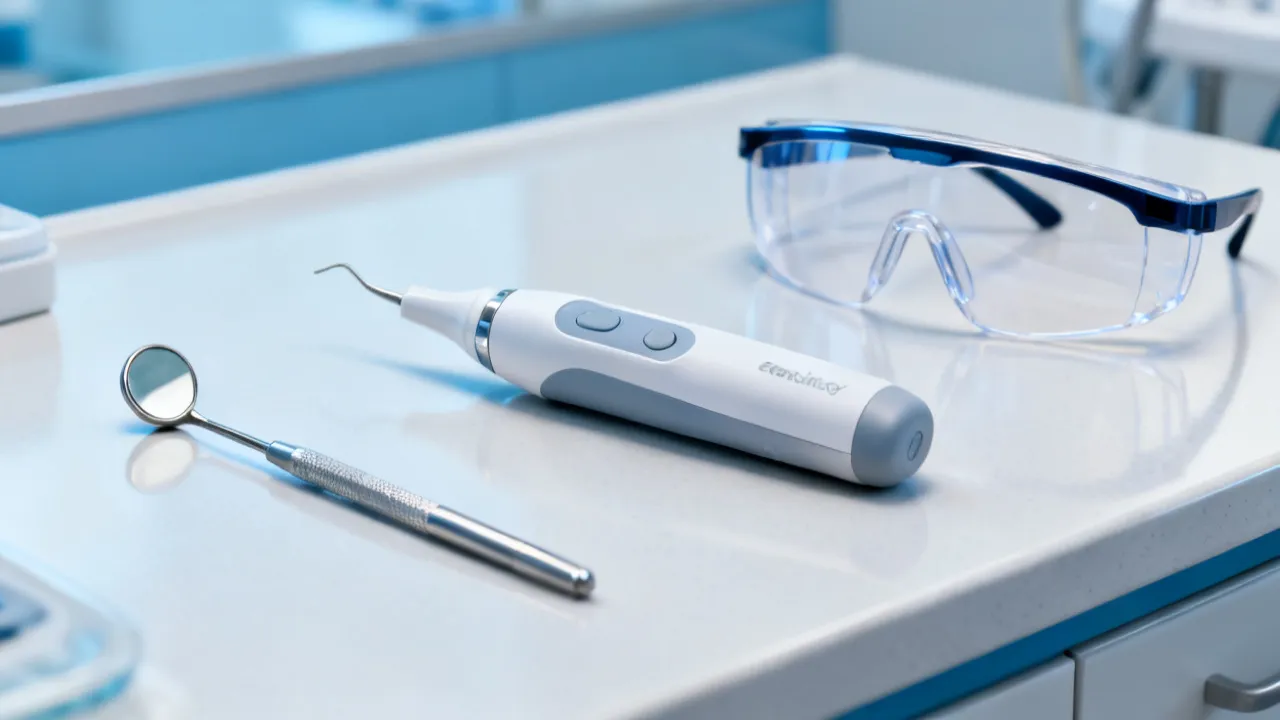
An 초음파 치석 제거기, commonly translated as an ultrasonic tartar remover or ultrasonic dental scaler, is a device designed to loosen or disrupt deposits on tooth surfaces through high-frequency mechanical vibration. Many professional ultrasonic scalers also use water irrigation to cool the working tip, flush away debris, and improve visibility during treatment. Consumer products may resemble professional instruments, but they are not automatically equivalent in performance, precision, infection control, or clinical safety.
The most important point is straightforward: hardened tartar, also called dental calculus, is not simply a larger form of soft plaque. Once plaque mineralizes, it becomes firmly attached to enamel, restorations, or root surfaces. Removing it effectively may require professional assessment, controlled instrumentation, and access to areas that are difficult to see at home. A household device may assist with limited surface deposits in some circumstances, but it should not be treated as a substitute for examination, diagnosis, periodontal care, or routine dental cleaning.
From an industry perspective, the central purchasing question is not whether a device vibrates. It is whether the product provides appropriate power control, a suitable tip, reliable water management, clear instructions, and safeguards against misuse. A device that appears powerful may be more difficult to control. Conversely, a low-powered product may not remove hardened calculus and may encourage repeated scraping that irritates the gums.
Consumers should also understand that the phrase “ultrasonic” can be used broadly in online product listings. Some devices generate true ultrasonic-frequency vibration, while others use lower-frequency mechanical oscillation or simply describe a vibrating metal tip with general terminology. The name alone cannot tell a buyer how the instrument behaves in the mouth. Specifications, intended-use instructions, product support, and professional advice are more meaningful than the label on the packaging.
Key Safety Advice Before Use
- Do not use an ultrasonic tartar remover on yourself without understanding its instructions and limitations.
- Do not use it on children, pets, or another person unless the product is specifically intended for that purpose and professional guidance has been obtained.
- Avoid use around loose teeth, dental implants, surgical sites, ulcers, exposed roots, or inflamed gums unless a dentist has approved it.
- Do not use metal instruments to dig beneath the gumline. Subgingival deposits require clinical visibility, appropriate technique, and infection-control procedures.
- Stop immediately if there is persistent bleeding, sharp pain, swelling, sensitivity, or a change in the appearance of a restoration.
- Do not use an electrical device near water unless its safety rating and operating instructions clearly permit the intended environment.
- Never use a damaged, bent, chipped, rusty, or unusually rough tip.
- Do not increase the power or pressure simply because a deposit does not come away easily.
People who take anticoagulant medication, have a bleeding disorder, have a cardiac condition requiring special dental precautions, or have recently undergone oral surgery should obtain individualized advice before using any scaling device. The same is true for individuals with periodontal disease, extensive crowns, veneers, orthodontic appliances, or dental implants.
Avoiding self-treatment is especially important when symptoms have appeared recently. Bad breath, bleeding during brushing, gum tenderness, tooth mobility, and increasing sensitivity can be signs of a condition that needs diagnosis. Removing a visible deposit may improve the appearance temporarily while leaving the underlying disease untreated.
How Ultrasonic Scaling Technology Works
Professional ultrasonic scalers generally operate by moving a narrow tip at a high frequency. The rapid movement can fracture or disturb mineralized deposits, while water irrigation helps cool the instrument and remove loosened material. The process is different from manually scraping a tooth with a sharp hook-shaped instrument, although both methods require training and controlled contact.
Ultrasonic energy can also create microscopic bubbles in the irrigating fluid. This phenomenon, often discussed in relation to professional ultrasonic scaling, may contribute to cleaning in the immediate working area. However, the presence of vibration or water does not guarantee complete calculus removal. The outcome depends on tip design, power level, deposit hardness, angulation, operator control, access, and the condition of the tooth and surrounding tissues.
Consumer products sold as an 초음파 치석 제거기 may use different technologies. Some are miniature vibrating scalers with metal tips. Others combine vibration with an LED light, a small water reservoir, or multiple operating modes. Product descriptions may use terms such as “ultrasonic,” “sonic,” or “high-frequency,” but these labels do not by themselves establish clinical equivalence to a dental-office instrument.
Buyers should therefore examine the technical documentation rather than relying on appearance. Important details include the operating frequency, adjustable intensity, tip material, water requirements, battery or power supply, cleaning procedure, replacement-tip availability, and whether the product has been cleared or registered for the intended market. A product sold online may not have the same regulatory status in every country.
Tip movement is also significant. A professional clinician is trained to maintain the correct working surface and angulation, use the side of the tip where appropriate, and keep the instrument moving. A consumer who presses the end of a vibrating tip directly into a tooth may create concentrated force in a very small area. This is one reason why a device that appears gentle during a short demonstration may still cause damage when used repeatedly or incorrectly.
Why Tartar Is Difficult to Remove at Home
Dental plaque is a soft microbial film that forms continuously on teeth. Brushing and interdental cleaning can help control it, particularly when performed consistently and with an appropriate technique. If plaque remains undisturbed, minerals in saliva can harden it into calculus. The resulting deposit may be yellow, brown, or dark in appearance and can form above or below the gumline.
Above-gumline calculus can sometimes be visible in a mirror, especially behind the lower front teeth or near the openings of salivary glands. Deposits below the gumline are more challenging. They may be hidden by swollen tissue, located on irregular root surfaces, or associated with periodontal pockets. Attempting to reach these areas without training can cause trauma and may leave deposits behind.
Another difficulty is distinguishing tartar from other conditions. A rough area may be calculus, a damaged filling, an exposed root, an enamel defect, or a fractured restoration. A dark spot may be staining, decay, or a surface deposit. A device user cannot reliably make that distinction based only on appearance. Removing the wrong material, or applying pressure to a compromised area, can worsen the problem.
Professional dental cleaning also includes assessment. A dentist or dental hygienist may evaluate gum bleeding, pocket depth, tooth mobility, recession, caries risk, restorations, and signs of infection. A household scaler focuses on removal, whereas oral healthcare includes diagnosis, prevention, treatment planning, and follow-up.
Access is a practical limitation as well. The inner surfaces of the lower front teeth may be relatively easy to see, but the back surfaces of molars and the areas between teeth are much harder to inspect. Saliva, tongue movement, cheek position, and a limited mirror angle can make it difficult to know whether a deposit has been removed or whether the tip is touching gum tissue.
Potential Benefits of an 초음파 치석 제거기
When used within its intended scope, an ultrasonic tartar remover may offer several practical benefits. Its vibrating tip can help disturb small, accessible deposits on hard tooth surfaces. The narrow design may provide better visual access than a large toothbrush head. Some models include illumination, which may help a user inspect the front surfaces of the teeth more clearly.
These benefits should be interpreted cautiously. The device may be more useful for maintenance of visible areas than for treating established or widespread calculus. It may also support awareness: a user who notices recurring deposits may be encouraged to schedule a dental examination and improve daily plaque control.
From a product-design standpoint, adjustable intensity is generally more useful than a single high-power setting. A lower setting may permit better control and reduce discomfort, while a higher setting may be reserved for carefully limited use where the instructions permit it. Even then, greater intensity is not synonymous with better cleaning. Excessive force can damage soft tissue, increase sensitivity, or create scratches on vulnerable surfaces.
Some users may appreciate the convenience of having a small inspection and maintenance tool at home. It can be easier to use than arranging an appointment for a minor cosmetic concern, particularly for people who want to monitor visible buildup between routine visits. However, convenience should not be confused with clinical necessity. A tool is valuable only when the task is appropriate for home use and the user can operate it without causing injury.
Another possible benefit is improved product awareness. Comparing models can encourage consumers to pay attention to hygiene, replaceable parts, battery safety, and operating instructions. These considerations are relevant to many oral-care devices, including electric toothbrushes and water flossers. Nevertheless, the presence of useful design features does not eliminate the need for professional assessment when disease or significant deposits are suspected.
Important Limitations and Risks
The principal risk is mechanical injury. A vibrating tip can abrade a restoration, irritate the gum margin, or remove small amounts of tooth structure if it is held in one place or used with excessive pressure. Enamel is hard, but it is not invulnerable. Cementum and dentin, especially when roots are exposed, are considerably more susceptible to wear.
Gum injury is another concern. Users may assume that bleeding proves the device is working. That assumption is unsafe. Bleeding can reflect inflammation, trauma, periodontal disease, or a combination of these factors. Persistent or spontaneous bleeding should be assessed rather than repeatedly treated with a home scaler.
There is also a risk of incomplete removal. A device may break away the visible portion of a deposit while leaving a rough edge or subgingival remnant. This can create a misleading impression that the area is clean. Repeated attempts may increase tissue irritation without addressing the underlying condition.
Dental restorations require particular care. Crowns, veneers, composite fillings, bridges, bonded retainers, and implant components differ in hardness and surface characteristics. A metal tip may mark, roughen, loosen, or damage a restoration depending on the material and the angle of contact. Around implants, the choice of instrument is especially important because conventional metal tips may be unsuitable for certain implant surfaces.
Electrical and hygiene risks should not be overlooked. Water, saliva, and a rechargeable device create a setting in which manufacturer instructions matter. Tips that are reused without proper cleaning and disinfection can become contaminated. A product with detachable parts should have a clearly described cleaning process, and users should not assume that wiping a tip with a tissue is sufficient.
Some products produce aerosol or spray when used with water. In a dental clinic, aerosol management, protective equipment, room preparation, and instrument reprocessing are part of a wider infection-control system. At home, users may not have comparable measures. This does not mean that every water-assisted device is unsafe, but it does mean that the device should be used in a clean, appropriate environment and according to the manufacturer’s instructions.
Temporary sensitivity can occur after deposits are removed because the tooth surface that was previously covered becomes exposed. Sensitivity can also indicate that a root is exposed, enamel is worn, or decay is present. If sensitivity is intense or lasts longer than expected, it should not be managed by continuing to use the device.
Who Should Avoid Home Ultrasonic Scaling?
Avoiding self-use is prudent when the user cannot clearly see and control the working area. This includes people with poor vision, limited hand mobility, significant tremor, cognitive difficulties, or an inability to follow the device instructions. Children should receive age-appropriate preventive care from a dental professional rather than using a sharp vibrating instrument independently.
Professional advice is particularly important for people with:
- Active gum swelling, pus, facial swelling, or severe toothache
- Loose or newly erupted teeth
- Advanced gum recession or exposed root surfaces
- Dental implants, extensive crowns, veneers, bridges, or orthodontic appliances
- Recent extractions, periodontal surgery, bone grafting, or implant placement
- Known enamel defects, dentin hypersensitivity, or significant tooth wear
- Bleeding disorders or medication-related bleeding concerns
- Conditions requiring special precautions during dental procedures
- Untreated cavities, fractured teeth, or suspected cracked restorations
- Severe gag reflex or difficulty maintaining a stable, safe position during use
These conditions do not necessarily mean that all ultrasonic instruments are prohibited. They mean that the correct device, tip, intensity, and technique should be selected by a qualified clinician. In some cases, the safest recommendation may be professional debridement followed by a customized home-care plan.
People who have recently received dental treatment should also ask whether the treated area is ready for instrumentation. Healing tissues can be delicate, and temporary materials or bonding agents may require protection. The absence of visible pain does not prove that a surgical or restorative site is ready for a vibrating metal tip.
Professional Scaling Compared with Home Devices
| Consideration | Professional ultrasonic scaling | Consumer ultrasonic tartar remover |
|---|---|---|
| Assessment | Includes examination of teeth, gums, restorations, and risk factors. | Usually relies on the user’s visual judgment. |
| Access | Designed for controlled access above and below the gumline. | Generally most suitable for visible, accessible surfaces. |
| Power and control | Selected and adjusted by a trained clinician. | Varies by model and depends on user technique. |
| Tip selection | Can be matched to deposit type, anatomy, and restoration status. | Usually limited to the tips supplied or sold for the device. |
| Infection control | Performed under professional cleaning and sterilization protocols. | Depends on the user’s cleaning and storage practices. |
| Follow-up | Can include periodontal evaluation and prevention planning. | Does not diagnose the cause of recurring deposits. |
| Patient positioning | Uses controlled positioning, lighting, suction, and retraction when needed. | Usually performed with a household mirror and limited visibility. |
| Management of complications | The clinician can identify injury, disease, or restoration problems immediately. | The user must decide when to stop and when to seek care. |
The comparison does not mean that every consumer device is unsuitable for every user. It shows why the two categories should not be treated as interchangeable. Professional care is a clinical service with diagnosis and accountability. A household product is a personal-care tool whose effectiveness and safety depend heavily on design and handling.
Professional scaling may also involve different approaches depending on the diagnosis. Routine supragingival cleaning is not the same as periodontal debridement, and neither is the same as treatment for a damaged filling or a cavity. A home device cannot determine which category applies. This distinction is essential because attempting to solve a disease-related problem with a cosmetic tool may delay appropriate treatment.
How to Evaluate Product Quality
The market for personal oral-care devices includes products with widely varying documentation. A careful buyer should evaluate evidence and usability rather than choosing solely by price, number of modes, or visual similarity to equipment used in a dental office.
1. Confirm the intended use
Read the official product manual before purchase. It should state whether the device is intended for personal oral care, stain removal, tartar maintenance, or another purpose. Marketing language that promises complete removal of all calculus should be treated cautiously. A credible manual should identify contraindications, cleaning instructions, operating duration, and situations requiring professional care.
2. Look for controllable intensity
Multiple intensity levels can help users begin cautiously, but the number of settings is not a reliable measure of quality. The controls should be easy to operate without looking away from the mirror. A device that changes intensity accidentally or lacks clear feedback may be difficult to use safely.
3. Examine tip design
Tips should be smooth, compatible with the device, and replaceable according to the manufacturer’s schedule. Sharp, rough, bent, or damaged tips should not be used. The product description should explain how tips are installed and whether different tips are intended for different surfaces.
4. Check water and electrical safety
If the device uses water, the manual should describe the correct amount, reservoir cleaning, and operating position. Rechargeable products should specify charging conditions and whether they are suitable for use near a sink or shower. Water resistance claims should be interpreted according to the exact rating and not expanded beyond the manufacturer’s instructions.
5. Review support and replacement parts
A responsible supplier should provide a manual, warranty terms, customer support, and access to compatible replacement tips. If the product cannot be maintained or cleaned as instructed, its practical value declines even if the initial purchase price is attractive.
6. Consider regulatory information
Regulatory requirements differ by jurisdiction and product classification. Buyers should check the markings and registration information relevant to their country rather than assuming that an online listing alone establishes compliance. Regulatory clearance, where applicable, does not guarantee that a product is appropriate for every person or that it will produce a particular clinical result.
7. Assess ergonomics
The handle should provide a stable grip without requiring excessive force. Buttons should be identifiable and should not be placed where they are easily pressed accidentally. Weight, balance, vibration intensity, and noise can affect control. A product that is difficult to hold steadily may be unsuitable even if its technical specifications appear impressive.
8. Investigate evidence and reviews carefully
User reviews can reveal practical issues such as battery failure, leaking reservoirs, unavailable replacement tips, or unclear instructions. However, reviews cannot establish that a product is clinically safe for a particular person. Look for product-specific testing and transparent information rather than relying on before-and-after photographs or testimonials alone.
Safe Preparation and Operating Conditions
Before using an 초음파 치석 제거기, inspect the device, tip, charging condition, and work area. The tip should be intact and firmly attached. The device should be clean, dry on the external handle, and operated according to its instructions. Use a mirror with adequate lighting, sit rather than stand when possible, and avoid rushing.
Do not attempt to work in areas that cannot be seen clearly. A mirror may show the front of the lower incisors but provide a poor view of the back surfaces, molars, or gumline. Visibility is not a minor convenience; it is central to safe instrument control.
Begin at the lowest setting permitted by the manufacturer. Keep the contact light and brief. Do not press the tip into the tooth or hold it stationary on one spot. Avoid directing the tip into the gum margin, between teeth, or beneath the gums. If the product instructions prohibit water, do not improvise irrigation. If they require water, follow the specified method and prevent splashing into the charging port or other unprotected components.
Many dental instruments are designed to move across a deposit rather than dig into it. A user should never try to force the tip under a hard edge or use it as a lever. If the deposit does not loosen with minimal contact, continuing with greater pressure is not an appropriate solution.
It is sensible to limit any home session to a short period. Prolonged concentration on a single area increases the likelihood of fatigue, loss of visibility, and accidental contact with soft tissues. Users should not attempt to clean the entire mouth in one session merely because the device is available. A dental professional can provide more appropriate guidance about the scope and frequency of maintenance.
Step-by-Step Guide for Cautious Use
- Read the manual completely. Pay attention to contraindications, charging instructions, water requirements, operating time, and tip replacement.
- Arrange a dental examination when deposits are extensive or recurring. A device should not be used to postpone evaluation of pain, swelling, bleeding, mobility, or bad breath.
- Wash your hands and prepare a clean work area. Keep the device away from contaminated surfaces and do not share tips without an appropriate cleaning process.
- Inspect the tip. Do not use a tip that is bent, chipped, corroded, rough, or not securely fitted.
- Use adequate lighting and a mirror. Remain seated and maintain a stable posture.
- Select the lowest permitted intensity. Higher settings should not be used simply to shorten the process.
- Limit attention to visible external tooth surfaces. Do not probe beneath the gumline or into pockets.
- Use light, controlled contact. Avoid pressure, levering, repeated passes, and prolonged contact on one area.
- Stop if discomfort or bleeding develops. Rinse as appropriate and monitor the area. Persistent symptoms require dental advice.
- Clean and store the device according to the manual. Remove detachable parts when instructed, dry them thoroughly, and protect the tip from damage.
This sequence is a risk-reduction framework, not a replacement for hands-on instruction. The correct approach can differ according to tooth anatomy, restorations, gum condition, and the specific device. A dental professional may be able to demonstrate safer alternatives, such as an interdental brush, water flosser, or technique-focused brushing routine.
If a deposit starts to fracture, do not assume that every fragment has been removed. Rinse gently if appropriate and inspect only what can be seen safely. Do not chase a small fragment into a hidden area or use another sharp object to lift it. A remaining rough area can be evaluated and managed during a professional cleaning.
Cleaning, Disinfection, and Storage
Oral-care devices come into contact with saliva, plaque, and sometimes blood. The user should follow the manufacturer’s cleaning instructions precisely. Some components may be washable, while others may be damaged by immersion, alcohol, heat, or household disinfectants. Never sterilize a component unless the instructions state that it is designed for that process.
After use, remove visible residue as directed, rinse only the components that are approved for rinsing, and allow parts to dry fully. Store the tip in a clean, protected location rather than loose in a bathroom drawer. Moisture trapped inside a cap or reservoir can contribute to odor and contamination.
Do not share a tip with another person. If a device is intended for multiple users, each person should have a separate tip and follow the manufacturer’s hygiene recommendations. Replace tips when they become worn, damaged, discolored, or overdue for replacement according to the product guidance.
Charging should also be managed carefully. Do not charge a device with a damaged cable, swollen battery, unusual heat, or a persistent burning smell. Keep charging equipment away from standing water, and do not modify the charger with an incompatible adapter. If the product becomes hot during operation or charging, discontinue use until the manufacturer or supplier provides an explanation.
How to Combine Device Use with Daily Oral Care
An ultrasonic tartar remover addresses a narrow part of oral care. It does not replace brushing with fluoride toothpaste, cleaning between teeth, managing dietary risk, or attending dental examinations. Plaque control remains the primary strategy for reducing the accumulation of new calculus.
Brushing should cover the outer, inner, and chewing surfaces of the teeth, with attention to the gumline and a brush head appropriate for the user. Interdental cleaning is important because a scaler cannot reliably clean every contact area. Depending on the spacing between teeth, suitable options may include floss, interdental brushes, or other clinician-recommended tools.
Users should also consider why deposits recur. Contributing factors may include brushing technique, missed interdental areas, dry mouth, tobacco use, orthodontic appliances, crowded teeth, or individual mineral content in saliva. The presence of recurring calculus is not necessarily a sign of poor effort, but it is a reason to obtain personalized guidance rather than escalating device intensity.
Fluoride toothpaste helps strengthen enamel and reduce the risk of decay, while mechanical plaque removal helps control the bacterial film that can contribute to gum inflammation. Neither function is performed by a tartar remover. A sensible home-care routine therefore begins with brushing and interdental cleaning and uses any additional device only when its role is clearly understood.
Diet and lifestyle may also influence oral health. Frequent exposure to sugary or acidic drinks can increase the risk of decay and erosion. Tobacco use can worsen gum health and make deposits more difficult to assess because staining may obscure the underlying tooth surface. Dry mouth caused by medication or illness can change plaque accumulation and increase discomfort. These factors are better addressed through prevention and professional advice than through more aggressive scraping.
When Professional Care Is the Better Choice
Professional care is the appropriate next step when tartar is widespread, dark, firmly attached, located below the gums, or associated with bleeding. It is also warranted when there is pain, sensitivity, swelling, pus, loose teeth, persistent bad breath, or a change in a restoration.
A dental clinician can determine whether the problem is routine calculus, gingivitis, periodontitis, decay, a fractured restoration, or another condition. The treatment may involve scaling, root-surface debridement, periodontal maintenance, restorative care, or referral to a specialist. These decisions cannot be made safely from an online product description.
Urgent evaluation is appropriate for facial swelling, difficulty swallowing or breathing, fever associated with dental symptoms, uncontrolled bleeding, or rapidly worsening pain. A household scaler should not be used to manage an acute dental infection.
Professional cleaning can also be valuable when the visible deposit is not the main issue. A dental professional may identify recession, pockets, enamel wear, or a defective restoration that explains sensitivity or roughness. In such situations, the apparent “tartar problem” may be a symptom rather than the underlying cause.
Common Marketing Claims Examined
“Professional results at home”
This phrase is imprecise. A consumer device may resemble professional equipment, but professional results involve diagnosis, access, technique, infection control, and follow-up. The phrase should not be interpreted as a guarantee of equivalent treatment.
“Removes all tartar”
Complete removal depends on deposit location, hardness, visibility, and the condition of the tooth surface. Deposits below the gumline or around complex restorations are especially unlikely to be managed reliably at home. Claims of universal removal are not a substitute for clinical evidence or an appropriate indication.
“Pain-free cleaning”
Some users may experience little discomfort, while others may have sensitivity or gum irritation. Pain can also indicate a dental problem. A product should not promise a uniform sensation for every user.
“Suitable for everyone”
Oral anatomy, restorations, medications, and medical history differ. A broadly worded suitability claim should be weighed against the detailed contraindications in the manual.
“More vibration means better cleaning”
Effective instrumentation depends on controlled contact, appropriate tip movement, and correct indication. Excessive vibration or pressure can increase risk without improving the result.
“Removes stains and whitens teeth”
Surface stains may sometimes be reduced when deposits are removed, but a tartar remover is not a bleaching system. Whitening claims should distinguish between removal of external discoloration and a change in the natural shade of the tooth.
“No dental visits are necessary”
This is an especially concerning claim. Home devices cannot perform a complete oral examination, measure periodontal pockets, diagnose decay, assess tooth mobility, or monitor restorations. Regular dental care remains important even for people who use advanced home-care products.
Cost and Value Considerations
The purchase price of an 초음파 치석 제거기 is only one part of its total cost. Buyers should account for replacement tips, charging accessories, water-reservoir maintenance, warranty coverage, shipping, and potential dental treatment if misuse causes damage. A low initial price may be less attractive if spare parts are unavailable or instructions are incomplete.
Value should also be measured against the device’s actual role. If the user has minimal visible buildup and good oral-health habits, the product may offer limited additional benefit. If there is significant calculus or gum disease, professional treatment may be more appropriate than purchasing a stronger household instrument.
Price comparisons should be made using the same specifications, including the number of tips, water functionality, intensity control, warranty length, and supplier support. Consumers should avoid assuming that a higher price guarantees clinical superiority. Conversely, an unusually low price may warrant careful review of product documentation, safety information, and after-sales service.
Some buyers are attracted by bundles containing many accessories. Additional tips, mirrors, scrapers, and polishing heads can make a package appear comprehensive, but each accessory introduces another cleaning and storage requirement. The most useful package is not necessarily the largest one. A simple product with clear instructions and reliable replacement parts may be a better long-term choice.
Environmental and Practical Considerations
Electronic oral-care products generate waste through batteries, chargers, tips, packaging, and eventual device disposal. A durable product with replaceable components may be more practical than one that must be discarded when a small part fails. Buyers should check local battery and electronic-waste disposal requirements.
Noise, vibration sensation, charging frequency, storage size, and cleaning time also influence whether a device will be used responsibly. A product that is uncomfortable or difficult to maintain may encourage hurried use or neglect. In personal healthcare equipment, usability is closely connected to safety.
Manufacturers can improve sustainability by offering replaceable tips, durable charging systems, recyclable packaging, and clear instructions for disposal. Consumers can support those features by avoiding unnecessary replacements, not using damaged components, and disposing of batteries and electronics through appropriate collection programs.
Evidence-Based Perspective
Professional organizations generally emphasize plaque control, fluoride toothpaste, interdental cleaning, regular dental examinations, and professionally determined periodontal treatment. The American Dental Association, the National Health Service, and national dental associations provide consumer guidance that distinguishes routine oral hygiene from professional calculus removal. Their materials consistently support assessment when symptoms or gum disease are present.
Research on ultrasonic instrumentation is primarily associated with professional dental settings, where trained operators use calibrated equipment and infection-control procedures. Evidence from clinical instruments should not automatically be transferred to every household product marketed with similar terminology. Consumers should look for product-specific information, clear intended-use statements, and independent professional advice when health conditions are present.
When a source provides numerical performance claims, readers should ask whether the data were generated by an independent laboratory, a clinical study, or an internal marketing test. The test conditions, comparison device, sample size, outcome definition, and limitations all matter. A laboratory demonstration of deposit disruption is not the same as evidence of improved gum health or long-term oral outcomes.
It is also useful to distinguish efficacy from safety. A device may remove a visible deposit quickly but still be inappropriate for a person with exposed roots or a veneer. Conversely, a device that removes little material may be safe but not useful for established calculus. Good product evaluation considers both questions: does it perform the intended task, and can the task be performed without unacceptable risk?
Decision Framework for Buyers
A simple decision framework can help consumers avoid unnecessary risk:
- Identify the problem. Is the concern visible tartar, staining, bad breath, bleeding, sensitivity, or a rough restoration?
- Rule out warning signs. Pain, swelling, pus, loose teeth, persistent bleeding, and sudden changes require professional assessment.
- Check for special conditions. Consider implants, crowns, veneers, braces, exposed roots, medication, and recent procedures.
- Read the complete manual before purchase. Confirm intended use, prohibited uses, cleaning, warranty, and replacement parts.
- Choose control over intensity. Look for stable handling, clear settings, and a tip that can be replaced.
- Plan ongoing oral care. The device should complement, not displace, brushing, interdental cleaning, and dental visits.
- Set a stopping rule. Stop if the deposit does not loosen with light contact or if symptoms occur.
This framework reflects a broader principle in healthcare purchasing: the safest product is not necessarily the one with the greatest power. It is the one whose intended use matches the user’s needs and whose risks can be understood and controlled.
For a person who is uncertain, the most efficient first step is usually a dental examination rather than a product comparison. A clinician can identify whether the material is calculus, staining, decay, or a restoration problem. Once the condition is understood, the user can decide whether a particular home-care device has any appropriate role.
Frequently Asked Questions
Is an 초음파 치석 제거기 the same as a professional dental scaler?
Not necessarily. The terms may describe related technologies, but professional instruments are used by trained clinicians who select the tip, power, irrigation, and technique according to the patient’s oral condition. Consumer products vary in design and may have different operating characteristics. Similar appearance or terminology does not establish equivalent clinical performance.
Can it remove hardened tartar completely?
It may disturb some accessible deposits, but complete removal cannot be assumed. Deposits below the gumline, around restorations, or on irregular root surfaces often require professional instrumentation. If a deposit remains after light, controlled contact, do not increase pressure or continue scraping repeatedly.
Can I use it if my gums bleed?
Bleeding should not be regarded as a normal sign of effective cleaning. It may result from inflammation or mechanical injury. Stop using the device and arrange a dental assessment if bleeding is persistent, spontaneous, or accompanied by swelling, pain, or bad breath.
Is it suitable for dental implants?
Only when a dental professional confirms that the device and tip are compatible with the implant system and surrounding tissues. Some instruments or metal tips may be inappropriate for implant surfaces or components. Do not use a household scaler around an implant without specific guidance.
Can it damage enamel?
Improper pressure, prolonged contact, or an unsuitable tip can damage tooth surfaces or restorations. The risk may be higher on exposed dentin, cementum, enamel defects, and certain restorative materials. Use only the technique described by the manufacturer and stop if the surface feels newly rough or sensitive.
Can I use it on a crown or veneer?
Exercise caution. Crowns and veneers are made from different materials and may include margins or bonded surfaces that require specialized handling. A dentist should advise whether the specific restoration can tolerate the device and which areas should be avoided.
Does ultrasonic scaling whiten teeth?
It may remove some external deposits or stains, making teeth appear cleaner, but it is not a whitening treatment. Internal tooth color, decay, restorations, and other causes of discoloration require different evaluation and treatment.
How often should I use an ultrasonic tartar remover?
There is no universal schedule. Frequency depends on the product instructions, the amount and location of deposits, gum health, restorations, and professional advice. Repeated use without a clear indication may increase irritation or surface wear. Routine plaque-control habits are generally more important than frequent scaling attempts.
Should I use water with the device?
Follow the exact manual. Some devices require irrigation, while others are designed for a different operating method. Do not add water to a product that is not designed for it, and do not immerse electrical components unless the instructions explicitly permit immersion.
Can children use an 초음파 치석 제거기?
Children should not independently use a sharp vibrating oral instrument. Their teeth, gums, developing restorations, and ability to control the device require age-specific consideration. Preventive dental visits, supervised brushing, and appropriate interdental cleaning are safer foundations.
What should I do if the tip breaks or becomes rough?
Stop using the device immediately. Remove the damaged component only as instructed, inspect the mouth for injury, and replace the tip with a compatible part. If a fragment may have entered the mouth or if bleeding or pain occurs, seek professional advice promptly.
Can this device treat gum disease?
No household device should be presented as a treatment for periodontal disease. Gum disease requires examination and, when indicated, professional removal of deposits, plaque-control instruction, and monitoring. A scaler may remove a visible deposit without addressing infection or periodontal pocketing.
How can I tell whether a product is reliable?
Look for a complete manual, clear manufacturer identification, intended-use information, safety warnings, cleaning instructions, warranty terms, compatible replacement tips, and regulatory information relevant to the market. Be cautious when a listing relies mainly on dramatic claims, vague specifications, or unverified testimonials.
Can a home scaler replace flossing or interdental brushes?
No. A scaler is not designed to remove the soft plaque that accumulates between teeth every day. Floss, interdental brushes, or another dentist-recommended method is usually more appropriate for those spaces. Preventing plaque from hardening is easier and safer than trying to remove established calculus later.
Why does tartar keep returning after cleaning?
Calculus can recur because plaque forms continuously and saliva contains minerals that can harden retained plaque. Crowded teeth, dry mouth, tobacco use, orthodontic appliances, and difficulty cleaning certain areas may contribute. A professional can help identify the specific pattern and suggest a maintenance schedule.
What if the device makes my teeth feel rough?
Stop using it and arrange an assessment if the roughness persists. It may reflect residual calculus, a scratched restoration, enamel wear, or an exposed root. Continuing to polish or scrape the area without knowing the cause may make the surface worse.
Can the device remove a stain caused by coffee or tobacco?
It may disturb a deposit that holds some external staining, but it should not be used aggressively to chase discoloration. Stains can have several causes, and professional cleaning or whitening may be more suitable. Tobacco-related discoloration should also prompt consideration of broader oral-health risks.
Conclusion
An 초음파 치석 제거기 can be an interesting personal oral-care tool, but its usefulness depends on realistic expectations and careful handling. Ultrasonic vibration may help disturb limited, visible deposits under suitable conditions; it does not replace professional diagnosis or the controlled removal of subgingival calculus. The most responsible approach is to treat the device as a supplementary product rather than a complete dental solution.
Before purchasing, evaluate the product’s documentation, intensity control, tip quality, water and electrical safety, hygiene requirements, warranty, and replacement-part availability. Before using it, consider your gum condition, restorations, implants, medications, and recent dental procedures. If there is pain, swelling, persistent bleeding, mobility, or extensive tartar, seek professional care instead of escalating home treatment.
In practical terms, effective oral health begins with daily plaque control and informed dental supervision. A carefully selected device may have a limited role for some users, but good judgment—knowing when not to use it—is the most important safety feature of all.