Understanding Ultrasonic Tartar Removers Safely
This guide explains what an ultrasonic tartar remover, known in Korean as 초음파 치석 제거기, can and cannot do in daily oral care. It examines how ultrasonic vibration differs from professional scaling, reviews potential benefits and limitations, and outlines safe-use principles, device selection criteria, hygiene practices, and warning signs that require dental evaluation. The discussion is intended to support informed decisions rather than replace professional diagnosis or treatment.
What an Ultrasonic Tartar Remover Can—and Cannot—Do
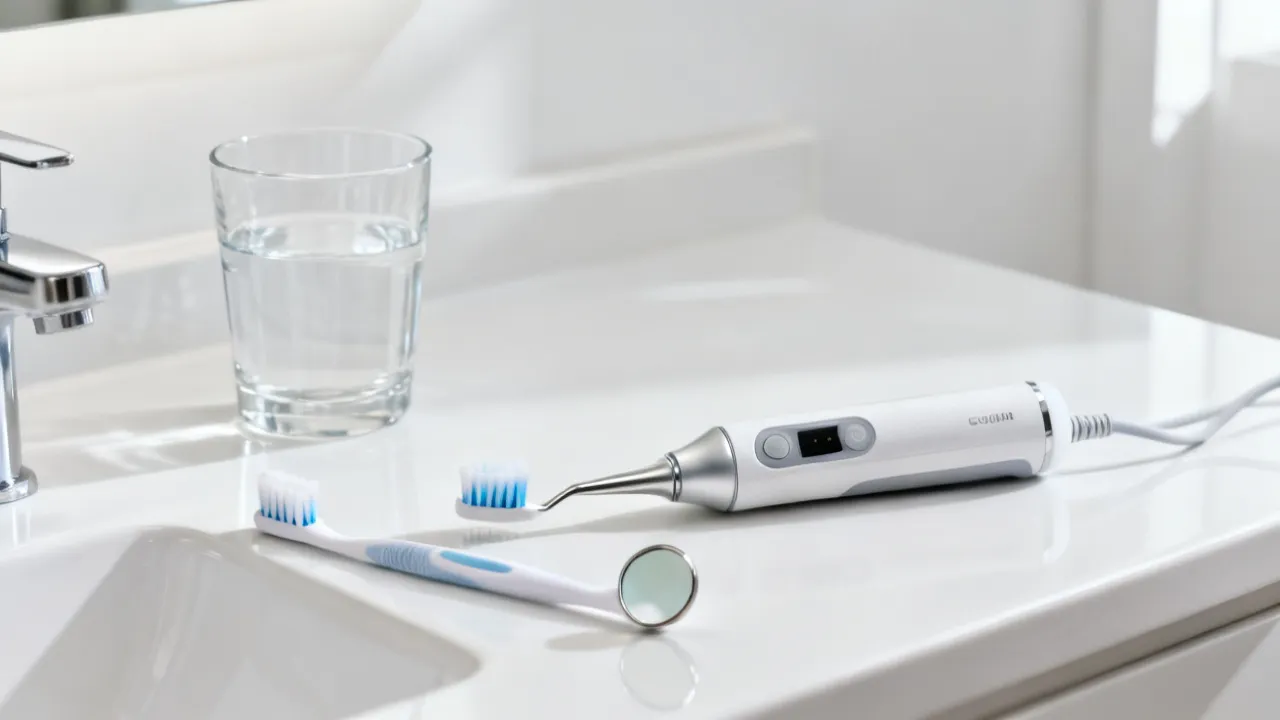
The Korean term 초음파 치석 제거기 generally refers to a handheld device marketed for removing dental deposits through high-frequency vibration. Similar products may be described in English as ultrasonic tartar removers, electric dental scalers, or home plaque-removal tools. Although these names sound similar to equipment used in dental clinics, consumer products can differ substantially in power, tip design, water delivery, safety controls, battery quality, and intended use.
The most important conclusion is straightforward: a home ultrasonic tartar remover should be regarded as an oral-care accessory, not as a substitute for a dental examination or professional scaling. Hardened calculus can adhere firmly to enamel, restorations, and the area below the gumline. Attempting to dislodge it without adequate visibility or training may damage gum tissue, scratch restorative materials, disturb orthodontic appliances, or conceal a condition that requires treatment.
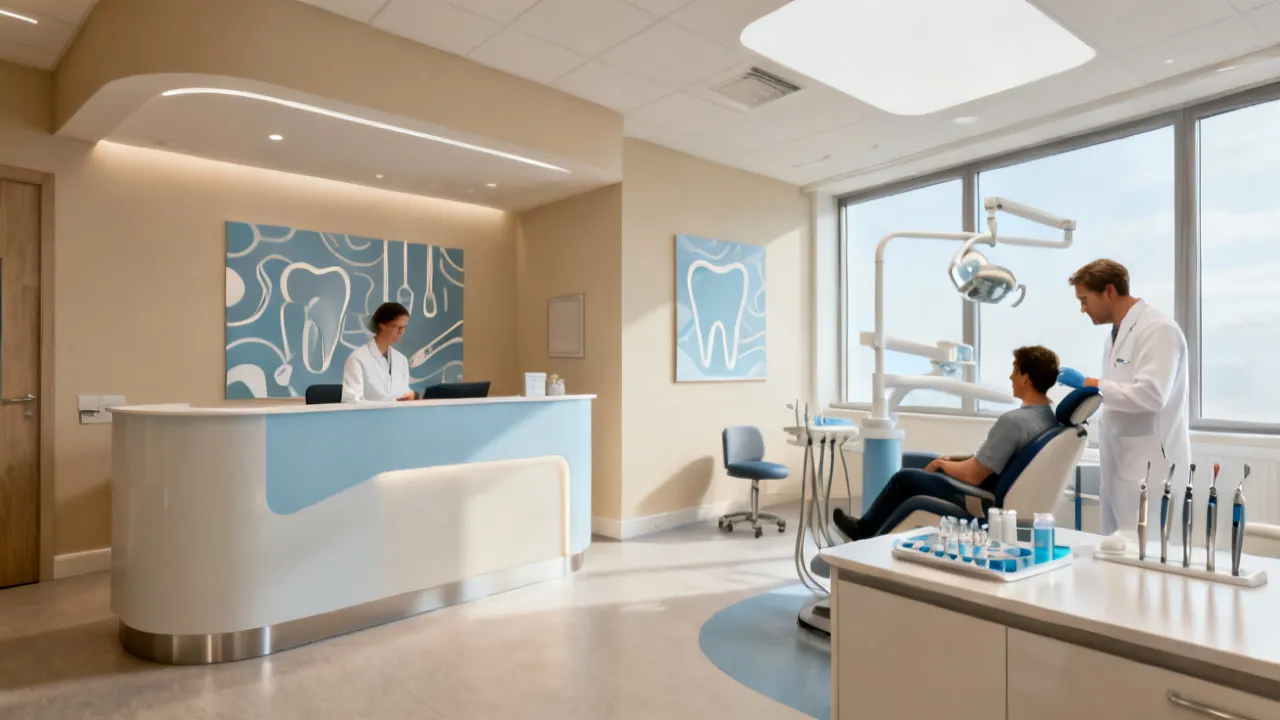
Dental professionals use ultrasonic scalers within a controlled clinical setting. They assess the patient’s medical history, examine the mouth, select an appropriate tip, manage water spray and aerosols, and adjust technique according to the location and composition of the deposits. A consumer device may vibrate, but vibration alone does not reproduce the clinical process. Professional instruments are also used with an understanding of tooth anatomy, restoration materials, periodontal pockets, and the difference between harmless surface stain and disease-associated deposits.
For that reason, the best use of a 초음파 치석 제거기 is usually limited to carefully following the manufacturer’s instructions, maintaining external oral hygiene, and avoiding aggressive scraping. If deposits are extensive, the gums bleed repeatedly, teeth feel loose, there is persistent sensitivity, or bad breath continues despite routine cleaning, a dental appointment is the safer next step.
Understanding Plaque, Calculus, and Surface Stains
Confusion about dental deposits is one of the main reasons people purchase home scaling devices. Not every visible mark on a tooth is tartar, and not every rough area should be scraped. A mark may represent plaque, calculus, food residue, staining, decay, an old filling, a chipped edge, or a change in the natural tooth structure. Looking at a tooth in a bathroom mirror is not enough to identify the cause with certainty.
- Dental plaque: A soft microbial film that forms continuously on teeth. It can often be disturbed with toothbrushing, interdental cleaning, and other routine hygiene measures.
- Calculus or tartar: Mineralized plaque that has hardened over time. It generally cannot be removed reliably with ordinary brushing alone.
- Extrinsic stain: Discoloration on the outer surface associated with beverages, tobacco, food pigments, or other exposures. Stain is not necessarily calculus.
- Intrinsic discoloration: A change within the tooth structure that may not respond to surface cleaning.
- Restorative material: Crowns, veneers, fillings, bridges, implants, and orthodontic components may react differently to vibration and contact than natural enamel.
- Food debris: Temporary material trapped around teeth or appliances that may be removed with rinsing, brushing, flossing, or an interdental brush.
- Dental decay: A diseased area that may appear as a white, brown, or dark spot and should not be scraped as though it were tartar.
These distinctions matter because the appropriate response differs in each case. Plaque is primarily managed through consistent daily hygiene. Calculus may require professional instrumentation. Surface stain may be evaluated during a cleaning visit, while intrinsic discoloration may call for a broader dental assessment. Using a sharp tip on a dark area without knowing its origin can create more risk than benefit.
The location of a deposit also provides useful information. Calculus commonly develops near salivary-gland openings, particularly behind the lower front teeth and on the cheek-facing surfaces of upper molars. That pattern does not mean every rough spot in those areas is safe to remove at home. It simply explains why some people notice recurring buildup in specific locations. The amount and speed of accumulation can vary with saliva chemistry, crowding, gum health, tobacco use, diet, and the effectiveness of daily cleaning.
How Ultrasonic Scaling Works in Professional Dentistry
Professional ultrasonic scalers use a powered tip that vibrates at a high frequency. The motion helps disrupt and remove deposits, while water irrigation cools the tip and flushes away debris. The exact mechanism and clinical effect depend on the device, tip geometry, power setting, contact angle, deposit type, operator technique, and the condition of the tooth or restoration being treated.
Some professional devices also create effects associated with fluid movement around the vibrating tip. These effects may assist with disruption of deposits and flushing of the treatment area, but they depend on appropriate water flow, tip movement, and clinical control. A home device without comparable irrigation, cooling, or power regulation should not be assumed to have the same performance or safety profile.
In a dental clinic, the clinician can see the treatment area directly, retract soft tissues, assess the gum pocket, and change instruments when necessary. The professional also knows when to stop. For example, a deposit close to a restoration may require a different instrument, while a deep deposit under the gumline may be managed through periodontal treatment rather than casual surface scraping.
Professional scaling is performed with a controlled lateral surface of the tip rather than by stabbing the tooth or pressing the point into a deposit. The clinician maintains awareness of the angle, movement, temperature, water flow, and patient response. This is one reason that holding a pointed consumer tip against a tooth for a long time is not an equivalent technique.
Consumer versions may use vibration at a lower or differently controlled intensity. Some products are designed primarily to loosen superficial material; others combine vibration with an LED light, mirror, or interchangeable tips. Marketing language can make these devices appear equivalent to professional ultrasonic scalers, but consumers should not assume equivalent performance based on appearance or terminology alone.
One useful principle is to evaluate a device by its documented intended use rather than by its name. A product labeled as an “ultrasonic tooth cleaner” may be designed for limited home use and may not be appropriate for hardened deposits, periodontal pockets, implants, or dental restorations. The operating instructions, warnings, electrical certification, warranty, and seller information deserve close attention.
Potential Benefits of a Home 초음파 치석 제거기
When used conservatively and for the purpose stated by the manufacturer, a home device may offer several practical benefits. It can help users inspect the outer tooth surfaces more closely, become more aware of plaque accumulation, and maintain an interest in oral hygiene between dental visits. Some people also appreciate the compact form, rechargeable battery, lighting feature, or replaceable tips.
A product may be helpful for a person who has already received professional advice and understands which areas are safe to clean. For example, a dentist may identify a small external deposit and explain that the patient should not attempt to reach beneath the gumline or touch a restoration. In that context, the device can be used with more realistic expectations and less temptation to experiment.
However, potential benefit should not be confused with proven clinical effectiveness. A device may feel effective because it removes a small surface fragment or produces a smooth sensation. That does not establish that all calculus has been removed, that gum inflammation has been treated, or that periodontal disease has been prevented.
From an industry expert’s perspective, the most realistic benefit is behavioral rather than procedural: a well-designed device may encourage better observation and more regular oral-care habits. The core of prevention remains twice-daily brushing with fluoride toothpaste, cleaning between teeth, appropriate dietary habits, and professional evaluation when indicated. A vibrating instrument should support those habits rather than replace them.
There is also a psychological benefit when a person uses a device as a reminder to pay attention to oral health. Seeing plaque near the gumline may encourage more careful brushing or the purchase of correctly sized interdental brushes. That benefit does not require aggressive scaling. In many cases, observation followed by improved daily care is safer and more useful than trying to remove every visible irregularity immediately.
Important Risks and Limitations
Home scaling carries risks that are easy to underestimate because the tool is small and simple to operate. The main concern is not only the device’s vibration but also the user’s visibility, pressure, angle, duration, and choice of treatment area. A person may also have difficulty judging whether a rough sensation comes from a deposit, a filling margin, a fractured tooth, or a damaged dental appliance.
Gum injury
Gum tissue can be cut, bruised, or irritated by a hard tip. Repeated trauma may increase tenderness and bleeding. Bleeding should not automatically be interpreted as evidence that the device is working. It may indicate inflammation, excessive pressure, or injury. If the gums are already inflamed, additional mechanical trauma can make symptoms more noticeable without addressing the underlying cause.
Enamel and root-surface damage
Natural enamel is hard, but it is not immune to inappropriate mechanical contact. Exposed root surfaces are more vulnerable because cementum and dentin are softer than enamel. Scratching a surface can create irregularities that retain plaque and may increase sensitivity. Damage may not be obvious immediately, particularly if the user is working in a poorly visible area.
Damage to dental work
Veneers, composite restorations, crowns, bridges, implant components, retainers, and brackets may be damaged or displaced by unsuitable contact. Even when a device does not visibly break a restoration, roughening or altering its surface may affect cleanliness and appearance. A tip can also catch on an orthodontic wire or the margin of a restoration, creating discomfort or loosening a component.
Incomplete removal
A user may remove a visible fragment while leaving deposits below the gumline. This can create a false sense of completion. Calculus associated with periodontal pockets cannot be assessed accurately with a bathroom mirror and may require professional probing, radiographs, or periodontal treatment. Removing the upper edge of a deposit may make the remaining material harder for the user to see.
Cross-contamination
Reusable tips can retain moisture and biological material if they are not cleaned, dried, and stored correctly. Sharing a device or tip between household members is particularly inappropriate unless the manufacturer provides a validated method for doing so. A tip that falls onto an unclean surface should be cleaned according to the instructions before it is returned to the mouth.
Electrical and water-related hazards
Rechargeable products should be used, charged, and stored according to their instructions. A device intended for dry use should not be placed in a sink or used in a wet environment. Damaged charging cables, swollen batteries, cracked housings, and unusual heat are reasons to stop use. Do not attempt to charge a product with an incompatible adapter simply because the connector appears to fit.
Aerosol and splashing concerns
Some powered oral instruments can create droplets or splashes. If a product produces significant spray, the user should follow the manufacturer’s guidance and avoid using it around other people, especially in shared bathrooms. A device without controlled irrigation should not be modified to add water. Oral-care equipment should be used in a clean area that can be disinfected after use.
False reassurance
Perhaps the most important limitation is diagnostic. A smoother tooth does not prove that the gums are healthy. A reduction in visible buildup does not rule out decay, infection, periodontal pockets, or a defective restoration. A consumer device cannot measure gum attachment, identify bone loss, or determine whether a tooth requires treatment.
Who Should Avoid Home Scaling or Seek Advice First?
Not everyone should use a home 초음파 치석 제거기. People with certain dental or medical circumstances should ask a dentist or physician before using any powered oral instrument.
- Individuals with active gum disease, deep periodontal pockets, or unexplained oral bleeding.
- People with loose teeth, severe tooth mobility, or a recent dental injury.
- Patients with extensive crowns, veneers, bridges, implants, or fragile restorations.
- People undergoing orthodontic treatment or wearing fixed retainers.
- Individuals who have recently received oral surgery, tooth extraction, gum grafting, or implant treatment.
- People with significant tooth sensitivity, exposed roots, enamel defects, or dental erosion.
- Children and users who cannot reliably control pressure, visibility, and device placement.
- Individuals taking medicines or living with conditions associated with prolonged bleeding, unless their clinician confirms appropriate use.
- Anyone with oral ulcers, swelling, pus, fever, facial swelling, or severe pain.
- People with reduced vision, tremor, limited hand strength, or other conditions that make precise instrument control difficult.
- Users who have a history of fainting, strong gag reflexes, or anxiety that makes self-treatment unsafe.
This list is not a diagnosis. The relevant point is that a device cannot determine whether a deposit is harmless surface buildup, a sign of gum disease, or a feature associated with a damaged restoration. When uncertainty exists, examination should come before instrumentation.
Pregnancy by itself does not automatically make every oral-care device unsafe, but pregnant patients should not use pregnancy as a reason to postpone necessary dental care. Gum bleeding and inflammation can change during pregnancy, and a dental professional can recommend appropriate hygiene measures. People with implanted electronic medical devices should also follow their physician’s and product manufacturer’s guidance regarding any powered instrument.
How to Evaluate a Product Before Purchase
Product selection should begin with safety documentation rather than the number of accessories or the boldness of the marketing claim. A responsible buyer should examine the following features.
Clear intended use
The manufacturer should state whether the device is intended for home oral care, superficial deposits, plaque management, or another specific purpose. Vague promises such as “professional results” or “removes all tartar instantly” are not substitutes for technical information.
Instruction manual and warnings
Instructions should explain how to clean the tip, how long to use the device, which surfaces to avoid, and how to respond to discomfort. Warnings should cover restorations, gum disease, children, pregnancy where relevant to the product’s electrical or medical claims, and other circumstances identified by the manufacturer.
Adjustable intensity
Multiple settings may allow more conservative use, although adjustable power does not eliminate the need for correct technique. The lowest effective setting is generally a more cautious starting point than immediately selecting the highest output. A device that offers only one unusually strong setting may be less suitable for inexperienced users.
Tip design and replacement
Tips should be smooth, intact, and appropriate for the stated purpose. A bent, chipped, corroded, or excessively worn tip should not be used. Replacement availability is important because a worn accessory may behave unpredictably and may be difficult to clean. The tip should attach securely without excessive movement or rattling.
Water resistance and charging information
Consumers should distinguish between a device that is water-resistant and one that is designed for use in the mouth with active water irrigation. These are not automatically the same. The charging method, battery specification, charging time, and storage requirements should be stated clearly.
Traceable seller and manufacturer
A reputable seller should provide a manufacturer name, customer-service contact, product identification, warranty conditions, and instructions in a language the buyer can understand. Unclear origin, missing safety information, or pressure to purchase immediately should be treated as warning signs. Reviews can provide clues about usability, but they cannot replace independent safety information.
Regulatory positioning
Regulatory status varies according to the product’s design, claims, and market. A consumer should verify the applicable requirements in the country of purchase and avoid assuming that a general electrical safety mark proves dental effectiveness. Regulatory clearance, where applicable, does not guarantee that a device is appropriate for every user or every clinical situation.
Return and warranty policies
Because an oral device must fit the user’s needs and physical circumstances, a clear return policy is valuable. The warranty should explain coverage for battery failure, charging problems, broken tips, and manufacturing defects. A seller that refuses to identify the manufacturer or provides no meaningful support may be difficult to contact if a safety problem occurs.
Comparison of Common Oral-Care Tools
The following comparison helps place a 초음파 치석 제거기 within a broader oral-care routine. The tools serve different purposes and should not be treated as interchangeable.
| Tool | Primary purpose | Typical user role | Main limitation |
|---|---|---|---|
| Manual toothbrush | Daily removal of plaque from accessible tooth surfaces | Foundational home care | Does not reliably remove hardened calculus |
| Powered toothbrush | Repeated brushing with mechanical assistance | Users seeking consistent brushing motion or timing support | Still requires correct positioning and regular replacement of the brush head |
| Interdental brush or floss | Cleaning between teeth and around contact areas | Daily interdental hygiene | Selection must match the space and dental anatomy |
| Water flosser | Flushing and disturbing debris around teeth, appliances, or gum margins | People who find traditional floss difficult or who have orthodontic appliances | Does not replace brushing or professional calculus removal |
| Home ultrasonic tartar remover | Limited consumer-directed cleaning of selected external areas, depending on design | Users who can follow instructions and recognize restrictions | May injure tissue or restorations and cannot reliably assess deposits below the gumline |
| Professional ultrasonic scaler | Clinical removal of deposits under trained supervision | Dental professionals | Requires an appointment and clinical assessment |
For most people, a manual or powered toothbrush and an appropriately sized interdental aid provide a better foundation than adding a scaling device. The right tool depends on spacing between teeth, dexterity, orthodontic treatment, gum recession, and personal preference. A water flosser may be useful around braces or bridges, while an interdental brush may be more effective for open spaces caused by gum recession.
A Conservative Step-by-Step Approach
Anyone who decides to use a home device should adopt a conservative process. The following guide is educational and does not override the product manual or advice from a dental professional.
Step 1: Inspect the mouth first
Use good lighting and a clean mirror. Look for swelling, ulcers, unusual discoloration, gum recession, loose teeth, cracks, or bleeding. Do not begin if there is significant pain, swelling, pus, fever, or a recent procedure. Do not use the device merely because a tooth feels rough; first consider whether the roughness could be a chipped edge or restoration.
Step 2: Read the complete instructions
Confirm whether the device is intended for oral use, whether the tip may contact natural teeth, and which areas are prohibited. Pay attention to operating time, charging requirements, cleaning instructions, and warnings relating to restorations or orthodontic appliances. If the instructions are unclear, contact the manufacturer rather than guessing.
Step 3: Prepare the device hygienically
Wash hands, inspect the tip, and confirm that the housing and charging port are in suitable condition. If the tip is damaged, replace it rather than attempting to reshape or repair it. Place a clean towel or other washable covering beneath the device if splashing is possible.
Step 4: Begin with the lowest setting
Use the least intense setting recommended by the manufacturer. Avoid pressing the tip into the tooth. A powered instrument should not require force to produce a sensation of scraping. If the device makes the tooth feel hot, causes discomfort, or produces a sharp vibration, stop rather than increasing pressure.
Step 5: Restrict contact to visible external surfaces
Do not insert the tip into the gumline, periodontal pockets, extraction sites, implant areas, or spaces that cannot be seen clearly. Do not attempt to reach behind a tooth by blind probing. Avoid the soft palate, tongue, cheeks, and floor of the mouth, where a pointed tip can cause injury.
Step 6: Work briefly and reassess
Use short sessions rather than prolonged treatment. Stop if there is pain, persistent sensitivity, bleeding, heat, an unusual smell, or a change in the appearance of a restoration. Continuing through discomfort is not a sign of effective cleaning. Never work on the same deposit repeatedly in an attempt to force it away.
Step 7: Rinse and return to routine hygiene
Rinse the mouth with water unless a clinician has recommended another approach. Brush with fluoride toothpaste and clean between the teeth using a method suitable for the user. The device should never replace these daily measures. If plaque remains along the gumline, improving brushing technique is generally more beneficial than repeating the scaling session.
Step 8: Clean and store the equipment
Follow the manufacturer’s cleaning method, dry the components thoroughly, and store the device in a clean, ventilated location. Avoid sealed damp containers that may encourage microbial growth. Do not share tips. Keep the instrument away from children and pets.
Step 9: Arrange professional review when deposits remain
If a rough or hard area persists, do not escalate pressure or switch to a sharper improvised tool. A dental professional can identify whether the material is calculus, a defective filling, a fractured tooth, stain, or another condition. An appointment is especially important if the deposit is close to the gumline or if it has been present for a long time.
Technique Errors That Increase Risk
Many adverse experiences arise from technique rather than a single product defect. The following behaviors are particularly concerning:
- Using the device at maximum intensity from the first session.
- Holding the tip in one location for an extended period.
- Applying force because a deposit does not move immediately.
- Scraping below the gumline without direct visibility.
- Using the device on fillings, veneers, crowns, implants, or brackets without professional guidance.
- Using household metal tools, sharpened objects, or modified tips.
- Continuing after bleeding or pain begins.
- Using a product with a damaged housing, loose tip, or compromised battery.
- Assuming an LED light makes a clinically accurate diagnosis possible.
- Interpreting a smooth tooth surface as proof that all disease-causing deposits have been removed.
- Attempting to clean several family members’ teeth with the same unsterilized tip.
- Using the device while distracted, in poor lighting, or while moving around.
Professional dental instrumentation involves tactile feedback and visual assessment that are difficult to reproduce at home. A user may feel a “pop” when a small piece comes away, but that sensation cannot confirm complete removal or healthy gum conditions. A fragment may also break off from a filling, crown, or calculus layer without the user knowing which material has been removed.
Why Professional Scaling Remains Important
Professional scaling is not merely a stronger version of home scraping. It is part of an assessment process. The dental team can record gum bleeding, pocket depths, tooth mobility, recession, restoration margins, and other findings. These observations help determine whether a patient needs routine preventive care, periodontal treatment, restorative work, or urgent attention.
Dental professionals also work around anatomical areas that are difficult to see, including the tongue side of lower front teeth, the back surfaces of molars, and spaces beneath the gum margin. Deposits in these areas may be dense and firmly attached. Removing only what is visible from the front can leave a significant portion untreated.
For patients with periodontal disease, the objective is not simply to make teeth feel smooth. Treatment may involve controlling inflammation, improving home-care technique, reducing risk factors, and monitoring changes over time. A home ultrasonic tartar remover cannot independently establish whether those goals have been met.
Professional care can also identify systemic or behavioral factors that affect oral health. Tobacco use, dry mouth, diabetes, medication effects, grinding, dietary patterns, and inadequate interdental cleaning may contribute to recurring symptoms. A cleaning appointment provides an opportunity to address those factors instead of repeatedly treating the visible result.
Evidence, Claims, and Responsible Interpretation
Consumers should distinguish between evidence for professional ultrasonic scaling and evidence for a particular home device. Dental literature supports the use of powered instruments in professional care under appropriate clinical conditions, but that evidence should not automatically be transferred to every consumer product.
When evaluating claims, look for the type of evidence presented. A laboratory demonstration, a before-and-after photograph, a customer review, and a controlled clinical study answer different questions. A laboratory result may show that a device can affect a material under controlled conditions, but it may not show that the device is safe on live gum tissue or effective below the gumline.
Photographs can be especially misleading. Changes in lighting, camera angle, tooth moisture, and image processing can make a surface appear cleaner than it is. A testimonial may accurately describe one person’s experience but cannot establish that the product is safe for users with implants, periodontal disease, or fragile enamel.
Reliable background information can be obtained from recognized dental and public-health organizations, including the American Dental Association, the Centers for Disease Control and Prevention, the National Institute of Dental and Craniofacial Research, and relevant national dental authorities. These organizations commonly emphasize plaque control, fluoride toothpaste, interdental cleaning, professional assessment, and the management of gum disease rather than unsupervised removal of deposits with sharp instruments.
Manufacturers should also be evaluated carefully. A credible technical document should identify the product, intended users, contraindications, cleaning method, operating limits, and testing framework. Claims that a device “reverses gum disease,” “replaces dental visits,” or removes every deposit in a single use should be viewed skeptically unless supported by strong, product-specific evidence.
Consumers should also distinguish between marketing terms such as “ultrasonic,” “sonic,” “vibration,” and “professional.” These words may describe different technologies or may be used broadly for promotional purposes. The name alone does not reveal the frequency, amplitude, output, tip movement, cooling system, or clinical suitability of the device.
Maintenance and Hygiene Requirements
Device hygiene is essential because the tip enters the oral environment. After each use, follow the manufacturer’s cleaning process. If rinsing is permitted, use clean running water and remove visible residue. Dry the tip and handle as directed. Some products may require disinfection methods that are compatible with their materials, while others may be damaged by heat or chemical agents.
Do not place electronic components in water unless the product is explicitly designed for that exposure. Keep the charging base away from splashes. Inspect the cable and charging contacts regularly. A device that becomes unusually hot, emits a burning smell, or operates intermittently should be disconnected and assessed according to the manufacturer’s service policy.
Replacement intervals vary by product and usage. A tip that appears intact may still have a worn surface or compromised attachment mechanism. Replacement parts should come from a traceable source and match the specific model. Improvised substitutions can change vibration behavior and increase the risk of injury.
Storage conditions matter as well. A wet tip left in a closed travel case may develop an unpleasant odor or microbial buildup. If the product includes a protective cap, that cap should be clean and dry before use. Do not store the device next to household cleaning chemicals or in a location where it may fall onto a contaminated floor.
Buying Considerations for Different Users
For users with generally healthy teeth and gums
The priority should remain consistent brushing and interdental cleaning. A home device may be unnecessary if there is no visible hard deposit and routine dental care is effective. If the goal is stain reduction, a dental cleaning or professional advice may be more appropriate than a scaler.
For users with recurring calculus
Recurring buildup may reflect tooth anatomy, saliva characteristics, smoking, oral hygiene difficulties, gum disease, crowding, or other factors. Purchasing a stronger device does not address the underlying cause. A dental professional can recommend an appropriate recall interval and individualized home-care strategy. In some cases, a person may benefit more from an interdental brush or a different brushing technique than from a home scaler.
For users with orthodontic appliances
Brackets, wires, aligners, and retainers create areas where plaque can accumulate. Interdental brushes, orthodontic cleaning aids, and professional instruction are usually more relevant than unsupervised metal-tip scaling. Contact with brackets or wires may cause damage or interfere with treatment. Orthodontic patients should follow the cleaning plan supplied by their orthodontist.
For users with implants or extensive restorations
Implant surfaces and restorative materials require careful maintenance. The appropriate instruments depend on the material, design, and clinical condition. A product marketed for natural teeth should not automatically be used around implants, crowns, veneers, or bridges. The treating dental professional can identify safe cleaning methods for each type of restoration.
For older adults or users with limited dexterity
Visibility and hand control may be reduced, particularly in the back of the mouth. A larger handle or light may help with ordinary brushing, but those features do not remove the need for caution. Assistance from a dental professional or caregiver may be safer than self-scaling. A powered toothbrush with a pressure sensor may be a more appropriate purchase.
For people with sensitive teeth
Sensitivity may result from recession, erosion, decay, a cracked tooth, a defective restoration, or temporary irritation. A vibrating tip can make symptoms more noticeable. Individuals with sensitivity should identify the cause before using a device intended for mechanical deposit removal.
Signs That Require Dental Attention
Stop using a home ultrasonic tartar remover and seek professional advice if any of the following occurs:
- Bleeding that does not settle promptly or recurs after minor contact.
- New or worsening tooth sensitivity.
- Persistent pain during biting or exposure to temperature.
- Gum swelling, pus, facial swelling, or fever.
- A tooth feels loose or changes position.
- A crown, filling, veneer, bridge, bracket, or retainer feels altered.
- A sharp edge appears after a piece of deposit is removed.
- Bad breath or unpleasant taste continues despite daily cleaning.
- A dark, rough, or white area cannot be identified confidently.
- Symptoms occur after recent surgery, extraction, implant placement, or periodontal treatment.
- A sore or ulcer develops at the site of contact.
- The gums begin to recede or appear visibly different after repeated use.
Facial swelling, difficulty swallowing, difficulty breathing, or rapidly increasing pain may require urgent medical or dental attention. A home device should not be used to delay care for these symptoms. Infection can spread beyond the tooth and may require prompt treatment.
Environmental and Practical Considerations
Rechargeable oral-care devices introduce practical issues beyond dental performance. Batteries have a limited service life, and electronic products eventually require responsible disposal. Consumers should follow local guidance for battery and electronic-waste recycling rather than placing damaged batteries in ordinary household waste.
Product durability also affects the overall value of a purchase. A device with a low initial price may become less economical if replacement tips are unavailable, the battery cannot be serviced, or warranty support is unclear. Conversely, a higher-priced product is not automatically safer or more effective. The appropriate comparison is between documented features, support, intended use, and the user’s actual oral-care needs.
Packaging and translation deserve attention as well. Instructions that are poorly translated or omit warnings may make safe use difficult. Buyers should seek a version with clear operating guidance, identifiable manufacturer information, and accessible customer support. If a product’s warnings conflict with its advertising, the warnings and intended-use information should be given greater weight.
Expert Assessment: Where These Devices Fit
From a preventive dentistry perspective, a home 초음파 치석 제거기 occupies a narrow position between ordinary hygiene and professional instrumentation. It may appeal to consumers who want a closer look at their teeth or who notice small external deposits. Yet the instrument’s apparent precision can encourage overconfidence.
The most effective oral-care plan is usually less dramatic: brush carefully with fluoride toothpaste, clean between the teeth, reduce tobacco exposure, maintain a balanced diet, attend dental examinations, and respond early to bleeding or pain. These measures address the causes and consequences of plaque-related disease more comprehensively than occasional scraping.
A well-informed user should therefore ask three questions before operating the device:
- Can I clearly see the area I intend to clean?
- Do I know that the material is a superficial deposit rather than a restoration, enamel defect, or symptom of disease?
- Can I stop immediately if there is pain, bleeding, or unexpected resistance?
If the answer to any question is uncertain, professional evaluation is preferable. The goal is not to remove the greatest amount of material at home. The goal is to protect tooth structure, gum tissue, restorations, and long-term oral health.
It is also useful to consider what success should mean. Success is not necessarily the complete removal of every visible spot during one session. A safer measure is whether the user can maintain plaque control without causing bleeding, sensitivity, or damage, and whether concerning findings are recognized early enough for professional care. This approach places the device, if used at all, within a broader health plan.
Frequently Asked Questions
What does 초음파 치석 제거기 mean?
초음파 치석 제거기 is a Korean term commonly used for an ultrasonic tartar remover or ultrasonic tooth-cleaning device. The exact design varies by product. Some are consumer oral-care tools, while professional ultrasonic scalers are clinical instruments used by trained dental personnel.
Can a home ultrasonic tartar remover remove all tartar?
No. A home device may affect some visible superficial material, depending on its design and the deposit. It cannot reliably confirm or remove calculus beneath the gumline, and it cannot diagnose gum disease. Persistent or extensive deposits should be assessed by a dental professional.
Is an ultrasonic tartar remover the same as an electric toothbrush?
No. An electric toothbrush is designed mainly to disturb plaque through brushing motion. An ultrasonic tartar remover generally uses a narrower vibrating tip and is marketed for contact with selected areas. The tools have different purposes and different safety considerations. A toothbrush is normally intended for frequent routine use, while a scaler is a more specialized instrument.
Can I use the device every day?
Use frequency depends on the product instructions and the user’s oral condition. Daily use is not automatically appropriate. Repeated contact can irritate gums or contribute to surface damage, particularly when pressure is excessive. Routine brushing and interdental cleaning are the foundation of daily care. If a person feels the need to use the scaler every day because deposits return quickly, a dental evaluation is more appropriate.
Should the tip touch the gums?
Do not intentionally press or insert the tip into gum tissue or periodontal pockets. The gumline is sensitive and may be inflamed without obvious symptoms. If a deposit appears to extend beneath the gum, professional treatment is the appropriate option. A user should never probe blindly in an attempt to reach a hidden deposit.
Can I use it on crowns, veneers, fillings, or implants?
Do not assume that a device is safe for restorations or implants. Materials, surfaces, and designs differ. Consult the treating dentist and follow the manufacturer’s specific restrictions. If there is no clear guidance, avoid contact with the restoration. A tool designed for natural enamel may not be appropriate for porcelain, composite, titanium, zirconia, or other materials.
Why did my gums bleed after using it?
Bleeding may result from existing gum inflammation, excessive pressure, prolonged contact, or accidental injury. It should not be interpreted as proof that the device removed harmful material. Stop use and seek dental advice if bleeding persists or recurs. Repeated bleeding during ordinary brushing is also a reason to schedule an examination.
Can the device remove stains caused by coffee or tea?
It may affect some superficial material, but a home scaler is not a reliable stain-treatment method. Stains can have different causes, and aggressive scraping may damage the surface. A professional cleaning can determine whether the discoloration is external stain, calculus, or another condition. Whitening products and professional polishing are separate options that should not be confused with scaling.
Is a built-in LED light enough to identify dental problems?
No. An LED can improve visibility, but it does not replace an oral examination. A light cannot reliably determine whether a dark area is stain, decay, calculus, a filling margin, or a structural defect. It also cannot show the depth of a gum pocket or reveal bone loss.
What should I do if the tip gets stuck?
Stop the device and do not pull forcefully. Rinse if appropriate for the product, inspect the area, and seek dental advice if the tip has contacted a restoration, caused pain, or remains trapped. Never twist aggressively or use another sharp object to release it. If the tip is loose or the device is malfunctioning, discontinue use until it has been inspected.
Are home ultrasonic tartar removers suitable for children?
They are generally unsuitable for unsupervised use by children. Children may not control pressure or understand the difference between a tooth, gum, restoration, and orthodontic component. A pediatric dental professional can recommend age-appropriate hygiene tools. Parents should not use a pointed device in a child’s mouth unless specifically instructed by the child’s dental team.
How should I clean the device?
Follow the manufacturer’s cleaning and drying instructions. Do not use heat, chemicals, or immersion unless specifically permitted. Keep tips separate, inspect them for damage, and do not share them with another person. If the instructions do not explain how to clean the tip, that lack of information should influence the purchasing decision.
When should I choose professional scaling instead?
Professional scaling is the better choice when deposits are hard, widespread, below the gumline, associated with bleeding, or located near restorations and implants. It is also appropriate when you are unsure what you are seeing or when oral symptoms persist. Professional care is particularly important if it has been a long time since the last dental examination.
Can a home device cure gingivitis or periodontitis?
No. A device may remove a small amount of surface material, but it cannot independently diagnose or cure gum disease. Gingivitis and periodontitis require evaluation of the gums and supporting tissues. Treatment may include improved plaque control, professional cleaning, periodontal therapy, and monitoring. A person should not delay care because a device temporarily makes the teeth feel smoother.
What if I accidentally scratch a tooth?
Stop using the device and arrange a dental examination, especially if the area feels sharp, sensitive, or different when the tongue passes over it. Do not attempt to polish or smooth the area with another tool. A dentist can determine whether the change involves enamel, dentin, a filling, or another material.
Source and Evidence Notes
This article follows general preventive-care principles described by established dental and public-health organizations, including the American Dental Association, the Centers for Disease Control and Prevention, and the National Institute of Dental and Craniofacial Research. Product-specific safety, regulatory status, operating limits, and intended use should be confirmed through the current documentation supplied by the manufacturer and the applicable authority in the market where the device is sold.
Because consumer products vary considerably, no general discussion can validate every 초음파 치석 제거기 or guarantee a particular result. The safest interpretation is product-specific and patient-specific: use only as directed, avoid invasive or blind scraping, protect restorations and gum tissue, and seek professional assessment when deposits or symptoms cannot be identified confidently.
In practical terms, a home ultrasonic tartar remover may be marketed as a convenient way to manage dental buildup, but convenience should not override diagnosis and prevention. Soft plaque is best controlled every day. Hardened calculus is often best removed professionally. Unexplained discoloration, pain, bleeding, swelling, sensitivity, or changes in a dental restoration deserve examination rather than experimentation. Used with restraint and realistic expectations, the device may occupy a limited place in personal oral care; used aggressively, it can turn a cosmetic concern into a dental problem.