Understanding Ultrasonic Tartar Removal Devices
This guide explains how the Korean term 초음파 치석 제거기 relates to ultrasonic tartar removal devices, including their operating principles, clinical uses, limitations, safety considerations, and purchasing questions. Ultrasonic instruments use high-frequency mechanical vibration, usually alongside water irrigation, to help dental professionals disrupt and remove calculus from tooth surfaces. Because hardened deposits can be attached near the gumline and may coexist with cavities or periodontal disease, professional assessment remains essential before selecting or using any device.
Introduction: What 초음파 치석 제거기 Means
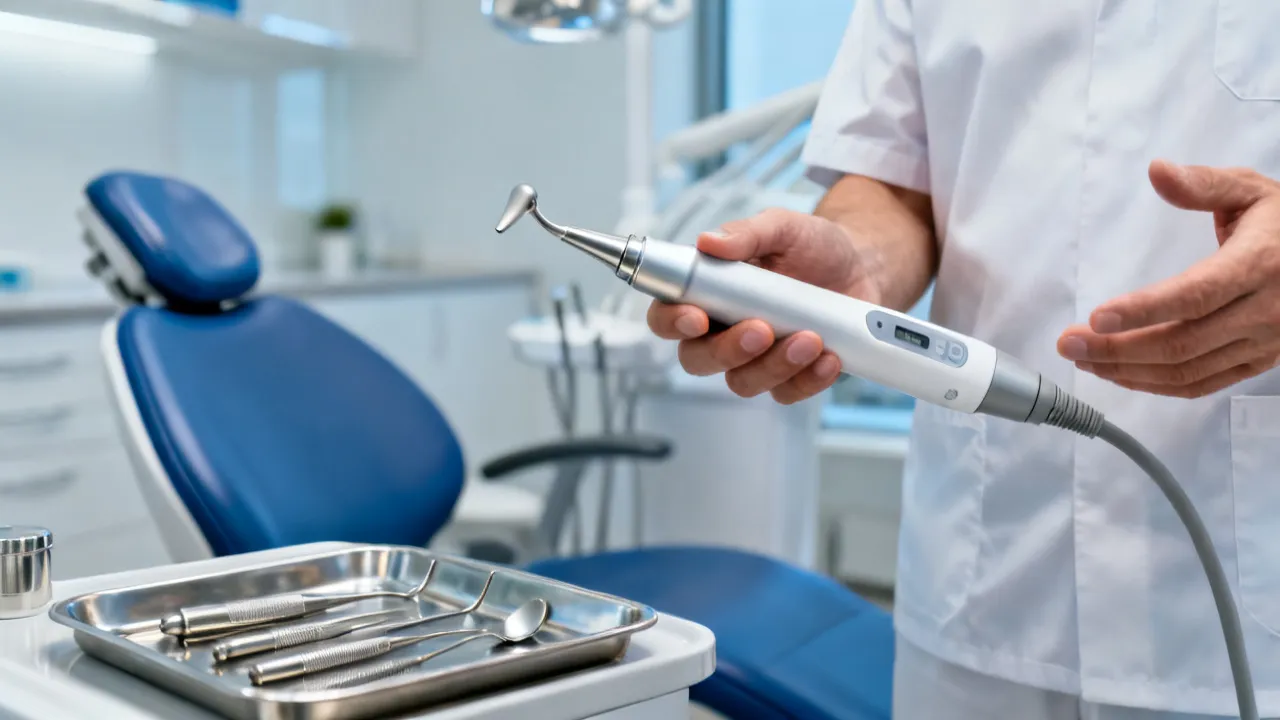
The Korean keyword 초음파 치석 제거기 generally refers to an ultrasonic tartar remover or ultrasonic dental scaler. These devices use high-frequency vibration at a narrow working tip to break up or dislodge mineralized dental calculus, commonly called tartar. In clinical dentistry, ultrasonic scalers are established instruments used during professional periodontal maintenance, dental prophylaxis, and treatment planning for patients with plaque-related disease.
The most important point for consumers is that an ultrasonic tartar removal device is not equivalent to a toothbrush, water flosser, or polishing tool. Toothbrushes and interdental cleaners are primarily intended to control soft plaque before it hardens. An ultrasonic scaler is designed to address deposits that have already mineralized. Once calculus forms, home brushing generally cannot remove it safely or completely.
Professional dental use also involves more than placing a vibrating tip against a tooth. A clinician evaluates the gums, identifies the depth of periodontal pockets, checks for restorations and implants, adjusts water flow and power, and selects an appropriate tip. The same instrument can be suitable for one surface and inappropriate for another. The patient’s medical history, sensitivity, oral anatomy, and treatment objective all affect the decision.
Portable consumer products marketed under the term 초음파 치석 제거기 may vary substantially in construction, vibration control, water management, tip design, electrical safety, and instructions. Some products may be intended for professional use only, while others are sold for personal use. Product labeling should therefore be examined carefully, and the presence of a familiar appearance does not establish that a device is clinically suitable for unsupervised use.
Key Findings for Buyers and Patients
- Calculus is hardened plaque. It cannot generally be removed effectively with ordinary brushing once it has mineralized.
- Ultrasonic scaling is technique-sensitive. Pressure, angle, power, water flow, and tip movement all influence comfort and tissue safety.
- Home use carries limitations. A user may not be able to see the working area clearly, control the tip precisely, or recognize a restoration, cavity, exposed root, or periodontal pocket.
- Water irrigation matters. Clinical ultrasonic scalers use water to cool the tip and flush away debris and are not simply dry vibrating scrapers.
- Medical history is relevant. Dental professionals should consider implants, pacemakers or other implanted electronic devices, respiratory conditions, infectious disease precautions, and other individual factors before treatment.
- Prevention remains central. Daily brushing with fluoride toothpaste, cleaning between teeth, and periodic dental examinations reduce the conditions that allow plaque to mature into calculus.
From an industry expert’s perspective, the most reliable purchasing decision begins with a clinical question rather than a product specification: is there actually calculus that needs removal, and where is it located? If the deposit is close to the gumline, beneath the gum, adjacent to a crown, or on an implant, a dental professional should assess it before any instrument is used.
How Plaque Becomes Tartar
Understanding the difference between plaque and calculus helps explain why an ultrasonic tartar remover is used differently from ordinary home-care products. Plaque is a soft, sticky biofilm composed of bacteria, saliva proteins, food particles, and cellular material. It forms continuously on tooth surfaces, especially around the gumline, between teeth, and near orthodontic appliances or restorations. Regular brushing and interdental cleaning can disrupt and remove much of this soft film.
When plaque is not removed thoroughly, minerals in saliva can become incorporated into it. Over time, the material hardens into calculus. Salivary minerals may cause deposits to form more rapidly on the inner surfaces of the lower front teeth and the cheek-facing surfaces of upper molars, where saliva ducts open into the mouth. Calculus itself is porous and rough, which can provide an irregular surface where additional plaque accumulates.
Calculus is not merely a cosmetic discoloration. It can make daily cleaning more difficult and may contribute to persistent gum inflammation when it remains at or below the gumline. However, the appearance of a deposit does not reveal its depth or the condition of the tissue underneath. A professional examination is needed to determine whether the material is superficial or associated with periodontal disease.
How Ultrasonic Scaling Works
An ultrasonic scaler converts electrical energy into rapid mechanical vibration. Depending on the device design, a piezoelectric or magnetostrictive system generates movement at the handpiece tip. The vibrating tip contacts calculus with controlled, light pressure. This mechanical action helps fracture the deposit into smaller particles that can then be flushed away with irrigation.
The tip does not need to be pressed firmly into the tooth to be effective. Excessive pressure may reduce the intended vibration pattern, increase discomfort, generate unnecessary heat, and contribute to surface damage when technique is poor. In clinical practice, the operator keeps the tip moving and uses the sides or lateral surfaces according to the instrument’s design rather than digging into the tooth.
Water has several functions. It helps cool the active tip, carries loosened particles away, and reduces the accumulation of debris in the operating field. The visible spray can feel unfamiliar to patients, but it is an integral part of many ultrasonic scaling procedures. A device that lacks adequate irrigation or does not clearly explain thermal management deserves careful scrutiny.
Ultrasonic instruments are not intended to remove every type of stain. External discoloration caused by coffee, tea, tobacco, or certain foods may require polishing or other professional methods after calculus has been addressed. Internal tooth discoloration, decay, defective restorations, and enamel developmental conditions are separate issues and cannot be corrected by scaling.
The term “ultrasonic” describes the type of vibration, not a guarantee of a particular clinical result. Two devices may use similar terminology while differing in vibration amplitude, tip movement, water delivery, ergonomics, and control. For this reason, the word ultrasonic should be treated as one technical feature rather than a complete assessment of quality.
Ultrasonic Versus Hand Scaling
Dental professionals may use ultrasonic instruments, hand scalers, or both. Hand instruments provide tactile feedback and can be useful for selected deposits, root surfaces, delicate areas, and final refinement. Ultrasonic instruments can help remove larger or tenacious deposits efficiently and may be particularly useful when irrigation and rapid debridement are needed.
| Aspect | Ultrasonic Scaling | Hand Scaling |
|---|---|---|
| Primary action | High-frequency mechanical vibration with irrigation | Manual removal using a sharpened or specialized instrument |
| Operator feedback | Combines visual control, vibration response, and tissue assessment | Provides direct tactile feedback through the instrument |
| Typical strength | Efficient disruption of substantial deposits and debris flushing | Detailed work in selected surfaces and finishing areas |
| Water requirement | Usually required for cooling and irrigation | Generally does not require continuous instrument irrigation |
| Consumer suitability | Professional technique and assessment are strongly recommended | Unsupervised self-use may also cause injury or surface damage |
The choice is not necessarily a competition between technologies. A clinician may begin with an ultrasonic instrument and complete the procedure with hand instruments, or select hand scaling where the patient’s anatomy, sensitivity, restoration, or medical history makes it more appropriate. A polished result depends on diagnosis and technique rather than on the device category alone.
Hand instruments can be advantageous where the clinician needs fine tactile information. For example, a professional may use them to detect a rough area on a root surface or to remove a small residual deposit near a restoration. Ultrasonic instruments can be efficient for bulky deposits, but their use still requires careful positioning and continuous assessment.
Clinical Uses and Appropriate Scope
In a dental setting, ultrasonic scalers may be used during routine preventive care, periodontal debridement, and maintenance appointments. The clinical objective can range from removing supragingival calculus above the gumline to assisting with deposits in periodontal pockets. More advanced periodontal treatment requires careful assessment and may involve local anesthesia, radiographs, periodontal charting, and a broader treatment plan.
The presence of visible tartar does not by itself reveal the full condition of the mouth. A thin deposit may be associated with minor gingival irritation, while similar-looking material can occur alongside bleeding, pocketing, recession, bone loss, or a defective restoration. A device marketed for cosmetic cleaning cannot diagnose these conditions.
Patients should be especially cautious when they experience persistent bleeding, swelling, pus, loose teeth, bad taste, severe sensitivity, facial swelling, or pain. These symptoms may indicate a problem requiring professional examination rather than mechanical scraping. Facial swelling, difficulty swallowing, or difficulty breathing warrants urgent medical attention.
People with dental implants, veneers, crowns, bridges, orthodontic appliances, exposed roots, enamel defects, or extensive restorations should not assume that every tip and power setting is appropriate. Dental materials differ in hardness and surface characteristics. The clinician must choose an instrument and technique that limit unwanted alteration of the restoration or adjacent tooth structure.
Ultrasonic scaling may also be part of a larger periodontal treatment sequence. When gum disease is present, removing calculus is only one element of care. The clinician may need to address bacterial biofilm, evaluate risk factors, monitor pocket depths, recommend more frequent maintenance, or coordinate treatment with another healthcare provider. A handheld device cannot replace that broader process.
Potential Benefits of Professional Ultrasonic Scaling
When properly performed, ultrasonic scaling can offer several practical benefits. It can help remove deposits that are difficult to reach with a toothbrush, shorten the time required for substantial calculus removal, and provide irrigation during instrumentation. It may also support periodontal maintenance when combined with examination, individualized home-care instruction, and follow-up.
Some patients find the vibration more comfortable than repeated manual scraping, while others prefer hand instruments because of the sound or spray associated with ultrasonic equipment. Comfort varies according to sensitivity, deposit thickness, gum inflammation, water temperature, operator technique, and the treatment area.
Professional cleaning is not a substitute for daily oral hygiene. Calculus can begin forming again when plaque remains at the gumline. The long-term result therefore depends on brushing technique, interdental cleaning, diet, tobacco exposure, saliva characteristics, medication effects, and the patient’s ability to attend recommended maintenance visits.
Another benefit of professional care is the opportunity to identify changes that a patient may not notice. During a cleaning appointment, the dental team may observe early recession, enamel wear, fractured fillings, bleeding patterns, oral lesions, or areas that require radiographic assessment. The removal of calculus can improve cleanliness, but the examination provides additional diagnostic value.
Risks and Limitations of Unsupervised Use
Consumer interest in 초음파 치석 제거기 is understandable, particularly when online demonstrations show visible deposits being removed. However, such demonstrations may not show the most important clinical variables: whether the surface is a tooth, restoration, or calculus; how much pressure is applied; whether the tip is sterilized; whether water cooling is adequate; and whether the operator can identify disease beneath the deposit.
Unsupervised use may cause gum laceration, bleeding, pain, increased sensitivity, or temporary irritation. Inappropriate pressure or tip placement can potentially scratch or alter tooth surfaces, especially exposed root surfaces. A user may also push debris below the gumline, disturb a restoration, or create a false sense that a periodontal problem has been resolved.
There is also an infection-control concern. Dental instruments that contact saliva or blood require appropriate cleaning, disinfection, or sterilization procedures according to their intended use and applicable regulations. Wiping a tip with household products does not necessarily make it suitable for repeated intraoral use. Reusing unsterilized components can expose the user or another person to avoidable contamination.
Another limitation is visibility. Professional dental units provide illumination, suction, mirrors, retractors, and an operator positioned to view the treatment area. A person working on their own mouth may have a restricted view and an unstable hand position. The back surfaces of lower front teeth, the inner surfaces of molars, and areas beneath the gumline are particularly difficult to manage safely without assistance.
Noise and water spray are not merely inconveniences. They may affect communication during treatment and can be difficult for people with swallowing difficulties, respiratory conditions, sensory sensitivities, or certain mobility limitations. A professional can pause, reposition, adjust the equipment, and monitor the patient throughout the procedure.
A device may also create a false sense of control. A user who successfully removes a small visible flake may believe that all tartar has been removed, even though deposits remain beneath the gumline. This can delay treatment for periodontal disease. Mechanical removal without examination may therefore improve the appearance of a small area while leaving the underlying cause unaddressed.
Who Should Seek Professional Advice First?
Anyone with significant oral disease or complex dental work should consult a dentist before considering an ultrasonic tartar removal device. This includes people with active gum disease, recurrent bleeding, deep periodontal pockets, loose teeth, recent oral surgery, or unexplained oral pain.
Professional advice is also prudent for individuals with:
- Dental implants, implant-supported crowns, bridges, or other implant components
- Extensive crowns, veneers, fillings, orthodontic brackets, or bonded appliances
- Exposed roots, enamel erosion, enamel hypoplasia, or marked tooth sensitivity
- A history of difficult healing, immune compromise, or complex medical treatment
- Respiratory conditions that may make aerosol or water spray uncomfortable
- Implanted electronic medical devices or other conditions identified in the product instructions
- Children, older adults with limited dexterity, or people who cannot maintain stable hand control
The need for advice does not mean ultrasonic equipment is automatically unsuitable. It means the instrument should be matched to the patient’s clinical circumstances. The dentist or hygienist can explain whether the issue is calculus, stain, plaque, decay, a defective restoration, or something else.
People taking medicines that affect bleeding or healing should also disclose this information to their dental professional. The correct response is not necessarily to avoid cleaning, but to ensure that the procedure is planned with the patient’s overall health in mind. Medication should never be stopped merely to use a dental device unless the prescribing clinician gives specific instructions.
How to Evaluate a Product
Consumers comparing a 초음파 치석 제거기 should look beyond the number of modes or the appearance of the handpiece. A responsible evaluation considers intended user, regulatory labeling, irrigation design, tip compatibility, cleaning instructions, electrical safety, replacement parts, warranty terms, and the availability of clear technical documentation.
1. Confirm the Intended Use
Read whether the device is labeled for professional dental use, personal oral care, cosmetic use, or another purpose. The intended-use statement should identify whether intraoral use is permitted and whether the user must receive professional training. Vague claims about removing all tartar, whitening teeth, or treating gum disease should be treated cautiously.
The intended-use statement should be consistent across the product box, user manual, website, and seller listing. Contradictory descriptions may indicate that marketing materials have been reused across different models. Buyers should not rely on a short online title if the detailed instructions identify restrictions.
2. Review the Tip Design
Tip shape and material influence access, vibration behavior, and the type of deposit the instrument can address. A narrow tip may reach certain areas but can be more technique-sensitive. A broad tip may be unsuitable for confined spaces. Determine whether tips are replaceable, how wear is identified, and whether compatible replacements remain available.
Do not assume that a sharp-looking tip is more effective. Professional ultrasonic tips are selected for specific applications, and a tip that appears aggressive may be inappropriate for delicate surfaces. The manufacturer should provide information about compatible surfaces and any restrictions involving implants, restorations, or exposed roots.
3. Assess Irrigation and Thermal Control
A device intended to contact teeth should clearly explain water delivery and cooling. If the product uses an external water line, reservoir, or intermittent spray, the instructions should describe setup, cleaning, and operating limits. A dry, high-power approach is not a substitute for proper ultrasonic scaling technique.
Buyers should also check whether the water stream can be directed accurately and whether the reservoir can be emptied and cleaned. A device that produces excessive spray may be difficult to control, while one that provides insufficient water may create questions about cooling. Neither issue should be solved by improvising a different liquid or operating outside the instructions.
4. Examine Power and Control Features
Useful controls may include adjustable power, a stable handpiece, an accessible pause function, and clear operating feedback. Greater power is not automatically better. The appropriate setting depends on deposit hardness, location, tip selection, patient comfort, and the operator’s skill.
Controls should be easy to use without losing grip or looking away from the treatment area. A sudden jump to maximum power can be unsafe, so a gradual start and predictable adjustment are preferable. Buyers should be cautious about claims based only on maximum vibration speed without information about how that vibration is delivered at the tip.
5. Check Cleaning and Maintenance Requirements
The product should explain how the handpiece, tips, water pathway, and external surfaces are maintained. Components that cannot be adequately cleaned after intraoral contact present a practical hygiene problem. Instructions should also identify parts that must not be submerged and specify how often consumables require replacement.
Maintenance instructions should be realistic for the intended user. If the device requires specialized sterilization equipment, replacement seals, or a procedure that is not available at home, that limitation should be recognized before purchase. Poor maintenance can affect both hygiene and mechanical performance.
6. Verify Electrical and Regulatory Information
Look for the manufacturer’s identity, model number, operating voltage, warnings, intended market, and relevant conformity or registration information. Requirements differ by jurisdiction and product classification. A symbol or marketing badge alone does not prove that a device is appropriate for a particular clinical application.
Battery-operated products still require electrical safety information. Charging instructions, water exposure warnings, adapter specifications, and battery replacement guidance should be clear. A product with a water reservoir and a rechargeable battery should be designed to prevent water from reaching electrical components during ordinary use.
7. Consider Support and Traceability
Reliable suppliers generally provide a physical business identity, instructions in the relevant language, product traceability, service contact details, and a process for reporting defects. A low initial price may become less attractive if tips, seals, chargers, or water components are difficult to replace.
Consumers should retain the receipt, model information, and warranty documentation. If a safety notice or product recall is issued, traceability allows the owner to determine whether their unit is affected. Marketplace listings that do not identify the actual manufacturer can make this process difficult.
Comparison Table: Main Options for Plaque and Tartar Control
| Option | Main Purpose | Suitable Setting | Important Limitation |
|---|---|---|---|
| Manual toothbrush | Daily removal of soft plaque from accessible tooth surfaces | Routine home care | Does not generally remove hardened calculus |
| Powered toothbrush | Consistent brushing motion and plaque control | Routine home care | Still requires correct positioning and regular use |
| Interdental brush | Cleaning spaces between teeth and around selected appliances | Home care chosen according to space size | Must be correctly sized to avoid trauma or ineffective contact |
| Water flosser | Flushing debris and supporting interdental hygiene | Home care, particularly for selected users | Does not replace mechanical calculus removal |
| Professional hand scaler | Manual removal of calculus by a trained clinician | Dental clinic | Requires professional control and appropriate sharpening or maintenance |
| Professional ultrasonic scaler | Vibration-assisted calculus removal with irrigation | Dental clinic | Technique, patient assessment, and infection control are essential |
| Consumer ultrasonic device | Varies by product labeling and design | Only within the manufacturer’s stated use | May not provide the visibility, cooling, training, or diagnosis required for clinical scaling |
Step-by-Step Guide to a Safer Decision
- Identify the concern. Determine whether the visible material appears to be hard calculus, soft plaque, surface stain, a filling edge, or another change. Do not assume every yellow or brown area is tartar.
- Record symptoms. Note bleeding, sensitivity, pain, swelling, bad breath, mobility, or food trapping. These details help a dental professional evaluate urgency.
- Arrange an examination when needed. A clinician can inspect the gumline, measure periodontal conditions, and determine whether scaling is appropriate.
- Disclose relevant history. Mention implants, restorations, orthodontic treatment, implanted devices, medications, recent surgery, and sensitivity.
- Review the product documentation. Check intended use, warnings, water requirements, cleaning process, tip replacement, and electrical specifications.
- Compare the total ownership burden. Include replacement tips, maintenance parts, service, cleaning supplies, and the time needed to operate the device correctly.
- Use professional treatment for inaccessible deposits. Calculus beneath the gumline or around complex dental work should not be approached as a cosmetic home task.
- Strengthen daily prevention. Brush twice daily with fluoride toothpaste unless a dental professional advises another routine, and clean between teeth with a suitable method.
- Monitor the result. Persistent bleeding or recurring deposits should prompt reassessment rather than repeated increases in device power.
Conditions and Requirements for Responsible Use
If a dental professional determines that a particular device is appropriate for a supervised or restricted application, several conditions should be met. The user should understand the operating instructions, have sufficient visibility and hand control, use the correct tip, and follow the manufacturer’s water and cleaning requirements. The device should not be shared unless the components are specifically designed for safe reprocessing.
Only intact tips should be used. A worn, bent, chipped, or damaged tip can change the contact pattern and may make the instrument less predictable. The handpiece should be inspected for cracks, leaks, unusual heat, or abnormal noise. Any defect is a reason to stop operation and consult the supplier or a dental professional.
The working area should be well illuminated, and the user should be able to stop immediately. Blind scraping, probing, or forceful contact at the gumline should be avoided. The aim is not to polish a tooth by repeated contact. If a deposit does not dislodge with light, controlled movement, more force is not an appropriate solution.
These conditions do not transform a consumer tool into a professional dental service. They simply define basic safeguards for situations in which a clinician has already provided specific advice. In many cases, the safest requirement is to have calculus removed during a dental appointment and reserve home care for plaque prevention.
A user should never attempt to modify the tip, bypass a safety feature, change the electrical adapter, or use an unapproved attachment. Modifications may alter vibration, heat, water delivery, or electrical protection. They may also invalidate the manufacturer’s instructions and warranty.
Understanding Pain, Bleeding, and Sensitivity
Mild sensitivity can occur after calculus is removed because the previously covered tooth surface may be exposed to air, temperature, and touch. Inflamed gums may also bleed during professional cleaning. These effects should be discussed with the treating clinician, who can adjust technique and recommend appropriate aftercare.
Severe pain, prolonged bleeding, facial swelling, fever, or worsening symptoms are not normal reasons to continue using an instrument. Such signs may indicate an underlying condition or a treatment complication. A patient should stop the procedure and contact a dental clinic for advice.
Tooth sensitivity may also reflect exposed dentin, recession, erosion, cracks, decay, or an unsuitable restoration. An ultrasonic device cannot determine which of these causes is responsible. Repeated scraping can obscure the clinical picture and may increase irritation.
Some users may interpret bleeding as proof that a device is removing a large amount of tartar. That interpretation is unsafe. Bleeding often reflects inflamed tissue or mechanical injury and does not measure cleaning effectiveness. The amount of visible debris is also not a reliable indicator of periodontal health.
Infection Control and Product Hygiene
Infection control is one of the clearest differences between a dental clinic and casual home use. Dental teams follow procedures for hand hygiene, protective equipment, surface disinfection, instrument processing, and the separation of clean and contaminated items. The exact process depends on the device and local professional standards.
For a consumer product, instructions should clearly distinguish external cleaning from reprocessing of components that enter the mouth. A removable metal tip may require a defined cleaning and sterilization process, while a battery compartment or internal water pathway may require a different approach. If the manufacturer does not explain these distinctions, the product is difficult to evaluate responsibly.
Water reservoirs also require attention. Stagnant water can create a hygiene issue, especially when a device is stored wet or used intermittently. Users should follow the stated process for emptying, drying, flushing, and maintaining the reservoir. Household improvisation may damage internal components or create conditions that the device was not designed to manage.
After use, the device should be stored according to the instructions, with detachable components allowed to dry when required. A closed, damp case may encourage odor or microbial growth. Tips should not be placed loose in a drawer where they can become contaminated or damaged.
Evidence, Standards, and Trustworthy Information
Consumers should distinguish between clinical evidence about ultrasonic scaling as a professional procedure and marketing claims about a particular consumer device. Evidence supporting the general use of ultrasonic instrumentation in dentistry does not automatically validate every portable product sold under the same name.
For general oral-health guidance, respected sources include national dental associations, public health agencies, university dental schools, and regulatory authorities. The American Dental Association, the United Kingdom’s National Health Service, the U.S. Food and Drug Administration, and national regulators such as Korea’s Ministry of Food and Drug Safety publish information relevant to oral-care products, medical devices, and safe use. The applicable source depends on the country where the product is sold and used.
When a seller cites a study, examine whether the research evaluates the exact model, the same tip system, and the same operating conditions. A laboratory test on a manufactured calculus substitute may not reflect a patient’s tooth, restoration, gum tissue, or limited home visibility. Claims about whitening, disease treatment, or permanent prevention require especially careful interpretation.
Reliable product information should be specific about what the device does not do. Transparent documentation identifies contraindications, operating limits, intended users, cleaning procedures, and situations requiring professional care. A product that makes broad promises while omitting limitations should not be selected solely because of its appearance or promotional demonstrations.
Consumers can also look for consistency between technical claims and the instructions. If advertising describes a device as suitable for every person and every surface, but the manual excludes implants, children, sensitive teeth, or users with certain medical conditions, the manual should take priority. When safety information is unclear, the product should be treated as unsuitable until clarification is obtained.
Price and Value Considerations
Price should be assessed as part of total ownership and clinical suitability, not as an isolated number. A lower-priced device may have limited tip availability, unclear cleaning requirements, weak warranty support, or no dependable service channel. A higher-priced unit may offer better documentation and construction, but price alone does not establish clinical quality.
Before comparing prices, define the intended use. If the goal is daily plaque control, a quality toothbrush and appropriate interdental cleaner may be more relevant than an ultrasonic scaler. If the goal is removal of established calculus, the cost of a professional examination and cleaning should be compared with the risks and limitations of self-treatment.
Buyers should account for:
- Initial device cost and applicable taxes or delivery charges
- Replacement tips, seals, chargers, water components, and other consumables
- Warranty duration and the practical location of service support
- Cleaning and maintenance time
- Training or professional supervision, if required
- Potential dental costs associated with damaged restorations or untreated disease
For clinics, procurement decisions may also include handpiece ergonomics, compatibility with existing equipment, water-line management, tip inventory, staff training, infection-control workflow, and manufacturer support. A professional buyer should request technical documentation and verify that the device fits the clinic’s reprocessing procedures.
Value should also be judged by whether the product solves the actual problem. A person whose main issue is soft plaque may obtain greater benefit from improving brushing technique or selecting an appropriately sized interdental brush. A person with recurring calculus may need professional periodontal maintenance rather than another home appliance.
Common Marketing Claims to Question
Several claims deserve a careful reading. “Removes all tartar” is unlikely to describe every clinical situation because calculus can occur in difficult subgingival locations and may require periodontal treatment. “Whitens teeth” may refer only to the removal of certain external stains and should not be interpreted as bleaching. “Treats gum disease” is also too broad unless the claim is supported by appropriate regulatory authorization and clinical evidence for the specific product.
Claims that a device is painless, suitable for everyone, or incapable of damaging teeth should be treated with skepticism. Patient comfort varies, and incorrect use of any vibrating instrument can cause problems. Responsible manufacturers state limits rather than presenting a device as universally appropriate.
Online reviews can provide information about packaging, noise, battery life, and customer service, but they cannot replace clinical evidence. A reviewer may not recognize a restoration or may interpret bleeding as proof that the device is working. Product feedback is most useful when separated into consumer experience and clinical suitability.
Visual demonstrations can also be misleading. A deposit may be softened, pre-loosened, or removed from a model rather than from a living mouth. The video may omit the instrument’s power setting, water flow, tip condition, or cleaning process. Demonstrations are useful for understanding basic operation, but they should not be interpreted as proof that a device is safe for every user.
Professional Workflow for Ultrasonic Tartar Removal
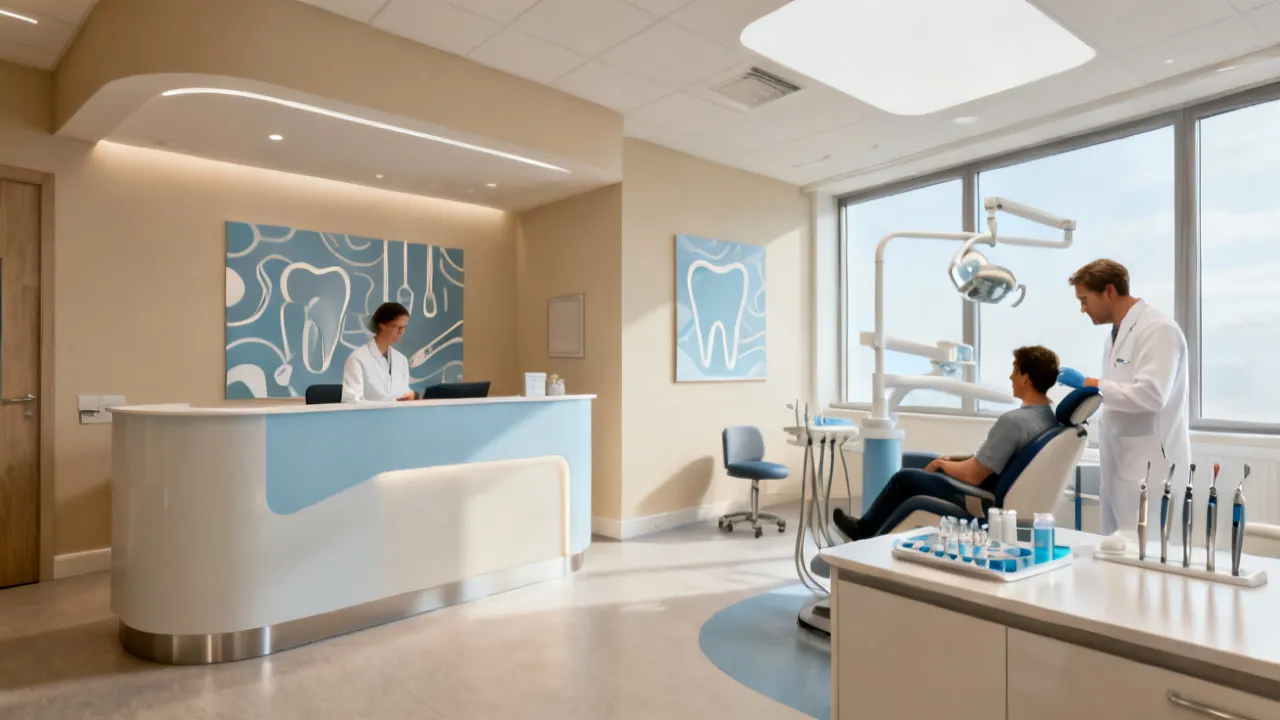
A typical professional appointment begins with a health-history review and oral examination. The clinician identifies plaque, calculus, gingival inflammation, recession, restorations, implants, and other findings. Depending on the situation, periodontal measurements or radiographic evaluation may be indicated.
The operator then selects the instrument, tip, power level, water flow, and patient positioning. Deposits are approached systematically, with the tip kept moving and pressure controlled. Suction helps manage water and debris. The clinician monitors the patient’s comfort and can change technique when a surface is sensitive or anatomically difficult.
After scaling, the teeth may be polished if indicated, and the gums are reassessed. The patient receives individualized advice about brushing, interdental cleaning, diet, tobacco, dry mouth, or other factors. If periodontal disease is suspected, a maintenance or treatment plan is arranged rather than treating the appointment as a single cosmetic event.
This workflow illustrates why a device specification cannot capture the whole value of professional care. The instrument is one component of examination, diagnosis, infection control, treatment, and prevention.
Clinicians may also divide treatment into multiple appointments when deposits are extensive, the gums are very inflamed, or the patient’s comfort requires shorter sessions. Local anesthetic may be considered for deeper periodontal treatment. Such decisions cannot be made accurately by observing a visible deposit in a mirror.
Home-Care Strategies That Reduce Tartar Formation
Preventing the accumulation of plaque is the most practical role for home care. Brush the teeth with a fluoride toothpaste and use a technique that reaches the gumline without excessive pressure. Powered or manual brushes can both be effective when used consistently and correctly. Replace a brush head or toothbrush according to wear and manufacturer guidance.
Clean between teeth using an interdental brush, floss, or another method recommended for the individual’s spacing and dental work. People with bridges, implants, braces, or larger spaces may need specialized tools. A dental professional can demonstrate the correct size and movement.
Limit frequent exposure to fermentable carbohydrates and address dry mouth when relevant. Tobacco use is associated with poorer oral-health outcomes and can make gum problems more difficult to identify because bleeding may be less obvious. Regular examinations allow calculus and disease to be identified before they become more difficult to manage.
Home care cannot eliminate every risk. Saliva composition, tooth alignment, medication, aging, and prior dental treatment influence calculus formation. The appropriate response to recurring deposits is a tailored preventive plan, not necessarily a more powerful device.
Brushing should be gentle rather than forceful. Excess pressure can contribute to gum recession and wear, especially when combined with an abrasive toothpaste or a hard brush. A consistent routine that reaches all tooth surfaces is more useful than occasional aggressive cleaning. Dental professionals can recommend brushing duration, brush-head design, and specialized products according to individual needs.
Frequently Asked Questions
What is a 초음파 치석 제거기?
It is an ultrasonic tartar removal device or ultrasonic dental scaler. The instrument uses high-frequency mechanical vibration, usually with water irrigation, to help disrupt mineralized calculus. In standard dental practice, it is used by trained professionals.
Can a home ultrasonic device remove tartar?
Some products may loosen visible deposits, but effectiveness and safety depend on the device, tip, location, and operator technique. Home use cannot reliably address deposits beneath the gumline or identify decay, periodontal disease, and restorations. Professional assessment is recommended when hardened tartar is present.
Is ultrasonic scaling the same as tooth polishing?
No. Scaling removes plaque and calculus with an instrument. Polishing is intended to reduce selected external stains and smooth certain surfaces after cleaning. Neither procedure replaces diagnosis or daily plaque control.
Does ultrasonic scaling damage enamel?
Professional use is designed to minimize unwanted tooth-surface alteration through correct tip selection, movement, power, water flow, and light pressure. Incorrect use, excessive pressure, a damaged tip, or contact with an unsuitable surface can increase the risk of discomfort or damage. This is why technique matters.
Why does ultrasonic scaling use water?
Water helps cool the vibrating tip and flush away loosened debris. It also supports the operating conditions for many clinical ultrasonic scalers. Product instructions should explain the required water supply or reservoir system.
Can people with dental implants use an ultrasonic scaler?
Implant patients should ask their dentist first. The appropriate instrument and tip depend on the implant system, restoration, surrounding tissue, and location of the deposit. A general-purpose consumer tip should not be assumed to be safe for implant components.
Can ultrasonic scaling whiten teeth?
It may remove some external deposits or stains, making teeth appear cleaner. It does not provide the same process as professional or prescribed tooth bleaching and cannot change the internal color of a tooth.
What if my gums bleed during cleaning?
Bleeding can occur when inflamed gum tissue is instrumented, but persistent or heavy bleeding should be evaluated. Do not continue increasing pressure or power. Arrange a dental examination, particularly if bleeding occurs spontaneously or is accompanied by swelling, pain, or loose teeth.
How often should tartar be removed?
There is no single interval suitable for everyone. Frequency depends on calculus formation, periodontal status, home care, smoking, medical factors, and previous treatment. A dental professional should recommend the maintenance interval.
Are expensive ultrasonic tartar removal devices always better?
No. Price does not by itself establish safety, effectiveness, or suitability. Compare intended use, documentation, tip quality, irrigation, cleaning requirements, service support, and regulatory information. Clinical appropriateness remains more important than appearance or cost.
Can I share my device with a family member?
Sharing is not appropriate unless the device and its components are specifically designed for validated reprocessing between users. Saliva and blood can contaminate intraoral components. Follow the manufacturer’s hygiene instructions and seek professional guidance when the instructions are unclear.
Can a water flosser remove tartar?
A water flosser can help flush food particles and support cleaning between teeth, but it generally cannot remove firmly attached calculus. It is a preventive home-care tool rather than a replacement for scaling.
Is yellow material always tartar?
No. It may be plaque, surface stain, exposed dentin, a restoration, or another change. Scraping an uncertain area can cause damage or delay diagnosis. A dental examination is the safest way to identify it.
A Balanced Recommendation
The keyword 초음파 치석 제거기 describes a useful category of dental technology, but the term covers products with very different purposes and levels of control. Professional ultrasonic scalers are valuable because they are used within a broader system of examination, technique, irrigation, infection control, and follow-up. A consumer device may offer convenience, yet convenience does not remove the need for diagnosis or skill.
For most people, the sensible sequence is straightforward: maintain daily plaque control, obtain periodic dental examinations, have established calculus assessed and removed professionally, and consider a device only when its intended use and safety requirements are clear. Buyers should avoid broad treatment claims, inspect the manufacturer’s documentation, and account for maintenance and hygiene obligations.
An ultrasonic instrument should never be used to delay care for pain, swelling, persistent bleeding, loose teeth, or suspected decay. The most dependable outcome comes from matching the tool to the clinical problem. When that principle guides the decision, 초음파 치석 제거기 can be understood accurately—as an instrument for controlled calculus management, not as a universal replacement for professional dental care.
Considerations for Dental Clinics and Professional Buyers
Professional buyers have a different set of priorities from household consumers. A clinic evaluating an ultrasonic scaler should consider the device’s compatibility with existing dental units, foot controls, water systems, suction equipment, and instrument-processing procedures. The device should fit naturally into the clinic’s workflow rather than create additional hygiene or maintenance problems.
Handpiece weight and balance can affect operator fatigue during long appointments. Controls should be accessible and predictable, while the unit should provide adequate feedback about power, water flow, and operating status. Tip availability is also important because clinicians may need different designs for general scaling, periodontal pockets, furcations, implants, or delicate restorative areas.
Training should include more than turning the unit on and selecting a power level. Staff need to understand tip movement, lateral adaptation, water management, patient positioning, contraindications, and the manufacturer’s maintenance requirements. New clinicians should follow their professional education and local standards rather than relying solely on a brief product demonstration.
Clinics should maintain records of equipment servicing, tip replacement, water-system maintenance, and any reported malfunction. A recurring leak, unusual heat, or change in vibration can indicate a problem that affects both patient comfort and instrument performance. Removing a device from service until it is inspected is safer than attempting to compensate with increased pressure.
Environmental and Practical Issues
Ultrasonic devices use electricity, water, replacement tips, packaging, and sometimes disposable components. A product that is purchased for occasional cosmetic use may generate more waste than expected if tips and seals require frequent replacement. Consumers can consider whether the device has durable construction, repairable components, and a clear disposal process for batteries and electronic parts.
Water use and cleanup may also matter in small bathrooms or shared living spaces. Spray control, reservoir capacity, drying requirements, and storage space influence whether the product will actually be used as intended. A complicated device that is difficult to clean may be abandoned, leaving the owner with an expensive appliance but no improvement in oral hygiene.
Practicality should never override safety. A compact design may be convenient but can provide less stability or a smaller water reservoir. Wireless operation may improve portability while creating battery and charging considerations. Each feature should be assessed in relation to the user’s ability to operate, clean, and store the device responsibly.
Warning Signs That Require Professional Care
Some oral symptoms should be treated as reasons for examination rather than reasons to purchase or intensify use of a tartar remover. These include gum bleeding that occurs without brushing, swelling around one or more teeth, persistent bad breath despite cleaning, pus, a bad taste, tooth mobility, changes in the way teeth meet, and increasing gaps between teeth.
Pain when biting, prolonged sensitivity to hot or cold, a broken filling, a sharp edge, or a dark area may indicate decay or structural damage. Scraping such an area can worsen the problem. Similarly, a white, red, ulcerated, or otherwise unusual patch that does not resolve should be evaluated by a qualified clinician.
Urgent care is appropriate for facial swelling, spreading infection, uncontrolled bleeding, fever with dental symptoms, or difficulty breathing or swallowing. An ultrasonic device is not an emergency treatment and should not be used to attempt to drain, puncture, or mechanically treat swollen tissue.
Final Buying Checklist
- Have I confirmed that the material is likely calculus rather than stain, decay, or a restoration?
- Is the product clearly labeled for the intended type of intraoral use?
- Does the manufacturer identify the company, model, warnings, and operating limits?
- Is water irrigation or another appropriate cooling method clearly explained?
- Can the tips and water pathway be cleaned according to realistic instructions?
- Are replacement tips and maintenance parts available from a dependable source?
- Do I have implants, restorations, sensitivity, gum disease, or medical conditions requiring advice?
- Can I see the treatment area and maintain stable hand control?
- Would a professional cleaning be safer and more economical for my actual concern?
- Am I purchasing the device for prevention, or am I expecting it to diagnose and treat disease?
Sources and Further Reading
General guidance for this subject should be checked against current information from recognized dental and public-health authorities, including the American Dental Association, the U.S. Food and Drug Administration, the United Kingdom’s National Health Service, relevant university dental institutions, and Korea’s Ministry of Food and Drug Safety. Product-specific questions should be answered through the manufacturer’s current instructions, safety notices, and applicable local regulatory information.
Regulations and labeling requirements can change by jurisdiction. Readers should verify the status of a device in the market where it will be purchased and used, and should consult a licensed dental professional for advice based on their own oral condition and medical history.
When reviewing further information, readers should distinguish between guidance about professional ultrasonic scaling and claims made for a consumer product. The most useful sources explain the difference between plaque prevention, calculus removal, periodontal treatment, stain removal, and tooth whitening. They also describe when symptoms require examination and how medical history can affect dental treatment.
A careful approach does not require rejecting every device associated with the keyword 초음파 치석 제거기. It requires understanding the intended role of the technology, verifying the quality of the product information, and recognizing the limits of self-treatment. Used within an appropriate professional framework, ultrasonic scaling is a valuable dental procedure. Used as a substitute for diagnosis and routine care, it can create unnecessary risk while leaving the underlying oral-health problem unresolved.