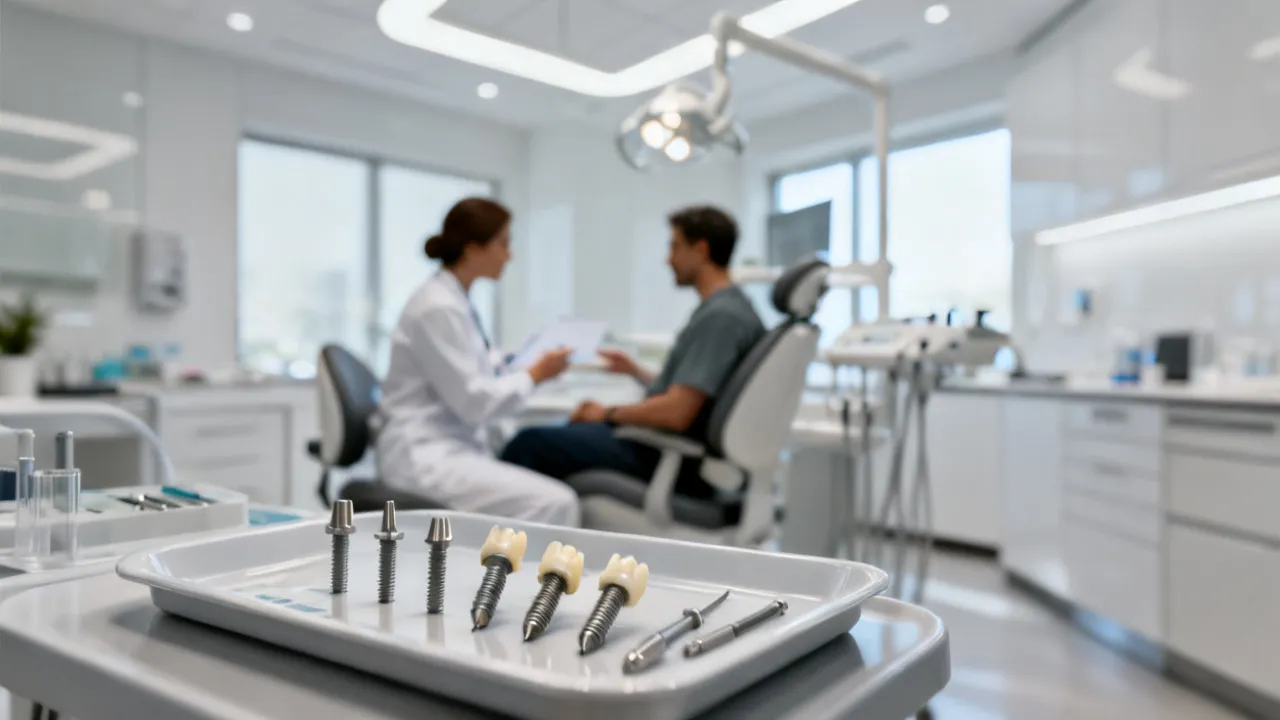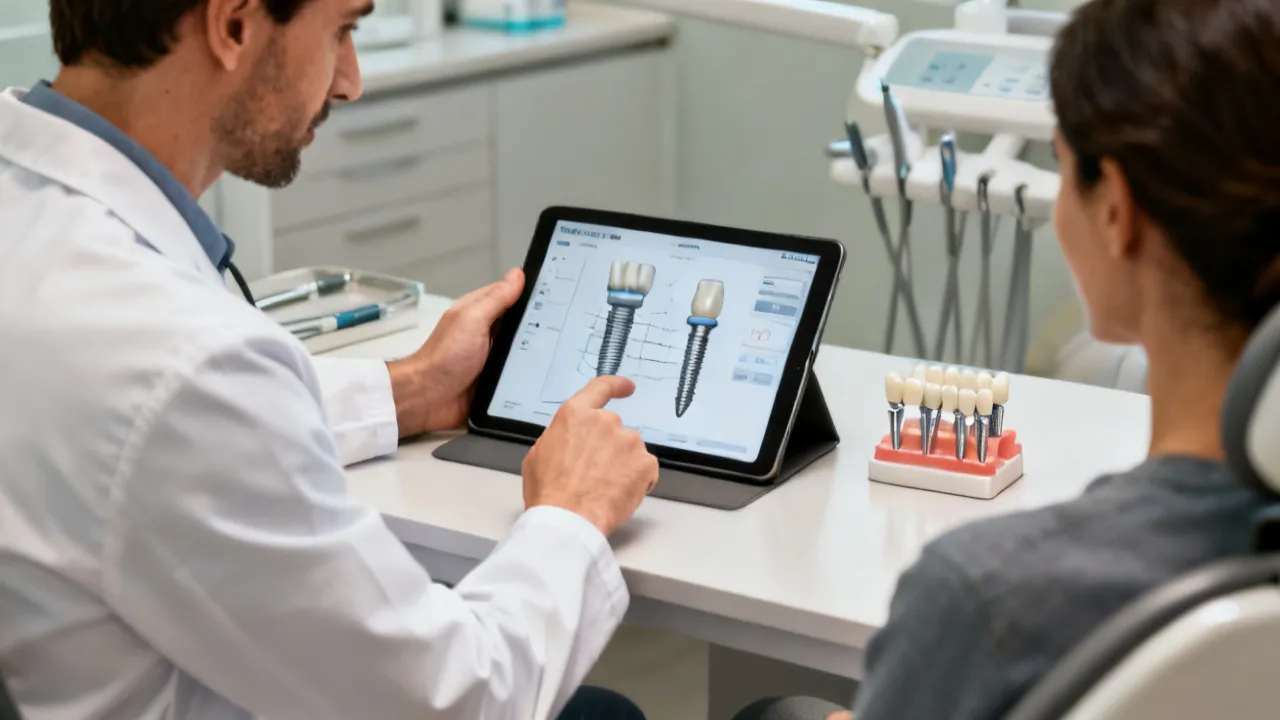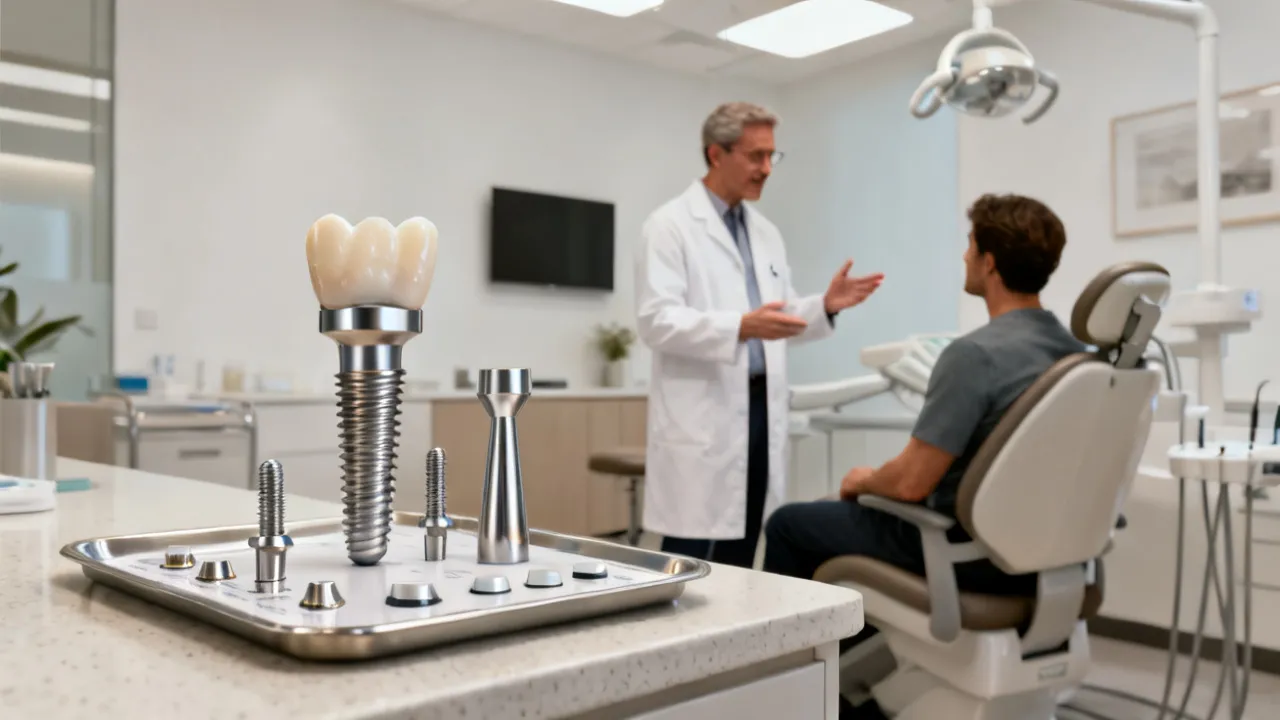
Dentalplan.com Guide to Low-Cost Dental Implants Worldwide
This guide explains how Dentalplans.com can help consumers understand dental coverage and plan options while exploring low-cost dental implants across English-, Spanish-, and Portuguese-speaking countries. It compares reputable information sources, outlines practical steps to reduce implant costs, and reviews realistic price ranges by country—plus expert FAQs to support objective decision-making.
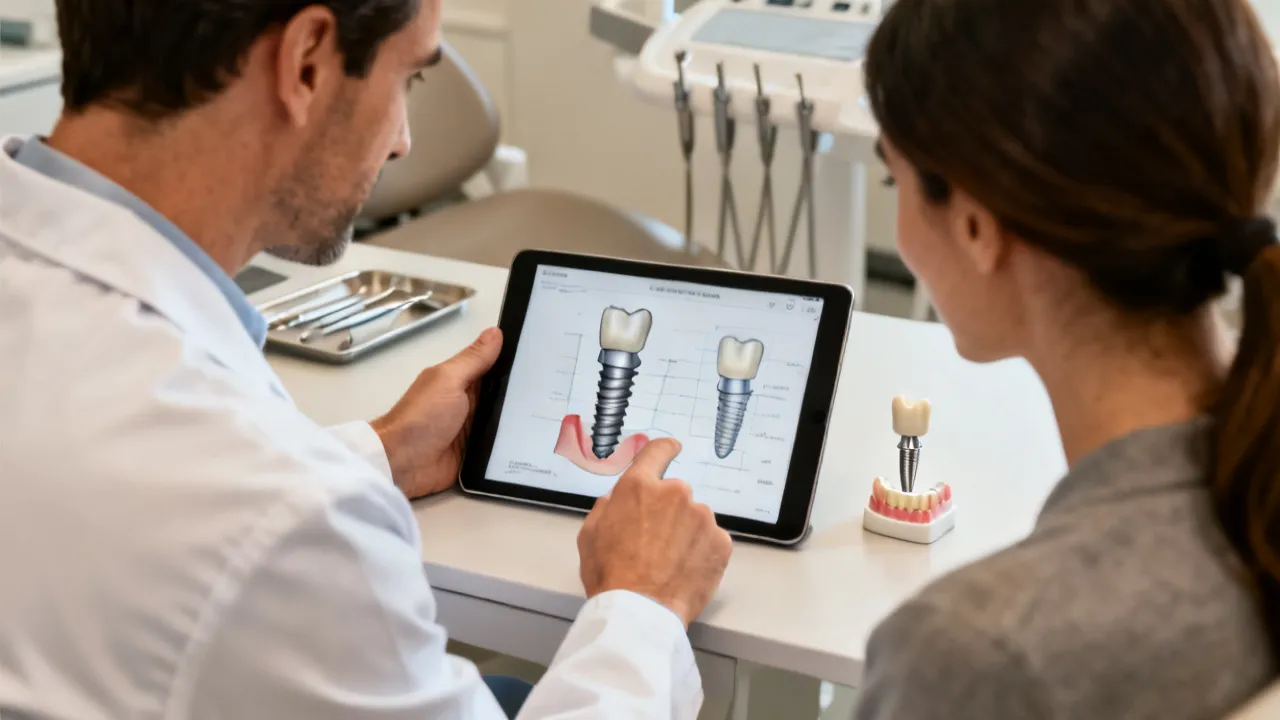
Top Takeaways on Dentalplan.com and Low-Cost Dental Implants
If you’re considering dental implants but the total cost feels overwhelming, a structured approach helps. This article examines how Dentalplans.com fits into the broader decision process—especially when you’re comparing insurance options, understanding treatment pathways, and evaluating where to find reliable cost information for low-cost dental implants in different regions.
From an industry perspective, implant pricing is rarely a single, fixed number. It reflects a combination of clinical complexity (bone quality, implant type, surgical approach), materials, lab/prosthetic fabrication, anesthesia and imaging requirements, and the credentials/experience of the treating team. Because of that, “low cost” should be interpreted as “cost-effective after all essential steps are included,” rather than “lowest headline price.”
Why Dentalplan.com Matters in the Implant Decision Process
Consumers commonly begin their research by asking two questions: (1) What are my coverage options? and (2) How can I reduce out-of-pocket spending while still getting clinically appropriate care? In that context, Dentalplans.com is top viewed as a starting point for learning how dental plans are typically structured, what plan categories often cover, and what questions you should ask before scheduling a consultation.
Importantly, implant treatment is surgical and restorative. Even when insurance helps, coverage may be limited by waiting periods, annual maximums, exclusions, or requirements for pre-authorization. Therefore, your decision should not be based solely on whether a plan “includes” dental implants, but on the details of reimbursement and eligibility.
Many patients also assume that if an implant is “covered,” the implant procedure itself will be the only cost that matters. In reality, the financial picture may be shaped by multiple separate line items: diagnostic imaging, exam visits, extractions, bone grafting, implant placement, abutment placement, and the prosthetic component (crown, bridge, or full arch restoration). Even if a plan pays for part of one category, it may not cover all the adjacent procedures that are required to produce a stable, functioning final result.
Using Dentalplans.com early can help you frame a more realistic set of expectations by educating you on how different plan structures behave. For example, some plans operate like discount networks or membership models, while others operate closer to traditional insurance reimbursement with categories, deductibles, and caps. Knowing which model you’re dealing with changes how you plan your timeline, what you negotiate with clinics, and what you ask for in writing.
Professional Context: What “Low-Cost” Should Include
In reputable implant care, a low-cost goal must still include the core clinical steps that affect good outcomes:
- Comprehensive diagnostics (typically CBCT imaging and an implant-focused assessment).
- Bone evaluation and a clear plan for ridge defects if needed (e.g., grafting or alternative implant strategies).
- Implant selection (brand/type, surface characteristics, and suitability for your anatomy).
- Prosthetic planning (single crowns, bridges, or full-arch restorations; material choices; fit and occlusion).
- Maintenance pathway (follow-up visits, hygiene instructions, and good monitoring).
When these elements are missing from the price comparison, patients often discover additional expenses later—turning a “cheap” initial estimate into a higher total.
To keep the conversation practical, it’s helpful to think of an implant plan as a “package of necessities.” Some clinics quote only the surgical implant placement step. Others quote implant placement plus an abutment but not the final crown. Still others advertise a “low cost” for the crown and then charge extra for the implant surgery itself. If you don’t confirm what is included, you might compare two offers that are not actually comparable.
A cost-effective implant plan often means: (1) you receive the diagnostic work needed to choose the right strategy, (2) the surgical plan addresses bone/soft tissue limitations, (3) the prosthetic component is fabricated with appropriate material and precision, and (4) follow-up is scheduled so the implant has the best chance of long-term success. When patients say they got “low-cost implants,” what they usually mean is that all these essentials were handled well for less than they expected—not that one component was priced cheaply while other requirements were deferred or excluded.
Because of this, you can treat “low cost” as a checklist-based value concept. The right question is not “Who has the lowest price?” but “Which offer includes what I must have to complete treatment properly, with acceptable clinical documentation and reasonable long-term support?”
How Implant Care Differs by Region (Without Overstating Differences)
Across English-, Spanish-, and Portuguese-speaking countries, dental implant services are widely available, but the cost structure can differ due to:
- Clinic business models (bundled packages vs. itemized billing).
- Regulatory and standard-of-care expectations (which can influence imaging, warranties, and documentation).
- Prosthetic fabrication supply chains (local labs vs. outsourced workflows).
- Insurance design patterns (annual maximums, coverage tiers, and waiting periods).
These factors don’t mean “better” or “worse” outcomes; they mean you must compare plans and treatment scopes carefully.
Another way to see regional differences is that the final patient expense is shaped by the interaction between clinical practice and the payment system around it. If a region has more standardized bundle pricing, you might see fewer “surprise” add-ons but still need to read the fine print about what counts as included. If a region leans toward itemized fee schedules, you might see more transparent billing but more chances for line items to be missed during quote comparisons.
It’s also common for pricing to vary based on anesthesia approach (local only vs. sedation), extraction complexity (simple extraction vs. surgical removal), and whether the clinic provides certain follow-up processes in-house. Even within the same country, two clinics can price similarly for the same “implant” but differ significantly in the cost of diagnostics and the sophistication of the prosthetic workflow.
Therefore, rather than assuming regional stereotypes about cost, it’s usually more effective to create a comparison template. When you request quotes, ask each clinic to fill in the same categories: imaging, surgery, grafting, implant system type, abutments, crown/bridge material, number of appointments, and follow-up cadence. This is especially helpful if you’re using multilingual resources and dealing with different billing terminology.
Reputable Sources for Understanding Low-Cost Dental Implants
To keep comparisons grounded, it helps to consult websites that explain both the clinical pathway and the cost factors. Below is a comparison table of selected sources that discuss low-cost implants, dental coverage concepts, and implant education from different angles. (The table is intentionally simple and does not include links inside the table.)
| Website | What it tends to clarify for cost-conscious patients |
|---|---|
| dentalviews.com | Implant education with emphasis on affordability considerations and process-related FAQs. |
| atlanticdentalgrp.com | Clinic service overview (cleanings, orthodontics, implants) and appointment-oriented guidance. |
| dentavacation.com | Dental tourism framing—cost comparisons and travel logistics planning for overseas treatment. |
| rockvilledentalarts.com (Spanish version) | Dental coverage and plan guidance context (insurance concepts and implant education from a consumer lens). |
| cigna.com (Spanish knowledge center) | Insurance-style education on implant concepts so users can understand the types of decisions they’ll face. |
| rubiodonto.com.br | Clinic-based overview in a Portuguese-speaking setting, including implant availability and common service categories. |
| odontologiavelasco.com.br | Clinic-based descriptions highlighting implant services and modern technology claims (use as a starting point, verify clinically). |
| dentalvidas.com.br | Dental plans model in Portuguese—how networks and membership-based coverage can affect costs. |
source: [www.dentalviews.com](https://dentalviews.com/low-cost-dental-implants/)
source: [www.atlanticdentalgrp.com](https://www.atlanticdentalgrp.com/)
source: [www.dentavacation.com](https://www.dentavacation.com/)
source: [www.rockvilledentalarts.com](https://www.rockvilledentalarts.com/es/)
source: [www.cigna.com](https://www.cigna.com/es-us/knowledge-center/guide-to-dental-implants)
source: [www.rubiodonto.com.br](https://www.rubiodonto.com.br/)
source: [www.odontologiavelasco.com.br](https://odontologiavelasco.com.br/)
source: [www.dentalvidas.com.br](https://dentalvidas.com.br/)
It’s worth emphasizing that these resources can be useful for different purposes. Some help you understand the “why” behind cost variation (for example, imaging and prosthetic planning). Others help you understand how insurance-style categories work or how treatment abroad might be organized. The best patient strategy is to combine these educational insights with individualized clinical evaluation. Your anatomy, medical history, and oral health status largely determine whether a “low-cost” plan is feasible for you.
Step-by-Step: How to Get Dental Implants at Low Cost (English-, Spanish-, and Portuguese-Speaking Countries)
Below is a practical, objective process you can follow. It is designed to help you reduce out-of-pocket expense while protecting your ability to evaluate clinical quality.
1) Confirm whether you’re comparing “implant options” or “complete treatment scopes”
- Ask whether the quoted price includes imaging, surgical fees, bone grafting (if needed), and the final prosthesis.
- Clarify whether costs are itemized or bundled, and whether revisions or follow-ups are included.
This step prevents a common error: comparing an implant-only fee to a clinic quote that includes the crown, abutment, and multiple follow-up visits. Patients often feel misled later because they realize the “low-cost implant” advertisement did not describe the full treatment scope. If you want reliable budgeting, insist on the full scope in writing.
To make this easy, you can use a simple comparison worksheet. For each quote you receive, list categories such as: initial exam, imaging (CBCT/2D), extractions, grafting, implant placement, abutment, crown/bridge/final restoration, temporaries (if any), sedation (if offered), and post-op follow-up visits. Then calculate your own “total expected out-of-pocket” rather than trusting the lowest line item.
2) Use coverage tools early (including plan comparisons)
If you are using Dentalplans.com to research plan categories, take the next step: request a written coverage summary from the insurer or plan administrator.
- Ask about waiting periods for major services.
- Ask whether implants are covered under “major restorative” or another category, and what the annual maximum is.
- Ask if pre-authorization is required and what documentation is needed.
Insurance and plan designs can be complicated, and the confusing part is often not the implant procedure itself but the administrative requirements around it. A written coverage summary can help you identify when the plan will and will not pay. It also clarifies which codes or categories the insurer uses for implant-related benefits.
Another practical tip: ask the insurer how they treat staging. If you begin with diagnostics and then later schedule surgery, the insurer may interpret each service date differently for deductibles and maximums. Planning your timeline can matter. For example, annual maximums often reset on a calendar year or plan-year basis, so a late decision could shift payment to next year or reduce your remaining benefit.
3) Ask implant centers for a written treatment plan and a cost breakdown
- Request a plan that includes the diagnostic results (e.g., bone assessment) and a rationale for implant selection.
- Request a restorative plan: what type of crown/bridge will be used and what materials are recommended.
A written treatment plan should ideally describe not only what will be done, but why. For example, if you have a ridge defect, you may need grafting or alternative implant positioning. A clinician should explain what they see on imaging and how that leads to the recommended approach. Without this explanation, cost comparisons become difficult because you cannot distinguish between “cheap but incomplete” and “efficient but clinically appropriate.”
Ask your provider to specify whether the quote includes the abutment, whether the crown is screw-retained or cement-retained (when relevant), and what material is used (for example, different ceramic types). Prosthetic details affect durability, fit, and aesthetics—and sometimes affect total cost as well.
4) Consider whether dental tourism or cross-border care is clinically appropriate
For some patients, programs similar to those described by DentaVacation can reduce cost by aligning treatment timing, accommodation, and case planning. However, from an expert perspective, continuity of care is the key risk-management issue.
- Plan for post-surgical follow-up requirements.
- Ensure the clinic documents the procedure details so your local dentist can monitor healing.
- Verify what happens if complications occur (revision policy, warranty terms, and remote consultation availability).
Dental tourism can be a good option when you have flexible schedules and you can handle follow-up care after you return. But the success of cross-border care depends heavily on documentation quality and the ability to coordinate follow-up. If your home dentist cannot interpret the records or if complications require additional surgery that isn’t well supported by the overseas provider, your savings may shrink.
From a practical standpoint, you should request copies of imaging, procedure notes, implant serial numbers or system identification (when possible), and the prosthetic material and design information. Ask whether the clinic offers remote follow-ups and what their revision process looks like. Also clarify what “warranty” means—does it cover parts, labor, shipping, or all of the above? Is it limited to a certain time frame?
5) Use “total value” comparisons rather than “single price” comparisons
When you compare offers from different clinics, focus on total outcomes and included services. Two quotes that both say “low-cost implants” can differ substantially if one includes grafting or if one quote excludes prosthetic fabrication.
To build a robust comparison, you can create “value score” categories. For example: (a) does it include diagnostics, (b) does it include grafting if needed, (c) does it include the final prosthetic component, (d) does it include follow-up visits, (e) does it provide warranty terms, and (f) does it offer a realistic pathway to long-term maintenance. Then you can weigh these factors against cost rather than only comparing the lowest number.
6) Negotiate within a transparent framework
- Ask whether there are patient programs, staged payment options, or seasonal promotions.
- Ask whether financing affects the total clinical scope (it should not).
“Negotiation” in dental implant care should be careful and transparent. Ideally, you negotiate the total package in a way that preserves clinical essentials. For instance, you might request staged payments rather than requesting reduction in diagnostic work. Financing can make implants more accessible without changing outcomes, as long as the clinical plan remains complete.
When clinics offer discounts, ask what triggers the discount. Is it a limited number of implant slots? Is it a specific implant system or prosthetic material? If so, confirm that the materials and clinical steps match what you need for your case.
7) Build a maintenance plan that protects your investment
Implants require good care. Low cost at placement does not equal low cost over time if maintenance is neglected.
- Discuss recall intervals and professional cleaning protocols.
- Ask about peri-implant disease prevention and monitoring.
Implant maintenance often includes more than routine cleanings. It may require monitoring for peri-implant mucositis or peri-implantitis risk factors, professional debridement when needed, and patient training on home care such as interdental cleaning and plaque control. Good maintenance reduces the risk that you’ll need expensive interventions later.
A low-cost approach that includes maintenance guidance and follow-up scheduling is often more cost-effective than a low-cost surgical placement followed by inadequate long-term monitoring. When comparing options, don’t treat maintenance as an afterthought.
Cost Ranges for Individual Dental Implants (Low-End to Mid-End Estimates by Country)
The ranges below are presented to help set expectations for individual dental implants across major Portuguese-, Spanish-, and English-speaking markets. They are meant for reference only, and actual prices can vary widely based on clinical complexity and the prosthetic component selected.
| Country | Currency | Price range (individual dental implant) |
|---|---|---|
| United States | USD ($) | $3,000 - $6,000 |
| United Kingdom | GBP (£) | £2,000 - £2,500 |
| Australia | AUD (AU$) | AU$3,500 - AU$6,500 |
| Canada | CAD (CA$) | CA$3,000 - CA$5,500 |
| Spain | EUR (€) | €1,500 - €2,500 |
| Chile | CLP (CLP$) | CLP$800,000 - CLP$1,500,000 |
| Mexico | MXN ($) | $15,000 - $25,000 |
| Colombia | COP (COP$) | $2,000,000 - $4,000,000 |
| Peru | PEN (S/) | S/ 3,000 - S/ 6,000 |
| Argentina | ARS ($) | $80,000 - $150,000 |
| Brazil | BRL (R$) | R$3,000 - R$8,000 |
| Portugal | EUR (€) | €1,000 - €2,000 |
Because these are broad ranges, it’s useful to treat them as “budget anchors,” not exact quotes. If you want to estimate your total implant cost, ask for the breakdown rather than trying to compute from the headline implant line alone. For many patients, the prosthetic component can be a substantial part of the overall expense, and grafting can drastically change the total.
Additionally, some clinics price based on implant placement with a certain minimum restorative design, while others price to include aesthetic considerations and more complex prosthetic solutions. In the front of the mouth (aesthetics matter more), the restorative planning can affect total cost. In the back (functional priorities dominate), the cost may differ but still be influenced by occlusion and bone conditions.
Regional Notes: How Patients Commonly Approach Cost Control
English-speaking countries: Many patients evaluate insurance first and then ask clinics about “major service” reimbursement timelines. In practice, it’s often helpful to coordinate your implant consultation with an insurance eligibility check so you don’t lose value from annual maximums and plan-year timing.
Spanish-speaking countries: In many Spanish-language patient journeys, education about dental implants can be as important as the price itself. Resources like insurer-style guides (for example, Cigna’s implant knowledge center in Spanish) can help patients understand what questions matter before deciding on a clinic.
Portuguese-speaking countries: Patients frequently assess plan membership models and clinic network availability. Plan-oriented providers (such as the approach described by DentalVidas) can influence which dentists are included and how emergency or restorative services are handled.
In all regions, the best cost-control strategy often comes from reducing guesswork. Patients who can reduce administrative surprises (such as missing pre-authorization, incomplete documentation, or unclear coverage categories) can avoid paying out-of-pocket for services that might have been partially reimbursable. Cost control is not only about asking for discounts—it’s also about aligning clinical scheduling and insurance requirements.
Another recurring theme across regions is the role of prosthetics and lab work. Even when surgical costs are similar, total pricing can diverge based on lab timing, material selection, and the level of customization needed for aesthetics and bite alignment. Patients who ask about the prosthetic materials, the number of appointments for impressions and fitting, and who performs the lab work (in-house vs outsourced) can often better understand what they’re paying for.
Comparing Information vs. Treatment: A Critical Distinction
A common misconception is that a website that explains affordability automatically guarantees low-cost care. In reality, educational content and clinic offers serve different purposes:
- Educational content helps you understand what affects cost and what to ask.
- Clinic treatment plans determine what you will actually pay based on your specific clinical needs.
Therefore, use Dentalplans.com and the other referenced resources to structure your questions—but finalize decisions only after receiving a clinic’s written treatment scope and diagnostic findings.
This distinction becomes especially important when you encounter marketing language like “starting at” prices. A “starting at” figure may represent a case with ideal bone conditions, a simplified restorative plan, and minimal additional procedures. Many real-world cases require extra work, and the initial quote is often not the final total. Your goal is to convert marketing uncertainty into a documented plan.
When you evaluate educational resources, treat them like a translator. They help you understand dental terminology, insurance concepts, and clinical steps. When you evaluate treatment offers, treat them like a contract: get it in writing, confirm included items, and understand revision/warranty policies. This two-part approach helps you avoid confusion and reduces the chance that low costs come with hidden exclusions.
Industry-Expert Checklist: Questions That Usually Uncover Hidden Costs
- Does the quote include CBCT imaging or other diagnostic scans?
- If bone grafting is required, is it included or priced separately?
- Is the quoted price for the implant only or the full restoration (abutment + crown/bridge)?
- What material choices are included (and what are the alternatives and their costs)?
- What is the follow-up schedule for healing and post-restoration checks?
- Are warranty terms provided for the implant components and the prosthetic work?
- If you pursue travel-based care, what documentation is provided for continuity after you return?
To go one step further, consider asking questions that relate to your personal risk factors. For example, if you have a history of gum disease, smoking, diabetes, or you take medications that affect bone health, ask how the clinic will mitigate those risks and what follow-up plan they recommend. Clinically, this may influence cost, since additional periodontal therapy or specialized maintenance might be part of the overall strategy.
Also ask about implant systems and component traceability. While you don’t need to become an expert in materials, you should aim to understand the general implant type and whether you’ll receive documentation that allows you (and your local dentist later) to identify the system used.
FAQs About Dentalplans.com and Low-Cost Dental Implants
1) Does Dentalplans.com directly provide dental implants?
Typically, dental plan information platforms focus on helping consumers understand plan categories and coverage options. Implant placement is performed by licensed dental professionals and clinics. Use Dentalplans.com to clarify plan mechanics, and then confirm clinical pricing and scope with implant providers.
If you see a plan listing that suggests implant coverage, your next step should be administrative: request a written plan summary, ask for coverage codes and maximums, and confirm whether pre-authorization is needed. Your dentist can then use that information to plan your treatment timeline.
2) Are low-cost dental implants always less durable?
Not necessarily. Durability depends on patient suitability, implant system selection, surgical execution, prosthetic fit, and good maintenance—not solely on the price category. The key is to compare what’s included: diagnostics, implant and prosthetic components, and follow-up.
Patients sometimes equate “cheap” with “inferior,” but clinical success depends on multiple variables. If your implant is placed with appropriate planning and your prosthetic work fits correctly, a clinically appropriate implant can still perform well. The real risk is not the concept of low cost—it’s low cost that excludes essential diagnostic or maintenance steps or uses a prosthetic plan that doesn’t match your anatomy and occlusion needs.
3) What’s the biggest reason implant “quotes” change after the initial consultation?
Bone condition is a major driver. If additional procedures (like grafting or alternative implant strategies) are required, the total cost can change. That’s why diagnostic imaging and a written plan matter.
Another common reason is documentation and prosthetic complexity. A preliminary consultation might not include full CBCT imaging or a full prosthetic design workflow. Once imaging is complete, the clinician may realize your case is more complex than first suspected. They might recommend immediate loading vs delayed loading, additional soft tissue procedures, or a different number of implants to support your restoration.
4) Will dental insurance cover implants?
Coverage varies by plan design. Some plans cover portions of implant-related services while others limit major restorative benefits. Even when implants aren’t fully covered, insurance may help with parts of care such as certain restorative components or consultations—depending on the plan’s rules.
Insurance coverage can also be affected by plan limitations. Many plans have annual maximums that restrict how much they pay. Others have waiting periods for major services. Some require pre-authorization, and failure to obtain it can result in reduced reimbursement. These administrative details often determine your out-of-pocket total as much as the clinical procedure does.
5) Is dental tourism a reliable way to reduce implant costs?
It can reduce total spending for some patients, especially when treatment packages include travel coordination. The main objective risks to manage are continuity of care, documentation for follow-up, and clear revision/warranty terms if complications occur.
To evaluate reliability, ask the provider how they handle emergency situations and whether they have a documented return-to-clinic schedule. Ask whether your records are provided in a format your local dentist can use, and whether implant components can be identified later if issues arise. A careful approach makes cross-border care safer and more predictable.
6) How many quotes should I request before choosing a clinic?
From an expert standpoint, requesting at least two to three written treatment plans is often useful. This is enough to identify major scope differences (imaging included, prosthesis included, grafting approach) without turning decision-making into endless research.
If the quotes differ drastically, don’t assume the highest quote is wrong—assume the cases might not be comparable. The key is whether each clinic is describing the same treatment scope and whether their diagnostic conclusions align. If a clinic provides less documentation or fewer included steps, ask why. The best clinic will be able to explain clinical choices in a patient-friendly manner.
7) What should I do if my budget is tight but my implant is clinically urgent?
Prioritize a diagnostic visit and a clearly documented plan. Sometimes clinicians can propose staged timelines or alternative restorative strategies while you secure coverage or financing. However, “delay” should be a clinical decision—not a budget-driven guess.
Urgency can arise from pain, infection, or an immediate need to restore function. In such cases, postponing surgery might worsen bone health or complicate restorative options. A clinician may still propose a staged approach—diagnostic work first, temporary solutions where appropriate, and definitive restoration when financing is ready. The goal is to keep clinical risk controlled while you manage affordability.
8) How can I verify that two “low-cost” offers are truly comparable?
Compare the scope line-by-line: included imaging, implant components, abutments, the crown/bridge material, anesthesia approach, grafting or sinus considerations, and the follow-up schedule. If the offers are not itemized, request itemized quotes.
Also confirm timelines. A quote that looks cheaper might require more appointments, or it might involve additional temporary restorations, or it might exclude certain follow-up visits. Sometimes the “cheap” option becomes expensive when you add the cost of extra visits, revisions, or additional procedures discovered later. Itemization is your best tool for preventing that.
Dentalplans.com in One Sentence: A Research Tool, Not a Substitute for Clinical Evaluation
Dentalplans.com can help you understand dental plan options and organize your coverage questions. But implant outcomes and pricing are determined by clinical factors and the final treatment scope confirmed by your dental team.
Think of Dentalplans.com as part of your preparation. It supports planning decisions (coverage structure, plan category questions, and coverage mechanics). It cannot replace the diagnostic imaging and personalized treatment planning that determine whether you’re a candidate for a given implant strategy and what the final restoration should be.
Disclaimer
The above information comes from online resources, and the data is as of October 2023. Dental implant prices are for reference only and may vary by region, clinic and doctor.
Reference Links
- https://dentalviews.com/low-cost-dental-implants/
- https://www.atlanticdentalgrp.com/
- https://www.dentavacation.com/
- https://rockvilledentalarts.com/es/
- https://www.cigna.com/es-us/knowledge-center/guide-to-dental-implants
- https://www.rubiodonto.com.br/
- https://odontologiavelasco.com.br/
- https://dentalvidas.com.br/