Dentalplans.com Guide to Low-Cost Dental Implants
This guide explains how Dentalplans.com and reputable dental-information sources help people understand low-cost dental implants. It reviews key decision factors—clinical suitability, materials, treatment planning, and insurance options—then compares useful websites, outlines a step-by-step path to affordability, and provides reference implant cost ranges across English-, Spanish-, and Portuguese-speaking countries.
Key Takeaway: Plan for Cost, Safety, and Long-Term Outcomes
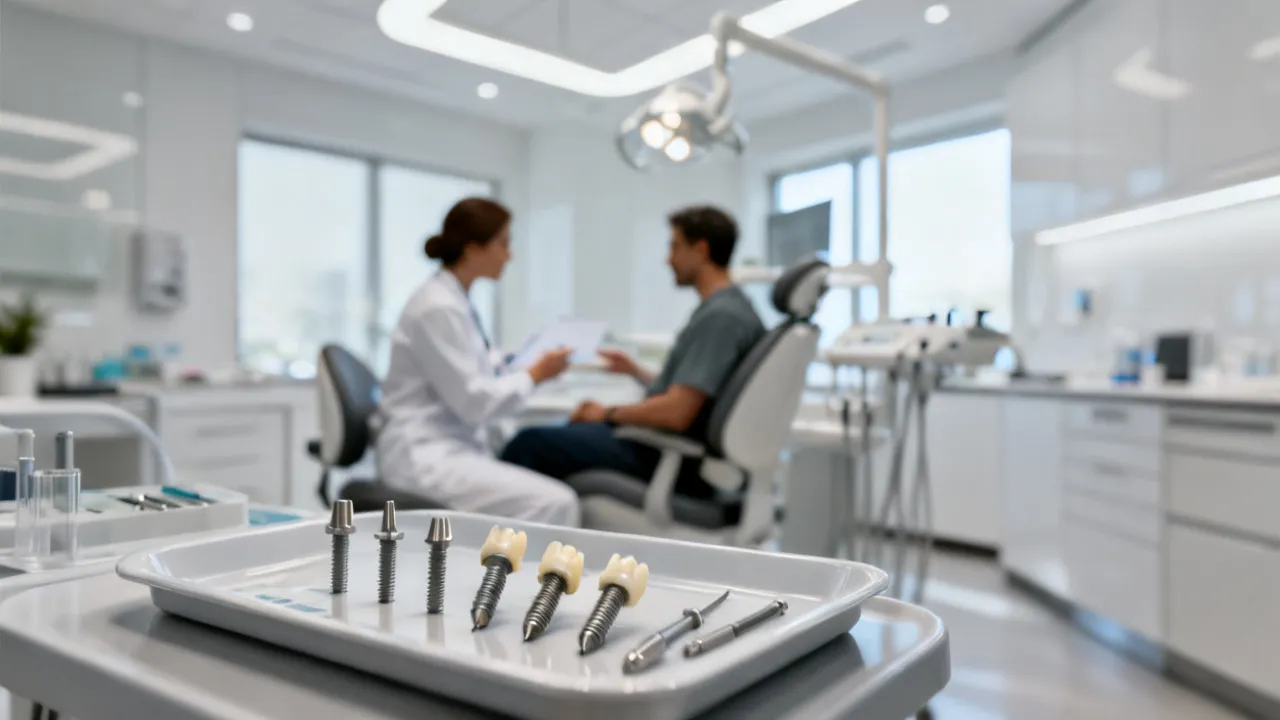
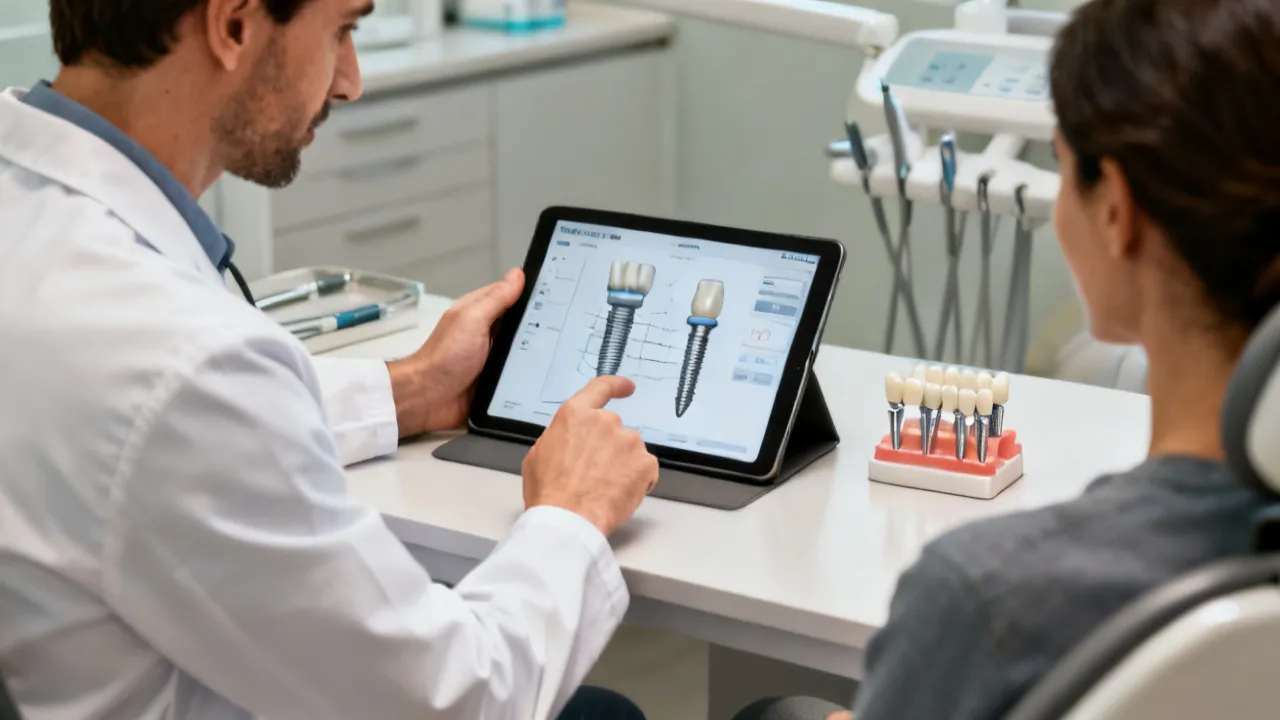
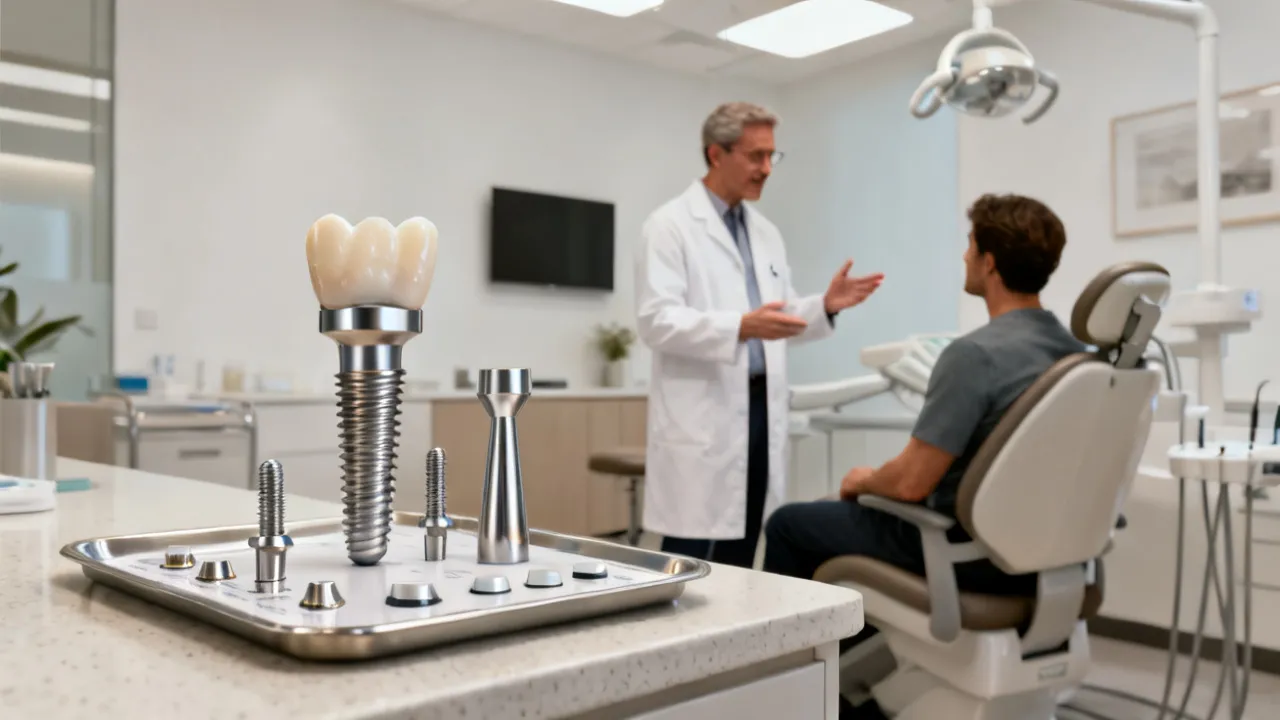
Low-cost dental implants are often the starting point for many patients’ searches, but affordability should never come at the expense of clinical suitability, transparent diagnostics, or follow-up care. A genuinely useful affordability strategy considers the full journey—from evaluation and bone assessment to implant placement, prosthetic design, and maintenance—because implants are not a single purchase; they are a structured medical and restorative treatment.
This guide explains how Dentalplans.com fits into the broader decision process—helping consumers understand insurance and coverage pathways—while also mapping out how to evaluate low-cost implant options using established dental information resources. The goal is to support consumer confidence: knowing what questions to ask, what details to demand in writing, and how to avoid the most common “false savings” that can inflate costs later.
From an expert perspective, the very important “hidden variable” in implant affordability is not the advertised price alone; it is the overall treatment plan (bone assessment, implant system selection, prosthetic design, and maintenance). A plan that is inexpensive in the beginning but misaligned with your anatomy can increase total costs over time through remakes, complications, biological or mechanical issues, or delays that extend the period without full function.
In other words: affordability is not just about paying less at the start; it’s about paying the right amount for the right plan, with the right safeguards. This guide focuses heavily on those safeguards.
Background: What Dentalplans.com Typically Helps With
Dentalplans.com is commonly associated with helping consumers explore dental plans and potential coverage options. While coverage details vary by product and eligibility, the practical value is that consumers can compare pathways for financing dental care—especially when they are trying to manage out-of-pocket expenses for procedures such as implant-related restorations.
In objective terms, dental-plan platforms influence affordability in three ways:
- Coverage framing: clarifying what services may be included, partially covered, or excluded, and distinguishing between diagnostic/ preventive benefits and restorative or surgical benefits.
- Network access: reducing cost variation when care is delivered by participating providers, which can matter for implant-related restorations and follow-up visits.
- Timing and administration: explaining how to apply, select a plan, and coordinate documentation, which can be crucial if pre-authorization or waiting periods apply.
Dentalplans.com (and similar plan navigation platforms) usually do not “set” the clinic’s implant price. Instead, they help you manage the coverage portion and the administrative pathway so you can estimate your budget more realistically. That can reduce stress and prevent avoidable out-of-pocket surprises, particularly for multi-stage dental procedures where the implant restoration may be the more expensive component.
How “Low-Cost” Differs from “Low-Value” in Implant Dentistry
Patients sometimes interpret “low cost” as meaning a lower standard of care. In practice, “low cost” may result from several legitimate factors:
- Efficiency in workflows (standardized diagnostics, streamlined scheduling, and well-organized treatment coordination).
- Negotiated pricing through networks or regional pricing strategies, especially where the clinic has predictable volumes and supply agreements.
- Appropriate case selection (certain clinical scenarios may require fewer adjunct procedures, or can proceed with simpler surgical approaches when biology allows).
- Different implant/prosthetic configurations (for example, implant type, number of implants, and crown/bridge design, including whether a single-tooth crown versus multi-unit prosthesis is used).
Yet the expert caution is equally straightforward: implants are surgical and prosthetically driven. A lower price can be justified when the clinical plan is simpler—but not when the anatomy demands more comprehensive reconstruction. A low-cost quote that skips essential steps, uses an ill-fitting prosthetic plan, avoids necessary bone augmentation, or provides unclear warranties can drift from “low-cost” into “low-value.”
Therefore, consumers should treat low-cost offers as an invitation to ask more questions, not fewer. The correct attitude is not “How cheap can I get implants?” but “Is this low price supported by a complete, evidence-based plan for my specific mouth?”
One helpful way to frame it is to separate two different things:
- Price: the number on the estimate.
- Value: whether the estimate includes the necessary clinical steps, materials, follow-up schedule, and warranty coverage for predictable outcomes.
Low-cost can sometimes produce high value; high cost can sometimes produce low value. The deciding factor is the match between clinical need and the included components.
Rephrased Country-Specific Context (Language-Supported Pathways)
Affordability research changes when you are searching in different languages, because the availability of patient education and the ability to communicate with providers affect both cost transparency and the quality of informed consent. If you can’t clearly understand the treatment plan, you may miss cost-related details like what’s included, what’s optional, and what can change after diagnostics.
Language access also matters for continuity—especially when multiple appointments are required. A multilingual or language-supported clinic environment can reduce misunderstandings that otherwise lead to rework, additional visits, or delays.
English-speaking countries: Many patients rely on English-language clinic content and independent low-cost implant guides to compare treatment stages, typical fees, and common questions. Sources such as Dental Views - Low Cost Dental Implants typically emphasize benefits, implant types, process overviews, and frequently asked questions, aiming to help patients understand what makes care “affordable.” Clinics like Atlantic Dental Group often focus on a broader service menu (cleanings, orthodontics, implants, and emergency dental care) and scheduling ease—useful when affordability is part of a larger healthcare routine rather than a one-time event.
In English contexts, it also helps to ask for plain-language summaries. Even if you understand medical terminology, written instructions and “what to expect next” schedules can reduce anxiety and improve adherence—both important for outcomes.
Spanish-speaking countries: Spanish-language clinic pages help reduce communication barriers and may cover implant-related services and emergency dental access. For instance, Rockville Dental Arts offers comprehensive services through a Spanish site version. Another example is Union City Mini Dental Implants, which focuses on mini implant solutions where clinically appropriate. In parallel, insurance education can be language-accessible as well; Cigna’s implant guide in Spanish supports patients with structured knowledge about implant components and expectations.
When searching in Spanish, pay attention to whether the clinic and plan language clearly distinguishes between:
- Diagnóstico (diagnosis): exams and imaging
- Cirugía: implant placement and any grafting
- Prótesis: abutment and crown/bridge/other restoration
- Mantenimiento y seguimiento: maintenance visits and what they include
This distinction often affects how “low-cost” is calculated.
Portuguese-speaking countries: Patient education and plan options can also be accessible in Portuguese. Companies such as DentalVidas position themselves around dental plan offerings and network access, including emergency availability. Meanwhile, clinics like Rubi Odonto and Odontologia Velasco may highlight service breadth (including implants and aesthetic dentistry) and use of modern technologies—factors that can influence both outcomes and perceived value.
In Portuguese contexts, look for clinics that clearly outline the timeline in a way you can follow (e.g., what happens in weeks 1–2, when you return for a restoration, and what symptoms should trigger an earlier visit). Understanding that schedule can help prevent complications that increase cost.
Table: Websites That Commonly Explain Low-Cost Implant Choices (Feature Comparison)
Below is a feature-oriented comparison of several online resources that commonly publish guidance relevant to low-cost dental implants. The goal is not to “rank” quality, but to help you identify what each source tends to emphasize during the decision stage.
When using any of these sources, treat them as educational starting points, not as replacements for a personalized exam. However, education sources can be extremely helpful when you’re trying to understand which cost components are often hidden in plain sight.
| Website | What It Emphasizes | Top For Patients Who Want |
|---|---|---|
| Dental Views - Low Cost Dental Implants | Overview of implant benefits, treatment types, process steps, and cost considerations | General education and an affordability-focused introduction |
| Atlantic Dental Group | Broad clinic services (including implants) and practical booking information | A “whole clinic” approach when implants are one part of ongoing care |
| DentaVacation | Dental tourism planning, international cost comparisons, and travel arrangements | Cross-border budgeting and logistics for dental treatment |
| ADHP / American Dental Health Plans | Dental insurance navigation, plan selection, and how to use coverage | Coverage pathways that may reduce out-of-pocket spending |
| Rockville Dental Arts (ES) | Spanish-language clinic communication and service coverage (including implants) | Language support while evaluating options and scheduling |
| Union City Mini Dental Implants (ES) | Mini-implant specialization and suitability-oriented messaging | Understanding whether mini implant approaches may apply |
| Cigna - Guide to Dental Implants (ES) | Structured educational content on implant concepts | Evidence-informed background on implants through a reputable insurer’s education hub |
source: [www.dentalviews.com](https://dentalviews.com/low-cost-dental-implants/) | [www.atlanticdentalgrp.com](https://www.atlanticdentalgrp.com/) | [www.dentavacation.com](https://www.dentavacation.com/) | [www.rockvilledentalarts.com](https://rockvilledentalarts.com/es/) | [www.cigna.com](https://www.cigna.com/es-us/knowledge-center/guide-to-dental-implants) | [www.unioncityminidentalimplants.com](https://unioncityminidentalimplants.com/es/)
Step-by-Step: How to Get Dental Imants at Low Cost in English-, Spanish-, and Portuguese-Speaking Countries
Below is a practical pathway you can apply regardless of whether your priority is a discounted implant offer, insurance-based affordability, or cross-border planning. The steps are structured to help you reduce cost surprises while maintaining safety and clinical appropriateness.
Even if you live in an English-, Spanish-, or Portuguese-speaking environment, the clinical fundamentals of safe implant dentistry do not change. What changes is your access to understandable education and the quality of administrative clarity. This step-by-step approach focuses on both.
1) Start with clinical suitability, not only price
Before negotiating affordability, confirm whether you are a suitable candidate. In most cases, a dentist or oral surgeon will evaluate:
- Bone volume and density (often via imaging such as CBCT or other diagnostic imaging).
- Gum health and periodontal status, including whether inflammation and plaque control are under control before surgery.
- Medical considerations (for example, certain systemic conditions and medications). If relevant, the provider may coordinate with your physician.
- Number of missing teeth and desired functional outcomes (chewing efficiency, stability, aesthetics).
- Occlusion and bite forces because prosthetic design and loading strategy depend on how you close.
Expert note: When suitability is clear, affordability conversations become meaningful. When it is not, “low cost” should be treated as incomplete information until diagnostics confirm the plan. A cheap implant placed in the wrong situation can create expensive downstream problems.
Also consider that the “implant” itself is only one component. A patient may need additional procedures to make implants predictable—like periodontal therapy, extraction management, grafting, or adjustments to restorative space. Those factors determine whether the low-cost plan can actually be executed safely.
2) Request a written, itemized treatment plan
Low-cost offers sometimes omit important components. Ask for a written breakdown that typically includes:
- Diagnostics (imaging, exams)
- Surgical stage (implant placement, anesthesia approach if applicable)
- Any bone graft or preparatory procedures
- Abutment selection and timeline
- Prosthetic fabrication (crown/bridge options)
- Follow-up and maintenance schedule
- Regulatory and documentation details where applicable (e.g., consent forms, implant brand documentation if required)
This makes it easier to compare offers between clinics and to understand what “included” means. It also protects you. When everything is written, you can spot inconsistencies such as “implant only” pricing without prosthetics, or “prosthetics included” without clarifying warranty terms.
If a clinic won’t provide itemization, consider it a red flag. Implant care requires careful coordination; refusal to explain the plan can lead to misunderstandings. In addition, itemized plans allow you to compare “apples to apples,” rather than being pulled by the lowest headline number.
3) Explore insurance or plan pathways early (especially through Dentalplans.com)
If you are using a platform such as Dentalplans.com, use it to understand coverage pathways that may help reduce implant-adjacent expenses. Practically, that often means:
- Confirming whether your plan covers diagnostics, preventive care, or implant-related restorations.
- Verifying whether there is a participating provider network (and whether the provider you want is in that network).
- Requesting pre-authorization or documentation where relevant, especially if implants or major restorative services have specific requirements.
- Learning whether there are waiting periods for major services and whether the plan covers upgrades or additional procedures (like grafting).
Expert note: Implant procedures can be structured differently across plans (some cover parts of care, others focus on alternative tiers). A pre-visit confirmation can prevent cost surprises.
Because implants involve multiple stages, it’s also useful to ask how billing is handled across time. Some plans reimburse at different milestones; if you plan incorrectly, you might pay up front and wait for reimbursement. Understanding the reimbursement timeline can significantly affect your affordability experience.
4) Consider “low-cost” formats that may fit your anatomy
Some patients qualify for alternative approaches depending on bone conditions and prosthetic goals. In Spanish-language contexts, clinics like Union City Mini Dental Implants may promote mini implant pathways where clinically appropriate. The key is not the marketing label; it is whether your specific case aligns with the mechanical and surgical requirements.
To make this step more practical, consider the following concept: “low-cost” often corresponds to “simpler planning” or “simpler restoration.” That might involve:
- Fewer implants required to achieve stability for the planned restoration type.
- Less or no bone grafting due to adequate bone volume.
- Prosthetic solutions that are compatible with your existing bite and jaw anatomy.
However, “compatible” is not the same as “always cheaper.” The cost-effectiveness of any implant format depends on outcome predictability—meaning stable osseointegration, appropriate load distribution, and durable prosthetic fit.
5) Use language-supported resources for better consent and clearer questions
If you search in Spanish or Portuguese, language-accessible resources can improve your ability to ask informed questions. Spanish-language content from clinics such as Rockville Dental Arts and educational material from insurers such as Cigna’s implant guide can help patients form expectations about implant components and treatment stages. In Portuguese contexts, plan-focused providers such as DentalVidas can help patients understand how dental networks and emergency availability may affect overall cost management.
In addition to reading, use these resources to prepare a question list in your language. When you go to your appointment, bring your list and ask for the provider’s explanations in a way you can understand. If you can’t ask in your preferred language, request interpreter services. Miscommunication can lead to incorrect expectations about warranties, follow-up visits, and the possibility of extra costs.
Also, for informed consent, ask what signs after surgery require urgent contact. This is often a key part of patient education that reduces complications and cost overruns.
6) Compare clinics using consistent criteria
Instead of comparing only total price, compare:
- Clinical imaging and diagnostic approach (e.g., CBCT used when appropriate)
- Prosthetic material options and warranties (not just the implant brand)
- Timeline clarity (healing and restoration stages, including how long you remain without full function)
- Complication management and follow-up structure (what happens if something goes wrong)
- Patient communication quality (especially important in multilingual cases)
- How the clinic handles adjustments, repairs, and remakes
Expert note: A “cheap” implant with weak follow-up processes can cost more later through rework or additional visits. Remakes and repairs often require multiple appointments, lab fees, and time off normal life—costs that may not be captured in the original quote.
When comparing clinics, ask how they document treatment planning decisions. A clinic that takes planning seriously will usually be able to explain their rationale: why a certain implant placement depth was chosen, why grafting is necessary, and what prosthetic material was selected for your case.
7) If considering dental tourism, evaluate logistics and continuity of care
For some patients, dental tourism—such as the planning approach associated with DentaVacation—can reduce expenses by combining travel with treatment. However, affordability depends on continuity: a lower initial price can be undermined by follow-up gaps.
- How follow-up care will be managed after you return home.
- Whether imaging and documentation will be provided to your local providers.
- How complications are handled and what costs are included (including whether you have access to post-op communication channels).
- Whether your travel schedule matches the healing and restoration timeline.
This is especially important for surgical procedures that require monitoring over time. Implant care isn’t only about the placement day; it’s about healing, integration, and prosthetic finalization.
Also ask: who owns the responsibility if a restoration needs remaking because of fit issues that only become clear after you return? If your local dentist cannot access materials or documentation, you may face additional expense.
8) Negotiate intelligently and set guardrails
When you ask about price, also set guardrails:
- Ask what is included in the final price (implant, abutment, crown, imaging, grafting, anesthesia, and follow-up).
- Request warranty terms for prosthetic components and clarify what qualifies for warranty repairs or replacements.
- Ask for the planned number of visits and what each visit covers (including whether lab work is included).
- Confirm maintenance guidance and expected replacement intervals for prosthetic components where relevant.
- Ask for a policy on adjustments and remakes if your bite or tissue healing requires modifications.
In many regions, clinics can adjust financing schedules, bundling, or prosthetic tiers—within clinical constraints. A respectful negotiation approach is: “I want the most predictable outcome within my budget, and I want to understand which variables move the price.” That typically results in clearer options.
If a clinic cannot explain what drives cost differences, you may need to reconsider. Transparent explanation is a sign of organized, accountable care.
Cost Reference Ranges for Individual Dental Implants (Language-Supported Countries)
The following ranges are presented as general reference points for individual dental implant costs (not full-mouth restoration). Actual fees may vary widely based on case complexity, implant system, prosthetic choice, and the need for additional procedures such as bone grafting. These ranges are included to help you benchmark offers before you request itemized quotes.
It can be tempting to treat these ranges as “the price you should pay.” Instead, treat them as a reality check: if a clinic is far below the range, ask why; if a clinic is far above the range, ask what additional value (diagnostic depth, warranty coverage, prosthetic materials, follow-up services) is being provided.
Also note that implant dentistry costs are often staged. Sometimes the implant fee is only part of the budget. If you compare quotes, make sure you are including or excluding the same components.
| Country | Currency | Price Range (Individual Implant) |
|---|---|---|
| United States | USD | $3,000 - $6,000 |
| United Kingdom | GBP | £2,000 - £2,500 |
| Australia | AUD | AU$3,500 - AU$6,500 |
| Canada | CAD | CA$3,000 - CA$5,500 |
| Spain | EUR | €1,500 - €2,500 |
| Chile | CLP | CLP$800,000 - CLP$1,500,000 |
| Mexico | MXN | $15,000 - $25,000 |
| Colombia | COP | $2,000,000 - $4,000,000 |
| Peru | PEN | S/ 3,000 - S/ 6,000 |
| Argentina | ARS | $80,000 - $150,000 |
| Brazil | BRL | R$3,000 - R$8,000 |
| Portugal | EUR | €1,000 - €2,000 |
What to Ask Before You Choose a “Low-Cost” Implant Offer
From an industry expert standpoint, the questions below are designed to protect you from pricing ambiguity and to support informed decision-making. Consider them your checklist:
- What imaging was used to plan my implant? (CBCT and/or appropriate diagnostic imaging)
- Which implant system is proposed? (brand/model and rationale for your case)
- Will I need a bone graft or other adjunct procedure? If yes, how does it affect total cost and timeline?
- What prosthetic components are included? (abutment and crown materials; and whether the crown is temporary or final at each stage)
- What is the expected timeline? including healing and restoration phases, and what may extend the timeline (if any)
- What is the warranty policy? for the crown/prosthetic work and related components, and does it include both biological and mechanical issues?
- How are complications handled? and what follow-up schedule is included if healing does not proceed as expected
- What maintenance is required to protect my investment? including recommended frequency of cleanings and implant-specific hygiene instructions
- Who will perform each stage? (implant placement vs prosthetic design vs final cementation/attachment)
When clinics answer these questions clearly, it usually means they have a standardized process and can manage implant care safely. When clinics avoid specifics, or when they provide only marketing language without clinical details, you may need to be cautious.
Why “Total Cost of Ownership” Matters for Dental Implants
Implants are generally expected to last many years when properly maintained. However, maintenance costs and follow-up visits are part of the total cost picture. A low upfront price may be offset by:
- Additional maintenance visits not included in the original plan
- Remakes or repairs due to prosthetic fit, material selection, or wear
- Time delays that extend the period without full function
- Potential need for additional periodontal or restorative interventions
Therefore, when comparing clinics, ask for a maintenance plan and understand expected recall intervals. A clinic that includes implant-specific maintenance education is often providing higher value because it supports long-term stability.
Total cost of ownership also includes your time. If a treatment requires many extra appointments, the cost can rise through missed work, travel expenses, or time away from responsibilities. For dental tourism patients, time is often one of the biggest “hidden variables” that determines the true total cost.
It’s also useful to consider that prosthetic components may have different wear timelines than the implant itself. Even when the implant remains stable, crowns can need replacement due to material wear, fracture, or changes in occlusion. Clarifying these future costs helps you budget more accurately.
FAQs: Dentalplans.com and Low-Cost Dental Implants
1) Does Dentalplans.com directly reduce the price of dental implants?
Dental plan platforms such as Dentalplans.com typically support consumers by helping them compare plan options and understand coverage pathways. Whether implants are reduced in cost depends on the specific plan benefits, provider network, and eligibility rules. Always confirm coverage details in writing when possible.
In many cases, the platform helps with what portion is covered, not with the base clinic price itself. Coverage might apply more to implant-related restorations than to surgical placement, or vice versa, depending on the plan language.
2) What should I look for in a low-cost implant quote?
Look for a written, itemized plan that clarifies diagnostics, surgical staging, prosthetic components, follow-up, and any potential add-ons such as bone grafting. The “included vs. not included” distinction is crucial for accurate budgeting.
Also verify what “low-cost” includes in the final restoration phase. Some quotes advertise implant placement but separate the crown or prosthesis as an additional cost. Others include the crown but not the necessary adjustments or temporary restoration stage.
3) Are mini dental implants always cheaper?
Mini implants may be less costly in certain suitable cases, but suitability depends on bone conditions, spacing and loading requirements, and the planned prosthetic solution. A lower price is only meaningful when the approach matches the clinical scenario.
Mini implant cases may have different functional and maintenance considerations. Ask how the clinic plans to distribute bite forces and how they monitor stability over time.
4) Can dental tourism make implants more affordable?
For some patients, cross-border treatment can reduce costs, especially when planning includes price transparency, travel arrangements, and clear post-treatment follow-up. However, you must evaluate continuity of care and how complications would be managed after you return home.
Dental tourism can also introduce administrative complexity: medical records transfer, differences in warranty handling, and access to local specialists who can interpret foreign imaging and prosthetic records. These factors can add hidden expense.
5) What’s the top first step to reduce implant costs?
Start with diagnostics and a treatment plan from a qualified provider. Then compare affordability strategies—such as plan coverage pathways, clinic networks, and prosthetic tiers—using consistent criteria rather than comparing only the lowest advertised price.
If your budget is tight, consider focusing your negotiation on included value: warranties, prosthetic materials, and follow-up care. Saving money by removing essential clinical steps is typically a false economy.
6) Are the cost ranges by country guaranteed?
No. Country-level reference ranges should be treated as benchmarks only. Your actual fee may change based on imaging findings, surgical complexity, number of implants, prosthetic choices, and local market pricing.
Also, currency exchange rates and inflation can shift pricing over time. If the reference ranges are older or based on historical market data, your current quote may reflect new cost levels. That’s why itemized quotes remain the most reliable comparison tool.
Additional Guidance: How to Spot “Red Flags” in Low-Cost Implant Offers
To make the affordability strategy even more practical, it helps to understand common patterns that can signal reduced safety or reduced value. Not every low-cost offer is problematic, but these red flags are worth watching for because they often correlate with future cost overruns.
- No clear diagnosis or imaging details: If a clinic cannot explain how your bone and anatomy were evaluated, it may lead to inaccurate planning and higher risk.
- Unclear prosthetic warranty terms: If you don’t know what’s covered if the crown fractures, loosens, or needs adjustment, you may pay later.
- “Implant only” pricing presented as an implant deal: If the crown/abutment and follow-ups are not clearly included, the headline number can be misleading.
- Short timelines without explanation: Some “same-day” or fast protocols can be legitimate, but if the clinic cannot explain selection criteria, it may be a marketing simplification.
- Limited follow-up commitments: Aftercare matters. If a plan doesn’t include a follow-up schedule, you may miss early detection of issues.
- Pressure to decide quickly: Implant planning benefits from thoughtful review. Pressure can lead to decisions without adequate understanding.
On the other hand, “green flags” include transparent itemization, willingness to explain materials and timeline, and clear documentation of imaging and proposed prosthetic design.
Understanding the Major Cost Drivers in Implant Dentistry
When comparing low-cost options, it helps to understand what commonly drives cost upward. Many of these are not negotiable, but they can explain why prices vary between clinics. Common cost drivers include:
- Diagnostic and imaging costs: CBCT and detailed diagnostic work increase upfront cost but can reduce uncertainty.
- Bone grafting or augmentation: If your bone volume is insufficient, grafting can be necessary. Bone graft costs and timeline extensions can be significant.
- Number of implants and complexity of placement: Multi-unit cases, difficult anatomy, or multiple sites increase complexity.
- Prosthetic design: Custom frameworks, materials, and lab work affect costs.
- Labor and expertise: Experienced teams may cost more, but they can reduce risk through planning.
- Anesthesia and surgical setting: Hospital or sedation needs can impact the total budget.
- Warranty and follow-up: Plans that include robust aftercare and warranty coverage may have higher upfront cost but better long-term protection.
Low-cost offers may reduce expense by minimizing some of these cost drivers—often through case selection or simpler restorations. That can be appropriate for some patients, but it must be aligned with diagnostics.
Practical Budgeting Tips Before You Commit
Affordability is not only about the total price; it’s also about your ability to manage staged payments across time. Implant treatment is often staged, so budgeting needs to account for timing.
Consider these practical steps:
- Ask for a staged payment schedule: Know what you pay at diagnosis, surgery, and restoration.
- Plan for “unexpected add-ons” within reason: Bone grafting, extractions, or additional cleanings may be needed. Ask what triggers add-ons.
- Verify whether temporary restorations are included: Temporary solutions can affect comfort and cost.
- Budget for maintenance: Implant maintenance visits are not optional if you want predictable outcomes. Clarify what maintenance includes.
- Factor travel time if applicable: For dental tourism or for clinics far from home, travel time can increase your indirect costs.
If you’re using a plan pathway through Dentalplans.com or a similar provider, also confirm the reimbursement or payment flow. Some coverage systems require paying upfront and submitting claims. Knowing that process helps avoid surprises.
The Role of Prosthetic Planning: Why It Affects Your Total Price
Many patients focus on the implant “post,” but the prosthetic restoration often determines comfort, aesthetics, bite function, and—importantly—cost over time. A low-cost implant can still lead to a high-cost outcome if the prosthetic solution doesn’t fit well or doesn’t distribute forces appropriately.
Prosthetic planning includes:
- How the crown/bridge will be designed relative to your existing teeth
- Material selection based on strength needs, aesthetics, and occlusion
- Abutment selection and how it interfaces with the implant
- How the bite is adjusted so the implant is not overloaded
- Whether cemented or screw-retained designs are planned, and why
Ask your clinic to explain why the planned prosthetic design was selected. If they can’t explain it, it can be harder to trust the long-term predictability of your cheaper option.
Aftercare and Maintenance: The Most Overlooked Part of “Low Cost”
When patients say “low cost,” they often mean fewer dollars today. But implant success depends on more than a surgical event. Aftercare can prevent problems that cause additional costs, including:
- Inflammation around the implant (peri-implant mucositis)
- Progression to more serious conditions (peri-implantitis)
- Soft tissue complications during healing
- Prosthetic issues caused by hygiene challenges or poor maintenance routines
Maintenance typically includes:
- Regular professional cleanings tailored to implants
- Home hygiene instructions specific to implant health
- Monitoring of tissue health and stability
- Periodic assessment of prosthetic fit and bite
In cost comparisons, maintenance is a key component of total cost of ownership. If a cheap quote does not include implant-specific follow-up, it may shift costs onto you later.
How to Use Dentalplans.com-Style Coverage Education Effectively
When you use plan navigation tools like Dentalplans.com, focus on actionable outcomes rather than generic plan descriptions. Here’s how to turn coverage education into budgeting power:
- Create a list of likely service categories: diagnostics, extractions (if needed), surgery, prosthetics, and follow-up maintenance.
- Cross-check benefits for each category: which are covered, partially covered, or excluded.
- Check network participation: confirm whether the specific clinic you plan to use is within network.
- Ask about documentation needs: pre-authorization, referrals, or claim forms.
- Request a coverage estimate: if possible, get a written estimate from the provider’s billing team.
By approaching coverage education as a step-by-step mapping exercise, you can reduce uncertainty and avoid the most frustrating “we thought it would be covered” scenarios.
Language-Supported Patient Advocacy: Making Sure You’re Not Paying for Misunderstanding
In multilingual contexts, misunderstandings can indirectly increase cost. For example, a patient might:
- Agree to a plan without fully understanding whether grafting is included
- Assume a crown warranty covers the implant component as well
- Miss follow-up visits due to poor communication about the timeline
- Fail to provide necessary medical history because forms were not understood
These issues can lead to complications, remakes, additional visits, and higher overall expenses. Language-supported resources—whether they come from clinics like Rockville Dental Arts, educational guides such as Cigna’s implant guide, or plan navigation services like DentalVidas—can reduce this risk by improving comprehension.
When possible, bring a friend or family member who can help during appointments, and request that key instructions be provided in writing in your preferred language.
Updated Checklist: Your “Low-Cost, High-Confidence” Implant Decision Plan
To bring all of the above into one cohesive decision workflow, here is a consolidated checklist you can use regardless of country or language:
- Suitability first: confirm diagnosis and imaging; ensure you’re a candidate for the proposed implant format.
- Written itemization: request a detailed treatment plan including diagnostics, surgery, bone grafting (if needed), prosthetic components, follow-up, and maintenance guidance.
- Coverage mapping: use a plan platform like Dentalplans.com to understand which categories may be covered; confirm in writing.
- Warranty and aftercare: verify warranty terms and what follow-up visits are included.
- Timeline clarity: understand each stage, including healing time and what happens if healing is slower than expected.
- Complication plan: ask what procedures or costs are required if complications occur.
- Compare apples-to-apples: ensure each quote includes the same scope (not just the same headline price).
- Budget for total ownership: include maintenance and likely future prosthetic needs.
- Language support: ensure you can understand consent, instructions, and billing details in your language.
Conclusion: Use Affordability Tools, Then Validate Clinically
Dental implants require precision in diagnosis, surgical execution, and prosthetic restoration. Tools and resources—such as Dentalplans.com for plan navigation and language-accessible guidance from reputable dental or insurance-related sources—can help you move faster toward affordability.
Still, the decisive factor is whether a proposed “low-cost” offer matches your specific clinical needs. By requesting itemized treatment plans, confirming coverage pathways, and asking the right questions, you can reduce uncertainty and make a more objective, good-focused choice.
When affordability is approached as a structured process—rather than a race to the lowest price—you give yourself the best chance at predictable outcomes and a treatment experience you can trust.
Disclaimer
1) The above information comes from online resources, and the data is as of October 2023. 2) Dental implant prices are for reference only and may vary by region, clinic and doctor.
Reference Links
[www.dentalviews.com](https://dentalviews.com/low-cost-dental-implants/) [www.atlanticdentalgrp.com](https://www.atlanticdentalgrp.com/) [www.dentavacation.com](https://www.dentavacation.com/) [https://rockvilledentalarts.com/es/](https://rockvilledentalarts.com/es/) [www.cigna.com](https://www.cigna.com/es-us/knowledge-center/guide-to-dental-implants) [https://unioncityminidentalimplants.com/es/](https://unioncityminidentalimplants.com/es/)