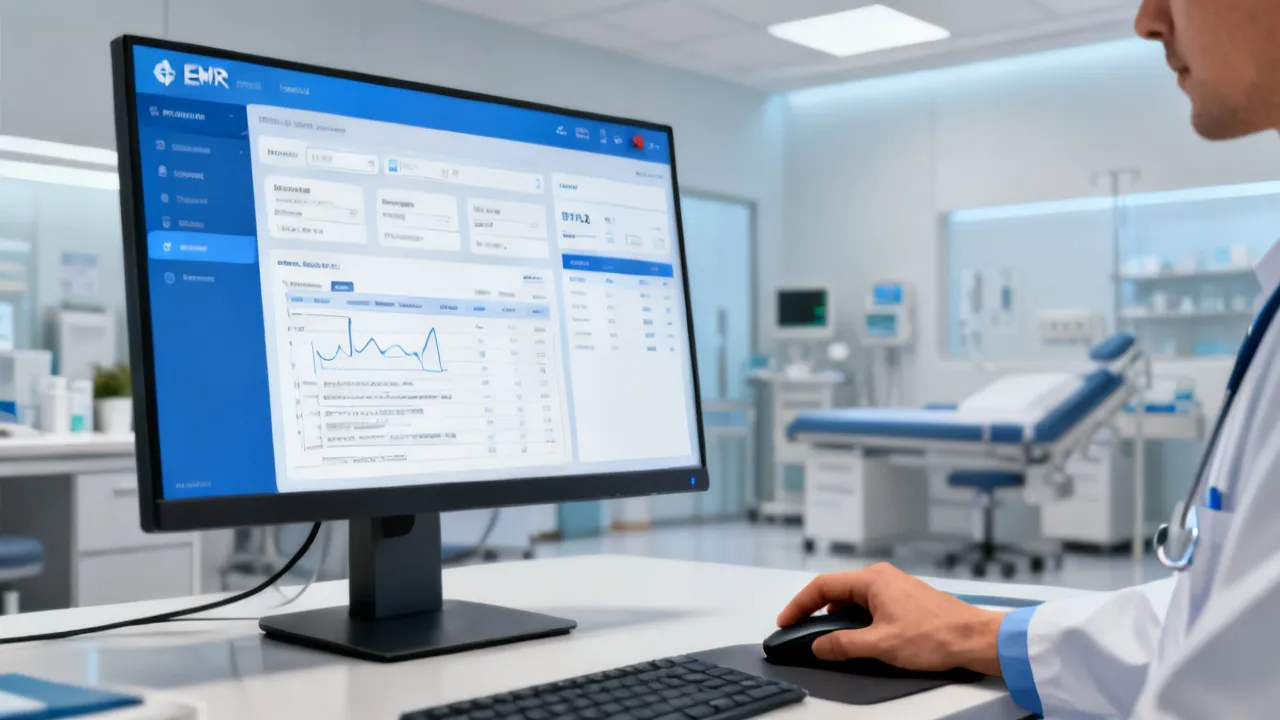
OpenEMR Demo for Clinics: Setup and Evaluation Guide
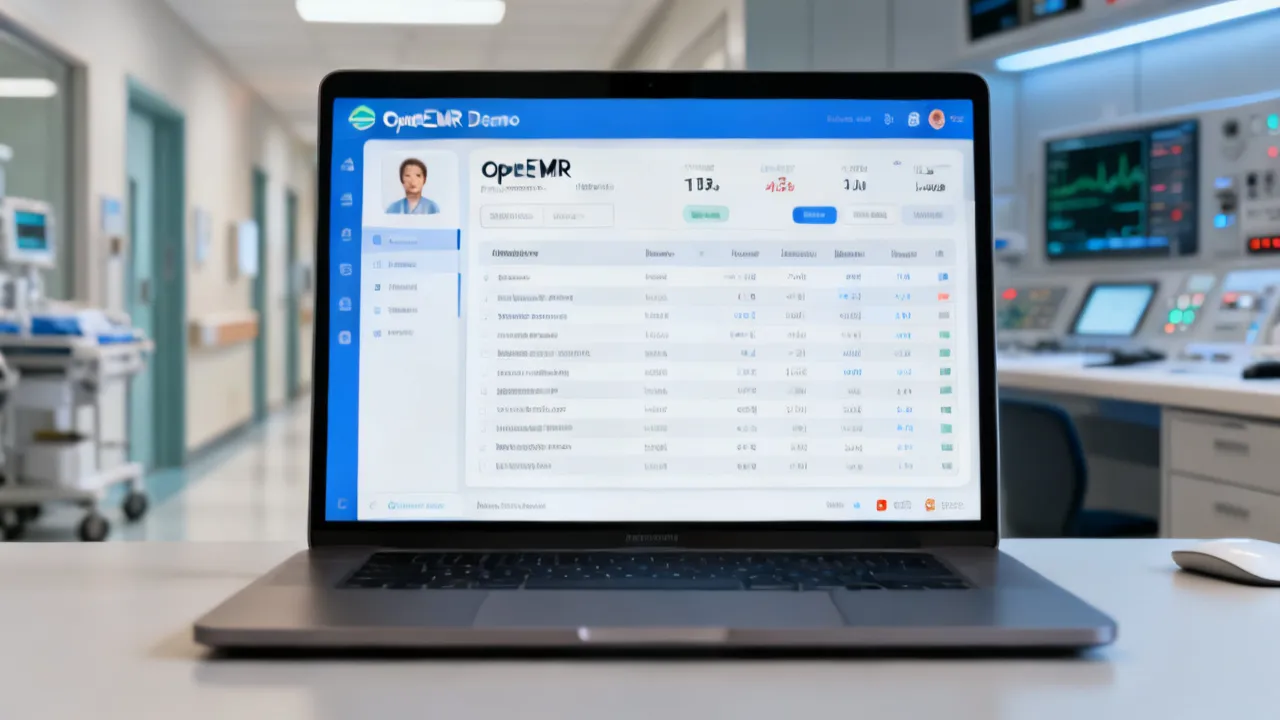
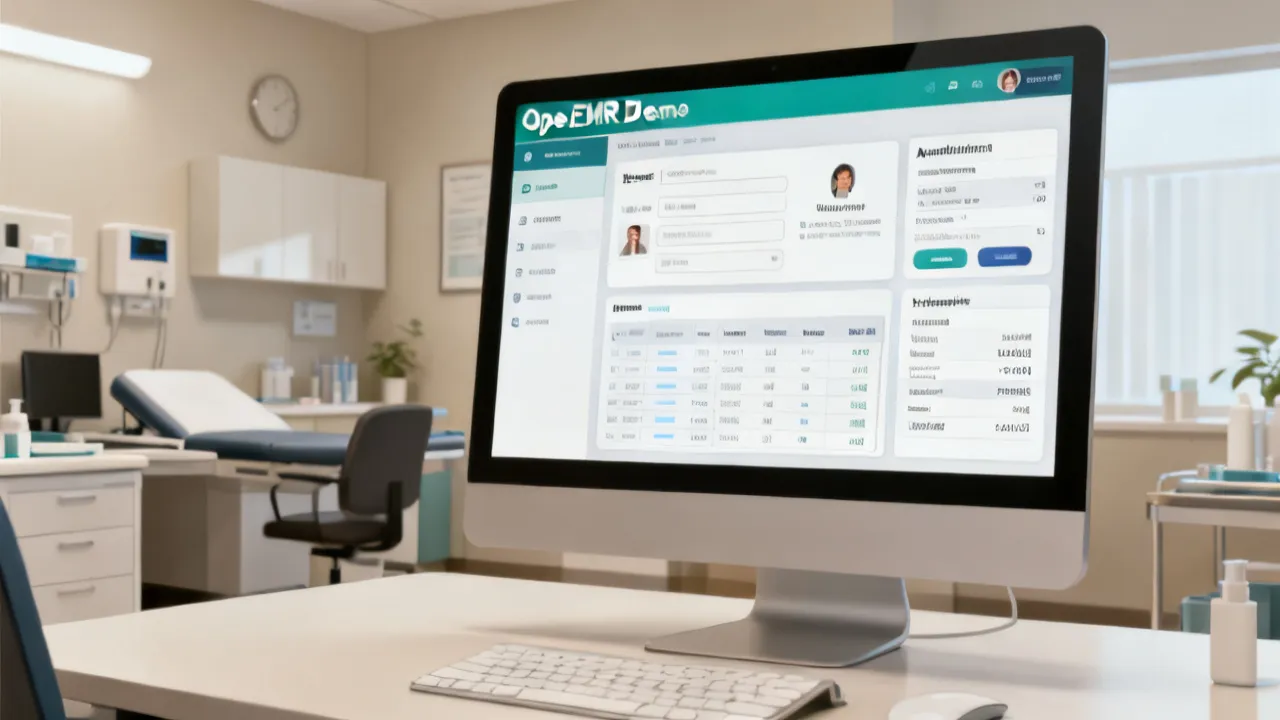
This guide explains how to evaluate an OpenEMR Demo for clinical workflows, focusing on configuration, data migration readiness, security expectations, and staff training. OpenEMR is an open-source electronic health record platform used for scheduling, documentation, and reporting. The article provides an expert checklist, a practical comparison of onboarding options, and FAQs to help clinics choose a dependable approach.
Why an OpenEMR Demo Matters for Clinical Readiness
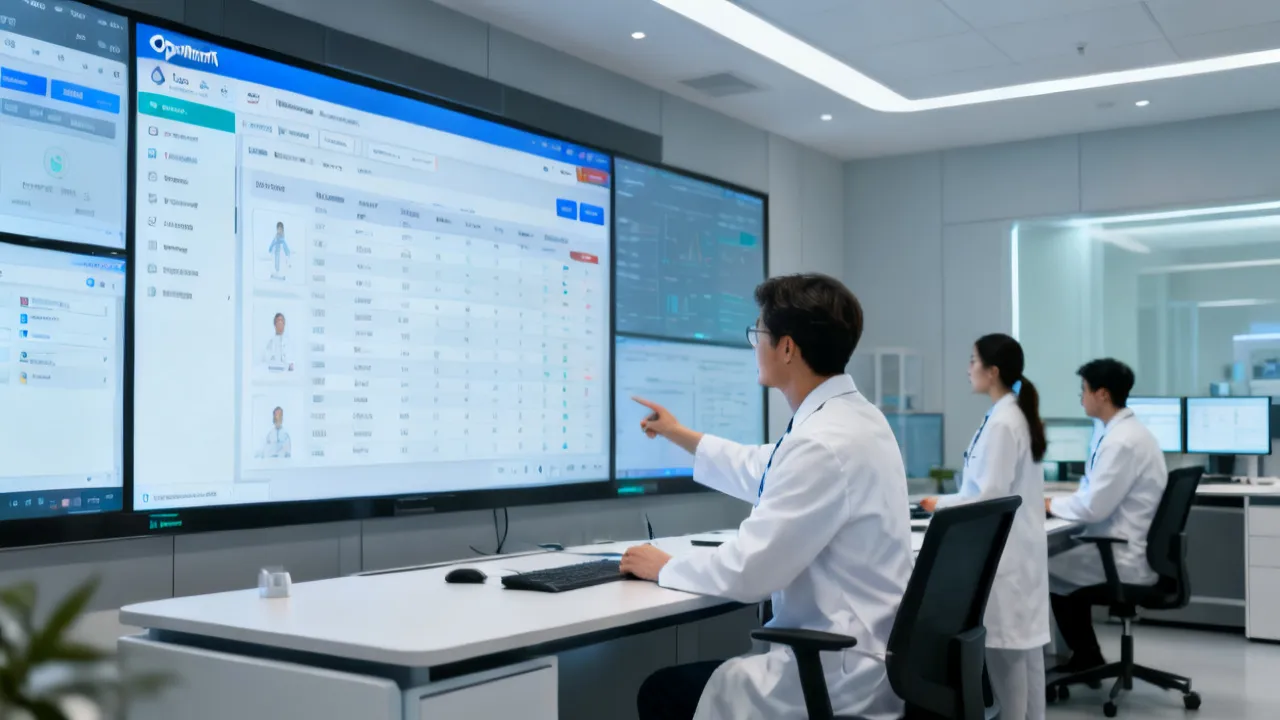
An Openemr Demo is the fastest, most practical way to test whether electronic health record (EHR) capabilities match your clinic’s day-to-day realities—before you commit to implementation, integrations, data migration, or the ongoing administration that comes with running an EHR. A well-run demo allows stakeholders to click through patient registration, verify visit/encounter documentation, review how orders and clinical information are captured, and evaluate reporting screens that leadership and operations teams rely on. Instead of debating assumptions, teams can observe workflow behavior directly: how quickly staff can complete core tasks, how clearly the system guides documentation, and whether screens support the clinic’s clinical logic.
From an operational standpoint, the goal of a demo is not merely to “see the software,” but to validate fit. Does the system support your appointment flow? Does it reflect how clinicians document—using templates, structured fields, and consistent encounter structures? Does it handle specialty requirements, referral workflows, follow-up schedules, and internal approval steps without forcing clinicians into unnatural workarounds? If the system’s default behavior doesn’t align with your practice style, a demo helps you identify gaps early enough to plan configuration and training rather than discovering problems after go-live, when the cost of change becomes higher.
In practical terms, clinical readiness is determined by more than whether the software “can” do something. Readiness is whether the system can do it in the way your clinic needs. That includes how quickly front desk staff can register patients and manage visits, how nursing or allied staff can document vitals and assessments, how clinicians can produce complete and consistent documentation for billing and clinical governance, and how leadership can pull meaningful reports without manual spreadsheet work or endless data scrubbing.
An Openemr Demo also helps teams align expectations across roles. When clinicians, administrators, IT staff, and leadership evaluate the same user journey—registration to documentation to reporting—they uncover mismatches that are easy to miss when teams evaluate modules in isolation. For example, a clinician might be satisfied with a note-taking screen, while front desk staff struggles with check-in steps. Similarly, operations might be concerned about reporting completeness, but the demo might not expose how missing fields affect governance outputs. Bringing these issues to light during the demo stage reduces implementation risk and makes training design more accurate.
OpenEMR Demo Evaluation: What to Verify First
During your Openemr Demo sessions, prioritize the elements that strongly affect clinical throughput, documentation quality, and operational efficiency. It’s tempting to focus on big features—dashboard visuals, broad navigation, or the existence of a problem list—but real readiness depends on the “small” details that determine whether staff can complete tasks correctly under real time pressure.
Below are high-value verification areas to cover early in the demo. You can adapt them based on your specialty and local workflow, but the underlying principle remains the same: test what matters, test it end-to-end, and test it repeatedly with realistic cases.
- Clinical navigation: Can clinicians reach common tasks quickly—triage notes, vitals entry, problem lists, medication reconciliation, assessment and plan sections, encounter summaries, and visit closures? The fastest way to detect usability issues is to observe whether staff can find tasks without extended searching or guesswork.
- Scheduling logic: Does appointment booking reflect how your clinic works? Consider walk-ins, follow-ups, rescheduling rules, cancellation handling, provider assignment, appointment templates, reminders, and the way visit type influences documentation requirements. A scheduling screen that looks “fine” in isolation may fail when visit types drive note structure or mandatory fields.
- Documentation structure: Are forms and templates flexible enough for your specialties and documentation standards? You want to validate whether the system can support structured fields, required elements, and consistent encounter formats. For example, if your clinic uses specific documentation sections—such as ROS sections, physical exam templates, chronic condition risk stratification, or procedure-specific fields—the demo should show how these are built and how they behave in actual note workflows.
- Reporting clarity: Can you produce practical reports for management and clinical governance? Examples include visit counts by provider or clinic site, documentation completeness indicators, missing required fields, appointment show/no-show rates (if relevant), and trends in diagnoses or condition follow-up compliance. Reports should be understandable to leadership and operational owners, not just technically accessible to IT.
- Role-based access: Does the permissions model separate administrative tasks from clinical documentation appropriately? The demo should show whether clinicians can access what they need without overexposure to sensitive operations tasks. Likewise, admin staff should have access to the workflow they manage (scheduling, patient demographics, referrals processing if applicable) without being able to modify clinical content improperly.
- Data entry experience under time pressure: Even if the clinic is not emergency-based, time constraints exist. Observe whether the system supports fast data entry—keyboard-friendly behavior, quick navigation, sensible defaults, and minimal redundant typing. If staff must re-enter repeating information at each visit, documentation time may expand beyond acceptable limits.
These checks reduce implementation risk because they uncover “hidden costs.” Hidden costs often include additional configuration time, template redesign, permissions tuning, reporting customization, and re-training needs for staff who must document consistently to achieve clinical and governance goals. A demo helps you surface those costs early.
Background: What “OpenEMR” Typically Provides
OpenEMR is commonly recognized as an EHR-focused platform that can support core functions such as registration, visits/encounters, clinical documentation, and reporting. In typical deployments, clinics use it to centralize patient information, improve continuity of care across visits, and provide a structured record of clinical encounters.
Because implementations vary depending on configuration, hosting model, and clinical requirements, a demo should be treated as a starting point—not as a guarantee of final behavior. During the demo, it is important to evaluate what is demonstrated versus what is configured. Some vendors present default screens; others present a tailored setup. Either way, you should ask pointed questions about what will change during your implementation and what will remain as-is.
In a strong demo, the provider or implementation partner helps you understand how your workflow will be reflected in the system. That often means demonstrating not just “where the buttons are,” but how templates, required fields, visit types, and permissions will be adjusted. A good demo demonstrates the system with scenarios closer to your clinic reality—rather than showing a generic environment that may not mirror your operational model.
Finally, a demo can reveal whether the platform supports clinical continuity behaviors you care about. For instance: does it help clinicians retrieve prior diagnoses and medications efficiently? Does it surface historical documentation where needed? Can the team maintain problem lists and encounter summaries consistently? These continuity behaviors often drive quality of care and reduce clinician time spent searching for information.
Industry Expert View: How Clinics Should Approach Demo-to-Launch
As an industry-focused perspective, a useful way to structure your Openemr Demo process is to treat it like a short pilot project rather than a one-time product walkthrough. The key is to define measurable outcomes and test tasks that represent real clinical and operational workflows. For example, you might measure how long it takes a clinician to complete the core sections of an encounter note, or how quickly front desk staff can register a patient and check them in to the correct visit type.
Additionally, evaluate “operational sustainability.” A clinic doesn’t simply purchase software; it builds a system of governance. That includes user provisioning, access controls, audit trails, backup processes, incident handling, and ongoing improvements—often done through a combination of internal staff and vendor or implementation partner support. Even the most polished interface can fail to support clinical readiness if access controls are too permissive, if audit logs are insufficient, or if staff training and change management are not aligned with how the EHR will be used daily.
A mature demo-to-launch approach also considers how the clinic will respond to change requests. For example, if after month one you realize that a specific field is consistently missing or incorrectly completed, you need a configuration path that is safe and predictable. Ask during the demo: how are template changes managed? Who approves them? How does the clinic validate that the changes didn’t break reporting or documentation consistency? While these questions may feel “advanced” for a demo, they are often central to whether the EHR will remain usable after initial launch.
In many clinics, the strongest indicator of readiness is how the team handles realistic edge cases. Does the EHR workflow accommodate a patient who arrives late? What happens when a staff member accidentally chooses the wrong provider or visit type? Can the organization correct the encounter without damaging data quality or creating audit issues? A demo that includes recovery behaviors—fixing mistakes without chaos—supports a smoother go-live.
Key Considerations for Security, Privacy, and Governance
When evaluating an Openemr Demo, security must be treated as a first-class requirement, not an afterthought. Health data is sensitive and organizations must ensure confidentiality, integrity, and availability. During the demo, you should expect capabilities and documentation that support:
- Auditability: Changes to patient records should be traceable through system logs. In clinical practice, auditability matters because it supports governance, troubleshooting, and compliance expectations. If users can modify clinical content, you need reliable records of who changed what and when.
- Access controls: Clinicians and admin staff should have appropriate permissions aligned with job roles. A good access model supports least-privilege principles and reduces the risk of unauthorized access or accidental modification of clinical data.
- Data protection practices: Backups, secure storage, controlled access procedures, and safeguards that ensure data is not lost or exposed. The demo itself may not show all operational security measures, but it should provide clear answers on how they are handled and how the clinic can verify them.
- Operational policies: Guidelines for user provisioning and deprovisioning, incident response, and password management. The EHR’s user administration workflow should support efficient onboarding/offboarding and should align with organizational policy.
In healthcare environments, security expectations align with widely adopted frameworks such as the U.S. HIPAA Security Rule (if applicable) and international best practices for information security management. Clinics should consult legal and compliance teams to confirm requirements relevant to their jurisdiction. Reliable reference materials include official guidance from the U.S. Department of Health & Human Services (HHS) on HIPAA Security Rule expectations.
Beyond compliance language, ask practical questions that reflect real governance needs. For example: How are roles assigned? Can you restrict certain clinical actions to specific user groups? Are there logs for template edits and configuration changes? Does the system support separation between administrative user accounts and clinical user accounts? How do you handle patient privacy during screen sharing or remote support? These answers influence whether your clinic can operationalize safe use of the system.
Another governance dimension is data integrity and error handling. If a user enters incorrect information, how is correction handled? Is there an audit-friendly way to amend records? Does the system maintain a coherent timeline of changes? During the demo, try to simulate mistakes—like entering a wrong visit date, selecting the wrong encounter type, or using an incorrect patient record—to see how the system preserves data integrity.
Onboarding Options Compared: Demo to Go-Live Paths
Once you’ve completed core demo validation, you need to compare onboarding approaches—the practical methods clinics use to transition from demo to operational use. Onboarding choices affect implementation duration, training load, risk, and the stability of workflows during the early weeks after go-live.
The table below presents common decision paths clinics take when moving from a demo environment to operational use. Use it as a conversation guide with your implementation partner to clarify what they will do, how they will do it, and how you will confirm success.
| Onboarding aspect | Practical comparison for clinic teams | Common conditions/requirements |
|---|---|---|
| Configuration approach | Template-driven rollout vs. workflow-first redesign | Stakeholder sign-off on forms; documented encounter standards |
| Data readiness | Phased migration (core demographics first) vs. full migration for all record types | Clear data ownership, mapping rules, and validation checks |
| Integration scope | Start with scheduling and basic reporting, then expand to lab/imaging interfaces | Interface specifications; testing plan for failure modes |
| User training model | Role-based training sessions vs. task-based super-user coaching | Coverage for each role; competency checks; go-live support plan |
| Quality assurance | Test scripts aligned to real patient scenarios | Agreed acceptance criteria; user sign-off before release |
| Governance cadence | Monthly review for documentation consistency and report accuracy | Assigned governance owners; change-control procedure |
In most clinics, the best path is the one that aligns with operational urgency and risk tolerance. A small clinic with limited complexity might adopt a faster rollout with phased migration, while a multi-specialty clinic with complex documentation requirements might require a longer workflow-first redesign to avoid clinician frustration. Either path can succeed, but your demo-to-launch plan should match your reality.
Also consider staffing and workload during implementation. If you are planning go-live near busy seasons, your onboarding plan needs to reduce cognitive load. Some clinics choose to launch with the most essential documentation structures first and delay less critical modules—so staff can stabilize around the core process rather than being overwhelmed by multiple changes at once.
Finally, onboarding success depends on how you define “done.” Many implementations fail not because the software is incapable, but because acceptance criteria are unclear. A clinic should define what must be true for go-live: what templates are required, which fields are mandatory, what reports must reconcile correctly, and what user roles can do. Clear acceptance criteria help convert a demo into operational readiness.
Step-by-Step Guide: Running a Clinic-Focused OpenEMR Demo
Use the following step-by-step structure to ensure your Openemr Demo leads to actionable decisions rather than passive observation. The underlying approach is to run tasks that represent how your clinic operates, evaluate those tasks by role, and document issues in a form that directly maps to configuration or training changes.
Step 1: Define success criteria before the demo
Write down what “good” looks like for your clinic in three areas: speed (time to complete key tasks), accuracy (data captured correctly), and consistency (documentation standard meets expectations). Assign owners from clinical, admin, and IT operations so evaluation isn’t left to a single stakeholder group.
To make success criteria measurable, define the tasks you will time and the quality signals you will evaluate. For example:
- Speed: Time to register a new patient and check them into a visit.
- Accuracy: Time to capture vitals and complete a structured assessment and plan with required fields present.
- Consistency: Ability to use templates so encounters follow the same structure every time.
- Reporting: Can leadership generate a specific report that flags missing elements and summarizes visit volume correctly?
In addition, consider staff comfort and cognitive load. If your team must memorize multiple navigation paths, speed might appear fine in demo mode but degrade under daily usage.
Step 2: Prepare real workflows and sample cases
Bring representative scenarios: a new patient visit, a follow-up appointment, a chronic condition review, and an encounter requiring specific documentation fields. A demo is strongest when it runs through realistic examples.
Don’t rely on “happy path” cases only. Prepare cases that reveal edge conditions:
- A patient who has prior diagnoses and medications that should appear during medication reconciliation.
- A follow-up visit where the documentation requirements differ from the initial visit.
- A scenario where required fields must be filled for governance (e.g., specific assessment outcomes).
- A test patient where you know what correct reporting output should show.
These cases allow you to validate not only the presence of features but their behavior in real workflows. It’s also useful to include at least one scenario that involves correcting or amending data to understand whether the system supports safe recovery without breaking reporting.
Step 3: Validate user experience by role
Run the demo separately for each role—front desk staff, nurses, clinicians, and administrators. Observe how many clicks and how much manual entry occur for common steps.
Role-based evaluation should also cover “handoff” moments between roles. For example:
- Front desk registers and schedules—what happens when a patient arrives late or with a different visit type?
- Nursing enters vitals—does it carry forward correctly into the encounter?
- Clinician documents—can they easily access relevant prior history and encounter context?
- Administrator reviews reporting—are missing documentation signals captured clearly?
These handoffs often reveal whether the system supports smooth transitions or creates friction that increases documentation errors.
Step 4: Stress-test reporting and data capture
Ask the demo team to show how reporting works for the questions your leadership cares about: attendance patterns, documentation completeness, and operational metrics tied to clinic oversight.
During reporting evaluation, request concrete outputs. For example, ask for a report that includes:
- Visit counts by provider and date range.
- Counts of encounters missing required documentation elements.
- Basic quality oversight signals (e.g., whether certain structured fields are present).
Also test whether the reports are stable and explainable. If leadership sees confusing labels or requires IT interpretation, the report will likely be underutilized, which defeats the purpose of governance.
Another reporting-related test is reconciliation. If your clinic knows that a set of test encounters exists, can you confirm that the report matches those encounters? Data reconciliation checks reduce the chance of “surprise” reporting failures during go-live.
Step 5: Review security and administration assumptions
Confirm permissions behavior and how user access is managed. Ask about audit logs, backup processes, and how the system handles account removal when staff leave.
Because security is often a governance afterthought in early vendor meetings, you should push for specifics:
- How are roles created and assigned?
- Can you restrict template editing by role?
- Are audit logs comprehensive enough to meet your governance needs?
- How are changes to configuration documented?
- What is the incident response workflow if access or data problems occur?
A realistic demo should also demonstrate that sensitive clinical data is not accessible by unintended users. For example, if an admin role should not access detailed clinical notes, verify that permission model behavior is consistent.
Step 6: Plan migration and training based on gaps
When you spot gaps—such as missing template fields or differing scheduling logic—translate them into a practical plan. Identify who will configure what, by when, and how you will test before go-live.
At this stage, maintain a structured issue list. Each issue should include:
- Observed gap: What happened in the demo?
- Impact: Why does it matter clinically or operationally?
- Proposed solution: What configuration change or training adjustment is needed?
- Validation: How will you test that the fix works? What acceptance criteria will confirm it?
This converts demo feedback into a true implementation roadmap rather than leaving it as anecdotal concerns.
Step 7: Conduct a short pilot in a controlled environment
If feasible, run a limited pilot using a test dataset that mirrors your data structure. This is where you measure whether templates, roles, and workflows truly work together.
A pilot should validate operational readiness, not just functionality. That means:
- Clinicians complete encounters using your expected templates.
- Front desk and nursing staff handle the full patient journey end-to-end.
- Reporting outputs match expected results.
- Audit logs and user permissions behave as designed.
If possible, pilot with realistic volumes. Even a small clinic can benefit from testing multiple “visit types” repeatedly so staff develop familiarity and you can detect timing or usability problems that don’t show up in a short single walkthrough.
Conditions and Requirements to Confirm with the Demo Provider
Before you proceed beyond the Openemr Demo, confirm the following conditions with your supplier or implementation partner. Requirements vary by country, hosting model, and organizational policies, so your goal is to ensure clarity about what will be configured, what will be supported, and what you will be responsible for on your side.
- Access to a realistic demo environment: Ideally, the demo reflects your expected configuration scope. If the demo cannot be tailored, request evidence about what will be configured later to match your workflows.
- Clear responsibilities: Who configures templates? Who validates data migration mapping rules? Who confirms report outputs match expectations?
- Test plan alignment: Do acceptance criteria include both clinical workflow steps and administrative tasks? A common failure point is when the demo covers documentation screens but not admin processes like role assignment, user management, and data governance workflows.
- Support expectations: What is the escalation process during early go-live? Who answers urgent issues, and how quickly?
- Documentation and training materials: Are there role-specific guides and competency checks? Will training be recorded or provided as reusable materials?
- Change control approach: How are changes requested and approved? For example, if a clinician needs a new field in a template, what is the governance method?
- Integration testing responsibilities: If you plan integrations (lab systems, imaging, billing), who tests failure modes and connectivity issues?
When these conditions are unclear, clinical readiness suffers because people don’t know who owns the work required to achieve operational stability.
Pricing Expectations: What Clinics Commonly Plan For (Without Guessing)
Because Openemr Demo pricing can vary widely based on hosting model, services included, and implementation scope, clinics should treat any quoted “cost” as a structured estimate rather than a single number. A credible proposal typically separates:
- Setup and configuration (templates, permissions, scheduling rules)
- Data migration (mapping, data cleansing support, validation)
- Integrations (lab systems, imaging, billing interfaces where applicable)
- Training (role-based sessions and reinforcement)
- Ongoing support (bug fixes, updates, user management, governance support)
For budget discussions, request a line-item scope and the acceptance criteria that define “done.” This prevents misunderstandings and makes it easier to compare proposals fairly across suppliers. In particular, clarify which items are included in the initial implementation and which are billable as add-ons.
Also ask about operational costs that appear after go-live. For example: do you require ongoing template maintenance? Are there charges for additional training sessions when staff changes occur? Are software updates included, or do they require additional vendor work? Pricing transparency supports planning for the full lifecycle of the EHR, not just launch day.
A clinic evaluating Openemr Demo options should remember that “cheapest” is rarely “lowest total cost.” If the initial setup underestimates template redesign or data cleanup, the hidden costs may surface later as clinician dissatisfaction, delays, or additional professional services.
Supplier Considerations: Choosing the Right Demo and Implementation Team
When evaluating an Openemr Demo, the supplier’s implementation approach matters as much as the software itself. The demo is often the first signal of how the team will operate during your implementation. Look for evidence of:
- Clinical workflow expertise: The ability to translate your workflow into usable templates and sensible permissions. This includes understanding encounter logic and documentation standards rather than simply installing screens.
- Implementation discipline: Structured testing, staged rollout, and measurable acceptance criteria. You should see clear steps for what will be validated and how sign-off will occur.
- Operational communication: Clear training schedules, escalation paths, and post-go-live support. A vendor that communicates clearly during the demo is likely to do so during launch.
- Documentation quality: Training and configuration documentation that helps your team maintain the system. Without maintainable documentation, even a working implementation can become hard to manage.
These factors influence whether the system supports daily practice without adding friction. A demo might look good, but an implementation team’s discipline determines whether it remains good after weeks of real use.
It is also helpful to ask about the supplier’s experience with similar organizations: the clinic size, specialty type, and complexity of documentation requirements. An implementation partner who has worked with clinics that resemble your environment is more likely to recognize workflow pitfalls early and suggest configuration approaches that reduce clinician burden.
Localization for Local Clinic Culture and Practice Styles
Even without a specified city or country, clinics often face similar localization realities: clinicians may have unique documentation habits; administrative staff may prefer different check-in steps; and reporting needs may reflect local governance styles. In many healthcare environments, teams coordinate around familiar routines—like how referrals are processed, how follow-ups are scheduled, or how clinical approvals are handled—so the demo should map to those routines rather than forcing abrupt change.
Localization also includes the practical aspects of how a clinic works day to day, not only language or regulatory text. For example, the appointment flow in one clinic may be shaped by patient mix, walk-in volume, and provider availability. Another clinic may prioritize complex specialty documentation structures and require consistent structured fields for clinical quality tracking.
If you are operating near nearby communities, consider your patient mix and operational patterns. Appointment patterns, average visit duration, typical follow-up timing, and the volume of urgent scheduling requests can all influence whether an EHR workflow feels natural or disruptive. A strong Openemr Demo should allow you to adapt workflows without compromising consistency.
Localization can also cover administrative processes such as insurance or payer information capture (where applicable), referral documentation behavior, and the structure of encounter notes. During the demo, you should validate whether the system can be configured to reflect your clinic’s local documentation style. If customization is limited, you must identify which differences will require training adaptation and which differences might require more significant configuration or even process redesign.
Another under-discussed localization aspect is language and accessibility. If the clinic has multilingual staff or patients, determine how the EHR supports language preferences, date/time formats, and readable labels. Accessibility matters for operational speed and reduces errors in documentation.
FAQs About OpenEMR Demo and Clinic Implementation
1) What should we test during an OpenEMR Demo?
Test your real workflows end-to-end: patient registration, appointment scheduling, clinician documentation screens, role-based access behavior, and the reports leadership will rely on. Also verify audit/log visibility for governance needs. Don’t stop at “can we open the screen?”—ask “can we complete the task quickly and correctly?”
2) How long should a demo evaluation take?
A typical evaluation is often organized as a short series of sessions (several hours to a couple of days) depending on clinic complexity. The key is not duration, but whether each role can complete representative tasks end-to-end and whether the clinic can measure results against the defined success criteria.
3) Does a demo environment reflect the final configuration?
Not automatically. Demos may highlight baseline capabilities rather than your exact template design, permissions model, or migration readiness. Request clarity on what will be configured for your go-live and what assumptions the demo setup relies on. If the demo cannot be tailored, request a detailed plan for how tailoring will happen after contract signing.
4) What data should we plan to migrate first?
Many clinics start with core demographics and scheduling-relevant data, then move toward clinical history and documentation components in phases. The priority should match your safety and continuity needs. If clinical history is essential for safe prescribing or treatment decisions, include it earlier. If data quality is uncertain, migrate in phases with validation checks to prevent propagation of errors.
5) How do we compare suppliers offering OpenEMR services?
Compare scope and responsibilities using acceptance criteria: configuration details, migration validation steps, training plan, integration roadmap, and post-go-live support. Avoid vendor claims that lack measurable deliverables. Ensure each supplier proposal describes the same workflow outcomes so you can compare apples-to-apples rather than “feature lists.”
6) Are there compliance considerations for EHR systems?
Yes—EHR deployments generally require compliance with privacy and security regulations applicable in your jurisdiction. For example, in the U.S., HIPAA Security Rule guidance from HHS outlines security expectations. Clinics should consult legal/compliance teams for jurisdiction-specific obligations. Even when compliance requirements are not identical across regions, the principle is consistent: ensure safe access control, auditability, and data protection.
7) What’s the difference between a demo and a pilot?
A demo usually showcases features in a controlled way, often using sample data or a configuration that may not fully match your future setup. A pilot tests configured workflows with a test dataset and acceptance criteria closer to actual operations. A pilot helps validate usability, timing, error handling, reporting reconciliation, and team adoption.
8) Can our staff train on their own after the OpenEMR Demo?
Self-training alone is rarely sufficient. Role-based training, supervised practice, and a structured go-live support window help reduce documentation errors and improve adoption. If possible, ensure staff can practice within the same workflows they will use on day one, including mandatory fields and structured templates.
9) What should we do if key fields or templates are missing?
Translate findings into a requirements list. Then confirm whether the system supports the needed template structure and how it will be configured, tested, and validated before go-live. Missing fields should become clear configuration requirements with acceptance criteria. If certain fields cannot be configured, evaluate whether process redesign or alternative documentation strategies are acceptable.
10) Should we worry about reporting accuracy during early rollout?
Yes. Reporting should be treated as a quality measure for documentation completeness and operational oversight. Plan for validation of report outputs using agreed test cases. If reports are incorrect or misleading, leadership decisions can be impacted and documentation behavior may drift.
Recommended Next Actions
After completing your Openemr Demo sessions, consolidate feedback by role and convert it into a requirements and acceptance checklist. Organize findings by workflow stage—registration, scheduling, documentation, reporting, and governance—and include the specific scenario where each issue was observed. Then request a scoped implementation plan that clearly separates configuration, migration, training, integrations, and ongoing support.
This transforms the demo from a one-time walkthrough into a practical decision framework for clinic readiness. When you document what must be true for success, you reduce uncertainty and help ensure the clinic’s go-live experience supports consistent, safe clinical documentation.
References (for Compliance and Security Context)
- U.S. Department of Health & Human Services (HHS), HIPAA Security Rule guidance and official explanations.
- U.S. National Institute of Standards and Technology (NIST) publications on cybersecurity risk management and security controls (for general security governance context).