Understanding Tooth Acid Erosion and Dental Implant Costs
This guide explains 산 부식, commonly called tooth acid erosion, and examines how enamel damage differs from tooth loss requiring dental implants. It covers causes, warning signs, diagnosis, prevention, treatment planning, and practical ways to compare implant providers and prices across English-, Spanish-, and Portuguese-speaking markets. Cost figures are reference ranges for one implant and should be confirmed directly with a qualified dental professional.
What 산 부식 Means in Dentistry
산 부식 is the Korean term commonly associated with acid erosion of the teeth. In English dental literature, the condition is usually called dental erosion, tooth erosion, or, when several types of wear occur together, erosive tooth wear. It happens when acids dissolve minerals in enamel or exposed dentin without bacteria being the primary cause. This differs from conventional tooth decay, although acid erosion and cavities can occur in the same mouth at the same time.
Enamel is the highly mineralized outer layer of a tooth. It protects the more sensitive dentin and the dental pulp beneath it. When the environment around a tooth becomes sufficiently acidic, minerals begin to leave the enamel surface. Saliva can repair or reharden very early mineral changes, but repeated or prolonged exposure may remove actual tooth structure. Once enamel has been permanently lost, the body cannot grow a new enamel layer.
The most important point is that early acid erosion is often manageable, while advanced loss of tooth structure cannot be reversed biologically. Professional evaluation can identify the source of the acid, reduce further damage, protect vulnerable surfaces, and restore function when necessary. The earlier the cause is recognized, the more likely it is that conservative measures will be sufficient.
Dental implants address a different problem. They replace the root of a missing tooth after extraction or tooth loss; they do not rebuild eroded enamel. A patient may therefore need preventive or restorative treatment for 산 부식 before an implant is considered. Treating active acid exposure first can improve the long-term outlook for both natural teeth and implant-supported restorations.
How Enamel Responds to Acid
Tooth enamel is made primarily of calcium phosphate crystals. Its mineral content gives it hardness, but it is not completely resistant to acids. The critical pH for enamel varies among individuals and depends on saliva, fluoride exposure, the composition of the dental plaque, and the presence of protective proteins. Acidic conditions can soften the surface even when no cavity-causing bacteria are present.
Dentin is softer and more soluble than enamel. If erosion exposes dentin, the rate of wear may increase, and sensitivity can become more noticeable. Dentin contains microscopic tubules that lead toward the pulp. Hot, cold, sweet, or acidic substances can stimulate fluid movement within these tubules and produce a short, sharp sensation.
Acid exposure does not act in isolation. A softened tooth surface is more vulnerable to ordinary mechanical forces. Brushing immediately after an acidic drink, chewing hard foods, clenching, or grinding can remove the softened layer more quickly. For this reason, dentists often evaluate the chemical and mechanical causes together rather than assigning every defect to acid alone.
Why Acid Erosion Occurs
Acid can reach the teeth from outside the body or from within the digestive system. The strength, frequency, timing, and duration of exposure all influence risk. A single acidic drink is not usually the sole explanation for severe erosion; repeated exposure over months or years is more important.
- Dietary acids: Citrus fruits, fruit juices, carbonated drinks, sports beverages, energy drinks, vinegar-based foods, sour sweets, flavored waters, kombucha, wine, and some acidic supplements may lower the pH around the teeth.
- Occupational or environmental exposure: Certain industrial settings can involve acidic vapors, aerosols, or dust. Appropriate workplace controls, ventilation, and protective equipment are important.
- Gastroesophageal reflux: Stomach acid can contact the teeth during reflux, particularly at night. Recurrent vomiting may create a similar pattern, especially on the inner surfaces of the upper front teeth.
- Eating and drinking habits: Frequent sipping, holding drinks in the mouth, swishing beverages around the teeth, or brushing immediately after an acidic episode can increase mechanical wear while enamel is temporarily softened.
- Reduced saliva: Dry mouth lowers the natural buffering and mineral-replenishing capacity of saliva. Medicines, dehydration, mouth breathing, anxiety, radiation therapy, and some medical conditions can contribute.
- High-frequency snacking: Repeated snacks and drinks can prevent the mouth from returning to a more neutral environment. The total number of acid episodes may matter more than the total quantity consumed.
- Acidic medicines or supplements: Chewable vitamin C tablets, acidic iron preparations, aspirin formulations, and flavored medications may contribute in susceptible people.
- Combined wear: Grinding, aggressive brushing, abrasive toothpaste, nail biting, and acidic exposure may act together. Dentists may describe this as erosive tooth wear rather than acid erosion alone.
Acidic foods are not automatically harmful, and patients should not eliminate entire food groups without clinical advice. Fruit, yogurt, vegetables, and other nutritious foods can be part of a healthy diet. The practical objective is to reduce unnecessary frequency and improve the way acidic products are consumed while maintaining balanced nutrition.
For example, drinking orange juice quickly with a meal may create less repeated exposure than slowly sipping it over several hours. This does not make the juice harmless, but it changes the exposure pattern. Similarly, eating a sour sweet over a long period can keep the mouth acidic much longer than consuming a small portion and then rinsing with water.
Recognizing Early Symptoms
Acid erosion may develop quietly. Pain is not required, and some people notice appearance changes before they experience sensitivity. Common findings include:
- Short, sharp sensitivity to cold, heat, sweet foods, or acidic drinks.
- Smooth, glossy, or “melted” areas on enamel.
- Flattened chewing surfaces or shallow cupping on molars.
- Thinning front teeth that appear more translucent at the edges.
- Small chips, cracks, or irregular edges.
- Yellowing caused by thinner enamel and greater visibility of dentin.
- Dental restorations that appear to stand higher than surrounding tooth structure.
- Difficulty biting or discomfort when eating.
- Increased spaces or changes in the way upper and lower teeth meet.
- Rough or sensitive edges that were not previously noticeable.
Some patients interpret yellowing as a need for whitening. However, whitening products cannot replace enamel and may temporarily increase sensitivity. If the color change results from thinning enamel and exposed dentin, cosmetic treatment should be planned only after the erosion has been evaluated and stabilized.
These signs are not diagnostic on their own. Tooth decay, abrasion, attrition, cracked teeth, gum recession, enamel-development conditions, and pulp disease can produce similar symptoms. A dentist usually combines the history, visual examination, bite assessment, and radiographs when appropriate.
How Dentists Diagnose 산 부식
A careful diagnosis begins with questions rather than immediate treatment. The dental team may ask how often the patient consumes acidic products, whether symptoms occur at night, whether reflux or vomiting is present, and which medicines are being used. A food and symptom diary can be useful when the cause is uncertain.
The dentist may ask about the way drinks are consumed. Important details include whether the patient sips continuously, uses a sports bottle, holds liquid in the mouth, drinks before bedtime, or consumes acidic products during exercise. A patient may not consider flavored water or “healthy” fruit drinks acidic, so reviewing product labels can reveal exposures that are otherwise overlooked.
During the examination, the dentist assesses the location and pattern of wear. Erosion often creates broad, smooth depressions, whereas abrasion may be associated with brushing patterns and attrition commonly affects matching contact surfaces. These processes can overlap, so terminology should be based on the overall clinical picture.
Photographs and digital scans may help monitor changes over time. They can also assist in explaining why a conservative approach is appropriate. A scan taken at one appointment can be compared with later scans to determine whether the tooth surface appears stable. Monitoring is particularly useful when the defects are mild and immediate restoration is not necessary.
X-rays do not directly measure all enamel loss, but they can help assess underlying dentin, the pulp, bone levels, and other conditions. Additional tests may be needed when pain is prolonged, spontaneous, or associated with biting. A sensitivity response that lasts well after the stimulus has been removed may suggest a deeper pulpal problem rather than simple surface sensitivity.
When reflux, repeated vomiting, persistent dry mouth, or a suspected eating disorder is involved, dental care should be coordinated with a physician or other qualified healthcare professional. Dental treatment alone may not control the underlying acid source. Discussing these issues can feel uncomfortable, but accurate information allows the healthcare team to provide safer and more effective care.
Immediate Steps That May Reduce Further Damage
Patients should obtain individualized advice, but several general measures are widely used in preventive dentistry:
- Reduce frequency: Keep acidic drinks and foods to defined mealtimes rather than sipping them repeatedly throughout the day.
- Use water afterward: Rinse with plain water after acidic exposure. This helps clear acids without the abrasive action of brushing.
- Delay brushing: Wait for a period recommended by a dental professional after an acidic event, allowing saliva to restore some surface hardness.
- Choose a soft toothbrush: Use gentle pressure and a fluoride toothpaste selected for the patient’s needs.
- Support saliva: Stay hydrated and ask a dentist or physician about dry-mouth management when relevant.
- Consider drinking technique: A straw may reduce contact with front teeth for some beverages, although it is not a complete solution.
- Do not neutralize with harsh products: Household alkaline substances or unapproved remedies can cause additional problems.
- Arrange an examination: Sensitivity or visible changes should be evaluated before substantial structure is lost.
Fluoride can strengthen vulnerable enamel and support remineralization of early, non-cavitated changes. The appropriate concentration and application method depend on age, risk, medical history, and local clinical guidance. A dentist may recommend a standard over-the-counter fluoride toothpaste, a higher-fluoride prescription product, professional varnish, or a combination of measures.
Patients should avoid vigorous brushing as a response to the fear of erosion. More force does not make teeth cleaner and can worsen gum recession or abrasion. A small-headed soft brush, light pressure, and a systematic cleaning pattern are generally more helpful. Electric toothbrushes can be useful when used correctly, but the device should not be pressed forcefully against the teeth.
Chewing sugar-free gum after meals may stimulate saliva in some patients. It is not suitable for everyone, particularly people with jaw pain or certain dental restorations, but a dentist can advise whether it is appropriate. Sugar-free gum does not cancel the effects of frequent acid exposure, yet increased saliva may help neutralize acids and clear food residues.
Professional Treatment Options
Treatment depends on whether the surface change is active, stable, mild, or advanced. The first priority is source control. Restoring a tooth while acid exposure continues may lead to further damage at the margins or on other teeth.
Preventive care
For early erosion, a dentist may recommend fluoride varnish, a prescription-strength fluoride product where appropriate, desensitizing agents, dietary adjustments, saliva support, and a review of brushing technique. Follow-up examinations help determine whether the condition is stable.
Desensitizing products may contain ingredients that reduce nerve response or help block exposed dentinal tubules. Results are often gradual and depend on consistent use. If sensitivity is severe, localized, or worsening, the dentist should rule out decay, cracks, leaking restorations, and pulpal disease rather than relying on desensitizing toothpaste alone.
Bonding and small restorations
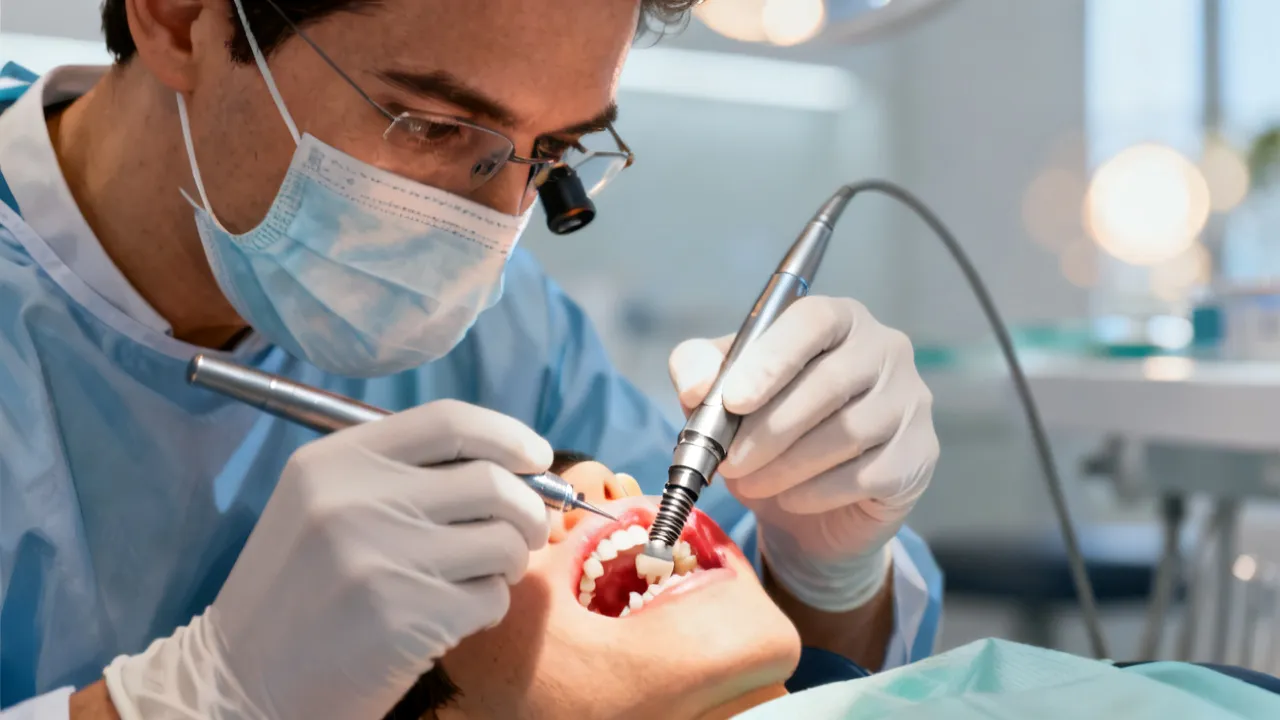
Tooth-colored composite resin can protect localized defects, improve appearance, and reduce sensitivity. Bonding is less invasive than extensive crowns, but it can chip or wear and may require maintenance. Its success depends on moisture control, bite forces, acid exposure, and the amount of remaining enamel.
Composite can sometimes restore the shape of shortened incisal edges or fill small cupped areas on chewing surfaces. The dentist must ensure that the new material does not create harmful bite contacts. In patients who clench or grind, a protective appliance may be discussed after the restoration has been placed.
Veneers, onlays, and crowns
More extensive loss may require indirect restorations. Veneers primarily cover the visible front surface, while onlays or crowns may be considered when chewing surfaces or structural integrity are significantly affected. These treatments remove some healthy tooth structure and should not be selected solely for cosmetic reasons without a thorough assessment.
Restorations may restore height, improve chewing, and protect weakened areas, but they do not eliminate the cause of erosion. A patient who receives multiple crowns and continues frequent acid exposure may eventually develop new problems at the restoration margins, on adjacent teeth, or on the opposing teeth. Long-term success depends on controlling the environment in which the restoration functions.
Root canal treatment or extraction
If erosion, cracks, decay, or trauma has irreversibly damaged the pulp, root canal treatment may preserve the tooth. Extraction can be considered when a tooth cannot be predictably restored. Only after the extraction site has healed, or after an appropriate immediate-implant assessment, can the clinician determine whether an implant is suitable.
Extraction should not be chosen merely because an implant is available. Preserving a natural tooth may be preferable when the tooth can be restored with a reasonable prognosis. On the other hand, repeatedly repairing a tooth with insufficient remaining structure may not be predictable. The decision requires an explanation of the benefits, limitations, expected costs, and alternatives.
Acid Erosion and Dental Implants: The Clinical Connection
Implants are made from biocompatible materials and are not affected by acid in exactly the same way as natural enamel. Nevertheless, implant patients still need preventive care. The crown or bridge attached to an implant can suffer surface wear, and the tissues around the implant can become inflamed when plaque accumulates.
Active acid erosion may indicate habits or medical conditions that also threaten neighboring natural teeth. A dentist should address these risks before finalizing a complex implant plan. The assessment may include:
- Condition of adjacent teeth and remaining enamel.
- Gum health and periodontal stability.
- Bone volume and the need for grafting.
- Occlusion, clenching, and nighttime grinding.
- Salivary flow and recurrent acid exposure.
- Smoking, diabetes control, medication use, and healing capacity.
- Ability to attend maintenance visits and follow home-care instructions.
An implant is not always the best solution for a damaged tooth. A restorable natural tooth may be preserved with conservative care. Conversely, placing a restoration on a tooth with a poor prognosis may delay rather than solve the underlying problem. The decision should be based on diagnosis, prognosis, patient preferences, and a transparent discussion of alternatives.
Implant-supported crowns can also be affected by the patient’s bite. A person with severe tooth wear may place substantial force on an implant because implants do not have the same periodontal ligament feedback as natural teeth. Careful adjustment of the bite, consideration of restorative materials, and the use of a night guard when indicated may help reduce overload.
Stages of Typical Implant Treatment
Understanding the stages helps patients compare treatment plans and recognize why one quoted fee may be substantially different from another. The exact sequence varies according to the patient’s health, bone anatomy, and whether a tooth is still present.
- Initial consultation: The dentist reviews the medical and dental history, examines the mouth, discusses alternatives, and identifies active gum disease or other problems.
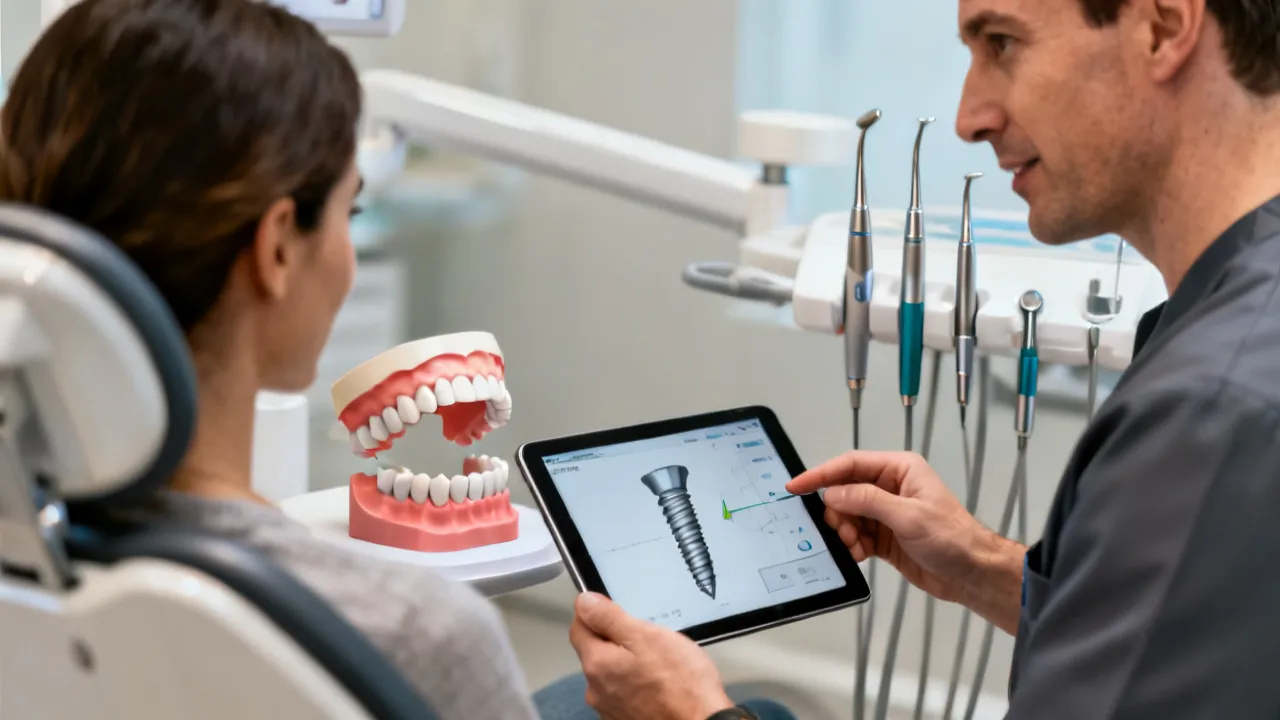
- Diagnostic imaging: Two-dimensional radiographs or three-dimensional imaging may be used to evaluate bone, nearby nerves, sinus anatomy, and adjacent roots.
- Treatment preparation: A damaged tooth may be extracted, gum disease may be treated, and temporary tooth replacement may be arranged.
- Bone preservation or grafting: If bone volume is inadequate, socket preservation or grafting may be recommended. This can add time and cost.
- Implant placement: The titanium or other approved implant fixture is surgically positioned in the jawbone.
- Healing and integration: The bone requires time to integrate with the implant. Temporary restorations may be used during this stage.
- Abutment placement: An abutment connects the implant fixture to the final crown. It may be placed at the same time as surgery or at a later appointment.
- Final restoration: Impressions or digital scans are used to design the crown, bridge, or denture.
- Maintenance: The dentist checks the implant, restoration, bite, gums, and home-care routine over time.
Some clinics offer immediate loading or same-day temporary teeth in selected cases. This is not suitable for every patient. Bone quality, primary stability, infection, bite force, cosmetic requirements, and the number of implants involved all influence whether immediate function is safe.
How to Obtain Dental Implants at Lower Cost in English-, Spanish-, and Portuguese-Speaking Markets
Lower cost should mean better value and appropriate care, not simply the lowest advertised fee. A safe comparison includes diagnosis, materials, clinician qualifications, laboratory work, follow-up, and management of complications.
1. Confirm that an implant is necessary
Ask whether the tooth can be restored, whether a removable partial denture or conventional bridge is suitable, and whether delaying treatment could worsen bone loss. A second opinion can be particularly useful when extraction and implant placement are proposed together.
2. Request a complete written treatment plan
The estimate should identify the consultation, imaging, extraction, implant fixture, abutment, crown, temporary tooth, bone grafting, sedation, laboratory fees, medications, and follow-up visits. “Per implant” can mean different things from one clinic to another. A written breakdown prevents misleading comparisons.
3. Compare the total pathway, not only the implant fixture
A low initial price may exclude a crown, imaging, grafting, or restorative appointments. Compare the expected total for the complete tooth replacement. Ask which components are included and what happens if healing is delayed or an implant fails.
4. Verify professional credentials and facility standards
Check the dentist’s registration with the relevant national or regional authority, training in implant dentistry, infection-control procedures, and experience with cases similar to yours. Patients should be cautious when a website provides only promotional claims and no verifiable clinical information.
5. Use dental schools and teaching clinics where appropriate
University dental centers may offer supervised treatment at lower institutional fees. Appointments can take longer because students or residents work under faculty oversight, but this option may suit patients who are not seeking an accelerated schedule.
6. Ask about staged treatment
Some patients can complete urgent disease control first and postpone the final crown or elective cosmetic work. Staging does not eliminate costs and is not appropriate in every case, but it may make budgeting more manageable. The dentist should explain the risks of waiting with a temporary replacement or an un-restored implant.
7. Investigate insurance and dental plans carefully
Dental insurance may limit coverage through waiting periods, annual maximums, exclusions for missing teeth, or restrictions on implants. Dental discount plans are not the same as insurance. Confirm whether the provider participates, whether preauthorization is required, and what portion of the full treatment is actually covered.
8. Compare local and cross-border care cautiously
Dental tourism may appear less expensive because of lower clinical fees, exchange rates, or bundled travel arrangements. The calculation should include flights, accommodation, local transport, time away from work, translation, follow-up, and the cost of correcting complications at home. Implant treatment often requires multiple visits, making continuity of care especially important.
9. Avoid pressure to decide immediately
Patients should receive time to understand alternatives and risks. Be cautious about guarantees of permanent success, unusually urgent promotions, requests for full payment before diagnosis, or recommendations based on photographs alone. A reputable clinician will explain uncertainty and arrange follow-up.
10. Plan maintenance in advance
Professional examinations, hygiene care, night guards when indicated, and daily cleaning contribute to long-term function. Ask whether maintenance is available locally if treatment is performed elsewhere. The least expensive initial procedure can become costly if aftercare is inaccessible.
Comparison of Websites Providing Dental Implant Information
The following websites represent different types of information sources. They should be treated as starting points for questions, not as substitutes for an examination. Website content, fees, eligibility criteria, and service availability can change.
| Website and category | Features and practical use |
|---|---|
| Dental Views — low-cost dental implant information | Discusses implant benefits, treatment types, general cost considerations, the implant process, and common patient questions. Useful for building an initial checklist before consulting a clinic. |
| Atlantic Dental Group — multidisciplinary clinic | Provides information about general dentistry, implants, orthodontics, cleaning, and emergency care. A clinic website can help readers review services, locations, appointment procedures, and professional teams. |
| DentaVacation — dental tourism information | Explains treatment abroad, international cost comparisons, destination planning, and travel arrangements. Readers should independently verify credentials, aftercare, and total travel-related expenses. |
| ADHP — dental plan information | Introduces dental insurance or dental plan options, coverage questions, enrollment considerations, and ways to evaluate possible reductions in out-of-pocket expenses. |
| Rockville Dental Arts — Spanish-language clinic resource | Offers Spanish-language information about implants, whitening, cleaning, orthodontics, and emergency dental care, supporting patients who prefer Spanish communication. |
| Union City Mini Dental Implants — specialized clinic resource | Focuses on mini dental implants and their possible use in selected cases. Suitability depends on anatomy, loading demands, and the treating clinician’s assessment. |
| Cigna — Spanish-language educational guide | Provides general educational material about dental implants, treatment stages, and considerations for patients seeking Spanish-language health information. |
| Rubi Odonto — Brazilian dental clinic | Describes services including orthodontics, whitening, and dental implants in Santo André, São Paulo, and presents information about its dental team and patient experience. |
| Odontologia Velasco — Brazilian dental clinic | Provides information about implants, prostheses, aesthetic dentistry, and the use of contemporary dental technology in São Paulo. |
| DentalVidas — Brazilian dental plan provider | Describes dental plans for individuals, families, and companies, including network access and emergency-service information. Coverage terms should be read carefully before enrollment. |
source: www.dentalviews.com/low-cost-dental-implants
source: www.atlanticdentalgrp.com
source: www.dentavacation.com
source: www.rockvilledentalarts.com/es
source: www.unioncityminidentalimplants.com/es
source: www.cigna.com/es-us/knowledge-center/guide-to-dental-implants
source: www.rubiodonto.com.br
source: www.odontologiavelasco.com.br
source: www.dentalvidas.com.br
Language and Regional Considerations
Patients often obtain better care when they can communicate comfortably about symptoms, medical history, consent, and aftercare. In English-speaking markets, ask whether the quoted fee is in USD, GBP, AUD, or CAD and whether a specialist or general dentist will perform each stage. In Spanish-speaking settings, request a written plan in Spanish if that is the patient’s preferred language and clarify the meaning of implante, pilar, corona, and injerto óseo.
In Portuguese-speaking markets, terms such as implante dentário, pilar, coroa, and enxerto ósseo may appear on estimates. Patients in Brazil should confirm whether fees are quoted in Brazilian reais and whether laboratory and imaging charges are separate. Patients in Portugal should ask whether the clinic uses euros and whether treatment is delivered through a private clinic or a plan network.
Local context also matters. A patient considering treatment near a major city such as London, Toronto, Sydney, Madrid, Mexico City, Bogotá, Lima, Buenos Aires, São Paulo, or Lisbon may find substantial differences between central clinics, suburban facilities, university centers, and regional providers. Travel time should be balanced against the need for repeated visits and emergency access.
Language support should cover more than the first consultation. Patients need to understand surgical instructions, medication directions, consent forms, warning signs, and cleaning procedures. If interpretation is required, a professional interpreter or a qualified bilingual staff member is preferable to relying on a child or a family member for complex medical information.
Reference Price Ranges for One Dental Implant
The table below presents the supplied reference ranges for an individual dental implant in selected countries. The figures may describe different components depending on the source and should not be interpreted as a universal all-inclusive quote. Bone grafting, extraction, imaging, sedation, the abutment, and the final crown may be billed separately.
| Country | Currency | Reference price range for one implant |
|---|---|---|
| United States (US) | USD | $3,000–$6,000 |
| United Kingdom (GB) | GBP | £2,000–£2,500 |
| Australia (AU) | AUD | AU$3,500–AU$6,500 |
| Canada (CA) | CAD | CA$3,000–CA$5,500 |
| Spain (ES) | EUR | €1,500–€2,500 |
| Chile (CL) | CLP | CLP$800,000–CLP$1,500,000 |
| Mexico (MX) | MXN | $15,000–$25,000 MXN |
| Colombia (CO) | COP | $2,000,000–$4,000,000 COP |
| Peru (PE) | PEN | S/ 3,000–S/ 6,000 |
| Argentina (AR) | ARS | $80,000–$150,000 ARS |
| Brazil (BR) | BRL | R$3,000–R$8,000 |
| Portugal (PT) | EUR | €1,000–€2,000 |
| Germany (DE) | EUR | €2,000–€3,500 |
| France (FR) | EUR | €1,500–€2,500 |
| Italy (IT) | EUR | €1,500–€3,000 |
| Japan (JP) | JPY | ¥300,000–¥700,000 |
Currency values are not directly comparable without considering exchange rates, local wages, laboratory expenses, regulatory requirements, and purchasing power. The price of an implant fixture alone is not the same as the cost of replacing a complete tooth. Patients should ask for an itemized estimate and confirm the date on which it was prepared.
Prices can also vary according to the position of the tooth. A front tooth may require highly customized cosmetic planning, while a back tooth may involve different bite forces and restorative materials. Replacing several teeth or supporting a full-arch prosthesis creates a different financial and surgical calculation from replacing one tooth.
Conditions and Requirements Before Implant Placement
Implant treatment usually requires adequate bone volume, healthy or controlled gum tissues, and a medical history that supports healing. Bone loss does not automatically exclude treatment, but it may require grafting or an alternative plan. Active periodontal infection should generally be managed before implant placement.
Smoking can impair healing and increase the risk of complications. Diabetes should be medically managed, and the dentist should know about anticoagulants, immune-modifying medicines, osteoporosis therapies, radiation treatment, and allergies. Patients should never stop prescribed medicines without advice from the prescribing clinician.
Good home care is essential. The patient should understand how to clean around the implant, recognize bleeding or swelling, attend reviews, and protect the restoration from excessive bite forces. A night guard may be considered for people who grind their teeth, but it should be professionally designed.
Age by itself is not the only deciding factor. Dental maturity, general health, bone development, ability to maintain hygiene, and informed consent are more relevant than a simple age threshold. The treating team should explain expected healing time and the consequences of missing appointments.
Patients should also discuss expectations. An implant can restore chewing and replace a visible missing tooth, but it does not feel exactly like a natural tooth. The crown may require replacement in the future even when the implant fixture remains stable. A realistic understanding of durability, maintenance, and possible repairs supports better consent.
Aftercare for Natural Teeth and Implants
After treatment, daily cleaning should follow the dentist’s instructions. Depending on the restoration, this may include a toothbrush, interdental brushes, floss threaders, water flossers, or specialized single-tuft brushes. The goal is to remove plaque from the gumline and from areas where the crown or bridge meets the natural tissues.
Implant patients should report persistent bleeding, swelling, pus, bad taste, pain, or movement of the crown or implant. A loose crown is different from a loose implant, but both require professional assessment. Delaying care can make a relatively simple mechanical repair more complicated.
Patients with acid erosion should continue monitoring dietary and medical triggers after restorative treatment. A crown may cover one tooth, but it does not protect the rest of the mouth. Regular examinations allow the dentist to detect changes before sensitivity, fracture, or loss of function becomes severe.
Follow-up frequency depends on risk. Someone with active reflux, severe dry mouth, periodontal disease, multiple restorations, or significant grinding may need more frequent reviews than a low-risk patient. Maintenance appointments are part of the treatment plan rather than an optional extra.
What a Responsible Cost Comparison Looks Like
An industry-informed comparison distinguishes five parts of the treatment pathway:
- Diagnosis: examination, periodontal assessment, photographs, scans, and radiographs.
- Surgical stage: extraction when needed, implant placement, anesthesia, and possible grafting.
- Healing stage: temporary replacement, reviews, and management of complications.
- Restorative stage: abutment, impressions or digital scans, laboratory crown, and fitting.
- Maintenance stage: hygiene visits, radiographic review when indicated, repairs, and replacement planning.
Two clinics may advertise similar implant prices while offering very different levels of service in these five areas. A patient should ask which implant system is used, whether the brand can be serviced locally, who makes the crown, how long the warranty lasts, and what exclusions apply. A warranty is not a guarantee of biological success and does not replace proper diagnosis.
It is also useful to ask what happens if the proposed treatment changes. For example, a scan may reveal insufficient bone, an extraction may disclose infection, or an implant may not achieve the stability required for immediate loading. The written plan should explain how additional procedures are authorized and priced. Patients should know whether they will be contacted before costs increase.
Common Mistakes to Avoid
- Assuming a low headline price includes the crown and abutment.
- Choosing an implant solely on the basis of online reviews.
- Ignoring active reflux, frequent vomiting, dry mouth, or acidic-drink habits.
- Brushing forcefully immediately after acidic food or drink.
- Traveling abroad without arranging local follow-up.
- Accepting a treatment plan that does not explain alternatives.
- Confusing mini implants with standard implants; they are not interchangeable in every case.
- Believing that implants cannot develop plaque-related disease.
- Failing to disclose medical conditions or medicines.
- Delaying assessment of swelling, persistent pain, mobility, or a broken tooth.
- Assuming that a temporary crown has the same strength or function as the final restoration.
- Using unapproved whitening or abrasive powders on already thinned enamel.
Expert Perspective on Long-Term Value
From a clinical planning perspective, the most economical dental decision is often the one that preserves healthy structure and prevents disease from progressing. For 산 부식, this means identifying the acid source early, using preventive measures consistently, and restoring only when the loss of structure affects function, protection, or appearance. For missing teeth, it means comparing an implant with tooth preservation, a bridge, or a removable option rather than assuming that an implant is automatically superior.
Long-term value depends on biology and maintenance as much as on the initial invoice. A well-planned implant placed in a healthy mouth may provide reliable function, but it still requires daily cleaning and professional monitoring. Likewise, a carefully bonded eroded tooth may perform well when acid exposure and bite stress are controlled. The treatment plan should therefore connect diagnosis, prevention, restoration, and follow-up.
Patients should also consider the value of continuity. A slightly higher initial fee may include experienced planning, clear communication, a dependable laboratory, and accessible reviews. Those services may reduce the risk of confusion and unexpected travel later. Cost remains an important consideration, but safety, predictability, and the ability to obtain care when something changes are part of the real price of treatment.
Frequently Asked Questions
Is 산 부식 the same as a cavity?
No. 산 부식 generally refers to chemical loss of tooth structure caused by acids, while a cavity is usually associated with bacterial biofilm producing acids that demineralize the tooth. A person can have both conditions, and a dentist must distinguish them clinically.
Can acid-eroded enamel grow back?
Permanent enamel loss does not grow back. Early mineral softening may be stabilized or strengthened through saliva, fluoride, and control of the acid source. Once a substantial defect exists, bonding or another restoration may be required.
Does drinking lemon water always cause erosion?
Risk depends on concentration, frequency, contact time, and individual factors such as saliva flow. Repeatedly sipping acidic water throughout the day is more concerning than occasional consumption with a meal. Rinsing with water and following professional brushing advice may reduce exposure.
Should I brush immediately after vomiting?
Brushing immediately can apply mechanical force to acid-softened surfaces. Rinse with water and obtain individualized advice from a dentist or physician. Recurrent vomiting requires medical attention because the underlying cause also affects general health.
Can an implant repair a severely eroded tooth?
An implant replaces a missing tooth root; it does not repair a tooth that is still present. A severely damaged tooth may be restorable, suitable for root canal treatment, or considered for extraction and replacement. The decision requires an examination and imaging when indicated.
Are mini dental implants suitable for everyone?
No. Mini implants have a smaller diameter and may be useful in selected circumstances, but suitability depends on bone anatomy, the intended restoration, bite forces, and the clinician’s experience. They should not be selected solely because their advertised fee is lower.
How long does implant treatment take?
The timeline varies. Some cases can proceed relatively quickly, while others require healing after extraction, bone grafting, or treatment of gum disease. The dentist should provide a staged schedule rather than promising a universal timeframe.
What should an implant quote include?
Ask whether it covers diagnosis, scans, extraction, the implant fixture, abutment, temporary tooth, final crown, laboratory work, anesthesia, grafting, medicines, reviews, and treatment of complications. Request the answer in writing.
Is dental tourism a reliable way to reduce costs?
It can reduce the clinical fee in some locations, but the overall value depends on standards, continuity, travel expenses, language support, and follow-up. Implant treatment involves multiple stages, so patients should arrange a clear plan for care after returning home.
How can I find a lower-cost option without lowering safety?
Compare complete itemized plans, consider supervised university clinics, review insurance or dental-plan terms, obtain a second opinion, and verify professional credentials. Do not sacrifice diagnosis, infection control, materials traceability, or follow-up for a lower headline price.
Can an implant develop problems even if it is not a natural tooth?
Yes. Plaque can inflame the tissues around an implant, and excessive bite forces can damage components. Regular maintenance and careful cleaning are important. Acid erosion may continue to affect neighboring natural teeth and the visible restoration’s surface.
When is sensitivity an urgent concern?
Seek prompt dental care for swelling, fever, facial swelling, severe or spontaneous pain, difficulty swallowing, a loose tooth, uncontrolled bleeding, or trauma. Sensitivity that persists after a stimulus is removed also deserves evaluation, particularly if it is getting worse.
Practical Consultation Checklist
Before agreeing to treatment, take the following questions to the consultation:
- What is the diagnosis, and is the natural tooth restorable?
- How does 산 부식 affect my current teeth and proposed treatment?
- What is causing the acid exposure?
- What alternatives to an implant are reasonable?
- What is the total quote, and what does it include and exclude?
- Will I need an extraction, graft, or temporary tooth?
- Which implant and crown systems will be used?
- Who will perform surgery, and who will provide the final restoration?
- What is the expected healing and review schedule?
- Where will I receive help if pain, swelling, looseness, or fracture occurs?
- What maintenance will be required after treatment?
- Can I receive the plan and consent information in my preferred language?
- What are the risks if I delay treatment?
- What is the plan if the implant does not integrate with the bone?
- Will the implant brand and component information be provided for future care?
Conclusion
산 부식 is a preventable and treatable cause of tooth wear, but its effects can become permanent when exposure continues. Early assessment, careful dietary habits, saliva support, appropriate fluoride use, and gentle oral hygiene can help preserve remaining enamel. Dental implants should be considered only after a complete diagnosis confirms that tooth replacement is appropriate.
Patients comparing lower-cost implants across international markets should evaluate the entire treatment pathway rather than a single advertised figure. Credentials, infection control, materials, communication, follow-up, and management of acid-related risks are central to value. A well-documented plan from a qualified dental professional is more useful than a price alone.
The safest approach is individualized and staged: diagnose the source of tooth wear, control active disease, preserve natural tooth structure when possible, and replace missing teeth only when the benefits outweigh the alternatives. Patients who understand both the biological and financial aspects of treatment are better positioned to make decisions that remain useful long after the initial procedure.
Disclaimer
1. The above information comes from online resources, and the data is as of October 2023.
2. Dental implant prices are for reference only and may vary by region, clinic and doctor. The price ranges do not constitute a personal quotation or medical recommendation. A qualified dentist must assess each patient’s oral and general health before treatment.
3. Online information cannot diagnose 산 부식, reflux-related tooth wear, gum disease, or the prognosis of an individual tooth. Patients with pain, swelling, sensitivity, broken teeth, or visible changes should arrange an examination with a qualified dental professional.