Acquired Pellicle and Affordable Implant Care
This guide explains the acquired pellicle, the protein-rich film that forms naturally on tooth enamel, and its importance in oral protection, plaque formation, caries prevention, and periodontal health. It also provides an objective overview of low-cost dental implant planning, country-specific reference prices, clinic comparison criteria, and patient-safety considerations. Implant prices are indicative only and depend on treatment complexity, location, materials, and professional fees.
What Is the Acquired Pellicle?
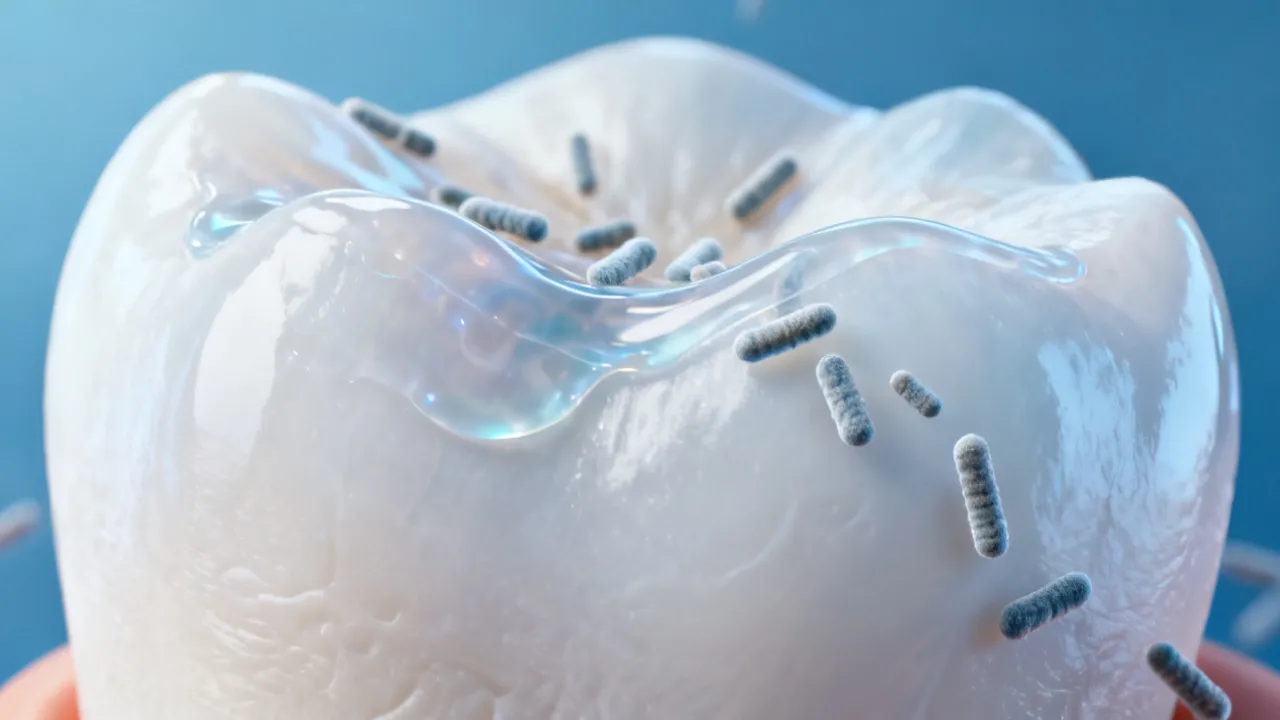
The acquired pellicle, known in Korean as 획득 피막, is a thin organic layer that develops on the surface of teeth after enamel comes into contact with saliva. It begins forming within minutes after professional cleaning or toothbrushing and consists primarily of salivary proteins, glycoproteins, lipids, enzymes, and other biological molecules. Although it is normally invisible under ordinary conditions, this film has an important influence on tooth protection, bacterial adhesion, plaque development, mineral exchange, surface lubrication, and the early stages of dental disease.
From an industry and clinical perspective, the acquired pellicle should not be described as simply “dirt” on the teeth. It is a naturally occurring biological interface between the oral environment and hard dental tissues. Its effects are complex. Some components help buffer acids, reduce friction, and support mineral balance, while others provide binding sites that allow oral microorganisms to attach. For that reason, the pellicle can be both protective and a starting point for dental biofilm formation.
The pellicle also matters when patients are considering restorative treatment, including crowns, bridges, dentures, veneers, and dental implants. The biological film forms differently on natural enamel, dentin, titanium, zirconia, ceramic restorations, and resin-based materials. Understanding these differences helps patients and clinicians create realistic maintenance plans rather than assuming that an implant, crown, or other artificial restoration is immune to plaque-related disease.
Although the pellicle is very thin, its chemical activity is significant. It can influence how a tooth responds to acidic foods, how bacteria recognize the surface, how minerals move between saliva and enamel, and how dental materials interact with surrounding tissues. In practical terms, it is one of the first biological events that occurs whenever a clean oral surface is exposed to saliva.
How the Acquired Pellicle Forms
Tooth enamel is largely composed of mineral crystals, especially hydroxyapatite. When the surface is exposed to saliva, selected salivary molecules are attracted to the enamel through electrostatic forces, chemical interactions, hydrophobic interactions, and other forms of molecular binding. The first layer develops rapidly, followed by changes in composition as additional proteins and lipids become incorporated.
Formation generally occurs in several overlapping stages:
- Surface exposure: Saliva contacts enamel, dentin, exposed root surfaces, or restorative materials.
- Initial adsorption: Certain proteins and glycoproteins attach to the surface within a short period, often within seconds or minutes.
- Maturation: More molecules bind to or interact with the initial layer, creating a more organized and chemically diverse film.
- Microbial interaction: Oral bacteria recognize and attach to selected receptors in the pellicle.
- Biofilm development: If the microbial layer is not mechanically disturbed, additional microorganisms and extracellular materials accumulate.
The exact composition varies among individuals. Salivary flow, diet, hydration, oral hygiene, medication use, smoking, systemic health, age, and the physical properties of the tooth or restoration can all affect the pellicle. The film also changes over the course of a day as it interacts with food, beverages, bacterial metabolism, and mechanical cleaning.
Different salivary glands contribute different secretions. Saliva from the major glands may vary in protein concentration, buffering capacity, mineral content, and viscosity. A person with healthy salivary flow may produce a well-hydrated, continuously renewed film, whereas a person with dry mouth may develop a less effective lubricating layer that is more easily disturbed or altered by food debris and bacterial products.
The pellicle should also be understood as a dynamic rather than permanent structure. Brushing and professional polishing remove much of the accumulated film and biofilm, but saliva quickly begins coating the surface again. The goal of oral hygiene is therefore not to prevent pellicle formation indefinitely. Instead, the aim is to prevent the undisturbed microbial accumulation that can develop on or within the pellicle.
What Is Found in the Pellicle?
The acquired pellicle contains many classes of molecules. Commonly discussed components include proline-rich proteins, mucins, statherin, histatins, amylase, immunoglobulins, cystatins, enzymes, phosphoproteins, and various lipids. The proportions are not identical in every location or individual, and the film may include molecules from saliva, gingival crevicular fluid, and microbial sources.
Some molecules bind strongly to the tooth surface and help establish the initial film. Others are incorporated later or interact with already attached proteins. Certain proteins can bind calcium and phosphate, influencing mineral behavior. Others may participate in immune defense or inhibit the growth of particular microorganisms. At the same time, specific protein structures can act as receptors for bacterial adhesins, enabling early colonizers to remain attached despite salivary flow and oral movement.
This molecular diversity explains why the acquired pellicle has several apparently contradictory functions. It is not simply a protective coating or a harmful bacterial substrate. Its behavior depends on which molecules are present, how they are arranged, the condition of the underlying surface, the composition of the resident oral microbiome, and the surrounding conditions such as pH and salivary flow.
Protective Functions of the Acquired Pellicle
The acquired pellicle provides several potentially beneficial functions. It can reduce direct contact between acids and enamel, moderate friction during chewing, and contribute to the movement of calcium and phosphate ions at the tooth surface. Some salivary proteins participate in buffering systems, while others may limit the precipitation of unwanted minerals in certain conditions.
One important function is lubrication. The mouth experiences repeated mechanical forces from chewing, speaking, swallowing, and tooth-to-tooth contact. A hydrated protein film can reduce friction and help protect oral tissues from excessive wear. This does not mean that the pellicle prevents erosion or abrasion in every situation. Frequent acidic exposure, aggressive brushing, bruxism, or reduced saliva can still cause significant damage.
The pellicle may also influence the balance between demineralization and remineralization. Acids produced by bacteria or introduced through acidic foods can lower the pH at the tooth surface. Saliva and its components help restore a more favorable environment. Calcium and phosphate in saliva may then participate in mineral repair, especially when fluoride is also available. However, the protective effect depends on the thickness and composition of the film, salivary flow, fluoride exposure, dietary frequency, and the patient’s overall oral hygiene.
Some pellicle components have antimicrobial or immune-related functions. Immunoglobulins and other molecules can interact with microorganisms, while certain proteins may interfere with microbial enzymes or limit colonization. These effects are part of the mouth’s natural defense system, but they do not eliminate bacteria. The oral cavity is a biologically active environment, and even a healthy mouth contains a large and diverse microbial community.
The pellicle can also reduce the immediate impact of temperature and chemical changes. A cold drink, hot food, or acidic beverage does not necessarily contact the mineral surface in exactly the same way as it would if the surface were completely bare. The degree of protection varies, and the film can be altered by repeated exposure, dehydration, food residues, and cleaning. Nevertheless, its presence contributes to the normal resilience of oral tissues.
Why the Pellicle Can Also Support Plaque Formation
The same layer that protects enamel can offer attachment sites for microorganisms. Early colonizing bacteria do not usually attach randomly to a completely bare mineral surface. Instead, they interact with specific molecules in the pellicle. Once attached, they may produce substances that help form a structured dental biofilm.
This distinction is clinically important. The acquired pellicle itself is not equivalent to mature plaque, and its presence is not evidence of poor hygiene. Plaque develops when microorganisms remain on the surface and multiply within a biofilm matrix. Regular brushing, interdental cleaning, and professional care help disrupt this accumulation.
Over time, a mature biofilm may produce acids that contribute to caries or inflammatory by-products that irritate the gingiva. If the biofilm becomes mineralized, it may form calculus, which cannot be removed reliably through ordinary brushing alone. The pellicle therefore occupies an early position in a biological sequence: it is a natural film, but it can provide the foundation on which dental biofilm develops.
The location of the biofilm matters. Plaque near the gum margin may trigger gingival inflammation, while plaque retained in pits, fissures, contact areas, or around orthodontic appliances may increase caries risk. Around implants and bridges, inaccessible areas may retain microorganisms even when the visible surfaces appear clean. A patient may therefore need more than one cleaning method to manage the entire restoration.
Biofilm is also organized rather than randomly distributed. Some organisms attach first, and other species join later by binding to the early colonizers or to the extracellular matrix they produce. The developing community can become more resistant to environmental changes and may be less easily removed by rinsing alone. This is why mechanical disruption remains central to oral hygiene.
Acquired Pellicle, Enamel, and Dentin
On intact enamel, the pellicle covers a highly mineralized surface. On dentin, the interaction is more complicated because dentin contains tubules and a greater proportion of organic material. When dentin is exposed through gum recession, erosion, abrasion, or tooth preparation, the characteristics of the surface and its pellicle can differ from those of enamel.
Patients with exposed dentin may experience sensitivity because thermal, chemical, or tactile stimuli can influence fluid movement within dentinal tubules. The pellicle may provide some protection, but it does not replace clinical treatment. Depending on the cause, a dentist may recommend fluoride products, desensitizing agents, bonding materials, restoration, dietary modification, or management of periodontal disease.
Acidic drinks and foods can soften the outer mineral surface. Brushing immediately after an acidic exposure may increase mechanical wear while the surface is temporarily softened. A practical approach is to rinse with water, allow time for saliva to act, and use a soft toothbrush with appropriate technique. Individual advice is especially important for patients with reflux, frequent vomiting, dry mouth, or a history of erosive tooth wear.
Dentin surfaces may also be exposed during restorative procedures. After tooth preparation, the clinician must manage moisture, contamination, and the dentin surface appropriately before placing a restoration. Salivary contamination can affect some bonding procedures, although the clinical significance depends on the material and technique. This is one reason isolation and careful surface preparation are important during restorative treatment.
Root surfaces are generally more vulnerable to wear and root caries than intact enamel. When recession exposes cementum or dentin, plaque control becomes particularly important. A patient may need a modified brushing technique, a smaller interdental brush, a high-fluoride product, or professional treatment depending on risk.
What the Pellicle Means for Dental Implants
A dental implant does not develop enamel pellicle in the same way as a natural tooth. However, salivary proteins and other molecules can adsorb to implant crowns, abutments, and exposed implant surfaces. This creates an acquired biological coating that may influence bacterial adhesion and the behavior of surrounding tissues.
The most important distinction is anatomical. Natural teeth are connected to the periodontal ligament and have a complex attachment apparatus. Implants are anchored directly to bone through osseointegration and are surrounded by peri-implant soft tissues with different structural characteristics. As a result, inflammation around an implant may progress differently from inflammation around a natural tooth.
Patients should understand that implants cannot develop tooth decay in the same manner as natural enamel. Nevertheless, implant restorations can accumulate plaque, and the surrounding gums and bone can become inflamed. Conditions such as peri-implant mucositis and peri-implantitis require professional assessment. A successful implant is therefore not a substitute for daily hygiene or periodic maintenance.
Cleaning advice depends on the restoration design. Options may include a soft toothbrush, low-abrasion toothpaste, interdental brushes, specially shaped floss, water irrigation, or professional instruments selected for the implant surface. The patient should not assume that a product marketed for implants is automatically suitable for every restoration. The dentist or hygienist should demonstrate the correct size and technique.
The design of the implant crown has a major effect on cleaning. An overcontoured crown, an overly tight contact, or a deep emergence profile may make plaque control difficult. During planning, patients can ask how the final restoration will be cleaned and whether an interdental brush can pass beneath or around it. Esthetics and function are important, but long-term access for hygiene is also part of successful design.
Implant surfaces can be sensitive to inappropriate instruments or aggressive polishing. Dental professionals select cleaning methods according to the type of implant and restoration. Patients should not attempt to scrape an implant with household tools or use abrasive substances that could damage a crown, abutment, or soft tissue.
Factors That Influence Pellicle Composition
Several conditions can change the oral environment and therefore alter the pellicle:
- Salivary flow: Dry mouth reduces lubrication and buffering. It may be associated with medications, dehydration, radiation treatment, systemic disease, or mouth breathing.
- Dietary pattern: Repeated exposure to fermentable carbohydrates or acidic drinks gives bacteria and acids more opportunities to act.
- Fluoride exposure: Fluoride can support enamel resistance and remineralization, although it does not eliminate the need for plaque control.
- Oral hygiene: Brushing and interdental cleaning disturb microbial accumulation while allowing a new pellicle to form.
- Smoking and tobacco use: Tobacco affects oral tissues, healing, vascular function, and periodontal risk.
- Restorative materials: Surface roughness, energy, chemistry, and polishing quality influence protein adsorption and bacterial retention.
- General health: Diabetes, immune conditions, nutritional issues, and other factors may influence inflammation and healing.
- Age and hormonal changes: Salivary composition, oral tissues, medications, and hygiene ability may change throughout life.
- Oral appliances: Dentures, retainers, orthodontic appliances, and night guards can create additional surfaces where pellicle and biofilm develop.
For clinicians, the goal is not to remove the acquired pellicle permanently. That would be unrealistic because it reforms quickly. The goal is to control harmful biofilm accumulation, reduce acid challenges, preserve saliva, and manage risk factors that make disease more likely.
Patients with dry mouth may benefit from a structured plan that includes frequent water intake, saliva-stimulating products when appropriate, avoidance of excessive caffeine or alcohol, and fluoride protection. Artificial saliva products can improve comfort for some individuals, although they do not always provide the same protective effects as natural saliva. Persistent dryness should be discussed with a healthcare professional because it may signal an underlying condition or medication effect.
Daily Care Recommendations
A practical oral-care routine should focus on mechanical disruption and risk reduction:
- Brush twice daily with a soft-bristled toothbrush and fluoride toothpaste appropriate for the patient’s age and dental risk.
- Clean between teeth every day using floss, interdental brushes, or another method recommended by a dental professional.
- Limit the frequency of sugary and acidic exposures rather than concentrating only on the amount consumed at one time.
- Drink water regularly, particularly when dry mouth is present.
- Avoid tobacco products and discuss alcohol use or mouth-rinse ingredients with a dental professional if irritation occurs.
- Attend examinations and professional cleanings according to individual risk.
- After implant treatment, follow the specific maintenance schedule and cleaning instructions provided by the implant team.
- Clean removable dentures and appliances separately from natural teeth and store them according to professional instructions.
Mouthwash can be useful in selected circumstances, but it should not be treated as a replacement for brushing and interdental cleaning. Chlorhexidine, for example, is generally used for specific clinical indications and may cause staining or taste changes when used inappropriately or for extended periods. Patients should seek professional guidance before using therapeutic rinses.
Brushing technique is also important. Excessive pressure does not necessarily produce cleaner teeth and may contribute to gum recession or abrasion, particularly when a hard-bristled brush is used. The brush should be angled toward the gum margin, moved systematically, and replaced when the bristles become worn. Electric and manual toothbrushes can both be effective when used consistently and correctly.
Interdental cleaning should be selected according to the size and shape of the spaces. Floss may be appropriate for tight contacts, while interdental brushes are often more effective where there is periodontal bone loss or a wider space. Implant-supported bridges and fixed prostheses may require threaders, tufted brushes, oral irrigators, or specially designed floss. Demonstration by a dental professional can prevent ineffective or traumatic cleaning.
Affordable Dental Implants: Begin With a Complete Treatment Plan
When people search for low-cost dental implants, the most reliable approach is to compare complete treatment plans rather than headline prices. An advertised figure may represent only the implant fixture or may exclude imaging, extraction, bone grafting, the abutment, the crown, temporary teeth, sedation, laboratory charges, or follow-up visits.
From an expert perspective, affordability should mean a transparent and clinically appropriate pathway, not simply the lowest initial quotation. A low price can become expensive if treatment is incomplete, the material is unsuitable, travel prevents follow-up, or a complication requires revision. Patients should request a written estimate that identifies every major component.
A comprehensive evaluation commonly includes:
- Medical and dental history;
- Clinical examination of teeth, gums, bite, and available space;
- Two-dimensional or three-dimensional imaging when clinically justified;
- Assessment of bone volume and anatomical structures;
- Evaluation of periodontal disease and oral hygiene;
- Discussion of smoking, diabetes, medications, and healing risks;
- Review of restorative options and expected maintenance;
- A written sequence of procedures and itemized costs.
A patient may not need an implant in every situation. Alternatives can include a conventional bridge, a removable partial denture, orthodontic space management, or leaving a carefully assessed space untreated. Each alternative has advantages, limitations, costs, and maintenance requirements. A responsible consultation explains these options instead of presenting implants as the only acceptable solution.
The timing of treatment can also affect price. Immediate implant placement may be possible in selected cases, but it is not appropriate for every extraction site. Some patients benefit from socket preservation followed by delayed placement, while others need bone augmentation before an implant can be considered. The least expensive biological pathway is the one that achieves a predictable result without avoidable complications.
How to Obtain Dental Implants at Lower Cost in English-Speaking Countries
Patients in English-speaking countries can reduce unnecessary expenses without compromising clinical standards by taking the following steps.
1. Compare complete quotations
Obtain estimates from more than one appropriately licensed clinic. Ask whether each quotation includes consultation, imaging, extraction, grafting, the implant fixture, abutment, crown, temporary restoration, medication, and aftercare. Comparing incomplete figures can produce a misleading result.
2. Ask whether staged treatment is appropriate
Some patients may need an extraction or periodontal treatment before implant placement. In other cases, a dentist may recommend a staged approach because the site needs time to heal. Staging can help manage cash flow, but it should be based on biology and clinical planning rather than delaying necessary care.
3. Explore dental schools and teaching clinics
University dental schools and supervised teaching clinics may provide selected procedures at lower professional fees. Treatment can take longer because students work under faculty supervision and cases must meet educational requirements. Patients should ask who will perform each part of treatment and how emergencies or revisions are handled.
4. Review insurance and employer benefits
Dental insurance may have waiting periods, annual limits, exclusions, or restrictions relating to missing teeth before the policy began. Some plans may cover parts of the procedure rather than the entire implant restoration. Patients should obtain written confirmation of benefits before scheduling treatment.
5. Consider financing carefully
Payment plans can spread costs, but interest, administrative charges, and cancellation terms should be examined. A financing arrangement should not encourage a patient to accept treatment without understanding the diagnosis, alternatives, and long-term maintenance requirements.
6. Treat active disease first
Controlling gum disease, managing decay, improving oral hygiene, and addressing smoking can support predictable outcomes. Spending money on an implant before treating active infection or inflammation can increase the risk of additional treatment.
7. Compare local and regional clinics
Traveling a reasonable distance within the same country may reveal different fee structures. However, the cost of travel, accommodation, time away from work, and follow-up appointments must be included in the calculation. Nearby treatment may be more practical if adjustments or complications occur.
8. Verify professional credentials
Patients should confirm the clinic’s registration, the practitioner’s licensing, infection-control procedures, implant system used, and arrangements for emergency care. Online reviews may provide context, but they should not replace verification of professional qualifications and treatment documentation.
9. Ask about the laboratory
The final crown is an important part of the treatment. Patients can ask whether it is made by an in-house or external laboratory, what material will be used, and how the shade and shape will be selected. A low surgical fee may not represent good value if the prosthetic stage is poorly coordinated.
How to Reduce Implant Costs in Spanish-Speaking Countries
Spanish-speaking markets include countries with very different health systems, currencies, regulations, urban costs, and levels of access to specialist care. A patient considering treatment in Spain, Mexico, Chile, Colombia, Peru, or Argentina should compare the total treatment pathway in the local language and confirm what is included.
In Spain, patients may compare private clinics, university-linked services, and regional providers while considering travel between major cities and smaller communities. In Mexico, Colombia, Peru, Chile, and Argentina, urban clinics may offer different pricing from providers in smaller areas, but patients should investigate laboratory standards, implant documentation, sterilization, and follow-up arrangements.
Useful steps include requesting a Spanish-language treatment plan, confirming the implant brand and warranty conditions, asking whether a bone graft is likely, and checking whether the final crown is manufactured by a qualified dental laboratory. Patients should also clarify who will manage the case if they return home after treatment.
Currency and inflation can make online prices unreliable, particularly in markets where fees change frequently. Patients should ask when the estimate expires, whether it is fixed in local currency, and whether additional charges may apply if treatment takes longer than expected. A written quotation should distinguish between the price of one implant and the price of multiple implants supporting a bridge or overdenture.
Patients who do not speak Spanish fluently should confirm whether interpretation is available for consent discussions. Understanding surgical risks, medication instructions, emergency contacts, and maintenance requirements is essential. Translation should cover the clinical documents and not only promotional materials.
How to Reduce Implant Costs in Portuguese-Speaking Countries
Brazil and Portugal are prominent Portuguese-speaking destinations for dental treatment, but they should not be treated as identical markets. Prices, professional registration, laboratory costs, and treatment pathways vary by region. A Brazilian patient may compare clinics in metropolitan areas such as São Paulo with providers in nearby municipalities, while a patient in Portugal may compare private practices and university-related services.
In Brazil, patients should verify the dentist’s registration with the relevant professional council and request an itemized estimate in Brazilian reais. In Portugal, patients should confirm the practitioner’s registration and ask whether the stated amount includes the surgical stage and prosthetic stage. In both settings, patients should seek clarity about maintenance, replacement of prosthetic components, and access to care after the procedure.
Patients should also ask whether digital imaging, surgical guides, temporary crowns, and laboratory services are included. These technologies can be valuable in selected cases, but the presence of a digital workflow alone does not prove that a treatment plan is appropriate. The diagnosis, clinician’s training, infection control, and long-term maintenance plan remain central considerations.
Comparison of Dental Information Websites
The following table summarizes the supplied websites as information resources or dental-service platforms. Their purposes differ: some focus on cost education, some provide clinical services, some discuss insurance, and others support dental tourism. A website listing is not an endorsement, and patients should independently verify current information.
| Website or organization | Main features and patient-use considerations |
|---|---|
| Dental Views | Discusses low-cost dental implants, treatment types, benefits, costs, common questions, and the general implant process. Useful for introductory cost research, but quotations should be confirmed directly with a licensed provider. |
| Atlantic Dental Group | Provides a broad range of dental services, potentially including examinations, cleaning, orthodontics, implants, and urgent care. Patients should confirm locations, clinician credentials, and whether implant fees include the prosthetic stage. |
| DentaVacation | Focuses on dental tourism, international treatment planning, cost comparisons, and travel arrangements. Patients should calculate travel, aftercare, language, and complication-management costs before deciding. |
| ADHP | Provides information related to dental insurance plans and coverage. Patients should check exclusions, annual limits, waiting periods, and preauthorization requirements. |
| Rockville Dental Arts | Offers Spanish-language dental information and services such as implants, whitening, cleaning, orthodontics, and emergency care. Patients should verify the current service scope and consultation process. |
| Union City Mini Dental Implants | Focuses on mini dental implants. Mini implants are not suitable for every indication, so diagnosis, loading conditions, bone quality, and restorative goals require professional assessment. |
| Cigna | Provides a Spanish-language educational guide to dental implants. It can help readers understand treatment stages, but insurance coverage remains policy-specific. |
| Rubi Odonto | A dental clinic in Santo André, São Paulo, offering services such as orthodontics, whitening, and implants. Patients should request an itemized treatment plan and verify professional registration. |
| Odontologia Velasco | A São Paulo clinic describing implants, prostheses, aesthetic dentistry, and the use of contemporary technology. Patients should ask about imaging, implant systems, laboratory work, and follow-up. |
| DentalVidas | Provides dental plans for individuals, families, and companies and describes access to a network of dentists and emergency services. Coverage conditions should be confirmed before treatment. |
Sources of the website information:
source: dentalviews.com/low-cost-dental-implants
source: atlanticdentalgrp.com
source: dentavacation.com
source: rockvilledentalarts.com/es
source: unioncityminidentalimplants.com/es
source: cigna.com/es-us/knowledge-center/guide-to-dental-implants
source: rubiodonto.com.br
source: odontologiavelasco.com.br
source: dentalvidas.com.br
Reference Cost Ranges for One Dental Implant
The ranges below refer to an individual dental implant treatment as a general reference, not necessarily to a complete package. Depending on the source and clinic, “implant price” may refer to the surgical implant component alone or to a wider treatment estimate. Patients should ask whether the abutment, crown, imaging, extraction, grafting, provisional restoration, and follow-up are included.
| Country | Currency and indicative price range |
|---|---|
| United States | USD: $3,000–$6,000 |
| United Kingdom | GBP: £2,000–£2,500 |
| Australia | AUD: AU$3,500–AU$6,500 |
| Canada | CAD: CA$3,000–CA$5,500 |
| Spain | EUR: €1,500–€2,500 |
| Chile | CLP: CLP$800,000–CLP$1,500,000 |
| Mexico | MXN: $15,000–$25,000 |
| Colombia | COP: $2,000,000–$4,000,000 |
| Peru | PEN: S/ 3,000–S/ 6,000 |
| Argentina | ARS: $80,000–$150,000 |
| Brazil | BRL: R$3,000–R$8,000 |
| Portugal | EUR: €1,000–€2,000 |
| Germany | EUR: €2,000–€3,500 |
| France | EUR: €1,500–€2,500 |
| Italy | EUR: €1,500–€3,000 |
| Japan | JPY: ¥300,000–¥700,000 |
These figures should not be used to predict an individual patient’s bill. Costs can change because of inflation, exchange rates, implant brand, clinician experience, laboratory selection, anatomical complexity, sedation, and the need for additional procedures. A single missing tooth in a healthy patient may require a relatively straightforward plan, while a patient with infection, bone loss, gum disease, or a difficult bite may need several stages.
How to Read an Implant Estimate
A dental implant restoration usually includes more than one physical component. The implant fixture is placed in bone. The abutment connects the fixture to the visible restoration. The crown or other prosthesis replaces the visible part of the tooth. Some treatment plans also require extraction, bone preservation, bone augmentation, sinus-related procedures, temporary teeth, sedation, or periodontal therapy.
Ask the clinic to separate the estimate into these categories:
- Diagnostic consultation and radiographs;
- Three-dimensional imaging, if clinically indicated;
- Extraction or preservation of the tooth socket;
- Bone grafting or other augmentation;
- Surgical implant placement;
- Healing or review appointments;
- Abutment and connection components;
- Temporary and final crown;
- Laboratory and scanning charges;
- Medication, sedation, and emergency care;
- Maintenance and replacement of prosthetic parts.
A transparent estimate also states the implant manufacturer or system, the type of crown material, the expected number of visits, the clinician responsible for surgery, and the terms of any warranty. A warranty should not be interpreted as a guarantee of biological success. It may cover a component under specified conditions while excluding poor hygiene, trauma, smoking, untreated disease, or failure to attend maintenance appointments.
Patients should ask whether the price is per tooth, per implant, or per completed arch. A bridge supported by two implants may replace several missing teeth, but the quoted price may be presented in different ways by different clinics. Similarly, an implant-retained denture is not priced in the same way as a single implant crown. Clear terminology prevents confusion when comparing providers.
Dental Tourism: Potential Advantages and Limitations
Dental tourism can reduce quoted treatment fees in some destinations, but the financial calculation must include the entire journey. Flights, accommodation, local transport, translation, meals, time away from work, follow-up visits, and management of complications can materially change the final cost.
The timing of implant treatment is another concern. Some cases involve multiple visits separated by healing periods. A short visit may be suitable for consultation or a limited procedure, but it may not allow sufficient time to assess healing or address an unexpected problem. Patients should ask how the overseas clinic communicates with a local dentist after the patient returns home.
Regulatory systems also differ. Before traveling, patients should request copies of their diagnosis, imaging, implant identification labels, operative notes, and prosthetic records. These documents can help a local dentist provide future care. Patients should be cautious about any provider who discourages questions, refuses to disclose implant details, or pressures them to make a rapid decision.
Travel shortly after surgery may also be uncomfortable and, depending on the procedure, medically unsuitable. Patients should ask about swelling, bleeding, medication, flight timing, diet, physical activity, and emergency access. If a bone graft or extensive reconstruction is planned, the recovery period may be longer than a tourism advertisement suggests.
Mini Dental Implants and Conventional Implants
Mini dental implants have a smaller diameter than many conventional implant systems and may be used in selected situations. They can have a role in stabilizing certain removable prostheses or treating specific clinical conditions. They are not a universal replacement for conventional implants, and suitability depends on bone anatomy, loading forces, available space, restoration design, and the patient’s long-term needs.
Patients should ask why a particular implant design has been recommended and what evidence supports its use for their indication. The relevant questions are not limited to the initial price. They include expected maintenance, replacement options, compatibility with future components, hygiene access, and the clinician’s experience with the system.
The diameter and design of an implant influence the amount of bone surrounding it and the way forces are transmitted. A smaller implant may be advantageous in a narrow space, but the final decision must account for chewing forces, parafunctional habits, prosthetic design, and the quality of the available bone. Marketing terms should never replace a patient-specific examination.
Conditions and Requirements Before Implant Treatment
Most candidates need adequate bone or a plan to manage bone deficiency, healthy or controlled periodontal tissues, and a restoration that fits the bite and available space. Active infection, uncontrolled periodontal disease, poor oral hygiene, heavy tobacco use, and some medical conditions may increase risk or require additional preparation.
Diabetes does not automatically exclude implant treatment, but control of blood glucose and coordination with the patient’s medical team may be important. Medication history should include anticoagulants, antiresorptive drugs, immunosuppressants, corticosteroids, and other medicines that may influence surgery or healing. Patients should never stop prescribed medication without advice from the prescribing clinician.
Smoking is associated with poorer periodontal health and may adversely affect healing. A dentist may recommend reducing or stopping tobacco use before and after surgery. The recommendation is part of risk management, not a judgment about the patient.
Good implant planning also considers the opposing teeth, bite forces, parafunctional habits, facial esthetics, speech, and the patient’s ability to clean around the restoration. A technically successful implant may still produce dissatisfaction if the final crown is difficult to clean or does not meet functional and esthetic expectations.
Patients with a history of gum disease may need periodontal treatment and a documented maintenance program before implant placement. The presence of an implant does not remove the underlying susceptibility to inflammation. In fact, patients who have previously lost teeth because of periodontal disease may require particularly careful long-term monitoring.
The Relationship Between Pellicle Control and Implant Longevity
The acquired pellicle cannot be eliminated permanently, but the microbial layer that develops on it can be controlled. Patients with implants should pay close attention to the gum line and the areas beneath bridges or around implant-supported dentures. The design of the restoration should allow access for home care.
Regular reviews allow the dental team to assess bleeding, pocket depth where appropriate, plaque levels, mobility, occlusion, prosthetic wear, and radiographic bone changes when clinically justified. The maintenance interval should reflect the patient’s history and risk rather than follow a single schedule for everyone.
Signs that warrant professional attention include persistent bleeding, swelling, suppuration, increasing discomfort, bad taste, loosening of a crown or bridge, difficulty chewing, or a change in the way the teeth meet. Early assessment may help distinguish a minor prosthetic issue from inflammation involving the supporting tissues.
Long-term implant care is a shared responsibility. The clinical team must provide a restoration that can be maintained, monitor tissues and components, and respond to problems. The patient must perform daily cleaning, attend maintenance visits, disclose health changes, and seek help when symptoms arise. Neither a high-quality implant system nor an expensive crown can compensate for an inaccessible restoration or consistently neglected hygiene.
Common Mistakes When Searching for Low-Cost Implants
- Comparing a surgical fee with a complete restoration: The figures may describe different stages of care.
- Ignoring aftercare: Follow-up is essential, particularly when treatment is performed far from home.
- Choosing based only on online ratings: Reviews do not establish clinical suitability or professional credentials.
- Failing to ask about materials: The implant system, abutment, crown, and laboratory process should be documented.
- Underestimating disease control: Periodontal inflammation and poor hygiene can affect the treatment plan.
- Assuming a warranty covers every problem: Terms, exclusions, and maintenance obligations vary.
- Overlooking currency changes: International prices can change with exchange rates and local economic conditions.
- Accepting unnecessary urgency: Patients should have time to understand alternatives and obtain a second opinion.
- Ignoring cleaning access: A restoration that cannot be cleaned conveniently may create avoidable long-term problems.
- Assuming all implant brands are interchangeable: Future repairs may depend on access to the original components and records.
Expert Checklist for Comparing Clinics
| Question | Why it matters |
|---|---|
| Who will diagnose, place, and restore the implant? | Clarifies professional responsibility and coordination between surgical and restorative care. |
| What exactly is included in the quotation? | Prevents comparison of incomplete prices. |
| Which implant system and crown materials will be used? | Supports future maintenance and replacement planning. |
| Is bone grafting or extraction likely? | Identifies possible additional procedures and healing time. |
| How often are follow-up visits required? | Helps calculate travel, time, and long-term maintenance needs. |
| What happens if the implant or crown develops a problem? | Clarifies emergency access, revision procedures, and warranty terms. |
| How will the patient clean around the final restoration? | Links the treatment design to plaque control and peri-implant health. |
| Will the patient receive implant identification and treatment records? | Allows another dental professional to provide informed care in the future. |
| What alternatives are available? | Helps the patient compare function, cost, risks, and maintenance rather than choosing from price alone. |
Frequently Asked Questions
Is the acquired pellicle harmful?
Not inherently. It is a normal salivary film with potentially protective functions. The concern arises when bacteria colonize the film and form a persistent biofilm. Daily brushing and interdental cleaning help control this process.
Does brushing remove the acquired pellicle?
Brushing can remove or disturb portions of the film, but the pellicle reforms rapidly when saliva returns to the tooth surface. The objective of brushing is to disrupt plaque and reduce harmful accumulation, not to prevent pellicle formation permanently.
Can the acquired pellicle cause cavities?
The pellicle itself does not directly cause cavities. It can provide receptors that support bacterial attachment. If acid-producing bacteria remain in a mature biofilm and dietary conditions favor acid production, enamel may lose minerals and caries may develop.
Does an implant develop the same pellicle as a natural tooth?
Salivary proteins can coat implant components, but the composition and biological interaction are not identical to the pellicle on enamel. Implant surfaces and surrounding tissues have distinct properties, so implant hygiene and maintenance remain essential.
Are dental implants suitable for everyone?
No. Suitability depends on bone anatomy, gum health, general health, medications, smoking, oral hygiene, bite forces, and the patient’s ability to attend follow-up care. A dentist must evaluate the individual case.
What is the least expensive way to obtain an implant?
There is no universally least expensive option. A supervised teaching clinic, insurance contribution, staged care, or a clinic with transparent bundled pricing may reduce expenditure for some patients. The safest comparison is based on total cost, professional qualifications, materials, and aftercare.
Are low-cost implant advertisements reliable?
They may be useful for initial research, but the advertised amount may exclude important stages. Ask for an itemized written quotation and confirm the diagnosis, treatment sequence, materials, and follow-up arrangements.
Should patients travel abroad for implants?
Travel may be appropriate for some patients, but it introduces additional responsibilities. Consider regulations, communication, travel costs, healing time, records, emergency care, and access to a qualified provider after returning home.
Are mini dental implants always cheaper and better?
No. Mini implants may be appropriate in selected cases, but they are not suitable for every tooth, bone condition, or restoration. The recommendation should be based on diagnosis and long-term function rather than price alone.
How can patients protect implants from plaque-related problems?
Use the cleaning method demonstrated by the dental team, maintain regular reviews, control gum disease, avoid tobacco, and seek assessment for bleeding, swelling, pain, discharge, or looseness. The acquired pellicle is normal; persistent microbial accumulation and inflammation are the problems to manage.
Can professional cleaning remove the pellicle permanently?
No. Professional cleaning can remove plaque, calculus, stains, and much of the surface film, but saliva begins coating the surfaces again almost immediately. The value of professional care lies in removing deposits that patients cannot safely remove at home and in identifying disease early.
Does a crown need the same care as a natural tooth?
A crown cannot develop decay in the same way as enamel, but the tooth underneath and the gum around the crown remain vulnerable. Plaque can collect at the crown margin, and recurrent decay or gum inflammation can develop if cleaning is inadequate. Crowns require regular brushing, interdental cleaning, and professional review.
Conclusion
The acquired pellicle, or 획득 피막, is a fundamental component of the oral environment. It forms naturally from salivary molecules, protects and lubricates dental surfaces, influences mineral exchange, and provides a biological interface for bacterial attachment. Its presence is normal, but effective plaque control is necessary to limit the progression from pellicle to mature biofilm and inflammation.
The same principle applies to dental implants. Although implants do not develop enamel caries, their restorations and surrounding tissues remain vulnerable to plaque accumulation and inflammatory disease. Patients seeking lower-cost treatment should compare complete plans, verify professional credentials, understand materials and fees, and consider follow-up before making a decision. A clinically appropriate, transparent plan is more meaningful than a low headline price.
Good decision-making combines biological understanding with practical planning. The pellicle explains why every oral surface quickly becomes coated with salivary molecules, while implant planning explains why the quality of the restoration, the health of the supporting tissues, and the availability of maintenance are just as important as the initial surgical procedure. Patients who understand both issues can ask better questions, compare quotations more accurately, and participate more effectively in long-term care.
Disclaimer
The information above is compiled from online resources, and the data is stated as of October 2023. Dental implant prices are for reference only and may vary by region, clinic, doctor, treatment complexity, materials, currency fluctuations, insurance conditions, and the procedures included in the quotation. This article is educational and does not replace an examination, diagnosis, or treatment plan from a qualified dental professional.
Reference Links
Dental Views: Low-Cost Dental Implants
Rockville Dental Arts, Spanish-language website
Union City Mini Dental Implants, Spanish-language website