Alginate Advantages, Limitations, and Dental Cost Planning
This guide explains 알지네이트 장단점, or the advantages and disadvantages of alginate dental impression material, while placing its use in the broader context of implant planning and treatment costs. Alginate is valued for its affordability, simple handling, and suitability for preliminary impressions, but it has limitations involving dimensional stability, moisture control, detail reproduction, and long-term storage. The article also compares dental information websites and summarizes reference prices for individual implants across several language markets.
Introduction: Why Alginate Still Matters in Modern Dentistry
The Korean term 알지네이트 장단점 refers to the advantages and disadvantages of alginate, a widely used dental impression material. Although digital scanning has become increasingly common, alginate remains relevant in general dentistry, prosthodontic diagnosis, orthodontic records, study casts, temporary appliances, preliminary implant assessments, and many other routine clinical situations.
From an industry perspective, alginate should not be judged simply as an old-fashioned alternative to digital dentistry. Its suitability depends on the clinical purpose. A material that performs well for an initial study model may be inappropriate for a definitive crown, bridge, or implant-supported restoration. The most important distinction is therefore not whether alginate is “good” or “bad,” but whether it is being used for the right indication, with appropriate handling and quality control.
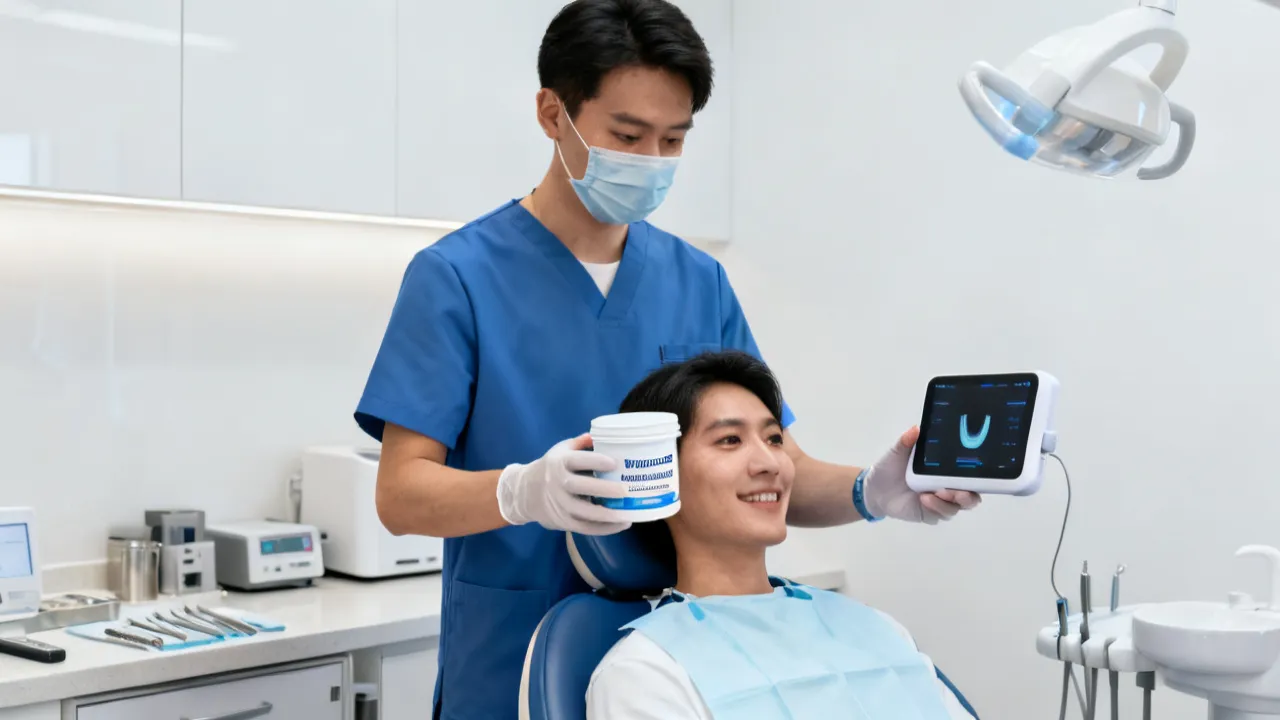
Alginate is an irreversible hydrocolloid. Once its powder is mixed with water and the chemical setting reaction occurs, it cannot be returned to its original state. The material is placed in a tray, adapted around the teeth and soft tissues, allowed to set, and then removed to create a negative reproduction of the oral structures. Dental stone or another model material can then be poured into the impression.
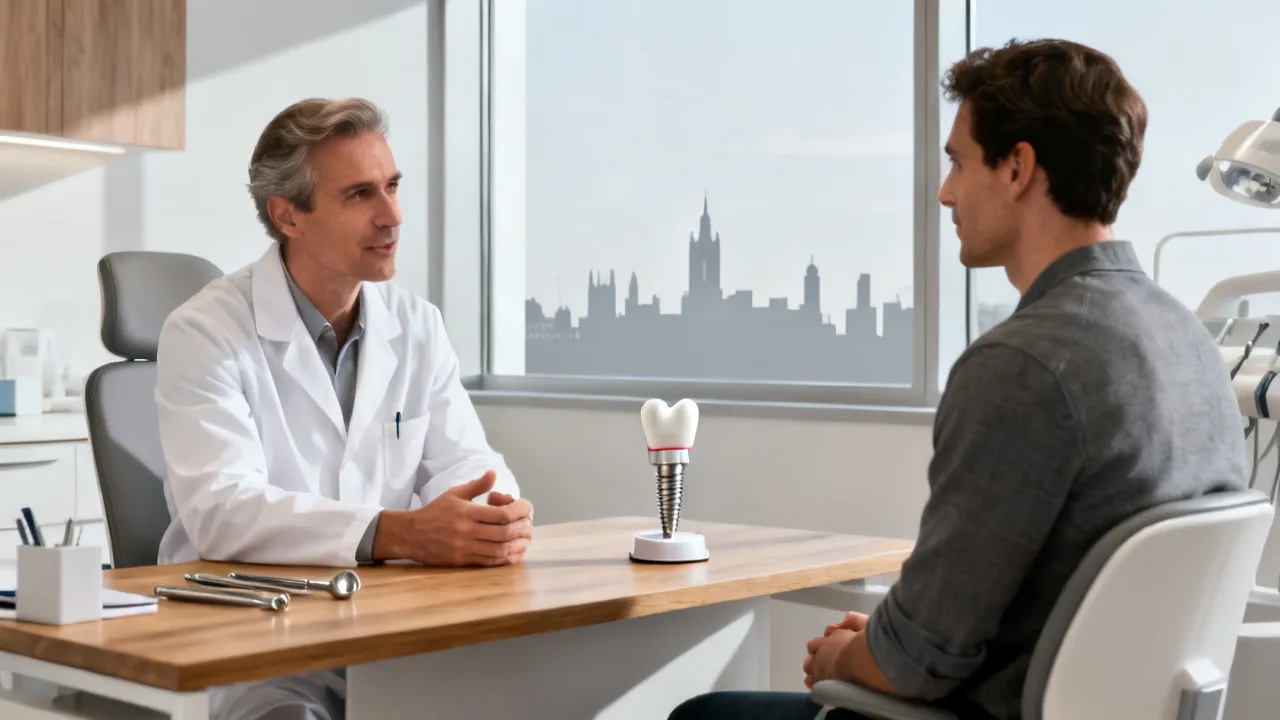
For patients comparing treatment options, understanding alginate can also clarify why different appointments have different costs. A preliminary impression may be a relatively straightforward diagnostic step, while implant treatment requires examination, imaging, surgical planning, implant placement, healing, abutment selection, and a final restoration. The impression material is only one part of this larger process.
Alginate also remains important because dentistry does not operate in a single technological environment. Some clinics have advanced intraoral scanners and fully digital laboratory partnerships. Others use conventional impressions for selected procedures, either because the method is clinically appropriate, because digital equipment is not available, or because the laboratory workflow is optimized for traditional models. In many practices, both digital and conventional techniques are used according to the needs of each patient.
What Is Alginate Impression Material?
Alginate is generally supplied as a powder containing soluble alginate salts, calcium-reactive components, fillers, and additives that influence setting time, color change, taste, dust control, strength, and handling properties. When mixed with water, the powder forms a smooth paste. A chemical reaction then converts the material into an elastic gel.
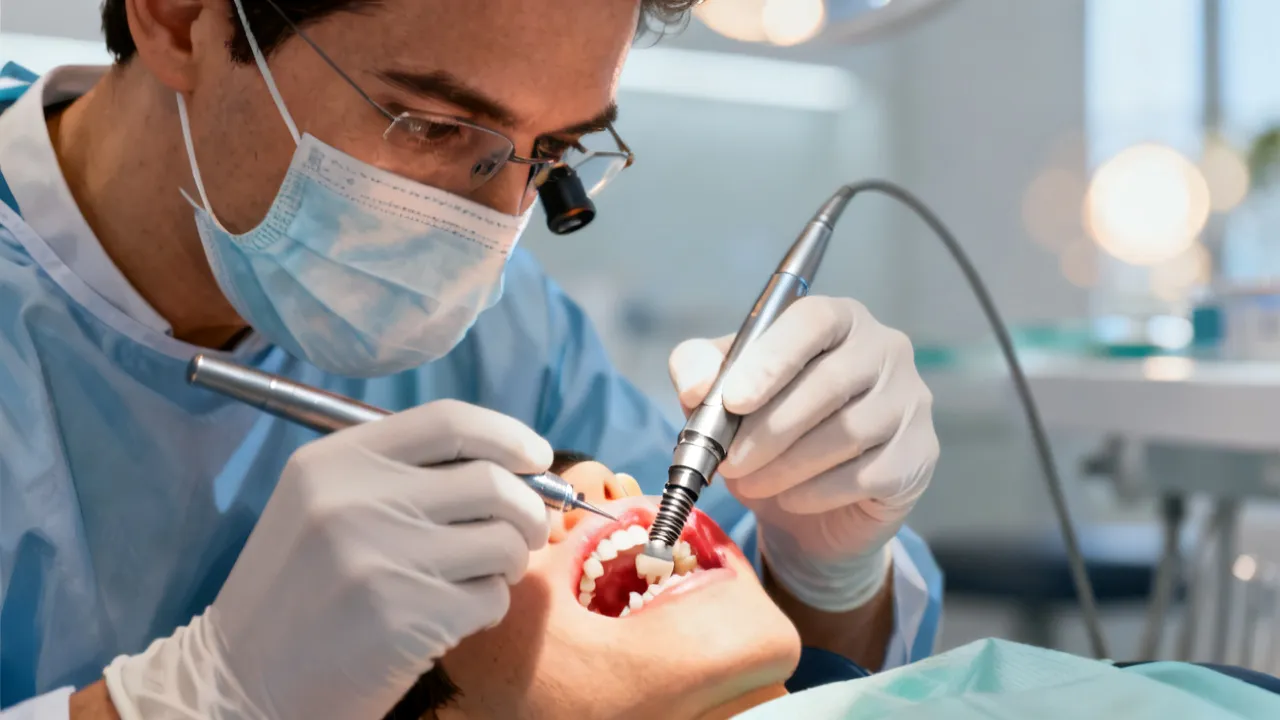
The dentist or dental assistant must measure the powder and water according to the manufacturer’s instructions. The mixture is spatulated, loaded into a suitable impression tray, and placed in the patient’s mouth. After setting, the impression is removed with a controlled movement and inspected for voids, pulls, tray show-through, or missing anatomical areas.
Alginate is commonly used for:
- Preliminary impressions for diagnostic casts.
- Orthodontic records and study models.
- Fabrication of some removable appliances.
- Opposing-arch impressions.
- Preliminary impressions for dentures.
- Custom tray planning in selected cases.
- Initial assessment before certain restorative or implant procedures.
- Fabrication of mouthguards or temporary dental devices when highly precise margins are not required.
- Documentation of the dentition before orthodontic treatment.
- Creating casts for patient education and treatment consultations.
It is generally not the first choice for highly accurate final impressions involving deep subgingival margins, implant-level transfer, precision fixed prosthodontics, or situations where the impression must be stored for an extended period. In these circumstances, addition silicone, polyether, or digital scanning may be considered depending on the case, the clinician’s training, and the laboratory workflow.
Different alginate products may have different setting times and physical characteristics. Some are designed for fast procedures, while others provide a longer working time for complex arch forms or less experienced operators. Certain formulations are dust-free, color-changing, or more resistant to tearing. These features can improve convenience, but they do not eliminate the need for correct tray selection, accurate measurement, and prompt handling.
Alginate Advantages: The Main Benefits
1. Relatively simple clinical handling
One of alginate’s strongest benefits is its straightforward workflow. It does not usually require the complex adhesive procedures, multiple syringes, or extensive tray preparation associated with some elastomeric materials. A trained dental team can mix and place it efficiently when the correct tray size and water-to-powder ratio are used.
Its simplicity is especially useful in general dental clinics, orthodontic practices, educational settings, and high-volume diagnostic workflows. However, simple handling does not mean that technique is irrelevant. Poor spatulation, incorrect water temperature, or delayed tray placement can still produce a defective impression.
Alginate can also be helpful when the clinician needs an impression quickly during an examination. For example, a dentist may need a study cast to evaluate tooth positions, a removable appliance, or the relationship between the upper and lower arches. In such cases, a fast and familiar material can support efficient decision-making without requiring a lengthy digital scanning appointment.
2. Cost efficiency
Alginate is often less expensive than many elastomeric impression materials and digital scanning workflows. This can help clinics manage the cost of diagnostic records, particularly when multiple study models are needed. Cost efficiency may also support access to routine examinations and preliminary planning.
Patients should not interpret a lower material cost as evidence that a complete dental treatment will be inexpensive. In implant dentistry, the main expenses usually relate to diagnosis, surgery, implant components, restorative materials, laboratory work, sedation when applicable, and professional care. Alginate may reduce one small component of the workflow, but it does not determine the overall implant fee.
Cost efficiency is also relevant in orthodontics, where impressions or models may be required for several stages of treatment. A clinic may use alginate for initial records, appliance planning, retention models, or selected follow-up documentation. Nevertheless, the clinic must balance material savings against the possibility of remakes if the impression is incomplete or distorted.
3. Patient comfort in many routine cases
Many alginate products have a relatively light texture and can be placed quickly. Some formulations include flavoring or color-change indicators that make the procedure easier for patients and staff to understand. A shorter setting time may reduce the period during which the patient must hold the tray still.
Nevertheless, comfort depends on tray selection, the quantity of material, gag reflex sensitivity, nasal breathing, clinician communication, and the patient’s ability to remain relaxed. An overly large tray or excessive material can make the procedure uncomfortable regardless of the impression material selected.
Patients with a strong gag reflex may benefit from advance explanation, upright positioning, nasal breathing, distraction, and careful control of the posterior tray extension. The dental team may also consider a smaller tray, a faster-setting product, or a digital scan when clinically appropriate. Patients should tell the clinician if they have previously experienced gagging, panic, nausea, or difficulty breathing during an impression.
4. Useful elasticity after setting
Once set, alginate has enough elasticity for removal from many routine dental arches, including areas with modest undercuts. This property allows the impression to be removed without permanent deformation in ordinary situations, provided that the material has adequate thickness and removal movement is controlled.
Elastic recovery is not unlimited. Thin sections, inadequate support, prolonged deformation, or aggressive removal can compromise accuracy. The impression should therefore be designed with sufficient bulk and supported by an appropriate tray.
The clinician should also consider the patient’s anatomy. Crowded teeth, pronounced undercuts, tori, and irregular soft-tissue contours can make removal more difficult. In such cases, the tray may need to be carefully repositioned, or another impression method may offer better control.
5. Color-change formulations can assist timing
Some alginates change color during mixing, working, and setting stages. These visual signals can help the operator identify when to mix, load, seat, and remove the tray. Color changes do not replace clinical judgment, but they can make the workflow more predictable, particularly for teams training new staff.
Color-change products may be particularly useful in teaching clinics because they demonstrate the limited working time in a visible way. However, environmental temperature, storage conditions, and water temperature can affect the timing. A color indicator should be used as a guide rather than as the sole basis for deciding when to seat or remove the impression.
6. Broad availability
Alginate products are widely distributed through dental suppliers. Clinics in large cities and smaller communities can often obtain several formulations with different setting characteristics. Availability is important for practices that need a dependable material for routine diagnostic work without relying on specialized equipment.
Broad availability can be valuable in emergency situations, in public clinics, and in practices that serve patients from different regions. It also allows dental schools and training programs to teach impression principles using a material that students are likely to encounter in professional practice.
7. No scanner investment is required
A digital impression system may require a scanner, software subscriptions, staff training, infection-control procedures, and compatible laboratory services. Alginate can be used with conventional trays and laboratory techniques. This makes it practical for clinics that are developing their digital capabilities gradually.
That does not mean conventional impressions are always superior. Digital scanning may offer benefits in patient communication, immediate data review, and electronic transfer. The appropriate method depends on the indication, the clinician, and the laboratory.
8. Useful for patient communication and treatment planning
A physical study cast made from alginate can help patients understand their dental condition. A clinician may use the model to demonstrate crowding, tooth wear, missing teeth, spaces, overbite, or the proposed position of a restoration. Some patients understand a three-dimensional model more easily than a verbal explanation or a two-dimensional image.
Physical models can also be useful for interdisciplinary communication. An orthodontist, restorative dentist, oral surgeon, and dental technician may examine the cast while discussing space, occlusion, or appliance design. Even in a digitally oriented practice, a conventional model can sometimes provide a convenient reference.
Alginate Disadvantages: Important Clinical Limitations
1. Limited dimensional stability
The most important limitation of alginate is its sensitivity to moisture exchange. After setting, the impression can lose water through evaporation or absorb water from its environment. These processes may cause shrinkage or expansion and can reduce the accuracy of the resulting model.
For this reason, the impression should generally be poured as soon as reasonably possible according to the product instructions. If temporary storage is unavoidable, it should be handled according to the manufacturer’s recommendations, often involving controlled humidity rather than immersion in water. The exact protocol varies by product.
Leaving an alginate impression exposed to air can cause surface drying and contraction. Conversely, placing it directly in water may cause swelling or surface changes. Both situations can affect the model. A sealed bag with appropriate humidity control may be recommended for short-term handling, but the dental team should follow the specific instructions for the product in use.
2. Lower detail reproduction than definitive materials
Alginate can capture useful anatomical information, but it generally does not reproduce very fine margins as reliably as high-quality elastomeric materials. Moisture, saliva, blood, movement, tray flexure, and inadequate adaptation may further reduce detail.
This is particularly relevant when the dentist needs to identify a precise preparation margin, record a narrow sulcus, transfer implant positions, or fabricate a restoration requiring close adaptation. In these circumstances, a more dimensionally stable material or digital technique may be selected.
For a preliminary cast, small imperfections may not affect the treatment decision. For a final crown or bridge, however, a small discrepancy at the margin can lead to an ill-fitting restoration, cement problems, food retention, occlusal interference, or the need for adjustment. The acceptable level of accuracy must therefore be matched to the treatment objective.
3. The impression cannot be corrected after setting
Alginate is irreversible. If a critical area is missing, distorted, or contaminated by a significant void, the impression usually must be retaken. Unlike some impression techniques that permit additional material to be added or adjusted, alginate offers limited opportunity for correction after setting.
This makes inspection essential. A dental professional should evaluate whether all necessary teeth, vestibular areas, occlusal surfaces, and soft-tissue landmarks have been captured before sending the impression to the laboratory.
Retaking an impression can be inconvenient for the patient and the clinic. It may also delay appliance fabrication or treatment planning. A remake is usually preferable to proceeding with an inaccurate model, but prevention through careful technique is more efficient.
4. Sensitivity to mixing technique
The powder-to-water ratio, water temperature, spatulation time, and placement speed all influence the result. Too much water may produce a weaker or less consistent mix. Too little water can make the material thick and difficult to seat. Warm water usually shortens setting time, while cooler water may extend it, but the manufacturer’s instructions should govern the procedure.
Inconsistent technique can create bubbles, grainy texture, poor elasticity, or incomplete setting. Standardized measuring devices and a trained team reduce these risks. Mechanical mixing may improve consistency in some clinics, although manual mixing remains common.
Powder should be stored in a dry, sealed container. Moisture contamination can alter the material before it is even mixed. The product’s expiration date should be monitored, and the powder should be mixed according to the recommended procedure rather than estimated by appearance.
5. Tearing in thin areas
Alginate can tear when it is too thin, when the tray is not properly selected, or when the material has been weakened by under-mixing or excessive moisture. Thin sections around teeth, frenum areas, or the posterior palate can be especially vulnerable.
A rigid tray of suitable size, adequate material thickness, and careful removal can reduce tearing. If the tray flexes during removal, the impression may also become distorted even when the material itself appears intact.
Tray adhesive is not always required in the same way as with elastomeric materials, but the relationship between the material and tray still matters. Some trays include perforations that help retain alginate mechanically. A tray that is too shallow, too narrow, or poorly supported can compromise the impression.
6. Limited storage life after the impression is made
Because dimensional changes can occur, alginate is not ideal when a laboratory needs to delay pouring. This limitation affects workflows that involve shipping, scheduling interruptions, or complex laboratory coordination. A digital file or a more stable impression material may be more appropriate when time and distance are significant factors.
This issue is especially important when impressions are transported to an outside laboratory. The clinic should know the laboratory’s collection schedule and ensure that the impression can be poured within the acceptable time. If a weekend or holiday will create a delay, the clinician may select a different material or arrange a digital record.
7. Potential patient discomfort or gagging
Although many patients tolerate alginate well, impression trays can trigger gagging, particularly when the tray extends too far posteriorly or when the material flows toward the throat. Clinicians can often improve tolerance by selecting the correct tray, controlling the material volume, positioning the patient appropriately, and explaining each step before insertion.
Patients who experience anxiety may benefit from a brief rehearsal before the tray is inserted. The clinician can explain that the patient should breathe through the nose and raise a hand if there is an urgent problem. Clear communication reduces uncertainty and helps the patient cooperate during the short setting period.
8. Infection-control requirements remain essential
Alginate is not automatically safe simply because it is inexpensive or commonly used. Impressions can carry saliva, blood, and microorganisms. They must be rinsed, disinfected using a compatible method, and handled in accordance with local infection-control policies and manufacturer guidance. Excessive exposure to disinfectant or water may affect accuracy, so compatibility is important.
The tray itself must also be appropriately cleaned, disinfected, or sterilized depending on whether it is disposable or reusable. Laboratory personnel should be informed that the impression has been disinfected. Infection control is a shared responsibility between the dental clinic and the laboratory.
Alginate Compared With Digital Scanning and Elastomeric Materials
Material selection should follow the purpose of the record. The following comparison summarizes common considerations rather than prescribing one method for every patient.
| Method | Typical strengths and limitations |
|---|---|
| Alginate | Accessible, economical, relatively simple, useful for preliminary records; more sensitive to moisture exchange, storage time, and fine-detail demands. |
| Addition silicone | High detail reproduction and dimensional stability; usually requires more materials, careful technique, and greater expense. |
| Polyether | Good detail and rigidity in selected applications; removal and moisture management require clinical judgment. |
| Digital intraoral scanning | Electronic transfer, immediate review, and patient visualization; requires equipment, training, software, and an appropriate scanning field. |
For a preliminary model, alginate may be entirely appropriate. For an implant-supported crown, the dentist may need a more precise implant-level record or a validated digital scan body workflow. A patient should ask what the impression is intended to accomplish rather than assuming that the newest technology is always necessary or that a conventional method is automatically inadequate.
Digital scanning can reduce some problems associated with conventional impressions, such as material setting, physical shipping, and certain types of distortion. It allows the operator to review the scan immediately and rescan an incomplete area. However, digital systems are not error-free. Stitching errors, missing surfaces, saliva contamination, scan path problems, software limitations, and insufficient operator training can affect the final digital model.
Addition silicone and polyether are often selected when dimensional stability and fine detail are important. They may be especially useful for definitive fixed prosthodontics, selected implant impressions, and cases in which the laboratory requires a stable physical record. Their disadvantages can include higher cost, increased technique sensitivity, more complex material selection, and greater difficulty managing moisture or removal in certain anatomies.
How Alginate Relates to Dental Implant Planning
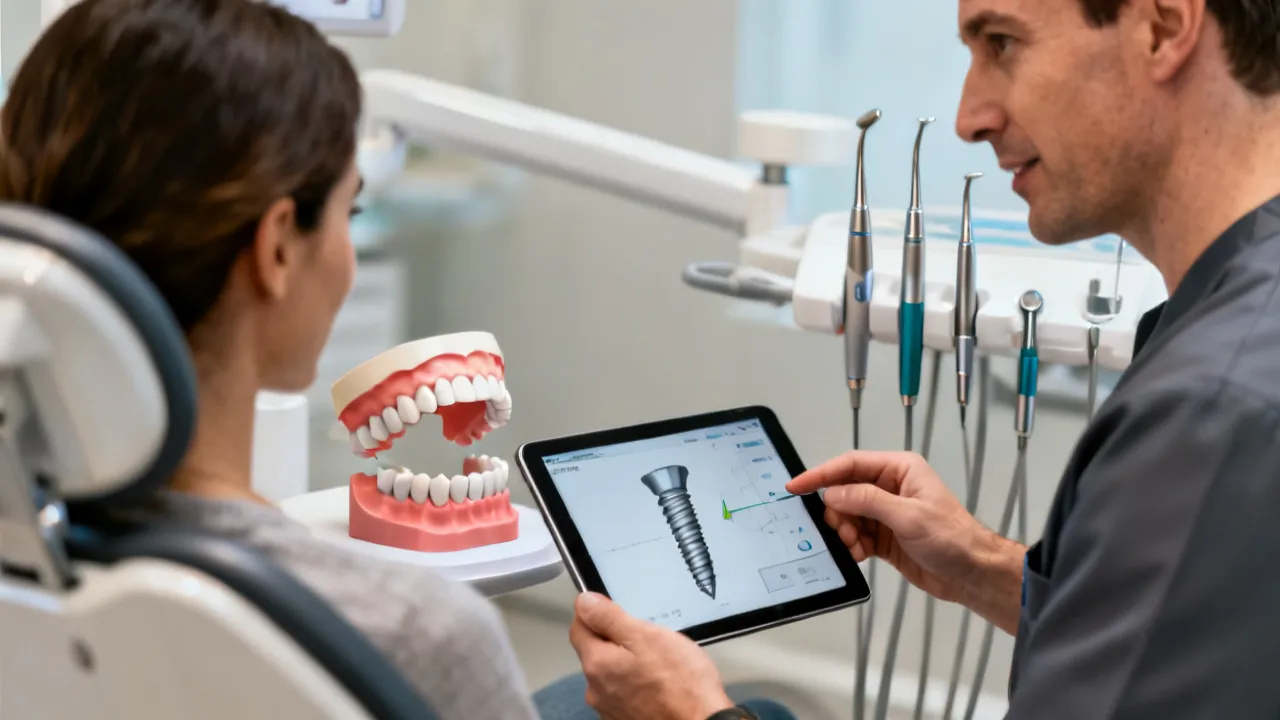
Implant dentistry involves several stages, and each stage may require different records. A preliminary alginate impression can help create a diagnostic cast, evaluate available space, assess occlusion, and plan the shape of a future restoration. It may also help the clinician understand the relationship between the teeth and surrounding tissues.
However, alginate alone cannot determine bone volume, nerve position, sinus anatomy, or the precise three-dimensional location for implant placement. Radiographic evaluation, often including panoramic imaging or three-dimensional imaging when clinically justified, is used to assess anatomical conditions. The exact imaging protocol depends on the patient and the treatment plan.
For the final restorative stage, the clinician may use an implant-level impression, a digital scan body workflow, or another technique designed to transfer the implant position accurately. The choice is influenced by the number of implants, implant angulation, soft-tissue contours, the restorative design, and laboratory compatibility.
From an expert viewpoint, the central lesson is that alginate is usually a diagnostic and preliminary material, not a universal substitute for every implant impression procedure. Its advantages are real, but they must be balanced against the precision requirements of the intended treatment.
For example, an alginate impression may help a dentist visualize the opposing arch or create a preliminary surgical guide design. It may also be used to produce a temporary model before a more detailed record is obtained. In contrast, the final position of multiple implants may require a technique that minimizes flexure and dimensional change. The more complex the restorative design, the more important accurate transfer becomes.
How to Obtain Dental Implants at Lower Cost in English-Speaking Markets
Dental implant fees vary widely by clinic, region, implant system, laboratory, surgical complexity, and restoration type. Patients seeking a lower-cost option should focus on value, transparency, and safety rather than selecting a provider solely by the advertised starting price.
-
Define what the quoted price includes.
Ask whether the estimate covers the consultation, diagnostic imaging, extraction, implant fixture, abutment, crown, temporary tooth, laboratory work, follow-up appointments, and any necessary medication. A price that covers only the implant fixture is not comparable with a package that includes the final restoration.
-
Request a written treatment plan.
The plan should identify the missing tooth or teeth, proposed procedure, expected stages, materials, estimated duration, and possible additional procedures. Written information makes it easier to compare clinics without confusing different treatment scopes.
-
Verify professional credentials and clinic regulation.
Patients should confirm that the dentist is licensed in the jurisdiction where treatment will occur. Professional registration, recognized postgraduate training, infection-control procedures, and access to appropriate imaging are more meaningful indicators than promotional language.
-
Compare several established clinics.
Use clinic websites, professional directories, insurance information, and independent patient resources to identify options. Reviews can provide context about communication and scheduling, but they cannot replace an examination or independent verification of clinical quality.
-
Ask whether a teaching clinic or dental school is suitable.
University clinics may offer structured care at different fee levels, although appointments can take longer and treatment may be supervised by experienced faculty. Suitability depends on the clinical complexity and the institution’s acceptance criteria.
-
Review insurance and financing conditions.
Some dental plans may contribute to the restoration, consultation, extraction, or related services even when implant surgery has limited coverage. Patients should check exclusions, waiting periods, annual limits, network requirements, and preauthorization rules before beginning treatment.
-
Consider staged treatment only when clinically appropriate.
Some patients may receive an extraction or bone-preservation procedure first and return later for implant placement. Staging can assist budgeting, but delaying necessary care may also create risks. The timetable should be decided with the treating dentist.
-
Ask whether a conventional bridge or removable option is clinically reasonable.
An implant is not the only way to replace a missing tooth. A bridge or removable partial denture may have a different initial and long-term cost profile. The decision should consider adjacent teeth, bone, aesthetics, maintenance, oral hygiene, and patient preferences.
-
Be cautious with overseas treatment.
Dental tourism can involve lower advertised fees, but travel, accommodation, currency conversion, follow-up visits, language barriers, and management of complications must be included in the calculation. Patients should verify the provider, implant brand, emergency arrangements, and responsibility for aftercare before traveling.
-
Maintain oral health before surgery.
Untreated gum disease, poor plaque control, uncontrolled medical conditions, tobacco use, and inadequate follow-up can affect the predictability of treatment. Preventive care may reduce avoidable complications and additional expense.
Conditions and Requirements Before Choosing a Lower-Cost Implant Provider
A lower fee should never remove essential safeguards. Before accepting a quotation, patients should consider the following conditions:
- A complete medical and dental history should be reviewed.
- The proposed implant site should be examined clinically and radiographically as indicated.
- Gum disease and active infection should be assessed and treated where necessary.
- The clinician should explain alternatives, benefits, limitations, risks, and expected maintenance.
- The implant manufacturer and restorative components should be identified.
- The patient should understand the expected number of visits and healing stages.
- Written information should explain what happens if an implant fails or a restoration fractures.
- Follow-up arrangements should be clear, especially when treatment takes place away from home.
- The clinic should demonstrate appropriate sterilization and infection-control procedures.
- The patient should receive instructions for oral hygiene, diet, medication, and urgent contact after surgery.
Patients should also distinguish between a “single implant” and a complete single-tooth replacement. A complete replacement normally includes the implant fixture placed in bone, an abutment, and a crown. Some price lists show only one component. Asking for an itemized estimate prevents misleading comparisons.
Medical conditions should be discussed honestly. Diabetes, osteoporosis medications, immune suppression, bleeding disorders, previous radiation therapy, and cardiovascular conditions may influence planning or medication choices. These factors do not automatically prevent implant treatment, but they may require coordination with a physician or a more cautious schedule.
Smoking and nicotine use should also be discussed. Tobacco exposure may affect healing and the health of tissues around implants. A dental professional can provide individualized advice about cessation or reduction before and after surgery.
Reference Cost Ranges for Individual Dental Implants
The following figures are reference ranges for an individual dental implant in selected English-, Spanish-, Portuguese-, German-, French-, Italian-, and Japanese-speaking markets. They should not be interpreted as universal prices or as a quotation for a complete treatment package. Currency values are presented as supplied and are not converted because exchange rates change.
| Country and language market | Currency | Reference price range for one individual implant |
|---|---|---|
| United States, English-speaking | USD | $3,000–$6,000 |
| United Kingdom, English-speaking | GBP | £2,000–£2,500 |
| Australia, English-speaking | AUD | AU$3,500–AU$6,500 |
| Canada, English-speaking | CAD | CA$3,000–CA$5,500 |
| Spain, Spanish-speaking | EUR | €1,500–€2,500 |
| Chile, Spanish-speaking | CLP | CLP$800,000–CLP$1,500,000 |
| Mexico, Spanish-speaking | MXN | $15,000–$25,000 MXN |
| Colombia, Spanish-speaking | COP | $2,000,000–$4,000,000 COP |
| Peru, Spanish-speaking | PEN | S/ 3,000–S/ 6,000 |
| Argentina, Spanish-speaking | ARS | $80,000–$150,000 ARS |
| Brazil, Portuguese-speaking | BRL | R$3,000–R$8,000 |
| Portugal, Portuguese-speaking | EUR | €1,000–€2,000 |
| Germany, German-speaking | EUR | €2,000–€3,500 |
| France, French-speaking | EUR | €1,500–€2,500 |
| Italy, Italian-speaking | EUR | €1,500–€3,000 |
| Japan, Japanese-speaking | JPY | ¥300,000–¥700,000 |
These ranges are best used as an initial comparison tool. They may exclude bone grafting, sinus augmentation, tooth extraction, sedation, temporary restorations, abutments, crowns, laboratory charges, and follow-up care. Regional differences can be substantial even within the same country. A clinic in a major metropolitan area may have different overhead and laboratory costs from a clinic in a smaller community.
Prices may also change because of implant brand, crown material, laboratory location, surgical complexity, the need for guided surgery, the use of a temporary tooth, and whether the case is performed by one dentist or coordinated among several specialists. Patients should ask whether the quote is valid for a fixed period because laboratory and material costs can change over time.
Websites Providing Dental Implant Information
The following websites represent different types of dental information sources, including clinic websites, dental tourism services, insurance education, and dental plan providers. They should be read as information resources rather than endorsements. Patients should independently verify clinical credentials, regulatory status, treatment details, and current fees.
| Website type and example | Features and practical use |
|---|---|
| Dental Views | Discusses lower-cost dental implant options, treatment benefits, procedure types, cost considerations, and common patient questions. |
| Atlantic Dental Group | Clinic-based information covering general dentistry, implants, orthodontics, emergency care, appointments, and professional services. |
| DentaVacation | Dental tourism information involving overseas treatment, country comparisons, travel planning, and potential cost considerations. |
| ADHP and Rockville Dental Arts | Information about dental plans, coverage considerations, clinical services, implants, preventive care, and patient access. |
| Union City Mini Dental Implants | Spanish-language clinic information focused on mini dental implant services and related patient education. |
| Cigna Dental Implant Guide | Spanish-language educational content explaining dental implants and insurance-related considerations. |
| Rubi Odonto | Portuguese-language clinic information concerning orthodontics, aesthetic dentistry, whitening, implants, and patient services in Brazil. |
| Odontologia Velasco | Portuguese-language information about implants, prosthodontics, aesthetic procedures, and technology-supported dental care. |
| DentalVidas | Portuguese-language dental plan information for individuals, families, and companies, including network and emergency-service details. |
Source of the website information:
source: www.dentalviews.com/low-cost-dental-implants/
source: www.atlanticdentalgrp.com
source: www.dentavacation.com
source: www.rockvilledentalarts.com/es/
source: www.unioncityminidentalimplants.com/es/
source: www.cigna.com/es-us/knowledge-center/guide-to-dental-implants
source: www.rubiodonto.com.br
source: www.odontologiavelasco.com.br
source: www.dentalvidas.com.br
How to Assess Information From Dental Websites
Online dental content can be useful when it explains terminology, treatment stages, questions to ask, and factors that influence cost. However, a website may represent a particular clinic, insurance company, dental plan, or tourism service. Its perspective and commercial purpose should be understood before a patient relies on it.
Useful questions include:
- Does the page identify the organization responsible for the content?
- Is the information educational, promotional, insurance-related, or a combination?
- Does it distinguish the implant fixture from the abutment and crown?
- Does it explain risks, alternatives, maintenance, and follow-up?
- Are prices dated and described as estimates?
- Does the clinic identify its location, qualifications, and regulatory framework?
- Are claims supported by professional guidance or official health information?
Patients should be particularly careful with dramatic promises, guaranteed outcomes, unusually low headline prices, and testimonials presented without clinical context. Dental treatment is individualized. A price or result shown online cannot establish what is appropriate for a specific mouth.
When reading about alginate, readers should also consider whether the information concerns a particular brand. Setting time, tear strength, flavor, working time, and recommended disinfection protocol may differ between products. General educational content is useful for understanding principles, but the product label and professional instructions remain important for clinical use.
Practical Chairside Considerations for Alginate Impressions
Correct technique can improve the reliability of alginate. The following sequence describes general principles, not a substitute for professional training or the product instructions.
- Assess the patient and the purpose of the impression. Determine whether the record is preliminary, orthodontic, restorative, or related to a surgical plan.
- Select a suitable tray. The tray should cover the required anatomy and allow adequate, even material thickness without excessive extension.
- Prepare the materials in advance. Have the powder, measured water, bowl, spatula, tray, timer, and protective equipment ready before mixing.
- Follow the manufacturer’s ratio. Changes in the powder-to-water ratio can influence strength, working time, and accuracy.
- Mix efficiently. Aim for a homogeneous mixture with minimal air incorporation.
- Load and seat promptly. The tray should be placed within the working time and stabilized without rocking.
- Allow complete setting. Premature removal can distort or tear the impression.
- Remove decisively. A controlled movement is generally preferable to slow, repeated rocking.
- Inspect immediately. Check the required anatomy, voids, tears, tray show-through, and distortion.
- Disinfect and pour appropriately. Follow local infection-control rules and the material manufacturer’s recommendations.
In a busy clinic, documentation of the material lot, mixing method, and pouring time can help identify recurring problems. If models repeatedly show distorted occlusion or missing posterior anatomy, the issue may involve tray selection, patient positioning, material handling, or laboratory procedures rather than the product alone.
Patient positioning can influence both comfort and impression quality. A patient who is too far reclined may find it harder to manage saliva or gagging. A patient who is too upright may make posterior seating more difficult in some cases. The clinician should select a position that permits control of the tray while allowing the patient to breathe comfortably.
The impression should not be judged only by whether the material has set. A technically set impression may still be clinically unacceptable if a tooth is missing, the tray is visible through a thin section, the palate is incompletely recorded, or movement has created a drag. Inspection before pouring is an important quality-control step.
When an Alternative to Alginate May Be Preferable
An alternative may be considered when the impression must remain stable for a longer period, when fine detail is essential, when implant components must be transferred precisely, or when the laboratory has a validated digital workflow. A dentist may also choose another method when the patient has extensive undercuts, difficult moisture control, limited opening, or a treatment plan requiring highly accurate definitive records.
Digital scanning can be attractive when immediate visualization and electronic transmission are valuable. Yet scanning also has limitations. Saliva, blood, reflective surfaces, restricted access, incomplete scanning, and operator experience can influence the result. The decision should be based on clinical performance and workflow compatibility rather than technology branding.
Elastomeric materials can provide greater dimensional stability and detail reproduction for definitive impressions, but they may require more precise adhesive use, mixing, retraction, isolation, and laboratory coordination. Their higher material cost may be justified when the restoration demands greater accuracy.
In some cases, a conventional impression and a digital scan may be used together. The physical impression can serve as a backup or provide information that is difficult to capture digitally, while the digital file may improve communication with the laboratory. Such combined workflows are determined by the dentist and technician and are not required for every patient.
Maintenance and Long-Term Implant Value
The cost of an implant should be evaluated over its expected maintenance period, not only at the day of surgery. Patients should ask about professional cleaning, periodic examinations, replacement of worn prosthetic components, night guards when indicated, and management of gum inflammation around the implant.
Implants do not develop tooth decay in the same way natural teeth do, but the surrounding tissues can become inflamed. Plaque control, regular professional care, appropriate brushing and interdental cleaning, and attention to symptoms are important. Persistent bleeding, swelling, discomfort, looseness, or changes in the bite should be reported to a dental professional.
Smoking, uncontrolled medical conditions, poor oral hygiene, and irregular follow-up may complicate implant maintenance. The clinician should discuss individual risk factors rather than relying on generalized online claims.
The crown and abutment may eventually require repair or replacement even when the implant fixture remains stable. Wear, fracture, changes in the bite, gum recession, or aesthetic concerns can lead to restorative maintenance. A patient should ask whether the clinic provides long-term care and whether replacement components remain available for the selected implant system.
Expert Perspective: Balancing Economy, Accuracy, and Safety
From an industry expert’s perspective, the most responsible approach to cost-conscious dentistry is to reduce unnecessary expense without eliminating necessary diagnosis or follow-up. Alginate can be an efficient material for suitable preliminary records, but using it outside its intended role may create remakes, delays, or inaccurate models that ultimately increase cost.
Similarly, selecting an implant provider only because of a low advertised price can be counterproductive if the quotation excludes the crown, imaging, grafting, aftercare, or management of complications. A transparent treatment plan is usually more useful than a promotional headline.
The strongest comparison asks four questions: Is the procedure clinically appropriate? Is the provider qualified and regulated? Is the price inclusive and documented? Is follow-up available if the treatment does not proceed as expected? These questions apply whether treatment takes place in an English-speaking market, a Spanish-speaking market, a Portuguese-speaking market, or another region.
Quality control is the connecting theme between impression materials and implant economics. A well-chosen, properly handled alginate impression can efficiently provide valuable diagnostic information. A poorly handled impression may require a remake. Likewise, a carefully planned implant may provide long-term function, while an incomplete treatment plan can create unexpected costs and dissatisfaction. Both material selection and financial comparison require attention to purpose, limitations, and documentation.
Frequently Asked Questions
Is alginate suitable for dental implants?
Alginate may be suitable for preliminary diagnostic impressions or opposing-arch records in an implant case. It is not automatically suitable for every implant-related impression. The final method depends on whether the dentist needs diagnostic information or a precise transfer of implant position for the definitive restoration.
What is the most important advantage of alginate?
Its main advantages are accessible handling, relatively low material cost, adequate elasticity for many routine impressions, and broad availability. These benefits make it useful for preliminary records and study models.
What is the main disadvantage of alginate?
Its principal limitation is dimensional instability after setting. Alginate can change when it loses or absorbs moisture, so timely handling and pouring are important.
Can alginate be stored overnight?
Storage recommendations vary by product, and prolonged storage can reduce accuracy. The dental team should follow the manufacturer’s instructions. When a record must be stored or transported for a longer period, another impression material or a digital file may be more appropriate.
Does alginate hurt?
Most patients experience pressure rather than pain. Gagging or discomfort can occur, especially if the tray is too large or extends too far posteriorly. Informing the dental team about gag sensitivity allows the clinician to adjust the technique.
Is a low-cost dental implant quote complete?
Not necessarily. The quote may cover only the implant fixture and exclude imaging, extraction, bone grafting, abutment, crown, temporary restoration, medication, or follow-up. Always request an itemized written estimate.
Are dental implants cheaper in another country?
The advertised surgical fee may be lower in another country, but travel, accommodation, time away from work, currency conversion, and later visits can change the total cost. Patients should also confirm who will provide care if a complication occurs after returning home.
Can insurance pay for an implant?
Coverage depends on the policy, employer plan, jurisdiction, and clinical circumstances. Some plans cover portions of related treatment, while others exclude implants or impose waiting periods and annual limits. The insurer should confirm benefits in writing before treatment.
Is an implant better than a bridge?
Neither option is universally better. An implant may avoid preparing adjacent teeth, while a bridge may offer a different treatment timeline and cost structure. Bone availability, gum health, aesthetics, maintenance, medical history, and patient preference all matter.
How can I compare dental clinics fairly?
Compare the credentials of the treating dentist, diagnostic process, implant system, restoration materials, included services, expected visits, warranty terms, infection-control standards, and follow-up arrangements. Comparing only the headline price may produce an inaccurate conclusion.
Does digital scanning eliminate the need for alginate?
No. Digital scanning has expanded the available options, but alginate remains useful for selected diagnostic and preliminary applications. The correct choice depends on the clinical objective, patient factors, clinician experience, and laboratory workflow.
Why might a dentist use alginate instead of a digital scanner?
A dentist may choose alginate when a preliminary cast is sufficient, when the patient cannot tolerate prolonged scanning, when the clinic or laboratory uses a conventional workflow, or when the cost and speed of a conventional record are advantageous. The choice should reflect the intended use rather than a general preference for one technology.
What happens if an alginate impression is distorted?
If the distortion affects an important area, the impression generally needs to be retaken. Proceeding with a defective impression can produce an inaccurate model and may affect appliance design or treatment planning. The dental team should inspect the impression before laboratory processing.
Conclusion
The advantages and disadvantages of alginate are best understood in relation to its intended use. Its affordability, accessibility, simple workflow, and practical elasticity make it valuable for preliminary impressions and diagnostic models. Its sensitivity to moisture exchange, limited storage stability, potential for tearing, and lower suitability for highly precise definitive records restrict its use in some restorative and implant procedures.
For patients considering implants, the impression material is only one element of a much larger clinical decision. A complete evaluation should include diagnosis, treatment alternatives, total cost, provider qualifications, implant components, restoration details, and long-term maintenance. Careful comparison of written treatment plans is more reliable than choosing a clinic from a single promotional price.
In practical terms, alginate remains a useful and relevant dental material when it is used within its intended range. It can provide a fast, economical, and sufficiently accurate preliminary record. It should not, however, be expected to perform like a definitive elastomeric impression or an expertly executed digital implant scan in every situation. Understanding this distinction helps clinicians make sound technical decisions and helps patients ask more informed questions about their care.
Disclaimer
1. The above information comes from online resources, and the data is as of October 2023.
2. Dental implant prices are for reference only and may vary by region, clinic and doctor.
3. This information is educational and does not replace an examination, diagnosis, treatment plan, or financial consultation with a licensed dental professional.
Reference Links
Dental Views: Low-Cost Dental Implants
Rockville Dental Arts, Spanish Website
Union City Mini Dental Implants, Spanish Website