Alginate Pros and Cons in Implant Dentistry
This guide explains 알지네이트 장단점, or the advantages and disadvantages of alginate dental impression material, and examines how it fits into diagnosis, provisional prosthetics, and implant planning. Alginate is economical, quick, and comfortable for many preliminary impressions, but it has lower dimensional stability and detail reproduction than elastomeric materials or digital scanning. The article also reviews implant costs, lower-cost treatment strategies, clinic comparison methods, and patient safety considerations across several language regions.
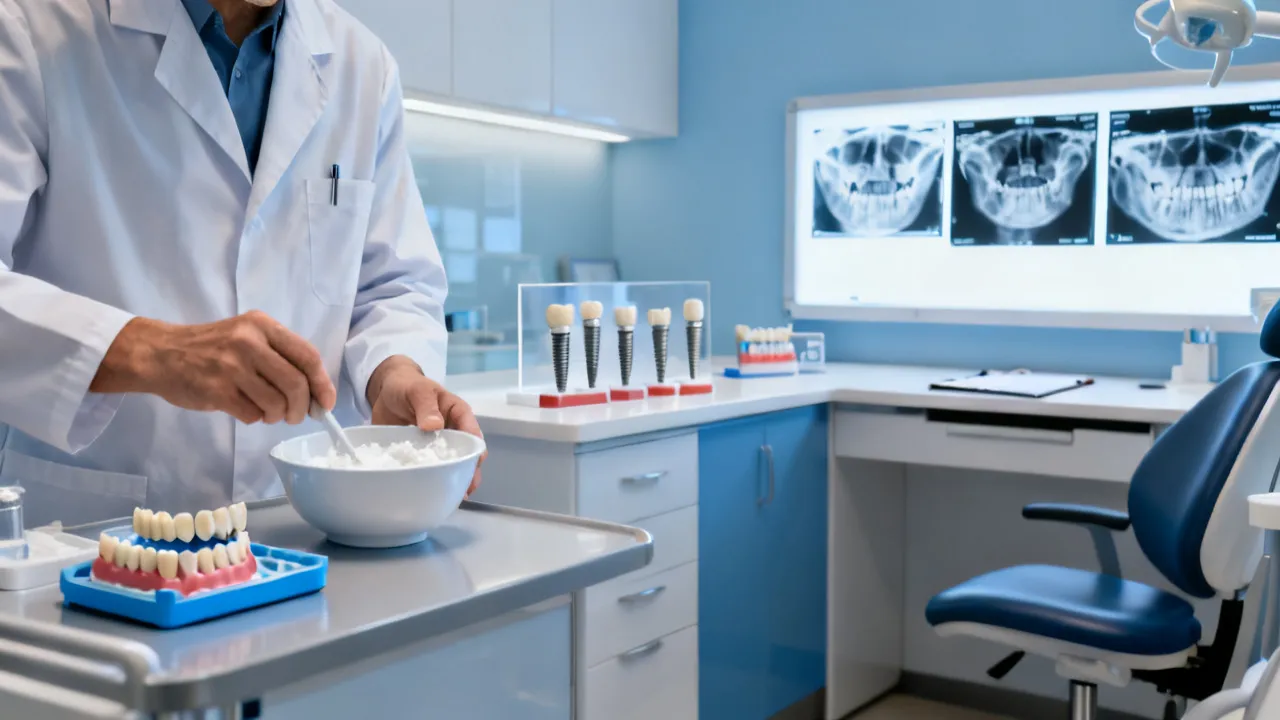
What 알지네이트 장단점 Means in Dentistry
알지네이트 장단점 translates to the “advantages and disadvantages of alginate.” In dentistry, alginate is an irreversible hydrocolloid impression material used to reproduce the general form of the teeth, gingiva, palate, and surrounding oral structures. It is usually supplied as a powder that is mixed with water and placed in an impression tray. Once set, it forms a flexible impression that can be poured with dental stone to create a study model.
Alginate remains common because it is relatively economical, simple to handle, fast to set, and generally well tolerated. It is particularly useful for preliminary impressions, diagnostic casts, orthodontic records, opposing-arch impressions, removable appliance planning, and some provisional procedures. However, an alginate impression is not automatically suitable for every stage of implant treatment. Implant dentistry often requires highly accurate reproduction of hard-tissue relationships, implant positions, soft-tissue contours, emergence profiles, and occlusal contacts. For these purposes, a clinician may select an elastomeric impression material or an intraoral digital scanner instead.
From an industry expert’s perspective, the main lesson is that material selection should follow the clinical objective. A lower-cost impression material can be entirely appropriate when the purpose is preliminary assessment. The same material may be unsuitable when the impression will guide the final position of an implant-supported crown or bridge. Understanding this distinction is more useful than treating alginate as universally good or bad.
Patients may encounter alginate during a consultation even when they are ultimately considering implants. Its use does not necessarily mean that the dentist is taking a definitive implant impression. Often, the impression is simply being used to create a preliminary cast, examine available restorative space, compare the opposing teeth, or explain treatment options. The clinical purpose of the impression should therefore be clarified before conclusions are drawn about the quality or cost of the treatment.
Executive Assessment: When Alginate Is Appropriate
- Strong use cases: preliminary models, diagnostic records, orthodontic documentation, opposing-arch impressions, mouthguard planning, and removable prosthodontic assessment.
- Main advantages: easy mixing, short working time, patient comfort, flexible removal, broad availability, and relatively low material cost.
- Main disadvantages: limited dimensional stability, lower tear strength than many elastomers, sensitivity to water loss or absorption, and less precise reproduction of fine margins.
- Implant relevance: useful during the diagnostic and planning stages, but not automatically the first choice for definitive implant-level records.
- Clinical priority: accurate diagnosis, appropriate case selection, infection control, and a complete treatment plan are more important than choosing the least expensive material.
Patients should also understand that the price of an impression material is only one small part of dental treatment. A low-cost preliminary impression does not necessarily mean that the overall implant procedure will be inexpensive. Implant pricing can include consultation, radiographs or cone-beam computed tomography, extraction, bone augmentation, implant placement, healing components, abutments, laboratory work, the final crown, maintenance, and treatment of complications.
The opposite is also true. A more expensive impression material or digital scan does not automatically guarantee a successful result. Accuracy depends on the entire workflow, including diagnosis, tissue management, tray or scanner selection, operator skill, laboratory communication, disinfection, data transfer, and quality control. A material should be judged according to how reliably it meets the requirements of the intended procedure.
How Alginate Works
Alginate is derived from alginic acid, a polysaccharide associated with certain types of seaweed. Dental formulations commonly contain soluble alginate salts, calcium sulfate, fillers, setting modifiers, pigments, and flavoring agents. When the powder is mixed with water, a chemical reaction converts the soluble material into an insoluble calcium alginate gel. This reaction is irreversible, which means the set impression cannot be returned to its original powder-and-water state.
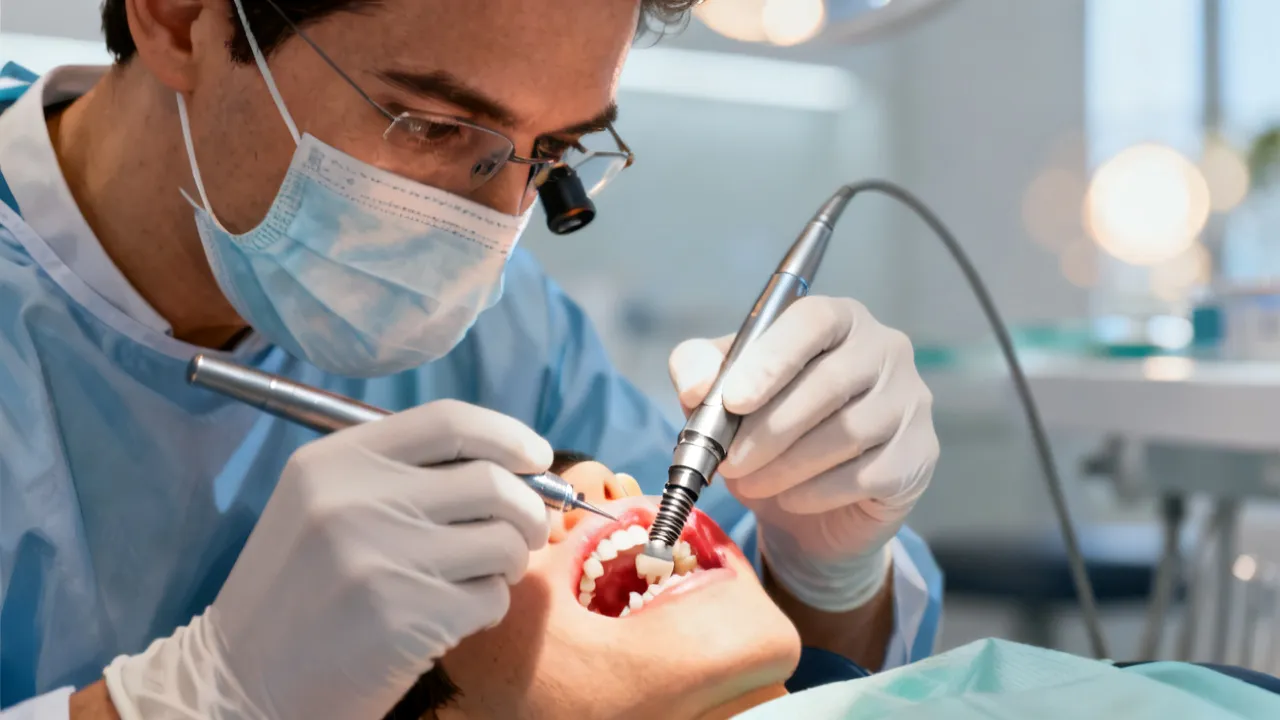
The clinician places the mixed material in a suitable tray and seats it over the dental arch. After the material sets, the tray is removed with a controlled movement. The impression is then inspected for voids, distortions, missing anatomy, or tray show-through. If it is clinically acceptable, it should be disinfected according to the manufacturer’s instructions and poured promptly.
Water temperature affects working and setting time. Cooler water generally slows the reaction, while warmer water accelerates it. Excessive manipulation, an incorrect powder-to-water ratio, an unsuitable tray, or delayed pouring can reduce accuracy. These details explain why the same product may perform well in one appointment and poorly in another.
Alginate products may be classified by setting time, consistency, color-changing indicators, flavor, and intended use. Fast-setting materials may be useful for patients who have difficulty tolerating an impression tray, while normal-setting products may provide more working time for the dental team. Color-changing alginates can indicate stages such as mixing, loading, and seating, although the clinician must still follow the manufacturer’s instructions rather than relying only on color.
The chemical setting process is affected by the amount of water, temperature, mixing time, and the product’s formulation. Adding extra water may make the material appear easier to mix, but it can weaken the set impression and increase the likelihood of tearing. Using too little water may create a thick, difficult-to-seat mixture with inadequate surface reproduction. Consistency and accurate measurement are therefore important parts of impression quality.
Key Advantages of Alginate
1. Efficient handling
Alginate is familiar to dental teams and usually requires limited equipment. It can be mixed manually or with mechanical devices, depending on the product and practice. This efficiency is helpful in busy clinics, especially when several diagnostic records are needed during one visit.
Many practices keep alginate readily available because it is useful for routine records. Dental assistants and clinicians can prepare it quickly, and the material does not usually require special cartridges, adhesive systems, light-curing equipment, or complex laboratory procedures. This can be valuable in general dentistry, orthodontics, pediatric dentistry, and emergency settings.
2. Patient comfort
Alginate is relatively flexible after setting. This characteristic can make tray removal more comfortable than removal of a more rigid material, particularly in patients with undercuts or sensitive oral tissues. Flavoring and rapid-setting versions may also improve the experience for patients who find impressions unpleasant.
Patient comfort also depends on tray size, seating technique, the amount of material, and the patient’s ability to breathe comfortably through the nose. A well-fitted tray and a clear explanation before the procedure may reduce anxiety. Clinicians may use a topical anesthetic or other comfort measures in selected situations, but the impression material itself is often tolerated by most patients.
3. Broad clinical usefulness
Alginate can support a wide range of preliminary tasks. A dentist may use it to produce study casts before orthodontic treatment, evaluate tooth wear, plan a removable appliance, record an opposing arch, or assess the general space available for a future restoration. In implant consultations, it may help create an initial model before advanced imaging and definitive records are obtained.
It can also be useful for making diagnostic casts for occlusal analysis, fabricating bleaching trays in selected workflows, planning sports mouthguards, documenting the condition of the dentition, and creating preliminary casts for complete or partial dentures. These uses generally require a broad representation of anatomy rather than the highest possible reproduction of a preparation margin.
4. Flexibility during removal
Because the material is flexible, it can often be removed from the mouth without excessive force. Correct tray selection and sufficient material thickness remain essential. Flexibility is helpful, but bending or stretching the impression during removal can introduce distortion.
The clinician must balance flexibility with adequate support. If the tray is too small, the material may be thin in critical areas and tear. If the tray is too large or poorly adapted, the patient may experience discomfort and the material may move during setting. Tray adhesive, when recommended for the product and tray type, may also help keep the set material attached during removal.
5. Material economy
Alginate is commonly less expensive than many high-precision elastomeric materials. This can help clinics control the cost of preliminary records. The economic benefit is meaningful only when the material is used for a task it can perform reliably. Repeating inaccurate impressions can eliminate the initial saving and delay treatment.
Economy is particularly relevant when a clinic needs multiple preliminary models or when a patient requires records for both arches. However, financial efficiency should be evaluated across the complete workflow. If an impression fails because of missing anatomy, voids, tearing, or distortion, the practice must spend additional time and material repeating it.
6. Simple preliminary communication
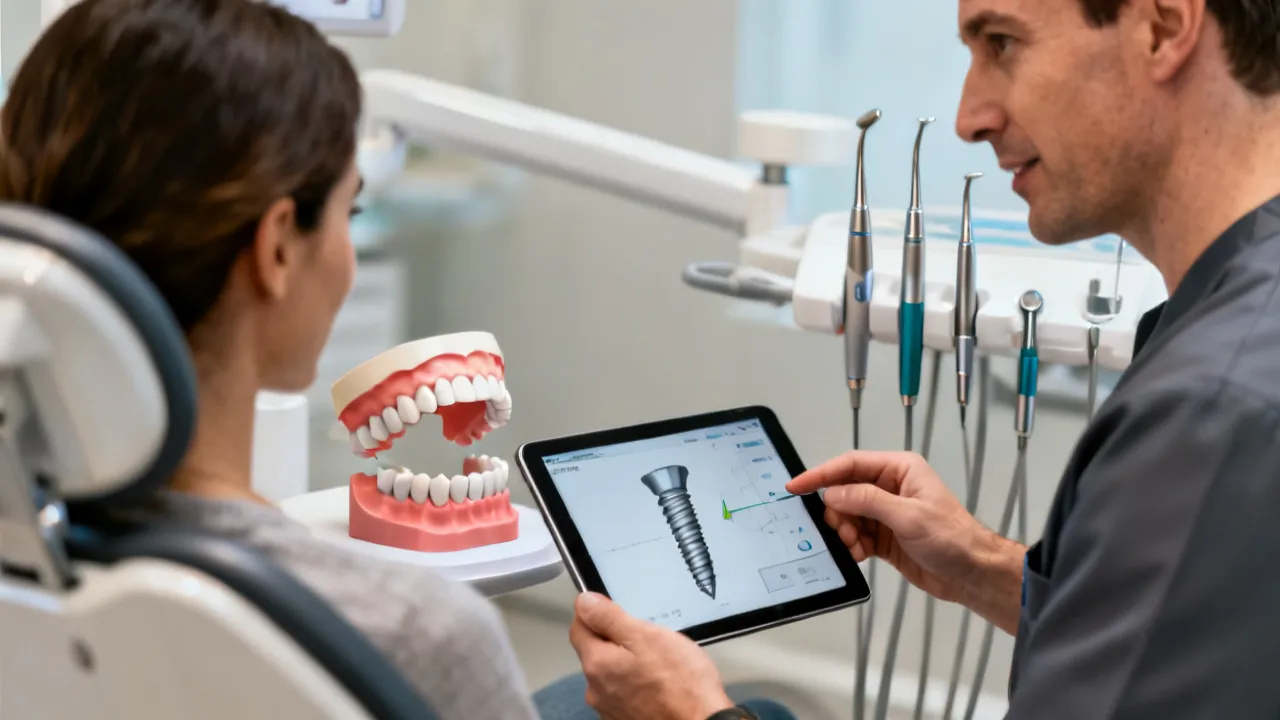
A physical model made from alginate can help the dentist explain tooth position, missing spaces, occlusion, and possible treatment sequences. Patients often understand a three-dimensional model more easily than a verbal description alone. In this role, the model is a communication and planning aid rather than a definitive implant guide.
Models can also help patients visualize the difference between a bridge, removable prosthesis, and implant-supported restoration. They may show how much space is available, why adjacent teeth might need evaluation, or how a removable appliance could rest against the teeth and tissues. The educational value of a physical cast remains useful even in practices that use digital records for final treatment.
Important Disadvantages of Alginate
1. Limited dimensional stability
Alginate contains a large amount of water. After removal from the mouth, it can lose water through syneresis or gain water through imbibition. Either change may alter the dimensions of the impression. For that reason, the impression should generally be handled, disinfected, and poured as soon as practical, following the product instructions.
This limitation is especially important for implant dentistry. A small dimensional discrepancy in a preliminary model may be acceptable for broad diagnosis. The same discrepancy may be clinically significant when reproducing the exact position of an implant connection or restoration margin.
Storage conditions can affect the result even when the impression initially appears satisfactory. Wrapping an impression, placing it in a humid environment, or immersing it in water for too long may not preserve the original dimensions. The appropriate procedure depends on the product, but the general principle is that alginate should not be treated as a long-term storage material.
2. Lower detail reproduction
Alginate can record general tooth anatomy effectively, but it may not reproduce extremely fine preparation margins or subtle surface details as consistently as high-quality elastomeric materials. Blood, saliva, moisture control, and inadequate tray seating can further reduce detail.
For a preliminary cast, broad anatomy may be sufficient. For a crown margin, implant emergence profile, or complex fixed prosthodontic procedure, the clinician may require a material designed for more exact reproduction. The decision should be based on the smallest and most important detail that must be transferred to the model or laboratory.
3. Lower tear resistance
Thin areas of alginate can tear when the impression is removed from undercuts. A torn impression may omit important anatomy or create uncertainty about the cast. The risk increases if the material is mixed with too much water, if the tray is poorly selected, or if the impression is removed with a rocking motion.
Tears may occur around interproximal spaces, deep palatal areas, pronounced undercuts, and narrow regions between teeth. A clinician may decide that an impression is unacceptable if the defect affects the anatomy needed for diagnosis. Attempting to repair a major tear after removal does not restore the original accuracy.
4. Dependence on technique
Alginate is not a material that compensates for poor technique. The operator must follow the recommended powder-to-water ratio, achieve a homogeneous mix, load the tray efficiently, maintain proper positioning, and allow adequate setting. A patient who moves during setting may contribute to distortion.
The team must also coordinate timing. Once mixed, alginate has a limited working period. Delays while preparing the patient, adjusting the tray, or removing excess material can cause partial setting before the tray is seated. Efficient preparation before mixing is therefore essential.
5. Limited suitability for definitive implant impressions
Definitive implant impressions may need to record implant-level components, the relationship between multiple implants, soft-tissue contours, and the opposing dentition. Depending on the case, clinicians may choose addition silicone, polyether, an open-tray or closed-tray technique, or a digital workflow. Alginate may still have a role in earlier records, but its use should not be extended beyond the accuracy required by the treatment.
Multiple implants increase the importance of accurately transferring the three-dimensional relationship between implant platforms. If an impression is distorted, the laboratory cast may not represent the patient’s mouth correctly. This can contribute to prosthetic misfit, difficult insertion, altered contacts, repeated adjustments, or the need to remake part of the restoration.
6. Storage sensitivity
Leaving an alginate impression exposed to air or submerged in water for an extended period can compromise its accuracy. Disinfection must therefore be balanced with dimensional control. Dental professionals should follow the specific instructions supplied with the material rather than relying on informal storage habits.
Disinfection is essential for infection control, but not every disinfectant or exposure time is appropriate for every alginate product. The dental team should use a validated protocol and communicate with the laboratory when necessary. The impression should be labeled, protected during transport, and poured within the recommended time.
Alginate Compared With Other Impression Options
| Material or workflow | Typical strengths and limitations |
|---|---|
| Alginate | Efficient and flexible for preliminary models; more sensitive to storage and generally less suitable for highly precise definitive records. |
| Addition silicone | High detail reproduction and dimensional stability; usually requires more careful handling and may cost more than alginate. |
| Polyether | Good accuracy and wettability; can be relatively rigid, which matters in cases with pronounced undercuts. |
| Digital intraoral scanning | Immediate digital data and convenient communication; performance may depend on scan strategy, moisture control, software, and equipment investment. |
The right comparison is not simply “traditional versus digital.” A digital scan may be efficient for certain single-implant or short-span cases, while a conventional impression may remain useful in other circumstances. The clinician should consider implant number, angulation, scan-body visibility, soft-tissue anatomy, patient opening, gag reflex, laboratory compatibility, and the need for a physical cast.
Addition silicone, also known as polyvinyl siloxane, is often selected when high dimensional stability and detailed reproduction are important. It is available in different viscosities, allowing clinicians to combine a low-viscosity wash material with a heavier tray material. Polyether has favorable wetting characteristics and can record detail in a moist field, but its rigidity can make removal more challenging in certain undercut cases.
Digital scanning avoids some problems associated with physical impression distortion, storage, and shipping. It can also make communication with a dental laboratory faster. However, a scan is only as accurate as the captured data. Missing areas, stitching errors, movement, saliva, blood, reflective surfaces, or an incorrectly positioned scan body can undermine the digital record. Digital systems also involve equipment, software, training, maintenance, and laboratory compatibility considerations.
Alginate in the Implant Treatment Journey
Implant treatment usually begins with a consultation and medical and dental history. The dentist evaluates the missing tooth area, neighboring teeth, periodontal condition, occlusion, bone availability, aesthetic expectations, and relevant health factors. Radiographs and, where indicated, three-dimensional imaging help assess anatomy that cannot be seen on a surface impression.
An alginate impression may be taken at this stage to create a diagnostic cast. The cast can assist with assessing arch form, tooth position, restorative space, and the relationship between the upper and lower teeth. It may also help the team discuss a provisional restoration or surgical guide concept.
During the definitive restorative stage, a more precise method may be selected. The choice depends on whether the implant is fully or partially edentulous, whether multiple implants must be related accurately, and whether the laboratory uses a validated digital or conventional workflow. The material should be chosen by the restorative and surgical requirements, not only by its purchase price.
After implant placement, a healing period may be recommended before the definitive restoration is made. In some cases, an immediate or early provisional restoration is possible, while in others the implant must remain unloaded during healing. The restorative dentist may need records of the opposing arch, bite relationship, soft tissues, and provisional design. Alginate may be appropriate for selected supporting records, but the implant-specific record must meet the accuracy requirements of the restoration.
How to Obtain Dental Implants at Lower Cost in English-Speaking Regions
Lower-cost implant care requires comparison, planning, and careful verification. The objective should be a transparent and clinically appropriate treatment plan rather than the lowest advertised number. The following process can help patients evaluate options in the United States, the United Kingdom, Australia, Canada, and other English-speaking markets.
- Confirm whether an implant is necessary. Ask the dentist to explain the alternatives, such as a conventional bridge, removable partial denture, or no immediate replacement. Each option has different clinical and financial implications.
- Request a written treatment plan. The document should identify the implant, abutment, crown, imaging, consultations, surgery, temporary restoration, laboratory fees, follow-up visits, and likely additional procedures.
- Separate the advertised implant price from the complete treatment price. Some advertisements describe only the surgical implant body. Confirm whether the crown and abutment are included.
- Obtain at least two professional opinions. A second opinion may reveal whether bone grafting, sinus augmentation, immediate placement, or staged treatment is necessary.
- Check professional credentials. Verify the dentist’s license, relevant training, experience with the proposed procedure, and access to appropriate surgical and restorative support.
- Ask about imaging and planning. Three-dimensional imaging may be clinically indicated, but patients should understand why it is recommended and how it affects the plan.
- Compare implant systems responsibly. A lower price may reflect a different manufacturer or laboratory arrangement. Ask whether replacement components will remain available and whether the clinic documents the implant system used.
- Investigate payment and insurance provisions. Dental plans may cover parts of the restoration or diagnostic process, while exclusions, waiting periods, annual limits, and preauthorization requirements can apply.
- Consider teaching clinics only after checking supervision. University or supervised training clinics may have different fee structures, but treatment times and eligibility rules can vary. Patients should confirm who performs each stage and who manages complications.
- Avoid cutting essential safety steps. Sterilization, diagnostic imaging when indicated, periodontal control, informed consent, and follow-up should not be removed to reduce the quote.
- Plan maintenance costs. Implant-supported restorations require daily hygiene and professional monitoring. A lower initial price may not be economical if maintenance access is poor.
- Be cautious about overseas treatment. Travel can reduce the quoted clinical fee in some markets, but airfare, accommodation, time away from work, communication, emergency care, and follow-up may increase the total cost.
Patients can also ask whether treatment may be staged in a financially manageable way. For example, disease control, extraction, implant placement, and the final restoration may occur at separate points. Staging should be based on biological and restorative requirements, not simply on delaying necessary care. A clinician should explain what can safely wait and what should be addressed promptly.
How to Obtain Dental Implants at Lower Cost in Spanish-Speaking Regions
Spanish-speaking markets include countries with very different currencies, healthcare systems, regulations, and clinical costs. Patients should compare treatment plans within the same country and city whenever possible rather than relying on a broad international ranking.
- Use a local consultation first. A local dentist can establish whether the tooth is restorable, whether periodontal disease must be treated, and whether an implant is appropriate.
- Ask for itemized pricing in Spanish. The quotation should clearly distinguish “implante,” “pilar” or abutment, “corona,” imaging, grafting, temporary teeth, and follow-up care.
- Check the clinic’s registration and dentist credentials. National and regional authorities may provide professional registration systems. Patients should use official sources where available.
- Compare laboratory arrangements. The laboratory producing the crown can affect both cost and quality. Ask about materials, warranty terms, and how adjustments are handled.
- Ask about staged treatment. Treating infection or periodontal inflammation before implant placement may increase the initial timeline but reduce avoidable complications.
- Consider public, university, or managed-care pathways where applicable. Availability and eligibility differ significantly, so patients should confirm waiting times, supervision, and included services.
- Review warranty language carefully. A warranty may cover a component but exclude hygiene-related problems, smoking, trauma, or missed follow-up appointments.
- Include travel and communication costs. Patients traveling within or between Spanish-speaking regions should confirm how urgent visits, adjustments, and laboratory remakes will be handled.
Clinics serving Spanish-speaking communities may provide consultations and written explanations in Spanish, which can improve informed decision-making. Language access is a practical safety factor: patients should be able to understand medication instructions, risks, consent documents, and maintenance requirements before treatment begins.
How to Obtain Dental Implants at Lower Cost in Portuguese-Speaking Regions
Brazil and Portugal are the principal Portuguese-speaking markets listed in this guide. Their currencies, regulation, clinic structures, and laboratory networks differ, so cost comparisons should be made separately.
- Confirm the full scope of treatment in Portuguese. Ask whether the quoted amount includes “implante,” “pilar protético,” “coroa,” imaging, surgery, provisional teeth, and return visits.
- Verify the dentist and clinic. Patients should confirm professional registration and relevant training through applicable national or regional bodies.
- Ask who performs surgery and restoration. Some clinics use a coordinated team, while others refer one stage to another provider. Clear responsibility is important if a complication occurs.
- Compare implant brands and component availability. The long-term ability to obtain compatible parts may matter more than a small initial price difference.
- Consider supervised academic services where suitable. These services may have different fees and appointment schedules, but patients should understand the supervision structure and expected treatment duration.
- Review maintenance access. A patient who moves between regions should ask whether another clinic can access the implant records and identify the system used.
- Do not postpone essential disease control. Caries, gum disease, uncontrolled medical conditions, and poor oral hygiene can affect the prognosis and should be addressed as part of the plan.
When comparing clinics, patients should ask whether the quoted restoration is made locally or sent to an outside laboratory. They should also ask how shade matching, bite adjustments, repairs, and remakes are handled. These details are especially important if the patient expects to relocate after treatment or will not be able to return easily for adjustments.
Reference Price Ranges for an Individual Dental Implant
The following ranges are presented for an individual dental implant in the specified markets. They are not a universal quotation and may describe different treatment components depending on the source. Patients should confirm whether the figure includes only the implant body or also the abutment, crown, imaging, surgery, and follow-up.
| Country | Currency and indicative price range |
|---|---|
| United States (US) | USD: $3,000–$6,000 |
| United Kingdom (GB) | GBP: £2,000–£2,500 |
| Australia (AU) | AUD: AU$3,500–AU$6,500 |
| Canada (CA) | CAD: CA$3,000–CA$5,500 |
| Spain (ES) | EUR: €1,500–€2,500 |
| Chile (CL) | CLP: CLP$800,000–CLP$1,500,000 |
| Mexico (MX) | MXN: $15,000–$25,000 |
| Colombia (CO) | COP: $2,000,000–$4,000,000 |
| Peru (PE) | PEN: S/ 3,000–S/ 6,000 |
| Argentina (AR) | ARS: $80,000–$150,000 |
| Brazil (BR) | BRL: R$3,000–R$8,000 |
| Portugal (PT) | EUR: €1,000–€2,000 |
| Germany (DE) | EUR: €2,000–€3,500 |
| France (FR) | EUR: €1,500–€2,500 |
| Italy (IT) | EUR: €1,500–€3,000 |
| Japan (JP) | JPY: ¥300,000–¥700,000 |
Price differences can reflect clinical complexity, wages, laboratory charges, implant brand, taxation, rent, imaging, regulatory requirements, and currency fluctuations. They do not establish that one market provides better or worse care. A patient should compare the same treatment scope and clinical standard before drawing conclusions.
Currency conversion can also make older price information appear misleading. Exchange rates change, and local inflation may be substantial in some markets. Patients should confirm current prices directly with clinics and ask when the quotation expires. A written estimate should identify whether the fee is fixed or may change if additional clinical findings arise.
Websites Offering Dental Implant and Cost Information
The websites below illustrate different types of patient information resources, including low-cost implant discussions, dental clinic services, dental tourism, insurance guidance, and multilingual education. They should be treated as starting points for questions rather than substitutes for a personal examination.
| Website or organization | Information features |
|---|---|
| Dental Views | Discusses lower-cost dental implant options, treatment benefits, procedure types, costs, and common patient questions. |
| Atlantic Dental Group | Provides information about general dentistry, implants, orthodontics, cleaning, emergency care, appointments, and clinical services. |
| DentaVacation | Focuses on dental tourism, international treatment comparisons, destination planning, and potential cost considerations. |
| ADHP and Rockville Dental Arts | Offers information related to dental plans and clinic services, including implant consultations and other restorative procedures. |
| Union City Mini Dental Implants | Describes mini dental implant services and treatment considerations for selected missing-tooth situations. |
| Cigna | Provides educational material about dental implants, treatment stages, and insurance-related considerations in Spanish. |
| Rubi Odonto | Portuguese-language clinic information covering implants, orthodontics, whitening, and related dental services in Brazil. |
| Odontologia Velasco | Portuguese-language information about implants, prostheses, aesthetic dentistry, and technology-supported care. |
| DentalVidas | Information about dental plans for individuals, families, and businesses, including network and emergency-care features. |
Source: www.dentalviews.com
Source: www.atlanticdentalgrp.com
Source: www.dentavacation.com
Source: rockvilledentalarts.com/es
Source: unioncityminidentalimplants.com/es
Source: www.cigna.com/es-us/knowledge-center/guide-to-dental-implants
Source: www.rubiodonto.com.br
Source: odontologiavelasco.com.br
Source: dentalvidas.com.br
How to Evaluate a Low-Cost Implant Advertisement
Low-cost marketing often uses a short headline price. The patient’s task is to identify what the number means. A responsible comparison should answer the following questions.
- Does the price cover the consultation?
- Are periapical radiographs or three-dimensional scans included?
- Is tooth extraction included if the tooth is still present?
- Are bone grafting or sinus procedures excluded?
- Does the price include the implant fixture, healing abutment, definitive abutment, and crown?
- Is a temporary tooth included?
- Are laboratory and laboratory remake charges included?
- How many follow-up visits are included?
- What happens if the implant does not integrate with the bone?
- Who provides emergency care after the patient returns home?
- What implant brand and model will be used?
- Are records supplied to the patient?
A low price may be legitimate when a clinic has efficient workflows, suitable patient volume, lower operating costs, or a treatment plan without additional procedures. It becomes concerning when important stages are omitted or when the provider cannot explain the clinical rationale. The safest financial decision is usually the one with the clearest scope and the most accessible follow-up.
Patients should be cautious about advertisements that promise a fixed result for every person, guarantee treatment without imaging, or pressure them to make an immediate deposit. A reputable clinic should be willing to discuss alternatives and should explain that the final plan may depend on examination findings. Promotional language is not a substitute for diagnosis.
Clinical Conditions and Requirements Before Implant Placement
Oral health
Active periodontal disease, untreated decay, poor plaque control, and infection can affect implant planning. A dentist may recommend preventive or restorative treatment before surgery. This sequence can seem slower, but it helps establish a healthier foundation.
Bone volume and anatomy
Implants require adequate bone dimensions and a safe relationship with anatomical structures. If bone volume is insufficient, a graft or another approach may be considered. Such procedures influence cost, healing time, and the number of appointments.
Medical history
Diabetes, smoking, immune conditions, previous radiation therapy, medications affecting bone metabolism, and other factors may influence surgical risk or healing. Patients should provide a complete medication and health history. The dentist may coordinate with a physician when appropriate.
Oral hygiene and maintenance
Implants do not develop dental caries in the same way as natural teeth, but the surrounding tissues can become inflamed. Daily cleaning, professional maintenance, and monitoring remain important. A patient seeking a lower-cost procedure should budget for long-term care rather than viewing the implant as a one-time purchase.
Informed consent
Consent should cover alternatives, expected benefits, limitations, surgical risks, prosthetic complications, maintenance, possible retreatment, and the possibility that the plan may change after imaging or surgery. Patients should have time to ask questions in a language they understand.
Smoking cessation, management of systemic disease, and improvement of oral hygiene may be recommended before surgery. These measures can require effort and time, but they are part of preparing for treatment rather than optional additions. The dentist should explain which factors are modifiable and how they affect the anticipated outcome.
Alginate Technique: Practical Quality Controls
Although the following points are primarily for dental professionals, they help patients understand why technique affects the reliability of an impression.
- Select the correct tray. The tray should cover the relevant arch and allow a reasonably even thickness of alginate without impinging on movable tissues.
- Measure accurately. The manufacturer’s powder-to-water ratio should be followed. Altering the ratio can affect strength, setting, and dimensional behavior.
- Mix thoroughly. A smooth, homogeneous mix reduces voids and weak areas.
- Control moisture appropriately. Excess saliva or blood can interfere with surface reproduction. The clinician should use practical moisture-control methods.
- Seat decisively. Delayed or uneven tray placement can cause folds and distortions.
- Maintain the tray during setting. Patient movement, tray movement, or premature removal may compromise the record.
- Remove with controlled force. A prompt, carefully directed movement helps reduce permanent deformation.
- Inspect immediately. The impression should show the required anatomy without major tears, voids, drag marks, or tray exposure.
- Disinfect and pour according to instructions. The manufacturer’s guidance should govern the choice of disinfectant and timing.
- Repeat when necessary. An inaccurate impression is not a useful saving. Repeating the record is preferable to building a treatment decision on unreliable information.
Clinical teams may also check whether the impression includes the full vestibule, retromolar or tuberosity areas when relevant, palate, gingival margins, and teeth needed for occlusal assessment. The required anatomy varies according to the purpose of the impression. A model for a preliminary consultation may not require the same extent of tissue capture as a record for a removable prosthesis.
Alginate, Digital Scanning, and Patient Experience
Digital scanning has changed the way many clinics collect dental records. A scanner can produce a three-dimensional file that is transmitted to a laboratory without physical shipping. Patients may appreciate the absence of impression material, particularly if they have a strong gag reflex. Digital workflows can also support virtual planning and rapid communication.
Nevertheless, digital scanning is not automatically superior in every circumstance. Full-arch scans, reflective surfaces, saliva, limited mouth opening, subgingival margins, and multiple implant scan bodies can present challenges. The clinician’s scanning technique and software validation matter. Traditional materials also remain useful when a physical cast is preferred or when digital capture is impractical.
Alginate and scanning can coexist in a modern practice. An alginate model may be used for a preliminary evaluation, while a digital scan is later obtained for definitive planning. The important issue is whether the record is accurate enough for its intended purpose.
Some patients prefer digital scanning because it eliminates the taste and bulk of impression material. Others may find the scanner wand uncomfortable or may need to keep their mouth open for a longer period. The dental team can often adapt the procedure by taking breaks, scanning one section at a time, using appropriate suction, and explaining each step. Patient experience is important, but comfort should not be pursued at the expense of obtaining the record needed for safe treatment.
Mini Implants and Conventional Implants
Some clinics market mini dental implants as a less invasive or lower-cost option. Mini implants have a smaller diameter than many conventional implants and may be considered in selected situations, such as stabilization of certain removable appliances. Their suitability depends on bone anatomy, loading requirements, prosthetic design, and the dentist’s assessment.
Patients should not assume that a mini implant is an equivalent replacement for a conventional implant in every missing-tooth case. The treatment objective, available bone, biting forces, restoration type, and long-term maintenance requirements should be explained. A lower initial price does not establish that the option is clinically appropriate.
Patients should ask whether the mini implant is intended to support a removable denture or a fixed crown, how many implants are recommended, and what happens if one becomes loose. They should also ask whether components can be replaced locally and whether the proposed design is supported by adequate clinical experience for their specific circumstances.
Dental Tourism: Potential Savings and Practical Risks
Dental tourism websites may present treatment in destinations where clinical fees are lower than in the patient’s home market. The apparent difference can be attractive, especially for multiple procedures. However, the correct comparison is the total episode of care, not the headline procedure price.
Patients should account for consultation visits, diagnostic imaging, flights, accommodation, local transportation, time away from work, translation, insurance limitations, and possible return visits. Implant treatment often involves healing periods and staged appointments. If a complication develops after returning home, the original clinic may not be easily accessible, and a local dentist may be reluctant to manage an unfamiliar implant system without complete records.
Before traveling, patients should obtain a written plan, confirm the qualifications of the treating professionals, ask about emergency arrangements, identify the implant manufacturer, and request copies of imaging and clinical records. They should also understand whether the quoted price includes provisional and definitive restorations.
Traveling immediately after surgery may not be comfortable or appropriate for every patient. Swelling, pain, medication effects, and the need for review can complicate transportation. Patients should ask how many days the provider recommends remaining nearby and whether an in-person review is required before returning home.
Insurance, Dental Plans, and Financing
Dental insurance and dental plans differ in structure. Some reimburse a portion of eligible services, while others provide negotiated fees through a participating network. Implant coverage may be limited by exclusions, waiting periods, annual maximums, missing-tooth clauses, or restrictions on laboratory materials.
Patients should request a written estimate or preauthorization when available. This document may not guarantee payment, but it can clarify the insurer’s interpretation of the plan. Financing arrangements should be reviewed for interest, administrative charges, repayment schedule, cancellation terms, and the consequences of changing providers.
A financially responsible plan considers the expected lifespan of the restoration, the cost of maintenance, and the availability of replacement components. Deferring necessary care can sometimes increase complexity, but rushing into treatment solely because of a limited-time promotion can create a different set of risks.
Patients should ask whether the clinic offers a cash discount, installment plan, membership plan, or separate surgical and restorative billing. They should also determine whether a deposit is refundable if imaging reveals that the planned procedure is unsuitable. Written financial terms can prevent misunderstandings between the patient, clinic, laboratory, and insurer.
Questions to Ask During an Implant Consultation
- What is the reason an implant is recommended in my situation?
- What alternatives are clinically reasonable?
- Will I need an extraction, graft, or sinus procedure?
- Which parts of the treatment are included in the quotation?
- Is the crown included, and what material will be used?
- Which implant system and components will be placed?
- Who will perform surgery and who will provide the final restoration?
- How long will the process take?
- What are the main risks in my case?
- How will the clinic manage a failed implant or a loose component?
- What maintenance schedule is recommended?
- Can I receive copies of my radiographs, scans, implant records, and consent documents?
- Will a preliminary alginate impression be used only for diagnosis, or is another definitive record planned?
- Which laboratory will make the restoration, and how will adjustments be handled?
- What costs might arise if the treatment plan changes after examination or surgery?
FAQs About 알지네이트 장단점 and Dental Implants
Is alginate suitable for every dental impression?
No. Alginate is suitable for many preliminary and diagnostic impressions, but the material may not provide the dimensional stability or fine detail required for every definitive restoration. The dentist should select the material according to the purpose of the impression.
Can alginate be used to plan an implant?
It can contribute to preliminary planning by producing a study cast. Implant placement decisions also require clinical examination and appropriate imaging. A preliminary alginate model should not be treated as the sole basis for surgery.
Why must an alginate impression be poured promptly?
Because alginate can exchange water with its environment. Water loss or absorption can cause dimensional changes. Prompt handling and pouring help preserve the accuracy of the cast.
Is alginate less expensive than silicone?
Alginate is commonly less expensive as a material, but the total cost depends on the clinical application. If a low-precision material must be repeated or cannot support the definitive procedure, the initial saving may not reduce overall treatment costs.
Does an inexpensive implant quote include the crown?
Not necessarily. Some advertisements refer only to the implant fixture or surgical stage. Patients should ask specifically about the abutment, crown, temporary restoration, imaging, laboratory charges, and follow-up.
Are dental implants cheaper in another country?
The clinical fee may be lower in some markets, but total cost and risk depend on travel, accommodation, return visits, communication, records, and management of complications. A direct comparison requires matching the complete treatment scope.
Are mini implants always a lower-cost alternative?
They may have a different treatment cost, but they are not appropriate for every patient or restoration. The dentist should explain the indications, limitations, expected loading, maintenance, and alternatives.
What is the most important factor when comparing clinics?
Patients should prioritize a clear diagnosis, qualified professionals, appropriate imaging, transparent pricing, infection-control procedures, documented implant systems, and accessible follow-up. Price is important, but it should be assessed alongside clinical quality and continuity of care.
Can insurance pay for an implant?
Some plans cover selected portions of implant treatment, while others exclude implants or impose significant limitations. Coverage must be confirmed directly with the insurer, preferably through a written estimate or preauthorization process.
How long does implant treatment take?
The timeline varies. A straightforward case may involve fewer stages, while infection, extraction, grafting, healing, medical considerations, or laboratory requirements can extend treatment. The dentist should provide an individualized sequence rather than relying on a generic timetable.
Does using alginate mean that the clinic is using outdated dentistry?
Not necessarily. Alginate remains useful for appropriate preliminary records, and many modern practices use several impression methods depending on the clinical need. The relevant question is whether the selected method is accurate enough for the intended task and whether the definitive records will be obtained when required.
Can an alginate impression be stored for several days?
It is generally not ideal to store alginate for an extended period because its water content can change. The dental team should follow the specific product instructions and arrange prompt pouring whenever possible.
Expert Conclusion
The central point of 알지네이트 장단점 is context. Alginate offers speed, flexibility, convenience, and material economy, making it valuable for many preliminary dental records. Its limitations—particularly dimensional change, lower tear strength, and less predictable fine-detail reproduction—mean that it should not automatically be selected for definitive implant impressions.
For patients considering lower-cost implants, the strongest strategy is transparent comparison. Obtain a written, itemized plan; verify professional credentials; distinguish the implant body from the complete restoration; ask about imaging and additional procedures; and plan for long-term maintenance. Websites, dental plans, clinic pages, and dental tourism resources can help patients prepare questions, but an in-person assessment remains necessary.
A sound decision balances affordability with accuracy, safety, communication, and continuity. The least expensive initial quotation is not always the least expensive treatment over time, while a carefully designed plan using an appropriate impression or digital workflow can reduce avoidable delays and remakes.
Alginate is best understood as a practical tool with a defined range of indications. It is neither a universally inferior material nor a universal replacement for high-precision impression systems. When used for the right purpose and handled correctly, it can provide an efficient and useful diagnostic record. When the treatment requires highly accurate transfer of implant position or delicate restorative anatomy, the clinician should select a method capable of meeting those demands.
Disclaimer
1. The information above is compiled from online resources, and the data is stated as of October 2023.
2. Dental implant prices are for reference only and may vary according to region, clinic, dentist, treatment complexity, materials, laboratory charges, insurance, and currency fluctuations. This article is educational and does not replace an examination, diagnosis, treatment plan, or professional medical advice.
3. Dental materials and clinical workflows may change as manufacturers, laboratories, professional organizations, and regulatory authorities update their recommendations. Dental professionals should consult current product instructions, infection-control guidance, and applicable local standards.