Understanding Alginate Advantages and Limitations
This guide explains the main advantages and disadvantages of alginate in dentistry, especially its role in preliminary impressions, study models, and treatment planning. Alginate is widely valued for its affordability, speed, and ease of use, but it has important limits involving dimensional stability, detail reproduction, moisture control, and storage. The article also connects impression quality with implant planning and compares practical ways to manage dental implant costs internationally.
Introduction: Why Alginate Still Matters in Modern Dentistry
The Korean term 알지네이트 장단점 means “the advantages and disadvantages of alginate.” In dentistry, this topic remains important because alginate is one of the most commonly used materials for preliminary impressions, orthodontic records, diagnostic casts, study models, mouthguards, whitening trays, and selected removable-prosthesis procedures.
Although digital intraoral scanners are increasingly available, alginate continues to have a practical role. It is generally economical, quick to mix, comfortable for many patients, and suitable for producing a broad representation of the dental arches. However, it is not a universal substitute for elastomeric impression materials or digital scanning. Its performance depends on accurate powder-to-water measurement, thorough mixing, correct tray selection, prompt pouring, and careful infection-control procedures.
From an industry perspective, the most important conclusion is straightforward: alginate is highly useful when the clinical objective is a preliminary or moderately detailed record, but its limitations become significant when the dentist requires highly precise margins, long-term dimensional stability, or exact implant-level information. Material selection should therefore be based on the purpose of the impression rather than on price alone.
What Is Alginate?
Alginate is an irreversible hydrocolloid impression material. It is usually supplied as a powder that is mixed with water immediately before use. The powder commonly contains a soluble alginate, calcium salts, fillers, setting regulators, flavoring agents, pigments, and other additives. Once mixed, a chemical reaction changes the material from a fluid or gel-like state into an elastic set material.
The term “irreversible” refers to the setting reaction. After alginate has set, it cannot be returned to its original workable state by heating or rehydration. This differs from some reversible hydrocolloid systems that can be softened and reused under controlled conditions.
Alginate is hydrophilic, meaning that it has an affinity for water. This characteristic can make it more forgiving than certain hydrophobic impression materials when a small amount of moisture is present. Nevertheless, hydrophilicity does not eliminate the need for saliva control. Excess saliva, blood, pooled water, or foam can still compromise surface detail and create voids or distortions.
After setting, alginate contains a substantial amount of water. That water is part of the reason the material can change dimensionally after removal from the mouth. The impression is therefore best understood as a temporary record rather than a permanently stable object. A successful impression must be handled, disinfected, transported, and poured within an appropriate timeframe.
알지네이트 장단점 at a Glance
| Advantages | Limitations |
|---|---|
| Generally economical and widely available | Limited dimensional stability after removal |
| Fast mixing and relatively short clinical procedure | Less precise than many elastomeric materials |
| Useful for preliminary impressions and study casts | Must usually be poured promptly |
| Hydrophilic behavior can assist in moist conditions | Excess water can reduce surface quality and strength |
| Usually comfortable and easy to remove | Tearing may occur in thin or undercut areas |
| Suitable for many orthodontic and removable-appliance records | Not normally the first choice for precise implant-level impressions |
Main Advantages of Alginate
1. Practical Cost Efficiency
One of alginate’s strongest advantages is its relatively low material cost. Dental practices can use it for routine diagnostic records without the expense associated with some high-precision elastomers or advanced scanning systems. The saving is not merely the purchase price of the powder. Alginate can also reduce chairside time when used appropriately, which may improve workflow efficiency.
Cost efficiency, however, should be judged against the intended use. If an impression must be exceptionally accurate and stable over time, selecting a cheaper material may result in remakes, inaccurate casts, or additional appointments. A material that appears economical at the beginning can become inefficient if it does not meet the clinical requirement.
Alginate also has a relatively low equipment burden. A practice generally needs a compatible tray, a rubber mixing bowl, a spatula, water, measuring tools, and a model-production workflow. By contrast, digital scanning requires a scanner, computer hardware, software, training, data storage, and periodic maintenance. These differences help explain why alginate remains common in clinics with varied budgets and in educational settings.
2. Simple Handling
Alginate is relatively straightforward to prepare. The powder and water are measured, mixed, loaded into a tray, and seated in the mouth before the working time expires. Many products are available in regular-set and fast-set versions, allowing the clinician to choose a suitable working time for the patient and procedure.
Its simple handling is particularly useful in general dentistry, pediatric dentistry, orthodontics, and clinics that need to obtain a broad arch form quickly. Dental assistants can also become proficient with the material after appropriate training, although supervision and adherence to the manufacturer’s instructions remain essential.
Because alginate is mixed chairside, the clinician can adjust the timing of the procedure to the patient. A regular-set formulation may provide more time for tray positioning in a complex arch or with an inexperienced operator. A fast-set formulation may reduce the time spent in the mouth when speed and patient tolerance are more important.
3. Speed
Alginate usually sets quickly enough to support an efficient appointment. A fast-setting product may be valuable for patients who have a strong gag reflex, children who find impression procedures difficult, or situations in which the clinician wants to minimize the time the tray remains in place.
Speed must be balanced with preparation. If the operator mixes too slowly, the material may begin setting before the tray is seated. If the tray is moved during setting, the resulting cast may show distortion. A short setting time is an advantage only when the team is organized and the materials are ready before mixing begins.
Before mixing, the tray should be tried in the patient’s mouth, the patient should understand the instructions, and suction should be positioned if needed. These small preparations prevent the operator from losing valuable working time while the material is already undergoing its setting reaction.
4. Broad Anatomical Coverage
When placed in a properly selected tray, alginate can record the general shape of the teeth, alveolar ridges, palate, and surrounding oral tissues. This makes it valuable for study casts, orthodontic assessment, preliminary removable-prosthesis planning, opposing-arch impressions, and diagnostic evaluation.
For many early treatment decisions, the dentist does not need the fine margin detail required for a final crown impression. A broad and reasonably accurate representation may be sufficient to evaluate arch width, tooth position, occlusion, spacing, and the general relationship between the upper and lower arches.
In complete-denture and removable-partial-denture workflows, the alginate impression may serve as an initial record from which a diagnostic cast and custom tray are made. The final impression, when required, may then use a more controlled technique. This staged approach allows the clinician to use an economical material for the preliminary phase without confusing it with the requirements of the definitive impression.
5. Patient Acceptability
Alginate is often perceived as less complicated than some multi-step impression techniques. It can be prepared quickly and removed in one controlled movement. Flavoring agents are available in some products, and modern trays and material formulations may improve patient comfort.
Patient acceptance still depends on tray size, gag reflex management, seating technique, breathing instructions, and communication. The operator should explain what the patient will feel, encourage nasal breathing where appropriate, and avoid overloading the tray. Good communication is a clinical skill, not a substitute for accurate material handling.
Patients may feel pressure when the tray is seated, but they should not experience unnecessary pain. A tray that impinges on the floor of the mouth, frenum, soft palate, or gingival tissues can increase discomfort and movement. Selecting a suitable tray before mixing is therefore important for both accuracy and patient experience.
6. Hydrophilic Properties
Alginate’s interaction with moisture can be advantageous in the oral environment. Compared with some hydrophobic materials, it may be less sensitive to small amounts of moisture during initial contact. This does not mean that a wet field is acceptable. Saliva contamination can still produce bubbles, streaks, rough surfaces, and incomplete anatomy.
The clinician should remove excessive saliva, control bleeding when relevant, and use appropriate suction. The impression should be inspected immediately after removal rather than assuming that hydrophilicity guarantees a successful result.
7. Useful for Multiple Routine Applications
Alginate is commonly used for:
- Preliminary impressions for removable partial or complete dentures
- Orthodontic study models
- Diagnostic casts
- Opposing-arch impressions
- Custom tray planning in selected cases
- Night-guard and whitening-tray fabrication when the required accuracy is appropriate
- Preliminary implant consultation records
- Dental education and laboratory communication
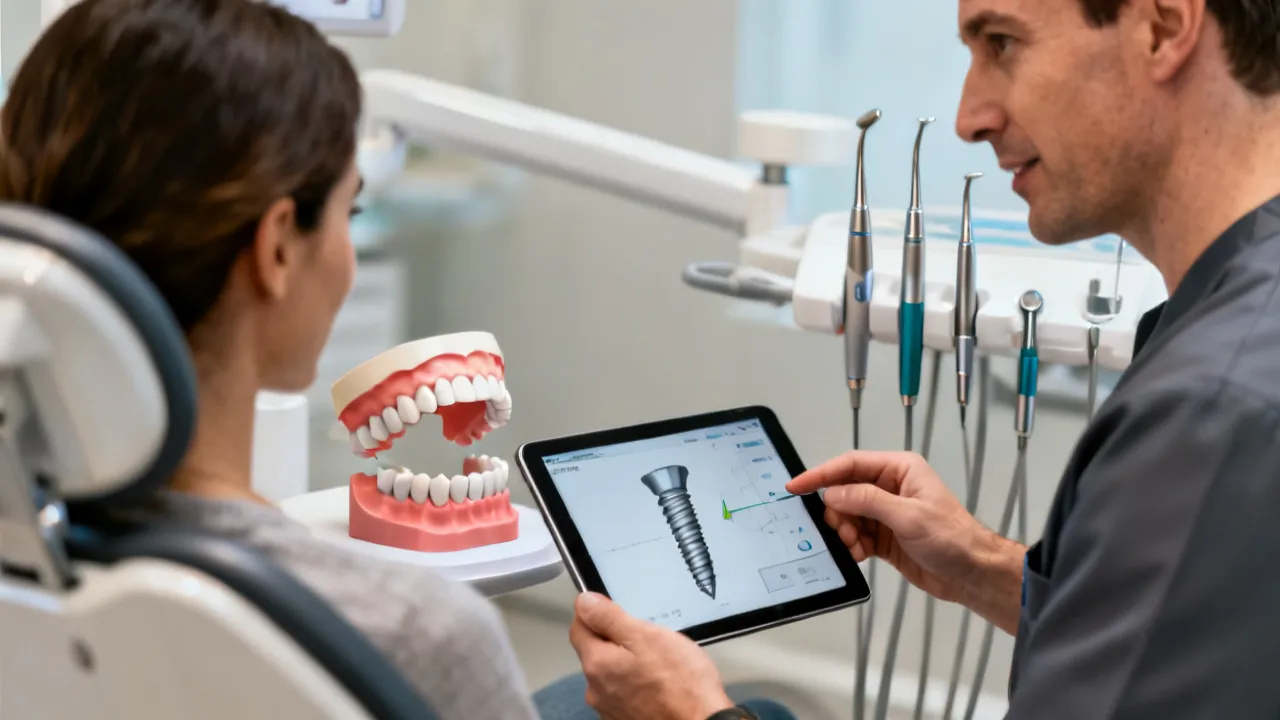
In implant dentistry, alginate can help create an initial model for communication and general planning. It should not automatically be interpreted as sufficient for every stage of implant treatment. Implant placement frequently requires radiographic imaging, an intraoral scan, a high-accuracy conventional impression, or a combination of records.
Alginate may also be useful for documenting a patient’s pre-treatment condition. A diagnostic cast can help the dental team discuss tooth wear, crowding, missing teeth, crossbite, arch form, or the space available for an appliance. When the model is labeled correctly and stored with the patient’s records, it can contribute to communication among the dentist, assistant, laboratory, and patient.
Main Disadvantages of Alginate
1. Poorer Dimensional Stability
The most significant disadvantage is dimensional change after setting. Alginate can lose or absorb water, depending on its surroundings. Syneresis describes the release of liquid from the material, while imbibition refers to the absorption of water. Both processes may alter the shape of the impression.
For this reason, an alginate impression should generally be poured as soon as reasonably possible according to the product’s instructions. Leaving it exposed to air can lead to shrinkage, while storing it in excessive water can cause expansion. Wrapping it in a damp environment may slow change for a limited period, but this is not equivalent to long-term stability.
Dimensional change is particularly important when the laboratory is located away from the dental practice. If an impression must be transported, the practice should establish a reliable schedule so that the model is produced within the material’s recommended handling period. When a delay is unavoidable, the dentist may consider an alternative material or a digital record.
2. Limited Fine-Detail Reproduction
Alginate can capture useful anatomical information, but it generally does not provide the same fine detail as many addition-silicone or polyether systems. This limitation matters when the impression must reproduce a preparation finish line, implant emergence profile, soft-tissue contour, or other small feature with high precision.
A rough or poorly defined impression may result from insufficient mixing, an unsuitable tray, premature movement, saliva contamination, inadequate material thickness, or an expired product. The clinician should evaluate the purpose of the impression before deciding whether its detail is adequate.
For a diagnostic model, slight loss of fine detail may not affect the clinical decision. For a crown margin, veneer preparation, implant connection, or precision attachment, the same loss can be clinically significant. The material should therefore be matched to the tolerance required by the procedure.
3. Tearing in Thin Areas
Alginate may tear when it forms thin sections around teeth, undercuts, interproximal spaces, or the posterior border. Tearing can remove important anatomy from the impression and may leave fragments in the mouth. Adequate bulk, correct tray selection, and a controlled removal path help reduce this risk.
The material should not be allowed to extend unnecessarily into severe undercuts without a clinical plan. In some patients, block-out, tray modification, or a different impression material may be more appropriate.
Thin material is especially vulnerable when the tray is too small or when the tray is held too close to the teeth. A tray that provides a uniform space for alginate usually gives better support than one that allows the material to become extremely thin in some regions. Adhesive may also be required when using certain trays, particularly if the impression must be removed without separation between the material and tray.
4. Sensitivity to Technique
Alginate is easy to use, but it is not immune to technique errors. Common problems include:
- Using an inaccurate water-to-powder ratio
- Employing water that is too warm or too cold for the product
- Mixing for too long or too briefly
- Loading the tray unevenly
- Failing to maintain the tray in a stable position
- Removing the impression with a slow rocking motion
- Delaying disinfection or pouring
Temperature can influence working and setting time. The product label and manufacturer’s instructions should take priority over generalized advice. A routine that works with one brand may not produce the same outcome with another.
Overwatering can produce a weaker, softer impression with reduced tear resistance. Too little water can create a thick, difficult-to-mix mass that does not flow well into anatomical areas. Inconsistent measuring is one of the most preventable causes of variation between impressions.
5. Limited Suitability for Definitive Implant Records
Dental implant treatment requires an accurate understanding of the planned implant position, neighboring teeth, occlusion, soft-tissue contours, and prosthetic design. Alginate may be appropriate for an initial diagnostic cast, but it is often inadequate as the only record for definitive implant prosthodontic procedures.
For example, an implant-supported crown may require precise information about the implant connection, emergence profile, interocclusal space, and occlusal relationship. The dentist may select an intraoral scan, a rigid conventional impression material, or a validated digital-conventional workflow. The choice depends on the case, equipment, implant system, and clinician’s training.
6. Storage and Transport Challenges
Alginate impressions are not ideal for long-distance transport or delayed laboratory work. A practice that must send a record to a distant laboratory should confirm the receiving laboratory’s requirements and use a material with appropriate stability if delays are expected.
The impression should be rinsed, disinfected using a compatible protocol, gently shaken to remove excess water, and stored according to the product’s instructions. Disinfection methods must not cause excessive distortion or surface damage. The impression should never be left unprotected on a work surface because it may dry out, become contaminated, or be damaged before pouring.
7. Possible Patient Discomfort
Although alginate is often well tolerated, some patients experience gagging, pressure, difficulty breathing through the mouth, or anxiety during tray placement. Patients with a strong gag reflex may benefit from shorter setting times, careful tray selection, distraction, upright positioning, and clear breathing instructions.
Patients should inform the dental team about allergies, sensitivities, breathing problems, swallowing difficulties, or previous negative experiences. A clinician may choose an alternative method when alginate is not suitable. Children and patients with limited ability to cooperate may require additional preparation and a particularly efficient approach.
How to Obtain a Better Alginate Impression
Reliable results begin before the powder is mixed. The following workflow reflects common clinical principles, but the manufacturer’s instructions and local infection-control standards always govern the procedure.
- Clarify the purpose. Decide whether the impression is for a study model, orthodontic record, preliminary denture, opposing arch, appliance, or implant consultation. The purpose determines whether alginate is appropriate.
- Select the tray carefully. The tray should cover the arch without impinging on tissues. It should provide sufficient space for a uniform thickness of alginate.
- Prepare the patient. Explain the procedure, position the patient appropriately, and use suction or gentle moisture control when required.
- Measure accurately. Follow the powder and water ratio supplied by the manufacturer. Estimating by eye can change working time, strength, and accuracy.
- Mix efficiently. Use the recommended mixing method and complete the mix within the stated time. The mixture should be smooth and free of dry powder.
- Load the tray evenly. Avoid large voids and ensure that the tray contains adequate material in areas where anatomical coverage is needed.
- Seat decisively. Place the tray along the intended path and maintain it without rocking. Excessive movement can distort the impression.
- Wait for complete setting. Removing the tray too early can cause tearing and permanent distortion.
- Remove with a controlled snap. Break the seal and remove the impression along a suitable path rather than slowly rocking it from side to side.
- Inspect immediately. Check for missing anatomy, tray show-through, tears, bubbles, voids, and distortion. Repeat the impression if the record is inadequate.
- Disinfect and pour promptly. Follow the compatible disinfection protocol and pour the impression within the recommended period.
When loading the tray, the operator may smooth the surface with a wet, gloved finger or spatula according to the product’s instructions. This can reduce folds and improve adaptation. A small amount of material may also be applied selectively to occlusal surfaces or difficult areas before the tray is seated, although the clinician should avoid adding unnecessary complexity to a fast-setting procedure.
After removal, the impression should be examined under good lighting. Important questions include whether all teeth are present, whether the vestibular reflections are recorded, whether the palate or retromolar areas are adequately captured, and whether the tray has become visible through excessively thin material. If the impression is intended for an appliance, the dentist should be especially careful to ensure that the areas relevant to appliance borders and occlusion are complete.
Alginate and Dental Implant Planning
Alginate can support the early stages of implant treatment, particularly when a clinician needs a preliminary model to discuss missing teeth, general spacing, occlusion, or possible restorative options. It may also help communicate with a laboratory during initial planning.
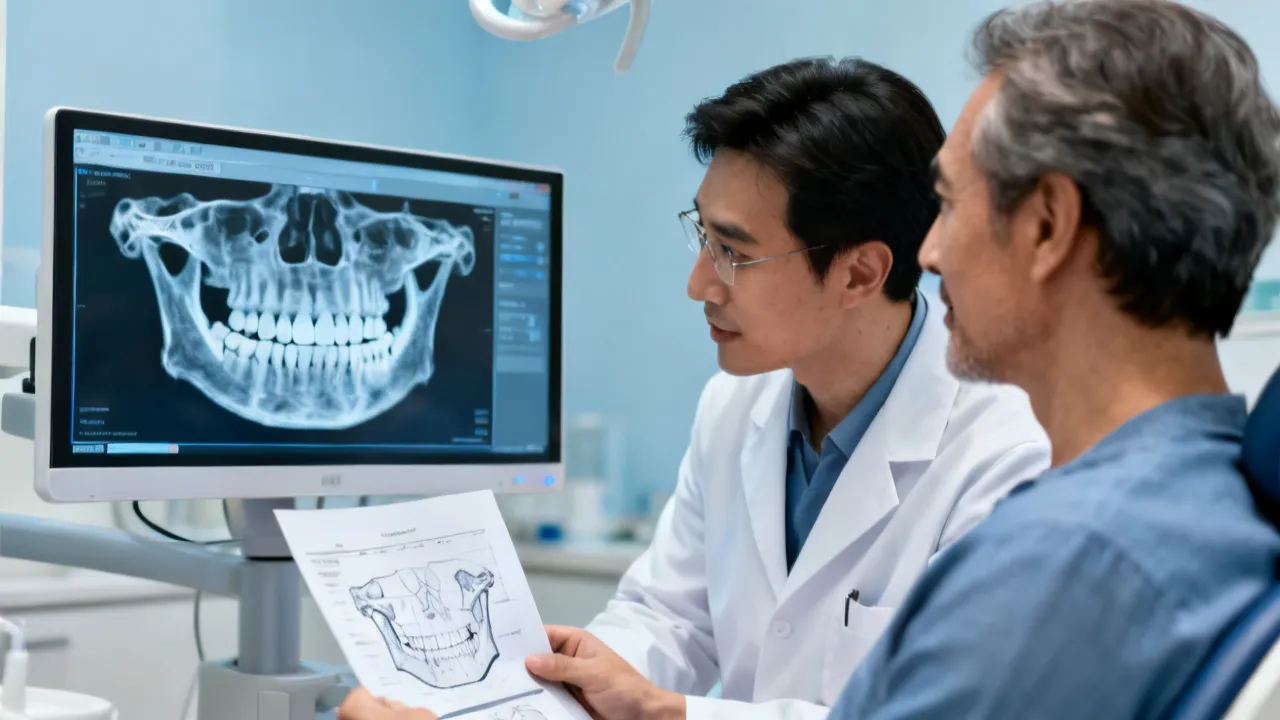
However, implant treatment is not based on a cast alone. A complete assessment may involve a clinical examination, periodontal evaluation, medical history, periapical radiographs, panoramic imaging, cone-beam computed tomography when clinically justified, photographs, occlusal records, and digital planning. The dentist must also evaluate bone volume, soft-tissue health, smoking status, systemic conditions, hygiene, and the patient’s ability to attend maintenance appointments.
An industry-informed approach separates diagnostic convenience from definitive accuracy. Alginate is often efficient for the first category. The second may require a more stable and precise method. Using the right record at the right stage can reduce remakes and improve treatment communication.
For example, a preliminary alginate model may reveal that adjacent teeth have tilted into the space of a missing tooth. The dentist may then determine that orthodontic movement or restorative reshaping is required before implant placement. In another case, an opposing-arch alginate impression may assist with general occlusal evaluation, while the definitive implant restoration is fabricated using a separate high-accuracy record.
How to Get Dental Implants at Lower Cost in English-, Spanish-, and Portuguese-Speaking Markets
Dental implant prices vary because the phrase “single implant” may describe different packages. Some quotations include the implant fixture only, while others include the abutment, crown, consultation, imaging, extraction, bone grafting, temporary restoration, medication, and follow-up. A meaningful comparison must identify exactly what is included.
Step 1: Confirm the Clinical Scope
Ask whether the quotation concerns one missing tooth and whether it includes:
- Initial consultation and treatment planning
- Radiographs or three-dimensional imaging
- Tooth extraction, if required
- Bone grafting or sinus augmentation
- Implant fixture placement
- Healing abutment or temporary restoration
- Definitive abutment
- Final crown
- Laboratory charges
- Medication and review appointments
- Management of complications
A low advertised price may represent only one component. Request a written treatment plan before comparing clinics. It is also useful to ask whether the price is fixed or may change if the dentist discovers insufficient bone, active infection, an unerupted tooth, or another condition during treatment.
Step 2: Compare Clinician Credentials and Facility Standards
Patients should confirm the dentist’s registration, implant training, experience with the relevant implant system, and access to appropriate diagnostic equipment. The clinic should use documented sterilization procedures and provide clear information about materials, laboratory support, and emergency contact arrangements.
Cost should never be evaluated separately from safety. A clinic’s ability to manage infection, implant failure, nerve-related complications, peri-implant disease, or prosthetic problems is part of the overall value of treatment. Patients may ask how often the dentist performs the proposed procedure and whether a specialist referral is available when the case is complex.
Step 3: Obtain More Than One Itemized Quote
Two or three written estimates can reveal whether a price difference arises from the implant brand, crown material, laboratory, imaging requirements, or additional surgery. The estimates should be compared on an equivalent basis. A quotation for an implant fixture alone should not be compared directly with a quotation for a complete implant-supported crown.
Patients should also ask about payment timing. Some clinics divide fees between surgery, uncovering, impression or scanning, and final crown delivery. Understanding the schedule makes it easier to identify unexpected charges and plan financially.
Step 4: Ask About Established Implant Systems
Implant components are system-specific. Patients should ask which manufacturer is being used and whether replacement parts are likely to be available in the region where they live. A very low initial cost may become inconvenient if the patient later cannot obtain compatible components or maintenance.
The patient should receive documentation identifying the implant system, size, lot information when available, and restorative components. Keeping these records can be valuable if the patient moves, changes dentists, or requires maintenance years later.
Step 5: Consider Local Treatment First
Receiving treatment near home may reduce travel, accommodation, translation, and follow-up expenses. It also makes it easier to attend urgent reviews or maintenance appointments. Clinics in major metropolitan areas may charge more than practices in nearby regional areas, but the difference should be assessed alongside clinician quality, facility standards, and travel time.
Step 6: Evaluate Dental Tourism Carefully
Some patients consider treatment abroad because advertised fees may be lower. Before making that decision, calculate the complete cost, including flights, accommodation, meals, local transportation, time away from work, companion expenses, and possible repeat visits. Implant treatment often involves healing periods and several appointments, so a short visit may not be clinically appropriate.
Patients should also ask who will manage complications after returning home. A local dentist may be unable or unwilling to repair another clinic’s work, particularly when documentation is incomplete or the implant system is unfamiliar. Differences in regulations, language, consent procedures, and legal remedies may also affect the decision.
Step 7: Review Financing and Dental Coverage
Dental plans, employer benefits, staged payments, and clinic financing may reduce immediate financial pressure. Coverage differs significantly by policy. Some plans exclude implants, apply waiting periods, impose annual limits, or cover only a portion of the prosthetic stage.
Patients should obtain written confirmation from the insurer or plan provider rather than relying on a verbal estimate. Websites that explain insurance or treatment options can be useful for initial research, but the final coverage decision belongs to the insurer and the treatment contract.
Step 8: Improve Oral Health Before Treatment
Active periodontal disease, untreated decay, poor plaque control, and uncontrolled medical conditions can increase treatment complexity. Completing necessary preventive care before implant placement may reduce avoidable complications and improve long-term maintenance.
Step 9: Plan for Maintenance
An implant is not a one-time purchase. Professional reviews, hygiene appointments, home care, and prompt attention to bleeding or discomfort are essential. A clinic that provides a clear maintenance plan may offer better long-term value than one that focuses only on the initial fee.
Indicative Cost Ranges for One Dental Implant
The following ranges are provided for an individual dental implant and are intended for broad comparison. They should not be interpreted as complete treatment packages. Currency values are shown in the local currency supplied for each market.
| Market | Currency | Indicative range for one implant |
|---|---|---|
| United States | USD | $3,000–$6,000 |
| United Kingdom | GBP | £2,000–£2,500 |
| Australia | AUD | AU$3,500–AU$6,500 |
| Canada | CAD | CA$3,000–CA$5,500 |
| Spain | EUR | €1,500–€2,500 |
| Chile | CLP | CLP$800,000–CLP$1,500,000 |
| Mexico | MXN | $15,000–$25,000 |
| Colombia | COP | $2,000,000–$4,000,000 |
| Peru | PEN | S/ 3,000–S/ 6,000 |
| Argentina | ARS | $80,000–$150,000 |
| Brazil | BRL | R$3,000–R$8,000 |
| Portugal | EUR | €1,000–€2,000 |
| Germany | EUR | €2,000–€3,500 |
| France | EUR | €1,500–€2,500 |
| Italy | EUR | €1,500–€3,000 |
| Japan | JPY | ¥300,000–¥700,000 |
These figures should be used as an initial reference only. Exchange rates, inflation, regional fees, laboratory costs, implant brands, surgical complexity, and the scope of the package can change the final amount considerably. A patient requiring extraction or bone augmentation may pay substantially more than the stated range.
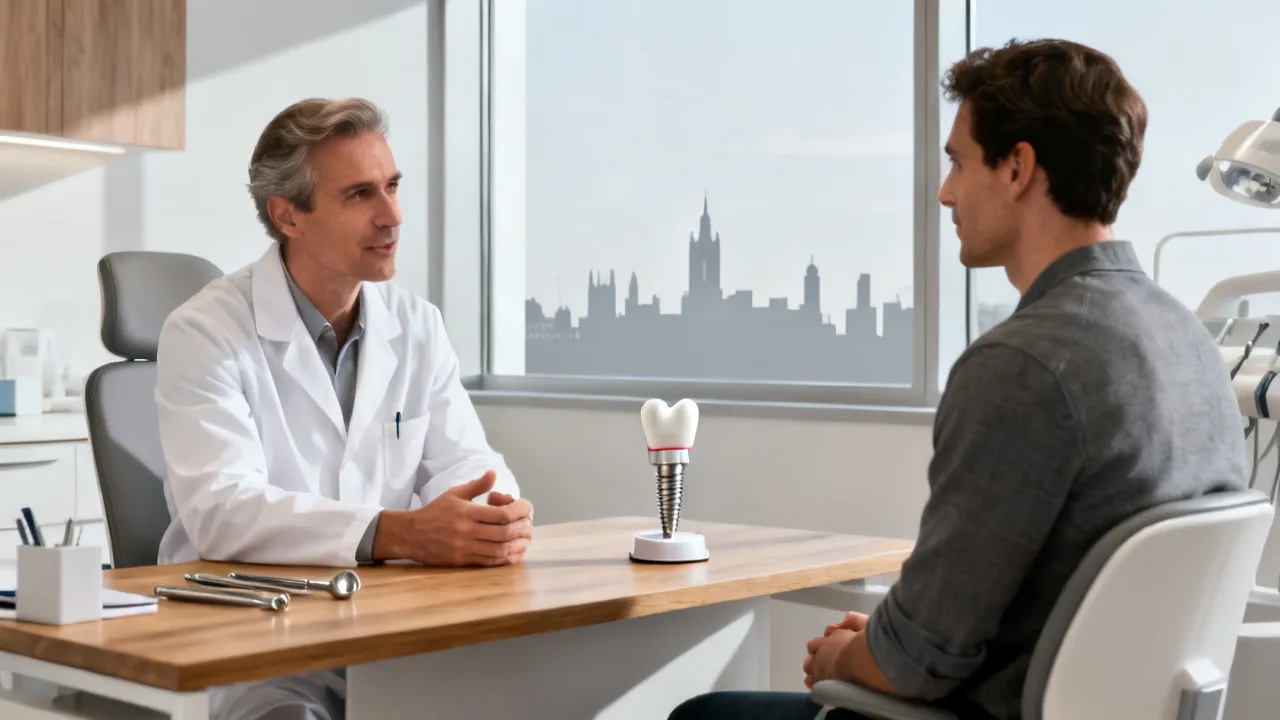
Another important distinction is the difference between the surgical and restorative stages. The implant fixture is placed in bone, but it does not by itself replace the visible tooth. The abutment connects the implant to the restoration, and the crown provides the visible chewing surface. A patient comparing prices should confirm whether all three stages are included or whether the quote covers surgery only.
Comparing Online Dental Information and Service Websites
Online resources can help patients understand implant terminology, identify questions for a consultation, and compare the types of services offered by clinics or dental-plan providers. They should not replace an examination by a registered dental professional. The websites below represent different information categories, including clinic services, dental tourism, insurance information, and Spanish- or Portuguese-language dental care.
| Website or organization | Primary focus and useful features |
|---|---|
| Dental Views | Discusses lower-cost dental implant options, treatment types, expected benefits, process information, and cost-related questions. |
| Atlantic Dental Group | Clinic-based information covering general dentistry, implants, orthodontics, cleaning, emergency care, appointments, and professional services. |
| DentaVacation | Explains dental tourism concepts, international treatment comparisons, travel planning, and potential cost considerations. |
| American Dental Health Plans | Provides information about dental-plan options, coverage considerations, applications, and ways insurance may contribute to treatment expenses. |
| Rockville Dental Arts | Spanish-language clinic information covering implants, whitening, cleaning, orthodontics, and emergency dental services. |
| Union City Mini Dental Implants | Spanish-language information focused on mini dental implants and possible applications for selected areas of tooth loss. |
| Cigna | Spanish-language educational material explaining dental implants, treatment stages, and general considerations for patients. |
| Rubi Odonto | Portuguese-language clinic information from Santo André, São Paulo, including orthodontics, whitening, implants, and patient-care services. |
| Odontologia Velasco | Portuguese-language information about implants, prostheses, aesthetic dentistry, and technology used in clinical services. |
| DentalVidas | Portuguese-language dental-plan information for individuals, families, and organizations, including network and emergency-care details. |
source: www.dentalviews.com
source: www.atlanticdentalgrp.com
source: www.dentavacation.com
source: rockvilledentalarts.com/es
source: unioncityminidentalimplants.com/es
source: www.cigna.com/es-us
source: www.rubiodonto.com.br
source: odontologiavelasco.com.br
source: dentalvidas.com.br
How to Assess Online Dental Information
Patients should distinguish between educational information, marketing material, and individualized clinical advice. A responsible website should identify the service provider, explain limitations, avoid guarantees, and encourage consultation. Claims about success, healing time, or unusually low prices deserve careful review.
Readers should also check whether a price is current, whether it applies to a particular region, and whether the quoted treatment is performed by a licensed dentist. Reviews can provide insight into communication and organization, but they cannot establish that a treatment is clinically appropriate for another patient.
It is also helpful to examine the date of publication. Dental prices, insurance rules, available technologies, and regulations can change. A page that was accurate several years ago may no longer reflect current fees or clinical standards. Patients should ask the clinic to confirm all essential information in writing before scheduling surgery.
Clinical Conditions That May Affect Implant Cost
The following conditions can change the treatment plan and total cost:
- Bone deficiency: Additional grafting or sinus-related procedures may be considered when bone volume is insufficient.
- Periodontal disease: Gum disease may need treatment before implant placement.
- Untreated decay: Neighboring teeth and the opposing arch may require attention.
- Smoking or nicotine use: The dentist may discuss elevated healing and maintenance concerns.
- Medical conditions: Diabetes, immune-related disorders, medications affecting bone metabolism, and other factors require individualized assessment.
- Occlusal forces: Bruxism or a heavy bite may influence implant and crown planning.
- Limited space: Tooth movement or restorative preparation may be necessary.
- Aesthetic demands: Front-tooth treatment may require additional soft-tissue planning and laboratory work.
- Need for temporary teeth: Temporary restorations may add appointments and laboratory charges.
Patients should disclose their complete medical history and medication list. They should not stop prescribed medication without advice from the prescribing clinician and dental team.
The location of the missing tooth also affects planning. A molar must tolerate substantial chewing forces and may require careful evaluation of available vertical space. A front tooth may involve more demanding aesthetic considerations, including the position of the gum margin, the shape of the adjacent teeth, and the appearance of the temporary restoration during healing.
Alginate Versus Digital Scanning
Digital scanning and alginate impressions are not interchangeable in every situation. A scanner can produce a digital file immediately, support virtual planning, and reduce some issues associated with physical storage. It may be especially convenient for patients with gag sensitivity. However, scanning equipment involves substantial investment, operator training, software compatibility, data storage, and maintenance.
Alginate remains practical for broad diagnostic records and situations where a physical cast is useful. Digital scanning may be preferred when the workflow requires immediate electronic transfer, repeated digital analysis, or integration with computer-aided design. The best option depends on the clinical question, the patient’s anatomy, the operator’s skill, and the laboratory’s workflow.
In implant dentistry, digital impressions may support guided planning, but accuracy still depends on scan strategy, field isolation, tissue management, scanner calibration, and correct identification of implant components. Technology does not remove the need for clinical judgment.
Some practices use both methods. An alginate impression may be selected for a quick preliminary model, while a digital scan is used later for definitive restorative design. In other situations, a digital scan may be the first choice because the patient, laboratory, and clinician already have an integrated electronic workflow. The important issue is not whether one method is universally superior, but whether the method captures the information required for the specific decision.
Quality-Control Checklist for Dental Practices
| Stage | Quality-control question |
|---|---|
| Before mixing | Is the product within its use period, and are the tray, water, measuring tools, and protective equipment ready? |
| During mixing | Were the recommended proportions, water temperature, and mixing time followed? |
| Tray seating | Is the tray stable, centered, and seated before the material begins to set? |
| Removal | Was the impression removed decisively after complete setting? |
| Inspection | Are the teeth, vestibules, palate, ridges, and relevant soft tissues clearly recorded without major tears or voids? |
| After removal | Was the impression rinsed, disinfected compatibly, and poured within the recommended time? |
When a practice experiences repeated alginate failures, the team should investigate the entire workflow rather than blaming the material automatically. Review the powder storage container, water dispenser, measuring scoop, tray inventory, mixing technique, setting times, disinfection product, and laboratory schedule. A simple checklist can identify whether failures occur during preparation, seating, removal, or model production.
Frequently Asked Questions
Is alginate suitable for every dental impression?
No. It is useful for preliminary impressions, study casts, orthodontic records, and selected appliance procedures. More precise and dimensionally stable materials may be preferred for definitive crowns, bridges, veneers, and many implant-level records.
What is the biggest advantage of alginate?
Its combination of practical cost, speed, simple handling, and broad anatomical coverage makes it valuable in routine dentistry. It can produce an adequate diagnostic model without a complex procedure when the case is appropriately selected.
What is the biggest disadvantage of alginate?
Dimensional instability is the principal limitation. The impression can change if it dries out, absorbs water, or waits too long before laboratory pouring. This is why prompt handling is essential.
Can alginate be used for dental implants?
It may be used for preliminary consultation models or opposing-arch records. For definitive implant restorations, the dentist may select a more precise conventional material or a digital scan, depending on the implant system and treatment requirements.
How long can an alginate impression be stored?
The answer depends on the product. In general, it should be poured promptly and stored only for the period specified by the manufacturer. A damp environment may slow dimensional change but does not make long-term storage reliable.
Why do alginate impressions develop bubbles?
Bubbles can result from air incorporated during mixing, inadequate tray loading, saliva contamination, or failure to adapt the material around the teeth. A smooth mix, correct loading technique, and appropriate moisture control can reduce the problem.
Why does an alginate impression tear?
Tearing may occur when the material is too thin, the impression engages an undercut, the tray is removed slowly, or the material has not fully set. A correctly sized tray and a controlled removal path are important preventive measures.
Is a lower-priced implant quotation always better?
No. The quotation may exclude imaging, the abutment, the crown, extraction, grafting, laboratory fees, or follow-up care. Patients should compare itemized plans and assess credentials, safety standards, component availability, and maintenance support.
Are dental implants covered by dental plans?
Coverage varies by policy, employer, region, waiting period, annual limit, and treatment component. Some plans contribute toward the crown or extraction but not the implant fixture. Written confirmation is advisable.
Is treatment abroad appropriate for everyone?
No. Dental tourism may create travel, communication, scheduling, and follow-up challenges. Patients should consider the complete cost and identify a clear plan for managing complications before committing to treatment abroad.
What questions should a patient ask before accepting an implant estimate?
- What exactly is included in the quoted amount?
- Which implant manufacturer and component system will be used?
- Who will place the implant and who will fabricate the crown?
- Will imaging, extraction, grafting, temporary teeth, and reviews cost extra?
- How many visits are expected?
- What happens if the implant does not integrate or the crown needs repair?
- Can the patient receive copies of radiographs, implant records, and laboratory information?
- What maintenance schedule is recommended after restoration?
Practical Conclusion
The advantages and disadvantages of alginate should be understood in relation to the clinical task. Alginate is efficient, accessible, fast, and suitable for many preliminary and diagnostic applications. Its disadvantages—especially dimensional change, limited fine-detail reproduction, tearing, and dependence on prompt pouring—make it less suitable for procedures that demand maximum precision or prolonged storage.
For patients researching lower-cost dental implants, the same principle applies: the lowest advertised fee is not necessarily the lowest complete treatment cost. A sound decision combines a suitable clinical plan, a qualified dental team, transparent pricing, appropriate materials, reliable follow-up, and realistic expectations. Online resources can support preparation, but only an in-person dental assessment can determine whether a particular impression method or implant plan is appropriate.
For dental professionals, the practical lesson is to treat alginate as a purpose-specific material. It is not outdated simply because digital technologies exist, and it is not appropriate merely because it is inexpensive. When the required accuracy, storage time, and anatomical detail are compatible with its properties, alginate can remain an efficient and dependable part of the clinical workflow. When the case demands greater precision or stability, the clinician should select an alternative without hesitation.
Disclaimer
The information above comes from online resources, and the data is as of October 2023. Dental implant prices are for reference only and may vary by region, clinic, and doctor. Alginate selection, impression procedures, implant suitability, and treatment planning must be determined by a qualified dental professional after an appropriate examination.