Understanding Apicoectomy Costs and Dental Options
This guide explains 치근단 절제술 비용, the factors that influence apicoectomy pricing, and the questions patients should ask before treatment. It distinguishes root-end surgery from dental implant treatment, reviews consultation, imaging, anesthesia, restoration, and follow-up charges, and compares published implant price ranges across selected language-speaking markets. Prices are general reference figures collected from online resources as of October 2023 and can vary substantially by clinic, region, materials, and clinical complexity.
What 치근단 절제술 비용 Means
치근단 절제술 비용 is the Korean expression commonly used for the cost of an apicoectomy, also called root-end surgery or an apical resection. The procedure is an endodontic microsurgical treatment designed to remove infected or inflamed tissue around the tip of a tooth root while preserving the natural tooth whenever possible.
An apicoectomy is not the same as a dental implant. An implant replaces a missing tooth, whereas an apicoectomy attempts to save a natural tooth that has persistent disease after, or despite, root canal treatment. This distinction is central when comparing prices. A quoted apicoectomy fee may cover only the surgical procedure, while an implant estimate may include an implant fixture, abutment, crown, bone grafting, temporary restoration, and several appointments.
From an industry perspective, patients should evaluate the total treatment pathway rather than selecting a clinic based on one advertised figure. A lower initial quote may exclude diagnostic imaging, specialist consultation, medication, a permanent crown, or retreatment of the root canal. A structured written estimate is therefore more useful than a headline price.
The phrase may also be used differently by patients, clinics, and online publishers. Some people use it to describe the fee for the operation alone. Others use it to describe the entire process, including consultation, imaging, surgery, sutures, medication, review visits, and final restoration. Because these meanings are not always consistent, the first step in comparing 치근단 절제술 비용 is to clarify exactly what the quote represents.
Key Cost Factors at a Glance
| Cost factor | Why it matters |
|---|---|
| Diagnostic examination | Clinical testing and X-rays determine whether surgery is appropriate and whether another condition is present. |
| Two-dimensional or 3D imaging | Complex roots, nearby nerves, sinuses, or unusual anatomy may require additional imaging. |
| Surgical complexity | Front teeth, premolars, molars, multiple roots, and difficult access can require different instruments and operating time. |
| Specialist experience | An endodontist or oral surgeon may charge differently from a general dental practitioner because of training and equipment. |
| Microsurgical equipment | Magnification, specialized ultrasonic instruments, and biocompatible root-end materials may affect the fee and operating process. |
| Restorative treatment | A permanent filling, crown, or replacement restoration may be necessary after the surgical phase. |
| Follow-up care | Review appointments and postoperative imaging help assess healing but may be billed separately. |
| Insurance and payment policies | Coverage, annual limits, deductibles, exclusions, and payment timing can change the patient’s out-of-pocket amount. |
What Is an Apicoectomy?
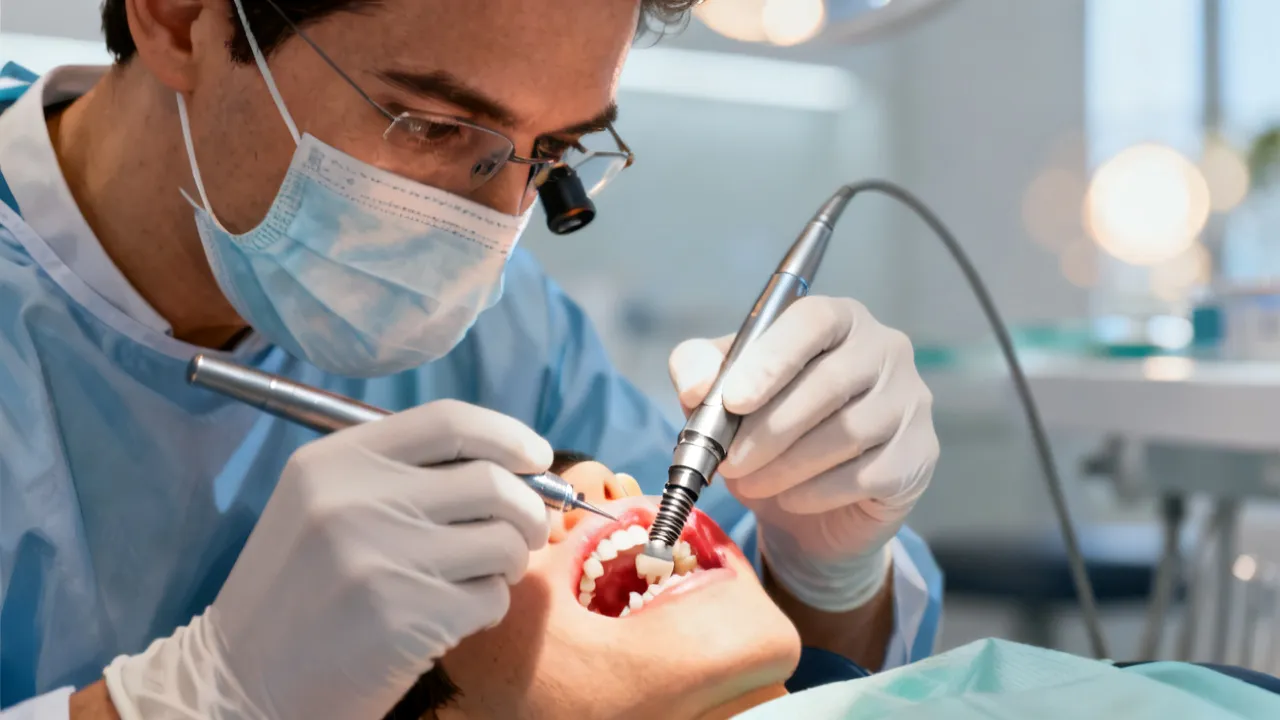
During an apicoectomy, the dentist accesses the bone near the end of a tooth root, removes inflamed or infected tissue and a small portion of the root tip, and seals the remaining root end. The operation is generally performed under local anesthesia. In selected situations, sedation may be discussed, but suitability and additional charges depend on the patient’s medical history and the provider’s arrangements.
The root end is usually sealed with a specialized material intended to prevent microorganisms from entering the root canal through the resected surface. The dentist may also submit removed tissue for laboratory examination if the appearance is unusual or if a diagnosis needs confirmation. Pathology is not necessarily required in every case, but patients can ask whether it is included in the estimate or billed separately.
The procedure is usually considered when infection remains after root canal treatment, when conventional retreatment is unlikely to resolve the problem, or when an obstruction prevents access through the crown of the tooth. Examples of obstructions include a post, a separated instrument, a calcified canal, or complex root anatomy. Surgery may also be considered when a restoration is functioning well and removing it to reach the root canal could damage the tooth or crown.
It is not automatically the correct option for every tooth with pain or an abnormal area near the root. A cracked root, severe periodontal disease, inadequate remaining tooth structure, or an unfavorable crown-to-root relationship may make extraction and replacement more predictable. A careful diagnosis is more important than focusing on 치근단 절제술 비용 alone.
Apicoectomy is also different from simply removing a gum abscess. The clinician must address the source of infection inside or around the root. Draining swelling may provide temporary relief but does not necessarily eliminate the underlying endodontic problem. Patients should ask what diagnosis is being treated and how the proposed procedure addresses that diagnosis.
How an Expert Assesses the Treatment Decision
An endodontic assessment normally begins with a review of symptoms, dental history, previous root canal records, and the timing of any earlier treatment. The dentist may perform percussion, palpation, bite testing, periodontal probing, and pulp or vitality tests on neighboring teeth. These tests help distinguish endodontic infection from a cracked tooth, gum disease, traumatic occlusion, sinus-related discomfort, or non-dental pain.
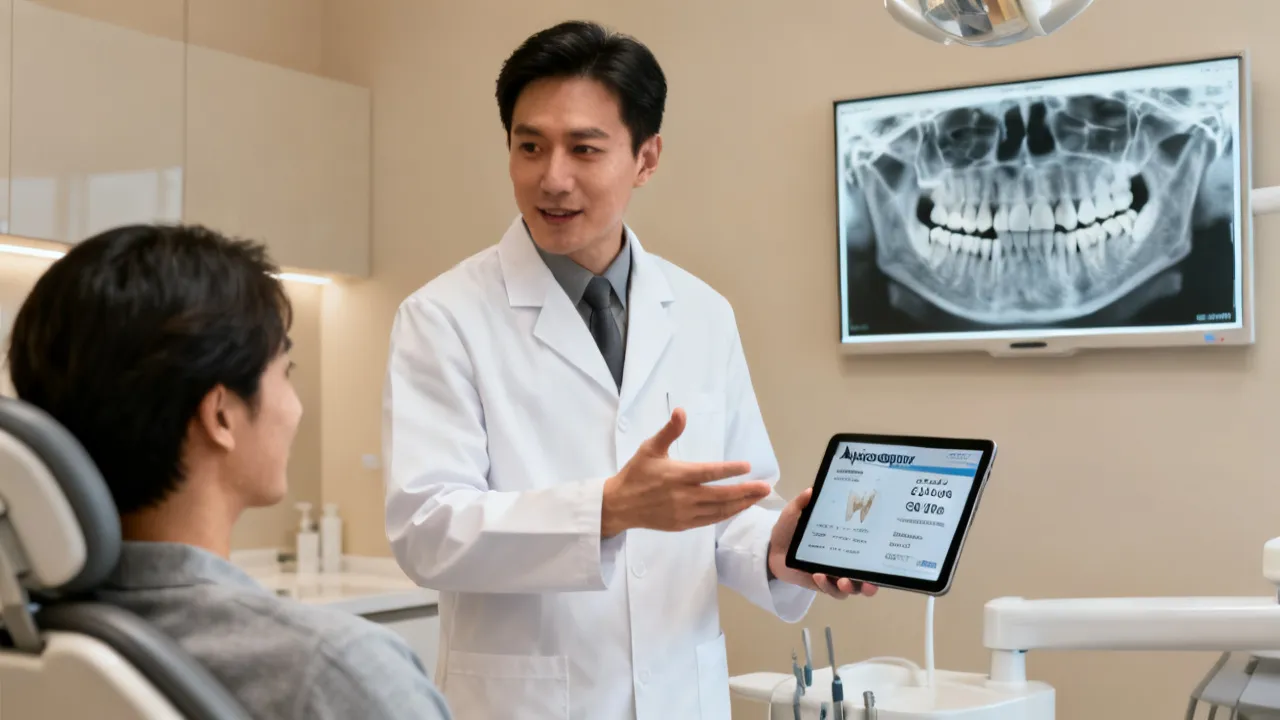
Radiographs provide information about the roots and surrounding bone. A limited field-of-view cone-beam computed tomography scan may be considered when standard radiographs do not adequately show the lesion or when the relationship to an anatomical structure needs clarification. Three-dimensional imaging is not necessary in every case, and the clinician should explain why it is recommended. Imaging may add to 치근단 절제술 비용, but it can sometimes prevent an incorrect diagnosis or an unexpectedly complicated operation.
The final decision should address three questions:
- Can the natural tooth be restored and maintained after surgery?
- Is the cause of disease accessible and treatable with root-end surgery?
- How does the expected result compare with extraction and tooth replacement?
These questions affect both clinical value and total expenditure. A procedure that preserves a sound natural tooth may avoid implant-related stages, but a tooth with a poor long-term prognosis may require additional treatment later. A dentist should explain not only the probability of short-term healing but also the reasons the tooth might fail in the future.
Tooth position matters. Incisors and canines are often easier to access because their roots may be more accessible from the front of the mouth. Premolars and molars can be more demanding because of thicker bone, multiple roots, limited visibility, nearby nerves, or proximity to the maxillary sinus. A molar procedure may therefore involve a different fee from surgery on a single-rooted front tooth.
The condition of the crown is equally important. If a crown is loose, leaking, fractured, or unsupported, treating the root tip may not solve the long-term problem. In contrast, if the crown is clinically satisfactory and removing it would create unnecessary risk, root-end surgery may preserve both the tooth and its existing restoration.
What May Be Included in an Apicoectomy Quote?
Dental practices use different billing structures. Before accepting an estimate, ask whether the quoted amount includes the initial examination, diagnostic radiographs, local anesthesia, sterile surgical materials, sutures, pathology evaluation when indicated, postoperative medication, and the review appointment.
The quote should also state whether the following items are separate:
- Previous root canal retreatment;
- Removal or replacement of a post or crown;
- Bone grafting or guided tissue regeneration;
- Sedation or anesthetic services;
- Specialist referral fees;
- Permanent restorative work after healing;
- Additional imaging;
- Emergency visits caused by postoperative complications;
- Laboratory testing or pathology;
- Follow-up radiographs taken several months after treatment.
In practical terms, the most useful document is an itemized estimate with a treatment sequence. It should identify the tooth, the diagnosis, the proposed procedure, exclusions, payment timing, and the circumstances that could change the estimate. Patients should also ask how long the quote remains valid because laboratory, material, or administrative charges can change.
Patients should distinguish between an estimate and a guarantee. A dentist can estimate the likely cost based on the available examination, but unexpected findings may become visible only during surgery. For example, a crack, an additional canal, a larger lesion, or damage to surrounding bone may alter the treatment plan. The consent discussion should explain how such situations are handled financially and clinically.
It is also useful to ask whether a consultation fee is credited toward surgery. Some specialist practices charge a separate diagnostic fee because the examination includes detailed testing and imaging. This is not necessarily an unnecessary charge; it may reflect the time required to determine whether surgery is appropriate. The important issue is that the policy should be stated before the appointment.
Apicoectomy Cost Compared with Root Canal Retreatment and Implants
Root canal retreatment and apicoectomy address different access routes. Retreatment enters the tooth through the crown and removes or revises the existing root filling. Apicoectomy approaches the root from the surrounding bone. In some cases, retreatment is the preferred first option; in others, the existing restoration or canal anatomy makes surgery more appropriate.
Retreatment may be less invasive to the surrounding bone but may require removal of a crown, post, or core. If the restoration breaks during removal or cannot be replaced, additional restorative work may be necessary. An apicoectomy may avoid removal of a satisfactory restoration, but it involves surgical access and a healing period.
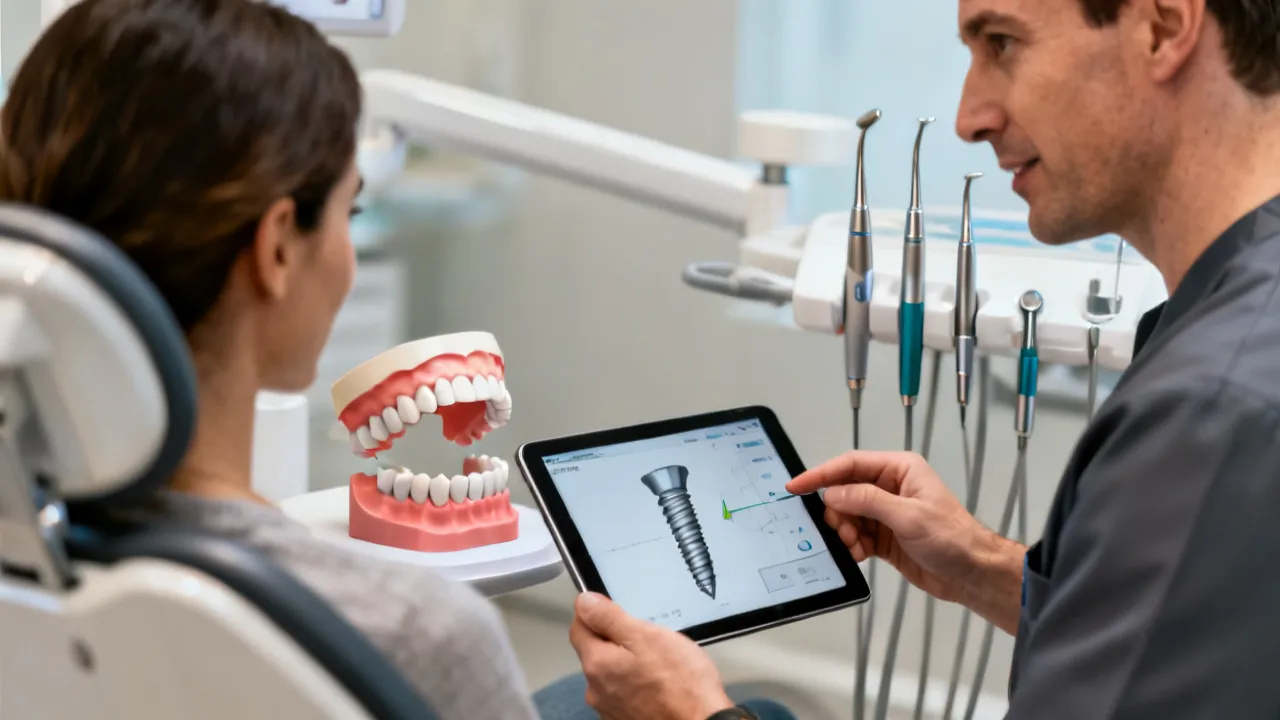
An implant treatment plan usually involves more than one appointment and more than one component. The process may include extraction, healing, bone preservation, implant placement, integration, abutment placement, and crown fabrication. If bone volume is limited, grafting or sinus-related procedures may add time and expense.
For this reason, a direct comparison between one apicoectomy fee and one implant figure can be misleading. A clinician should explain:
- The expected service life and prognosis of the natural tooth;
- The condition of the existing crown or filling;
- Whether the tooth is structurally restorable;
- The likely number of visits;
- The need for replacement of the restoration;
- The medical and dental risks associated with each option;
- The maintenance requirements of the natural tooth or implant;
- The likely costs of future repair, replacement, or complication management.
The least expensive initial treatment is not always the least expensive complete treatment. Conversely, a more invasive option should not be selected solely because it is technologically newer. Shared decision-making should combine diagnosis, prognosis, patient preference, function, time, and total projected cost.
Patients may also need to consider the effect of treatment on neighboring teeth. Extraction followed by an implant can require preservation of the extraction site and careful planning for appearance and bite. A bridge may involve adjacent teeth, while a removable appliance may have different maintenance and comfort considerations. These alternatives should be discussed rather than comparing apicoectomy with implants in isolation.
Typical Stages of an Apicoectomy
1. Examination and diagnosis
The dentist reviews symptoms and conducts clinical tests. Existing records may be requested from the previous provider. The purpose is to confirm that the source of disease is endodontic and that the tooth can be restored. The dentist may also evaluate the gum attachment and the quality of the existing crown.
2. Imaging and treatment planning
Radiographs are used to assess the roots and surrounding bone. Additional imaging may be suggested for complex anatomy or when a nearby nerve, sinus, or adjacent tooth must be evaluated. The clinician should explain the purpose of each image and whether it changes the treatment plan.
3. Consent and estimate
The provider should explain alternatives, potential complications, expected healing, and the financial items included in the proposed plan. Patients should receive an opportunity to ask questions before signing consent. Important questions include the possibility of extraction if the tooth is found to be non-restorable and the cost of any additional procedure.
4. Surgical treatment
The area is anesthetized, access is created through the gum and bone, the inflamed tissue is removed, and the root end is resected and sealed. The procedure length depends on tooth location, number of roots, access, and the extent of infection. Microsurgical techniques may use magnification and small instruments to improve visualization.
5. Early postoperative care
Instructions may include using prescribed or recommended medication, applying a cold pack intermittently during the first period after surgery, maintaining oral hygiene as directed, and avoiding pressure on the area. The dentist should provide specific guidance rather than relying on general internet advice. Smoking and other factors that impair healing should be discussed honestly.
6. Suture management
Sutures may be dissolvable or may need removal. The clinic should explain when a review is expected and what signs should prompt an earlier call. Patients should avoid pulling at the stitches or repeatedly touching the surgical area.
7. Follow-up and restoration
Sutures may be removed at a review appointment when non-dissolving sutures are used. The tooth may require a permanent restoration or replacement crown. Later imaging can help evaluate bone healing, although radiographic changes may take time. The clinician should explain whether the follow-up visit is included in the original fee.
How to Reduce Dental Treatment Costs Responsibly
Patients looking for lower-cost dental care should focus on transparent planning and appropriate care, not on skipping diagnostic or infection-control steps. The following approach can reduce avoidable expenditure while protecting treatment quality.
- Obtain a diagnosis before comparing prices. Quotes are meaningful only when clinics are estimating the same tooth, procedure, and level of complexity.
- Ask for an itemized treatment plan. Separate surgical, imaging, restorative, medication, and follow-up charges should be visible.
- Compare qualified providers. Confirm the dentist’s registration, endodontic training, experience with microsurgery, and access to appropriate equipment through the relevant professional or regulatory body.
- Request a second clinical opinion. A second opinion can clarify whether retreatment, surgery, extraction, or observation is reasonable.
- Check insurance and benefit rules. Some plans impose waiting periods, annual limits, exclusions, or preauthorization requirements. Patients should verify coverage directly with the insurer.
- Ask about payment scheduling. A clinic may divide payments according to consultation, surgery, and restoration stages. The terms should be written and should not obscure the total amount.
- Consider teaching or public clinics carefully. University dental centers and public services may use supervised trainees or appointment-based systems. Eligibility, waiting time, and specialist availability vary by institution.
- Maintain the tooth after treatment. Regular examinations, daily plaque control, appropriate protective restorations, and management of grinding can reduce the risk of further dental expenditure.
- Evaluate travel costs before dental tourism. Airfare, accommodation, translation, local transport, follow-up, and treatment of complications can change the overall calculation.
- Avoid delaying urgent infection care. Delay can permit worsening pain, swelling, bone loss, or emergency treatment needs, potentially increasing total costs.
- Ask whether phased care is clinically safe. Some treatment can be divided into stages, but delaying infection control or a necessary restoration may increase risk.
- Keep a complete record of treatment. Copies of images, prescriptions, invoices, and procedure notes make future consultations more efficient and may prevent duplicated testing.
Cost-conscious care does not mean choosing an unqualified provider. The clinician’s ability to diagnose the cause, isolate the treatment field, seal the root end, and monitor healing is more relevant than a promotional price alone.
Low-Cost Dental Implant Information Sources
The following websites provide patient-oriented information about dental implants, dental services, insurance, or treatment planning. They are supplementary sources and should not replace a personal examination. Their content, availability, and quoted prices may change.
| Website | Information or service focus |
|---|---|
| Dental Views | Discusses lower-cost implant options, treatment types, procedure stages, and cost considerations. |
| Atlantic Dental Group | Presents general dental services, implants, emergency care, and clinic-related patient information. |
| DentaVacation | Provides dental tourism information, international treatment comparisons, and travel-related planning. |
| American Dental Health Plans | Offers information about dental plan structures and ways insurance may help manage treatment expenses. |
| Rockville Dental Arts | Spanish-language dental information covering implants, preventive care, orthodontics, and emergency services. |
| Union City Mini Dental Implants | Explains mini dental implant services and treatment considerations for selected tooth-replacement situations. |
| Cigna | Spanish-language educational material describing dental implant stages and general treatment considerations. |
| Rubi Odonto | Brazilian dental clinic information covering orthodontics, whitening, implants, and related services. |
| Odontologia Velasco | Brazilian clinic information concerning implants, prostheses, aesthetic dentistry, and modern dental technology. |
| DentalVidas | Portuguese-language dental plan information for individuals, families, and businesses, including network services. |
source: www.dentalviews.com/low-cost-dental-implants/
source: www.atlanticdentalgrp.com
source: www.dentavacation.com
source: www.rockvilledentalarts.com/es/
source: www.unioncityminidentalimplants.com/es/
source: www.cigna.com/es-us/knowledge-center/guide-to-dental-implants
source: www.rubiodonto.com.br
source: www.odontologiavelasco.com.br
source: www.dentalvidas.com.br
How to Seek Lower-Cost Dental Implants in English-Speaking Markets
Patients in the United States, the United Kingdom, Australia, and Canada may use several legitimate strategies to manage implant expenses. These markets differ in insurance design, public dental provision, professional regulation, and regional pricing.
- United States: Compare several licensed practices, ask whether the quote includes the crown and abutment, and check annual dental plan limits. Dental schools, community clinics, and staged payment arrangements may be relevant for eligible patients.
- United Kingdom: Ask whether treatment is available through an NHS pathway or whether it must be provided privately. Implant eligibility under public services is limited and case-dependent, so a written private estimate should identify every component.
- Australia: Review private health insurance waiting periods and annual limits. University clinics and regional practices may have different fee structures, but travel time and follow-up access should be considered.
- Canada: Compare provincial and private coverage rules, inquire about dental schools or community programs, and clarify whether laboratory fees, imaging, and sedation are included.
Across these markets, patients should verify the dentist’s license, implant system, warranty terms, maintenance requirements, and the plan for managing complications. A clinic that provides a detailed consultation and written estimate offers a stronger basis for comparison than a simple price advertisement.
Patients should be careful with financing promotions. “No-interest” or low-monthly-payment offers may have application fees, deferred-interest terms, cancellation rules, or requirements to complete treatment within a short period. The total amount payable should be compared with the cash price. Financing should never pressure a patient into accepting treatment before receiving an appropriate diagnosis.
How to Seek Lower-Cost Dental Implants in Spanish-Speaking Markets
Spanish-speaking patients may consider local clinics, university services, dental plans, or carefully planned treatment abroad. Communication is especially important when discussing implant components, healing periods, medication, and follow-up responsibilities.
- Spain: Request a complete quote that separates surgery, implant components, laboratory work, and the final crown. Ask whether maintenance visits are included and confirm the provider’s professional registration.
- Chile: Compare clinics in major urban centers with regional providers, while considering access to follow-up. Patients should ask which implant brand is used and whether replacement parts remain available.
- Mexico: Check the dentist’s credentials and request a treatment plan in Spanish. Patients traveling across borders should arrange postoperative review before returning home.
- Colombia: Obtain written information about implant placement, bone grafting, crown fabrication, and laboratory charges. A local second opinion can help determine whether the proposed sequence is necessary.
- Peru: Compare specialist and general practice options, paying attention to sterilization procedures, imaging, and the availability of a qualified restorative dentist.
- Argentina: Because currency conditions can change, confirm whether the quote is fixed, how payments are calculated, and whether laboratory or imported-component charges may be adjusted.
Patients using Spanish-language resources such as Rockville Dental Arts, Union City Mini Dental Implants, or Cigna should treat educational material as a starting point. It does not establish that a specific procedure is suitable for an individual patient. Ask the clinic to explain unfamiliar terms such as carga inmediata, elevación de seno, regeneración ósea, pilar, corona provisional, and garantía.
How to Seek Lower-Cost Dental Implants in Portuguese-Speaking Markets
Brazil and Portugal have different healthcare systems, fee structures, and regional differences. Portuguese-speaking patients should compare the complete implant package and ask how the clinic manages laboratory work and long-term maintenance.
- Brazil: Compare private clinics, dental schools, and dental-plan networks where applicable. Ask whether the quoted amount includes the implant, abutment, crown, imaging, provisional tooth, and any grafting procedure.
- Portugal: Confirm the provider’s professional registration and request a written estimate in euros. Ask about the length of the treatment sequence, especially if bone healing or laboratory fabrication is required.
- Both markets: Review the clinic’s sterilization standards, implant system documentation, emergency arrangements, and follow-up policy. A lower initial charge may not represent a lower total cost if the patient needs to travel repeatedly.
Rubi Odonto, Odontologia Velasco, and DentalVidas illustrate different types of Portuguese-language resources: clinic information, treatment services, and dental-plan information. Patients should distinguish promotional descriptions from independent clinical advice. Useful questions in Portuguese may include whether the orçamento includes the implante, pilar protético, coroa definitiva, enxerto ósseo, exames de imagem, and consultas de acompanhamento.
Reference Ranges for One Dental Implant
The table below concerns an individual dental implant treatment reference range, not apicoectomy pricing. Depending on the source and market, “implant price” may refer only to the implant fixture or may be used informally for a broader package. Patients must confirm what is included. Currency conversion is intentionally not applied because exchange rates fluctuate.
| Country | Currency | Reference price range for one implant |
|---|---|---|
| United States (US) | USD | $3,000–$6,000 |
| United Kingdom (GB) | GBP | £2,000–£2,500 |
| Australia (AU) | AUD | AU$3,500–AU$6,500 |
| Canada (CA) | CAD | CA$3,000–CA$5,500 |
| Spain (ES) | EUR | €1,500–€2,500 |
| Chile (CL) | CLP | CLP$800,000–CLP$1,500,000 |
| Mexico (MX) | MXN | $15,000–$25,000 MXN |
| Colombia (CO) | COP | $2,000,000–$4,000,000 COP |
| Peru (PE) | PEN | S/ 3,000–S/ 6,000 |
| Argentina (AR) | ARS | $80,000–$150,000 ARS |
| Brazil (BR) | BRL | R$3,000–R$8,000 |
| Portugal (PT) | EUR | €1,000–€2,000 |
| Germany (DE) | EUR | €2,000–€3,500 |
| France (FR) | EUR | €1,500–€2,500 |
| Italy (IT) | EUR | €1,500–€3,000 |
| Japan (JP) | JPY | ¥300,000–¥700,000 |
Source: Reference ranges supplied for this article and intended for general comparison only. They are not a quotation, clinical recommendation, or verified current tariff.
These figures should not be interpreted as a ranking of countries by quality or value. Prices can vary substantially within the same city, and a lower fee may reflect a narrower scope of treatment rather than lower operating costs. The final crown, laboratory materials, implant brand, clinician experience, bone grafting, sedation, and postoperative care can all influence the total.
Conditions and Requirements Before Implant Treatment
Implant treatment generally requires sufficient bone support, healthy or managed gums, and a restorative plan that accounts for bite, appearance, cleaning access, and future maintenance. Smoking, uncontrolled diabetes, active periodontal disease, certain medications, and poor oral hygiene may affect healing or treatment timing.
Before surgery, the clinician may request a medical history, medication list, allergy information, radiographs, periodontal assessment, and an evaluation of adjacent teeth. Patients should disclose anticoagulants, osteoporosis medications, immune conditions, pregnancy, and previous complications with anesthesia. Medication changes should be made only with the prescribing physician and dental team.
When treatment is performed abroad, the patient should also obtain copies of diagnostic images, implant-system details, operative notes, invoices, and laboratory information. These records can be important if follow-up is later required elsewhere. Patients should know the exact implant manufacturer and model because replacement components may not be universally interchangeable.
Bone grafting can affect both cost and timing. A graft may be performed at extraction, before implant placement, or at the time of placement, depending on the defect and the clinician’s plan. Healing may require several months before the next stage. A quote that advertises only implant placement may not include this additional procedure.
Questions to Ask a Dental Clinic
- What is the exact diagnosis and why is this procedure recommended?
- Does the estimate cover examination, imaging, anesthesia, surgery, restoration, and follow-up?
- For an apicoectomy, is root canal retreatment a reasonable alternative?
- For an implant, does the quoted amount include the fixture, abutment, crown, and provisional restoration?
- What qualifications and experience does the treating clinician have?
- Which implant system or root-end sealing material will be used?
- What complications could change the treatment plan or cost?
- How many visits are expected, and how long is healing likely to take?
- Who provides emergency care outside normal clinic hours?
- What records will be supplied if treatment is transferred to another provider?
- Is the consultation fee separate, and is it credited toward treatment?
- How long does the estimate remain valid?
- What happens if the tooth cannot be saved after surgery begins?
- Are there warranty or remake policies for the crown or implant-supported restoration?
- What maintenance visits are recommended and what do they cost?
Warning Signs in Dental Price Advertising
Price advertising deserves careful interpretation when it does not identify the treatment components. An unusually low figure may refer only to the implant fixture, exclude the crown, or apply only to selected cases. It may also be based on a promotional consultation that cannot be used to estimate complex treatment.
Patients should be cautious when a clinic:
- Promises a result without a diagnostic examination;
- Refuses to provide an itemized estimate;
- Does not identify the treating dentist;
- Pressures the patient to make an immediate payment;
- Provides limited information about sterilization or emergency care;
- Cannot explain the implant brand or restoration process;
- Suggests that imaging is unnecessary in every case;
- Guarantees that complications cannot occur;
- Uses before-and-after photographs without explaining whether the cases are comparable;
- Describes every patient as suitable for the same procedure.
Professional dental care involves uncertainty because anatomy, healing, existing restorations, and medical conditions differ. Responsible clinicians explain those variables rather than presenting a single guaranteed outcome. A clinic should also provide clear information about refunds, cancellations, records, and responsibility for follow-up if treatment is interrupted.
Aftercare and Long-Term Financial Planning
Following an apicoectomy, mild swelling or discomfort may occur, but patients should follow the treating dentist’s specific instructions. Increasing swelling, persistent bleeding, fever, difficulty swallowing, breathing problems, or worsening pain warrants prompt professional contact. The appropriate response depends on the clinical circumstances.
After implant treatment, long-term maintenance is essential. Patients should receive instructions for brushing, interdental cleaning, professional periodontal evaluation, and protection from excessive biting forces. A dental implant does not develop decay in the same way as a natural tooth, but the surrounding tissues can become inflamed or lose support. Maintenance visits are therefore part of the total treatment plan.
From a financial planning standpoint, patients should ask about the cost of replacement crowns, implant maintenance, night guards, radiographs, and treatment of peri-implant disease. These future considerations are not reasons to avoid implants; they are part of informed consent. A night guard may be especially relevant for patients who clench or grind, because excessive forces can damage a crown, screw, opposing tooth, or natural tooth restored after an apicoectomy.
Natural teeth also require long-term planning. A tooth treated with an apicoectomy may need a strong permanent restoration, periodic examination, and monitoring of the surrounding bone. If the tooth is left with a temporary filling or weakened structure, fracture risk may increase. The cost of the definitive restoration should therefore be included when evaluating the value of tooth-preserving treatment.
Frequently Asked Questions
Is 치근단 절제술 비용 the same as the cost of a root canal?
No. A root canal treats the internal canal system of a tooth. An apicoectomy treats persistent disease around the root tip through a surgical approach. A patient may need one, the other, or both at different points in treatment. The estimate should identify the exact procedure.
Does an apicoectomy always save the tooth?
No treatment can guarantee success. The prognosis depends on the quality of the existing root canal, the presence of cracks, periodontal support, restorability, root anatomy, and the quality of the root-end seal. The endodontist should discuss alternatives and expected limitations.
Why can two clinics quote different apicoectomy prices?
Fees may differ because of location, clinician training, operating time, imaging, microsurgical equipment, anesthesia, facility costs, restoration requirements, and postoperative services. A higher fee is not automatically evidence of superior care, and a lower fee is not automatically poor care. The clinical scope must be compared item by item.
Is an implant a cheaper alternative to an apicoectomy?
Not necessarily. An implant replaces a tooth and usually requires several components and stages. An apicoectomy is intended to preserve the existing tooth. The appropriate comparison is between complete treatment plans, including restoration, healing, maintenance, and the prognosis of each option.
Can dental insurance cover an apicoectomy?
Coverage depends on the plan, diagnosis, annual limit, waiting period, exclusions, and use of an in-network provider. Patients should request a written benefit determination from the insurer and confirm whether surgical, radiographic, and restorative services are treated separately.
Are dental schools suitable for cost-conscious treatment?
Some university clinics provide treatment under supervision by licensed faculty. Appointments may take longer, eligibility may be restricted, and specialist procedures may not always be available. Patients should ask who will perform each stage and how urgent follow-up is handled.
Should I travel abroad for dental treatment?
Travel can affect the overall cost, but it also introduces logistical and clinical issues. Patients should calculate transport, accommodation, time away from work, translation, follow-up, and possible corrective treatment. The availability of records and a qualified local provider after returning home is important.
How can I compare dental implant prices accurately?
Ask every clinic to specify whether its figure includes consultation, imaging, extraction, grafting, implant placement, abutment, crown, provisional restoration, anesthesia, and follow-up. Compare like with like and confirm the currency, validity period, payment schedule, and warranty conditions.
What should I do if pain continues after an apicoectomy?
Contact the treating dentist or endodontist for assessment. Persistent symptoms may reflect normal healing, an adjacent tooth, bite pressure, infection, a crack, or another condition. Do not assume that the treatment has failed or begin additional treatment without an examination.
Can I wait if the infection is not painful?
Lack of pain does not necessarily mean that disease has resolved. Some dental infections produce few symptoms while continuing to affect the surrounding bone. The dentist can explain whether monitoring is safe, whether treatment is urgent, and what signs would require prompt care.
Does a higher apicoectomy fee guarantee better results?
No. Price alone cannot guarantee an outcome. Patients should evaluate diagnosis, appropriate case selection, clinician training, use of suitable instruments and materials, infection-control standards, communication, and follow-up. A transparent plan is more informative than a high or low fee by itself.
Professional Perspective on Choosing Value
The most defensible way to evaluate 치근단 절제술 비용 is to connect the fee with diagnosis, technical requirements, clinician qualifications, restorative needs, and follow-up. Patients should not be expected to judge complex endodontic or implant treatment from a single advertised number.
For a tooth that can be predictably restored, preserving the natural tooth may be a reasonable objective. For a tooth with a vertical root fracture or inadequate support, extraction and replacement may offer a more appropriate path. The decision should be individualized and documented in a written plan.
When comparing implant information across English-, Spanish-, and Portuguese-speaking markets, language access can improve understanding, but it does not replace local regulation or an examination. Patients should verify credentials through the relevant professional authority, obtain records, and ensure that the proposed treatment includes a practical plan for long-term care.
Value in dentistry includes clinical appropriateness, safety, durability, convenience, communication, and access to follow-up. A treatment that is technically inexpensive but requires repeated travel or corrective work may not be economical. Similarly, a specialist procedure that costs more initially may reduce the likelihood of unnecessary extraction or repeated treatment when the tooth has a favorable prognosis.
Conclusion
치근단 절제술 비용 depends on more than the surgical act itself. Diagnosis, imaging, root anatomy, specialist care, anesthesia, restoration, and follow-up can all affect the final amount. A careful comparison should distinguish apicoectomy from root canal retreatment and dental implants, evaluate the complete treatment sequence, and include possible future care.
Patients seeking lower-cost dental treatment can improve their decisions by obtaining itemized estimates, requesting a second opinion, checking insurance, confirming professional credentials, and considering travel-related risks. The goal is not simply to locate the smallest initial figure, but to choose clinically appropriate care with transparent costs and reliable follow-up.
References and Links
- Dental Views: Low-Cost Dental Implants
- Atlantic Dental Group
- DentaVacation
- Rockville Dental Arts, Spanish-language site
- Union City Mini Dental Implants, Spanish-language site
- Cigna Spanish Guide to Dental Implants
- Rubi Odonto
- Odontologia Velasco
- DentalVidas
Disclaimer
1. The information above comes from online resources, and the data is as of October 2023.
2. Dental implant prices are for reference only and may vary by region, clinic, and doctor. Apicoectomy fees may also differ according to diagnosis, treatment complexity, imaging, anesthesia, restoration, insurance, and follow-up requirements. This article is educational and does not replace an examination or individualized advice from a qualified dental professional.