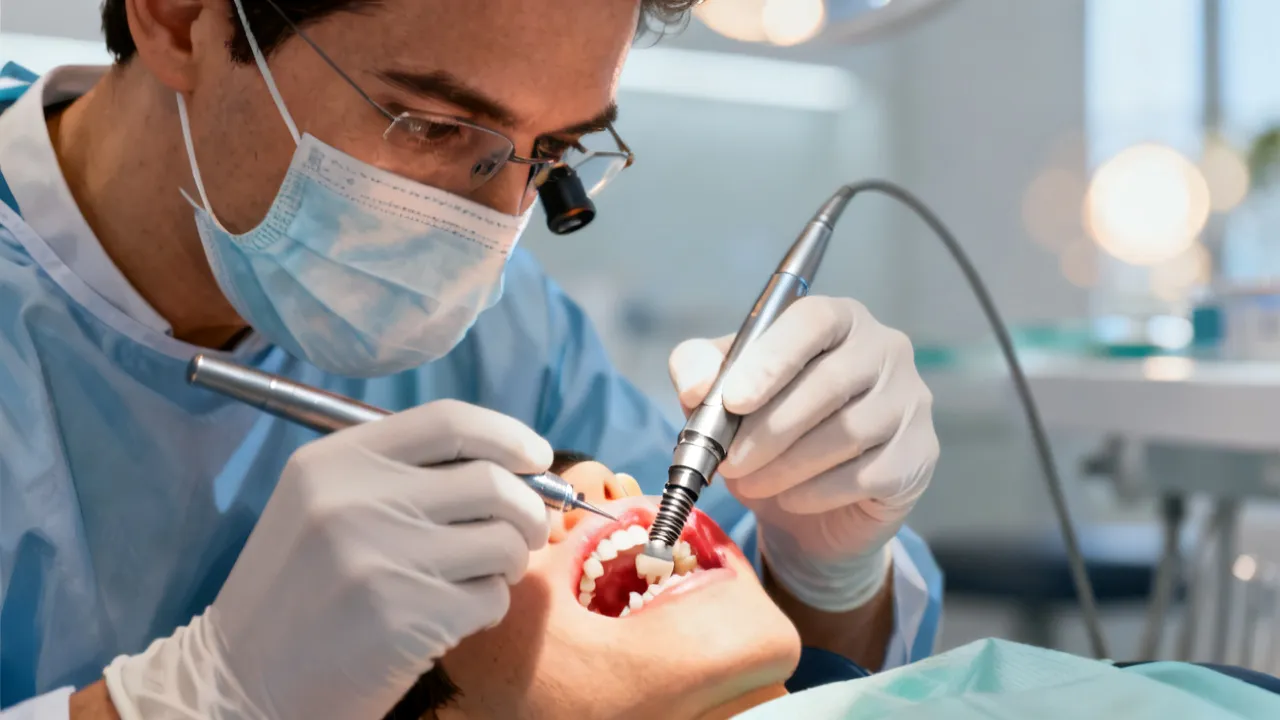
Understanding 치근단 절제술 비용 and Treatment Choices
This guide explains 치근단 절제술 비용, the clinical factors that influence apicoectomy fees, and how patients can compare treatment plans responsibly. Apicoectomy is a microsurgical procedure used to remove infected tissue near a tooth’s root tip when conventional root canal treatment has not resolved the problem. The article also distinguishes apicoectomy from dental implants, reviews implant price ranges across selected language markets, and outlines practical ways to manage dental expenses.
What Does 치근단 절제술 비용 Mean?
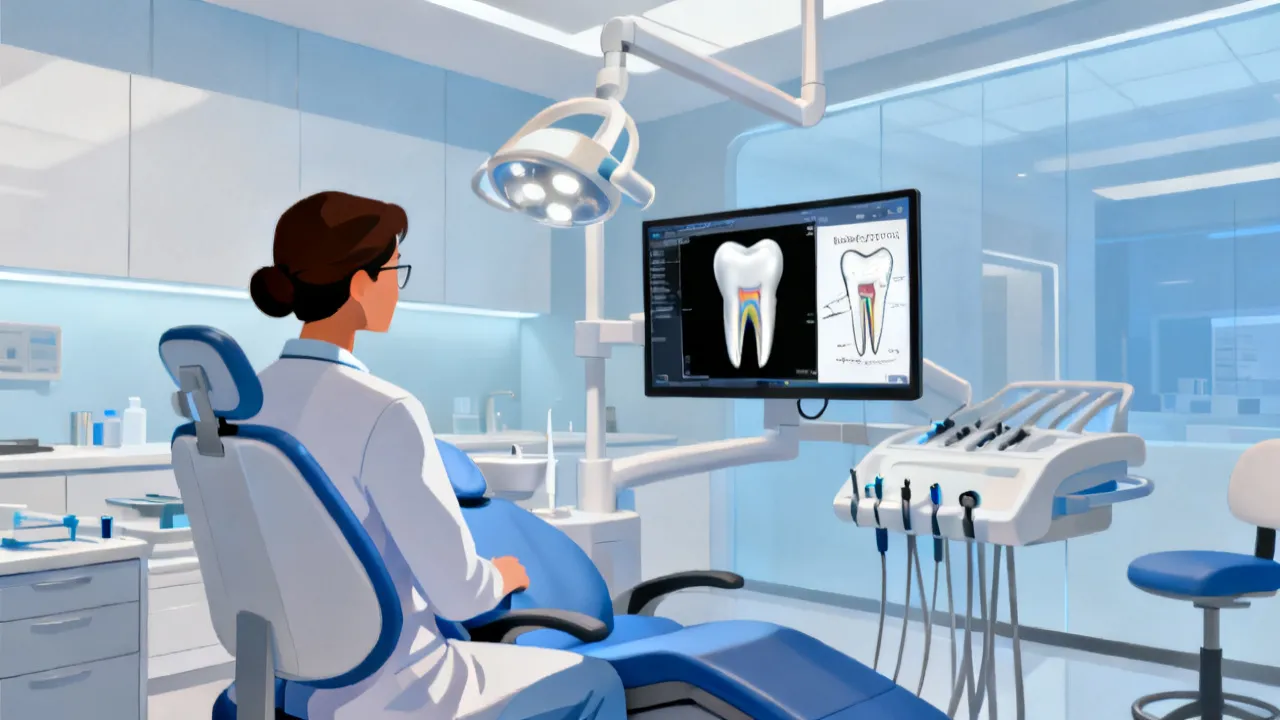
치근단 절제술 비용 is the Korean expression commonly used for the cost of an apicoectomy, also called root-end surgery or apical surgery. An apicoectomy is an endodontic procedure in which a dentist or endodontist accesses the tip of a tooth root, removes inflamed or infected tissue, trims a small portion of the root, and seals the root end.
The procedure is generally considered when a previous root canal treatment has not healed as expected, or when retreatment through the crown of the tooth is impractical. It is not the same as extracting a tooth and replacing it with a dental implant. This distinction is essential when reviewing quotations, because the clinical objectives, appointments, materials, and long-term maintenance requirements are different.
There is no single universal price for 치근단 절제술 비용. The total charge may depend on the tooth involved, the complexity of the root anatomy, the imaging required, the practitioner’s training, the type of surgical equipment used, the restoration above the tooth, and whether the procedure is performed in a general dental office or by an endodontic specialist.
From an industry perspective, the most useful quotation is not necessarily the lowest initial figure. A meaningful comparison should show what is included, what is excluded, whether diagnostic imaging is billed separately, and whether the tooth will need a new filling, crown, or other restoration after surgery.
Patients may also see related terms such as “root-end resection,” “endodontic microsurgery,” “apical surgery,” or “periradicular surgery.” These terms can describe overlapping procedures, although the exact technique may differ from one clinician to another. When requesting an estimate, it is useful to ask the clinic to describe the proposed procedure in plain language rather than relying only on the label used in an advertisement.
Key Findings for Patients Comparing Treatment Costs
- Apicoectomy is designed to preserve a natural tooth; a dental implant replaces a tooth after extraction and requires a different treatment pathway.
- The diagnosis should come before the price comparison. Persistent symptoms may result from a missed canal, a crack, inadequate sealing, periodontal disease, or a problem unrelated to the root tip.
- A specialist consultation can improve decision-making. Endodontists commonly use magnification, microsurgical instruments, and three-dimensional imaging when appropriate.
- The quoted fee may not cover every stage. Ask about consultation, X-rays or cone-beam CT, anesthesia, surgical materials, follow-up examinations, sutures, and restoration work.
- Dental implant prices should not be used as a direct substitute for apicoectomy prices. Implant treatment often involves extraction, implant placement, an abutment, and a crown, while apicoectomy focuses on treatment at the root end of an existing tooth.
- A complete treatment plan is more informative than a promotional headline. The patient should understand the expected number of visits, the recovery period, possible alternatives, and the plan if healing is incomplete.
- Long-term value matters. Preserving a natural tooth may be advantageous when the tooth is restorable, but an unsuccessful surgical procedure can create additional expense. The decision should be based on prognosis as well as price.
When Is an Apicoectomy Considered?
A root canal removes infected or damaged pulp from inside a tooth and seals the canal system. In many cases, the surrounding tissues heal afterward. However, infection or inflammation can persist near the root tip for several reasons.
- A narrow or curved canal may not have been fully cleaned.
- An additional canal may have been difficult to locate during the first treatment.
- The root canal filling may not seal the entire canal system.
- A new cavity or leaking restoration may allow bacteria to re-enter the tooth.
- A separated instrument or other obstruction may prevent conventional retreatment.
- A cyst-like lesion or persistent inflammatory tissue may remain near the root tip.
- A post, crown, or complex restoration may make access through the crown risky.
- A small fracture or root crack may affect the prognosis and require a different treatment.
- The root canal may appear technically adequate, while a localized problem remains at the root end.
An apicoectomy is not automatically appropriate for every tooth with discomfort after root canal treatment. Pain may also arise from a high bite, gum disease, adjacent teeth, sinus-related symptoms, or a vertical root fracture. A dentist should therefore examine the tooth, review previous treatment, assess the bite and gums, and use imaging when clinically justified.
Timing is also important. Some lesions require time to heal after root canal treatment, while others indicate persistent disease that requires earlier intervention. A dentist may monitor the tooth for a period when symptoms are mild and the imaging findings are stable. In contrast, persistent drainage, increasing swelling, severe tenderness, or a spreading infection may require more immediate evaluation.
What Happens During the Procedure?
The exact sequence varies according to the tooth and the operator’s technique, but an apicoectomy usually follows several stages.
- Clinical assessment: The practitioner reviews symptoms, medical history, previous dental procedures, medications, and allergies.
- Imaging: Periapical radiographs are common. Cone-beam computed tomography may be recommended when three-dimensional information could affect diagnosis or surgical planning.
- Local anesthesia: The area is numbed before treatment. Sedation may be discussed separately for patients with significant anxiety or particular medical needs.
- Access to the root tip: A small incision is made in the gum, and a limited opening is created in the surrounding bone to reach the affected region.
- Removal of inflamed tissue: The tissue around the root tip is removed and may be submitted for laboratory examination if the clinician considers that appropriate.
- Root-end resection and sealing: A small part of the root tip is removed, and a biocompatible material is placed to seal the end of the root canal.
- Suturing and review: The gum is repositioned and sutured. A follow-up appointment may be used to evaluate healing and remove sutures where necessary.
Modern endodontic surgery often uses magnification and microsurgical techniques. These approaches can help the operator identify small anatomical details, but they can also affect the fee because specialized equipment, training, and materials are involved.
During the consultation, patients can ask whether the surgeon expects to use a surgical microscope, ultrasonic root-end preparation, biocompatible filling materials, or guided tissue-healing techniques. These details do not guarantee a successful result, but they help explain why two clinics may use different terminology or quote different amounts.
The procedure itself may be completed in one appointment, but the overall treatment pathway can include a consultation, diagnostic imaging, surgery, a short-term postoperative review, suture removal, and later healing assessment. Patients who travel a significant distance should ask whether all required early follow-up appointments can be scheduled before returning home.
How 치근단 절제술 비용 Is Usually Built
Patients often receive a single headline number, although the actual bill may contain several components. The following categories are useful when asking a clinic for a written estimate.
| Cost component | What it may include |
|---|---|
| Consultation and diagnosis | Medical history, clinical examination, review of earlier root canal treatment, and treatment planning. |
| Imaging | Periapical radiographs or, when justified, cone-beam CT imaging of the tooth and surrounding structures. |
| Surgical procedure | Local anesthesia, access to the root tip, removal of infected tissue, root-end preparation, sealing material, and suturing. |
| Pathology or laboratory work | Laboratory assessment of removed tissue when the clinician recommends it. |
| Follow-up care | Healing review, suture removal, postoperative instructions, and additional imaging when clinically needed. |
| Restorative treatment | A new filling, core restoration, or crown if the existing restoration is damaged, leaking, or structurally inadequate. |
Not every patient needs every item. For example, some imaging may already be available and clinically usable, while another patient may need new three-dimensional imaging because the anatomy is difficult to interpret. The most accurate comparison is therefore between complete treatment plans rather than isolated procedure names.
Some clinics separate the surgeon’s professional fee from facility, imaging, medication, or laboratory charges. Others combine several items into one package. Neither billing approach is automatically better, but patients should know which approach is being used. A package price should still identify excluded services, and an itemized bill should identify whether any required component has not yet been estimated.
Factors That Can Increase or Reduce the Fee
Tooth location and anatomy
Front teeth often have relatively straightforward access, while molars may contain several roots, curved canals, and limited surgical visibility. A posterior tooth may require more planning and operating time. The relationship between a root tip and the maxillary sinus, mandibular nerve, or neighboring tooth can also influence the treatment approach.
The number of roots is not the only issue. Root shape, bone thickness, the position of the gum line, and the presence of nearby anatomical structures can affect surgical access. A tooth that appears simple on a conventional radiograph may be more complex when viewed in three dimensions.
Previous treatment
A tooth with a simple previous root canal filling may be easier to evaluate than one with a post, a crown, a separated instrument, or a complicated restoration. If conventional retreatment is a realistic option, the dentist may discuss it alongside apicoectomy. If removing a post or crown risks weakening the tooth, root-end surgery may be considered instead.
Imaging requirements
Two-dimensional radiographs are useful in many cases, but they do not display every anatomical relationship. Cone-beam CT can provide additional information, although it should be prescribed according to clinical need rather than used automatically. Imaging charges should be confirmed before treatment.
Practitioner expertise
Endodontic microsurgery requires specific knowledge of root anatomy, surgical access, tissue management, and root-end sealing. Fees may differ between a general dentist and an endodontist, just as they may differ between clinics using different levels of magnification and equipment.
Restoration after surgery
Apicoectomy does not automatically repair a damaged crown or filling. If bacteria can enter through the upper restoration, the surgical result may be compromised. A separate restorative estimate may be necessary, particularly when the tooth has an old crown or extensive structural loss.
The structural condition of the tooth should be considered before surgery. A tooth may have successful root-end treatment but still fracture later if it has insufficient remaining tooth structure. In some cases, replacing a defective crown or strengthening the tooth is an important part of the overall plan.
Insurance and public coverage
Coverage rules differ substantially by plan and jurisdiction. Some policies classify apicoectomy as endodontic surgery, while others apply annual limits, waiting periods, exclusions, or specialist referral requirements. Patients should request written confirmation from the insurer rather than relying on a general statement from a clinic.
Urgency and appointment setting
Emergency appointments may carry different charges from planned treatment. A patient who first visits an emergency dentist for swelling or pain may later need a separate specialist consultation and definitive procedure. Ask whether the urgent examination, antibiotics, drainage, or temporary restoration is included in the eventual estimate.
How to Compare Quotes Responsibly
- Obtain the diagnosis in writing. Ask which tooth is affected and why apicoectomy is recommended.
- Ask whether retreatment is a reasonable alternative. The decision may depend on the quality of the existing root canal, the restoration, and the tooth’s structural condition.
- Request an itemized estimate. It should identify consultation, imaging, surgery, materials, follow-up, and restorative work.
- Check the practitioner’s credentials. Confirm professional registration and relevant endodontic training in the applicable jurisdiction.
- Ask about the expected number of visits. A plan involving several appointments may require additional time away from work or travel expenses.
- Review the aftercare policy. Ask who should be contacted if swelling, persistent pain, fever, or unusual bleeding occurs.
- Clarify the prognosis. The dentist should explain factors that could affect healing, including cracks, periodontal support, and the quality of the coronal seal.
- Ask how long the estimate remains valid. Fees, insurance benefits, and laboratory costs may change after a stated period.
- Confirm payment arrangements. Find out whether deposits, installment plans, financing charges, or cancellation fees apply.
A low initial quote can become more expensive if essential diagnostics or restorative treatment are excluded. Conversely, a higher quote may include a specialist evaluation, advanced imaging, surgical magnification, follow-up, and a documented treatment plan. Price alone is not a reliable indicator of clinical quality.
Patients should also distinguish between an estimate and a guarantee. An estimate is based on information available before treatment. Surgical findings can occasionally reveal a different anatomy, a fracture, or a larger lesion than expected. The clinic should explain how any change in scope or fee will be communicated before additional work is performed whenever circumstances permit.
Apicoectomy Versus Dental Implant Treatment
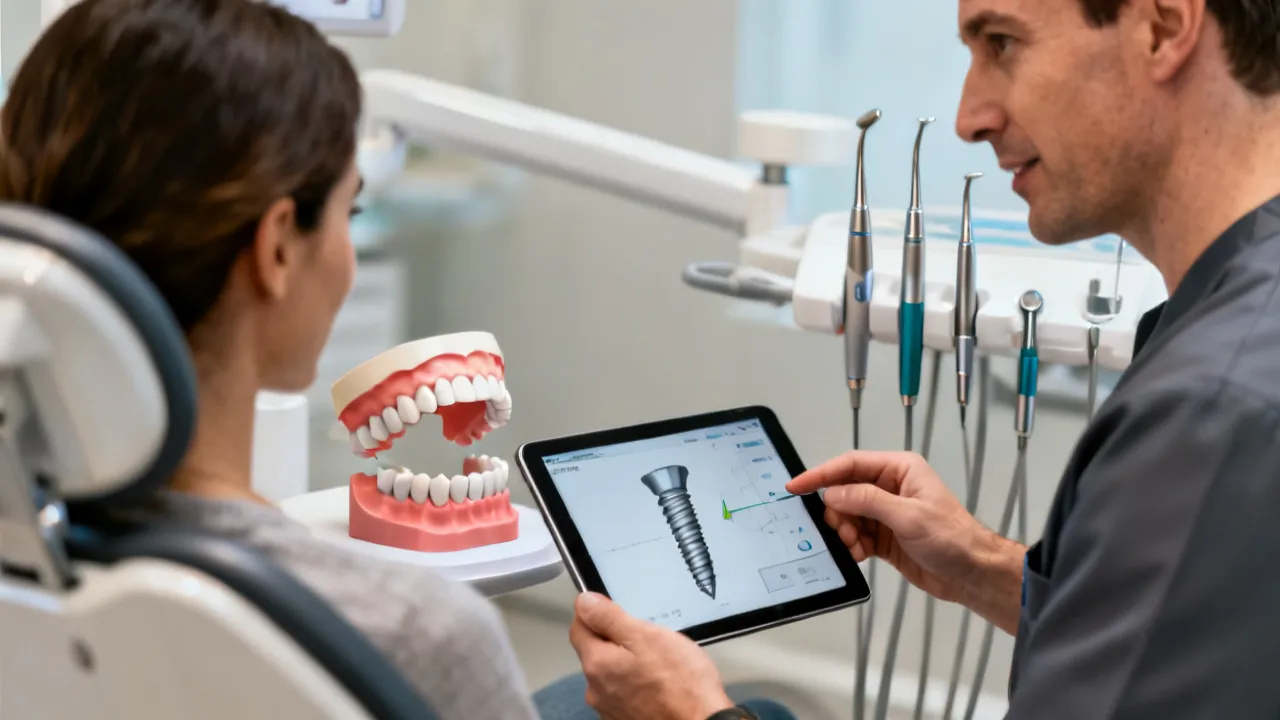
The two procedures address different clinical situations. An apicoectomy attempts to retain a natural tooth that has persistent disease near the root tip. An implant is placed after a tooth has been removed or is considered non-restorable. The implant pathway may include extraction, bone preservation or grafting, implant placement, a healing period, an abutment, and a crown.
| Apicoectomy | Dental implant |
|---|---|
| Preserves the existing tooth when its structure and supporting tissues are suitable. | Replaces a missing or non-restorable tooth with an artificial root and crown. |
| Focuses on infection or inflammation at the root end after or instead of conventional retreatment. | Usually involves several stages, from extraction or site preparation to final restoration. |
| May require a new filling or crown afterward. | Requires long-term maintenance of the implant, gum tissues, and prosthetic crown. |
| Its suitability depends on root anatomy, periodontal support, cracks, and restorability. | Its suitability depends on bone volume, systemic health, oral hygiene, smoking status, and restorative planning. |
Patients should not select an implant simply because a quoted apicoectomy fee appears high, nor should they pursue surgery when the tooth has a confirmed vertical root fracture or cannot be restored. A second opinion from a qualified endodontist and, when appropriate, a restorative dentist can clarify the choices.
Natural teeth and implants also have different maintenance needs. A natural tooth treated with an apicoectomy still requires brushing, interdental cleaning, regular examinations, and attention to the restoration. An implant requires similar daily hygiene and professional monitoring because inflammation around an implant can lead to bone loss and prosthetic complications.
Reference Comparison: Websites Discussing Lower-Cost Dental Implant Options
The following websites address dental implants, dental services, insurance, dental plans, or dental tourism. They are useful for understanding how providers present treatment choices and affordability, but website information should not replace an examination or an individualized quotation.
| Website | Reported focus and useful features |
|---|---|
| Dental Views | Discusses lower-cost dental implants, types of treatment, the implant process, expected cost considerations, and common patient questions. |
| Atlantic Dental Group | Presents a broad range of dental services, potentially including preventive care, orthodontics, implants, and urgent dental support. |
| DentaVacation | Explains dental tourism, international treatment comparisons, travel planning, and factors that may affect overseas dental expenses. |
| American Dental Health Plans | Provides information about dental insurance plans, plan selection, coverage, and ways insurance may contribute to eligible care. |
| Rockville Dental Arts | Offers Spanish-language dental information and describes services such as implants, whitening, cleaning, orthodontics, and emergency care. |
| Union City Mini Dental Implants | Focuses on mini dental implant services and explains treatment for selected cases involving limited areas of tooth loss. |
| Cigna | Provides a Spanish-language educational guide discussing dental implants and related treatment considerations. |
| Rubi Odonto | A Brazilian clinic site describing orthodontics, whitening, implants, and the experience of its dental team. |
| Odontologia Velasco | Describes implants, prostheses, aesthetic dentistry, and the use of contemporary dental technology in Brazil. |
| DentalVidas | Discusses dental plans for individuals, families, and businesses, together with a broad provider network and emergency support. |
Source: The website descriptions above are based on the supplied online resources. They summarize stated website themes and do not constitute an endorsement, clinical evaluation, or price guarantee.
How to Seek Lower-Cost Dental Implants in English-, Spanish-, and Portuguese-Speaking Markets
Although the central keyword concerns apicoectomy, patients sometimes compare the cost of saving a tooth with the cost of replacing it. The following process can help people seek lower-cost implant care while maintaining attention to safety and continuity of treatment.
1. Confirm whether an implant is clinically necessary
Begin with a comprehensive examination. A tooth that can predictably be restored or treated with endodontic surgery may not require extraction and implant replacement. Ask the dentist to explain the prognosis of each option, not only the initial fee.
2. Request a complete implant plan
Ask whether the quotation includes extraction, bone grafting, a temporary tooth, implant placement, healing reviews, abutment, crown, imaging, and maintenance. A price advertised for the implant fixture alone is not comparable with a quotation for the complete restored tooth.
3. Compare several licensed providers
Use professional registers, recognized dental associations, and established clinic websites to identify providers. Confirm the dentist’s license, implant training, infection-control procedures, and arrangements for managing complications. Patient testimonials may offer context, but they should not be treated as clinical evidence.
4. Explore dental schools and teaching clinics
University dental clinics may offer selected procedures at structured rates under supervision. Eligibility, waiting times, case complexity, and appointment length vary. Patients should ask who performs each stage and who remains responsible for follow-up.
5. Review insurance and dental plan terms
Insurance may cover some diagnostic or restorative services but exclude implants or apply an annual maximum. Dental plans may provide negotiated rates rather than comprehensive reimbursement. Read exclusions, waiting periods, network rules, and preauthorization requirements before scheduling treatment.
6. Consider staged treatment carefully
When clinically suitable, treatment may be divided into phases. For example, examination and disease control may occur first, followed later by definitive restoration. Staging can help with budgeting, but delaying treatment in the presence of infection, severe pain, or progressive bone loss may create additional clinical problems.
7. Evaluate overseas treatment beyond the advertised fee
Dental tourism can involve travel, accommodation, translation, local transportation, additional appointments, exchange-rate changes, and the cost of managing complications after returning home. Ask how the overseas provider handles implant failure, crown adjustment, infection, or a missed appointment. Obtain copies of implant brand information, imaging, operative notes, and restoration details.
8. Avoid choosing solely by implant brand or headline price
Implant treatment depends on diagnosis, surgical planning, bone and gum health, prosthetic design, hygiene, and follow-up. A familiar implant system may simplify future maintenance, but the clinical skill and documentation surrounding treatment are also important.
9. Ask about maintenance
Implants are not immune to gum inflammation or mechanical complications. A maintenance plan may include professional cleaning, home-care instruction, bite checks, and periodic examinations. These ongoing costs should be included in long-term budgeting.
10. Keep a complete treatment record
Patients who move between providers or countries need their radiographs, treatment notes, implant model and size, laboratory information, prescriptions, and warranty conditions. Complete records can reduce delays if an adjustment or evaluation is required later.
11. Assess communication and informed consent
Low-cost treatment is not useful if the patient cannot understand the diagnosis, consent documents, medication instructions, or follow-up plan. Choose a provider who can communicate clearly in a language the patient understands or who offers a qualified medical interpreter. Translation should cover risks and alternatives, not only the price.
12. Calculate the total personal cost
Include time away from work, transportation, accommodation, medication, temporary restorations, and future maintenance. A local clinic with a somewhat higher procedure fee may be less expensive overall if it avoids multiple trips and makes follow-up easier.
Dental Implant Price Ranges by Market
The figures below concern an individual dental implant and are presented only as broad reference ranges from the supplied information. They should not be confused with 치근단 절제술 비용 or with the total cost of a completed implant-supported tooth. Currency conversion, taxes, laboratory charges, grafting, extraction, anesthesia, and follow-up may materially change the final amount.
| Country | Currency and indicative price range for one dental implant |
|---|---|
| United States (US) | US$3,000–US$6,000 USD |
| United Kingdom (GB) | £2,000–£2,500 GBP |
| Australia (AU) | AU$3,500–AU$6,500 AUD |
| Canada (CA) | CA$3,000–CA$5,500 CAD |
| Spain (ES) | €1,500–€2,500 EUR |
| Chile (CL) | CLP$800,000–CLP$1,500,000 CLP |
| Mexico (MX) | MX$15,000–MX$25,000 MXN |
| Colombia (CO) | CO$2,000,000–CO$4,000,000 COP |
| Peru (PE) | S/ 3,000–S/ 6,000 PEN |
| Argentina (AR) | AR$80,000–AR$150,000 ARS |
| Brazil (BR) | R$3,000–R$8,000 BRL |
| Portugal (PT) | €1,000–€2,000 EUR |
| Germany (DE) | €2,000–€3,500 EUR |
| France (FR) | €1,500–€2,500 EUR |
| Italy (IT) | €1,500–€3,000 EUR |
| Japan (JP) | ¥300,000–¥700,000 JPY |
These ranges do not establish a market average, and they should not be interpreted as a recommendation to travel for treatment. Prices can change with inflation, exchange rates, clinic location, laboratory arrangements, implant system, bone requirements, and the dentist’s treatment philosophy. A patient in Seoul, London, São Paulo, Madrid, or Tokyo should request a local, written plan rather than relying on an international comparison alone.
Another important distinction is the meaning of “one implant.” Some providers use that phrase to describe the fixture only. Others use it to describe a completed tooth that includes the fixture, abutment, and crown. Extraction, grafting, temporary teeth, digital scanning, sedation, and follow-up may be separate. Before comparing countries, ask every provider to quote the same defined package.
Country-Specific Considerations for Lower-Cost Care
English-speaking markets
In the United States, Canada, the United Kingdom, and Australia, patients may find information through private clinics, dental insurance providers, university clinics, and professional organizations. The terminology used in quotations may differ: “implant placement” may refer only to the surgical fixture, while “implant restoration” may refer to the abutment and crown. Patients should ask for a complete treatment sequence.
In the United States and Canada, insurance plans may have annual maximums that cover only a portion of extensive treatment. In the United Kingdom, access and payment arrangements can vary according to whether care is provided through public or private channels. In Australia, private health coverage and waiting periods may affect eligibility. These systems are not interchangeable, so a local policy review is important.
Spanish-speaking markets
Spain, Chile, Mexico, Colombia, Peru, and Argentina have diverse private dental sectors. Patients should confirm whether the clinic provides treatment in Spanish, supplies written consent documents, and offers a defined follow-up process. When comparing prices across Latin America, currency volatility can make older online estimates unreliable, especially in markets where exchange rates change quickly.
A patient traveling to Mexico, Colombia, Peru, or another Spanish-speaking market should also check whether the treating dentist and laboratory can provide records in a format usable by a home dentist. If a crown needs adjustment after returning home, the original provider may not be available to make changes.
Portuguese-speaking markets
Brazil and Portugal have different regulatory environments, currencies, and healthcare structures. Brazilian clinics such as Rubi Odonto and Odontologia Velasco describe a range of services, while DentalVidas focuses on dental plans. Patients should distinguish between a plan that provides access to a network and an insurance policy that reimburses eligible treatment.
In Portugal, the euro simplifies price comparison with other euro-area markets, but the final cost still depends on the clinic, laboratory, implant system, and additional procedures. Portuguese-speaking patients should ask whether the quoted figure includes the crown and whether maintenance is provided at the same clinic.
Questions to Ask Before Apicoectomy
- What is the specific diagnosis, and which tooth is involved?
- Why is apicoectomy recommended instead of conventional root canal retreatment?
- Could a crack, periodontal disease, or another tooth explain the symptoms?
- What imaging has been reviewed, and is additional imaging clinically necessary?
- Will the procedure be performed with magnification or microsurgical instruments?
- Does the estimate include anesthesia, surgical materials, pathology, and follow-up?
- Will the existing filling or crown remain suitable after surgery?
- What signs indicate normal healing, and what symptoms require urgent contact?
- What is the expected prognosis, and what factors could lead to failure?
- What is the contingency plan if healing is incomplete?
- Will medication be prescribed, and are prescription costs included?
- How soon can normal work, exercise, and eating resume?
- Who should be contacted outside regular office hours?
Preparing for the Appointment
Provide the dentist with a complete medical and dental history. Mention diabetes, immune-related conditions, bleeding disorders, pregnancy, allergies, osteoporosis medication, anticoagulants, and any previous reaction to local anesthetic. Do not stop prescribed medication without advice from the prescribing clinician and dental team.
Bring information about previous root canal treatment, crowns, dental trauma, and current symptoms. A clear description of when pain occurs, whether the tooth is tender when biting, and whether swelling has appeared can assist the diagnostic process.
After surgery, follow the clinician’s instructions regarding oral hygiene, medication, diet, exercise, and review appointments. Mild swelling or tenderness may occur, but increasing swelling, fever, difficulty swallowing, uncontrolled bleeding, or breathing difficulty requires prompt professional attention.
It is generally helpful to arrange transportation if the patient expects to receive sedation or feels uncomfortable driving after the appointment. Soft foods may be easier during the first part of recovery, and patients should avoid disturbing the surgical area. The clinic should provide specific instructions because recommendations vary according to the location and extent of surgery.
How to Interpret a Specialist’s Recommendation
A responsible recommendation should explain both the benefits and limitations of treatment. The clinician should be able to describe why the natural tooth remains restorable, what has caused persistent disease, and how the surgical approach addresses that cause. The discussion should also include alternatives, such as nonsurgical retreatment, extraction with replacement, or observation when appropriate.
Patients should be cautious of guarantees. Biological healing cannot be promised with certainty, and the outcome depends on factors that may not be visible before surgery. A professional consultation should be informative rather than pressuring, particularly when the treatment is elective or when multiple options exist.
The recommendation should also account for the patient’s priorities. Someone who values preservation of a natural tooth may accept a surgical approach that has a reasonable but not certain prognosis. Another patient may prioritize fewer appointments or a predictable restorative timeline. These preferences should be discussed openly, while the clinician explains which options are medically realistic.
Frequently Asked Questions
Is 치근단 절제술 the same as a root canal?
No. A root canal treats the inside of the tooth by cleaning and sealing the canal system. 치근단 절제술, or apicoectomy, treats the root-end area through a small surgical opening in the gum and bone. It is often considered after previous root canal treatment has not resolved the problem, although the exact indication depends on the diagnosis.
Does 치근단 절제술 비용 include a crown?
Not necessarily. Some quotations cover only the surgical procedure. A crown or filling may be billed separately if the existing restoration is damaged, leaking, or unsuitable. Ask for an itemized estimate that identifies restorative work.
Can an apicoectomy replace an implant?
It can sometimes help preserve a natural tooth that remains structurally sound and has adequate periodontal support. It is not an alternative for a tooth with a confirmed vertical root fracture or one that cannot be restored. The dentist must assess the tooth’s prognosis before recommending surgery.
Why do two clinics quote different prices?
Differences may reflect practitioner training, tooth location, imaging, magnification, surgical materials, facility costs, follow-up, insurance arrangements, and whether restorative care is included. Compare the scope of treatment rather than the headline price.
Is cone-beam CT required for every apicoectomy?
No. The appropriate imaging depends on the diagnosis and anatomy. A dentist may recommend three-dimensional imaging when it could change surgical planning or reveal a relationship with nearby structures. Patients can ask why the scan is needed and whether it is billed separately.
How long does healing take?
Soft-tissue discomfort and swelling may improve over several days, but bone healing is assessed over a longer period. The timing of review imaging depends on the tooth, the lesion, the surgical findings, and the clinician’s protocol.
Can insurance cover apicoectomy?
Coverage varies by insurer, plan, annual limit, and clinical classification. Contact the insurer before treatment and request a written benefit determination. Preauthorization may be required.
Are dental implants cheaper abroad?
The initial clinic fee may appear lower in another country, but travel, accommodation, exchange-rate movement, additional appointments, translation, and follow-up complications can change the total cost. Verify credentials, documentation, implant components, and aftercare before making a decision.
What is the most important part of a low-cost implant quotation?
Completeness. The patient should know whether the price includes diagnosis, imaging, extraction, grafting, implant placement, abutment, crown, temporary restoration, follow-up, and maintenance. A partial quotation can be misleading even when every listed item is accurate.
Should I seek a second opinion?
A second opinion is reasonable when the diagnosis is uncertain, the tooth has already undergone treatment, the proposed procedure is complex, or the patient is choosing between tooth preservation and extraction. An endodontist may be particularly helpful when apicoectomy is under consideration.
Can an apicoectomy fail?
Yes. Failure may occur if infection persists, a crack is present, the upper restoration leaks, periodontal support is inadequate, or the root-end seal does not remain effective. A clinician should explain the expected prognosis and what options may exist if healing is incomplete.
What happens if the tooth needs extraction after an unsuccessful apicoectomy?
If the tooth cannot be retained, extraction and replacement may be discussed. The replacement options can include a removable partial denture, a dental bridge, or an implant-supported restoration. The later cost may be higher than the original surgical estimate, which is why prognosis and alternatives should be reviewed before treatment.
Practical Takeaway
When researching 치근단 절제술 비용, start with the tooth’s diagnosis and prognosis rather than with a price search. Confirm whether apicoectomy, retreatment, or extraction is clinically appropriate. Then compare itemized estimates that include imaging, surgery, follow-up, and restorative requirements.
If dental implants are being considered, evaluate the complete treatment pathway and long-term maintenance rather than the implant fixture price alone. Online clinic pages, insurance resources, and dental plan websites can help patients prepare questions, but an examination by a properly licensed dental professional remains necessary for individualized advice.
The strongest financial decision is usually the one that balances clinical suitability, durability, accessibility, and follow-up. Saving money at the treatment stage may not be beneficial if the patient cannot obtain maintenance or care for complications. Similarly, paying more does not automatically guarantee a better outcome. Clear diagnosis, transparent billing, appropriate training, and continuity of care are the most useful foundations for comparison.
Disclaimer
1. The information above comes from online resources, and the data is as of October 2023.
2. Dental implant prices are for reference only and may vary by region, clinic, and doctor. The listed figures do not constitute a quotation, diagnosis, treatment recommendation, insurance determination, or guarantee of outcome. 치근단 절제술 비용 also varies according to the tooth, clinical complexity, practitioner, materials, imaging, restoration, and local billing practices. Patients should obtain a current written estimate and seek professional dental advice before proceeding.
3. Online information cannot determine whether a particular tooth should receive apicoectomy, retreatment, extraction, or another procedure. A dentist must evaluate the tooth, surrounding tissues, imaging, medical history, and restoration before making an individualized recommendation.
References and Links
The following links are the online resources referenced in this article: