Why Teeth Fall Out and Affordable Implant Options
This guide explains the main reasons teeth fall out, how dentists diagnose tooth loss, and what patients should consider before choosing an implant. The Korean keyword “이가 빠지는 이유” means “reasons teeth fall out,” a topic that includes tooth decay, gum disease, trauma, aging-related changes, and unsuccessful previous treatment. It also reviews lower-cost implant planning, country-specific price ranges, clinic comparisons, and essential safety questions.
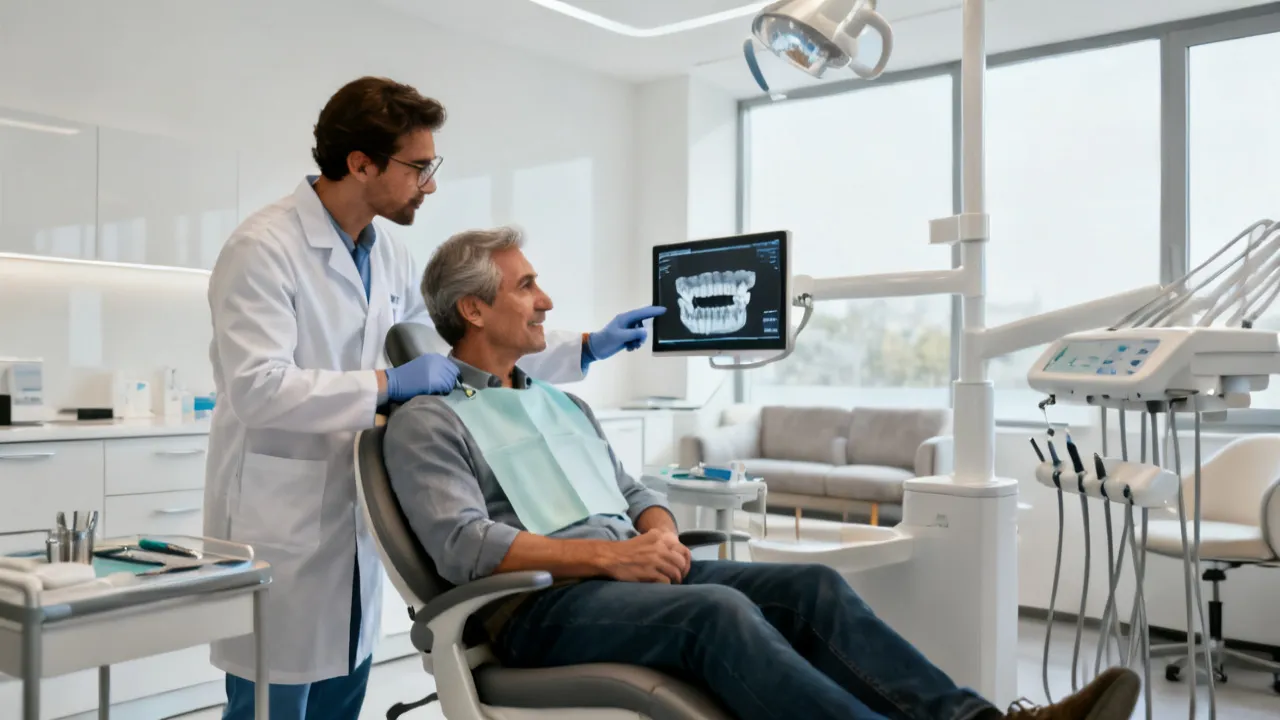
Why Teeth Fall Out: The Main Causes and the First Steps to Take
The Korean phrase 이가 빠지는 이유 translates as “the reasons teeth fall out.” Tooth loss is not a single disease; it is the final result of several possible processes, including untreated decay, periodontal disease, physical injury, congenital absence, medication-related complications, or failure of a previous restoration. Identifying the cause is more important than selecting an implant immediately, because the same condition that caused one tooth to be lost can affect neighboring teeth and the future implant site.
From a dental-care perspective, the priority is to preserve any tooth that can be predictably restored, control infection, assess the surrounding bone and gums, and then compare replacement options. A dental implant may be appropriate for some patients, but it is not automatically the least complicated or least expensive solution. A bridge, removable partial denture, orthodontic treatment, or carefully monitored natural tooth may be considered depending on oral health, function, appearance, timing, and budget.
Anyone with sudden tooth loss, facial swelling, severe pain, uncontrolled bleeding, fever, difficulty swallowing, or difficulty breathing should seek urgent dental or medical assessment. A tooth that becomes loose over several weeks or months also deserves prompt examination. Delaying care can allow infection, bone loss, or movement of neighboring teeth to progress.
When tooth loss requires urgent attention
Some types of tooth loss are emergencies, while others can be evaluated during a routine but prompt dental appointment. A permanent tooth knocked out during an accident requires immediate attention because the cells on the root surface may remain viable for a limited time. The tooth should be picked up by the crown, not the root. It should not be scrubbed, scraped, or allowed to dry. Urgent dental guidance is needed to determine the safest way to transport it.
Bleeding after an extraction that does not slow with firm gauze pressure, rapidly increasing facial swelling, fever, worsening pain, pus, or a foul taste can indicate a complication or infection. Difficulty breathing or swallowing can signal a potentially serious spreading infection and should be treated as an emergency. A loose tooth accompanied by swelling may also represent advanced periodontal disease, an abscess, or trauma that has damaged the supporting tissues.
Children require special consideration. A loose baby tooth is often part of normal development, but a primary tooth that becomes loose after a fall, develops swelling, or causes severe pain should be assessed. Injuries to primary teeth can affect the developing permanent teeth underneath. Parents should not assume that a chipped or displaced baby tooth is harmless simply because it will eventually be replaced.
Common reasons teeth fall out
- Advanced tooth decay: A cavity can extend from the enamel into the dentin and pulp. If the tooth fractures or the infection cannot be predictably treated with a root canal and crown, extraction may be recommended.
- Periodontal disease: Gum disease damages the tissues and bone supporting the teeth. In its advanced form, teeth may become mobile even when the visible crown appears intact. Smoking, diabetes that is not well controlled, poor plaque control, and irregular dental visits may increase risk.
- Trauma: Falls, road accidents, sports injuries, and blows to the mouth can fracture or displace teeth. A knocked-out permanent tooth is a dental emergency. The tooth should be handled by the crown rather than the root and assessed immediately.
- Cracked or fractured teeth: A deep crack may permit bacteria to enter the inner tooth. Some cracks can be treated, while others extend below the gum and have a poor prognosis.
- Congenitally missing teeth: Some people never develop particular permanent teeth. Orthodontic planning, a bridge, or an implant may be considered once growth is complete and the surrounding structures are suitable.
- Failed restorations: Repeatedly repaired fillings, crowns, or root canal treatments can eventually leave too little healthy tooth structure for another predictable restoration.
- Systemic and medication-related factors: Certain diseases and medications may influence bone metabolism, healing, saliva production, or infection risk. Patients should provide the dentist with a complete medication and medical history.
- Age-related accumulation of risk: Aging itself does not inevitably cause tooth loss. However, years of exposure to decay, gum disease, wear, dry mouth, and restorative treatment can increase the likelihood of losing teeth.
Other contributors can be less obvious. Severe dry mouth reduces the protective effect of saliva and can cause rapid decay around fillings, crowns, and the gumline. Dry mouth may result from medications, dehydration, radiation therapy, salivary-gland disorders, or certain systemic illnesses. Acid erosion from reflux, frequent acidic drinks, or eating disorders can weaken tooth structure, making teeth more vulnerable to fracture even when there is little conventional decay.
Clenching and grinding can create small cracks, overload the periodontal ligament, and loosen restorations. This does not usually cause a tooth to fall out by itself, but it can accelerate failure when combined with decay or bone loss. Poorly balanced dental work, missing teeth, and changes in the bite may also concentrate force on a limited number of teeth.
It is useful to distinguish between a tooth that has already been extracted and a tooth that is loose but still present. A loose tooth may sometimes be stabilized and treated. Extraction should generally be based on a clinical prognosis rather than on appearance alone.
How Dentists Determine the Cause of Tooth Loss
A proper assessment usually begins with a medical and dental history. The clinician may ask when the tooth became painful or mobile, whether there was an injury, how frequently the patient brushes and cleans between teeth, and whether conditions such as diabetes, osteoporosis, or immune disorders are present. Smoking and vaping habits, pregnancy, previous radiation treatment, and medications such as antiresorptive drugs should also be discussed when relevant.
The examination may include:
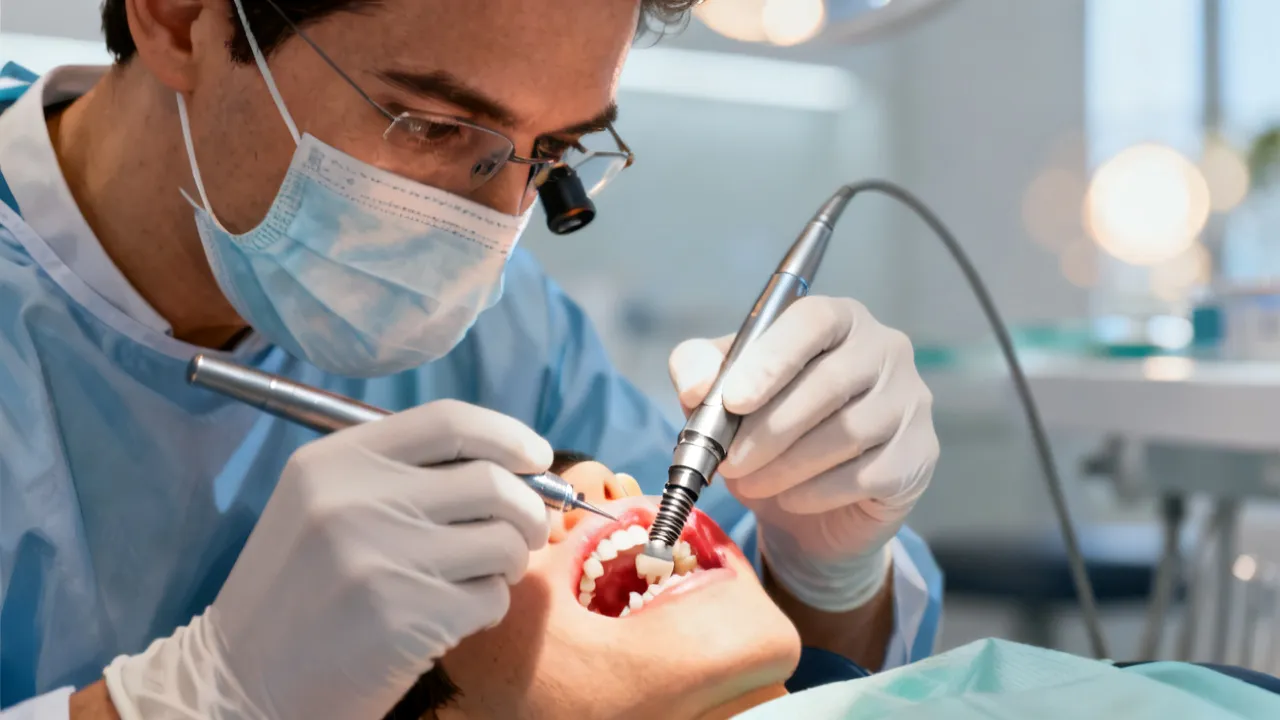
- Visual inspection: The dentist examines decay, cracks, gum inflammation, drainage, swelling, and the condition of existing fillings or crowns.
- Periodontal measurements: A small probe is used to measure gum pockets and identify bleeding or attachment loss.
- Mobility and bite testing: The clinician checks whether the tooth moves and whether excessive biting forces may be contributing to damage.
- Radiographs: X-rays can show root shape, infection, bone levels, decay hidden between teeth, and the relationship to nearby structures.
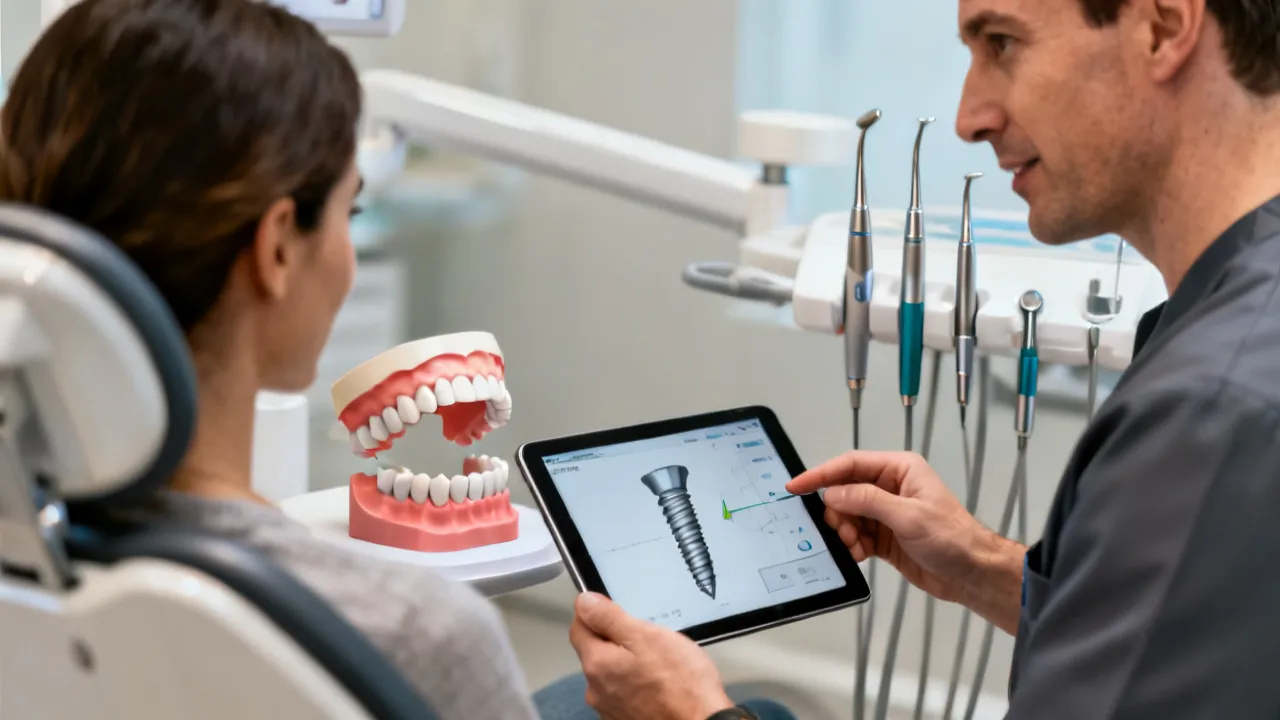
- Three-dimensional imaging when indicated: Cone-beam computed tomography may be used for implant planning or complex anatomy. It is not necessary for every patient and should be prescribed when the expected diagnostic benefit justifies the radiation exposure.
- Restorability assessment: The dentist considers whether the remaining tooth structure, root, bone, and gum tissues can support a reliable restoration.
- Pulp and vitality testing: Cold, electrical, or other tests may help determine whether the nerve inside a damaged tooth is alive, inflamed, or necrotic.
- Photographs and digital records: Clinical photographs, scans, and bite records can help document the starting condition and support communication among general dentists, surgeons, orthodontists, and laboratories.
An expert treatment plan should explain why extraction is recommended, what alternatives exist, how long each option may last under typical conditions, and which components are included in the quoted cost. Patients should be cautious when a clinic recommends immediate treatment without discussing the cause of tooth loss, periodontal health, bone volume, medical history, and maintenance.
A second opinion is reasonable when the recommendation involves multiple extractions, extensive bone grafting, a large financial commitment, or an irreversible procedure. The patient should bring existing X-rays, treatment plans, and medication information to the second consultation. A second opinion does not necessarily mean that the first dentist was incorrect; it can help clarify prognosis, sequencing, and alternatives.
What Happens After a Tooth Is Lost?
After extraction, the bone surrounding the empty socket gradually remodels. The rate and extent vary among individuals and depend on the original infection, trauma, gum condition, location of the tooth, and whether a socket-preservation procedure was performed. Neighboring teeth may tilt toward the gap, while the opposing tooth may slowly move into the space. These changes can affect chewing, cleaning, bite balance, speech, and later implant placement.
The gum may look healed before the underlying bone has fully matured. This distinction matters because an implant may require a different timing schedule from a temporary denture or bridge. The dentist may monitor healing with clinical examination and, when necessary, imaging. Patients should attend follow-up visits even if discomfort has resolved.
Not every patient needs an implant immediately. A dentist may recommend allowing an infection to resolve, completing periodontal treatment, or waiting for soft-tissue healing. In other cases, an implant can be placed at the time of extraction if the infection, bone walls, and primary stability are suitable. Immediate placement is a clinical decision, not a universal cost-saving shortcut.
Socket preservation may involve placing a graft material into the extraction site to reduce the loss of ridge volume. It does not guarantee that future grafting will be unnecessary, and it adds a separate cost, but it may be considered when later implant placement is likely. The decision depends on the location of the tooth, the appearance of the gum, the condition of the socket, and the patient’s treatment goals.
Possible replacement approaches include:
- Dental implant: A biocompatible implant is placed in the jawbone and later supports an abutment and crown. It is designed to replace the tooth root and may help preserve function in the treated area.
- Fixed bridge: A bridge uses neighboring teeth or implants for support. A conventional tooth-supported bridge may require preparation of adjacent teeth.
- Removable partial denture: This can replace several teeth and may be less invasive initially, although it requires adaptation and ongoing maintenance.
- Orthodontic closure or space management: In some cases, teeth can be moved to close a gap or create a better position for a future restoration.
- No immediate replacement: In selected cases, a patient and dentist may monitor the space, especially if function and appearance are acceptable. This decision should include an assessment of possible bite and tooth-movement changes.
Dental Implants: What the Treatment Usually Includes
A dental implant is only one part of the final restoration. The complete process may involve examination, imaging, extraction, bone grafting, implant placement, healing, an abutment, a temporary restoration, and a definitive crown. A price advertised as an “implant” may cover only the implant fixture and not the crown or surgical fees.
The typical stages are:
- Consultation and diagnosis: The dentist reviews the cause of tooth loss and evaluates the bone, gums, bite, and general health.
- Preparation: Decay and active gum disease are treated. Smoking cessation, improved plaque control, or medical clearance may be recommended.
- Extraction or site development: If the tooth remains, it may need removal. Bone grafting or soft-tissue augmentation may be considered when the site lacks sufficient volume or quality.
- Implant placement: The implant is surgically positioned in the jaw. Local anesthesia is commonly used, although sedation may be available where clinically appropriate.
- Healing and integration: Bone forms a stable relationship with the implant over time. The healing period varies according to the site, bone quality, grafting, and individual healing response.
- Restoration: An abutment connects the implant to a crown, bridge, or denture. The dentist checks appearance, speech, contact points, and bite.
- Maintenance: Professional reviews and daily cleaning around the restoration are essential. An implant can develop inflammation and bone loss even though it cannot develop ordinary tooth decay.
Some patients receive a temporary tooth while the implant heals. A temporary restoration may be removable, attached to neighboring teeth, or connected to an implant when immediate loading is clinically suitable. Patients should ask whether a temporary is included, whether it can be worn while eating, and what to do if it breaks.
Implant treatment is elective in many cases, but infection, trauma, and severe pain may require more immediate care. Patients should ask whether the plan is staged and whether a temporary tooth will be provided during healing.
How to Obtain Dental Implants at Lower Cost in English-Speaking Countries
Lower cost should mean better-informed purchasing and efficient clinical planning, not reduced infection control, inadequate diagnosis, or treatment by an unqualified provider. The following steps can help patients in the United States, the United Kingdom, Australia, and Canada compare options responsibly.
1. Obtain a written diagnosis before comparing prices
Begin with an examination and an itemized treatment plan. The plan should identify the tooth or teeth involved, the cause of loss, the proposed implant system, the type of crown, and any need for extraction or grafting. Comparing a complete treatment plan with an implant-only advertisement can create a misleading impression of savings.
2. Ask for an itemized quotation
Request separate prices for the consultation, imaging, extraction, bone grafting, implant fixture, abutment, temporary restoration, final crown, sedation, medications, and follow-up visits. Ask whether taxes, laboratory charges, emergency reviews, and adjustments are included. A written quote should state how long it remains valid and what happens if additional treatment is discovered.
3. Compare licensed providers rather than promotional language
Verify the dentist’s registration with the relevant national or regional regulator. In the United States, patients can check the state dental board; in the United Kingdom, the General Dental Council provides registration information; in Australia, the Australian Health Practitioner Regulation Agency maintains practitioner registration; and in Canada, provincial or territorial regulators oversee dental licensing.
Patients should also ask who performs the surgery, who designs the crown, and who provides follow-up care. A low initial price is not meaningful if the provider changes frequently or the patient cannot obtain records after treatment.
4. Investigate dental schools and supervised teaching clinics
University dental schools and supervised teaching clinics may offer selected procedures at reduced fees. Treatment can take longer because students work under qualified supervision and cases are carefully screened. Availability, eligibility, and waiting times differ by institution. This route may suit patients who can accommodate multiple appointments and do not require an immediate cosmetic result.
5. Review dental insurance and employer benefits
Dental plans vary widely. Some cover part of the crown, extraction, or restoration but exclude the implant fixture, while others impose waiting periods, annual limits, exclusions for pre-existing conditions, or restrictions on specialist care. Patients should obtain a written benefits estimate before treatment and confirm whether the selected dentist is within the plan network.
6. Consider staged treatment when clinically appropriate
A patient may first control infection and gum disease, then proceed with implant placement, and later complete the definitive crown. Staging can distribute expenses, but it should not be used to postpone necessary treatment indefinitely. The dentist should explain the risks of leaving the space untreated and the expected timing of every stage.
7. Ask about financing without focusing only on the monthly payment
Payment plans should be evaluated by total repayment, interest, administration fees, cancellation rules, and what happens if the treatment fails or the patient moves. A low monthly figure can conceal a high overall cost. Patients should never feel pressured to sign a financial agreement during a same-day consultation.
8. Compare local care with overseas treatment cautiously
Dental tourism can appear less expensive because treatment and local operating costs differ between countries. However, travel, accommodation, time away from work, translation, complications, and follow-up treatment may change the total cost. Implant therapy usually requires more than one appointment, and a return visit may be needed if healing is delayed or the restoration does not fit properly.
Before traveling, patients should confirm the clinician’s credentials, the facility’s infection-control standards, the implant brand and documentation, the warranty conditions, and the plan for managing complications after returning home. A clinic should provide copies of radiographs, implant records, consent documents, and restoration details.
9. Protect the long-term investment
Daily brushing with a soft toothbrush, cleaning between teeth, professional maintenance, and control of smoking and diabetes can help protect the tissues around an implant. A damaged crown, bleeding gum, unpleasant taste, or increasing mobility should be reported promptly. Repairing a small problem may be less complex than treating advanced peri-implant disease.
How to Obtain Dental Implants at Lower Cost in Spanish-Speaking Countries
Patients seeking treatment in Spain, Mexico, Chile, Colombia, Peru, or Argentina should use the same clinical standards while paying attention to language, currency, and local regulation. Spanish-speaking does not mean that healthcare systems, dental qualifications, implant brands, or consumer protections are identical across countries.
- Confirm the professional license: Check the dentist with the relevant national or regional authority and ask whether the provider is trained in implant surgery and restorative dentistry.
- Request documents in Spanish: The treatment plan, consent form, imaging report, implant passport, invoices, and maintenance instructions should be understandable to the patient.
- Clarify the currency and exchange-rate basis: Quotes in pesos or euros should state whether the price can change with exchange-rate movements or laboratory costs.
- Check whether the crown is included: Some advertisements refer only to the surgical implant. Ask whether the abutment, crown, temporary tooth, laboratory fee, and follow-up visits are included.
- Compare public, university, and private options: Public or university clinics may have lower fees but longer queues, narrower eligibility rules, or limited appointment flexibility.
- Review warranty language: A warranty may cover a component but exclude smoking, poor hygiene, trauma, or failure to attend maintenance visits. Ask who pays for surgery, travel, and laboratory work if a complication occurs.
- Plan continuity of care: If the patient lives in another country or region, identify a local dentist who can review the implant after treatment. The original clinic should supply the exact implant system and component information.
In Brazil and Portugal, Portuguese-speaking patients should similarly request itemized quotes, verify professional registration, and distinguish the cost of a single implant from the cost of a complete tooth replacement. Local dental-plan providers may help with routine care, although implant coverage and waiting periods depend on the policy.
Comparison of Websites Offering Dental Implant Information
The websites below illustrate different types of dental information: clinic services, low-cost treatment education, dental tourism, dental insurance, and multilingual patient guidance. They should be used as starting points rather than as substitutes for an independent diagnosis. The scope and content of a website may change, so readers should verify current details directly with the provider.
| Website and primary focus | Useful features and points to compare |
|---|---|
| Dental Views | Discusses lower-cost dental implants, treatment types, benefits, process considerations, and questions patients may ask about pricing. |
| Atlantic Dental Group | Clinic-based information on general dentistry, implants, orthodontics, cleaning, and emergency dental services, with access to appointment information. |
| DentaVacation | Dental-tourism information, treatment destinations, cost comparisons, and travel-related planning for patients considering care abroad. |
| American Dental Health Plans | Information about dental insurance plans, coverage options, applications, and ways insurance may help manage treatment expenses. |
| Rockville Dental Arts | Spanish-language dental information and clinic services such as implants, whitening, cleaning, orthodontics, and emergency care. |
| Union City Mini Dental Implants | Information focused on mini dental implants and situations in which a smaller implant design may be considered. |
| Cigna Spanish Guide | General educational information about dental implants, treatment components, and questions patients may consider before proceeding. |
| Rubi Odonto | Portuguese-language clinic information for orthodontics, whitening, implants, and other dental services in Santo André, São Paulo. |
| Odontologia Velasco | Portuguese-language information about implants, prostheses, aesthetic dentistry, and the use of contemporary dental technology. |
| DentalVidas | Information about dental plans for individuals, families, and companies, including provider-network and emergency-service information. |
Source: www.dentalviews.com/low-cost-dental-implants/
Source: www.atlanticdentalgrp.com
Source: www.dentavacation.com
Source: rockvilledentalarts.com/es
Source: unioncityminidentalimplants.com/es
Source: www.cigna.com/es-us/knowledge-center/guide-to-dental-implants
Source: www.rubiodonto.com.br
Source: odontologiavelasco.com.br
Source: dentalvidas.com.br
How to Read Implant Prices Correctly
Price comparisons are useful only when the units being compared are equivalent. “Single dental implant” may refer to the implant fixture alone, the fixture plus surgery, or a complete replacement tooth consisting of the fixture, abutment, and crown. Bone grafting, sinus elevation, extraction, sedation, diagnostic scans, temporary teeth, and follow-up appointments may be charged separately.
The following reference ranges are presented for an individual dental implant in the countries listed. They are not a universal quote and should not be interpreted as a guarantee of clinical suitability. Currency symbols can be used differently in different markets, so the currency code is included for clarity.
| Country | Currency | Reference price range for one implant |
|---|---|---|
| United States | USD | $3,000–$6,000 |
| United Kingdom | GBP | £2,000–£2,500 |
| Australia | AUD | AU$3,500–AU$6,500 |
| Canada | CAD | CA$3,000–CA$5,500 |
| Spain | EUR | €1,500–€2,500 |
| Chile | CLP | CLP$800,000–CLP$1,500,000 |
| Mexico | MXN | $15,000–$25,000 |
| Colombia | COP | $2,000,000–$4,000,000 |
| Peru | PEN | S/ 3,000–S/ 6,000 |
| Argentina | ARS | $80,000–$150,000 |
| Brazil | BRL | R$3,000–R$8,000 |
| Portugal | EUR | €1,000–€2,000 |
| Germany | EUR | €2,000–€3,500 |
| France | EUR | €1,500–€2,500 |
| Italy | EUR | €1,500–€3,000 |
| Japan | JPY | ¥300,000–¥700,000 |
These figures are most useful as an initial budgeting reference. They do not establish that one country is clinically better or that a lower quotation represents better value. Regional labor costs, laboratory fees, implant systems, currency changes, the complexity of the case, and the dentist’s experience can all affect the final amount.
Questions to ask about a quotation
- Does the price include the implant fixture, abutment, and crown?
- Is a three-dimensional scan included, and is it clinically necessary?
- Will extraction or treatment of an infection be charged separately?
- Is bone grafting included if the site lacks sufficient bone?
- Are temporary teeth provided during healing?
- Who manufactures the implant and how will the component details be recorded?
- How many follow-up visits are included?
- What is the policy if the implant does not integrate with the bone?
- Who provides treatment if a complication occurs after the patient returns home?
- Are taxes, laboratory charges, medication, sedation, and emergency care included?
Conditions and Requirements Before Implant Treatment
Suitability depends on local anatomy and overall health. Adequate bone is helpful, but bone grafting may sometimes improve the site. Healthy or controlled gum tissues are particularly important because untreated periodontal disease can compromise both natural teeth and implants.
Patients should tell the dentist about diabetes, cardiovascular disease, immune conditions, bleeding disorders, osteoporosis, cancer treatment, pregnancy, allergies, and all prescription or non-prescription medications. Anticoagulants and bone-related medications should never be stopped without advice from the prescribing clinician and dentist.
Smoking is a significant modifiable concern. It can impair wound healing and increase the risk of complications. A dentist may recommend stopping before surgery and during healing. Good home care is also essential: brushing twice daily with fluoride toothpaste, cleaning between teeth, attending professional maintenance visits, and limiting frequent exposure to sugary foods and drinks.
Bruxism, or repeated tooth grinding and clenching, should be assessed because excessive forces may damage a crown or contribute to implant complications. A night guard may be discussed after the restoration is completed, although it does not replace treatment of the underlying condition.
Nutrition and general recovery habits also matter. Patients should follow the clinician’s instructions about soft foods, alcohol, exercise, and oral rinsing after surgery. A balanced diet supports healing, while repeatedly traumatizing the surgical site with hard foods, smoking, or aggressive brushing can interfere with recovery. Patients should not place aspirin directly on the gum because it can irritate tissue and does not treat the underlying cause of dental pain.
Risks, Limitations, and Alternatives
Implant surgery may cause temporary pain, swelling, bruising, bleeding, or altered sensation. Less common complications include infection, damage to nearby anatomical structures, nerve disturbance, sinus complications in the upper jaw, poor integration, peri-implant inflammation, and mechanical problems involving the abutment or crown. The risk profile depends on the site, surgical technique, health history, and maintenance.
No responsible dentist can guarantee that an implant will last for a particular number of years in every patient. Long-term performance is influenced by oral hygiene, gum health, smoking, bite forces, diabetes control, trauma, and regular professional review. The crown may require repair or replacement before the implant fixture itself.
Implants also have practical limitations. They do not behave exactly like natural teeth, and they do not have the same periodontal ligament that provides natural sensory feedback. Some patients notice a different feeling when chewing. Cleaning requirements vary according to the shape of the crown and the amount of space around it. A restoration that is difficult to clean may contribute to inflammation even when the surgery was successful.
Patients should ask for a second opinion when the recommendation is expensive, irreversible, urgent without a clear reason, or inconsistent with previous advice. A second opinion is particularly sensible when several teeth are involved, extensive grafting is proposed, or the patient is considering treatment abroad.
Practical Ways to Reduce Total Treatment Expense
The most reliable savings usually come from preventing additional disease and avoiding avoidable complications. Treating cavities and gum inflammation before they become emergencies can preserve teeth and simplify later treatment. Maintaining a stable oral environment may also reduce the need for grafting or repeated restorations.
Other practical approaches include:
- Compare complete treatment plans rather than headline implant prices.
- Ask whether a general dentist, prosthodontist, periodontist, or oral surgeon is required for the specific case.
- Use a clinic with an established laboratory relationship and transparent component records.
- Check dental-plan reimbursement before beginning treatment.
- Consider supervised university care if timing and appointment frequency are acceptable.
- Ask whether clinically appropriate staged care can distribute payments.
- Maintain the implant and natural teeth through regular examinations.
- Avoid selecting an unfamiliar implant component solely because its initial price is lower.
- Ask whether a repair, root canal, periodontal treatment, or crown could preserve a natural tooth safely.
- Schedule routine care before a small problem becomes an emergency appointment with additional fees.
Patients should not reduce cost by skipping diagnosis, sterilization, necessary imaging, medically indicated grafting, or follow-up. These are not optional luxuries; they are parts of risk management. In addition, traveling for a single appointment may not be practical because implant care commonly involves assessment, surgery, healing review, and restorative appointments.
Daily Prevention After Tooth Loss or Implant Treatment
Preventing another tooth from failing is just as important as replacing the missing one. Patients should brush all tooth surfaces twice daily with fluoride toothpaste and clean between the teeth using floss, interdental brushes, or another method recommended by the dental team. The best tool depends on the spacing between teeth, the presence of bridges or implants, dexterity, and gum anatomy.
Dietary frequency matters as well as the total amount of sugar. Repeated snacking and sipping sweetened beverages expose teeth to frequent acid attacks. Water between meals is generally preferable to sugary or acidic drinks. Patients with dry mouth may need individualized advice about saliva substitutes, fluoride products, medication review, and hydration.
Professional cleanings do not replace home care, but they can remove deposits that cannot be removed with ordinary brushing. Patients with a history of periodontal disease or implant complications may need maintenance visits more frequently than people with low disease risk. The schedule should be based on clinical findings rather than a fixed assumption that every patient needs the same interval.
Protective measures can reduce injury. Athletes who participate in contact sports should discuss a properly fitted mouthguard. People who grind or clench should mention symptoms such as morning jaw soreness, headaches, worn teeth, or repeated fractures. A dentist can assess whether a protective appliance, bite adjustment, stress management, or another approach is appropriate.
FAQs About the Reasons Teeth Fall Out and Implant Costs
Is tooth loss a normal part of aging?
No. Tooth loss becomes more common with age because risk accumulates, but aging alone does not make tooth loss inevitable. Prevention and treatment of decay, gum disease, trauma, and dry mouth can help preserve natural teeth throughout life.
Can a loose tooth become firm again?
Sometimes, depending on the cause. Mobility caused by inflammation, trauma, or excessive biting forces may improve after appropriate treatment. Severe bone loss or a deep fracture may make the prognosis poor. Only an examination and imaging can determine whether the tooth is restorable.
How soon should an implant be placed after extraction?
Timing varies. Immediate placement may be possible when the socket and surrounding tissues meet specific clinical conditions. Other patients need several weeks or months for infection control and healing, and some require bone or gum treatment first.
Does every missing tooth need an implant?
No. A bridge, removable partial denture, orthodontic closure, or observation may be appropriate. The decision depends on the number and location of missing teeth, neighboring teeth, bone, bite, appearance, health, and the patient’s priorities.
What does a “low-cost implant” usually include?
The phrase is not standardized. It may describe the implant fixture alone or a package that includes surgery and a crown. Patients should request an itemized quotation and identify every excluded service before comparing clinics.
Are mini dental implants suitable for everyone?
No. Mini implants have a smaller diameter and may be considered in selected situations, such as certain denture-stabilization or limited-space cases. They are not automatically interchangeable with conventional implants. The dentist must assess bone, loading forces, restoration design, and the intended use.
Is dental tourism always cheaper?
Not necessarily. The initial clinical fee may be lower in some destinations, but travel, accommodation, time away from work, currency changes, additional procedures, and treatment of complications can increase the total cost. Patients should calculate the complete pathway rather than comparing one advertised figure.
How can a patient verify an implant provider?
Check professional registration, ask about surgical and restorative training, review the written treatment plan, request the implant manufacturer and component records, and confirm how follow-up and complications are managed. Independent advice from a local dentist can also be valuable.
Can insurance pay for an implant?
Some plans contribute toward parts of the treatment, but coverage varies. Exclusions, annual limits, waiting periods, missing-tooth clauses, and network rules are common. Obtain a written pre-treatment estimate and do not assume that coverage of a crown means coverage of the surgical implant.
How long does an implant last?
There is no single lifespan that applies to every patient. The implant and crown face different biological and mechanical conditions. Good hygiene, regular maintenance, smoking cessation, management of gum disease, and protection from excessive forces can support long-term function, but repairs or replacement of the crown may eventually be necessary.
What should someone do after a tooth is knocked out?
Seek urgent dental care. Handle the permanent tooth by its crown, avoid scrubbing the root, and keep it moist in an appropriate medium while traveling for care if advised by a dental professional. The exact emergency protocol depends on the patient’s age and circumstances, so immediate professional guidance is important.
Can antibiotics replace dental treatment?
Usually not. Antibiotics may be prescribed for selected infections involving spreading swelling or systemic symptoms, but they do not remove decay, repair a crack, eliminate a dead nerve, or restore lost bone. Dental treatment remains necessary when the source of infection is inside the tooth or surrounding tissues. Patients should not use leftover antibiotics or share medication.
Why can a tooth fall out without much pain?
Advanced gum disease may destroy supporting bone gradually without causing severe pain. A tooth with a dead nerve may also lose sensitivity even while infection continues around the root. The absence of pain therefore does not prove that a loose tooth is healthy. Bleeding gums, bad breath, gum recession, or increasing mobility should be evaluated.
Expert Perspective: Choosing Value Rather Than the Lowest Number
From an industry perspective, the strongest comparison is not “Which clinic has the cheapest implant?” but “Which complete treatment plan offers appropriate diagnosis, qualified care, transparent components, and reliable follow-up at a manageable total cost?” A clinic that identifies periodontal disease early, records the implant system accurately, and provides maintenance may offer better value than a provider with a lower initial advertisement but incomplete aftercare.
The phrase 이가 빠지는 이유 is therefore a useful starting point rather than a diagnosis. Understanding why the tooth was lost helps prevent repetition of the problem. A patient whose tooth fell out because of uncontrolled gum disease needs a different preparation plan from someone who lost a healthy tooth in an accident. Likewise, a patient with limited bone may need a different sequence from someone with a healed extraction site.
Patients should take time to compare clinical explanations, itemized prices, professional credentials, material records, and follow-up arrangements. The most economical decision is usually the one that addresses the underlying disease and minimizes the chance of preventable retreatment. A sound plan should also respect the patient’s priorities. Some people value the shortest possible treatment, while others prefer a removable option, staged payments, preservation of adjacent teeth, or treatment close to home.
References and Website Links
The following links were used as reference points for the website descriptions and patient-information categories discussed in this article:
- Dental Views: Low-Cost Dental Implants
- Atlantic Dental Group
- DentaVacation
- Rockville Dental Arts, Spanish-language site
- Union City Mini Dental Implants, Spanish-language site
- Cigna Spanish Guide to Dental Implants
- Rubi Odonto
- Odontologia Velasco
- DentalVidas
Disclaimer
1. The information above comes from online resources, and the data is as of October 2023.
2. Dental implant prices are for reference only and may vary by region, clinic, doctor, treatment complexity, materials, laboratory fees, currency changes, and additional procedures such as extraction or bone grafting. This article is educational and does not replace an examination, diagnosis, or personalized advice from a qualified dental professional.