Why Teeth Fall Out and Affordable Implant Options
This guide explains the main reasons teeth fall out, how to respond safely, and how to compare dental implant options and costs across English-, Spanish-, Portuguese-, German-, French-, Italian-, and Japanese-speaking markets. Tooth loss may result from gum disease, decay, trauma, developmental conditions, or other health factors. Treatment suitability and final prices depend on diagnosis, materials, surgery, restoration, location, and the clinician’s experience.
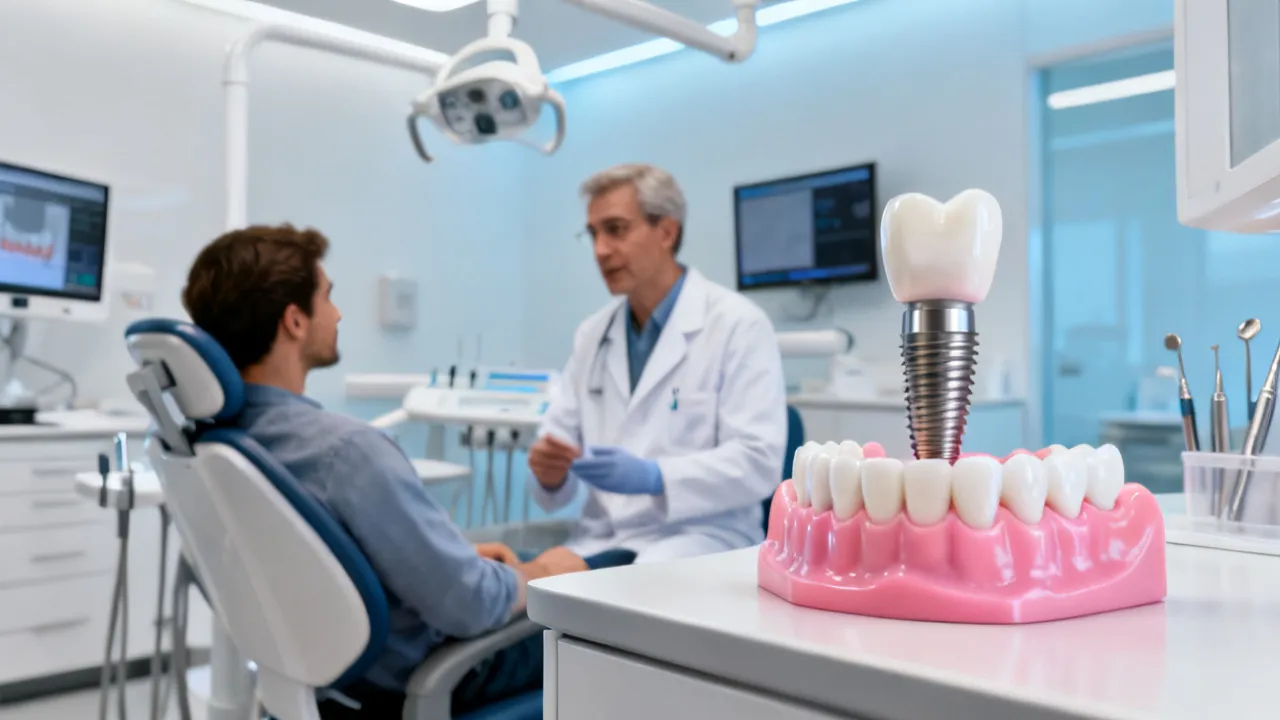
Why Teeth Fall Out: The Most Important Causes
The Korean phrase “이가 빠지는 이유” means “the reasons teeth fall out.” Understanding why a tooth has been lost is the first step toward choosing safe and appropriate treatment. A missing tooth is not only a cosmetic concern. It can affect chewing, speech, facial appearance, bite balance, oral hygiene, and the health of neighboring teeth. In some cases, tooth loss is also a sign of an active disease that needs to be treated before any replacement is considered.
The most common causes of tooth loss include advanced gum disease, extensive decay, accidental injury, tooth fracture, failed dental treatment, developmental absence, and certain medical conditions. Age alone does not explain why a tooth falls out. Older adults may have a higher cumulative risk because they have experienced oral disease for longer, but preventable conditions can cause tooth loss in children, teenagers, and younger adults as well.
From a dental-care and treatment-planning perspective, the safest approach is to separate three questions:
- Why was the tooth lost? The underlying cause must be identified and controlled whenever possible.
- What replacement is clinically suitable? Options may include an implant-supported crown, fixed bridge, removable partial denture, orthodontic treatment, or monitoring in selected situations.
- What is the complete treatment cost? A quoted implant price may or may not include imaging, extraction, bone grafting, the abutment, the crown, medication, temporary teeth, and follow-up care.
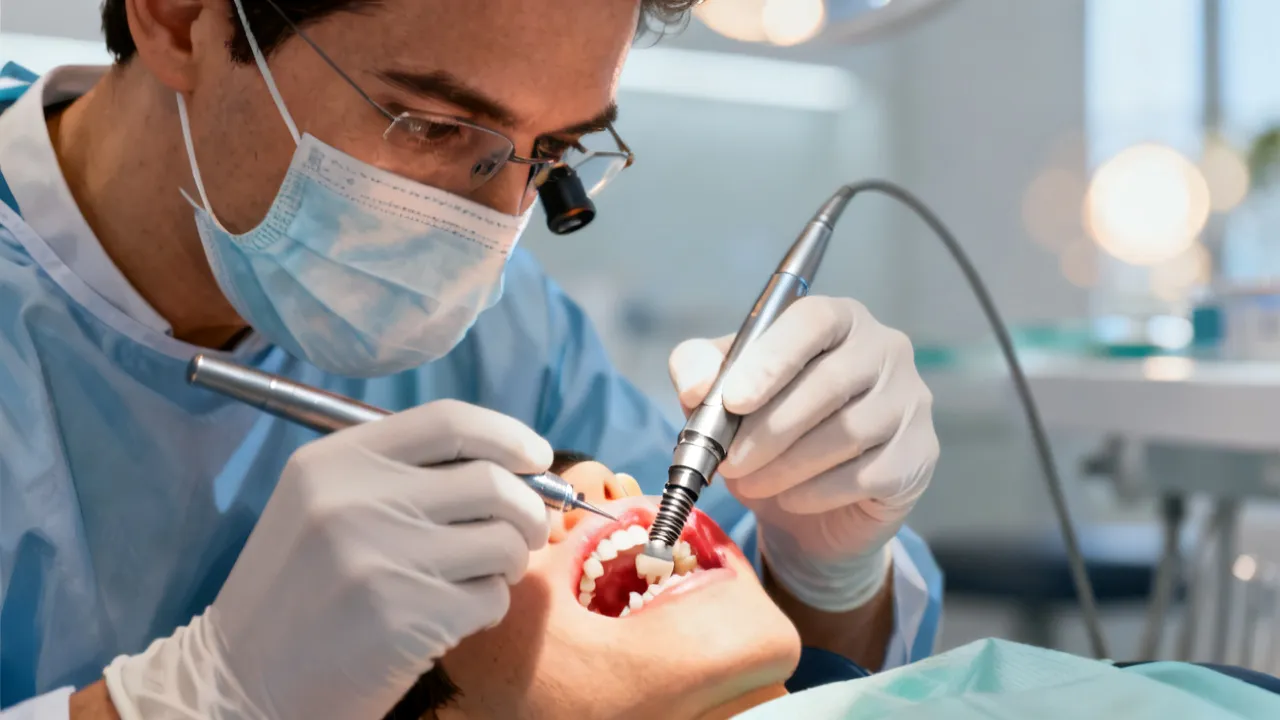
Anyone who has recently lost a tooth should arrange a dental examination, particularly when there is pain, swelling, bleeding, pus, fever, facial swelling, difficulty swallowing, or an injury involving the jaw. A dentist may use a clinical examination and radiographs, including three-dimensional imaging when necessary, to assess the bone, nerves, sinuses, neighboring teeth, gum condition, and the position of the remaining teeth.
Common Reasons for Tooth Loss
1. Periodontal disease
Periodontal disease, commonly called gum disease, affects the tissues that support teeth. Dental plaque contains bacteria that can trigger inflammation along the gum margin. If plaque is not removed effectively, the gums may become swollen, red, and prone to bleeding. Over time, the infection and inflammation can extend below the gum line, causing the gums to detach from the teeth and forming periodontal pockets.
When periodontal disease progresses, the bone and connective tissues supporting the tooth can gradually deteriorate. The tooth may become loose, change position, or feel uncomfortable while chewing. In advanced cases, it may fall out on its own or require extraction because the remaining support is no longer adequate.
Warning signs include bleeding during brushing or flossing, persistent bad breath, gum recession, gum tenderness, pus near the gums, increasing tooth mobility, changes in the way teeth meet, and spaces developing between teeth. Periodontal disease can cause limited discomfort even when it is advanced, so the absence of severe pain does not rule it out.
Before implant placement, active periodontal disease should generally be controlled. Placing an implant in an unhealthy oral environment can increase the risk of inflammation around the implant and long-term complications. A maintenance program involving professional cleaning, improved home care, risk-factor management, and regular review is often essential. Patients who have previously lost teeth because of gum disease may need more frequent maintenance visits than people at lower risk.
2. Extensive tooth decay
Untreated tooth decay can extend through enamel and dentin into the pulp, where the tooth’s nerves and blood vessels are located. Early decay may be treated with a filling, but a deeply damaged tooth may require root canal therapy followed by a crown. If too little healthy tooth structure remains, the tooth may not be predictably restorable.
A severely infected tooth can develop an abscess, which may cause throbbing pain, sensitivity, swelling, a bad taste, or fever. However, an abscess can sometimes drain and become less painful without the infection being eliminated. A reduction in pain does not necessarily mean the tooth is healthy. Infections can continue to damage the surrounding bone and may spread to nearby tissues.
Extraction may be recommended when the tooth is structurally unsalvageable, the root has a severe fracture, the infection cannot be predictably treated, or the cost and prognosis of restoration are unfavorable. Whenever possible, the dentist should explain the expected prognosis of saving the tooth compared with removing and replacing it.
Sugary foods and drinks, frequent snacking, inadequate fluoride exposure, dry mouth, acid reflux, certain medicines, and limited access to dental care can increase the risk of decay. Prevention includes brushing twice daily with fluoride toothpaste, cleaning between teeth, moderating the frequency of sugar consumption, drinking water, and attending examinations based on individual risk.
3. Trauma and accidents
Sports injuries, vehicle collisions, falls, workplace incidents, bicycle accidents, and violence can fracture, loosen, displace, or completely knock out a tooth. An injured tooth may sometimes be stabilized or repositioned. In other situations, a root fracture, severe crown fracture, or damage to the supporting bone may make removal necessary.
Urgent assessment is important after dental trauma. A knocked-out permanent tooth requires immediate professional advice. If it can be located safely, it should generally be handled by the crown rather than the root and kept moist while emergency dental care is arranged. The correct temporary storage method depends on the circumstances, so patients should contact a dentist or emergency service immediately rather than relying on unverified home remedies. Replantation may be possible in some cases, although it does not guarantee long-term survival.
Children with injuries to primary teeth also need evaluation. A damaged baby tooth may affect the developing permanent tooth underneath it, and an apparently minor injury can sometimes lead to discoloration, altered development, or eruption problems later. Facial trauma accompanied by loss of consciousness, vomiting, severe jaw pain, or suspected fracture requires medical assessment as well as dental care.
4. Cracks, failed restorations, and excessive forces
Large fillings, repeated dental procedures, grinding, clenching, and biting hard objects can weaken a tooth. Some cracks are limited to the crown and can be treated with a restoration. Other cracks extend into the root or below the gum line, making the tooth difficult or impossible to restore.
Cracked teeth may cause inconsistent symptoms. A person might experience brief sharp pain when biting or releasing a bite, sensitivity to cold, or discomfort that is difficult to locate. The pain may come and go, which can delay diagnosis. A dentist may assess a suspected crack using magnification, bite tests, transillumination, radiographs, and the patient’s clinical history.
When tooth loss is connected with grinding or an unbalanced bite, those factors should be addressed before and after replacement. An implant does not have the same periodontal ligament as a natural tooth and may respond differently to excessive loading. A night guard may be considered for selected patients, but it should be prescribed and adjusted by a dental professional. A poorly designed or incorrectly fitted appliance may interfere with the bite rather than protect it.
5. Developmental absence
Some people are born without one or more permanent teeth, a condition commonly called hypodontia when a small number of teeth are absent. In more extensive cases, the condition may be associated with genetic syndromes or other developmental differences. A missing tooth in a teenager is not necessarily the result of disease or neglect.
Treatment for a congenitally absent tooth often requires coordination between a general dentist, orthodontist, and restorative or implant dentist. The space may be opened or closed orthodontically, and the timing of an implant may be delayed until facial growth is substantially complete. Placing an implant too early in a growing patient can create an unfavorable position as the surrounding jaw continues to develop.
6. Medical conditions and treatment-related causes
Some people lose teeth because of severe infection, cleft conditions, tumors, radiation treatment, major trauma, or systemic illness. Medical history can influence healing and surgical planning. Diabetes, immune disorders, osteoporosis treatment, smoking, poor nutrition, and medicines affecting bone metabolism do not automatically rule out implants, but they may change risk assessment, timing, surgical planning, or maintenance requirements.
Patients should provide an accurate medication list and disclose medical conditions rather than stopping prescribed medicines independently. Blood-thinning medicines, medications affecting bone turnover, immune-suppressing drugs, and treatments for cancer may require communication between the dental and medical teams. The dentist may also ask about allergies, previous reactions to anesthesia, bleeding disorders, pregnancy, and heart conditions.
Control of a medical condition is often more important than the diagnosis itself. For example, a patient with well-managed diabetes may have a different risk profile from a patient with persistently uncontrolled blood glucose. A health condition should be evaluated individually rather than treated as an automatic reason to accept or reject implant treatment.
What Happens After a Tooth Falls Out?
After tooth loss, the jawbone in that area may gradually remodel because it no longer receives stimulation from the tooth root. The extent and speed of bone change vary according to the location of the tooth, the cause of loss, the condition of the socket, infection, gum thickness, age, and individual biology. Bone loss can affect the position of a planned implant, the appearance of the gum, and the need for grafting.
Neighboring teeth may tip toward the space, while the opposing tooth may move into it. These changes can create food traps, alter the bite, make cleaning more difficult, and reduce the available space for a future restoration. A missing front tooth can also affect speech and lip support. A missing back tooth may be less visible but can still affect chewing efficiency and force distribution.
Immediate replacement is not always necessary, and implant placement timing differs by case. A dentist may recommend one of the following approaches:
- Immediate placement: The implant is inserted during the extraction appointment when infection, bone quality, soft-tissue condition, and primary stability are suitable.
- Early placement: The clinician waits for partial soft-tissue or bone healing before placing the implant.
- Delayed placement: The area heals more fully, sometimes after bone augmentation, before implant surgery.
There is no single best schedule for every patient. An extraction site with acute infection, insufficient bone, damaged tissue, or an unfavorable shape may require staged treatment. In an esthetic area, the dentist may also focus on preserving the gum contour, even if that means delaying the final restoration. The final crown may be placed later to allow healing and integration.
Dental Implants: What the Treatment Includes
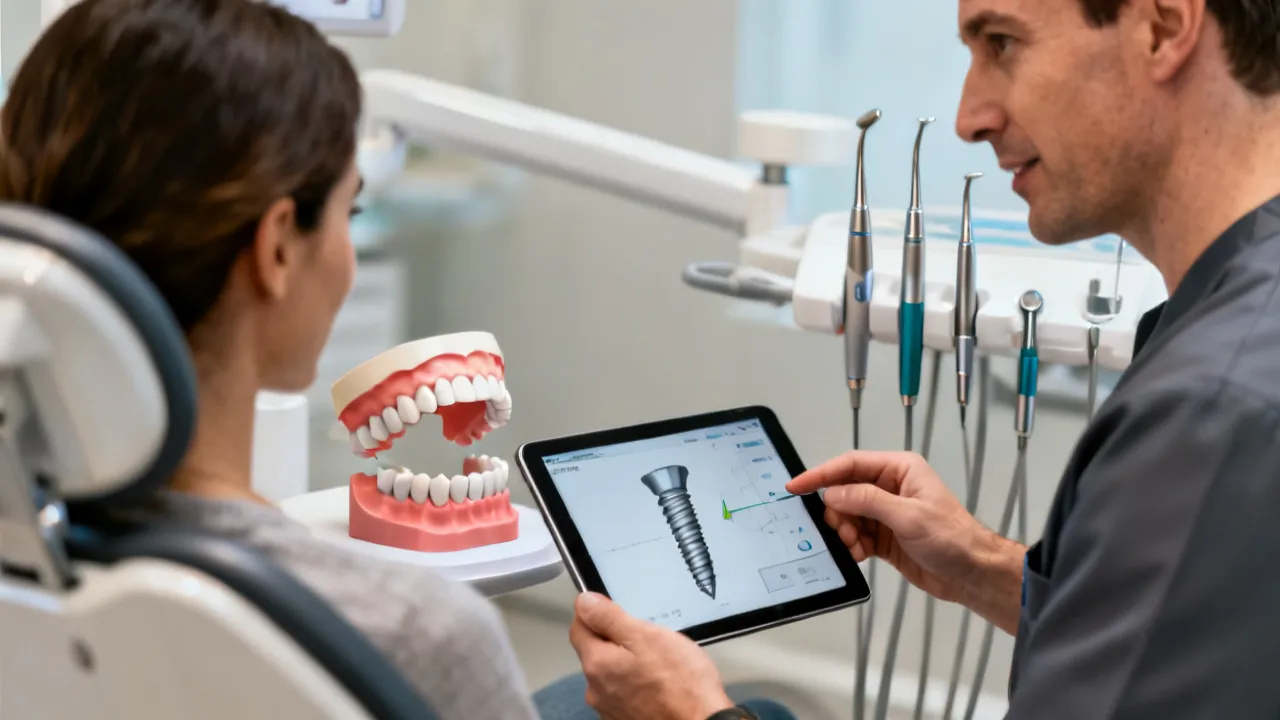
A dental implant is a biocompatible fixture, commonly made from titanium or a titanium alloy, positioned in the jawbone to support a replacement tooth. Some systems use ceramic materials. The visible replacement is usually an implant crown. The connection between the implant and crown is called the abutment. Therefore, a complete single-tooth implant treatment commonly involves several separate services.
- Consultation and review of medical and dental history.
- Clinical examination of teeth, gums, bite, and supporting tissues.
- Diagnostic imaging, such as radiographs or three-dimensional scans.
- Extraction or preparation of the missing-tooth site, if needed.
- Bone grafting or soft-tissue treatment when indicated.
- Implant surgery and any necessary temporary restoration.
- A healing period for osseointegration, meaning bonding between bone and the implant surface.
- Placement of the abutment and custom crown.
- Occlusal adjustment, hygiene instruction, and maintenance visits.
When a clinic advertises the price of an “individual dental implant,” it may refer only to the fixture or to a broader package. Patients should ask for an itemized estimate that identifies what is included. The term “implant” is sometimes used casually to describe the entire tooth replacement, even though the implant itself is only one component.
The crown may be made from porcelain fused to metal, zirconia, lithium disilicate, or another restorative material. Material selection depends on tooth location, bite forces, esthetic expectations, available space, and the dentist’s recommendation. The least expensive material is not automatically inappropriate, and the most expensive material is not automatically the best choice. The relevant question is whether the material and design are suitable for the patient’s clinical situation.
How to Obtain Dental Implants at Lower Cost Safely
Reducing expenses should not mean removing essential diagnostic steps or selecting a provider solely because of the lowest advertised price. A lower-cost plan is more reliable when it is based on prevention, transparent pricing, appropriate case selection, qualified care, and continuity of treatment.
Step 1: Confirm that an implant is necessary
Ask whether the tooth can be restored with a filling, root canal treatment, crown, periodontal therapy, or another conservative procedure. If extraction is necessary, discuss a bridge, removable partial denture, or implant-supported restoration. Each option has different benefits, limitations, maintenance needs, time requirements, and costs.
A bridge may be less expensive initially and may be completed more quickly, but it generally involves using neighboring teeth as supports. A removable partial denture can replace one or more teeth and may be more affordable, but it requires daily removal and cleaning. An implant may preserve independent support for the replacement tooth, but it involves surgery and a longer treatment period.
Step 2: Treat active disease first
Control decay, gum inflammation, infection, and poor oral hygiene before surgery. Treating these conditions may reduce complications and protect the replacement. A patient with uncontrolled periodontal disease may spend more over time if an implant fails or requires revision.
For some patients, a period of gum treatment and observation is valuable before making a final replacement decision. This period allows the dentist to see whether the patient can maintain effective plaque control and attend maintenance appointments. It also gives inflamed tissues time to heal and makes the surgical assessment more reliable.
Step 3: Request a written, itemized plan
The estimate should identify consultation fees, imaging, extraction, bone grafting, implant components, temporary teeth, abutment, crown, anesthesia, medications, laboratory charges, follow-up appointments, and management of complications. Ask whether taxes, travel-related costs, or a second-stage procedure are excluded.
Patients should also ask whether the quote is valid for a specific period. Prices may change because of laboratory fees, currency fluctuations, material costs, or a change in clinical findings. An estimate should explain what happens if additional bone grafting or treatment of infection is discovered during surgery.
Step 4: Compare clinicians, not only prices
Review the dentist’s qualifications, surgical experience, licensing status, infection-control procedures, implant system used, laboratory arrangements, and approach to complications. A legitimate clinic should be willing to discuss risks and alternatives. Patients should be cautious about promises of guaranteed success, unusually urgent sales tactics, or pressure to pay the entire fee before receiving a clear diagnosis.
It is reasonable to seek a second opinion, especially when extraction, extensive grafting, multiple implants, or a complex esthetic restoration has been recommended. A second opinion should be based on the same diagnostic records whenever possible, but patients should understand that different clinicians may recommend different approaches because treatment planning involves judgment.
Step 5: Consider staged treatment
When clinically appropriate, treatment may be divided into stages. For example, disease control and extraction may occur first, followed by healing, implant surgery, and later restoration. Staging can help manage cash flow, but it may increase the number of appointments and should be planned carefully.
Patients should ask how long they can safely remain without a final tooth and whether a temporary restoration is recommended. Delaying treatment is not always harmful, but prolonged delay may allow neighboring teeth to drift or bone to change. The dentist can explain which consequences are likely in the individual case.
Step 6: Ask about payment and insurance conditions
Dental insurance may cover examinations, extractions, bone procedures, or crowns differently from the implant fixture. Waiting periods, annual maximums, exclusions for previously missing teeth, and preauthorization requirements are common policy conditions. Patients should request written confirmation from the insurer and the clinic.
Dental savings plans and clinic payment plans may reduce the immediate financial burden, but they are not identical to insurance. A savings plan may provide a discount from participating providers without paying a portion of the treatment. A payment plan may involve interest, administrative fees, credit checks, or cancellation conditions. These details should be reviewed before signing.
Step 7: Compare local and overseas treatment carefully
Dental tourism can appear less expensive in markets with lower clinical and laboratory costs. However, travel, accommodation, time away from work, language barriers, aftercare, and management of complications must be included in the calculation. A patient may need several visits, and follow-up with a local dentist may create additional charges.
Overseas treatment is not inherently unsuitable, but it requires careful verification. Confirm the clinic’s legal status, professional registration, implant brand, treatment warranty conditions, emergency arrangements, and communication plan. Patients should obtain copies of radiographs, operative notes, implant records, and laboratory information before returning home. Avoid making a decision based solely on online photographs or testimonials.
Step 8: Protect the result through maintenance
Daily plaque control, professional maintenance, avoidance of tobacco, management of grinding, and prompt attention to bleeding or mobility can protect the implant and surrounding teeth. Maintenance is part of the total cost of ownership, not an optional extra.
Replacing a tooth without addressing the habits or disease that caused its loss can lead to repeated expense. For example, a patient who lost teeth because of gum disease still needs periodontal maintenance after an implant. A patient who fractured teeth from severe grinding may need bite monitoring and protective measures. Long-term prevention is often the most effective way to reduce future dental costs.
Cost Ranges for an Individual Dental Implant
The following reference ranges are presented by country and currency. They concern an individual dental implant and are not a universal quotation for a complete implant-supported crown. Depending on the clinic, the full treatment may also include diagnostic imaging, extraction, grafting, abutment, crown, sedation, temporary restoration, and review appointments.
| Country and code | Currency and reference price range |
|---|---|
| United States (US) | USD: $3,000–$6,000 |
| United Kingdom (GB) | GBP: £2,000–£2,500 |
| Australia (AU) | AUD: AU$3,500–AU$6,500 |
| Canada (CA) | CAD: CA$3,000–CA$5,500 |
| Spain (ES) | EUR: €1,500–€2,500 |
| Chile (CL) | CLP: CLP$800,000–CLP$1,500,000 |
| Mexico (MX) | MXN: $15,000–$25,000 |
| Colombia (CO) | COP: $2,000,000–$4,000,000 |
| Peru (PE) | PEN: S/ 3,000–S/ 6,000 |
| Argentina (AR) | ARS: $80,000–$150,000 |
| Brazil (BR) | BRL: R$3,000–R$8,000 |
| Portugal (PT) | EUR: €1,000–€2,000 |
| Germany (DE) | EUR: €2,000–€3,500 |
| France (FR) | EUR: €1,500–€2,500 |
| Italy (IT) | EUR: €1,500–€3,000 |
| Japan (JP) | JPY: ¥300,000–¥700,000 |
Prices should not be compared across currencies without considering exchange-rate changes, local wages, laboratory costs, taxes, materials, regulatory requirements, and the scope of treatment. A lower displayed price may exclude procedures that another clinic includes. In the United States, for example, a published implant figure may be separate from the crown. In other markets, a package may combine several components, making direct comparisons difficult.
Geographic averages can also hide significant differences within the same country. A clinic in a major city may have higher rent, laboratory, and staffing expenses than a rural practice. Specialist surgical care, complex esthetic cases, sedation, digital planning, and grafting can increase the total. Conversely, a very low quote may reflect a promotional offer, a limited component of the treatment, an unfamiliar implant system, or the exclusion of essential services.
Websites That Provide Dental Implant and Dental-Care Information
The following organizations and clinics represent different types of information sources. Some focus on treatment providers, some on insurance or dental plans, and others on dental tourism. Their content should be used as starting material rather than as a substitute for an examination.
| Website or organization | Relevant features |
|---|---|
| Dental Views | Discusses lower-cost implant approaches, treatment types, possible benefits, process information, and pricing considerations. |
| Atlantic Dental Group | Provides information about general dentistry, implants, orthodontics, cleaning, and emergency dental services through a clinic-based model. |
| DentaVacation | Explains dental tourism, international treatment arrangements, procedure comparisons, and travel-related considerations. |
| American Dental Health Plans | Provides information about dental coverage and plan options that may help patients evaluate treatment expenses. |
| Rockville Dental Arts | Spanish-language dental information covering implants, cleaning, whitening, orthodontics, and emergency care. |
| Union City Mini Dental Implants | Focuses on mini dental implant services and patient information for selected tooth-replacement situations. |
| Cigna | Offers a Spanish-language educational guide to dental implants, including general treatment concepts and considerations. |
| Rubi Odonto | Brazilian clinic information covering orthodontics, whitening, implants, and other dental services in Portuguese. |
| Odontologia Velasco | Describes implants, prosthodontics, aesthetic dentistry, and technology used in a Brazilian clinic setting. |
| DentalVidas | Provides information about dental plans, networks, and emergency-oriented services in Brazil. |
Online information can help a patient learn terminology and prepare questions, but websites differ in their purpose, commercial relationships, update schedules, and clinical standards. A clinic’s educational article is not the same as an independent clinical guideline. Readers should check the date of publication, identify whether the page is advertising a service, and ask a licensed dentist to apply general information to their own circumstances.
Source: dentalviews.com/low-cost-dental-implants/
Source: atlanticdentalgrp.com
Source: dentavacation.com
Source: rockvilledentalarts.com/es
Source: unioncityminidentalimplants.com/es
Source: cigna.com/es-us/knowledge-center/guide-to-dental-implants
Source: rubiodonto.com.br
Source: odontologiavelasco.com.br
Source: dentalvidas.com.br
How to Compare Options in English-Speaking Markets
In the United States, patients may compare private dental practices, dental savings arrangements, dental insurance, university dental programs, and staged payment plans. Provider credentials, state licensing, implant system, laboratory quality, and the division between surgical and restorative fees deserve attention. The listed US range is broad because regional operating costs and treatment complexity vary substantially.
University dental clinics may offer reduced fees because treatment is performed by students under supervision or by residents in specialist programs. These clinics can be appropriate for some patients, but appointments may take longer, eligibility may be limited, and the case may need to fit the educational requirements of the program. Patients should ask who will perform each stage and who will provide follow-up care.
In the United Kingdom, patients may compare private practices, NHS availability for limited dental services, and dental payment plans. Implant treatment is not routinely available through the NHS for every missing tooth, so eligibility should be checked directly. Patients should ask whether the quoted fee covers the consultation, scans, implant, abutment, crown, temporary restoration, and aftercare.
In Australia and Canada, public dental programs may have eligibility restrictions, and implant treatment is often arranged through private dental care. Patients should investigate provincial, territorial, or state-based assistance where applicable, while confirming whether it applies to implants or only to examinations and basic treatment.
English-language clinics often publish educational pages intended for general audiences. Those pages can help patients prepare questions, but they cannot determine whether an implant is appropriate. A local consultation remains necessary.
How to Compare Options in Spanish-Speaking Markets
In Spain, treatment may be provided by private clinics, university settings, or dental groups. Patients should check whether the clinic is registered with the relevant professional authorities and whether the dental laboratory is included in the treatment plan. Regional differences can be substantial between major urban areas, smaller communities, and island locations.
In Mexico, Colombia, Peru, Chile, and Argentina, patients may encounter clinics that market implants to local residents and international visitors. A bilingual consultation may be useful for travelers, but language accessibility should not replace a written treatment plan. Patients should clarify the implant brand, crown material, number of visits, warranty terms, and the process for dealing with complications after returning home.
When comparing a local provider with a clinic in another country, patients should compare the same treatment components. For example, one clinic may quote only for implant surgery while another includes the crown and temporary tooth. The apparently cheaper provider may become more expensive after adding scans, grafting, hotel stays, transportation, and local follow-up.
Spanish-language educational resources can make technical information easier to understand for patients and families. The Cigna guide and Spanish-language clinic pages listed above may help readers learn basic terminology, while the final decision should be based on an individualized examination.
How to Compare Options in Portuguese-Speaking Markets
Brazil has a large and varied dental market, with private clinics, dental plans, university services, and specialist practices. Patients should confirm whether the provider is properly registered, whether the treatment is performed by a qualified implant dentist or oral surgeon, and whether the laboratory and implant manufacturer are identified in the estimate.
In Portugal, patients may compare private dental clinics and dental plans. Portuguese-speaking patients should ask whether the price is for the implant fixture alone or for the complete replacement tooth. The distinction between “implante,” “pilar” or abutment, and “coroa” or crown can help clarify the written quotation.
Dental plans can reduce the cost of certain examinations and procedures, but coverage restrictions differ. A plan may have waiting periods, provider-network requirements, annual limits, or exclusions. The policy documents should be reviewed before treatment begins.
Patients should also ask how records will be provided if they move or seek care elsewhere. The implant manufacturer, model, dimensions, and placement date are useful records for future dentists. A durable treatment plan includes not only the surgery and crown but also access to information needed for future maintenance.
Options in German-, French-, Italian-, and Japanese-Speaking Markets
Germany, France, Italy, and Japan have established dental systems with regional differences in reimbursement, private fees, and patient contributions. In these markets, an implant quote may be presented as a treatment estimate that separates the surgical procedure from the prosthetic crown. Patients should read the estimate carefully and ask about the material, laboratory, imaging, temporary tooth, and review schedule.
In Germany, patients may need to distinguish statutory insurance contributions from private co-payments. In France, reimbursement conditions can depend on the treatment category and insurance contract. In Italy, fees may vary between public-linked services, private practices, and geographic regions. In Japan, patients should ask whether the proposed treatment is covered by public health insurance or is being offered as private care, because implant coverage is limited to particular clinical circumstances.
For international patients, translation of consent forms and aftercare instructions is important. A patient should be able to understand surgical risks, alternatives, expected healing, and the procedure for contacting the clinic in an emergency. If a patient cannot communicate symptoms clearly after surgery, the practical risk of receiving care far from home may be greater than the initial price difference suggests.
Clinical Requirements Before Implant Surgery
A suitable candidate generally needs sufficient bone or a realistic plan for augmentation, healthy or controlled gums, adequate space, and the ability to maintain oral hygiene. The dentist will also consider general health, smoking, medications, healing capacity, bite forces, and expectations.
Typical assessment components include:
- Review of the reason for tooth loss and previous dental treatment.
- Examination of teeth, gums, bite, jaw joints, and oral tissues.
- Two-dimensional radiographs and, when justified, three-dimensional imaging.
- Evaluation of bone volume, anatomical structures, and esthetic requirements.
- Discussion of alternative treatments and the consequences of delaying care.
- Review of medical history, allergies, smoking, alcohol use, and medications.
- Written consent describing expected benefits, risks, and limitations.
Bone grafting may be recommended when the ridge is too narrow or short. In the upper back jaw, a sinus-related procedure may be considered in selected patients. Soft-tissue grafting may be discussed when the gum is thin or when the appearance of the gum margin is important. These procedures can add time and expense. They should be recommended because of a documented clinical need, not simply because they increase the treatment package.
Imaging is used to support planning rather than to replace clinical judgment. A scan can show bone dimensions and important anatomical structures, but the dentist must still evaluate gum health, tooth position, occlusion, hygiene, and the patient’s ability to attend follow-up appointments. The patient should be invited to ask why each test is needed and how its results will affect the plan.
Risks and Limitations
Implants are a well-established tooth-replacement option, but no medical or dental procedure is risk-free. Possible complications include infection, poor integration with bone, damage to nearby structures, nerve disturbance, sinus complications, peri-implant inflammation, crown fracture, screw loosening, gum recession, and esthetic dissatisfaction. Risk depends on the patient, surgical site, technique, maintenance, and restoration.
Smoking is associated with impaired healing and may increase complication risk. Poor plaque control can contribute to inflammation around the implant. A history of gum disease requires ongoing monitoring because the same biological factors that damaged natural teeth can affect implant-supporting tissues.
Patients should be skeptical of absolute claims such as “guaranteed for life” or “suitable for everyone.” A responsible clinician explains what can be predicted, what remains uncertain, and what maintenance will be required. A warranty may cover a replacement component under specific conditions, but it does not necessarily cover grafting, travel, laboratory charges, or treatment performed by another provider.
Patients should also understand that an implant is not identical to a natural tooth. It can restore substantial function, but it does not have the same sensory feedback, biological attachment, or resistance to disease as a natural tooth. Cleaning around it remains important, and the crown can experience wear or damage from chewing forces.
Aftercare and Long-Term Maintenance
Immediately after surgery, the clinic may advise gentle cleaning, a temporary change in diet, prescribed medication, and avoidance of pressure on the surgical site. Patients should follow the treating clinician’s instructions because protocols vary according to the procedure. They should not take additional medicines, apply household substances, or use leftover antibiotics without professional guidance.
Some swelling, bruising, and tenderness can occur after oral surgery, but symptoms that worsen substantially, continue beyond the expected period, or are accompanied by fever, uncontrolled bleeding, breathing difficulty, or spreading facial swelling require prompt contact with the clinic or emergency services.
Long-term care includes brushing around the implant, cleaning between teeth with appropriate brushes or floss, attending professional maintenance visits, and monitoring the gum tissue. Patients should contact the clinic if they notice bleeding, swelling, bad taste, pus, pain, mobility, or a change in the bite.
The crown may eventually need repair or replacement even when the implant fixture remains stable. The expected service life of the prosthetic components depends on oral hygiene, chewing forces, materials, design, and maintenance. Therefore, an implant should be viewed as a long-term treatment requiring continuing care rather than a one-time purchase.
Professional maintenance may include examination of the implant, crown, surrounding gums, bite, and neighboring teeth. The dental team may take periodic radiographs when clinically indicated. Maintenance intervals are individualized; someone with a history of severe periodontal disease, smoking, or poor plaque control may need closer monitoring.
Questions to Ask Before Accepting a Quote
- What caused the tooth loss, and has that cause been treated?
- Is an implant the most appropriate option for this space?
- Would a bridge, removable denture, or another treatment be reasonable?
- Does the estimate include the implant fixture, abutment, and crown?
- Are imaging, extraction, grafting, temporary teeth, medication, and follow-up included?
- Which implant manufacturer and crown materials will be used?
- Who will perform the surgery and who will provide the restoration?
- How many visits are expected, and how long will treatment take?
- What happens if the implant does not integrate or the crown is damaged?
- Are there restrictions related to smoking, diabetes, medications, or grinding?
- What maintenance schedule is recommended after treatment?
- How will records be transferred if treatment occurs in another region or country?
- What is excluded from the warranty or payment agreement?
- Who should be contacted after hours if pain, bleeding, or swelling develops?
FAQs
What is the most common reason teeth fall out?
Advanced gum disease and extensive tooth decay are major causes of tooth loss, while trauma, fractures, failed restorations, and developmental conditions are also important. The main cause varies by age, oral hygiene, access to care, health history, and injury exposure.
Does a missing tooth always need an implant?
No. A bridge, removable partial denture, orthodontic space closure, or observation may be appropriate in selected circumstances. The decision depends on function, esthetics, neighboring teeth, bone, health, patient preference, and budget.
Can an implant be placed immediately after extraction?
Sometimes. Immediate placement may be possible when the socket and surrounding tissues are suitable, infection is controlled, and the implant can obtain adequate stability. Many cases require healing or grafting first.
How can I reduce implant treatment costs?
Compare itemized plans, treat gum disease and decay early, ask about dental insurance or payment arrangements, consider accredited teaching clinics where appropriate, and compare qualified providers. Do not remove essential imaging, infection control, appropriate materials, or follow-up solely to lower the initial quotation.
Are overseas implants always less expensive?
Not necessarily. The quoted clinical fee may be lower, but travel, accommodation, multiple visits, currency changes, local follow-up, and complication management can alter the total. Patients should compare complete treatment costs and continuity of care.
Can diabetes prevent implant treatment?
Not automatically. Well-managed diabetes may be compatible with implant treatment, while uncontrolled disease can affect healing and increase risk. The dentist and medical clinician should coordinate care when necessary.
How long does implant treatment take?
The timeline ranges from several months to longer when extraction healing, bone grafting, periodontal treatment, or complex restoration is required. Some carefully selected cases can be restored sooner, but speed should not override biological healing and safe planning.
What is the difference between an implant and an implant crown?
The implant is the fixture placed in the jawbone. The crown is the visible tooth-shaped restoration. An abutment connects the two. A complete quotation should identify each component.
What does “이가 빠지는 이유” mean?
It is a Korean expression meaning “the reasons teeth fall out.” The phrase refers to the causes of tooth loss, such as gum disease, decay, trauma, fractures, and certain medical or developmental conditions.
What should I do if a loose tooth is not painful?
A loose adult tooth should still be examined. Lack of pain does not exclude advanced gum disease, a root fracture, or chronic infection. Avoid repeatedly wiggling the tooth, chewing hard foods on it, or attempting to remove it at home. A dentist can determine whether stabilization or treatment is possible.
Is it safe to wait after losing a tooth?
The answer depends on the tooth, the cause of loss, infection, bite, age, and the condition of the surrounding tissues. Some spaces can be monitored, while others are more likely to develop drifting, food trapping, or functional problems. A consultation can identify whether timing is important.
Can a natural tooth be saved instead of extracted?
Sometimes. Depending on the amount of remaining structure and the condition of the supporting tissues, treatment may include a filling, crown, root canal procedure, periodontal therapy, or a combination of approaches. A dentist should explain the likely longevity, cost, and risks of saving the tooth compared with replacement.
Conclusion
The reasons teeth fall out should be investigated before selecting a replacement. Gum disease, decay, trauma, fractures, developmental absence, and medical conditions require different strategies, and controlling the underlying problem is central to successful care. Dental implants can restore chewing and appearance for suitable patients, but the treatment involves several components, biological healing, financial planning, and ongoing maintenance.
For people comparing lower-cost care, the strongest method is not to choose the smallest advertised number. Instead, obtain an examination, request an itemized plan, compare qualified providers, verify insurance conditions, include travel and aftercare when relevant, and confirm who will manage complications. Price ranges can provide orientation, but clinical suitability, transparent pricing, communication, and continuity of care should guide the final decision.
Disclaimer
The information above comes from online resources, and the data is as of October 2023. Dental implant prices are for reference only and may vary by region, clinic, doctor, materials, treatment complexity, exchange rates, insurance conditions, and the procedures included in the quotation. This article is educational and does not replace an examination, diagnosis, or treatment plan from a licensed dental professional.