Why Teeth Fall Out and Affordable Implant Options
This guide explains the main reasons teeth fall out, how dentists diagnose the underlying cause, and what patients should know before considering an implant. The Korean phrase “이가 빠지는 이유” means “reasons teeth fall out.” Tooth loss may result from gum disease, decay, trauma, developmental conditions, or age-related changes, while implant costs depend on location, materials, surgical complexity, and restoration requirements.
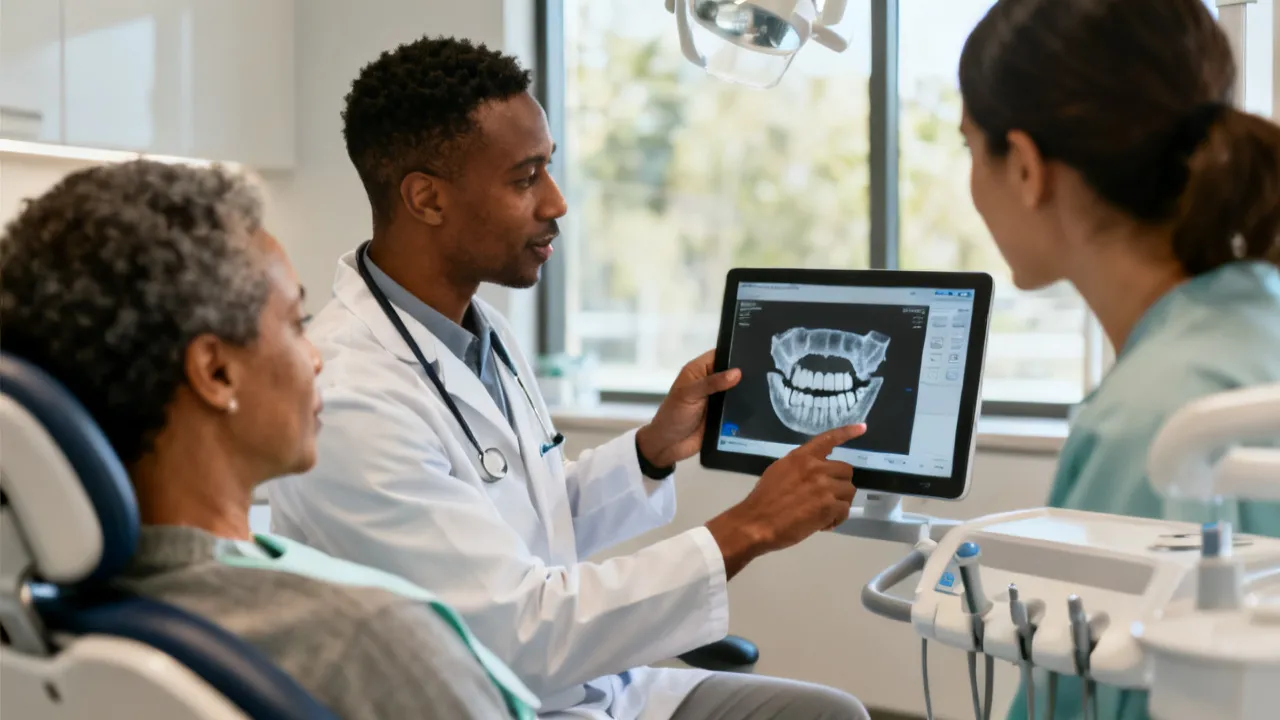
Why Teeth Fall Out: A Practical Dental Overview
The Korean phrase “이가 빠지는 이유” translates into English as “reasons teeth fall out.” Understanding these reasons is the first step toward protecting remaining teeth and choosing an appropriate replacement. A missing tooth is not only a cosmetic concern. It can affect chewing, speech, bite balance, jawbone volume, and the position of neighboring teeth.
From an industry expert’s perspective, the most important point is that tooth loss should be treated as a symptom rather than an isolated event. A dentist must identify why the tooth was lost before recommending an implant, bridge, denture, or another restoration. Replacing a tooth without addressing active gum disease, untreated decay, smoking-related risks, poor oral hygiene, or an unstable bite can reduce the predictability of treatment.
The most common reasons teeth fall out include advanced periodontal disease, extensive tooth decay, traumatic injury, failed dental treatment, congenital absence, and certain medical or developmental conditions. Age can increase the likelihood of dental problems, but aging alone does not inevitably cause tooth loss. Many older adults retain their natural teeth when preventive care and appropriate treatment are maintained.
Tooth loss can occur suddenly, as after an accident, or gradually, as a result of years of inflammation and structural damage. In some cases, a tooth becomes loose before it is lost. In other cases, the crown breaks away while the root remains in the jaw. These different situations require different diagnostic and treatment approaches, so a patient should not assume that every missing or failing tooth can be managed in the same way.
Key Causes of Tooth Loss
1. Periodontal disease
Periodontal disease, commonly called gum disease, is one of the leading causes of tooth loss in adults. It begins when bacterial plaque accumulates around the teeth and irritates the gums. Early gum disease may cause redness, swelling, or bleeding during brushing. When inflammation progresses, it can damage the periodontal ligament and the bone that supports the tooth.
Advanced periodontal disease may cause gum recession, loose teeth, persistent bad breath, pus around the gums, or changes in the way teeth meet. A tooth may eventually become so mobile that extraction is necessary. Because periodontal disease can develop gradually and sometimes causes limited discomfort, regular dental examinations are important even when a person feels well.
One reason gum disease is particularly serious is that it may affect several teeth at once. A patient may focus on one loose tooth while inflammation is also present around other teeth that still appear stable. A comprehensive periodontal assessment can identify pocket depths, bleeding, recession, bone loss, and areas where daily cleaning is difficult. Treating the wider condition is essential if the goal is to preserve the remaining teeth or place an implant successfully.
Risk factors include smoking, diabetes that is not well controlled, a family history of periodontal disease, poor plaque control, certain medications, hormonal changes, and irregular dental attendance. These factors do not guarantee tooth loss, but they can increase susceptibility or make the disease harder to control. Professional cleaning and individualized home-care instructions are often more useful than simply changing toothpaste.
2. Severe dental decay
Dental decay occurs when acids produced by oral bacteria damage the tooth structure. Small cavities can often be treated with fillings. Larger lesions may require an inlay, onlay, crown, or root canal treatment. If decay reaches the pulp and the remaining tooth structure cannot be restored safely, extraction may be recommended.
Frequent sugar exposure, inadequate plaque removal, dry mouth, limited access to dental care, and certain medications can increase decay risk. A patient who loses one tooth because of decay should also have the rest of the mouth assessed. Otherwise, the same process may affect neighboring teeth.
Decay is influenced not only by the amount of sugar consumed but also by how often teeth are exposed to it. Sipping sweetened coffee, soft drinks, energy drinks, or fruit juice throughout the day can provide repeated acid challenges. Sticky snacks may remain in grooves and between teeth for longer periods. Fluoride toothpaste, saliva, water, and a balanced eating pattern can help reduce risk, but established cavities require professional treatment.
Some people have decay beneath old fillings or crowns, where it may not be visible in a mirror. Sensitivity to cold or sweets, food trapping, a rough edge, darkening around a restoration, or a persistent bad taste may indicate a problem. A tooth that no longer hurts is not necessarily healthy; the nerve may have died while infection continues around the root.
3. Dental trauma
Sports injuries, vehicle accidents, falls, workplace incidents, and facial impacts can fracture or dislodge teeth. Some injured teeth can be stabilized or treated with root canal therapy. Others may have a vertical root fracture, extensive crown damage, or severe loss of supporting bone, making extraction unavoidable.
Traumatic tooth loss requires prompt assessment. A knocked-out permanent tooth is a dental emergency. The tooth should be handled by the crown rather than the root, kept moist, and taken to an emergency dental service as quickly as possible. The appropriate first-aid approach depends on the patient’s age, the condition of the tooth, and the time since injury.
A baby tooth should not generally be pushed back into its socket because doing so may damage the developing permanent tooth. For a permanent tooth, a dentist or emergency clinician should provide specific instructions. If the tooth cannot be placed safely in the socket, it may be transported in an appropriate liquid recommended by a dental professional. The patient should not scrub the root, allow it to dry, or delay care while trying to arrange a routine appointment.
Even when a tooth is not completely knocked out, trauma can damage the nerve or root. Discoloration, increased mobility, pain on biting, swelling, or a change in sensitivity may appear immediately or weeks later. Follow-up examinations may therefore be necessary after an apparently minor injury.
4. Failed or weakened dental treatment
A tooth that has received a large filling, crown, or root canal may become structurally weakened over time. Repeated cycles of chewing can contribute to cracks. A cracked tooth may cause pain when biting, sensitivity to temperature, or intermittent symptoms. If the crack extends below the gum line or into the root, the tooth may not be restorable.
Failure does not necessarily mean that previous dental treatment was inappropriate. Teeth are exposed to substantial mechanical forces, and restorations have a limited service life. The dentist should examine the tooth, review radiographs, and explain whether repair, replacement, or extraction offers the most predictable outcome.
Bruxism, or habitual clenching and grinding, can place additional stress on teeth and restorations. A patient may be unaware of grinding during sleep but notice morning jaw fatigue, headaches, worn tooth surfaces, chipped enamel, or repeated restoration fractures. Managing contributing factors and, where appropriate, using a professionally assessed protective appliance may reduce future damage.
Root canal treatment can save many infected teeth, but it does not make a tooth immune to fracture or recurrent infection. The final restoration, the amount of remaining tooth structure, the quality of the seal, and the patient’s bite all influence long-term performance. A previously treated tooth with a new abscess or persistent discomfort should be reassessed rather than automatically extracted.
5. Congenital or developmental absence
Some people are born without one or more permanent teeth. This condition may be identified during childhood or adolescence. Treatment planning often involves orthodontics, a bridge, a removable appliance, or an implant after jaw growth is complete. The timing of implant placement is particularly important in younger patients because the jaws may continue to develop.
Congenitally missing teeth can occur as an isolated finding or as part of a broader developmental condition. The dentist may use clinical examination and imaging to determine whether a tooth is absent, impacted, delayed in eruption, or positioned unusually. Closing the space orthodontically may sometimes be preferable to replacing it, while in other situations preserving the space for a future restoration is more practical.
6. Medical and lifestyle factors
Diabetes, immune-system disorders, osteoporosis-related treatment, smoking, heavy alcohol consumption, and medications that reduce saliva can influence oral health. These factors do not automatically prevent implant treatment, but they may affect healing and the risk of complications. A detailed medical history allows the dental team to coordinate care and provide more realistic expectations.
Smoking is especially relevant because it can impair blood supply and wound healing. Patients who smoke should discuss cessation or reduction with a healthcare professional before oral surgery. The exact recommendation depends on the patient’s health, the procedure, and the clinician’s protocol.
Dry mouth is another frequently overlooked factor. Saliva helps neutralize acids, lubricate tissues, and support the natural repair of early enamel damage. When saliva production decreases, cavities may develop rapidly around the gum line, between teeth, or beneath restorations. Causes can include medications for blood pressure, allergies, depression, anxiety, pain, or other conditions. A medical review may identify alternatives, but patients should not stop prescribed medication without consulting the prescribing clinician.
7. Abscesses and untreated dental infections
A dental abscess is a collection of infection around a tooth or within the surrounding tissues. It may result from untreated decay, a cracked tooth, or advanced gum disease. Pain and swelling are common, but some chronic infections cause few symptoms and are discovered on an X-ray.
An abscess does not usually resolve permanently without treating its source. Antibiotics may be prescribed in selected circumstances, especially when there are systemic symptoms or spreading infection, but antibiotics alone cannot repair a severely decayed or fractured tooth. Depending on the condition of the tooth, treatment may involve drainage, root canal therapy, periodontal care, or extraction.
Facial swelling, fever, difficulty swallowing, difficulty breathing, confusion, or rapidly worsening symptoms require urgent medical or dental attention. These signs can indicate that an infection is spreading beyond the tooth.
Warning Signs That a Tooth May Be at Risk
Early assessment may preserve a tooth that would otherwise require extraction. Warning signs include bleeding gums, persistent bad breath, gum recession, a loose tooth, pain when chewing, prolonged temperature sensitivity, swelling near the gum, a recurring pimple or drainage point, food trapping, a broken filling, a visible crack, or a sudden change in the bite.
Some symptoms are temporary and harmless, but persistent or recurrent symptoms deserve examination. Pain that disappears can be misleading because the nerve may have become nonresponsive while infection remains. Similarly, a loose tooth should not be “tested” repeatedly with the tongue or fingers, since movement can irritate supporting tissues and does not reveal the underlying cause.
A dentist may recommend treatment before a tooth becomes painful. For example, a small cavity can be repaired more conservatively than a large cavity involving the nerve. Gum disease is also generally easier to manage before substantial bone loss occurs. Prompt care can therefore be both medically and financially beneficial.
How Dentists Diagnose the Cause of Tooth Loss
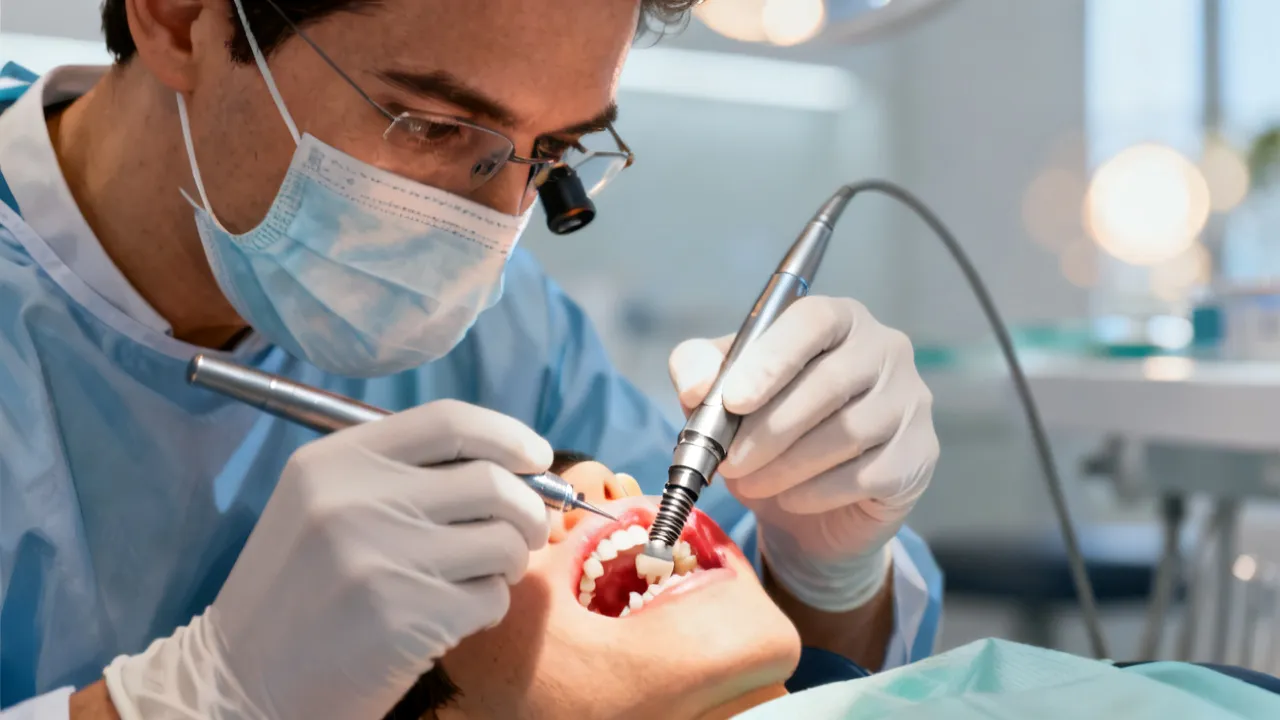
Diagnosis begins with a discussion of the patient’s symptoms, medical history, previous dental treatment, oral hygiene, diet, smoking, trauma, and concerns about appearance or function. The dentist then examines the teeth, gums, bite, soft tissues, and any remaining roots. Measurements around the gums can reveal pockets and attachment loss, while mobility testing helps assess support.
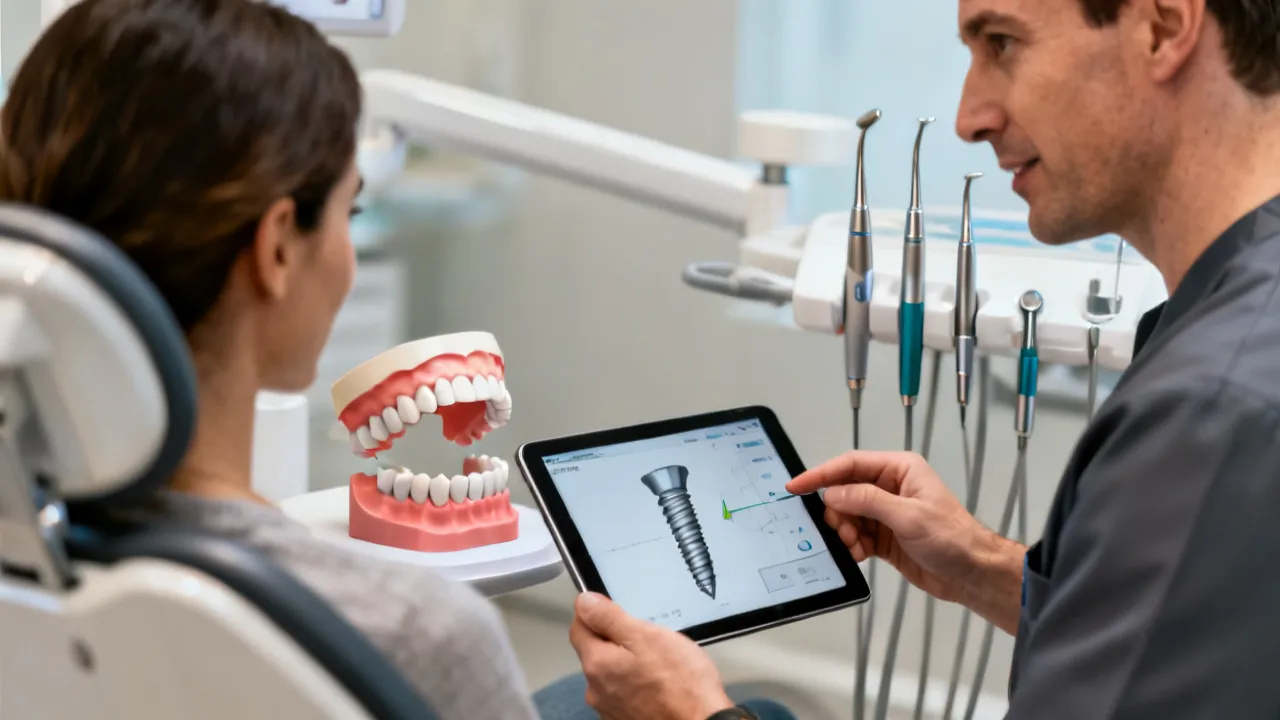
Dental imaging may include small intraoral X-rays, a panoramic image, or three-dimensional imaging when clinically indicated. A three-dimensional scan can help evaluate bone width, nerve location, sinus anatomy, impacted structures, and the relationship between the planned implant and adjacent roots. Imaging should be selected according to the clinical question rather than used simply because it is available.
The dentist may also evaluate the space created by the missing tooth. The width of the gap, the position of neighboring teeth, the height of the opposing tooth, and the shape of the gum all influence the design of a replacement. Photographs, digital scans, study models, and bite records may be used in more complex cases.
A second opinion can be useful when the diagnosis is uncertain, when extraction is irreversible, or when treatment involves grafting, multiple implants, extensive periodontal disease, or a significant financial commitment. The second clinician should receive relevant records and imaging, but the patient should also be cautious about obtaining unnecessary repeated radiation exposure.
What Happens After a Tooth Is Lost?
After extraction or accidental tooth loss, the bone that previously supported the root may gradually change in width and height. The extent of this change varies according to the location of the tooth, infection history, gum condition, anatomy, and healing pattern. Bone changes can make later implant placement more complex, although an implant may still be possible after additional treatment.
Neighboring teeth can tilt toward the empty space, while the opposing tooth may move into the gap. These changes can alter chewing forces and make cleaning more difficult. A missing front tooth may affect speech or confidence, whereas a missing back tooth may be less visible but still influence bite function.
Not every missing tooth requires an implant. A bridge, partial denture, or carefully monitored space may be appropriate in some cases. The decision should consider oral health, the number and position of missing teeth, bone volume, budget, medical history, personal preferences, and the expected maintenance requirements of each option.
Immediately after extraction, a blood clot normally forms in the socket and supports healing. Patients are commonly advised to avoid vigorous rinsing, smoking, and disturbing the area during the initial healing period. Instructions vary according to the procedure, so the dentist’s written guidance should take priority. Severe pain that increases after several days, persistent bleeding, fever, or worsening swelling should be reported.
A temporary replacement may be useful while tissues heal. Options can include a temporary partial denture, a bonded temporary tooth, or another provisional restoration. Temporary treatment can improve appearance and function, but it may not be suitable for every patient or every extraction site. The clinician should explain whether the temporary appliance can be worn immediately and how it should be cleaned.
Dental Implants Explained
A dental implant is a medical device placed into the jawbone to support a replacement tooth. A typical implant restoration has three parts: the implant body, an abutment, and a crown. The implant body functions as an artificial root. The abutment connects the implant to the visible crown.
Implant treatment commonly involves several stages:
- Consultation and diagnosis: The dentist reviews medical and dental history, examines the mouth, and takes appropriate imaging.
- Treatment planning: The team evaluates bone volume, gum health, bite relationships, and the design of the final crown.
- Preparatory care: Infection, decay, gum disease, or damaged teeth may need treatment before surgery.
- Implant placement: The implant is surgically positioned in the jawbone.
- Healing and integration: The bone may bond with the implant over a healing period determined by the clinician.
- Restoration: An abutment and crown are fitted after the implant is considered sufficiently stable.
- Maintenance: The patient needs daily home care and periodic professional review.
Some patients require bone grafting or sinus augmentation before or during implant treatment. These procedures can increase both the treatment time and the final price. An accurate quote therefore requires more than a promotional headline or a brief online consultation.
In selected cases, an implant and temporary crown may be placed shortly after extraction. This is sometimes called immediate placement, but it is not suitable for every socket. The amount of infection, the condition of the socket walls, the stability achieved during surgery, the gum tissue, and the patient’s ability to follow restrictions all matter. Immediate placement does not necessarily mean an immediate permanent tooth.
Healing times differ. Some implants are restored after a conventional healing period, while others may be loaded earlier when stability and clinical circumstances permit. Bone grafting, poor bone quality, medical conditions, smoking, and active infection may lengthen the process. Patients should ask for an estimated timeline with possible alternatives rather than assuming that an advertised “same-day implant” applies to their situation.
How to Obtain Dental Implants at Lower Cost in English-Speaking Countries
Seeking a lower-cost implant does not mean choosing the least expensive advertised package. The safer objective is to compare the complete treatment, the qualifications of the clinical team, the materials used, the warranty terms, and the aftercare arrangements. The following steps can help patients evaluate options in the United States, the United Kingdom, Australia, and Canada.
Step 1: Confirm that an implant is clinically appropriate
Ask a dentist whether an implant is the best option for the missing tooth. A bridge or partial denture may involve different costs and treatment requirements. If an implant is recommended, ask why it is preferable in the specific clinical situation.
Step 2: Request a complete written treatment plan
A written plan should identify the implant system, surgical fee, abutment, crown, imaging, laboratory charges, anesthesia, temporary restoration, and follow-up visits. It should also state whether bone grafting, gum treatment, extraction, or sedation is included.
Step 3: Compare like-for-like quotations
Dental implant advertisements may present only the price of the implant body and omit the crown or abutment. Compare complete packages rather than individual promotional components. A lower initial figure may not remain lower after additional procedures are included.
Step 4: Verify professional credentials
Patients should confirm that the dentist is licensed in the relevant jurisdiction and ask about experience with the proposed procedure. Specialist training may be particularly relevant when treatment involves bone grafting, severe gum disease, complex anatomy, or full-arch rehabilitation.
Step 5: Treat gum disease before surgery
Active periodontal disease can compromise the tissues around an implant. Professional cleaning, periodontal treatment, improved home care, and regular maintenance may be required before surgery. This step can prevent avoidable complications and protect the remaining natural teeth.
Step 6: Ask whether staged treatment is possible
In some cases, treatment can be divided into clinically appropriate stages. For example, a patient may first receive an extraction and temporary restoration, followed by implant placement after healing. Staging may help with budgeting, but it must not compromise medical timing or oral function.
Step 7: Explore dental insurance and health-plan benefits
Coverage varies substantially. Some plans contribute toward crowns, extractions, or diagnostic imaging but exclude the implant component. Patients should request a written benefits estimate and ask about waiting periods, annual limits, exclusions, preauthorization, and participating providers.
Step 8: Consider accredited dental schools or teaching clinics
Dental schools and university clinics may offer selected procedures at reduced fees under supervision. Availability, eligibility, waiting times, and treatment complexity vary. Patients should understand which stages are performed by students, residents, or supervising clinicians and how emergency follow-up is handled.
Step 9: Evaluate local treatment before international travel
Dental tourism can appear less expensive because treatment fees may be lower in another country. However, travel, accommodation, time away from work, language support, revision treatment, and emergency visits must be included in the financial calculation. Follow-up can be difficult if the treating clinic is far from home.
Step 10: Maintain the implant after placement
Daily brushing, interdental cleaning, professional maintenance, and management of risk factors can help preserve the implant and surrounding tissues. Maintenance is part of the total cost of treatment and should be included in long-term planning.
Step 11: Ask about financing without confusing financing with savings
Monthly payment plans can make treatment easier to budget, but financing does not necessarily reduce the total price. Patients should review interest, administrative charges, promotional periods, late-payment terms, and what happens if treatment is interrupted. A clinic should provide the cash price and financed price clearly.
Step 12: Check continuity of care
Before selecting a provider, ask who will handle postoperative concerns outside normal hours and whether another clinician can provide emergency care if the treating dentist is unavailable. Continuity is especially important when treatment involves several stages or when the patient is considering travel.
Comparison of Websites Offering Implant Information
The websites below represent different types of information sources available to English-speaking patients. They should be used for preliminary research rather than as substitutes for an individualized examination. A clinic website may describe its own services, while an insurance or educational page may provide broader explanations of benefits and treatment considerations.
| Website | Key features and practical use |
|---|---|
| Dental Views | Discusses lower-cost dental implants, implant benefits, treatment types, general process information, and cost considerations. Useful for initial comparison of implant concepts and expenses. |
| Atlantic Dental Group | Provides information about a broad range of dental services, potentially including preventive care, orthodontics, implants, and emergency dentistry. Useful for reviewing the scope of a clinic’s services and appointment options. |
| DentaVacation | Focuses on dental tourism, international treatment planning, destination comparisons, travel arrangements, and potential cost differences. Useful for identifying questions to ask before considering treatment abroad. |
| American Dental Health Plans | Provides information related to dental insurance and plan selection. Useful for reviewing coverage structures, eligibility, and ways insurance may contribute to dental expenses. |
source: www.dentalviews.com/low-cost-dental-implants
source: www.atlanticdentalgrp.com
source: www.dentavacation.com
source: rockvilledentalarts.com
When using online information, readers should distinguish between general educational content, patient testimonials, promotional claims, and independent clinical guidance. A website may describe a procedure accurately while still presenting only one clinic’s approach. It is sensible to compare information with public resources from professional associations, government health services, and regulatory bodies.
Individual Dental Implant Cost Ranges in English-Speaking Countries
The following figures describe reference ranges for an individual dental implant in selected English-speaking countries. They should not be interpreted as guaranteed package prices. Depending on the provider, the quoted amount may or may not include the implant body, abutment, crown, imaging, extraction, grafting, sedation, and follow-up care. Patients should always ask what the figure includes.
| Country | Currency | Reference price range for one implant |
|---|---|---|
| United States | USD ($) | $3,000–$6,000 |
| United Kingdom | GBP (£) | £2,000–£2,500 |
| Australia | AUD (AU$) | AU$3,500–AU$6,500 |
| Canada | CAD (CA$) | CA$3,000–CA$5,500 |
Prices can differ between major metropolitan areas and regional communities. They may also vary according to the dentist’s training, the implant brand, laboratory fees, facility costs, imaging technology, anesthesia, and the complexity of the patient’s anatomy. A single missing front tooth may require a different approach from a molar replacement or an implant in an area with significant bone loss.
Currency conversion can make international quotations appear attractive, but exchange rates change and may not reflect the full financial burden. Taxes, consultation charges, deposits, travel insurance, accommodation, and additional visits may not be included. A patient should also determine whether a quoted warranty is enforceable across borders and whether it covers only the implant component or the complete restoration.
How to Read an Implant Quote
A professional estimate should be sufficiently detailed for a patient to understand the proposed care. Consider the following categories:
- Diagnostic services: clinical examination, periapical radiographs, panoramic imaging, or three-dimensional imaging where clinically indicated.
- Surgical services: extraction, implant placement, bone grafting, membrane placement, sinus augmentation, or soft-tissue treatment.
- Implant components: implant body, healing abutment, definitive abutment, and other components.
- Prosthetic services: temporary tooth, final crown, laboratory design, shade selection, and bite adjustment.
- Medication and anesthesia: local anesthetic, sedation, prescriptions, and postoperative instructions.
- Follow-up: review visits, radiographs, maintenance appointments, and management of complications.
Patients should ask whether a quote is valid for a particular period and whether it changes if the dentist discovers an unexpected condition. It is also reasonable to ask how repairs are handled if a crown chips, an abutment loosens, or the implant does not integrate with the bone.
Another useful question is whether the quote covers both the surgical and restorative providers. Some clinics coordinate all stages internally, while others refer patients to a separate specialist and laboratory. Both models can work well, but the patient should know who is responsible for communication, records, scheduling, and resolving a problem if the final result does not fit properly.
Patients should be wary of quotes using terms such as “implant from” without a clear description of the final restoration. The word “from” usually indicates the lowest possible fee under limited circumstances, not the expected cost for every patient. A written estimate based on examination and imaging is more meaningful than an online price calculator.
Conditions and Requirements Before Implant Treatment
Oral health assessment
The mouth should be evaluated for decay, gum disease, infections, fractured roots, bite problems, and hygiene quality. An implant is not a replacement for oral-health maintenance. Natural teeth remain vulnerable to decay and periodontal disease after implant treatment.
Medical history
The dentist should know about diabetes, cardiovascular disease, bleeding disorders, immune conditions, osteoporosis medications, allergies, pregnancy, and all prescription or non-prescription medicines. Some conditions require coordination with a physician, although many patients can receive implants after appropriate planning.
Bone and soft-tissue evaluation
Implant placement depends on adequate bone volume and favorable soft-tissue conditions. If the ridge is narrow or the sinus is close to the intended site, grafting or another surgical technique may be considered. These procedures carry additional risks and costs, which should be explained in advance.
Age and jaw development
Adults are commonly considered for implants when jaw growth is complete and overall health is suitable. For adolescents and younger patients, the timing must be assessed carefully because an implant does not move with natural jaw development in the same way as a natural tooth.
Commitment to maintenance
Implants require consistent cleaning around the crown and gum line. Some patients need specialized brushes, interdental brushes, water flossers, or professional hygiene appointments. The most suitable method depends on the restoration design and the condition of the surrounding tissues.
Emotional and practical readiness
Implant treatment can involve surgery, temporary changes in appearance or chewing, several appointments, and a healing period. Patients should understand the expected restrictions and plan for transportation if sedation is used. Anxiety about dental treatment is common, and discussing comfort measures in advance may make the experience more manageable.
What to Expect During Recovery
After implant surgery, mild discomfort, swelling, bruising, and tenderness are common. Symptoms often reach their highest level during the first few days and then gradually improve, although the exact pattern varies. The dentist may recommend prescribed or over-the-counter pain relief, a soft diet, careful cleaning, and avoidance of pressure on the surgical site.
Patients should follow instructions about rinsing, brushing, physical activity, smoking, alcohol, and the use of temporary appliances. A temporary tooth may need to be kept out at particular times to prevent excessive pressure on the healing tissues. Patients should not adjust or remove a temporary restoration themselves unless instructed to do so.
The visible crown is not normally fitted immediately in every case. The implant may need time to stabilize in bone, and the gum may need to mature so that the final crown has a natural contour. Follow-up visits allow the clinician to assess healing, remove sutures if necessary, and identify complications early.
During recovery, increasing swelling, uncontrolled bleeding, severe or worsening pain, fever, foul drainage, persistent numbness, or mobility of the implant should be reported promptly. An implant that moves during healing requires professional evaluation. Patients should avoid assuming that a problem will resolve on its own.
Risks and Limitations
Dental implant surgery is generally planned as a controlled procedure, but no medical treatment is risk-free. Possible complications include discomfort, swelling, bleeding, infection, damage to nearby structures, sinus-related complications in the upper jaw, nerve disturbance, peri-implant inflammation, and failure of integration.
The risk profile depends on anatomy, health, smoking, oral hygiene, surgical complexity, and adherence to postoperative instructions. Patients should ask the dentist to explain personal risk factors rather than relying on generalized success claims. If severe pain, persistent bleeding, fever, progressive swelling, numbness, or difficulty breathing occurs after treatment, urgent professional evaluation is required.
Implants can also develop mechanical problems. A crown may chip, an abutment screw may loosen, or the prosthesis may require adjustment if the bite changes. These issues are not always signs that the implant itself has failed, but they can become more serious if ignored. Regular examinations help distinguish a minor restorative problem from inflammation or bone loss.
Implants, Bridges, and Dentures Compared
| Replacement option | General characteristics |
|---|---|
| Dental implant and crown | Uses an implant in the jawbone to support a crown. It may preserve the space without preparing adjacent teeth, but surgery, healing time, and maintenance are required. |
| Fixed bridge | Uses neighboring teeth or other supports to carry a replacement tooth. It may avoid implant surgery, but supporting teeth may require preparation and cleaning under the bridge is important. |
| Removable partial denture | Replaces one or more teeth with a removable appliance. It may have a lower initial cost, but fit, comfort, stability, and periodic adjustment should be considered. |
The best option is individual. A dentist should explain expected function, appearance, durability, maintenance, treatment time, and total cost. Patients may also seek a second opinion when treatment is complex or when the proposed plan is difficult to understand.
An implant-supported restoration does not eliminate the need for replacement teeth to be maintained or eventually repaired. Crowns can wear or fracture, and gums can change over time. Bridges may need replacement if supporting teeth develop decay or fracture. Removable dentures may require relining as the jaw ridge changes. Considering maintenance and replacement needs can make the initial decision more realistic.
Preventing Further Tooth Loss
Preventive measures address the causes behind “이가 빠지는 이유” rather than merely replacing the missing tooth. Brush twice daily with fluoride toothpaste unless a dental professional recommends another approach. Clean between teeth each day, limit frequent sugary snacks and drinks, avoid tobacco, and attend dental examinations based on personal risk.
People with dry mouth may need advice about hydration, saliva substitutes, medication review, and fluoride exposure. Patients with diabetes should work with their healthcare team to manage the condition and should inform the dental office about changes in treatment. Mouthguards may reduce the risk of dental injury during contact sports, while a properly assessed night guard may help selected patients with tooth grinding.
Cleaning technique matters. Brushing too aggressively can contribute to abrasion and gum recession, while brushing too gently or too briefly may leave plaque along the gum line. An electric or manual toothbrush can be effective when used correctly. The dental team can recommend a brush, toothpaste, interdental brush, floss, or water flosser based on the patient’s gum spaces, dexterity, restorations, and preferences.
Children and teenagers also benefit from prevention because early decay, sports trauma, and poorly managed orthodontic problems can affect future tooth retention. Parents and caregivers may need to supervise brushing, manage bedtime drinks, arrange protective sports equipment, and attend regular dental appointments. Prevention should continue even when a child has no pain.
Questions to Ask Before Choosing a Clinic
- What caused the tooth loss, and has that cause been treated?
- Does the quoted price include the implant, abutment, crown, imaging, and follow-up?
- Will I need an extraction, bone graft, gum treatment, or temporary tooth?
- Who will perform the surgery and the restorative phase?
- Which implant system and crown materials are proposed?
- How long might the treatment take in my case?
- What symptoms should prompt an urgent call after surgery?
- What maintenance schedule will be required?
- What happens if the implant does not integrate or the crown needs repair?
- How will insurance or a dental plan apply to each stage?
- What records and imaging will I receive if I move or seek care elsewhere?
- Is the treatment plan flexible if my healing is slower than expected?
FAQs
What does “이가 빠지는 이유” mean?
“이가 빠지는 이유” is a Korean expression meaning “reasons teeth fall out.” It may refer to tooth loss caused by gum disease, decay, trauma, failed treatment, congenital absence, or other oral-health conditions.
Is tooth loss a normal part of aging?
No. The risk of decay, gum disease, dry mouth, and medication-related oral problems may increase with age, but tooth loss is not inevitable. Preventive dental care and timely treatment can help preserve natural teeth.
Can every missing tooth be replaced with an implant?
No. Implant suitability depends on bone and gum conditions, medical history, bite forces, hygiene, jaw development, and the patient’s ability to attend follow-up care. Some people need preparatory treatment, while others may be better suited to a bridge or denture.
How long does an implant procedure take?
The surgical appointment may be relatively brief, but the complete process can take several months when healing, bone grafting, or staged treatment is required. The timeline depends on the site and the patient’s biology.
Are lower-cost dental implants safe?
Price alone does not determine safety or quality. A lower-cost option may be appropriate when the clinic uses suitable materials, follows accepted clinical protocols, provides qualified care, and includes adequate follow-up. Patients should be cautious when a quote is unclear or omits essential stages.
Why do implant prices vary so much?
Variation may reflect regional operating costs, dentist training, laboratory fees, implant systems, imaging, surgical complexity, grafting, anesthesia, restoration materials, and aftercare. Comparing only the headline price can produce misleading conclusions.
Can dental insurance cover an implant?
Some plans contribute to particular parts of implant treatment, while others exclude implants or impose waiting periods and annual limits. Patients should request a written coverage explanation before treatment begins.
Is traveling abroad for treatment always cheaper?
Not necessarily. Patients must calculate transportation, accommodation, time away from work, additional visits, currency changes, language support, and the cost of managing complications after returning home. A local clinic may provide easier continuity of care even when its initial quotation is higher.
What is peri-implant disease?
Peri-implant disease refers to inflammation around an implant. It may involve soft-tissue inflammation or progressive loss of supporting bone. Risk can be influenced by oral hygiene, previous gum disease, smoking, bite forces, and irregular maintenance. Early professional evaluation is important.
What should I do if a tooth becomes loose?
Arrange a dental examination promptly. A loose tooth may be associated with gum disease, trauma, infection, grinding, or a damaged root. Avoid delaying care because some causes may be treatable before extraction becomes necessary.
Can a tooth be saved instead of extracted?
Sometimes. The decision depends on the amount of remaining tooth structure, root condition, bone support, infection, cracks, restorability, and the patient’s ability to maintain treatment. Root canal therapy, a crown, periodontal treatment, or stabilization may preserve selected teeth. Extraction is usually considered when the tooth cannot be restored predictably or when retaining it would compromise health.
Does a missing tooth always need immediate replacement?
Not always. Some spaces can be monitored, particularly when appearance and chewing are unaffected and neighboring teeth are stable. However, delaying replacement may allow teeth to drift or bone volume to change. A dentist can explain the advantages and disadvantages of immediate, delayed, or no replacement for the specific location.
How long can dental implants last?
Implant longevity varies with the patient’s health, hygiene, smoking status, bite forces, implant position, restoration design, and maintenance. An implant is not guaranteed to last forever, and the crown may need repair or replacement before the implant. Long-term professional reviews are important.
Professional Perspective: Making a Sound Cost Decision
From a clinical and financial standpoint, the most reliable comparison is based on the total pathway rather than the cheapest individual component. A patient should assess whether the clinic can diagnose the cause of tooth loss, control active disease, place the implant appropriately, provide a well-designed restoration, and deliver follow-up care.
Online research is useful for learning terminology and preparing questions. It cannot determine whether a particular patient has enough bone, whether an infection is present, or whether an implant is appropriate. Those decisions require examination and diagnostic imaging by a licensed dental professional.
When reviewing options in the United States, United Kingdom, Australia, or Canada, patients should also consider local regulatory requirements, complaint procedures, professional registration, emergency access, and communication quality. A clear explanation of risks is a positive sign. Pressure to make an immediate payment, vague package descriptions, or promises that ignore individual anatomy should prompt caution.
A reasonable decision balances clinical suitability, total cost, convenience, time, appearance, chewing function, and future maintenance. A patient who is not ready for implant surgery may benefit from a temporary or removable solution while controlling gum disease, improving health, saving money, or obtaining a second opinion. Treatment does not always have to be rushed, although urgent infection and trauma should never be ignored.
The most useful financial question is not simply, “How much is an implant?” It is, “What is the complete cost of restoring and maintaining this tooth in my circumstances?” That question encourages a more accurate comparison and reduces the chance of unexpected charges. It also places appropriate emphasis on prevention, because preserving natural teeth and maintaining an existing implant can prevent substantially larger future expenses.
Conclusion
The reasons teeth fall out range from preventable disease to unavoidable injury or developmental conditions. Gum disease and decay are especially important because they may continue affecting other teeth if left untreated. After tooth loss, an implant may provide a stable replacement for some patients, but it is only one of several treatment choices.
To obtain dental implants at lower cost, compare complete written plans, verify credentials, address gum and general health concerns, investigate insurance or teaching-clinic options, and include long-term maintenance in the budget. The most economical decision is not always the lowest initial quote; it is the plan that offers appropriate treatment, transparent fees, dependable follow-up, and a realistic prospect of maintaining oral health.
Anyone with a loose tooth, facial swelling, severe dental pain, recent trauma, or a newly missing permanent tooth should seek professional advice promptly. Early diagnosis may allow a natural tooth to be saved, prevent infection from spreading, or make future replacement simpler. Careful planning is the foundation of both safe dental treatment and sensible spending.
References and Links
- Dental Views: Low-Cost Dental Implants
- Atlantic Dental Group
- DentaVacation
- American Dental Health Plans and Rockville Dental Arts reference page
- American Dental Association Health Policy Institute
- NHS: Dental Implants
- Centers for Disease Control and Prevention: Gum Disease
Disclaimer: The information above comes from online resources, and the data is as of October 2023. Dental implant prices are for reference only and may vary by region, clinic, and doctor. This article is educational and does not replace an examination, diagnosis, or treatment plan from a licensed dental professional.