Why Teeth Fall Out and Affordable Implant Options
This guide explains the main reasons teeth fall out, warning signs that require prompt dental care, and evidence-based ways to reduce the risk of tooth loss. It also describes how individual dental implant treatment is planned, what influences its price, and how patients can compare clinics and financing options in English-speaking and other selected markets. Prices are indicative and require confirmation from a qualified dentist.
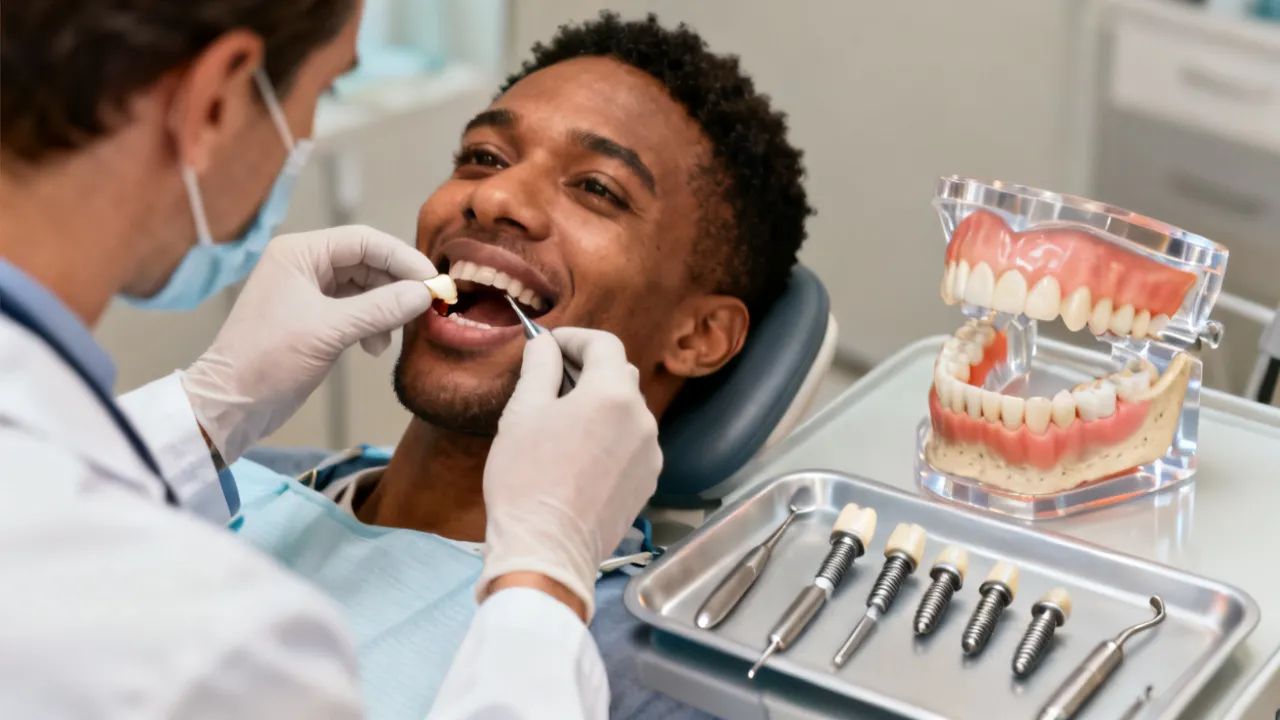
Why Teeth Fall Out: An Evidence-Based Overview
The Korean phrase 이가 빠지는 이유 means “the reasons teeth fall out.” Tooth loss can result from preventable disease, an accident, developmental conditions, or changes associated with aging. In adults, the most common underlying causes are usually untreated tooth decay and advanced gum disease. However, a loose or missing tooth may also reflect a cracked root, trauma, inadequate dental support, medication-related bone changes, or another medical issue.
The most important point is that a tooth that becomes loose should not simply be watched indefinitely. Prompt examination may preserve the tooth or prevent complications after its loss. A dentist normally evaluates the gums, tooth structure, bite, bone level, medical history, and any symptoms such as swelling or fever before recommending extraction, periodontal treatment, a root canal, a crown, a bridge, or an implant.
Dental implants can replace the visible crown and the root-like support of a missing tooth, but they are not automatically the first or best option for every patient. A professional assessment must establish whether the mouth is healthy enough for surgery and whether alternatives may be more appropriate.
The Most Common Reasons Teeth Become Loose or Fall Out
1. Periodontal disease
Periodontal disease, commonly called gum disease, begins when plaque accumulates around the teeth. Plaque contains bacteria that irritate the gums. Early inflammation is known as gingivitis and may cause redness, swelling, or bleeding during brushing. At this stage, the supporting tissues can often be improved with professional cleaning and better home care.
When inflammation extends deeper, periodontitis can damage the periodontal ligament and the alveolar bone that hold a tooth in place. As support decreases, teeth may become mobile, shift position, or develop spaces. Severe infection may eventually lead to tooth loss. Importantly, gum disease can progress with relatively little pain, so the absence of discomfort does not prove that the gums are healthy.
Risk increases with smoking or tobacco use, diabetes that is not well controlled, inadequate plaque removal, certain medications, genetic susceptibility, and limited access to preventive dental care. Professional periodontal treatment may include scaling and root planing, improved oral hygiene instruction, monitoring, and—in advanced cases—periodontal surgery or extraction.
Periodontal disease can also affect the way a person bites. As bone is lost, a tooth may move slightly, causing greater pressure on another part of the mouth. Food may become trapped in new spaces, and cleaning may become more difficult. This can create a cycle in which inflammation, mobility, and plaque accumulation reinforce one another. A comprehensive examination therefore considers the entire mouth rather than treating only the tooth that feels loose.
2. Extensive tooth decay
Dental caries develops when oral bacteria use sugars and other fermentable carbohydrates to produce acids. Repeated acid exposure can weaken enamel and create a cavity. If decay reaches the dentin and dental pulp, a patient may experience sensitivity, spontaneous pain, or an abscess. A severely damaged tooth may no longer be restorable.
Early decay may be treated with a filling. Deeper disease may require root canal treatment followed by a restoration that protects the remaining tooth. Extraction is generally considered when the tooth has insufficient healthy structure, a fracture below the gumline, an infection that cannot be predictably treated, or a poor long-term prognosis.
Frequent snacking, sweetened beverages, dry mouth, inadequate fluoride exposure, and difficulty cleaning between teeth can all contribute. A dentist can help identify the specific pattern rather than assuming that tooth loss is simply an inevitable part of aging.
Decay can be particularly difficult to recognize in older adults or people with gum recession because the exposed root surface is softer than enamel. Root-surface cavities may progress quickly and may not cause significant pain until they are advanced. Individuals with dry mouth from medication, radiation treatment, dehydration, or certain illnesses may need additional fluoride, saliva substitutes, dietary changes, or more frequent preventive appointments.
3. Trauma and accidents
A fall, sports injury, road collision, workplace accident, or blow to the face can fracture or displace a tooth. A permanent tooth that has been completely knocked out is a dental emergency. The tooth should be handled by the crown rather than the root, gently rinsed if visibly dirty, and placed in an appropriate storage medium such as milk or a purpose-designed tooth-preservation solution while urgent dental care is sought.
Patients should not scrub the root or attempt to force the tooth back into position without professional guidance. Treatment depends on the person’s age, the condition of the tooth, and the time since the injury. Even when a tooth appears intact, the nerve or supporting bone may be damaged, so follow-up is important.
Trauma may affect more than the tooth itself. The lip, tongue, jawbone, or temporomandibular joint can also be injured. A dentist may need to check for root fractures, changes in tooth color, movement, altered sensation, and damage to neighboring teeth. A tooth that survives an initial injury can later develop pulp necrosis or inflammatory changes, making scheduled follow-up essential.
4. Cracks and root fractures
A cracked tooth may hurt when biting or when pressure is released. Some fractures are visible, while others extend below the gum or into the root. Large fillings, grinding, clenching, chewing hard objects, and trauma can increase the likelihood of a structural fracture.
A minor crack may be protected with a restoration, but a vertical root fracture often has a poor prognosis. Accurate diagnosis may require magnification, periodontal probing, bite testing, and dental imaging. A tooth that repeatedly receives temporary repairs without a clear diagnosis may continue to deteriorate.
Cracks can be difficult to diagnose because symptoms may come and go. Patients may feel pain only when chewing a particular food or only when releasing a bite. Avoiding hard foods and arranging an examination can reduce the chance that a crack will extend. It is also wise not to place excessive pressure on a tooth that has lost a large filling or part of its crown.
5. Orthodontic and bite-related forces
Normal chewing forces are usually tolerated by healthy teeth. Excessive or uneven forces, however, can worsen existing periodontal support loss or contribute to tooth mobility. Bruxism—repeated grinding or clenching—may cause fractures, muscle discomfort, enamel wear, and restoration failure.
Orthodontic movement performed under professional supervision is designed to reposition teeth within their supporting bone. Uncontrolled pressure, untreated gum disease, or an unstable bite can create additional problems. A dentist or orthodontist may recommend a night guard, bite adjustment, periodontal treatment, or other measures after diagnosis.
Stress, sleep disorders, alcohol use, caffeine, and some medications may be associated with clenching or grinding, although the cause is not always clear. A mouth guard can protect teeth in selected patients, but it does not correct every underlying problem. If a device causes pain, changes the bite, or no longer fits, it should be reviewed rather than worn indefinitely without supervision.
6. Medical conditions and medications
Diabetes, immune disorders, osteoporosis, nutritional deficiencies, and other systemic conditions may influence oral health or healing. Some medicines reduce saliva, alter bone metabolism, or affect bleeding risk. These factors do not necessarily cause tooth loss on their own, but they can make decay, gum disease, or surgery more difficult to manage.
Patients should provide a complete medication and medical history before extraction or implant surgery. They should not stop prescribed medicines without discussing the decision with the prescribing clinician and dentist.
Medical history is especially important when a patient takes anticoagulants, antiplatelet medicines, corticosteroids, immunosuppressive drugs, or bone-modifying medicines. The appropriate approach depends on the individual situation. Dental professionals may communicate with a physician to plan treatment safely, but patients should not independently change doses or skip medications.
7. Developmental absence and congenital conditions
Some people never develop one or more permanent teeth. Others lose teeth because of enamel defects, inherited conditions, or early childhood disease. In these cases, treatment planning may involve orthodontics, a bridge, a removable prosthesis, or an implant after facial growth is complete and the bone has been assessed.
Congenitally missing teeth may produce spacing, altered chewing, or an appearance that causes concern. Treatment is often planned over several years. Orthodontic treatment may close a space, preserve it for a future implant, or distribute the available space for a bridge or other restoration. The best option depends on the number and location of missing teeth, facial development, occlusion, and the health of neighboring teeth.
8. Age-related changes
Age itself does not make tooth loss unavoidable. Older adults may have accumulated restorations, a longer history of decay, gum disease, dry mouth, or medical conditions that increase risk. Regular examinations, prevention, periodontal maintenance, and appropriate restorative care allow many people to retain their natural teeth for life.
Manual dexterity, vision, memory, and access to transportation can affect oral hygiene and appointment attendance. Caregivers may help older adults with brushing, denture cleaning, medication information, and scheduling. Dental care should remain individualized and should not assume that a person is too old for restorative treatment.
Warning Signs That Need Dental Attention
- Bleeding, swollen, or receding gums that persist.
- A tooth that feels loose, changes position, or interferes with the bite.
- Persistent bad breath or a bad taste despite brushing.
- Tooth sensitivity that lasts after hot, cold, or sweet foods are removed.
- Pain when biting, a visible crack, or a broken filling.
- Pus, facial swelling, fever, or difficulty opening the mouth.
- A missing tooth that affects chewing, speech, confidence, or neighboring tooth position.
- A change in the fit of a partial denture or other appliance.
- Unexplained sores, numbness, or a lump that does not heal.
Facial swelling accompanied by difficulty breathing or swallowing requires emergency medical attention. A painful dental abscess should not be managed only with painkillers; the source of infection needs professional treatment.
Sudden severe pain, uncontrolled bleeding after an injury, or a tooth displaced from its normal position also warrants urgent attention. While waiting for care, avoid placing aspirin or household chemicals directly on the gum. A cold compress applied externally may help reduce swelling after trauma, but it does not replace examination and treatment.
How a Dentist Determines Whether a Tooth Can Be Saved
The decision to save or remove a tooth is based on its long-term prognosis, not simply on whether it is currently painful. The dentist considers how much healthy tooth structure remains, whether the root is intact, the amount of supporting bone, the presence of infection, the condition of the gums, and whether the tooth can be restored in a way that the patient can clean.
Diagnostic procedures may include visual examination, periodontal measurements, dental radiographs, pulp testing, bite testing, photographs, and three-dimensional scans in complex cases. The dentist may also evaluate the neighboring teeth because an apparently isolated problem can be part of a broader pattern of decay, gum disease, or bite-related stress.
A tooth with a poor prognosis may still be temporarily stabilized while the patient considers treatment. However, temporary measures should have a clear purpose and review date. Delaying extraction or definitive treatment for too long can allow infection, bone loss, or neighboring tooth movement to progress.
What Happens After a Tooth Is Lost?
After extraction, the gum heals and the jawbone may gradually lose volume because it no longer receives stimulation from the tooth root. Neighboring teeth can tilt into the space, while the opposing tooth may move toward it. These changes can affect chewing and make later restoration more complex, although the timing and extent vary considerably between individuals.
A missing tooth does not always require immediate replacement. The decision depends on its location, the patient’s bite, appearance, function, bone condition, age, medical status, and preferences. Options may include:
| Option | Typical characteristics |
|---|---|
| Dental implant and crown | A titanium or ceramic implant supports a separate crown; surgery and healing are required. |
| Fixed bridge | A replacement tooth is supported by adjacent teeth, which generally require preparation. |
| Removable partial denture | A removable appliance replaces one or more teeth and may be less invasive initially. |
| No immediate replacement | May be considered in selected cases with monitoring and attention to function and tooth movement. |
Sometimes a temporary partial denture or provisional bridge is used while the extraction site heals. This can restore appearance and function during a staged plan. It may also help the dentist evaluate speech, smile design, and the patient’s comfort before the final restoration is made.
Bone preservation procedures may be discussed at the time of extraction. These procedures can help maintain the shape of the socket, but they do not guarantee that an implant will later be possible without additional grafting. The decision depends on the location of the tooth, the future restoration, infection status, and the clinician’s treatment plan.
Understanding Individual Dental Implants
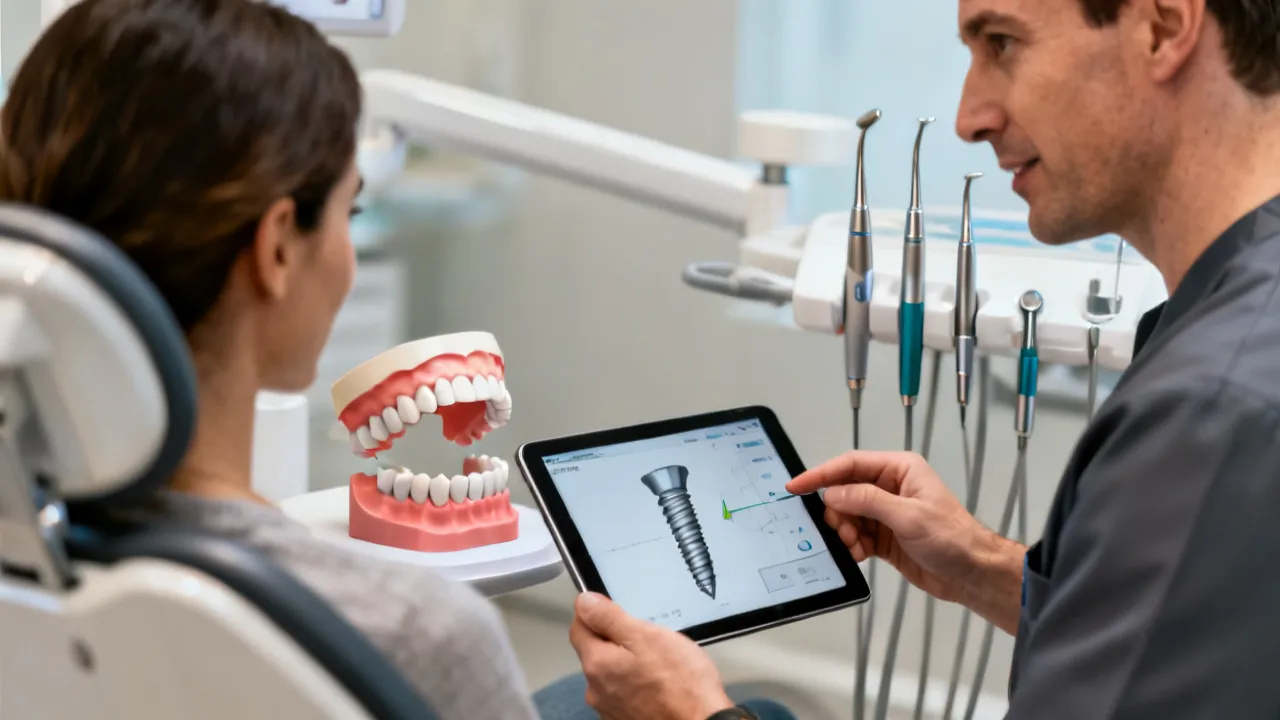
An individual dental implant usually involves three elements: the implant body placed in the jawbone, an abutment that connects the implant to the restoration, and a crown that resembles the visible tooth. Some clinics quote these components together; others price them separately. A meaningful comparison must clarify what is included.
The usual process begins with an examination, periodontal assessment, radiographs, and often three-dimensional imaging. The clinician checks bone volume, the location of nerves and sinuses, the condition of neighboring teeth, the bite, and overall health. If active gum disease or decay is present, it should generally be addressed before implant placement.
- Diagnosis and planning: The dentist records medical history, symptoms, photographs, scans, and the proposed restorative design.
- Preparatory treatment: Decay, gum infection, a damaged tooth, or an unsuitable bite may need treatment first.
- Bone or soft-tissue procedures: Some patients require grafting or sinus-related treatment, which affects time and cost.
- Implant placement: The implant is surgically positioned in the jawbone under local anesthesia, with sedation available in appropriate cases.
- Healing and integration: Bone gradually bonds with the implant surface. The duration depends on bone quality, location, grafting, and clinical judgment.
- Restoration: After healing and stability are confirmed, the abutment and crown are fitted and adjusted.
- Maintenance: Daily cleaning, professional reviews, and monitoring of the gums and bite are essential.
Immediate-loading procedures may be suitable for selected patients, but they are not a universal shortcut. The implant must have adequate initial stability, the bite must be managed carefully, and the patient must follow dietary and hygiene instructions. A low advertised price that excludes imaging, grafting, provisional teeth, the final crown, or follow-up care can be misleading.
Implant placement is generally performed with local anesthesia. Sedation may be available for patients with significant anxiety, but sedation has its own safety requirements and may increase the cost. The dental team should explain eating, drinking, transportation, and medication instructions before the appointment. Patients should arrange a responsible adult to accompany them when required by the type of sedation used.
Possible Risks and Complications of Implant Treatment
Dental implants have high success rates in appropriate cases, but no surgical procedure is risk-free. Early complications may include pain, swelling, bruising, infection, bleeding, or delayed healing. In the lower jaw, implant placement must account for nerves that supply sensation to the lip and chin. In the upper back jaw, the sinus may be nearby. Careful imaging and planning help reduce these risks.
An implant may fail to integrate with the bone, particularly when there is smoking, uncontrolled diabetes, infection, inadequate bone, excessive early loading, or poor compliance with postoperative instructions. Failure does not necessarily mean that future treatment is impossible, but the implant may need to be removed and the site allowed to heal before another plan is considered.
Long-term complications can include inflammation around the implant, bone loss, loose components, chipped porcelain, screw complications, or difficulty cleaning the restoration. The natural appearance and function of the final crown depend on implant position, gum contours, bone anatomy, tooth color, and the design of the restoration. A promise of a perfect cosmetic result should be treated cautiously.
Indicative Prices for One Dental Implant
The following ranges describe one individual implant treatment in selected countries. They should not be interpreted as a guaranteed complete package. Currency values are shown as supplied and may not reflect current exchange rates, inflation, taxes, laboratory charges, imaging, bone grafting, sedation, or aftercare.
| Country | Currency and indicative range |
|---|---|
| United States | USD: $3,000–$6,000 |
| United Kingdom | GBP: £2,000–£2,500 |
| Australia | AUD: AU$3,500–AU$6,500 |
| Canada | CAD: CA$3,000–CA$5,500 |
| Spain | EUR: €1,500–€2,500 |
| Chile | CLP: CLP$800,000–CLP$1,500,000 |
| Mexico | MXN: $15,000–$25,000 |
| Colombia | COP: $2,000,000–$4,000,000 |
| Peru | PEN: S/ 3,000–S/ 6,000 |
| Argentina | ARS: $80,000–$150,000 |
| Brazil | BRL: R$3,000–R$8,000 |
| Portugal | EUR: €1,000–€2,000 |
| Germany | EUR: €2,000–€3,500 |
| France | EUR: €1,500–€2,500 |
| Italy | EUR: €1,500–€3,000 |
| Japan | JPY: ¥300,000–¥700,000 |
Source of price information: the ranges supplied in the brief and the reference websites listed below. Because treatment definitions differ, patients should request an itemized written estimate from the clinic.
Prices can vary substantially within the same country. Urban clinics, specialist practices, teaching hospitals, and community dental centers may use different fee structures. A price range also may represent only the surgical phase or only the implant and crown, while another provider may include the complete sequence from extraction through final restoration. Comparing like with like is therefore essential.
How to Obtain Dental Implants at Lower Cost
Reducing the financial burden should never mean accepting unverified materials, inadequate sterilization, or treatment without a qualified diagnosis. The safest approach is to reduce avoidable expense while preserving clinical quality.
1. Confirm whether an implant is necessary
Ask for a discussion of all clinically reasonable options. A bridge or removable partial denture may have a different initial price and treatment timeline. In other cases, preserving a natural tooth with periodontal or endodontic care may be more appropriate than extraction and replacement.
2. Treat gum disease and decay early
Active infection can increase complexity and may compromise implant treatment. Preventive care, fillings, periodontal therapy, and smoking cessation may reduce later costs. A stable mouth also improves the prospects for long-term implant maintenance.
3. Request a complete, itemized quote
The estimate should identify the consultation, imaging, extraction, bone preservation, grafting, implant fixture, abutment, provisional restoration, final crown, anesthesia, laboratory work, medications, review visits, and management of complications. Ask whether taxes and follow-up appointments are included.
4. Compare qualified providers rather than headline prices
Check the clinician’s registration with the relevant national or regional authority, training in implant dentistry, experience with cases similar to yours, and the clinic’s infection-control procedures. A lower quote may reflect a simpler case, a different implant system, fewer included services, or an incomplete treatment plan.
5. Consider dental schools and teaching clinics
University dental hospitals and supervised teaching clinics may offer selected treatments at lower fees. Availability, waiting times, eligibility, and the level of supervision vary. Patients should ask who performs each stage and who remains responsible for follow-up.
6. Investigate insurance and dental plans carefully
Some dental insurance policies have waiting periods, annual limits, exclusions for implants, or different benefits for surgical and restorative stages. A dental discount plan is not the same as insurance. Obtain written confirmation of coverage before beginning treatment.
7. Ask about phased treatment
When clinically suitable, treatment may be divided into stages. For example, infection control and extraction may occur first, followed by healing and later implant restoration. Phasing can help with budgeting, but postponement should not create an avoidable risk to neighboring teeth or bone.
8. Evaluate nearby clinics and travel costs
Choosing a qualified clinic nearby can reduce transportation, accommodation, repeat-visit, and emergency travel expenses. Implant treatment often requires several appointments, so the apparent price advantage of traveling long distances may disappear once the full journey is calculated.
9. Approach dental tourism cautiously
Traveling abroad may provide access to different price levels, but it introduces continuity-of-care risks. Before booking, verify the provider’s credentials, implant brand, materials, emergency arrangements, language support, and written warranty terms. Ask who will manage a complication after returning home and whether the home dentist can obtain compatible components.
Travel shortly after surgery may be uncomfortable, and changes in schedule can occur if healing is slower than expected. A treatment plan based only on a remote photograph or promotional quote is insufficient for a complex procedure.
10. Maintain the restoration
Implants cannot develop cavities in the same way as natural teeth, but the surrounding tissues can become inflamed. Peri-implant disease may lead to bone loss and treatment failure. Brushing twice daily with appropriate technique, cleaning between teeth, attending reviews, controlling diabetes, and avoiding tobacco are practical ways to protect the investment.
11. Ask about payment plans without borrowing more than is manageable
Some clinics provide staged payment arrangements or financing through an external company. Patients should review interest rates, administrative charges, cancellation rules, and the consequences of treatment complications. A monthly payment that appears affordable may result in a much higher total cost. Financial decisions should be separated from clinical pressure, and patients should have enough time to understand the treatment plan before signing an agreement.
12. Avoid unnecessary procedures marketed as essential
Grafting, sedation, immediate temporary teeth, or specialized cosmetic components may be useful in selected cases, but each should have a clear clinical or restorative rationale. Patients can ask what problem a proposed procedure solves, what alternatives exist, and what could happen if it is not performed. A second opinion is reasonable when the recommendation is extensive, expensive, or difficult to understand.
Comparison of Information Sources for Lower-Cost Implant Research
The websites below represent different types of information providers. They should be used for preliminary research rather than as a substitute for an examination. Clinic websites may describe their own services, while insurance or educational pages may offer broader explanations. Patients should verify current credentials, prices, and availability directly.
| Website or provider | Relevant features |
|---|---|
| Dental Views | Discusses lower-cost dental implants, treatment types, benefits, process considerations, and pricing questions. |
| Atlantic Dental Group | Clinic-based information covering general dentistry, implants, orthodontics, cleaning, and emergency services. |
| DentaVacation | Dental-tourism information, international treatment comparisons, travel planning, and cost-related considerations. |
| American Dental Health Plans | Information about dental plan options and ways coverage may affect treatment expenses. |
| Rockville Dental Arts | Spanish-language clinic information covering implants, whitening, cleaning, orthodontics, and emergency care. |
| Union City Mini Dental Implants | Spanish-language information focused on mini dental implant services and selected tooth-replacement cases. |
| Cigna | Spanish-language educational guidance explaining implant components, treatment stages, and insurance-related questions. |
| Rubi Odonto | Brazilian clinic information covering orthodontics, whitening, implants, and professional dental services. |
| Odontologia Velasco | Portuguese-language information about implants, prostheses, aesthetic dentistry, and dental technology. |
| DentalVidas | Portuguese-language dental-plan information for individuals, families, and companies, including network and emergency-service details. |
Source: the provider websites and descriptions supplied in the reference information. The links are reproduced at the end of this article.
When using online sources, readers should distinguish between educational information, advertising, testimonials, and independently verified evidence. Before-and-after photographs may demonstrate a clinic’s work but do not reveal every diagnosis, complication, or maintenance requirement. Patient reviews can provide useful information about communication and organization, yet they cannot establish whether a treatment is appropriate for a different person.
Conditions and Requirements Before Implant Surgery
A patient may be a candidate for an implant when oral tissues are sufficiently healthy, bone can support the implant or can be predictably augmented, and the person can maintain daily hygiene and attend follow-up appointments. Age alone does not determine suitability, although children and adolescents generally require assessment of jaw growth.
Before treatment, the dentist should review:
- Current and previous gum disease.
- Decay, failed restorations, and infection in neighboring teeth.
- Smoking, vaping, alcohol use, and oral hygiene habits.
- Diabetes control and other chronic conditions.
- Medications that affect bone, immunity, or bleeding.
- History of radiation treatment or major surgery in the head and neck.
- Bone height and width, sinus anatomy, and nerve location.
- Expectations concerning appearance, chewing, appointments, and maintenance.
Some conditions require coordination with a physician. For example, a patient taking anticoagulants or bone-modifying medication should receive individualized advice. The correct plan depends on the indication, drug, dose, treatment duration, and medical risk; general internet guidance cannot replace that discussion.
Oral hygiene and periodontal stability are particularly important. An implant is not immune to bacterial inflammation, and a person who has active periodontitis may be at increased risk of inflammation and bone loss around the implant. Treating gum disease before surgery, establishing a practical home-care routine, and scheduling maintenance appointments are part of implant treatment rather than optional extras.
How Experts Assess a Low-Cost Implant Proposal
From an industry and clinical-quality perspective, the central question is not “What is the cheapest implant?” but “What is the total cost of a predictable treatment?” A responsible proposal explains the diagnosis, alternatives, materials, operator, risks, expected number of visits, and maintenance requirements.
Patients should ask the following questions:
- Who will place the implant and who will restore it?
- What implant system and restorative materials will be used?
- Does the quoted fee include the abutment and final crown?
- Are scans, extractions, grafting, temporary teeth, and reviews included?
- What happens if the implant fails or the crown fractures?
- Can the clinic provide a copy of implant and laboratory records?
- What emergency support is available outside normal hours?
- How many visits are expected, and what happens if healing takes longer?
- What cleaning and professional maintenance schedule is recommended?
Be cautious when a provider guarantees an outcome before examination, urges immediate payment, refuses to disclose the implant brand, or presents a single package price without clinical details. Clear communication is especially important for patients seeking care in another language or country. Professional interpreters and translated consent documents can reduce misunderstandings.
A written treatment plan should state which teeth are being treated, whether extraction is required, what provisional replacement will be used, and when the final crown is expected. It should also describe alternatives and material limitations. If the patient receives treatment from more than one provider, copies of radiographs, scan files, implant identification labels, laboratory prescriptions, and clinical notes should be retained for future care.
Postoperative Care and Long-Term Maintenance
After implant placement or extraction, the dental team provides instructions about bleeding control, oral hygiene, diet, physical activity, and medicines. Mild swelling and tenderness are common, but symptoms that intensify after initial improvement may indicate infection or another complication. Patients should contact the clinic if they experience persistent fever, pus, worsening swelling, severe pain, numbness, or a loose implant component.
For the first period after surgery, the patient may be advised to eat softer foods and avoid direct pressure on the surgical area. Smoking can impair healing and increase the risk of complications. Alcohol may interact with medicines or aggravate bleeding and should be discussed with the dental team. The patient should not repeatedly touch the site with fingers or objects, even if the area feels unusual during healing.
Once the final crown is fitted, cleaning must continue around the gumline and between the implant and adjacent teeth. Depending on the design, the dentist may recommend interdental brushes, floss designed for implants, water irrigation devices, or specialized instruments. Regular reviews allow the clinician to check probing depths, bleeding, bone levels when indicated, bite forces, crown contacts, and the condition of neighboring natural teeth.
A restoration can last for many years, but longevity is influenced by hygiene, smoking, diabetes control, bite forces, the quality of the restoration, and attendance at maintenance appointments. A crown may eventually need repair or replacement even when the implant itself remains stable. Patients should report movement, clicking, changes in bite, bleeding, or difficulty cleaning rather than waiting for the restoration to break completely.
Preventing the Causes of Tooth Loss
Prevention begins with consistent daily care, but it is more than brushing alone. Use fluoride toothpaste, clean between teeth with floss or interdental brushes, limit frequent sugar exposure, and replace or clean oral appliances as directed. A dentist or hygienist can demonstrate a technique suited to gum recession, orthodontic appliances, implants, or reduced dexterity.
Regular examinations allow early detection of cavities, gum pockets, cracks, and bite changes. The appropriate recall interval differs by risk. Someone with a history of periodontitis, extensive restorations, dry mouth, or poorly controlled diabetes may need more frequent monitoring than a low-risk patient.
Smoking and tobacco use are important modifiable risks for periodontal disease and impaired healing. Patients who use tobacco should receive practical cessation support. Diabetes management, adequate hydration, treatment of dry mouth, and a balanced diet also support oral health, although these measures do not replace dental treatment.
Parents and caregivers can reduce childhood tooth loss by supervising brushing, using age-appropriate fluoride toothpaste, arranging preventive visits, protecting teeth during sports, and limiting frequent exposure to sugary drinks. Primary teeth are important for eating, speech, comfort, and guiding permanent teeth. A damaged baby tooth should be evaluated rather than dismissed as unimportant simply because it will eventually be replaced.
FAQs About Loose Teeth, Tooth Loss, and Implants
Can a loose adult tooth become stable again?
Sometimes. Mobility caused by inflammation, trauma, or excessive bite forces may improve when the underlying problem is treated. Advanced bone loss, a vertical root fracture, or extensive infection may make saving the tooth unlikely. Only an examination and appropriate imaging can establish the prognosis.
Does a loose tooth always need to be extracted?
No. Extraction is considered only after the dentist assesses whether the tooth can be predictably restored or stabilized. Depending on the cause, treatment may include periodontal therapy, a root canal, a crown, bite management, splinting, or observation.
Is implant surgery painful?
Local anesthesia is used during placement, so patients should not feel sharp surgical pain. Tenderness, swelling, bruising, or pressure can occur afterward. The dentist provides individualized instructions and medication advice. Severe or worsening pain, fever, uncontrolled bleeding, or swelling should be reported promptly.
How long does one implant take?
The overall timeline varies. A straightforward case may involve planning, placement, healing, and restoration over several months. Extraction sites, bone grafting, gum disease, sinus procedures, delayed healing, and laboratory production can extend the schedule. A clinic should give a range rather than promise an identical timeline for every patient.
Are mini dental implants suitable for everyone?
No. Mini implants have a smaller diameter and may be used in selected situations, but suitability depends on bone anatomy, the restoration, bite forces, hygiene, and the clinician’s diagnosis. They should not be selected solely because the initial quote is lower.
Can dental implants prevent jawbone loss?
Implants transmit functional forces to the bone around them and may help preserve bone locally compared with leaving a space, but they do not restore every dimension of bone lost after extraction. Bone preservation, grafting, and implant placement should be discussed during treatment planning.
What is the difference between an implant price and a complete implant treatment price?
An implant price may refer only to the fixture placed in the bone. Complete treatment may also include consultation, imaging, extraction, grafting, abutment, provisional restoration, crown, anesthesia, and maintenance. Always request an itemized estimate.
Is treatment abroad always less expensive?
Not necessarily. Travel, accommodation, repeat visits, currency changes, complications, and care after returning home can alter the total. The quality of diagnosis, sterilization, records, and follow-up is more important than the advertised starting price.
How should an implant be cleaned?
Brush the crown and gumline carefully, clean beneath or around the restoration with an interdental brush or other device recommended by the dental team, and attend professional reviews. The exact method depends on the crown design and the patient’s anatomy.
What should someone do immediately after losing a tooth?
Contact a dentist, control bleeding with gentle pressure using clean gauze, and avoid placing aspirin directly on the gum. If a permanent tooth has been knocked out, preserve it appropriately and seek urgent care. Do not delay evaluation of swelling, fever, or severe pain.
Can an implant be placed immediately after extraction?
In selected cases, immediate placement may be possible, but it depends on infection control, the condition of the socket, available bone, implant stability, the location of the tooth, and the planned restoration. Immediate placement does not necessarily mean immediate final teeth. A staged approach may be safer when the site is infected or bone support is inadequate.
What if a person has too little bone for an implant?
Some patients may benefit from bone grafting or another augmentation procedure, while others may be better suited to a bridge or removable appliance. Bone quantity is only one factor; the quality of the soft tissue, the position of nerves and sinuses, systemic health, and the ability to maintain hygiene also influence the decision.
Conclusion
The reasons teeth fall out range from gum disease and decay to trauma, fractures, medical conditions, and developmental factors. Early assessment is often the most effective way to preserve a natural tooth and limit treatment complexity. When replacement is necessary, an implant may provide a stable option, but the correct choice depends on oral health, bone anatomy, function, medical history, expectations, and long-term maintenance.
Patients comparing lower-cost dental implants should focus on the complete treatment plan, the qualifications of the clinical team, the materials used, infection-control standards, continuity of care, and the total cost of appointments and follow-up. A careful comparison is more useful than relying on a promotional starting price.
A loose tooth, persistent bleeding, swelling, or a sudden change in bite deserves professional attention. Tooth loss should not be assumed to be a normal consequence of aging, and implant treatment should not be selected solely because it is heavily advertised. A diagnosis, discussion of alternatives, and a realistic maintenance plan provide the foundation for safer and more durable care.
Reference Links
Dental Views: https://dentalviews.com/low-cost-dental-implants/
Atlantic Dental Group: https://www.atlanticdentalgrp.com/
DentaVacation: https://www.dentavacation.com/
American Dental Health Plans / Rockville Dental Arts reference: https://rockvilledentalarts.com/es/
Rockville Dental Arts, Spanish-language page: https://rockvilledentalarts.com/es/
Union City Mini Dental Implants, Spanish-language page: https://unioncityminidentalimplants.com/es/
Cigna Spanish-language implant guide: https://www.cigna.com/es-us/knowledge-center/guide-to-dental-implants
Rubi Odonto: https://www.rubiodonto.com.br/
Odontologia Velasco: https://odontologiavelasco.com.br/
DentalVidas: https://dentalvidas.com.br/
Disclaimer
1. The information above comes from online resources, and the data is as of October 2023.
2. Dental implant prices are for reference only and may vary by region, clinic, doctor, treatment complexity, materials, imaging, laboratory fees, insurance, taxes, and follow-up requirements. This article is educational and does not replace an examination, diagnosis, or treatment plan from a qualified dental professional.