Understanding Why Teeth Fall Out
This guide explains 이가 빠지는 이유, or why teeth fall out, and outlines the warning signs, major causes, treatment options, and practical ways to control dental implant costs. Tooth loss may result from gum disease, decay, trauma, developmental conditions, or age-related changes, but it is not an inevitable part of aging. The article also compares dental-information websites, reviews implant planning, and presents reference price ranges across several language markets.
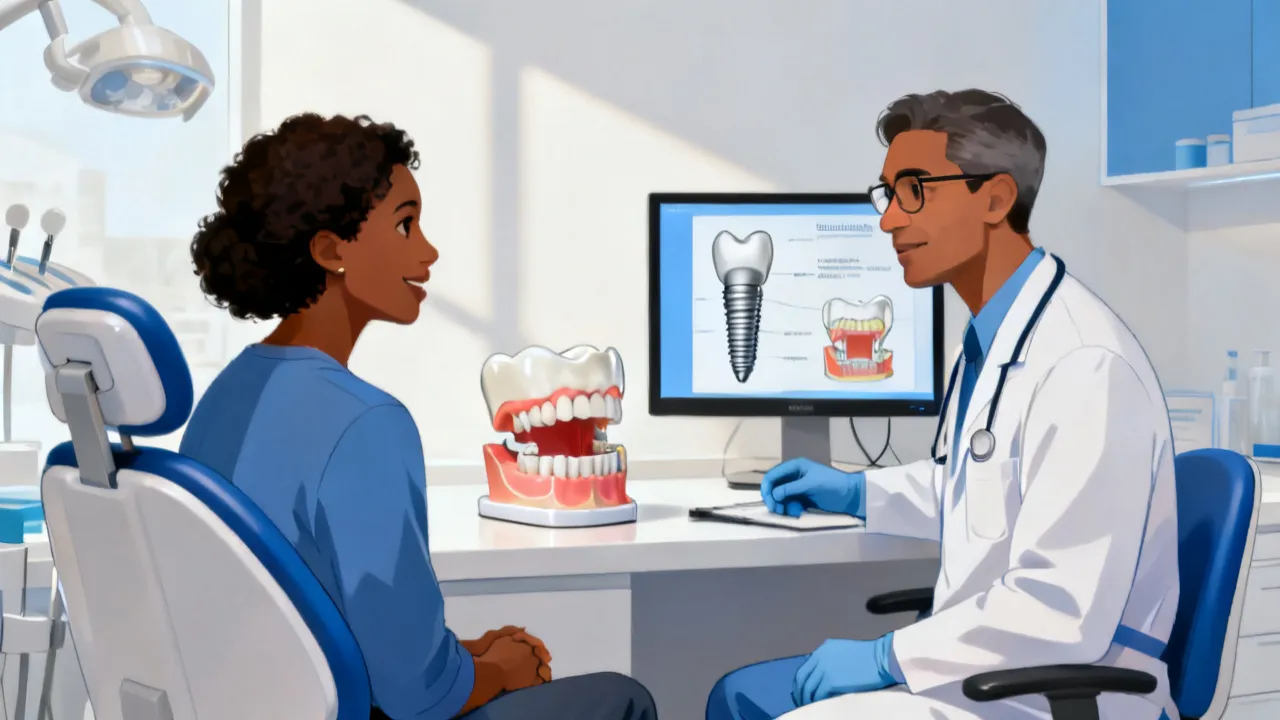
Why Teeth Fall Out: The Most Important Facts
The Korean phrase 이가 빠지는 이유 means “the reasons teeth fall out.” Understanding those reasons is the first step toward choosing the right treatment and preventing additional tooth loss. A tooth may become loose or be lost because of advanced gum disease, extensive decay, physical injury, an unsuccessful restoration, congenital absence, or gradual loss of supporting bone. In some cases, several causes occur together. For example, a tooth weakened by decay may later fracture because of grinding, while periodontal disease may reduce the bone support that would otherwise help stabilize it.
Tooth loss should not be treated as a normal or unavoidable consequence of aging. Older adults may have a higher cumulative risk because they have had more years of exposure to plaque, restorations, gum inflammation, medication-related dry mouth, and other health conditions. However, people of any age can lose a tooth. Children and teenagers can lose teeth through injury or developmental conditions, and younger adults may experience severe decay, gum disease, or sports-related trauma. A loose permanent tooth, swelling, pus, persistent bleeding, facial trauma, or severe pain warrants prompt dental assessment.
From an implant dentistry perspective, the most important early action is diagnosis rather than immediately selecting a replacement. A dentist normally evaluates the remaining teeth, gum tissues, bite, bone volume, medical history, medication use, smoking status, and the cause of tooth loss. A replacement that is suitable for one person may be inappropriate for another, particularly when active gum disease or insufficient bone has not been addressed. The best treatment may be to preserve the natural tooth, stabilize the gums, remove infection, or correct the bite before discussing an implant.
- Seek urgent care for facial trauma, uncontrolled bleeding, rapidly increasing swelling, difficulty swallowing, or difficulty breathing.
- Arrange a dental examination for a loose permanent tooth, recurring gum bleeding, bad taste, persistent sensitivity, or a visible crack.
- Do not attempt to pull out a loose adult tooth without professional advice.
- Ask for a complete treatment estimate that distinguishes the implant fixture, abutment, crown, imaging, surgery, bone grafting, follow-up, and maintenance.
- Tell the dentist about all medications and health conditions, including diabetes, osteoporosis treatment, immune conditions, blood-thinning medication, and dry-mouth symptoms.
Dental implants can replace the root portion of a missing tooth, but they are not automatically the least expensive or most appropriate solution. A bridge, removable partial denture, or carefully monitored alternative may be considered depending on the location of the missing tooth, the condition of adjacent teeth, the patient’s health, and long-term priorities. In some cases, no immediate replacement is necessary, although this decision should be made after considering chewing, speech, appearance, bite changes, and the possibility of neighboring teeth drifting into the space.
Common Reasons Teeth Become Loose or Fall Out
1. Periodontal disease
Periodontal disease is one of the principal causes of tooth loss in adults. It begins when plaque accumulates around the teeth and the gum margin. If plaque is not effectively removed, it can harden into calculus, which cannot be removed through ordinary brushing alone. The gums may become inflamed, and pockets can form between the teeth and gums.
As disease progresses, the tissues and bone that support the tooth may be damaged. The tooth can then move during chewing, change position, or become painful. Some people experience little discomfort even when significant damage is occurring, which is why regular examinations matter. Professional cleaning, improved home care, periodontal treatment, and ongoing maintenance may help preserve teeth that are not yet beyond repair.
Periodontal disease can also affect future implant treatment. An implant placed into a mouth with uncontrolled inflammation may face a higher risk of complications around the implant. This does not mean that a history of gum disease automatically prevents implant placement. It means that the disease must be assessed and managed, and the patient must be prepared for continuing periodontal maintenance after the replacement tooth is fitted.
Risk factors include smoking, diabetes that is not well controlled, poor plaque control, genetic susceptibility, stress-related neglect of oral care, and infrequent professional examinations. Hormonal changes, certain medications, and reduced manual dexterity may also influence gum health. Bleeding gums are not simply a cosmetic issue; they can be an early sign that inflammation requires attention.
2. Extensive tooth decay
Dental caries can destroy the enamel and dentin and eventually reach the pulp, where nerves and blood vessels are located. A severely decayed tooth may require a filling, inlay, crown, or root canal treatment. When too little healthy tooth structure remains, extraction may be necessary.
High sugar exposure, frequent snacking, inadequate fluoride exposure, dry mouth, poor plaque control, and delayed treatment can increase the risk of serious decay. A cavity may not hurt at first. Pain often appears only after the lesion has become deeper, so waiting for symptoms can narrow the available treatment options.
Decay around an old filling or crown can be difficult to see without a dental examination. Food may become trapped around a restoration, and the tooth may gradually weaken while the patient notices only occasional sensitivity. A tooth with deep decay is not always hopeless, but the dentist must determine whether it can be restored with a predictable seal and sufficient remaining structure.
People with dry mouth may be particularly vulnerable. Saliva helps neutralize acids, wash away food particles, and support the natural repair of enamel. Dry mouth can result from medication, dehydration, radiation therapy, some medical conditions, or mouth breathing. A patient should not stop prescribed medication independently, but should discuss oral side effects with a physician and dentist.
3. Trauma and sports injuries
Falls, vehicle collisions, workplace incidents, contact sports, and accidental blows can fracture or displace a tooth. A tooth that appears intact may still have damage to the root or supporting tissues. Emergency assessment is particularly important after trauma because prompt stabilization may sometimes improve the chance of retaining the tooth.
Protective mouthguards are useful for people who participate in sports with a risk of facial impact. If a permanent tooth is knocked out, it should be handled carefully by the crown rather than the root and taken to a dentist as soon as possible. The appropriate handling method depends on the situation; professional emergency instructions should be followed. A primary baby tooth should not be pushed back into its socket without professional direction because the developing permanent tooth underneath may be injured.
Trauma can also cause delayed problems. A tooth may darken, become sensitive, develop a crack, or lose vitality weeks or months after the original injury. Follow-up visits can help determine whether the pulp and surrounding tissues are healing normally. A tooth that has been loosened by impact should not be repeatedly tested with the tongue or fingers, since unnecessary movement may interfere with recovery.
4. Cracks and failed restorations
A cracked tooth may hurt when biting or when pressure is released. Large fillings, repeated dental procedures, teeth grinding, and trauma can weaken the structure. Some cracks extend below the gum line, where predictable repair may not be possible. A broken crown or loose bridge can also expose vulnerable tooth structure and accelerate deterioration if treatment is delayed.
Cracked-tooth symptoms can be inconsistent. A person may experience sharp pain only when chewing a particular food or may notice sensitivity to cold that disappears quickly. Because cracks may be difficult to see on ordinary radiographs, the dentist may use bite tests, magnification, transillumination, or other diagnostic methods. A crown may protect a tooth with a suitable fracture, but it cannot reliably repair every crack, especially when the root is involved.
5. Congenital absence and developmental conditions
Some people are born without one or more permanent teeth, a condition sometimes called hypodontia when several teeth are absent. Others have small, malformed, or poorly positioned teeth. Treatment may include orthodontics, a bridge, a removable appliance, or an implant after facial growth is complete and the surrounding conditions are suitable.
Implants are generally delayed until jaw growth is substantially complete because continued growth can affect the position of the implant relative to neighboring teeth and the gum line. In younger patients, orthodontic space management and a temporary replacement may be more appropriate. Treatment planning may involve a general dentist, orthodontist, oral surgeon, and restorative dentist working together.
6. Jawbone changes after tooth loss
When a tooth is removed, the bone that once supported its root no longer receives the same mechanical stimulation. Bone volume may gradually reduce, especially in the first months and years after extraction. This does not mean that an implant becomes impossible, but it may make planning more complex and may require a bone-grafting procedure.
The amount of bone change varies according to the original tooth, the shape of the socket, infection, gum thickness, extraction technique, and individual healing. A dentist may recommend preserving the socket at the time of extraction when future replacement is likely. This does not guarantee that grafting will never be needed, but it may help maintain the shape of the ridge.
Bone loss can also affect appearance. When the ridge shrinks, the gum may appear depressed, making a future crown more difficult to design naturally. This is particularly important in the front of the mouth, where the position and thickness of the gum tissue strongly influence the final cosmetic result.
7. Medical conditions and medication-related factors
Diabetes, immune disorders, osteoporosis-related treatment, autoimmune disease, and other health factors can influence healing and oral health. Some medications reduce saliva flow, and dry mouth increases the risk of decay and mucosal discomfort. These factors do not automatically rule out implant treatment, but they should be reviewed by the dental and medical teams.
Patients taking anticoagulants or antiplatelet medication should not stop it without instructions from the prescribing clinician. The dentist can often coordinate a safe plan when an extraction or surgery is required. Similarly, patients receiving medication for bone health should disclose the drug name, dose, and duration. The implications differ among medications and medical circumstances, so broad internet advice should not replace individualized medical guidance.
Good general health does not guarantee implant success, and a medical diagnosis does not automatically disqualify a patient. Instead, the clinical team may adjust timing, request medical clearance, improve disease control, prescribe preventive measures, or recommend a different replacement option.
8. Smoking and tobacco exposure
Smoking is associated with poorer gum health and can interfere with healing around dental implants. Tobacco cessation or reduction should be discussed before surgery. A clinic should provide practical guidance without promising a guaranteed outcome, because risk depends on the patient’s broader health and the amount of exposure.
Vaping, smokeless tobacco, and nicotine products should also be discussed honestly. Their effects may differ from conventional cigarettes, but they are not automatically risk-free for oral tissues or healing. The patient’s goal should be to give the gums and bone the best possible environment before and after surgery.
9. Teeth grinding and excessive bite forces
Bruxism, or repeated clenching and grinding, can wear down teeth, fracture restorations, irritate the jaw muscles, and overload periodontal tissues. It may occur during sleep or while awake during periods of concentration or stress. A person may not know that grinding is occurring until a partner notices noise or a dentist observes flattened teeth and fractured fillings.
Grinding does not necessarily prevent implant treatment, but it may influence the design of the crown, the number of implants, the material selected, and the need for a protective night guard. Managing bite forces is also important for preserving the natural teeth that remain.
Warning Signs That Should Not Be Ignored
Several symptoms may indicate that a tooth or its supporting tissues need prompt attention:
| Sign | Possible concern |
|---|---|
| Tooth movement | Loss of supporting bone, gum disease, trauma, or an abnormal bite force |
| Bleeding or swollen gums | Gingivitis or periodontal inflammation |
| Persistent bad taste or odor | Infection, trapped debris, decay, or periodontal disease |
| Pain when biting | Crack, inflammation around the root, decay, or bite-related stress |
| Facial swelling or fever | Possible dental infection requiring prompt professional care |
| Tooth discoloration after trauma | Possible injury to the pulp or internal tooth structure |
| Receding gums or exposed roots | Periodontal damage, vigorous brushing, or thin gum tissue |
| A gap that is changing shape | Movement of neighboring teeth or continuing bone and gum changes |
Symptoms alone cannot establish a diagnosis. A dentist may use visual examination, periodontal measurements, dental radiographs, or three-dimensional imaging when implant planning or complex anatomy is involved. A medical history and discussion of symptoms are equally important because pain or swelling can have different causes.
Emergency symptoms should be distinguished from problems that can wait for a routine appointment. A small cavity or mild sensitivity may not require emergency treatment, but rapidly spreading swelling, fever, difficulty breathing, uncontrolled bleeding, or a severe injury does. When in doubt, contacting a dental office, urgent care service, or emergency department is safer than waiting for the condition to resolve on its own.
What Happens After a Tooth Is Lost?
A missing tooth can affect chewing, speech, appearance, and the movement of neighboring teeth. The effects depend on the number and position of missing teeth. A gap at the front of the mouth may have an immediate cosmetic impact, while a back tooth may be less visible but still influence chewing and bite balance.
Adjacent teeth may tilt toward the space, and the opposing tooth may move into it. These changes can complicate later treatment. The timing of replacement should therefore be discussed with a dentist, but it should not be rushed at the expense of controlling infection or stabilizing gum disease.
Patients should also understand that the visible tooth is only one component of the treatment. A conventional implant restoration generally includes an implant fixture placed in bone, an abutment connecting the fixture to the replacement tooth, and a crown or other prosthesis. A quoted “implant price” may include some of these elements but exclude others.
Immediately after extraction, the socket may be tender and the gum may change shape during healing. Patients should follow instructions about pressure on the area, cleaning, diet, and medication. A temporary tooth may be provided for appearance or function, but temporary restorations may have limitations and should not be assumed to provide the same strength as a permanent crown.
Dental Implant Treatment: A Clinical Overview
- Diagnostic consultation: The clinician reviews the cause of tooth loss, medical history, medications, oral hygiene, bite, and expectations.
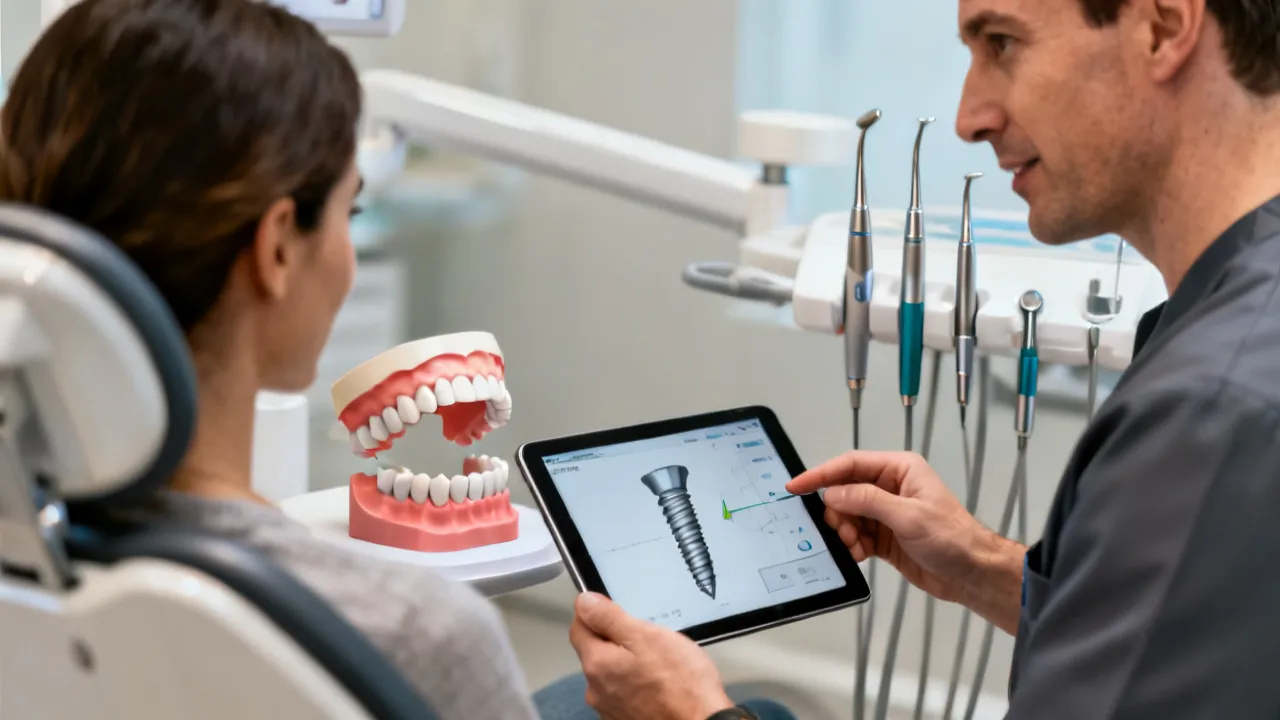
- Imaging and planning: Radiographs or three-dimensional scans may be used to assess bone, nerves, sinuses, neighboring roots, and the planned restoration.
- Preparation: Decay, gum disease, infection, or an unsuitable bite may need treatment before surgery. Bone grafting may be considered when bone volume is limited.
- Implant placement: The fixture is positioned in the jawbone under local anesthesia or another planned form of anesthesia.
- Healing and integration: Bone may gradually bond with the implant surface. The time varies with the location, bone quality, grafting, and individual healing.
- Restoration: After the clinician confirms adequate healing and stability, an abutment and crown are fitted.
- Maintenance: Professional examinations, hygiene visits, and careful home cleaning are important for long-term performance.
Some patients may be candidates for immediate implant placement after extraction, while others benefit from allowing infection or damaged tissues to heal first. Immediate temporary teeth can sometimes be used when stability and cosmetic conditions are favorable. These approaches are case-specific and should not be marketed as suitable for every patient.
Implant treatment is not simply a purchase of a manufactured component. It is a sequence of diagnosis, surgery, prosthetic design, laboratory work, and maintenance. An unusually low initial quote may become less economical if it excludes imaging, temporary teeth, grafting, sedation, or follow-up care.
How to Obtain Dental Implants at Lower Cost in English-Speaking Markets
Cost control should focus on transparent planning and appropriate care rather than choosing a clinic solely because it advertises the lowest number. The following steps can help patients compare options responsibly in the United States, the United Kingdom, Australia, and Canada.
- Obtain a written diagnosis. Ask why the tooth cannot be restored and whether periodontal treatment, root canal therapy, or another option could preserve it. Extraction should not be recommended without an understandable clinical explanation.
- Request an itemized estimate. Confirm whether the price includes consultation, imaging, extraction, bone grafting, implant placement, abutment, crown, temporary restoration, medications, and review visits.
- Compare complete treatment plans. Two quotes may appear different because one includes the crown and the other covers only implant placement. Comparing like with like is more meaningful than comparing headline prices.
- Review insurance and benefit limits. Dental plans may cover portions of examinations, extractions, crowns, or surgery, subject to exclusions, waiting periods, annual limits, and provider rules. Patients should verify benefits directly with the insurer.
- Ask about staged treatment. In some cases, clinically appropriate treatment can be divided into phases. The dentist should explain whether delaying a crown, graft, or replacement could affect bone or neighboring teeth.
- Consider accredited teaching clinics or group practices. Dental schools and training clinics may offer reduced fees under supervision, but availability, eligibility, waiting times, and treatment complexity vary. Patients should understand who will provide each stage of care.
- Evaluate local travel costs. A clinic outside a major metropolitan area may have a different fee structure, but transportation, accommodation, repeat visits, and emergency access should be included in the calculation.
- Confirm provider credentials. Check the relevant professional regulator, registration status, infection-control information, and experience with the planned procedure.
- Plan for maintenance. A lower surgical fee does not eliminate the need for examinations, hygiene care, and possible future repairs. Long-term maintenance should be included in the budget.
In the United States, insurance often treats implants and related crowns differently from other dental procedures, and benefits can vary considerably by plan. In the United Kingdom, patients may compare private care with available National Health Service pathways, although eligibility and waiting periods differ. In Australia and Canada, private insurance, public programs, and provincial or territorial rules may affect coverage. Patients should verify current policies rather than relying on general advertisements.
Financing can make treatment easier to manage, but monthly affordability should not obscure the total amount paid. Patients should ask about interest, administration fees, deferred-interest conditions, cancellation policies, and what happens if treatment changes. A payment plan should support an appropriate clinical decision, not pressure someone into treatment they do not yet understand.
How to Reduce Implant Costs in Spanish-Speaking Markets
Spanish-speaking markets include countries with very different currencies, regulations, healthcare systems, and fee structures. Spain, Mexico, Chile, Colombia, Peru, and Argentina should not be treated as a single pricing market.
- Use a local-language consultation. Patients should be able to ask about the cause of tooth loss, implant brand, surgical sequence, materials, expected healing, and alternatives in a language they understand well.
- Confirm whether the quotation is for one stage or the complete restoration. Some advertisements emphasize placement surgery while excluding the prosthetic crown. Ask for a total estimate from diagnosis through delivery and follow-up.
- Check the clinic’s registration and professional credentials. National and regional authorities may publish information about licensed professionals. Confirm the surgeon’s qualifications and the laboratory responsible for the crown.
- Compare implant systems carefully. Brand, component availability, warranty terms, and access to replacement parts may affect future maintenance. A lower initial fee can create difficulties if components are difficult to source later.
- Ask about radiographs and infection control. A clinic should explain the imaging needed and demonstrate appropriate sterilization and instrument handling practices.
- Consider public, university, or supervised training services. These may have different fees and scheduling arrangements. The patient should understand the level of supervision and whether the case is appropriate for a teaching setting.
- Review payment conditions in writing. Clarify deposits, installment schedules, cancellation terms, laboratory charges, and what happens if additional surgery is required.
- Do not select a cross-border provider based only on currency conversion. Follow-up visits, language support, travel, and management of complications can substantially change the final cost.
In Spain, patients may compare private clinics with available public pathways where applicable. In Mexico and South America, prices can vary between capital cities, regional centers, and smaller communities. A patient should assess clinical quality, travel requirements, and continuity of care alongside the advertised fee.
When communicating with an overseas clinic, patients should request copies of the proposed treatment plan, diagnostic images, consent documents, and postoperative instructions. They should also ask whether records will be provided in a format that a local dentist can use if follow-up is needed at home. Language access is especially important when discussing complications, medication instructions, or changes to the treatment plan.
How to Reduce Implant Costs in Portuguese-Speaking Markets
Brazil and Portugal have different healthcare arrangements and professional regulations, even though Portuguese is widely used in both. Cost-conscious patients should seek an itemized plan and confirm the dentist’s registration with the appropriate professional authority.
- Ask whether the quoted amount covers the implant, abutment, crown, imaging, extraction, and temporary replacement.
- Request the implant system and laboratory details so future maintenance is possible.
- Discuss whether periodontal treatment or restoration of an existing tooth could avoid extraction.
- Compare clinics based on diagnosis, sterilization, clinical experience, and follow-up—not only on advertised installments.
- Ask whether a university clinic or supervised service is available and whether the waiting time suits the case.
- Include travel between appointments, especially when treatment involves healing periods or multiple procedures.
Rubi Odonto in Santo André, São Paulo, is described as offering orthodontics, whitening, implants, and other dental services. Odontologia Velasco in São Paulo presents implant, prosthetic, and aesthetic services and highlights modern technology. DentalVidas is described as a dental-plan provider with individual, family, and business options, a broad dentist network, and emergency access. These descriptions should be verified directly with each provider because services and terms can change.
Patients should distinguish between a dental plan and dental insurance. A plan may provide access to negotiated fees but may not pay a portion of each procedure in the same way as insurance. The contract should be read carefully, particularly regarding waiting periods, participating clinics, exclusions, implant limitations, and emergency services.
Reference Price Ranges for One Dental Implant
The following figures are reference ranges supplied for an individual dental implant in selected language markets. They should not be interpreted as a universal quotation or as a guarantee of the total treatment cost. The wording “individual dental implant” may be understood differently by providers; patients must confirm whether each figure includes the crown, abutment, imaging, extraction, grafting, and aftercare.
| Country | Currency | Reference price range for one implant |
|---|---|---|
| United States | USD | $3,000–$6,000 |
| United Kingdom | GBP | £2,000–£2,500 |
| Australia | AUD | AU$3,500–AU$6,500 |
| Canada | CAD | CA$3,000–CA$5,500 |
| Spain | EUR | €1,500–€2,500 |
| Chile | CLP | CLP$800,000–CLP$1,500,000 |
| Mexico | MXN | $15,000–$25,000 MXN |
| Colombia | COP | $2,000,000–$4,000,000 COP |
| Peru | PEN | S/ 3,000–S/ 6,000 |
| Argentina | ARS | $80,000–$150,000 ARS |
| Brazil | BRL | R$3,000–R$8,000 |
| Portugal | EUR | €1,000–€2,000 |
| Germany | EUR | €2,000–€3,500 |
| France | EUR | €1,500–€2,500 |
| Italy | EUR | €1,500–€3,000 |
| Japan | JPY | ¥300,000–¥700,000 |
Currency values are presented as supplied and are not converted into a single currency. Exchange rates, inflation, regional fees, laboratory costs, and changes in treatment scope can affect comparisons. Argentina’s peso-denominated range, for example, may be particularly sensitive to economic changes over time; patients should request a current written quote in the local currency.
The most important question is not “What is the price of an implant?” but “What is the total price of the treatment I need?” A single missing tooth may require extraction, socket preservation, a temporary tooth, implant placement, healing reviews, an abutment, a crown, and maintenance. Another patient may need treatment for gum disease or a bone graft before any implant is placed. These differences explain why broad online ranges cannot substitute for a personal estimate.
Comparing Websites That Provide Dental Implant Information
Online information can help patients understand terminology and prepare questions, but a website cannot replace an examination, imaging, or a personalized treatment plan. The following comparison summarizes the stated focus of several sites. It is intended as a research starting point, not as an endorsement or a clinical recommendation.
| Website or organization | Primary information focus and useful comparison point |
|---|---|
| Dental Views | Low-cost implant information, treatment types, benefits, process explanations, frequently asked questions, and cost-related discussion. |
| Atlantic Dental Group | General clinic information covering services such as hygiene, orthodontics, implants, emergency care, locations, and appointment access. |
| DentaVacation | Dental tourism information, international treatment comparisons, travel arrangements, and considerations for patients seeking lower-cost care abroad. |
| American Dental Health Plans | Dental insurance-plan information, coverage options, applications, and methods for managing dental expenses. |
| Rockville Dental Arts | Spanish-language access to comprehensive dental services, including implants, whitening, cleaning, orthodontics, and emergency care. |
| Union City Mini Dental Implants | Information about mini dental implants and possible applications for selected areas of missing teeth. |
| Cigna | Spanish-language educational guidance about dental implants, treatment components, and patient considerations. |
| Rubi Odonto | Portuguese-language clinic information from Santo André, São Paulo, covering implants, orthodontics, whitening, and general dental services. |
| Odontologia Velasco | Portuguese-language information about implants, prostheses, aesthetic dentistry, and technology used in clinical care. |
| DentalVidas | Portuguese-language dental-plan information for individuals, families, and companies, including network and emergency-service descriptions. |
Source: the following websites provide the information summarized above.
source: www.dentalviews.com/low-cost-dental-implants
source: www.atlanticdentalgrp.com
source: www.dentavacation.com
source: www.rockvilledentalarts.com/es
source: www.unioncityminidentalimplants.com/es
source: www.cigna.com/es-us/knowledge-center/guide-to-dental-implants
source: www.rubiodonto.com.br
source: odontologiavelasco.com.br
source: dentalvidas.com.br
How to Assess a Low-Cost Implant Offer
A lower fee is meaningful only when the treatment is safe, complete, and supported by appropriate follow-up. An industry-informed review should examine the entire care pathway.
Clinical assessment
Ask whether the clinic has evaluated gum health, remaining teeth, bone volume, sinus or nerve anatomy, and the bite. A plan based only on a panoramic image or a brief visual check may not provide enough information for a complex case. Three-dimensional imaging is not required for every patient, but it may be useful when anatomy or grafting needs must be assessed.
The clinician should explain the findings in understandable language. Patients can ask to see the radiograph or scan and request an explanation of the proposed implant position. They should understand whether the plan is based on restoring one tooth, several teeth, or an entire arch, because the surgical and prosthetic requirements may be very different.
Components and materials
Request the manufacturer and model of the implant system, the abutment type, and the crown material. This information can help another dentist identify compatible components if future care is needed. Terms such as “premium,” “advanced,” or “same-day” should be explained in practical clinical language rather than accepted as proof of better outcomes.
A crown may be made from different materials, including ceramic, zirconia, or porcelain fused to metal. The most suitable choice depends on appearance, available space, bite forces, location, and the dentist’s restorative plan. The patient should ask whether the laboratory is local or external and how adjustments or remakes are handled.
Provider qualifications
Verify the clinician’s registration and training through the relevant regulatory body. Experience should be considered in relation to the specific procedure, such as immediate placement, bone grafting, sinus augmentation, or full-arch rehabilitation. A patient has a reasonable basis to ask who will perform surgery, who will provide the prosthetic stage, and who will handle complications.
Marketing photographs and testimonials may show patient satisfaction, but they do not independently establish clinical quality. Patients should look for clear consent procedures, realistic discussions of risk, and willingness to explain alternatives. A responsible clinician should be comfortable with questions and should not promise that a result is guaranteed.
Aftercare and contingency planning
Every surgical procedure has risks, including infection, discomfort, swelling, nerve disturbance, sinus complications in selected upper-jaw cases, damage to neighboring structures, and failure of integration. A clinic should explain how complications are managed and who provides care outside normal appointment hours. Written instructions and an accessible follow-up plan are important parts of value.
Ask how often reviews occur during healing, what symptoms require immediate contact, and whether the clinic charges separately for urgent appointments. Clarify the meaning of any “warranty.” A warranty may cover a component or laboratory replacement under specific conditions, but it may not cover bone grafting, additional surgery, travel, or problems related to oral hygiene and smoking.
Travel considerations
Dental tourism can appear economical when treatment prices are compared across borders. However, patients should add transportation, accommodation, language support, time away from work, travel insurance limitations, and the cost of returning for adjustments. A short appointment schedule may not suit a case requiring healing, staged surgery, or laboratory remakes.
Patients should also consider where emergency care will occur if pain, swelling, a loose temporary crown, or another complication develops after returning home. A local dentist may be able to provide emergency treatment, but the original clinic may need to supply implant records and component information. Without those records, diagnosis and repair may be more difficult.
Alternatives to Dental Implants
Implants are one option among several. A fixed dental bridge uses adjacent teeth as support and may be appropriate when those teeth already require crowns. A removable partial denture can replace one or more teeth and may involve a lower initial expense, although it requires adaptation and maintenance. A single-tooth implant avoids preparing neighboring teeth but involves surgery and a healing period.
In selected cases, preserving a natural tooth with periodontal therapy, root canal treatment, a post, or a crown may be preferable to extraction. The decision depends on the amount of remaining tooth structure, periodontal support, cracks, infection, restorability, and the patient’s expectations. A second opinion can be useful when the recommended procedure is extensive or irreversible.
A bridge may be more suitable when the adjacent teeth have large fillings or already need crowns. A removable appliance may be practical when several teeth are missing, when surgery is not desired, or when finances require a simpler initial solution. Some patients choose to delay replacement while they stabilize health or save money. The dentist should explain whether leaving the space untreated is likely to cause meaningful bite, functional, or cosmetic changes.
Preventing Additional Tooth Loss
Prevention is generally less complex than replacing a missing tooth. A practical prevention program includes brushing twice daily with fluoride toothpaste, cleaning between teeth, attending risk-based dental examinations, and following professional periodontal maintenance recommendations.
- Use a soft-bristled toothbrush and avoid excessive force.
- Clean between teeth with floss, interdental brushes, or another method recommended for the individual anatomy.
- Limit the frequency of sugary foods and drinks, particularly between meals.
- Ask a dental professional about fluoride needs when decay risk is elevated.
- Wear a properly fitted mouthguard for relevant sports.
- Discuss grinding, clenching, dry mouth, and medication effects with a dentist or physician.
- Seek treatment for bleeding gums, sensitivity, cracked fillings, and loose teeth before the condition progresses.
- Avoid tobacco and discuss cessation support with a qualified healthcare professional.
Home care should be adapted rather than applied mechanically. Someone with bridges, implants, orthodontic appliances, reduced dexterity, or periodontal pockets may need specialized brushes or water-flossing advice. The goal is effective plaque control without injuring the gums.
After an implant is placed, cleaning remains important even though the replacement tooth cannot develop a cavity in exactly the same way as a natural tooth. The gum and bone around the implant can still become inflamed. Plaque, excess cement, poor crown contours, smoking, and a history of periodontal disease may contribute to implant-related problems. Regular maintenance helps identify inflammation, looseness, wear, or changes in the bite at an earlier stage.
Expert Perspective: What Matters Most in the Decision
From an implant dentistry and healthcare-consumer perspective, the strongest decision is not necessarily the cheapest initial proposal. It is the plan that accurately identifies the cause of tooth loss, controls active disease, uses suitable components, explains uncertainty, and provides continuity of care.
Patients should be cautious of guarantees about permanent success, pressure to pay immediately, vague package pricing, or recommendations made without a meaningful examination. They should also be cautious of assuming that a well-known brand or a luxurious clinic automatically produces a better result. Quality depends on diagnosis, execution, materials, patient factors, maintenance, and appropriate follow-up.
A useful comparison document should include the proposed treatment, alternatives, number of visits, expected healing intervals, risks, exclusions, provider identities, component details, and payment terms. This makes it easier to compare clinics in the same country or across borders without confusing different treatment scopes.
Patient expectations are another important part of planning. An implant can restore much of the function and appearance of a missing tooth, but it is not a natural tooth and should not be treated as maintenance-free. The crown may eventually need repair or replacement because of wear, fracture, changes in adjacent teeth, or cosmetic concerns. Understanding this before treatment helps patients budget for long-term care.
Frequently Asked Questions
What is the most common reason teeth fall out?
In adults, advanced periodontal disease and extensive dental decay are major causes. Trauma, cracks, developmental absence, and other medical or structural factors can also lead to tooth loss. The cause should be confirmed through a dental examination rather than assumed from symptoms.
Does a loose tooth always need to be removed?
No. Some loose teeth can be stabilized or preserved if the underlying cause is treatable. The prognosis depends on bone support, gum health, root condition, infection, cracks, trauma, and bite forces. Only a clinician who examines and images the tooth can assess whether preservation is realistic.
Can gum disease be treated before an implant?
Yes. Active periodontal disease should generally be controlled before implant surgery. Treatment may involve professional debridement, improved home care, periodontal procedures, and maintenance visits. Placing an implant while inflammation remains uncontrolled can complicate the long-term outlook.
Is a dental implant always the best replacement?
No. A bridge, removable partial denture, or preservation of the natural tooth may be appropriate. The choice depends on oral health, anatomy, medical history, budget, timeline, aesthetics, and the patient’s preferences.
How long does implant treatment take?
The timeline varies. A straightforward case may involve several stages over a number of months, while bone grafting, infection, healing concerns, or complex prosthetic planning can extend treatment. Immediate placement or immediate temporary teeth may be possible in selected cases, but they are not suitable for everyone.
What does an implant quote usually include?
There is no universal definition. Some quotes include only the fixture and placement surgery. Others include the abutment and crown. Imaging, extraction, grafting, sedation, temporary teeth, medications, review appointments, and maintenance may be separate. An itemized written estimate is essential.
Are mini dental implants suitable for everyone?
No. Mini implants have a smaller diameter and may have selected applications, but suitability depends on location, bone anatomy, biting forces, restoration design, and the clinician’s assessment. They should not be presented as a universal substitute for conventional implants.
Can dental tourism reduce the total cost?
It may reduce the quoted treatment fee in some situations, but the total financial and clinical cost can be higher after adding travel, accommodation, repeat visits, lost work time, translation, and treatment of complications. Patients should obtain a complete plan and establish how follow-up will work at home.
Does dental insurance cover implants?
Coverage depends on the policy, employer, jurisdiction, waiting period, annual limit, exclusions, and medical necessity rules. Some plans may contribute toward related procedures or the restoration rather than the entire implant pathway. Confirm benefits with the insurer before treatment begins.
Can smoking affect implant treatment?
Smoking can adversely affect gum health and healing. The dentist should discuss the patient’s tobacco exposure and recommend an appropriate cessation or reduction plan. A patient should not conceal smoking status because it may influence surgical planning and maintenance.
What should someone do if a permanent tooth is knocked out?
Seek emergency dental care immediately. Handle the tooth by its crown, avoid scrubbing the root, and follow professional guidance about temporary storage. The appropriate response depends on the injury, the patient’s age, and whether the tooth is contaminated or fractured.
How can someone compare two implant clinics fairly?
Compare the diagnosis, proposed alternatives, clinician qualifications, implant system, crown material, imaging, number of visits, included services, complication policy, maintenance plan, and total price. A lower headline figure is not directly comparable when important stages are excluded.
Is it possible to wait before replacing a missing tooth?
Sometimes, but the decision should be individualized. Waiting may allow time to heal after extraction, treat gum disease, manage a medical condition, or arrange finances. However, neighboring teeth may drift, the opposing tooth may move, and bone volume may decrease. A dentist can explain the likely consequences of delaying replacement and whether a temporary appliance is advisable.
Conclusion
The question 이가 빠지는 이유 is more than a translation exercise; it points to an important oral-health concern. Teeth may be lost because of gum disease, decay, trauma, cracks, developmental conditions, or supporting-bone changes. Early assessment can improve the opportunity to preserve natural teeth and can make any replacement plan more predictable.
When an implant is appropriate, patients should evaluate the complete pathway rather than focusing on the surgical fee alone. Written estimates, verified credentials, clear component information, realistic timelines, and accessible aftercare are central to responsible cost comparison. Price ranges and online resources can support initial research, but the final decision should follow an individualized examination by a qualified dental professional.
Preventing the next lost tooth is also part of successful treatment. Controlling plaque, treating gum disease, limiting frequent sugar exposure, managing dry mouth, avoiding tobacco, protecting teeth from injury, and attending maintenance appointments can help preserve both natural teeth and implant-supported restorations. The most valuable dental decision is usually one that considers oral health over many years rather than concentrating only on the immediate procedure or advertised price.
Disclaimer
1. The information above comes from online resources, and the data is as of October 2023.
2. Dental implant prices are for reference only and may vary by region, clinic, and doctor. They may also change according to implant system, laboratory materials, imaging, extraction, bone grafting, anesthesia, follow-up, insurance, and the complexity of the case. This article is educational and does not replace diagnosis or treatment advice from a qualified dental professional.
References and Links
Dental Views: Low-Cost Dental Implants
Rockville Dental Arts, Spanish-language website
Union City Mini Dental Implants, Spanish-language website