Affordable Dental Implants: A Practical International Guide
This guide explains how patients can evaluate affordable dental implants, compare treatment pathways, and reduce avoidable expenses while protecting clinical quality. It covers consultation requirements, implant components, financing and insurance considerations, dental tourism, language-accessible information sources, and indicative prices across English-, Spanish-, and Portuguese-speaking markets, with additional comparisons for several European and Asian markets. Prices are reference estimates dated October 2023 and vary by clinic, region, doctor, materials, and case complexity.
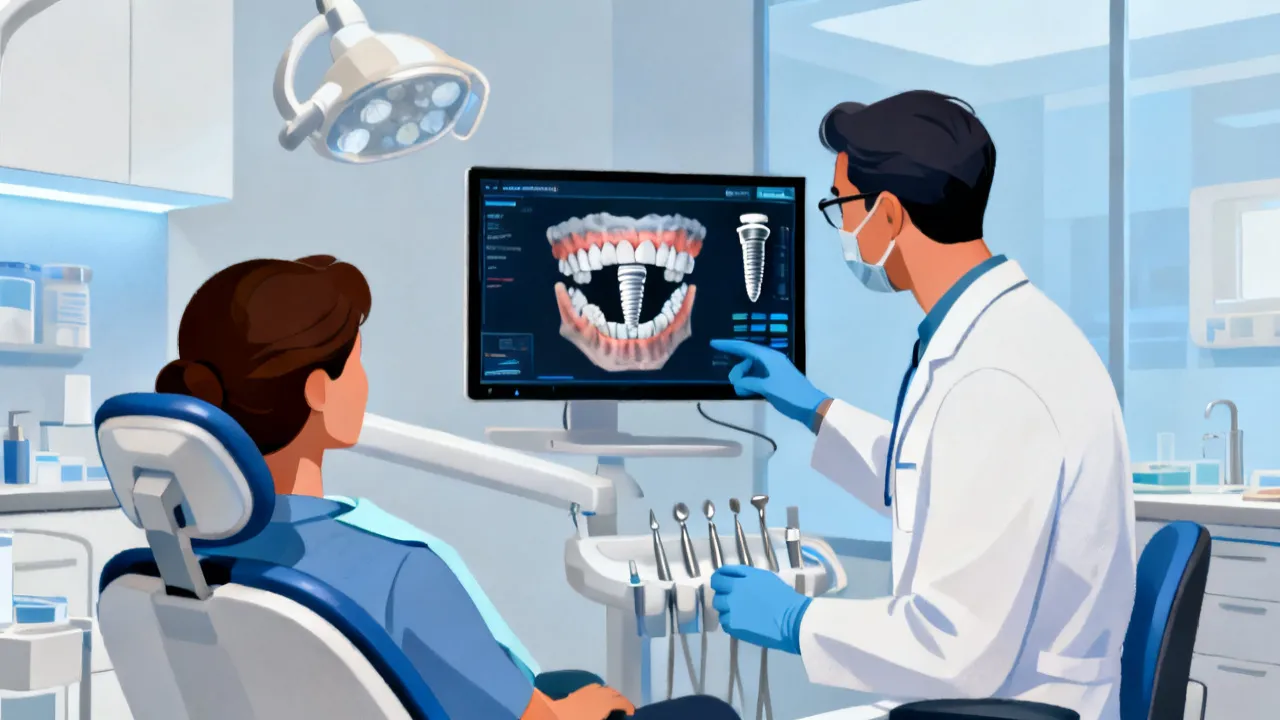
Executive Overview
Dental implants are a long-term method of replacing missing teeth, but the total cost can differ substantially between regions, clinics, treatment plans, and patients. The phrase “치 전원” is interpreted here in the context of dental care: patients considering tooth replacement, implant consultation, or a transition to a new dental provider. The safest approach is not simply to select the lowest advertised price. Instead, patients should compare the complete treatment package, the qualifications of the treating team, diagnostic standards, implant-system information, follow-up arrangements, and the clarity of the written quotation.
An individual dental implant generally involves more than the visible crown. The treatment may include examination, radiographs or three-dimensional imaging, removal of a damaged tooth, bone preservation, implant placement, an abutment, a crown, temporary teeth, medication, laboratory work, and follow-up visits. In some cases, bone grafting or sinus augmentation is also required. A quotation that covers only the implant fixture may therefore appear inexpensive while excluding important stages.
Patients seeking a lower-cost option can make informed decisions by following several principles:
- Obtain a clinical examination and a written, itemized treatment plan.
- Confirm whether the quoted amount covers the fixture, abutment, crown, imaging, laboratory work, and follow-up.
- Compare at least two qualified providers rather than relying on a headline price.
- Ask which implant manufacturer and prosthetic materials will be used.
- Review infection-control procedures, emergency arrangements, and the provider’s experience with similar cases.
- Consider travel, accommodation, translation, medication, and later maintenance when evaluating overseas care.
- Never delay necessary treatment solely to search for a lower price.
The price ranges in this article are intended for comparison, not as personal treatment estimates. A dentist must assess oral health, bone volume, gum condition, medical history, smoking status, bite forces, and aesthetic requirements before confirming suitability or cost.
What an Individual Dental Implant Usually Includes
In everyday language, “one dental implant” may refer to the entire replacement tooth. Clinically, however, an implant restoration usually has three principal components:
- Implant fixture: A biocompatible post, commonly made from titanium or a titanium alloy, inserted into the jawbone. It functions as an artificial root.
- Abutment: A connector placed on or within the fixture. It supports the final restoration.
- Crown: The visible tooth-shaped restoration, often produced from ceramic, porcelain-fused-to-metal, zirconia, or another laboratory material.
The treatment may be completed in stages. After examination and planning, the implant is placed and allowed to integrate with the surrounding bone. The time required varies according to healing, bone quality, surgical technique, and whether additional procedures are necessary. Once the clinician confirms adequate stability, the abutment and crown can be designed and fitted.
Some patients need preliminary treatment. Active gum disease, decay in adjacent teeth, infection, an unstable bite, or poor oral hygiene should usually be addressed before implant placement. If the jawbone has resorbed after tooth loss, grafting may be recommended. These procedures can change both the timeline and the final budget.
| Component or stage | Purpose and possible cost impact |
|---|---|
| Consultation and examination | Reviews medical and dental history, gum health, bite, suitability, and treatment objectives. Imaging may be charged separately. |
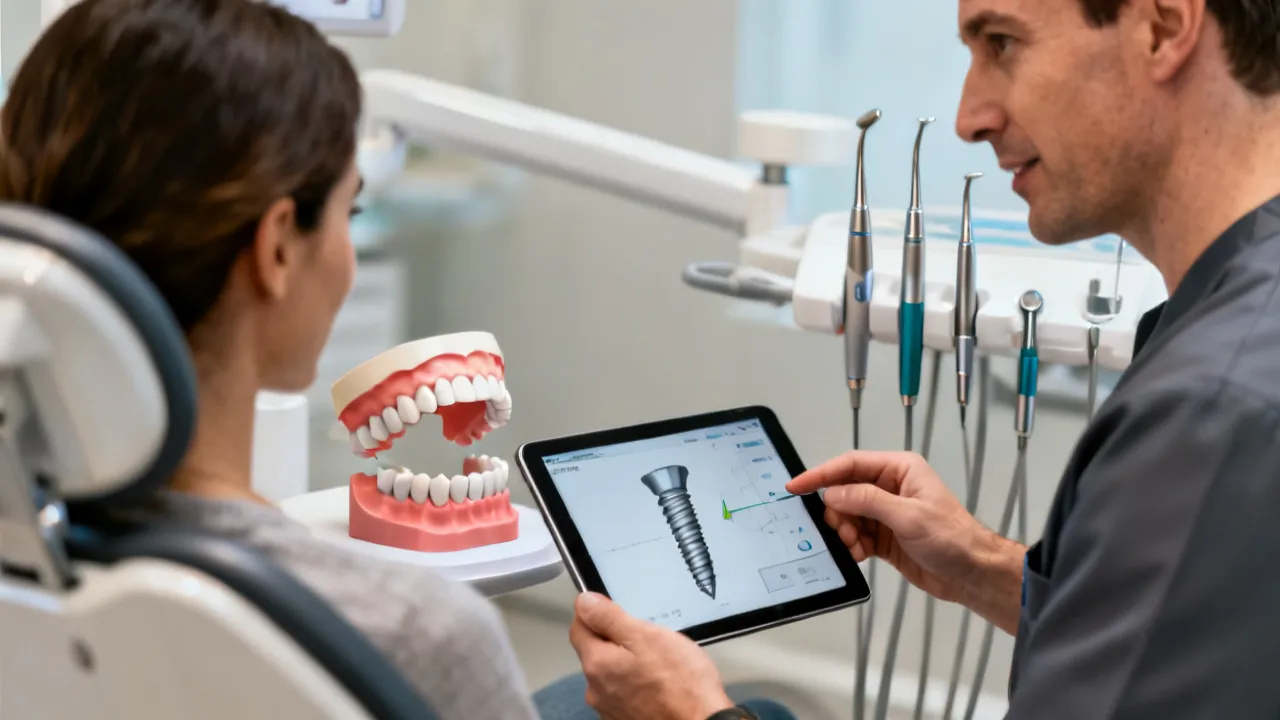
| Digital or three-dimensional imaging | Assesses bone height, width, anatomical structures, and surgical risks. It supports more precise planning. |
| Implant placement | Inserts the fixture into the jaw. Surgical complexity and the number of implants influence the fee. |
| Healing and review visits | Allows the dental team to monitor healing and implant stability before restoration. |
| Abutment and crown | Completes the visible replacement tooth. Material, laboratory standards, and aesthetic demands affect the price. |
| Additional procedures | Extraction, grafting, sinus augmentation, gum treatment, or temporary teeth may increase the total cost. |
How Implant Pricing Is Structured
Patients often encounter several different ways of presenting an implant fee. One clinic may advertise a complete tooth replacement, another may list the implant fixture alone, and a third may divide treatment into surgical and restorative stages. These approaches are not necessarily dishonest, but they can make comparison difficult. A patient should ask the clinic to translate its pricing model into a complete expected episode of care.
A surgical fee may cover planning, anesthesia, the fixture, and one or more review appointments. The restorative fee may cover the abutment, impressions or digital scanning, temporary components, laboratory manufacturing, and final crown placement. Some providers combine these fees into a package, while others bill each stage separately. If the final restoration will be selected later, the quotation should identify the likely range for the crown and explain what circumstances could cause the price to change.
There may also be a difference between a custom abutment and a standard or prefabricated abutment. A custom component can be useful when gum contours, angulation, or aesthetic requirements demand a more individualized design. Similarly, a digitally guided surgical procedure may involve additional planning or manufacturing charges. These services can be clinically valuable in selected cases, but patients should understand their purpose instead of paying for them merely because they are described as advanced technology.
Another important distinction is between an estimate and a guaranteed fee. An estimate is based on assumptions made before the examination or before surgery. A guaranteed fee applies only when the treatment scope has been clearly defined and the provider’s terms specify what happens if the plan changes. Patients should ask whether the quotation remains valid if additional bone is found to be necessary, if an extraction is more difficult than expected, or if the crown requires a remake because of fit or shade issues.
How to Obtain Dental Implants at Lower Cost in English-Speaking Markets
English-speaking markets include several regions with high clinical standards but also considerable variation in professional fees, laboratory charges, insurance arrangements, and public or private healthcare access. The following process can help patients reduce unnecessary expenditure while maintaining appropriate care.
1. Clarify the clinical problem
Begin by establishing whether an implant is actually the most suitable option. A missing tooth may also be restored with a conventional bridge or removable partial denture, depending on the condition of adjacent teeth, bone, age, budget, aesthetics, and long-term preferences. An implant should be selected after a clinical discussion, not solely because it is promoted as the most advanced option.
2. Request a complete written quotation
Ask the clinic to separate each stage of care. The quotation should identify the examination, imaging, extraction, implant fixture, temporary restoration, final crown, laboratory fee, medications, review appointments, and any possible grafting. Confirm whether taxes and emergency visits are included. Comparing itemized plans prevents patients from mistaking a partial price for a complete treatment fee.
3. Compare implant systems responsibly
Implant brands differ in design, evidence, distribution, warranty terms, and availability of replacement components. A lower-priced system is not automatically unsuitable, but the provider should explain the system and give the patient documentation. If treatment occurs abroad, patients should consider whether a local dentist can obtain compatible parts for future maintenance.
4. Investigate dental schools and supervised teaching clinics
University dental hospitals and teaching clinics may offer reduced fees because treatment is delivered in an educational environment. Procedures are generally performed by licensed dentists, residents, or postgraduate clinicians under supervision, but appointments may take longer and eligibility can be selective. Patients should ask who performs the surgery, who approves the treatment plan, and how follow-up is managed.
5. Examine insurance and employer benefits
Dental insurance often limits implant benefits through annual maximums, waiting periods, missing-tooth clauses, exclusions, or restrictions on laboratory materials. Some plans cover portions of the crown or extraction but not the complete implant procedure. Patients should obtain a written pre-treatment estimate from the insurer before authorizing care. Employer benefits, health savings arrangements, or flexible spending accounts may also affect personal expenditure where permitted by local rules.
6. Consider phased treatment only when clinically appropriate
When several teeth are missing, a dentist may be able to restore the mouth in stages. Treating an urgent infection first and completing later restorative work afterward can make the financial burden more manageable. However, postponement should not compromise bone preservation, gum health, or function. The dentist should provide a time-sensitive sequence rather than an open-ended delay.
7. Compare nearby providers before planning international travel
International treatment can appear less expensive because professional fees and laboratory charges may be lower in another market. Yet travel adds flights, accommodation, local transportation, translation, missed work, insurance, and potential revision costs. A nearby clinic may provide better continuity, particularly when a patient has diabetes, takes anticoagulants, smokes, or needs grafting. The relevant comparison is the total episode of care, not the surgical fee alone.
8. Review aftercare and complication arrangements
Before treatment, ask what happens if the implant does not integrate, the crown fractures, the bite feels uncomfortable, or infection develops. Clarify the length and scope of any provider warranty. A warranty may cover replacement of a component but exclude bone loss caused by gum disease, smoking, poor hygiene, trauma, or missed appointments.
How to Obtain Dental Implants at Lower Cost in Spanish-Speaking Markets
Spanish-speaking patients may compare providers in Spain, Mexico, Chile, Colombia, Peru, Argentina, and other markets. Local terminology, insurance structures, currency changes, and regional differences can make direct comparisons difficult. A consultation should be conducted in a language the patient understands, and translated documents should be reviewed carefully before consent.
Spain
Patients in Spain can compare private dental practices, university-linked services, and clinics that publish implant packages. The advertised package should be examined closely because it may refer only to the implant fixture or may exclude the crown and diagnostic imaging. Patients should ask whether the dentist who performs the surgery is the same professional who provides the prosthetic restoration, and where the crown is manufactured.
Mexico
Mexico has a substantial private dental sector and is sometimes considered by international patients seeking lower treatment fees. Patients should verify professional registration, clinic accreditation where applicable, sterilization procedures, and the plan for reviews after returning home. Border and tourism-oriented clinics may have high patient volume, but a fast appointment schedule should not replace a complete diagnostic process.
Chile, Colombia, and Peru
Patients in these markets may find significant price variation between major urban centers and smaller communities. Lower local overhead can influence fees, but access to advanced imaging, laboratories, and specialist support also varies. A patient should confirm the availability of oral surgery, periodontics, prosthodontics, and emergency care if the case becomes more complex than initially expected.
Argentina
Currency fluctuation can make quoted prices difficult to compare over time. The quotation should state the currency, payment schedule, validity period, and whether laboratory or imported components are subject to later adjustment. Patients should request receipts and written details for every stage of treatment.
Language and documentation
Spanish-language resources can help patients understand basic implant terminology, but online information does not replace an examination. Before treatment, patients should receive a diagnosis, alternatives, expected healing period, risks, maintenance instructions, and a plan for handling complications. If a patient is traveling from another country, the clinic should provide documentation that can be shown to a dentist at home.
How to Obtain Dental Implants at Lower Cost in Portuguese-Speaking Markets
Brazil and Portugal are important Portuguese-speaking markets for dental care. Patients can compare private clinics, dental plans, teaching institutions, and specialist practices. In Brazil, costs may vary between metropolitan areas such as São Paulo and other regions, while in Portugal, fees can differ between urban centers and smaller communities.
When comparing a Brazilian or Portuguese clinic, ask whether the quoted package includes the crown, abutment, laboratory work, tomography, surgical guides, and follow-up appointments. Portuguese-speaking patients should also confirm the dentist’s professional credentials and the implant manufacturer. Those traveling to Brazil or Portugal should assess the time required for healing and restoration; a short visit may be insufficient for a staged procedure.
Dental plans may reduce the cost of consultations, preventive care, or selected procedures, but plan rules differ. A plan should not be assumed to cover an implant unless the contract specifically states the relevant benefit. Patients should obtain written confirmation of authorization, exclusions, waiting periods, and participating providers.
Indicative Price Ranges for One Dental Implant
The following figures are reference ranges for an individual implant restoration or a commonly quoted individual implant treatment. They are not standardized international tariffs. The scope of each quotation may differ, and some clinics may price the fixture separately from the abutment and crown. Currency values are presented as supplied for comparison and should not be treated as current exchange-rate conversions.
| Market | Currency and indicative range for one implant |
|---|---|
| United States (US) | USD — $3,000–$6,000 |
| United Kingdom (GB) | GBP — £2,000–£2,500 |
| Australia (AU) | AUD — AU$3,500–AU$6,500 |
| Canada (CA) | CAD — CA$3,000–CA$5,500 |
| Spain (ES) | EUR — €1,500–€2,500 |
| Chile (CL) | CLP — CLP$800,000–CLP$1,500,000 |
| Mexico (MX) | MXN — $15,000–$25,000 |
| Colombia (CO) | COP — $2,000,000–$4,000,000 |
| Peru (PE) | PEN — S/ 3,000–S/ 6,000 |
| Argentina (AR) | ARS — $80,000–$150,000 |
| Brazil (BR) | BRL — R$3,000–R$8,000 |
| Portugal (PT) | EUR — €1,000–€2,000 |
| Germany (DE) | EUR — €2,000–€3,500 |
| France (FR) | EUR — €1,500–€2,500 |
| Italy (IT) | EUR — €1,500–€3,000 |
| Japan (JP) | JPY — ¥300,000–¥700,000 |
These ranges should be used only as an initial research tool. In some markets, an advertised figure may describe the placement of the fixture but not the completed crown. In other markets, the price may include the surgical and restorative stages but exclude grafting or extraction. Exchange rates can also change rapidly, particularly in countries experiencing inflation or currency volatility. A patient should request a date-stamped quotation in the currency that will actually be charged.
What Causes Implant Prices to Differ?
Price differences are not explained by geography alone. An experienced clinician may spend more time on diagnosis, surgical planning, soft-tissue management, and prosthetic adjustment. A clinic using a higher-cost laboratory or a premium implant system may also charge more. The following factors should be reviewed before drawing conclusions from a price table.
Bone and gum condition
Healthy bone and gums support predictable treatment. Periodontal infection can damage the tissues around natural teeth and implants. If treatment is needed before surgery, the patient may require several additional appointments. Bone grafting, membrane materials, or sinus augmentation can add substantial expense and healing time.
Location and practice overhead
Rent, staff costs, laboratory relationships, regulatory requirements, imaging equipment, and local demand influence professional fees. A clinic in a major capital city may have higher overhead than one in a smaller community, but it may also offer easier access to specialist care and advanced diagnostic services.
Materials and laboratory work
The crown can be produced from different materials. Zirconia, layered ceramics, porcelain-fused-to-metal, and other options have different aesthetic and mechanical characteristics. Patients should ask whether the laboratory is in-house or external, whether the restoration is digitally designed, and whether the final shade and shape are included in the quoted price.
Case complexity
A straightforward replacement in a healed extraction site is not equivalent to immediate placement after extraction, a front-tooth reconstruction requiring gum shaping, or a restoration in a patient with limited bone. An honest quotation should identify which assumptions it is based on and what events could change the estimate.
Follow-up and maintenance
Implants require maintenance. Professional cleaning, examination of the gum tissues, bite assessment, and radiographic review may be recommended at intervals based on individual risk. If these visits are excluded from the initial quotation, patients should budget for them separately.
Number and position of missing teeth
A single missing tooth may require one fixture, but several missing teeth do not always require one implant for every tooth. In some cases, two or more implants can support a bridge or removable overdenture. The position of the teeth, the available bone, aesthetic requirements, and chewing forces determine whether this is appropriate. Patients should ask whether the proposed number of implants is necessary for the selected restoration and whether a different design would provide an acceptable result at lower cost.
Need for sedation or hospital support
Most implant procedures are performed with local anesthetic, but some patients require additional sedation because of severe dental anxiety, a complex surgical plan, or medical considerations. Sedation can create separate fees for the sedation provider, monitoring, recovery, and transportation. Patients should ask whether sedation is optional, clinically indicated, or included in the quotation.
How to Evaluate Websites Offering Implant Information
Online resources can be useful for learning terminology, comparing questions to ask, and locating potential providers. However, websites differ in purpose. Some are educational pages, some are clinic marketing platforms, some promote dental tourism, and others provide insurance or dental-plan information. Readers should distinguish general education from individualized medical advice.
| Website or resource | Main features and appropriate use |
|---|---|
| Dental Views | Discusses low-cost dental implants, treatment benefits, types of care, cost considerations, common questions, and the general implant process. Useful for introductory price and procedure research. |
| Atlantic Dental Group | Clinic information covering general dentistry, orthodontics, implants, emergency care, appointments, locations, and professional services. Useful for reviewing the scope of a provider’s offerings. |
| DentaVacation | Dental tourism information, international treatment comparisons, procedure categories, travel considerations, and arrangements for patients considering care abroad. |
| ADHP | Information related to dental insurance plans, coverage options, applications, and ways to review dental-care benefits before treatment. |
| Rockville Dental Arts | Spanish-language dental information covering implants, whitening, cleaning, orthodontics, and emergency dental services. |
| Union City Mini Dental Implants | Spanish-language information focused on mini dental implants and their potential use in selected tooth-replacement situations. |
| Cigna implant guide | Spanish-language educational material explaining implant treatment and considerations relevant to insurance readers. |
| Rubi Odonto | Brazilian clinic information covering orthodontics, whitening, implants, professional services, and patient-oriented dental care. |
| Odontologia Velasco | Portuguese-language clinic information covering implants, prostheses, aesthetic dentistry, technology, and treatment services. |
| DentalVidas | Information about dental plans for individuals, families, and companies, including provider networks and emergency-care features. |
Patients should assess online material by asking who publishes it, when it was updated, whether it distinguishes education from advertising, and whether prices are presented with clear inclusions and exclusions. A website that provides detailed explanations, professional credentials, contact information, and realistic limitations is generally more useful than a page that emphasizes only dramatic discounts or guaranteed outcomes.
Source: The information in the comparison above is based on the websites listed below. Patients should confirm current services, prices, credentials, coverage, and appointment terms directly with each organization.
source: www.dentalviews.com/low-cost-dental-implants/
source: www.atlanticdentalgrp.com/
source: www.dentavacation.com/
source: rockvilledentalarts.com/es/
source: unioncityminidentalimplants.com/es/
source: www.cigna.com/es-us/knowledge-center/guide-to-dental-implants
source: www.rubiodonto.com.br/
source: odontologiavelasco.com.br/
source: dentalvidas.com.br/
Conditions and Requirements Before Treatment
A thorough consultation is the central requirement for safe implant planning. The provider will usually ask about general health, medications, allergies, previous dental treatment, tobacco or nicotine use, and symptoms such as pain, swelling, bleeding, or altered sensation. Patients should provide accurate information, including conditions that may affect healing.
- Oral examination: The dentist evaluates remaining teeth, gum tissues, bite, oral hygiene, and the proposed implant site.
- Imaging: Panoramic radiography or three-dimensional imaging may be used to assess bone and anatomical structures.
- Medical review: Conditions such as poorly controlled diabetes, immune disorders, or a history of radiation therapy may require additional coordination with a physician.
- Medication assessment: Anticoagulants, antiresorptive drugs, corticosteroids, and other medicines can influence surgical planning.
- Periodontal stability: Active gum disease should be addressed because inflammation can threaten both natural teeth and implants.
- Smoking discussion: Tobacco use can adversely affect healing and implant outcomes. The clinician should explain the specific risk and cessation options.
- Informed consent: The patient should understand benefits, limitations, alternatives, expected discomfort, healing, possible complications, and maintenance.
There is no single age at which every adult should receive an implant. Growth, medical status, bone development, functional needs, and individual preferences matter more than age alone. A dentist may recommend a different solution if the patient’s health, bone condition, or ability to maintain oral hygiene makes an implant unsuitable at that time.
Patients should also consider whether they can reliably attend review appointments and maintain the restoration. An implant is a surgical and restorative commitment, not a one-day purchase. Someone who expects to relocate, travel frequently, or have difficulty obtaining routine dental care should discuss how maintenance can be organized. The ability to obtain replacement components and professional cleaning may be as important as the initial surgical price.
A Step-by-Step International Implant Planning Process
Step 1: Gather existing records
Patients who have previously received dental treatment should request copies of radiographs, implant records, medication lists, and laboratory documents. These records can reduce duplicate imaging and help a new provider understand prior treatment. When changing dentists, complete records are particularly important because an implant cannot be evaluated in isolation from the surrounding teeth and bone.
Step 2: Arrange a first consultation
During the consultation, describe the desired outcome rather than focusing only on price. Some patients prioritize chewing function; others are concerned about appearance, speech, treatment speed, or preserving neighboring teeth. The dentist should explain whether the proposed implant is immediate, delayed, narrow, standard-sized, or part of a broader reconstruction.
Step 3: Receive alternative treatment plans
A professional treatment plan should explain reasonable alternatives. These may include a single implant crown, a bridge, or a removable prosthesis. If bone grafting is recommended, ask whether it is essential, whether an alternative exists, and how it changes the schedule. Patients should not feel pressured to accept a package that has not been clearly explained.
Step 4: Verify provider qualifications
Check the relevant professional register or regulatory body in the jurisdiction where treatment will occur. Confirm the dentist’s professional status and whether the clinic has access to an oral surgeon, periodontist, prosthodontist, or other specialist when necessary. Online reviews can describe patient experience, but they do not independently establish clinical quality.
Step 5: Confirm the treatment sequence
Ask how many visits are expected, how long the healing period may last, and whether temporary teeth will be supplied. If the patient is traveling, the clinic should explain which appointments must be completed locally and whether a return visit is required for the final crown.
Step 6: Review financial terms
The patient should know the deposit, installment schedule, refund policy, currency, validity period of the quotation, and circumstances that may increase the fee. A low initial quote should not be accepted if the clinic cannot explain exclusions. Patients should retain receipts, consent documents, and the implant passport or component record where supplied.
Step 7: Plan aftercare before surgery
Arrange the first review appointment in advance. If treatment is performed abroad, identify a dentist near the patient’s home who is willing to provide maintenance or urgent assessment. Not every clinic will manage complications involving another provider’s work, so this issue should be discussed before travel.
Step 8: Confirm how decisions will be made during treatment
Unexpected findings occasionally arise during extraction or implant placement. Before surgery, ask who has authority to recommend an additional procedure, how the patient will be contacted, and whether a predetermined financial limit applies. A patient should never feel that consent to one procedure automatically authorizes every possible additional treatment.
Dental Tourism: Potential Benefits and Important Risks
Dental tourism may lower professional fees in some markets and can provide access to clinics that serve international patients. It may also combine treatment with travel. Nevertheless, it introduces practical and clinical risks that need careful assessment.
The first risk is compressed scheduling. Implant treatment may require multiple stages separated by healing periods. A clinic that promises completion in a very short period may be offering a case-specific immediate protocol, but the patient should ask why that approach is appropriate and what evidence supports it for the individual case. Treatment speed is not a substitute for biological healing.
The second risk is fragmented responsibility. The surgeon, restorative dentist, laboratory, and aftercare provider may be in different locations. If a crown loosens or the gum becomes inflamed after the patient returns home, communication and component compatibility can become difficult.
The third risk is incomplete cost comparison. Travel expenses, companion costs, time away from work, local treatment for complications, and revision surgery may outweigh the initial saving. Travel insurance may exclude planned medical treatment or complications from elective procedures, so policy wording should be reviewed carefully.
Patients considering overseas treatment should request:
- The clinic’s physical address and direct contact details.
- The treating dentist’s professional registration and qualifications.
- A written diagnosis and itemized treatment plan.
- The implant brand, model, size, and restorative components where applicable.
- Details of sterilization, emergency support, and postoperative communication.
- A realistic schedule that allows for examination and healing.
- The terms of any warranty and exclusions.
- A plan for care if the patient develops pain, swelling, numbness, bleeding, or implant mobility after returning home.
Patients should also ask how records will be delivered. Digital copies are helpful, but the information should be complete enough for another dentist to identify the system and evaluate the restoration. If the treatment includes a bone graft, membrane, sinus procedure, or temporary prosthesis, those details should be included in the discharge documentation.
Insurance, Dental Plans, and Payment Strategies
Insurance terminology can be confusing. A policy may classify an implant fixture as a major service, exclude the replacement of a missing tooth, limit benefits to a less expensive alternative, or apply a waiting period. Some plans pay a percentage of an allowed fee rather than the clinic’s full charge. Patients should ask the insurer to clarify the benefit in writing before treatment begins.
Dental plans and insurance are not identical. A dental plan may provide negotiated fees at participating clinics, while insurance commonly involves premiums, annual limits, deductibles, waiting periods, and claim rules. Neither should be assumed to cover every implant component. A clinic’s financial coordinator can help organize documents, but the insurer remains the authority on coverage.
Potentially useful questions include:
- Is the missing tooth subject to a pre-existing or missing-tooth exclusion?
- Are the implant fixture, abutment, crown, graft, extraction, and imaging covered separately?
- Is there an annual maximum or lifetime limit?
- Does the plan require a participating provider?
- Is a second opinion or preauthorization required?
- What happens if the implant fails during the warranty or benefit period?
- Does the plan cover maintenance and replacement of the crown?
Patients may also discuss staged payments, medical credit products, or clinic-based payment schedules. These arrangements should be reviewed for interest, administrative fees, cancellation rules, and the consequences of treatment changes. Borrowing should be considered carefully, especially when the final cost is not yet certain.
Quality and Safety Checklist
From an industry perspective, the most important sign of a responsible implant provider is the quality of the decision-making process. A professional website can be informative, but it cannot replace credential verification or a clinical examination.
| Question to ask | Why it matters |
|---|---|
| Who will perform the surgery and restoration? | Clarifies responsibility, experience, and whether multiple clinicians are involved. |
| What imaging is required? | Shows whether the plan is based on adequate assessment of anatomy and bone. |
| Which implant system will be used? | Supports future maintenance and access to compatible components. |
| What exactly does the quotation include? | Prevents unexpected charges for crowns, abutments, imaging, or follow-up. |
| What alternatives are available? | Helps the patient make a balanced decision rather than accepting a single option. |
| How are complications handled? | Establishes a practical plan for infection, discomfort, implant mobility, or restoration problems. |
| What maintenance is expected? | Implants require professional monitoring and daily home care over time. |
Patients should be cautious about claims that guarantee success, promise an identical result for every person, or present an unusually low price without defining the treatment scope. Dental outcomes depend on biology, technique, diagnosis, maintenance, and patient-specific factors. Responsible communication acknowledges uncertainty and explains how risks will be managed.
Safety also includes basic infection-control practices. The clinic should use appropriate sterilization procedures, disposable items where indicated, clean treatment areas, protective equipment, and documented instrument processing. Patients may ask how instruments are sterilized and whether the clinic follows local regulatory standards. These questions are reasonable, particularly when treatment is sought in another country or in a high-volume setting.
Maintaining an Implant After Treatment
An implant is not immune to disease. Plaque can accumulate around the crown and gumline, and inflammation may affect the tissues supporting the implant. Patients should brush carefully, clean between teeth with suitable floss or interdental devices, and follow the dental team’s instructions. Professional maintenance intervals depend on gum health, smoking status, medical conditions, oral hygiene, and the complexity of the restoration.
Patients should contact a dental provider if they notice persistent bleeding, swelling, unpleasant taste, pain, changes in bite, crown movement, or increasing difficulty chewing. Early assessment may prevent a minor prosthetic problem from becoming a larger biological or mechanical complication.
A crown may require replacement even when the implant fixture remains stable. Normal chewing forces, accidental trauma, wear, changes in the bite, and material fracture can affect the visible restoration. Therefore, the long-term budget should include examinations, hygiene visits, possible repairs, and eventual restorative maintenance.
Daily home care should be practical rather than overly complicated. A patient may use a soft toothbrush, an electric brush, interdental brushes, specialized floss, or a water flosser depending on the shape of the restoration and the dentist’s recommendation. The most suitable device is the one the patient can use consistently without injuring the gum. Professional instruction is especially valuable for bridges supported by implants because food can collect beneath the replacement teeth.
Common Errors When Searching for Low-Cost Implants
Comparing incomplete prices
The most common error is comparing a surgical fixture price with a complete restoration package. Patients should compare the same components and the same level of diagnostic care. If one provider includes the crown and another does not, the figures are not equivalent.
Ignoring the cost of preliminary treatment
Untreated decay or gum disease can compromise the result. A patient who selects a clinic based solely on the implant fee may later pay more for infection control, extraction, grafting, or treatment of adjacent teeth.
Choosing speed over planning
Immediate treatment can be appropriate in selected circumstances, but not every site is suitable. The clinician should explain primary stability, infection status, bone dimensions, aesthetic risks, and the need for temporary support.
Relying exclusively on reviews
Reviews can reveal communication and scheduling experiences, but they cannot confirm surgical quality or suitability for a particular anatomy. Credential checks and an independent clinical opinion are more valuable for medical decision-making.
Failing to obtain implant records
Patients who move or change dentists should keep the brand, model, dimensions, date of placement, and restoration information. These records can make later maintenance more efficient and reduce uncertainty about replacement parts.
Assuming a warranty covers everything
Provider warranties commonly contain conditions. A clinic may replace a failed component but exclude treatment required because of poor hygiene, untreated periodontal disease, trauma, smoking, or failure to attend review visits. Patients should request the warranty terms in writing and ask who pays for surgery, laboratory work, travel, and emergency care if a problem develops.
Overlooking the condition of neighboring teeth
The teeth beside an implant influence function and appearance. If adjacent teeth have decay, cracks, gum disease, or an unstable bite, they may require treatment before or alongside implant placement. A low-cost implant that is placed without considering the surrounding dentition may produce a more expensive sequence later.
Frequently Asked Questions
What is the least expensive way to replace one missing tooth?
The least expensive option depends on the patient’s anatomy, oral health, and treatment goals. A removable partial denture or conventional bridge may cost less initially than an implant. An implant may provide a different long-term solution but involves surgery and ongoing maintenance. A dentist should compare the available alternatives rather than assume that one method is appropriate for everyone.
Does a low implant price mean poor quality?
Not necessarily. Fees can be lower because of local operating costs, clinic structure, university supervision, or a quotation that covers fewer components. However, an unusually low price requires careful clarification. Patients should ask what is included, which materials are used, who performs the procedure, and how complications are handled.
Can dental insurance pay for an implant?
Some policies provide partial benefits, while others exclude implants or apply a restriction to replacement of a previously missing tooth. Coverage may be divided between extraction, crown, abutment, imaging, and surgery. Written confirmation from the insurer is advisable before treatment.
Are mini dental implants suitable for every patient?
No. Mini implants have a narrower diameter and may be used in selected situations, including certain removable denture stabilization plans. Suitability depends on bone dimensions, loading conditions, location, prosthetic design, and the clinician’s assessment. They should not be treated as a universal substitute for standard implants.
How long does implant treatment take?
The schedule varies. Some cases involve extraction, healing, implant placement, a further healing period, and final restoration. Other carefully selected cases may use immediate placement or immediate provisionalization. The patient should ask for a personalized timeline and understand which stages depend on healing.
Can a patient travel soon after implant surgery?
Travel plans should be discussed with the treating dentist. Swelling, bleeding, discomfort, medication needs, and the possibility of an early review may make immediate travel inconvenient. Air travel, strenuous activity, and international movement can be especially complex when grafting or multiple procedures are involved.
What should be done if an implant feels loose?
A loose crown and a loose implant fixture are different problems, but both require prompt professional assessment. Patients should avoid chewing hard foods on the affected side and should not attempt to tighten or repair the component themselves.
Is an implant permanent?
The fixture is designed as a long-term replacement, but no dental restoration can be guaranteed to last indefinitely. Gum disease, inadequate cleaning, smoking, excessive bite forces, trauma, medical changes, and wear can affect the result. The crown may need repair or replacement before the fixture.
Can a patient obtain treatment in another language?
Many clinics provide multilingual information, but the patient must be able to understand diagnosis, consent, risks, medication instructions, and financial terms. A qualified interpreter may be appropriate when language differences could affect informed consent. Patients should not sign documents they cannot understand.
What records should be requested after treatment?
Request copies of radiographs, the final treatment plan, implant manufacturer and model, component details, crown material, surgery date, laboratory information, medication instructions, and maintenance recommendations. These records are useful if the patient relocates or needs a second provider.
Should a patient seek a second opinion?
A second opinion can be useful when the plan involves multiple implants, significant grafting, immediate placement, extensive aesthetic reconstruction, or a substantial financial commitment. The purpose is not to collect competing discounts but to compare diagnoses, alternatives, risks, timelines, and total fees. The patient should provide both clinicians with the same records whenever possible.
Professional Perspective on Choosing Value
In implant dentistry, value means an appropriate clinical result supported by sound planning, transparent fees, qualified care, and accessible follow-up. Price remains a legitimate consideration, especially when patients face significant personal expenditure, but it should be assessed alongside risk and continuity.
An expert comparison therefore asks four questions. First, is the treatment clinically indicated? Second, is the provider qualified and the diagnostic process adequate? Third, does the quotation cover the full sequence of care? Fourth, can the patient obtain maintenance and complication management for the expected lifespan of the restoration?
Patients can improve affordability by addressing gum disease early, maintaining natural teeth, comparing complete treatment plans, using applicable insurance benefits, investigating supervised teaching clinics, and selecting a provider with a transparent fee structure. They should be particularly cautious about offers that omit the final crown, use vague descriptions such as “implant package,” or require a deposit before a meaningful examination.
Preventive care is often the most reliable cost-saving strategy. Regular examinations can identify decay, gum inflammation, cracked fillings, and failing restorations before extraction becomes necessary. Avoiding tobacco, controlling diabetes with medical guidance, wearing a night guard when indicated, and protecting teeth during contact sports may also reduce the likelihood of future tooth loss. These measures do not eliminate every risk, but they can help preserve both natural teeth and completed implant work.
Conclusion
Affordable dental implants are best understood as a planning challenge rather than a search for the lowest advertised number. Prices differ across the United States, the United Kingdom, Australia, Canada, Spain, Latin America, Brazil, Portugal, Germany, France, Italy, and Japan because clinical complexity, professional fees, materials, laboratories, regulation, and follow-up structures differ. The supplied reference ranges can help establish broad expectations, but only a personal examination can determine suitability and a realistic quotation.
Whether a patient is researching “치 전원,” considering a nearby dentist, reviewing an insurance plan, or exploring treatment abroad, the same safeguards apply: verify credentials, understand the complete treatment sequence, obtain itemized costs, preserve treatment records, and plan long-term maintenance. A financially responsible decision is one that balances affordability with safety, transparency, and continuity of care.
Disclaimer
1. The information above is compiled from online resources, and the data is stated as of October 2023. Website content, clinic services, insurance provisions, and prices may change.
2. Dental implant prices are for reference only and may vary by region, clinic, doctor, implant system, laboratory, patient anatomy, additional procedures, currency conditions, and treatment complexity. This article is educational and does not replace an examination, diagnosis, treatment plan, or advice from a licensed dental professional.
Reference Links
Dental Views — Low Cost Dental Implants
Rockville Dental Arts, Spanish-language site
Union City Mini Dental Implants, Spanish-language site