Understanding Scaling Disadvantages and Implant Costs
This guide explains the possible 스케일링 단점, including temporary sensitivity, gum irritation, discomfort, and the risks of inappropriate or excessive treatment, while clarifying why professional assessment matters. It also distinguishes routine scaling from dental implant treatment and reviews practical ways to control implant expenses in English-, Spanish-, and Portuguese-speaking markets. Reference price ranges, clinic-selection factors, financing considerations, and patient questions are included for informed planning.
What Patients Should Know First
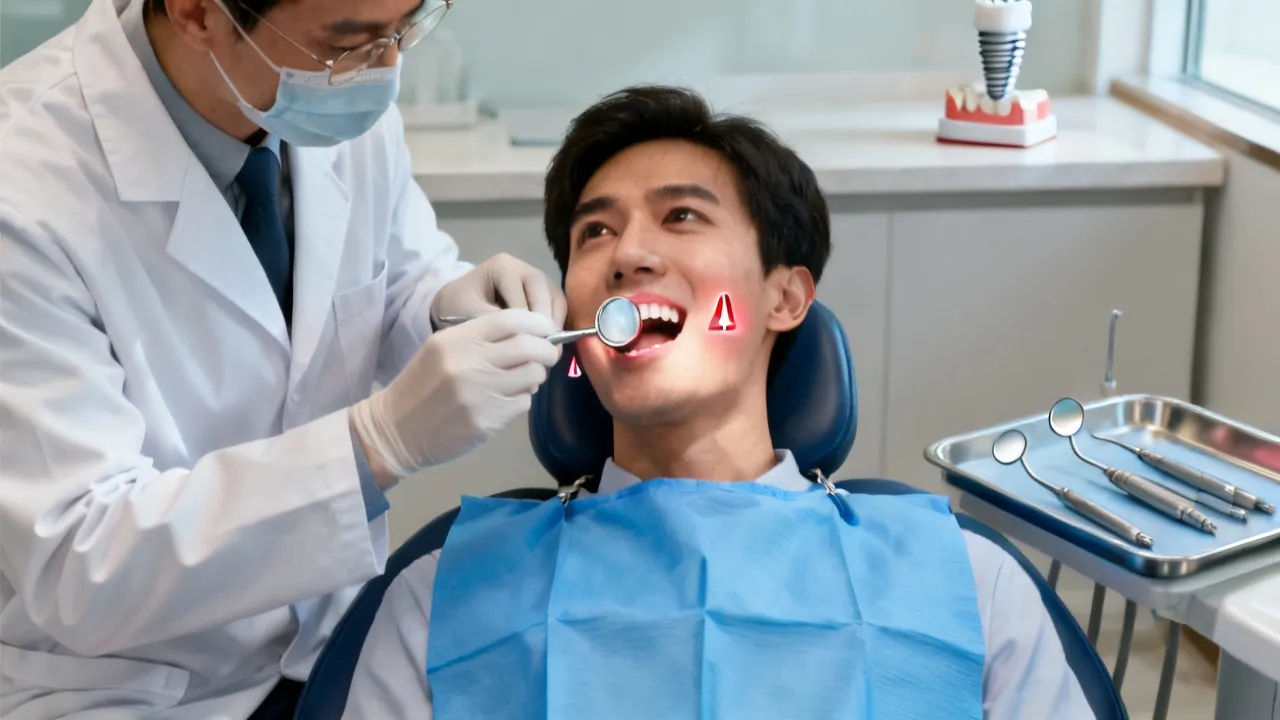
The Korean phrase 스케일링 단점 means “disadvantages of dental scaling.” Dental scaling is a professional procedure used to remove plaque, calculus, and deposits that ordinary brushing cannot eliminate. It is generally considered an important part of preventive oral care, but it is not completely without inconvenience or risk. The most common short-term effects include sensitivity, gum tenderness, minor bleeding, and a feeling that the teeth are temporarily rough or more exposed.
These effects do not automatically mean that scaling has harmed the teeth. In many cases, calculus and inflamed gum tissue have concealed the natural tooth surface or the spaces around the gumline. Once deposits are removed, the patient may notice areas that were already affected by gum inflammation or recession. A qualified dental professional should explain whether the symptoms are expected and whether further treatment is necessary.
Scaling should also be distinguished from dental implants. Scaling treats deposits and periodontal risk factors around natural teeth. An implant replaces the root of a missing tooth and normally involves surgery, an implant fixture, an abutment, and a crown. Scaling cannot replace a missing tooth, and an implant does not remove the need for routine cleaning. Patients considering both procedures should receive a coordinated treatment plan.
The purpose of a scaling appointment is not simply to make the teeth feel smooth. It is also to reduce bacterial deposits that can contribute to gingivitis, periodontal disease, unpleasant breath, and inflammation around restorations or implants. Because oral conditions vary significantly, the same treatment can feel easy for one patient and more uncomfortable for another. The amount of calculus, depth of gum pockets, location of recession, sensitivity of the teeth, and duration since the last professional cleaning all influence the experience.
Patients should also understand the difference between expected temporary effects and warning signs. Mild cold sensitivity for a few days may be ordinary, while increasing swelling, severe throbbing pain, fever, pus, facial swelling, or uncontrolled bleeding requires prompt dental advice. Clear communication before and after treatment helps prevent unnecessary anxiety and allows complications to be identified early.
Key Disadvantages of Dental Scaling
- Temporary sensitivity: Teeth may react to cold, heat, sweet foods, or air after deposits are removed, particularly where the roots are exposed.
- Gum tenderness or bleeding: Inflamed gums can bleed during or after treatment. Persistent bleeding requires professional review.
- Short-term discomfort: Instrument pressure, vibration, or ultrasonic water spray may be uncomfortable for some patients.
- Perceived gaps between teeth: When calculus has filled spaces near the gumline, removing it may make those spaces appear larger.
- Possible need for multiple appointments: Extensive deposits or periodontal disease may require staged scaling or deeper periodontal treatment.
- Limited cosmetic effect: Scaling removes deposits and some surface staining but does not whiten the intrinsic color of teeth.
- Risk from inappropriate technique: Excessive pressure, poor instrument control, or treatment by an unqualified provider may damage the tooth surface or soft tissue.
- Temporary gum soreness: The tissue may feel tender while inflammation begins to settle, especially if deposits were present beneath the gumline.
- Need for improved home care: Professional cleaning does not prevent deposits from returning if brushing and interdental cleaning remain inadequate.
- Possible anxiety or treatment fatigue: Longer appointments, water spray, noise, or repeated visits may be difficult for patients with dental fear or limited tolerance.
From an industry perspective, the central issue is not whether scaling has disadvantages, but whether the procedure is properly indicated, carefully performed, and followed by appropriate maintenance. A dental examination should precede treatment when a patient has severe pain, swelling, loose teeth, extensive bleeding, medical conditions affecting healing, or a history of periodontal disease.
It is also important to recognize that “scaling” may describe different levels of treatment. A routine preventive cleaning may involve deposits above the gumline and light deposits near the margin. Periodontal debridement may be recommended when heavy deposits prevent a proper examination. Scaling and root planing, sometimes called deep cleaning, is more extensive and may involve local anesthetic, multiple areas, and a follow-up assessment. Patients should ask which procedure is being proposed rather than relying on a general label.
How Dental Scaling Works
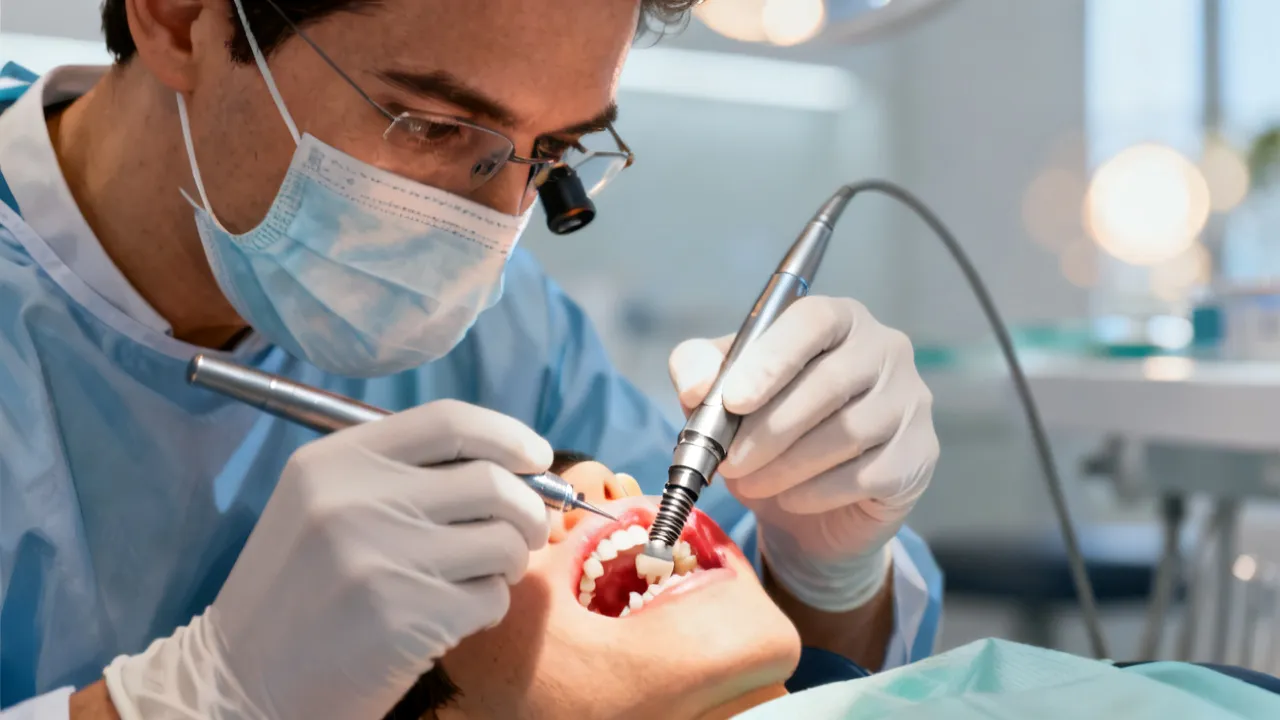
Dental scaling removes hardened calculus from the visible tooth surface and, when clinically indicated, from areas below the gumline. Dental professionals may use hand instruments, ultrasonic devices, or a combination of techniques. The choice depends on the amount and location of deposits, gum condition, sensitivity, access, and the patient’s overall treatment needs.
Ultrasonic instruments use rapid vibration and water irrigation to loosen deposits. Hand instruments allow detailed work in narrow or sensitive areas. Neither approach should be selected solely because it is advertised as newer or more comfortable. The clinician’s training, diagnosis, infection-control standards, and ability to adapt the procedure are more important than the instrument label.
During a routine visit, the dental team may inspect the teeth, gums, bite, restorations, and oral hygiene. If periodontal pockets are present, the clinician may measure them and assess whether routine scaling is sufficient. Deep deposits may require scaling and root planing, which is a more involved periodontal procedure and can produce greater temporary sensitivity.
Some clinics also offer polishing after scaling. Polishing can remove certain superficial stains and smooth some residual surface deposits, but it is not a substitute for scaling and does not correct intrinsic discoloration. Air-polishing systems may be useful in selected cases, including some patients with orthodontic appliances or particular stain patterns, but the dental professional should decide whether the method is appropriate for the enamel, restorations, and gum condition.
The process may involve suction, water, a protective bib, and breaks when necessary. Patients with a strong gag reflex, jaw discomfort, sensory sensitivity, or difficulty keeping the mouth open should tell the dental team before treatment begins. A modified position, shorter appointment, additional suction, or staged care may make the procedure more manageable.
Why Sensitivity May Occur After Scaling
Sensitivity is one of the most frequently discussed 스케일링 단점. It can occur because the procedure exposes areas that were previously covered by calculus or inflamed gum tissue. Root surfaces do not have the same protective enamel layer found on the crowns of teeth. When roots are exposed through gum recession or periodontal attachment loss, temperature changes may reach sensitive structures more easily.
Sensitivity can also result from existing enamel wear, cracks, cavities, whitening products, or an overly forceful brushing habit. Therefore, a patient should not assume that scaling is the only possible cause. If pain is sharp, spontaneous, prolonged, or concentrated in one tooth, the dentist may need to investigate decay, a defective restoration, pulp inflammation, or a crack.
Common aftercare may include using a soft-bristled toothbrush, avoiding extreme temperatures for a short period, and selecting a desensitizing toothpaste recommended by a dental professional. Patients should follow personalized guidance rather than applying strong home remedies to the teeth or gums.
Desensitizing toothpaste commonly contains ingredients intended to reduce the transmission of sensations through dentin or to calm the nerve response. It usually works gradually rather than immediately. Patients should use it consistently according to the product instructions and should not scrub aggressively in an attempt to make it work faster. A dental professional may recommend a fluoride product or an in-office desensitizing treatment when symptoms are more pronounced.
The duration of sensitivity varies. Some patients feel better within a few hours, while others notice symptoms for several days. After deep periodontal treatment or treatment in areas with substantial recession, sensitivity may persist longer. If discomfort is worsening, prevents normal eating or sleeping, or remains unchanged beyond the period discussed by the clinician, a follow-up examination is appropriate.
Bleeding, Gum Irritation, and the Appearance of Gaps
Bleeding during scaling often reflects inflammation caused by plaque and calculus. Healthy gums generally do not bleed easily during ordinary examination or brushing. Minor bleeding may settle as inflammation improves, but heavy, recurrent, or prolonged bleeding should not be ignored.
Some people believe scaling creates gaps between teeth. In reality, calculus can occupy spaces that were already present, while swollen gum tissue can make the gumline appear fuller. Once deposits and swelling are reduced, the underlying anatomy becomes more visible. This may be emotionally unsettling, especially when the patient expected a purely cosmetic improvement, but the change can indicate that the dental team has removed an irritant.
Visible spaces can also be associated with gum recession or periodontal bone loss. These conditions cannot be diagnosed from appearance alone. Periodontal probing and, where appropriate, radiographs help determine the cause and whether additional care is required.
Gum tenderness after scaling is usually related to the condition of the tissue before treatment. If the gums were swollen, ulcerated, or infected, cleaning them may temporarily make them feel sore. Gentle brushing should generally continue unless the dental professional gives different instructions. Stopping all cleaning can allow plaque to accumulate again and may prolong inflammation.
Patients who take anticoagulants or antiplatelet medicines may experience more bleeding, but they should not stop these medicines without advice from the prescribing physician. The dental team can decide whether treatment should be modified and whether additional local measures are needed. The medication history should include prescription drugs, over-the-counter products, supplements, and herbal preparations that may affect bleeding.
Other Temporary Effects Patients May Notice
After scaling, the teeth may feel unusually smooth in some areas and rough in others. This sensation can result from the tongue adapting to a changed surface, minor remaining deposits, exposed root texture, or an existing filling or crown margin that has become easier to feel. If the roughness remains or catches floss, the dentist should inspect the area rather than assuming that it will resolve automatically.
Some patients notice a temporary change in taste, particularly when significant deposits or bleeding were present. A metallic taste can occur when small amounts of blood mix with saliva. This usually improves as the gums heal. Persistent bad taste, drainage, or foul odor may indicate infection or continuing periodontal problems and should be reported.
Ultrasonic cleaning can leave the lips or gums feeling dry, chilled, or mildly irritated. Patients may also experience jaw fatigue after a long appointment. These effects are generally short-lived, but breaks and ergonomic adjustments can help. People with temporomandibular joint disorders should mention jaw symptoms before treatment so the appointment can be planned appropriately.
When Scaling May Be Inappropriate or Require Modification
Scaling is not automatically suitable at the same intensity or frequency for every patient. The dental team should consider:
- Active swelling, severe pain, or a suspected dental abscess.
- Very deep periodontal pockets or advanced gum disease.
- Loose teeth or significant bone loss.
- Recent oral surgery or healing wounds.
- Medical conditions or medications that affect bleeding or immune response.
- Cardiac conditions for which a physician or dentist may recommend special precautions.
- Extreme sensitivity, limited mouth opening, or difficulty tolerating treatment.
- Implants, crowns, bridges, veneers, orthodontic appliances, or other restorations requiring suitable instruments.
The presence of a medical condition does not necessarily prohibit scaling. Instead, it may require communication with the patient’s physician, modification of the appointment, or additional precautions. Patients should provide a complete medication and medical-history list before treatment.
Patients receiving chemotherapy, radiation therapy involving the head and neck, immunosuppressive treatment, or medication associated with changes in bone metabolism may need individualized timing and coordination. Pregnancy is not automatically a reason to avoid necessary dental care, but the patient should inform the dental team so the examination, imaging, and treatment plan can be adapted appropriately.
People with uncontrolled diabetes may have a greater risk of gum inflammation and delayed healing. The dentist may recommend coordination with the patient’s medical provider, particularly if surgical treatment or extensive periodontal therapy is planned. Smoking and vaping should also be discussed because nicotine exposure can impair gum health and make treatment outcomes less predictable.
Scaling Around Dental Implants
Implants need professional maintenance, but the instruments and technique must be selected carefully. The aim is to remove plaque and calculus without unnecessarily scratching the implant crown, abutment, or exposed implant components. The dental professional may use implant-compatible instruments and assess the soft tissue around the implant for bleeding, swelling, drainage, mobility, or changes in pocket depth.
Inflammation around an implant can range from peri-implant mucositis to more serious peri-implant disease involving supporting bone. Early assessment is important because symptoms may be subtle. A patient with an implant should not postpone professional review simply because the implant does not feel painful.
Routine scaling does not guarantee implant longevity. Daily plaque control, regular examinations, a suitable prosthetic design, control of smoking and other risk factors, and management of periodontal disease are also important. The maintenance interval should be based on clinical findings rather than a universal schedule.
Patients should tell the hygienist exactly where implants, bridges, and other restorations are located. Implant crowns may have cemented or screw-retained designs, and access for cleaning differs between them. Interdental brushes, specialized floss, oral irrigators, and other tools may be recommended. The correct size matters: a brush that is too large can traumatize the tissue, while one that is too small may fail to clean the space effectively.
Bleeding around an implant should be taken seriously, particularly if it recurs at several visits. Other warning signs include swelling, pus, a bad taste, discomfort when chewing, a change in the bite, or movement of the crown or implant. The crown may be loose even when the implant fixture remains stable, so a professional examination is needed to identify the source.
Scaling Versus Implant Treatment
| Procedure | Main purpose |
|---|---|
| Dental scaling | Removes plaque, calculus, and deposits from natural teeth or suitable restorative surfaces. |
| Scaling and root planing | Provides deeper periodontal cleaning when deposits and inflammation extend below the gumline. |
| Dental implant treatment | Replaces a missing tooth root and supports a crown, bridge, or other prosthesis. |
These procedures may appear together in a treatment plan, but they solve different problems. A patient with gum disease may need periodontal stabilization before implant surgery. Placing an implant in an environment with uncontrolled inflammation may complicate healing and maintenance. An experienced implant team therefore evaluates the gums, bone, bite, hygiene habits, medical history, and long-term maintenance capacity before recommending treatment.
A missing tooth does not automatically mean that an implant is the best option. The clinician should consider whether the neighboring teeth are healthy, whether the space has been present for a long time, whether the patient has adequate bone, and whether the patient can maintain the implant. A bridge, partial denture, or observation may be reasonable in selected circumstances. The decision should be based on function, health, appearance, preferences, and cost rather than marketing language alone.
When a Missing Tooth May Need an Implant Evaluation
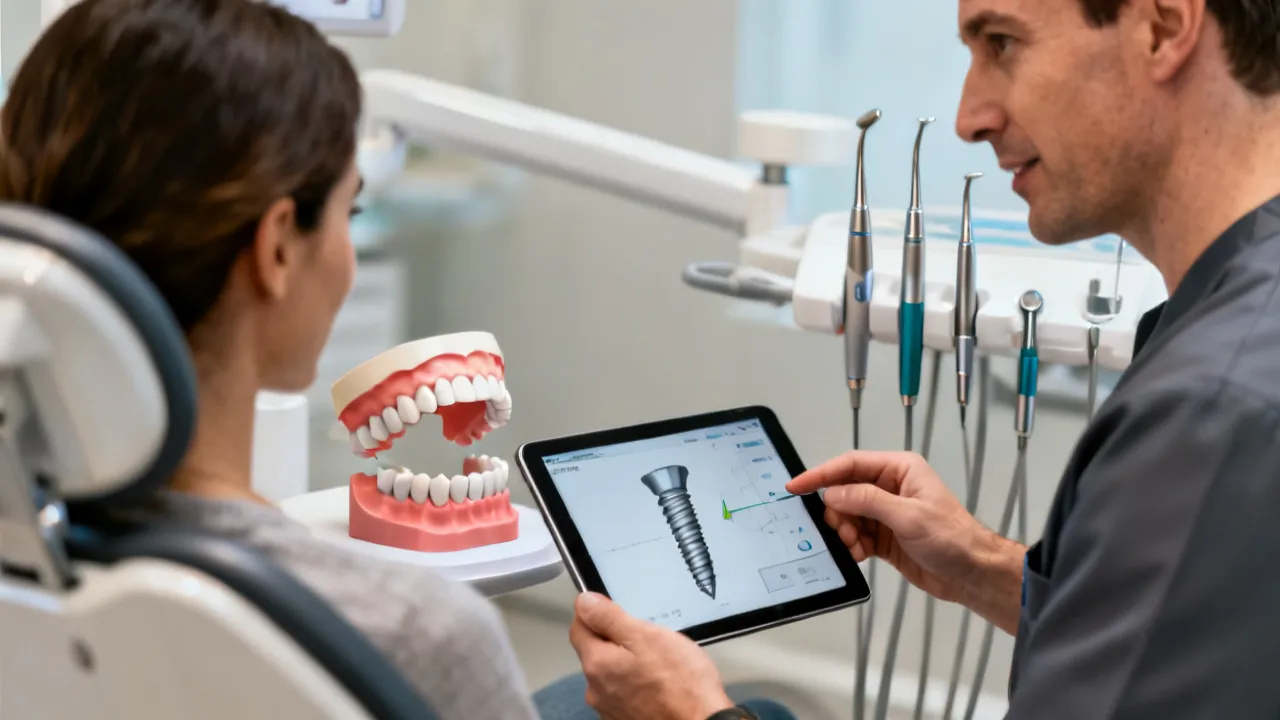
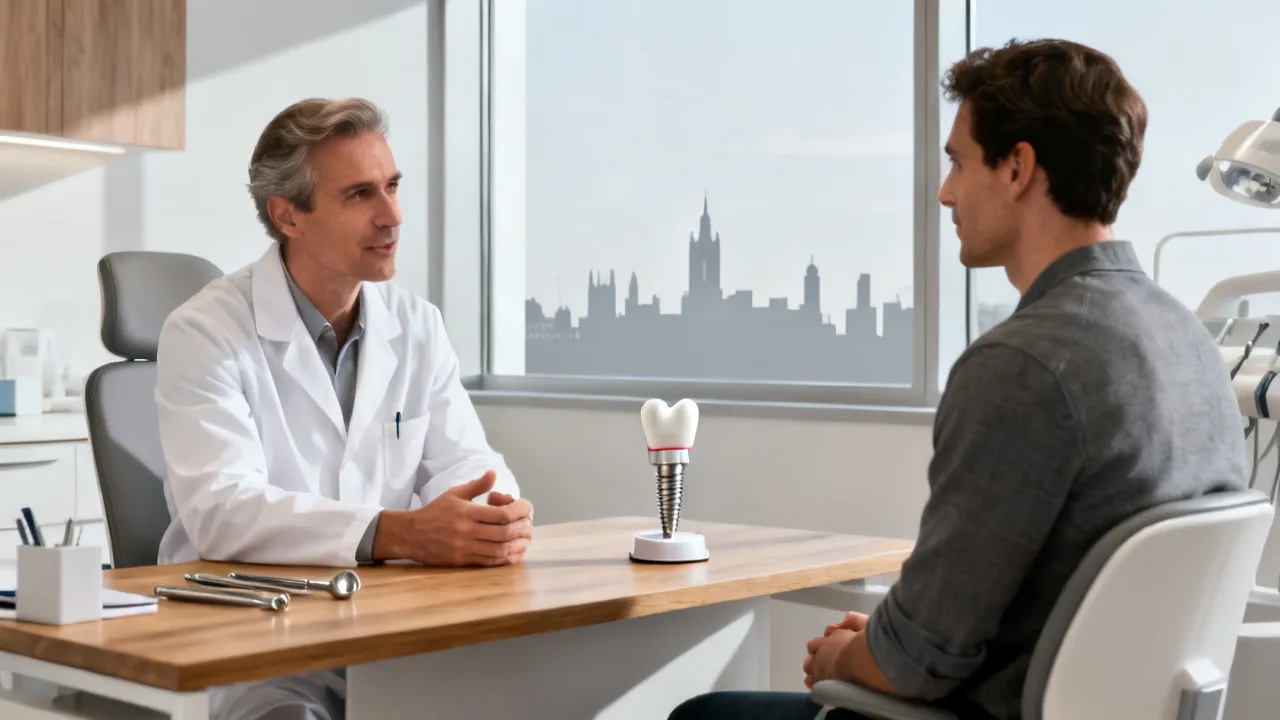
An implant consultation may be appropriate when a tooth is absent, cannot be predictably restored, or has been recommended for extraction. The evaluation commonly includes a clinical examination, review of medical history, assessment of neighboring teeth, bite analysis, and imaging. Three-dimensional imaging may be recommended when bone volume, nerve location, sinus anatomy, or surgical complexity needs closer examination.
Implant treatment may involve several stages: removal of a compromised tooth, healing, bone preservation or grafting when indicated, implant placement, a period of integration, placement of the abutment, and delivery of the crown. Some cases follow a different sequence. The proposed timeline should be explained in writing, including what happens if additional procedures are required.
The condition of the gums is particularly important. Patients with untreated periodontal disease may have a higher risk of inflammation around an implant. Completing scaling or periodontal treatment before implant placement may be necessary to create a healthier environment. The dentist may also discuss oral hygiene instruction, smoking cessation, control of diabetes, and treatment of cavities before surgery.
Bone quantity and quality affect the plan as well. Tooth loss can lead to gradual bone resorption, and the available bone may not be sufficient for immediate implant placement. Bone grafting, ridge preservation, or sinus augmentation may be proposed, although not every patient needs these procedures. Patients should ask why an additional procedure is recommended, what alternatives exist, how it changes the timeline, and how much it costs.
How to Obtain Dental Implants at Lower Cost in English-Speaking Markets
Lower cost should be pursued through careful planning rather than by selecting the lowest advertised number. The following process can help patients compare treatment responsibly in English-speaking markets:
- Obtain a complete diagnosis. Ask for an examination, appropriate imaging, and a written treatment plan. A low initial quotation may exclude extraction, bone grafting, temporary teeth, sedation, or the final crown.
- Compare the complete package. Confirm whether the price includes the implant fixture, abutment, crown, laboratory work, imaging, follow-up appointments, and treatment of complications.
- Review professional credentials. Verify the dentist’s license, implant training, surgical experience, and access to appropriate facilities. Professional registration should be checked through the relevant national or regional authority.
- Ask about implant-system documentation. The patient should know the implant manufacturer and component types. This information can be useful if treatment is continued elsewhere.
- Consider a dental school or teaching clinic. Supervised teaching environments may offer structured treatment at a different fee level. Patients should ask about waiting times, eligibility, supervision, and the availability of specialist care.
- Compare independent clinics and group practices. A second opinion can identify differences in diagnosis and treatment scope, not merely price.
- Use insurance or employer benefits where applicable. Dental plans may contribute to portions of the process, although implant coverage, annual limits, exclusions, and waiting periods vary substantially.
- Ask about staged treatment. When clinically appropriate, treatment can sometimes be divided into phases. The dentist should explain whether delaying a crown or another stage creates risks.
- Address gum disease before surgery. Treating periodontal inflammation and improving oral hygiene may reduce avoidable complications.
- Request written financial terms. The document should identify deposits, cancellation rules, payment timing, laboratory charges, and the policy for repairs or replacement.
Patients should be cautious when advertisements use terms such as “all-inclusive,” “same-day implant,” or “permanent tooth in one visit.” These phrases may describe a temporary restoration, a particular clinical situation, or only one stage of care. Same-day treatment can be appropriate for some cases, but it is not suitable for every patient and does not eliminate the biological healing period.
Cost reduction may also come from choosing a restoration plan that fits the clinical need, seeking a second opinion before surgery, using available insurance benefits, and scheduling non-urgent stages in a financially manageable sequence. It should not come from skipping diagnostic imaging, ignoring periodontal disease, accepting unverified components, or reducing necessary follow-up.
How to Obtain Dental Implants at Lower Cost in Spanish-Speaking Markets
Patients in Spanish-speaking markets may compare local clinics, university programs, dental plans, and regional providers. Language access is an important part of safe care. Patients should be able to understand the diagnosis, alternatives, surgical risks, expected maintenance, and financial conditions in Spanish or another language they use comfortably.
- Request an itemized presupuesto. Ask whether the quotation covers the consultation, imaging, extraction, grafting, implant, abutment, crown, temporary restoration, and review visits.
- Confirm the treating professional. Determine whether surgery is performed by a general dentist, periodontist, oral surgeon, or another qualified professional, and clarify who will provide the prosthetic crown.
- Compare materials and laboratory services. The type of crown, manufacturing laboratory, and implant system can affect cost and maintenance. A lower price may reflect a different material or narrower service scope.
- Review clinic regulation and hygiene procedures. The facility should use appropriate sterilization, emergency protocols, and documented patient records.
- Ask about insurance and dental plans. Plans offered in Spanish-speaking markets may cover examinations, extractions, or restorations differently from implant surgery. Coverage should be confirmed in writing.
- Evaluate travel distance. A distant clinic may appear less expensive but become costly if several post-operative visits are needed. The patient should calculate transportation, accommodation, time away from work, and the cost of follow-up.
- Request an independent second opinion. Another clinician may confirm whether grafting, immediate placement, or an alternative restoration is medically justified.
- Maintain a record of components. Keep implant-brand details, radiographs, prescriptions, invoices, and the final restoration information.
Spanish-speaking patients should ask for the difference between the cost of the implante, the pilar or abutment, and the corona. Some offices advertise the surgical implant fee while listing the prosthetic tooth separately. Patients should also ask whether the quote includes a temporary tooth during healing and whether the price changes if a graft or additional imaging becomes necessary.
How to Obtain Dental Implants at Lower Cost in Portuguese-Speaking Markets
In Portuguese-speaking markets, patients may encounter terms such as implante dentário, prótese sobre implante, enxerto ósseo, and orçamento odontológico. Understanding these terms can make price comparisons more accurate. A quotation for the implant fixture alone is not equivalent to a quotation for a complete tooth replacement.
- Ask for the complete treatment sequence. Determine whether the plan includes extraction, healing, grafting, implant placement, prosthetic components, and crown delivery.
- Check the professional’s registration. Patients should verify the dentist’s professional registration and relevant training through the appropriate national or regional body.
- Compare clinics using the same scope. Request quotations that specify the same implant components, crown material, imaging, and follow-up care.
- Consider university and teaching services. These may have structured supervision and different scheduling conditions. Ask who performs each stage and how urgent problems are managed.
- Assess maintenance costs. A patient should include professional cleaning, examinations, replacement of prosthetic parts, and possible repair in the long-term budget.
- Ask whether payment plans involve interest or administrative charges. The monthly amount alone does not show the total cost.
- Be cautious with treatment tourism. Traveling for dental care can reduce the quoted clinical fee in some situations, but continuity of care, communication, legal remedies, and post-operative access must be assessed.
In Portuguese-language consultations, patients may also ask whether the proposed crown is fixed or removable, whether the implant will be placed immediately after extraction, and who will be responsible for maintenance. Written instructions in Portuguese can be valuable after surgery, especially when medication schedules, dietary restrictions, and warning signs need to be remembered.
Reference Price Ranges for One Dental Implant
The following table presents the requested reference ranges for an individual dental implant in selected language markets. The figures should not be treated as standardized national tariffs. The term “individual dental implant” can refer to different scopes in commercial materials, so patients must confirm whether a quotation includes the crown, abutment, imaging, extraction, grafting, and aftercare.
| Country and currency | Reference price range for one implant |
|---|---|
| United States — USD | $3,000–$6,000 |
| United Kingdom — GBP | £2,000–£2,500 |
| Australia — AUD | AU$3,500–AU$6,500 |
| Canada — CAD | CA$3,000–CA$5,500 |
| Spain — EUR | €1,500–€2,500 |
| Chile — CLP | CLP$800,000–CLP$1,500,000 |
| Mexico — MXN | $15,000–$25,000 MXN |
| Colombia — COP | $2,000,000–$4,000,000 COP |
| Peru — PEN | S/ 3,000–S/ 6,000 |
| Argentina — ARS | $80,000–$150,000 ARS |
| Brazil — BRL | R$3,000–R$8,000 |
| Portugal — EUR | €1,000–€2,000 |
source: [dentalviews.com/low-cost-dental-implants](https://dentalviews.com/low-cost-dental-implants/)
source: [Atlantic Dental Group](https://www.atlanticdentalgrp.com/)
source: [DentaVacation](https://www.dentavacation.com/)
source: [ADHP](https://rockvilledentalarts.com/es/)
Prices can change considerably over time because of inflation, exchange rates, changes in laboratory fees, implant-system availability, local regulations, and differences in the complexity of individual cases. A patient should request a current quotation directly from a clinic. Online ranges are useful for preliminary budgeting but cannot determine what a particular patient will pay.
What Causes Implant Prices to Differ?
Implant pricing is influenced by clinical complexity, professional experience, facility costs, laboratory fees, material selection, geographic location, and the number of appointments. Bone grafting or sinus augmentation can substantially change the budget. An extraction may be charged separately, and temporary teeth may be needed while the implant integrates.
The final crown can be made from different materials, including ceramic-based options and other restorative materials. Patients should ask which option is recommended for the position of the tooth, bite forces, appearance, and maintenance requirements. The most expensive material is not automatically the most appropriate for every patient.
Currency comparisons can also be misleading. Inflation, exchange-rate changes, taxes, local wages, and regulatory standards affect the practical value of a quoted amount. A patient traveling internationally should compare the entire episode of care rather than converting only the clinic’s headline fee.
Prices may also vary according to whether a specialist or general dentist performs each stage, whether digital planning is used, whether sedation is requested, and whether the clinic has an in-house laboratory. None of these factors by itself proves that a clinic is better or worse. The patient should ask how each factor affects the diagnosis, safety, expected result, and total cost.
A low price can sometimes be legitimate because of lower facility overhead, local economic conditions, a teaching-clinic model, or a promotional schedule. It can also reflect omitted services, less experienced personnel, different materials, or limited follow-up. The only meaningful comparison is between treatment plans with similar clinical scope and standards.
Dental Tourism: Potential Benefits and Conditions
Dental tourism websites often present treatment packages that combine dental care with travel arrangements. This model may appeal to patients who are comparing international prices, but it requires careful risk assessment. Implant treatment is not always completed in one visit. Bone healing, implant integration, and prosthetic adjustments may require follow-up in the original clinic or with a local provider.
Before traveling, patients should ask:
- Who is responsible for diagnosis, surgery, and prosthetic treatment?
- How many visits are expected?
- What happens if the implant fails or the crown does not fit?
- Are complications covered by the clinic, and for how long?
- Are imaging records and component details supplied to the patient?
- Does the clinic provide communication in a language the patient understands?
- What are the accommodation, transportation, medication, and follow-up expenses?
- What legal protections apply if a dispute occurs?
Travel should not replace appropriate diagnosis. Patients with uncontrolled diabetes, active periodontal disease, smoking-related risks, immune concerns, or complex bone conditions may need additional evaluation before treatment. A local dentist can also offer an opinion on whether the proposed sequence is realistic.
Timing is another important concern. Flying soon after oral surgery may be uncomfortable, and the patient may need to remain near the clinic for a post-operative examination. If an implant is placed but the final crown is delivered months later, the patient may need to return or arrange care with a local dentist. Some local dentists may be unable or unwilling to manage unfamiliar implant systems, particularly when records are incomplete.
Patients should keep copies of the treatment plan, consent forms, invoices, radiographs, implant passport or component record, medication list, and contact information for the treating clinic. These records can assist another professional if follow-up is required. Travel insurance may not cover elective dental treatment or complications, so the policy should be read before departure.
Insurance, Dental Plans, and Payment Arrangements
Dental insurance and dental plans differ in structure. Some plans pay a percentage of eligible procedures, while others provide negotiated fees or defined benefits. Implant surgery may be excluded, limited, or subject to a waiting period. Related services, such as a tooth extraction, diagnostic imaging, or a crown, may be handled under separate provisions.
Patients should request a written pre-treatment estimate. It should identify annual maximums, deductibles, exclusions, waiting periods, network conditions, claim requirements, and the expected patient responsibility. A plan’s monthly premium should not be compared with a treatment price without considering these terms.
Payment plans also require careful review. Confirm the total amount, interest, administrative fees, cancellation policy, and consequences of missed payments. A clinic should not pressure a patient to sign financial documents before the diagnosis and alternatives are understood.
Some patients may be eligible for flexible spending accounts, health savings accounts, employer benefits, public dental programs, or nonprofit assistance, depending on the country and the patient’s circumstances. Eligibility rules vary, and cosmetic portions of treatment may be treated differently from medically necessary procedures. Patients should obtain confirmation from the plan administrator rather than relying only on a clinic’s general statement that a procedure is “covered.”
Alternatives to an Implant
An implant is not the only way to replace a missing tooth. Depending on the patient’s anatomy, health, preferences, and budget, alternatives may include a fixed dental bridge or a removable partial denture. Each option has different effects on neighboring teeth, maintenance, appearance, durability, and cost.
A bridge may involve preparing adjacent teeth. A removable appliance may be less invasive but require adaptation and periodic adjustment. Leaving a space untreated can sometimes be reasonable, but the consequences depend on tooth position, chewing function, speech, appearance, and movement of neighboring teeth. The dentist should explain the benefits and limitations of each approach.
In some situations, preserving a natural tooth through root canal treatment, periodontal treatment, or a new restoration may be preferable to extraction and implant placement. The decision depends on the remaining tooth structure, infection status, periodontal support, fracture risk, and long-term prognosis. Patients should ask whether the tooth can be predictably saved and what the estimated cost and maintenance requirements would be.
A temporary or transitional appliance may be used while the patient considers a permanent option. This can provide appearance and function during healing, but it may require adjustment and should be cleaned as instructed. A treatment plan should identify which restorations are temporary, how long they are expected to last, and whether their cost is included.
How to Reduce the Risk of Scaling Disadvantages
Patients can make scaling more comfortable and predictable by preparing accurately and communicating during treatment:
- Tell the dental team about sensitivity, gum bleeding, medication, allergies, and previous treatment reactions.
- Ask whether the planned procedure is routine scaling or deeper periodontal therapy.
- Discuss anesthetic options when the gums are particularly sensitive.
- Use gentle oral hygiene rather than stopping brushing after treatment.
- Follow instructions concerning food, beverages, toothpaste, and medication.
- Return for review if sensitivity persists, swelling develops, or bleeding does not improve.
- Do not attempt to remove calculus with sharp household tools.
- Ask for an individualized maintenance interval based on gum health and risk factors.
The best way to prevent repeated deposits is a combination of effective home care and professional monitoring. Technique matters more than brushing force. Interdental brushes, floss, or water-flossing devices may be appropriate depending on the spaces between teeth and the presence of restorations. A dental hygienist can demonstrate the most suitable method.
Patients should avoid smoking immediately after treatment when possible, because smoke can irritate the gums and interfere with healing. They should also be cautious with extremely hot foods if the gums are numb or sensitive. Numbness can make it easier to bite the cheek or burn the mouth without noticing. The dental team can provide specific dietary instructions when local anesthetic has been used.
Regular appointments are more effective when they are combined with a practical home-care routine. Brushing twice daily with fluoride toothpaste, cleaning between teeth, limiting frequent sugary snacks and drinks, and drinking water can reduce the amount of plaque available to harden into calculus. Patients with dexterity limitations may benefit from an electric toothbrush, enlarged handle, or caregiver assistance.
Warning Signs After Scaling
Most post-scaling symptoms are mild and improve gradually, but patients should know when to seek help. Urgent contact with a dental office may be appropriate for facial swelling, difficulty breathing or swallowing, fever, severe pain that does not respond to recommended medication, pus, or bleeding that continues despite firm gentle pressure. A loose tooth, a broken restoration, or a sudden change in the bite also warrants assessment.
Persistent sensitivity can be a sign of exposed dentin, decay, a defective filling, a crack, or irritation of the tooth nerve. It should not automatically be attributed to scaling. Similarly, continuing bad breath may indicate plaque retention, tongue coating, dry mouth, gum disease, an oral infection, or a non-dental medical issue. Follow-up allows the clinician to distinguish these possibilities.
Patients should follow the instructions provided by their own dental team because advice can differ according to the procedure performed. The presence of discomfort does not mean that the patient should take unapproved antibiotics or place aspirin directly on the gums. Such actions can cause tissue injury or mask symptoms without treating the underlying problem.
Questions to Ask Before Scaling
- What findings indicate that scaling is necessary?
- Are there periodontal pockets or gum recession?
- Could the sensitivity be caused by decay, cracks, or exposed roots?
- Is the proposed treatment routine scaling or root planing?
- How long might bleeding or sensitivity last?
- What symptoms would require an urgent call?
- How should crowns, bridges, veneers, and implants be cleaned?
- When should the next examination occur?
Patients who are nervous may also ask how long the appointment will take, whether breaks are possible, whether a topical or local anesthetic can be used, and what signals they can give if they need the clinician to stop. Agreeing on a simple hand signal can make the appointment feel more controlled. People with previous traumatic dental experiences should mention this privately to the dentist or hygienist.
Questions to Ask Before Implant Treatment
- What is the diagnosis, and what alternatives are available?
- Does the quoted amount include the crown and abutment?
- Will extraction, bone grafting, sedation, imaging, or temporary teeth be additional?
- Who will perform surgery and who will provide the final restoration?
- Which implant system and crown material are being proposed?
- What is the estimated treatment timeline?
- What are the risks of infection, nerve disturbance, sinus complications, mechanical problems, or implant failure?
- What maintenance will be required?
- What is the clinic’s policy for adjustments, repairs, and complications?
- Can the patient receive a complete record of components and imaging?
It is also reasonable to ask how the clinic manages emergencies outside regular hours, whether the treatment plan changes if bone quality is different from what imaging suggested, and how long the warranty or service policy lasts. A warranty is not the same as a guarantee of biological success. Patients should ask what conditions apply, whether maintenance visits are required, and whether the policy covers only the implant, the crown, or both.
FAQs About 스케일링 단점
Does scaling damage enamel?
Professional scaling is designed to remove deposits while preserving the tooth surface. However, inappropriate technique or excessive force can cause unnecessary surface alteration. Patients should choose a qualified dental professional and report unusual pain or persistent roughness.
Why do my teeth feel loose after scaling?
Some patients notice mobility after deposits are removed. Calculus may have physically occupied spaces or temporarily supported a compromised tooth. Tooth mobility can also reflect periodontal bone loss. This symptom deserves a dental examination rather than reassurance based only on the timing of the scaling.
Can scaling make teeth look longer?
It may appear that teeth look longer when swollen gum tissue becomes less inflamed or when deposits covering the cervical area are removed. Gum recession may have existed before treatment. A clinician can assess whether the change is due to healing, recession, or another condition.
How often should scaling be performed?
There is no single interval suitable for every patient. People with healthy gums may need routine preventive examinations, while those with periodontal disease, implants, orthodontic appliances, smoking exposure, or limited plaque control may require closer monitoring. The dental team should set the interval according to clinical findings.
Is scaling painful?
Many patients experience only mild discomfort, but sensitivity varies. Inflamed gums, exposed roots, deep pockets, and heavy deposits can make treatment more uncomfortable. Anesthetic support and staged appointments may be discussed when appropriate.
Can scaling whiten teeth?
Scaling can remove calculus and some external stains, which may make teeth look cleaner. It does not change the internal shade of enamel in the same way as professional bleaching. Cosmetic whitening should be considered separately and only after oral disease has been assessed.
Can I have scaling before an implant?
Often, periodontal cleaning is part of preparing the mouth for implant treatment. The exact timing depends on gum inflammation, infection, extraction needs, bone condition, and the dentist’s treatment plan. Active disease should be evaluated before surgery.
What is the least expensive way to receive an implant?
The answer depends on the clinical case and what the quotation includes. A responsible comparison considers the complete treatment, credentials, materials, follow-up, travel, and complication policy. Choosing solely by the lowest initial fee may create additional costs later.
Are overseas implants always less expensive?
No. The clinical quotation may be lower in some locations, but travel, accommodation, repeat visits, translation, currency changes, and management of complications can alter the total expense. Continuity of care should be assessed before making a decision.
Should I stop brushing if my gums bleed after scaling?
Usually, patients should continue gentle brushing and interdental cleaning unless their dental professional gives different instructions. Bleeding often reflects inflammation, and stopping all cleaning can allow plaque to build up again. A very soft brush and careful technique may be more comfortable while the tissue settles.
Can I eat normally after scaling?
Many patients can eat normally, but extreme temperatures and hard, sharp, or highly spicy foods may be uncomfortable for a short time. If anesthetic was used, patients should wait until normal sensation returns before eating foods that could cause biting or burns. Specific restrictions should come from the treating clinician.
Why is deep cleaning more expensive than routine scaling?
Deep periodontal treatment may require more clinical time, local anesthetic, detailed pocket evaluation, multiple appointments, and follow-up measurements. It is intended for a different level of disease and should not be compared directly with a short preventive cleaning.
Reference Websites and Further Reading
The following organizations and clinics were included as reference points for the comparison of implant information, dental services, insurance-related material, and multilingual patient resources. Their content, services, eligibility conditions, and prices may change. Patients should evaluate current information independently and consult a licensed dental professional.
- Dental Views — Low Cost Dental Implants
- Atlantic Dental Group
- DentaVacation
- ADHP and Rockville Dental Arts Spanish-language resource
- Union City Mini Dental Implants Spanish-language resource
- Cigna Spanish-language dental implant guide
- Rubi Odonto
- Odontologia Velasco
- DentalVidas
Final Perspective
The possible 스케일링 단점 are usually manageable when treatment follows a proper examination and is performed with appropriate technique. Temporary sensitivity, bleeding, and gum tenderness should be understood in the context of the patient’s existing oral condition. Persistent or severe symptoms require evaluation.
For patients considering implants, affordability should be assessed alongside diagnosis, professional qualifications, materials, follow-up, and long-term maintenance. A complete written plan is more informative than a headline price. Routine scaling and implant care are complementary parts of oral health, but neither procedure should be substituted for the other.
Good dental decision-making involves more than comparing procedures or advertised prices. It requires understanding the condition being treated, the expected sequence of care, possible alternatives, recovery requirements, and the responsibilities that continue after treatment. Scaling is most effective when it is part of a broader preventive or periodontal plan. Implant treatment is most predictable when the gums, bone, bite, hygiene routine, and general health have been assessed together.
Patients should feel comfortable requesting explanations in plain language, asking for a second opinion, and receiving an itemized estimate. A trustworthy dental team should explain benefits, limitations, risks, alternatives, and likely maintenance without creating unnecessary pressure. Whether the goal is managing the disadvantages of scaling or finding a lower-cost implant option, informed consent and continuity of care remain central to a safe outcome.
Disclaimer: The information above is compiled from online resources, and the data is as of October 2023. Dental implant prices are provided for reference only and may vary by region, clinic, and doctor. This article is educational and does not replace an examination, diagnosis, or treatment plan from a licensed dental professional.