Understanding 스케일링 단점 and Implant Costs
This guide explains the potential 스케일링 단점, how professional dental scaling differs from harmful over-treatment, and what patients should consider before pursuing dental implants. It examines temporary sensitivity, gum discomfort, restoration of calculus, treatment limitations, and the importance of clinical assessment. It also compares implant-information websites, outlines practical ways to manage treatment expenses in English-, Spanish-, and Portuguese-speaking markets, and presents reference price ranges for one implant.
Why Understanding 스케일링 단점 Matters
The Korean phrase 스케일링 단점 means “the disadvantages of dental scaling.” Dental scaling is a professional procedure used to remove hardened deposits such as tartar, calculus, and bacterial biofilm from tooth surfaces and, when clinically necessary, areas near or below the gumline. It is an important part of periodontal care, but it is not a universal solution for every dental problem. Like any clinical procedure, it can involve limitations, temporary side effects, and circumstances in which a different treatment is more appropriate.
Patients sometimes associate scaling with sensitivity, bleeding, rough-feeling teeth, or the discovery of spaces between teeth. These experiences can be concerning, yet they do not necessarily mean that the procedure damaged the mouth. In many cases, scaling reveals the natural contours of teeth and gums after deposits have been removed. A professional assessment is essential because the meaning of each symptom depends on gum health, the amount of calculus, brushing habits, existing restorations, and underlying periodontal disease.
From an industry perspective, the most important distinction is between routine preventive cleaning and periodontal scaling and root planing. Routine cleaning generally addresses visible plaque and calculus above the gumline. Periodontal therapy is more extensive and is performed when a dentist or dental hygienist identifies gum-pocket inflammation or periodontal disease. The procedure, expected discomfort, recovery, and follow-up requirements may differ considerably.
Understanding this distinction helps patients ask better questions. A person receiving a short preventive cleaning may have little discomfort and may not need a special recovery plan. Someone undergoing deep periodontal treatment may receive local anesthesia, treatment in several areas, and detailed instructions for controlling inflammation. Referring to both procedures simply as “scaling” can make the treatment seem either more serious or less significant than it actually is.
What Dental Scaling Involves
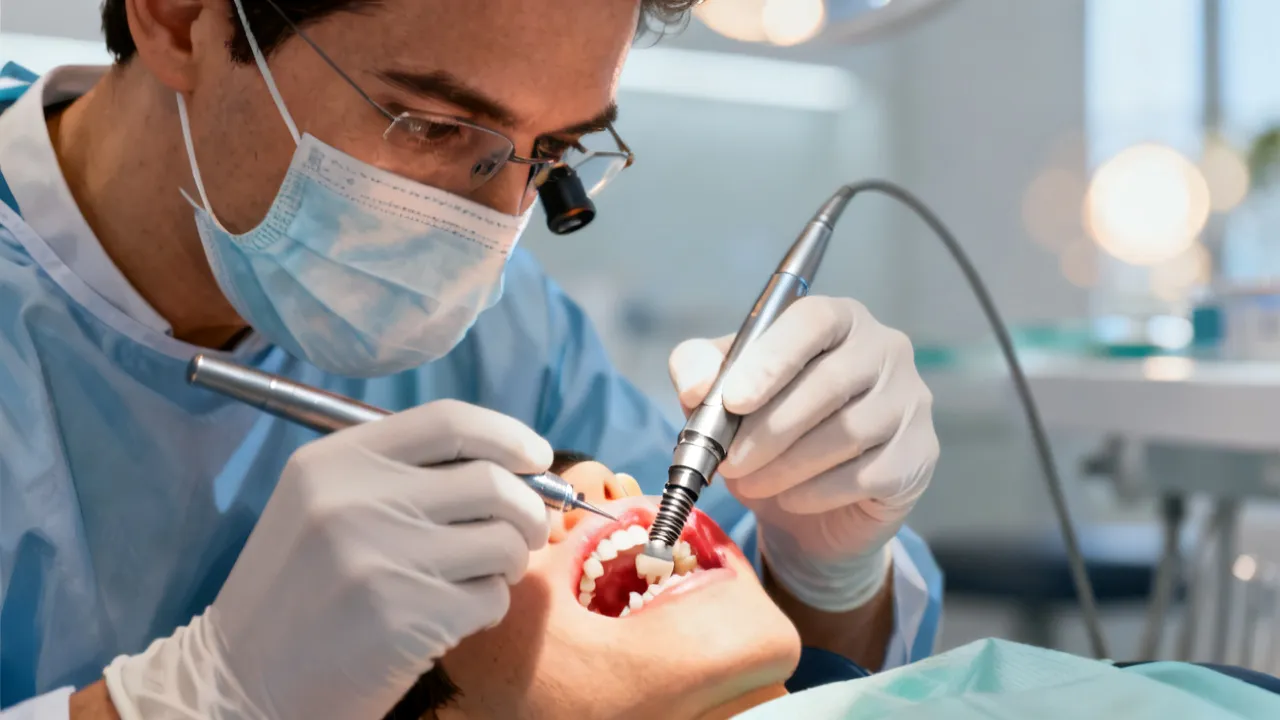
Dental scaling uses hand instruments, ultrasonic devices, or a combination of methods to detach hardened deposits from tooth surfaces. Ultrasonic scalers use vibration and water irrigation to break up calculus and flush away debris. Hand instruments allow the clinician to refine areas that are difficult to reach or that require careful tactile control. The selected method depends on the amount and location of calculus, gum sensitivity, tooth anatomy, restorations, and whether periodontal pockets are present.
Scaling is different from ordinary toothbrushing because a toothbrush cannot reliably remove calculus once plaque has hardened. Floss and interdental brushes are also essential for daily plaque control, but they generally cannot eliminate firmly attached deposits. Professional cleaning is therefore intended to complement, rather than replace, home care.
In some cases, scaling is followed by polishing. Polishing can remove certain external stains and may make tooth surfaces feel smoother. It does not whiten teeth in the same way as bleaching, and it cannot remove every type of discoloration. It should also be performed selectively because natural tooth structure and some restorative materials can be affected by overly aggressive polishing.
Key Disadvantages of Dental Scaling
Dental scaling is widely used and generally considered safe when performed by a qualified professional. Nevertheless, patients should receive balanced information before treatment. The following points describe the principal 스케일링 단점 without suggesting that scaling should be avoided when it is clinically indicated.
Temporary Tooth Sensitivity
Sensitivity to cold, hot, sweet, or acidic foods may occur after calculus is removed. This is particularly common when deposits had covered parts of the tooth root or when gum tissue had already receded. Once the deposits are gone, previously shielded surfaces may be exposed to temperature changes. Sensitivity is often temporary, but its duration varies according to enamel condition, root exposure, dental erosion, and the presence of cavities.
A dentist may recommend a desensitizing toothpaste, a soft-bristled toothbrush, gentler brushing pressure, or an in-office fluoride treatment. Persistent or severe sensitivity should not automatically be attributed to scaling. It may indicate decay, a cracked tooth, exposed dentin, an ill-fitting restoration, or another condition requiring examination.
Patients can sometimes reduce discomfort by avoiding very cold drinks, acidic foods, and sudden temperature changes for a short period. Using a straw for cold beverages may reduce contact with sensitive areas, although it should not replace proper diagnosis or hygiene. Desensitizing products often require repeated use rather than a single application, so patients should follow the product directions and the clinician’s advice.
Gum Tenderness and Minor Bleeding
Inflamed gums can bleed during or after cleaning, especially when plaque and calculus have accumulated for a long period. Mild tenderness may also result from instrumentation around inflamed tissue. These reactions generally improve as oral hygiene becomes more consistent and inflammation decreases.
Bleeding is not always a disadvantage caused by scaling. It is often evidence that the gum tissue was already inflamed before the appointment. If bleeding occurs regularly during brushing or flossing, the patient should mention it during an examination rather than avoiding cleaning. Avoiding the area can allow more plaque to remain and may prolong inflammation.
However, heavy bleeding, swelling, pus, fever, or worsening pain requires prompt dental advice. Such symptoms may indicate active infection or advanced periodontal disease rather than an ordinary response to cleaning. The patient’s medical history also matters. Individuals taking anticoagulant medication or managing certain systemic conditions should disclose this information before treatment.
Temporary Roughness or Unevenness
After scaling, teeth may feel rough or unusually smooth. A rough sensation can result from residual deposits, surface irregularities, or restorative materials that need polishing or adjustment. A very smooth sensation may simply reflect the removal of calculus that had previously formed a hard coating.
Sometimes a patient notices a small ledge or indentation after cleaning. This may be the natural contour of a tooth, an old filling margin, a chipped area, or a root surface that had been hidden by deposits. The clinician can inspect the area and determine whether further smoothing is appropriate. Patients should not attempt to scrape the surface with metal objects or sharp instruments at home.
Professional polishing may be appropriate in selected cases, but it should not be used indiscriminately. Excessive polishing can remove small amounts of tooth structure or alter the surface of certain restorations. The clinician should select instruments and polishing materials according to the patient’s enamel, fillings, crowns, veneers, and implant restorations.
Revealed Gaps and Longer-Looking Teeth
One of the most misunderstood 스케일링 단점 is the appearance of spaces between teeth after cleaning. Large deposits can occupy the area between teeth and along the gumline. When those deposits are removed, the underlying spaces become visible. Similarly, swollen gums may shrink after inflammation improves, making teeth appear longer.
Scaling does not normally create these spaces. Instead, it may reveal bone loss, gum recession, or the natural shape of the interdental tissues. Patients concerned about appearance should ask whether the change reflects healing, pre-existing periodontal damage, or a cosmetic issue that can be addressed separately.
The triangular gum tissue between teeth is called the interdental papilla. When periodontal inflammation or bone loss changes the supporting anatomy, this tissue may not completely fill the space between teeth. Removing calculus makes the “black triangle” more noticeable, but leaving calculus in place would not be a healthy or reliable cosmetic solution. Depending on the case, orthodontics, restorative contouring, or periodontal procedures may be discussed, although not every visible space can or should be closed.
Scaling Does Not Repair Every Dental Problem
Scaling removes deposits and supports gum health, but it does not replace fillings, root canal treatment, crowns, orthodontic care, or implant therapy. It cannot rebuild lost bone or automatically reverse advanced periodontal damage. A patient who expects cleaning to resolve tooth mobility or severe gum recession may be disappointed if the underlying disease requires a broader treatment plan.
Scaling also cannot eliminate all causes of bad breath. Bacterial deposits may contribute to odor, but dry mouth, tongue coating, cavities, gum disease, sinus problems, digestive conditions, smoking, and certain medications can also play a role. If bad breath continues after professional cleaning and improved home care, a broader evaluation may be appropriate.
Repeated Treatment May Be Necessary
Patients with periodontal disease may need maintenance visits at intervals determined by their clinical condition. A single appointment cannot compensate for persistent plaque accumulation, smoking, uncontrolled diabetes, poor-fitting restorations, or inadequate home care. Repeated professional care can involve additional appointments and expense, although the long-term objective is to preserve natural teeth and reduce the need for complex procedures.
Maintenance intervals are individualized. Some patients may be reviewed every six months, while people with a history of periodontitis may benefit from more frequent periodontal maintenance. The interval should be based on pocket measurements, bleeding, calculus formation, home-care effectiveness, risk factors, and the stability of the disease—not solely on a general calendar rule.
Possible Soft-Tissue Irritation
Scaling instruments operate close to the gumline. Temporary irritation may occur, particularly when tissues are already inflamed or when deeper periodontal pockets are treated. The clinician should explain the expected sensation, possible anesthesia, and post-treatment instructions. Patients should contact the clinic if pain becomes severe, if swelling progresses, or if healing appears abnormal.
People with particularly sensitive gums, strong gag reflexes, anxiety, or difficulty keeping their mouth open may find a lengthy appointment uncomfortable. Treatment can sometimes be divided into shorter visits. Topical anesthetic, local anesthesia, breaks, and clear communication can make the experience easier. These options should be discussed before treatment rather than assumed.
Possible Discomfort Around Restorations
Teeth with crowns, bridges, veneers, fillings, or orthodontic appliances may require special care. Deposits can collect around restoration margins, but instruments must be selected carefully to avoid scratching or dislodging materials. Patients should inform the dental team about the age and type of restorations, especially if treatment was completed at another clinic.
Discomfort around an existing restoration may reveal a separate problem, such as an open margin, recurrent decay, cement failure, or an overhanging filling. Scaling may make the area easier to examine, but it does not correct the restoration itself. A separate repair or replacement may be needed.
Routine Cleaning Versus Deep Periodontal Treatment
Routine preventive cleaning is usually intended for patients who do not have significant periodontal pockets or active periodontal disease. The clinician removes deposits above and near the gumline, may polish selected surfaces, and provides home-care advice.
Scaling and root planing, sometimes called deep cleaning, is intended to treat bacterial deposits and contaminated root surfaces associated with periodontal pockets. It may involve several areas or multiple appointments. Local anesthesia may be used, and the patient may experience more sensitivity afterward because root surfaces are treated more extensively.
Root planing does not mean that the clinician is “shaving down” healthy roots unnecessarily. The purpose is to remove deposits and smooth irregular contaminated surfaces so that gum tissue has a better opportunity to heal. The amount of instrumentation should be appropriate to the diagnosis. Patients are entitled to ask why deep treatment is recommended and how the diagnosis was established.
When Dental Scaling Is Appropriate
Dental scaling may be recommended when a clinician identifies tartar, persistent gum inflammation, bleeding during examination, periodontal pockets, bad breath associated with bacterial deposits, or difficulty maintaining clean tooth surfaces. It can also be part of preparation for restorative treatment, orthodontic treatment, periodontal surgery, or implant planning.
The procedure should be based on an oral examination rather than a fixed schedule applied to every patient. Some people require routine preventive visits, while others need a structured periodontal maintenance program. A dental professional may use periodontal probing, dental radiographs, visual examination, and medical-history review to determine the appropriate approach.
Before recommending extensive treatment, a clinician should explain the findings in understandable language. Periodontal charting may record pocket depths, bleeding points, gum recession, tooth mobility, and areas of furcation involvement. Radiographs can help show bone levels and hidden calculus, although they are not a substitute for clinical examination. A treatment plan based on several forms of information is generally more useful than one based on a single symptom.
When Scaling May Need to Be Modified or Delayed
Scaling is often possible for people with medical conditions, but the treatment may need to be modified. Patients should disclose pregnancy, heart conditions, bleeding disorders, immune suppression, diabetes, medication use, allergies, and previous reactions to dental treatment. The clinician may coordinate care with a physician when necessary.
Active facial swelling, uncontrolled medical disease, severe acute pain, or inability to cooperate safely may require urgent assessment before a routine cleaning. Antibiotics are not automatically needed for dental scaling, and patients should not self-medicate. Whether preventive antibiotics are appropriate depends on the patient’s medical history and current professional guidance.
People taking blood thinners should not stop medication simply because they expect bleeding during cleaning. The prescribing physician and dental professional should decide whether any adjustment is necessary. In many cases, dental treatment can be performed safely with local measures, but individualized planning is essential.
When Patients Should Ask Additional Questions
- Ask whether the recommended procedure is routine cleaning or periodontal scaling and root planing.
- Ask which areas of the mouth require treatment and why.
- Ask whether local anesthesia is expected.
- Ask how sensitivity or bleeding will be managed.
- Ask whether existing crowns, veneers, bridges, or implants require special instruments.
- Ask when a follow-up examination is needed.
- Ask which symptoms should prompt an urgent call to the clinic.
- Ask whether periodontal measurements or radiographs support the recommendation.
- Ask whether the treatment can be completed in one visit or should be divided into stages.
- Ask what home-care tools are suitable for the patient’s teeth and gums.
A well-explained treatment plan should identify the diagnosis, the intended benefit, possible disadvantages, alternatives, and expected fees. Patients should be cautious of any provider who guarantees a particular cosmetic result or recommends extensive treatment without examination and appropriate diagnostic records.
How to Prepare for Scaling
Preparation is usually simple, but a few steps can improve comfort and safety. Patients should eat a light meal beforehand unless sedation or another medical instruction requires fasting. They should bring an updated medication list and mention allergies, pregnancy, dental anxiety, and previous sensitivity. Brushing and cleaning between teeth before the appointment is helpful, although patients should not scrub aggressively in an attempt to make the mouth appear cleaner.
Patients with strong sensitivity may ask whether a desensitizing agent or topical anesthetic can be used. Those who are anxious may benefit from a detailed explanation of the procedure, planned pauses, or treatment in shorter sections. Clear communication allows the clinician to adjust water temperature, instrument pressure, and appointment length when appropriate.
Dental Scaling and Dental Implants: How They Relate
Scaling and dental implants address different clinical needs. Scaling manages bacterial deposits and gum inflammation around natural teeth. An implant replaces the root portion of a missing tooth and supports a crown, bridge, or denture. Healthy gums and adequate bone are important before implant surgery, so periodontal treatment may be required before implant placement.
After implant treatment, professional maintenance remains important. Implant surfaces can develop plaque and inflammation around the implant, a condition often discussed as peri-implant mucositis or peri-implantitis. Dental professionals use implant-compatible instruments and individualized cleaning methods. Patients should not assume that an implant is immune to infection or that routine scaling alone is sufficient to protect it.
For an individual considering implants, the central question is not simply whether scaling has disadvantages. The more important question is whether untreated gum disease, active decay, smoking, bone loss, or poor home care could reduce treatment predictability. Treating those issues first may make the overall implant plan safer and more organized.
Natural teeth adjacent to an implant also require attention. Plaque around neighboring teeth can contribute to overall inflammation and make implant hygiene more difficult. A maintenance plan should therefore include the entire mouth rather than treating the implant as an isolated object.
How to Obtain Dental Implants at Lower Cost in English-, Spanish-, and Portuguese-Speaking Markets
Implant care can be expensive because it may involve several stages: consultation, imaging, extraction, bone preservation or grafting, implant placement, healing, an abutment, and a final crown. The advertised price for an implant may refer only to the fixture and may not include the restoration or preparatory treatment. A responsible cost comparison therefore examines the complete treatment plan rather than a single headline figure.
1. Obtain a Written Treatment Plan
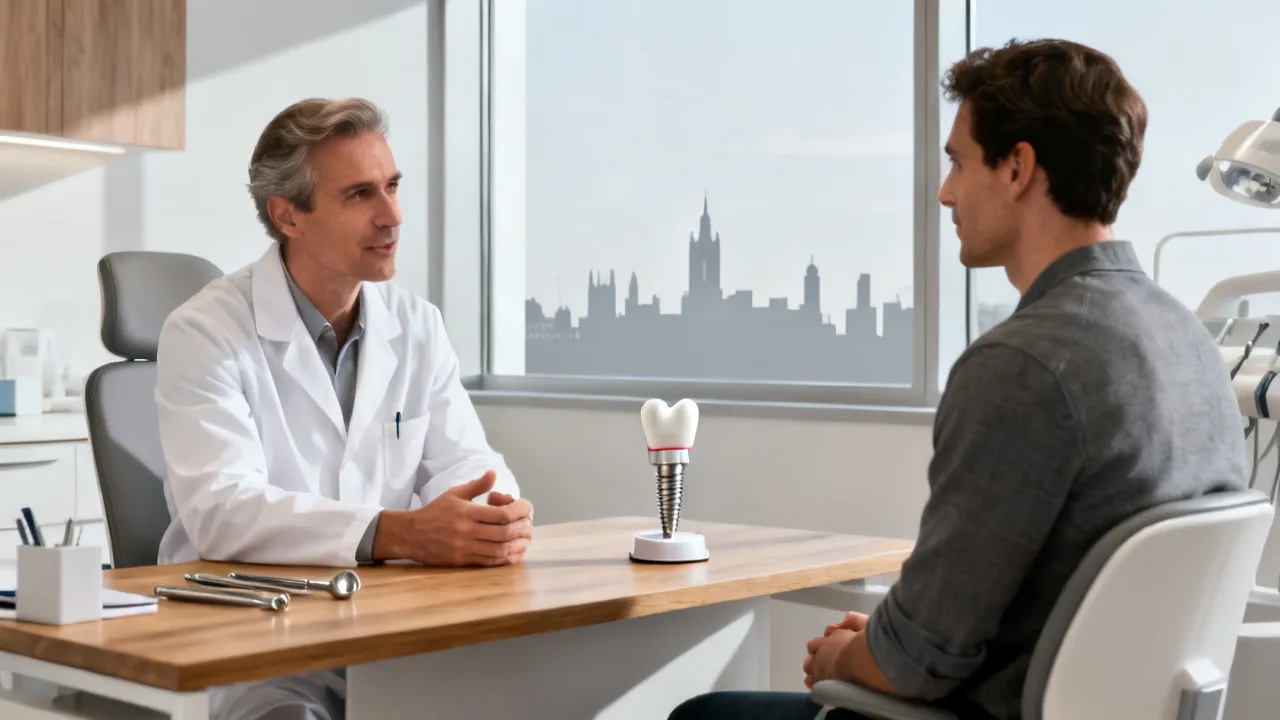
Begin with a comprehensive consultation and request a written estimate. The document should state whether the price includes the implant fixture, surgical placement, abutment, temporary tooth, final crown, imaging, laboratory work, follow-up visits, and management of complications. If a tooth must be extracted, ask whether extraction and socket preservation are included.
The plan should also identify whether the proposed crown will be cement-retained or screw-retained, where clinically relevant, and whether sedation carries a separate fee. Patients should ask how the clinic handles changes discovered during surgery, such as inadequate bone or an unexpected infection.
2. Compare Complete Packages, Not Isolated Prices
A lower initial quotation may become more expensive if essential components are excluded. Compare the same clinical scope across clinics. For example, one quotation may cover the fixture and crown, while another covers only surgical placement. The apparent difference is not meaningful unless the services are equivalent.
It is useful to create a comparison table listing consultation, scan, extraction, grafting, implant placement, temporary restoration, abutment, crown, medications, follow-up, and long-term maintenance. This approach makes hidden charges easier to identify and helps patients compare providers without relying on advertising language.
3. Ask About Materials and Laboratory Standards
Implants and restorations are manufactured in different systems and materials. Patients should ask which implant system is proposed, whether replacement components will be accessible locally, and which laboratory will fabricate the crown. The goal is not to select the cheapest component, but to understand compatibility, documentation, warranty conditions, and future maintenance.
A patient should receive identifying information about the implant system when possible. This information can be valuable if future treatment is needed in another city or country. An unfamiliar or discontinued system may make maintenance more complicated, even if the initial treatment appeared inexpensive.
4. Consider Dental Schools and Teaching Clinics
University dental hospitals and teaching clinics may offer structured care at different fee levels because treatment is provided within an educational environment. Care is supervised by licensed faculty, but appointments may take longer and eligibility may be limited. Patients should confirm the qualifications of the treating clinician, the supervision process, waiting time, and the availability of implant specialists.
Teaching clinics may be particularly suitable for patients who can attend several appointments and who do not require immediate cosmetic completion. The reduced fee should not be assumed to mean reduced standards, but the patient should understand that scheduling and clinician continuity may differ from private practice.
5. Review Insurance and Dental Plans Carefully
Some dental insurance policies contribute toward crowns, extractions, imaging, or implant-related services, while others exclude implants or impose waiting periods. A dental plan may provide negotiated fees rather than direct reimbursement. Patients should examine annual limits, exclusions for missing teeth, pre-existing conditions, deductibles, co-payments, and network restrictions.
Coverage documents may use separate terminology for the surgical implant, prosthetic crown, bone graft, and diagnostic imaging. A representative should explain each component in writing. Patients should also determine whether the plan requires preauthorization before treatment begins and whether out-of-network care is reimbursed.
6. Ask About Staged Treatment
When clinically suitable, treatment may be divided into stages. A patient might first address infection or extraction, then allow healing before implant placement and final restoration. Staging can make payments easier to manage, but it should never be used to postpone necessary care indefinitely. The dentist should explain the clinical sequence and the consequences of delay.
During a staged plan, the patient may need a temporary bridge, removable partial denture, or another provisional option. These devices may involve additional costs and care instructions. Patients should ask how long the temporary solution is expected to last and what happens if healing takes longer than anticipated.
7. Seek a Second Clinical Opinion
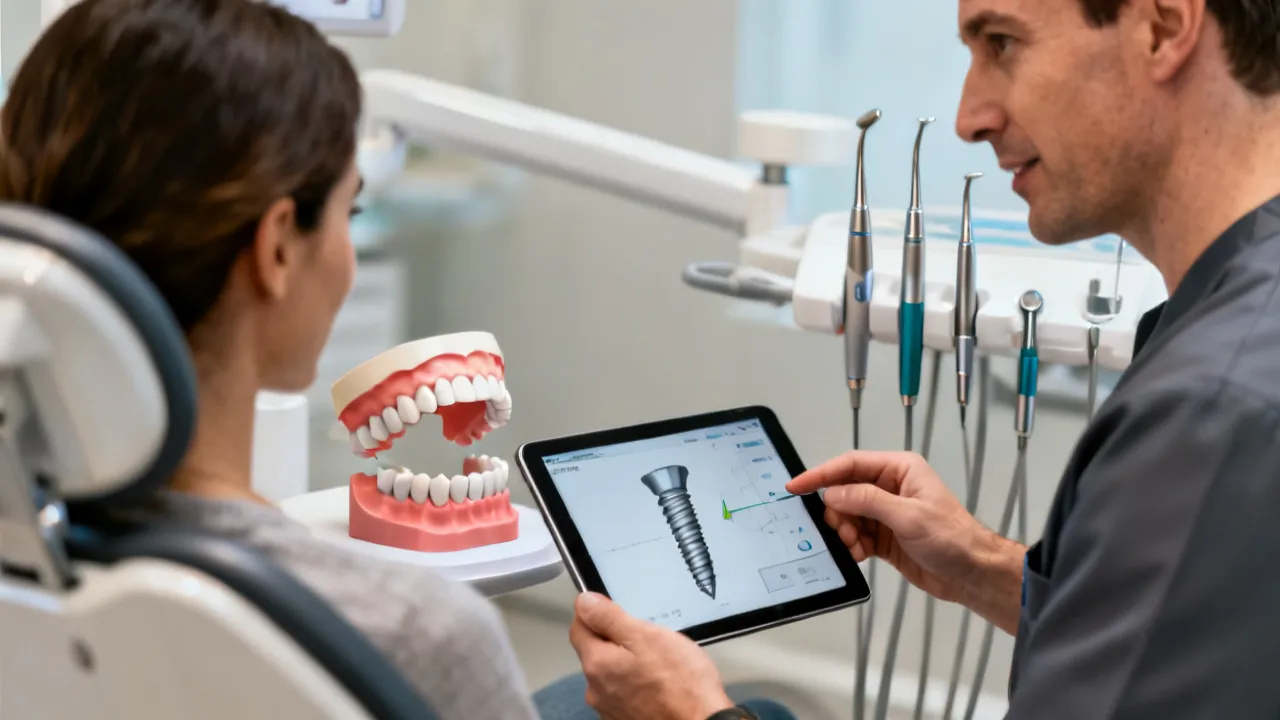
A second opinion can clarify whether bone grafting, multiple implants, or alternative restorations are necessary. It is especially useful when treatment involves complex anatomy, extensive bone loss, full-arch rehabilitation, or significant medical risk. The second clinician should receive appropriate radiographs or three-dimensional imaging rather than relying only on a verbal description.
Patients should compare diagnoses rather than simply compare prices. If two providers recommend different procedures, ask each clinician to explain the anatomical reason, expected benefit, risks, and alternatives. A lower price is not meaningful if it is based on a treatment that does not address the same clinical problem.
8. Evaluate Dental Tourism With Particular Care
Traveling abroad may reduce the listed treatment fee in some markets, but the total cost includes transportation, accommodation, time away from work, travel insurance, and potential revision treatment. Patients should verify the clinic’s licensing, infection-control procedures, emergency arrangements, implant system, language support, and aftercare plan.
Follow-up can be difficult if a patient returns home soon after surgery. A local dentist may be unwilling or unable to manage an unfamiliar implant system or complications from treatment performed elsewhere. A lower quotation should therefore be compared with the clinical continuity available nearby.
Travel schedules should allow enough time for examination, surgery, healing assessment, and prosthetic adjustments. A clinic that promises completion in an unusually short period may be appropriate for selected immediate-loading cases, but the decision should be based on stability, bone quality, occlusion, and clinical judgment—not solely on convenience.
9. Maintain Oral Health Before and After Surgery
Preventive care can reduce the risk of additional dental expenses. Patients should manage active decay and gum inflammation, clean carefully around teeth and implants, attend recall appointments, avoid smoking, and disclose medical conditions. These steps do not guarantee a specific outcome, but they support a more stable treatment environment.
Smoking cessation is particularly important because tobacco exposure can impair healing and increase the risk of periodontal and peri-implant inflammation. Patients who cannot stop immediately should discuss realistic support options with their healthcare team rather than hiding their smoking status.
10. Ask for Payment Terms in Writing
Before signing a financial agreement, confirm the deposit, installment schedule, cancellation policy, refund rules, warranty limitations, laboratory charges, and fees for emergency visits. Patients should know whether the clinic’s warranty covers the implant fixture, the crown, or only manufacturing defects. A warranty usually does not eliminate the need for maintenance or cover complications caused by trauma or poor hygiene.
Conditions and Requirements Before Implant Treatment
Implant candidacy is determined through clinical evaluation. Common assessment factors include:
- Bone volume and density: Imaging helps determine whether the jaw can support implant placement.
- Gum health: Active periodontal disease should generally be stabilized before surgery.
- General health: Diabetes, immune conditions, osteoporosis medication, and cardiovascular history may affect planning.
- Smoking status: Smoking can impair healing and should be discussed openly with the dental team.
- Oral hygiene: Patients need a sustainable daily cleaning routine.
- Restorative space and bite: The dentist evaluates adjacent teeth, opposing teeth, and chewing forces.
- Expectations: An implant can replace a missing tooth, but it is not identical to a natural tooth and requires maintenance.
- Ability to attend follow-up: Healing and restoration normally require several appointments.
Patients should also discuss medication use, allergies, pregnancy, prior reactions to anesthesia, and any history of jaw treatment. The clinician may recommend periodontal therapy, extraction, bone grafting, sinus augmentation, or temporary replacement options before the final implant crown is delivered.
Age by itself is not usually the only factor in determining candidacy. More important considerations include overall health, bone development, oral hygiene, healing capacity, and the ability to attend follow-up. Adolescents whose jaw growth is incomplete may need to wait, while older adults may be suitable candidates after appropriate evaluation.
Reference Price Ranges for One Dental Implant
The following figures are reference ranges for an individual dental implant in selected language markets. They should not be interpreted as standardized national fees. The definition of “one implant” varies: some clinics quote the fixture alone, while others include surgery, an abutment, and a crown. Patients must verify the inclusions directly with the provider.
| Language market and country | Currency | Reference range for one implant |
|---|---|---|
| United States | USD | $3,000–$6,000 |
| United Kingdom | GBP | £2,000–£2,500 |
| Australia | AUD | AU$3,500–AU$6,500 |
| Canada | CAD | CA$3,000–CA$5,500 |
| Spain | EUR | €1,500–€2,500 |
| Chile | CLP | CLP$800,000–CLP$1,500,000 |
| Mexico | MXN | $15,000–$25,000 |
| Colombia | COP | $2,000,000–$4,000,000 |
| Peru | PEN | S/ 3,000–S/ 6,000 |
| Argentina | ARS | $80,000–$150,000 |
| Brazil | BRL | R$3,000–R$8,000 |
| Portugal | EUR | €1,000–€2,000 |
| Germany | EUR | €2,000–€3,500 |
| France | EUR | €1,500–€2,500 |
| Italy | EUR | €1,500–€3,000 |
| Japan | JPY | ¥300,000–¥700,000 |
The ranges above should be read alongside local clinical standards, exchange-rate changes, laboratory fees, imaging requirements, and the complexity of the patient’s case. A quotation from a major metropolitan clinic may differ from one in a smaller community. The presence of bone grafting, sedation, extraction, temporary teeth, or advanced imaging can substantially alter the total.
Prices can also change over time because of laboratory costs, imported components, currency movements, staffing, and regulatory requirements. Patients should confirm the date of the quotation and how long it remains valid. An estimate prepared several months earlier may not reflect current fees or the final treatment plan.
Website Comparison for Implant Cost and Treatment Information
The following resources illustrate different ways patients can research implant treatment. They do not all provide the same type of service. Some focus on treatment explanations, some are dental clinics, one is associated with dental tourism, and another concerns dental coverage. Patients should distinguish informational content from a clinical diagnosis or binding quotation.
| Website or organization | Primary features and appropriate use |
|---|---|
| Dental Views | Discusses lower-cost dental implant options, treatment types, benefits, process questions, and cost considerations. Useful for initial research, but treatment suitability must be confirmed by a licensed clinician. |
| Atlantic Dental Group | Clinic-based information covering general dentistry and possible implant, orthodontic, cleaning, and emergency services. Useful for reviewing clinical services, locations, and appointment pathways. |
| DentaVacation | Provides dental-tourism information, treatment destinations, cost comparisons, and travel-related considerations. Patients should independently verify licensing, aftercare, and total travel costs. |
| American Dental Health Plans | Focuses on dental coverage and plan-related information. Useful for examining insurance or plan options, exclusions, network rules, and reimbursement conditions. |
| Rockville Dental Arts | Offers Spanish-language access to information about comprehensive dental services, including implants, whitening, cleaning, orthodontics, and emergency care. |
| Union City Mini Dental Implants | Specializes in information about mini dental implants and related treatment options. Patients should ask whether the approach is appropriate for their anatomy and restoration needs. |
| Cigna Dental Implant Guide | Provides Spanish-language educational material about dental implants, treatment stages, and considerations related to insurance and care planning. |
| Rubi Odonto | A dental clinic in Santo André, São Paulo, offering services such as orthodontics, whitening, and implants. Its local reputation and treatment details should be assessed directly. |
| Odontologia Velasco | A São Paulo clinic describing implants, prostheses, aesthetic dentistry, and technology-assisted services. |
| DentalVidas | Provides dental plans for individuals, families, and businesses, with a broad provider network and emergency-oriented services. Patients should verify plan terms before enrollment. |
source: www.dentalviews.com/low-cost-dental-implants/
source: www.atlanticdentalgrp.com
source: www.dentavacation.com
source: rockvilledentalarts.com/es/
source: unioncityminidentalimplants.com/es/
source: www.cigna.com/es-us/knowledge-center/guide-to-dental-implants
source: www.rubiodonto.com.br
source: odontologiavelasco.com.br
source: dentalvidas.com.br
How to Assess These Websites Responsibly
Website content is useful for forming questions, but it should not replace an examination. A clinic’s service page may describe available procedures without confirming that every procedure is appropriate for every patient. Similarly, a promotional page about implant affordability may use a starting price that excludes imaging, bone grafting, the crown, or follow-up care.
Readers should look for the clinician’s professional credentials, regulatory information, physical location, infection-control policies, treatment photographs that are properly contextualized, and transparent explanations of risks. Testimonials can describe individual experiences, but they are not equivalent to independent clinical evidence. Patients should also check whether the website clearly separates educational information from advertising.
For Spanish-speaking patients, a Spanish-language page can improve communication about symptoms, medication, consent, and aftercare. The same principle applies to Portuguese-language services in Brazil and Portugal. Language support is valuable, but patients should still request written documentation of the implant system, restoration materials, treatment timeline, and emergency contact arrangements.
Patients should also confirm that online contact information is current. A website may remain visible even after a clinic changes ownership, moves location, or stops offering a particular implant system. Reading the clinic’s privacy policy, consent information, and complaint process can provide additional insight into how the organization handles patient communication.
Country-Specific Considerations for Cost Planning
English-Speaking Markets
In the United States, Canada, the United Kingdom, and Australia, implant costs can be influenced by professional fees, laboratory charges, urban operating costs, imaging, and private insurance rules. Patients may compare private practices, university clinics, and dental-plan networks. Regional differences can be substantial, so a national average should not be treated as a personal quote.
Patients in these markets should ask whether the estimate is itemized and whether the crown is included. They should also understand the difference between a dental insurance benefit, a discount plan, and a clinic payment program. Emergency care after treatment performed abroad may not be covered by a domestic policy.
Spanish-Speaking Markets
Spain, Chile, Mexico, Colombia, Peru, and Argentina have different regulatory environments, currencies, healthcare systems, and clinic fee structures. Patients may find implant services in large cities, regional centers, and dental-tourism locations. Travel time, currency volatility, laboratory access, and continuity of care should be included in any comparison.
Spanish-language communication can be particularly useful when reviewing consent forms and insurance exclusions. Patients should ask whether the quoted amount covers a temporary prosthesis and whether a local clinician can provide maintenance if the patient lives outside the treatment city.
Portuguese-Speaking Markets
Brazil and Portugal use different currencies and have distinct fee structures. In Brazil, patients may compare private practices, dental plan networks, and clinics in major metropolitan areas such as São Paulo. In Portugal, patients should ask about private fees, public-system eligibility where relevant, and the availability of follow-up near their residence.
Regardless of location, the quality of diagnosis, implant positioning, prosthetic design, hygiene, and long-term maintenance is more important than a headline price. A lower fee that omits necessary care may not represent a lower total cost.
Practical Questions for a Dental Implant Consultation
- What is the diagnosis, and why is an implant recommended?
- Are there alternatives such as a bridge or removable partial denture?
- Is the tooth being extracted, and is socket preservation needed?
- Will a two-dimensional radiograph or three-dimensional scan be used?
- Is bone grafting or sinus augmentation necessary?
- Which implant brand and model will be used?
- Will the implant record be provided to the patient?
- Does the quotation include the abutment and final crown?
- How long is the expected healing period?
- Who will provide emergency care if pain, swelling, or mobility occurs?
- What maintenance schedule is recommended after restoration?
- What are the payment, cancellation, and warranty conditions?
- What symptoms would require urgent care after surgery?
- How will the clinic communicate if the treatment plan changes?
Recovery and Maintenance After Scaling
After routine scaling, patients are commonly advised to brush gently, clean between teeth, follow any sensitivity instructions, and avoid immediately consuming foods that aggravate discomfort. The precise advice depends on the treatment performed and the patient’s condition. If periodontal therapy was completed, the clinician may provide more specific instructions regarding rinsing, medication, and follow-up.
Patients should not stop cleaning because the gums bleed. Gentle, consistent plaque control is usually important, but aggressive brushing can worsen irritation. A dental professional can demonstrate an appropriate brushing angle, interdental brush size, or flossing technique. The most effective routine is one that the patient can perform accurately every day.
Electric toothbrushes, manual toothbrushes, water flossers, string floss, and interdental brushes can all have a role, but the best selection depends on the patient’s anatomy and dexterity. Large interdental brushes may be useful for open spaces, while smaller brushes may be needed around crowded teeth. A clinician or hygienist can help choose the correct size and demonstrate how much pressure to use.
Patients who receive fluoride varnish or another professional treatment should follow instructions about eating and drinking. If the appointment involved deep cleaning, mild root sensitivity can persist for several days. A follow-up visit may be used to reassess bleeding, pocket depths, oral hygiene, and the response of the tissues.
Recovery and Maintenance After Implant Placement
Implant surgery and final restoration involve different stages. Early healing may include soreness, swelling, or temporary dietary restrictions. The surgical team should explain which symptoms are expected and which require immediate contact. Patients should follow instructions about medication, oral hygiene, physical activity, smoking, and the use of temporary teeth.
After the final crown is fitted, maintenance includes professional examinations, cleaning around the implant and neighboring teeth, and monitoring of the bite. A dental implant does not develop tooth decay in the same way as a natural tooth, but surrounding gum and bone tissues can become inflamed. Careful daily cleaning and regular review remain essential.
Patients should avoid using the implant to bite very hard objects such as ice, pens, or nutshells. Excessive chewing force, teeth grinding, and an unstable bite can damage the crown or place stress on the implant components. A night guard may be considered for selected patients with bruxism, but it should be designed and fitted by a dental professional.
Distinguishing Normal Changes From Warning Signs
After scaling, mild sensitivity or tenderness may be expected. After implant surgery, localized swelling may also occur. The clinician should provide individualized guidance, because normal recovery differs according to the procedure and medical history.
Warning signs include increasing rather than decreasing pain, uncontrolled bleeding, fever, facial swelling, difficulty swallowing, pus, a loose implant or temporary restoration, numbness that persists unexpectedly, or an allergic reaction to medication. These symptoms warrant prompt professional assessment. Online information cannot determine whether a complication is present.
A loose crown is not necessarily the same as a failed implant, but it should be examined promptly. Continuing to chew on a loose restoration can damage components or irritate surrounding tissue. Similarly, a loose implant during healing is an urgent concern because the implant may not have integrated with the bone as intended.
Frequently Asked Questions
What does 스케일링 단점 mean?
스케일링 단점 refers to the disadvantages or possible drawbacks of dental scaling. Common concerns include temporary sensitivity, gum tenderness, minor bleeding, and the appearance of spaces that were previously hidden by calculus. These effects should be interpreted in the context of the patient’s oral health.
Can scaling damage teeth?
Professional scaling performed with appropriate instruments and technique is designed to remove deposits while preserving tooth structure. Improper technique, excessive pressure, unsuitable instruments, or unnecessary polishing can create problems. Patients should use a qualified dental provider and report persistent sensitivity or pain for evaluation.
Why do teeth look longer after scaling?
Inflamed gums may shrink as they heal, and deposits that previously covered the gumline may be removed. This can make the natural tooth surface more visible. The change may reflect existing gum recession or periodontal disease rather than new damage caused by cleaning.
Is bleeding after scaling normal?
Mild bleeding can occur when inflamed gums are treated. It should generally improve as inflammation decreases and plaque control becomes consistent. Heavy, prolonged, or worsening bleeding should be reported to the dental clinic, particularly if the patient takes anticoagulants or has a medical condition affecting clotting.
Does scaling make teeth loose?
Scaling does not normally make healthy teeth loose. Mobility may become more noticeable after large deposits are removed because the deposits had temporarily supported or splinted teeth. Existing periodontal bone loss may be the underlying cause. A dentist should evaluate any tooth that moves noticeably.
Can scaling be performed around dental implants?
Professional maintenance around implants is important, but the instruments and technique may differ from those used on natural teeth. The dental professional should consider the implant surface, crown design, gum condition, and any evidence of inflammation around the implant.
What is included in the price of one dental implant?
There is no universal definition. Some estimates cover only the implant fixture and placement, while others include the abutment and final crown. Imaging, extraction, grafting, sedation, temporary teeth, laboratory work, and follow-up may be separate. An itemized written quotation is essential.
Are dental tourism quotations reliable?
A quotation may be accurate for the services listed, but it may not represent the patient’s complete cost or clinical needs. Travel, accommodation, missed work, local transportation, translation, and management of complications should be considered. Patients should verify licensing and establish a post-treatment care plan before traveling.
Are mini dental implants suitable for everyone?
No. Mini implants may be useful in selected situations, but suitability depends on bone anatomy, the planned restoration, bite forces, medical history, and the provider’s diagnosis. A consultation and appropriate imaging are required before deciding.
How can patients reduce implant expenses without compromising care?
Patients can compare itemized treatment plans, investigate teaching clinics, review insurance or dental-plan benefits, address gum disease early, obtain a second opinion, and ask about staged payment arrangements. The safest approach is to compare total clinical scope and long-term maintenance rather than selecting the smallest initial number.
Can a patient have scaling while wearing braces?
Yes, professional cleaning is often especially important during orthodontic treatment because brackets and wires create additional plaque-retentive areas. The clinician may use specialized instruments and demonstrate cleaning around appliances. Patients should not wait until orthodontic treatment is complete if bleeding or calculus is present.
Does dental scaling whiten teeth?
Scaling and polishing can remove some external stains caused by coffee, tea, tobacco, or certain foods, so teeth may look brighter afterward. It does not change the internal shade of teeth in the same way as bleaching. Deep discoloration, intrinsic staining, crowns, and fillings may require different cosmetic options.
Expert Perspective: The Meaning of Value in Dental Care
From an industry expert’s perspective, value in dentistry is a combination of appropriate diagnosis, predictable technique, transparent communication, accessible follow-up, and reasonable total cost. A low quotation is not necessarily economical if it leads to repeated procedures, incompatible components, or difficult emergency care. Conversely, a higher quotation may include advanced imaging, specialist involvement, laboratory services, and structured maintenance.
The same principle applies to the 스케일링 단점 discussion. Patients should not judge scaling solely by whether it produces short-term sensitivity. The relevant questions are whether the procedure was indicated, whether it was performed safely, whether the patient received clear aftercare, and whether the underlying gum condition is improving. Objective assessment is more useful than promotional language or isolated personal anecdotes.
Good dental care also recognizes the patient’s priorities. One person may prioritize minimizing appointments, another may prioritize preserving a natural tooth, and another may need to control immediate costs. The clinician’s responsibility is to explain the clinical consequences of each reasonable option so that the patient can make an informed decision.
Final Checklist Before Choosing Treatment
- Confirm the diagnosis through an examination.
- Request an itemized estimate.
- Check whether the implant crown and abutment are included.
- Ask about imaging, grafting, extraction, and temporary teeth.
- Verify professional credentials and clinic regulation.
- Review insurance, dental-plan, and payment terms.
- Obtain a second opinion for complex cases.
- Plan aftercare before traveling or beginning treatment.
- Discuss smoking, medication, diabetes, and other health factors.
- Schedule long-term maintenance for natural teeth and implants.
- Ask what instruments will be used around restorations or implants.
- Understand which symptoms require urgent communication.
- Keep copies of imaging, treatment records, implant details, and invoices.
Conclusion
Understanding 스케일링 단점 helps patients approach dental cleaning with realistic expectations. Temporary sensitivity, gum tenderness, bleeding, visible recession, and treatment limitations are possible considerations, but they must be distinguished from symptoms of untreated disease or technical complications. Professional examination and clear communication are the foundation of safe care.
Scaling is most beneficial when it forms part of a broader prevention or periodontal plan. It should be combined with effective daily plaque control, appropriate dietary habits, smoking cessation when relevant, and regular professional review. A patient who experiences discomfort should not simply assume that cleaning caused permanent harm, but should contact the dental team if symptoms are severe, persistent, or worsening.
For dental implants, affordability should be assessed through the complete treatment pathway. Comparing clinics, reviewing coverage, considering teaching facilities, requesting a second opinion, and planning follow-up can help patients manage expenses while preserving clinical quality. The reference websites and price ranges in this guide are starting points for research, not substitutes for personalized dental advice.
Disclaimer
1. The information above comes from online resources, and the data is as of October 2023.
2. Dental implant prices are for reference only and may vary by region, clinic, and doctor. Treatment suitability, expected results, risks, and final fees must be confirmed directly with a qualified dental professional.
3. This information is educational and does not establish a dentist–patient relationship. It should not be used to diagnose pain, swelling, gum disease, implant complications, or any other medical or dental condition.
4. Regulations, insurance benefits, implant systems, and clinic policies can change. Patients should verify current information directly with the relevant provider, insurer, regulatory body, or healthcare professional.