Understanding the Need for Dental Scaling
This guide explains the need for dental scaling, how professional plaque and tartar removal supports oral health, and when a dentist may recommend it. It also examines the relationship between preventive care and later treatments such as dental implants, outlines practical ways to manage implant costs in English-, Spanish-, and Portuguese-speaking markets, compares selected dental information websites, and presents reference price ranges. Treatment decisions should be based on a clinical examination and a personalized written estimate.
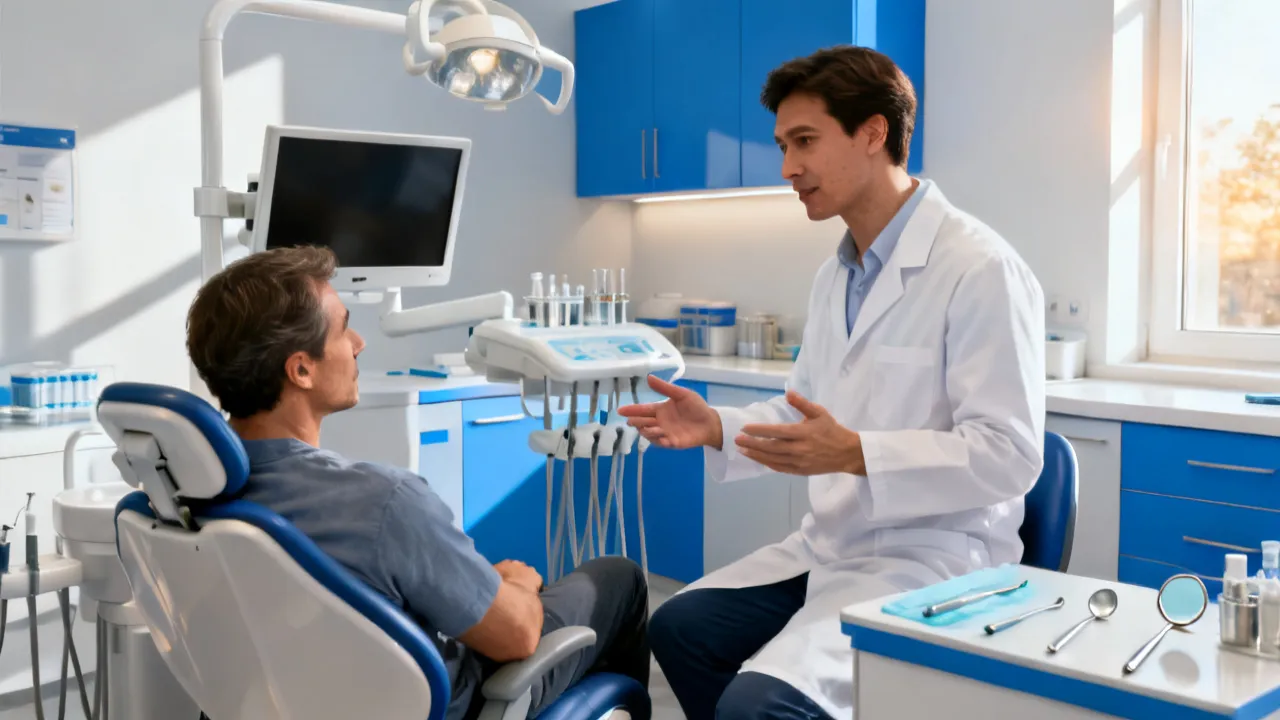
Why the Need for Dental Scaling Matters
The need for dental scaling is primarily determined by the presence of hardened tartar, gum inflammation, periodontal pockets, bleeding, and a patient’s ability to control plaque at home. Brushing and interdental cleaning remove much of the soft plaque that forms every day, but mineralized deposits cannot usually be removed safely with household tools. A dental professional uses specialized instruments to detach these deposits while protecting the enamel, restorations, and gum tissue.
Scaling is not simply a cosmetic polishing service. It is a preventive or periodontal procedure intended to reduce the local irritants that contribute to gingivitis and periodontal disease. The appropriate interval varies considerably. Some people may remain stable with routine examinations and periodic cleaning, while others with a history of periodontitis, orthodontic appliances, tobacco exposure, diabetes, dry mouth, crowded teeth, or limited dexterity may require a more structured maintenance plan.
From an industry perspective, the most important point is that scaling should be recommended after an assessment rather than sold as a fixed package for every patient. A responsible dental office evaluates visible deposits, gum measurements, bleeding, radiographs when clinically indicated, medical history, and previous periodontal treatment. The result may be routine prophylaxis, scaling and root planing, periodontal maintenance, or another treatment entirely.
Patients often search for affordable dental care because they are concerned about the price of cleaning, gum treatment, or tooth replacement. Cost is a valid consideration, but price should be evaluated alongside diagnosis, qualifications, materials, safety, follow-up, and long-term maintenance. A low-cost appointment that does not address the underlying problem may ultimately become more expensive.
What Plaque and Tartar Are
Plaque is a soft, sticky bacterial biofilm that forms on teeth and along the gumline. It begins to accumulate soon after eating, drinking, or brushing. Plaque is not always obvious because it can be thin and nearly colorless. If it is not disrupted regularly, bacteria in the biofilm can contribute to tooth decay, gum inflammation, and unpleasant breath.
Calculus, commonly called tartar, develops when plaque absorbs minerals from saliva and hardens. It may appear yellow, brown, gray, or dark depending on its location, age, tobacco exposure, food pigments, and bleeding within the gum pocket. Once calculus has formed, brushing can help prevent additional accumulation, but brushing generally cannot remove the hardened material already attached to the tooth.
Calculus may be located above the gumline or beneath it. Supragingival calculus is often visible during an examination. Subgingival calculus may be hidden in periodontal pockets and can remain even when the visible tooth surface appears relatively clean. Deposits below the gumline are especially important because they can maintain inflammation and interfere with the natural attachment of gum tissue to the tooth.
The color or amount of tartar does not by itself determine the severity of disease. A small deposit can cause localized inflammation, while a person with extensive periodontal disease may not notice dramatic changes. Diagnosis requires examination, periodontal probing, and sometimes dental radiographs.
What Dental Scaling Involves
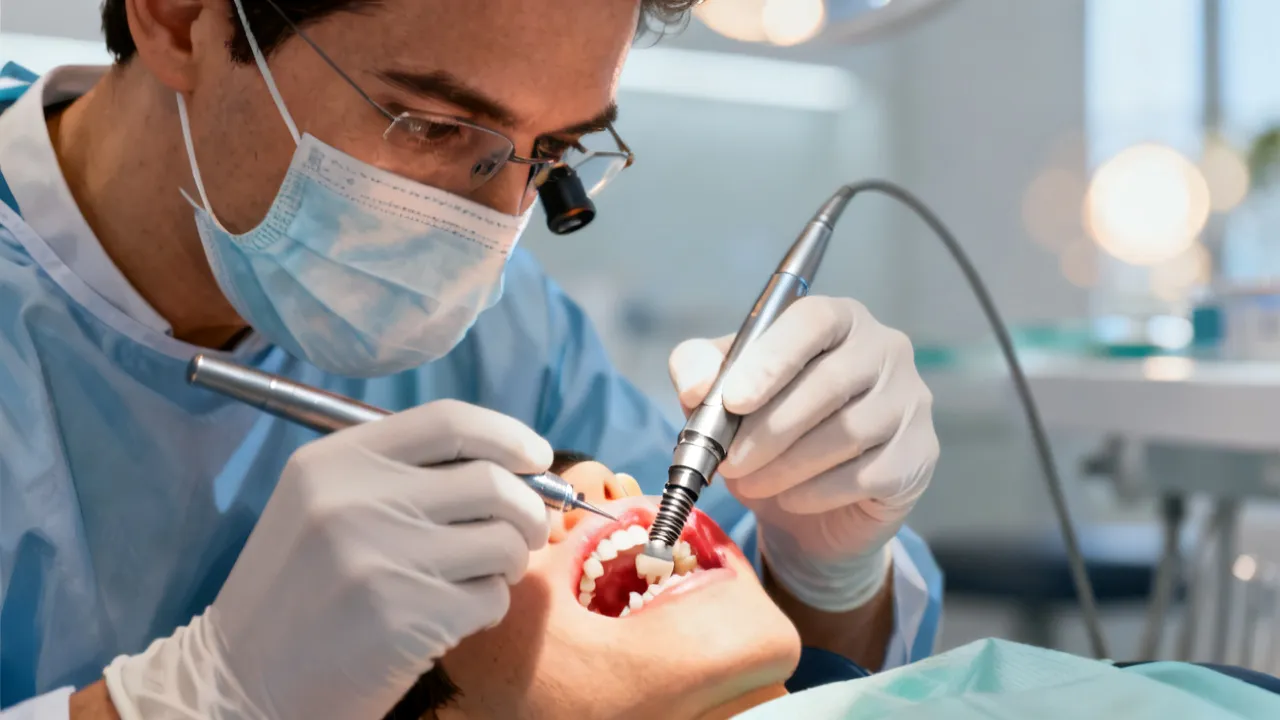
Dental scaling removes plaque, calculus, and selected deposits from tooth surfaces. Depending on the patient’s needs, a professional may use hand instruments, an ultrasonic scaler, or a combination of both. Ultrasonic equipment uses vibration and water irrigation to disrupt calculus and cool the working area. Hand instruments allow the clinician to detect and remove deposits in areas that may be difficult to access with powered equipment.
A standard appointment may include:
- A review of medical and dental history.
- An examination of the teeth, gums, bite, restorations, and oral tissues.
- Periodontal measurements when gum disease is suspected.
- Assessment of plaque, calculus, bleeding, recession, mobility, and sensitivity.
- Removal of deposits with hand instruments, ultrasonic equipment, or both.
- Polishing when appropriate to remove surface stains and smooth selected areas.
- Fluoride treatment or sensitivity advice when clinically appropriate.
- Personalized instructions for brushing, interdental cleaning, and risk reduction.
Routine cleaning is generally intended for patients without active periodontal disease or with stable periodontal health. By contrast, scaling and root planing is a therapeutic procedure used when deposits and bacterial contamination extend below the gumline. It may be completed in sections of the mouth and may involve local anesthetic. The distinction matters because the procedures, clinical goals, appointment length, and fees are different.
During scaling, the clinician is not merely trying to make the teeth feel smooth. The goal is to remove material that makes plaque control difficult and may contribute to inflammation. The clinician may also identify cavities, defective fillings, cracked teeth, gum recession, oral lesions, or other concerns that require a separate evaluation.
How Scaling Supports Gum Health
Healthy gums typically fit closely around the teeth and do not bleed routinely during gentle brushing or professional examination. They are generally firm and may range from pale pink to naturally darker shades depending on a person’s pigmentation. Persistent redness, swelling, tenderness, bleeding, gum recession, or unpleasant breath can indicate inflammation. These symptoms do not establish a diagnosis by themselves, but they justify a dental assessment.
When plaque and calculus remain along the gum margin, the tissue can become inflamed. This early stage is commonly known as gingivitis. Gingivitis may improve when irritants are removed and daily plaque control becomes effective. If inflammation progresses and affects the supporting structures of the teeth, periodontal disease may develop. Periodontitis can involve loss of attachment and supporting bone.
Periodontitis is a chronic condition requiring professional management and continuing home care. A single cleaning appointment cannot reverse every form of damage. In advanced cases, patients may need periodontal specialist care, surgical treatment, medication, extraction, or replacement planning. Scaling is valuable, but it is one part of a broader treatment plan.
Scaling can reduce the physical burden of calculus and make daily cleaning more effective. Long-term results also depend on brushing technique, interdental cleaning, tobacco cessation, control of relevant medical conditions, treatment of dry mouth, regular review, and adherence to the maintenance schedule recommended by the dental team.
When the Need for Dental Scaling Is More Likely
The following circumstances may increase the likelihood that a dentist or dental hygienist will recommend professional scaling:
- Visible tartar on the teeth, especially around the lower front teeth or molars.
- Bleeding during brushing, flossing, or professional probing.
- Swollen, shiny, red, or tender gum tissue.
- Persistent bad breath or an unpleasant taste without another clear explanation.
- Periodontal pockets or a previous diagnosis of gum disease.
- Gum recession or teeth that appear longer than they previously did.
- Teeth that feel loose or have changed position.
- Difficulty cleaning around braces, bridges, dentures, implants, or crowded teeth.
- Dry mouth related to medication, medical conditions, or dehydration.
- Tobacco use, which can affect periodontal risk and may mask bleeding.
- Diabetes or other health conditions that may influence gum inflammation.
- A long interval since the last dental examination or professional cleaning.
- Frequent consumption of sticky foods or sweetened beverages.
- Limited hand strength, reduced mobility, or other difficulties with home care.
Risk factors do not mean that a patient automatically needs deep cleaning. They indicate that a clinician should gather more information before selecting the procedure. A careful assessment prevents both undertreatment and unnecessary treatment.
Bleeding is an important example. Bleeding may result from inflamed gums, aggressive brushing, a new flossing routine, hormonal changes, medication effects, or a systemic condition. It should not be dismissed, but it should not be used alone to diagnose advanced periodontal disease. The pattern, location, pocket measurements, and other findings all matter.
Routine Cleaning Versus Scaling and Root Planing
| Type of care | Typical purpose | Clinical considerations |
|---|---|---|
| Routine professional cleaning | Remove plaque, calculus, and selected surface stains in a patient with generally stable periodontal health. | Usually shorter and less invasive; the recommended interval depends on individual risk. |
| Scaling and root planing | Clean deposits and contaminated root surfaces below the gumline when periodontal disease is present or suspected. | May require local anesthetic, multiple visits, periodontal measurements, and structured maintenance. |
| Periodontal maintenance | Monitor and manage a patient after active periodontal treatment. | Combines professional debridement, reassessment, home-care review, and ongoing risk management. |
The terminology used by clinics and insurers can differ. Patients should ask for the clinical name of the proposed procedure, the areas to be treated, whether radiographs or periodontal measurements are included, and whether a follow-up appointment is expected.
Patients may also encounter terms such as prophylaxis, debridement, full-mouth scaling, deep cleaning, nonsurgical periodontal therapy, or periodontal maintenance. These terms are not always used identically by every provider. Rather than relying on a label, ask what the clinician will do, why it is recommended, and how the result will be evaluated.
How Often Should Scaling Be Considered?
There is no universal schedule that applies to every adult. Some patients receive a routine examination and cleaning at regular intervals determined by their dentist. Others with periodontal disease may need more frequent periodontal maintenance. The interval should reflect the patient’s current findings rather than an automatic calendar rule.
An industry-informed approach uses risk-based prevention. The clinician considers the amount and location of calculus, bleeding scores, pocket depths, previous disease activity, home-care performance, tobacco exposure, systemic health, diet, medications, and access to care. A patient whose gums remain healthy may need less intensive intervention than someone with recurring periodontal inflammation.
Patients should not deliberately postpone an examination because they are waiting for discomfort. Gum disease can progress with limited pain, particularly in its earlier stages. Conversely, occasional bleeding does not necessarily mean advanced disease. The appropriate response is examination and diagnosis, not self-treatment with sharp instruments or abrasive products.
Children, teenagers, adults, and older patients may have different cleaning needs. Orthodontic brackets can create additional plaque-retentive areas. Older adults may have more root exposure, medications that cause dry mouth, restorations, or reduced dexterity. The schedule should therefore be based on clinical circumstances rather than age alone.
Signs That Require Prompt Dental Attention
Scaling is preventive or periodontal care, not an emergency treatment for every oral symptom. Prompt professional evaluation is appropriate for facial swelling, fever, severe toothache, uncontrolled bleeding, trauma, difficulty swallowing, or difficulty breathing. A loose permanent tooth, pus near the gum, or rapidly worsening swelling also warrants urgent contact with a dental service.
These symptoms may reflect infection, an abscess, trauma, or another condition that requires treatment beyond cleaning. Delaying care while attempting to remove tartar at home can cause cuts, enamel damage, gum recession, or worsening infection.
A persistent ulcer, lump, patch of unusual color, numbness, or unexplained change in the mouth should also be evaluated. Although many oral changes are harmless, an examination is the safest way to determine whether further investigation is needed. Scaling should not be used to postpone assessment of a suspicious lesion or a painful tooth.
Preparing for a Scaling Appointment
Preparation is usually straightforward, but accurate information improves safety. Patients should provide a current medication list, allergies, pregnancy status where relevant, history of heart conditions, diabetes, immune-system concerns, bleeding disorders, and previous reactions to dental anesthetic. They should also explain sensitivity, anxiety, or difficulty keeping the mouth open for extended periods.
Some patients wonder whether antibiotics are needed before dental treatment. Antibiotic premedication is not appropriate for everyone and depends on particular medical circumstances. Patients should not self-prescribe antibiotics. They should discuss their medical history with the dentist and follow recommendations from the dental and medical professionals involved in their care.
Before the appointment, continue normal brushing and interdental cleaning unless a clinician has given different instructions. Do not scrape tartar with metal objects. Eating a light meal may be practical if the appointment is lengthy, although individual instructions take priority. If local anesthetic or sedation is planned, ask whether fasting, transportation, or medication adjustments are necessary.
Patients with dental anxiety may ask about breaks, topical anesthetic, local anesthetic, noise reduction, or other comfort measures. Open communication can make the appointment more manageable. A patient should be able to signal if the treatment becomes uncomfortable.
What to Expect During and After Treatment
During routine scaling, patients may feel vibration, water spray, pressure, and scraping sensations. Some areas can be more sensitive than others, particularly where the gumline has receded or where deposits are heavy. The clinician may work in sections, rinse the mouth, and pause to check comfort.
Mild sensitivity or gum tenderness can occur after deposits are removed, especially when the gums have been inflamed or the roots have become exposed. The dental team may recommend a suitable toothpaste, gentle brushing, a soft-bristled brush, or temporary dietary adjustments. Patients should follow the clinic’s instructions rather than applying concentrated substances to the gums.
Small amounts of bleeding may occur when inflamed tissue is disturbed, but patients should contact the dental office if bleeding is heavy, persistent, or accompanied by significant swelling, fever, severe pain, or difficulty swallowing. The clinic can distinguish expected short-term effects from signs that require further attention.
Root planing may cause more sensitivity than routine cleaning because deposits are removed from root surfaces below the gumline. In some cases, the gums may appear to recede after treatment because swelling has reduced. This can make the teeth look longer even though the treatment has not “removed” healthy tooth structure. A clinician can explain the findings in the context of the patient’s periodontal condition.
Aftercare and Home Maintenance
Effective home maintenance generally includes brushing twice daily with fluoride toothpaste and cleaning between the teeth with floss, interdental brushes, or another device selected for the individual. Technique matters more than force. Excessive pressure can irritate the gums and contribute to abrasion or recession.
A useful routine is to angle the brush toward the gumline, use small controlled movements, and clean every tooth surface. Interdental brushes may be particularly useful where spaces are present, but the size should be fitted appropriately. Dental professionals can demonstrate the method and check whether the chosen device is suitable.
Electric and manual toothbrushes can both be effective when used correctly. An electric brush with a pressure sensor may help patients who brush too forcefully, while a manual brush may be convenient and affordable. The most appropriate option is the one the patient can use consistently and safely.
Mouthwash may be useful in selected circumstances, but it does not replace brushing or interdental cleaning. Some rinses are intended for fluoride delivery, while others are designed for short-term antimicrobial use under professional guidance. Patients should ask whether a product is suitable, particularly if they have dry mouth, oral irritation, or medication-related concerns.
Diet also affects oral health. Frequent exposure to sugary drinks and snacks can increase decay risk, while acidic beverages may contribute to erosion. Drinking water, limiting frequent sugar exposure, and avoiding tobacco can support the benefits of professional cleaning.
Medical Conditions and Scaling Needs
Oral and general health can influence each other. Diabetes, for example, may be associated with increased susceptibility to periodontal inflammation, especially when blood glucose is poorly controlled. Conversely, active periodontal inflammation may make overall health management more difficult for some patients. This does not mean that scaling treats diabetes, but it supports the control of local oral inflammation.
Dry mouth can increase plaque accumulation, decay, discomfort, and difficulty swallowing. It may result from medications, radiation treatment, autoimmune conditions, dehydration, or other causes. Patients with persistent dryness should mention it during dental visits. The dental team may recommend hydration strategies, saliva substitutes, fluoride products, or medical review.
Tobacco use is another important consideration. Smoking and other tobacco products can increase periodontal risk, impair healing, and affect implant outcomes. Smoking may also reduce visible bleeding, which can make gum disease appear less active than it is. Tobacco cessation support can therefore be part of both periodontal and implant planning.
The Relationship Between Scaling and Dental Implants
Preventive periodontal care is relevant to patients considering dental implants because implants still require daily cleaning and professional monitoring. An implant is not immune to plaque-related inflammation. Tissues around an implant can become inflamed, and advanced disease may threaten the supporting bone. Existing gum disease should therefore be assessed and managed before implant placement whenever clinically appropriate.
Scaling does not replace an implant consultation, bone evaluation, tooth extraction planning, or restorative design. It is part of a broader oral-health strategy. A patient with a missing tooth may need an examination, imaging, evaluation of neighboring teeth, assessment of bone volume, and discussion of alternatives such as a bridge or removable prosthesis.
Patients with implants should ask how the clinic will monitor both natural teeth and implant-supported restorations. Maintenance may involve specialized instruments and a review of prosthetic contours, bite forces, hygiene access, and tissue stability. The schedule should be individualized.
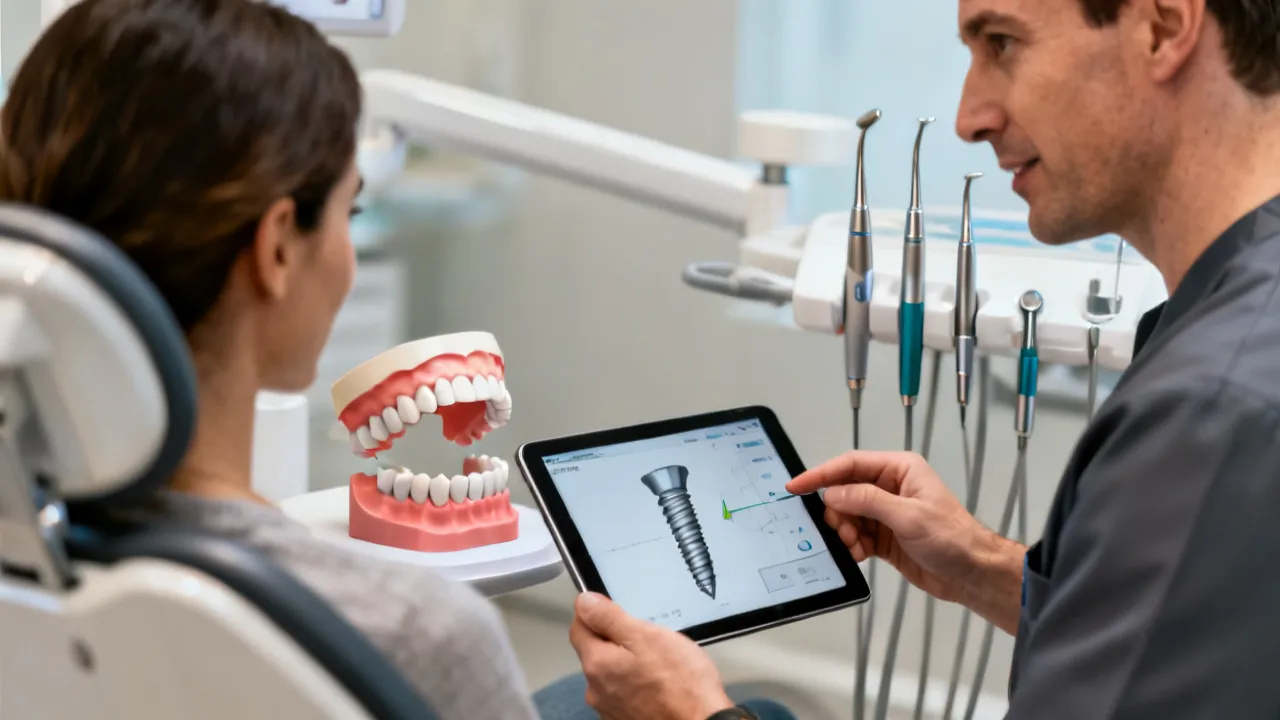
Before an implant is placed, the clinician may assess gum health, bone volume, bite forces, oral hygiene, smoking status, and the condition of adjacent teeth. If a tooth must be extracted, the timing of implant placement can vary. Some cases permit immediate placement, while others require healing or bone preservation first. A complete plan should explain the sequence rather than presenting the implant as a single isolated product.
How to Seek Affordable Dental Implants in English-Speaking Markets
Dental implant costs vary because treatment is not a single standardized item. A quoted amount may cover only the implant fixture, while the abutment, crown, imaging, extraction, bone grafting, temporary restoration, sedation, and follow-up are billed separately. The most reliable way to compare options is to request a written, itemized treatment plan.
- Start with a complete examination. Ask the dentist to identify the reason for tooth loss, the condition of adjacent teeth, the status of the gums, and the amount of available bone. Treating active disease first can reduce clinical complications.
- Request an itemized estimate. Separate the surgical stage, implant component, abutment, crown, diagnostic imaging, extraction, grafting, temporary teeth, laboratory fees, and follow-up care.
- Compare appropriately qualified providers. Review licensing, professional training, infection-control standards, experience with the proposed procedure, and the availability of post-operative care. A lower initial quote is not automatically better value.
- Ask about material and laboratory choices. The type of implant system, crown material, laboratory process, and restoration design can affect price and clinical suitability. The clinician should explain why a particular option is recommended.
- Check insurance and payment terms. Dental plans may cover some diagnostic or restorative services while excluding or limiting implant surgery. Confirm annual maximums, waiting periods, exclusions, preauthorization, and whether the clinic is in network.
- Consider staged treatment. In some cases, a dentist may prioritize infection control, extraction, or a temporary replacement before definitive restoration. Staging must be based on biology and function rather than price alone.
- Compare nearby clinics before considering travel. A local clinic may reduce travel, accommodation, emergency, and repeat-visit expenses. Ask whether the original dentist will manage complications and adjustments.
- Obtain a second opinion for complex cases. A second assessment can clarify whether grafting, sinus augmentation, or alternative restorations are truly indicated.
- Verify the warranty language. Determine whether the warranty applies to the implant component, crown, laboratory work, or replacement visits. Also ask what patient-care conditions are required.
- Maintain the result. Regular examinations, professional cleaning when indicated, and daily plaque control help protect the investment. Skipping maintenance can lead to additional costs and biological complications.
English-speaking markets include different healthcare and insurance systems. In the United States, patients may compare private dental practices, dental savings arrangements, and insurance benefits, but coverage limitations require careful review. In the United Kingdom, private treatment estimates should be distinguished from National Health Service eligibility and waiting arrangements. In Australia and Canada, public support and private coverage vary by patient group, province, territory, or state. Patients should verify current rules directly with the relevant provider or public health authority.
Patients should also ask whether the dentist who places the implant is the same professional who will provide the crown. In some practices, surgery and restoration are completed by different clinicians. That arrangement can work well when communication is organized, but the patient should know who is responsible at each stage and how records will be shared.
How to Seek Affordable Dental Implants in Spanish-Speaking Markets
Patients in Spanish-speaking markets may find significant variation between metropolitan clinics, regional practices, university-linked services, and private implant centers. Communication is an important part of affordability. A patient should receive the diagnosis, sequence of care, risks, alternatives, and total estimate in a language they understand.
- Confirm the professional’s credentials. Ask for the dentist’s registration information and relevant surgical or prosthodontic training. Official professional registries are preferable to relying solely on advertisements.
- Ask whether the price is per implant or per completed tooth. “Implant” may refer only to the titanium or ceramic fixture, while the complete tooth also needs an abutment and crown.
- Clarify laboratory and imaging costs. Cone-beam imaging, surgical guides, temporary teeth, and laboratory restorations may be listed separately.
- Compare treatment plans rather than slogans. A clinic promising a quick solution may not be offering the same procedure as a clinic recommending healing time or bone management.
- Review financing carefully. Ask about the total amount payable, interest, missed-payment rules, and whether treatment can proceed if the plan changes.
- Investigate university or teaching-clinic options. Supervised educational clinics may offer structured care at different fee levels, although appointment times and case eligibility can vary.
- Use dental tourism cautiously. International travel can create additional costs for transport, accommodation, interpretation, follow-up, and treatment of complications. The patient should identify a local clinician before traveling and obtain complete records afterward.
- Request written aftercare instructions. These should cover medication, diet, warning signs, emergency contact, suture care, and the timing of restoration.
- Check implant-system availability. A commonly supported implant system may make future replacement parts easier to obtain, especially if the patient moves to another region.
- Keep all documentation. Save imaging, implant brand and model, surgical notes, laboratory prescriptions, invoices, and warranty conditions.
Regional expressions and healthcare customs differ across Spanish-speaking communities, from Madrid and Barcelona to Santiago, Mexico City, Bogotá, Lima, and Buenos Aires. Patients should not assume that a quoted amount in one city applies elsewhere. Currency fluctuations, laboratory costs, professional fees, and import requirements may influence the final estimate.
How to Seek Affordable Dental Implants in Portuguese-Speaking Markets
In Portuguese-speaking markets, patients can use the same core principles: verify credentials, compare complete treatment plans, understand the restoration components, and plan for maintenance. In Brazil, private clinics, dental-plan networks, specialist practices, and teaching institutions may have different prices and appointment structures. In Portugal, patients should clarify whether the quote is for private care and whether diagnostic services or laboratory work are included.
- Ask for the dentist’s registration and area of practice.
- Request a written plan in Portuguese covering surgery, restoration, imaging, and follow-up.
- Confirm which implant manufacturer and prosthetic components will be used.
- Ask whether the clinic provides emergency support after surgery.
- Compare the complete cost, not only the advertised surgical fee.
- Check whether a dental plan has exclusions, waiting periods, or annual limits.
- Consider travel distance and the number of required appointments.
- Obtain copies of all clinical records and implant identification labels.
- Maintain regular examinations and professional hygiene care after restoration.
Whether the patient is visiting a clinic in São Paulo, Santo André, Lisbon, or a nearby community, clear communication about scaling, gum health, and implant maintenance is essential. A clinic that discusses preventive care before surgery is addressing the long-term condition of the mouth rather than only the replacement tooth.
Patients should be cautious about promotional language such as “permanent teeth in one day,” “no bone graft required,” or “guaranteed implants.” Some patients may be candidates for accelerated treatment, but the appropriate method depends on bone quality, infection status, general health, bite, and restorative requirements. A trustworthy provider explains when a faster pathway is suitable and when staged care is safer.
Comparison of Dental Implant Information Websites
The following table summarizes the role of selected websites described in the supplied reference material. It is intended as an orientation tool, not as an endorsement, clinical recommendation, or verification of current prices. Patients should independently confirm the information, provider credentials, and treatment terms.
| Website | Primary focus |
|---|---|
| Dental Views | Information about lower-cost dental implants, treatment types, benefits, process questions, and possible pricing considerations. |
| Atlantic Dental Group | Broad clinic information covering services such as cleaning, orthodontics, implants, and emergency dental care. |
| DentaVacation | Dental tourism information, international treatment comparisons, travel planning, and overseas dental services. |
| American Dental Health Plans | Dental insurance and coverage information intended to help consumers evaluate plans and dental expenses. |
| Rockville Dental Arts | Comprehensive dental services, including implants, whitening, cleaning, orthodontics, emergency care, and Spanish-language access. |
| Union City Mini Dental Implants | Information about mini dental implant services and possible applications for selected tooth-replacement needs. |
| Cigna | Spanish-language educational information explaining dental implants and related treatment considerations. |
| Rubi Odonto | Brazilian clinic information covering orthodontics, whitening, implants, and general dental services. |
| Odontologia Velasco | Brazilian dental services including implants, prostheses, aesthetic dentistry, and technology-supported care. |
| DentalVidas | Dental-plan information for individuals, families, and companies, including a broad provider network and emergency-oriented services. |
Online sources can help patients learn terminology and prepare questions, but a website cannot determine whether a particular patient needs routine scaling, periodontal therapy, a mini implant, a conventional implant, a bridge, or no treatment at all. Current information, prices, service availability, and insurance details should be confirmed directly.
source: www.dentalviews.com
source: www.atlanticdentalgrp.com
source: www.dentavacation.com
source: www.rockvilledentalarts.com
source: www.unioncityminidentalimplants.com
source: www.cigna.com
source: www.rubiodonto.com.br
source: www.odontologiavelasco.com.br
source: www.dentalvidas.com.br
Reference Implant Price Ranges
The ranges below describe an individual dental implant in the listed markets, based on the supplied reference data. They should not be interpreted as a complete-tooth price unless the clinic confirms that the abutment, crown, imaging, extraction, grafting, temporary restoration, and follow-up are included. Currency conversion is not provided because exchange rates change over time.
| Location | Currency | Reference range for one implant |
|---|---|---|
| United States (US) | USD | $3,000–$6,000 |
| United Kingdom (GB) | GBP | £2,000–£2,500 |
| Australia (AU) | AUD | AU$3,500–AU$6,500 |
| Canada (CA) | CAD | CA$3,000–CA$5,500 |
| Spain (ES) | EUR | €1,500–€2,500 |
| Chile (CL) | CLP | CLP$800,000–CLP$1,500,000 |
| Mexico (MX) | MXN | $15,000–$25,000 |
| Colombia (CO) | COP | $2,000,000–$4,000,000 |
| Peru (PE) | PEN | S/ 3,000–S/ 6,000 |
| Argentina (AR) | ARS | $80,000–$150,000 |
| Brazil (BR) | BRL | R$3,000–R$8,000 |
| Portugal (PT) | EUR | €1,000–€2,000 |
| Germany (DE) | EUR | €2,000–€3,500 |
| France (FR) | EUR | €1,500–€2,500 |
| Italy (IT) | EUR | €1,500–€3,000 |
| Japan (JP) | JPY | ¥300,000–¥700,000 |
Prices can change because of inflation, exchange rates, laboratory fees, implant brand, clinician experience, facility costs, imaging requirements, and the complexity of the case. A location with a lower advertised price may still have a higher total cost if the quote excludes bone grafting, temporary teeth, travel, or post-operative visits.
Questions to Ask Before Accepting an Implant Estimate
A detailed consultation should allow the patient to ask direct questions without pressure. The following checklist can reveal whether two estimates are genuinely comparable:
- Does the estimate cover one implant fixture, or the entire replacement tooth?
- Are extraction, bone grafting, sinus procedures, and temporary teeth included?
- What type of crown and abutment are planned?
- Which imaging method is required and how much does it cost?
- How many appointments are expected?
- Who will provide surgery, restoration, and maintenance?
- What happens if healing is delayed or the implant does not integrate?
- Are emergency visits included in the quoted amount?
- What documentation will be supplied if treatment is completed abroad?
- What preventive care, including scaling or periodontal maintenance, is recommended?
- Is the proposed implant system supported by local dentists if future care is needed?
- What restrictions apply during healing?
- Will the patient receive a written consent form and treatment timeline?
- Are financing charges, taxes, laboratory fees, or administrative fees separate?
An estimate that appears inexpensive may exclude important steps. Conversely, a higher estimate may include advanced imaging, a more comprehensive restoration, or additional follow-up. The meaningful comparison is between equivalent clinical plans and outcomes, not between headline prices.
Dental Tourism and Risk Management
Dental tourism may appeal to patients comparing treatment prices across borders, but the decision requires more than comparing currencies. Implant care often involves several stages separated by healing periods. Travel can complicate clinical review, adjustment of the temporary restoration, management of infection, and communication between the overseas clinic and a local dentist.
Before traveling, obtain the proposed diagnosis, credentials of the treating professionals, treatment sequence, implant brand, restoration plan, itemized estimate, consent documents, and emergency arrangements. Ask how complications will be handled after returning home. Travel insurance may exclude planned treatment or dental complications, so policy wording should be reviewed directly.
After treatment, retain implant passports, radiographs, surgical notes, and laboratory details. These records can help a nearby dentist identify the components and provide maintenance. Patients should also budget for transportation, accommodation, interpretation, time away from work, and possible local follow-up. These factors can materially change the total cost.
Language access should be considered before booking. Patients should be able to understand medication instructions, warning signs, consent documents, and restrictions after surgery. If translation is required, it should be provided by a reliable interpreter rather than relying on informal translation for complex medical information.
How Scaling Fits Into a Long-Term Oral Health Plan
For most patients, the need for dental scaling should be considered alongside prevention, diagnosis, and maintenance. A practical long-term plan can include the following sequence:
- Establish a baseline. Record the condition of the teeth, gums, restorations, and any implants.
- Remove active irritants. Complete the professional cleaning or periodontal treatment recommended after examination.
- Improve daily technique. Use a suitable toothbrush, fluoride toothpaste, and interdental method.
- Manage contributing risks. Discuss tobacco, dry mouth, diabetes, diet, and medication-related concerns.
- Review healing and stability. Reassess bleeding, pocket depths, plaque control, and sensitivity.
- Schedule maintenance. Choose an interval based on clinical risk rather than a generic promotion.
- Protect restorations. Clean around crowns, bridges, dentures, and implants according to professional instructions.
This approach reflects an important professional principle: prevention is not a single event. Scaling can help create a cleaner environment, but stable oral health depends on repeated behavior and appropriate clinical review.
Maintenance is especially important after periodontal treatment. The dental team may compare pocket measurements over time, monitor bleeding, review home-care technique, and identify areas where plaque repeatedly accumulates. If a patient’s condition changes, the maintenance interval or treatment plan may also change.
Common Misunderstandings About Scaling
Misunderstanding 1: Scaling weakens healthy teeth. Properly performed scaling removes deposits from the tooth surface. Temporary sensitivity may occur, particularly when calculus has covered exposed root surfaces, but patients should discuss persistent sensitivity with the dental team.
Misunderstanding 2: Bleeding means the procedure should be avoided. Bleeding may indicate inflamed tissue. The cause should be evaluated rather than ignored. A clinician can adjust technique and explain what level of bleeding is expected.
Misunderstanding 3: Home scraping is equivalent to professional care. Household scraping tools cannot provide a complete examination and may injure soft tissue or scratch restorations. Professional instruments and controlled technique are safer.
Misunderstanding 4: One scaling appointment permanently prevents gum disease. Calculus can return when plaque is not adequately controlled. Maintenance and home care remain necessary.
Misunderstanding 5: Every implant quote includes the complete tooth. Many estimates separate the fixture, abutment, crown, imaging, and additional procedures. Written clarification is essential.
Misunderstanding 6: More discomfort means better cleaning. Effective treatment is not measured by how uncomfortable it feels. A clinician should use appropriate technique, anesthesia when indicated, and patient communication to provide safe care.
Misunderstanding 7: A low price proves a clinic is affordable. Affordability concerns the total cost of appropriate treatment, including diagnosis, aftercare, maintenance, and possible future adjustments. A low initial fee may omit necessary components.
Frequently Asked Questions
Is dental scaling painful?
Sensation varies according to inflammation, deposits, exposed roots, and individual sensitivity. Routine cleaning may cause mild discomfort, while deeper periodontal treatment can require local anesthetic. Tell the clinician about sensitivity before treatment so appropriate measures can be considered.
Can scaling remove tooth stains?
Scaling can remove calculus and some external deposits. Polishing or other professional stain-management methods may improve selected surface stains. It does not change the natural internal color of teeth in the same way as bleaching.
Does everyone need scaling at the same interval?
No. The interval depends on gum health, tartar formation, previous periodontal disease, medical factors, tobacco exposure, home-care effectiveness, and clinical findings. A dental professional should establish the schedule.
Can I use a sharp tool to remove tartar at home?
No. Sharp instruments can cut the gums, damage enamel or restorations, and conceal a condition that requires diagnosis. Use routine brushing and interdental cleaning, and arrange a professional examination.
What is the difference between cleaning and root planing?
Routine cleaning generally addresses deposits above the gumline and accessible areas in a patient with stable periodontal health. Root planing is part of periodontal therapy and addresses deposits and contaminated root surfaces below the gumline. The clinician decides which is appropriate after examination.
Do dental implants need scaling?
Implants need professional maintenance, but the instruments and terminology may differ from those used around natural teeth. The clinic should assess the implant crown, surrounding tissue, plaque accumulation, bite, and access for home cleaning.
How can I lower the cost of an implant?
Obtain an itemized estimate, compare equivalent treatment plans, verify insurance or dental-plan conditions, request a second opinion, and consider qualified nearby providers. Do not omit necessary diagnosis, disease control, or follow-up merely to reduce the initial quote.
Is dental tourism always less expensive?
No. Travel, accommodation, time away from work, exchange-rate changes, additional visits, and complication management can increase the total expense. Patients should compare the complete pathway and establish a local follow-up plan.
What should be included in a written implant estimate?
The estimate should identify the consultation, imaging, extraction, grafting, implant fixture, abutment, crown, temporary restoration, laboratory fees, anesthesia or sedation, follow-up, and management of possible complications. It should also state payment terms and warranty conditions.
Can scaling replace treatment for advanced gum disease?
Routine scaling alone may not be sufficient for advanced periodontal disease. Depending on the findings, care may include scaling and root planing, periodontal maintenance, specialist referral, medication, surgery, or extraction. Diagnosis determines the treatment.
What should I do if my gums bleed after scaling?
Follow the clinic’s aftercare instructions and contact the dental office if bleeding is heavy, persistent, or accompanied by swelling, fever, severe pain, or other concerning symptoms. Do not stop all oral hygiene unless instructed to do so.
Can I have scaling if I have braces?
Patients with braces often benefit from professional cleaning because brackets and wires create additional areas where plaque can accumulate. The dental team can use suitable instruments and provide instructions for cleaning around orthodontic components. Appointment timing may be coordinated with the orthodontist.
Does insurance always cover scaling?
Coverage depends on the plan, procedure code, frequency limits, waiting periods, deductibles, and whether the provider participates in the network. Patients should contact the insurer and ask for a written explanation of benefits rather than assuming that all cleaning or periodontal procedures are covered in the same way.
Professional Perspective: Making a Sound Dental Decision
From an expert standpoint, the most efficient dental-care decision is not necessarily the lowest initial price. It is the plan that matches the diagnosis, uses appropriate materials and techniques, provides understandable consent information, and includes realistic maintenance. The need for dental scaling should be evaluated as part of this same framework.
Patients can protect themselves by separating three questions: What condition is being treated? What procedure is being proposed? What is included in the price? This structure makes it easier to compare routine cleaning with periodontal treatment and an implant fixture with a complete restored tooth.
Clinics should also communicate limitations honestly. Online information can help patients prepare questions, but it cannot replace an oral examination, periodontal charting, imaging, or a review of medical history. A responsible provider will explain alternatives and potential risks rather than presenting one treatment as suitable for everyone.
A sound decision also includes an understanding of time. Routine scaling may be completed in one visit, but periodontal treatment can require multiple appointments and reassessment. Implant treatment may involve extraction, healing, surgery, integration, impressions or scans, laboratory work, restoration, and maintenance. Patients should be wary of any plan that makes complex treatment sound identical to a simple retail purchase.
Conclusion
The need for dental scaling depends on clinical findings, not on a universal promotional schedule. Professional removal of plaque and tartar can support gum health, improve access for daily cleaning, and form part of periodontal maintenance. Patients considering dental implants should address active gum disease, compare complete treatment plans, verify provider qualifications, and account for follow-up care.
Across English-, Spanish-, and Portuguese-speaking markets, affordability is best assessed through transparent estimates and equivalent clinical comparisons. Online websites can provide useful background, but patients should verify all current details directly with qualified dental professionals and relevant insurers or regulatory bodies.
The central principle is simple: professional cleaning should support a diagnosis-based oral-health plan. Patients who understand the difference between routine scaling, periodontal treatment, and implant maintenance are better positioned to ask useful questions, avoid unsafe self-treatment, and choose care that remains manageable over time.
Disclaimer
The above information comes from online resources, and the data is as of October 2023.
Dental implant prices are for reference only and may vary by region, clinic and doctor.
This article is for general educational purposes and does not provide a diagnosis or individualized medical advice. Dental treatment should be planned after an examination by a qualified dental professional. Information about websites, clinics, prices, insurance, and treatment availability should be independently verified because these details may change.