Understanding the Necessity of Dental Scaling
This guide explains the necessity of dental scaling, including how professional plaque and tartar removal supports gum health, how often treatment may be appropriate, and what patients should expect before and after an appointment. It also examines the relationship between scaling, dental implants, affordability, insurance, and treatment planning, with international implant price ranges and practical guidance for choosing reputable dental information sources.
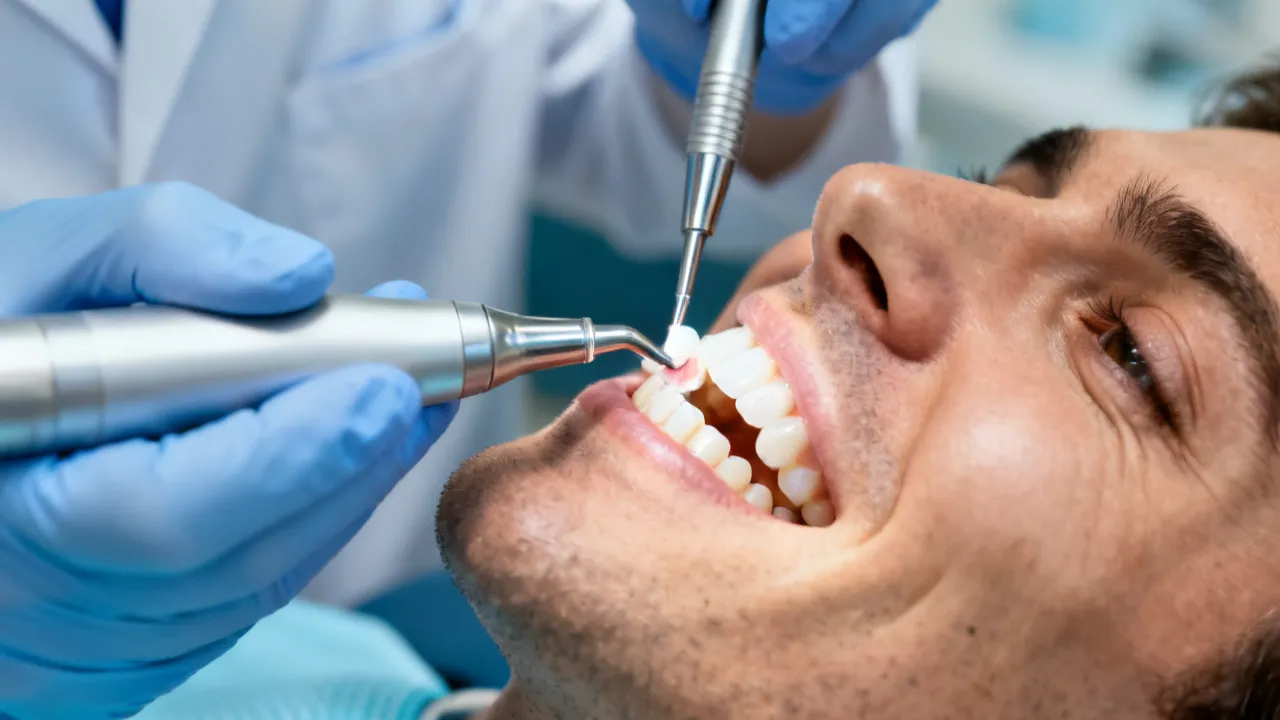
Why Dental Scaling Matters
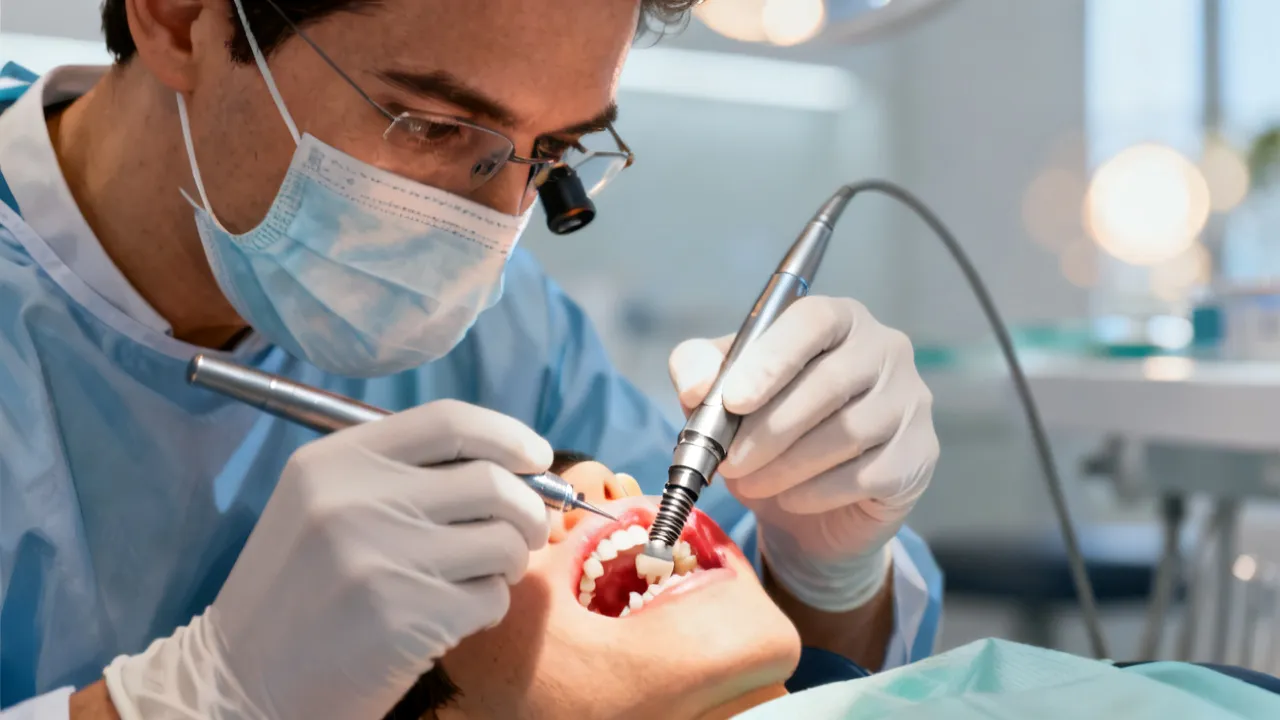
Dental scaling is an important preventive and therapeutic procedure because it removes hardened deposits that ordinary brushing and flossing cannot eliminate. Dental plaque is a soft, sticky film of bacteria that forms continuously on tooth surfaces, along the gumline, around fillings, and near dental appliances. When plaque is not removed effectively, minerals in saliva may cause it to harden into calculus, commonly called tartar. Once calculus has formed, it generally requires professional instruments for safe and thorough removal.
Scaling is not simply a cosmetic polishing procedure. It is a clinical service intended to reduce bacterial deposits, control inflammation, and support the health of the gums and tissues surrounding the teeth. Persistent plaque and tartar may irritate the gingiva, contribute to bleeding, and create conditions associated with periodontal disease. In more advanced cases, inflammation can affect the ligaments and bone that support the teeth, potentially leading to recession, mobility, tooth loss, and the need for complex restorative treatment.
From an industry expert’s perspective, the most important point is that scaling should be based on a clinical assessment rather than a fixed promotional schedule. Some patients may benefit from periodic preventive cleanings, while others with gum disease, orthodontic appliances, dental implants, diabetes, smoking exposure, dry mouth, reduced dexterity, or a history of rapid tartar buildup may need a more structured maintenance program.
Scaling also gives the dental team an opportunity to examine areas that patients may not be able to see at home. Deposits can conceal cavities, defective restorations, gum recession, cracks, or early changes around implants. Removing the deposits improves visibility and allows the dentist or hygienist to assess the condition of the mouth more accurately.
Scaling, Cleaning, and Deep Periodontal Treatment
The word “scaling” is often used broadly, although dental professionals distinguish between several related procedures. Understanding the difference can help patients interpret treatment recommendations and compare estimates from different clinics.
- Routine professional cleaning: This usually involves the removal of plaque, superficial calculus, and selected external stains from accessible tooth surfaces. It is often followed by polishing and oral-hygiene instruction.
- Scaling and root planing: This is a deeper periodontal procedure used when deposits and bacteria are present below the gumline. The clinician cleans the root surfaces and may smooth them to make it more difficult for deposits to accumulate. Treatment may be divided into sections of the mouth and may require local anesthesia.
- Periodontal maintenance: This is continuing care for patients who have previously received treatment for gum disease. The dentist or hygienist monitors pocket depths, bleeding, deposits, and changes in the supporting tissues.
- Implant maintenance: This involves cleaning around implant-supported crowns, bridges, or dentures with instruments and techniques appropriate for the implant materials and restoration design.
- Debridement: In some cases, a patient has such extensive deposits or inflammation that a preliminary removal of large accumulations is needed before a complete examination can be performed.
A routine cleaning is not automatically equivalent to periodontal therapy. The correct approach depends on gum measurements, bleeding, pocket depth, radiographic findings, tooth mobility, recession, bone levels, and the patient’s medical and dental history. Patients should ask the clinic to explain which procedure is being recommended and why.
How Plaque and Tartar Affect Oral Health
Plaque contains bacteria and bacterial by-products that can irritate gum tissue. Early inflammation is often called gingivitis. Common signs include red or swollen gums, bleeding during brushing, tenderness, and persistent bad breath. Gingivitis may be reversible when the cause is addressed through professional care and consistent daily hygiene.
If inflammation persists, some patients may develop periodontitis. This condition can involve the formation of periodontal pockets, loss of attachment around the teeth, and damage to supporting bone. The progression is not identical for every person. Some individuals experience slow changes over many years, while others develop more severe destruction in a shorter period.
Risk is influenced by tobacco use, diabetes control, genetics, oral hygiene, medication, age, stress, immune-system conditions, hormonal changes, nutrition, and access to dental care. A patient who brushes regularly can still develop tartar because saliva chemistry, tooth position, crowding, and other personal factors affect deposit formation.
Scaling does not reverse every form of dental damage. It cannot rebuild lost bone, repair a cavity, close a fracture, or replace a missing tooth. Its value is that it removes deposits that contribute to inflammation and permits a more accurate assessment of the tissues. In many cases, early management is less complex and less expensive than treatment after significant periodontal destruction has occurred.
Oral inflammation may also affect comfort and daily function. Inflamed gums can make brushing unpleasant, and deep pockets can trap food. Bad breath may persist despite the use of mouthwash if the underlying deposits remain. Professional scaling does not guarantee that these issues will disappear immediately, but it addresses one of the common contributing factors.
Signs That a Dental Scaling Appointment May Be Needed
Patients should consider arranging a dental examination if they notice any of the following symptoms or circumstances:
- Bleeding during brushing or flossing that occurs repeatedly;
- Visible yellow, brown, or dark deposits near the gumline;
- Persistent bad breath or an unpleasant taste;
- Gums that appear swollen, tender, shiny, or darker than usual;
- Teeth that appear to be becoming loose or changing position;
- Food repeatedly becoming trapped between teeth;
- Gum recession or increased sensitivity to hot and cold;
- A history of periodontal disease or previous deep cleaning;
- Difficulty cleaning around braces, bridges, crowns, or implants;
- Discomfort when chewing or pressure around a dental implant;
- A long interval since the last dental examination;
- Medical conditions that increase the risk of oral inflammation.
These signs do not establish a diagnosis. For example, bleeding may be related to inflammation, trauma from aggressive brushing, medication, a blood disorder, or another condition. A dentist should evaluate the cause rather than relying on symptoms alone. A sudden loose tooth, facial swelling, fever, or severe pain may require urgent dental attention rather than a routine cleaning appointment.
How Often Is Scaling Necessary?
There is no universally correct interval for every patient. A dental professional may recommend routine preventive care according to the amount of plaque and calculus, gum condition, cavity risk, medical history, age, diet, tobacco exposure, and ability to maintain oral hygiene at home.
Patients with healthy gums may be advised to attend periodic examinations and professional cleanings according to their dentist’s assessment. Some may need care approximately twice a year, while others may have a different interval. Patients with diagnosed periodontal disease often require closer monitoring and periodontal maintenance. Those with implants, orthodontic appliances, reduced manual dexterity, dry mouth, or a history of rapid calculus formation may also need individualized follow-up.
More frequent treatment is not automatically better. Excessive or poorly controlled instrumentation may cause unnecessary sensitivity or irritation, particularly on exposed root surfaces. The procedure should be performed by a qualified dental professional using appropriate pressure, instruments, infection-control procedures, and evaluation methods. The goal is disease control, not repeated treatment without clinical justification.
Patients should also distinguish between a recommended recall interval and a commercial membership schedule. A clinic may offer packages that include cleanings at predetermined intervals, but the clinical need should remain the basis of care. If a patient’s condition changes, the schedule may need to change as well.
What Happens During a Scaling Appointment?
A typical appointment begins with a review of the patient’s symptoms, medical history, medications, allergies, and previous dental treatment. The clinician examines the teeth and gums and may measure periodontal pockets or take radiographs when clinically indicated. If the patient has implants, the clinician may evaluate the soft tissue, restoration margins, bite, and signs of bone loss.
- Assessment: The dentist or hygienist identifies plaque, calculus, gum inflammation, restorations, implants, recession, and areas that require special care.
- Deposit removal: Hand instruments, ultrasonic scalers, or a combination of methods may be used. Ultrasonic instruments use vibration and water irrigation to help disrupt deposits.
- Root-surface treatment: If deposits are below the gumline, deeper instrumentation may be required. The procedure may be divided into several appointments to improve comfort and allow the clinician to focus on specific areas.
- Polishing: Polishing can remove selected external stains and leave tooth surfaces smoother, although it does not replace scaling and may not be appropriate on every restoration.
- Fluoride or desensitizing treatment: Depending on the patient’s needs, fluoride varnish or a desensitizing product may be recommended.
- Personalized instructions: The team explains brushing, interdental cleaning, fluoride use, diet, smoking cessation, and the appropriate review interval.
Patients should tell the dental team about heart conditions, artificial joints, immune-system disorders, pregnancy, anticoagulant medication, allergies, and significant anxiety. Antibiotics are not routinely appropriate for everyone before dental procedures. The decision depends on current clinical guidance and the patient’s medical circumstances. Patients should not stop prescribed medication without speaking with the prescribing clinician.
For patients with dental anxiety, options may include additional explanation, scheduled breaks, topical anesthetic, local anesthesia, a shorter appointment, or sedation when clinically suitable. Anxiety should be discussed in advance so that the dental team can plan a safe and manageable experience.
What to Expect After Scaling
Temporary sensitivity, mild gum tenderness, or limited bleeding may occur, particularly when substantial deposits have been removed or the gums were inflamed. These effects often improve as the tissues heal. The dental team may recommend a soft toothbrush, careful cleaning, desensitizing toothpaste, fluoride, or a particular mouth rinse depending on the case.
Patients should continue brushing and cleaning between the teeth unless their clinician gives different instructions. Stopping oral hygiene because the gums bleed can allow plaque to accumulate further. Cleaning should be gentle rather than forceful. A soft-bristled toothbrush and controlled movements are usually preferable to aggressive scrubbing.
Severe pain, rapidly increasing swelling, persistent heavy bleeding, fever, pus, difficulty swallowing, or difficulty breathing should be reported promptly. These symptoms may indicate a problem that requires assessment. Mild sensitivity is common, but ongoing or worsening symptoms should not be ignored.
Scaling does not make teeth permanently resistant to plaque. Bacterial deposits begin to form again after eating and drinking, which is why home care and maintenance appointments remain important. A practical routine usually includes brushing twice daily with fluoride toothpaste and cleaning between teeth with floss, interdental brushes, a water flosser, or another suitable method recommended by the dental professional.
Scaling for Patients With Dental Implants
Implants replace the root portion of a missing tooth with an artificial fixture. They may support a crown, bridge, or removable prosthesis. Although implant materials do not decay in the same way as natural enamel, the surrounding gum and bone can still become inflamed. The crown or prosthesis can also collect plaque, and cement or food debris may contribute to irritation.
Inflammation limited to the soft tissue around an implant is commonly described as peri-implant mucositis. More advanced inflammation involving supporting bone is known as peri-implantitis. These conditions require professional evaluation. Scaling and maintenance may help control bacterial deposits, but treatment must be adapted to the implant surface, restoration design, bone condition, and severity of inflammation.
Patients should not use household metal tools to scrape deposits from an implant. Improper instruments may scratch surfaces, damage restorations, loosen components, or injure the gum. Dental professionals select instruments and polishing materials that are compatible with the implant system whenever possible. The dentist may also recommend specialized brushes, interdental devices, or threaders for cleaning around an implant.
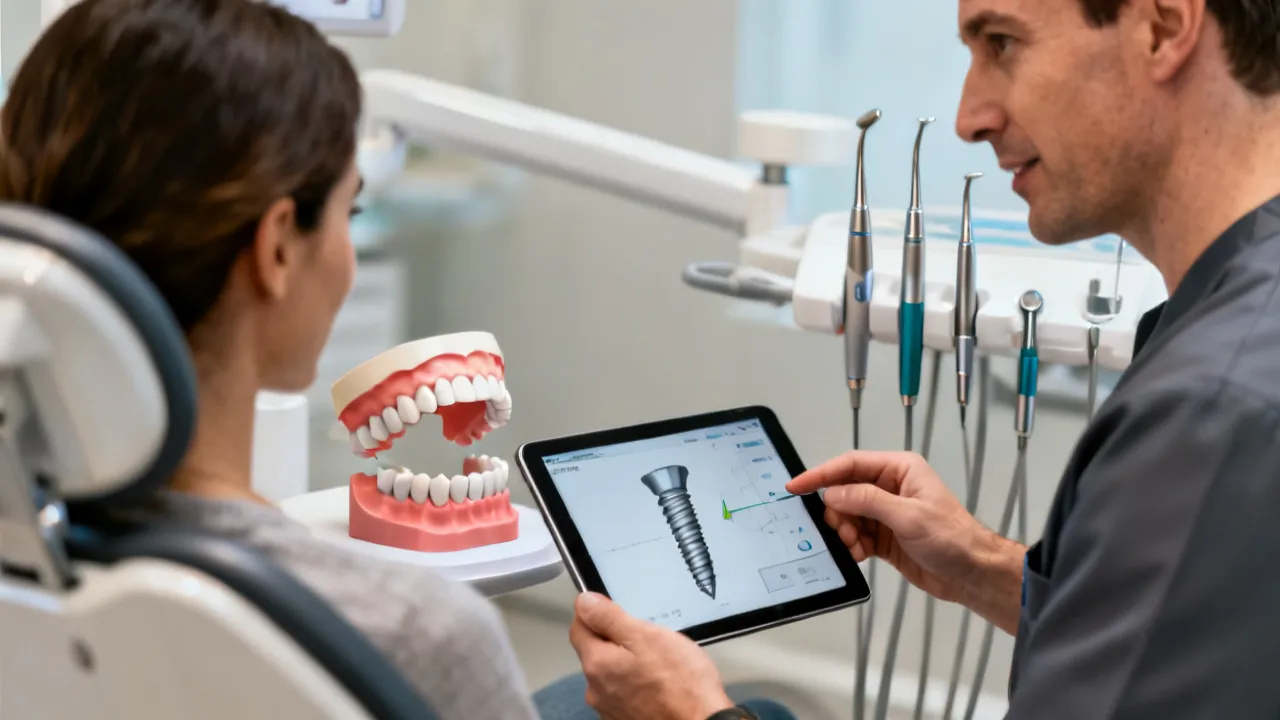
The necessity of scaling becomes especially relevant before and after implant treatment. Active periodontal disease may complicate treatment planning, and untreated inflammation can affect the long-term environment around both natural teeth and implants. Before recommending an implant, a dentist generally evaluates bone volume, gum health, neighboring teeth, oral hygiene, smoking exposure, medical conditions, bite forces, and the patient’s ability to attend follow-up appointments.
Warning signs around an implant include bleeding, swelling, a bad taste, pus, persistent discomfort, difficulty cleaning, or a feeling that the crown or implant is moving. A loose crown may involve a prosthetic component, whereas movement of the implant itself can be more serious. Either situation should be assessed rather than tightened or repaired without an examination.
Relationship Between Scaling and Low-Cost Dental Implants
Patients searching for low-cost dental implants may focus on the price of the implant fixture, crown, or surgical appointment. A responsible comparison must examine the complete treatment pathway. Scaling, periodontal treatment, diagnostic imaging, bone grafting, sinus augmentation, temporary teeth, anesthesia, laboratory work, and follow-up may be priced separately.
A lower advertised price may not include every necessary component. Patients should request an itemized written estimate and clarify whether the quote includes:
- Initial consultation and clinical examination;
- Three-dimensional or conventional imaging, where indicated;
- Tooth extraction or management of infection;
- Periodontal scaling or treatment of gum disease;
- Bone grafting or sinus augmentation, if required;
- The implant fixture and abutment;
- The temporary and definitive restoration;
- Laboratory charges and materials;
- Anesthesia and medication;
- Postoperative reviews and adjustments;
- Management of complications and long-term maintenance.
The lowest initial quote is not necessarily the lowest total cost. A treatment plan that includes diagnosis, disease control, appropriate materials, qualified clinicians, and follow-up may reduce the risk of unexpected expenses. Patients should also confirm the manufacturer and model of the implant, warranty terms, records supplied after treatment, and the process for receiving care if they live far from the clinic.
Patients should ask whether the clinic’s quote covers only the implant fixture or the complete restored tooth. A fixture placed in the bone is not the same as a finished tooth. The abutment, crown, temporary restoration, laboratory work, and adjustments can represent a substantial portion of the total cost. The treatment timeline may also extend across several months because the implant may require a healing period before the final restoration is attached.
How to Obtain Dental Implants at Lower Cost in English-, Spanish-, and Portuguese-Speaking Countries
Affordable care should still meet professional and regulatory standards. The following process can help patients compare options without making treatment decisions based only on advertising.
1. Obtain a Complete Diagnosis Nearby
Begin with an examination by a licensed dentist or oral health professional. Ask for a diagnosis of the missing-tooth area, the condition of surrounding teeth, gum health, bone availability, and any infection. A basic online price cannot determine whether grafting, extraction, periodontal treatment, or multiple appointments will be necessary.
Patients should obtain copies of relevant radiographs and clinical records. These records can help when seeking a second opinion and reduce the need to repeat diagnostic tests. However, images should be interpreted by a qualified clinician; sending a photograph of a missing tooth to a clinic is not a substitute for a full examination.
2. Stabilize Gum Disease Before Implant Placement
If tartar, bleeding, deep periodontal pockets, or infection are present, the clinician may recommend scaling or periodontal treatment before implant surgery. This stage may appear to increase the initial budget, but it addresses the biological conditions that influence implant planning and maintenance.
Where a tooth must be extracted, the dentist may discuss socket preservation, immediate implant placement, delayed placement, or other options. The best sequence depends on infection, bone, soft-tissue conditions, and the desired restoration. A clinic that promises immediate treatment for every patient may not be considering the full range of clinical variables.
3. Compare Itemized Treatment Plans
Request written proposals from at least two appropriately qualified clinics when practical. Compare the same components rather than comparing a surgical fee with a complete treatment package. The plan should identify the implant system, restoration material, number of appointments, imaging, anesthesia, provisional teeth, and follow-up policy.
Ask how the clinic handles changes in the plan. Bone grafting, additional treatment, or a different restoration may become necessary after imaging or surgery. A written estimate should state whether additional charges require patient approval and whether deposits are refundable if treatment is postponed.
4. Ask About Accredited or Regulated Providers
Check the clinician’s registration with the relevant dental authority, the clinic’s infection-control procedures, emergency arrangements, and the qualifications of the surgeon and restorative dentist. In English-speaking markets, patients may verify licensing through state, provincial, national, or professional regulatory bodies. Equivalent checks should be made in Spanish- and Portuguese-speaking jurisdictions.
Patients should be able to identify the clinician responsible for diagnosis and treatment. A clinic’s marketing brand may include several dentists with different qualifications. It is reasonable to ask who will perform the surgical and restorative stages, how often that clinician performs the procedure, and who will provide care if the primary dentist is unavailable.
5. Investigate Dental Insurance and Payment Plans
Some dental plans contribute toward examinations, periodontal services, or prosthetic treatment, although exclusions, waiting periods, annual limits, and preauthorization requirements may apply. Patients should ask the insurer whether implants, bone grafting, crowns, and maintenance are covered separately.
Payment plans should be reviewed for interest, cancellation terms, administrative fees, and the total amount payable. A plan that appears affordable because of a low monthly payment may cost substantially more over time. Patients should avoid borrowing more than they can reasonably repay and should ensure that treatment is clinically appropriate before signing a financing agreement.
6. Consider University and Teaching Clinics Carefully
Dental schools and supervised teaching clinics may offer lower fees because treatment is delivered within an educational environment. Appointments may take longer, and eligibility can depend on the case. Patients should confirm the level of supervision, the clinician responsible for treatment, the expected treatment timeline, and whether implant cases are accepted.
Teaching clinics are not necessarily appropriate for urgent or highly complex situations if the patient cannot attend multiple appointments. Nevertheless, they can be a useful option for examinations, periodontal care, restorations, and some implant-related services when the patient understands the structure of care.
7. Evaluate Treatment Abroad With Caution
Dental tourism can involve lower quoted fees in some markets, but travel introduces additional considerations. Patients should calculate flights, accommodation, local transport, translation, time away from work, insurance, and the cost of returning for complications. Implant treatment may require several stages separated by healing periods, so a short visit may not be sufficient.
Before traveling, request records, implant details, a written diagnosis, a complete price breakdown, and a plan for complications. Patients should also understand who will provide postoperative care after returning home. A local dentist may be able to assist with routine care but may not be willing or able to repair an unfamiliar implant system.
Travelers should ask whether the clinic provides treatment records in a language that a local dentist can understand. Records should include the implant manufacturer, model, dimensions, placement date, restorative components, medications, radiographs, and details of any grafting. Without this information, future maintenance can become more difficult.
8. Do Not Remove Necessary Services to Lower the Quote
Patients should not ask a clinician to omit imaging, sterilization, periodontal assessment, medically necessary treatment, or follow-up solely to reduce the price. A safe plan is based on clinical requirements. Cost reduction is more appropriate through transparent comparison, insurance review, staged treatment, or discussion of suitable restoration alternatives.
For example, a patient may discuss whether a removable partial denture or a conventional bridge is suitable instead of an implant. These options have different advantages, limitations, costs, and maintenance needs. The decision should be based on oral health, function, esthetic expectations, bone condition, medical history, and personal preference.
9. Plan for Long-Term Maintenance
An implant is not the end of treatment. Regular examinations, professional cleaning, careful home care, and prompt attention to bleeding or looseness help protect the surrounding tissues. The long-term maintenance cost should be considered before treatment begins.
Patients should ask whether future professional cleaning around the implant is included in a warranty or priced separately. A warranty may cover a component defect but exclude poor hygiene, smoking, trauma, missed appointments, or changes in general health. Understanding these conditions in advance helps prevent unrealistic expectations.
Comparison of Websites Providing Dental Implant Information
The following websites represent different types of information sources. They should be used for background research rather than as a substitute for an examination. Commercial clinic pages may describe services offered by one provider, while insurance and educational pages may provide broader explanations of treatment or coverage. Website content, fees, locations, and policies can change, so patients should verify information directly with the relevant organization.
| Website or organization | Primary features and practical use |
|---|---|
| Dental Views | Discusses lower-cost dental implants, treatment types, benefits, pricing considerations, process information, and common questions. |
| Atlantic Dental Group | Clinic-based information covering general dentistry, cleaning, orthodontics, implants, emergency care, locations, and appointments. |
| DentaVacation | Provides dental-tourism information, international treatment comparisons, travel planning, and overseas dental-care considerations. |
| ADHP | Explains dental plan options, coverage considerations, applications, and ways insurance may help manage dental expenses. |
| Rockville Dental Arts | Spanish-language clinic information on implants, whitening, cleaning, orthodontics, and emergency dental care. |
| Union City Mini Dental Implants | Spanish-language information focused on mini dental implants and possible treatment applications. |
| Cigna | Spanish-language educational material explaining dental implants, treatment stages, and general considerations. |
| Rubi Odonto | Portuguese-language clinic information covering orthodontics, whitening, implants, and patient services in Santo André, São Paulo. |
| Odontologia Velasco | Portuguese-language information about implants, prostheses, cosmetic dentistry, and technology used in clinical care. |
| DentalVidas | Portuguese-language dental-plan information for individuals, families, and companies, including network and emergency-service details. |
Source: www.dentalviews.com; www.atlanticdentalgrp.com; www.dentavacation.com; www.rockvilledentalarts.com; www.unioncityminidentalimplants.com; www.cigna.com; www.rubiodonto.com.br; www.odontologiavelasco.com.br; www.dentalvidas.com.br
Approximate Individual Dental Implant Price Ranges
The table below presents reference ranges for an individual dental implant in selected countries. “Individual dental implant” may be interpreted differently by clinics: one quote may refer to the implant fixture only, while another may include an abutment and crown. Patients should therefore confirm the precise scope of each price and ask whether taxes, imaging, grafting, temporary teeth, and follow-up are included.
| Country | Currency | Reference price range for one individual implant |
|---|---|---|
| United States | USD | $3,000–$6,000 |
| United Kingdom | GBP | £2,000–£2,500 |
| Australia | AUD | AU$3,500–AU$6,500 |
| Canada | CAD | CA$3,000–CA$5,500 |
| Spain | EUR | €1,500–€2,500 |
| Chile | CLP | CLP$800,000–CLP$1,500,000 |
| Mexico | MXN | $15,000–$25,000 MXN |
| Colombia | COP | $2,000,000–$4,000,000 COP |
| Peru | PEN | S/ 3,000–S/ 6,000 |
| Argentina | ARS | $80,000–$150,000 ARS |
| Brazil | BRL | R$3,000–R$8,000 |
| Portugal | EUR | €1,000–€2,000 |
| Germany | EUR | €2,000–€3,500 |
| France | EUR | €1,500–€2,500 |
| Italy | EUR | €1,500–€3,000 |
| Japan | JPY | ¥300,000–¥700,000 |
These figures should not be treated as current quotations or guarantees. Prices can change with inflation, currency movements, local operating costs, implant brands, laboratory materials, and changes in regulations. Some countries may also quote treatment using different package structures, making direct comparisons difficult.
Why Implant Prices Differ Between Countries and Clinics
Prices vary because implant treatment is not a single uniform service. Local labor costs, laboratory fees, facility standards, regulatory requirements, implant brands, diagnostic technology, clinician experience, restoration materials, taxation, exchange rates, and the complexity of the patient’s anatomy all influence the final fee.
Geography within a country can also affect pricing. Clinics in major metropolitan areas may have different operating costs from those in smaller communities. A clinic near a major transport hub may be convenient for international patients, but convenience does not by itself establish clinical quality. Patients should evaluate credentials, treatment planning, communication, infection control, and follow-up arrangements together.
Currency conversion can create a misleading impression of affordability. Exchange rates change, and the cost of travel may offset an apparent difference in treatment fees. Argentina, Brazil, Chile, Colombia, Mexico, Peru, Portugal, and Spain also have different healthcare systems and professional regulations, so a simple cross-country price ranking is not a reliable quality assessment.
Clinical complexity is one of the most significant variables. A patient with adequate bone, healthy gums, and a straightforward missing tooth may need fewer procedures than a patient with infection, bone loss, gum recession, sinus concerns, or an unfavorable bite. The same advertised implant price can therefore lead to very different final totals.
How Scaling Supports Affordable Long-Term Care
Preventive care can support affordability by identifying problems before they require more complex intervention. Professional scaling may help a dentist observe early gum inflammation, fractured restorations, caries near the gumline, or changes around an implant. Early diagnosis does not guarantee that major treatment will be avoided, but it can allow more options to be considered.
For an implant patient, maintenance is part of the treatment plan rather than an optional add-on. The patient should learn how to brush around the crown, clean beneath a bridge when applicable, use interdental aids, and recognize warning signs. A maintenance program may include clinical examination, professional deposit removal, evaluation of bite forces, and radiographs when indicated.
Patients who have natural teeth remaining should understand that implants do not protect those teeth from cavities or periodontal disease. Scaling and home care must address the entire mouth. The aim is a stable oral environment in which natural teeth, restorations, gums, and implants can be monitored together.
Cost-conscious patients may be tempted to delay scaling because it seems less urgent than replacing a missing tooth. However, untreated gum disease can affect the teeth that might be used to support a bridge or partial denture and can complicate future implant planning. A modest preventive appointment may therefore be a useful part of a broader strategy to reduce avoidable treatment needs.
Special Considerations for Older Adults and Medically Complex Patients
Older adults may have a higher need for assistance with interdental cleaning because of reduced dexterity, arthritis, vision changes, dry mouth, or multiple medications. Caregivers can support routines, but the dental team should preserve the patient’s independence wherever possible. Handles, powered toothbrushes, larger interdental devices, and simplified routines may make daily care easier.
Diabetes, smoking, immune-system conditions, and some medications can influence gum health and healing. Patients should provide an accurate medical history and discuss blood glucose control, smoking cessation, anticoagulants, and other relevant factors. Dental treatment should be coordinated with the patient’s physician when needed.
Smoking can reduce blood flow, impair healing, increase periodontal risk, and negatively affect the long-term environment around implants. Stopping or reducing tobacco use can benefit oral and general health. Patients should ask for practical cessation support rather than assuming that smoking status will not affect their treatment plan.
Pregnancy does not eliminate the need for oral care. A pregnant patient should inform the dental team so that treatment, radiographs, and medication choices can be planned appropriately. Delaying necessary care may allow infection or inflammation to worsen, so decisions should be individualized rather than based on general assumptions.
Dry mouth can increase the risk of plaque accumulation, cavities, discomfort, and difficulty wearing removable appliances. Patients who experience persistent dryness should mention it during the examination. Hydration, saliva substitutes, fluoride products, medication review, and dietary adjustments may be considered.
Choosing a Dental Clinic for Scaling or Implant Care
A suitable clinic should be willing to explain the diagnosis, alternatives, risks, expected outcome, and total costs in understandable language. Patients should receive time to ask questions and should not feel pressured to accept treatment immediately.
Useful questions include:
- What is the diagnosis, and how was it established?
- Is routine scaling sufficient, or is periodontal treatment needed?
- What findings make an implant appropriate in this case?
- What exactly is included in the quoted price?
- Which dentist will perform the surgery and restoration?
- Which implant manufacturer and model will be used?
- What happens if healing is delayed or a complication occurs?
- How many visits are expected?
- Who will provide maintenance after treatment?
- Can the clinic provide copies of radiographs and treatment records?
- What are the alternatives to an implant?
- What symptoms should prompt an urgent call after treatment?
Clear answers are more valuable than claims about exceptional results. Patients should be cautious with websites that guarantee outcomes, hide the clinician’s qualifications, omit important fees, or encourage treatment without a proper examination. Before-and-after photographs may demonstrate a clinic’s work, but they do not replace evidence of appropriate diagnosis, consent, and follow-up.
Common Mistakes Patients Make About Scaling
Assuming Bleeding Means They Should Stop Brushing
Bleeding can indicate inflammation, although the underlying cause should be assessed. In many cases, gentle and consistent cleaning is part of controlling plaque. Patients with heavy bleeding, severe pain, or unexplained symptoms should seek professional advice rather than changing their routine without guidance.
Believing Scaling Creates Gaps
After tartar is removed, spaces may appear more visible because the deposits had occupied areas near the teeth. Inflammation may also reduce when swollen tissue heals. Scaling does not intentionally create gaps, but advanced periodontal disease may already have altered the gum and bone contours.
Using Sharp Household Objects
Scraping teeth with needles, knives, metal picks, or other household objects can injure gums, damage enamel, and introduce infection. Tartar should be removed by a trained professional. Home products marketed as ultrasonic or metal scraping devices may also be unsafe when used without instruction.
Equating Polishing With Disease Prevention
Polishing can improve the feel of tooth surfaces and remove certain external stains. It does not remove all calculus and does not replace brushing, interdental cleaning, examination, or periodontal treatment.
Choosing an Implant Solely on the Lowest Quote
A low price may exclude diagnostic imaging, the crown, grafting, maintenance, or treatment of gum disease. A complete plan should be compared on clinical scope and long-term support.
Assuming a Mouthwash Can Replace Scaling
Mouthwash may provide a useful adjunct in selected situations, but it cannot reliably dissolve established calculus or replace mechanical plaque removal. Some products can also cause side effects or staining when used incorrectly or for extended periods. Patients should ask the dental team which product, if any, is appropriate.
Frequently Asked Questions
Is dental scaling painful?
Many routine cleanings are tolerated without significant discomfort. Sensitivity may be greater when deposits are extensive, gums are inflamed, or treatment extends below the gumline. Local anesthesia or other comfort measures may be considered for deeper periodontal treatment.
Can scaling whiten teeth?
Scaling and polishing may remove some external stains caused by substances such as coffee, tea, tobacco, or certain foods. It does not change the natural internal color of teeth in the same way as professional whitening.
Does everyone need scaling at the same interval?
No. The appropriate interval depends on gum health, tartar formation, medical and lifestyle factors, oral hygiene, and previous periodontal treatment. A dentist should recommend the schedule after examining the patient.
Can scaling damage enamel?
When performed correctly with appropriate instruments and technique, professional scaling is intended to remove deposits without damaging healthy tooth structure. Patients should avoid self-scraping and should tell the clinician about sensitivity or exposed roots.
Should scaling be completed before a dental implant?
If plaque, tartar, gingivitis, or periodontal disease is present, the dental team may recommend cleaning or periodontal treatment before implant placement. The exact sequence depends on the diagnosis, infection status, extraction needs, and surgical plan.
Can an implant develop a cavity?
The implant fixture itself is not a natural tooth and does not develop tooth decay. However, the crown may be damaged, and the gum and bone around the implant may become inflamed. Regular implant maintenance remains important.
Are mini dental implants appropriate for everyone?
No. Mini implants may be suitable for selected clinical situations, but appropriateness depends on bone anatomy, the restoration, bite forces, medical history, and the clinician’s assessment. They should not be selected solely because they are marketed as less expensive.
Is dental tourism always less expensive?
No. Treatment fees may be lower in some destinations, but travel, accommodation, time away from work, repeat visits, translation, insurance, and complication management can increase the total cost. Patients should compare complete treatment plans and follow-up arrangements.
What should an implant quote include?
Ask whether it includes the examination, imaging, extraction, grafting, implant fixture, abutment, temporary restoration, definitive crown, laboratory work, anesthesia, medication, reviews, and maintenance. Written clarification helps prevent misunderstandings.
How can a patient maintain an implant at home?
Brush twice daily with fluoride toothpaste, clean between teeth and around the implant using products recommended by the dental team, avoid tobacco, and attend scheduled examinations. Report bleeding, swelling, bad taste, pain, or looseness promptly.
Does insurance cover scaling and implants?
Coverage differs by plan and jurisdiction. Routine preventive services may have different rules from periodontal treatment or implant restorations. Patients should confirm deductibles, annual limits, exclusions, waiting periods, preauthorization, and whether the dentist is in the plan’s network.
What if a patient cannot afford the entire treatment at once?
The dentist may be able to discuss staged care, disease-control priorities, temporary solutions, payment options, dental-school clinics, insurance benefits, or alternatives such as a removable partial denture. Staging should be planned clinically so that postponing one step does not create avoidable harm.
Professional Perspective: Making a Sound Decision
The necessity of dental scaling should be understood within a broader oral-health strategy. Scaling is valuable when it addresses plaque and calculus that contribute to inflammation, but it is most effective when paired with diagnosis, daily cleaning, risk-factor management, and follow-up.
The same principle applies to dental implants. An implant is a medical and restorative treatment, not merely a product purchased at a listed price. The quality of diagnosis, treatment sequencing, surgical planning, restoration design, infection control, maintenance, and communication all influence the patient experience.
Patients looking for lower-cost care should first separate essential clinical requirements from optional upgrades. They can then compare itemized estimates, investigate insurance or supervised teaching clinics, and assess local versus international treatment realistically. Scaling may be one of the earliest steps in this process because healthy gums and controlled inflammation are central to preserving natural teeth and preparing for appropriate restorative care.
Good decision-making also involves realistic expectations. Implants can restore chewing function and appearance, but they require maintenance and are not immune to biological or mechanical complications. Scaling can reduce deposits and support healthier tissues, but it cannot guarantee that future periodontal disease or implant problems will never occur. The patient and dental team share responsibility for monitoring the mouth over time.
Conclusion
Dental scaling is necessary when plaque and tartar cannot be controlled adequately through home care or when professional monitoring identifies gum inflammation and periodontal risk. It can support healthier gums, improve access for examination, and form part of maintenance for patients with crowns, bridges, orthodontic appliances, or implants.
The best schedule is individualized. Patients should seek an examination rather than relying on a fixed rule, online advertisement, or price alone. For dental implants, affordability should be judged by the complete treatment pathway, including diagnosis, disease control, surgery, restoration, follow-up, and long-term maintenance. Careful comparison across English-, Spanish-, and Portuguese-speaking markets can help patients make informed decisions while keeping safety and clinical appropriateness at the center.
Reference Links
Dental Views: Low-Cost Dental Implants
Rockville Dental Arts, Spanish Website
Union City Mini Dental Implants, Spanish Website
Cigna, Spanish Dental Implant Guide
Disclaimer
1. The information above comes from online resources, and the data is as of October 2023.
2. Dental implant prices are for reference only and may vary by region, clinic, doctor, treatment complexity, materials, diagnostic requirements, insurance coverage, and exchange rates. This article is educational and does not replace an examination or personalized advice from a qualified dental professional.