Writing a Strong Dental School Motivation Statement
This guide explains how to develop a convincing dental school motivation statement, or 치대 지원 동기, while presenting motivations with evidence, reflection, and professional awareness. It also reviews dental implant affordability, compares selected information websites, outlines lower-cost treatment strategies across English-, Spanish-, and Portuguese-speaking markets, and provides reference price ranges. Costs and clinic details require independent verification before decisions are made.
What a Dental School Motivation Statement Must Prove
A dental school motivation statement should do more than express an interest in healthcare. It should show why dentistry is an appropriate professional direction, what experiences shaped that decision, how the applicant understands the responsibilities of the profession, and what qualities they are developing for clinical education. In Korean, the phrase 치대 지원 동기 means “motivation for applying to dental school.” In practice, it refers not only to a personal reason for applying but also to the applicant’s considered explanation of why dentistry is a suitable long-term career.
The strongest statements connect personal experience with professional insight. They do not rely on vague claims such as “I want to help people” or “I have always liked science.” Instead, they explain what the applicant observed, what questions emerged, how those questions were explored, and what was learned. A useful statement therefore has a clear chain of reasoning:
- Exposure: An experience introduced the applicant to dentistry or oral health.
- Reflection: The applicant examined what the experience revealed about dental care.
- Preparation: Academic, volunteer, research, employment, or observational activities developed relevant skills.
- Professional direction: The applicant explains how these experiences support a realistic commitment to dental education.
From an admissions perspective, motivation is credible when it is specific, evidence-based, and connected to the actual work of dentistry. Dentistry combines biomedical knowledge, manual dexterity, diagnosis, prevention, communication, ethical judgment, and sustained patient relationships. A statement that acknowledges this breadth is generally more persuasive than one focused only on cosmetic outcomes, income, or professional status.
Applicants should also demonstrate that they understand dentistry as a profession requiring responsibility beyond the treatment room. Dentists must protect patient confidentiality, obtain informed consent, recognize when a case is outside their competence, maintain accurate records, follow infection-control standards, and communicate honestly about risks, benefits, alternatives, and costs. A convincing statement does not need to list every professional obligation, but it should reveal a thoughtful understanding that technical ability and personal compassion must operate together.
How to Develop Your 치대 지원 동기
Before drafting, create a private inventory of experiences rather than immediately writing an introduction. Include dental appointments, conversations with clinicians, community service, laboratory work, health education, caregiving, employment, artistic or technical activities, and situations that required careful communication. The purpose is not to include every activity. It is to identify experiences that reveal a meaningful pattern.
For each experience, record four details: what happened, what you did, what you noticed, and what you learned. This simple process prevents the essay from becoming a list of activities. It also helps distinguish an event that merely occurred from an event that genuinely influenced your professional direction. An applicant may have participated in many impressive projects, but the most useful material is usually the experience that changed a question, challenged an assumption, or clarified a value.
1. Identify the first meaningful point of contact
Applicants often begin with a childhood dental appointment. Such an experience can be relevant, but it must be interpreted carefully. Simply stating that a dentist was kind is not enough. Explain what the encounter taught you about trust, pain management, preventive education, or the influence of communication on treatment acceptance. If the experience was difficult, reflect on what could have been improved and how that shaped your understanding of patient-centered care.
A stronger example might describe how a dentist explained a procedure using accessible language, checked the patient’s understanding, and adapted the pace of treatment. The applicant can then connect this observation to the importance of informed consent and anxiety-sensitive communication. The focus should remain on learning rather than dramatization.
Not every early experience must be positive. A difficult appointment may have revealed how fear, embarrassment, or a lack of explanation can affect a patient’s willingness to seek care. If discussing such an experience, avoid blaming an individual clinician or presenting an incomplete account. The purpose is to explain how the experience led to constructive reflection about the kind of dentist you hope to become.
2. Distinguish dentistry from other health professions
A dental school motivation statement should answer why dentistry, not merely why healthcare. Dentistry has distinctive features: oral disease prevention, direct procedural care, fine motor work, the relationship between oral and general health, long-term maintenance, and the ability to improve function as well as appearance. Applicants should not imply that oral health is separate from the rest of medicine, but they can explain why the oral environment and dental setting particularly interest them.
For example, an applicant with a background in biology might be drawn to the way microbiology, anatomy, materials science, and behavioral education converge in dental treatment. Another applicant may value the combination of structured procedures and individualized patient interaction. A third may be interested in public health dentistry because access to preventive care varies across communities.
It is useful to describe the combination of immediate and long-term outcomes in dentistry. A dentist may relieve pain during one appointment, restore chewing function over several visits, and then help the patient prevent recurrence through hygiene instruction and regular monitoring. This mixture of procedural precision, education, and continuity distinguishes dentistry from a general desire to work in a hospital or laboratory.
3. Use experiences as evidence rather than decoration
Shadowing a dentist can help applicants understand daily clinical responsibilities, but the experience is meaningful only when accompanied by analysis. Describe what was observed: history-taking, radiographic interpretation, treatment planning, infection-control procedures, restorative work, periodontal assessment, or communication with a nervous patient. Then explain what the observation taught you about the profession.
Shadowing can also reveal less visible aspects of the profession. Applicants may notice how a dental team prepares rooms between patients, coordinates with a laboratory, records clinical findings, handles scheduling pressures, or manages unexpected complications. These details demonstrate that dentistry is a team-based service rather than an isolated technical activity. If you observed a dental assistant, hygienist, receptionist, or laboratory technician contributing to care, recognizing that collaboration can strengthen your understanding of professional teamwork.
Volunteer work also needs interpretation. A food-distribution program, elderly-care service, disability-support activity, or school health project may not be dental-specific, yet it can demonstrate listening, reliability, cultural awareness, and respect for vulnerable people. Avoid presenting service as proof of moral superiority. Instead, show how the experience changed your understanding of barriers to care or the importance of adapting communication.
Employment experiences can be equally valuable. Working in customer service may have taught you to remain calm when people are anxious or dissatisfied. Tutoring may have developed your ability to explain complicated ideas in different ways. Laboratory employment may have strengthened your attention to protocol and documentation. The connection to dentistry should be explicit but not exaggerated: identify the transferable quality, then acknowledge that dental school will require you to develop it further.
4. Explain preparation honestly
Applicants should identify the skills they have developed and the skills they still need to improve. Dentistry requires disciplined scientific study, fine motor coordination, teamwork, emotional steadiness, and attention to detail. Relevant preparation may include laboratory research, anatomy courses, drawing, instrument-based hobbies, sports requiring coordination, clinical employment, or sustained academic projects.
Do not claim that a hobby has “prepared you completely” for clinical dentistry. A more credible approach is to explain which transferable skill it developed and recognize that formal dental training will require much more. Admissions readers generally value accurate self-assessment because dentistry is a demanding profession with continuous learning requirements.
Academic preparation should be discussed with more depth than a list of course titles. Instead of writing that you completed biology, chemistry, and anatomy, explain how those subjects changed your approach to evidence, problem-solving, or complex systems. If a course was particularly challenging, describe the study habits or support strategies that helped you improve. This can show resilience without turning the statement into an explanation of grades.
Applicants may also discuss weaknesses carefully. For example, a student who initially struggled with laboratory precision could explain how repeated practice, feedback, and improved preparation led to better performance. The goal is not to draw attention to every shortcoming, but to show that you can receive feedback and respond constructively—an essential habit in clinical education.
A Practical Structure for the Statement
A personal statement usually benefits from a focused structure. The exact format depends on the institution and application system, but the following model can help organize ideas without producing a formulaic essay.
| Section | Purpose and useful content |
|---|---|
| Opening experience | Introduce a specific moment that prompted serious reflection about oral health or dentistry. |
| Professional exploration | Show how shadowing, employment, research, volunteering, or conversation tested the initial interest. |
| Academic and practical preparation | Explain relevant knowledge, skills, habits, and areas for continued development. |
| Understanding of dentistry | Discuss prevention, diagnosis, treatment, patient communication, ethics, teamwork, and lifelong learning. |
| Conclusion | State a mature and forward-looking commitment to dental education and patient care. |
The opening should create context rather than consume half the essay. The central paragraphs should contain the greatest amount of evidence and reflection. The conclusion should not introduce an unrelated ambition; it should synthesize the argument already developed.
One useful drafting method is to write the body paragraphs before the introduction. Once the evidence and reflection are clear, the applicant can identify the central idea that best connects them. This often produces a more natural opening than trying to invent a dramatic first sentence. A strong introduction does not need a quotation, an unusual metaphor, or a childhood declaration. It needs a specific entry point into the applicant’s reasoning.
Paragraphs should generally follow a pattern of experience, interpretation, and connection. The experience gives the reader evidence; the interpretation shows maturity; the connection explains relevance to dentistry. If a paragraph contains only activities, it needs more reflection. If it contains only abstract values, it needs a concrete example.
Common Weaknesses in Dental Motivation Essays
- Generic enthusiasm: Broad statements about helping people do not establish a distinctive motivation.
- Overemphasis on appearance: Cosmetic dentistry is part of the field, but a narrow focus may suggest limited understanding.
- Unverified clinical claims: Applicants should not present themselves as diagnosing or treating patients when they were only observing.
- Activity lists: A sequence of achievements without reflection reads like a résumé rather than a personal statement.
- Excessive drama: Emotional experiences should be described respectfully and proportionately.
- Unrealistic certainty: Applicants can express commitment while acknowledging that dental training will broaden their interests.
- Poor confidentiality: Patient stories must be anonymized and should never include unnecessary identifying information.
An expert reviewer would also look for consistency between the statement, academic record, references, interview responses, and experience history. A polished essay cannot compensate for a lack of preparation, but it can help an admissions committee understand the reasoning behind an applicant’s path.
Another common weakness is confusing the dentist’s role with that of a technician. Technical skill matters, but dentists also interpret symptoms, assess risk, manage uncertainty, educate patients, coordinate care, and make ethical decisions. An essay centered entirely on enjoying hands-on work may be incomplete unless it also addresses communication, diagnosis, prevention, and responsibility.
Editing and Evidence-Based Review
After drafting, set the essay aside briefly and review it in stages. First, check whether every paragraph advances the central argument. Second, remove abstract claims that are not supported by examples. Third, examine whether the language accurately describes the applicant’s role. Finally, ask a trusted reviewer to identify sections that sound rehearsed or unclear.
Professional editing should preserve the applicant’s voice. Excessive rewriting can make a statement sound artificial and may create inconsistencies during interviews. Grammar, structure, and clarity matter, but authenticity is equally important. Applicants should be able to discuss every experience naturally if asked about it later.
During revision, read the statement aloud. Awkward transitions, repeated phrases, and sentences that are too long become easier to identify when heard. Check whether each technical term is necessary and whether a reader outside your specific research area would understand it. Replace inflated vocabulary with precise language. “I developed a sophisticated appreciation of the multifaceted nature of oral healthcare” is less direct than “I learned that successful treatment depends on diagnosis, communication, and maintenance as well as procedural skill.”
Fact-check descriptions of clinical procedures and professional roles. If you observed a procedure, write “I observed” rather than “I performed.” If you assisted with a research project, identify your actual contribution. Accurate wording protects credibility and demonstrates respect for professional boundaries.
Ethics, Communication, and Patient Trust
Patient trust is central to dentistry because many procedures require cooperation, repeated visits, and long-term maintenance. A patient may be embarrassed about oral health, worried about pain, uncertain about cost, or hesitant because of a previous experience. The dentist must create an environment in which the patient can ask questions and make an informed decision without feeling pressured.
Applicants can demonstrate awareness of this responsibility by reflecting on moments when communication affected participation. Perhaps a volunteer activity required explaining information to someone with limited health literacy. Perhaps a multilingual family experience showed the importance of interpretation and culturally respectful communication. Perhaps a clinical observation revealed that the dentist checked consent more than once rather than assuming that silence meant agreement.
Ethical communication also includes discussing financial limitations. A dentist should not present an expensive procedure as the only acceptable choice without considering alternatives, prognosis, and the patient’s circumstances. This does not mean recommending an unsuitable treatment to reduce cost. It means explaining the clinical reasoning transparently and respecting the patient’s autonomy. Such issues can provide thoughtful material for a motivation statement when connected to genuine experience.
Why Oral Health Awareness Strengthens Dental Motivation
A well-informed applicant understands that dentistry is not limited to repairing individual teeth. Oral health involves prevention, behavior, access, nutrition, chronic disease management, pain, function, communication, and social circumstances. Patients may delay treatment because of cost, fear, transportation, work schedules, language barriers, or prior negative experiences. Recognizing these factors can deepen a motivation statement without making unsupported claims about specific populations.
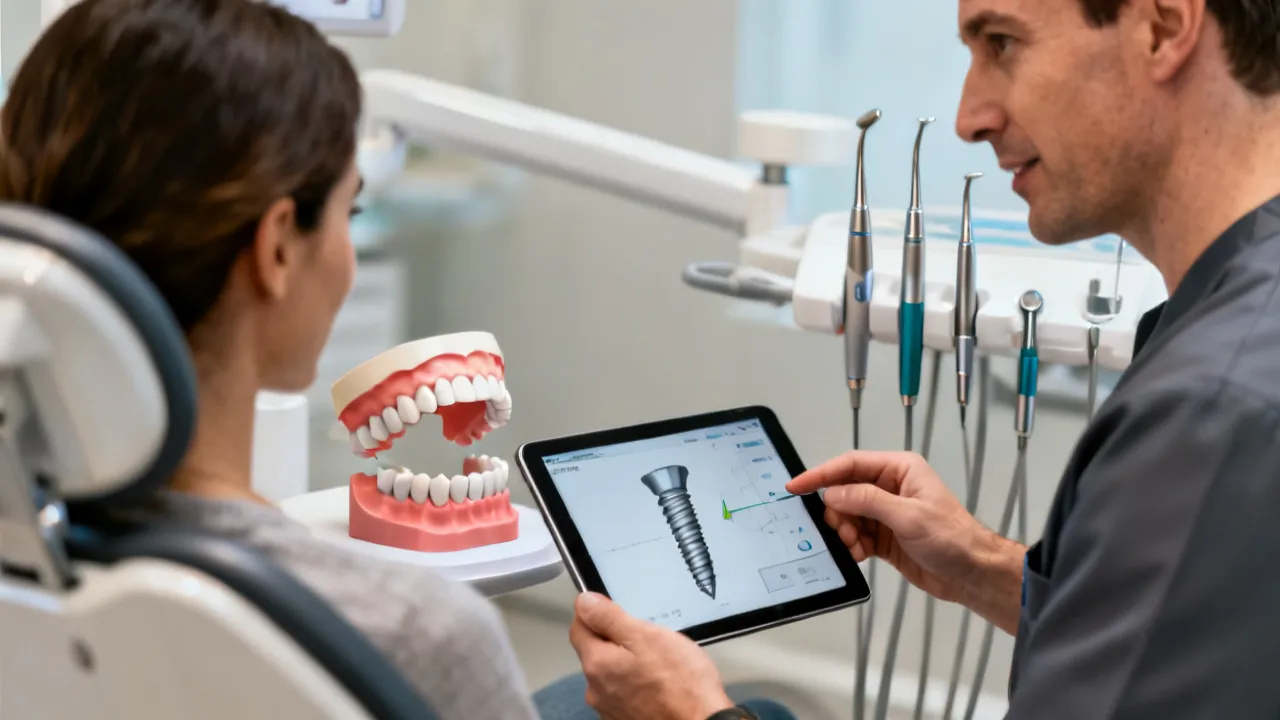
Applicants interested in implants should also understand that implant treatment is a multi-stage clinical process. Assessment may include medical and dental history, periodontal examination, imaging, bone evaluation, restorative planning, and discussion of alternatives. Implant placement is not automatically appropriate for every patient. Smoking, uncontrolled systemic disease, active periodontal infection, medication history, bone volume, oral hygiene, and the patient’s ability to attend follow-up appointments may influence treatment planning.
This perspective is useful in a dental school essay because it demonstrates that the applicant appreciates clinical judgment. A motivation for dentistry should not be built around one procedure. Instead, implants can be mentioned as an example of how surgery, restorative dentistry, materials, maintenance, and patient expectations intersect.
Preventive dentistry deserves particular attention. Fluoride guidance, sealants, brushing and interdental cleaning, dietary counseling, periodontal maintenance, and early detection may prevent the need for more complex treatment. Applicants who understand prevention can present dentistry as a profession that does not simply repair damage but also helps patients preserve health and function over time.
Low-Cost Dental Implants: What Patients Should Understand
Patients searching for low-cost dental implants should compare the complete treatment plan rather than focusing on the advertised implant placement fee. A quoted price may include only the implant fixture or surgical stage. Additional charges can involve consultation, three-dimensional imaging, extraction, bone grafting, sinus augmentation, abutment, crown, sedation, medication, temporary teeth, laboratory work, and follow-up visits.
The most affordable safe option is not necessarily the lowest initial quote. A treatment plan that omits essential diagnostic steps or follow-up care may produce additional expenses and clinical risk. Patients should ask for a written, itemized estimate and confirm which professional is responsible for each stage.
The word “implant” itself can create confusion. A complete single-tooth restoration commonly involves a fixture placed in bone, an abutment connecting the fixture to the visible restoration, and a crown designed to resemble and function like a tooth. Some clinics advertise only the fixture, while others advertise a package. The patient should ask precisely what the quoted amount represents.
Questions to ask before accepting a low-cost offer
- Does the quoted amount cover the implant, abutment, and final crown?
- Are consultation, imaging, extraction, grafting, and temporary restorations included?
- Which dentist or oral surgeon will perform the surgical procedure?
- What qualifications, registration, and relevant experience does the clinician have?
- Which implant system and laboratory materials will be used?
- What happens if the implant fails or the crown requires adjustment?
- How many follow-up visits are included?
- Will the clinic provide treatment records and implant identification details?
- Are translation, transportation, accommodation, or travel costs separate?
- What is the estimated total cost if additional bone or gum treatment is needed?
Patients should be cautious with treatment tourism when the schedule is compressed. Healing and tissue integration take time, and a clinic should explain what can be completed safely during one visit and what requires later care. Returning to another country for an adjustment may be inconvenient, expensive, or clinically unsuitable.
Patients should also ask about maintenance after the crown is placed. Implants do not develop cavities in the same way as natural teeth, but the surrounding tissues can become inflamed or infected if plaque control is inadequate. Professional cleaning, home-care instruction, monitoring of the bite, and periodic examinations remain important. A quote that includes placement but says nothing about maintenance does not describe the full financial or clinical commitment.
Comparison of Dental Implant Information Websites
The following table summarizes the stated focus of selected websites. It is intended as an information-resource comparison, not as an endorsement of a clinic, insurer, treatment provider, or price. Availability, services, language options, and clinical claims should be checked directly with each organization.
| Website or organization | Main information focus and practical use |
|---|---|
| Dental Views | Discusses lower-cost dental implants, treatment types, the implant process, expected expenses, benefits, and common questions. |
| Atlantic Dental Group | Provides information about general and restorative dental services, possible appointment procedures, clinic teams, and patient care options. |
| DentaVacation | Explains dental tourism concepts, international treatment comparisons, travel planning, and procedures that may be sought abroad. |
| American Dental Health Plans | Offers information about dental coverage and plan options that may help patients evaluate insurance-related expenses. |
| Rockville Dental Arts | Provides Spanish-language information about implants, whitening, cleaning, orthodontics, and emergency dental services. |
| Union City Mini Dental Implants | Focuses on mini dental implants and related treatment information in a Spanish-language setting. |
| Cigna | Offers a Spanish-language educational guide explaining general aspects of dental implants and treatment considerations. |
| Rubi Odonto | A Brazilian clinic website describing services such as orthodontics, whitening, and dental implants. |
| Odontologia Velasco | A Brazilian clinic website presenting implant, prosthetic, and aesthetic dentistry services and technology-related information. |
| DentalVidas | Describes dental plan options for individuals, families, and businesses, including network and emergency-care information. |
source: www.dentalviews.com/low-cost-dental-implants
source: www.atlanticdentalgrp.com
source: www.dentavacation.com
source: rockvilledentalarts.com/es
source: unioncityminidentalimplants.com/es
source: www.cigna.com/es-us/knowledge-center/guide-to-dental-implants
source: www.rubiodonto.com.br
source: www.odontologiavelasco.com.br
source: dentalvidas.com.br
source: rockvilledentalarts.com/es (the supplied reference identifies this page in connection with American Dental Health Plans; patients should verify the relationship directly).
How to Seek Lower-Cost Implants in English-Speaking Markets
English-speaking markets include several healthcare systems with different insurance structures, professional regulations, and private-practice costs. The following steps are broadly applicable in the United States, the United Kingdom, Australia, and Canada, but local rules differ.
Step one: obtain a diagnostic assessment
Start with a licensed dentist or appropriately qualified specialist. The assessment should establish whether an implant is necessary and whether alternatives such as a conventional bridge or removable partial denture are clinically suitable. Imaging and periodontal evaluation are important because hidden infection or bone loss can alter the plan.
Step two: compare complete written plans
Ask at least two clinics for itemized estimates based on comparable treatment stages. Compare the clinician’s qualifications, implant brand, laboratory arrangements, warranty language, expected timeline, and follow-up protocol—not just the headline fee.
Step three: investigate legitimate coverage
Dental insurance may exclude implants, cover only part of the restoration, impose waiting periods, or apply annual limits. Patients should request a written pre-treatment estimate from the insurer. University dental schools, community clinics, and public or charitable programs may offer reduced fees in some regions, but eligibility and waiting times vary. These options should be assessed through official institutional channels.
Step four: ask about staged treatment
If clinically acceptable, a dentist may discuss staging extraction, healing, implant placement, and restoration. Staging does not automatically reduce the total cost, but it can make budgeting more manageable and allow the clinician to address infection or periodontal disease first.
Step five: evaluate travel carefully
Cross-border treatment can reduce quoted fees in some circumstances, but patients must include flights, accommodation, time away from work, local transport, insurance, translation, and return visits. The patient should also understand how complications will be managed after returning home. A recognized clinic with clear records and a reliable aftercare plan is essential.
Step six: compare financing without ignoring the total obligation
Some clinics offer monthly payment plans or third-party financing. A monthly amount may appear affordable while the total repayment is substantially higher because of interest, administrative fees, or extended terms. Patients should obtain the cash price, financed price, interest rate, cancellation conditions, and consequences of missed payments in writing. Financing should make a clinically appropriate treatment manageable, not encourage a patient to accept a treatment plan without sufficient diagnostic information.
How to Seek Lower-Cost Implants in Spanish-Speaking Markets
Spain, Mexico, Chile, Colombia, Peru, and Argentina have different currencies, regulatory systems, private-care markets, and regional price patterns. Spanish-speaking patients may find it useful to consult Spanish-language educational pages, but online information should not replace an in-person examination.
- Confirm professional registration: Check the dentist’s registration with the relevant national or regional authority where such registries are available.
- Request a Spanish-language treatment plan: Make sure the document identifies the implant, abutment, crown, imaging, surgery, laboratory work, and aftercare.
- Clarify the meaning of “implant price”: In some advertisements, “implant” refers only to the fixture, while the visible tooth restoration is billed separately.
- Compare urban and regional clinics: Prices can differ between major metropolitan areas and smaller cities, although travel and specialist availability must be considered.
- Check payment and cancellation policies: Patients should understand deposits, staged payments, refunds, and the financial consequences of changing the treatment plan.
- Review emergency arrangements: Ask who will handle pain, swelling, infection, loose components, or a damaged temporary restoration.
- Use tourism services cautiously: A travel coordinator may assist with logistics, but the clinical decision must come from the treating dental team.
Websites such as Rockville Dental Arts, Union City Mini Dental Implants, and Cigna provide Spanish-language material that may assist with general orientation. They should not be treated as independent price audits or substitutes for local clinical advice.
Language access is part of safe care. Patients should be able to understand consent documents, medication instructions, postoperative warnings, and the limitations of a guarantee. If interpretation is necessary, it is better to use a qualified interpreter or an appropriate clinic service than to rely on a child or another family member for complex medical communication.
How to Seek Lower-Cost Implants in Portuguese-Speaking Markets
Brazil and Portugal are the principal Portuguese-speaking markets represented in the supplied price information. In Brazil, patients may compare private clinics, dental-plan networks, teaching institutions, and regional providers. In Portugal, public and private pathways differ, and implant coverage depends on the specific plan or service.
Patients should confirm whether a clinic uses a registered professional, maintains appropriate sterilization standards, supplies written records, and provides a clear restorative plan. In Brazil, the professional’s registration with the relevant dental council should be checked. In Portugal, patients should verify the practitioner and clinic through the appropriate professional and regulatory channels.
Rubi Odonto and Odontologia Velasco present implant-related services in Brazil, while DentalVidas describes dental-plan options. These websites may help a patient understand the range of services available, but the patient should independently confirm current prices, clinician credentials, materials, guarantees, and aftercare.
Patients should ask whether the quoted fee is in Brazilian reais or euros, whether taxes and laboratory fees are included, and whether the clinic will provide documentation that another dentist can interpret. When treatment involves several providers, the patient should identify who is responsible for surgery, prosthetic design, laboratory communication, and maintenance appointments.
Reference Price Ranges for One Dental Implant
The following ranges are supplied reference figures for an individual dental implant. They should not be interpreted as standardized national prices or as a complete treatment quote. Depending on the source, “one implant” may refer to the surgical fixture alone or may be used more broadly. Patients must confirm whether the abutment, crown, imaging, extraction, grafting, and follow-up are included.
| Country | Currency | Reference price range for one implant |
|---|---|---|
| United States | USD | $3,000–$6,000 |
| United Kingdom | GBP | £2,000–£2,500 |
| Australia | AUD | AU$3,500–AU$6,500 |
| Canada | CAD | CA$3,000–CA$5,500 |
| Spain | EUR | €1,500–€2,500 |
| Chile | CLP | CLP$800,000–CLP$1,500,000 |
| Mexico | MXN | $15,000–$25,000 MXN |
| Colombia | COP | $2,000,000–$4,000,000 COP |
| Peru | PEN | S/ 3,000–S/ 6,000 |
| Argentina | ARS | $80,000–$150,000 ARS |
| Brazil | BRL | R$3,000–R$8,000 |
| Portugal | EUR | €1,000–€2,000 |
| Germany | EUR | €2,000–€3,500 |
| France | EUR | €1,500–€2,500 |
| Italy | EUR | €1,500–€3,000 |
| Japan | JPY | ¥300,000–¥700,000 |
Currency values and local prices can change significantly because of inflation, exchange rates, laboratory costs, professional fees, and changes in materials. A comparison should therefore record the date of the quote and the treatment components included. A price range from one country cannot be compared fairly with a quote from another unless the services are equivalent.
Conditions That May Affect Implant Eligibility and Cost
Implant planning depends on more than the missing tooth. The clinician may assess:
- Bone volume and density: Insufficient bone may require grafting or another surgical approach.
- Periodontal health: Active gum disease should generally be addressed before implant placement.
- Medical history: Conditions and medications affecting healing or bleeding must be disclosed.
- Smoking and tobacco use: Tobacco can affect healing and should be discussed openly.
- Oral hygiene: Long-term implant maintenance requires consistent plaque control.
- Bite and available space: Forces from clenching, grinding, or an unfavorable bite may influence design and protection.
- Age and development: Implant timing may depend on jaw growth and overall development.
- Follow-up access: Patients need a realistic plan for reviews, hygiene care, and restoration maintenance.
A low initial price may change when one of these factors is identified. For that reason, a responsible estimate is usually issued only after examination and diagnostic imaging. Patients should not select treatment based on a social-media promotion or a price displayed without clinical conditions.
The condition of neighboring teeth also matters. An apparently isolated missing tooth may be associated with decay, gum disease, an unstable bite, or inadequate space. In some cases, orthodontic treatment or periodontal therapy may be recommended before implant placement. A careful treatment plan considers the entire mouth rather than treating the gap as an independent problem.
Implant Tourism: Potential Benefits and Important Risks
Dental tourism can offer patients access to clinics in countries where treatment fees are lower than those in their home market. It may also provide a broader choice of providers and allow patients to combine treatment with travel. However, the decision requires a risk assessment rather than a simple price comparison.
Travel-related concerns include limited time for diagnosis, language misunderstandings, different regulatory systems, difficulty verifying qualifications, inconsistent implant brands, complications after returning home, and the need for additional travel. A patient should request complete records, radiographs, implant identification information, operative notes, and restoration details before leaving the clinic.
Patients should also consider whether their domestic dentist is willing and able to manage follow-up care for treatment performed abroad. Some clinicians may be unable to repair an unfamiliar implant system or may need additional diagnostic information. Travel insurance may exclude planned dental procedures and related complications, so policy terms should be reviewed in advance.
Recovery planning is another important issue. Swelling, discomfort, temporary restorations, medication reactions, or changes in the bite may occur after treatment. Patients should know which symptoms require urgent attention and how to contact the treating clinic outside regular business hours. A provider that cannot explain emergency procedures or provide accessible records may not be suitable, regardless of the advertised price.
Connecting Implant Awareness to Dental School Motivation
For applicants writing a 치대 지원 동기 statement, interest in affordable implants can become meaningful when framed through patient access and clinical responsibility. The applicant might explain that researching implant costs revealed how treatment decisions are influenced by affordability, insurance limitations, geography, and continuity of care. The important point is not to claim that cheaper treatment is always better. Rather, the experience can lead to questions about prevention, treatment planning, health literacy, materials, public policy, and ethical communication.
A thoughtful applicant may write about wanting to understand how clinicians balance patient preferences with safety, prognosis, and long-term maintenance. This demonstrates a more mature interest than simply stating an intention to provide inexpensive procedures. It also recognizes that dentists must explain alternatives, risks, benefits, limitations, and expected maintenance in language the patient can understand.
Research into dental costs can likewise reveal the importance of evidence-based decision-making. Online advertisements frequently use simplified terminology. A future dentist should be prepared to distinguish educational content from individualized clinical advice, identify missing information, and communicate uncertainty responsibly.
Applicants should avoid implying that a dental school application is a commercial proposal. The central question remains why the applicant wants to become a dentist and how they are prepared to serve patients. Implant affordability may support that argument, but it should not replace discussion of prevention, general dental education, patient relationships, scientific preparation, and ethical practice.
Sample Analytical Approach for Applicants
The following is an outline, not a personal statement to submit unchanged:
“My interest in dentistry developed through observing how a clinician combined technical precision with patient education. During later shadowing, I noticed that treatment planning involved more than selecting a procedure: the dentist evaluated oral hygiene, periodontal conditions, medical history, finances, and the patient’s ability to maintain the result. This experience led me to explore the relationship between prevention, restorative care, and access. Through laboratory study and community service, I developed greater respect for careful evidence assessment, clear communication, and teamwork. I am applying to dental school because I want to develop the scientific, technical, and ethical foundation required to provide responsible oral healthcare.”
This outline works because it moves from experience to reflection, then to preparation and professional direction. It avoids promising a specific specialty before the applicant has received broad clinical training. It also places patient welfare and informed decision-making above commercial claims.
To make the example personal, an applicant should replace each general phrase with a verifiable detail. “During later shadowing” might become a description of observing a treatment consultation in which the dentist discussed periodontal health before considering an implant. “Through laboratory study” might identify a project that required careful measurement and repeated troubleshooting. “Community service” might explain how the applicant learned to communicate with people whose first language differed from their own.
The applicant should then explain the significance of these details. Observation alone does not prove commitment. Reflection shows that the applicant understands what was observed and can connect it to future learning. The statement should make clear that dental school is not merely the next prestigious step but the necessary environment in which the applicant will develop clinical judgment, scientific knowledge, manual skills, and professional identity.
FAQs About Dental School Motivation and Implant Costs
What does 치대 지원 동기 mean?
치대 지원 동기 means the motivation for applying to dental school. In an application context, it includes the experiences, values, preparation, and professional reasoning that explain why the applicant has chosen dentistry.
Should I mention a personal dental experience?
Yes, if it provides genuine insight into your interest and can be discussed respectfully. Explain what you learned about communication, prevention, trust, treatment, or access rather than describing the event only for emotional effect.
Is shadowing essential for a strong statement?
Requirements differ by institution. Shadowing can help applicants understand the profession, but its value depends on the quality of reflection. Other experiences may also demonstrate relevant preparation if they are connected clearly to dentistry.
Should I say that I want to specialize in implants?
You may discuss an emerging interest, but avoid presenting a specialty decision as final before dental school exposure. A balanced statement recognizes that general dental education will introduce multiple disciplines and may refine your direction.
What is usually included in a dental implant price?
It varies. Some quotes include only the implant fixture; others include surgery, the abutment, and crown. Imaging, extraction, grafting, sedation, provisional teeth, laboratory fees, and follow-up may be separate. Always request an itemized estimate.
Are lower-cost implants necessarily lower quality?
No simple conclusion can be made from price alone. Fees reflect local labor costs, materials, clinic overhead, professional experience, laboratory arrangements, treatment complexity, and follow-up services. Safety depends on appropriate diagnosis, qualified care, suitable materials, infection control, and maintenance.
Can dental insurance cover implants?
Some plans provide partial benefits, while others exclude implants or cover only related components. Coverage may also be limited by annual maximums, waiting periods, exclusions, or network rules. Patients should obtain written confirmation from the insurer.
Are dental schools a lower-cost option?
Teaching clinics may offer reduced fees in some locations, but treatment is supervised and appointments may take longer. Eligibility, waiting lists, case selection, and available procedures differ. Contact the institution directly for current information.
What should I do if an implant advertisement gives only one price?
Ask whether the figure covers the full restoration and request a written breakdown. If the clinic cannot explain the stages, materials, clinician responsibilities, or aftercare, compare another provider before making a decision.
How can I make my motivation statement sound authentic?
Use precise experiences, describe your actual role, explain what changed in your thinking, and avoid language you would not use in an interview. Authenticity comes from accurate reflection rather than dramatic wording.
How long should a motivation statement be?
The required length depends on the application system. Applicants should follow the institution’s word or character limit exactly. Within that limit, prioritize the experiences that best explain your decision and preparation rather than trying to mention every activity.
Can I discuss financial barriers in a dental school statement?
Yes, when the topic is relevant and handled thoughtfully. Explain what you observed or experienced, how it influenced your understanding of access, and what questions it raised about prevention or ethical care. Avoid implying that personal hardship automatically qualifies you or that patients with limited resources want inferior treatment.
Should a personal statement mention research?
Research can be valuable when it demonstrates curiosity, discipline, analysis, or an interest in biomedical questions. Explain the question, your contribution, and what you learned. Do not use technical vocabulary simply to sound advanced.
Final Guidance
A persuasive dental school motivation statement combines personal experience with a realistic understanding of dentistry. The keyword 치대 지원 동기 is best addressed through a structured explanation of exposure, reflection, preparation, and professional purpose. Applicants should demonstrate curiosity about oral health, respect for patients, awareness of ethical responsibilities, and willingness to continue learning.
For patients considering implants, affordability should be evaluated through the total treatment pathway, not a single advertised number. Compare qualified providers, request itemized plans, investigate coverage, confirm follow-up arrangements, and consider the medical and logistical consequences of treatment abroad. Online resources can support initial research, but individualized decisions require assessment by an appropriately qualified dental professional.
The most credible applicant does not pretend to know everything about dentistry before entering dental school. Instead, the applicant demonstrates informed curiosity, honest self-assessment, and a willingness to develop. Likewise, the most responsible patient does not assume that a low quote is either an excellent bargain or evidence of poor quality. The patient asks what is included, who will provide the care, how success will be monitored, and what happens if circumstances change.
Whether the subject is a dental school application or an implant treatment decision, careful reasoning matters. Dentistry depends on the relationship between scientific evidence, technical execution, communication, patient preferences, and long-term care. A strong motivation statement recognizes that relationship, and a responsible treatment comparison does the same.
References and Links
- Dental Views: Low-Cost Dental Implants
- Atlantic Dental Group
- DentaVacation
- Rockville Dental Arts, Spanish-language page
- Union City Mini Dental Implants, Spanish-language page
- Cigna: Guía de Implantes Dentales
- Rubi Odonto
- Odontologia Velasco
- DentalVidas
- American Dental Health Plans reference link supplied in the source material
Disclaimer
The information above comes from online resources, and the data is as of October 2023. Dental implant prices are for reference only and may vary by region, clinic, doctor, treatment complexity, materials, insurance coverage, and required follow-up care. Website descriptions are informational and should not be interpreted as endorsements, guarantees of clinical quality, or individualized medical advice. Consult a qualified dental professional before making a treatment decision.