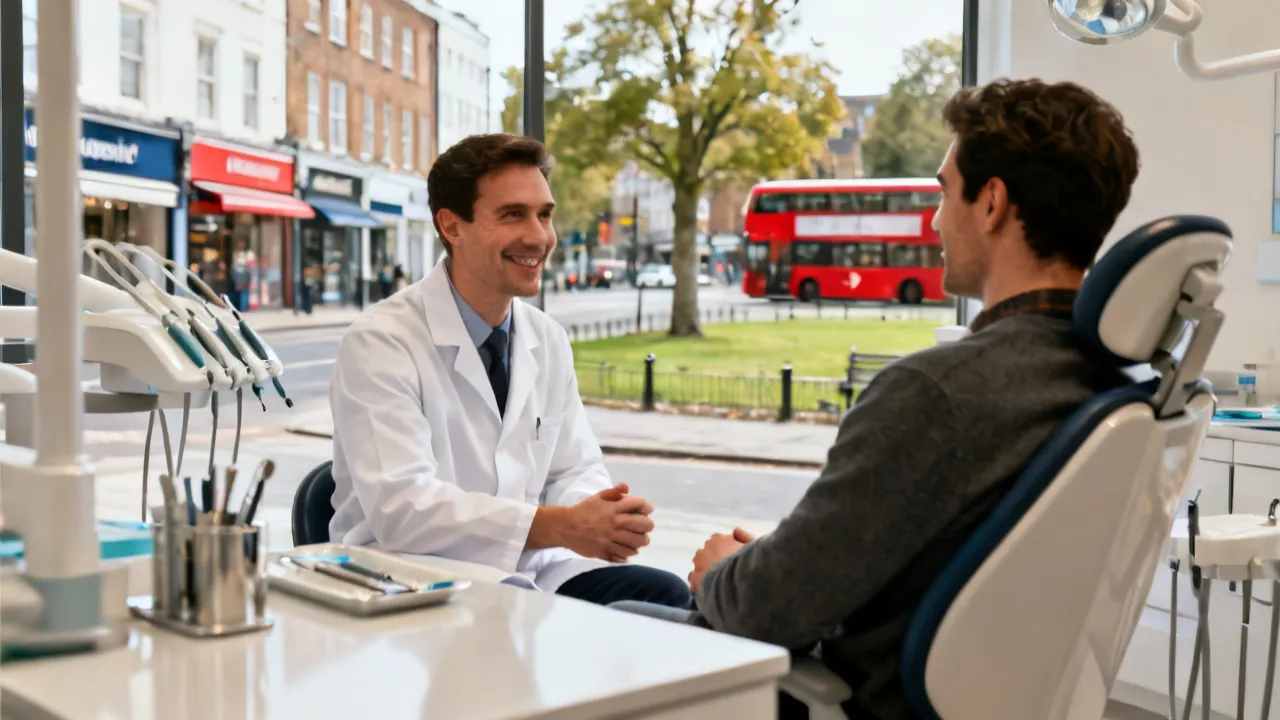
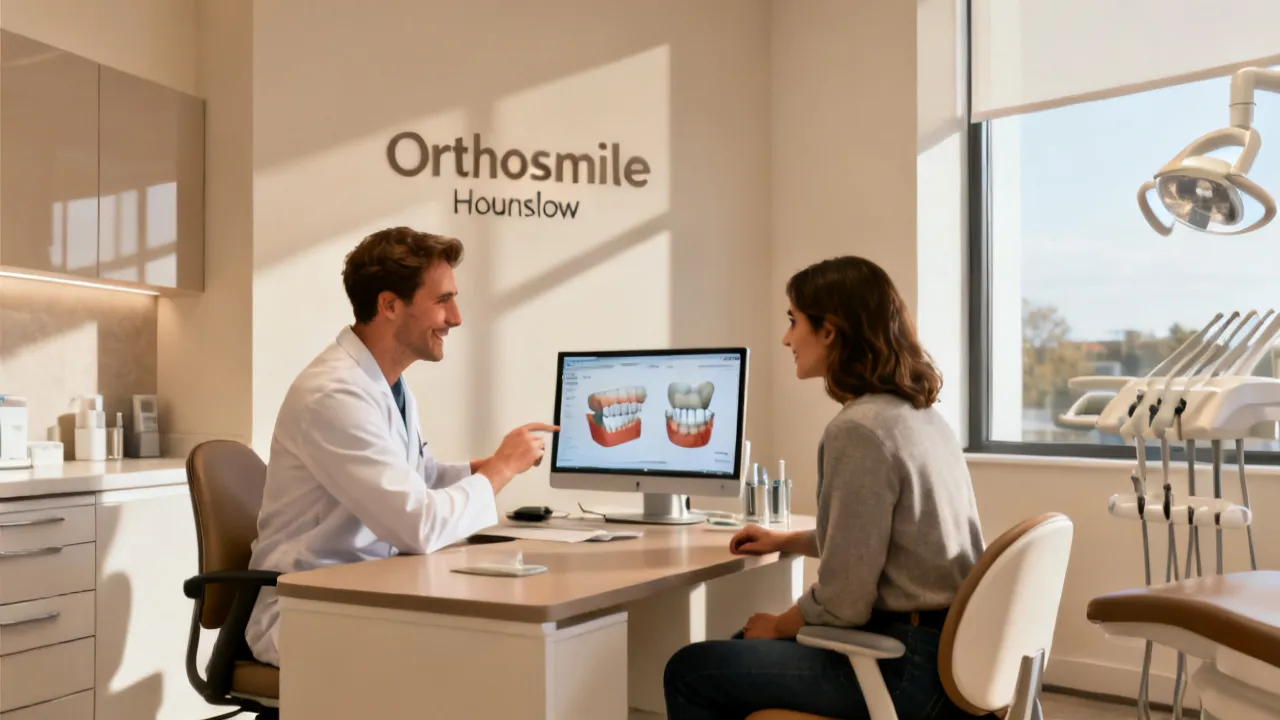
Dental Student Life and Affordable Implant Care
This guide explains 치대생 생활, or dental student life, while examining how future dentists learn about diagnosis, implant planning, patient communication, and ethical cost discussions. It also compares reputable online dental-information resources, outlines practical ways to manage implant expenses in English-speaking countries, and presents reference price ranges for one implant. Prices and treatment pathways vary according to clinical complexity, location, materials, insurance, and provider experience.
What 치대생 생활 Means in Practice
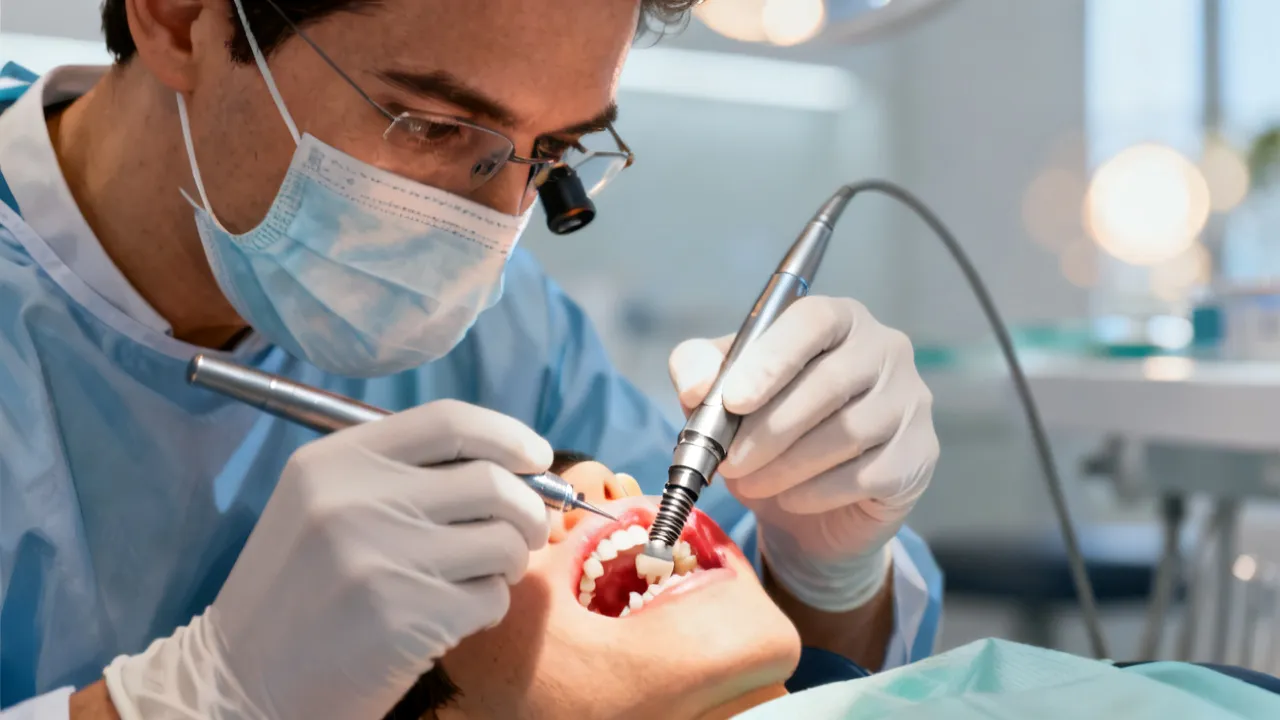
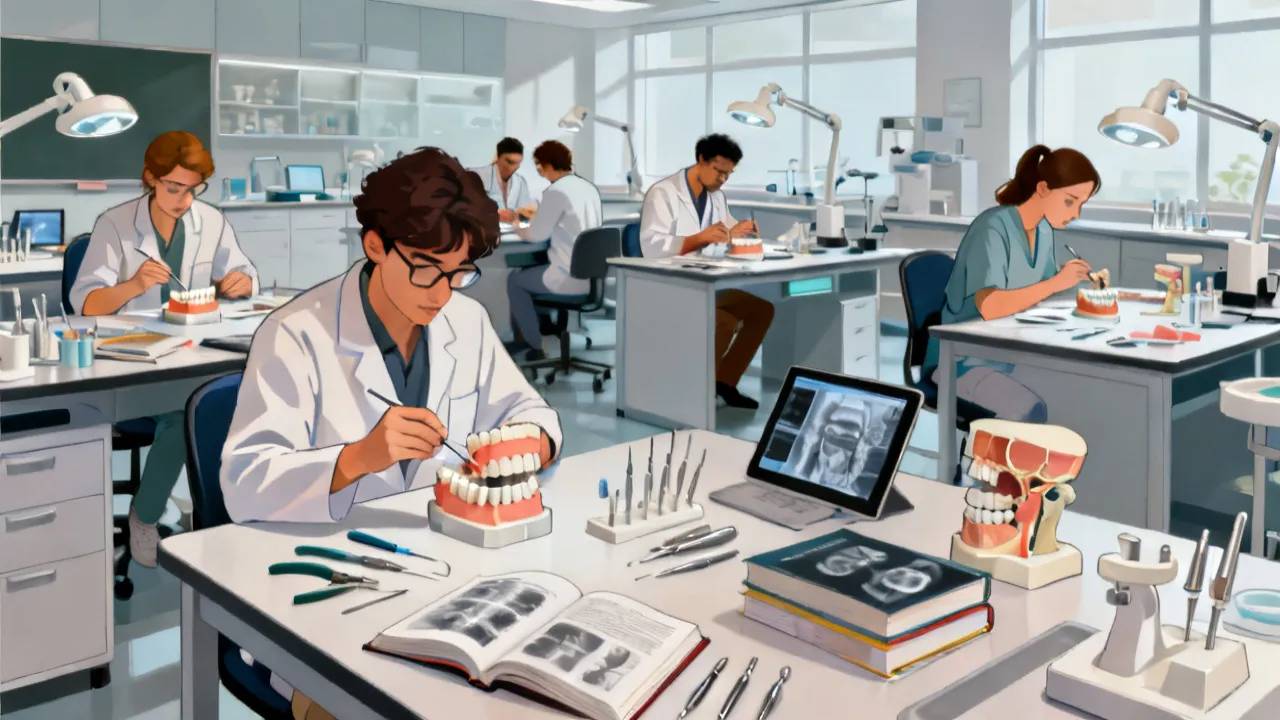
The Korean expression 치대생 생활 refers to dental student life: the academic, clinical, practical, and personal experience of studying dentistry. Although the exact curriculum differs between universities, dental education is generally demanding because students must combine scientific knowledge with highly precise manual skills and direct patient care. A dental student may spend the same week learning oral pathology, preparing a cavity model, interpreting a radiograph, and communicating with a patient who is anxious about treatment.
Dental student life is often different from what people imagine when they think of university study. Much of the learning is practical and cumulative. A student cannot master a procedure simply by memorizing its steps. They must understand why each step matters, how the patient’s anatomy affects the procedure, what complications might occur, and how to respond if the result does not develop as expected. Even a basic restoration involves diagnosis, material selection, moisture control, instrument handling, occlusal evaluation, documentation, and follow-up.
From an industry perspective, the most important feature of dental education is its integration of theory and practice. Dentistry is not learned solely from lectures. Students develop competence through simulation laboratories, supervised clinics, case discussions, research, and repeated feedback. Implant dentistry illustrates this especially well. A future dentist must understand bone biology, periodontal health, restorative design, radiographic planning, infection control, informed consent, and the limits of treatment before placing or restoring an implant.
Patients researching lower-cost dental implants may encounter advertisements that present a single price as though every case were identical. Dental students are trained to recognize why this can be misleading. The visible implant fixture is only one part of a treatment plan. The total fee may also involve examination, imaging, extraction, bone preservation, grafting, the abutment, the crown, laboratory work, sedation, follow-up appointments, and management of complications. A careful comparison therefore considers the complete treatment pathway rather than the lowest advertised number.
The student perspective is useful because it emphasizes that dentistry is a process of assessment and decision-making. A missing tooth is not treated in isolation from the rest of the mouth. The condition of neighboring teeth, the health of the gums, the patient’s bite, oral hygiene, general health, expectations, and ability to attend follow-up appointments all influence the plan. This is why two patients who appear to have similar gaps may receive different recommendations and different cost estimates.
The Most Important Lessons for Patients
- Ask what the quoted price includes. Confirm whether the estimate covers the implant fixture, abutment, crown, scans, surgical appointments, temporary teeth, and follow-up care.
- Obtain a clinical assessment before comparing prices. Bone volume, gum health, tooth position, medical history, and bite function can change the treatment plan.
- Check professional credentials and facility standards. Look for appropriate licensure, relevant training, documented sterilization procedures, and a clear process for managing complications.
- Compare written treatment plans, not promotional headlines. A low initial quote may exclude procedures that are clinically necessary.
- Consider continuity of care. Implant treatment often involves several appointments over months, so travel and follow-up arrangements matter.
- Discuss alternatives. Depending on the case, a conventional bridge, removable partial denture, or delayed treatment may be clinically appropriate, although only a qualified dentist can make a recommendation after examination.
- Ask about maintenance. The cost and frequency of professional reviews, hygiene appointments, repairs, and replacement of prosthetic components should be discussed before treatment begins.
- Request copies of important records. Imaging, treatment notes, implant brand information, and laboratory specifications can help another dentist provide future care if necessary.
These principles also explain why dental student life includes more than technical exercises. Students are expected to develop judgment. They learn that a treatment can be technically possible but unsuitable for a particular patient, and that affordability must be discussed without compromising safety, consent, or clinical quality.
The Academic Structure of Dental Student Life
Dental education commonly progresses from general scientific preparation to preclinical practice and then to supervised patient care. The names and duration of these stages vary by country and university, but the underlying educational pattern is broadly similar. Students begin by learning the biological systems that make dental treatment possible, then gradually apply that knowledge to diagnosis and treatment.
Basic science and professional foundations
Early courses may include anatomy, physiology, biochemistry, microbiology, pathology, pharmacology, genetics, and biomaterials. These subjects can appear distant from clinical dentistry, but they establish the foundation for safe practice. For example, pharmacology helps students understand analgesics, antibiotics, drug interactions, and medication-related risks. Microbiology explains oral biofilms and infection control. Anatomy helps students recognize the location of nerves and blood vessels before performing injections or surgery.
Dental-specific sciences
As students progress, they study subjects such as oral anatomy, oral pathology, periodontology, endodontics, prosthodontics, orthodontics, pediatric dentistry, oral surgery, radiology, and dental public health. Each discipline contributes a different perspective. Periodontology focuses on the tissues supporting teeth and implants, prosthodontics addresses the replacement of missing teeth, and oral surgery addresses extraction and surgical procedures. Implant cases often require knowledge from several of these areas at the same time.
Preclinical training
Before treating patients, students usually practice on typodonts, mannequins, models, extracted teeth, or other simulation systems. They learn to work with mirrors and indirect vision, position the patient and operator correctly, control instruments, prepare tooth structures, take impressions or digital scans, and recognize acceptable and unacceptable results. Instructors may grade a preparation by measuring dimensions and evaluating margins, smoothness, shape, and occlusion.
Clinical education
Clinical education introduces the unpredictable features of real patient care. Patients may have limited mouth opening, sensitive teeth, fear, complex medical histories, unusual anatomy, or difficulty attending appointments. Students must learn to adapt while following clinical protocols. Every treatment is also documented, discussed with supervisors, and evaluated in relation to the patient’s needs.
Because competence develops gradually, a student may perform one part of a procedure while a faculty member performs another. Patients in teaching clinics should receive a clear explanation of the student’s role and the level of supervision. A supervised student clinic can be a valuable care setting, but it should not be confused with unsupervised specialist treatment.
How Dental Students Learn Implant Dentistry
Implant dentistry is usually taught progressively. Early dental education focuses on foundational sciences and basic clinical skills. Later instruction may introduce implant planning, surgical principles, prosthodontics, periodontology, oral surgery, digital dentistry, and multidisciplinary case management. The exact scope depends on the institution and the student’s level of training.
1. Foundational biomedical science
Students first study anatomy, physiology, microbiology, pathology, pharmacology, and biomaterials. These subjects explain how the jaw, gums, nerves, blood vessels, and immune system respond to injury and treatment. Knowledge of anatomy is particularly important because implant placement must respect structures such as the mandibular nerve and the maxillary sinus.
Students also learn about osseointegration, the biological process by which bone becomes integrated with the surface of an implant. This concept is not a guarantee of success. Integration depends on factors such as implant stability, bone quality, surgical technique, healing, infection control, and patient-related risks. Understanding these variables helps future dentists explain why healing time and treatment stages differ between patients.
2. Preclinical simulation
In simulation laboratories, students practice hand skills on models or dental mannequins before treating patients. They learn how to position instruments, maintain visibility, prepare teeth, manage soft tissues, and follow infection-control procedures. Digital scanners and three-dimensional planning software may also be introduced, although access to technology varies by school.
Simulation also teaches students to recognize the limitations of a model. A plastic jaw does not bleed, move, become inflamed, or react to anxiety. Real patients require communication and monitoring in addition to technical performance. This difference is one reason why a student’s progress is assessed through multiple methods rather than a single practical exercise.
3. Diagnosis and treatment planning
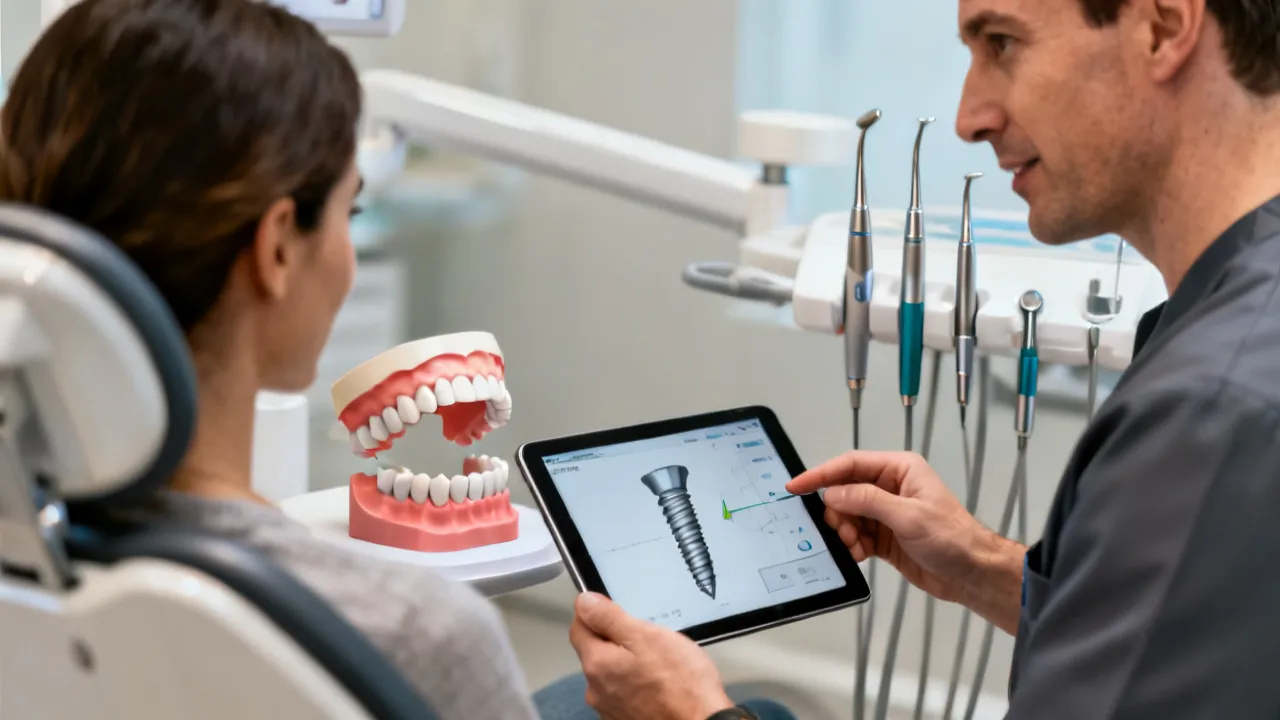
Students learn to collect a medical and dental history, perform an oral examination, evaluate periodontal conditions, and interpret imaging. For an implant case, planning may include assessment of bone height and width, occlusion, adjacent teeth, esthetic expectations, and the patient’s ability to maintain oral hygiene. A treatment plan is not simply a decision about where to place a screw-shaped fixture; it is a long-term plan for function, maintenance, and restoration.
Good planning may also involve determining whether a tooth should be saved. Extraction is not automatically the best option simply because an implant is available. A dentist may compare the prognosis, cost, time, biological consequences, and maintenance requirements of retaining the tooth versus replacing it. Patients should feel comfortable asking why an extraction and implant have been recommended and whether alternatives have been considered.
4. Supervised clinical care
During clinical training, students work under faculty supervision. They may observe procedures, assist with treatment, or perform selected tasks within their permitted scope. The supervising dentist remains responsible for the clinical environment and determines which procedures are appropriate for the student’s experience.
Implant treatment can involve several clinicians. One dentist may perform extraction or implant placement, another may provide periodontal care, and a restorative dentist or laboratory may design the crown. Students learn how communication among providers affects the final result. A surgical position that is acceptable from one angle may create a restorative or cleaning problem later, so treatment planning should be coordinated from the beginning.
5. Communication and ethics
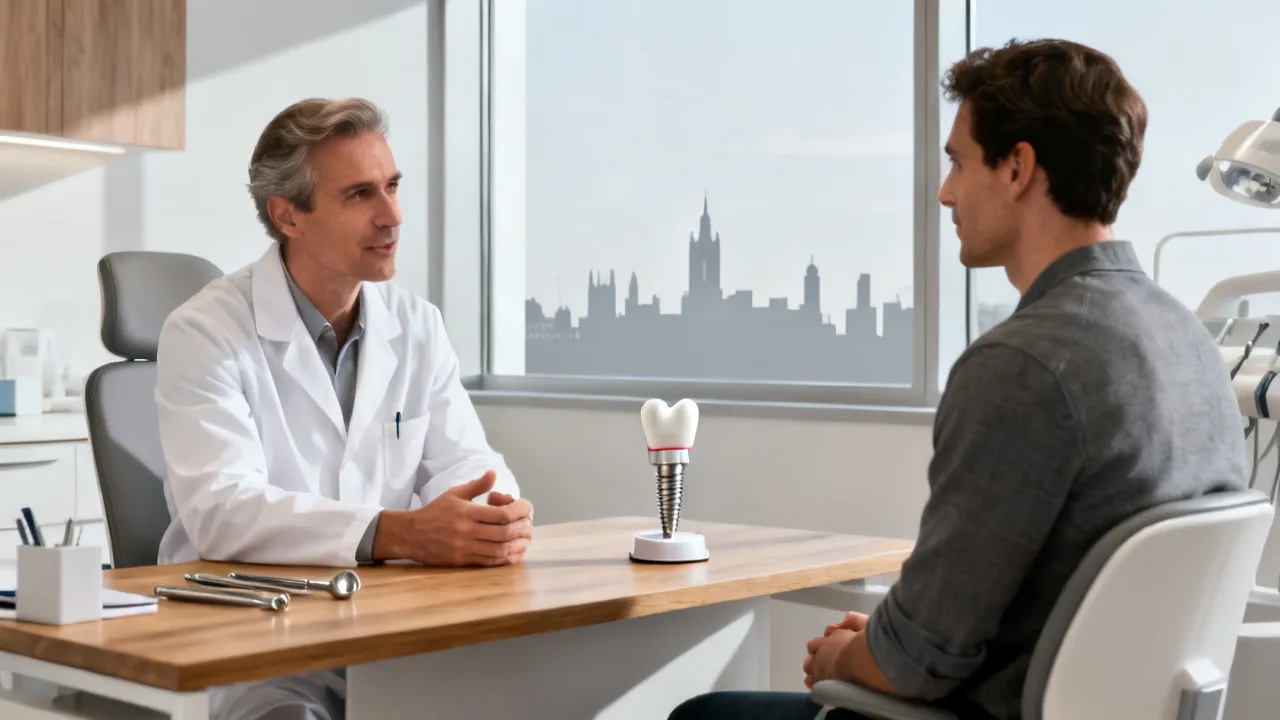
Dental education also addresses informed consent, confidentiality, cultural sensitivity, financial communication, and shared decision-making. Students learn to explain risks and benefits in language patients can understand. This is particularly relevant to dental implants, where treatment may require several stages and where patients may be influenced by online price claims.
Ethical training also covers the difference between informing and persuading. A patient should receive a balanced explanation of benefits, risks, alternatives, and the option of declining or delaying treatment when clinically safe. Financial limitations should be treated respectfully. A less expensive treatment can be discussed without implying that a patient is choosing an inferior option simply because of budget constraints.
A Typical Week in Dental Student Life
No single schedule represents every dental school, but a typical week can combine lectures, laboratory sessions, clinical care, assessments, and independent preparation. A student may begin the day reviewing radiographs and end it writing clinical notes or preparing for a practical examination.
| Activity | What Students Commonly Develop |
|---|---|
| Lectures and seminars | Knowledge of anatomy, pathology, pharmacology, biomaterials, and evidence-based care. |
| Simulation laboratory | Hand skills, ergonomics, cavity preparation, impression techniques, and instrument control. |
| Clinical sessions | Patient assessment, diagnosis, treatment delivery, documentation, and professional communication. |
| Case presentations | Reasoning about treatment options, sequencing, risks, prognosis, and maintenance. |
| Research or academic work | Critical appraisal of studies, data interpretation, and responsible use of evidence. |
| Independent study | Preparation for written examinations, practical assessments, and clinical decision-making. |
The workload can be physically and mentally demanding. Students often spend long periods seated or standing in fixed positions, and they must maintain concentration while performing precise tasks. Good ergonomics, adequate rest, nutrition, exercise, and access to academic or personal support can help reduce avoidable strain.
Clinical confidence tends to develop gradually. A student may understand the theoretical stages of implant treatment but still need extensive supervised practice before managing a complex case. This distinction matters when patients evaluate dental providers. A dental student’s education is valuable, but students should not be presented as independent specialists unless they hold the appropriate qualifications and authorization.
Managing examinations and practical assessments
Dental students are commonly assessed through written examinations, oral examinations, practical demonstrations, case reports, clinical quotas, and structured clinical evaluations. A student may be asked to identify pathology from an image, explain the pharmacology of a medication, prepare a restoration on a model, or present a complete treatment plan.
Practical assessments can be stressful because small errors may affect the result. Students therefore develop habits such as preparing instruments in advance, reviewing checklists, practicing under timed conditions, and asking for feedback. These habits are relevant to patient safety because standardized preparation and documentation help reduce omissions in clinical practice.
Balancing study and personal life
Dental school can occupy a substantial part of a student’s week, but personal wellbeing remains important. Peer support, mentoring, exercise, hobbies, sleep, and professional counseling can help students manage pressure. A culture that treats exhaustion as proof of commitment can be harmful. Dentistry requires sustained concentration, and students need healthy routines to perform reliably.
Why Implant Prices Differ
Individual dental implant prices vary because treatment is influenced by clinical, geographic, operational, and financial factors. A published price range should therefore be treated as a starting point rather than a guaranteed quotation.
- Clinical complexity: A straightforward single-tooth replacement may cost less than a case requiring extraction, grafting, sinus augmentation, or treatment of active gum disease.
- Restorative components: The implant fixture, abutment, temporary restoration, and final crown may be billed separately or together.
- Materials and laboratory services: Crown materials, digital design, laboratory expertise, and customization affect the final fee.
- Diagnostic technology: Two-dimensional radiographs and three-dimensional imaging have different costs and clinical uses.
- Provider experience: Fees may reflect advanced training, professional responsibility, treatment planning time, and access to specialist support.
- Facility costs: Rent, staff, sterilization, equipment maintenance, and regulatory compliance differ by region.
- Aftercare: Follow-up examinations, adjustments, repairs, and management of complications may or may not be included.
- Insurance and financing: Dental plans may cover part of the restoration or related services, while implant coverage is often limited and policy-specific.
- Number of visits: Consultation, imaging, surgery, healing checks, impressions or scans, crown delivery, and maintenance visits all require clinical time.
- Emergency and specialist access: Clinics with in-house specialists or established referral networks may structure fees differently from small practices.
From an expert perspective, cost should be evaluated alongside expected longevity, maintenance requirements, and the provider’s ability to manage problems. A lower initial fee may not represent lower total expenditure if a patient must travel repeatedly, pay for excluded components, or seek corrective treatment elsewhere.
Patients should also distinguish between the cost of treatment and the value of treatment. Value includes the clarity of the plan, the quality of diagnosis, the suitability of the restoration, the predictability of follow-up, and the availability of help if something goes wrong. This does not mean that the most expensive clinic is automatically the best choice. It means that price should be interpreted in relation to what the patient is actually receiving.
Websites That Provide Dental Implant Information
The following resources represent different types of dental-information services. Some are clinic websites, some provide educational material, and others focus on insurance, dental plans, or treatment abroad. They should be used for orientation rather than as a substitute for an examination by a licensed dental professional.
| Website or service | Key features and useful perspective |
|---|---|
| Dental Views | Discusses lower-cost dental implants, treatment stages, potential benefits, common questions, and factors that influence pricing. |
| Atlantic Dental Group | Provides information about general dentistry, orthodontics, implants, emergency care, appointments, locations, and clinical services. |
| DentaVacation | Explains dental tourism, overseas treatment planning, cost comparisons, travel arrangements, and the practical issues associated with treatment abroad. |
| American Dental Health Plans | Introduces dental insurance and plan-related information intended to help consumers evaluate coverage and reduce eligible treatment expenses. |
| Rockville Dental Arts | Offers Spanish-language information about implants, whitening, cleaning, orthodontics, and emergency dental services for Spanish-speaking patients. |
| Union City Mini Dental Implants | Focuses on mini dental implants and explains a specialized approach that may be considered for selected small-area tooth-replacement cases. |
| Cigna Spanish implant guide | Provides Spanish-language educational information about implant treatment, helping readers understand stages, considerations, and insurance-related questions. |
| Rubi Odonto | A Brazilian clinic presenting services such as orthodontics, whitening, and implants, together with information about its dental team and patient care. |
| Odontologia Velasco | Describes implants, prostheses, aesthetic dentistry, and the use of contemporary dental technology in Brazil. |
| DentalVidas | Provides information about dental plans for individuals, families, and companies, including access to a provider network and emergency support. |
When reviewing a commercial website, readers should consider the purpose of the page. A clinic’s website is designed to describe its services and may naturally emphasize advantages. An insurer’s page may focus on covered benefits and exclusions. A dental tourism website may emphasize travel convenience and international price differences. Reading several types of sources can help patients identify which information is educational, which is promotional, and which requires direct confirmation.
Source: The comparison above is based on the information presented by the following websites:
source: www.dentalviews.com
source: www.atlanticdentalgrp.com
source: www.dentavacation.com
source: www.rockvilledentalarts.com
source: www.unioncityminidentalimplants.com
source: www.cigna.com
source: www.rubiodonto.com.br
source: www.odontologiavelasco.com.br
source: www.dentalvidas.com.br
How to Read a Dental Implant Estimate
An estimate can be difficult to understand when several components are grouped under general terms. Patients can ask the clinic to explain the estimate in stages. The diagnostic stage may include an examination, photographs, periodontal measurements, and radiographs or a three-dimensional scan. The surgical stage may include extraction, implant placement, bone preservation, grafting, and temporary replacement. The restorative stage may include an abutment, impression or digital scan, laboratory crown, fitting, and occlusal adjustment.
Some estimates list a “package price,” while others use separate line items. Neither method is automatically better. A package can make budgeting easier, but the patient should know what happens if the treatment plan changes. An itemized estimate provides more detail, but it may appear more expensive because every component is shown individually. Ask whether the price is fixed, estimated, or subject to change after additional imaging or surgery.
Patients should also ask whether the estimate is valid for a particular period. Materials, laboratory fees, taxes, and insurance benefits can change. If treatment is delayed for several months, the clinic may need to update the estimate. Written communication can prevent misunderstandings about deposits, cancellation policies, refunds, and payment deadlines.
How to Obtain Dental Implants at Lower Cost in English-Speaking Countries
Patients in English-speaking countries can take several practical steps to manage implant expenses. The goal should be financially responsible care, not simply selecting the lowest advertised fee.
Step 1: Confirm that an implant is clinically appropriate
Begin with a consultation and diagnostic examination. Ask the dentist to explain whether the missing tooth should be replaced immediately, whether a bridge or removable prosthesis is a reasonable alternative, and whether periodontal treatment is needed first. Treating infection or gum disease before implant placement may improve the long-term outlook and prevent avoidable costs later.
Step 2: Request an itemized written estimate
Ask for separate descriptions of the consultation, imaging, extraction, grafting, implant placement, abutment, temporary restoration, final crown, sedation, and follow-up care. Confirm whether taxes, laboratory fees, adjustments, and emergency visits are included. An itemized estimate makes it easier to compare two clinics fairly.
Step 3: Compare complete treatment plans
Obtain opinions from more than one appropriately qualified provider when clinically practical. The comparison should include the proposed implant system, number of appointments, expected timeline, restoration type, maintenance plan, and likely additional procedures. Different plans may be reasonable, but the patient should understand why they differ.
Step 4: Review insurance carefully
Some dental insurance policies exclude implants, impose annual limits, or cover only certain components. Others may contribute toward the crown, extraction, consultation, or prosthetic alternative. Read the policy’s exclusions, waiting periods, preauthorization rules, network requirements, and annual maximum. Ask the insurer for a written benefit estimate before beginning treatment.
Step 5: Examine dental savings plans and payment arrangements
Some patients use membership-based dental plans or clinic payment arrangements. These products are not identical to insurance. Review enrollment fees, participating providers, exclusions, cancellation terms, interest charges, and the total repayment amount. A monthly payment may improve cash-flow management but does not necessarily reduce the overall cost.
Step 6: Ask about accredited teaching clinics
University dental clinics may offer selected services at reduced institutional fees because treatment is provided by students or residents under supervision. Availability, eligibility, waiting times, and treatment scope vary considerably. Patients should ask who will perform each stage, how faculty supervision works, what happens if a case becomes more complex, and whether the clinic provides implant treatment or only related services.
Step 7: Consider staged treatment only when clinically suitable
In some cases, treatment can be divided into stages, such as managing gum disease first and planning the restoration later. Staging may help a patient budget responsibly, but it should not be used to postpone urgent infection treatment or necessary diagnostic care. The dentist should explain how timing affects healing, function, and total cost.
Step 8: Evaluate nearby providers before considering travel
Searching for a qualified provider nearby can reduce transportation and accommodation expenses and make follow-up simpler. A nearby clinic may also be better positioned to respond to discomfort, loose components, or healing concerns. Distance is not the only criterion, but it is relevant because implant treatment commonly requires multiple visits.
Step 9: Approach dental tourism cautiously
Traveling abroad may appear financially attractive when treatment fees are lower in another market. However, patients should calculate flights, accommodation, transfers, time away from work, travel insurance, currency exchange, and the cost of local follow-up. Ask how the overseas clinic handles complications after the patient returns home and whether records, implant details, and laboratory specifications will be provided.
Step 10: Verify the provider and facility
Check the dentist’s license with the relevant regulatory authority, professional registration, specialist qualifications, and experience with the proposed procedure. Review whether the clinic explains risks, alternatives, maintenance, and expected outcomes in a balanced manner. Be cautious of pressure to pay quickly or claims that promise identical results for every patient.
Step 11: Clarify the implant system and replacement policy
Patients should receive documentation identifying the implant system and restorative components. This information can be useful if future maintenance is needed elsewhere. Ask whether the clinic provides a written warranty, what it covers, what conditions apply, and whether professional follow-up is required to maintain eligibility.
Step 12: Protect the long-term investment
Daily oral hygiene, professional maintenance, smoking cessation, control of diabetes when relevant, and attention to gum health can help protect natural teeth and implant-supported restorations. A lower treatment fee has limited value if maintenance is neglected. Patients should ask how often examinations and professional cleanings are recommended for their individual circumstances.
Dental Tourism and Continuity of Care
Dental tourism deserves careful analysis because the price displayed by an overseas clinic may not reflect the complete patient experience. Implant treatment can require a consultation, diagnostic imaging, extraction, surgery, healing review, impression or scan, crown delivery, and maintenance. Depending on the case, these appointments may need to occur over several visits. A short trip may therefore be insufficient, while a longer stay can reduce some of the apparent financial savings.
Communication is another important consideration. Patients should confirm whether the clinic can provide treatment information in a language they understand and whether they will receive written instructions. They should also ask how emergencies are handled during the trip and after returning home. If a complication develops locally, a nearby dentist may be able to provide urgent care but may not have access to the original implant components or the overseas provider’s records.
Travelers should request copies of radiographs, implant identification details, surgical notes, restorative records, prescriptions, and laboratory information. These documents can support continuity of care. Patients should also understand that a warranty offered by an overseas clinic may require the patient to return to that clinic, which can make the practical value of the warranty limited.
Reference Price Ranges for One Dental Implant
The table below presents the requested reference ranges for an individual dental implant in English-speaking countries. These figures should not be interpreted as a universal quotation. In particular, the phrase “one implant” can refer to different packages: some estimates include the crown and abutment, while others refer mainly to the surgical implant component. Additional procedures can substantially increase the total.
| Country | Currency | Reference price range for one implant |
|---|---|---|
| United States | USD | $3,000–$6,000 |
| United Kingdom | GBP | £2,000–£2,500 |
| Australia | AUD | AU$3,500–AU$6,500 |
| Canada | CAD | CA$3,000–CA$5,500 |
For context, the wider reference list supplied for other language markets includes the following ranges: Spain €1,500–€2,500 EUR; Chile CLP$800,000–CLP$1,500,000; Mexico $15,000–$25,000 MXN; Colombia $2,000,000–$4,000,000 COP; Peru S/3,000–S/6,000 PEN; Argentina $80,000–$150,000 ARS; Brazil R$3,000–R$8,000 BRL; Portugal €1,000–€2,000 EUR; Germany €2,000–€3,500 EUR; France €1,500–€2,500 EUR; Italy €1,500–€3,000 EUR; and Japan ¥300,000–¥700,000 JPY. These additional figures are included only as broad reference information and do not replace country-specific quotations or current exchange-rate analysis.
Price comparisons across countries should be made cautiously because currency values, wages, laboratory costs, regulations, taxes, and healthcare systems differ. A price that appears low after conversion may not include the same materials or services as a higher local estimate. Patients should compare like with like: the same number of implants, the same type of restoration, similar imaging, similar grafting assumptions, and comparable follow-up.
Questions Dental Students Should Ask About Implant Cases
Dental students often learn through structured case questions. Patients can use a similar framework when discussing treatment.
- What caused the tooth loss, and has the underlying problem been addressed?
- Is the gum tissue healthy enough for implant treatment?
- Is there enough bone, or would grafting be considered?
- What imaging is needed, and why?
- Who will place the implant and who will provide the crown?
- How many appointments are expected?
- What happens if healing is slower than anticipated?
- Which parts of the treatment are included in the quoted fee?
- What maintenance will be needed after completion?
- What records will the patient receive for future care?
- Are there medical conditions or medications that could change the plan?
- What alternatives are available if the patient decides not to proceed with an implant?
These questions encourage transparency without assuming that every patient needs the same procedure. They also reflect the clinical reasoning developed during 치대생 생활. Dental students are taught to gather relevant information before recommending treatment, and patients deserve the same clarity when making a significant healthcare decision.
Common Mistakes in Searching for Lower-Cost Implants
Focusing on a single headline price
A promotional price may represent only the implant placement appointment. The final restoration, imaging, or grafting may be billed separately. Always request the complete estimated cost.
Assuming advanced technology guarantees better results
Digital scans, guided surgery, and premium materials can be useful, but technology does not replace diagnosis, clinical judgment, hygiene, or long-term maintenance. Ask how a particular technology changes the proposed treatment.
Ignoring gum disease
Active periodontal disease can affect the tissues around an implant and the remaining natural teeth. A lower-cost plan that overlooks periodontal health may create avoidable problems.
Choosing a provider without checking credentials
Online reviews can offer insight into communication and organization, but they do not independently verify clinical competence. Patients should also confirm licensure, training, professional standing, and the clinic’s approach to complications.
Underestimating follow-up
Implant care is not complete when the crown is inserted. Regular review helps identify inflammation, excessive forces, loose components, or hygiene difficulties. Patients who travel for treatment should arrange follow-up before leaving the clinic.
Failing to disclose medical information
Medications, allergies, smoking, diabetes, previous radiation therapy, bone-related conditions, and other health factors may influence planning. Complete information supports safer care and more accurate estimates.
Expecting every implant to last without maintenance
An implant is not immune to oral disease or mechanical problems. Bacteria can affect the tissues around an implant, and crowns or screws can wear, fracture, loosen, or require adjustment. Maintenance is part of the treatment rather than an optional extra.
Comparing brands without understanding the full plan
Patients may see brand names used as a shorthand for quality, but the implant brand is only one element of care. Placement position, restoration design, bone and gum health, hygiene, bite forces, and follow-up also influence the outcome. Ask the dentist to explain why a particular system is being proposed.
How the Dental Student Perspective Helps Consumers
The experience of dental students offers a useful lens for understanding implant treatment. Students see that a successful case depends on coordination among diagnosis, surgery, restorative dentistry, laboratory work, patient behavior, and maintenance. They also learn that outcomes cannot be guaranteed simply by selecting a particular brand or paying a higher fee.
From an educational standpoint, implant cases encourage students to think in sequences. First comes assessment, followed by risk analysis, disease control, surgical planning, healing, restoration, and review. Each stage has its own objectives and possible complications. This sequence explains why treatment may take months and why a clinic should be willing to discuss contingencies rather than present an unrealistically simple timeline.
Students also learn professional boundaries. A dental student can assist with education and supervised treatment, but should not independently provide care outside the scope permitted by the relevant institution and regulator. Patients receiving treatment in a teaching environment should be told the provider’s role, the level of supervision, and the process for faculty review.
Another lesson is the importance of documentation. Dental students are taught to record examination findings, diagnoses, consent discussions, treatment performed, materials used, post-treatment instructions, and follow-up recommendations. Patients can reasonably expect a clinic to maintain appropriate records and to communicate relevant information when care is transferred between providers.
Frequently Asked Questions
What is 치대생 생활?
치대생 생활 means dental student life. It includes classroom learning, laboratory practice, clinical training, patient communication, examinations, research, and professional development. The experience is demanding because dental students must develop both scientific understanding and fine motor skills.
Can dental students place dental implants?
That depends on local regulations, the school’s curriculum, the student’s level of training, and the supervision provided. In many teaching settings, students observe or assist with procedures, while selected tasks are performed under direct faculty supervision. Patients should ask clearly who will provide each part of care.
What does a single dental implant usually include?
The phrase can mean different things. A complete replacement generally involves the implant fixture, abutment, and crown, but a quotation may exclude imaging, extraction, grafting, temporary teeth, or follow-up. Ask the clinic to define the package in writing.
Are lower-cost implants safe?
Lower cost does not automatically indicate poor quality, and a high fee does not guarantee a superior outcome. Safety depends on appropriate diagnosis, qualified care, suitable materials, infection control, informed consent, and adequate follow-up. Comparing complete treatment plans is more useful than comparing prices alone.
Is dental tourism suitable for everyone?
No. It may be unsuitable for patients with complex medical histories, extensive bone loss, active infection, uncertain follow-up access, or limited ability to remain abroad during healing. Anyone considering travel should obtain a detailed plan and calculate all related expenses and risks.
How can insurance help with implant costs?
Coverage varies widely. A plan may exclude implants but contribute toward a crown, extraction, or alternative prosthesis. Patients should verify annual limits, waiting periods, exclusions, preauthorization rules, and network requirements directly with the insurer.
Are university clinics a practical option?
They can be appropriate for selected patients, particularly those who can accommodate longer appointments or waiting periods. Treatment is generally supervised, but availability and eligibility differ. Ask about the student’s role, faculty oversight, treatment scope, and arrangements if the case becomes more complex.
How long does implant treatment take?
The timeline depends on extraction, healing, bone grafting, implant stability, gum health, and the restorative plan. Some straightforward cases progress relatively quickly, while others require several months. A dentist should provide an individualized estimate rather than a fixed promise.
What should I do if an implant feels loose?
Contact the treating dental office promptly. Do not attempt to tighten or remove any component yourself. A loose crown, abutment, or implant requires professional assessment to determine the cause and appropriate response.
How should I compare clinics in English-speaking countries?
Compare professional credentials, treatment scope, itemized costs, materials, imaging, follow-up, communication, complication management, and appointment accessibility. Consider a provider nearby when regular reviews and rapid access to care are important.
Can a bridge or denture be less expensive than an implant?
It may be, depending on the location of the missing tooth, the condition of neighboring teeth, the design of the prosthesis, and local fees. Each option has different maintenance requirements and biological considerations. A dentist should explain the advantages and limitations of each alternative for the individual patient.
Does a missing tooth always need immediate replacement?
Not always. The consequences of leaving a space depend on its location, bite, neighboring teeth, appearance, chewing function, and the patient’s preferences. Some cases require timely treatment, while others can be monitored or treated in stages. The appropriate timing should be determined through an examination.
A Practical Checklist Before Accepting Treatment
Before scheduling implant surgery, patients can create a simple checklist. First, confirm the diagnosis and ask whether the tooth can reasonably be retained. Second, obtain a written plan that identifies each stage and each provider. Third, review the complete price, including possible additional procedures. Fourth, ask about healing time, temporary teeth, diet, work restrictions, and emergency contact arrangements.
Patients should also check whether they understand the consent information. They should know the expected benefits, common risks, significant but less common complications, alternatives, and the consequences of declining treatment. Consent is an ongoing conversation, not merely a signature on a form. If the explanation is confusing, patients can request diagrams, written instructions, or additional time to consider the decision.
Finally, patients should think about future care. Ask how often the implant should be reviewed, which professional should provide maintenance, and what happens if the patient moves or changes insurance. A treatment plan that is affordable today should also be manageable over the years that follow.
Conclusion
치대생 생활 provides insight into the complexity of modern dentistry. Dental students learn that implant treatment is not a single event but a coordinated process involving diagnosis, disease control, surgical planning, restoration, communication, and maintenance. That perspective is valuable for anyone seeking lower-cost care.
Patients can manage expenses by requesting complete estimates, checking insurance and plan conditions, considering supervised teaching clinics, comparing qualified providers, and evaluating the practical consequences of treatment abroad. The most responsible choice balances affordability with safety, continuity, credentials, and long-term oral health. Online resources can help patients prepare informed questions, but only a licensed dental professional who examines the individual patient can determine the appropriate treatment plan.
A thoughtful decision does not require patients to choose the most expensive option or accept the first treatment plan they receive. It requires them to understand what is being recommended, why it is recommended, what alternatives exist, what the quotation includes, and how care will continue after treatment. This combination of informed comparison and professional evaluation is more reliable than relying on a headline price alone.
Disclaimer
1. The information above comes from online resources, and the data is as of October 2023.
2. Dental implant prices are for reference only and may vary by region, clinic, doctor, treatment complexity, materials, insurance coverage, and the services included in the quotation.
3. This information is educational and is not a diagnosis, treatment recommendation, financial guarantee, or substitute for an examination by a licensed dental professional.
Reference Links
Dental Views: Low-Cost Dental Implants
Rockville Dental Arts, Spanish-language site
Union City Mini Dental Implants, Spanish-language site