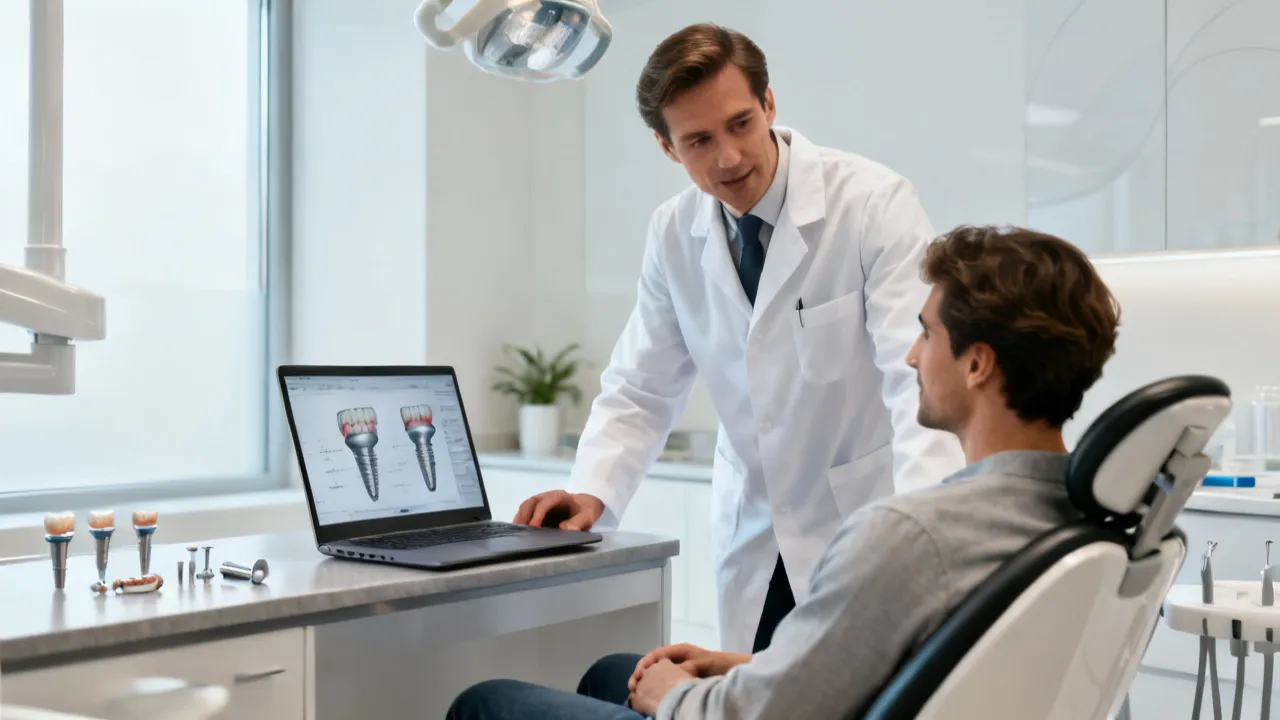
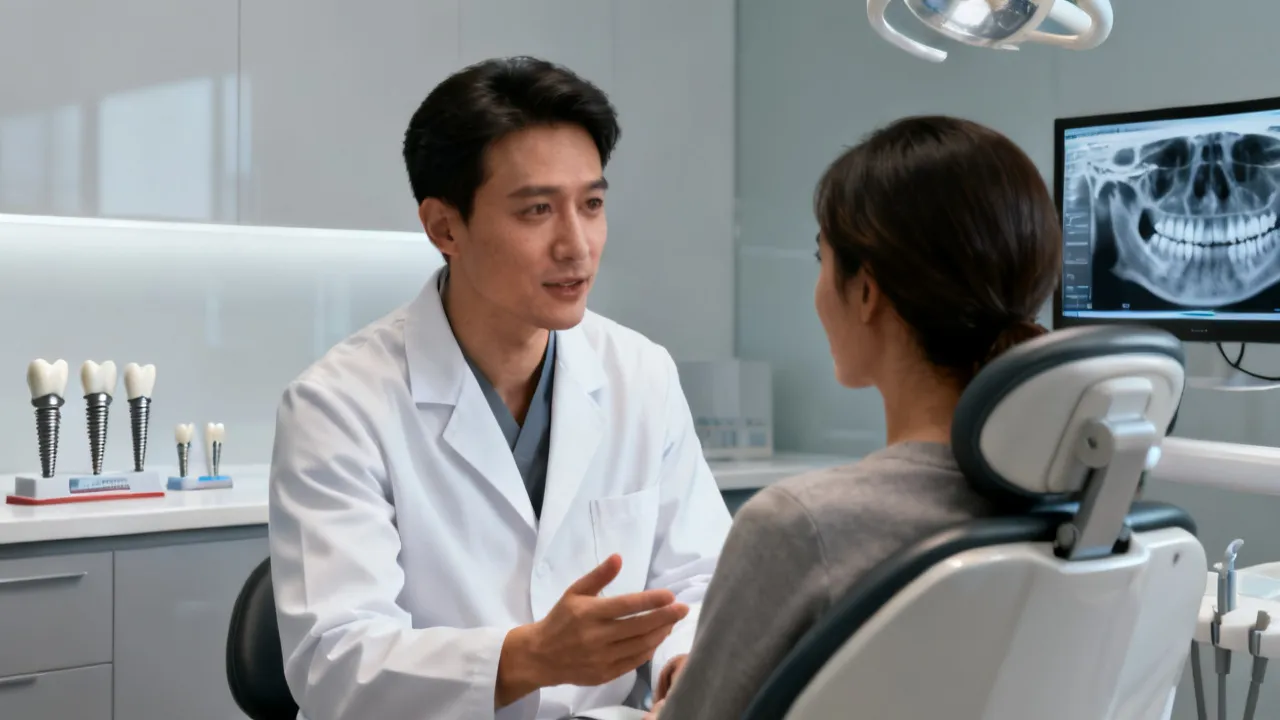
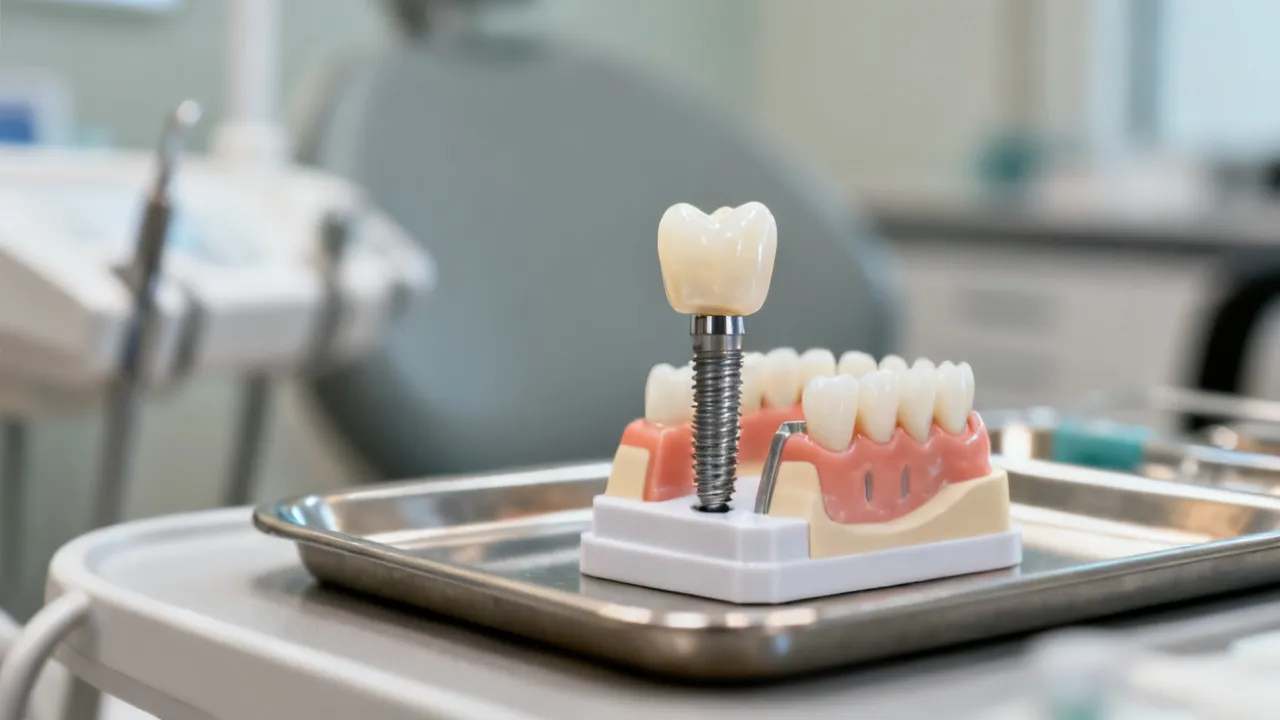
Comprehensive Overview of Partial Dentures
This guide provides an insightful analysis of partial dentures, focusing on their benefits, cost-effective dental solutions, and international pricing comparisons. Partial dentures are removable dental prostheses that replace missing teeth, maintaining oral function and aesthetics. They offer a viable alternative for individuals needing affordable dental care.
Understanding Partial Dentures
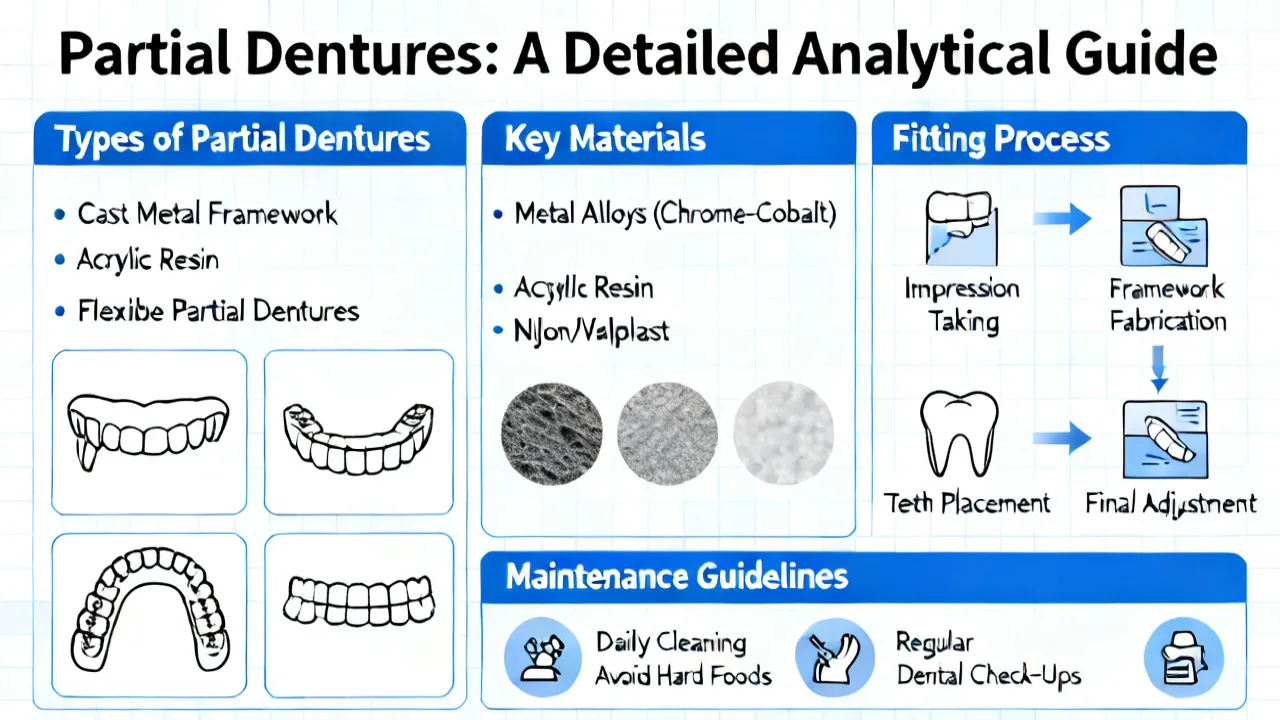
Partial dentures, known as 부분 틀니 in Korean, serve an essential role in restorative dentistry by replacing one or more missing teeth while preserving the underlying teeth structure. These removable prosthetic devices are designed to fit comfortably around the existing teeth, helping restore both functionality and aesthetics. With advancements in dental technology, the materials and design of partial dentures have seen significant improvements, allowing for better aesthetics and comfort, which makes them a popular choice among patients.
Partial dentures can be classified into two major types: flexible and rigid. Flexible partial dentures are made from softer materials, making them lighter and often more comfortable for the wearer. Rigid partial dentures, on the other hand, are constructed from durable materials and may offer a more secure fit. Both types are designed to be easily removable, allowing patients to maintain oral hygiene with relative ease.
Advantages of Partial Dentures
Partial dentures offer numerous advantages, including affordability, ease of maintenance, and the ability to enhance both speech and chewing functions. They are considered a more cost-effective solution compared to dental implants, making them an accessible choice for many individuals. In addition, partial dentures help prevent the remaining natural teeth from shifting, which can happen when gaps are left in the dental arch.
Moreover, partial dentures can be customized to match the color, shape, and size of your natural teeth, providing an aesthetically pleasing solution. They can restore your smile's natural appearance, allowing you to gain confidence in social situations. Aside from this cosmetic advantage, wearing a partial denture can also alleviate pressure on your jaw and surrounding muscles, helping to maintain an even bite and distributing forces more evenly as you chew. This can prevent uneven wear and tear on your other teeth.
Cost Considerations and Options
Choosing the right dental care option can be influenced significantly by cost considerations. Partial dentures typically present a less expensive alternative to complete dentures or implants while ensuring quality service and aesthetic appeal. Prices may vary based on material and design complexity, offering flexibility for patients with diverse financial capabilities. Standard costs for partial dentures range widely but can average between $600 and $1,800, depending on factors such as the type of materials used, the number of teeth being replaced, and the complexity of the dental structure.
It is vital for patients to discuss their financial situation with their dental care providers, as many dental offices offer payment plans or financing options to make these essential services more accessible. Understanding what your insurance may or may not cover is also an integral part of planning for dental work, particularly for partial dentures or other restorative treatments. Many insurance plans cover at least a portion of the cost for partial dentures, but coverage can vary widely depending on the provider.
Low-Cost Dental Implant Options
For those exploring additional cost-effective dental solutions, low-cost dental implant providers in English-speaking countries offer competitive pricing. These providers typically aim to make dental care more accessible by minimizing overhead costs and streamlining operations. Below is a comparison of notable providers, including their unique offerings, which make them an excellent option for patients seeking affordable solutions:
| Provider | Unique Offering |
|---|---|
| Dental Views | Specializes in affordable dental implant solutions, providing detailed information on benefits, costs, and types of treatments. |
| Atlantic Dental Group | Offers a wide range of services, including general dentistry and specialized care like orthodontics and emergency treatments. |
| DentaVacation | Focuses on dental tourism, providing cost-saving solutions by arranging treatments in countries with lower dental expenses. |
Source: Dental Views, Atlantic Dental Group, DentaVacation
Cost of Dental Implants in English-Speaking Countries
Dental implants are often seen as a long-term solution for missing teeth, providing a more permanent replacement compared to partial dentures or bridges. However, their costs can vary significantly by region and provider. Below is a table depicting the cost range for individual dental implants across English-speaking countries. This aids in benchmarking local rates against international standards:
| Country | Currency | Price Range |
|---|---|---|
| United States (US) | USD | $3,000 - $6,000 |
| United Kingdom (GB) | GBP | £2,000 - £2,500 |
| Australia (AU) | AUD | AU$3,500 - AU$6,500 |
| Canada (CA) | CAD | CA$3,000 - CA$5,500 |
It is essential for patients to consult with their dental professionals to understand the factors influencing these costs, which can include the type of materials used, the need for additional procedures (such as bone grafting), and the specific professional charges based on the dentist's experience and reputation.
FAQs
- What are partial dentures?
Partial dentures are custom-made dental appliances designed to replace one or more missing teeth, helping restore oral functionality. They are made to fit securely and comfortably against your natural teeth. - How long do partial dentures last?
With proper care, partial dentures can last anywhere from 5 to 10 years, though regular adjustments may be necessary to ensure optimal fit. Over time, changes in the mouth and jaw structure can affect how well they fit. - Can partial dentures improve my quality of life?
Yes, partial dentures can significantly enhance both the aesthetic appearance and functional capabilities, improving speech and chewing efficiency. This restoration can lead to greater self-esteem and comfort in public settings. - What maintenance do partial dentures require?
Partial dentures should be cleaned daily. You should rinse them after eating and use a suitable cleaner to remove plaque and food particles effectively. Regular dental check-ups are also recommended to ensure they fit correctly and to monitor the health of surrounding teeth. - Are there any dietary restrictions with partial dentures?
While you can enjoy most foods with partial dentures, it may take some time to get used to eating with them. It is advisable to initially avoid very hard, sticky, or chewy foods that may dislodge the dentures until you become accustomed to the fit.
Conclusion
In exploring dental solutions, it's crucial to weigh the benefits and costs associated with each option. Partial dentures emerge as a reliable, affordable choice for individuals seeking a combination of functionality and cost savings. They not only enhance the aesthetics of a smile but also preserve oral health by preventing the movement of adjacent teeth and maintaining the structural integrity of the jawbone. For many patients, they can be life-changing, allowing for improved eating habits and overall oral comfort.
As dental technology continues to evolve, future advancements may lead to even more comfortable, aesthetically pleasing, and affordable options for those needing tooth replacements. However, understanding personal dental needs and discussing them with a qualified dental professional will always remain the cornerstone of effective treatment planning.
Disclaimer: 1). The above information comes from online resources, and the data is as of October 2023. 2). Dental implant prices are for reference only and may vary by region, clinic, and doctor. Be sure to consult with dental professionals for a personalized assessment and recommendations tailored to your specific dental health needs.
References:
The Future of Partial Dentures
The landscape of dentistry is continually evolving, with innovations in technology and material science leading to improved outcomes for patients. As research progresses, the materials used in partial dentures are becoming more advanced, often resulting in lighter, more flexible options that provide enhanced comfort and a more natural aesthetic appearance.
One of the significant advancements in partial denture technology includes the use of digital dentistry for creating prosthetic devices. Digital impressions and computer-aided design can lead to more precise fittings, significantly improving the comfort and functionality of the dentures. This technology allows for better customization, catering to the specific anatomy of individual patients, making the entire process more efficient than traditional methods.
Furthermore, the introduction of advanced biocompatible materials can minimize the risk of allergic reactions and ensure that the denture blends more naturally with the existing anatomical structures. Materials such as nylon and resin, which can be colored to match natural teeth, contribute to a more seamless integration with the patient's mouth.
Current Trends in Dentistry
Additionally, there is a growing trend toward holistic dental practices that consider the overall health of the patient. Today's dental practitioners are more likely to integrate discussions around nutrition, lifestyle factors, and their impact on dental health. This holistic approach can lead to more comprehensive treatment plans that encompass not only the restorative aspects but also preventative measures to ensure long-term oral health.
As patients become more informed about their dental health options, there has been an increased demand for transparency in pricing and care options. Many dental practices are responding to this demand by offering bundled services, which include consultations, diverse treatment options, and aftercare packages for a single price. This approach can help reduce anxiety associated with unexpected costs and make dental care more accessible.
Personal Experiences and Testimonials
The personal experience of users of partial dentures can vary widely based on their initial dental condition and their expectations. Many patients have reported feeling a renewed sense of confidence and comfort after receiving their partial dentures. As shared by some patients, the ability to eat their favorite foods again and smile freely without hesitation has greatly enhanced their quality of life. Testimonials often highlight how the adjustments period is crucial, where they learned to adapt to their new dentures and optimize their fit for maximum comfort.
Patients are encouraged to maintain open communication with their dental providers throughout the process. Sharing experiences, issues, and discomfort can lead to timely adjustments that significantly enhance the experience of wearing partial dentures. This patient-dentist collaboration is vital for achieving the best possible outcome.
Conclusion: Empowering Dental Choices
In conclusion, understanding the role of partial dentures, their benefits, potential costs, and current trends in the industry empowers individuals to make informed decisions regarding their dental health. Whether you're considering partial dentures or other dental solutions, it's crucial to engage with qualified professionals who can provide comprehensive evaluations and tailored recommendations.
The journey toward improved oral health is a collaborative one. Exploring options like partial dentures can enhance not only individual dental aesthetics but also overall quality of life—a significant aspect of personal wellbeing. As advances in dental technologies continue to expand the horizons for restorative treatments, patients can look forward to a future filled with innovative solutions tailored to their needs.
Your smile matters, and pursuing the right dental solutions is an integral step in ensuring that it remains bright, functional, and full of confidence.
Disclaimer: 1). The information herein is based on current research and practices as of October 2023. 2). Always consult with your dental healthcare professional for the most appropriate and personalized advice related to your dental health and treatment options, including partial dentures and dental implants.
References: