Understanding Overall Dental Implant Prices
This guide explains how to evaluate overall dental implant prices, what a quoted fee may include, and how patients can reduce treatment costs without compromising safety. Dental implant expenses vary according to the number of missing teeth, bone condition, materials, laboratory work, surgical complexity, and regional healthcare systems. It also compares reference prices across English-, Spanish-, and Portuguese-speaking markets and reviews reliable questions to ask before choosing a clinic.
Overview: What “Overall Dental Implant Price” Means
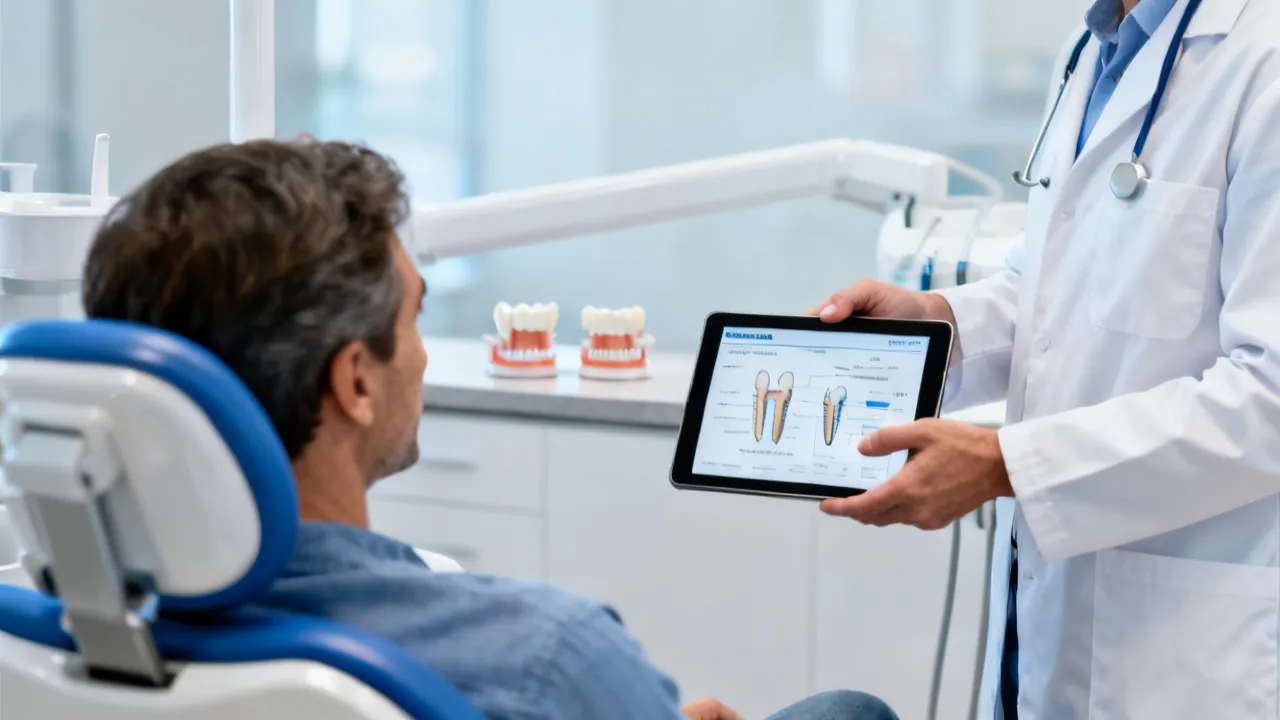
The Korean search term 전체임플란트 가격 is commonly understood as “overall dental implant price” or “full-mouth dental implant cost.” In practice, the phrase may describe several different treatment plans. A patient may be asking about the cost of replacing every missing tooth, restoring one complete dental arch, receiving implant-supported dentures, or rebuilding both arches with a fixed implant-supported prosthesis. These options are clinically different and should not be compared as though they were the same service.
A person missing one tooth may need a single implant, an abutment, and a crown. A person missing most teeth in the upper or lower jaw may need a complete-arch restoration supported by several implants. Another patient may retain some teeth that can be restored and therefore may not need a full-mouth implant procedure at all. The phrase “full mouth” describes the extent of the rehabilitation, but it does not identify the exact surgical or prosthetic design.
The most important point is that a headline price rarely represents the entire treatment. A complete estimate may include an examination, three-dimensional imaging, extractions, bone grafting, implant fixtures, abutments, temporary teeth, the final prosthesis, laboratory charges, sedation, follow-up appointments, and treatment of complications. An apparently inexpensive quotation can become more expensive if these components are excluded.
From an industry perspective, patients should evaluate clinical scope and total treatment value rather than simply selecting the lowest number. The appropriate comparison is between written plans that describe the same procedure, the same number of implants, comparable materials, and similar aftercare. A licensed dentist must also determine whether implants are medically suitable. Price research is useful, but it cannot replace diagnosis.
Key decision rule: Ask every clinic for an itemized written estimate that separates the diagnostic, surgical, restorative, laboratory, additional-procedure, and maintenance stages.
Why Full-Mouth Implant Costs Vary So Widely
Dental implant pricing is influenced by clinical, technical, geographic, and administrative factors. Two patients who appear to need “full-mouth implants” may require entirely different procedures. One may have sufficient bone and need a straightforward restoration, while another may require extractions, treatment of periodontal disease, grafting, and a staged healing period.
1. Number and distribution of implants
A complete arch does not always require one implant for every tooth. Some fixed full-arch systems use a strategically planned number of implants to support a prosthesis, while other treatment plans use individual implants and separate crowns. The number, position, length, and diameter of the implants affect surgical time, components, laboratory work, and the final restoration.
Implants also need to be positioned in relation to the planned teeth, the opposing arch, nerves, sinuses, and areas of available bone. A plan that uses fewer implants is not automatically simpler or better. It may require a particular prosthetic design, more careful distribution of chewing forces, or a specific maintenance routine. The dentist should explain why the recommended number is appropriate for the patient’s anatomy and bite.
2. Condition of the jawbone
Long-term tooth loss can lead to bone resorption. If the available bone is insufficient for stable implant placement, the dentist may recommend bone grafting, sinus augmentation, or another preparatory procedure. These services add cost and may extend the timeline. Bone quality is assessed through clinical examination and imaging rather than by appearance alone.
Grafting may be performed before implant placement or, in selected cases, at the same appointment. The material may be obtained from the patient, a donor source, or a manufactured substitute. Each approach has different clinical considerations and pricing. Patients should ask whether grafting is included in the initial estimate or treated as a separate contingency item.
3. Gum and general health
Active gum disease, uncontrolled diabetes, heavy smoking, poor oral hygiene, and certain medications can affect healing and long-term implant stability. Treating these issues may be necessary before surgery. The additional treatment is not an unnecessary upsell when it addresses a genuine risk; it is part of responsible case preparation.
Periodontal treatment may include deep cleaning, removal of deposits below the gumline, management of infection, and repeated evaluations. If gum disease is not controlled, bacteria and inflammation can compromise both natural teeth and implants. A clinic that discusses hygiene and disease control before presenting a large implant package is generally taking a more clinically responsible approach.
4. Type of prosthesis
The final teeth may be made from acrylic, composite, porcelain, zirconia, or other restorative materials. Each material has different characteristics related to strength, appearance, repairability, weight, and laboratory cost. A temporary prosthesis is also different from a definitive prosthesis. Patients should ask which material is included in the quoted fee and whether the estimate covers adjustments or replacement after normal wear.
Acrylic or composite teeth may be easier to repair and can sometimes be modified more readily. Ceramic or zirconia restorations may offer different aesthetic and strength characteristics but can have different repair requirements. The design of the supporting framework, the shape of the gum-colored portion, and the method used to attach the prosthesis also affect cost.
5. Dentist and laboratory expertise
Implant dentistry typically involves surgery, restorative planning, digital design, and laboratory fabrication. A treatment team with advanced training or a specialist referral network may charge more because of its expertise, technology, and case-management structure. A higher fee is not automatically evidence of superior care, but unusually low pricing may indicate that important services are not included.
Laboratory work is especially important in full-arch treatment. The final restoration must fit the implants accurately, provide an appropriate bite, support speech and facial appearance, and remain cleanable. Digital scanning, computer-guided planning, computer-aided milling, and custom shading may add expense while improving planning or consistency in suitable cases.
6. Location and healthcare system
Operating costs, professional regulation, laboratory wages, rent, insurance, taxes, and purchasing arrangements differ between regions. Prices in major metropolitan areas may be higher than those in smaller communities, although local competition and clinic specialization can also influence fees. International treatment introduces travel, accommodation, currency, communication, and follow-up considerations.
Price differences between countries do not necessarily indicate differences in quality, and a higher local price does not guarantee a better result. Patients should investigate the qualifications of the treating dentist, the regulatory status of the facility, the traceability of implant components, and the availability of postoperative care.
What Should Be Included in a Complete Estimate?
A reliable estimate should state whether the quoted amount is for one tooth, one arch, both arches, or a broader rehabilitation plan. It should also identify the stage of treatment. The following checklist helps patients compare plans more accurately.
- Consultation and diagnostic examination: medical history, oral examination, periodontal assessment, and treatment planning.
- Imaging: panoramic imaging or three-dimensional imaging when clinically indicated.
- Extractions: removal of teeth that cannot be retained, including surgical extraction when necessary.
- Preparatory treatment: periodontal therapy, bone grafting, sinus procedures, or management of infection.
- Implant fixtures: the brand, model, number, and material of the implant bodies.
- Abutments and prosthetic components: connectors between implants and the replacement teeth.
- Temporary teeth: an interim restoration used during healing or laboratory production.
- Definitive prosthesis: the final fixed bridge, implant-supported denture, or individual crowns.
- Laboratory charges: design, milling, finishing, shade selection, and quality control.
- Anesthesia or sedation: whether local anesthesia, oral sedation, or intravenous sedation is separately billed.
- Follow-up care: postoperative checks, occlusal adjustments, and minor repairs during the stated period.
- Maintenance: professional cleaning, hygiene instruction, and future replacement policies.
Patients should ask whether the clinic guarantees the implant fixture, the prosthetic teeth, or both. A warranty may exclude poor hygiene, smoking, trauma, untreated gum disease, or missed maintenance visits. The specific conditions matter more than the word “guarantee.” A written warranty should state its duration, exclusions, replacement obligations, and whether the patient must return to the original clinic.
It is also useful to ask whether the estimate is fixed or only provisional. A provisional estimate may change after a scan, extraction, removal of an old prosthesis, or discovery of inadequate bone. That possibility is not necessarily a problem, but the clinic should explain which findings could change the price and obtain consent before performing additional procedures.
Individual Implant Prices by Country
The following figures are reference ranges for an individual dental implant, not for a complete arch or full-mouth rehabilitation. The price of an individual implant may or may not include the abutment and crown, depending on the local quotation practice. It should therefore be used for preliminary comparison only. Currency labels are retained as provided.
| Country | Currency | Reference price range for one implant |
|---|---|---|
| United States (US) | USD | $3,000–$6,000 |
| United Kingdom (GB) | GBP | £2,000–£2,500 |
| Australia (AU) | AUD | AU$3,500–AU$6,500 |
| Canada (CA) | CAD | CA$3,000–CA$5,500 |
| Spain (ES) | EUR | €1,500–€2,500 |
| Chile (CL) | CLP | CLP$800,000–CLP$1,500,000 |
| Mexico (MX) | MXN | $15,000–$25,000 MXN |
| Colombia (CO) | COP | $2,000,000–$4,000,000 COP |
| Peru (PE) | PEN | S/ 3,000–S/ 6,000 |
| Argentina (AR) | ARS | $80,000–$150,000 ARS |
| Brazil (BR) | BRL | R$3,000–R$8,000 |
| Portugal (PT) | EUR | €1,000–€2,000 |
| Germany (DE) | EUR | €2,000–€3,500 |
| France (FR) | EUR | €1,500–€2,500 |
| Italy (IT) | EUR | €1,500–€3,000 |
| Japan (JP) | JPY | ¥300,000–¥700,000 |
These ranges are not a quotation for overall dental implant price. A full-arch treatment can involve multiple implants and a large prosthetic structure, while an individual implant usually concerns one missing tooth. Exchange rates, inflation, taxes, clinic policies, material selection, and the scope of treatment can change the final amount.
Patients should also confirm the date of the pricing information. Currency values and local dental fees can change considerably over time. A historical table is useful for understanding broad differences between markets, but it should not be treated as a current promise from any clinic.
How to Obtain Affordable Implant Treatment Safely
Reducing the financial burden of implant treatment is possible when patients plan carefully. The objective should be to remove avoidable expense, not to omit essential diagnosis, sterilization, qualified care, or appropriate follow-up. The following process is suitable for patients researching clinics in English-, Spanish-, or Portuguese-speaking markets.
Step 1: Define the actual treatment objective
Begin by identifying whether you need one tooth, several teeth, one complete arch, or both arches. Bring previous dental records and list your medications, allergies, chronic conditions, and prior surgeries. If you have removable dentures, take note of how they affect speech, chewing, comfort, and appearance.
The phrase “full-mouth implants” can lead to misunderstandings. Some clinics may use it to describe a fixed full-arch bridge, while others may mean multiple separate implants. A written diagnosis prevents comparison of different treatments under the same label.
Step 2: Obtain an independent examination
Before accepting a promotional package, obtain an assessment from a licensed dentist who is not financially dependent on the package provider. The examination should consider teeth that may be saved, periodontal health, bone volume, bite relationships, and medical risks. Preserving a natural tooth can sometimes reduce treatment complexity, but the decision must be clinical rather than purely financial.
Patients should feel comfortable asking for a second opinion, especially when the proposed treatment involves removing many teeth. Tooth extraction is irreversible. A second opinion may confirm the plan, identify an alternative, or clarify why certain teeth have a poor prognosis.
Step 3: Compare itemized plans
Request at least two or three written plans when practical. Each plan should show the number of implants, the type of prosthesis, the implant manufacturer, imaging, extractions, grafting, temporary teeth, final teeth, laboratory work, medications, reviews, and possible additional fees.
When comparing clinics, calculate the estimated total rather than comparing the initial deposit. Ask whether taxes, payment-processing fees, translation, transportation, accommodation, or return visits are included. A lower surgical fee may not produce a lower overall cost if travel and follow-up are substantial.
Step 4: Ask about staged treatment
Implant treatment is commonly divided into diagnosis, preparation, implant placement, healing, and restoration. A staged plan may make payments more manageable and allows the dentist to evaluate healing before proceeding. It may also reduce the risk of committing to a large prosthesis before the clinical outcome is known.
However, staged treatment can require additional appointments and travel. Patients should ask how long each stage lasts, what happens if healing is delayed, and where postoperative care will occur. If a temporary restoration is used, ask whether it is designed for normal chewing or only for appearance and limited function.
Step 5: Review financing and insurance conditions
Dental insurance may distinguish between the implant fixture, abutment, crown, bone graft, extraction, and diagnostic imaging. Some policies exclude implants, impose waiting periods, limit annual benefits, or apply different reimbursement rules to prosthetic services. Read the policy language carefully and obtain written confirmation from the insurer.
Clinic payment plans should also be examined carefully. Confirm the total repayment amount, cancellation terms, deposit rules, treatment milestones, and responsibility for laboratory work if the plan ends early. A payment plan changes the timing of payment; it does not necessarily reduce the underlying treatment cost.
Step 6: Consider teaching hospitals and established clinics
University dental hospitals, public teaching facilities, or established multidisciplinary clinics may offer structured care at different price levels. Availability, waiting times, eligibility rules, and supervision arrangements vary. Patients should verify who performs surgery, who provides the prosthesis, and how specialist oversight is organized.
Step 7: Protect oral health before surgery
Good preparation can reduce avoidable complications. Follow the dentist’s instructions for periodontal treatment, hygiene, smoking cessation, diabetes management, and medication review. Do not stop prescribed medication without speaking to the prescribing clinician. Maintaining oral hygiene after treatment is also essential because implants can develop peri-implant inflammation and bone loss.
Step 8: Evaluate international treatment realistically
Dental tourism can appear financially attractive when treatment prices are lower abroad. Yet the calculation should include flights, accommodation, meals, local transportation, travel insurance, time away from work, currency exchange, and the cost of an additional visit if a restoration needs adjustment. A patient may also face language barriers or difficulty obtaining records in a usable format.
Before traveling, ask for the dentist’s credentials, facility registration, implant brand, emergency arrangements, written treatment sequence, and follow-up policy. Confirm whether the same clinic provides both surgery and prosthetic care. Do not rely only on online photographs or testimonials.
Step 9: Obtain complete records
Request copies of radiographs, treatment notes, implant identification labels, laboratory prescriptions, consent forms, and invoices. These records are valuable if you move, change dentists, or require emergency care. Implant brand information is particularly important because future maintenance may depend on compatible instruments and components.
Comparison of Information Sources for Implant Cost Research
The websites below represent different types of information sources. They should be used to understand treatment categories, insurance questions, clinic services, or dental tourism logistics—not as substitutes for an individualized examination. The comparison intentionally excludes links from the table.
| Website or organization | Relevant features for cost research |
|---|---|
| Dental Views – Low Cost Dental Implants | General information about implant benefits, treatment types, affordability considerations, common questions, and cost-related topics. |
| Atlantic Dental Group | Clinic-based information covering dental services, implant care, consultations, locations, and access to professional treatment. |
| DentaVacation | Dental tourism information, international treatment comparisons, travel planning, and overseas care considerations. |
| American Dental Health Plans | Information about dental coverage, plan options, benefits, and ways insurance may affect out-of-pocket dental expenses. |
| Rockville Dental Arts | Spanish-language clinic information concerning implants, preventive services, cosmetic dentistry, orthodontics, and urgent dental care. |
| Union City Mini Dental Implants | Spanish-language information focused on mini dental implants and possible applications for selected cases. |
| Cigna Dental Implant Guide | Spanish-language educational material explaining implant treatment and insurance-related considerations. |
| Rubi Odonto | Portuguese-language clinic information about implants, orthodontics, whitening, and other dental services in Santo André, São Paulo. |
| Odontologia Velasco | Portuguese-language information about implants, prostheses, aesthetic dentistry, and technology-supported treatment in São Paulo. |
| DentalVidas | Portuguese-language dental plan information for individuals, families, and businesses, including network and emergency-service details. |
Source: [www.dentalviews.com/low-cost-dental-implants/](https://dentalviews.com/low-cost-dental-implants/)
Source: [www.atlanticdentalgrp.com/](https://www.atlanticdentalgrp.com/)
Source: [www.dentavacation.com/](https://www.dentavacation.com/)
Source: [rockvilledentalarts.com/es/](https://rockvilledentalarts.com/es/)
Source: [unioncityminidentalimplants.com/es/](https://unioncityminidentalimplants.com/es/)
Source: [www.cigna.com/es-us/knowledge-center/guide-to-dental-implants](https://www.cigna.com/es-us/knowledge-center/guide-to-dental-implants)
Source: [www.rubiodonto.com.br/](https://www.rubiodonto.com.br/)
Source: [odontologiavelasco.com.br/](https://odontologiavelasco.com.br/)
Source: [dentalvidas.com.br/](https://dentalvidas.com.br/)
Source: [rockvilledentalarts.com/es/](https://rockvilledentalarts.com/es/)
How to Interpret “Low-Cost” Implant Offers
Online implant offers often use a starting price. This may refer only to the implant fixture, only to surgery, or only to a first consultation. It may also apply to a narrowly defined case with no extraction, no grafting, no sedation, and no temporary restoration. A starting price is therefore not equivalent to the total price for a typical patient.
Ask the clinic the following questions:
- Does the quoted price include the implant, abutment, and crown?
- How many appointments are included?
- Are three-dimensional scans and diagnostic models included?
- What is the cost of extraction if the tooth is not restorable?
- What happens if bone grafting is needed?
- Is a temporary tooth or temporary denture included?
- Which laboratory and restorative materials are being used?
- Who performs the surgery and who fits the final prosthesis?
- What maintenance is recommended after treatment?
- How are repairs, implant failure, or prosthetic fracture handled?
- What are the cancellation and refund conditions?
- Will the patient receive complete clinical records and implant identification information?
Clinics should be willing to explain the treatment in plain language. A patient should be cautious when a provider refuses to identify the implant system, avoids discussing risks, pressures the patient to pay immediately, or cannot provide a clear breakdown of the proposed services.
A promotional offer may be legitimate, but patients should determine whether it is limited to certain appointment dates, implant brands, prosthetic materials, or payment methods. Ask whether the advertised price applies to the patient’s specific clinical situation. Also ask whether a “same-day” service means same-day implant placement, same-day temporary teeth, or a final permanent prosthesis. These are different concepts.
Fixed Full-Arch Treatment Versus Individual Implants
Individual implants replace separate teeth, generally with an implant fixture, abutment, and crown. They can preserve independent tooth function and may be suitable when neighboring teeth are healthy and the bone is adequate. The total amount increases with the number of teeth being replaced.
A fixed full-arch restoration uses several implants to support a connected bridge. It can replace many teeth with one prosthetic structure, but it involves careful bite design, surgical planning, temporary teeth, and long-term maintenance. The prosthesis may require repair or eventual replacement even when the implants remain stable.
Implant-supported removable dentures are another option. They may use fewer implants and can improve retention compared with a conventional denture. The patient can remove the denture for cleaning, while the implant attachments remain in the mouth. This design may have a different initial and maintenance cost from a fixed bridge.
There is no universally superior design. Suitability depends on bone, gum health, bite, dexterity, expectations, medical status, hygiene habits, and budget. A responsible treatment plan explains alternatives, advantages, disadvantages, and likely maintenance needs.
Patients should also understand that a fixed prosthesis is not the same as a natural set of teeth. It may restore chewing and appearance, but it can have artificial gum contours, require specialized cleaning, and need periodic adjustment. The dentist should explain how speech, lip support, chewing comfort, and cleaning access may change during the transition from natural teeth or conventional dentures.
Regional Considerations in English-Speaking Markets
In the United States, implant pricing may be separated among the surgeon, restorative dentist, and dental laboratory. Insurance benefits often depend on the specific policy and may not cover every component. Patients should ask for a coordinated estimate and clarify whether consultations with an oral surgeon or periodontist are billed separately.
In the United Kingdom, patients may compare private dental fees with available National Health Service arrangements, although implant eligibility and availability are limited and case-dependent. Private quotations should identify the implant system, restoration, laboratory fee, and follow-up schedule.
Australia and Canada have geographically varied access to dental care. Major urban centers may provide numerous specialist options, while rural patients may need to consider travel for advanced imaging or surgery. Travel within the same country can still generate accommodation and time costs, so these should be included in the budget.
Across English-speaking markets, patients should distinguish between a dentist’s professional fee and a laboratory or specialist fee. A clinic that advertises a combined package may simplify administration, but the written agreement should still show the components. Patients should also ask about local regulations governing advertising, informed consent, data privacy, and complaints procedures.
Regional Considerations in Spanish-Speaking Markets
Spain, Mexico, Chile, Colombia, Peru, and Argentina have different professional regulations, currency conditions, clinic structures, and laboratory markets. Spanish-language communication can make it easier for patients to review consent forms, aftercare instructions, and payment conditions. Nevertheless, language access should be accompanied by verification of licensing and facility standards.
In Mexico and some South American markets, international patients may find clinics that provide treatment coordination and transportation assistance. These services can be convenient, but patients should confirm whether they are optional, whether they add a separate fee, and whether the clinical team remains available after the patient returns home.
For patients considering treatment in Spain, the European setting may provide access to clinics operating under established national and regional regulatory frameworks, but fees and waiting times vary by city and practice. Patients should still ask for an itemized plan and verify the dentist’s registration.
Currency volatility can affect the practical cost of treatment in Argentina and other markets. A quotation should state how long it remains valid and whether the amount is fixed in local currency or linked to another currency. Patients should also confirm the method of payment and documentation for each transaction.
Regional Considerations in Portuguese-Speaking Markets
Brazil offers a broad range of dental services through private clinics, teaching institutions, and dental plan providers. Rubi Odonto in Santo André and Odontologia Velasco in São Paulo are examples of Portuguese-language sources describing implant and related dental services. Their information can help patients understand the types of care available, but an online service description does not constitute a personal recommendation or a guaranteed price.
DentalVidas provides information about dental plans and network access. Patients reviewing a plan should check whether implants are included, whether the benefit applies to surgery or only to related procedures, and whether there are restrictions concerning participating providers.
In Portugal, treatment pricing may be quoted in euros and can vary between private clinics, regions, materials, and complexity. Patients should determine whether the estimate includes the final prosthesis, laboratory production, imaging, and maintenance. Portuguese-speaking patients traveling between Brazil and Portugal should also consider differences in professional regulation, records, follow-up, and currency.
Clinical Requirements Before Implant Placement
Implant treatment generally requires sufficient bone or a realistic plan to create a stable foundation. The dentist will also consider infection, gum inflammation, bite forces, oral hygiene, and the patient’s ability to attend follow-up visits. A medical history is essential because conditions and medications can influence surgery and healing.
Smoking can negatively affect oral healing and may increase the risk of complications. Patients should discuss smoking honestly with the dental team. Diabetes should be medically managed, and medication decisions should be coordinated with the relevant healthcare professional. A history of radiation therapy, immune suppression, or certain bone medications may require specialist assessment.
Age alone does not determine suitability. General health, bone condition, functional needs, and expectations are more relevant than a simple age threshold. Similarly, a low price does not make an unsuitable procedure appropriate.
Before treatment, patients should understand common risks, including pain, swelling, infection, bleeding, temporary numbness, sinus-related complications, damage to nearby structures, failure of integration, prosthetic fracture, and inflammation around implants. The exact risks depend on anatomy and procedure. Understanding them allows the patient to weigh price against safety and long-term function.
Aftercare and Long-Term Cost
The initial treatment is only one part of the financial picture. Implant-supported teeth require professional reviews and daily home care. Patients should use the cleaning tools recommended by the dental team, such as interdental brushes, floss designed for bridges, water irrigation devices, or specialized brushes. The correct technique depends on the prosthesis design.
Maintenance may include professional cleaning around implants, examination of the gums, bite assessment, tightening or replacement of components, and repair of the prosthesis. A full-arch bridge may need laboratory maintenance over time because the artificial teeth are exposed to chewing forces. Patients should ask the clinic for a written maintenance schedule and typical repair policy.
Neglecting maintenance can create costs that exceed the original savings. Inflammation around an implant may progress without obvious discomfort. Regular reviews allow the dental team to identify changes earlier and address hygiene, bite, or prosthetic problems.
Patients should ask whether routine maintenance is performed by the treating clinic or can be completed by another qualified dentist. This is particularly important for people who travel, relocate, or receive treatment abroad. The availability of compatible components and the transfer of records can affect the cost and convenience of future care.
Warning Signs in Online Implant Advertising
Patients should examine online marketing with the same care used for any healthcare purchase. The following signs warrant additional questions:
- A price is displayed without stating whether it covers the crown or prosthesis.
- The advertisement promises the same procedure for every patient.
- There is no explanation of diagnostic imaging or medical assessment.
- The provider uses pressure tactics or demands immediate payment.
- The clinic does not identify the treating dentist or facility registration.
- Risks, alternatives, and maintenance are absent from the explanation.
- Testimonials are presented without verifiable treatment details.
- The clinic cannot explain how complications are managed after travel.
These signs do not prove that a provider is unsafe, but they justify closer verification. Patients should prioritize transparent communication, appropriate credentials, written consent, and accessible follow-up.
Patients should be especially careful with claims that treatment is guaranteed to last for life, that every patient qualifies for immediate loading, or that advanced imaging is unnecessary. Implant treatment can be highly predictable in appropriate cases, but biological healing and prosthetic wear cannot be eliminated through advertising language. A credible provider explains both expected benefits and limitations.
Practical Budget Worksheet
A simple worksheet can make quotations easier to compare. Record the following categories for each clinic:
| Budget category | Questions to record |
|---|---|
| Diagnosis | Are examination, scans, photographs, and models included? |
| Surgery | How many implants, extractions, grafts, and anesthesia services are included? |
| Temporary restoration | What temporary teeth are supplied, and how many adjustments are covered? |
| Final restoration | What material, design, laboratory, and fitting services are included? |
| Aftercare | How many reviews are included, and what are the repair conditions? |
| Travel and time | Will transportation, accommodation, flights, or time away from work affect the total? |
This approach helps distinguish a low initial fee from a genuinely manageable treatment plan. It also gives the patient a written record of promises made during consultation. Add a contingency category for unexpected extractions, additional grafting, medication, emergency visits, or a replacement temporary restoration. The amount of contingency depends on the case and should be discussed with the dentist rather than guessed from an advertisement.
FAQs About Overall Dental Implant Price
Is the overall dental implant price the same as the price of one implant?
No. An individual implant generally concerns one missing tooth and may include an implant fixture, abutment, and crown. Overall or full-mouth treatment may involve several implants, a complete arch prosthesis, extractions, grafting, temporary teeth, and extensive laboratory work.
Why can two clinics quote very different amounts?
The clinics may be describing different procedures or including different components. Differences may involve the number of implants, implant brand, prosthesis material, imaging, sedation, grafting, laboratory work, specialist fees, taxes, and aftercare. The estimates must be compared line by line.
Can mini dental implants reduce the cost?
Mini implants may be appropriate in selected situations, particularly for certain removable prostheses, but they are not a universal substitute for conventional implants. Their suitability depends on bone, load, prosthesis design, and the dentist’s assessment. Patients should not choose them solely because the initial quotation is lower.
Is overseas treatment always less expensive?
No. The clinical fee may be lower, but travel, accommodation, missed work, currency exchange, additional visits, and treatment of complications can change the total. Continuity of care is also important. Overseas treatment should be evaluated as a complete healthcare journey rather than as a procedure price alone.
Does dental insurance cover implants?
Coverage varies by policy. Some plans exclude implants, while others provide limited benefits for the crown, extraction, or prosthetic component. Waiting periods, annual limits, exclusions, and participating-provider rules may apply. Obtain a written benefits determination before beginning treatment.
How long does full-arch implant treatment take?
The timeline depends on whether teeth must be removed, whether grafting is needed, how healing progresses, and how the laboratory produces the final restoration. Some cases can be restored in a shorter sequence, while others require several months. A dentist should provide a personalized schedule rather than a universal promise.
What is the most important question to ask about a low quotation?
Ask, “What exactly is included, and what circumstances would create an additional charge?” This question often reveals whether the price covers diagnosis, surgery, temporary teeth, final prosthesis, laboratory work, follow-up, and complications.
Can a natural tooth be retained instead of replaced?
Sometimes. If a tooth can be restored predictably, retaining it may be clinically preferable and may reduce the scope of implant treatment. The decision depends on the tooth’s structure, periodontal support, infection, function, and long-term prognosis. A dentist should explain both preservation and replacement options.
What documents should I request after treatment?
Request imaging, treatment notes, invoices, consent documents, prosthetic specifications, and the implant identification label or card. These records help another dentist provide maintenance or emergency treatment if you relocate.
Should I choose the clinic with the largest number of online reviews?
Reviews can provide information about communication, scheduling, and general patient experience, but they cannot independently verify clinical quality. Look for transparent credentials, a clear consultation process, appropriate diagnosis, realistic explanations, and a documented follow-up policy. A large number of reviews should not replace professional due diligence.
Can treatment be completed in one day?
Some patients may receive implants and a temporary restoration during one treatment phase, but this does not mean the definitive treatment is completed in one day. Immediate placement or immediate loading depends on stability, infection status, bone, bite, and other clinical factors. The final prosthesis may be provided after healing and additional assessment.
Expert Perspective: Balancing Cost, Safety, and Durability
From an expert treatment-planning perspective, the best value is not necessarily the lowest initial fee. It is a plan that matches the patient’s anatomy and health, uses appropriately documented materials, includes realistic follow-up, and provides a durable prosthetic design that the patient can maintain.
Patients can control some costs by obtaining an early diagnosis, treating gum disease promptly, comparing written estimates, considering clinically appropriate prosthetic alternatives, using available insurance benefits, and selecting a clinic with accessible follow-up. Patients should not reduce cost by skipping imaging, ignoring infection, choosing an unknown implant system, or accepting treatment without a clear maintenance plan.
The strongest consultation is collaborative. The dentist explains the diagnosis and alternatives; the patient describes priorities, budget, travel limitations, and expectations. Together they establish a treatment sequence and understand what may change if clinical findings differ from the initial assessment.
Patients should give themselves enough time to decide. A large dental rehabilitation is both a medical and financial commitment. It is reasonable to take home the written plan, discuss it with family, verify insurance, and seek another professional opinion. Urgency may be appropriate when there is severe infection, uncontrolled pain, or a risk to general health, but financial pressure alone should not force a rushed decision about elective restorative treatment.
Conclusion
Research into 전체임플란트 가격 should begin with a precise definition of the intended treatment. One individual implant, one complete arch, and a two-arch full-mouth rehabilitation are not interchangeable services. Prices depend on clinical preparation, implant number, prosthesis design, materials, laboratory work, geography, insurance, and aftercare.
Patients seeking an affordable solution should compare complete written plans, verify the provider’s credentials, understand exclusions, and account for long-term maintenance. The reference ranges in this guide can support early research across several language markets, but only a qualified dental examination can establish an appropriate treatment plan and individualized estimate.
The most useful price is the price attached to a clearly defined, clinically appropriate plan. When patients understand what they are paying for, they can compare alternatives more fairly, identify hidden costs, prepare for future maintenance, and make a decision based on safety, function, durability, and affordability rather than on an isolated promotional number.
Disclaimer
1. The information above comes from online resources, and the data is as of October 2023.
2. Dental implant prices are for reference only and may vary by region, clinic, doctor, treatment complexity, materials, insurance coverage, exchange rates, and included services. This article is educational and does not replace examination, diagnosis, informed consent, or advice from a licensed dental professional.