Understanding Full-Mouth Implant Prices
This guide explains 전체임플란트 가격, or full-mouth dental implant pricing, by separating individual implant costs from complete treatment expenses. It examines the factors that influence quotations, including the number of implants, bone grafting, temporary and final prostheses, diagnostic imaging, materials, and follow-up care. It also compares implant information resources and presents reference price ranges across English-, Spanish-, and Portuguese-speaking markets.
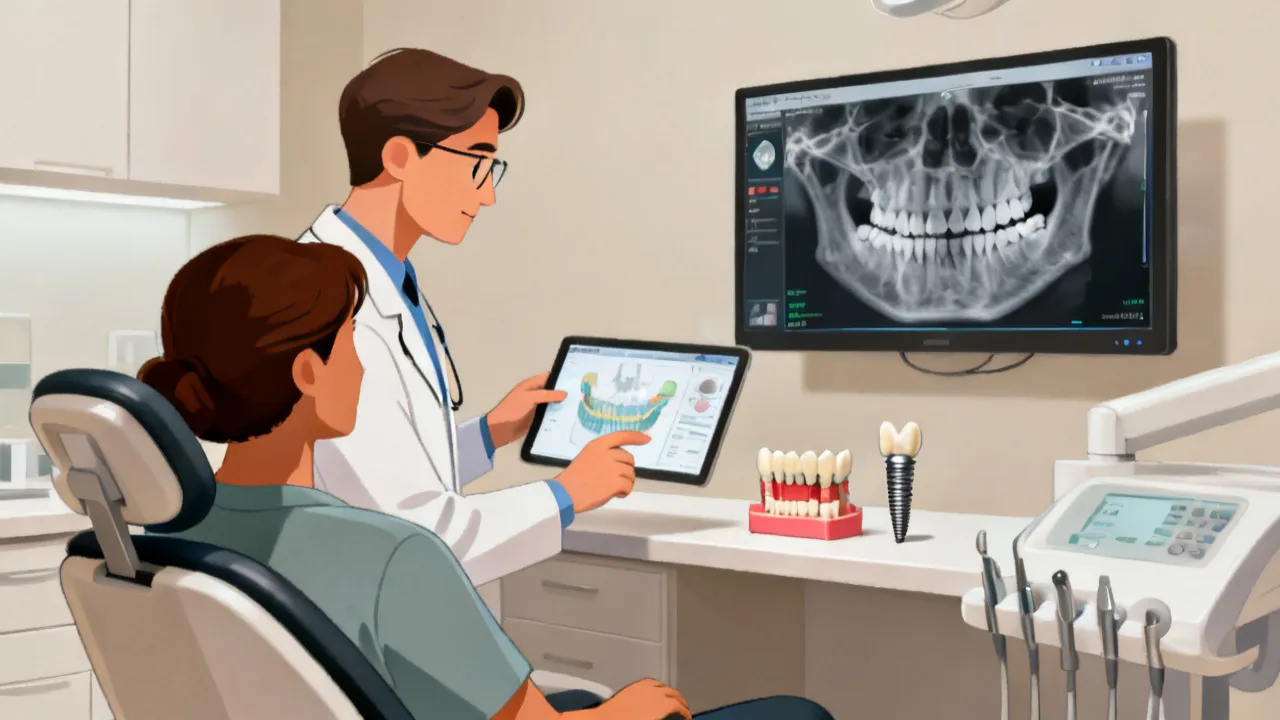
What 전체임플란트 가격 Means in Practice
전체임플란트 가격 is commonly used to describe the cost of restoring an entire upper arch, lower arch, or both arches with dental implants and fixed or removable prosthetic teeth. In English, the closest expressions are “full-mouth dental implant cost,” “full-arch implant price,” or “All-on-4 treatment cost,” although these terms are not always interchangeable. A clinic may use “full mouth” to describe one completely restored arch, while another clinic may use the same phrase to mean treatment of both the upper and lower jaws.
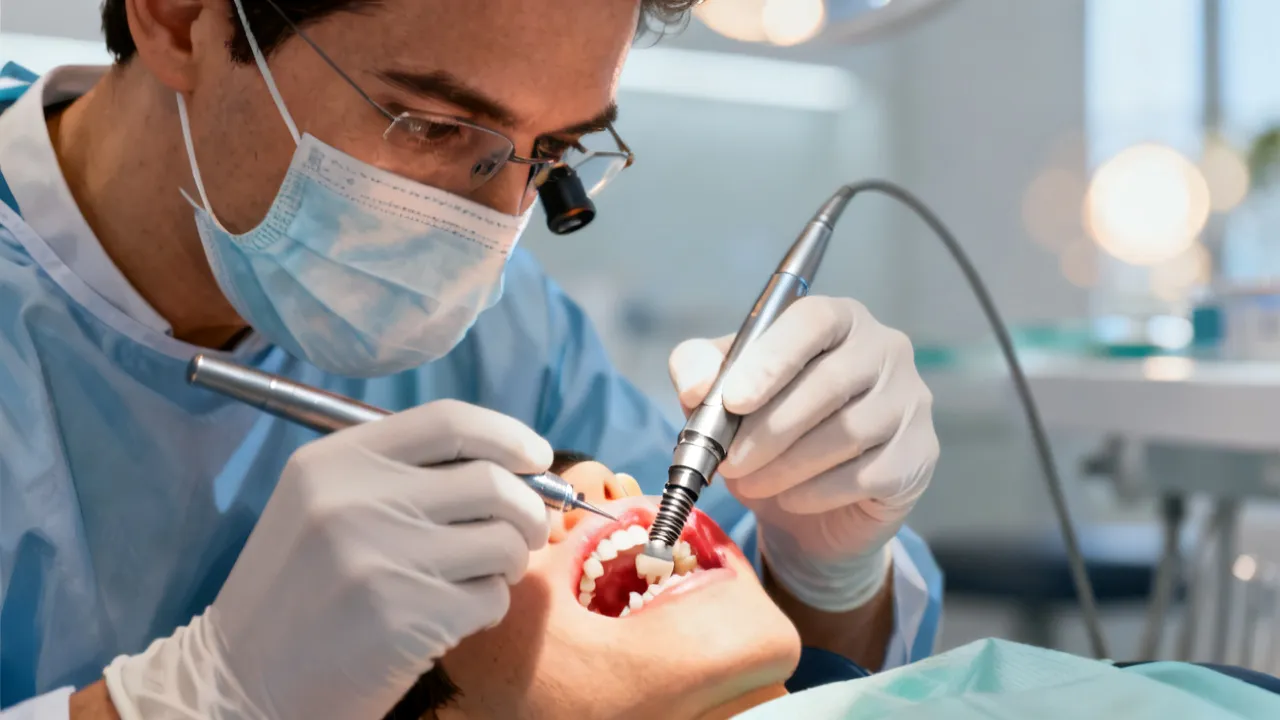
The most important point for patients is that a price for one dental implant does not represent the price of a full-mouth restoration. An individual implant usually refers to the implant fixture, abutment, and crown for one missing tooth, while full-mouth treatment may involve several implants, temporary teeth, permanent prostheses, extractions, bone procedures, sedation, laboratory work, and multiple appointments. The treatment may also require a long period of diagnosis, healing, adjustment, and maintenance.
From an industry perspective, a reliable quotation should be presented as a treatment plan rather than as a single promotional figure. The plan should identify the arch being treated, the number and brand of implants, the type of prosthesis, procedures included or excluded, expected treatment stages, warranty terms, and follow-up arrangements. Without these details, comparing prices can be misleading because two advertisements that appear to offer the same service may describe very different clinical packages.
Patients should also understand that implant treatment is not merely the purchase of artificial teeth. It is a medical and restorative process involving surgery, healing, prosthetic design, oral hygiene, and future professional care. The most suitable treatment is the one that offers an appropriate balance of safety, function, durability, appearance, affordability, and access to continuing care.
Key Findings Before Comparing Prices
- Full-mouth treatment is priced by the arch, prosthesis, surgical complexity, and laboratory requirements—not simply by multiplying the price of one implant.
- An initial low quotation may exclude extractions, bone grafting, temporary teeth, final teeth, imaging, sedation, or maintenance.
- Patients should compare written, itemized plans from appropriately licensed dental professionals.
- Individual implant price ranges listed in this article are reference figures only and should not be interpreted as full-mouth prices.
- Dental tourism can reduce some direct treatment costs, but travel, accommodation, revision visits, communication, and continuity of care must be included in the comparison.
- “Same-day teeth” usually refers to a temporary prosthesis placed soon after surgery, not necessarily the completion of the entire treatment.
- A lower initial price may become more expensive over time if the restoration requires frequent repairs or if follow-up care is difficult to obtain.
Why Full-Mouth Implant Prices Vary
There is no universal price for a full-mouth implant restoration. The final amount is influenced by clinical, technical, geographic, and administrative variables. Two patients in the same clinic may receive materially different quotations because their bone volume, periodontal condition, remaining teeth, medical history, and prosthetic goals differ.
1. The treatment area
A single upper or lower arch generally requires a different plan from treatment involving both arches. A patient may need a fixed full-arch prosthesis in the upper jaw and a removable implant-retained overdenture in the lower jaw, for example. These are different procedures with different laboratory and maintenance requirements.
The upper jaw often requires careful evaluation of the sinus region, facial support, speech, and smile display. The lower jaw may present different concerns involving the mandibular nerve, available vertical space, tongue position, and the relationship between the jaw and the existing denture. As a result, a plan that is appropriate for one arch may not be suitable for the other.
2. The number and distribution of implants
Full-arch treatment does not necessarily mean placing one implant for every missing tooth. Depending on anatomy and the chosen prosthetic design, a dentist may recommend several strategically positioned implants supporting a complete arch prosthesis. The number depends on bone quality, available space, bite forces, esthetic requirements, and the clinician’s treatment philosophy.
Some treatment concepts use four implants to support an arch, while other plans use five, six, or more. The number alone does not establish that one plan is better. Implant distribution, angulation, length, diameter, primary stability, prosthetic design, and the quality of the surrounding tissues also matter.
Patients should ask whether the quotation refers to the number of fixtures, the number of replacement teeth, or the number of arches. These terms are often used inconsistently in advertising materials. A phrase such as “four implants and a full set of teeth” may still exclude extractions, temporary teeth, final prosthesis upgrades, or future maintenance.
3. The condition of the jawbone
Long-term tooth loss can be associated with jawbone resorption. Some patients require bone augmentation or sinus-related procedures before or during implant placement. These procedures may involve additional surgical appointments, biomaterials, imaging, healing time, and medication. A quotation should state clearly whether such procedures are included.
Bone grafting may be relatively limited in one area or may involve a more extensive reconstruction. The timing can also differ. In some cases, grafting is completed before implant placement and allowed to heal. In others, an implant may be placed at the same appointment if the clinical conditions are favorable. A patient should not assume that a treatment advertised as immediate will remain immediate if the examination reveals inadequate bone or infection.
4. Extractions and disease control
Remaining teeth may require extraction, periodontal therapy, or treatment of infection before implants can be placed. Active gum disease should be assessed and managed because the tissues surrounding implants require ongoing care. Dental implant treatment is not simply a replacement for removing teeth; it is a staged clinical process that begins with diagnosis and disease control.
Extraction costs may be listed separately from implant surgery. Some clinics include simple extractions in a package but charge more for surgical extractions, retained roots, severely damaged teeth, or teeth associated with infection. Patients should ask how many extractions are included and whether the fee changes if the clinical difficulty is greater than anticipated.
5. The temporary prosthesis
Some full-arch plans include temporary teeth placed on the day of surgery or shortly afterward. Others use a removable temporary appliance while the tissues heal. The material, design, repair policy, and duration of use affect the total cost. Patients should ask whether adjustments and repairs are part of the initial fee.
A temporary prosthesis is important because the mouth changes during healing. Swelling decreases, the gums remodel, the bite may require adjustment, and the patient learns how to clean around the new restoration. A temporary appliance may be designed to test tooth position, facial support, speech, and comfort before the definitive prosthesis is manufactured.
6. The final prosthesis
The definitive teeth may be made from different combinations of acrylic, composite, zirconia, metal frameworks, or other dental materials. Each option has different characteristics relating to weight, appearance, repairability, wear, and laboratory cost. A lower initial price may reflect a simpler prosthesis, while a higher quotation may include a more complex laboratory design.
Patients should ask whether the definitive restoration includes a metal or titanium framework, the type of artificial teeth, the method used to attach the prosthesis, and whether the restoration is screw-retained or cement-retained. Full-arch implant restorations are often screw-retained, but the specific design depends on the clinical and prosthetic plan.
7. Diagnostic and surgical technology
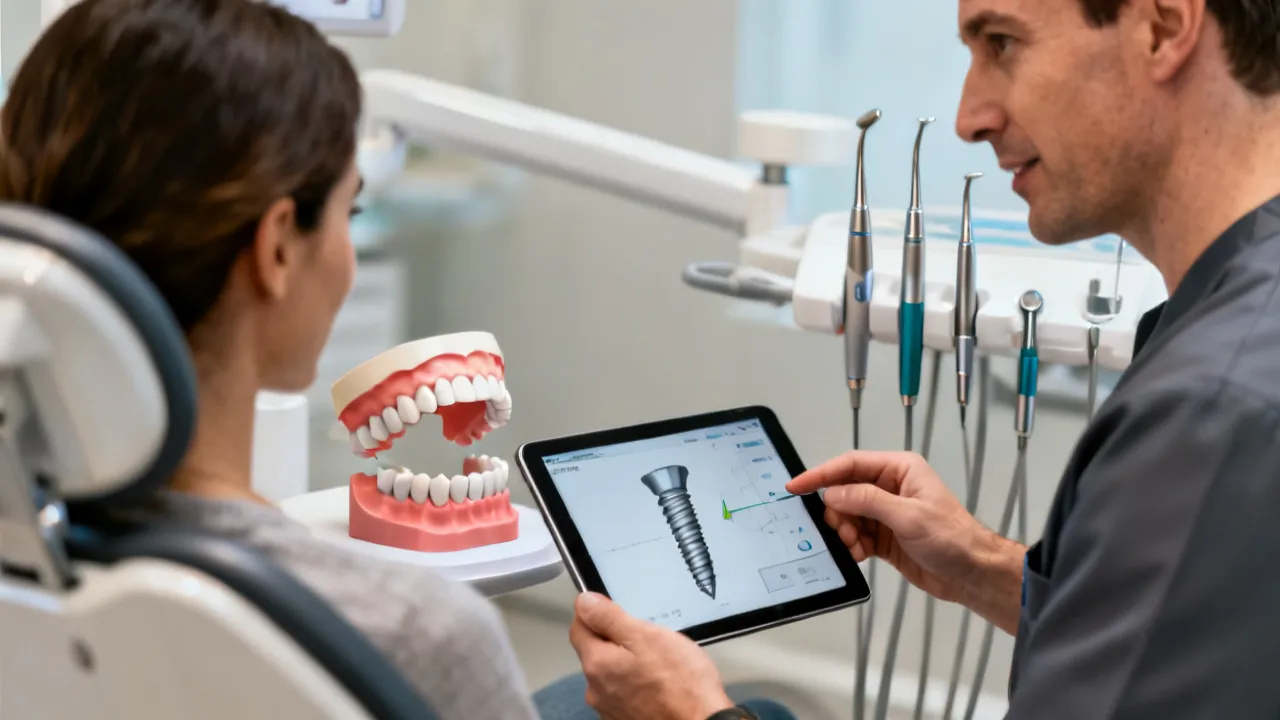
Clinical examination, digital photographs, dental models, radiographs, and three-dimensional imaging may be used to assess the treatment site. Computer-guided planning can assist with surgical positioning in suitable cases, but technology does not replace clinical judgment. Patients should identify which diagnostic services are included in the proposed fee.
Digital scanning, computer-aided design, surgical guides, and three-dimensional planning can improve communication between the dentist, surgeon, and laboratory. They may also add fees. The use of advanced technology is not automatically evidence of superior treatment, and the absence of a particular technology does not automatically indicate inadequate care. The relevant question is whether the diagnostic method is appropriate for the patient’s anatomy and treatment goals.
8. Sedation and anesthesia
Local anesthesia is usually part of routine implant surgery, while intravenous sedation or hospital-based anesthesia may involve separate professional and facility charges. The quotation should identify the type of anesthesia and the provider responsible for it.
Patients should disclose medical conditions, medications, sleep-related breathing problems, and previous reactions to anesthesia. Sedation may improve comfort for some patients, but it has additional safety requirements and may require fasting, transportation, monitoring, or a separate recovery period.
9. Location and clinic structure
Labor costs, regulatory requirements, rent, laboratory relationships, import costs, and professional fees differ between cities and countries. A quotation from a metropolitan clinic may not be directly comparable with one from a smaller community. However, a lower price should never be the only reason for selecting a provider.
Prices may also vary within the same city. A specialist practice, a multidisciplinary center, a university clinic, and a general dental office may use different staffing structures and laboratories. These differences can affect the quotation without necessarily indicating a difference in the quality of every individual component.
How a Professional Full-Mouth Implant Assessment Works
A responsible consultation usually follows a sequence similar to the one below. The exact order can vary, but the decision-making principles are broadly consistent.
- Health and dental history: The dentist reviews systemic conditions, medications, smoking or nicotine use, previous dental treatment, allergies, and relevant surgical history.
- Clinical examination: The clinician evaluates teeth, gums, bite, jaw movement, oral hygiene, facial support, and the condition of any existing prosthesis.
- Imaging and records: Appropriate radiographs or three-dimensional imaging may be obtained. Impressions or digital scans can help design the temporary and final prostheses.
- Risk assessment: Bone limitations, periodontal disease, parafunctional habits such as severe grinding, and medical considerations are discussed.
- Treatment alternatives: Options may include conventional dentures, implant-retained overdentures, individual implants with bridges, or fixed full-arch restorations.
- Written quotation: The patient receives a staged estimate showing what is included, what is conditional, and what may generate additional charges.
- Consent and scheduling: The clinician explains benefits, limitations, possible complications, expected healing, maintenance, and the possibility of additional treatment.
A consultation should not consist only of a quick scan followed by a sales presentation. The dentist should have an opportunity to review the patient’s history, evaluate the remaining teeth and soft tissues, discuss alternatives, and explain why the proposed number of implants and prosthetic design are being recommended.
What Should Be Included in a Full-Mouth Implant Quote?
A detailed quotation helps patients compare like with like. The following checklist can be used during a consultation.
| Quotation category | Questions to ask |
|---|---|
| Diagnosis | Are consultation, radiographs, three-dimensional imaging, photographs, and digital scans included? |
| Surgery | How many implants and extractions are planned, and are surgical fees itemized? |
| Bone procedures | Are grafting, membrane materials, sinus procedures, or other augmentation services included or billed separately? |
| Temporary teeth | What material is used, how long is it expected to last, and are repairs and adjustments included? |
| Final prosthesis | What material, framework, number of teeth, and laboratory process are included? |
| Medication and sedation | Are prescriptions, local anesthesia, sedation, or facility charges separate? |
| Follow-up | How many postoperative visits are included, and who provides care after the patient returns home? |
| Maintenance | Are hygiene visits, replacement components, relining, or prosthesis repairs covered? |
Patients should also ask whether the clinic uses original components from a recognized manufacturer and whether replacement parts will remain available locally. A prosthesis can require maintenance years after treatment, so component compatibility is an important long-term consideration.
The payment schedule should be equally clear. Some clinics request an initial deposit, a surgical-stage payment, and a final payment when the definitive prosthesis is delivered. Others use monthly financing. Patients should confirm whether deposits are refundable, what happens if treatment is postponed, and whether the final cost can change if additional clinical findings appear.
How to Obtain Lower-Cost Dental Implants in English-Speaking Countries
Lower-cost treatment does not necessarily mean choosing the least expensive advertisement. It usually means reducing avoidable expenditure while preserving diagnosis, safety, professional standards, and long-term support. The following approach may help patients in English-speaking markets such as the United States, the United Kingdom, Australia, and Canada.
Step 1: Define the actual treatment goal
Ask whether the need is one missing tooth, several teeth, one complete arch, or both arches. A conventional denture or an implant-retained overdenture may be clinically suitable for some patients and may have a different cost structure from a fixed full-arch restoration.
Step 2: Obtain more than one written plan
Seek consultations from appropriately qualified implant dentists, prosthodontists, oral surgeons, or multidisciplinary dental teams. Compare the clinical plan first and the price second. A quotation should identify the number of surgical sites, prosthetic stages, materials, and exclusions.
Step 3: Ask about teaching or hospital-affiliated clinics
Dental schools, university clinics, and hospital-linked services may offer treatment at different fee levels, subject to eligibility, waiting periods, and supervision arrangements. Patients should confirm who performs each stage and how urgent complications are handled.
Step 4: Review insurance and financing conditions
Many dental insurance policies place restrictions on implant coverage, waiting periods, annual limits, missing-tooth clauses, or prosthetic components. Patients should request a written benefits determination rather than relying on an informal statement. Financing plans should be reviewed for interest, administrative charges, cancellation terms, and the consequences of changing providers.
Step 5: Consider staged treatment when clinically appropriate
Staging can spread expenses over time and may allow a patient to address infection, improve oral hygiene, or complete one arch before proceeding with another. Staging is not suitable for every clinical situation, and it should be based on the dentist’s treatment rationale rather than payment convenience alone.
Step 6: Review maintenance requirements
A prosthesis requiring frequent repairs may cost more over several years than a higher-priced option with a more suitable design. Ask about professional cleaning, replacement screws, relining, occlusal adjustments, and periodic imaging.
Step 7: Evaluate dental tourism carefully
Traveling abroad may reduce quoted clinical fees in some cases, but the complete calculation should include flights, accommodation, local transportation, translation, time away from work, insurance, return appointments, and management of complications. Patients should confirm the provider’s license, emergency arrangements, implant system, prosthetic laboratory, and cross-border complaint process.
How to Obtain Lower-Cost Dental Implants in Spanish-Speaking Countries
Patients considering treatment in Spain, Mexico, Chile, Colombia, Peru, or Argentina can use the same clinical principles while paying attention to language, regulation, and currency issues. Regional prices may vary significantly between capital cities, tourist centers, and smaller communities.
- Verify professional credentials: Confirm that the dentist and clinic are registered with the relevant national or regional authority. Registration requirements differ by country.
- Request a Spanish-language treatment plan: The document should explain the proposed implant system, prosthetic material, number of arches, surgical stages, and estimated healing schedule.
- Clarify whether the quotation is per arch or for both arches: Marketing language can use “full mouth” to describe either one arch or two. This distinction should appear in the contract.
- Confirm laboratory arrangements: Ask whether the temporary and final prostheses are produced in-house or by an external laboratory, and how repairs are handled.
- Ask about currency and exchange rates: A quotation in euros, US dollars, or local currency can change in practical value. The payment schedule should state the currency and applicable conversion method.
- Assess travel logistics: Several visits may be necessary. A very short itinerary may not allow sufficient time for diagnosis, surgery, healing assessment, and prosthetic adjustment.
- Arrange continuing care: Before traveling, identify a nearby dentist who can provide hygiene care and evaluate the restoration after treatment.
Spanish-speaking patients may benefit from clinics that provide clear consent documents and interpretation of technical terms. Language accessibility is part of informed consent, particularly when discussing risks, medication, implant failure, prosthetic limitations, and the possibility of further surgery.
How to Obtain Lower-Cost Dental Implants in Portuguese-Speaking Countries
Brazil and Portugal are prominent Portuguese-speaking markets with different healthcare systems, regional costs, professional structures, and currency conditions. Patients should avoid assuming that one national price applies to every city or clinic.
In Brazil, patients may compare private dental clinics, dental plans, university services, and specialist practices. They should ask whether the quoted amount includes the implant fixture, surgical guide, abutment, crown or complete prosthesis, laboratory fees, and postoperative reviews. Portuguese-language documentation should explain the manufacturer and warranty terms.
In Portugal, patients may compare private dental providers and investigate whether any insurance or dental plan contributes toward specific services. The patient should determine whether the quoted amount is in euros and whether it covers one tooth, one arch, or a complete rehabilitation.
For either market, the following measures can help control costs responsibly:
- Complete a periodontal and medical assessment before agreeing to surgery.
- Compare two or more itemized plans with equivalent materials and prosthetic designs.
- Ask whether a removable implant-retained option is clinically appropriate.
- Confirm the expected number of visits and the cost of follow-up treatment.
- Check the availability of replacement components in the patient’s home region.
- Review written guarantees carefully, including exclusions for hygiene, trauma, smoking, and missed maintenance visits.
Reference Price Ranges for Individual Dental Implants
The table below shows the supplied reference ranges for an individual dental implant. These figures are not estimates for 전체임플란트 가격 or a full-mouth restoration. The scope of “individual implant” may differ between sources: some quotations include the crown and abutment, while others refer primarily to the surgical implant stage. Patients must confirm the inclusions directly with a clinic.
| Country | Currency | Reference price range for one dental implant |
|---|---|---|
| United States (US) | USD | $3,000–$6,000 |
| United Kingdom (GB) | GBP | £2,000–£2,500 |
| Australia (AU) | AUD | AU$3,500–AU$6,500 |
| Canada (CA) | CAD | CA$3,000–CA$5,500 |
| Spain (ES) | EUR | €1,500–€2,500 |
| Chile (CL) | CLP | CLP$800,000–CLP$1,500,000 |
| Mexico (MX) | MXN | $15,000–$25,000 |
| Colombia (CO) | COP | $2,000,000–$4,000,000 |
| Peru (PE) | PEN | S/ 3,000–S/ 6,000 |
| Argentina (AR) | ARS | $80,000–$150,000 |
| Brazil (BR) | BRL | R$3,000–R$8,000 |
| Portugal (PT) | EUR | €1,000–€2,000 |
| Germany (DE) | EUR | €2,000–€3,500 |
| France (FR) | EUR | €1,500–€2,500 |
| Italy (IT) | EUR | €1,500–€3,000 |
| Japan (JP) | JPY | ¥300,000–¥700,000 |
These ranges should be treated as historical reference information supplied for comparison. They do not account for inflation, exchange-rate movements, regional differences, additional surgery, or variations in what a clinic includes in its definition of an implant.
It is also not appropriate to multiply the listed individual price by the number of implants in a full-arch plan and assume that the result is accurate. A full-arch restoration may benefit from package pricing for surgery and prosthetic work, but it may also involve costs that do not arise in a single-tooth case. The only dependable figure is the written estimate prepared after an examination.
Information Websites and Their Practical Use
The following resources illustrate different ways patients research implant treatment. They are not substitutes for an individual examination, diagnosis, or treatment plan. Some are clinic websites, some are insurance or dental-plan resources, and one is a dental-tourism service. Their content, availability, and commercial relationships should be reviewed independently.
| Website or organization | Primary focus and useful features |
|---|---|
| Dental Views | Information about lower-cost dental implants, treatment types, cost considerations, process explanations, and common patient questions. |
| Atlantic Dental Group | Clinic information covering general dentistry and selected specialist services, with details about appointments and available care. |
| DentaVacation | Dental-tourism information, international treatment comparisons, travel planning, and guidance for patients considering treatment abroad. |
| American Dental Health Plans | Dental-plan information that may help patients review coverage, plan structures, and methods of managing dental expenses. |
| Rockville Dental Arts | Spanish-language clinic information covering implants, preventive care, orthodontics, cosmetic services, and emergency dentistry. |
| Union City Mini Dental Implants | Spanish-language information focused on mini dental implants and their possible use in selected tooth-replacement situations. |
| Cigna Dental Implant Guide | Spanish-language educational material explaining basic implant concepts, treatment stages, and questions related to dental coverage. |
| Rubi Odonto | Portuguese-language clinic information from Santo André, São Paulo, including implants, orthodontics, whitening, and other dental services. |
| Odontologia Velasco | Portuguese-language information about implants, prostheses, aesthetic dentistry, and technology-supported clinical services in São Paulo. |
| DentalVidas | Portuguese-language dental-plan information for individuals, families, and companies, including network and emergency-service details. |
Source of the website information:
source: www.dentalviews.com
source: www.atlanticdentalgrp.com
source: www.dentavacation.com
source: rockvilledentalarts.com
source: unioncityminidentalimplants.com
source: www.cigna.com
source: www.rubiodonto.com.br
source: odontologiavelasco.com.br
source: dentalvidas.com.br
How to Assess a Clinic’s Price Presentation
A transparent clinic should be able to explain the clinical reason for each major cost. The following questions can reveal whether a quotation is sufficiently detailed:
- Does the price identify one arch or both arches?
- Does it include extractions of remaining teeth?
- Does it specify the number and manufacturer of implants?
- Does it distinguish temporary teeth from definitive teeth?
- Does it state the prosthetic material and laboratory fee?
- Does it explain whether bone grafting or sinus procedures are conditional costs?
- Does it include consultations, scans, medication, anesthesia, and postoperative checks?
- Does it describe repair, replacement, and maintenance policies?
- Does it identify the dentist responsible for surgery and the professional responsible for prosthetic design?
- Does it explain what happens if the patient experiences an implant complication after returning home?
A clinic that provides a clear answer to these questions is easier to compare with other providers. Patients should be cautious about quotations that use only phrases such as “complete teeth,” “same-day teeth,” or “all-inclusive implants” without defining the treatment components.
It is also useful to ask for photographs or examples of the type of prosthesis being proposed, while remembering that photographs cannot predict a specific patient’s result. The patient’s facial proportions, lip movement, gum display, tooth shade, speech patterns, and bite all affect the final design. A strong clinic should discuss these factors during the restorative planning process.
Clinical Conditions and Requirements
Eligibility for implant treatment is determined individually. Age alone is not a sufficient measure of suitability. The clinician will consider jaw development, bone volume, oral hygiene, periodontal health, systemic conditions, medication use, and the patient’s ability to attend follow-up appointments.
Oral health
Untreated periodontal disease, extensive infection, poor plaque control, and unstable remaining teeth may need to be addressed before implant surgery. Long-term implant success depends on a maintainable oral environment, not only on the surgical placement of the fixture.
Medical history
Patients should disclose diabetes, immune conditions, bleeding disorders, osteoporosis medication, radiation therapy, cardiovascular disease, allergies, and all prescribed or non-prescribed medications. The dentist may request medical consultation when appropriate. Patients should never stop medication without guidance from the prescribing clinician.
Smoking and nicotine
Smoking and other nicotine exposure can affect healing and may increase oral health risks. A clinician may recommend reducing or stopping nicotine use before surgery and throughout the healing period. The recommendation should be discussed openly because it can influence treatment timing and maintenance advice.
Bruxism and bite forces
Severe tooth grinding or clenching can place additional stress on implants and prosthetic components. A full-mouth plan may therefore include occlusal evaluation, a protective appliance, changes to prosthetic design, or more frequent maintenance.
Ability to maintain the restoration
Fixed full-arch teeth still require daily cleaning. Patients may need interdental brushes, water-flossing devices, specialized threaders, or professional hygiene visits. If a patient cannot clean beneath the prosthesis, a different design may be more appropriate.
Expectations and adaptation
Patients should discuss how the restoration may affect chewing, speech, facial support, and comfort during the adaptation period. Even a technically successful restoration may feel unfamiliar at first. Some patients need several adjustments before the bite and speech feel natural. Understanding this in advance can prevent unrealistic expectations and helps patients distinguish normal adaptation from a problem requiring clinical review.
Full-Arch Alternatives and Their Cost Implications
When evaluating 전체임플란트 가격, it is useful to compare treatment categories rather than focusing on one advertised implant package.
Conventional complete dentures
Complete dentures do not require implant surgery. They may be appropriate in situations where a patient prefers a non-surgical option or cannot undergo implant treatment. They can require adjustment, relining, or replacement as the mouth changes over time.
Implant-retained overdentures
An overdenture is removable but attaches to implants for improved retention. Depending on the jaw and the planned design, it may require fewer implants or a different prosthetic framework than a fixed full-arch restoration. It still requires cleaning outside the mouth and periodic maintenance of attachments.
Fixed full-arch prostheses
A fixed restoration is attached to implants and is generally removed only by a dental professional. It can provide a different experience from a removable prosthesis, but it may involve higher laboratory complexity and more demanding hygiene requirements. Patients should ask how the prosthesis can be accessed for professional cleaning if necessary.
Individual implants and bridges
Replacing selected teeth with individual implants or implant-supported bridges can be appropriate when some teeth remain healthy and strategically useful. This approach is not equivalent to replacing an entire arch and may involve a different distribution of surgical and laboratory costs.
Phased or hybrid solutions
Some patients may receive a temporary removable appliance while selected teeth are treated, followed by implant-supported restoration at a later stage. This may help manage infection, allow time for financial planning, or provide an opportunity to assess the patient’s tolerance of a new bite. A phased approach should be planned carefully because an interim restoration can affect the position of the teeth, available space, and future implant placement.
Dental Tourism: A Structured Risk Review
International treatment requires the same clinical scrutiny as local care, with additional logistical considerations. Patients should request the dentist’s full name, professional registration details, clinic address, emergency contact process, implant brand, laboratory details, and written aftercare instructions.
Travel timing deserves particular attention. A treatment plan may involve an initial diagnostic visit, surgery, temporary prosthesis, healing assessment, impressions or digital scans, and delivery of definitive teeth. Some providers coordinate these stages over several trips; others may use accelerated protocols for selected patients. The appropriate schedule depends on diagnosis and healing, not solely on a travel itinerary.
Patients should also determine who pays for corrective treatment if a prosthesis fractures, an implant becomes unstable, or an infection develops after returning home. A clinic warranty may require the patient to return to the original clinic, which can make a nominally lower price more expensive in practice.
Language and documentation are equally important. Patients should receive written instructions about antibiotics, pain relief, brushing, diet, swelling, emergency symptoms, and the date of the next review. They should retain copies of implant passports, invoices, radiographs, consent forms, and laboratory records. These documents can help a local dentist identify the implant system and replacement components if future care is required.
Maintenance and Lifetime Cost
The initial 전체임플란트 가격 is only one part of the financial decision. Long-term expenses may include professional hygiene appointments, radiographs, replacement screws, attachment changes, denture relining, prosthetic repairs, night guards, and eventual replacement of worn teeth.
Implant-supported restorations are not maintenance-free. The patient should receive instructions for cleaning under and around the prosthesis and should understand the symptoms that require prompt review, such as bleeding, swelling, pain, unpleasant taste, movement, changes in bite, or difficulty cleaning.
An industry-informed comparison therefore considers at least three periods:
- Preparation: diagnosis, disease control, extractions, and preliminary procedures.
- Active treatment: surgery, temporary teeth, healing reviews, impressions, and final prosthesis delivery.
- Long-term care: hygiene, repairs, replacement components, imaging, and periodic clinical review.
Patients should ask whether maintenance is performed by the same dentist who completed the surgery and prosthesis or by another team member. They should also ask how frequently the restoration should be removed and inspected professionally. A fixed prosthesis can appear clean from the outside while plaque accumulates beneath it, so routine evaluation remains important.
Questions to Ask Before Signing a Treatment Agreement
- What diagnosis supports the proposed full-mouth plan?
- Is treatment planned for one arch or both arches?
- How many implants are proposed, and why?
- Are extractions included?
- What happens if bone grafting is needed?
- What type of temporary prosthesis will be provided?
- What material will be used for the definitive teeth?
- Who designs and manufactures the prosthesis?
- How long should each stage take?
- What risks and alternatives have been discussed?
- What fees are excluded from the quotation?
- What is covered by the clinic’s warranty, and what conditions apply?
- How often are maintenance visits recommended?
- Can replacement components be obtained in the patient’s local area?
- What is the procedure for urgent care outside normal clinic hours?
- What happens if the patient changes their mind between the temporary and final stages?
- Are payment deposits refundable if the treatment plan changes after imaging?
- Will the patient receive copies of scans, radiographs, and implant records?
FAQs About 전체임플란트 가격
Is the price of one implant the same as the price of a full-mouth restoration?
No. An individual implant normally concerns one tooth site and may include a fixture, abutment, and crown depending on the quotation. A full-mouth restoration may include multiple implants, one or two complete arches, temporary and final prostheses, extractions, imaging, and additional surgery.
Does “full mouth” always mean both jaws?
No. Some clinics use the term for one complete arch, while others use it for treatment of the upper and lower jaws. The contract should state clearly whether the plan concerns one arch or both arches.
Can a lower price indicate poor quality?
Not necessarily. Prices may differ because of regional operating costs, clinic structure, laboratory arrangements, treatment complexity, or the prosthetic design. However, an unusually low quote should be examined carefully for exclusions, component quality, follow-up limitations, and unclear warranty terms.
Are dental implants covered by insurance?
Coverage varies by plan and jurisdiction. Some policies exclude implants, while others contribute to selected surgical or prosthetic services subject to limits and conditions. Patients should obtain written confirmation from the insurer and ask whether the benefit applies to the implant fixture, abutment, crown, or complete prosthesis.
Is an implant-retained overdenture less expensive than fixed full-arch teeth?
It may have a different initial cost because the number of implants, framework, attachment system, and laboratory process can differ. Suitability depends on anatomy, function, hygiene ability, esthetic expectations, and the clinician’s assessment.
How can patients compare overseas and local prices fairly?
Use the total treatment cost rather than the advertised surgical fee. Add diagnostic visits, travel, accommodation, meals, time away from work, translation, insurance, local follow-up, and possible revision treatment. Compare equivalent implant numbers, prosthetic materials, guarantees, and maintenance arrangements.
What should patients do if they cannot afford the proposed plan?
They can ask about clinically appropriate alternatives, staged treatment, overdentures, university or hospital-affiliated services, dental-plan benefits, and structured payment arrangements. The treatment should not be altered solely to reduce cost without discussing the clinical consequences.
Can full-mouth implants be placed in one day?
Some selected patients may receive a temporary prosthesis soon after implant placement, but immediate treatment is not appropriate for everyone. Bone quality, infection, primary stability, bite forces, medical history, and prosthetic planning influence eligibility. “Same-day teeth” generally refers to a temporary stage rather than the completion of the entire treatment.
What is the most important factor besides price?
The quality of diagnosis and the long-term maintenance plan are central. A technically suitable restoration must also be cleanable, repairable, supported by appropriate components, and accompanied by accessible follow-up care.
How long do full-arch implants last?
No clinician can guarantee a specific lifetime for every implant or prosthesis. Longevity depends on oral hygiene, gum health, bite forces, smoking, medical conditions, component wear, accidents, and regular professional maintenance. The implant fixture and the visible prosthetic teeth may have different service lives and may not need replacement at the same time.
Is the cheapest country always the best place for treatment?
No. Country-level averages cannot determine the quality or suitability of one clinic. The patient should assess the individual provider’s qualifications, diagnosis, informed-consent process, laboratory standards, component availability, and aftercare. Travel expenses and the cost of managing complications can also change the final financial result.
Expert Perspective: Making a Responsible Price Decision
From an expert perspective, patients should treat 전체임플란트 가격 as a value assessment rather than a price hunt. Value includes diagnostic accuracy, infection control, clinician training, laboratory quality, component availability, informed consent, realistic scheduling, and long-term support.
The strongest comparison method is to place two or three written plans side by side. Mark each item as included, excluded, conditional, or unclear. Then compare the number of implants, type of temporary and final prosthesis, imaging, extractions, grafting, sedation, follow-up, warranty, and maintenance. If a clinic cannot explain a major cost in plain language, the patient should delay the decision until the information is clear.
Patients should also recognize that a full-arch implant restoration is a medical treatment, not simply a cosmetic purchase. The appearance of the teeth matters, but so do chewing function, speech, facial support, tissue health, bite stability, cleaning access, and the ability to manage future repairs. A lower initial quotation may not represent lower overall expenditure if it requires frequent travel or lacks local support.
A well-prepared patient does not need to understand every surgical detail before beginning, but should understand the purpose of each stage, the alternatives, the likely timeline, the payment obligations, and the plan for complications. Asking detailed questions is not an inconvenience; it is a normal part of informed treatment selection.
Conclusion
Understanding 전체임플란트 가격 begins with separating individual implant prices from complete full-mouth treatment costs. The final amount depends on the number of arches, implants, surgical procedures, prosthetic design, materials, diagnostic services, laboratory work, and long-term maintenance.
Patients seeking lower-cost treatment in English-, Spanish-, or Portuguese-speaking countries should verify professional credentials, request itemized plans, compare equivalent treatment scopes, and calculate travel and follow-up expenses. Online resources can help patients prepare questions, but only an individual clinical assessment can determine whether a proposed treatment is suitable.
The best decision is rarely based on the lowest advertised number. Instead, patients should look for a transparent plan that explains the clinical reasoning, identifies every major fee, describes the temporary and definitive teeth, and provides a realistic pathway for maintenance. Careful comparison can help patients avoid unexpected costs while choosing treatment that supports oral health and function over the long term.
Disclaimer
1. The information above comes from online resources, and the data is as of October 2023.
2. Dental implant prices are for reference only and may vary by region, clinic, doctor, treatment complexity, materials, currency, and the services included in the quotation. This article is educational information and does not replace a consultation, diagnosis, or personalized treatment plan from a licensed dental professional.
Reference Links
Dental Views – Low Cost Dental Implants
Rockville Dental Arts – Spanish Website
Union City Mini Dental Implants – Spanish Website