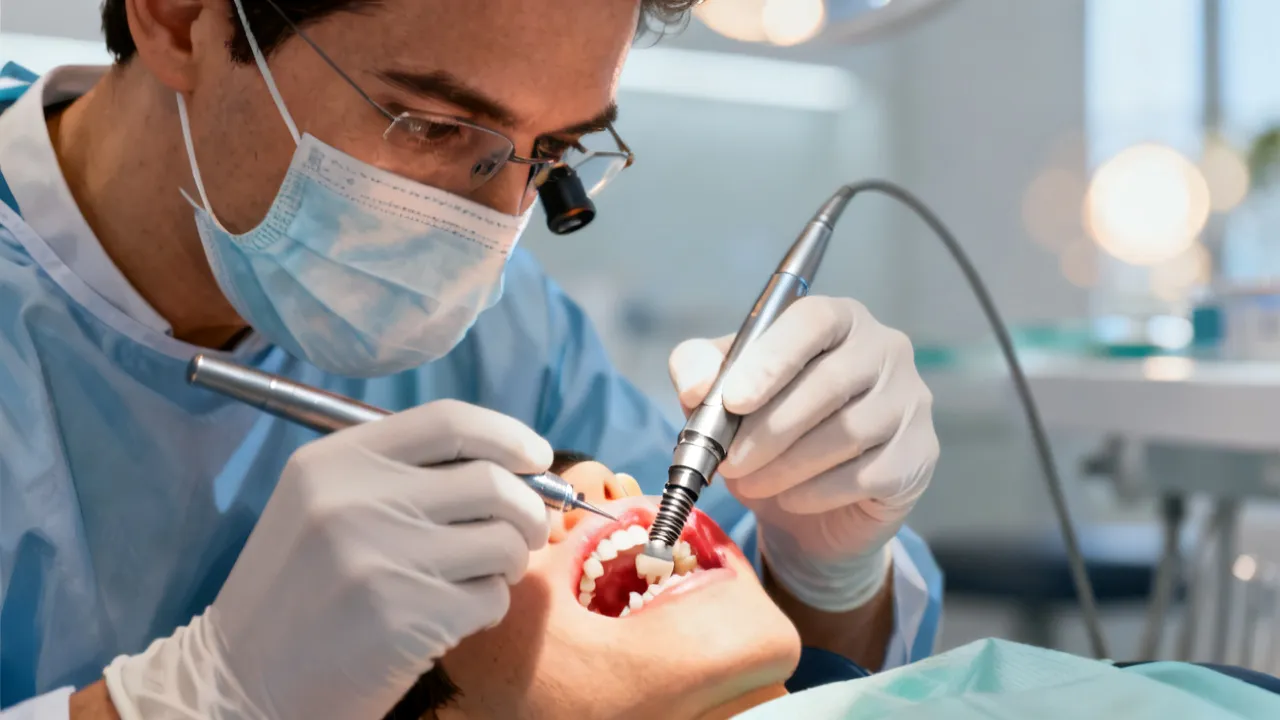
Gold Crown Side Effects and Implant Cost Guide
This guide explains 금니 부작용, or possible side effects associated with gold dental crowns, including sensitivity, gum irritation, bite changes, allergy concerns, and complications caused by poor fit or inadequate hygiene. It also distinguishes crown-related symptoms from implant problems, outlines questions to ask a dentist, compares selected dental information websites, and presents reference price ranges for individual implants in several language markets.
What 금니 부작용 Means in Dental Care
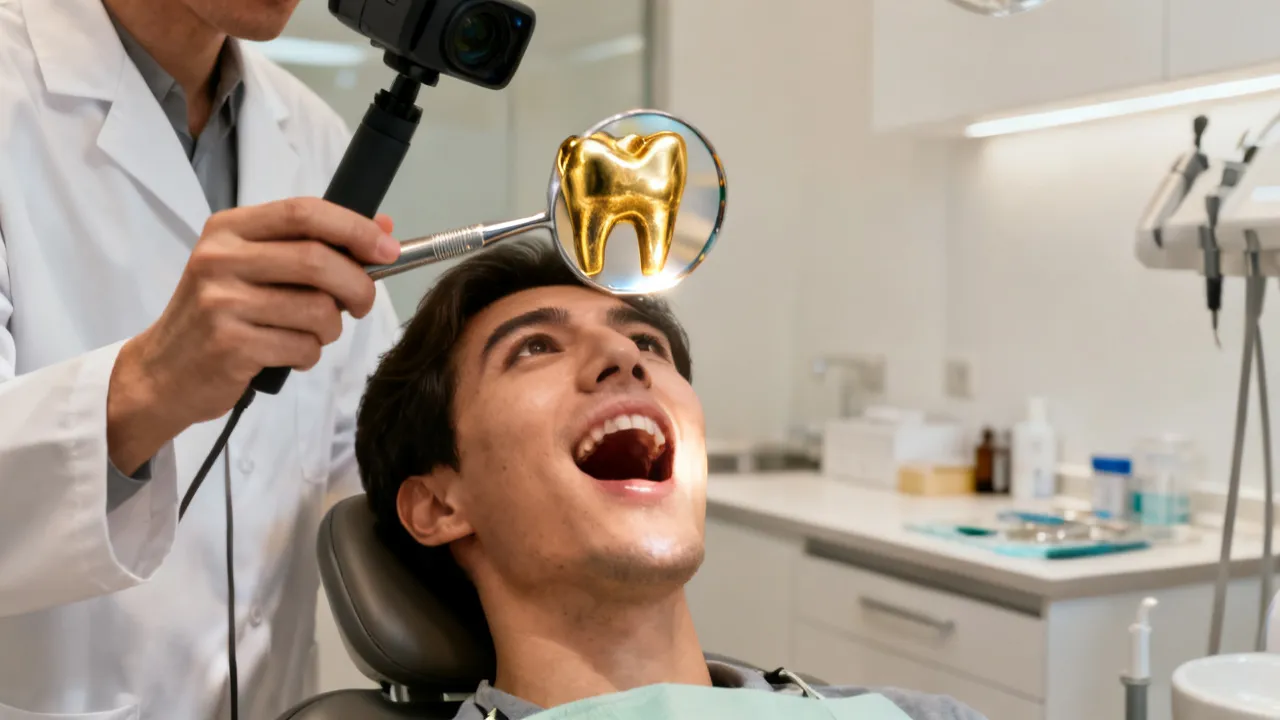
금니 부작용 is a Korean expression commonly used to describe side effects, discomfort, or complications associated with a gold dental crown, gold inlay, gold onlay, or another gold-containing restoration. In English-speaking dental care, the relevant clinical terms may include crown sensitivity, gingival irritation, occlusal interference, dental material allergy, recurrent decay, cement failure, restoration fracture, or pulpal inflammation.
Gold restorations have been used for many decades because dental gold alloys can be durable, corrosion-resistant, and relatively gentle to opposing teeth when properly designed. They can also be made very thin compared with some other materials, which may allow a dentist to preserve more healthy tooth structure in selected situations. Gold is not, however, automatically suitable for every patient or every location in the mouth. A visible metallic color may be unacceptable in the smile zone, and the alloy may contain metals other than gold.
Symptoms after a gold restoration may result from the crown material itself, the cement, the underlying tooth, the bite, the surrounding gum tissue, or an unrelated dental condition. A patient may also notice a symptom that is coincidental, such as discomfort caused by a neighboring tooth, sinus pressure, tooth grinding, or a developing cavity elsewhere.
The most important point is that discomfort should not automatically be attributed to gold. A tooth beneath a crown may have inflammation, a crack, recurrent decay, or an infection. A dentist must identify the cause before recommending removal or replacement. Removing a restoration without a diagnosis may lead to unnecessary tooth reduction, additional expense, and loss of useful information about the condition of the tooth.
Key Symptoms Requiring Prompt Dental Assessment
- Persistent or worsening toothache after crown placement.
- Swelling, pus, a bad taste, fever, or facial tenderness.
- Pain that occurs spontaneously or wakes the patient at night.
- Sharp pain when biting or releasing the bite.
- A crown that feels loose, moves, or repeatedly dislodges.
- Bleeding, swelling, or persistent soreness around the gumline.
- A sudden change in the way the upper and lower teeth meet.
- Increasing sensitivity to hot or cold that lingers after the stimulus is removed.
- A foul odor or taste coming from beneath the restoration.
- Difficulty opening the mouth because of swelling or pain.
- Difficulty swallowing, breathing, or rapidly increasing facial swelling.
Facial swelling accompanied by breathing or swallowing difficulty requires urgent medical attention. A dental appointment is appropriate for many crown problems, but a spreading infection can become a broader health concern. Patients with fever, severe swelling, confusion, weakness, or rapidly worsening symptoms should seek emergency care rather than waiting for a routine dental appointment.
While waiting for professional care, a patient can gently rinse with water, maintain reasonable oral hygiene, and avoid chewing on the affected side. Pain medication should be used only according to its label and the patient’s medical advice. Aspirin should not be placed directly on the gum or tooth because it can chemically irritate oral tissues.
Common 금니 부작용 and Their Possible Causes
1. Short-Term Sensitivity
Some patients experience sensitivity to cold, heat, or pressure after a crown is cemented. The tooth has usually been prepared by removing a portion of enamel and dentin, and this process can temporarily irritate the pulp. The cementation procedure, drying of the tooth, temporary restoration, or pressure from the final crown can also produce short-term symptoms.
If the tooth nerve remains healthy, the symptoms may gradually settle over several days or weeks. Sensitivity that is brief and occurs only when exposed to cold is generally less concerning than pain that begins without a trigger or continues for a long time after hot or cold exposure.
Short-lived sensitivity is not necessarily evidence that the gold crown is harmful. However, pain that remains intense, becomes spontaneous, or increases over time may indicate irreversible pulp inflammation. In that situation, a dentist may recommend clinical testing and dental radiographs. Root canal treatment is sometimes needed, but it should be based on diagnostic findings rather than sensitivity alone.
A temporary crown can also make it difficult to determine whether symptoms are coming from the tooth, the temporary material, or the final restoration. Patients should report the timing and pattern of symptoms clearly, including whether the pain lasts seconds or minutes, whether it occurs after biting, and whether it interrupts sleep.
2. Gum Irritation and Inflammation
Inflamed gums around a crown can be associated with plaque retention, a crown margin that extends too far below the gum, excess cement, an over-contoured restoration, or an existing periodontal condition. Gold itself is not automatically responsible for gum inflammation.
A well-finished, accurately fitting crown should allow the patient to clean around it. If floss continually catches or shreds, the margin may require evaluation. Professional cleaning, improved brushing and interdental cleaning, or adjustment of the restoration may help. In some cases, replacement is necessary.
Gum irritation can also occur when the crown is too bulky near the gumline. A contour that appears small from the chewing surface may still prevent a toothbrush or floss from reaching the tissue properly. Persistent bleeding should not be dismissed as normal simply because the crown is new. Although mild irritation may occur during healing, ongoing bleeding can indicate plaque accumulation, excess cement, periodontal disease, or an ill-fitting margin.
Patients with a history of gum disease may need more frequent maintenance after receiving a crown. The restoration does not eliminate the need for periodontal monitoring, and the tissues around a crown can become inflamed if daily plaque control is inconsistent.
3. Bite Discomfort
A newly placed crown can feel “high” when it contacts the opposing tooth before the other teeth do. This may cause tenderness when chewing, muscle fatigue, headaches, or discomfort in the jaw joint. A minor occlusal adjustment may resolve the problem, but adjustment should be conservative because excessive removal can weaken the restoration or expose the underlying tooth.
Patients should not attempt to adapt indefinitely to a crown that consistently changes the bite. A dentist can use articulating paper and clinical examination to determine whether the crown, a neighboring tooth, or a broader bite issue is involved. Sometimes the apparent problem is caused by swelling in the periodontal ligament, which makes the tooth feel taller even when the crown contacts normally.
Patients who clench or grind their teeth may notice greater soreness after receiving a crown. Bruxism can place heavy forces on both natural teeth and restorations. A professionally designed occlusal appliance may be useful in appropriate cases, although it is not a substitute for diagnosing the cause of grinding or correcting a crown that is genuinely too high.
4. Material Sensitivity or Allergy
Dental crowns described as “gold” are generally made from an alloy rather than pure gold. Depending on the product, the alloy may contain gold together with metals such as palladium, platinum, silver, copper, or other components. A patient with a known metal sensitivity should tell the dental team before treatment.
True allergic reactions to dental materials are uncommon, and oral symptoms are often caused by other factors. Possible warning signs include persistent burning, rash-like changes, swelling, generalized irritation, or symptoms affecting the lips or skin that cannot be explained by plaque or mechanical trauma. Testing and material selection should be coordinated with a dentist and, when appropriate, an allergy or dermatology specialist.
A patient should not remove a clinically sound crown solely because an allergy is suspected without assessment. The dental team may need to compare the timing of symptoms with the date of placement, review the laboratory alloy record, examine the oral tissues, and consider other possible allergens such as toothpaste ingredients, mouth rinses, foods, medications, or acrylic temporary materials.
5. Recurrent Decay at the Crown Margin
A crown does not make the tooth immune to decay. Bacteria can accumulate at the edge of the restoration, especially when the margin is difficult to clean, the patient has a high sugar exposure, or saliva flow is reduced. Recurrent decay can cause sensitivity or weaken the remaining tooth structure.
Daily plaque control, fluoride toothpaste where clinically appropriate, regular examinations, and attention to dietary frequency are important. It is not only the amount of sugar consumed that matters; repeated exposure throughout the day gives oral bacteria more opportunities to produce acids. Frequent sweetened drinks, sticky snacks, and bedtime sugar exposure may increase risk.
The dentist may use radiographs to inspect areas that cannot be seen directly. The treatment may involve a filling, crown replacement, or more extensive care depending on the amount of remaining tooth structure. If decay extends beneath the gum or close to the nerve, treatment may require periodontal management or root canal therapy in addition to a new restoration.
6. Cement Leakage or Crown Loosening
Dental cement can deteriorate over time, particularly where moisture control was difficult or the crown does not fit accurately. A loose crown may trap bacteria and expose the prepared tooth to damage. Patients should avoid chewing hard or sticky foods on a loose restoration and should arrange an examination promptly.
In selected situations, the dentist can clean and recement the crown. If the tooth or restoration is damaged, replacement may be more appropriate. Household adhesives should never be used because they may injure oral tissue and complicate professional treatment. Even temporary over-the-counter dental cement should be used only as directed and should not replace an urgent professional evaluation.
If a crown comes off, it should be kept in a clean container and brought to the appointment. The patient should not force it back into place if the tooth is painful, the crown is distorted, or the bite does not feel correct. A temporary restoration may be necessary to protect the tooth while the dentist determines whether recementation is possible.
7. Cracks, Wear, or Damage to the Underlying Tooth
Gold alloys are often less brittle than some ceramic materials, but a gold crown can still fail. Excessive biting force, bruxism, trauma, inadequate tooth preparation, or structural weakness can contribute to fracture. The underlying tooth may also crack even when the crown looks intact.
Pain that occurs sharply when biting down or releasing the bite can be associated with a crack, although other conditions can produce a similar pattern. A dentist may examine the tooth with magnification, bite tests, transillumination, periodontal probing, and imaging. Not every crack can be detected on a routine X-ray.
Night-time grinding or clenching should be discussed with a dentist. A professionally designed occlusal appliance may protect teeth in appropriate cases, although it is not a substitute for diagnosing the cause of the grinding. Patients should also avoid chewing ice, hard candy, unpopped popcorn kernels, pens, and other objects that create concentrated force.
8. Aesthetic and Electrical Sensations
Some people dislike the visible appearance of gold, particularly in the smile zone. Others report a brief “electric” sensation when different metals contact each other in a moist mouth. This phenomenon is sometimes called galvanic sensitivity. It may be temporary or may require examination of the restorations involved.
Aesthetic preference is a legitimate treatment consideration, but replacing a functioning crown carries cost, biological, and procedural consequences. The dentist should explain whether replacement would require additional tooth reduction and which materials are suitable. A tooth that has already been prepared may need a larger restoration if the original crown is removed.
Metallic taste can have several causes, including exposed or corroding restorative components, gum inflammation, medication, dry mouth, reflux, or infection. A metallic taste alone does not prove that the gold alloy is defective. Examination of the crown, surrounding tissues, and other restorations is necessary.
How Dentists Diagnose Gold Crown Problems
An industry-informed approach begins with diagnosis rather than assuming that the crown material is the cause. A comprehensive evaluation may include the following stages:
- Symptom history: The dentist asks when the discomfort began, whether it is triggered by temperature or chewing, and whether it is improving or worsening.
- Clinical inspection: The crown, gumline, neighboring teeth, occlusion, and visible plaque deposits are examined.
- Pulp testing: Cold, heat, or electrical tests may help assess the condition of the tooth nerve. These tests are interpreted alongside other findings.
- Periodontal evaluation: Gum probing can identify bleeding, pocketing, or localized inflammation.
- Radiographic assessment: Dental X-rays may reveal decay, bone changes, root problems, or an unsuccessful root canal.
- Occlusal analysis: The dentist checks whether the crown is contacting too early or whether bruxism may be contributing to symptoms.
- Material review: The laboratory record may clarify the alloy composition if material sensitivity is a concern.
- Crown retention and margin assessment: The dentist may check whether the restoration is stable and whether there is open cement space or excess cement.
Digital scanning and intraoral photography can support evaluation, but technology does not eliminate the need for a clinical examination. A second opinion may be reasonable when the diagnosis is uncertain, symptoms persist despite treatment, or extensive replacement has been proposed.
Patients can make the appointment more productive by bringing the date of crown placement, the name of the dentist or laboratory if known, a list of medications, and information about previous reactions to metals or dental materials. A written description of symptoms can be helpful, especially when pain occurs intermittently.
Gold Crowns Compared with Other Restorations
| Restoration | Potential advantages and considerations |
|---|---|
| Gold alloy crown | Often durable and conservative in suitable cases; visible metallic appearance and possible sensitivity to alloy components should be considered. |
| Porcelain-fused-to-metal crown | Combines a metal substructure with a tooth-colored outer layer; the ceramic may chip in some circumstances. |
| All-ceramic crown | Provides a tooth-colored appearance; material choice and design must account for strength, tooth position, and bite forces. |
| Composite or indirect inlay | May preserve more tooth structure in selected cases, but suitability depends on cavity size, moisture control, and load. |
| Porcelain or ceramic onlay | Can cover weakened cusps while preserving more tooth structure than a full crown in selected cases; fracture resistance depends on design and bite forces. |
| Amalgam or other metal restoration | May be durable in certain posterior situations, but appearance, material preferences, and local regulations may affect its use. |
The ideal material depends on tooth location, remaining structure, gum health, cosmetic priorities, occlusal forces, medical history, and budget. A treatment plan should explain why a particular restoration is recommended rather than presenting one material as universally superior.
Material selection is also influenced by the patient’s ability to keep the area clean. A technically strong material can still fail if its shape makes plaque control difficult or if the patient cannot attend regular examinations. The best restoration is one that fits the biological, functional, and practical circumstances of the individual patient.
When Is a Gold Crown Usually Considered Appropriate?
A gold alloy restoration may be considered for a heavily restored posterior tooth, especially when strength and a precise fit are important. The decision also depends on the amount of healthy tooth remaining and whether a full crown is required at all. In some situations, an inlay or onlay can preserve more natural tooth structure than a full-coverage crown.
Gold may be particularly useful where the restoration is exposed to strong chewing forces and appearance is less important. It can also be suitable when the dentist wants a thin restoration with a well-controlled margin. These advantages must be balanced against the patient’s preference, alloy composition, cost, and availability of laboratory services.
Patients should ask:
- Is a crown necessary, or could an inlay, onlay, or direct restoration work?
- What alloy will be used, and does it contain a metal relevant to my medical history?
- How much tooth structure will be removed?
- Is the tooth nerve healthy?
- How will the crown margin be positioned and cleaned?
- What symptoms should prompt an earlier review?
- What is included in the quoted fee, including imaging, temporary restoration, laboratory work, and follow-up?
- What alternatives are available if I do not want a visible metal restoration?
- How might my bite or grinding habits affect the expected lifespan?
Practical Steps After Crown Placement
- Follow the clinic’s eating instructions. Temporary crowns and cement may require additional care while the final restoration is being fabricated or fully seated.
- Maintain gentle but thorough cleaning. Brush along the gumline and clean between teeth according to the dentist’s instructions.
- Monitor the bite. A brief unfamiliar sensation can occur, but persistent high contact should be reported.
- Record symptom patterns. Note whether pain follows cold drinks, chewing, or spontaneous episodes.
- Attend the recommended review. Follow-up allows the dentist to assess tissue response and the fit of the crown.
- Protect the restoration from avoidable stress. Do not use teeth to open packages, and discuss clenching or grinding.
- Keep regular preventive appointments. The dentist can examine the crown margin, neighboring teeth, gum tissue, and bite.
- Manage dry mouth if present. Reduced saliva can increase the risk of decay and irritation, so the cause should be discussed with a healthcare professional.
Patients should avoid making major changes to their oral hygiene routine based on internet advice alone. For example, aggressive brushing or excessive use of abrasive powders may damage the gumline and increase sensitivity. A dental professional can recommend the appropriate toothbrush, toothpaste, floss, interdental brush, or water flosser for the individual situation.
Low-Cost Dental Implants: A Careful Planning Framework
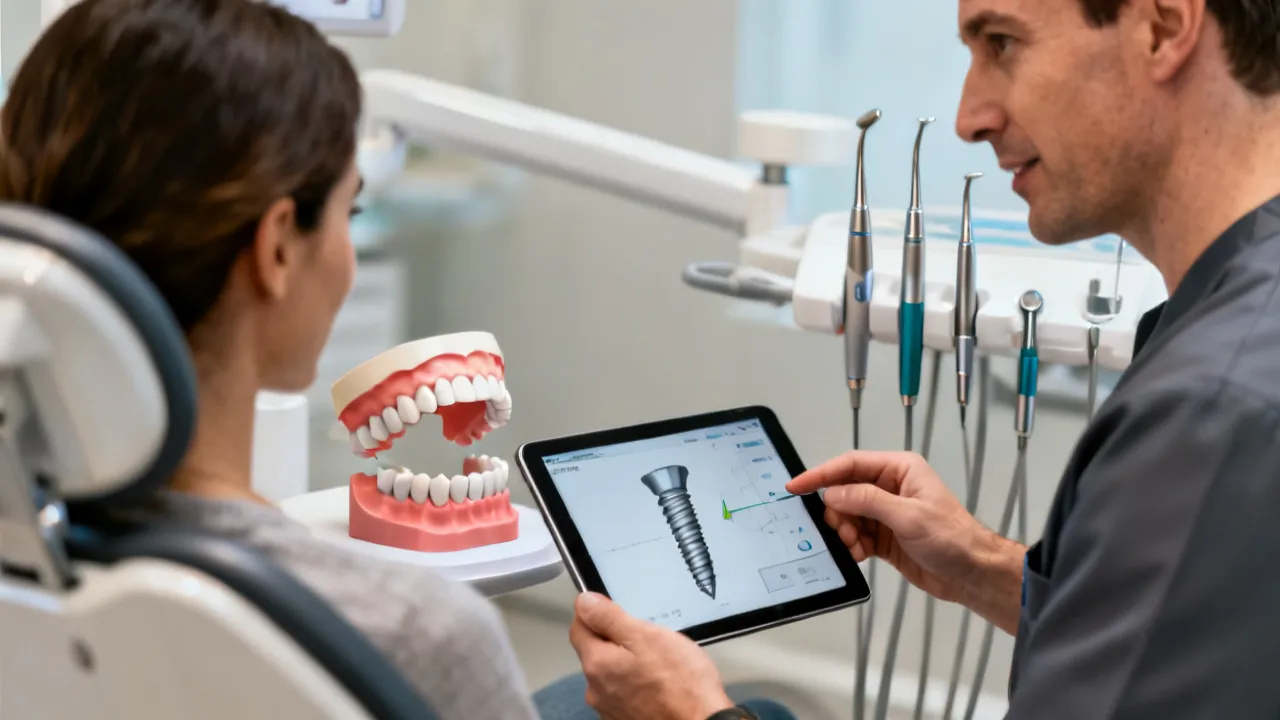
Gold crown symptoms and dental implant treatment are separate issues, although both involve restorative dentistry. An implant replaces the root portion of a missing tooth and normally supports an abutment and crown. The price of an individual dental implant may therefore refer to only one component or to a complete implant-supported tooth. Patients comparing prices must clarify this distinction.
Lower-cost care should mean efficient, transparent, appropriately supervised treatment—not reduced diagnostic standards. A low quotation may exclude the consultation, three-dimensional imaging, bone grafting, temporary teeth, abutment, final crown, sedation, medication, laboratory fees, or follow-up visits.
Step 1: Confirm Whether an Implant Is Needed
A missing tooth may sometimes be managed with a fixed bridge, removable partial denture, or another restoration. The choice depends on oral health, bone volume, adjacent teeth, function, aesthetics, medical history, and personal preference. An implant is not automatically the least expensive option over the entire treatment period.
The decision should also consider whether a tooth can be saved. An extraction followed by an implant is not always preferable to root canal treatment and a crown if the natural tooth has a favorable prognosis. A dentist should explain the expected benefits, limitations, risks, and long-term maintenance requirements of each reasonable option.
Step 2: Obtain a Written, Itemized Treatment Plan
Ask for separate prices for consultation, imaging, extraction, bone preservation, grafting, implant placement, abutment, temporary restoration, final crown, medication, sedation, and maintenance. Confirm whether prices are in local currency and whether laboratory fees or taxes are included.
The plan should state how many visits are expected and whether the treatment will be performed by one clinician or by a team. It should also explain what happens if bone grafting is needed unexpectedly, if the implant does not integrate, or if the final crown requires adjustment.
Step 3: Compare Clinician Qualifications and Facility Standards
Review the dentist’s education, registration, implant training, experience with the proposed system, and access to emergency support. The clinic should explain sterilization procedures, informed consent, radiographic evaluation, and management of complications. Online reviews can provide context, but they do not replace verification with the relevant professional regulator.
Patients should ask who will place the implant, who will restore it, and who will provide follow-up. Surgical experience and restorative planning are both important. A technically successful implant can still produce an unsatisfactory result if the crown is poorly positioned, difficult to clean, or incompatible with the patient’s bite.
Step 4: Consider Local Treatment Before International Travel
Dental tourism may reduce the quoted treatment fee in some markets, but travel introduces flights, accommodation, time away from work, language barriers, and the cost of managing complications after returning home. Implant treatment often requires staged visits, and healing cannot always be shortened to match a travel itinerary.
Travel shortly after surgery may also be inconvenient because swelling, bleeding, pain, or medication reactions can occur. Patients should find out whether the overseas clinic has a local partner or a clear emergency policy after the patient returns home. A written warranty is not necessarily equivalent to accessible clinical care.
Step 5: Ask About the Implant Brand and Documentation
Patients should receive implant identification, surgical records, radiographs, prosthetic details, and instructions for future maintenance. A recognizable system may make replacement parts easier to obtain if the patient later changes dentist or moves to another region.
Documentation should include the implant model, diameter and length where appropriate, abutment information, crown material, date of surgery, and any grafting materials used. These records can be valuable if a complication occurs years later.
Step 6: Check Insurance and Dental Plans Carefully
Dental insurance and membership plans may contribute toward examinations, imaging, extractions, or restorations, but implant coverage varies substantially. Review waiting periods, annual limits, exclusions, preauthorization requirements, and out-of-network rules. A plan should be judged by its written benefits rather than by a promotional headline.
Some plans cover a bridge or removable denture but not an implant, while others cover portions of the procedure only after a waiting period. Patients should ask whether the benefit applies separately to the implant fixture, abutment, and crown.
Step 7: Reduce Preventable Additional Costs
Managing gum disease, stopping tobacco use, improving plaque control, and controlling medical conditions can improve treatment readiness. Completing necessary diagnostic work at the outset may also prevent delays. However, patients should not accept unnecessary procedures merely because they are described as required for an implant.
Questions about bone grafting, sinus elevation, or advanced imaging should be answered with reference to the patient’s anatomy and treatment objective. A second opinion can be useful when extensive procedures are proposed, especially if the explanation is unclear or the cost is unexpectedly high.
Step 8: Plan Maintenance
Implants require professional monitoring and daily home care. Maintenance costs should be included in the long-term budget. A crown supported by an implant can develop wear, screw loosening, or ceramic damage, while the surrounding tissues can develop inflammation if plaque control is inadequate.
Implants do not develop cavities in the same way as natural teeth, but the neighboring teeth remain vulnerable to decay. The gum and bone around the implant can also become diseased. Regular examinations help identify problems while they are easier and less expensive to manage.
Websites Offering Dental Implant Information
The following websites represent different types of dental information providers, including clinics, dental tourism services, insurance-related resources, and general treatment pages. They should be used as starting points for questions, not as substitutes for an individualized diagnosis.
| Website or organization | Relevant features |
|---|---|
| Dental Views | Discusses lower-cost dental implants, treatment types, possible benefits, pricing considerations, and common questions. |
| Atlantic Dental Group | Provides information about a broad range of clinic services, including implants, preventive care, orthodontics, and emergency dentistry. |
| DentaVacation | Focuses on dental tourism, international treatment comparisons, travel planning, and possible cost differences. |
| ADHP and Rockville Dental Arts | Offers information related to dental plans or clinic services, including ways patients may evaluate coverage and treatment access. |
| Cigna Spanish implant guide | Explains basic dental implant concepts for Spanish-speaking readers and may help patients understand treatment terminology. |
| Rubi Odonto, Odontologia Velasco, and DentalVidas | Provide Portuguese-language clinic or dental-plan information, including implants, prostheses, orthodontics, aesthetic dentistry, and patient access. |
Source: Dental Views, Atlantic Dental Group, DentaVacation, ADHP, Rockville Dental Arts, Union City Mini Dental Implants, Cigna Spanish implant guide, Rubi Odonto, Odontologia Velasco, and DentalVidas.
How to Seek Lower-Cost Implant Care in Different Language Markets
Patients in English-speaking countries can begin with a licensed general dentist or prosthodontic and oral surgery referral, then compare itemized treatment plans from several established clinics. In the United States and Canada, confirm whether the quoted amount includes the implant body, abutment, crown, imaging, and surgical stages. In the United Kingdom and Australia, ask about private fees, public eligibility where relevant, laboratory costs, and recall arrangements.
Spanish-speaking patients may compare clinics in Spain, Mexico, Chile, Colombia, Peru, or Argentina, while taking into account professional registration, local regulations, language accessibility, and the availability of follow-up care. A Spanish-language information page can improve understanding, but the treatment plan should still specify the clinician responsible for diagnosis and surgery.
Portuguese-speaking patients considering Brazil or Portugal should verify whether the provider is authorized by the appropriate national professional body and whether the quoted fee covers the complete prosthetic sequence. In Brazil, prices can differ considerably between metropolitan areas and smaller regions. In Portugal, patients should clarify private treatment fees and the schedule for surgical and restorative appointments.
For any market, the most reliable cost-reduction strategy is comparison based on equivalent treatment packages. Comparing a complete, documented plan with another complete plan is more meaningful than choosing the lowest advertised starting price. Patients should also consider the cost and convenience of returning for adjustments, hygiene care, and management of complications.
Reference Price Ranges for One Dental Implant
The following figures are reference ranges for an individual dental implant in the listed markets. They are not a universal quotation and may represent different treatment inclusions. Patients should confirm whether “implant” means the fixture alone or the completed implant-supported tooth.
| Country | Currency | Reference price range for one implant |
|---|---|---|
| United States (US) | USD | $3,000–$6,000 |
| United Kingdom (GB) | GBP | £2,000–£2,500 |
| Australia (AU) | AUD | AU$3,500–AU$6,500 |
| Canada (CA) | CAD | CA$3,000–CA$5,500 |
| Spain (ES) | EUR | €1,500–€2,500 |
| Chile (CL) | CLP | CLP$800,000–CLP$1,500,000 |
| Mexico (MX) | MXN | $15,000–$25,000 MXN |
| Colombia (CO) | COP | $2,000,000–$4,000,000 COP |
| Peru (PE) | PEN | S/ 3,000–S/ 6,000 |
| Argentina (AR) | ARS | $80,000–$150,000 ARS |
| Brazil (BR) | BRL | R$3,000–R$8,000 |
| Portugal (PT) | EUR | €1,000–€2,000 |
| Germany (DE) | EUR | €2,000–€3,500 |
| France (FR) | EUR | €1,500–€2,500 |
| Italy (IT) | EUR | €1,500–€3,000 |
| Japan (JP) | JPY | ¥300,000–¥700,000 |
These ranges should be interpreted with particular caution in markets experiencing currency changes or inflation. In Argentina, for example, local prices can change rapidly. Exchange-rate comparisons may therefore become outdated quickly, and the patient should request a current written estimate from the clinic.
Prices may also differ according to tooth position. A single front tooth may require more complex aesthetic planning, while a molar may require greater consideration of chewing forces. Bone grafting, extraction, sedation, temporary teeth, and treatment of gum disease can add significantly to the total.
Conditions and Requirements Before Implant Surgery
- Diagnostic imaging: The dentist must evaluate bone dimensions, anatomical structures, and the position of neighboring roots.
- Gum health: Active periodontal disease generally needs management before implant placement.
- Bone volume: Some patients require bone grafting or another form of site development, which adds time and cost.
- Medical review: The dental team should know about diabetes, immune conditions, medications affecting bone metabolism, anticoagulants, and previous radiation therapy.
- Tobacco exposure: Smoking and other tobacco use can impair healing; cessation support should be discussed.
- Oral hygiene: Daily plaque control is essential before and after treatment.
- Realistic scheduling: Osseointegration and gum healing may require several months, depending on the case.
- Maintenance commitment: An implant is not a one-time event; examination and professional cleaning remain important.
Patients should disclose all medications and medical conditions accurately. Altering a prescribed medicine without advice from the prescribing clinician can create avoidable risks. People taking anticoagulants, osteoporosis medications, immunosuppressive drugs, or long-term steroids may need coordinated planning between the dentist and medical doctor.
Diabetes does not automatically prevent implant treatment, but poor blood-glucose control may affect healing and infection risk. Similarly, smoking does not make treatment impossible in every case, but it can reduce predictability. A clinician should discuss individualized risk rather than offering a guarantee.
Distinguishing Crown Symptoms from Implant Complications
A gold crown is attached to a natural tooth, whereas an implant-supported crown is connected to an artificial root through an abutment. Pain around a gold crown may arise from pulp inflammation or recurrent decay. Discomfort around an implant may involve the gum, bone, abutment, crown screw, or an adjacent tooth.
Possible implant-related warning signs include bleeding during routine cleaning, persistent swelling, pus, increasing mobility, changes in bite, or pain during function. An implant that feels mobile is not a normal healing symptom and should be examined. A loose implant crown is different from a mobile implant fixture, but both require professional assessment.
Patients sometimes assume that any discomfort near an implant means the implant has failed. This is not always the case. A loose prosthetic screw, irritated gum, food trapped between teeth, or an issue with a neighboring natural tooth may produce similar sensations. Prompt diagnosis helps avoid unnecessary removal of an implant that may still be stable.
Expert Perspective on Cost and Quality
From a clinical planning perspective, the best value is not always the lowest initial price. It is the treatment that has a clear diagnosis, appropriate materials, competent surgery, accurate laboratory work, documented consent, and a realistic maintenance plan. The cost of correcting an avoidable complication can exceed the initial difference between providers.
Patients can make comparisons more meaningful by requesting the same information from each clinic:
| Question | Why it matters |
|---|---|
| What exactly is included? | Separates the fixture-only price from the complete implant-supported tooth. |
| Who performs each stage? | Clarifies responsibility for surgery, restoration, imaging, and follow-up. |
| What happens if a complication occurs? | Reveals the clinic’s post-treatment policy and likely additional charges. |
| Which implant system and alloy or ceramic materials are used? | Supports future maintenance and helps address material sensitivities. |
| How long is the expected treatment timeline? | Helps patients plan work, travel, temporary teeth, and follow-up visits. |
| What maintenance is recommended? | Shows the ongoing care required to preserve the implant and surrounding tissues. |
| Is there a written warranty or complication policy? | Clarifies practical support, although a warranty does not guarantee clinical success. |
Frequently Asked Questions
Can a gold crown cause tooth pain?
It can be associated with pain, but the cause may be the underlying tooth rather than the gold alloy. High bite contact, pulp inflammation, recurrent decay, a crack, loose cement, or gum inflammation should be considered. A dentist can determine the likely cause through examination and testing.
Is sensitivity after a gold crown normal?
Mild, short-term sensitivity can occur after tooth preparation and cementation. Symptoms that are severe, spontaneous, persistent, or progressively worse should be evaluated. The duration and pattern of pain are clinically important.
Should a painful gold crown be removed immediately?
Not necessarily. Removing it without a diagnosis can destroy useful information and may expose the tooth to additional treatment. The dentist should first assess the crown, tooth nerve, gums, bite, and radiographic findings.
Can a person be allergic to a gold dental crown?
A sensitivity to one of the alloy components is possible, but confirmed reactions are uncommon. Many oral symptoms have mechanical, periodontal, or dental causes. Material records and professional evaluation are important before replacement.
How can gum irritation around a crown be reduced?
Improve plaque removal with a soft toothbrush and appropriate interdental cleaning, attend professional maintenance, and ask the dentist to check the margin and residual cement. Persistent inflammation may require correction or replacement of the restoration.
Does a gold crown last forever?
No dental restoration is permanent. Longevity depends on tooth structure, oral hygiene, bite forces, diet, periodontal health, material quality, laboratory work, and regular professional review. A crown can require repair or replacement even when it has functioned well for many years.
Are dental implants less expensive abroad?
The initial clinic quotation may be lower in another country, but the total cost includes transportation, accommodation, time away from work, translation, additional visits, and possible management of complications. Patients should compare complete treatment plans rather than advertised starting prices.
What does the price of one dental implant usually include?
It varies. Some quotations include only the implant fixture, while others include surgery, abutment, and crown. Imaging, extraction, bone grafting, sedation, provisional teeth, and maintenance may be separate. Written clarification is essential.
Can insurance pay for an implant?
Some plans provide limited benefits, while others exclude implants or impose waiting periods and annual limits. The patient should obtain a written coverage decision and ask whether each component is covered.
How long does implant treatment take?
The timeline depends on extraction, bone healing, grafting, implant stability, gum healing, and laboratory production. Some cases can be restored relatively quickly, while others require several staged appointments over months.
What should a patient do if an implant crown becomes loose?
Contact the treating dentist, avoid chewing hard foods on that side, and preserve any detached component. Do not use household glue or attempt a permanent repair at home. The dentist must determine whether the crown, abutment screw, or implant fixture is involved.
Can a crown be replaced with a different material?
Often it can, but replacement is not always biologically neutral. The dentist must assess the existing tooth, the amount of remaining structure, the condition of the gum, and whether a new material will fit within the available space. A replacement may require additional preparation or a new temporary crown.
Is a gold inlay the same as a gold crown?
No. An inlay fits within the cusps of a tooth, while an onlay covers one or more cusps and a crown generally covers most or all of the visible tooth structure. The appropriate choice depends on how much tooth remains and how much protection is needed.
Final Takeaways
금니 부작용 can refer to several different problems, and accurate diagnosis is more useful than assuming that gold is inherently unsafe. Sensitivity, gum inflammation, bite discomfort, alloy sensitivity, recurrent decay, loosening, and tooth fracture all require different responses. Prompt review is particularly important when pain worsens, swelling develops, or the restoration becomes mobile.
Gold alloys can be an effective option for selected teeth, particularly when durability, precise fit, and conservative preparation are priorities. Their suitability should be evaluated together with the patient’s cosmetic preferences, medical history, oral hygiene, bite forces, and long-term maintenance ability.
For dental implants, affordability should be assessed through transparent comparisons that include every treatment stage, clinician qualifications, follow-up arrangements, and long-term maintenance. Patients who ask detailed questions and obtain written plans are better positioned to balance cost, safety, durability, and convenience across local and international options.
Disclaimer
1. The information above comes from online resources, and the data is as of October 2023.
2. Dental implant prices are for reference only and may vary by region, clinic, and doctor. The information is educational and does not replace an examination, diagnosis, or treatment plan from a licensed dental professional.
3. Online pricing, clinic services, professional qualifications, insurance benefits, and treatment availability may change. Patients should verify current information directly with the relevant provider or professional regulator.