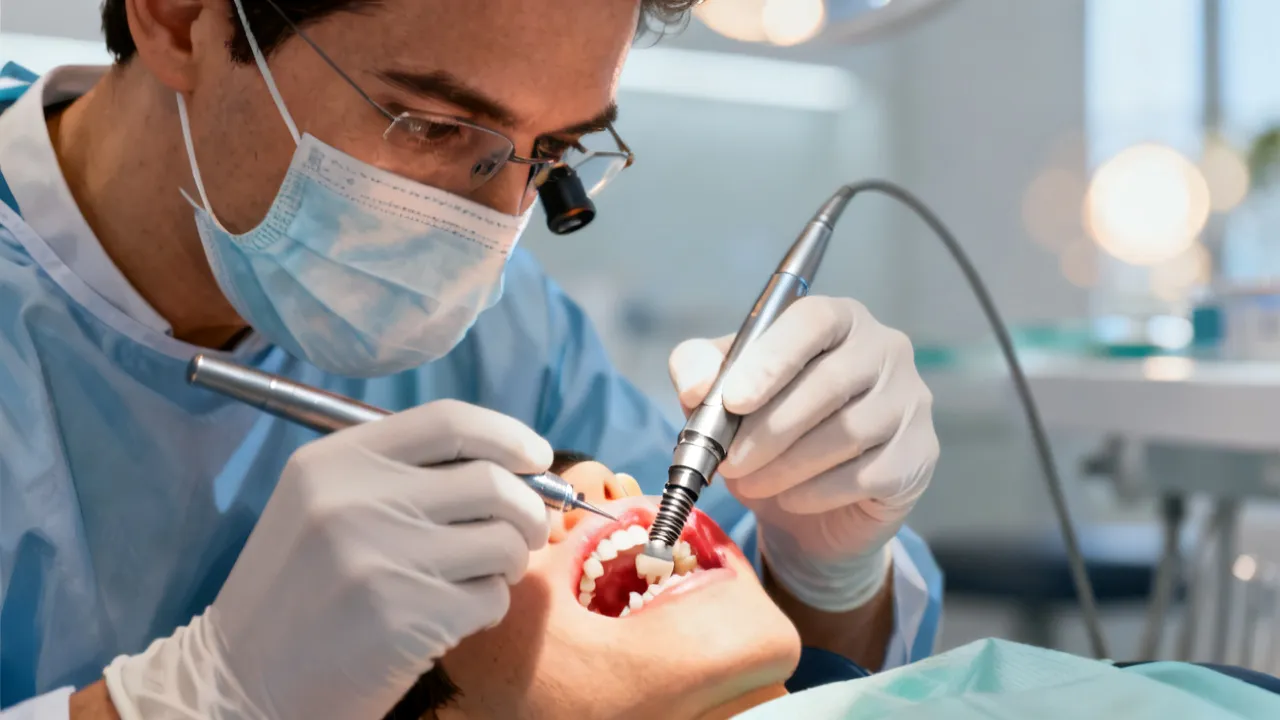
Gold Tooth Side Effects and Affordable Dental Care
This guide explains 금니 부작용, or possible side effects associated with gold dental crowns and inlays, including sensitivity, gum irritation, allergic reactions, bite problems, and issues caused by poor fitting or inadequate hygiene. It also compares restorative options, outlines how to evaluate low-cost dental implants in English-, Spanish-, and Portuguese-speaking markets, and provides indicative implant price ranges. Costs and treatment suitability depend on clinical findings, materials, location, and the dentist’s assessment.
Understanding 금니 부작용: What “Gold Tooth Side Effects” Means
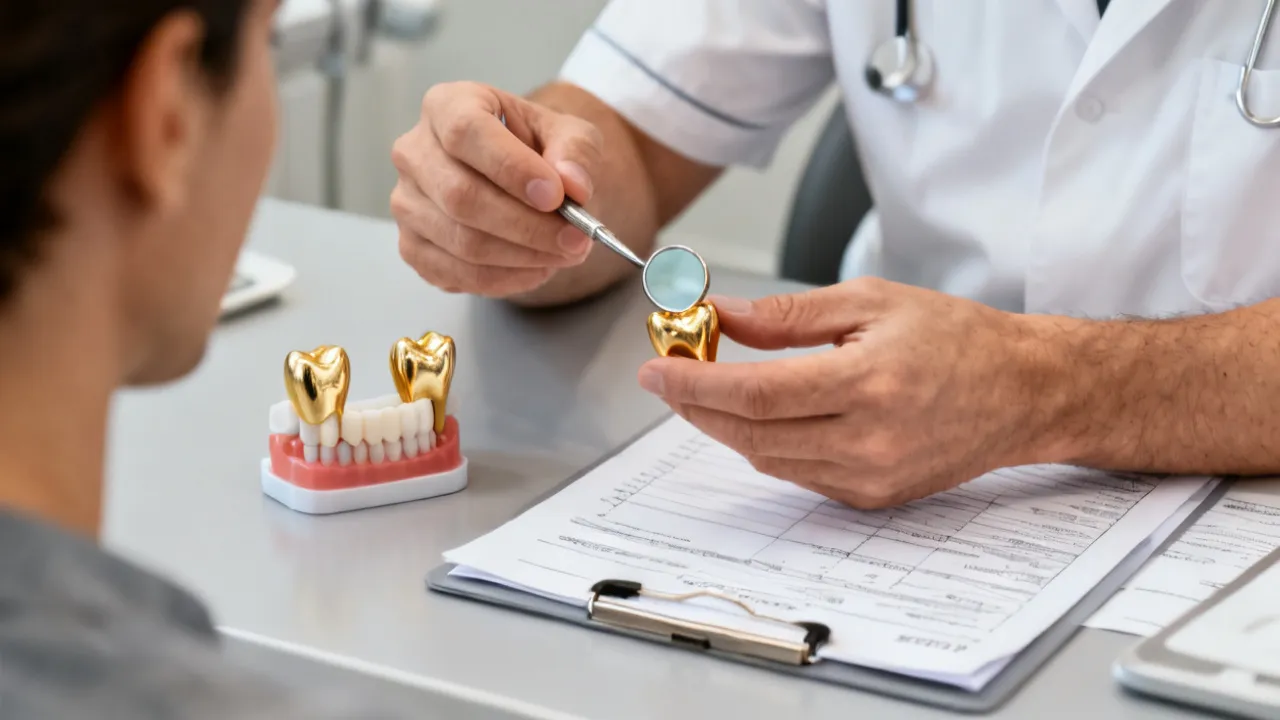
금니 부작용 is a Korean expression commonly translated as “gold tooth side effects.” In dentistry, it generally refers to unwanted symptoms or complications associated with a gold crown, gold inlay, gold onlay, or another restoration containing a gold alloy. Gold restorations have been used for decades because many gold alloys are durable, corrosion-resistant, and relatively gentle on opposing teeth. However, no dental material is suitable for every patient or every tooth.
The most important point is that symptoms around a gold restoration should not automatically be attributed to the gold itself. Pain, sensitivity, gum swelling, an altered bite, or a bad taste may also result from recurrent decay, an inflamed dental pulp, cement leakage, periodontal disease, a cracked tooth, or an inaccurate restoration. An examination, dental radiograph, and, where appropriate, pulp and bite testing are needed to identify the cause.
From an industry perspective, the clinical quality of a restoration depends on more than its visible material. Diagnosis, tooth preparation, laboratory fabrication, cementation, occlusal adjustment, and long-term maintenance all influence the outcome. A well-designed gold restoration may function for many years, while an incorrectly fitted crown can cause problems regardless of whether it is made from gold, ceramic, porcelain-fused-to-metal, or another material.
It is also helpful to distinguish a symptom from a confirmed adverse reaction. A patient may notice discomfort after a gold crown is fitted, but the discomfort may be coincidental or related to the treatment process rather than the alloy. For example, removing old decay and preparing a tooth can temporarily irritate the pulp. Similarly, a crown may feel unusual for several days while the patient adapts to its shape. If symptoms continue, become stronger, or occur without stimulation, the situation should be assessed rather than explained away as normal adjustment.
What Is a Gold Dental Restoration?
A gold dental restoration is usually not made from pure gold. Pure gold is relatively soft, so dentists and laboratories generally use a carefully selected alloy that combines gold with other metals. Depending on the product, these may include palladium, platinum, silver, copper, zinc, or other components. The purpose of alloying is to improve strength, hardness, casting behavior, resistance to tarnish, and compatibility with the tooth and surrounding tissues.
A gold crown covers most or all of the visible portion of a prepared tooth. It may be recommended when a tooth has extensive decay, a large filling, a fracture, or insufficient structure to support a smaller restoration. A gold inlay fits inside the boundaries of the tooth’s cusps, while a gold onlay covers one or more cusps but does not necessarily cover the entire tooth. In selected posterior teeth, an inlay or onlay can preserve more natural structure than a full crown.
The term “gold tooth” can also refer informally to an implant-supported crown with a gold alloy substructure, a gold-colored ceramic restoration, or a decorative dental covering. These treatments are not identical. The source of a problem may be the natural tooth, the crown, the cement, the implant, the gum, or the bite, so identifying the exact treatment is an important first step.
Most Common Possible Side Effects of Gold Dental Restorations
Gold dental restorations are usually made from alloys rather than pure gold. These alloys may include gold combined with metals such as palladium, platinum, silver, copper, or other components. The exact formulation varies by laboratory and product. As a result, a reaction may be related to an alloy component rather than elemental gold.
1. Tooth sensitivity
Short-term sensitivity to cold, heat, or pressure can occur after a crown or inlay is placed. This may reflect temporary irritation of the pulp caused by tooth preparation, cementation, or changes in the bite. Mild symptoms that gradually improve may be monitored under a dentist’s guidance.
Persistent, spontaneous, or worsening pain requires closer evaluation. Severe sensitivity to heat, lingering pain after cold exposure, pain that interrupts sleep, or tenderness when biting may indicate irreversible pulp inflammation, a crack, or another condition that may require endodontic treatment. Replacing the crown without determining the underlying cause may not resolve the problem.
Sensitivity can also come from an adjacent tooth. Because neighboring teeth share similar nerve pathways, patients may have difficulty identifying the exact source. A dentist may test several teeth rather than assuming that the recently restored tooth is responsible. A loose contact, exposed root surface, gum recession, or whitening treatment may also produce cold sensitivity that is unrelated to the gold restoration.
2. Gum irritation and inflammation
Redness, bleeding, swelling, or tenderness around a gold crown may occur when the crown margin extends too far beneath the gum, plaque accumulates, or the restoration does not follow the natural contour of the tooth. A rough surface or excess cement can also make cleaning difficult.
Gum inflammation is not necessarily evidence of a material allergy. Poor plaque control, existing periodontal disease, smoking, diabetes, hormonal changes, and certain medications can also contribute. A dental professional may examine the margin, measure periodontal pockets, remove retained cement, and recommend tailored home care.
When inflammation is limited to the gum immediately surrounding the crown, correcting the contour or improving cleaning may be enough. If the inflammation extends deeper around the tooth, periodontal treatment may be required. Long-standing inflammation can lead to bone loss, so persistent bleeding should not be ignored simply because the crown looks intact.
3. Contact allergy or sensitivity to alloy components
True allergy to dental gold is considered uncommon, but hypersensitivity to other metals in an alloy can occur. Possible signs include localized mucosal irritation, burning, redness, swelling, or a rash in other areas of skin that has been exposed to the relevant allergen. The clinical presentation is not always specific, so a suspected reaction should be assessed rather than self-diagnosed.
Patients with a known metal allergy should tell the dentist before treatment. The dentist can review the proposed alloy composition and consider alternative materials when clinically appropriate. Medical or dermatological testing may be considered in selected cases. Removing a restoration solely because of a suspected allergy should be based on a professional assessment whenever possible.
Patients should also explain the nature of previous reactions. A skin rash from jewelry, irritation from a watch strap, and a medically confirmed metal allergy are not necessarily equivalent. The dentist may need to obtain information about the specific metal involved and compare it with the planned dental alloy. A nonmetal restoration may be considered when it provides adequate strength and sealing for the tooth.
4. Galvanic or electrical sensations
Some patients report a brief electric or metallic sensation when different metals contact each other in the mouth, particularly when a gold alloy restoration is positioned near another metallic restoration. This phenomenon is sometimes described as oral galvanic discomfort. Saliva can act as an electrolyte, allowing electrochemical interactions between dissimilar metals.
These sensations can also be caused by exposed dentin, a cracked filling, pulp inflammation, or a high restoration. A dentist should check the bite, the condition of adjacent restorations, and the tooth’s vitality before concluding that galvanic activity is responsible. Treatment may involve polishing, bite adjustment, replacement of a defective restoration, or observation, depending on the findings.
The presence of two different metals does not automatically mean that they must be removed. Many people have multiple metallic restorations without symptoms. The intensity of any electrical sensation may depend on the position of the restorations, saliva, contact during chewing, and the condition of the teeth. A careful diagnosis is preferable to removing otherwise serviceable dental work without a clear indication.
5. Bite discomfort and jaw strain
A restoration that is slightly too high can cause pain when chewing, tenderness in the tooth, or a feeling that the teeth meet unevenly. Some patients develop muscle fatigue, jaw discomfort, or increased awareness of the restoration. These symptoms may be especially noticeable after a crown is placed because even a small change in occlusion can feel significant.
Minor occlusal adjustments are commonly performed by dentists when indicated. Patients should not attempt to grind or reshape a crown themselves. Excessive adjustment can reduce the restoration’s thickness or expose the underlying tooth.
Bite discomfort can sometimes be caused by clenching rather than by a high crown. Patients who grind their teeth may notice soreness in the morning, headaches, flattened tooth surfaces, or repeated fractures of dental work. A dentist may evaluate the pattern of wear and discuss a custom night guard, stress management, or other approaches. A guard should be professionally designed because an unsuitable appliance can worsen discomfort or interfere with the bite.
6. Food trapping and difficulty cleaning
An open contact between a gold crown and a neighboring tooth may allow food to become trapped. Conversely, a contact that is too tight may make flossing difficult. Both situations can increase local irritation and complicate plaque control. The shape of the crown, the position of the teeth, the condition of the gum, and the quality of the impression or digital scan can all affect the contact.
A dentist may correct a minor contour issue by polishing or adjusting the restoration. If the fit is fundamentally inaccurate, replacement may be necessary. Daily brushing with fluoride toothpaste and careful interdental cleaning remain important regardless of the crown material.
Patients should describe exactly what happens when food becomes trapped. A sharp edge, a space that was not present before treatment, or floss shredding may provide useful information. A water flosser, interdental brush, or specialized floss may help in some cases, but these aids do not correct a defective contact. Continued food impaction can contribute to decay and localized periodontal pockets.
7. Recurrent decay beneath or around the restoration
A gold crown does not make the tooth immune to decay. Bacteria can enter around a poorly sealed margin, particularly when plaque remains at the gumline or when the underlying tooth has extensive previous restorations. Recurrent decay may initially be painless. Later signs can include sensitivity, a visible dark area, food trapping, or a loose crown.
Regular examinations help detect marginal problems before they become extensive. If decay has reached the pulp, root canal treatment or extraction may be considered depending on the tooth’s restorability. A crown that appears intact from above may still conceal disease underneath, which is why clinical and radiographic assessment can be important.
Decay risk is influenced by diet, saliva flow, fluoride exposure, oral hygiene, medication, and the position of the restoration. Frequent sugary drinks or snacks can increase acid attacks around crown margins. Dry mouth caused by medications or medical conditions can also make recurrent decay more likely. Preventive care is therefore part of protecting the tooth beneath the restoration.
8. Crown loosening, fracture, or cement failure
Gold alloys are generally resistant to fracture, but a restoration can loosen if the tooth has inadequate retention, the cement has failed, the tooth has fractured, or the patient places excessive forces on it. Bruxism, hard-object chewing, and an unfavorable bite may increase mechanical stress.
A loose crown should be evaluated promptly. Recementation may be appropriate in some cases, but simply putting the crown back without checking for decay, fracture, or loss of tooth structure can delay necessary treatment. Patients should keep the restoration, avoid chewing on that side, and contact a dental clinic for instructions.
If a crown has fallen out, the tooth may be sensitive because the prepared surface is exposed. Keeping the crown clean and bringing it to the appointment can help the dentist determine whether it remains suitable for reuse. A crown that has been swallowed or inhaled requires different advice; breathing difficulty, coughing, or chest symptoms require urgent medical attention.
9. Changes in taste, odor, or oral sensation
A persistent metallic taste or unpleasant odor may occur when food accumulates around a restoration, cement remains beneath the gum, or local inflammation is present. It may also arise from reflux, medication, sinus disease, oral infection, or changes in saliva. The symptom is not specific to gold.
If the taste began immediately after placement and remains localized, the dentist can inspect the margins, contacts, and cement. If the taste is generalized or accompanied by dry mouth, ulcers, or changes elsewhere in the mouth, a broader medical and oral assessment may be needed.
When Gold Restoration Symptoms Need Prompt Attention
Seek dental advice promptly if any of the following occurs:
- Swelling of the gum, cheek, or face.
- Fever, pus, or a persistent bad taste.
- Severe or spontaneous toothache.
- Pain that lingers after hot or cold stimuli.
- Difficulty swallowing, breathing, or opening the mouth.
- A crown that moves or has fallen out.
- Persistent bleeding or an ulcer that does not heal.
- New numbness or marked facial swelling.
- A broken restoration with a sharp edge that cuts the tongue or cheek.
- Pain that prevents eating, sleeping, or normal jaw movement.
Facial swelling accompanied by difficulty breathing or swallowing is an emergency. Patients should seek urgent medical or dental care rather than waiting for a routine appointment. Dental infections can spread into surrounding tissues, and delaying assessment may make treatment more complicated.
Gold Crowns Compared With Other Restoration Materials
Material selection should follow the location of the tooth, the amount of remaining structure, the bite, aesthetic expectations, allergies, budget, and the dentist’s assessment. There is no universal “best” material.
| Material | Potential advantages and considerations |
|---|---|
| Gold alloy | Often durable, resistant to corrosion, and conservative in tooth preparation; metallic appearance and possible sensitivity to alloy components may matter. |
| Porcelain-fused-to-metal | Combines a metal substructure with a tooth-colored surface; may show a margin or experience ceramic wear or chipping in some situations. |
| Full ceramic or zirconia | Tooth-colored and often selected for visible teeth; material choice, thickness, bite, and manufacturing quality affect performance. |
| Composite or ceramic inlay/onlay | May preserve more tooth structure in selected cases; suitability depends on the size of the defect and chewing forces. |
A gold inlay or onlay may be preferable to a full crown when enough healthy tooth remains. A full crown may be considered when the tooth is weakened or extensively restored. The decision should be based on a structural and biological diagnosis rather than on appearance alone.
Gold restorations may require less removal of healthy tooth structure than some alternatives because the material can be fabricated in relatively thin sections while retaining strength. This can be valuable in posterior teeth, where the restoration must tolerate substantial chewing force. On the other hand, the metallic appearance may be unacceptable to some patients, particularly when the tooth is visible during speaking or smiling.
Ceramic restorations have improved considerably, but their performance depends on the specific ceramic, design, thickness, bonding protocol, and occlusal forces. Zirconia, lithium disilicate, layered ceramics, and porcelain-fused-to-metal restorations have different properties. A discussion with the dentist should address not only appearance but also the anticipated forces and the amount of tooth structure available.
How Dentists Diagnose Possible 금니 부작용
A careful assessment usually begins with a medical and dental history. The dentist may ask when symptoms began, whether they are triggered by temperature or chewing, whether the crown was recently placed, and whether the patient has a history of metal allergy, grinding, or gum disease.
The examination may include:
- Visual inspection of the crown, neighboring teeth, and gumline.
- Checking the crown margin, contact points, and surface texture.
- Percussion and pressure testing.
- Cold or other pulp sensibility testing when appropriate.
- Assessment of the bite and jaw movement.
- Periodontal measurements around the restoration.
- Dental radiographs to check the root, bone, cement, and underlying decay.
- Review of the restoration’s material documentation where an allergy is suspected.
- Transillumination or magnification when a crack is suspected.
- Comparison with earlier radiographs or photographs when available.
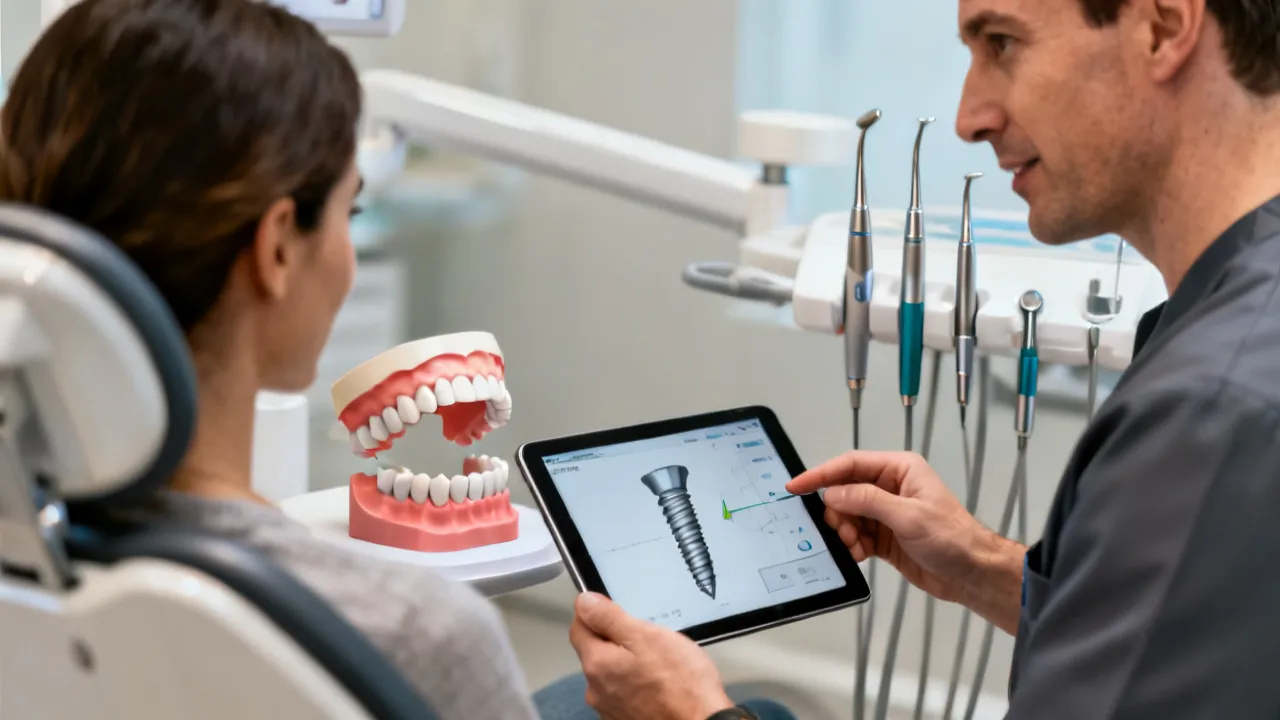
Digital scans and intraoral photographs may help evaluate fit and communicate with a laboratory, but technology does not replace clinical judgment. In complex cases, referral to an endodontist, periodontist, prosthodontist, oral surgeon, allergist, or dermatologist may be appropriate.
Testing should be interpreted as a group rather than in isolation. A normal-looking radiograph does not always exclude early pulp disease, and a positive cold response does not by itself prove that the crown is defective. The dentist may need to monitor symptoms over time, compare neighboring teeth, or remove a restoration only when the expected diagnostic benefit outweighs the loss of tooth structure.
What Patients Can Do Before the Appointment
Patients can record when the symptom occurs and what triggers it. A note describing cold sensitivity, biting pain, spontaneous pain, swelling, or a metallic taste may help the dentist identify patterns. It is also useful to bring details of previous dental work and known allergies.
Do not use household adhesives to reattach a crown. Avoid aspirin placed directly on the gum because it can irritate tissue. A temporary dental cement product may be used only according to professional or product instructions, and it does not replace an examination. Continue gentle brushing and interdental cleaning unless doing so causes significant pain or bleeding.
Until the appointment, patients may choose softer foods and chew on the opposite side if chewing is uncomfortable. Extremely hot, cold, sticky, or hard foods may worsen symptoms. Over-the-counter pain medicine can be considered only if it is safe for the individual and used according to the label or a clinician’s advice. People with ulcers, kidney disease, anticoagulant use, pregnancy, allergies, or other medical conditions should ask a healthcare professional before taking medication.
How to Reduce the Risk of Gold Tooth Complications
- Choose a complete examination. The dentist should assess decay, pulp health, gum condition, bite, and the restorability of the tooth before preparing it.
- Disclose allergies and medical conditions. Mention metal reactions, autoimmune conditions, diabetes, medications, pregnancy, and previous anesthesia problems.
- Ask about the alloy. Patients can request information about whether the restoration contains nickel, palladium, copper, or other metals relevant to their history.
- Confirm the treatment plan. Ask whether an inlay, onlay, crown, or another option is being recommended and why.
- Check the bite after cementation. Report a persistent high spot or chewing discomfort instead of adapting to it for an extended period.
- Maintain gumline hygiene. Brush twice daily with fluoride toothpaste and clean between teeth using floss, interdental brushes, or another suitable aid.
- Attend maintenance visits. Reviews allow the dentist to identify recurrent decay, periodontal inflammation, wear, or cement failure.
- Manage grinding forces. A dentist may recommend a professionally designed night guard when bruxism is present.
- Limit hard-object chewing. Ice, pens, fingernails, and hard candies can damage teeth and restorations.
- Control dietary acid and sugar exposure. Reducing frequent snacking and sweetened drinks helps protect the crown margin and neighboring teeth.
Good maintenance does not mean brushing harder around the crown. Aggressive brushing can cause gum recession and expose the restoration margin. A soft-bristled brush, fluoride toothpaste, and gentle technique are generally more appropriate. Professional cleaning intervals should be based on gum health and individual risk rather than a fixed schedule for every patient.
Gold Teeth and Dental Implants Are Different Treatments
Another important distinction is that a gold crown is not the same as a dental implant. A gold crown covers or restores a natural tooth, whereas a dental implant is a surgically placed fixture that supports a crown, bridge, or denture after tooth loss. Some implant crowns may contain gold alloy, but the implant procedure itself involves surgery, bone healing, prosthetic planning, and maintenance.
People researching 금니 부작용 may actually be considering a crown over an implant or a gold-colored restoration after tooth extraction. The risks therefore differ. Crown-related concerns may include sensitivity, cement failure, and gum irritation. Implant-related complications can include infection around the implant, inadequate bone integration, nerve disturbance, sinus-related issues in selected upper-jaw cases, and prosthetic loosening. A consultation should clarify which part of the treatment is causing concern.
A natural tooth has a periodontal ligament that helps it respond to pressure, while an implant is directly integrated with bone and responds differently to biting forces. This distinction affects how dentists evaluate tenderness, mobility, and occlusion. An implant crown that feels “high” or uncomfortable should be checked even if the implant itself is stable. Conversely, mobility of the implant fixture is more serious than ordinary loosening of a cemented crown.
How to Obtain Dental Implants at Lower Cost in English-Speaking Countries
Lower cost should not mean reduced diagnosis, inadequate sterilization, or unclear follow-up. The safest approach is to compare the complete treatment plan rather than a headline price for the implant fixture alone.
- Obtain a written treatment plan. It should identify the consultation, imaging, extraction, bone grafting if required, implant fixture, abutment, crown, temporary teeth, sedation, medication, and follow-up appointments.
- Compare qualified providers. Check the dentist’s registration, surgical experience, training, and the clinic’s infection-control procedures through the relevant national or regional regulator.
- Ask what “implant price” includes. Advertised prices may cover only the implant body. The abutment, crown, diagnostic scans, laboratory work, and aftercare may be separate.
- Consider a dental school or teaching clinic. Supervised teaching clinics may have different fee structures, although waiting times and eligibility requirements can apply.
- Ask about staged treatment. When clinically appropriate, treating urgent disease first and completing elective prosthetic work later may help manage cash flow without compromising the sequence of care.
- Review insurance and financing terms. Dental plans may have exclusions, annual limits, waiting periods, or restrictions on implant coverage. Written benefit information is essential.
- Do not select a clinic solely on price. A low initial quote can become expensive if the patient needs corrective surgery, replacement components, or travel for follow-up.
- Plan maintenance locally. Before treatment, identify a dentist near the patient’s home who can provide routine checks and emergency care.
In the United States, patients may compare private dental clinics, university dental centers, dental savings arrangements, and insurance benefits. In the United Kingdom, they may review NHS eligibility where relevant, private treatment plans, and regulated provider information. In Canada and Australia, regional professional registers and university clinics can help patients assess providers. The details of coverage and regulation differ, so patients should use official local resources.
Patients should also ask whether the provider uses a recognized implant system and whether replacement parts will remain available. A very inexpensive treatment using an obscure or poorly documented system may create problems later if a screw, abutment, or attachment needs replacement. Keeping an “implant passport” or written record can help a future dentist identify compatible components.
How to Obtain Dental Implants at Lower Cost in Spanish-Speaking Countries
Spanish-speaking markets include countries with substantially different currencies, healthcare systems, regulation, and regional prices. A quotation in Mexico, Spain, Chile, Colombia, Peru, or Argentina cannot be transferred directly to another country without checking what the fee includes.
- Request the quote in writing. Ask for an itemized estimate in Spanish, including imaging, extraction, bone grafting, implant components, crown material, and review visits.
- Verify professional credentials. Patients should confirm that the treating dentist or oral surgeon is authorized to practice in the relevant country and that the clinic follows local health requirements.
- Use established clinics or university services. Academic centers and larger clinics may provide transparent treatment pathways, although availability varies.
- Ask about implant brands and replacement parts. Widely supported systems may make future maintenance easier. Patients should keep the implant passport, lot information, and prosthetic records.
- Clarify language and consent. The patient should understand the diagnosis, alternatives, risks, expected number of visits, and aftercare before signing consent.
- Assess travel carefully. Dental tourism can add airfare, accommodation, time away from work, and the cost of returning for complications. Surgery and final restoration may require separate visits.
- Confirm emergency arrangements. Ask who will manage swelling, infection, a loose temporary crown, or a failed prosthetic component after the patient returns home.
Spanish-language clinic websites can make initial research easier, but a website is not by itself proof of clinical quality. Patients should independently verify credentials, treatment scope, patient consent procedures, and follow-up arrangements. They should also confirm whether the clinic’s quoted price is in local currency and whether taxes, laboratory fees, or medication are excluded.
How to Obtain Dental Implants at Lower Cost in Portuguese-Speaking Countries
Brazil and Portugal are prominent Portuguese-speaking markets, but costs and treatment pathways vary between cities and between public and private services. Patients should compare complete plans and confirm whether the quoted currency is Brazilian real or euro.
- Ask for a diagnostic consultation before accepting a package. A panoramic image or three-dimensional scan may be required, but imaging should be clinically justified.
- Confirm the provider’s registration. In Brazil, patients can ask for the dentist’s professional registration details and verify them through the appropriate regional council. In Portugal, they should verify professional status through the relevant professional authority.
- Separate surgical and prosthetic fees. The implant placement and the final crown may be performed at different stages and may have separate guarantees.
- Compare laboratory standards. Ask whether the crown is produced by an identifiable dental laboratory and what material is being used.
- Check aftercare in Portuguese and in writing. Instructions should cover hygiene, medication, diet, warning signs, and the schedule for loading the implant.
- Consider local travel and follow-up costs. A clinic in a distant city may appear less expensive but create additional transport and accommodation expenses.
- Keep all records. Obtain copies of radiographs, implant system details, invoices, consent forms, and laboratory documents.
Rubi Odonto in Santo André, São Paulo, describes services such as orthodontics, whitening, and implants. Odontologia Velasco in São Paulo presents implant, prosthetic, and aesthetic services and discusses the use of current dental technologies. DentalVidas presents dental plan options and a network-based approach. These sites may be useful for comparing service categories, but patients should verify current availability, clinical credentials, and the full cost directly with the provider.
Comparison of Websites Offering Dental Implant Information
The following websites represent different types of information sources: a low-cost implant information page, a general dental group, a dental tourism service, an insurance-related resource, Spanish-language clinic pages, a Spanish-language insurer guide, and Portuguese-language clinic or dental-plan websites. Their purposes are not identical, so they should not be treated as interchangeable clinical advice.
| Website or organization | Primary features and suitable use |
|---|---|
| Dental Views | Discusses low-cost dental implants, treatment types, benefits, process information, frequently asked questions, and pricing considerations. |
| Atlantic Dental Group | General dental clinic information, potentially covering preventive care, orthodontics, implants, emergency dentistry, locations, and appointments. |
| DentaVacation | Dental tourism information, international treatment comparisons, travel planning, and cost-oriented research for patients considering treatment abroad. |
| ADHP / American Dental Health Plans | Dental plan information, coverage options, enrollment considerations, and ways to review dental expenses; coverage terms require direct confirmation. |
| Rockville Dental Arts | Spanish-language information about comprehensive dental services, including implants, whitening, cleaning, orthodontics, and emergency care. |
| Union City Mini Dental Implants | Spanish-language information focused on mini dental implants and possible applications for selected tooth-replacement situations. |
| Cigna Spanish guide | Educational information about dental implants, treatment stages, and considerations for Spanish-speaking readers. |
| Rubi Odonto | Portuguese-language clinic information from Santo André, São Paulo, covering orthodontics, whitening, implants, and patient-oriented services. |
| Odontologia Velasco | Portuguese-language information about implants, prostheses, aesthetic dentistry, and technology used in clinical services. |
| DentalVidas | Portuguese-language dental-plan information for individuals, families, and businesses, including a network of dental providers and emergency-related services. |
Educational websites can help patients learn terminology and prepare questions, but they do not replace an individualized examination. Marketing pages may emphasize benefits while providing less detail about limitations, exclusions, complications, or long-term maintenance. Patients should compare information from professional regulators, recognized dental organizations, and the treating clinic.
Source: www.dentalviews.com/low-cost-dental-implants/
Source: www.atlanticdentalgrp.com/
Source: www.dentavacation.com/
Source: rockvilledentalarts.com/es/
Source: unioncityminidentalimplants.com/es/
Source: www.cigna.com/es-us/knowledge-center/guide-to-dental-implants
Source: www.rubiodonto.com.br/
Source: odontologiavelasco.com.br/
Source: dentalvidas.com.br/
Indicative Cost Ranges for One Dental Implant
The table below provides the requested reference ranges for an individual dental implant in selected language markets. It is important to distinguish an implant fixture from a complete implant-supported tooth. A complete treatment may include the consultation, imaging, extraction, bone grafting, implant, abutment, temporary restoration, final crown, sedation, medication, and follow-up. These additions can materially change the final invoice.
| Country and code | Currency and indicative price range for one implant |
|---|---|
| United States (US) | US dollar (USD): $3,000–$6,000 |
| United Kingdom (GB) | Pound sterling (GBP): £2,000–£2,500 |
| Australia (AU) | Australian dollar (AUD): AU$3,500–AU$6,500 |
| Canada (CA) | Canadian dollar (CAD): CA$3,000–CA$5,500 |
| Spain (ES) | Euro (EUR): €1,500–€2,500 |
| Chile (CL) | Chilean peso (CLP): CLP$800,000–CLP$1,500,000 |
| Mexico (MX) | Mexican peso (MXN): $15,000–$25,000 |
| Colombia (CO) | Colombian peso (COP): $2,000,000–$4,000,000 |
| Peru (PE) | Peruvian sol (PEN): S/ 3,000–S/ 6,000 |
| Argentina (AR) | Argentine peso (ARS): $80,000–$150,000 |
| Brazil (BR) | Brazilian real (BRL): R$3,000–R$8,000 |
| Portugal (PT) | Euro (EUR): €1,000–€2,000 |
| Germany (DE) | Euro (EUR): €2,000–€3,500 |
| France (FR) | Euro (EUR): €1,500–€2,500 |
| Italy (IT) | Euro (EUR): €1,500–€3,000 |
| Japan (JP) | Japanese yen (JPY): ¥300,000–¥700,000 |
These figures should be interpreted as broad reference ranges rather than quotations. Exchange rates, inflation, local regulation, treatment complexity, laboratory fees, implant brand, dentist experience, and the need for bone or gum procedures can all affect the final cost. Patients should request a current itemized estimate in the local currency.
In addition to the direct price, patients should consider the cost of diagnostic appointments, transportation, time away from work, accommodation, medications, and maintenance. A local treatment plan with a higher initial price may be less expensive overall if it avoids repeated travel or provides easier access to urgent care. Conversely, a clinic with a transparent, complete package may offer good value when its credentials and follow-up are reliable.
How to Compare Low-Cost Implant Offers Responsibly
Two advertisements may show very different prices while describing different stages of treatment. One may include only surgical placement, while another may include the abutment and crown. A proper comparison should use the same scope of work.
| Question to ask | Why it matters |
|---|---|
| Does the price include diagnostic imaging? | Imaging helps the clinician assess bone, roots, nerves, sinuses, and the proposed implant position. |
| Are extraction and bone grafting included? | These procedures may be required before or during implant placement and can add significant costs. |
| Does the quote include the abutment and final crown? | The implant fixture alone does not replace the visible tooth. |
| Which implant system and crown material are planned? | Component compatibility and future maintenance depend on the system and prosthetic design. |
| What follow-up and complication policies apply? | Patients need to know who will provide care if healing or prosthetic problems occur. |
| What credentials and regulations apply? | Professional authorization and infection-control standards are central to patient safety. |
Patients considering treatment abroad should be especially cautious about compressed schedules. Implant surgery may be followed by a healing period before the final crown is fitted, although immediate or early loading is clinically appropriate in selected cases. The timing depends on stability, bone quality, infection status, implant position, and the treatment plan. A package promising completion in an unusually short period should be discussed carefully with an appropriately qualified clinician.
A responsible provider should explain what happens if the implant does not integrate with bone, if a graft fails, or if the temporary restoration breaks. The patient should know whether a replacement procedure is included, excluded, or covered only under specific conditions. Guarantees may also have requirements regarding hygiene visits, smoking, night-guard use, or attendance at scheduled reviews. These details should be read before treatment rather than after a complication develops.
Insurance, Dental Plans, and Financing Considerations
Dental insurance and dental plans do not necessarily cover every part of an implant procedure. Some policies exclude implants, impose waiting periods, limit benefits to a lower-cost alternative, or apply annual maximums. A plan may cover an extraction or crown while excluding the implant fixture. Patients should ask for a written pre-treatment estimate and confirm whether the dentist is in network, whether authorization is required, and how claims are handled.
Financing can divide a large bill into scheduled payments, but patients should review interest, administrative fees, cancellation terms, and the effect of treatment delays. The cheapest monthly payment is not automatically the lowest overall cost. A transparent clinic should explain the total amount, what happens if the treatment changes, and whether laboratory or surgical additions require separate consent.
Patients should ask whether a plan covers complications caused by treatment received outside the network or outside the country. Some insurers may require a second opinion or preauthorization before surgery. Others may pay a fixed allowance rather than the full fee. Keeping a written estimate, invoices, radiographs, and treatment records can make reimbursement discussions easier.
Dental Tourism: Potential Benefits and Important Conditions
Traveling for treatment may provide access to different fee levels, but it introduces clinical and logistical risks. Before choosing an overseas clinic, patients should consider:
- Whether the dentist is licensed in the treatment country.
- Whether the facility has appropriate sterilization and emergency procedures.
- Whether the clinic provides a written diagnosis and informed consent.
- How many visits are needed and how long the patient must remain nearby.
- Who will manage an infection, implant mobility, or crown fracture after returning home.
- Whether the patient’s local dentist can obtain compatible replacement components.
- Whether travel insurance covers dental complications or excludes planned treatment.
- Whether language differences could affect consent and medication instructions.
- Whether a companion, accessible transportation, and recovery time are needed.
Patients with uncontrolled medical conditions, active periodontal disease, heavy smoking habits, untreated decay, or inadequate bone may need preliminary care before implant surgery. A reputable clinic should not bypass these issues merely to meet a travel schedule.
Travel soon after surgery may be uncomfortable and may complicate access to care if swelling, bleeding, or infection occurs. Air travel can also be inconvenient after certain procedures, particularly when sinus surgery or extensive grafting is involved. The treating clinician should provide specific advice about travel timing, physical activity, diet, and medication. Patients should not rely solely on a travel agency or promotional representative for medical guidance.
Expert Perspective: Choosing the Right Treatment Rather Than the Cheapest Material
From a restorative dentistry perspective, the central question is not “Is gold safe?” but “Is this restoration appropriate, well designed, biologically healthy, and maintainable?” Gold alloys can be useful in posterior teeth where strength, conservative preparation, and functional longevity are priorities. Tooth-colored materials may be preferred when appearance is important, especially in visible areas. However, aesthetics should not obscure the need to control decay, inflammation, and bite forces.
Likewise, a low-cost implant is not necessarily economical if the diagnosis is incomplete or follow-up is unavailable. A successful treatment plan should account for the patient’s overall oral health, the condition of adjacent teeth, bone volume, gum tissue, hygiene ability, medical history, and long-term maintenance. The best value is usually found by comparing complete, clinically equivalent plans from appropriately qualified providers.
Patients should also understand that preserving a natural tooth, when it has a reasonable prognosis, may sometimes be preferable to extraction and implant placement. Root canal treatment, periodontal treatment, a new crown, or an onlay may be possible alternatives. Conversely, attempting to preserve a tooth that cannot be predictably restored may lead to repeated expenses and prolonged symptoms. The decision should be based on prognosis, not on a general belief that implants or gold crowns are always superior.
Frequently Asked Questions About 금니 부작용
Can a gold crown cause gum inflammation?
It can contribute to local inflammation if the margin is overcontoured, rough, poorly fitted, or covered with retained cement. Plaque, periodontal disease, smoking, and systemic factors can also cause inflammation. A dentist should determine the cause before the crown is replaced.
Is a gold tooth the same as a pure gold tooth?
Usually not. Most dental restorations use gold alloys that combine gold with other metals to achieve suitable strength and handling properties. The exact alloy should be confirmed with the dentist or laboratory, particularly when the patient has a known metal sensitivity.
Can gold dental work cause a metallic taste?
A metallic taste may be associated with interactions between different metals, corrosion, retained cement, gum inflammation, medication, reflux, infection, or other oral conditions. Persistent taste changes deserve a clinical examination.
Should a sensitive gold crown be removed?
Not automatically. The dentist should first evaluate the pulp, bite, margin, neighboring teeth, and radiographic appearance. Removal may be appropriate if the restoration is defective or the tooth requires another procedure, but unnecessary removal can sacrifice tooth structure.
How long does sensitivity last after a gold crown?
Temporary sensitivity may settle as the tooth recovers, but the expected course varies. Worsening, lingering, spontaneous, or severe pain should be reviewed. The dentist may need to test the pulp and check the bite rather than simply waiting.
Can people with metal allergies receive gold crowns?
Some can, but the decision depends on the specific allergy and the alloy composition. Patients should disclose previous reactions and ask about the proposed materials. In selected cases, a clinician may recommend medical testing or a nonmetal alternative.
Are gold crowns better than ceramic crowns?
Neither is universally superior. Gold alloys may offer functional advantages in particular posterior situations, while ceramics provide a tooth-colored appearance. The correct selection depends on tooth position, remaining structure, bite, aesthetics, allergies, and the dentist’s assessment.
Is an implant crown made of gold affected by the same concerns?
Some concerns overlap, such as tissue irritation, bite problems, and prosthetic loosening. However, an implant-supported crown is attached to an implant system, so its evaluation also includes the implant, surrounding bone, gum tissue, abutment, and screw or cement connection.
How can I find a lower-cost implant near me?
Begin with a consultation near you and request an itemized plan. Compare regulated providers, university clinics, insurance benefits, dental plans, and staged treatment options. Ask what is included and confirm emergency and maintenance arrangements before selecting a provider.
Are the listed country prices guaranteed?
No. The ranges are reference figures supplied for this guide and are not guaranteed quotations. Actual fees vary by region, clinic, dentist, implant system, crown material, imaging requirements, bone procedures, taxes, and aftercare.
Can a gold crown cause an allergic reaction throughout the body?
A localized oral reaction is more commonly considered when symptoms are limited to the tissues near the restoration. Generalized symptoms can have many causes and should not automatically be linked to dental metal. A medical professional can decide whether allergy testing or another evaluation is appropriate.
What should I do if my gold crown falls out?
Keep the crown in a clean container and contact a dentist. Avoid chewing on the exposed tooth and do not use superglue or household adhesive. The dentist must check the crown, the underlying tooth, and the cement before deciding whether recementation is safe.
Practical Checklist Before Signing Consent
- What diagnosis supports the recommended crown or implant?
- What alternatives are available, and what are their advantages and limitations?
- Is the treatment for a natural tooth, an implant, or both?
- What material and alloy will be used?
- What symptoms should be expected during recovery?
- What warning signs require urgent contact?
- What is the complete price, including laboratory and follow-up costs?
- How many appointments are required?
- Who provides care if the restoration becomes loose or painful?
- Will the patient receive copies of images and treatment records?
- Are there conditions attached to a warranty or guarantee?
- Will the chosen implant system be supported by dentists in the patient’s home region?
Conclusion
금니 부작용 can describe several different experiences, from temporary sensitivity and minor bite discomfort to gum inflammation, allergy-related symptoms, recurrent decay, or restoration failure. Because the same symptom can have multiple causes, professional diagnosis is more reliable than assuming that gold itself is responsible. Gold alloy restorations remain a clinically useful option in selected cases, but material choice should be integrated with tooth structure, periodontal health, bite forces, appearance, allergies, and maintenance.
For patients comparing dental implants at lower cost, the safest method is to compare complete treatment plans from appropriately qualified providers. Check credentials, clarify every included service, review insurance or plan terms, account for travel and follow-up, and keep detailed clinical records. The headline price is only one part of the decision; predictable diagnosis, safe care, durable components, and accessible aftercare are equally important.
Reference Links
- Dental Views: Low-Cost Dental Implants
- Atlantic Dental Group
- DentaVacation
- Rockville Dental Arts Spanish Website
- Union City Mini Dental Implants Spanish Website
- Cigna Spanish Dental Implant Guide
- Rubi Odonto
- Odontologia Velasco
- DentalVidas
Disclaimer
1. The above information comes from online resources, and the data is as of October 2023.
2. Dental implant prices are for reference only and may vary by region, clinic, and doctor. The information in this article is educational and does not replace an examination, diagnosis, treatment recommendation, or emergency advice from a qualified dental professional.