Gold Crown Side Effects and Affordable Implant Planning
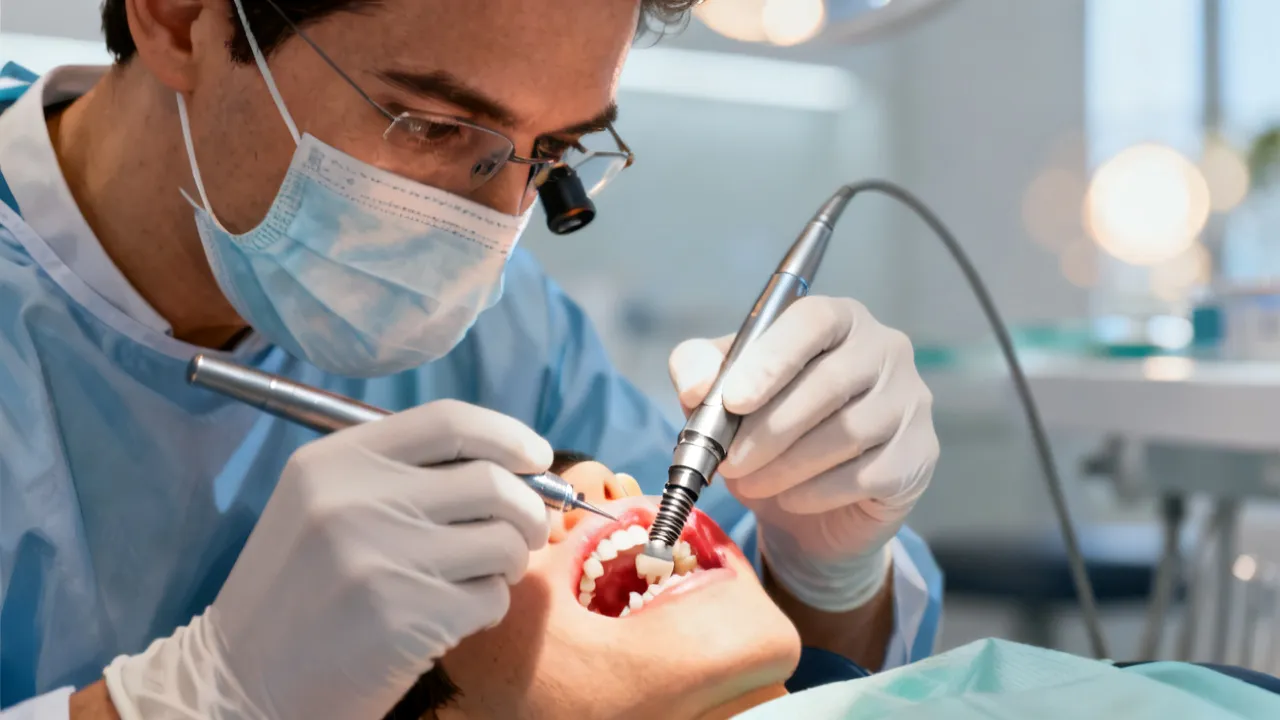
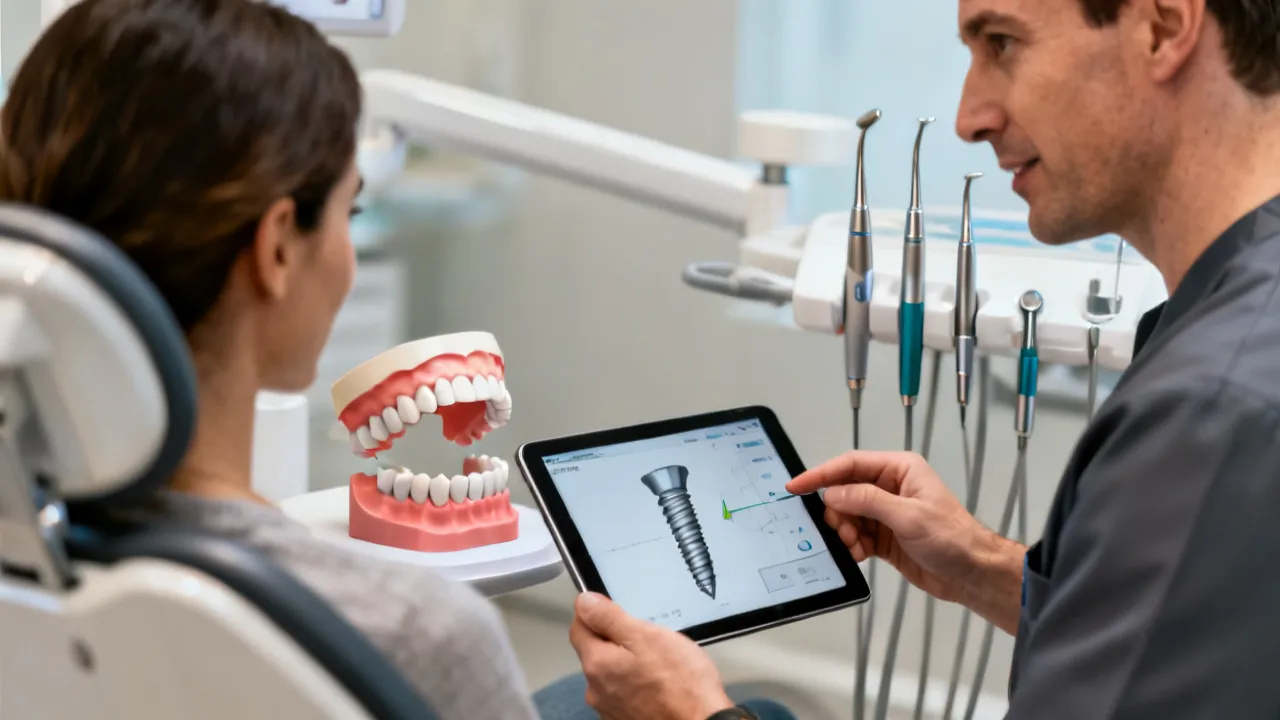
This guide explains 금니 부작용, or potential side effects of gold dental crowns, including gum irritation, metal sensitivity, bite changes, and aesthetic concerns. It also distinguishes crown-related problems from dental implant complications and outlines practical ways to control implant expenses. Price ranges, clinic-selection criteria, international resources, and questions for a dentist are included for informed decision-making.
Understanding 금니 부작용: What Patients Should Know
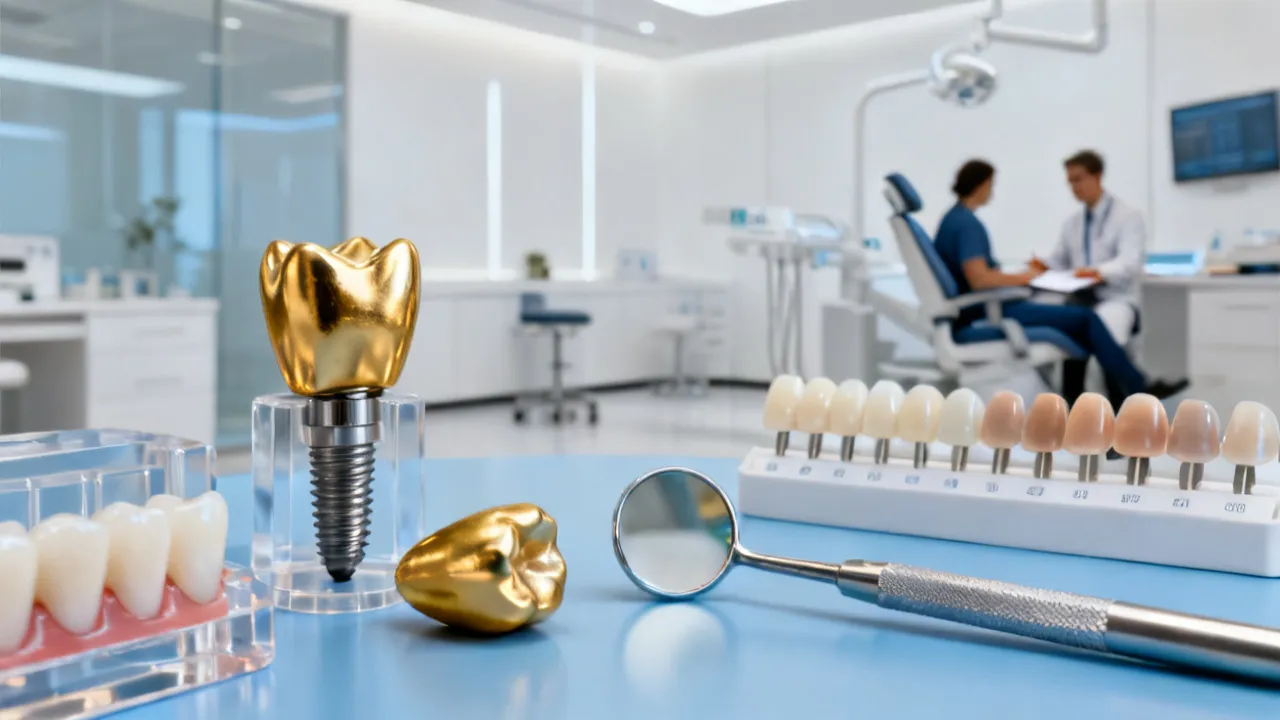
금니 부작용 is the Korean expression commonly used for “gold crown side effects.” A gold crown is a fixed dental restoration placed over a prepared tooth to restore its shape, strength, chewing function, and protection from further damage. Although gold alloys have been used in dentistry for many decades and are generally considered durable and biologically well tolerated, no dental restoration is suitable for every patient or guaranteed to remain problem-free forever. Symptoms can arise from the alloy itself, the way the tooth was prepared, the fit of the crown, the bite relationship, oral hygiene, the cement, or an unrelated dental condition.
The most important point is that discomfort around a gold crown should not automatically be attributed to “gold.” Dental pain may come from recurrent decay, an inflamed pulp, a cracked tooth, gum disease, an uneven bite, exposed root surfaces, a neighboring tooth, or jaw-muscle tension. In some cases, the crown is functioning normally while the underlying tooth has developed a separate problem. A professional examination, dental radiograph, and—when necessary—pulp or bite testing are needed to identify the cause.
Patients should seek prompt dental assessment when they experience spontaneous or night-time pain, swelling, fever, a bad taste, facial swelling, difficulty swallowing, a loose crown, or pain that continues after biting pressure is removed. These signs may indicate infection, a damaged tooth, or inflammation that requires treatment rather than a simple material sensitivity. Facial swelling, breathing difficulty, or difficulty swallowing should be treated as urgent concerns.
What Is a Gold Dental Crown?
A gold crown is usually made from a dental alloy rather than pure gold. Pure gold is too soft for many restorative applications, so dental laboratories combine gold with other metals to achieve the required hardness, strength, corrosion resistance, and casting characteristics. The exact composition differs among products and jurisdictions. Some alloys contain a high proportion of noble metals, while others may include palladium, platinum, silver, copper, zinc, or base metals.
Gold-colored crowns are different from crowns that merely have a thin gold-colored coating. A dentist or laboratory should be able to provide information about the alloy used, particularly when the patient has a history of sensitivity to jewelry or other metals. Patients with metal allergy, dermatitis, unexplained reactions to watches or earrings, or previous sensitivity to dental materials should discuss this history before treatment.
Dental alloys are often classified according to their noble-metal content and mechanical properties. A high-noble alloy generally contains a substantial amount of gold-group metals and tends to have good resistance to corrosion. A noble or base-metal alloy may have different handling characteristics and may be selected because of strength, cost, or laboratory preference. The word “gold” alone does not identify the complete composition of a crown.
Gold crowns are often selected for molars because they can require relatively conservative tooth preparation and can tolerate substantial chewing forces. Their thin margins and resistance to fracture may be useful in carefully selected cases. The material can also be polished to a smooth surface that is relatively kind to opposing enamel when the restoration is properly designed and adjusted. However, gold is not automatically the best option for every tooth. Tooth location, remaining tooth structure, cosmetic expectations, occlusion, periodontal health, allergy history, and the patient’s budget all influence the decision.
Common Gold Crown Side Effects
1. Temporary Sensitivity After Placement
Cold or hot sensitivity is relatively common for a short period after a tooth is prepared and crowned. Preparation may irritate the dentin or dental pulp, particularly when the tooth has already received a large filling, has cracks, has experienced trauma, or has undergone repeated procedures. The temporary crown, bonding materials, cement, and changes in the tooth’s shape can also contribute to short-term symptoms.
Mild sensitivity that gradually improves may be monitored according to the dentist’s instructions. Using toothpaste designed for sensitivity and avoiding extreme temperatures for a short period may be helpful. However, patients should not rely on home care alone when symptoms are severe or changing.
Persistent, worsening, or spontaneous pain deserves evaluation. Pain that wakes a patient at night, lingers for a long time after hot or cold exposure, or occurs without a stimulus may suggest irreversible inflammation of the pulp. If the pulp becomes irreversibly inflamed or infected, root canal treatment may be required. A crown does not prevent pulp disease when the underlying nerve has already been compromised.
2. Metal Sensitivity or Allergic Reaction
Allergic reactions to dental alloys are possible, although they are not the most common explanation for discomfort after crown placement. Symptoms can include localized redness, burning, swelling, itching, oral soreness, or a skin reaction elsewhere. Nickel, cobalt, and some base metals are more frequently associated with contact allergy than high-noble gold alloys, but the composition of the specific restoration matters.
A suspected allergy may be difficult to distinguish from mechanical irritation. A rough margin, retained cement, an overextended crown, trauma from chewing, or a fungal or bacterial condition can cause redness and burning that resemble a material reaction. A medical condition, medication, dry mouth, or food sensitivity can also affect the oral tissues.
A patient who develops a suspected reaction should not remove the crown without professional guidance. The dentist may review the laboratory certificate, examine the mucosa and gums, consider alternative causes, and refer the patient for medical or patch testing when appropriate. If a material allergy is confirmed or strongly suspected, a different alloy or a non-metal option may be considered. The choice should account for strength, appearance, available space, and the condition of the tooth.
3. Gum Irritation and Plaque Retention
A crown margin that is over-contoured, rough, poorly adapted, or positioned too deeply under the gum can make cleaning difficult. Plaque accumulation may contribute to bleeding, tenderness, swelling, bad breath, or localized gum recession. These symptoms can be caused by the crown’s shape, cement remnants, inadequate oral hygiene, or pre-existing periodontal disease.
Even a technically acceptable crown can be associated with gum inflammation if the patient cannot clean around it effectively. The contour between the crown and neighboring teeth should permit access for brushing and interdental cleaning. Patients may need a floss threader, interdental brush, single-tufted brush, or other tool depending on the design of the restoration and the space between the teeth.
Well-designed crowns should allow the patient to clean around the restoration. Daily brushing with a soft toothbrush, cleaning between teeth, and professional maintenance are important. A water flosser may help some patients, but it does not replace brushing or interdental cleaning. If the gums continue to bleed despite improved hygiene, a dentist or dental hygienist should assess the margin and periodontal tissues.
4. Bite Discomfort
A newly placed crown may feel “high” if it contacts the opposing tooth before the rest of the teeth come together. This can cause pain when chewing, tenderness in the ligament around the tooth, jaw fatigue, headache, or sensitivity to pressure. A minor occlusal adjustment often resolves the problem, but it should be performed only by a dentist after checking the bite carefully.
Some patients notice the crown because the surface feels different, even though the bite is clinically acceptable. The tongue is highly sensitive to small changes in contour. A brief adjustment period may be normal, but a patient should report persistent pressure, difficulty closing the teeth, or pain during chewing.
Patients should avoid repeatedly testing a painful crown by clenching or chewing hard objects. Continued excessive force can irritate the supporting tissues or contribute to wear on the opposing tooth. If the patient grinds or clenches, the dentist may evaluate whether a night guard, stress-management strategy, restorative adjustment, or treatment of another bite problem is appropriate.
5. Wear of the Opposing Tooth
Gold alloys are generally softer than many ceramic materials, but the effect on an opposing tooth depends on the alloy, surface finish, bite force, chewing pattern, and presence of grinding or clenching. A rough or poorly polished restoration may create more wear than a properly finished crown. Natural tooth enamel can also wear against another natural tooth when heavy parafunctional forces are present.
A dentist can inspect the opposing tooth for flattening, cracks, sensitivity, or changes in its anatomy. Patients who grind their teeth at night may need a bite assessment and, in selected cases, a professionally designed night guard. A guard is not appropriate for every patient, especially when active dental disease, loose teeth, or an unstable bite has not been addressed.
6. Aesthetic Concerns
The visible gold color is a deliberate characteristic, not a biological side effect. Some patients value the appearance and regard it as distinctive, while others later prefer a tooth-colored restoration. Personal preferences may also change after relocation, employment changes, photography, or cosmetic dental treatment elsewhere.
Replacing a clinically sound crown solely for appearance requires consideration of cost, tooth structure, and the risks associated with removing a well-fitting restoration. Removal may expose the tooth to additional preparation, fracture, sensitivity, or the need for root canal treatment. The dentist should explain whether the existing crown can remain safely and whether replacement is genuinely necessary.
When a gold crown is visible during speech or smiling, the dentist can discuss ceramic, zirconia, or porcelain-fused-to-metal alternatives. Each material has different strength, translucency, preparation requirements, repair options, and long-term considerations. A cosmetic replacement is not necessarily a simple exchange of one cap for another.
7. Galvanic or “Electric” Sensations
Occasionally, patients report a metallic taste, tingling, or a brief shock-like sensation when dissimilar metals contact each other in the mouth. This phenomenon is sometimes described as oral galvanism. It may be associated with saliva and different metal surfaces, but similar sensations can also result from exposed dentin, a fractured filling, nerve irritation, mucosal injury, or a small ulcer.
A dental examination should distinguish a genuine contact phenomenon from other causes. The dentist may inspect all metallic restorations, determine whether they touch during chewing, and evaluate the pulp and gums. Replacing restorations without a diagnosis may not solve the symptom and can remove healthy tooth structure unnecessarily.
8. Recurrent Decay Around the Crown
A crown covers the visible portion of a tooth but does not make the tooth immune to decay. The natural tooth remains vulnerable at the crown margin and root surface. Risk increases when plaque control is poor, sugar exposure is frequent, saliva flow is reduced, or the margin is defective. Patients with dry mouth from medication or medical treatment may require a more intensive prevention plan.
Recurrent decay may be detected through clinical examination and radiographs. It can sometimes be difficult to see when a crown is present, especially if the decay is beneath a margin or between teeth. Depending on its depth and location, treatment may involve a restoration, crown replacement, root canal therapy, periodontal treatment, or extraction. Early review is preferable to waiting for severe pain.
Fluoride toothpaste, regular interdental cleaning, reduced frequency of sugary snacks, and appropriate professional fluoride treatment can reduce the risk of decay around the crown. Patients should not assume that a crown makes brushing less important. The crown itself does not decay, but the tooth at its edge can.
9. Crown Loosening, Cracking, or Fracture of the Tooth
Cement can fail, particularly when the underlying tooth has limited retention, the bite is heavy, the crown is poorly fitted, or the restoration is exposed to trauma. A loose crown should be evaluated promptly. Patients should keep the crown, avoid using household glue, and avoid chewing on that side until they receive advice.
In some cases, the crown can be recemented. In others, decay, a crack, inadequate tooth structure, or a damaged foundation requires more extensive treatment. A crown that repeatedly loosens is a sign that the underlying mechanical or biological problem needs investigation. Recementing the crown repeatedly without determining why it is loose may delay necessary treatment.
If a patient experiences a sudden sharp pain when releasing a bite, the dentist may investigate a cracked tooth or cracked supporting cusp. A gold crown can protect some weakened teeth, but it cannot always prevent a crack from extending below the gum or into the root.
When Is a Gold Crown Usually Considered?
A gold alloy crown may be considered for a heavily restored posterior tooth, a tooth exposed to high chewing forces, or a situation in which conservative preparation is beneficial. It may also be selected when a patient has a history of ceramic fracture or values the material’s track record in a particular clinical situation.
Gold crowns can be useful when the dentist wants to preserve as much healthy tooth structure as possible. Because the alloy can be strong even in a relatively thin section, less reduction may be required than for some other materials. This does not mean that every gold crown is thin or conservative; the necessary space depends on the design, bite, tooth position, and laboratory requirements.
A gold crown may be less attractive when the tooth is highly visible, when the patient has a confirmed allergy to an alloy component, or when the tooth has insufficient remaining structure. Severe gum disease, untreated decay, poor plaque control, and active grinding should be addressed before final crown planning. The dentist must also consider whether the tooth has enough ferrule and sound structure to support a crown predictably.
| Restoration | Potential advantages | Important considerations |
|---|---|---|
| Gold alloy crown | Durability, relatively conservative preparation, good performance in many posterior cases | Metal color, possible alloy sensitivity, material and laboratory selection |
| Zirconia crown | Tooth-colored appearance and high strength in appropriate designs | May require careful occlusal adjustment and adequate space |
| Glass-ceramic crown | Natural translucency and strong aesthetic potential | Case selection, thickness, bonding protocol, and fracture risk matter |
| Porcelain-fused-to-metal crown | Established clinical use and a tooth-colored facial surface | Possible ceramic chipping and a visible metal margin in some cases |
Gold Crown Problems Versus Dental Implant Complications
A gold crown is placed on a natural tooth. A dental implant replaces the root portion of a missing tooth and normally supports an abutment and crown. These are different treatments, with different biological risks and cost structures. A patient asking about 금니 부작용 may be discussing a crown, whereas a patient researching low-cost dental implants is dealing with surgery, bone healing, prosthetic design, and long-term maintenance.
Implant-related complications can include infection around the implant, inadequate bone integration, nerve or sinus problems, mechanical loosening, peri-implant inflammation, and fracture of a component. The risk profile depends on smoking, diabetes control, periodontal history, bone quality, oral hygiene, surgical technique, implant design, and maintenance. An implant can be successful but still require repairs, professional cleaning, replacement of a crown, or management of inflammation over time.
Removing a natural tooth to place an implant is irreversible. An implant should not be selected merely because a gold crown looks unattractive or because the tooth has manageable sensitivity. A dentist should first determine whether the natural tooth can be predictably restored. In some cases, root canal treatment and a new crown may preserve the tooth. In other cases, a crack or advanced decay makes extraction more reasonable.
How to Reduce Dental Implant Costs in English-Speaking Countries
Dental implant pricing varies substantially by region, clinic, treatment complexity, laboratory choice, imaging requirements, and whether bone grafting or sedation is needed. The following approach focuses on controlling avoidable expenses without sacrificing diagnosis, sterilization, credentials, or follow-up care.
- Confirm that an implant is necessary. Ask whether the tooth can be restored with a filling, onlay, root canal treatment, or crown. If extraction is recommended, ask about the prognosis and alternatives, including a bridge or removable partial denture.
- Request a written treatment plan. The plan should identify the examination, radiographs or three-dimensional imaging, extraction, implant fixture, abutment, crown, temporary restoration, bone grafting, sedation, medications, and follow-up visits.
- Compare complete treatment fees. A low advertised implant fee may cover only the fixture. Compare the total pathway rather than a single component.
- Use insurance or a dental savings arrangement where eligible. Coverage differs widely. Confirm annual limits, exclusions, waiting periods, implant clauses, and whether the surgeon and restorative dentist participate.
- Ask about university or teaching clinics. Supervised educational clinics may have different fee structures and longer appointments. Verify who performs each stage and who is responsible for follow-up.
- Consider staged treatment when clinically appropriate. A dentist may place a provisional restoration or delay the final crown while tissues heal. Staging must be based on biology, not solely on payment timing.
- Discuss material choices. A conventional titanium implant, abutment material, and crown design may be appropriate in many cases, but the least expensive component is not necessarily the most suitable. Ask why a particular option is recommended.
- Improve oral health before surgery. Treating active gum disease, improving plaque control, stopping tobacco use, and managing medical conditions can reduce the likelihood of complications and additional treatment.
- Compare local travel and overseas treatment carefully. Travel costs, accommodation, time away from work, communication, emergency care, and revision treatment can offset an apparent price difference. The responsible clinician should provide a clear plan for complications.
- Obtain an independent second opinion. A second opinion is particularly useful when extraction, extensive grafting, immediate loading, or multiple implants are proposed.
Patients should also ask how long the quoted price remains valid and whether the clinic uses a standard implant system with replacement parts that can be obtained locally. A very inexpensive implant may become difficult to maintain if the manufacturer is unavailable in the patient’s home country. Records should include implant brand, model, diameter, length, lot information when available, abutment details, and radiographs.
How to Reduce Implant Costs in Spanish-Speaking Countries
Spanish-speaking patients may seek treatment in Spain, Mexico, Chile, Colombia, Peru, or Argentina, among other locations. Prices and professional regulations differ within each country, so a national label does not establish quality or affordability. Patients should compare clinics using the following process.
- Verify professional registration. Check the dentist’s license through the relevant national or regional authority where such records are available. Confirm training in implant dentistry and the identity of the surgeon and restorative provider.
- Ask for a consultation in a language you understand. A clear explanation of risks, alternatives, maintenance, and fees is more important than promotional language or online testimonials.
- Clarify whether the quoted price includes the crown. In some practices, “implant price” means the implant fixture and surgery only. Request separate prices for the abutment, provisional tooth, final crown, imaging, grafting, and follow-up.
- Compare laboratory quality and warranty conditions. Ask which laboratory manufactures the crown, what material is used, and what happens if the restoration is damaged or does not fit.
- Review hygiene and emergency arrangements. The clinic should explain sterilization procedures, postoperative instructions, urgent contact methods, and care if a visitor returns home before healing is complete.
- Plan transportation and recovery. Implant surgery may involve swelling or dietary restrictions. A short visit may be inadequate when extraction, grafting, and implant placement are combined.
- Consider public or university-linked services where available. Eligibility, waiting times, and the scope of treatment vary, and implant treatment may not be routinely included in public dental services.
Patients should be cautious about clinics that promise guaranteed implants, immediate teeth for everyone, or unusually low prices without reviewing scans and medical history. Good treatment planning requires an understanding of bone volume, bite forces, adjacent roots, gum health, and the patient’s ability to attend follow-up visits.
How to Reduce Implant Costs in Portuguese-Speaking Countries
Brazil and Portugal are prominent Portuguese-speaking markets for dental care. Treatment planning should account for local licensing, regional differences, laboratory fees, taxes, imaging, and the need for maintenance after a patient returns to another area.
- Ask for an itemized orçamento, or written estimate, covering every phase of treatment.
- Confirm whether the clinic’s quoted “implante” includes the prosthetic crown and abutment.
- Review the dentist’s registration and implant training through the appropriate professional body.
- Ask how long the clinic expects the healing period to last and how many visits are required.
- Compare implant brands, but do not select a brand solely by price; future access to compatible components matters.
- Request information about maintenance, peri-implant disease prevention, and the cost of repairing a loose screw or chipped crown.
- When using a dental plan, check whether implants are included or whether only examinations and basic procedures are covered.
Payment plans can make care more manageable, but patients should understand interest, administrative fees, cancellation terms, and what happens if the treatment plan changes. Financing should not be used to pressure a patient into accepting a procedure before receiving adequate diagnostic information.
Reference Price Ranges for One Dental Implant
The table below presents the supplied reference ranges for an individual dental implant in selected language markets. “Individual dental implant” may be interpreted differently by providers: some prices refer to surgery and the implant fixture, while others include the abutment and crown. Patients must confirm the treatment components before comparing quotes.
| Country | Currency | Reference price range for one implant |
|---|---|---|
| United States | USD | $3,000–$6,000 |
| United Kingdom | GBP | £2,000–£2,500 |
| Australia | AUD | AU$3,500–AU$6,500 |
| Canada | CAD | CA$3,000–CA$5,500 |
| Spain | EUR | €1,500–€2,500 |
| Chile | CLP | CLP$800,000–CLP$1,500,000 |
| Mexico | MXN | $15,000–$25,000 |
| Colombia | COP | $2,000,000–$4,000,000 |
| Peru | PEN | S/ 3,000–S/ 6,000 |
| Argentina | ARS | $80,000–$150,000 |
| Brazil | BRL | R$3,000–R$8,000 |
| Portugal | EUR | €1,000–€2,000 |
| Germany | EUR | €2,000–€3,500 |
| France | EUR | €1,500–€2,500 |
| Italy | EUR | €1,500–€3,000 |
| Japan | JPY | ¥300,000–¥700,000 |
These figures should not be treated as quotations or guarantees. Currency values can change, and fees may differ between metropolitan and rural areas. The complexity of the case often has a greater effect on price than the country alone. A single uncomplicated implant may require less treatment than an implant involving extraction, bone preservation, sinus elevation, guided surgery, a temporary tooth, and customized prosthetic work.
Websites Offering Information About Lower-Cost Dental Implants
The following websites represent different types of dental information providers. Some are clinic websites, some describe insurance or dental-plan services, and some discuss treatment abroad. Their inclusion does not constitute an endorsement, and readers should independently verify credentials, fees, regulatory status, and clinical suitability.
| Website | Type of information |
|---|---|
| Dental Views | Discusses lower-cost dental implant options, treatment types, process information, pricing considerations, and common questions. |
| Atlantic Dental Group | Provides information about general dentistry, implants, orthodontics, cleaning, emergency services, and appointment access. |
| DentaVacation | Explains dental tourism, international treatment comparisons, travel planning, and procedures offered in different destinations. |
| American Dental Health Plans | Provides information about dental-plan options and ways consumers may evaluate coverage for dental care. |
| Rockville Dental Arts | Spanish-language information about implants, whitening, cleaning, orthodontics, and emergency dental services. |
| Union City Mini Dental Implants | Discusses mini dental implant services and situations in which smaller implant systems may be considered. |
| Cigna | Offers a Spanish-language educational guide explaining dental implants and treatment considerations. |
| Rubi Odonto | Brazilian clinic information covering orthodontics, whitening, implants, and related dental services. |
| Odontologia Velasco | Provides information about implants, prostheses, aesthetic dentistry, and technology used in clinical care. |
| DentalVidas | Describes dental-plan services, provider networks, and emergency support for eligible plan users. |
Online information can help patients prepare questions, but promotional pages may not discuss contraindications, complications, maintenance, or the difference between implant surgery and the final prosthetic crown. Patients should read the fee terms, privacy policy, warranty exclusions, and cancellation policy before sharing personal information or making a deposit.
Source of the information:
source: www.dentalviews.com/low-cost-dental-implants/
source: www.atlanticdentalgrp.com
source: www.dentavacation.com
source: rockvilledentalarts.com/es/
source: unioncityminidentalimplants.com/es/
source: www.cigna.com/es-us/knowledge-center/guide-to-dental-implants
source: www.rubiodonto.com.br
source: odontologiavelasco.com.br
source: dentalvidas.com.br
Conditions to Review Before Implant Treatment
Cost should be considered only after a clinician establishes that implant treatment is medically and dentally appropriate. A complete assessment commonly includes a review of general health, medication use, smoking or vaping, previous periodontal disease, oral hygiene, bite forces, bone volume, sinus anatomy in the upper jaw, and the condition of neighboring teeth.
Bone and Soft-Tissue Health
An implant needs adequate bone volume and healthy soft tissue. When bone has resorbed after tooth loss, bone augmentation may be recommended. Grafting can increase treatment time and expense. A clinician should explain whether grafting is essential, whether an alternative implant position is possible, and what risks are involved.
Three-dimensional imaging may be useful when the implant site is close to a nerve, sinus, adjacent root, or thin facial bone. Imaging should be justified by the clinical situation rather than ordered simply as an automatic add-on. Patients can ask how the scan will change the treatment plan.
Periodontal Disease
Active gum disease should be controlled before implant placement. The bacteria and inflammation associated with periodontal disease can affect the tissues around implants as well as natural teeth. Maintenance appointments are not an optional cosmetic service; they help monitor both the implant and the surrounding dentition.
Smoking and Nicotine Exposure
Smoking is associated with poorer oral healing and may increase the risk of implant complications. The dentist should provide individualized advice rather than making promises based solely on a marketing package. Patients should disclose all nicotine use and follow perioperative instructions carefully. Vaping products should also be disclosed because their effects on oral tissues and healing may be relevant.
Medical Conditions and Medicines
Diabetes, immune disorders, osteoporosis treatment, blood-thinning medication, and other medical factors may affect surgical planning. Patients should provide a complete and accurate medical history. Medication should not be stopped or altered without advice from the prescribing clinician and dental team.
Bruxism and Bite Forces
Severe clenching or grinding can place high forces on an implant crown and on natural teeth. Before treatment, the dentist should assess wear facets, muscle tenderness, fractured restorations, and the patient’s awareness of night-time grinding. Implant treatment may still be possible, but the design and maintenance plan may need to account for these forces.
Gold Crowns, Implants, and Long-Term Maintenance
Whether a patient has a gold crown, ceramic crown, bridge, or implant-supported restoration, maintenance begins with daily plaque removal and regular professional review. A crown should be checked for margin integrity, recurrent decay, gum health, bite changes, and wear. An implant should be checked for inflammation, mobility, prosthetic screw problems, bone changes, cleaning access, and the condition of the crown.
Patients with implant-supported crowns should use the cleaning tools recommended for the specific prosthesis. Oversized or abrasive instruments may damage surfaces or injure tissues. A dental hygienist can demonstrate interdental brushes, floss threaders, specialized floss, or other methods based on the restoration’s design.
Diet also matters. Chewing ice, hard candies, pens, or other rigid objects can damage crowns and natural teeth. Sticky foods may loosen a restoration when retention is already compromised. Frequent sugar exposure increases decay risk at the margins of crowns, even when the crown itself does not decay.
Regular examinations can identify small problems before they become expensive. A minor adjustment, replacement of a damaged screw, treatment of early gum inflammation, or repair of a small area of decay may be simpler than replacing an entire restoration. Patients should report changes rather than waiting for the next routine appointment when symptoms are persistent.
How Dentists Investigate Suspected 금니 부작용
- History: The dentist asks when the symptoms began, whether they are triggered by temperature or chewing, and whether they occur spontaneously.
- Visual examination: The clinician inspects the crown, margins, gums, tongue, cheeks, and neighboring teeth.
- Periodontal assessment: Bleeding, pocket depth, recession, and plaque accumulation are evaluated.
- Bite testing: Contact points and signs of clenching or grinding are reviewed.
- Pulp testing: Cold, heat, electric, or percussion tests may help determine whether the nerve is inflamed.
- Radiographic assessment: Images can reveal decay, bone changes, root problems, or an inadequate endodontic result.
- Material review: The laboratory record may clarify which alloy was used when sensitivity is suspected.
- Second opinion or referral: Complex cases may require an endodontist, periodontist, prosthodontist, oral surgeon, dermatologist, or allergy specialist.
This stepwise process helps prevent an incorrect conclusion that the crown material is responsible. For example, pain from a cracked root may continue even after a crown is replaced, while gum bleeding may improve through margin correction and periodontal care rather than material substitution. Similarly, a high bite can often be corrected without replacing the crown, provided the restoration is otherwise sound.
Questions to Ask Before Replacing a Gold Crown
- What is the confirmed cause of the symptom?
- Is the tooth structurally sound enough to retain another crown?
- Is there decay beneath or beside the current crown?
- Does the pulp need treatment before replacement?
- What alloy was used, and is a documented sensitivity plausible?
- Would replacing the crown require removal of additional healthy tooth structure?
- Which alternative material is recommended, and why?
- How will the new crown affect the bite and neighboring teeth?
- What are the laboratory, adjustment, and follow-up policies?
- What is the complete price, including examination, imaging, temporary coverage, and final cementation?
Frequently Asked Questions
Can a gold crown cause illness throughout the body?
A local dental restoration is not automatically a cause of generalized illness. Symptoms should be assessed objectively. A documented allergy or sensitivity to a specific alloy component is possible, but fatigue, headache, or unrelated systemic symptoms require medical evaluation rather than an assumption that the crown is responsible.
Is a gold crown safer than a ceramic crown?
Neither material is universally safer. Gold alloys and ceramics have different mechanical and biological characteristics. The appropriate choice depends on the tooth, bite, gum condition, cosmetic requirements, allergy history, and dentist’s assessment. A ceramic crown can fracture or wear opposing teeth under certain conditions, while a metal crown can cause aesthetic concerns or sensitivity in a susceptible patient.
Should a patient remove a gold crown because of a metallic taste?
Not without an examination. A metallic taste may arise from the crown, another restoration, gum inflammation, medication, dry mouth, infection, or a sensory change. Diagnosis should come before replacement. If the taste is accompanied by swelling, bleeding, or pain, the patient should arrange a dental evaluation promptly.
Can a gold crown cause gum recession?
A crown may contribute to gum irritation if its margin is poorly positioned, over-contoured, rough, or associated with retained cement. Recession can also result from brushing trauma, thin gum tissue, periodontal disease, or occlusal forces. The cause must be identified clinically. Replacing the crown may not reverse recession that has already occurred.
How long does a gold crown last?
Longevity varies according to tooth structure, bite force, hygiene, diet, periodontal health, laboratory quality, and maintenance. No dentist can guarantee a specific lifespan for every patient. A well-maintained crown can perform for many years, but it may eventually need repair or replacement because of decay, fracture, cement failure, gum changes, or normal wear.
Are dental implants a better alternative to a problematic crown?
Only when the natural tooth has a poor prognosis or cannot be predictably restored. Implant placement involves surgery and lifelong maintenance. A salvageable natural tooth should not be extracted simply to avoid investigating crown-related symptoms. A restorative dentist or endodontist can sometimes clarify whether the tooth can be saved.
Are mini dental implants suitable for everyone?
No. Mini implants have a smaller diameter and may be used in selected situations, often under specific prosthetic and anatomical conditions. Their suitability depends on bone, loading forces, the intended restoration, and the clinician’s evaluation. They are not a universal substitute for conventional implants.
Does a lower implant price mean lower quality?
Not necessarily, but a low headline price may exclude important components. Compare the clinician’s credentials, diagnostic process, implant system, laboratory, sterilization, follow-up, emergency access, and complete fee. A transparent treatment plan is more informative than a promotional number.
Can dental tourism reduce the total cost of implants?
It can sometimes reduce the quoted clinical fee, but the total financial and medical impact depends on travel, accommodation, time off work, communication, aftercare, and treatment of complications. Patients should obtain records and arrange a local provider willing to help if problems occur after returning home.
What should someone do if a crown becomes loose?
Contact a dentist promptly, keep the crown in a clean container, and avoid chewing on that side. Do not use household adhesives. If the crown is swallowed or inhaled, seek medical advice, particularly if there is coughing or breathing difficulty.
Can a dentist test for gold allergy?
When an allergy is suspected, the dentist may review the material record and coordinate with a physician or allergy specialist. Patch testing is a medical assessment and does not replace examination of the tooth and gums. The result must be interpreted in relation to the patient’s symptoms and the alloy’s composition.
Is a metal-free crown always preferable?
A metal-free crown may be attractive for cosmetic or material-related reasons, but it is not automatically preferable. The dentist must evaluate available space, occlusion, tooth color, margin location, bonding conditions, fracture risk, and the patient’s ability to maintain the restoration. Material selection should be individualized rather than based on a single general claim.
Practical Decision Framework
For a patient experiencing possible 금니 부작용, the safest sequence is straightforward: arrange an examination, describe the symptoms accurately, review the crown and tooth, treat infection or decay if present, and discuss material alternatives only after the diagnosis is established. If the tooth is not restorable, then extraction and replacement options—including an implant, bridge, or removable prosthesis—can be compared.
Patients should record useful details before the appointment. Note whether pain is caused by cold, heat, sweet foods, chewing, or touch; how long it lasts; whether it wakes you; and whether swelling or a bad taste is present. Bring information about the date of crown placement, previous root canal treatment, known allergies, and medications. This information can help the dentist distinguish pulp pain, bite pain, gum inflammation, and material-related symptoms.
For a patient considering a lower-cost implant, the sequence is equally important: confirm the indication, obtain three-dimensional information when clinically justified, request a complete written estimate, verify professional credentials, understand the healing schedule, and plan long-term maintenance. The cheapest initial quotation is not necessarily the lowest total cost if it results in repeated travel, additional surgery, poor fit, or difficult repair.
Industry professionals generally evaluate value through four connected factors: predictable diagnosis, appropriate materials, competent execution, and dependable follow-up. A treatment that satisfies all four may be more economical over time than a superficially inexpensive procedure with unclear exclusions. Patients should also consider the value of preserving a natural tooth when that can be done predictably and safely.
Conclusion
Gold crowns remain a clinically useful restoration for selected teeth, but patients can experience symptoms involving sensitivity, gum irritation, bite discomfort, alloy reactions, recurrent decay, crown loosening, or aesthetic dissatisfaction. These issues are often manageable when identified early. The term 금니 부작용 should therefore be treated as a starting point for investigation, not as a diagnosis.
Dental implants address tooth loss rather than ordinary crown discomfort. If an implant is being considered, patients should compare complete treatment plans, not isolated prices, and should evaluate credentials, diagnostics, aftercare, and maintenance as carefully as the quoted fee. Information from clinics, dental-plan providers, educational pages, and dental-tourism websites can support initial research, but a licensed dental professional must make the individualized clinical recommendation.
References and Links
- Dental Views: Low-Cost Dental Implants
- Atlantic Dental Group
- DentaVacation
- Rockville Dental Arts, Spanish-language site
- Union City Mini Dental Implants, Spanish-language site
- Cigna Spanish-language guide to dental implants
- Rubi Odonto
- Odontologia Velasco
- DentalVidas
Disclaimer
1. The information above comes from online resources, and the data is as of October 2023.
2. Dental implant prices are for reference only and may vary by region, clinic, and doctor. Dental material selection, treatment indications, insurance coverage, laboratory fees, imaging, grafting, sedation, taxes, travel, and follow-up requirements may also affect the final cost. This article is educational and does not replace an examination or individualized advice from a qualified dental professional.