Gold Crown Side Effects and Affordable Implant Guidance
This guide explains 금니 부작용, or possible side effects associated with gold dental crowns, including allergy-like reactions, gum irritation, bite changes, galvanic sensations, and recurrent decay. It also distinguishes normal adjustment from warning signs that require dental review. For readers considering tooth replacement, the article compares affordable implant information sources, outlines cost-saving steps in English-, Spanish-, and Portuguese-speaking markets, and presents reference price ranges. Prices are estimates dated October 2023.
Key Takeaways About 금니 부작용
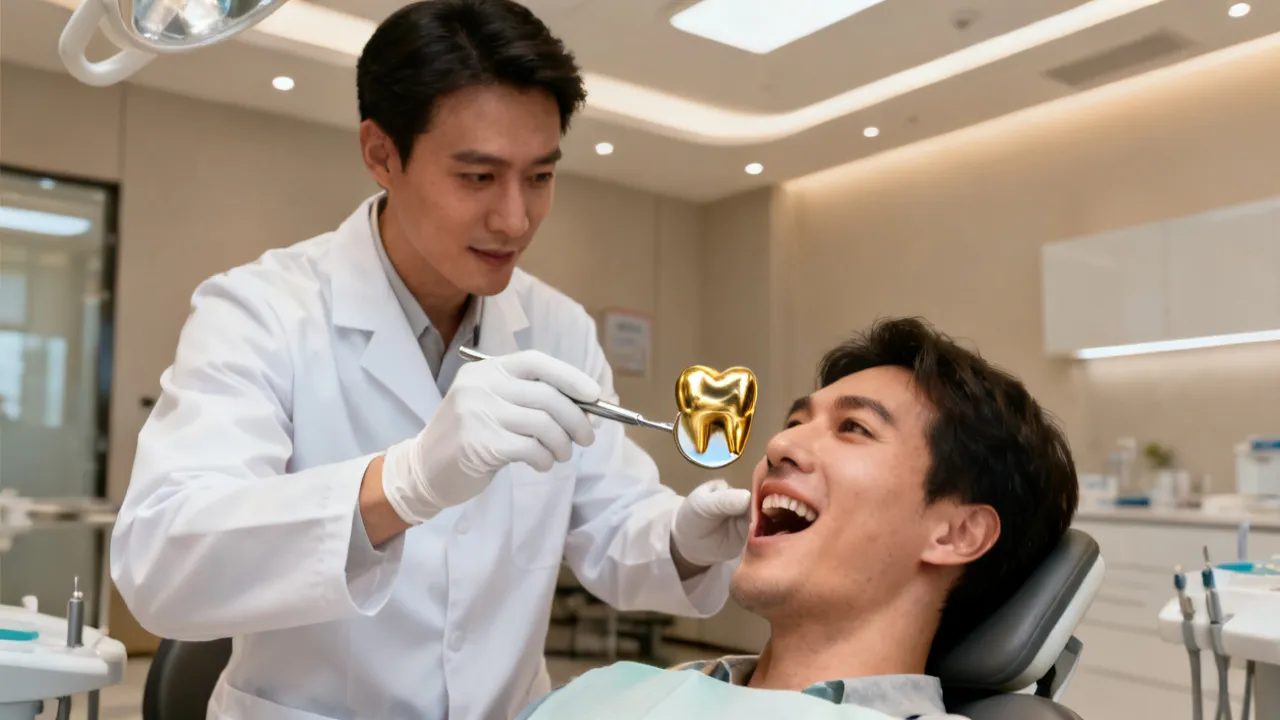
금니 부작용 translates broadly as “gold crown side effects.” A gold crown is generally a durable dental restoration, but it can still be associated with discomfort, gum changes, sensitivity, bite problems, allergic reactions to an alloy component, or decay around the crown. The material itself is not automatically harmful. The clinical outcome depends on the crown’s alloy composition, the quality of tooth preparation, the fit at the gumline, oral hygiene, bite forces, and the health of the underlying tooth.
Persistent pain, swelling, spontaneous bleeding, a bad taste, loosening, facial swelling, fever, or difficulty swallowing should not be managed only with home care. These symptoms may indicate infection, crown failure, periodontal disease, or a problem with the tooth’s nerve. A dentist should examine the crown and may use bite assessment, periodontal probing, vitality testing, and dental radiographs.
Gold crowns and dental implants are different treatments. A crown covers or restores a prepared natural tooth. An implant replaces the root of a missing tooth and normally supports an abutment and crown. A person with a failing gold crown may need a new crown, root canal treatment, extraction, or implant consultation, depending on the condition of the tooth. Choosing an implant simply because a crown feels uncomfortable is not appropriate without a diagnosis.
Patients should also distinguish between a normal adjustment period and a developing complication. A new crown may feel unusual because its shape, height, and contact with neighboring teeth differ from the previous restoration. Mild awareness can improve as the mouth adapts. Pain that becomes stronger, spreads, or continues beyond the expected healing period deserves professional review.
What Is a Gold Dental Crown?
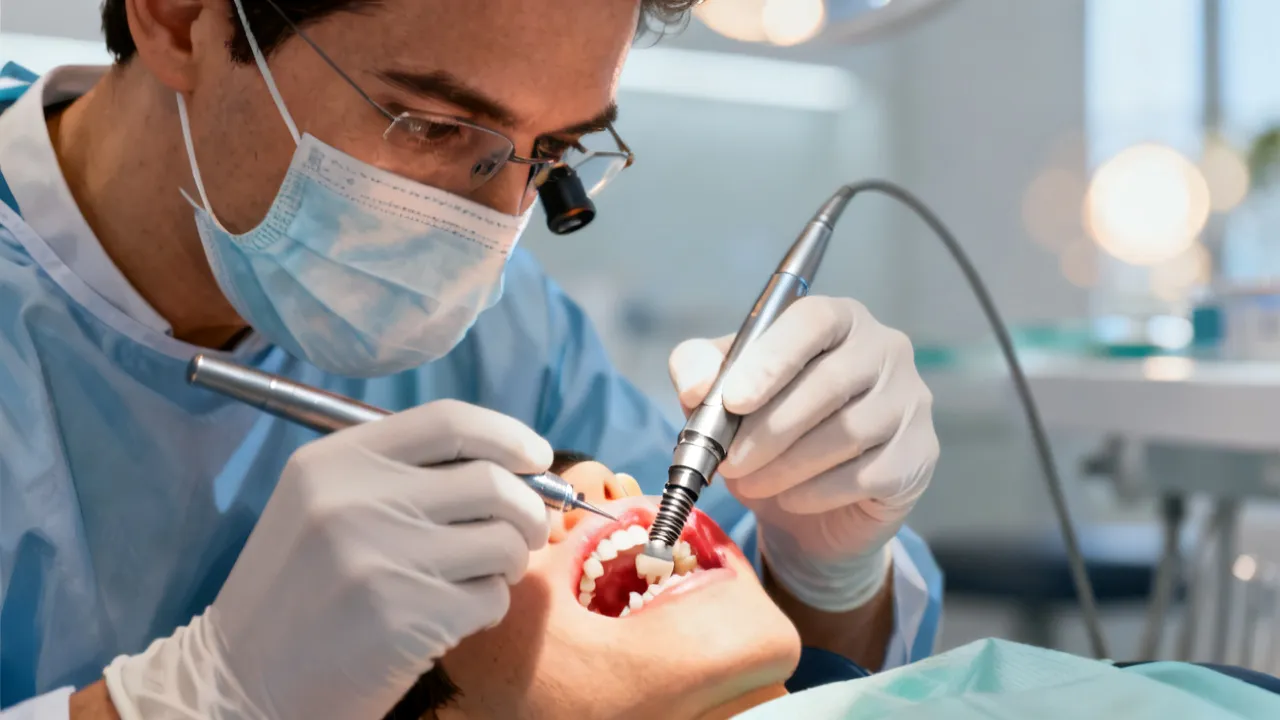
A gold dental crown is a custom-made cap placed over a damaged or heavily restored tooth. In modern dentistry, the term “gold crown” often refers to a gold alloy rather than pure gold. Dental alloys may contain gold combined with metals such as palladium, platinum, silver, copper, or other components selected for strength, casting behavior, and corrosion resistance.
Pure gold is too soft for many functional dental applications, so alloys are used to balance durability and workability. The exact composition varies by laboratory and product. Patients who have a known metal allergy should ask the dentist or laboratory for the material specification rather than assuming that every gold-colored crown has the same ingredients.
Gold crowns are often selected for posterior teeth because they can be made relatively thin while maintaining strength. This may allow the dentist to preserve more natural tooth structure than with some other restorative materials. Gold alloys also have a long history in restorative dentistry and can tolerate substantial chewing forces. However, a long service life is not guaranteed: oral hygiene, bruxism, cement breakdown, recurrent decay, periodontal disease, and the original tooth condition all affect performance.
A crown is not a replacement for the entire tooth. It covers the visible portion above the gumline, while the root and the nerve remain inside the jaw. If the nerve becomes inflamed or infected after crown placement, the crown may still be present and appear intact even though the tooth requires endodontic treatment. Similarly, a crown can remain firmly attached while decay develops underneath or beside it.
Potential 금니 부작용 and Why They Occur
1. Temporary sensitivity after placement
Mild sensitivity to cold, pressure, or chewing can occur after a tooth is prepared and crowned. The preparation process may temporarily irritate the pulp, which is the living tissue inside the tooth. Cementation can also produce short-term sensitivity. If the discomfort steadily improves over several days, the dentist may recommend observation and gentle chewing on the opposite side while the tooth settles.
Symptoms that continue, intensify, occur without stimulation, or wake a patient at night are more concerning. They may reflect irreversible pulp inflammation, an incompletely sealed restoration, a crack, or an occlusal problem. A clinician should evaluate prolonged or spontaneous pain rather than repeatedly replacing fillings or taking pain medication without diagnosis.
The pattern of sensitivity can provide useful information, although it cannot replace testing. A brief response to cold that disappears quickly may be less concerning than pain that lingers for many seconds or minutes. Pain on biting may suggest inflammation around the root, a high contact, or a crack. A dull ache that appears without a trigger may involve the pulp or surrounding tissues.
2. High bite or chewing discomfort
A crown that is slightly too high can receive excessive force each time the patient closes the mouth. Patients may describe the tooth as “hitting first,” feeling bruised, or hurting when chewing. This is one of the more straightforward crown complications to assess. The dentist can examine the occlusion and make a conservative adjustment when appropriate.
Self-adjusting a crown is unsafe. Grinding the restoration at home can damage its surface or create an uneven bite. A high crown may also aggravate the ligament surrounding the tooth and make the patient think the tooth is infected when the primary problem is mechanical.
Patients who clench or grind their teeth may continue to experience symptoms even after an initial adjustment. In these situations, the dentist may evaluate the entire bite, check for muscle or jaw-joint symptoms, and discuss a protective appliance. A night guard should not be purchased or modified without professional guidance because an unsuitable appliance may worsen discomfort.
3. Gum irritation and inflammation
Gum redness, tenderness, swelling, or bleeding around a crown may occur when plaque accumulates at the margin. An overcontoured crown, rough edge, open contact, retained cement, or inadequate cleaning access can make the problem worse. The gumline may also change naturally over time, exposing part of the crown margin.
Gum irritation does not always mean the gold alloy is toxic. Local inflammation is more commonly related to plaque, cement, contour, fit, or periodontal conditions. A dental professional can inspect the margin, remove residual cement, assess the periodontal tissues, and decide whether polishing, hygiene treatment, or crown replacement is needed.
Food trapping between a crown and a neighboring tooth can create repeated irritation. It may also produce an unpleasant odor even when the crown itself is not defective. If floss repeatedly catches, shreds, or cannot pass through the contact, the dentist should examine the contact point. Do not force floss aggressively into swollen tissue, but do continue gentle cleaning unless a dental professional has given different instructions.
4. Metal sensitivity or allergic reaction
True allergy to a dental alloy is possible but is not the most common explanation for every symptom near a crown. A patient with a history of contact dermatitis or reactions to jewelry should disclose that history before treatment. Symptoms may include localized redness, burning, itching, swelling, or generalized skin reactions, although these signs can have other causes.
When an allergy is suspected, the clinician should review the alloy composition and consider medical assessment, including referral for appropriate allergy testing. Replacing the crown without identifying the suspected component may not resolve the problem. A different material may be considered if clinically suitable, but material selection must also account for strength, space, aesthetics, opposing teeth, and the patient’s bite.
Some patients use the word “allergy” to describe a metallic taste, mild gum bleeding, or a strange sensation. Those symptoms do not establish an immune reaction. A true material reaction and ordinary plaque-related gingivitis require different management. A medical or dental professional should make the distinction through history, examination, and, when indicated, allergy evaluation.
5. Galvanic or electrical sensations
Some patients notice a brief sharp sensation or metallic taste when a gold alloy contacts another metal restoration, especially in the presence of saliva. This phenomenon is sometimes described as a galvanic response. It may be intermittent and can be triggered by contact between dissimilar metals.
The symptom can also be caused by exposed dentin, pulp irritation, a cracked tooth, or a high bite. A dentist must therefore rule out more common dental causes before attributing the sensation to galvanic activity. Replacing restorations solely to eliminate a metallic sensation may involve unnecessary treatment if the actual source has not been confirmed.
Patients should identify whether the sensation occurs only when two teeth touch, while eating acidic foods, or even when the mouth is at rest. The timing can help the dentist reproduce the complaint. Saliva, medications, dry mouth, and other metal restorations may influence the experience.
6. Recurrent decay around the crown
A crown does not make the tooth immune to decay. Bacteria can affect the exposed tooth structure near the crown margin, particularly when plaque remains undisturbed or the margin is difficult to clean. Sugar frequency, dry mouth, smoking, poor brushing, inadequate interdental cleaning, and high caries risk can all contribute.
Recurrent decay may initially cause no symptoms. During examination, the dentist may find softened tooth structure, a defective margin, or radiographic changes. Treatment depends on the depth and location of the decay. Options can include preventive care, restoration, crown replacement, root canal treatment, or extraction when the tooth is no longer restorable.
Patients with dry mouth may be especially vulnerable because saliva helps buffer acids and wash away food particles. Dry mouth can be related to medications, dehydration, mouth breathing, systemic disease, or medical treatment. Fluoride recommendations, saliva substitutes, dietary changes, and medical review may reduce risk.
7. Crown loosening, fracture, or loss
A loose crown may result from cement failure, insufficient tooth structure, decay, heavy bite forces, or an inaccurate fit. A crown that falls out should be kept in a clean container and taken to the dental appointment. Patients should not use household glue or permanently re-cement the crown themselves, because this can damage the tooth and complicate professional treatment.
Gold alloys are generally resistant to fracture, but the underlying tooth can crack. Bruxism and clenching can also create excessive forces. A dentist may recommend a night guard after evaluating the bite and the health of the restoration.
If the crown comes off, avoid chewing on the exposed tooth and keep the area clean. Temporary dental cement sold for short-term use may sometimes be recommended by a dentist, but it should not replace an appointment. A crown that repeatedly falls off may be signaling decay, inadequate retention, a short clinical crown, or a fractured foundation.
8. Changes in taste or oral sensation
A metallic taste may occur after placement, especially when a patient is adapting to a new restoration or when another metal is present. Persistent bad taste, foul odor, or discharge should be investigated because these symptoms may indicate trapped food, cement, gum infection, decay, or a failing tooth.
Burning, tingling, or a sensation that the crown is “too large” can also result from changes in tongue contact and oral awareness. If the sensation does not improve, the dentist should check the crown’s contour and the surrounding tissues. A persistent taste change may also be unrelated to the crown and can be associated with reflux, infection, medication, or changes in smell.
9. Aesthetic concerns
Although gold crowns can be functional and conservative, their visible appearance is not acceptable to every patient. A patient may later prefer a tooth-colored restoration. This is a preference issue rather than a medical side effect, but replacement still requires careful planning. Ceramic or zirconia restorations may be appropriate in some locations, while a gold alloy may remain advantageous in areas exposed to strong chewing forces.
Replacing a clinically sound gold crown for cosmetic reasons may require removal of additional tooth structure and may carry the ordinary risks of a new restoration. Patients should ask whether the existing crown can remain safely in place, whether the tooth-colored alternative has adequate clearance, and whether the replacement will affect the opposing tooth.
10. Problems involving the underlying nerve
The nerve inside a crowned tooth can become inflamed because of deep decay, a large previous filling, trauma, cracks, or the preparation itself. Warning signs may include spontaneous throbbing, lingering heat or cold sensitivity, night pain, or pain that radiates toward the ear or jaw. In other cases, the nerve may die without severe pain and later develop an infection near the root.
Root canal treatment may be performed through an existing crown when the restoration is structurally sound and the access can be sealed properly. In some cases, the crown must be removed and replaced. The decision depends on the crown’s fit, remaining tooth structure, decay risk, and the expected prognosis.
When a Gold Crown Requires Prompt Dental Assessment
- Increasing toothache or pain that occurs without eating or drinking.
- Swelling of the gum, cheek, jaw, or face.
- Fever, pus, or a persistent foul taste.
- A crown that is loose, fractured, or repeatedly dislodged.
- Difficulty opening the mouth, swallowing, or breathing.
- Numbness, spreading facial pain, or swelling near the eye.
- Bleeding that persists despite gentle cleaning.
- A known or suspected allergic reaction involving more than the immediate crown area.
- Pain that prevents sleep, eating, or normal daily activities.
- A sudden change in the way several teeth meet after the crown is placed.
Facial swelling, breathing difficulty, or swallowing difficulty can represent a dental emergency. Immediate medical or emergency dental care is appropriate in those circumstances.
Do not place aspirin directly on the gum or tooth. This can irritate or burn the soft tissue. Over-the-counter pain medication may be appropriate for some adults, but patients should follow the label and ask a pharmacist or clinician if they have kidney disease, stomach ulcers, blood-thinning medication, pregnancy, allergies, or other medical concerns.
How Dentists Investigate 금니 부작용
A responsible assessment begins with the history. The dentist may ask when the crown was placed, whether the discomfort is triggered by cold or chewing, whether symptoms occur spontaneously, whether another metal restoration is nearby, and whether the patient has a history of allergies, grinding, dry mouth, or gum disease.
The clinical examination may include:
- Visual inspection: checking the crown margin, surface, gum tissues, contact points, and signs of decay.
- Periodontal examination: measuring gum pockets and checking bleeding, tenderness, and localized inflammation.
- Occlusal analysis: determining whether the crown contacts too early or receives excessive force.
- Pulp testing: evaluating whether the tooth’s nerve responds normally.
- Radiographs: examining the root, bone, crown margin, recurrent decay, and possible infection.
- Restoration assessment: reviewing the alloy, cement, contour, fit, and opposing teeth.
- Crack evaluation: using bite tests, magnification, transillumination, or other methods when a fracture is suspected.
- Photographic records: documenting gum changes, crown contours, and visible wear for comparison over time.
Radiographs may not show every problem. For example, a crack, early pulp inflammation, or a small open margin may require clinical tests in addition to imaging. Three-dimensional imaging is not necessary for every crown complaint, but it may be considered for complex root, bone, or implant questions.
From an industry and clinical quality perspective, the most important principle is to identify the cause before selecting a replacement material. A gold crown should not be labeled as the cause merely because symptoms appeared after placement. Timing is relevant, but it does not prove causation.
Managing Symptoms and Choosing a Treatment
Management depends on the diagnosis. A slightly high crown may need a minor adjustment. Plaque-related gum inflammation may improve after professional cleaning and improved home care. Residual cement should be removed by a dental professional. A tooth with irreversible pulp inflammation may require root canal treatment, while a non-restorable tooth may require extraction and later replacement.
If material sensitivity is clinically supported, a dentist may discuss ceramic, zirconia, porcelain-fused-to-metal, or another alloy. No material is ideal for every patient. Tooth position, available space, bite force, gum condition, moisture control, and laboratory quality all influence the decision.
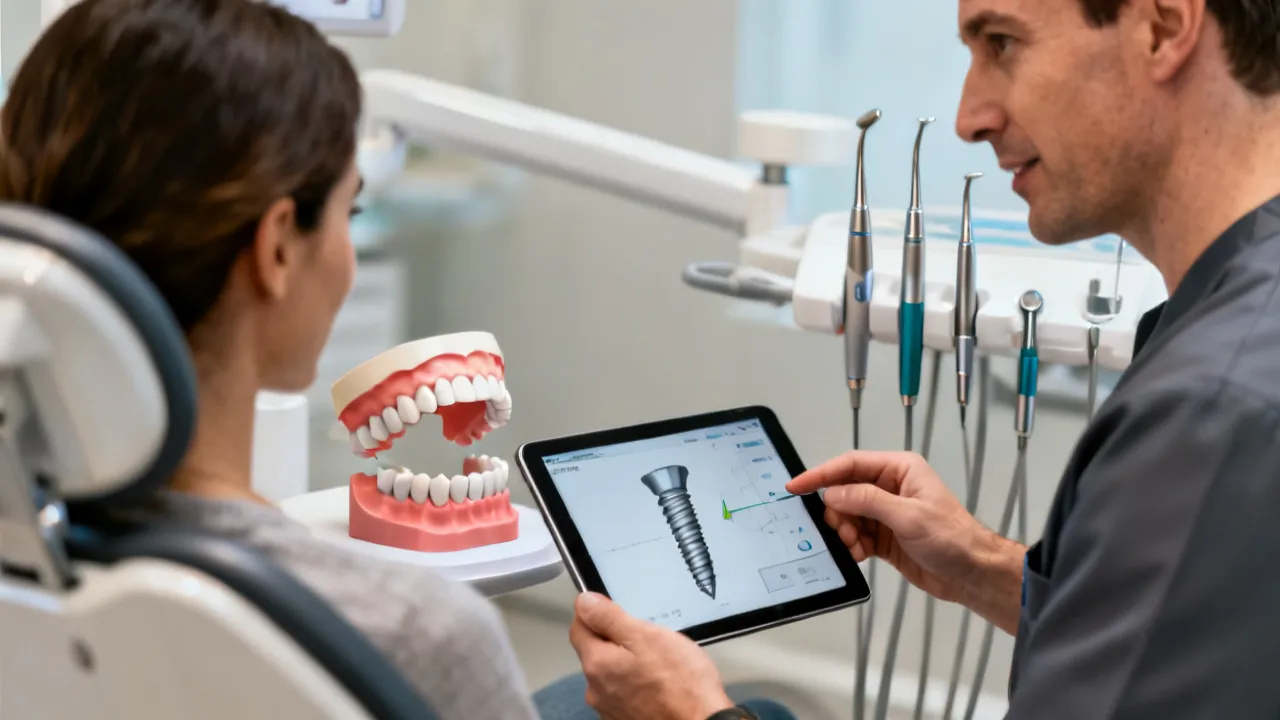
If the tooth is extracted or already missing, an implant may be considered. An implant is not a treatment for metal sensitivity in the abstract; it is a tooth-replacement option that involves surgery, healing, and a separate crown. Bone volume, medical history, smoking status, periodontal health, and maintenance capacity must be reviewed.
Sometimes the best option is observation rather than immediate intervention. A stable crown with mild, improving awareness may simply require time and routine monitoring. In contrast, a crown with active decay, a defective margin, or infection should not be left untreated because delay may reduce the amount of remaining tooth structure.
When crown removal is planned, ask whether the dentist expects to preserve the crown temporarily, whether a temporary restoration will be provided, and how the exposed tooth will be protected. If the tooth has had root canal treatment, the dentist should evaluate whether the remaining walls are strong enough to support a new crown.
Gold Crowns Compared With Dental Implants
| Option | Typical clinical role |
|---|---|
| Gold crown | Restores a damaged but usable natural tooth; does not replace the root. |
| Dental implant | Replaces the root of a missing tooth and supports a crown, bridge, or denture. |
| Bridge | Replaces a missing tooth by using neighboring teeth or implants for support. |
| Removable partial denture | Replaces one or more missing teeth and can be removed for cleaning. |
The least expensive initial option is not always the least expensive over time. A crown that preserves a restorable natural tooth may avoid extraction surgery. Conversely, repeatedly repairing a structurally compromised tooth may delay necessary treatment and increase total costs. Patients should request a written treatment plan that separates diagnosis, temporary care, surgery, restoration, imaging, medication, and follow-up.
Preserving a natural tooth and replacing a tooth with an implant each have advantages and limitations. A natural tooth has a periodontal ligament that helps it respond to chewing forces, while an implant is anchored directly to bone and does not have the same sensory mechanism. Implants can be highly effective, but they can develop peri-implant inflammation, technical complications, or bone loss if maintenance is inadequate.
An implant also requires enough bone and soft tissue for predictable placement. If the tooth has been missing for a long time, bone may have resorbed, increasing the need for grafting. A dentist may recommend preserving the socket at the time of extraction, but the appropriate approach depends on infection, anatomy, and the planned restoration.
How to Obtain Dental Implants at Lower Cost in English-, Spanish-, and Portuguese-Speaking Markets
Implant costs vary considerably by location, materials, clinical complexity, and what the quoted fee includes. The following steps are intended to improve value and reduce avoidable expenses, not to encourage patients to choose treatment solely by price.
Step 1: Confirm that an implant is clinically necessary
Obtain a complete examination before comparing clinics. Ask whether the natural tooth can be predictably restored, whether periodontal disease is controlled, and whether extraction is necessary. A second opinion can be useful when the proposed treatment is extensive or irreversible.
Step 2: Request an itemized quotation
A price described as the cost of “an implant” may include only the implant fixture. It may exclude the consultation, three-dimensional imaging, extraction, bone grafting, temporary tooth, abutment, crown, sedation, medication, and review appointments. Ask each clinic to identify exactly what is included and whether taxes or laboratory charges are separate.
Step 3: Compare qualified providers rather than advertisements alone
Check professional registration, recognized training, infection-control procedures, implant system documentation, emergency arrangements, and the identity of the clinician who will perform surgery. In English-speaking markets, verify registration with the relevant national or state or provincial regulator. In Spanish- and Portuguese-speaking markets, check the applicable professional council or licensing authority.
Step 4: Consider dental schools and structured teaching clinics
University dental clinics may offer supervised treatment at a lower fee than some private practices. Treatment can take longer because it is conducted within an educational system and may require several appointments. Confirm who supervises the procedure and whether advanced implant cases are accepted.
Step 5: Compare local clinics with carefully evaluated regional providers
In larger metropolitan areas, competition among clinics may produce different fee structures. Patients can compare nearby providers, hospital-based oral surgery services, and multidisciplinary practices. Geographic savings should be weighed against travel, accommodation, time away from work, and the cost of handling complications.
Step 6: Review insurance and dental-plan conditions
Some plans cover portions of imaging, extraction, periodontal treatment, or the final crown while excluding the implant fixture or placing waiting periods on major procedures. Read annual maximums, exclusions, preauthorization requirements, and network restrictions. Dental plans are not interchangeable with comprehensive medical insurance.
Step 7: Treat gum disease and improve oral health first
Active periodontal disease can compromise the tissues around both natural teeth and implants. Managing gum inflammation, improving brushing and interdental cleaning, controlling diabetes where applicable, and stopping tobacco use can support better long-term outcomes. Preventive care may add an initial cost but can reduce the risk of avoidable complications.
Step 8: Ask about staged treatment
Some patients can divide treatment into medically appropriate stages, such as examination and disease control first, extraction second, implant placement after healing, and crown placement after integration. Staging should be based on biology and the dentist’s plan, not on delaying necessary care indefinitely.
Step 9: Be cautious with dental tourism
Traveling abroad can reduce the quoted treatment fee in some cases, but patients should investigate the clinic, surgeon, implant brand, laboratory, aftercare, and legal arrangements. Confirm how complications will be managed after returning home. Travel soon after oral surgery may also conflict with healing instructions. A low headline price is not meaningful if the patient must pay for corrective treatment later.
Step 10: Protect the final result
Implants require daily cleaning and professional maintenance. Ask about recall intervals, protective night guards, replacement costs for the crown or screws, and what happens if a component loosens. Long-term maintenance should be included in the budget from the beginning.
Step 11: Ask about financing carefully
Monthly payment plans can make treatment more manageable, but patients should review interest, administrative fees, cancellation rules, and the consequences of missed payments. A financing plan does not make an unsuitable treatment appropriate. Compare the total amount paid rather than only the monthly installment.
Websites Providing Information on Lower-Cost Dental Implants
The following organizations and clinics illustrate different types of online resources. They should be used for preliminary education and comparison, not as a substitute for an individual examination. Their services, eligibility rules, locations, and prices may change.
| Website or organization | Information focus and useful features |
|---|---|
| Dental Views | Discusses lower-cost dental implants, treatment types, benefits, process information, and cost considerations. |
| Atlantic Dental Group | Provides general dental services and may help readers compare implants with examinations, restorative care, and emergency dentistry. |
| DentaVacation | Explains dental tourism and may present international treatment comparisons, travel planning, and procedure information. |
| American Dental Health Plans | Provides information about dental insurance and ways coverage may affect treatment expenses. |
| Rockville Dental Arts | Spanish-language information on dental services such as implants, whitening, cleaning, orthodontics, and emergency care. |
| Union City Mini Dental Implants | Focuses on mini dental implants and explains a specialized implant approach for selected cases. |
| Cigna | Spanish-language educational material describing dental implants and treatment considerations. |
| Rubi Odonto | Brazilian clinic information covering orthodontics, whitening, implants, and general dental care. |
| Odontologia Velasco | Brazilian dental information involving implants, prosthetics, aesthetic dentistry, and technology-assisted care. |
| DentalVidas | Dental-plan information for individuals, families, and businesses, with a network-based approach to dental services. |
When reviewing a website, look for the clinician’s qualifications, the address of the practice, licensing information, an explanation of risks, and a clear description of treatment inclusions. Be cautious when a website promises a guaranteed result, uses only a very low promotional price, or does not explain who will provide surgery and restoration.
source: [www.dentalviews.com/low-cost-dental-implants/](https://dentalviews.com/low-cost-dental-implants/)
source: [www.atlanticdentalgrp.com/](https://www.atlanticdentalgrp.com/)
source: [www.dentavacation.com/](https://www.dentavacation.com/)
source: [rockvilledentalarts.com/es/](https://rockvilledentalarts.com/es/)
source: [unioncityminidentalimplants.com/es/](https://unioncityminidentalimplants.com/es/)
source: [www.cigna.com/es-us/knowledge-center/guide-to-dental-implants](https://www.cigna.com/es-us/knowledge-center/guide-to-dental-implants)
source: [www.rubiodonto.com.br/](https://www.rubiodonto.com.br/)
source: [odontologiavelasco.com.br/](https://odontologiavelasco.com.br/)
source: [dentalvidas.com.br/](https://dentalvidas.com.br/)
Dental Implant Price Ranges by Country
The following figures are reference ranges for an individual dental implant in the specified language markets. The term “individual implant” can be interpreted differently by providers. Some quotations refer to the fixture only, while others may refer to a more complete implant-and-crown package. Patients must confirm the scope of each quote.
| Country and currency | Reference price range for one dental implant |
|---|---|
| United States — USD | $3,000–$6,000 |
| United Kingdom — GBP | £2,000–£2,500 |
| Australia — AUD | AU$3,500–AU$6,500 |
| Canada — CAD | CA$3,000–CA$5,500 |
| Spain — EUR | €1,500–€2,500 |
| Chile — CLP | CLP$800,000–CLP$1,500,000 |
| Mexico — MXN | $15,000–$25,000 MXN |
| Colombia — COP | $2,000,000–$4,000,000 COP |
| Peru — PEN | S/ 3,000–S/ 6,000 |
| Argentina — ARS | $80,000–$150,000 ARS |
| Brazil — BRL | R$3,000–R$8,000 |
| Portugal — EUR | €1,000–€2,000 |
| Germany — EUR | €2,000–€3,500 |
| France — EUR | €1,500–€2,500 |
| Italy — EUR | €1,500–€3,000 |
| Japan — JPY | ¥300,000–¥700,000 |
These ranges should not be interpreted as current guaranteed prices. Currency fluctuations, inflation, local regulations, laboratory charges, and changes in implant systems can alter the amount substantially. The same country may have large differences between urban and rural areas, private and university clinics, and straightforward and complex cases.
Additional procedures often account for much of the difference between a simple quote and the final bill. A patient may require extraction, treatment of infection, bone grafting, sinus augmentation, periodontal therapy, a temporary tooth, sedation, or several stages of imaging. A complete comparison should therefore use the total planned treatment cost rather than the advertised fee for the implant fixture alone.
Understanding What an Implant Quote Includes
An implant treatment plan generally contains several stages:
- Consultation and diagnosis: medical history, dental examination, photographs, and imaging.
- Preparation: treatment of gum disease, extraction, temporary restoration, or bone preservation if needed.
- Implant surgery: placement of the fixture into the jawbone.
- Healing and integration: a period during which the implant stabilizes in the bone.
- Abutment placement: connection between the implant and the visible restoration.
- Final crown: custom fabrication and adjustment for appearance and function.
- Maintenance: clinical reviews, professional cleaning, and management of technical issues.
Bone grafting, sinus augmentation, sedation, complicated extraction, and treatment of infection may substantially change the total cost. Patients should request a written estimate with separate line items and a statement of what happens if the implant does not integrate or if the final crown requires adjustment.
The material and brand of the implant should also be documented. Patients who travel or change dentists may need this information for future maintenance. The final crown may be cement-retained or screw-retained, and each design has different maintenance considerations. Ask whether replacement parts are readily available in the country where future care will occur.
A trustworthy treatment plan should explain the expected number of appointments, approximate healing intervals, restrictions after surgery, and the person to contact in an emergency. It should also identify alternatives, such as a bridge or removable partial denture, when those options are clinically reasonable.
Conditions and Requirements Before Implant Treatment
Good candidates usually have sufficient bone or a realistic plan for rebuilding deficient bone, healthy or controlled periodontal tissues, and a medical history that allows safe surgery. Certain conditions do not automatically rule out treatment, but they may require coordination with a physician. Examples include uncontrolled diabetes, significant immune compromise, active cancer treatment, bleeding disorders, and medications that affect bone metabolism.
Smoking and nicotine use can impair wound healing and may increase the risk of complications. The treating dentist should provide individualized advice rather than applying a one-size-fits-all rule. Patients should disclose all prescription drugs, supplements, allergies, previous reactions to dental materials, and any history of difficult healing.
Implant placement should be performed with appropriate sterilization, imaging, consent, and emergency planning. The patient should understand alternatives, expected healing, possible complications, and maintenance responsibilities before agreeing to surgery.
Age alone does not determine implant eligibility. More important considerations include jaw development, general health, bone condition, oral hygiene, and the patient’s ability to attend follow-up appointments. Adolescents whose facial growth is incomplete may need to wait, while older adults may be suitable candidates if their health and oral tissues are adequately managed.
Dental Tourism: Practical Risk Assessment
International treatment requires more than comparing currencies. Ask whether the same clinician will provide diagnosis, surgery, and restoration. Confirm the implant manufacturer and model so future clinicians can identify compatible components. Request copies of radiographs, clinical notes, implant records, and laboratory information before returning home.
Language access is also important. Spanish- and Portuguese-speaking clinics may help patients communicate comfortably, while English-language providers may offer detailed written explanations for international patients. Clear communication should include informed consent, medication instructions, emergency contact details, and a plan for follow-up.
Travel arrangements should allow sufficient time for examinations and follow-up. If a problem occurs after returning home, the original provider may be difficult to reach and local dentists may need to repeat diagnostic work. These practical issues can offset an apparent reduction in the treatment fee.
Patients should ask whether the clinic offers a written warranty and what the warranty actually covers. Some warranties may cover only a failed fixture under specific conditions and may exclude smoking, poor hygiene, trauma, or failure to attend maintenance visits. A warranty is not a substitute for transparent risk information.
Travel insurance may exclude elective dental treatment or complications arising from planned procedures. Patients should read the policy carefully and consider how they would pay for urgent care abroad or at home. A local dentist may be able to stabilize a problem but may not be willing or able to revise unfamiliar implant components.
Daily Care for Gold Crowns and Implants
Brush twice daily with fluoride toothpaste unless a dentist has advised otherwise. Clean between teeth with floss, interdental brushes, or another device suited to the crown’s contact points. A crown margin should be cleaned gently but thoroughly. Patients with implants should receive specific instruction because plaque can inflame the soft tissues around the implant.
Do not use metal objects to scrape the crown or implant area. Avoid chewing very hard objects such as ice or unpopped kernels, particularly if a patient clenches or grinds. Routine examinations allow early detection of gum inflammation, cement loss, recurrent decay, bite changes, and component wear.
A night guard may be appropriate for selected patients with bruxism, but it should be professionally designed and checked. Mouthguards are not a substitute for diagnosis of pain, jaw dysfunction, or a damaged restoration.
Dietary habits matter as well. Frequent snacking on sticky or sugary foods increases the time teeth are exposed to acid-producing bacteria. Drinking water after meals, limiting sugar frequency, and following individualized fluoride advice can support the tooth around a crown. Patients with implants should not assume that the absence of natural tooth decay means that cleaning is unnecessary.
Professional maintenance intervals vary. Some people require routine examinations twice a year, while those with periodontal disease, implants, heavy plaque accumulation, or complex restorations may need more frequent visits. At maintenance appointments, the dentist or hygienist can inspect the crown margin, measure gum tissues, check the bite, and review cleaning techniques.
How to Discuss Suspected 금니 부작용 With a Dentist
Patients can make the appointment more productive by recording when symptoms began, what triggers them, whether pain is sharp or dull, and whether it is localized or spreading. Bring information about previous dental materials and any reactions to rings, watches, earrings, or other metal products.
It can be helpful to bring the date of crown placement, the name of the treating clinic, photographs of visible swelling, and a list of medications. If the crown was placed in another country, bring all implant or laboratory documents. Patients should mention whether they have recently started a new medication, experienced illness, or changed toothpaste or mouthwash.
Useful questions include:
- Is the tooth itself healthy, or is the crown the main problem?
- Could the bite be too high?
- Is there decay or leakage at the crown margin?
- What alloy was used, and does it contain a suspected allergen?
- Would replacement preserve the tooth, or is root canal treatment needed?
- What alternatives are appropriate for this tooth’s location and bite?
- If extraction is recommended, what are the options for replacement?
- Does the proposed implant quotation include the abutment and final crown?
- What symptoms would require an urgent call after treatment?
- How often will the crown or implant need professional maintenance?
A patient should feel comfortable requesting an explanation in plain language. Informed consent involves understanding the proposed treatment, reasonable alternatives, significant risks, expected benefits, costs, and likely maintenance. If a diagnosis remains uncertain, asking whether observation, a second opinion, or additional testing is appropriate can help avoid unnecessary irreversible treatment.
FAQs
Are gold crowns dangerous?
Gold crowns are not inherently dangerous, and gold alloys have been used in restorative dentistry for many years. Nevertheless, any crown can be associated with local inflammation, recurrent decay, bite discomfort, cement failure, or a reaction to an alloy component. Assessment is necessary when symptoms persist.
Does a metallic taste prove that I am allergic to my crown?
No. A metallic taste may result from contact between different metals, trapped food, cement, gum inflammation, medication, dry mouth, or another oral condition. Allergy is only one possible explanation and should be evaluated rather than assumed.
Should a painful gold crown be removed immediately?
Not always. The correct treatment depends on the cause. A high bite may require adjustment, while pulp disease may require root canal therapy. Removing a crown without diagnosis can make it harder to preserve the natural tooth.
Can a gold crown cause gum disease?
The crown material alone is not usually the sole cause. Plaque, poor contour, an overhanging margin, residual cement, periodontal disease, and difficulty cleaning can contribute to gum inflammation around a crown.
Can I replace a gold crown with a ceramic crown?
Sometimes, but suitability depends on tooth position, available space, bite force, cosmetic expectations, remaining tooth structure, and gum health. A dentist should evaluate whether ceramic or zirconia can provide adequate strength in that location.
Is an implant cheaper than repairing a gold crown?
Usually, the treatments are not directly comparable. Repairing or replacing a crown may cost less than extraction and implant treatment when the tooth is restorable. An implant may be appropriate when the tooth cannot be predictably saved, but it involves surgery, healing, a prosthetic crown, and ongoing maintenance.
Are lower-cost implants safe?
Safety depends on diagnosis, clinician training, infection control, implant planning, product quality, surgical technique, restoration quality, and follow-up. A low quoted fee is not sufficient evidence of safety. Patients should compare complete treatment plans and provider credentials.
What should be included in an implant price?
Ask whether the quote includes imaging, extraction, bone grafting, the implant fixture, abutment, temporary restoration, final crown, medications, follow-up, and management of complications. Written itemization makes comparisons more meaningful.
How long can a gold crown last?
There is no universal lifespan. A well-fitting crown supported by a healthy tooth may function for many years, but durability depends on decay risk, gum health, bruxism, oral hygiene, cement integrity, and regular professional care.
Can I have an implant after removing a gold crown?
Possibly, but removal of a crown does not automatically mean that an implant is needed. The dentist first determines whether the natural tooth can be restored. If extraction is necessary, bone and soft-tissue conditions, medical history, and replacement options must be assessed.
Can a crown be repaired instead of replaced?
In selected cases, minor defects may be polished, adjusted, or repaired. However, recurrent decay, poor fit, a fractured tooth, or a damaged margin may require replacement. The dentist must determine whether a repair will provide a durable seal and adequate function.
Why does my crown hurt only when I bite?
Pain on biting may be associated with a high contact, inflammation around the root, a crack, loose cement, or an infection. Because several conditions can produce the same symptom, a dental examination is needed. Avoiding the tooth for a short period may reduce irritation, but it does not treat the underlying cause.
Can I get a gold crown if I have a metal allergy?
Not necessarily. The decision depends on the specific allergy and the composition of the proposed alloy. The dentist may request material documentation and recommend medical allergy assessment. Alternative materials can be discussed when they meet the functional requirements of the tooth.
How soon should I see a dentist for a loose crown?
Arrange an appointment promptly, even if the crown is not painful. A loose crown permits bacterial leakage and may allow the underlying tooth to fracture or decay. Keep the crown, avoid household adhesives, and follow temporary instructions provided by a dental professional.
Conclusion
금니 부작용 may include sensitivity, bite discomfort, gum irritation, recurrent decay, crown loosening, metallic sensations, or a reaction to a component of the alloy. These symptoms are not specific enough to identify the cause without examination. A careful diagnosis should come before crown removal, material replacement, extraction, or implant surgery.
For patients who do need tooth replacement, lower-cost care should be approached through itemized quotations, qualified providers, transparent implant systems, appropriate follow-up, and realistic travel planning. Price ranges can help establish a preliminary budget, but they do not replace a clinical assessment. The most valuable treatment is the one that is medically appropriate, clearly explained, and maintainable over time.
A gold crown can provide many years of service when it is accurately fitted, supported by healthy tooth structure, and maintained with regular oral hygiene. Problems should be treated as clinical questions rather than proof that gold is harmful. Identifying whether the source is the bite, gum, crown margin, nerve, alloy, or underlying tooth allows the patient and dentist to choose the least invasive predictable solution.
Disclaimer
1. The information above is compiled from online resources, and the data is as of October 2023.
2. Dental implant prices are for reference only and may vary by region, clinic, doctor, treatment complexity, materials, currency changes, imaging, surgery, laboratory fees, and follow-up requirements. This article is educational and does not replace an examination, diagnosis, or treatment plan from a qualified dental professional.
3. Online price lists, clinic descriptions, and treatment claims may change. Patients should confirm current information directly with the provider and verify licensing through the relevant professional authority. Emergency symptoms should be assessed promptly rather than managed based only on online information.