Understanding Gold Crown Side Effects and Implant Costs
This guide explains 금니 부작용, or possible side effects associated with gold dental crowns, including sensitivity, gum irritation, bite changes, allergies, and material-related concerns. It also distinguishes crown complications from dental implant risks, outlines questions to ask a dentist, and compares indicative implant prices across selected English-, Spanish-, and Portuguese-speaking markets. Costs are reference ranges only and depend on treatment complexity, location, materials, and clinical expertise.
Key Takeaways
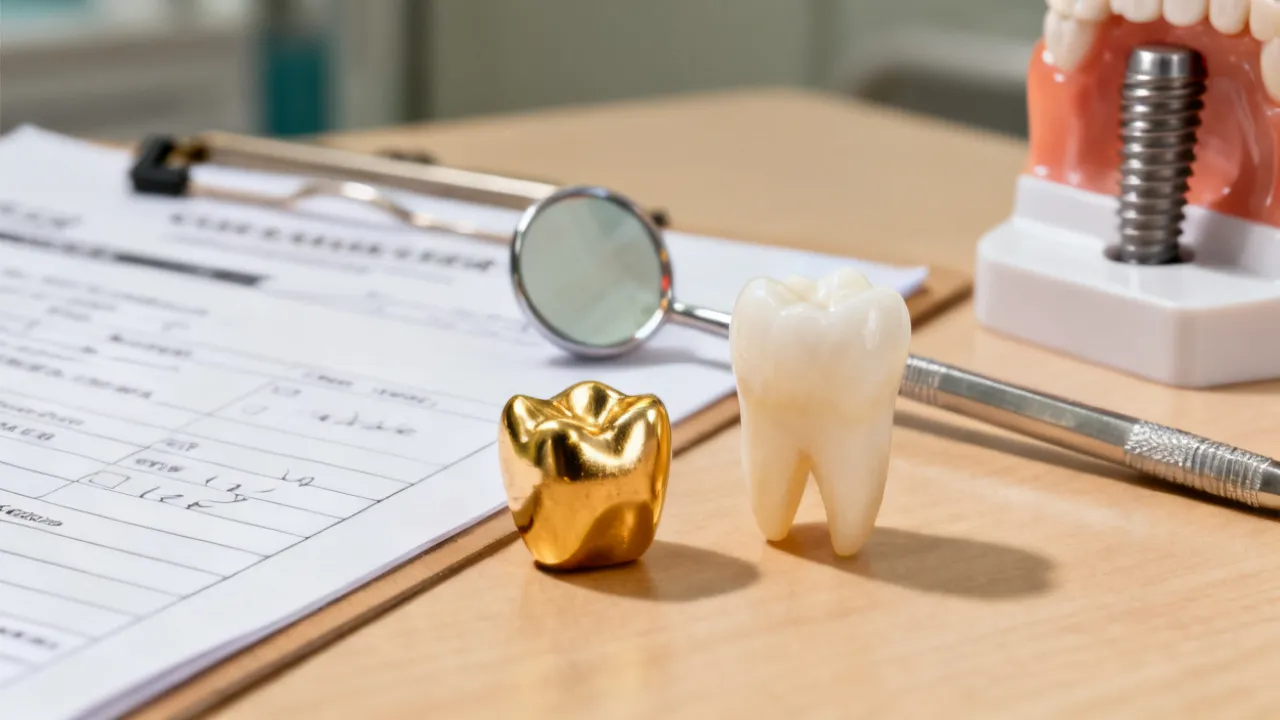
금니 부작용 is the Korean term commonly used to describe side effects, discomfort, or complications associated with a gold dental crown, gold inlay, gold onlay, or another gold-containing dental restoration. Gold alloys are widely regarded as durable and generally compatible with oral tissues, but no dental restoration is entirely free of risk. A problem may originate from the tooth beneath the restoration, the shape or fit of the crown, the bite, the gums, the dental cement, or another metal contained in the alloy.
- Mild sensitivity shortly after placement can be temporary, but persistent, worsening, spontaneous, or night-time pain requires dental assessment.
- Pain when biting may indicate a high crown, an irritated supporting ligament, a crack, pulp inflammation, or another underlying problem.
- Gum redness, swelling, bleeding, food trapping, or a bad taste may result from plaque, retained cement, an overcontoured margin, periodontal disease, or an inaccurate fit.
- A crown described as “gold” may contain several metals. Reactions to gold alloys, nickel, palladium, cobalt, or other components are possible but not common.
- A crown itself does not develop ordinary tooth decay, but the natural tooth at the crown margin can develop recurrent decay.
- Gold crowns and dental implants are different treatments. A crown restores or covers an existing tooth, while an implant replaces the root of a missing tooth and supports a prosthesis.
- Patients comparing costs should confirm whether the quotation includes consultation, imaging, extraction, bone grafting, the implant fixture, abutment, crown, temporary restoration, laboratory fees, follow-up, and possible complication management.
From a clinical and industry perspective, the most important diagnostic principle is simple: symptoms should be evaluated rather than attributed to the word “gold” alone. A dentist may need to examine the crown margins, test the tooth, assess the gums, check the bite, review the alloy composition, and obtain dental radiographs before recommending adjustment, repair, root canal treatment, replacement, or extraction.
What Is a Gold Dental Crown?
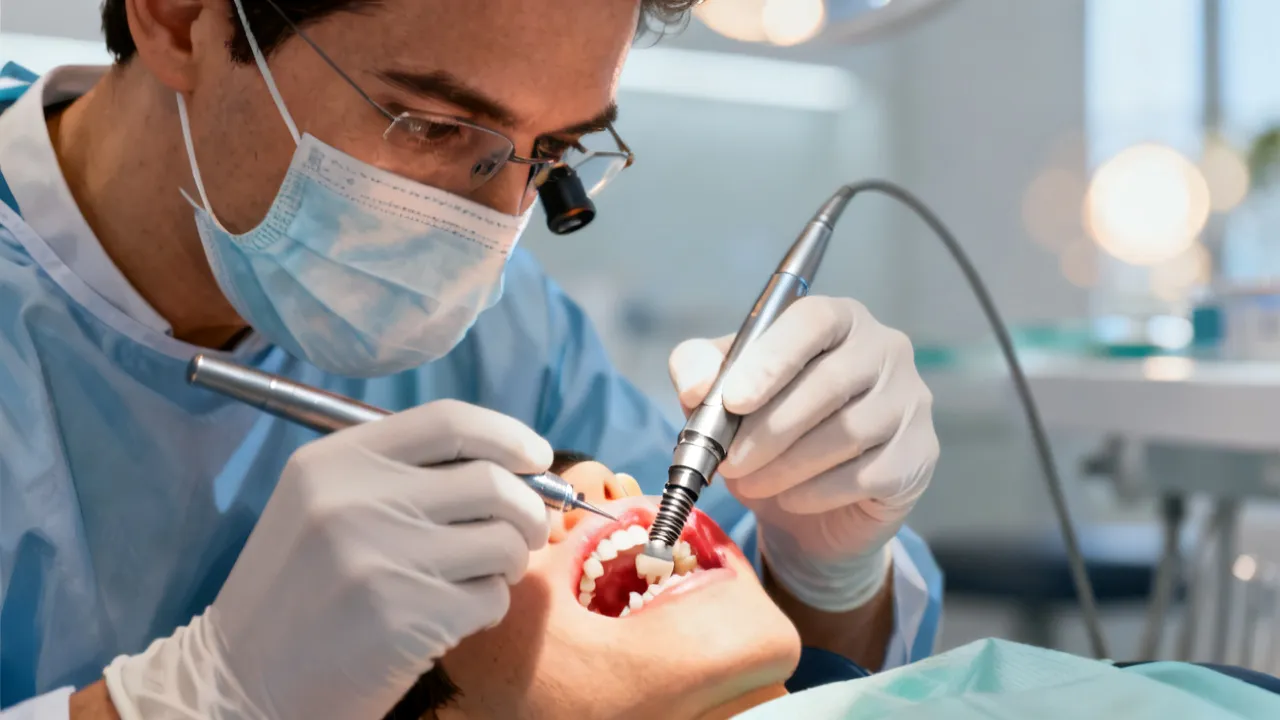
A gold dental crown is a custom-made restoration that covers a substantially damaged, weakened, or heavily restored tooth. It may be made from a high-noble alloy, a noble alloy, or a base-metal alloy, depending on the product, manufacturer, dental laboratory, and regulations in the relevant jurisdiction. Many restorations informally called “gold crowns” do not consist of pure gold. Instead, they contain a mixture of metals selected to provide strength, corrosion resistance, workability, color, hardness, and long-term performance.
Possible alloy components include gold, platinum-group metals, palladium, silver, copper, platinum, nickel, cobalt, or other metals. The exact composition matters when a patient has a known metal allergy or when a clinician is investigating unexplained oral irritation. The color of the restoration cannot reliably identify its composition. A yellow-colored crown may contain a relatively high percentage of gold, while another may contain little gold and more of another alloying metal.
Gold-colored restorations can also be inlays or onlays rather than full crowns. An inlay fits within the boundaries of the tooth and does not cover the cusps. An onlay covers one or more cusps but may leave part of the natural tooth exposed. A full crown covers most or all of the visible tooth structure above the gum line. The selected design depends on the amount of healthy tooth remaining, the size and position of the defect, the patient’s bite, the condition of the gums, appearance concerns, and the dentist’s restorative plan.
Gold alloys have traditionally been valued for their resistance to fracture, their ability to tolerate chewing forces, and the precision with which they can be fabricated. They are often considered for back teeth, where chewing forces are high and a metallic appearance may be less noticeable. Gold can sometimes allow a relatively conservative preparation compared with certain other crown designs because it can function effectively with a thinner material thickness. Nevertheless, conservative preparation is not guaranteed; the required reduction depends on the specific alloy, the restoration design, the tooth, and the clinical situation.
Material selection is only one part of treatment quality. The final outcome also depends on the dentist’s diagnosis, the preparation of the tooth, moisture control, the quality of the impression or digital scan, laboratory fabrication, try-in procedures, cementation, bite adjustment, oral hygiene, and regular maintenance.
Understanding 금니 부작용: Common Symptoms
1. Temporary sensitivity
Cold sensitivity or mild discomfort after crown placement can result from tooth preparation, temporary cement, exposed dentin, dehydration during the procedure, or temporary irritation of the dental pulp. In many cases, the discomfort gradually improves as the tooth and surrounding tissues settle. Sensitivity is more reassuring when it is brief, occurs only after a specific stimulus, and becomes less intense over time.
Patients should contact a dentist if sensitivity persists beyond the expected recovery period, increases rather than decreases, occurs without an obvious trigger, or is accompanied by pressure, heat sensitivity, swelling, or night-time pain. A dentist may compare the crowned tooth with neighboring teeth and perform vitality tests to determine whether the pulp is responding normally.
Dental professionals distinguish between short, stimulus-related sensitivity and lingering or spontaneous pain. A quick response to cold may be consistent with reversible irritation, although it is not diagnostic on its own. Pain that continues for a prolonged period after the stimulus is removed, pain triggered by heat, spontaneous throbbing, or pain that wakes a person from sleep may suggest more significant pulpal inflammation. These symptoms require clinical testing because several conditions can produce similar sensations.
2. Pain when biting
Pain during chewing may occur if the new crown is slightly high in the bite. Even a small premature contact can place excessive force on the tooth and the periodontal ligament that supports it. The tooth may feel bruised, tender when tapped, or uncomfortable when chewing harder foods. A dentist can usually evaluate the bite with articulating paper or digital occlusal analysis and make a conservative adjustment when appropriate.
Bite adjustment should be performed carefully. Removing too much restorative material may weaken the crown, alter its protective function, or expose the underlying tooth. If the bite appears acceptable or adjustment does not resolve the symptom, other causes should be investigated. Biting pain can also result from a cracked tooth, recurrent decay, cement failure, gum inflammation, an irritated pulp, or an infection around the root.
3. Gum irritation and inflammation
Redness, bleeding, tenderness, swelling, or a persistent feeling that something is lodged around a crown may indicate local gum irritation. Potential causes include plaque accumulation, an overhanging margin, excessive crown contour, retained cement, an open contact between teeth, a rough surface, or a restoration that does not adapt properly to the tooth.
Gum inflammation is not automatically a material allergy. Gingival tissue may become inflamed around a gold crown, ceramic crown, porcelain-fused-to-metal crown, or composite restoration if plaque is difficult to remove or the contour interferes with cleaning. If the problem began shortly after cementation, retained cement should be considered. Cement left beneath the gum can act as a persistent irritant and may lead to bleeding or localized periodontal problems.
A dentist or hygienist may examine the crown margin, measure the gum pocket, remove deposits or cement, and determine whether the restoration is biologically acceptable. If the contour is defective or the margin is too deep, correction or replacement may be necessary.
4. Food trapping and unpleasant taste
Food may repeatedly lodge between a crowned tooth and its neighbor if the contact is too loose, the crown has shifted, the neighboring tooth has changed position, or the restoration was not shaped correctly. Food trapping can produce soreness, bleeding, bad breath, or a localized unpleasant taste. It may also increase the risk of decay around the contact area.
A metallic taste can occasionally occur when a restoration is damaged, when cement is dissolving, or when dissimilar metals interact in the moist oral environment. Some people experience a brief electrical or tingling sensation when different metal restorations contact each other, particularly while chewing. This phenomenon is sometimes called a galvanic response. It is not the most common explanation for oral discomfort, and other causes should be excluded.
A persistent taste, odor, or sensation should be examined rather than managed solely with mouthwash. Mouthwash may temporarily mask odor while decay, gum disease, trapped cement, or food retention continues.
5. Allergic or sensitivity reactions
True allergy to dental metals is uncommon, but sensitivity to a component of an alloy can occur. Possible symptoms may include localized mucosal irritation, burning, itching, rash around the mouth, swelling, or worsening inflammation. The clinical picture is not always clear because oral symptoms may also be caused by trauma, infection, toothpaste ingredients, mouthwash, medications, nutritional issues, dry mouth, or autoimmune conditions.
Patients with a known nickel, cobalt, palladium, copper, or other metal allergy should inform the dental team before treatment. A dentist may request the laboratory’s alloy certificate or product information. If a contact allergy is suspected, the patient may be referred to a physician, dermatologist, or allergist for appropriate testing. Removing the crown without establishing a reasonable diagnosis may expose the tooth to unnecessary treatment and cost.
The phrase “gold crown” does not disclose the complete composition. Patients should ask which alloy is being used and whether the clinic can document the material. If a reaction occurred with a previous restoration, that information may influence the selection of a different alloy or a non-metal restorative option.
6. Recurrent decay
A gold crown itself does not develop ordinary tooth decay, but the natural tooth at its edge can. Recurrent or secondary caries may develop along the crown margin because of plaque accumulation, a defective margin, a gap caused by cement breakdown, frequent sugar exposure, dry mouth, inadequate interdental cleaning, or a pre-existing weakness in the tooth.
Early decay around a crown may cause no symptoms. Later signs can include sensitivity, food trapping, discoloration at the margin, a rough edge, or a loose restoration. Regular dental examinations are important because visual inspection alone may not identify decay beneath or beside a restoration. Radiographs may be useful when the clinical examination suggests a hidden problem.
7. Crown loosening, fracture, or wear
A loose crown may move during chewing, produce sensitivity, create a noticeable change in the bite, or cause a clicking sensation. It should not simply be re-cemented repeatedly without identifying why it became loose. Possible causes include inadequate retention, decay, a fractured tooth, cement breakdown, heavy bruxism, an unfavorable preparation, or an inaccurate fit.
Gold alloys are relatively resistant to fracture compared with some brittle restorative materials, but they can still wear, deform, or become damaged under certain conditions. A person who clenches or grinds the teeth may place unusually high forces on the crown and the tooth beneath it. A dentist may discuss a night guard, management of contributing habits, restorative redesign, and evaluation of the opposing teeth.
When Gold Crown Symptoms Require Urgent Attention
Some signs should not be postponed until a routine appointment. Contact a dentist promptly if a crown is loose, if the tooth appears fractured, if pain is severe or rapidly increasing, or if chewing becomes difficult. Urgent evaluation is especially important when swelling spreads into the face or neck, fever develops, pus is present, swallowing becomes difficult, breathing is affected, or the patient cannot open the mouth normally. These symptoms can indicate infection or another condition requiring timely treatment.
A crown that has fallen out should be kept in a clean container and taken to the dental appointment. Patients should not use household glue, instant adhesive, or other non-dental products to reattach it. Such substances can damage the tooth and surrounding tissue and may make professional removal more difficult. If the crown fits comfortably and there is no risk of swallowing or aspiration, a dentist may provide individualized temporary instructions, but a loose crown should still be examined as soon as practical.
Patients should avoid chewing hard or sticky foods on an exposed tooth. The tooth may be sensitive because the underlying dentin is no longer protected. Careful brushing is still important, but aggressive scraping or repeated manipulation should be avoided.
Why Gold Crowns Can Cause Problems Even When Gold Is Durable
Patients sometimes assume that a durable material guarantees a complication-free result. In practice, dental treatment is both biological and mechanical. The crown must fit a living tooth, interact with saliva and gum tissue, meet neighboring teeth, and withstand changing forces over many years.
- Tooth preparation: Removing tooth structure can temporarily irritate the pulp. Excessive preparation, inadequate cooling, or heat during treatment may increase pulpal stress.
- Restoration design: Margins, contours, contacts, and occlusion must be planned for the patient’s anatomy and bite. A durable material can still cause gum problems if its shape is unsuitable.
- Laboratory accuracy: Impressions or digital scans, die preparation, casting or milling, finishing, and quality control affect the final fit.
- Cementation: Contamination, incomplete seating, an unsuitable cement, or retained cement can contribute to sensitivity, loosening, or gum inflammation.
- Patient factors: Bruxism, dry mouth, periodontal disease, smoking, diet, oral hygiene, and missed maintenance visits affect comfort and longevity.
- Underlying disease: A tooth may already have an inflamed pulp, hidden crack, or extensive decay before the crown is placed.
- Changing oral conditions: Neighboring teeth can drift, gums can recede, and the bite can change over time. A crown that was acceptable when placed may later require review.
The correct response to 금니 부작용 is therefore not automatically to replace the crown. Replacement can be appropriate, but only after the dentist identifies whether the cause is a high bite, biological disease, poor fit, material sensitivity, cement failure, or another problem.
How a Dentist Evaluates a Problematic Gold Crown
A structured evaluation usually begins with the patient’s history. The dentist may ask when the crown was placed, whether a temporary crown was worn beforehand, what triggers the symptoms, whether the pain is improving, whether the tooth has been exposed to trauma, and whether similar reactions occurred with earlier restorations.
The dentist may also ask about the difference between pain caused by cold and pain caused by heat, whether pain lingers after eating, whether the tooth hurts when lying down, whether the restoration feels high, and whether the gums bleed during brushing or flossing. These details can help distinguish a bite problem from a pulpal or periodontal problem, although they cannot replace examination and testing.
The examination may include:
- Visual inspection of the crown, margin, gum tissue, and adjacent teeth.
- Gentle probing to assess inflammation, pocket depth, bleeding, and possible overhangs.
- Pulp tests using cold, heat, or electrical stimulation when appropriate.
- Pressure and percussion tests to assess the supporting tissues.
- Occlusal analysis to identify premature contacts.
- Assessment of mobility, contact tightness, food trapping, and crown stability.
- Dental radiographs when decay, bone loss, root disease, or a crack is suspected.
- Review of the alloy composition when a material reaction is a concern.
In some cases, a dentist may recommend observation if symptoms are mild and improving. In other cases, the crown may need adjustment, periodontal treatment, removal, root canal therapy, replacement, or extraction. The decision should reflect the tooth’s prognosis, the severity of the symptoms, and the risks and benefits of each option.
Gold Crowns Compared With Other Restorative Materials
| Material | Potential strengths and considerations |
|---|---|
| Gold alloy | Strong, well suited to many posterior restorations, generally tissue-compatible, and often capable of conservative tooth preparation; metallic appearance and possible alloy sensitivity may matter. |
| Porcelain-fused-to-metal | Combines a metal substructure with a tooth-colored surface; may provide an esthetic option, but the ceramic layer can chip in some circumstances. |
| Full ceramic or zirconia | Tooth-colored and useful when appearance is important; performance depends on design, material, preparation, occlusion, and manufacturing quality. |
| Composite or other direct restoration | May be suitable for selected defects; durability and indication vary according to cavity size, location, moisture control, and bite. |
No material is universally best. A dentist should consider tooth position, remaining structure, gum health, force patterns, esthetic priorities, cost, medical history, and the patient’s ability to maintain the restoration. A second opinion can be reasonable when the proposed treatment is extensive, when removal of a crown is being considered, or when the diagnosis is uncertain.
Patients should also understand that changing from gold to a tooth-colored material may require additional tooth reduction or a different preparation design. A replacement may improve appearance but could also affect the bite, the thickness of the restoration, or the ability to preserve remaining tooth structure. The advantages and limitations should be explained before treatment begins.
Preventing 금니 부작용 After Treatment
Prevention starts before cementation. Patients should understand the treatment objective, the restoration material, the expected temporary symptoms, the follow-up plan, and the warning signs that require review. They should disclose allergies, medications, dry-mouth symptoms, grinding, reflux, smoking, diabetes, and previous dental reactions.
After placement, practical measures include:
- Follow the dentist’s instructions regarding eating while temporary cement is present.
- Brush twice daily with fluoride toothpaste unless a dental professional advises otherwise.
- Clean between teeth with floss, interdental brushes, or another suitable device.
- Pay attention to the crown margin without aggressively cutting or snapping floss against the gum.
- Limit frequent sugary or acidic drinks and snacks.
- Drink water regularly if dry mouth contributes to discomfort or decay risk.
- Use a professionally recommended mouth rinse when indicated rather than relying on harsh products.
- Return for examinations and periodontal maintenance at the interval recommended for individual risk.
- Discuss a night guard if clenching or grinding is suspected.
- Avoid using the crown to open packages, bite pens, or chew ice and other excessively hard objects.
Patients should not judge the restoration only by appearance. A comfortable crown that can be cleaned and maintains healthy surrounding tissue is clinically more important than a crown that merely looks polished. A restoration that is slightly less attractive but biologically sound may be preferable to one that looks natural but is difficult to clean or places excessive pressure on the tooth.
Gold Crowns and Dental Implants Are Not the Same Treatment
The term 금니 부작용 generally concerns a restoration placed on a natural tooth or, in some contexts, a gold-colored dental prosthesis. Dental implants address tooth loss. An implant is a biocompatible fixture placed in the jawbone, generally followed by an abutment and a crown. The crown may be ceramic, zirconia, porcelain-fused-to-metal, or another material; a gold-colored appearance does not define the implant fixture itself.
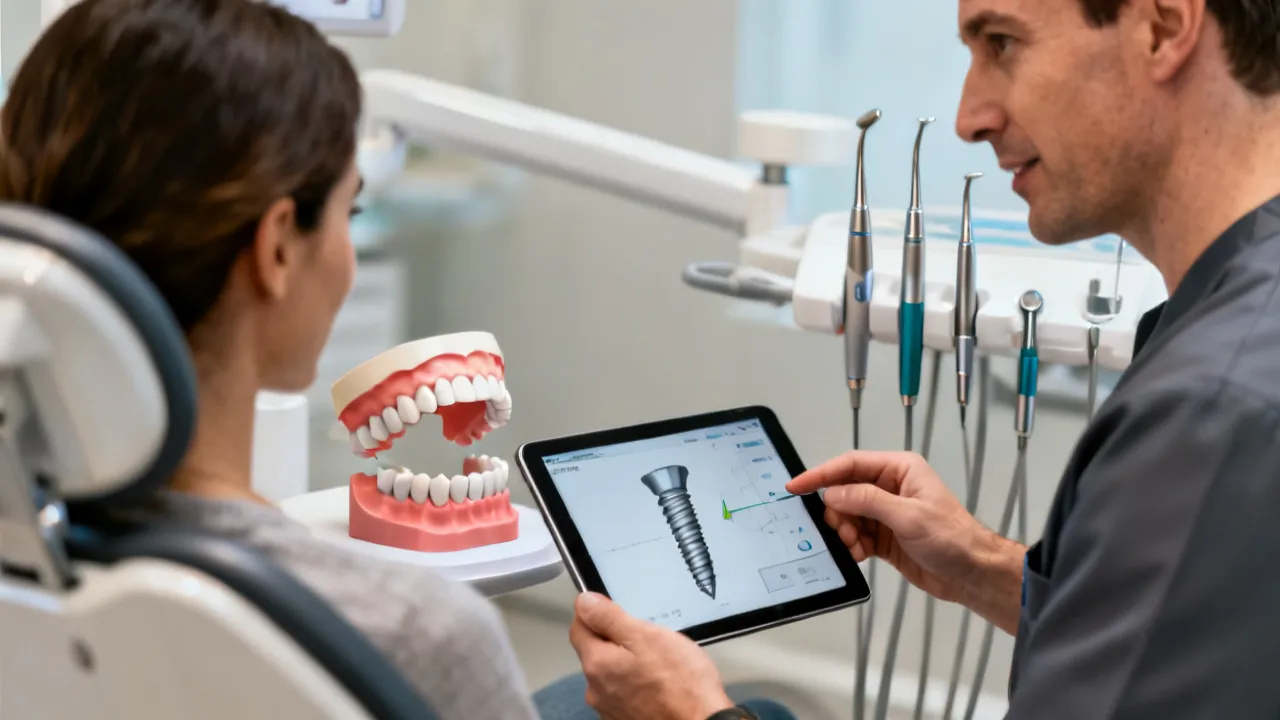
Implant treatment may involve examination, two-dimensional or three-dimensional imaging, tooth extraction, bone preservation, bone grafting, implant placement, healing, abutment connection, and final crown delivery. Not every patient needs every stage. The total fee and timeline can change substantially when additional procedures are necessary.
Implant complications can include infection around the implant, inadequate integration with bone, mechanical loosening, prosthetic fracture, nerve disturbance, sinus-related complications in selected upper-jaw cases, and peri-implant inflammation. The likelihood and severity depend on patient health, smoking, hygiene, bone conditions, implant position, surgical planning, restoration design, and maintenance.
How to Obtain Dental Implants at Lower Cost in English-Speaking Countries
Lower-cost treatment should mean transparent, appropriate care rather than selecting a provider solely by the lowest advertised figure. A careful process can reduce avoidable expenses while protecting safety.
Step 1: Confirm that an implant is necessary
Ask whether the tooth can be restored with a crown, bridge, or other conservative treatment. An implant may be appropriate for a missing or non-restorable tooth, but it is not automatically the least expensive long-term option. The dentist should explain the expected prognosis of alternatives and the consequences of delaying treatment.
If a tooth is still present but severely damaged, extraction followed by implant placement is not always the only choice. Root canal treatment and a crown, a partial denture, or a bridge may be considered depending on the amount of remaining structure, root condition, gum support, appearance, and patient preference.
Step 2: Obtain a complete diagnostic plan
Request an examination, appropriate radiographs, and three-dimensional imaging when clinically justified. The written plan should identify whether extraction, bone grafting, sinus augmentation, temporary teeth, periodontal treatment, or sedation is needed. An apparently low quote may exclude one or more of these stages.
The clinician should explain why an implant is being recommended in a particular position and whether the plan is designed for immediate placement or delayed placement. Patients should also ask how long healing is expected to take and whether they will have a temporary tooth during that period.
Step 3: Compare itemized estimates
Ask each clinic to separate the surgical fee, implant fixture, abutment, crown, imaging, laboratory work, temporary restoration, medications, follow-up, and possible grafting. Compare like with like. A quote for the implant fixture alone is not equivalent to a quote for a completed implant-supported tooth.
Step 4: Review professional credentials and regulation
Patients should verify the dentist’s license, surgical training, facility standards, sterilization practices, and experience with the relevant procedure. Official professional registers and health authorities are more reliable than unverified promotional claims. Patients should also confirm who performs the surgery and who designs and delivers the final restoration.
Step 5: Ask about recognized implant systems and documentation
The patient should receive information about the implant manufacturer and model when appropriate. This matters if future maintenance or treatment is required in another clinic. A provider should be able to explain the components used and provide records that support continuity of care, including implant identification, radiographs, surgical notes, and restorative information.
Step 6: Explore dental insurance and payment arrangements
Coverage for implants varies widely. Some plans exclude implants, while others contribute only to certain components or require an alternative-treatment review. Patients should ask about waiting periods, annual limits, deductibles, exclusions, preauthorization, and out-of-network rules. Clinics may also offer staged payment arrangements, but the financial terms should be in writing.
Step 7: Consider accredited dental schools or supervised teaching clinics
University-based clinics may offer selected procedures at lower institutional fees because treatment is delivered within a supervised educational environment. Appointment times can be longer, eligibility may be limited, and not every case is suitable. Patients should ask who supervises the treatment, which procedures are performed by students or residents, and how urgent complications are handled.
Step 8: Avoid unnecessary add-ons
Additional imaging, grafting, sedation, or branded products may be clinically justified, but they should not be accepted without an explanation of their purpose. Patients can ask whether an intervention is essential, optional, or an alternative to another approach. A second opinion is particularly useful if several expensive adjunctive procedures are proposed.
Step 9: Plan maintenance before surgery
Implants require professional review and daily cleaning. A low initial fee may become expensive if the patient cannot attend follow-up or lacks access to replacement components. Ask about the cost of examinations, hygiene visits, repairs, and management of implant-related inflammation.
Step 10: Be cautious with overseas treatment
Travel may reduce the advertised treatment fee in some markets, but transportation, accommodation, time away from work, language barriers, insurance limitations, and emergency visits can increase the overall cost. Implant placement and final restoration often require multiple visits. A patient should know who will manage complications after returning home and whether records and component details will be supplied.
Conditions and Requirements Before Implant Treatment
Eligibility is assessed individually. A dentist or oral surgeon may review general health, medications, smoking, diabetes control, periodontal status, bone volume, oral hygiene, and the patient’s ability to attend follow-up appointments. A history of osteoporosis medication, radiation therapy, immune suppression, bleeding disorders, or uncontrolled systemic disease may require medical coordination.
Active gum disease should generally be treated before implant placement. Poor plaque control can raise the risk of inflammation around both natural teeth and implants. Smoking cessation is commonly discussed because smoking can adversely affect healing and long-term oral health. The clinician should provide personalized advice rather than relying on a generic eligibility checklist.
Bone grafting may be considered where the available bone is insufficient for the proposed implant position. It can add time, visits, and cost. In some cases, a different implant position, a removable prosthesis, or a bridge may be discussed instead. Treatment planning should balance function, appearance, biology, time, and finances.
Patients should also provide a complete medication list. Blood-thinning medication, certain bone medications, immunosuppressive drugs, and some treatments for chronic diseases may influence surgical planning. Patients should never stop prescribed medication independently; the dental team should coordinate with the prescribing physician when necessary.
Comparison of Websites Providing Dental Implant Information
The following websites represent different types of information sources. Some focus on clinic services, some provide educational material, some discuss dental tourism, and some relate to insurance or treatment planning. They should be used for background research, not as a substitute for an examination or independent professional advice.
| Website or organization | Relevant features |
|---|---|
| Dental Views | Discusses lower-cost dental implants, treatment options, benefits, process considerations, common questions, and pricing topics. |
| Atlantic Dental Group | Clinic-based information covering general dentistry and services that may include implants, orthodontics, cleaning, and emergency care. |
| DentaVacation | Provides dental-tourism information, international treatment comparisons, travel considerations, and potential cost-saving factors. |
| ADHP / Rockville Dental Arts | Information associated with dental plans and clinic services, including coverage considerations and access to dental care. |
| Rockville Dental Arts Spanish site | Spanish-language information about implants, whitening, cleaning, orthodontics, and emergency dental services. |
| Union City Mini Dental Implants | Spanish-language clinic information focused on mini dental implant services and selected tooth-replacement situations. |
| Cigna Spanish guide | Educational material explaining dental implants, treatment stages, and insurance-related considerations in Spanish. |
| Rubi Odonto | Brazilian clinic information covering orthodontics, whitening, implants, and other dental services in Portuguese. |
| Odontologia Velasco | Portuguese-language information about implants, prostheses, esthetic dentistry, and technology used in clinical care. |
| DentalVidas | Information about dental plans, provider networks, individual and family arrangements, and dental service access in Brazil. |
source: www.dentalviews.com/low-cost-dental-implants
source: www.atlanticdentalgrp.com
source: www.dentavacation.com
source: www.rockvilledentalarts.com/es
source: www.unioncityminidentalimplants.com/es
source: www.cigna.com/es-us/knowledge-center/guide-to-dental-implants
source: www.rubiodonto.com.br
source: www.odontologiavelasco.com.br
source: www.dentalvidas.com.br
Indicative Cost Ranges for One Dental Implant
The following figures are supplied reference ranges for an individual dental implant in selected language markets. They should not be interpreted as universal quotations or as direct comparisons of identical treatment packages. Some prices may refer primarily to the implant procedure, while others may be discussed in the context of a completed implant-supported tooth. Patients should confirm the scope of each estimate and the date on which the price was calculated.
| Country | Currency | Indicative price range |
|---|---|---|
| United States | USD | $3,000–$6,000 |
| United Kingdom | GBP | £2,000–£2,500 |
| Australia | AUD | AU$3,500–AU$6,500 |
| Canada | CAD | CA$3,000–CA$5,500 |
| Spain | EUR | €1,500–€2,500 |
| Chile | CLP | CLP$800,000–CLP$1,500,000 |
| Mexico | MXN | $15,000–$25,000 |
| Colombia | COP | $2,000,000–$4,000,000 |
| Peru | PEN | S/ 3,000–S/ 6,000 |
| Argentina | ARS | $80,000–$150,000 |
| Brazil | BRL | R$3,000–R$8,000 |
| Portugal | EUR | €1,000–€2,000 |
| Germany | EUR | €2,000–€3,500 |
| France | EUR | €1,500–€2,500 |
| Italy | EUR | €1,500–€3,000 |
| Japan | JPY | ¥300,000–¥700,000 |
Prices can vary by city, region, clinic, laboratory, surgeon, implant system, restorative material, exchange rate, insurance arrangements, and the patient’s oral condition. A single-tooth implant may become more expensive if extraction, grafting, sedation, periodontal therapy, temporary replacement, or additional consultations are needed.
Currency conversion can also make international comparisons misleading. Exchange rates change, and a price that appears low in one currency may not include taxes, laboratory charges, travel, accommodation, or post-operative visits. Patients should calculate the complete expected expenditure rather than focusing only on the surgical fee.
How to Read an Implant Quote
A responsible quote should be sufficiently detailed for a patient to understand what is being purchased. The following questions can expose important differences between offers:
- Does the fee include the initial examination and diagnostic imaging?
- Is tooth extraction included if the tooth is still present?
- Does the price cover the implant fixture, healing component, abutment, and final crown?
- Is a temporary tooth supplied during healing?
- Are bone grafting or sinus procedures excluded?
- Who performs the surgery and who provides the prosthetic restoration?
- What brand and model of implant will be used?
- How many visits are expected, and how long is the overall process?
- What follow-up is included after placement?
- What happens if the implant does not integrate or the crown loosens?
- Are travel, translation, medication, and emergency costs relevant to the plan?
- Are taxes, laboratory charges, and professional consultation fees included?
Patients should be cautious when a provider emphasizes a very low starting price without explaining exclusions. The most useful comparison is the estimated total cost for the specific clinical situation, combined with credentials, communication quality, safety processes, and follow-up access.
Dental Tourism: Financial and Clinical Considerations
Dental tourism may appeal to people who find treatment costs high in their home market. However, an implant is not usually a single-visit procedure. The surgical phase, healing period, and restorative phase may occur weeks or months apart. If a patient travels for surgery but receives the crown elsewhere, the second dentist may need additional records or may be unable to guarantee the components.
Before traveling, patients should obtain a written diagnosis, a proposed timeline, implant details, a breakdown of fees, information about infection-control standards, and a plan for complications. They should check travel insurance terms because many policies exclude elective treatment or complications related to treatment abroad. A local dentist should ideally be identified before surgery in case symptoms develop after returning home.
Language and legal differences also matter. Patients should confirm how consent is documented, which national authority regulates the provider, how complaints are handled, and whether records can be transferred. A lower quoted amount may not remain lower after airfare, lodging, repeat appointments, lost income, and post-treatment care are included.
Patients should be wary of treatment schedules that promise an immediate permanent tooth in every case. Some patients are suitable for immediate provisionalization, but immediate treatment depends on bone quality, implant stability, infection status, esthetic requirements, and the clinician’s judgment. A fixed temporary restoration is not always the same as a final restoration, and a rapid timeline should not replace careful diagnosis.
Insurance and Payment Planning
Dental insurance frequently treats implants differently from fillings, crowns, bridges, or dentures. A plan may cover a portion of the restorative crown but not the implant fixture, or it may reimburse the cost of a less expensive alternative. Patients should request a pre-treatment estimate and ask whether the insurer requires documentation showing that an alternative is unsuitable.
Important financial terms include the annual maximum, deductible, waiting period, exclusions for missing teeth, replacement limits, frequency limitations, and network requirements. A dental savings arrangement or clinic payment plan may reduce immediate financial pressure, but patients should review enrollment fees, restrictions, interest, and cancellation provisions.
Clinics should not pressure patients into financing decisions during an emotionally difficult consultation. A written plan gives the patient time to compare options and ask another qualified professional for an opinion. Patients should also ask whether a deposit is refundable if imaging changes the treatment plan or if they decide not to proceed.
Long-Term Maintenance of Crowns and Implants
Natural teeth with gold crowns remain vulnerable to decay at the margin and to gum disease. Implants do not develop tooth decay, but the surrounding gum and bone can become inflamed. Both types of treatment depend on daily plaque control and periodic professional care.
Maintenance may include examination of crown margins, periodontal probing, radiographs at clinically appropriate intervals, professional cleaning, evaluation of bite forces, and inspection of implant components. The schedule should reflect individual risk. Someone with active periodontal disease, heavy plaque, diabetes requiring medical attention, smoking exposure, or a history of repeated restorative problems may need closer monitoring.
Patients should report changes early. A crown that feels slightly loose, an implant crown that moves, bleeding around an implant, repeated food trapping, or a new bite discrepancy is easier to manage before significant damage occurs. Delaying an examination can allow a small cement or contour issue to develop into decay, bone loss, fracture, or a need for more extensive treatment.
Cleaning around an implant should follow the instructions of the dental team. Depending on the restoration design, patients may use floss, interdental brushes, oral irrigators, or specialized tools. Instruments should be selected carefully because aggressive or inappropriate cleaning can irritate tissue. The goal is effective plaque removal without injuring the gum.
Questions to Ask Before Replacing a Gold Crown
- What is the specific cause of my symptom?
- Is the tooth vital, cracked, decayed, or affected by gum disease?
- Could a bite adjustment resolve the problem?
- Is the crown margin and contact clinically acceptable?
- What is the alloy composition?
- Do my symptoms suggest an allergy, and should medical testing be considered?
- What will happen if the crown is removed?
- Would replacement risk further tooth damage?
- What alternative materials are appropriate for this tooth?
- What are the total fees, including imaging, laboratory work, temporary treatment, and follow-up?
- What is the expected prognosis if I keep the current restoration?
- Will the replacement require root canal treatment or additional tooth reduction?
Replacing a crown solely because it is gold may not address pain caused by the pulp, a crack, or an occlusal issue. Conversely, retaining a defective restoration simply because gold is durable may allow decay or gum disease to progress. The decision should be based on diagnosis and prognosis.
FAQs About 금니 부작용
Can a gold crown cause tooth pain?
Yes, discomfort can occur after tooth preparation or cementation, and pain may also arise from a high bite, pulp inflammation, decay, a crack, cement failure, or gum disease. The material alone is not enough to determine the cause. Persistent, spontaneous, or worsening pain should be evaluated by a dentist.
Is sensitivity after a gold crown normal?
Short-term sensitivity can occur, particularly to cold or pressure. It should generally trend toward improvement. Lingering pain, heat sensitivity, night pain, facial swelling, or severe biting pain requires professional assessment.
Can someone be allergic to a gold crown?
Allergic or sensitivity reactions are possible but uncommon. The restoration may contain metals other than gold, so the alloy composition should be checked. Oral irritation also has many non-allergic causes, including plaque, trauma, mouth dryness, and other dental products.
Why is the gum around my gold crown swollen?
Possible causes include plaque, retained cement, an overcontoured margin, an open contact, periodontal disease, or mechanical irritation. A dentist should examine the area and determine whether cleaning, periodontal treatment, adjustment, or replacement is appropriate.
Can a gold crown become loose?
Yes. Cement breakdown, tooth fracture, decay, inadequate retention, or heavy biting forces can contribute. The crown should be assessed rather than repeatedly reattached without diagnosis.
Does a gold crown last longer than a ceramic crown?
Longevity depends on the tooth, design, bite, hygiene, material, laboratory quality, and maintenance. Gold alloys can perform very well in selected posterior situations, while ceramic restorations may offer esthetic advantages. No material guarantees a specific lifespan for every patient.
Are dental implants safer than bridges?
Safety and suitability depend on the individual case. Implants avoid preparing neighboring teeth in some situations, but they require surgery and ongoing maintenance. Bridges may be less surgical but involve supporting teeth. A dentist should compare biological, functional, financial, and long-term considerations.
How can I lower implant costs without compromising care?
Obtain itemized estimates, compare equivalent treatment packages, treat gum disease early, ask about supervised university clinics, review insurance, confirm whether additional procedures are necessary, and plan follow-up. Avoid choosing a provider based only on a headline price.
Does a low-cost implant quote include the crown?
Not always. Some advertisements refer only to the implant fixture or surgical stage. Patients should confirm whether the abutment, final crown, laboratory fee, imaging, extraction, grafting, temporary tooth, and follow-up are included.
How long does implant treatment take?
The timeline varies. Some cases can proceed relatively quickly, while others require healing after extraction, grafting, or implant placement. Bone integration and soft-tissue healing influence when the final crown can be delivered. The treating clinician should provide a case-specific schedule.
Should I remove a gold crown if I suspect a reaction?
Do not remove it without professional advice. The dentist should assess the tooth, the gums, the fit, and the alloy composition. If a material reaction is plausible, the clinician may discuss testing and alternative materials while considering the risks of removal.
Can I clean a gold crown normally?
In most cases, patients should brush and clean between a crowned tooth and its neighbors as directed by their dental team. The crown does not eliminate the need for fluoride, interdental cleaning, or professional examinations. Cleaning should be thorough but not excessively forceful.
Can a crown cause bad breath?
A crown can contribute to localized odor if food traps around it, cement remains beneath the gum, the margin is defective, or decay and gum disease are present. Bad breath can also originate elsewhere in the mouth or from non-dental causes. Persistent odor warrants an examination.
Professional Perspective: Balancing Material, Biology, and Cost
An experienced dental team evaluates three connected issues: the condition of the tooth or implant, the mechanical demands placed on the restoration, and the patient’s practical ability to maintain treatment. A technically excellent crown can fail when the tooth has an untreated crack. A well-positioned implant can develop complications when periodontal inflammation and inadequate home care are ignored. A low price can become costly when the treatment plan excludes essential stages.
For patients researching 금니 부작용, the most useful next step is a focused examination. Bring information about when the crown was placed, the symptoms’ duration, known metal allergies, previous dental records, and any relevant medical conditions. For patients researching implants, bring the same level of preparation and request a written, itemized plan.
Objective comparison does not mean comparing numbers alone. It means comparing diagnosis, treatment scope, provider qualifications, materials, follow-up, emergency access, and the realistic total cost. This approach supports informed consent and reduces the chance that a temporary promotional price will obscure important clinical details.
A restoration should be judged over time by comfort, function, cleanliness, tissue health, and preservation of the underlying tooth. If symptoms appear, early professional assessment is usually more helpful than assuming the problem will resolve or immediately paying for replacement. In many cases, a simple bite adjustment or removal of retained cement may solve the issue. In other cases, more extensive treatment is required. The appropriate path depends on clinical evidence.
References and Links
- Dental Views – Low Cost Dental Implants
- Atlantic Dental Group
- DentaVacation
- ADHP / Rockville Dental Arts Spanish Website
- Union City Mini Dental Implants Spanish Website
- Cigna Spanish Dental Implant Guide
- Rubi Odonto
- Odontologia Velasco
- DentalVidas
Disclaimer
1. The above information comes from online resources, and the data is presented for general educational purposes. Website content, availability, and pricing may change over time.
2. Dental implant prices are for reference only and may vary by region, clinic, doctor, materials, laboratory fees, insurance, exchange rates, and the complexity of the patient’s case.
3. The presence of a website in this article does not constitute an endorsement, guarantee of treatment quality, or confirmation that every listed service is available in every location.
This article is educational and does not replace an examination, diagnosis, or individualized treatment plan from a licensed dental professional. Anyone experiencing severe pain, swelling, fever, difficulty swallowing, or breathing problems should seek urgent medical and dental attention.