Gold Crown Side Effects and Affordable Implant Care
This guide explains 금니 부작용, the possible side effects of gold dental crowns, warning signs that require dental evaluation, and practical ways to reduce treatment costs. Gold alloy crowns are durable restorations, but sensitivity, gum irritation, bite changes, material reactions, and recurrent decay can occur. The article also compares dental information websites, outlines affordable implant planning, and presents reference price ranges across major language-speaking markets.
Understanding 금니 부작용: What Gold Crown Side Effects Mean
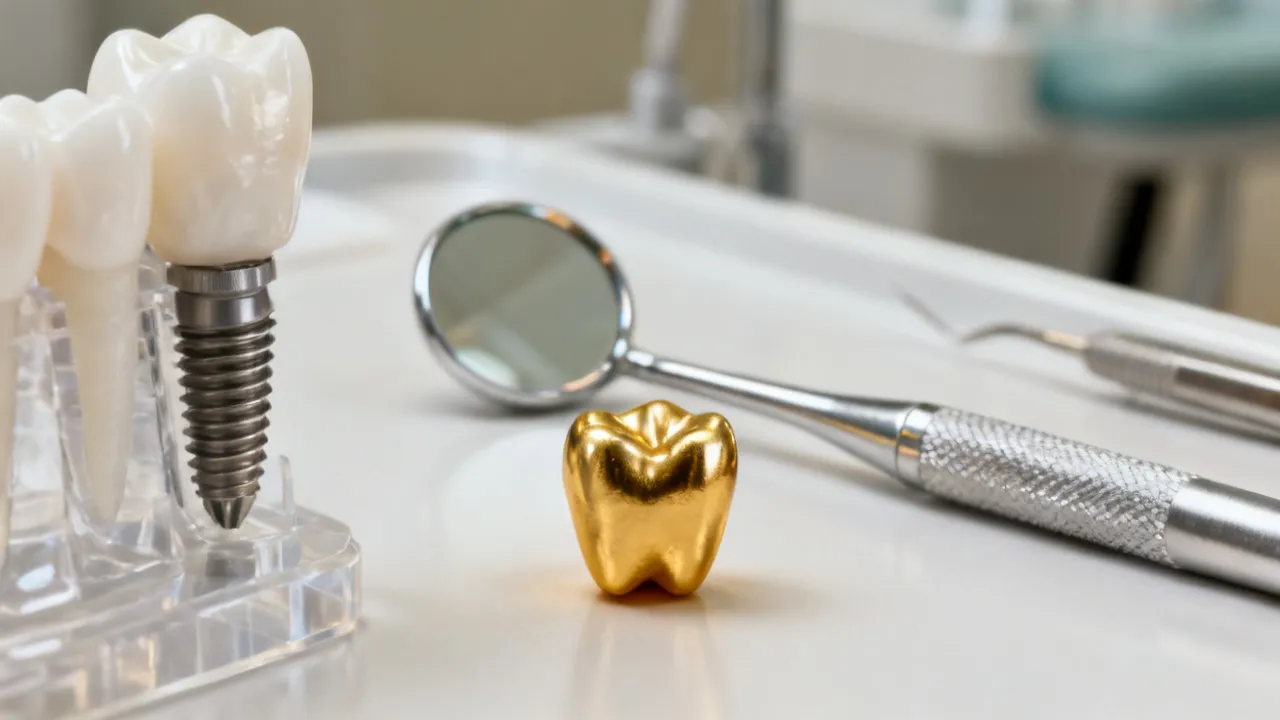
금니 부작용 is a Korean expression commonly translated as “gold crown side effects.” It generally refers to unwanted symptoms or complications associated with a gold dental crown, gold inlay, gold onlay, or another restoration containing a gold alloy. Gold restorations have been used in dentistry for decades because many gold alloys are strong, corrosion-resistant, precisely fitted, and relatively gentle to opposing teeth. Nevertheless, no dental restoration is completely risk-free. The result depends on the condition of the tooth, the cement, the alloy composition, the patient’s bite, oral hygiene, gum health, general health, and the quality of the clinical and laboratory procedures.
The most important point is that discomfort after a crown should not automatically be dismissed as a normal adjustment. Mild sensitivity may settle after treatment, especially when the tooth has recently been prepared. However, persistent pain, swelling, a loose crown, an altered bite, pain when chewing, or a bad taste deserves professional evaluation. These symptoms may reflect a dental infection, a crack in the tooth, an ill-fitting restoration, gum inflammation, recurrent decay, or a problem unrelated to the metal itself.
Key Takeaways for Patients
- Gold crowns are usually made from dental alloys rather than pure gold.
- Possible 금니 부작용 include sensitivity, gum irritation, bite discomfort, contact reactions, galvanic sensations with other metals, recurrent decay, loosening, and problems involving the underlying tooth.
- Severe spontaneous pain, facial swelling, fever, difficulty swallowing, or difficulty breathing requires urgent dental or medical attention.
- A dentist should assess the crown, the supporting tooth, the gums, the bite, and any neighboring restorations before recommending replacement.
- Replacing a crown solely because it contains gold may be unnecessary if it is clinically sound, functional, and comfortable.
- A low advertised dental implant price may exclude important stages such as imaging, extraction, bone grafting, the abutment, or the final crown.
What Is a Gold Dental Crown?
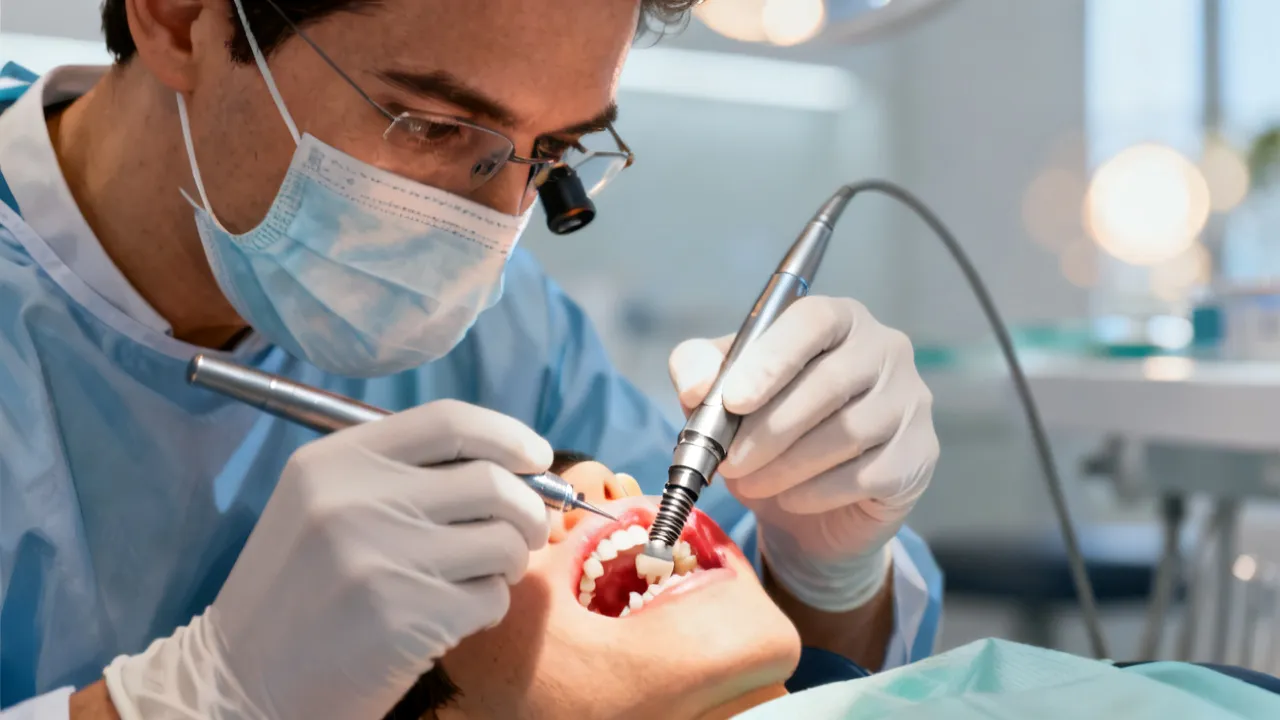
A dental crown covers and protects a weakened tooth. It may be recommended after substantial tooth decay, a large filling, a fracture, root canal treatment, or significant loss of tooth structure. A gold crown typically contains a blend of metals selected for strength, workability, resistance to corrosion, and long-term fit. The exact formulation varies among laboratories and manufacturers. Some alloys contain gold combined with metals such as palladium, platinum, silver, copper, or other components.
Because dental alloys differ, the word “gold” does not by itself identify the material or predict a patient’s response. A patient who has experienced a reaction to jewelry should tell the dentist before treatment, but jewelry sensitivity does not automatically prove that a dental crown will cause a reaction. The clinician may need to review the laboratory material certificate, take a detailed medical history, and, in selected cases, arrange an evaluation by an allergy, dermatology, or oral medicine specialist.
Gold restorations can be particularly useful on back teeth because they can often be fabricated with relatively conservative tooth preparation and can tolerate substantial chewing forces. Their thin, precisely fitted design may preserve more natural tooth structure than some alternatives. They are also less likely than certain ceramic restorations to chip in heavy-load areas. On the other hand, they are visibly metallic and may not meet a patient’s cosmetic preferences.
Ceramic, zirconia, porcelain-fused-to-metal, and resin-based options may be more appropriate in other situations. Material selection should be based on function, appearance, available tooth structure, bite, periodontal health, cost, expected longevity, and the patient’s informed preference. A material should not be chosen only because it is fashionable or heavily advertised.
Common 금니 부작용 and Their Possible Causes
1. Temperature Sensitivity
Short, sharp sensitivity to cold or heat can occur after a tooth is prepared for a crown. The procedure may temporarily irritate the pulp, which is the living tissue inside the tooth. The use of instruments, drying of the tooth, removal of decay, temporary cement, exposed dentin, or leakage around a temporary crown can contribute to sensitivity during the treatment period.
Brief sensitivity that gradually improves may be monitored according to the dentist’s instructions. Pain that lingers after hot or cold stimulation, becomes spontaneous, wakes the patient at night, or worsens over time may indicate inflammation of the pulp. In such circumstances, the crown itself may not be the primary problem; the tooth underneath may require root canal treatment or another intervention.
Patients should not repeatedly test a painful tooth with very hot or very cold substances. This can increase irritation and make it difficult to judge whether the condition is improving. Instead, note what triggers the symptom, how long it lasts, and whether it occurs without stimulation. This information can help the dentist distinguish temporary sensitivity from a more serious pulp problem.
2. Pain When Biting or Chewing
A crown that is slightly too high can place excessive force on the tooth or its supporting ligament. Patients may describe this as a feeling that the tooth contacts first, tenderness when biting, or discomfort when chewing hard food. A small bite adjustment may resolve the issue, but the dentist must first exclude a cracked tooth, loose crown, decay, infection, or inflammation around the root.
Chewing pain should not be managed by repeatedly adjusting the crown without a diagnosis. Excessive removal of crown material may weaken the restoration or alter the intended anatomy. A careful clinical examination, bite evaluation, radiographs when appropriate, and review of the crown margin can provide a more reliable explanation.
Pain that occurs specifically when the patient releases a bite can sometimes be associated with a crack in the tooth. Pain to pressure from one direction may also provide diagnostic information. These patterns are not sufficient for self-diagnosis, but they are useful details to report during an appointment.
3. Gum Redness, Bleeding, or Irritation
Inflamed gums around a crown may result from plaque accumulation, an overcontoured crown, a rough or overhanging margin, residual cement, food trapping, smoking, poorly controlled diabetes, hormonal changes, or existing periodontal disease. Some patients attribute every symptom near a gold restoration to the metal, but local hygiene and crown design are often more relevant.
Healthy gums generally should not remain swollen or bleed repeatedly around a properly contoured restoration. A dental professional may clean the area, remove residual cement, examine the margin, measure periodontal pockets, and determine whether the crown needs adjustment or replacement. Daily brushing with a soft-bristled toothbrush and careful interdental cleaning can support gum health, but home care cannot correct a defective margin.
If gum recession exposes the edge of the crown, the area may become more sensitive and more difficult to clean. Recession can be associated with aggressive brushing, periodontal disease, thin gum tissue, or natural aging. It does not necessarily mean that the crown itself was placed incorrectly, although the margin should be examined.
4. Contact or Material Reactions
True allergic reactions to dental materials are uncommon, but contact sensitivity can occur. Symptoms may include localized burning, persistent irritation, redness, ulceration, or a rash in unusual circumstances. Dental alloys can contain more than one metal, so the relevant question is not simply whether the restoration is “gold.”
Patients with a known allergy to nickel or another metal should disclose it before treatment. If symptoms appear after placement, the dentist may review the alloy composition and consider alternative materials. Patch testing or specialist consultation may be appropriate in selected cases, although tests must be interpreted in the context of the clinical findings. A crown should not be removed solely on the basis of a suspected allergy without a professional assessment.
Symptoms that begin after placement can be coincidental. Oral ulcers, burning mouth symptoms, fungal infections, dry mouth, reflux, medication effects, and anxiety can produce sensations that patients may associate with a new restoration. A thorough history helps avoid unnecessary removal of a crown that may not be responsible.
5. Galvanic Sensation or Metallic Taste
When dissimilar metals are present in the mouth, some patients report a brief electrical or “battery-like” sensation, metallic taste, or localized discomfort. This phenomenon is sometimes described as galvanic sensitivity. It may be associated with saliva acting as an electrolyte between different metallic restorations, but the symptom can also have other causes, including dry mouth, medication effects, reflux, oral infection, sinus problems, or altered taste perception.
The dentist should examine all restorations and assess whether the symptom is reproducible. Replacing multiple restorations may be costly and irreversible, so a conservative diagnostic approach is advisable. If the symptom is mild and no disease is present, observation may be reasonable. If it is persistent, a dentist or oral medicine clinician can help determine the next step.
6. Recurrent Decay Around the Crown
A crown does not make a tooth immune to decay. The crown covers the visible portion of the tooth, while the root and the margin remain vulnerable to plaque and acid. Decay can develop at the edge of a crown, particularly when the margin is exposed by gum recession or when oral hygiene is inadequate.
Risk increases with frequent consumption of sugary or acidic foods, dry mouth, tobacco use, certain medications, irregular preventive care, and a history of extensive decay. Recurrent decay may be managed with restoration repair in limited situations, but a replacement crown, root canal treatment, or extraction may be necessary when the damage is extensive.
Fluoride toothpaste, regular dental examinations, reduced frequency of sugary snacks, and management of dry mouth can lower future risk. Patients with frequent decay may need individualized preventive measures, such as prescription-strength fluoride or dietary counseling.
7. Crown Loosening or Fracture of the Supporting Tooth
A loose crown can allow bacteria and food to enter beneath the restoration. It may also indicate failed cement, insufficient retention, decay, a fractured tooth, or excessive biting forces. Patients should avoid chewing hard foods on that side and arrange a dental visit promptly. Household adhesives should never be used to permanently attach a crown.
Gold alloys are generally resistant to fracture, but the underlying tooth can still crack. Bruxism, clenching, a heavy bite, and large existing fillings can increase mechanical stress. A custom night guard may be considered after the dentist confirms that it is suitable and that the bite is stable.
If a crown has fallen out, keep it in a clean container and bring it to the dental appointment. The dentist may be able to recement it if the crown and tooth remain suitable, but a new crown may be needed if decay, fracture, distortion, or loss of tooth structure has occurred.
When Gold Crown Symptoms Need Urgent Attention
Seek urgent dental care for facial swelling, rapidly increasing pain, fever, pus, a bad taste associated with swelling, or difficulty opening the mouth. Difficulty breathing or swallowing, swelling extending toward the neck or eye, confusion, severe weakness, or signs of a serious systemic illness require emergency medical evaluation.
Urgency is determined by symptoms rather than by the color or material of the crown. A gold crown can be present over a tooth with a severe infection, while a painful tooth without a crown can have the same emergency features. Pain relief from an over-the-counter medication does not eliminate the cause of an infection. Use medicines only as directed and check with a pharmacist or clinician if you have kidney disease, stomach ulcers, blood-thinning medication, pregnancy, allergies, or other medical concerns.
Do not place aspirin directly on the gum or tooth. It can irritate or burn soft tissue. Do not attempt to drain swelling yourself. Temporary comfort measures may include avoiding very hot or cold foods, eating soft foods, and gently keeping the area clean while arranging professional care.
How Dentists Diagnose 금니 부작용
An evidence-informed assessment begins with a detailed history. The dentist may ask when the crown was placed, whether symptoms began immediately or later, whether pain is triggered by cold or chewing, whether the restoration feels high, and whether similar problems have occurred with other dental materials.
| Assessment area | What the dentist may evaluate |
|---|---|
| Clinical examination | Crown stability, margin quality, gum condition, cracks, swelling, and visible decay. |
| Bite analysis | Premature contacts, clenching patterns, chewing discomfort, and tooth mobility. |
| Pulp testing | Response to cold, heat, or electrical stimulation when the nerve status is uncertain. |
| Radiographic imaging | Root condition, bone levels, hidden decay, infection, and supporting structures. |
| Material review | Alloy composition, laboratory records, and possible alternative materials. |
| Periodontal assessment | Bleeding, pocket depth, recession, gum attachment, and bone support. |
Testing is selected according to the symptoms. A radiograph cannot by itself prove a material allergy, and a normal radiograph does not rule out every pulp or bite problem. A diagnosis should combine the patient’s history, examination, tests, and clinical judgment.
Some cases benefit from photographs, dental records, previous radiographs, or comparison with neighboring teeth. If a patient has visited several clinics, bringing copies of previous records can prevent duplicated imaging and help the new dentist understand the treatment timeline.
Reducing the Risk of Gold Crown Problems
- Provide a complete medical and dental history. Mention metal sensitivities, autoimmune conditions, dry mouth, grinding, reflux, diabetes, smoking, and medications.
- Ask about the proposed alloy. The dentist or laboratory may be able to identify the metals used in the restoration.
- Confirm the bite before cementation. The crown should feel comfortable when the teeth come together naturally.
- Maintain daily plaque control. Brush twice daily with fluoride toothpaste and clean between teeth using floss, interdental brushes, or another suitable method.
- Attend preventive examinations. Professional review can detect margin problems, gum inflammation, or decay before symptoms become severe.
- Manage bruxism. Ask whether a professionally designed occlusal appliance is suitable if clenching or grinding is suspected.
- Limit repeated replacement without diagnosis. Each replacement removes additional tooth structure and may reduce the long-term options for the tooth.
- Reduce frequent sugar exposure. The frequency of snacks and sweet drinks may be as important as the total amount consumed.
- Respond to a loose temporary crown quickly. A temporary restoration protects the prepared tooth and should not be left missing for an extended period.
Gold Crowns Compared With Other Restorations
Every restorative material involves trade-offs. Gold alloys are often valued for durability and conservative preparation, but they are visibly metallic. Tooth-colored ceramics may offer better esthetics but can require different preparation and may behave differently under heavy chewing forces. Zirconia is strong and tooth-colored, although the result depends on the design, manufacturing process, occlusion, and clinical technique. Porcelain-fused-to-metal restorations combine a metal substructure with ceramic, but the ceramic layer can chip in some circumstances.
An industry expert would evaluate the restoration as part of the entire oral system rather than treating material choice as a simple ranking. The best option depends on whether the tooth is in the front or back of the mouth, how much structure remains, the patient’s bite, gum position, esthetic expectations, history of grinding, and ability to maintain hygiene. A lower initial fee does not necessarily represent lower total cost if early failure, retreatment, travel, or emergency care is likely.
Patients should also understand the difference between a crown and an inlay or onlay. A crown covers most or all of the visible tooth, whereas an inlay fits within the cusps and an onlay replaces one or more cusps while preserving more natural structure. The appropriate restoration depends on how much healthy tooth remains and how much strength is needed. A more extensive restoration is not automatically better.
When Is Crown Replacement Reasonable?
Replacement may be considered when there is confirmed recurrent decay, an irreparable fracture, persistent inflammation caused by an uncorrectable margin, repeated loosening, severe functional discomfort, or a documented material problem. A patient’s cosmetic preference can also be a legitimate reason to discuss replacement, but the benefits and risks should be explained clearly.
Removing a well-functioning crown carries risks. The underlying tooth may fracture during removal, and the procedure may expose or weaken tooth structure. A replacement can also require additional treatment if the pulp becomes inflamed. Before proceeding, ask what evidence shows that the current crown is failing, what alternatives exist, what happens if the crown is retained, and whether the tooth can support another restoration.
In some cases, a dentist may recommend observation rather than immediate replacement. This is not the same as ignoring the problem. It means that the risks of intervention may currently outweigh the benefits, provided that the patient attends follow-up examinations and seeks care if symptoms change.
Affordable Dental Implants: A Careful Cost-Reduction Strategy
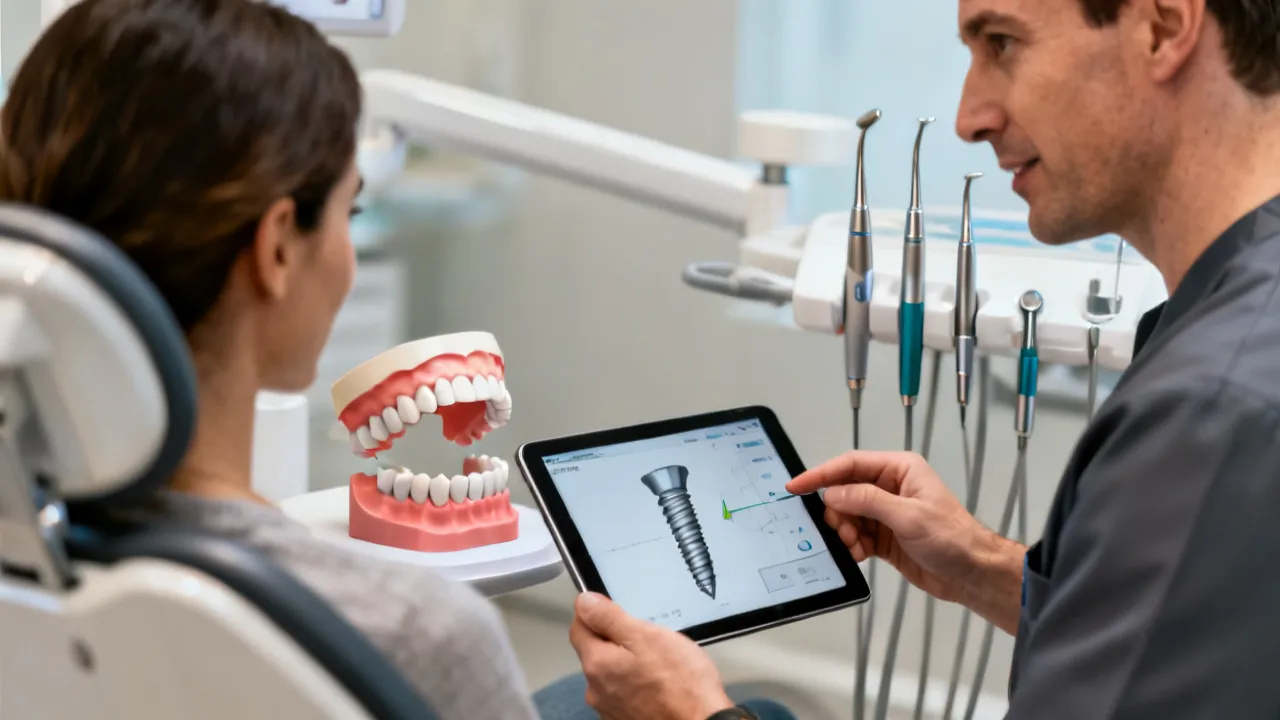
Dental implants replace missing tooth roots and usually support a crown, bridge, or denture. They are different from gold crowns: a gold crown restores a tooth that is still present, while an implant is used when a tooth is missing or cannot be predictably saved. Implant treatment commonly includes consultation, imaging, possible extraction, implant placement, healing, an abutment, and the final crown. Advertised prices may include only one component.
Patients seeking low-cost dental implants should compare complete treatment plans rather than headline prices. The most economical decision may be to preserve a restorable natural tooth, but that conclusion requires a professional examination. If an implant is appropriate, careful planning can reduce avoidable expenses without compromising safety.
Step-by-Step Guide to Obtaining Lower-Cost Implants
- Confirm that an implant is clinically indicated. Obtain an examination and ask whether the natural tooth can be restored, whether a bridge or removable prosthesis is suitable, and what the long-term consequences are.
- Request an itemized treatment plan. It should identify consultation, imaging, extraction, bone grafting, implant fixture, abutment, crown, temporary restoration, sedation, follow-up, and laboratory charges.
- Compare like with like. A quote for an implant fixture alone cannot be compared fairly with a quote for a completed implant-supported crown.
- Obtain more than one qualified opinion. Compare the clinician’s training, experience with the proposed case, sterilization procedures, warranty terms, and follow-up arrangements, not just the fee.
- Ask about payment and insurance conditions. Dental plans may have waiting periods, exclusions, annual limits, or different benefits for surgical and restorative stages.
- Consider dental schools or teaching clinics. Treatment may be delivered by supervised students or residents and may require additional appointments. Eligibility and availability vary.
- Address oral health before surgery. Active gum disease, untreated decay, smoking, uncontrolled medical conditions, and poor plaque control can affect treatment planning and maintenance.
- Clarify the imaging requirement. Three-dimensional imaging may be recommended for some cases, but the dentist should explain why it is needed and how the result changes the plan.
- Ask whether grafting can be avoided safely. Bone grafting is sometimes necessary, but it should not be omitted when clinically required merely to reduce the fee.
- Plan maintenance costs. Implant-supported restorations require home care, professional reviews, and possible repairs. A realistic budget includes future maintenance.
- Be cautious with overseas treatment. Compare credentials, infection-control standards, implant systems, records, language support, revision arrangements, travel costs, and the practical process for managing complications after returning home.
- Obtain written records. Keep the implant brand, dimensions, lot information where available, imaging, surgical notes, and restoration details for future clinicians.
Conditions and Requirements for Cost-Conscious Implant Treatment
Lower-cost treatment still needs to meet basic clinical requirements. The patient should receive a proper diagnosis, informed consent, appropriate imaging, a sterile surgical environment, a traceable implant system, a restoration designed for the patient’s bite, and a follow-up plan. A clinic should explain who performs each stage, what happens in an emergency, and which services are excluded from the quoted fee.
Patients should also consider practical requirements. Travel-based care may involve passport and visa rules, accommodation, time away from work, language interpretation, medication arrangements, and the possibility of returning for adjustments. If a problem occurs after returning home, the original clinic may not cover local evaluation or repair. These factors can eliminate an apparent price advantage.
Implant surgery may also require a period of healing before the final crown can be fitted. Some patients receive a temporary tooth, while others are advised to avoid placing heavy forces on the area during healing. The timeline depends on bone quality, implant stability, grafting, infection history, general health, and the location of the missing tooth.
Websites Providing Information on Lower-Cost Dental Implants
The following websites represent different types of dental information sources, including clinics, dental tourism services, insurance-related information, and educational pages. They should be used for comparison and preliminary research rather than as a substitute for an individualized examination. Availability, prices, clinicians, and treatment policies should be verified directly.
| Website or organization | Relevant features |
|---|---|
| Dental Views | Discusses lower-cost dental implants, treatment types, potential benefits, process information, frequently asked questions, and cost considerations. |
| Atlantic Dental Group | Provides information about general dentistry, implants, orthodontics, cleaning, emergency care, clinicians, locations, and appointment access. |
| DentaVacation | Explains dental tourism concepts, treatment destinations, cost comparisons, travel planning, and procedures available abroad. |
| American Dental Health Plans | Offers information related to dental insurance plans, coverage choices, applications, and ways to manage treatment expenses. |
| Rockville Dental Arts | Spanish-language dental information covering implants, whitening, cleaning, orthodontics, and emergency services. |
| Union City Mini Dental Implants | Focuses on mini dental implant services and information for selected cases involving limited areas of tooth loss. |
| Cigna Dental Implant Guide | Provides Spanish-language educational material about implant treatment and related considerations. |
| Rubi Odonto | Brazilian clinic information covering orthodontics, whitening, implants, and general patient services in Santo André, São Paulo. |
| Odontologia Velasco | Describes implants, prostheses, cosmetic dentistry, and the use of contemporary dental technology in São Paulo. |
| DentalVidas | Provides information about dental plans for individuals, families, and businesses, along with network and emergency-service details. |
Source: The comparison above is based on information presented by the websites listed below and should be verified with each provider.
source: www.dentalviews.com/low-cost-dental-implants/
source: www.atlanticdentalgrp.com
source: www.dentavacation.com
source: rockvilledentalarts.com/es
source: unioncityminidentalimplants.com/es
source: www.cigna.com/es-us/knowledge-center/guide-to-dental-implants
source: www.rubiodonto.com.br
source: odontologiavelasco.com.br
source: dentalvidas.com.br
Reference Cost Ranges for One Individual Dental Implant
The ranges below are reference figures for one individual dental implant in the listed language-speaking markets. They should not be interpreted as a universal fee for a complete implant-supported crown. Depending on the clinic, the quoted amount may or may not include the implant fixture, abutment, crown, imaging, extraction, bone grafting, sedation, and follow-up. Currency conversion is not provided because exchange rates change.
| Country | Currency | Reference price range for one individual dental implant |
|---|---|---|
| United States (US) | USD | $3,000–$6,000 |
| United Kingdom (GB) | GBP | £2,000–£2,500 |
| Australia (AU) | AUD | AU$3,500–AU$6,500 |
| Canada (CA) | CAD | CA$3,000–CA$5,500 |
| Spain (ES) | EUR | €1,500–€2,500 |
| Chile (CL) | CLP | CLP$800,000–CLP$1,500,000 |
| Mexico (MX) | MXN | $15,000–$25,000 |
| Colombia (CO) | COP | $2,000,000–$4,000,000 |
| Peru (PE) | PEN | S/ 3,000–S/ 6,000 |
| Argentina (AR) | ARS | $80,000–$150,000 |
| Brazil (BR) | BRL | R$3,000–R$8,000 |
| Portugal (PT) | EUR | €1,000–€2,000 |
| Germany (DE) | EUR | €2,000–€3,500 |
| France (FR) | EUR | €1,500–€2,500 |
| Italy (IT) | EUR | €1,500–€3,000 |
| Japan (JP) | JPY | ¥300,000–¥700,000 |
Prices can change because of inflation, laboratory fees, implant brand, clinician experience, geographic location, anesthesia, diagnostic imaging, and the complexity of the bone and gum conditions. The figures should therefore be treated as broad reference information rather than a promise of what a patient will pay.
How to Compare Implant Quotes Responsibly
A useful comparison begins with a written question: “What exactly is included in this price?” Ask whether the fee covers diagnosis, a panoramic image or three-dimensional scan, tooth removal, temporary replacement, implant surgery, healing components, the abutment, the final crown, laboratory work, medications, and routine postoperative visits.
Also ask whether the clinic uses a recognized implant system and whether replacement components remain available in the future. An implant may last many years, but the crown, screw, or abutment can eventually require maintenance. Access to compatible components is an important long-term consideration, especially when treatment is performed in another country.
Credentials should be checked through the relevant national or regional dental regulator. Patients can ask about the treating dentist’s education, licensing, surgical experience, and training in implant dentistry. Marketing claims, online testimonials, and package discounts are not substitutes for professional qualifications or transparent clinical documentation.
Ask for a written warranty policy, but read its conditions carefully. A warranty may exclude smoking, poor oral hygiene, missed follow-up visits, trauma, bruxism, or treatment performed by another clinic. A warranty also does not guarantee that every complication will be corrected without additional charges.
English-Speaking Markets: Practical Cost-Saving Considerations
In the United States, patients may compare private dental practices, university clinics, dental benefit plans, and staged payment arrangements. Coverage varies widely, and some plans limit benefits for implants or apply waiting periods. In the United Kingdom, patients may investigate NHS eligibility where applicable, although implant availability is limited to specific clinical circumstances and private treatment may be necessary. Australia and Canada also have regional differences in fees, insurance, and public support.
Across these markets, a lower-cost consultation is useful only if it produces a clear diagnosis and treatment sequence. Patients should be especially cautious when a promotional fee excludes the final crown or bone graft. Local follow-up is often easier when treatment is completed near the patient’s home, which can reduce travel and revision expenses.
Spanish-Speaking Markets: Language and Continuity of Care
Spain, Mexico, Chile, Colombia, Peru, and Argentina have distinct regulatory systems, currencies, clinical markets, and regional fee patterns. Spanish-language clinic pages can make it easier for patients to understand consent documents, treatment stages, and aftercare instructions. However, language accessibility should be paired with verification of licensing, sterilization standards, implant brands, and emergency arrangements.
Patients traveling within Latin America should ask whether the quoted amount is in local currency and whether it changes according to the exchange rate. They should also clarify whether an implant package includes temporary teeth, the final prosthesis, and follow-up after returning home. In larger cities, patients may find a broader range of specialists and laboratories, but travel within the country can add accommodation and transportation costs.
Portuguese-Speaking Markets: Brazil and Portugal
Brazil has a large and diverse dental sector, with services ranging from general clinics to specialized implant centers. Patients considering treatment in cities such as São Paulo should compare professional registration, clinical facilities, laboratory arrangements, and the full treatment sequence. Portugal has its own health and regulatory framework, and prices may vary between metropolitan areas and smaller communities.
Portuguese-speaking patients can benefit from requesting documentation in Portuguese and confirming how the clinic handles complications, prosthetic adjustments, and implant records. A well-organized written plan is more valuable than a verbal package promise because it makes exclusions visible before treatment begins.
Dental Tourism: Potential Benefits and Important Risks
Dental tourism may appear attractive when treatment fees differ between countries. Possible advantages include access to clinics with specialized services, shorter scheduling times, or the ability to combine treatment with travel. Yet cross-border care introduces risks that must be evaluated carefully.
- Standards of licensing and infection control may differ.
- Communication may be difficult during consent or emergency care.
- Travel soon after surgery may be uncomfortable or medically unsuitable.
- Follow-up visits can become expensive when the patient lives far away.
- Warranty terms may not apply outside the original clinic or country.
- Records may be incomplete or unavailable to a local dentist.
- Corrective treatment can cost more than the original saving.
- Different implant systems may make replacement parts difficult to obtain.
Before traveling, obtain a remote preliminary assessment only as an initial step; it cannot replace an in-person examination. Confirm the clinic’s address, treating clinician, regulatory status, implant system, emergency contact, and written quote. Avoid making a decision based solely on dramatic price differences or pressure to schedule surgery immediately.
Maintaining a Gold Crown or Implant Restoration
Gold crowns and implant-supported crowns need daily cleaning around their margins and contact points. An implant is not susceptible to tooth decay in the same way as a natural tooth, but the surrounding gum and bone can become inflamed. Natural teeth adjacent to an implant remain vulnerable to decay. Regular professional reviews help identify bleeding, pocketing, mobility, loose components, wear, or changes in the bite.
Use the cleaning method recommended for the specific restoration. Some patients need interdental brushes, floss threaders, water irrigation devices, or specialized brushes. Aggressive brushing can contribute to gum recession, while inadequate cleaning can cause plaque accumulation. Tobacco use is associated with poorer oral health outcomes, so cessation support should be considered.
Patients should report a crown that feels loose, a repeated screw fracture, new bleeding, swelling, persistent bad taste, or a change in chewing comfort. Prompt review may allow a smaller intervention instead of extensive treatment later. Avoid biting ice, hard candy, pens, or other objects that can damage restorations and natural teeth.
Questions to Ask Before Treatment
- What is the diagnosis, and what evidence supports it?
- Can the natural tooth be restored predictably?
- What material and alloy will be used?
- What symptoms would be expected temporarily, and which would be concerning?
- What does the quoted fee include and exclude?
- Who will perform the surgical and restorative stages?
- What imaging is needed, and why?
- Will bone grafting or a sinus procedure be required?
- What is the anticipated treatment timeline?
- How are complications and adjustments handled?
- What records will I receive after treatment?
- What maintenance appointments are recommended?
- Is there a less invasive alternative?
- What are the risks of delaying treatment?
FAQs About 금니 부작용 and Dental Implants
Can a gold crown cause pain years after placement?
Yes, but the cause may be unrelated to the gold alloy. Decay, a cracked tooth, pulp inflammation, gum disease, cement failure, bruxism, a bite change, or an infection can develop after placement. A dental examination is needed to identify the cause.
Is a metallic taste proof of a gold allergy?
No. A metallic taste can have multiple causes, including contact between different metals, medication, dry mouth, reflux, infection, or changes in taste perception. Material review and clinical evaluation are more reliable than assuming an allergy.
Should a comfortable gold crown be replaced with a tooth-colored crown?
Not necessarily. A healthy, well-fitting, comfortable crown may not need replacement simply because it is metallic. Replacement can remove additional tooth structure and carries procedural risks. Discuss esthetic preferences and clinical indications with a dentist.
How long can a gold crown last?
There is no single guaranteed lifespan. Longevity depends on oral hygiene, bite forces, diet, tooth condition, crown design, cement, and maintenance. A dentist can assess whether an older crown remains functional and whether its margins are healthy.
Are dental implants a replacement for a gold crown?
They serve different purposes. A crown restores a tooth that remains, while an implant replaces the root of a missing tooth and usually supports a separate crown. If a natural tooth can be saved, preservation should generally be considered before extraction and implant placement.
What is included in the price of one dental implant?
It varies. Some quotes cover only the implant fixture or surgical stage. Others include the abutment and final crown. Imaging, extraction, bone grafting, sedation, temporary teeth, laboratory charges, and follow-up may be additional. Request an itemized written estimate.
Can dental schools reduce implant treatment costs?
Teaching clinics may offer different fee structures, but availability and eligibility vary. Treatment may take longer because procedures are supervised and scheduled according to educational requirements. Patients should confirm the qualifications and supervision arrangements before accepting treatment.
Is overseas implant treatment always less expensive?
No. Travel, accommodation, exchange rates, follow-up visits, complications, and revision treatment can change the total cost. The clinical quality and continuity of care should be evaluated alongside the initial quotation.
What should I do if my crown falls out?
Keep the crown clean and contact a dentist promptly. Avoid chewing on that side and do not use household glue. A temporary dental product may sometimes be recommended by a professional, but it should not delay definitive evaluation.
Can home remedies treat 금니 부작용?
Home care may reduce plaque or temporary irritation, but it cannot diagnose infection, decay, a cracked tooth, or a defective crown. Persistent or worsening symptoms require dental assessment. Do not place chemicals or unapproved adhesives around a restoration.
Do gold crowns contain pure gold?
Usually, no. Dental crowns are commonly made from alloys that combine gold with other metals to achieve the necessary hardness, strength, casting properties, and wear resistance. The exact composition should be confirmed with the dentist or laboratory if material sensitivity is a concern.
Professional Perspective: Balancing Material, Biology, and Cost
From an industry perspective, the safest dental decision is rarely the one based on material price alone. A restoration succeeds when the tooth or implant is biologically healthy, the design is mechanically appropriate, the margins are cleanable, and the patient can maintain the area. Gold alloys can perform well in suitable cases, but the best restoration is individualized.
Similarly, a low implant fee should be interpreted as one part of a treatment pathway, not as evidence of equivalent value. A transparent plan, qualified clinician, appropriate diagnostics, infection-control procedures, traceable components, and accessible follow-up are central to responsible care. Patients who understand these factors are better positioned to identify genuine savings and avoid costs created by incomplete or rushed treatment.
Cost should be discussed openly. Asking about fees does not mean that a patient is compromising on quality; it allows the patient and clinician to identify realistic options. A dentist may be able to offer staged treatment, an alternative restoration, a university clinic referral, or a preventive plan that postpones more extensive care. The important distinction is between reducing unnecessary expense and omitting clinically necessary steps.
Conclusion
금니 부작용 can involve sensitivity, chewing pain, gum inflammation, material reactions, metallic sensations, recurrent decay, crown failure, or problems affecting the underlying tooth. These symptoms require a diagnosis rather than an automatic assumption that gold is the cause. When a tooth is missing, implant treatment may be appropriate, but affordable care should be evaluated through complete treatment quotes, clinician credentials, clinical requirements, maintenance planning, and continuity of care.
Use online dental websites to learn terminology, compare questions to ask, and explore possible treatment pathways. Before committing to crown replacement, an implant, or cross-border treatment, obtain an examination and a written plan from a licensed dental professional. Urgent symptoms such as swelling, fever, difficulty swallowing, or difficulty breathing should be addressed without delay.
References and Links
- Dental Views: Low-Cost Dental Implants
- Atlantic Dental Group
- DentaVacation
- Rockville Dental Arts, Spanish-language page
- Union City Mini Dental Implants, Spanish-language page
- Cigna Spanish Dental Implant Guide
- Rubi Odonto
- Odontologia Velasco
- DentalVidas
- NHS: Dental Treatments
- U.S. Food and Drug Administration: Dental Implants and Associated Treatments
- American Dental Association, MouthHealthy: Dental Implants
Disclaimer: The information above comes from online resources, and the data is as of October 2023. Dental implant prices are for reference only and may vary by region, clinic, and doctor. This article is educational and does not replace an examination, diagnosis, or treatment plan from a licensed dental professional.