Gold Crown Side Effects and Affordable Implant Planning
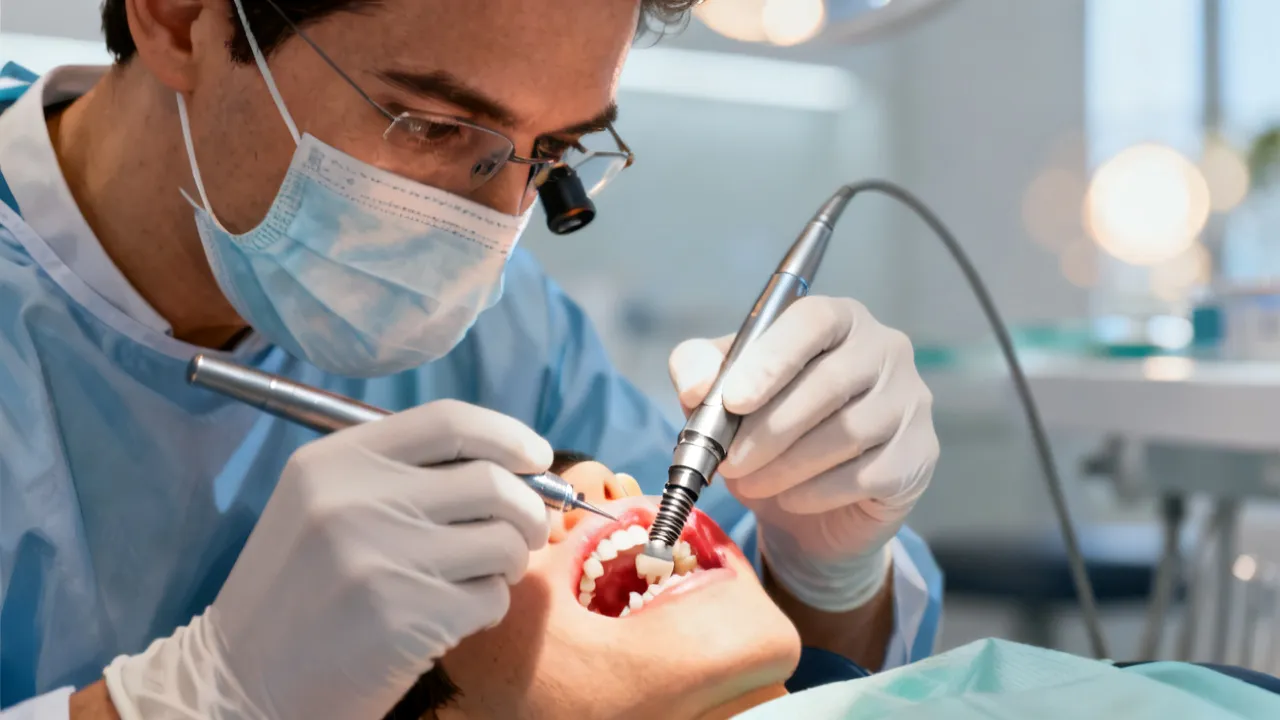
This guide explains 금니 부작용, the possible side effects and complications associated with gold dental crowns, and how they differ from problems involving dental implants. It covers symptoms that require prompt dental assessment, material sensitivity, bite changes, gum irritation, hygiene considerations, replacement decisions, and practical ways to compare implant costs. It also summarizes indicative prices and reputable online dental information sources across English-, Spanish-, and Portuguese-speaking markets.
Understanding 금니 부작용: What the Term Means
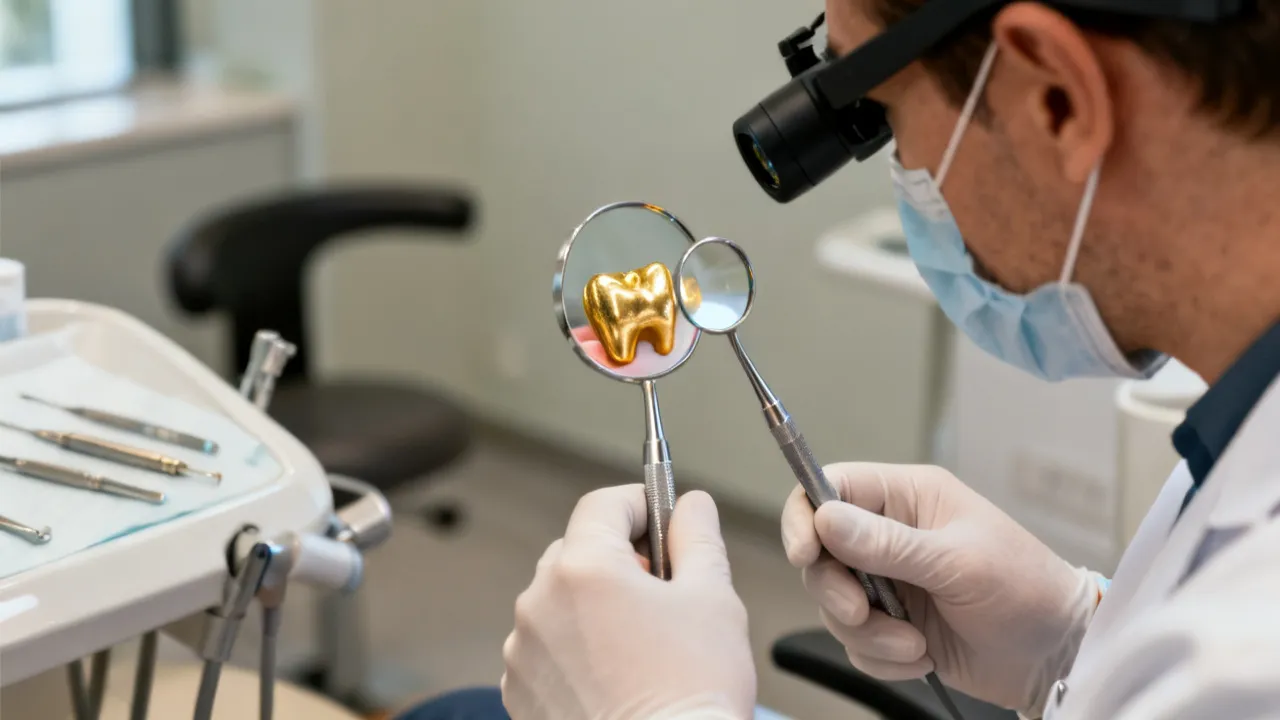
The Korean term 금니 부작용 generally refers to side effects, discomfort, or complications associated with a gold dental crown, gold inlay, gold onlay, or another dental restoration that contains gold or a gold-based alloy. Gold restorations have been used in dentistry for many decades because properly manufactured dental alloys can be durable, corrosion-resistant, precisely fitted, and relatively gentle on opposing teeth. They may be especially useful for back teeth that experience substantial chewing pressure. Nevertheless, no dental material is suitable for every patient, and a restoration can cause problems when it is poorly fitted, damaged, incompatible with the patient’s bite, difficult to clean, or placed over a tooth with an unresolved disease.
The expression may also be used broadly by patients who notice pain, sensitivity, gum irritation, a metallic taste, an unusual sensation between two teeth, or a change in their bite after gold dental work. These symptoms do not necessarily mean that gold itself is harmful. Often, the cause is related to the tooth underneath the restoration, the cement used to retain it, the surrounding gum, or the way the restoration contacts neighboring and opposing teeth.
Gold crowns should not be confused with dental implants. A crown is the visible restoration placed over a prepared natural tooth or attached to an implant abutment. An implant is a post, commonly made from titanium or another biocompatible material, that is surgically positioned in the jawbone to support a replacement tooth. The causes, symptoms, and treatment of gold crown complications are therefore different from those of implant complications. A gold crown on a natural tooth is not the same treatment as a gold-colored crown supported by an implant.
From a clinical and patient-safety perspective, the most important principle is simple: persistent pain, swelling, bleeding, bad taste, mobility, or a change in the way the teeth meet should be assessed by a licensed dentist. Mild sensitivity immediately after crown placement can be temporary, but worsening or prolonged symptoms should not be ignored. A dental professional must determine whether the source is the crown, the underlying tooth, the gums, the bite, the jaw muscles, or a separate oral condition.
What Is a Gold Dental Restoration?
A gold restoration is not always made of pure gold. Pure gold is too soft for many high-stress dental applications, so dentists and laboratories usually use an alloy that combines gold with other metals. Depending on the product, the alloy may include palladium, platinum, silver, copper, or other components. The exact composition can influence strength, color, wear characteristics, cost, and the possibility of sensitivity in a patient with a known metal reaction.
A gold crown covers most or all of the visible portion of a prepared tooth. It may be recommended when a tooth has been weakened by extensive decay, a large filling, a fracture, or previous root canal treatment. A gold inlay fits within the cusps of a tooth, while a gold onlay covers one or more cusps but usually preserves more natural tooth structure than a full crown. The appropriate option depends on the amount of remaining tooth structure, the location of the damage, the bite, appearance preferences, and the dentist’s assessment of long-term prognosis.
Gold is valued in restorative dentistry because it can be shaped into a thin, accurately fitting restoration. It may require less aggressive reduction of healthy tooth structure than certain other crown materials. It also tends to be less abrasive to opposing enamel than some ceramics, although the behavior depends on the alloy, polishing, bite, and individual circumstances. These potential advantages do not eliminate the need for careful diagnosis, high-quality laboratory work, and regular maintenance.
Common Signs of Gold Crown Complications
Possible symptoms vary according to the type of restoration and the condition of the tooth underneath it. The following signs are not a diagnosis, but they can help patients decide when to arrange an examination.
- Short-term temperature sensitivity: Sensitivity to cold or heat may occur after tooth preparation. It is more concerning when it continues for several weeks, intensifies, lasts long after the stimulus is removed, or changes into spontaneous pain.
- Pain when biting: A crown that is slightly too high can place excessive pressure on the tooth or its supporting tissues. Pain while chewing may also indicate inflammation around the root, a crack, or a problem with the cement seal.
- Gum redness or tenderness: An overhanging crown margin, rough surface, trapped food, plaque accumulation, or inadequate cleaning can irritate the surrounding gum.
- Persistent bad taste or odor: This may reflect food retention, leakage around the restoration, gum disease, decay, or infection beneath the crown.
- Loose or shifting crown: A restoration that moves should be examined promptly. Continued chewing on it may damage the tooth or allow bacteria and saliva to enter underneath.
- Metallic taste: Some patients notice a metallic sensation. It can arise from the alloy, galvanic interaction between different metals, local chemical conditions in the mouth, or a separate oral problem.
- Facial swelling or fever: These may indicate infection and require urgent dental attention, especially when accompanied by difficulty swallowing, difficulty breathing, or rapidly increasing swelling.
- Changes in the bite: A new crown can feel unusual for a short period, but a lasting bite imbalance can cause jaw discomfort, tooth wear, headaches, muscle fatigue, or repeated pressure on the restored tooth.
- Food becoming trapped: Food that repeatedly lodges beside a crown may indicate an open contact, an altered tooth contour, gum recession, or a neighboring tooth problem.
- Floss shredding or catching: Roughness at the crown margin or an improperly finished contact can make floss tear or become difficult to remove.
- Darkening of nearby gum tissue: A gray or dark line may sometimes be visible around a metal-containing crown. It can be related to the material, gum recession, or inflammation and should be assessed if it changes or is associated with symptoms.
Symptoms alone cannot establish whether a patient has a gold crown side effect. For example, pain under a crown may result from decay, a cracked tooth, irreversible pulp inflammation, or an infection that existed before placement. Gum bleeding may reflect generalized periodontal disease rather than a problem limited to the gold restoration. A clinical examination and, when appropriate, dental radiographs are usually needed.
Why Gold Crowns Can Cause Problems
1. Poor fit or an unsuitable margin
A crown should meet the prepared tooth accurately and maintain a clean, accessible margin near the gum. If the margin is too deep, rough, open, short, or overcontoured, plaque and food can accumulate. This may contribute to gingival inflammation and recurrent decay. A crown that extends too far under the gum can also make brushing and flossing more difficult, especially for patients with limited dexterity or crowded teeth.
Digital scanning and modern laboratory techniques can improve planning, but the quality of the tooth preparation, impression or scan, laboratory work, and final adjustment remains important. A digital workflow is not automatically superior if the preparation is inadequate or the final restoration is not carefully checked. The dentist must evaluate the fit clinically before cementation.
2. Bite interference
The restoration must harmonize with the patient’s occlusion, or bite. A crown that contacts too early may cause pain when chewing or a feeling that the tooth is “high.” In some cases, the surrounding periodontal ligament becomes tender even though the crown itself is intact. Patients may unconsciously avoid chewing on that side or repeatedly tap the tooth to test it, which can make the area feel more irritated.
Dentists can often correct a minor interference through careful adjustment, but adjustments should be conservative because removing too much material can compromise the restoration or change the intended anatomy. If the bite continues to feel abnormal after an adjustment, the dentist may need to examine jaw movement, neighboring teeth, clenching habits, and the possibility that the pain originates from the pulp rather than the bite.
3. Pulp irritation or infection
Preparing a tooth for a crown involves removing some enamel and dentin. The dental pulp, which contains nerves and blood vessels, may become irritated, particularly when the tooth has extensive decay, a large previous filling, a crack, or a history of trauma. Some inflammation resolves after the tooth is sealed and given time to recover. Other cases progress and require root canal treatment.
A crown does not eliminate the possibility of future pulp disease. If a tooth becomes painful months or years after crown placement, the restoration may not be defective. The underlying nerve may have deteriorated gradually, or decay may have developed at the margin. A dentist may need to perform vitality tests, percussion tests, and radiographic evaluation before recommending root canal treatment or crown removal.
4. Cement breakdown or recurrent decay
Dental cement helps retain many crowns, but it is not a permanent barrier against every oral challenge. Moisture contamination during cementation, excessive biting forces, crown movement, or marginal leakage may weaken retention. Once cement begins to wash out, bacteria and food can enter the space between the crown and tooth.
If decay develops at the crown margin, the dentist must evaluate whether the tooth can be restored. In some cases, the crown can be removed, the decay treated, and a new restoration made. In other cases, the remaining tooth structure is insufficient, and root canal treatment, a post-supported restoration, or extraction may be discussed. Early evaluation gives the patient more options.
5. Material sensitivity or allergy
Pure gold is chemically distinct from the alloys used in many dental restorations. Dental alloys may contain gold together with metals such as palladium, platinum, silver, copper, or other components. Reactions to dental materials are uncommon, but a patient with a known metal allergy should disclose it before treatment. A history of skin reactions to jewelry may be relevant, although a skin allergy does not automatically predict an oral reaction to every dental alloy.
Oral symptoms such as burning, localized redness, ulcers, peeling tissue, or persistent irritation require professional assessment because they can have many causes unrelated to the crown. These include trauma, oral dryness, acid exposure, yeast infection, medication effects, nutritional issues, and contact reactions to toothpaste or mouthwash. Removing a restoration without identifying the likely cause may not solve the symptoms.
6. Interaction with other metals
When different metallic restorations are present, some people perceive a brief electric or tingling sensation, often described as galvanic discomfort. Saliva can act as an electrolyte, and differences between metals may contribute to this sensation. The symptoms may be triggered when a person bites on foil, touches two restorations, or has a particular combination of fillings and crowns.
A dentist should inspect the restorations and assess whether the sensation is reproducible and clinically significant. Replacement may be considered when there is a defective restoration, clear corrosion, severe persistent discomfort, or another justified reason. Removing an otherwise healthy crown solely on the basis of a vague sensation may unnecessarily sacrifice tooth structure and create additional treatment costs.
7. Oral hygiene challenges
A crown is not immune to plaque. The natural tooth under and around it remains vulnerable to decay, while the gum remains susceptible to inflammation. Patients should brush twice daily with fluoride toothpaste unless their dentist advises otherwise, clean between teeth with floss or an interdental brush, and attend recommended examinations.
Patients sometimes assume that because gold does not rust or decay, the tooth beneath it cannot develop a problem. This is incorrect. Bacteria can affect exposed natural tooth structure at the crown margin, and periodontal disease can destroy the supporting tissues around the tooth. The restoration’s long-term performance depends partly on daily plaque control and the patient’s exposure to sugar and acidic drinks.
8. Bruxism and excessive chewing forces
Clenching and grinding can place unusually high forces on a crown, its cement, the tooth root, and the opposing teeth. Gold is generally resilient, but it can still become worn, distorted, loosened, or perforated under extreme or prolonged stress. Patients may not know they grind because it often occurs during sleep.
Signs that may suggest bruxism include morning jaw soreness, headaches, flattened tooth surfaces, muscle tenderness, cracked restorations, and a partner’s report of nighttime grinding. A dentist may recommend a custom night guard, stress-management strategies, or evaluation of contributing factors. A night guard should be professionally designed because an unsuitable appliance can alter the bite or concentrate pressure.
9. Gum recession and exposed crown margins
Gum tissue can recede with age, periodontal disease, aggressive brushing, tooth position, or previous dental treatment. When recession exposes the crown margin, the patient may notice a visible line, increased sensitivity, or difficulty cleaning. The exposed area may also make an old restoration appear as though it has suddenly changed color.
Treatment depends on the severity and cause. Improving brushing technique, controlling inflammation, treating periodontal disease, or modifying the restoration may be sufficient. In selected cases, periodontal treatment may be considered. A patient should not attempt to cover the area with over-the-counter materials.
How Dentists Evaluate 금니 부작용
A structured examination is more reliable than judging the restoration by appearance alone. A dentist may use the following sequence:
- Medical and dental history: The clinician asks when symptoms began, whether they occur with hot or cold foods, whether the pain is spontaneous, how long it lasts, and whether the patient has allergies, grinding habits, diabetes, smoking exposure, or previous root canal treatment.
- Visual inspection: The crown margin, gum tissue, neighboring teeth, contact points, visible cracks, and surface defects are examined under magnification where appropriate.
- Occlusal assessment: Articulating paper or digital bite analysis may help identify premature contacts. The dentist may also observe the bite while the patient closes, slides the jaw, and chews.
- Pulp and periodontal tests: Cold testing, percussion, palpation, mobility testing, and gum probing can help distinguish pulp inflammation from supporting-tissue problems.
- Radiographic review: X-rays may reveal recurrent decay, bone changes, root fractures, an incompletely treated root canal, or an endodontic problem not visible externally.
- Restoration evaluation: The dentist considers whether the crown can be adjusted, repaired, recemented, or should be replaced. The prognosis of the remaining tooth is central to this decision.
- Comparison with adjacent teeth: Pain may be referred from a neighboring tooth. Testing nearby teeth helps prevent treatment of the wrong tooth.
Patients should bring information about the date of placement, the clinic that provided it, known metal allergies, and any previous dental records. If available, the material composition or laboratory documentation can be useful. A second opinion is reasonable when the proposed treatment involves root canal therapy, extraction, implant surgery, or replacement of a structurally sound crown.
How to Interpret Pain Patterns
Short, sharp sensitivity that occurs only with cold and disappears quickly may be associated with temporary irritation, exposed dentin, gum recession, or a reversible pulp response. It still deserves attention if it does not gradually improve. Pain that lingers after hot or cold exposure, occurs without a stimulus, wakes the patient at night, or radiates toward the ear or jaw may suggest more advanced pulp inflammation.
Pain primarily associated with biting or releasing a bite can be related to a high crown, inflammation around the root, or a crack. Pain when the patient releases pressure is particularly important to report because it may help the dentist investigate a fracture. However, no symptom pattern is definitive by itself.
Dull, persistent soreness, tenderness to touch, or a feeling that the tooth is elevated may result from inflammation in the tissues surrounding the root. Swelling, pus, fever, or a bad taste can indicate an abscess. These symptoms should not be managed only with painkillers because medication may reduce discomfort while the infection continues.
When to Seek Urgent Dental Care
Arrange prompt dental care for swelling, fever, severe or escalating pain, pus, a loose crown, difficulty opening the mouth, or pain that prevents normal eating or sleeping. Emergency medical evaluation may be necessary when facial swelling affects breathing or swallowing, spreads toward the eye or neck, or is accompanied by severe weakness. Children, older adults, and people with impaired immunity may need especially prompt attention.
Until an appointment is available, keep the area clean, avoid hard or sticky foods on the affected side, and follow the label instructions for any over-the-counter medicine. Medication advice should account for pregnancy, allergies, kidney disease, stomach ulcers, anticoagulants, asthma, and other health conditions, so a pharmacist or clinician should be consulted when uncertain.
Do not place aspirin directly on the gum, attempt to glue a crown with household adhesive, use sharp instruments to scrape underneath it, or repeatedly remove and replace a loose restoration. If a crown falls out, place it in a clean container and bring it to the dental appointment. Do not force it back into position if the tooth is painful, swollen, or significantly damaged.
Possible Treatments for Gold Crown Problems
The appropriate treatment depends on the cause rather than the material alone. A minor high spot may be corrected through occlusal adjustment. A loose but intact crown may sometimes be cleaned and recemented if the tooth and restoration remain suitable. If the margin is defective or decay has developed, replacement may be required.
When the pulp is inflamed or infected, root canal treatment may preserve the tooth. Depending on the access needed, a dentist may perform treatment through the existing crown or remove the crown first. A new crown may be necessary afterward if the original restoration is damaged or cannot be adequately sealed.
Gum inflammation may improve with professional cleaning, improved home care, correction of a bulky contour, or periodontal treatment. A contact that traps food may be adjusted or remade. A cracked tooth may have a guarded prognosis, and the dentist must explain whether restoration can predictably protect it.
Extraction is considered when the tooth cannot be restored, has a severe vertical root fracture, has inadequate remaining structure, or has a poor long-term prognosis. If the tooth is removed, replacement options may include a bridge, removable partial denture, or implant-supported restoration. The decision should be based on the entire mouth rather than on the crown alone.
Gold Crown Versus Implant: A Necessary Distinction
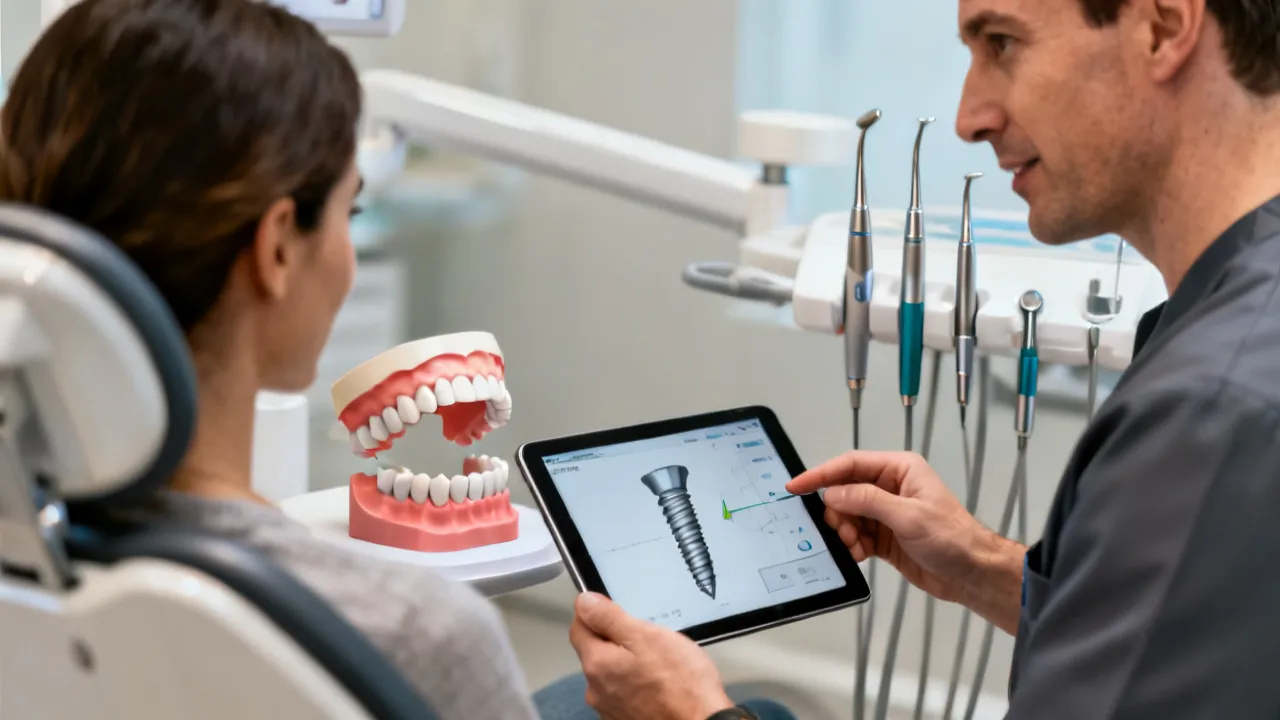
A gold crown may restore a damaged natural tooth. A dental implant replaces the root portion of a missing tooth and normally supports an abutment and crown. If a crowned tooth cannot be preserved, extraction and implant treatment may become options, but the decision depends on bone volume, gum health, general health, smoking status, bite forces, and the prognosis of the tooth.
Implant-related complications can include infection around the implant, inadequate integration with bone, nerve or sinus complications, peri-implant bone loss, mechanical loosening, and fracture of the prosthetic component. These are not automatically caused by the gold material used in a crown. A patient experiencing symptoms around an implant-supported gold or gold-colored crown should receive an evaluation of both the prosthesis and the implant tissues.
Implant treatment is also not an immediate substitute for investigating pain. An implant requires surgery, healing, maintenance, and a suitable foundation. If a natural tooth can be preserved with a reasonable prognosis, preserving it may be less invasive than extraction followed by implant placement. Conversely, trying to retain a hopeless tooth for too long may worsen bone loss and complicate future replacement. This balance requires individualized professional judgment.
How to Reduce the Risk of Gold Crown Side Effects
- Choose a dentist who explains the diagnosis, alternatives, expected maintenance, and material composition.
- Tell the dental team about metal allergies, skin reactions to jewelry, previous dental-material reactions, and existing medical conditions.
- Ask whether the tooth requires a crown, an inlay, an onlay, a filling, or another conservative option.
- Confirm that the crown margin, contacts, and bite will be checked before final cementation.
- Maintain daily brushing and interdental cleaning around the restoration.
- Use a professionally made night guard when bruxism or clenching has been diagnosed.
- Return for review if sensitivity persists or the bite feels uneven after the initial adjustment period.
- Keep regular dental examinations so that early decay or gum inflammation can be detected.
- Limit frequent sugary snacks and acidic beverages, which can promote decay and erosion around restoration margins.
- Avoid chewing ice, hard objects, pens, or very sticky foods that may loosen or deform a restoration.
- Ask for a written record of the restoration material and the date of placement.
Questions to Ask Before Receiving a Gold Crown
Patients often feel more confident when they understand the reason for treatment and the available alternatives. Useful questions include: How much natural tooth structure remains? Is there evidence of a crack or pulp disease? Would an inlay, onlay, or bonded restoration preserve more tooth structure? What alloy will be used? Does it contain metals that are relevant to a known allergy? How will the dentist check the bite and margin before cementation?
It is also reasonable to ask about expected longevity, maintenance requirements, possible future root canal treatment, and what happens if the crown loosens. No restoration lasts forever, and longevity depends on oral hygiene, bite forces, diet, gum health, and the condition of the underlying tooth. A clear discussion before treatment can prevent confusion when symptoms occur later.
Making Dental Implants More Affordable
For patients who have lost a tooth, the main financial question is not simply the price of an implant. An individual implant may involve a consultation, diagnostic imaging, extraction, bone grafting, implant placement, healing visits, an abutment, and a final crown. Written estimates should state which components are included. A low advertised figure may represent only the implant fixture and not the complete tooth replacement.
The following steps can help patients manage costs while preserving clinical safety:
Step 1: Confirm that an implant is appropriate
Ask for a clear diagnosis and alternatives. A bridge, removable partial denture, or restorative treatment for a salvageable tooth may have a different cost and risk profile. The most economical treatment over time is not always the one with the lowest initial quotation. The patient should understand the advantages and disadvantages of preserving the tooth, replacing it with a bridge, or using an implant.
Step 2: Obtain itemized treatment plans
Request written estimates from at least two qualified providers. Compare the consultation, three-dimensional imaging, extraction, grafting, implant system, abutment, crown, temporary tooth, follow-up visits, and management of complications. Ask whether taxes, laboratory charges, sedation, and medication are included. Confirm whether the quote is valid for a specific period because laboratory and material prices can change.
Step 3: Compare materials and treatment scope
Implant systems and crown materials differ. A dentist should explain the proposed brand, warranty conditions, laboratory standards, and expected maintenance. Patients should avoid choosing solely on brand names or promotional claims that lack clinical context. A lower-cost component may be appropriate in some cases, but the clinician should be able to explain its documentation, compatibility, and availability for future repairs.
Step 4: Consider accredited dental schools and teaching clinics
Dental schools and supervised teaching clinics may offer lower fees because treatment is provided within an educational environment. Appointments can take longer, and eligibility may depend on the case. Patients should verify the supervising dentist’s credentials, the clinic’s emergency arrangements, and whether advanced surgical cases are accepted. Teaching-clinic treatment is supervised, but patients should expect that multiple appointments may be necessary.
Step 5: Review insurance and dental plans
Some insurance policies contribute toward portions of implant treatment, while others classify implants as excluded or apply waiting periods. Dental plans may provide negotiated rates rather than comprehensive coverage. Read annual limits, exclusions, preauthorization rules, replacement clauses, and coverage for bone grafting before committing. Ask whether the plan covers the crown separately from the implant surgery.
Step 6: Ask about staged treatment
When clinically appropriate, treatment may be divided into phases. A dentist can explain whether extraction, bone preservation, implant placement, and the final crown should occur at separate visits. Staging must never compromise healing or infection control merely to reduce the immediate payment. A temporary replacement may be needed during healing, and its cost should be included in the financial plan.
Step 7: Evaluate dental tourism carefully
Traveling abroad can reduce quoted treatment costs in some markets, but patients must account for flights, accommodation, time away from work, language barriers, aftercare, and treatment of complications after returning home. Verify the dentist’s registration, the facility’s infection-control standards, implant documentation, emergency pathway, and follow-up policy. A provider should be willing to share a complete treatment plan before travel rather than pressuring a patient into rapid decisions.
Step 8: Avoid unnecessary procedures
Bone grafting, sinus elevation, sedation, and advanced imaging may be appropriate in selected cases but are not required for every patient. Ask what clinical finding supports each procedure and whether a less invasive alternative exists. A responsible clinician should explain both benefits and limitations. Patients should be cautious when every case is presented as requiring the same package of procedures.
Step 9: Protect the investment after treatment
Regular maintenance, professional cleaning when indicated, control of gum disease, and protection from grinding can reduce the risk of avoidable complications. Patients should retain implant passports or treatment records, including the implant manufacturer and model, for future care. These records can be especially valuable if the patient moves, changes dentists, or needs repair many years later.
Dental Implant Information Websites and Feature Comparison
The websites below represent different types of dental information providers. They should be used for preliminary education rather than as substitutes for an individualized examination. Some are clinic websites, some provide insurance or treatment guidance, and one focuses on dental tourism. Website content, fees, availability, and clinical standards may change. Patients should verify licensing, credentials, current prices, and treatment details independently.
| Website or provider | Primary information and useful features |
|---|---|
| Dental Views | Discusses lower-cost dental implants, treatment types, benefits, process considerations, and common cost questions. |
| Atlantic Dental Group | Clinic-based information covering general dentistry, implants, orthodontics, cleaning, and emergency dental services. |
| DentaVacation | Dental-tourism information, international treatment comparisons, travel planning, and cost-oriented dental care options. |
| American Dental Health Plans | Information about dental insurance plans, coverage structures, enrollment considerations, and ways to manage dental expenses. |
| Rockville Dental Arts | Spanish-language clinic information covering implants, whitening, cleaning, orthodontics, and emergency dental care. |
| Union City Mini Dental Implants | Spanish-language information focused on mini dental implants and potential applications for selected missing-tooth situations. |
| Cigna | Spanish-language educational guidance explaining dental implants, treatment stages, and general patient considerations. |
| Rubi Odonto | Portuguese-language clinic information from Santo André, São Paulo, including orthodontics, whitening, implants, and patient-care services. |
| Odontologia Velasco | Portuguese-language information on implants, prostheses, aesthetic dentistry, and the use of contemporary dental technology. |
| DentalVidas | Portuguese-language dental-plan information for individuals, families, and companies, including network and urgent-care details. |
source: www.dentalviews.com/low-cost-dental-implants/
source: www.atlanticdentalgrp.com/
source: www.dentavacation.com/
source: rockvilledentalarts.com/es/
source: unioncityminidentalimplants.com/es/
source: www.cigna.com/es-us/knowledge-center/guide-to-dental-implants
source: www.rubiodonto.com.br/
source: odontologiavelasco.com.br/
source: dentalvidas.com.br/
How to Seek Lower-Cost Implant Care in English-Speaking Markets
In the United States, patients can compare private practices, dental-school clinics, dental insurance, and financing arrangements. A consultation should clarify whether the estimate covers the complete implant-supported tooth. Patients should check state licensing and ask about the dentist’s experience with bone grafting or complex cases when those procedures are proposed. Financing can spread payments, but patients should review interest, deferred-interest clauses, cancellation terms, and the consequences of missing payments.
In the United Kingdom, patients may compare private dental clinics, university dental hospitals, and available National Health Service pathways. NHS eligibility and availability for implants are limited and depend on clinical circumstances. A private quotation should identify the implant, abutment, crown, imaging, temporary restoration, and review appointments separately. Patients should also ask whether future maintenance is provided by the same clinic.
In Australia, patients can investigate private dental clinics, university clinics, and health-fund benefits. Waiting periods, annual limits, and major-dental categories can materially affect out-of-pocket costs. Patients in rural areas should also calculate travel for surgery and follow-up appointments. A treatment plan that requires repeated trips to a distant city may be more expensive than a moderately higher local quotation.
In Canada, provincial dental programs may have specific eligibility rules and may not cover routine implant treatment. University clinics and private practices can provide different fee structures. Patients should confirm whether diagnostic scans, laboratory fees, and restorative components are included before comparing quotations. They should also ask how seasonal travel or severe weather could affect appointments in regions where the clinic is far from home.
How to Seek Lower-Cost Implant Care in Spanish-Speaking Markets
In Spain, patients may compare private practices, university-linked services, and dental insurance products. Cost differences can reflect city, laboratory, implant system, and the number of specialists involved. Patients should request documentation in Spanish and confirm who will provide follow-up care if a complication occurs. If treatment includes several specialists, the patient should understand which provider is responsible for the overall plan.
In Mexico, Colombia, Peru, Chile, and Argentina, prices may vary considerably between major metropolitan areas and smaller cities. A lower quotation should be checked against the qualifications of the dentist, sterilization procedures, implant traceability, and the inclusion of the final crown. Patients using dental tourism should allow adequate time for healing and follow-up rather than planning treatment around a short trip.
Spanish-language resources can assist patients who prefer to review explanations in Spanish. However, the presence of a Spanish-language website does not by itself verify the quality, licensing, or suitability of a provider. Patients should independently confirm registration with the relevant national or regional dental authority. They should also ask how records and radiographs will be transferred to a local dentist if follow-up is needed after returning home.
How to Seek Lower-Cost Implant Care in Portuguese-Speaking Markets
In Brazil, patients can compare private clinics, teaching institutions, dental plans, and staged treatment arrangements. The Brazilian state or regional dental council can be used to verify professional registration. Patients should ask whether the quoted amount includes the implant fixture, surgical component, abutment, crown, imaging, and maintenance. They should also clarify whether the laboratory is in-house or external and who is responsible for any remake.
In Portugal, patients may compare private dental clinics, university services, and insurance or dental-plan arrangements. Prices can differ between Lisbon, Porto, coastal regions, and smaller communities. Travel costs and access to follow-up should form part of the total budget, particularly when surgery and prosthetic delivery occur on separate dates.
Portuguese-language websites such as Rubi Odonto, Odontologia Velasco, and DentalVidas can help patients understand available services and plan structures. They should be treated as starting points for questions, not as independent evidence that a particular procedure is clinically necessary. Patients should look for a detailed examination, informed consent, and a written plan rather than relying only on testimonials or package pricing.
Indicative Individual Dental Implant Price Ranges
The ranges below are provided for an individual dental implant in the listed markets. They are reference figures, not quotations, and may describe different treatment scopes. In particular, some prices may not include bone grafting, the abutment, the final crown, sedation, imaging, or aftercare. Currency conversion should be checked using current rates, and patients should request a complete itemized estimate.
| Country | Currency | Indicative price range for one implant |
|---|---|---|
| United States | USD | $3,000–$6,000 |
| United Kingdom | GBP | £2,000–£2,500 |
| Australia | AUD | AU$3,500–AU$6,500 |
| Canada | CAD | CA$3,000–CA$5,500 |
| Spain | EUR | €1,500–€2,500 |
| Chile | CLP | CLP$800,000–CLP$1,500,000 |
| Mexico | MXN | $15,000–$25,000 MXN |
| Colombia | COP | $2,000,000–$4,000,000 COP |
| Peru | PEN | S/ 3,000–S/ 6,000 |
| Argentina | ARS | $80,000–$150,000 ARS |
| Brazil | BRL | R$3,000–R$8,000 |
| Portugal | EUR | €1,000–€2,000 |
| Germany | EUR | €2,000–€3,500 |
| France | EUR | €1,500–€2,500 |
| Italy | EUR | €1,500–€3,000 |
| Japan | JPY | ¥300,000–¥700,000 |
What Can Change the Final Implant Cost?
Bone condition is a major factor. After tooth loss, the jawbone may resorb. Some patients have sufficient bone for placement, while others require grafting or sinus augmentation. These procedures add time, materials, and professional fees. The need for grafting is normally determined through clinical examination and imaging rather than by the patient’s preference.
Gum health also affects planning. Active periodontitis should generally be addressed before implant surgery because inflammation and poor plaque control can threaten both natural teeth and implants. A patient who receives an implant without controlling gum disease may face a higher risk of inflammation and bone loss around the implant.
Restoration design matters. A single implant-supported crown, a short-span bridge, and a full-arch reconstruction are different treatments. The term “implant price” can refer to the surgical fixture alone or to the complete replacement tooth. Patients should ask whether the visible crown is included and whether it will be made from metal, porcelain-fused-to-metal, zirconia, or another material.
Location and laboratory services influence expenses. Urban clinics may have higher operating costs, while remote areas may involve additional travel. Custom abutments, ceramic crowns, and advanced digital workflows can change the estimate. A laboratory with strong quality-control procedures may cost more but can provide better communication and documentation.
Medical complexity may require consultation with a physician or specialist. Diabetes, immune conditions, medications affecting bone metabolism, smoking, and a history of radiation therapy can influence timing and risk. Patients should provide a complete health history rather than withholding information to obtain a lower quotation. The treatment plan may need modification to improve healing and reduce complications.
Maintenance requirements can affect long-term cost. Implants are not maintenance-free. Professional cleaning, replacement of worn prosthetic components, treatment of gum inflammation, and repair of chipped ceramic may create expenses in later years. A realistic budget should include periodic maintenance rather than considering only the initial surgery.
Questions to Ask Before Choosing a Clinic
- What is the diagnosis, and why is an implant recommended?
- Does the quoted price include imaging, extraction, grafting, the implant, abutment, crown, and follow-up?
- Which professional will perform surgery and which will provide the final restoration?
- What implant system and crown material are being proposed?
- How are infection control and instrument sterilization managed?
- What happens if the implant does not integrate with the bone?
- Who provides urgent care after surgery, including nights and weekends?
- How many appointments are expected, and how long is the overall treatment period?
- What records will the patient receive for future maintenance?
- Are there financing, insurance, or dental-plan conditions that could alter the final amount?
- Will the clinic provide copies of radiographs, scans, operative notes, and laboratory records?
- What symptoms after surgery are expected, and which ones require an urgent call?
- What restrictions apply to smoking, exercise, diet, and oral hygiene during healing?
Frequently Asked Questions
Can a gold crown cause an allergic reaction?
It is possible but uncommon, and the reaction may involve an alloy component rather than gold itself. Oral burning, ulcers, redness, or swelling should be evaluated because infections, trauma, dry mouth, and other conditions can produce similar symptoms. Material history and, when appropriate, specialist testing can help guide the decision.
Is pain after receiving a gold crown normal?
Some mild sensitivity can occur after tooth preparation, particularly with cold foods. Pain that persists, becomes spontaneous, occurs at night, or is triggered by biting deserves a dental examination. The cause may be a high bite, pulp inflammation, a crack, leakage, or another condition.
Should a gold crown be removed because of a metallic taste?
Not automatically. The dentist should first inspect the crown, neighboring restorations, gum tissues, and bite. If the sensation is caused by interaction between metals or a defective restoration, replacement may be considered. Removing a crown can require additional removal of natural tooth structure, so the decision should be evidence-based.
Can a crown under a gold restoration develop decay?
Yes. The natural tooth remains present beneath or around many crowns. Plaque at the margin, a damaged seal, frequent sugar exposure, and difficult-to-clean contours can contribute to decay. Daily cleaning and regular examinations remain necessary.
Are dental implants a solution for 금니 부작용?
Usually not as a first response. If a gold crown is uncomfortable, the dentist should identify the cause and determine whether adjustment, recementation, root canal treatment, or replacement can preserve the tooth. Implant placement is generally considered when a tooth is missing or cannot be predictably restored.
What is the least expensive way to replace one missing tooth?
There is no universal answer. A removable partial denture, bridge, or implant-supported crown may have different initial and long-term costs. The decision should include durability, maintenance, effects on neighboring teeth, appearance, bone preservation, and the patient’s health. A removable appliance may cost less initially but may require adjustment or replacement, while a bridge may involve preparation of neighboring teeth.
Are low-cost dental implants safe?
Price alone does not determine safety. A lower fee can result from location, clinic structure, laboratory arrangements, or treatment scope. Safety depends on diagnosis, professional qualifications, infection control, implant traceability, appropriate planning, informed consent, and reliable follow-up.
How can dental-tourism risks be reduced?
Verify the clinician and facility, obtain a written plan, identify the implant manufacturer, confirm what happens if complications arise, and budget for return visits. Avoid providers that promise a rapid result without discussing healing, risks, alternatives, and aftercare. Patients should be cautious about receiving surgery immediately after arrival without adequate time for examination and informed decision-making.
Does dental insurance cover gold crowns or implants?
Coverage varies widely. Policies may cover part of a crown but exclude certain metals, apply waiting periods, or impose annual limits. Implant benefits may be restricted to specific diagnoses or components. Review the policy wording and seek preauthorization where available. A preauthorization is not always a guarantee of payment, so the insurer should be asked to explain exclusions and patient responsibility.
How long can a gold crown last?
There is no fixed lifespan. A well-made crown on a healthy tooth may function for many years, but longevity depends on oral hygiene, gum health, bite forces, diet, cement integrity, and the amount of remaining tooth structure. A crown that looks intact can still have decay or a problem at the root, so routine examinations remain important.
Can a person undergo an MRI with a gold crown?
Most routine dental gold restorations do not prevent a person from undergoing an MRI, but patients should always disclose dental and medical materials to the imaging team. The restoration may create a small artifact in images near the mouth, and the imaging facility can provide specific guidance. Patients should not remove a stable restoration merely because an MRI is planned.
Expert Perspective: Choosing Value Rather Than the Lowest Quote
From a clinical-planning perspective, value means obtaining an appropriate diagnosis, a durable restoration, transparent pricing, and accessible maintenance. A quotation that omits the final crown or follow-up may appear attractive while understating the actual expense. Similarly, replacing a tolerable gold crown without confirming a clinical problem may expose the tooth to unnecessary treatment.
Patients should separate three decisions: first, whether the natural tooth can be preserved; second, which restorative material is appropriate; and third, how to arrange treatment within a realistic budget. This sequence helps prevent a financial concern from driving an unsuitable clinical choice. It also prevents a material preference from overshadowing more important issues such as gum disease, root fracture, or inadequate remaining tooth structure.
The best consultation is collaborative. The dentist explains findings in understandable language, identifies uncertainty, discusses alternatives, and describes what would happen if the initial plan does not succeed. Patients, in turn, should disclose medical information, follow maintenance instructions, and seek review when symptoms change. This approach applies equally to a traditional gold crown and to an implant-supported restoration.
When comparing providers, patients should consider communication quality as part of value. A clinic that answers questions clearly, provides records, explains fees, and offers a reliable follow-up pathway may be preferable to a clinic that advertises a very low price but gives little information. The ability to obtain future repairs and identify the materials used can matter years after the original treatment.
Conclusion
금니 부작용 can include sensitivity, bite discomfort, gum irritation, metallic taste, recurrent decay, crown loosening, or symptoms arising from the underlying tooth. These problems are often manageable when evaluated early, but severe pain, swelling, fever, or a loose restoration should not be delayed. Gold crowns and dental implants are different components of dental care, and implant surgery should not be used as an automatic solution for an uncomfortable crown.
Patients exploring lower-cost dental implants should compare complete treatment plans rather than isolated promotional prices. Checking professional credentials, treatment scope, material documentation, follow-up access, and insurance conditions is more important than selecting the lowest number. The price ranges and websites in this guide can support preliminary research, while the final decision should be based on an examination and individualized professional advice.
A careful approach protects both oral health and finances. Patients should seek diagnosis before replacement, ask for itemized estimates, understand the risks and alternatives, and maintain any crown or implant with consistent daily care. Prompt professional assessment is the safest way to determine whether a symptom represents a temporary adjustment issue, a treatable restoration problem, or disease involving the tooth and surrounding tissues.
References and Links
- Dental Views: Low-Cost Dental Implants
- Atlantic Dental Group
- DentaVacation
- Rockville Dental Arts, Spanish Website
- Union City Mini Dental Implants, Spanish Website
- Cigna: Spanish Guide to Dental Implants
- Rubi Odonto
- Odontologia Velasco
- DentalVidas
Disclaimer: The information above is compiled from online resources, and the data is as of October 2023. Dental implant prices are for reference only and may vary by region, clinic, doctor, treatment scope, materials, exchange rates, and individual clinical requirements. Website descriptions and prices may change over time. This article does not replace an examination, diagnosis, or treatment plan from a licensed dental professional.