Gold Crown Side Effects and Implant Cost Guide
This guide explains 금니 부작용, or possible side effects associated with gold dental crowns, and outlines when symptoms require professional evaluation. It covers allergies, gum irritation, bite changes, loosening, hygiene, replacement decisions, and differences between crowns and implants. It also compares dental-information websites and presents reference price ranges for individual implants across selected English-, Spanish-, Portuguese-, German-, French-, Italian-, and Japanese-speaking markets.
Understanding 금니 부작용: What the Term Means
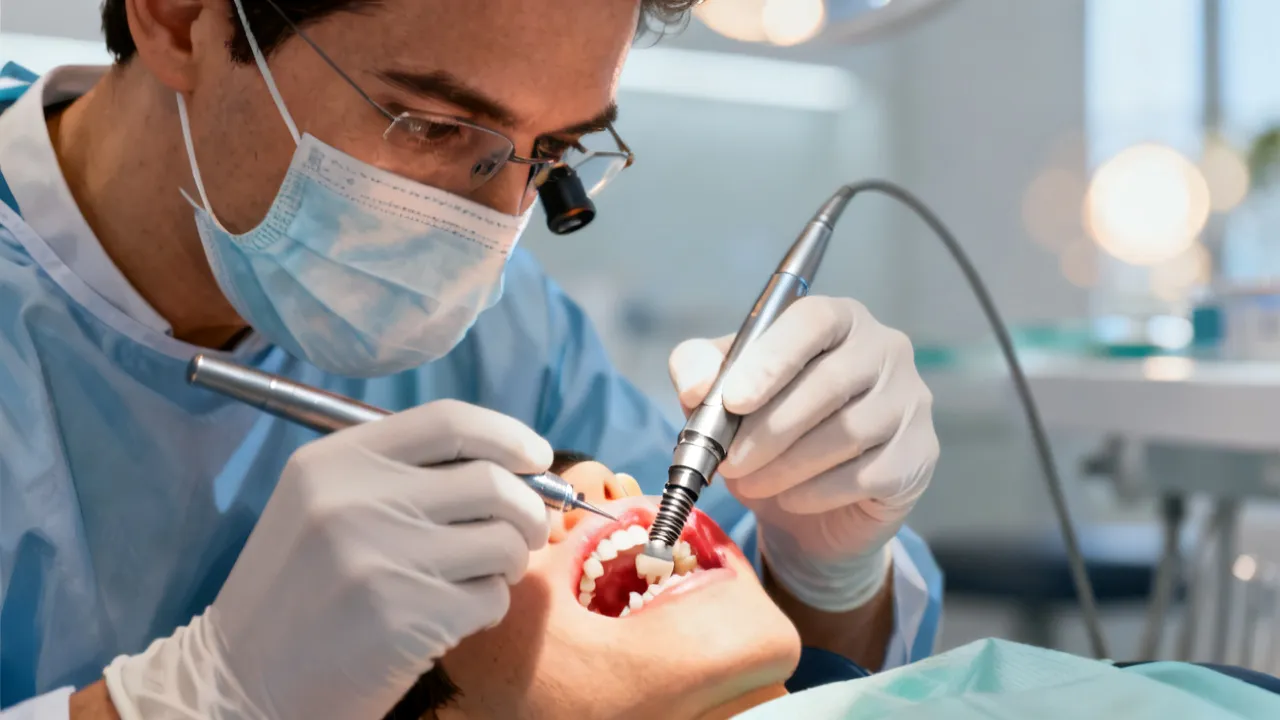
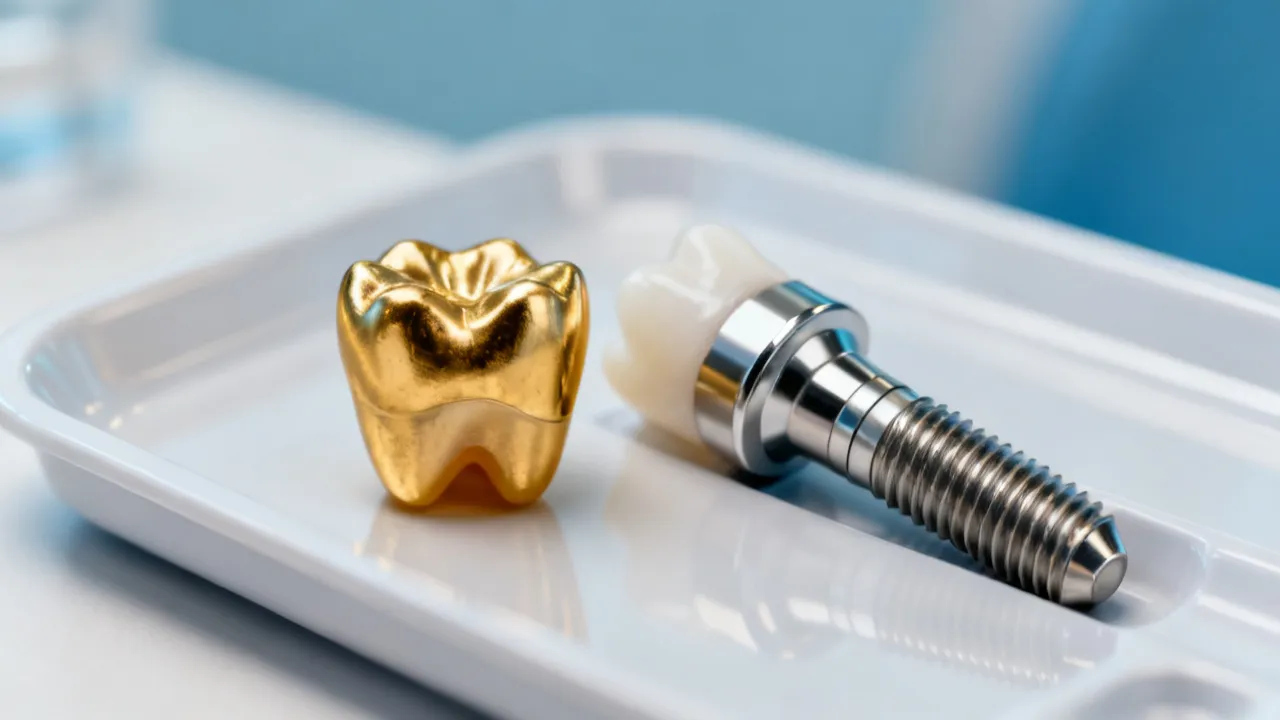
The Korean term 금니 부작용 generally refers to side effects, discomfort, or complications associated with a gold dental crown, gold inlay, gold onlay, or another dental restoration containing a gold alloy. Gold restorations have been used in dentistry for many decades because they can be durable, corrosion-resistant, precisely fitted, and relatively gentle on opposing teeth when they are properly designed and polished. Nevertheless, no dental material is ideal for every patient, tooth, bite, or aesthetic preference.
Most patients do not experience serious problems after a well-planned gold restoration has been fabricated and cemented correctly. When symptoms occur, the cause may be the restoration itself, another metal contained in the alloy, the underlying tooth, an inaccurate bite, cement failure, gum disease, inadequate cleaning, tooth grinding, or a condition unrelated to the crown. It is therefore important not to assume that every symptom is a direct reaction to gold.
Common concerns associated with 금니 부작용 include sensitivity, gum redness, food trapping, a metallic taste, discomfort when chewing, a crown that feels too high, loosening, recurrent decay, damage to the underlying tooth, and, less commonly, an allergic or contact reaction to an alloy component. Some symptoms are temporary and resolve as the tooth and surrounding tissues adapt. Others require prompt examination and treatment.
Key clinical point: Persistent pain, swelling, fever, facial swelling, difficulty swallowing, or difficulty breathing requires prompt dental or medical attention. A crown should not be removed, filed, or adjusted at home.
Why Gold Dental Restorations Are Used
A “gold crown” is not normally made from pure gold. Dental laboratories generally use alloys that contain gold together with other metals selected for strength, hardness, casting performance, resistance to corrosion, and compatibility with the mouth. The exact composition varies by product, manufacturer, laboratory, and jurisdiction. Patients with known metal allergies should ask the dentist for the material specification and, when appropriate, the laboratory information.
Gold alloys may be selected for molars and premolars because they can tolerate substantial chewing forces while allowing the dentist to preserve more natural tooth structure than some alternative crown designs. They are also known for their close marginal fit when the tooth is prepared appropriately and the laboratory work is accurate. Their visible color, however, may make them less attractive to patients who prefer tooth-colored restorations, particularly for front teeth or teeth that are visible when speaking or smiling.
A gold restoration may be used in several forms:
- Gold crown: Covers most or all of the visible portion of a prepared tooth.
- Gold inlay: Restores damage within the cusps of a tooth without covering the cusps.
- Gold onlay: Covers one or more cusps while preserving more natural tooth structure than a full crown.
- Gold partial crown: Covers a substantial area of a tooth but does not necessarily surround it completely.
Although gold restorations can be long-lasting, their performance depends on diagnosis, tooth preparation, laboratory quality, cementation, oral hygiene, diet, saliva, bruxism, and routine maintenance. A strong material cannot compensate for untreated decay, a cracked root, periodontal disease, inadequate remaining tooth structure, or an incorrect bite.
Possible Gold Crown Side Effects
1. Temporary Sensitivity
Short-term sensitivity to cold, heat, sweets, or pressure can occur after a crown is placed. The tooth has been prepared, and the pulp inside the tooth may need time to settle. Mild symptoms that gradually improve may be part of the normal recovery process, particularly when the restoration was placed on a tooth with deep decay or a large previous filling.
Patients should describe the pattern of sensitivity rather than simply stating that the tooth hurts. A dentist may ask whether the discomfort is triggered by cold, heat, biting, releasing the bite, brushing, or no stimulus at all. The duration of the pain is also important. A brief response to cold is different from pain that lingers for a long time after the stimulus has been removed.
Sensitivity that intensifies, persists without improvement, occurs spontaneously, or wakes a person at night may indicate pulpal inflammation, leakage, a crack, an exposed root, or another problem. A dental examination can determine whether observation is appropriate or whether treatment is needed.
2. Bite Discomfort or a Crown That Feels High
A newly fitted crown may feel unfamiliar for several days because the tongue and jaw muscles are sensitive to changes in tooth shape. If the crown contacts the opposing tooth before the other teeth do, however, the patient may feel pressure or pain when chewing. A high contact can place excessive force on the tooth and its supporting tissues. It may also contribute to jaw fatigue, headache, or a sensation that the teeth no longer meet normally.
A dentist can assess the bite using marking materials and make a controlled adjustment when appropriate. The adjustment should be conservative and based on the patient’s functional movements, not simply on a single mark. Patients should never try to file a crown themselves. Excessive alteration can damage the restoration, expose a weaker layer, change the contact with neighboring teeth, or reduce the crown’s protective thickness.
3. Gum Irritation and Food Retention
Redness, tenderness, swelling, or bleeding around a crown may be associated with plaque accumulation, an over-contoured crown, an irregular margin, a cement remnant, or existing gum disease. Food may become trapped if the contact between the crown and the adjacent tooth is too open, if the crown contour does not support normal cleaning, or if the neighboring tooth has moved.
Good home care includes brushing twice daily with fluoride toothpaste and cleaning between the teeth with floss, dental tape, or an interdental brush selected with professional guidance. Some patients may benefit from a water flosser, particularly around bridges or areas that are difficult to access, but it should not be considered a complete replacement for all other cleaning methods.
Persistent bleeding should not be dismissed as an unavoidable effect of a gold crown. It may signal gingivitis, periodontitis, retained cement, an overhanging margin, or a contact problem. A dental hygienist or dentist can remove deposits and determine whether the restoration itself needs adjustment or replacement.
4. Allergy or Sensitivity to an Alloy Component
True allergy to a gold dental alloy is uncommon, but a reaction may occur to gold itself or to another metal in the alloy. Nickel, palladium, copper, and other components may be relevant depending on the product. Symptoms can include localized inflammation, burning, itching, a rash around the lips, or irritation of the oral tissues. Similar symptoms may also be caused by toothpaste, mouthwash, foods, medications, oral infections, or unrelated skin conditions.
A patient with a known metal allergy should inform the dentist before treatment. The clinician may review previous reactions, request material information, and consider a different alloy or a nonmetal restoration when clinically suitable. In selected cases, an allergist or dermatologist may perform patch testing or another evaluation. Testing should be coordinated with an appropriately qualified medical professional rather than assumed to be necessary for every patient.
If swelling of the lips, tongue, face, or throat develops after dental treatment, especially with breathing difficulty, the patient should seek emergency medical care. A localized mild irritation is different from a potentially life-threatening allergic reaction, and the two should not be managed in the same way.
5. Metallic Taste or Galvanic Sensation
Some patients notice a metallic taste after receiving a metal restoration. In other cases, a brief sharp, tingling, or electrical sensation occurs when different metals contact each other in the mouth, particularly in the presence of saliva. This phenomenon is sometimes described as a galvanic sensation. It may be more noticeable when a person bites on foil or when an older amalgam restoration is located near a new metal crown.
The sensation may resolve as the patient adapts, but persistent symptoms deserve assessment. The dentist may inspect the restoration, evaluate neighboring fillings and crowns, examine the oral tissues, and review medications or medical conditions that can alter taste. Dry mouth, reflux, gum bleeding, sinus problems, viral illness, and medication effects can all contribute to a metallic taste.
Replacing a restoration solely on the basis of a nonspecific taste should be considered carefully. Removal may involve additional loss of tooth structure and may not solve the problem if the cause is unrelated to the alloy.
6. Loosening or Cement Failure
A crown can become loose if the cement fails, the supporting tooth fractures, decay develops beneath the margin, the crown does not fit adequately, or excessive chewing forces are present. A loose crown may cause movement, sensitivity, an unpleasant taste, or discomfort when biting. It can also allow bacteria and food to enter areas that are difficult to clean.
If a crown becomes loose, contact a dental clinic promptly. Keep the restoration in a clean container if it comes out, and do not use household glue, superglue, or other non-dental adhesive. Such products may damage the tooth and can make professional recementation more difficult. The dentist must determine whether the crown can be cleaned and recemented or whether the tooth and restoration require further treatment.
If the crown is still attached but moves during chewing, avoid chewing hard foods on that side until it is evaluated. A loose crown can fracture the remaining tooth structure if it continues to rock under pressure.
7. Decay Beneath or Around the Crown
A crown covers the visible portion of a tooth but does not make the tooth immune to decay. The margin where the crown meets natural enamel or root surface remains vulnerable to plaque. Root exposure caused by gum recession can increase the risk of root caries. A high-sugar diet, reduced saliva, poor interdental cleaning, inadequate fluoride exposure, and certain medications may also contribute.
Decay under a crown may not be obvious to the patient. Examination and dental radiographs may be needed, although radiographic visibility can vary according to the crown design and the location of the suspected lesion. Early detection can sometimes permit conservative treatment, whereas advanced decay may require crown replacement, root canal treatment, a post and core, or extraction.
Patients should understand that a crown is not a lifetime guarantee against recurrent decay. The natural tooth remains underneath and must be maintained. Regular examinations are particularly important for people with a history of extensive decay, dry mouth, or difficulty cleaning around restorations.
8. Cracks, Wear, or Damage to the Opposing Tooth
Gold alloys are often selected because they can be relatively kind to opposing enamel when properly polished and designed. Nevertheless, any restoration can contribute to wear if its surface is rough, its shape is inappropriate, or the bite generates excessive force. A crown that has been adjusted extensively may need polishing to restore a smooth surface.
Patients who grind or clench their teeth may place substantial stress on both the crown and natural teeth. Warning signs of bruxism include morning jaw soreness, headaches, flattened tooth surfaces, fractured fillings, cheek-line markings, and repeated crown damage. Night-time clenching may justify discussion of a protective occlusal appliance. The decision should follow a clinical examination because an appliance that does not fit appropriately may create additional problems.
9. Pulp or Root-Related Problems
Some teeth need root canal treatment before or after crown placement. Deep decay, trauma, extensive previous restorations, and cracks can compromise the pulp. Warning signs include lingering thermal pain, spontaneous throbbing, pain that worsens when lying down, swelling, tenderness to tapping, or a gum pimple near the tooth.
These symptoms do not necessarily mean that the gold material is responsible. The underlying tooth may have had a limited prognosis before the crown was placed, or a new crack or infection may have developed later. Imaging, pulp testing, percussion, palpation, and periodontal examination help the dentist determine the appropriate treatment.
When Gold Crown Symptoms Require Urgent Assessment
- Rapidly increasing swelling of the gum, face, or jaw.
- Fever, malaise, or a bad taste accompanied by swelling.
- Difficulty opening the mouth, swallowing, or breathing.
- Severe pain that is not controlled by usual measures.
- A crown or tooth fractured below the gum line.
- Trauma causing significant bleeding or tooth displacement.
- A suspected allergic reaction involving facial swelling, throat swelling, or breathing difficulty.
Emergency symptoms should be handled through a dental emergency service or an appropriate medical service. A dental crown is not a substitute for treating an abscess, spreading infection, severe allergic reaction, or traumatic injury.
How a Dentist Investigates Suspected 금니 부작용
- Medical and dental history: The dentist asks about the timing of symptoms, previous restorations, allergies, medications, dry mouth, grinding, trauma, and recent illness.
- Clinical examination: The crown margin, gum condition, contact points, mobility, occlusion, tooth structure, and neighboring teeth are inspected.
- Pulp and periodontal tests: Cold testing, percussion, palpation, probing, and mobility testing may help identify the source of pain.
- Radiographic assessment: X-rays may reveal recurrent decay, bone changes, root pathology, or an untreated endodontic problem. Additional imaging should be selected when clinically justified.
- Material review: If a metal reaction is suspected, the dentist may obtain the alloy composition from the laboratory and coordinate further evaluation.
- Treatment planning: Options can include observation, bite adjustment, professional cleaning, repair, recementation, root canal treatment, replacement, or extraction, depending on the diagnosis.
The timing of symptoms is especially useful. Pain that began immediately when the crown was fitted may suggest bite interference, cement irritation, or postoperative inflammation. Symptoms that began months or years later may be more consistent with recurrent decay, cement breakdown, tooth fracture, gum recession, bruxism, or pulpal disease. This is not a diagnosis by itself, but it helps structure the examination.
From an industry perspective, the most important quality-control step is not choosing the most expensive material. It is matching the material to the tooth, bite, periodontal condition, aesthetic requirements, and long-term treatment plan. A restoration should be evaluated as part of the entire oral system.
Gold Crown, Ceramic Crown, and Dental Implant: Different Treatments
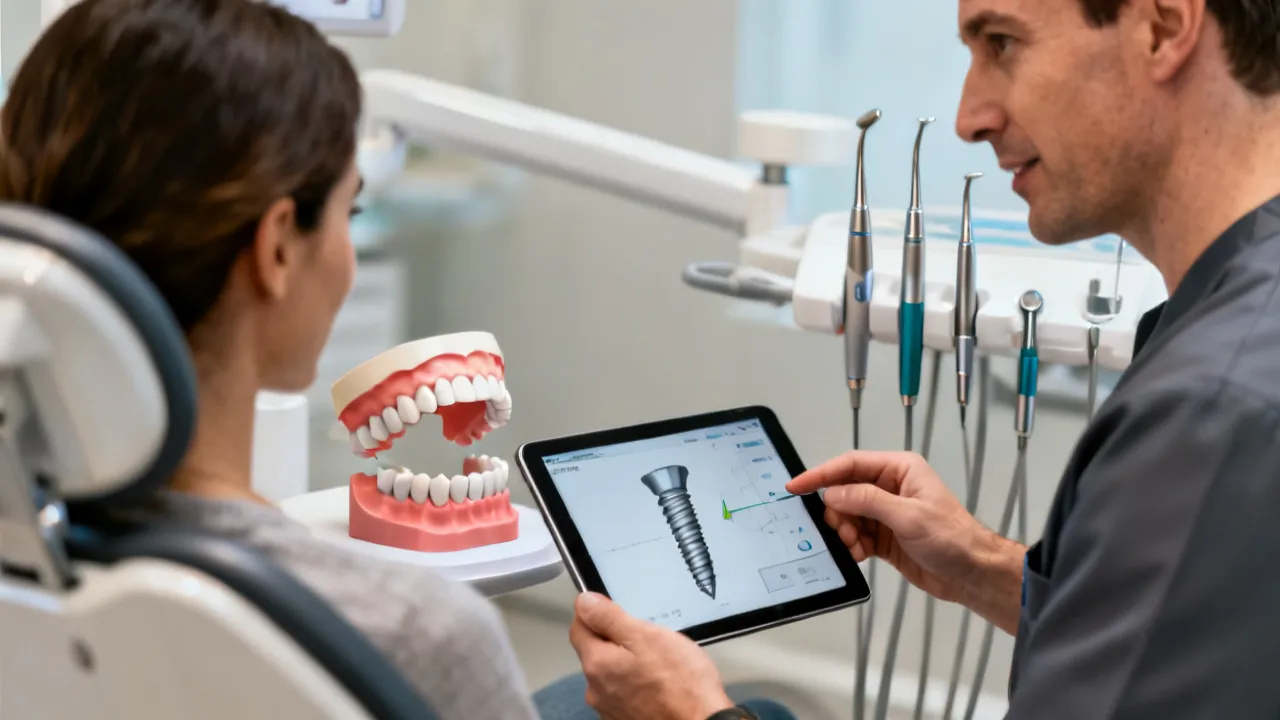
Patients sometimes compare a gold crown with a dental implant, but these are not interchangeable treatments. A crown restores or covers a tooth that remains in the mouth. An implant replaces the root portion of a missing tooth and normally supports an abutment and crown. A person with a painful gold crown may still have a restorable natural tooth; extraction and implant surgery may not be necessary.
| Option | General purpose and considerations |
|---|---|
| Gold crown or onlay | Restores a damaged natural tooth; durable and metal-colored; requires adequate tooth structure and careful bite assessment. |
| Tooth-colored ceramic crown | Restores a damaged tooth with an aesthetic appearance; material choice depends on location, strength requirements, thickness, and bite. |
| Dental implant and crown | Replaces a missing tooth after evaluation of bone, gums, health, space, and surgical suitability; involves a longer treatment sequence than a crown. |
| Fixed bridge | Replaces a missing tooth by using adjacent teeth as supports; may be considered when implant treatment is unsuitable or not preferred. |
| Removable partial denture | Replaces one or more missing teeth and can be removed for cleaning; design, comfort, and retention vary. |
Whether a natural tooth should be retained depends on restorability, periodontal support, root condition, symptoms, strategic value, and the patient’s preferences. Cost alone should not determine extraction because an implant also involves surgery, healing, maintenance, and a prosthetic crown.
How to Reduce Dental Implant Costs in English-Speaking Countries
When an implant is clinically indicated, patients can reduce avoidable expenses without compromising safety by planning the treatment carefully. The following steps are practical across English-speaking markets such as the United States, the United Kingdom, Australia, and Canada.
- Obtain a written treatment plan: Ask whether the quotation includes imaging, extraction, bone grafting, implant placement, temporary teeth, abutment, final crown, sedation, follow-up, and management of complications.
- Compare complete treatment plans, not headline prices: A low advertised implant figure may cover only the implant fixture. Request an itemized estimate for the entire sequence.
- Use appropriately qualified providers: Confirm professional registration, surgical training, infection-control standards, and the clinic’s experience with the proposed system. In the United States, patients can consult relevant state licensing authorities; in other countries, use the applicable national or regional regulator.
- Ask about alternatives: A conventional bridge or removable partial denture may be clinically reasonable in some cases. The dentist should explain expected benefits, limitations, maintenance, and long-term implications.
- Address gum disease and decay first: Treating infection and improving oral hygiene can reduce the risk of implant complications and unexpected additional treatment.
- Ask whether staged treatment is possible: Some patients can complete disease control first and schedule implant surgery later. This may help with budgeting, although delaying treatment is not appropriate in every situation.
- Review dental insurance and employer benefits: Coverage often differs for the implant fixture, surgery, crown, bone graft, and associated diagnostic procedures. Confirm exclusions and waiting periods in writing.
- Consider accredited teaching clinics when appropriate: University dental centers may provide supervised treatment at different fee structures. Availability, eligibility, and waiting times vary.
- Maintain the natural tooth when it has a good prognosis: A sound restoration or root canal treatment may cost less and involve less surgery than extraction followed by implant replacement. The decision must be based on clinical evidence.
- Plan maintenance: Regular examinations, professional cleaning when indicated, and daily interdental care help protect the investment. Neglect can lead to peri-implant inflammation and additional costs.
Patients should also ask whether financing involves interest, administrative fees, or penalties for early repayment. A payment plan can make treatment more manageable, but it does not make an inappropriate treatment plan appropriate. The clinical indication and provider quality should be considered before the financial arrangement.
How to Obtain Dental Implants at Lower Cost in Spanish-Speaking Countries
Spanish-speaking markets vary substantially in regulation, clinic infrastructure, currency, clinician training, and treatment fees. Patients considering care in Spain, Chile, Mexico, Colombia, Peru, or Argentina should evaluate the complete clinical pathway rather than focusing only on the quoted surgical fee.
- Confirm the provider’s credentials: Check the dentist’s registration with the relevant national or regional authority and verify additional training in implant dentistry or oral surgery.
- Request diagnostic records: A responsible plan should be based on an examination and suitable imaging. Be cautious of a quotation issued without reviewing the mouth, medical history, and bone condition.
- Ask for a Spanish-language itemized estimate: The estimate should identify the implant brand, surgery, extraction, grafting, provisional restoration, abutment, final crown, medications, and follow-up visits.
- Compare local clinics and established networks: Compare treatment standards, laboratory arrangements, sterilization procedures, warranty terms, and access to follow-up care—not just promotional pricing.
- Clarify the material and laboratory origin: Patients should know whether the crown is made locally or sent to another laboratory and whether the implant system has accessible replacement components.
- Investigate aftercare before traveling: A patient who returns home soon after surgery needs a clear plan for emergencies, suture removal, healing review, and prosthetic adjustments.
- Calculate travel-related costs: Flights, accommodation, local transport, translation, time away from work, and a possible additional visit may change the total expense.
- Do not combine treatment with rushed tourism: Dental tourism can require several appointments and adequate healing time. Travel schedules should be flexible, particularly when grafting or complex surgery is planned.
- Use recognized payment and insurance arrangements: Obtain receipts and documentation suitable for reimbursement or tax review where applicable.
Clinics serving Spanish-speaking communities, including bilingual practices, may improve communication for patients who prefer Spanish. Communication quality is clinically important because informed consent depends on understanding risks, alternatives, timing, expected discomfort, and maintenance.
How to Obtain Dental Implants at Lower Cost in Portuguese-Speaking Countries
Brazil and Portugal have different healthcare systems, regional costs, and professional regulations. Patients seeking treatment in these markets should use the same safety principles applied elsewhere.
- Confirm the dentist’s registration with the appropriate professional council or authority.
- Request a complete treatment plan in Portuguese, including the implant brand and prosthetic components.
- Ask whether the quoted amount includes the final crown or only the surgical implant phase.
- Compare clinics in major urban centers with reputable providers in nearby areas, while ensuring that follow-up remains convenient.
- Review laboratory standards and the availability of replacement parts.
- Obtain a written plan for urgent care, implant maintenance, and treatment of gum inflammation.
- Check whether dental-plan benefits apply to implants, since coverage may be limited or subject to specific conditions.
Rubi Odonto in Santo André, São Paulo, describes services including orthodontics, whitening, and implants. Odontologia Velasco in São Paulo presents implant, prosthetic, and aesthetic services. DentalVidas describes dental plans for individuals, families, and companies, together with a broad provider network. These descriptions are based on the supplied website information and should not be treated as an independent endorsement or a guarantee of clinical outcomes.
Reference Price Ranges for One Dental Implant
The following figures are supplied reference ranges for an individual dental implant. They should not be interpreted as a universal quotation or as the cost of a complete implant-supported tooth. In many practices, the final restoration, abutment, imaging, extraction, bone grafting, sedation, and maintenance are charged separately.
| Country | Currency | Reference price range for one implant |
|---|---|---|
| United States (US) | USD | $3,000–$6,000 |
| United Kingdom (GB) | GBP | £2,000–£2,500 |
| Australia (AU) | AUD | AU$3,500–AU$6,500 |
| Canada (CA) | CAD | CA$3,000–CA$5,500 |
| Spain (ES) | EUR | €1,500–€2,500 |
| Chile (CL) | CLP | CLP$800,000–CLP$1,500,000 |
| Mexico (MX) | MXN | $15,000–$25,000 MXN |
| Colombia (CO) | COP | $2,000,000–$4,000,000 COP |
| Peru (PE) | PEN | S/ 3,000–S/ 6,000 |
| Argentina (AR) | ARS | $80,000–$150,000 ARS |
| Brazil (BR) | BRL | R$3,000–R$8,000 |
| Portugal (PT) | EUR | €1,000–€2,000 |
| Germany (DE) | EUR | €2,000–€3,500 |
| France (FR) | EUR | €1,500–€2,500 |
| Italy (IT) | EUR | €1,500–€3,000 |
| Japan (JP) | JPY | ¥300,000–¥700,000 |
Price comparisons across currencies can be misleading because exchange rates change and treatment packages are not standardized. A clinic quoting a lower surgical fee may exclude the final crown or may use a different follow-up schedule. Patients should compare clinical scope and contract terms before comparing numbers.
The total cost may rise if a tooth must be extracted, if infection must be treated, if bone grafting or sinus augmentation is necessary, or if a temporary prosthesis is needed during healing. Sedation, medication, consultation with another specialist, and additional imaging may also be separate charges. A careful quotation should distinguish the expected cost from possible additional costs.
Comparison of Websites Providing Dental Implant Information
The following websites were supplied as examples of resources related to low-cost implants, general dental services, dental tourism, insurance, and patient education. Their content, pricing, and availability may change. They are best used as starting points for questions rather than as substitutes for an examination.
| Website | Primary focus and useful features |
|---|---|
| Dental Views | Discusses lower-cost dental implants, treatment types, benefits, costs, the implant process, and common patient questions. |
| Atlantic Dental Group | Provides information about general dentistry, orthodontics, implants, emergency care, appointments, and clinic services. |
| DentaVacation | Explains dental tourism, international treatment options, cost comparisons, travel planning, and overseas dental care. |
| ADHP / Rockville Dental Arts | Provides information related to dental plans and comprehensive clinic services, including implants, whitening, cleaning, orthodontics, and emergency dentistry. |
| Union City Mini Dental Implants | Focuses on mini dental implants and presents information for patients considering a smaller implant solution in selected cases. |
| Cigna Spanish implant guide | Offers Spanish-language educational material explaining dental implants and treatment considerations from an insurance and patient-information perspective. |
| Rubi Odonto, Odontologia Velasco, DentalVidas | Represent Portuguese-language clinic and dental-plan resources covering implants, prosthetics, aesthetic dentistry, and network-based care. |
Source: the website descriptions and links supplied in the reference information for this article.
source: www.dentalviews.com/low-cost-dental-implants/
source: www.atlanticdentalgrp.com
source: www.dentavacation.com
source: rockvilledentalarts.com/es
source: unioncityminidentalimplants.com/es
source: cigna.com/es-us/knowledge-center/guide-to-dental-implants
source: www.rubiodonto.com.br
source: odontologiavelasco.com.br
source: dentalvidas.com.br
Questions to Ask Before Choosing a Low-Cost Implant Clinic
- What exactly does the quoted price include?
- Who will place the implant, and what professional qualifications and experience do they have?
- Which implant system and crown material are being proposed?
- Will a qualified laboratory fabricate the final restoration?
- Is bone grafting likely, and how would it affect the estimate?
- What happens if the implant does not integrate or the crown needs adjustment?
- How many visits are required, and how long should the treatment take?
- Who provides emergency care outside normal clinic hours?
- How will records be transferred if treatment is completed in another country?
- What maintenance schedule is recommended after the final crown is fitted?
- What is the clinic’s policy if an implant component breaks after the patient returns home?
- Are warranty terms limited by the patient’s attendance at future maintenance visits?
- Will the clinic provide implant identification labels and the manufacturer’s component details?
Dental Tourism: Potential Benefits and Limitations
Dental tourism may appear attractive when quoted fees differ between countries. Lower labor costs, currency differences, local operating expenses, and treatment packages can influence prices. However, the apparent saving should be assessed against the complete journey and the clinical risks of limited follow-up.
Implant treatment is often staged. A patient may require an examination, imaging, extraction, bone preservation or grafting, implant placement, a healing period, an impression or digital scan, and placement of the final crown. If any stage is rushed, or if a complication occurs after returning home, the patient may need to pay another dentist to assess unfamiliar components.
Travel can also complicate communication of medical history, medication use, allergies, and informed consent. Patients should receive copies of radiographs, implant identification labels, laboratory prescriptions, operative notes, and invoices. These records can be valuable if later care is required.
Air travel soon after surgery may be uncomfortable, and an appointment schedule that allows no flexibility can create pressure to proceed despite swelling or delayed healing. If grafting or complex surgery is planned, the patient should ask how many days are recommended before travel and whether a local clinician will be available during that period.
An industry-informed approach is to select care based on transparent clinical planning, recognized qualifications, infection control, component traceability, and accessible aftercare. A low price is meaningful only when the treatment scope and quality safeguards are comparable.
Preventing Problems After a Gold Crown or Implant
Prevention begins before treatment. Tell the dentist about diabetes, immune conditions, bleeding disorders, smoking, medications, previous radiation therapy, allergies, pregnancy, and habits such as clenching. The clinician may need to coordinate care with a physician or modify the treatment sequence.
After a gold crown is fitted, follow the clinic’s instructions for eating, brushing, and monitoring symptoms. Continue fluoride toothpaste and clean carefully around the crown margin. Avoid using sharp objects to remove food. A water flosser may be useful for some patients, but it should not replace professional advice or mechanical interdental cleaning where that is more suitable.
After implant surgery, swelling and discomfort can occur as part of healing, but the patient should follow prescribed medication instructions and attend review appointments. Smoking can impair oral healing and is an important risk factor to discuss with the dental team. The final implant crown also requires cleaning around its contours and regular professional evaluation.
Patients with a history of 금니 부작용 should record the name and composition of previous dental materials when possible. This information can make future material selection more informed. A suspected reaction should be documented clinically rather than added to a medical history solely on the basis of a temporary metallic taste.
Maintenance appointments can identify small issues before they become expensive ones. A dentist may detect a chipped margin, open contact, cement loss, gum recession, recurrent decay, excessive bite force, or early inflammation around an implant. Patients should report changes in comfort, mobility, taste, cleaning difficulty, or the way the teeth meet.
What Patients Should Not Do
- Do not glue a loose crown with household adhesive.
- Do not ignore swelling or severe pain because the restoration looks intact.
- Do not remove a crown or implant component without professional guidance.
- Do not assume that changing the material will solve symptoms caused by decay or an infected pulp.
- Do not select an overseas clinic solely from a low advertised price.
- Do not skip maintenance visits after implant treatment.
- Do not stop prescribed medication without consulting the prescribing clinician or dentist.
- Do not use sharp metal objects to clean beneath a crown or around an implant.
- Do not delay assessment of a restoration that feels mobile or changes the bite.
Frequently Asked Questions
Is a metallic taste always a gold allergy?
No. A metallic taste may be related to an alloy component, but it can also arise from dry mouth, medication, reflux, oral infection, bleeding gums, or another restoration. A dentist should examine the mouth and review the material before concluding that an allergy exists.
Can a gold crown cause gum disease?
A well-fitting crown does not automatically cause gum disease. Plaque, an overhanging or over-contoured margin, retained cement, food trapping, smoking, and pre-existing periodontal disease can contribute to inflammation. Persistent bleeding or swelling should be evaluated.
How long does sensitivity last after a gold crown?
Mild, stimulus-related sensitivity may improve during the early healing period. There is no single timetable that applies to every tooth. Increasing, spontaneous, lingering, or severe pain requires assessment because it may indicate a bite problem, pulp inflammation, leakage, or a crack.
Should a painful gold crown be replaced immediately?
Not necessarily. The dentist should first identify the cause. A minor bite adjustment or removal of residual cement may resolve symptoms, while a tooth with pulpal disease may need root canal treatment. Replacement is appropriate only when the diagnosis and restoration condition support it.
Are ceramic crowns safer than gold crowns?
“Safer” depends on the patient and the clinical objective. Ceramic materials can provide an aesthetic result and may suit patients who wish to avoid specific metals, but they have different strength, thickness, wear, and fracture characteristics. A dentist should select the material based on tooth location, bite, available space, gum health, and allergy history.
Is an implant less expensive than repairing a natural tooth?
Usually, the two options should not be compared as simple prices. An implant may involve extraction, imaging, surgery, healing, an abutment, and a crown. If the natural tooth has a predictable prognosis, preserving it may involve fewer treatment stages. If the tooth cannot be restored, an implant may be one of several replacement choices.
What does the price of one dental implant usually include?
That depends on the clinic’s definition. Some prices refer only to the implant fixture and placement; others include the abutment and crown. Ask for an itemized estimate covering diagnostics, extraction, grafting, provisional teeth, final prosthesis, medications, and follow-up.
Can dental insurance cover implants?
Some plans provide limited benefits, while others exclude implants or cover only selected components. Coverage may also depend on waiting periods, annual limits, missing-tooth clauses, and whether the provider is in network. Obtain a written pre-treatment estimate from the insurer when possible.
Are mini dental implants suitable for everyone?
No. Mini implants have a smaller diameter and may be appropriate in selected situations, but suitability depends on bone volume, bite forces, restoration design, gum health, and the treatment objective. A clinician must assess the case rather than recommend them solely because they may involve a smaller procedure.
How can I compare clinics in another country?
Check professional registration, clinical qualifications, infection-control procedures, implant-brand documentation, laboratory arrangements, written pricing, informed-consent materials, and aftercare access. Obtain copies of all records and allow enough time for follow-up. Translation and travel planning should be included in the decision.
What are the most serious complications of implant treatment?
Potential complications include infection, impaired healing, damage to nearby structures, nerve-related symptoms, sinus complications in selected upper-jaw cases, failure of integration, peri-implant disease, and prosthetic problems. The individual risk depends on anatomy, health, oral hygiene, smoking, surgical planning, and maintenance.
Can a gold crown be removed and replaced with a tooth-colored crown?
It may be possible, but replacement is not always necessary or beneficial. Removing a functioning crown can expose the tooth to additional preparation and may require a new restoration even if the original crown was clinically sound. If the concern is appearance or a confirmed material reaction, the dentist can explain whether a ceramic or other alternative is suitable.
Practical Decision Framework
A useful decision sequence is to begin with diagnosis, then determine whether the natural tooth can be predictably preserved. If it can, compare restorative options such as an inlay, onlay, partial crown, or full crown. If the tooth is missing or cannot be restored, compare an implant-supported crown, bridge, and removable prosthesis. Next, assess medical suitability, gum health, bone condition, aesthetic needs, time, maintenance requirements, and total cost.
For a patient concerned about 금니 부작용, the priority is to identify whether the problem is caused by the alloy, the crown’s shape or fit, the bite, the gum, or the tooth underneath. Material replacement may be helpful in a confirmed or strongly suspected metal reaction, but it is not a universal solution for dental pain. An infected pulp, recurrent decay, cracked tooth, or high bite contact requires treatment directed at that specific condition.
For a patient focused on reducing implant costs, the safest strategy is transparent comparison. Obtain at least two written treatment plans when practical, compare the same components, verify professional credentials, and include aftercare and travel costs. Avoid making a decision based on a single promotional figure. A modestly higher initial price may be more economical if it includes appropriate diagnostics, a traceable implant system, a quality laboratory crown, and reliable follow-up.
Patients should also consider convenience and continuity. Dental treatment often requires adjustments after the restoration is placed. A nearby clinic may be easier to access for a bite adjustment or emergency visit, while overseas care may require additional travel. Neither option is automatically superior; the choice should reflect the patient’s clinical needs, resources, language preferences, and ability to attend follow-up.
Conclusion
Gold dental restorations remain a clinically useful option for selected teeth, but possible 금니 부작용 should be taken seriously when symptoms persist or worsen. Sensitivity, gum irritation, metallic taste, bite discomfort, loosening, and pain can have several causes, and accurate diagnosis is more important than assuming the material is responsible.
Dental implants can replace missing teeth, but they are a multi-stage treatment rather than a single product. Low-cost care requires careful comparison of the complete treatment plan, provider qualifications, component quality, follow-up access, and maintenance obligations. Whether treatment is provided nearby or abroad, informed consent and continuity of care should remain central to the decision.
References and Links
The following links are the online resources referenced or described in this article:
- Dental Views – Low Cost Dental Implants
- Atlantic Dental Group
- DentaVacation
- Rockville Dental Arts / ADHP information
- Union City Mini Dental Implants
- Cigna Spanish Dental Implant Guide
- Rubi Odonto
- Odontologia Velasco
- DentalVidas
Disclaimer
1. The above information comes from online resources, and the data is as of October 2023.
2. Dental implant prices are for reference only and may vary by region, clinic, doctor, implant system, laboratory, treatment complexity, currency, and included services.
This article is for general educational purposes and does not replace an examination, diagnosis, or personalized advice from a qualified dental professional.