Gold Crown Side Effects and Affordable Implant Planning
This guide explains 금니 부작용, or possible side effects associated with gold dental crowns, while distinguishing crown-related concerns from dental implant complications. It reviews allergy, gum irritation, bite changes, wear, hygiene, warning signs, and appropriate dental evaluation. It also compares reputable online dental-information resources and presents indicative individual implant price ranges by country, emphasizing that treatment planning, material selection, clinic standards, and long-term follow-up matter more than headline prices.
What 금니 부작용 Means in Dental Care
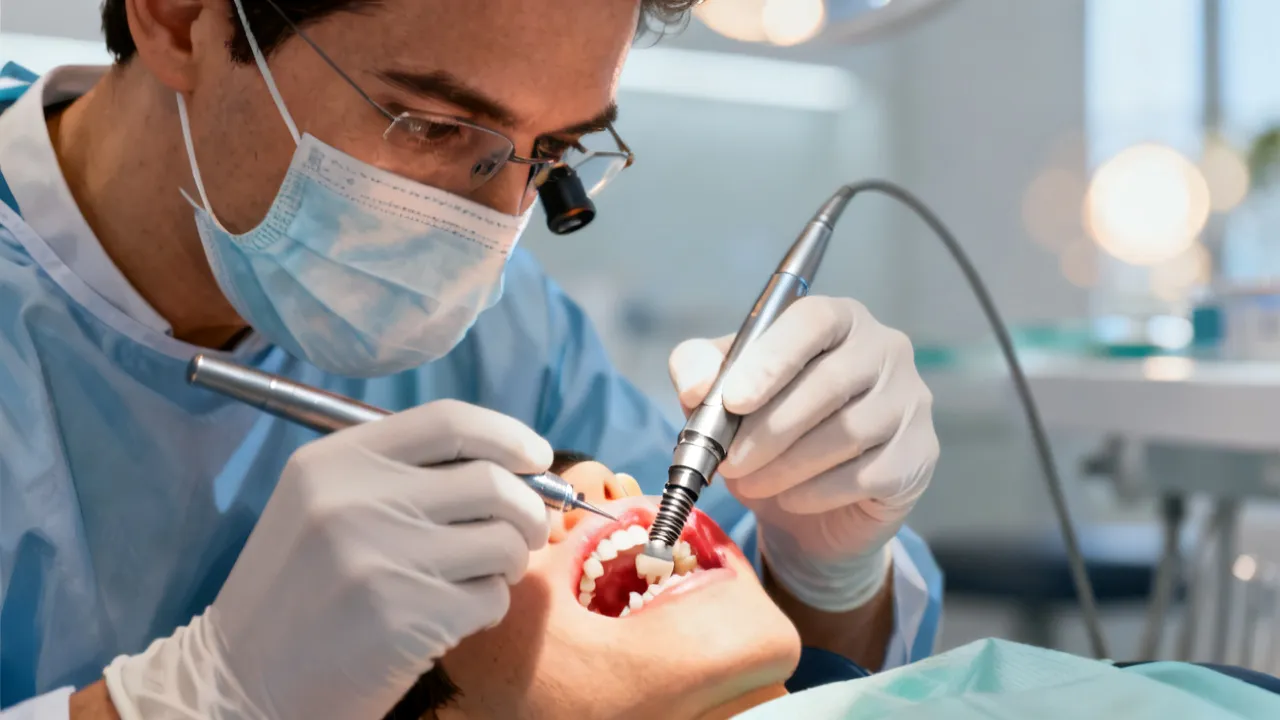
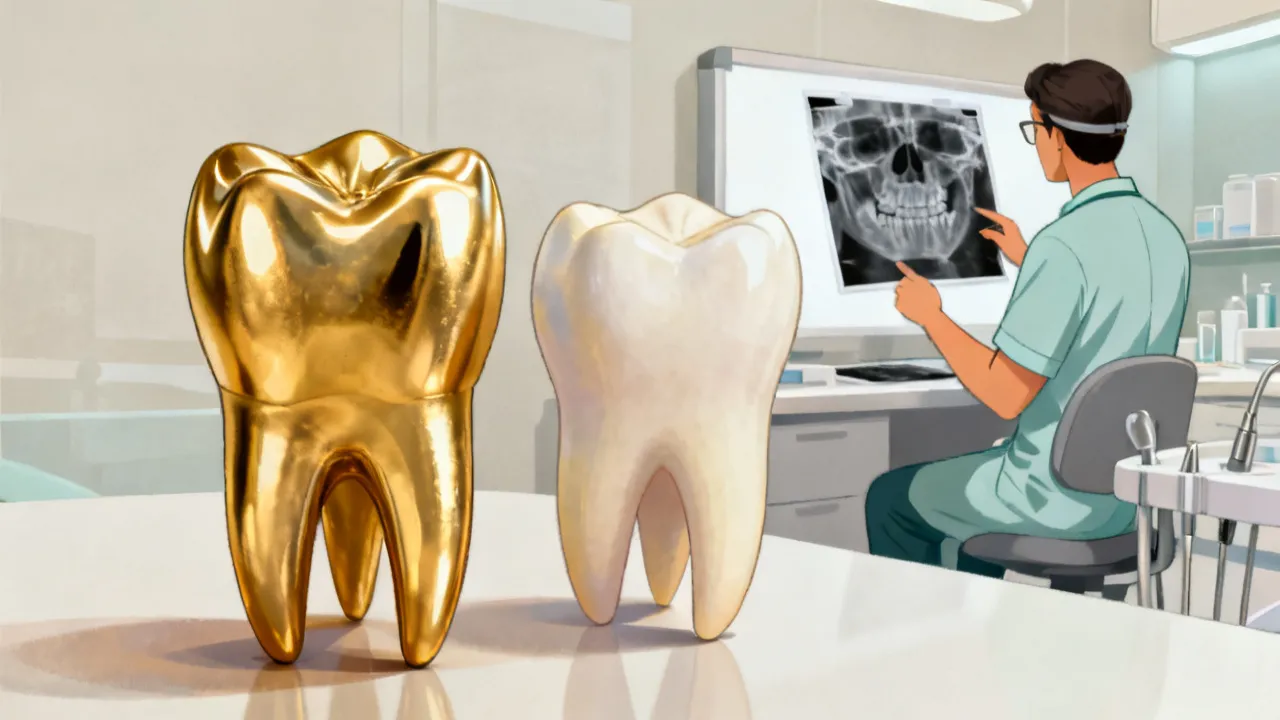
The Korean term 금니 부작용 generally refers to adverse effects, complications, or unwanted reactions associated with a gold dental restoration. In English-language dentistry, the phrase “gold tooth” may describe a full gold crown, a gold inlay or onlay, a gold bridge component, or a crown made from a gold-containing alloy and covered partly with another material. These restorations should not be treated as a single category because their design, composition, position, and clinical purpose differ.
The most important point is that gold dental restorations are not automatically harmful. Dental gold alloys have been used for many decades because they can be durable, accurately fitted, and relatively gentle to opposing teeth. In suitable posterior teeth, a gold inlay, onlay, or crown may preserve more healthy tooth structure than some other restorations. Gold is also resistant to corrosion in the oral environment and can be finished to a smooth surface that is comparatively easy to keep clean.
However, any restoration can create problems if the underlying tooth is already compromised, the margins do not fit correctly, the bite is inaccurate, oral hygiene is inadequate, or the patient reacts to one of the metals in the alloy. A restoration that was appropriate when first placed may also become problematic after years of wear, gum recession, recurrent decay, cement breakdown, or changes in the patient’s bite.
Symptoms such as pain, swelling, bleeding, a persistent metallic taste, sensitivity, or difficulty chewing should be assessed by a dentist rather than attributed to the material alone. Similar symptoms may result from recurrent decay, a cracked tooth, pulp inflammation, periodontal disease, cement failure, food impaction, or an incorrectly adjusted bite. A professional examination, dental radiograph, and sometimes periodontal or allergy assessment are needed to identify the actual cause.
Immediate Safety Guidance
- Seek prompt dental care for facial swelling, fever, pus, severe pain, a loose crown, or rapidly worsening symptoms.
- Seek urgent medical attention for trouble breathing or swallowing, rapidly spreading swelling, or signs of a severe allergic reaction such as widespread hives, facial swelling, or dizziness.
- Do not remove, file, or reshape a crown yourself. Altering the restoration can expose the tooth and create an uneven bite.
- Arrange a dental examination when sensitivity continues, the crown feels loose, food repeatedly becomes trapped, or the gum around it bleeds.
- Tell the dentist about known metal allergies, including previous reactions to jewelry, watches, belt buckles, eyeglasses, orthodontic appliances, or medical devices.
- Do not use household glue to reattach a dislodged crown. Such products are not intended for oral use and may interfere with professional treatment.
Common Types of Gold Dental Restorations
| Restoration | Typical use |
|---|---|
| Gold crown | Covers most or all of a prepared tooth, often where substantial strength is needed. |
| Gold inlay | Fits within the cusps of a tooth and replaces a defined area of damaged structure. |
| Gold onlay | Covers one or more cusps while preserving more healthy tooth structure than a full crown in suitable cases. |
| Porcelain-fused-to-metal crown | Uses a metal substructure, which may contain gold or other alloys, with a tooth-colored outer layer. |
| Metal-supported implant crown | Attaches to an implant through an abutment and may use a gold-containing alloy, although the implant fixture itself is usually made from another material. |
The term “gold” does not necessarily mean pure gold. Pure gold is too soft for many load-bearing dental applications, so laboratories commonly use alloys that combine gold with metals such as palladium, platinum, silver, copper, or other components. The exact formulation matters when evaluating durability, appearance, cost, and possible sensitivity.
Dental alloys may also be classified according to their noble-metal content and mechanical properties. A high-noble alloy contains a substantial proportion of noble metals, while other alloys may contain a mixture of noble and base metals. Patients who are concerned about allergy or compatibility should ask the dental office for the laboratory material certificate or the exact alloy name rather than relying only on the informal description “gold crown.”
Potential 금니 부작용 and Their Causes
1. Metal sensitivity or allergic contact reactions
Some patients may react to a component of a dental alloy. The reaction may involve localized redness, burning, itching, inflammation, swelling, or oral discomfort. A patient may also describe a sore or irritated area that appears to be in direct contact with the restoration. Reactions are uncommon compared with ordinary causes of dental pain, but they should be considered when symptoms began soon after placement and other explanations have been excluded.
A skin allergy to a metal does not always predict an oral reaction, and a metallic taste alone does not prove an allergy. Nickel is a well-recognized contact allergen, while reactions to other alloy components are less common but possible. Oral tissues and skin differ in thickness, moisture, exposure time, and immune response, so a history of contact dermatitis should be discussed but not treated as definitive proof.
When an allergy is suspected, the dentist should review the restoration’s laboratory record and material composition. Referral to a dermatologist or allergist for patch testing may be appropriate. Testing should be interpreted carefully because oral tissues and skin do not respond identically. Replacing a restoration without first establishing a plausible diagnosis can expose the patient to additional cost, remove healthy tooth structure, and fail to resolve the symptoms if the actual cause is infection or bite trauma.
2. Gum irritation and plaque retention
A crown with an over-contoured edge, rough surface, or poorly positioned margin can make cleaning difficult. Plaque may accumulate near the gum, producing bleeding, tenderness, swelling, persistent bad breath, or a feeling that the gum is constantly irritated. These symptoms may be described as 금니 부작용, but the underlying problem is often the shape or fit of the restoration rather than gold itself.
Healthy crown margins should be carefully finished and positioned in a manner that respects the gum tissue. A margin that extends too far beneath the gum may be difficult to clean and may contribute to chronic inflammation. If the margin is exposed because of gum recession, the area may become sensitive or cosmetically noticeable even though the crown was initially well made.
Daily brushing with fluoride toothpaste, interdental cleaning, and periodic professional examinations help reduce risk. If bleeding continues despite improved hygiene, the dentist should assess the crown margin, neighboring teeth, periodontal pockets, recession, and bite. A professional cleaning may resolve mild inflammation, but a defective contour or open margin may require adjustment or replacement.
3. Tooth sensitivity after placement
Short-term sensitivity to cold or pressure can occur after a tooth is prepared and restored. It may settle as the tooth adapts, particularly when the pulp remains healthy. The amount of tooth preparation, the depth of previous decay, the quality of the temporary restoration, and the cement used can all influence postoperative sensitivity.
Persistent, spontaneous, or worsening pain is different. Pain that wakes a patient at night, lingers after hot or cold drinks, or occurs without stimulation may indicate pulp inflammation requiring further treatment. Pain when biting may suggest a high contact, a cracked tooth, inflammation around the root, or an issue with the restoration’s fit.
A crown cannot cure every problem beneath it. If the tooth had deep decay, a crack, or previous trauma, nerve symptoms may emerge after restoration. Radiographs and vitality testing help the clinician distinguish ordinary post-treatment sensitivity from a more serious condition. In some cases, root canal treatment is necessary; in others, correcting the bite or replacing a leaking restoration may resolve the problem.
4. Bite discomfort and jaw muscle strain
A crown that is slightly too high can receive excessive force during chewing. Patients may notice pain when biting, tenderness in the tooth, headaches, or fatigue in the jaw muscles. In some cases, a high contact irritates the periodontal ligament around the tooth, making the tooth feel sore even though the nerve is healthy.
Minor bite adjustments are often straightforward, but they should be performed by a dentist after checking the entire bite. Grinding the restoration without a controlled assessment can create a new imbalance or remove too much material. Patients who clench or grind their teeth may require a protective appliance and a broader evaluation of occlusal forces.
Patients should describe exactly when the discomfort occurs. Pain when closing the teeth together, pain only when releasing the bite, and pain during side-to-side movement can suggest different mechanical problems. The dentist may compare the restored tooth with neighboring teeth and examine whether the crown contacts prematurely.
5. Wear or damage to opposing teeth
Gold alloys are generally softer than many ceramic materials, but an improperly finished or rough restoration can still affect the opposing tooth. Excessive force, an uneven contact point, or a sharp edge may contribute to wear or discomfort. The risk depends on alloy hardness, surface finishing, tooth position, chewing pattern, and parafunctional habits such as grinding.
A smooth, well-polished gold surface is usually less abrasive than a rough ceramic surface. Nevertheless, a patient with severe bruxism may place damaging forces on both the restoration and the opposing tooth. The dentist may recommend a night guard, especially if there are signs of flattened teeth, jaw soreness, fractured restorations, or morning headaches.
Material selection should therefore be based on location and function rather than appearance alone. A dentist considers whether the restoration is on a molar, whether the patient has heavy bite forces, and whether the opposing tooth has an existing crown or natural enamel.
6. Cement leakage or crown loosening
A loose crown may cause movement, sensitivity, food trapping, or an unpleasant taste. Cement can deteriorate over time, particularly when moisture control was difficult, the tooth has limited retention, or the patient has a high chewing load. A restoration may also loosen if the supporting tooth has fractured or lost additional structure.
Recementation may be possible in selected cases, but a dentist must first check for recurrent decay, fracture, loss of tooth structure, damage to the supporting tooth, and the condition of the crown itself. Recementing a crown over untreated decay can conceal the problem and allow it to worsen.
Patients should keep a dislodged restoration in a clean container and contact a dental office. If the crown can be placed loosely over the tooth without force, it may protect the tooth temporarily, but it should not be worn if it interferes with the bite or creates a swallowing risk. Temporary household adhesives should never be used.
7. Recurrent decay beneath or around the restoration
A crown does not make a tooth immune to decay. Caries may develop at the margin if plaque remains undisturbed, if the crown does not fit properly, or if the patient has high sugar exposure, reduced saliva, or inadequate fluoride use. Dry mouth caused by medications, radiation therapy, dehydration, or systemic illness can increase the risk.
Decay may be difficult to see, especially under a metal restoration, so dental examinations are important even when the restoration looks intact. X-rays may be useful when the dentist suspects decay at a margin or beneath a crown. A dark line near the gum is not always decay, because it may reflect the metal edge, staining, or recession, but it should be evaluated.
When recurrent decay is limited, the dentist may consider repair or replacement. If the tooth has lost too much structure, root canal treatment or extraction may be discussed. The appropriate decision depends on restorability, periodontal support, symptoms, radiographic findings, and the patient’s long-term goals.
8. Aesthetic and social concerns
Gold restorations can be visible when a patient smiles or speaks. Some people value their distinctive appearance, while others later prefer a tooth-colored option. This is not a medical side effect, but it can influence satisfaction. Aesthetic expectations should be discussed before treatment, especially for premolars and visible teeth.
Replacing a healthy gold restoration for cosmetic reasons is possible, but the benefits should be weighed against the need for further tooth preparation. Tooth-colored materials may require different preparation dimensions and may be more sensitive to the patient’s bite and the laboratory process. If appearance is a major concern, the dentist can discuss whether a ceramic or zirconia restoration is appropriate without implying that the existing gold restoration is medically unsafe.
9. Electrical sensations or galvanic discomfort
Occasionally, patients report a brief shock-like sensation when dissimilar metals contact each other in a moist mouth. This is sometimes called galvanic or electrochemical discomfort. It may be associated with the contact of different metallic restorations, although the symptom is not specific and can have other explanations.
The dentist should inspect opposing and adjacent restorations, check the bite, and evaluate the tooth for decay or nerve disease. A cracked filling, exposed dentin, gum recession, or pulp irritation can also cause brief sharp sensations. Replacing multiple restorations solely because of a vague sensation is not always justified; diagnosis should come first.
10. Food trapping and changes in speech or chewing
An open contact between a gold restoration and an adjacent tooth may allow food to become trapped repeatedly. Patients may develop gum tenderness, bad breath, or discomfort after meals. An excessively tight contact can make flossing difficult, while a poorly shaped occlusal surface may change the way the patient chews.
These issues are usually related to the restoration’s contact, contour, or position rather than to the gold alloy itself. The dentist may adjust the contact in minor cases, but a crown with a seriously defective contact may need to be remade. Food trapping between natural teeth should also be investigated because it may result from tooth movement, gum disease, decay, or a fractured filling.
Gold Crowns Compared with Other Materials
| Material | Potential advantages | Important considerations |
|---|---|---|
| Gold alloy | Durability, precise fit, resistance to corrosion, and conservative preparation in suitable cases | Visible color, alloy composition, possible sensitivity to a component, and laboratory cost |
| Zirconia | Tooth-colored appearance and high strength in many applications | Requires careful adjustment and polishing; behavior varies by design and manufacturing process |
| Glass ceramic | Natural appearance and favorable optical properties | Case selection is important, especially in areas with heavy chewing forces |
| Porcelain-fused-to-metal | Combines a metal framework with a tooth-colored surface | May show a margin or chip in some circumstances; metal composition should be confirmed |
| Composite resin | Tooth-colored and often useful for conservative or temporary restorations | May be more susceptible to wear, staining, or fracture in high-load situations |
No crown material is universally best. An industry-informed clinical approach weighs biological health, available tooth structure, bite forces, location, appearance, cleaning access, laboratory quality, and the dentist’s ability to control moisture and fit the restoration accurately.
The patient’s priorities are also relevant. Someone who places a high value on a visible natural appearance may choose ceramic when the tooth and bite are suitable. Someone with strong chewing forces or a heavily restored back tooth may benefit from the durability and conservative preparation of a gold alloy. A dentist should explain both the advantages and limitations of the proposed material instead of presenting one option as universally superior.
How a Dentist Investigates Suspected 금니 부작용
- Detailed history: The dentist asks when symptoms began, whether they are linked to chewing or temperature, whether they occur continuously, and whether similar reactions occurred with other metals.
- Visual examination: The crown, gum tissue, neighboring teeth, and restoration margins are inspected for roughness, fracture, swelling, recession, and plaque accumulation.
- Bite assessment: Articulating paper and clinical observation help identify excessive contacts or functional interference.
- Periodontal assessment: Bleeding, pocket depth, recession, mobility, and attachment support are evaluated around the restoration.
- Pulp and tooth testing: Cold testing, percussion, palpation, and other methods may help determine whether the nerve or root is involved.
- Radiographic review: X-rays can reveal decay, bone changes, root problems, or an inadequate fit that is not visible clinically.
- Material review: The clinic may contact the laboratory to confirm the alloy and manufacturing details.
- Medical review: The dentist considers medications, dry mouth, immune conditions, diabetes, reflux, and other factors that can affect oral symptoms.
- Referral when appropriate: Complex symptoms may require an endodontist, periodontist, oral surgeon, dermatologist, or allergist.
Patients can improve the evaluation by keeping a symptom record. Note whether pain is triggered by cold, hot foods, chewing, brushing, or spontaneous episodes. Record when the crown was placed, whether symptoms were present before treatment, and whether there are associated signs such as swelling, fever, bleeding, or a bad taste. This information helps distinguish a local restoration issue from a problem involving the nerve, gum, or surrounding tissues.
When Replacement Is Considered
Replacement may be discussed when a crown is fractured, repeatedly loose, associated with recurrent decay, structurally unsuitable, or causing verified tissue irritation that cannot be corrected. It may also be considered when the restoration prevents adequate hygiene, has an open margin, has a severely defective contact, or does not meet a reasonable aesthetic requirement.
Removal of a well-fitting crown solely because a patient has read about possible 금니 부작용 is not automatically beneficial. Replacement requires further tooth preparation and carries its own risks, including temporary sensitivity, pulp irritation, fracture during removal, and additional expense. The decision should follow a documented diagnosis and a comparison of alternatives.
In some cases, the dentist can correct the problem without replacing the restoration. A small high spot may be adjusted, a rough area may be polished, and mild gum inflammation may improve with professional cleaning and better home care. If the restoration is otherwise sound, conservative correction may preserve the tooth and avoid unnecessary treatment.
Gold Dental Crowns and Dental Implants Are Different Treatments
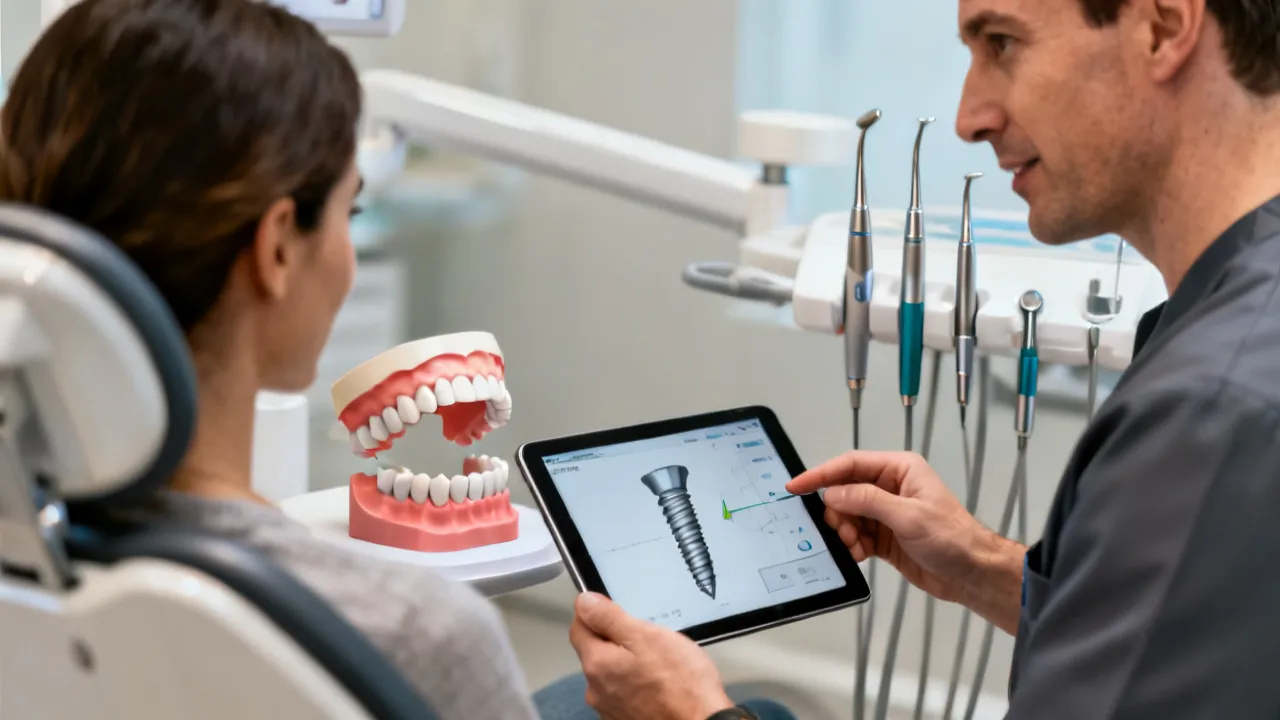
A gold crown restores a natural tooth or, in some cases, forms the visible part of an implant-supported restoration. A dental implant, by contrast, replaces the root portion of a missing tooth with a surgically placed fixture. Therefore, 금니 부작용 and implant complications should not be conflated.
Implant-related concerns may include infection around the implant, inadequate bone integration, nerve disturbance, sinus-related complications in selected upper-jaw cases, mechanical loosening, and difficulty cleaning the prosthesis. The risk profile depends on medical history, smoking, periodontal health, bone volume, surgical planning, implant design, and maintenance.
When an implant is restored with a gold-colored or metal-containing crown, the patient should ask which part is made from which material. The implant fixture, abutment, and crown are separate components. A clear written treatment plan should identify them, explain the warranty or maintenance policy, and specify whether the quoted fee includes imaging, temporary teeth, abutment, crown, and follow-up visits.
How to Obtain Dental Implants at Lower Cost in English-Speaking Countries
Lower-cost treatment should mean better value and transparent planning, not simply the lowest initial quotation. Dental tourism websites and discount-oriented advertisements can be useful starting points, but a patient should verify clinical credentials, regulatory status, material documentation, infection-control procedures, and arrangements for managing complications. The following process can reduce avoidable expense while protecting treatment quality.
Step 1: Confirm that an implant is necessary
Ask whether the tooth can be restored with a filling, onlay, crown, bridge, or periodontal treatment. Extraction followed by an implant is not the only pathway for every damaged tooth. A second opinion from a licensed dentist can clarify whether the tooth is restorable and whether preserving it is clinically reasonable.
The decision should also consider the location of the missing tooth, neighboring teeth, bone preservation, appearance, chewing function, and the patient’s ability to maintain the restoration. A removable partial denture or fixed bridge may be appropriate for some patients, while an implant may offer advantages for others. Cost should be compared only after the alternatives are explained.
Step 2: Obtain a complete diagnosis before comparing prices
Request appropriate radiographs and, when indicated, three-dimensional imaging. The plan should address bone volume, gum health, neighboring teeth, bite, medical conditions, medications, and smoking. Comparing a quote for a single implant fixture with a quote for a completed implant crown creates a misleading price comparison.
Step 3: Request an itemized quotation
The estimate should separate consultation, imaging, extraction, bone grafting, implant placement, abutment, provisional restoration, final crown, sedation, medication, laboratory charges, and follow-up. It should also state whether taxes, emergency visits, and revision procedures are included.
Step 4: Compare qualified providers, not advertisements alone
In the United States, patients can verify professional licensing through the relevant state dental board and review the dentist’s training. In Canada, provincial or territorial dental regulators provide registration information. In the United Kingdom, the General Dental Council maintains professional registration. In Australia, the Australian Health Practitioner Regulation Agency supports practitioner-registration checks.
Patients should ask who will perform the surgery, who will make the prosthesis, what implant system will be used, and how records will be transferred if the patient moves or changes clinics. A low initial fee is less attractive if future care is difficult to obtain.
Step 5: Evaluate insurance and payment arrangements
Dental plans vary substantially. Some cover only a portion of implant-related procedures, impose waiting periods, or classify implants as elective. Confirm benefits directly with the insurer and ask whether the clinic is in network. Financing agreements should be reviewed for interest, cancellation terms, and the total repayment amount.
Step 6: Reduce avoidable preparation costs
Good periodontal control, smoking cessation, diabetes management, and timely treatment of decay may improve candidacy and reduce the need for staged corrective procedures. Patients should not delay essential treatment merely to search for a lower quote, because infection, bone loss, or tooth fracture can increase complexity.
Step 7: Consider an accredited dental school or teaching clinic
Dental schools and teaching clinics may offer reduced fees under supervision by experienced faculty. Appointments can take longer and eligibility may be limited. Patients should confirm who provides treatment, how complications are handled, and whether the clinic offers the specific implant procedure required.
Step 8: Examine local and regional options carefully
Travel within the same country may reduce fees in some regions, but transportation, accommodation, and follow-up visits must be included in the total budget. A treatment that requires several appointments can become more expensive if every review requires a long journey.
Step 9: Use overseas treatment only after careful due diligence
Dental tourism can reduce the quoted treatment fee in some markets, but international travel introduces additional considerations. Patients should verify the clinic’s legal registration, the surgeon’s credentials, sterilization standards, implant brand, emergency arrangements, language support, and aftercare for patients who return home. A short trip may not allow sufficient time to identify healing problems before departure.
Travel can also complicate the management of unexpected events. A patient may need an additional visit if an implant does not integrate, a temporary crown fractures, a graft becomes infected, or a prosthesis requires adjustment. Airfare, accommodation, lost work, and treatment by a local dentist should be included when calculating the true cost.
Step 10: Plan lifelong maintenance
Implants and crowns require daily cleaning and periodic review. Budget for professional hygiene care, replacement of worn components, radiographs when clinically indicated, and possible repair of the crown. A treatment plan that includes maintenance is more useful than one that focuses only on placement day.
Comparison of Online Dental-Information Websites
The following resources represent different types of dental information: a low-cost implant information page, general dental practices, a dental-tourism service, an insurance resource, and Spanish- or Portuguese-language clinic and plan websites. They should be read as informational or commercial resources rather than substitutes for an examination. Claims, fees, availability, and clinical policies should be checked directly with each provider.
| Website or service | Information focus and useful features |
|---|---|
| Dental Views | Discusses lower-cost dental implants, treatment types, general benefits, process questions, and pricing considerations. |
| Atlantic Dental Group | Provides information about general dental services, restorative care, implants, orthodontics, and urgent dental appointments. |
| DentaVacation | Explains dental tourism concepts, international treatment planning, procedure comparisons, travel considerations, and affordability. |
| American Dental Health Plans | Introduces dental insurance and plan options intended to help patients understand coverage and out-of-pocket expenses. |
| Rockville Dental Arts, Spanish section | Offers Spanish-language information about implants, whitening, cleaning, orthodontics, and emergency dental services. |
| Union City Mini Dental Implants, Spanish section | Focuses on mini dental implants and related treatment information for Spanish-speaking patients. |
| Cigna, Spanish implant guide | Provides general Spanish-language educational material about dental implants, treatment stages, and related considerations. |
| Rubi Odonto | A Portuguese-language Brazilian clinic resource covering orthodontics, whitening, implants, and other dental services. |
| Odontologia Velasco | Describes implants, prosthodontics, aesthetic dentistry, and the use of contemporary dental technology. |
| DentalVidas | Provides Portuguese-language information about dental plans, provider networks, and emergency-service availability. |
Source of the information:
source: www.dentalviews.com/low-cost-dental-implants/
source: www.atlanticdentalgrp.com
source: www.dentavacation.com
source: rockvilledentalarts.com/es/
source: unioncityminidentalimplants.com/es/
source: www.cigna.com/es-us/knowledge-center/guide-to-dental-implants
source: www.rubiodonto.com.br
source: odontologiavelasco.com.br
source: dentalvidas.com.br
Indicative Individual Dental Implant Price Ranges
The table below concerns an individual dental implant treatment range by country, using the currencies specified in the supplied reference information. It is intended for broad comparison, not for selecting a clinic. “Individual implant” may be interpreted differently across providers: some quotes include the implant, abutment, and final crown, while others refer mainly to the surgical implant component. Confirm the scope of every estimate.
| Country and code | Currency | Indicative price range for one implant |
|---|---|---|
| United States (US) | USD | $3,000–$6,000 |
| United Kingdom (GB) | GBP | £2,000–£2,500 |
| Australia (AU) | AUD | AU$3,500–AU$6,500 |
| Canada (CA) | CAD | CA$3,000–CA$5,500 |
| Spain (ES) | EUR | €1,500–€2,500 |
| Chile (CL) | CLP | CLP$800,000–CLP$1,500,000 |
| Mexico (MX) | MXN | $15,000–$25,000 MXN |
| Colombia (CO) | COP | $2,000,000–$4,000,000 COP |
| Peru (PE) | PEN | S/ 3,000–S/ 6,000 |
| Argentina (AR) | ARS | $80,000–$150,000 ARS |
| Brazil (BR) | BRL | R$3,000–R$8,000 |
| Portugal (PT) | EUR | €1,000–€2,000 |
| Germany (DE) | EUR | €2,000–€3,500 |
| France (FR) | EUR | €1,500–€2,500 |
| Italy (IT) | EUR | €1,500–€3,000 |
| Japan (JP) | JPY | ¥300,000–¥700,000 |
Prices can vary with local wages, laboratory fees, imaging, the implant system, bone grafting, sedation, taxes, insurance, currency movements, and the experience of the clinical team. A lower figure may exclude the crown, abutment, extraction, temporary restoration, or maintenance. Conversely, a higher figure may include advanced imaging, a custom abutment, a premium laboratory, and multiple follow-up visits.
Currency values can change, and dental fees may change substantially over time. Patients should obtain a current written quotation and ask how long the quoted price remains valid. A web page that gives a broad range should not be interpreted as a guarantee or as a representation of the cost for a particular patient.
How to Read a Low-Cost Implant Quote
A responsible estimate should answer several practical questions:
- Does the fee include the consultation and diagnostic imaging?
- Is tooth extraction included if it is required?
- Are bone grafting or sinus-related procedures included or priced separately?
- Does “implant” include the fixture, abutment, and final crown?
- Which manufacturer and model will be used?
- Will the patient receive an implant passport or written component record?
- How many visits are expected, and how long is the healing period?
- Who provides emergency care if pain, swelling, loosening, or fracture occurs?
- What are the clinic’s terms for remakes, repairs, and complications?
- Are travel, accommodation, medication, laboratory fees, and taxes outside the quoted amount?
- Does the quoted fee include temporary teeth during the healing period?
- Are follow-up radiographs and professional cleaning included?
Patients should be cautious of pressure to make an immediate payment, vague descriptions of materials, unusually broad promises, or a treatment plan issued without an examination. Transparent communication is a stronger indicator of value than a promotional price.
Requirements Before Implant Treatment
Most candidates need adequate bone support, healthy or controlled periodontal tissues, and a medical history that permits oral surgery. Active gum infection and untreated decay should generally be addressed before implant placement. Conditions such as diabetes, osteoporosis treatment, immune disorders, bleeding disorders, and cardiovascular disease may not automatically rule out treatment, but they require individualized planning and communication with the relevant healthcare professional.
Smoking and nicotine exposure can impair healing and increase the likelihood of implant complications. The dentist should discuss cessation or reduction before surgery. Medication history is also important, particularly anticoagulants, antiresorptive drugs, corticosteroids, and medicines that affect immunity or wound healing. Patients should never stop a prescribed medicine without guidance from the prescribing clinician.
Good oral hygiene is a continuing requirement. An implant is not vulnerable to tooth decay in the same way as natural enamel, but the surrounding gum and bone can become inflamed. Cleaning around the implant, attending maintenance visits, and addressing early bleeding are central to long-term care.
Patients should also understand that implant treatment often occurs in stages. An extraction may be followed by a healing period, bone grafting may be required, and the final crown may be placed only after the implant has become sufficiently stable. Immediate or same-day treatment is possible in selected cases but is not suitable for everyone.
Practical Prevention of Gold Crown Problems
- Ask for the exact alloy composition if you have a history of metal sensitivity.
- Discuss whether a gold alloy, ceramic, or another material is appropriate for the tooth’s position and bite.
- Confirm that the restoration has been checked for fit, contacts, contour, and bite before final cementation.
- Use a soft-bristled toothbrush and fluoride toothpaste unless your dentist recommends otherwise.
- Clean between teeth and around crown margins with floss, interdental brushes, or other suitable aids.
- Do not use the restored tooth to open packages or chew unusually hard objects.
- Ask about a night guard if you clench or grind your teeth.
- Attend periodic examinations even when the crown feels normal.
- Report bleeding, looseness, persistent taste changes, or pain early.
- Limit frequent sugary snacks and drinks, especially when a crown margin is exposed.
- Maintain adequate hydration and discuss persistent dry mouth with a healthcare professional.
- Keep records of the restoration’s date, material, laboratory, and treating dentist.
Frequently Asked Questions
Is a gold crown dangerous?
A properly selected, accurately fitted gold-alloy crown is not inherently dangerous. Problems can arise from allergy to an alloy component, poor fit, gum inflammation, recurrent decay, bite interference, or disease in the tooth beneath it. A dentist should evaluate symptoms rather than assuming the metal is responsible.
Can a gold crown cause a metallic taste?
It can be associated with a metallic taste, particularly when different metals contact one another or when cement, plaque, or inflammation is present. A taste change can also result from medications, dry mouth, reflux, sinus conditions, or infection. Persistent symptoms require an examination.
Should a gold crown be replaced if the gum bleeds?
Not necessarily. The first steps are assessment of brushing and interdental cleaning, professional plaque removal, and inspection of the crown contour and margin. Replacement is considered only when the restoration is defective, recurrent decay is present, or inflammation cannot be controlled by appropriate correction.
How can I know whether I am allergic to a dental alloy?
Tell the dentist about previous reactions to metals. The clinician may review the alloy record and refer you for medical testing. Do not rely on online symptom lists alone, because irritation, infection, and allergy can look similar.
Is gold better than zirconia?
Neither material is best for every patient. Gold may allow a conservative preparation and perform well in selected posterior cases. Zirconia offers a tooth-colored appearance and can be appropriate in many situations. The decision should consider tooth structure, bite forces, location, gum health, aesthetics, and laboratory quality.
Can a crown be placed on a dental implant?
Yes. An implant usually supports an abutment and a crown. The crown may be ceramic, porcelain-fused-to-metal, or another material selected for function and appearance. The dentist should explain the composition of every component separately.
What is the least expensive way to obtain an implant?
The safest cost-reduction strategy is usually to obtain a complete diagnosis, compare itemized quotes from properly licensed providers, check insurance or supervised teaching-clinic options, and plan maintenance. Overseas treatment may have a lower quoted fee but should be evaluated alongside travel, follow-up, and complication costs.
Do low-cost implant advertisements include the final crown?
Not always. Some advertisements describe only the surgical fixture. Ask whether the quote includes imaging, extraction, grafting, abutment, provisional teeth, final crown, laboratory charges, medication, and follow-up appointments.
How long do gold crowns and implants last?
Longevity varies with oral hygiene, periodontal health, bite forces, smoking, diet, material, fit, and maintenance. No clinician can guarantee a precise lifespan for an individual restoration. Regular reviews allow problems to be managed before they become extensive.
Can I travel abroad for dental implants if I have gum disease?
Active gum disease should be evaluated and controlled before implant placement. Traveling without a stable periodontal plan may increase the risk of complications and make follow-up difficult. Obtain copies of records and clarify who will manage care after returning home.
What should I do if my gold crown falls out?
Keep the crown clean, avoid chewing on that side, and contact a dentist promptly. Do not use household glue. The tooth may be sensitive or vulnerable to fracture, and the crown may be recemented only after the supporting tooth has been examined.
Can gum recession make an old gold crown look different?
Yes. As the gum recedes, the crown margin may become visible and the tooth may feel more sensitive. Recession can also expose the root surface next to the crown. The dentist should determine whether the change is due to normal aging, periodontal disease, traumatic brushing, or a defective margin.
Should I avoid MRI scans because I have a gold crown?
Most dental crowns do not prevent a patient from receiving an MRI. However, patients should always disclose all medical and dental metal devices to the imaging center. The imaging team can determine whether any component requires special consideration.
Final Clinical Perspective
The phrase 금니 부작용 is useful for beginning a discussion, but it is not a diagnosis. Gold crowns can perform well when they are indicated, correctly designed, accurately made, and maintained. Symptoms after placement should be investigated systematically, with attention to the tooth, gum, bite, cement, alloy composition, and general health rather than focusing on one material in isolation.
For dental implants, affordability should be assessed through the complete treatment pathway. A transparent quote, qualified clinicians, documented materials, realistic follow-up, and preventive care are essential. Patients who compare these factors are more likely to avoid unexpected expenses than those who select a provider solely on the basis of the lowest advertised amount.
The best next step for a person with suspected 금니 부작용 is usually a structured dental examination. Bring information about when the restoration was placed, the type of symptoms, known metal allergies, previous dental treatment, medications, and any available material documentation. Avoiding unnecessary removal while also responding promptly to infection, loosening, or severe pain offers the best balance between safety, comfort, and preservation of natural tooth structure.
References and Links
The following links are the online resources referenced or discussed in this article:
- Dental Views: Low-Cost Dental Implants
- Atlantic Dental Group
- DentaVacation
- Rockville Dental Arts, Spanish-language website
- Union City Mini Dental Implants, Spanish-language website
- Cigna Spanish Guide to Dental Implants
- Rubi Odonto
- Odontologia Velasco
- DentalVidas
- General Dental Council
- Australian Health Practitioner Regulation Agency
Disclaimer
1. The information above comes from online resources, and the data is as of October 2023.
2. Dental implant prices are for reference only and may vary by region, clinic, doctor, treatment complexity, materials, imaging, laboratory charges, insurance, and follow-up requirements. This article does not replace an examination, diagnosis, or individualized advice from a qualified dental professional.