How to Brush Teeth and Reduce Implant Costs
This guide explains 이 닦는 법—the correct way to brush teeth—and examines how daily oral hygiene supports gum health, implant longevity, and prevention. It also compares dental information websites, outlines practical ways to manage implant expenses in English-, Spanish-, and Portuguese-speaking markets, and provides reference price ranges for a single implant. Prices are illustrative and should be confirmed with a licensed dental professional.
Introduction: Why Correct Brushing Matters
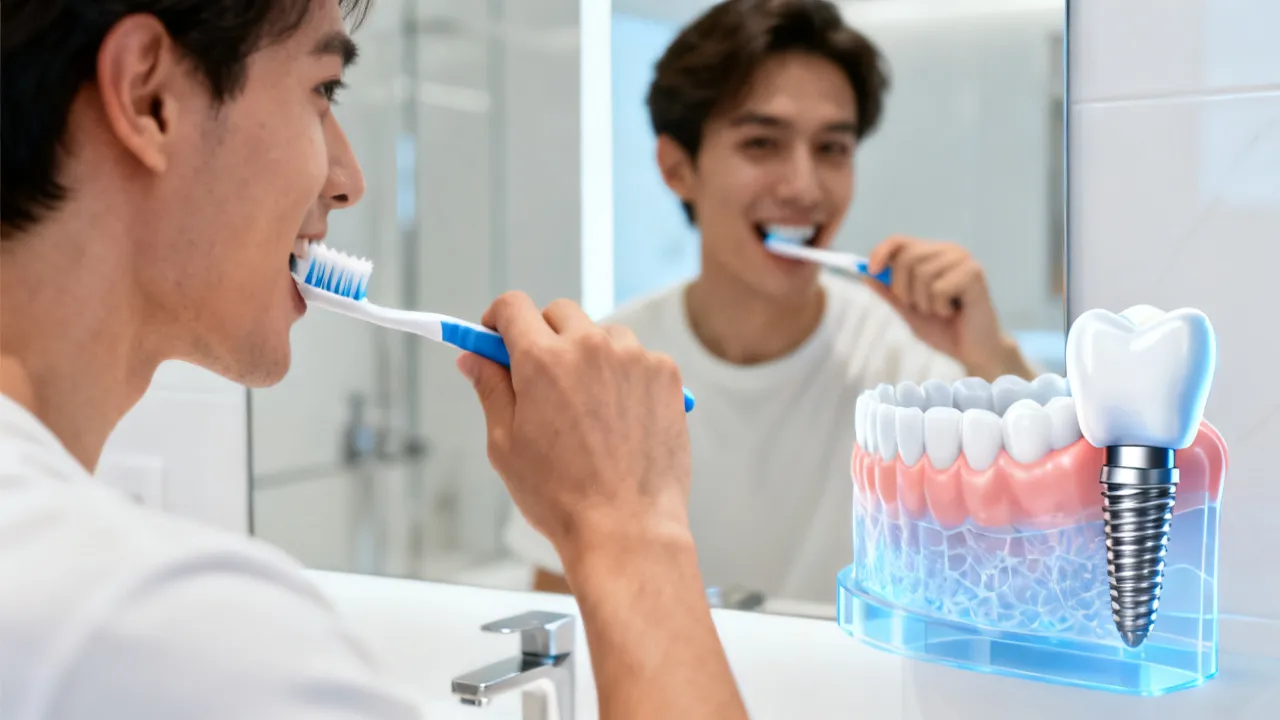
이 닦는 법 means “how to brush teeth” in Korean. Although brushing is one of the most familiar daily health routines, technique matters as much as frequency. A toothbrush used with excessive pressure, an unsuitable brush head, or rushed movements may leave plaque behind while irritating the gums. Conversely, a careful routine can help reduce the buildup associated with tooth decay, gingivitis, and periodontal disease.
Dental plaque is a soft, sticky film made up of bacteria, food particles, and saliva. It begins to accumulate soon after eating and drinking. If it is not disturbed regularly, the bacteria in plaque can produce acids that weaken enamel. Plaque left near the gums may also trigger inflammation, causing redness, swelling, tenderness, and bleeding. Over time, plaque can harden into calculus, commonly called tartar. Calculus cannot usually be removed effectively with an ordinary toothbrush and may require professional cleaning.
From an industry expert’s perspective, effective brushing is not primarily about scrubbing harder. It is about controlling the angle, pressure, sequence, and duration of brushing. The goal is to disturb bacterial plaque along the gumline and around each tooth without damaging enamel or soft tissue. Brushing is also only one part of oral care. Cleaning between teeth, attending professional examinations, managing dietary sugar, and responding promptly to bleeding or pain are equally important.
Good daily hygiene becomes particularly significant when a person is considering dental implants. An implant replaces a missing tooth with a fixture placed in the jaw, an abutment, and a visible crown. It does not decay in the same way as a natural tooth, but the surrounding gum and bone can still become inflamed. Peri-implant disease may threaten the tissues supporting the implant, especially when plaque remains around the gumline. Proper 이 닦는 법 therefore supports both natural teeth and implant maintenance.
Brushing should be viewed as a skill that can improve with practice. A person does not need a complicated routine or expensive equipment to clean effectively. Most people benefit more from slowing down, following the same sequence every day, using a soft brush, and checking areas that are commonly missed. The best routine is one that can be performed consistently in the morning and before bed.
The Most Important Principles of 이 닦는 법
The following principles provide a practical foundation for brushing:
- Brush twice daily, unless a dental professional recommends a different schedule.
- Use a soft-bristled toothbrush or an electric brush with a pressure-control feature.
- Hold the brush at approximately a 45-degree angle toward the gumline.
- Use small, gentle movements rather than aggressive horizontal scrubbing.
- Clean the outer, inner, and chewing surfaces of every tooth.
- Spend particular attention on the back teeth, gumline, and areas around dental work.
- Brush for approximately two minutes, using a timer if necessary.
- Clean between teeth once daily with floss, interdental brushes, or another dentist-recommended device.
- Spit after brushing and follow the toothpaste label or professional advice regarding rinsing.
- Replace a manual brush or brush head when the bristles become worn, commonly around every three months or sooner if damaged.
These recommendations are general guidance rather than a substitute for an individualized examination. People with braces, implants, gum recession, dry mouth, limited dexterity, or recent oral surgery may need modified tools and instructions. A dental hygienist can often identify missed areas by using plaque-disclosing material or by observing a person’s brushing technique.
Frequency alone does not guarantee a clean mouth. Someone who brushes twice daily for thirty seconds may remove less plaque than someone who brushes twice daily for two minutes with an organized method. Similarly, a person who brushes for a long time with excessive force may cause irritation without improving plaque control. Quality, consistency, and gentleness should be considered together.
Step-by-Step Guide to Brushing Teeth Correctly
1. Select an Appropriate Toothbrush
A compact brush head can make it easier to reach molars and the inner surfaces of the lower front teeth. Soft bristles are generally preferred because they can remove plaque while placing less stress on enamel and gums. Medium or hard bristles do not automatically provide better cleaning and may contribute to abrasion or gum irritation when combined with strong pressure.
The handle should be comfortable and easy to control. A person with arthritis, limited hand strength, or reduced coordination may prefer a thicker handle or an electric toothbrush. Children often need a smaller brush designed for their age group. A brush that is too large may make it difficult to reach the back of the mouth, while one that is too small may require additional time to cover every surface.
Electric toothbrushes can be useful for people who find it difficult to maintain consistent movement. A two-minute timer, quadrant pacing, and pressure sensor may improve technique. However, a manual brush can also be effective when used carefully and consistently. The device is less important than the user’s method.
When using an electric toothbrush, the head generally does not need to be moved rapidly back and forth. It can be guided slowly from tooth to tooth, allowing the bristles to contact the gumline. The user should avoid pressing down heavily because the motor may continue to apply force even when the person is not aware of it.
2. Use Fluoride Toothpaste as Directed
Fluoride toothpaste helps strengthen enamel and improve resistance to acid produced by oral bacteria. Place an appropriate amount on the brush according to the product label and the user’s age. Children should receive age-specific guidance because swallowing toothpaste can be a concern. Adults who experience frequent cavities, dry mouth, or exposed roots may benefit from discussing higher-fluoride options with a dentist.
Toothpaste should be selected according to individual needs rather than advertising alone. Some formulations are designed for sensitivity, others for cavity prevention, gum care, whitening, or dry mouth. Whitening pastes may help remove some surface staining, but they do not change the natural internal color of teeth in the same way as professional whitening. A person with worn enamel or exposed roots should ask whether an abrasive product is appropriate.
Children should be supervised until they can reliably spit out toothpaste. The amount and concentration recommended for a child may differ according to age and local dental guidance. Toothpaste should not be treated as a food product, and repeated swallowing should be discussed with a dental professional.
3. Divide the Mouth into Sections
A consistent order prevents missed areas. One practical sequence is the upper right, upper front, upper left, lower left, lower front, and lower right. Within each section, brush the outer surfaces, inner surfaces, and chewing surfaces. People using implants should add a deliberate pass around the implant crown and gumline, following the clinician’s instructions.
Another method is to divide the mouth into four quadrants: upper right, upper left, lower right, and lower left. Spend about thirty seconds on each quadrant. The precise order is not important as long as it is repeated. The purpose of a sequence is to prevent a person from spending most of the time on the front teeth while neglecting the molars and inner surfaces.
It can help to begin in a different place occasionally if one area is consistently missed. Mirrors may be useful for people who have braces, bridges, implants, or other dental restorations. A small amount of plaque-disclosing solution, used according to instructions, can reveal where brushing needs improvement.
4. Position the Brush at the Gumline
Place the bristles partly on the teeth and partly on the edge of the gums, using an angle of roughly 45 degrees. Apply light pressure. The bristles should flex slightly, not flatten forcefully against the teeth. Move the brush in small circles or short controlled strokes. On the inside of the front teeth, turn the brush vertically if that improves access.
The gumline deserves particular attention because it is an area where the tooth surface changes direction and where plaque can remain hidden. The brush should reach the shallow margin where the tooth and gum meet, but it should not be driven forcefully under the gum. Healthy gum tissue may feel slightly firm and should not be repeatedly scraped.
For the outer surfaces of the teeth, small circular movements can be effective. For chewing surfaces, short back-and-forth movements may help the bristles enter grooves and pits. The aim is controlled contact, not vigorous polishing. People who notice that the bristles spread outward after only a few weeks may be using too much force.
5. Clean Every Surface
Brush the outer surfaces facing the cheeks and lips, the inner surfaces facing the tongue, and the chewing surfaces of molars and premolars. Plaque can collect in grooves and pits, particularly on back teeth. A person should also brush the tongue gently if advised, since the tongue can retain bacteria and contribute to unpleasant breath.
The inner surfaces of the lower front teeth are frequently missed because they are narrow and close to the tongue. Turning the toothbrush vertically and using the front portion of the bristles may improve access. The far back surface of the last molar can also collect plaque, especially when a wisdom tooth is partially erupted or when the cheek makes access difficult.
People with crowns, veneers, bridges, retainers, or orthodontic appliances should clean around the edges of these restorations. Plaque may collect where a restoration meets the natural tooth or where a wire contacts enamel. Special brushes, threaders, or interdental tools may be needed, and the correct choice depends on the design of the dental work.
6. Manage Pressure
One of the most common technique errors is excessive force. A useful test is to hold the toothbrush with the fingertips rather than gripping it tightly in the palm. An electric toothbrush should be guided over the teeth rather than pushed into them. If the gums bleed regularly, appear swollen, or recede, the person should arrange a dental assessment rather than simply brushing harder.
Pressure-related damage may develop gradually. The gum margin can move away from the tooth, exposing a sensitive root surface. The exposed root is not protected by enamel and may be more vulnerable to sensitivity and wear. Toothbrush abrasion may also contribute to shallow notches near the gumline. These findings can have several causes, so a professional examination is necessary before attributing them solely to brushing.
Bleeding is not a signal that a person should stop cleaning the affected area. In many cases, bleeding indicates inflammation caused by plaque. Gentle cleaning may help, but persistent bleeding requires assessment. If bleeding begins suddenly after surgery, trauma, or a medication change, the person should contact the relevant dental or medical professional.
7. Brush for Approximately Two Minutes
Two minutes is a useful general target because it allows enough time to reach each section of the mouth. Many people overestimate how long they brush. A timer built into an electric brush, a phone timer, or a simple mental count can help establish a reliable routine.
Duration should be adapted when a person has special circumstances. Braces, multiple implants, or complex restorations may require more than two minutes, while a child may need assistance to complete the routine. Longer brushing is not automatically better if it involves strong pressure or repeated rubbing in one location.
8. Finish Without Over-Rinsing
After brushing, spit out the toothpaste. Whether to rinse with water depends on the toothpaste instructions and the individual’s dental advice. Rinsing immediately with a large amount of water may reduce the time fluoride remains on the teeth. Mouthwash should not automatically replace brushing or interdental cleaning, and some products are best used at a separate time from brushing.
If a fluoride mouthwash is recommended, it may be more useful at a different time of day rather than immediately after brushing. This allows the fluoride from toothpaste to remain on the teeth for longer. People should follow the instructions on the specific product and avoid swallowing mouthwash.
When Should You Brush?
Brushing twice daily is a common foundation, with one session ideally occurring before sleep. Nighttime brushing is important because saliva flow often decreases during sleep, reducing the mouth’s natural ability to clear acids and food particles. After brushing at night, avoiding snacks and sugary drinks can help maintain the benefit of the routine.
After acidic foods or drinks, such as citrus, soft drinks, sports drinks, wine, or some sour candies, immediate brushing may be uncomfortable and may contribute to wear on temporarily softened enamel. Waiting for a suitable period, rinsing with water, and following dental advice can be preferable. The appropriate timing depends on the person’s diet, enamel condition, and risk of decay.
Brushing after vomiting is another situation that requires care. Acid can temporarily affect the tooth surface, and vigorous brushing immediately afterward may be unhelpful. Rinsing with water or a dentist-recommended solution and waiting before brushing may be safer. People with frequent vomiting or reflux should discuss enamel protection with a healthcare professional.
Common Brushing Mistakes
| Mistake | Why It Matters |
|---|---|
| Brushing too forcefully | May irritate gums and contribute to enamel or root-surface wear. |
| Using a worn brush | Frayed bristles are less controlled and may clean less effectively. |
| Ignoring the gumline | Plaque often accumulates where teeth and gums meet. |
| Brushing only visible surfaces | Inner surfaces and back teeth can remain coated with plaque. |
| Relying on mouthwash alone | Liquid products do not mechanically remove plaque in the same way as brushing and interdental cleaning. |
| Brushing immediately after acidic food or drink | Waiting according to professional guidance may help avoid brushing softened enamel. |
| Sharing a toothbrush | Can transfer bacteria, blood, and other microorganisms between people. |
| Covering a wet brush tightly | A damp, enclosed brush may remain an unfavorable environment for drying and storage. |
| Skipping interdental cleaning | A toothbrush cannot reliably reach the contact areas between teeth. |
Another common mistake is changing technique repeatedly without giving the mouth time to adapt. A person may purchase several products but still miss the same surfaces. It is usually more productive to identify the specific problem, such as bleeding at the lower front teeth or plaque around a bridge, and then receive targeted instruction.
Cleaning Between the Teeth
Brushing cleans many surfaces, but the bristles generally cannot reach the tight spaces where neighboring teeth touch. Interdental cleaning once daily can remove plaque and food particles from these areas. Traditional floss may be appropriate for tight contacts, while interdental brushes may be easier for wider spaces, gum recession, bridges, or some orthodontic appliances.
Floss should be guided gently between the teeth rather than snapped against the gums. Curve it around one tooth in a “C” shape and move it up and down along the side of the tooth. Repeat on the neighboring tooth before moving to the next space. Bleeding during the first days of a new routine may indicate inflammation, but persistent or heavy bleeding should be evaluated.
Interdental brushes should fit snugly without being forced. A brush that is too small may not contact the surfaces effectively, while one that is too large may traumatize the gum. Different spaces in the same mouth may require different sizes. A hygienist can demonstrate the appropriate size and direction of insertion.
Water flossers may assist people who have limited dexterity or difficulty using string floss. They can be particularly helpful around some implant restorations and orthodontic appliances. However, their use should be integrated into an individualized plan. No single interdental tool is ideal for every mouth.
Brushing Around Dental Implants
A dental implant should be cleaned as part of the normal oral-care routine, but the surrounding anatomy may require additional attention. The crown can usually be brushed with a soft toothbrush. Depending on the implant design and the shape of the gum, a dentist or hygienist may recommend an interdental brush, implant-specific floss, a water flosser, or another device.
Patients should not assume that bleeding around an implant is normal. Occasional minor irritation may occur after a change in cleaning technique, but persistent bleeding, swelling, bad taste, pus, looseness, discomfort when chewing, or progressive gum recession should be reported. Early examination may help identify inflammation before more extensive treatment is required.
Professional maintenance intervals vary. A person with a history of periodontal disease, multiple implants, diabetes, smoking exposure, or difficulty cleaning may need more frequent reviews. The implant crown, connecting components, gum tissues, and bite can all be evaluated during maintenance appointments.
Cleaning around an implant requires attention to the transition between the crown and the gum. The crown may have a slightly different contour from a natural tooth, and food can collect beneath or beside it. The patient should ask the clinician to demonstrate the exact path for floss or an interdental brush. Improvised tools, sharp instruments, and excessive force can damage soft tissues or the restoration.
Immediately after implant surgery, the ordinary brushing routine may need to be temporarily modified. The surgical area may be sensitive, sutures may be present, and a temporary restoration may have been placed. The treating clinician should explain which teeth can be brushed, whether a special rinse is required, and when normal brushing can resume. Patients should not scrub the surgical site unless specifically instructed to do so.
How Oral Hygiene Can Influence Implant Expenses
Implant pricing is often discussed as though it were a single procedure, but the total treatment may involve diagnosis, imaging, extraction, bone grafting, the implant fixture, the abutment, the crown, temporary teeth, medication, and follow-up appointments. Strong preventive care cannot eliminate every treatment cost, but it may reduce the likelihood of avoidable complications and additional procedures.
Maintaining natural teeth may also delay or prevent tooth loss. This is significant because preserving a natural tooth, when clinically reasonable, can be less complex than replacing it. A dentist must determine whether a tooth is restorable; patients should not postpone necessary care based solely on price assumptions.
Maintenance also has a financial dimension. A patient who attends regular reviews may discover a loose crown, small fracture, or early gum inflammation before it develops into a larger problem. This does not guarantee that major treatment will never be needed, but early intervention can sometimes be simpler than emergency treatment after substantial tissue damage.
Comparing Websites That Provide Dental Implant Information
The following comparison is based on the supplied descriptions of the websites. These resources differ in purpose: some present clinic services, some discuss insurance, one focuses on dental tourism, and others provide educational material in Spanish or Portuguese. A website can help a patient form questions, but it should not replace an examination, written treatment plan, or verification of professional credentials.
| Website and language focus | Key features and appropriate use |
|---|---|
| Dental Views — English | Information about low-cost dental implants, implant benefits, treatment types, process, frequently asked questions, and possible pricing considerations. |
| Atlantic Dental Group — English | Clinic information covering general dentistry and services that may include cleaning, orthodontics, implants, and emergency dental care. |
| DentaVacation — English | Dental tourism information, international treatment options, cost comparisons, and travel-related considerations. |
| ADHP / Rockville Dental Arts — English and Spanish pages | Information associated with dental coverage and clinic services, including implants, cleaning, cosmetic care, orthodontics, and emergency dentistry. |
| Union City Mini Dental Implants — Spanish | Spanish-language information about mini dental implants and treatment for selected areas of tooth loss. |
| Cigna implant guide — Spanish | Educational material explaining dental implants and related treatment considerations for Spanish-speaking readers. |
| Rubi Odonto — Portuguese | Clinic information concerning orthodontics, whitening, implants, and other dental services, with an emphasis on professional patient care. |
| Odontologia Velasco — Portuguese | Information about implants, prostheses, aesthetic dentistry, and the use of contemporary dental technologies. |
| DentalVidas — Portuguese | Dental-plan information for individuals, families, and companies, including a provider network and emergency-service details. |
When reviewing a dental website, readers should distinguish between educational material, advertisements, patient testimonials, and formal policy information. A page that states that a service is available does not necessarily explain whether the advertised fee includes every stage of care. Patients can ask whether the page displays a date, whether the information is current, and whether the clinic explains possible risks as well as benefits.
Useful questions include: Who performs the surgery? Who restores the implant? Is the provider licensed in the relevant jurisdiction? What happens if the implant does not integrate with the bone? Are emergency appointments available? Can records be transferred to another dentist? Clear answers to these questions are more meaningful than a low headline price alone.
Source: The website descriptions supplied for this article.
source: www.dentalviews.com/low-cost-dental-implants
source: www.atlanticdentalgrp.com
source: www.dentavacation.com
source: rockvilledentalarts.com/es
source: unioncityminidentalimplants.com/es
source: www.cigna.com/es-us/knowledge-center/guide-to-dental-implants
source: www.rubiodonto.com.br
source: odontologiavelasco.com.br
source: dentalvidas.com.br
How to Obtain Dental Implants at Lower Cost in English-Speaking Countries
Lower-cost treatment should be approached as a value and safety question, not merely as a search for the lowest advertised number. The following steps can help patients compare options responsibly in the United States, the United Kingdom, Australia, and Canada.
Step 1: Confirm That an Implant Is Clinically Appropriate
Begin with an examination by a licensed dentist or oral-health professional. A clinical assessment may include dental radiographs or three-dimensional imaging, evaluation of the gums, bite analysis, and review of medical history. A tooth may be treatable with a filling, crown, root-canal treatment, or periodontal care instead of extraction and replacement. A second opinion can be valuable when the proposed treatment is extensive.
The reason for tooth loss also matters. A tooth lost because of decay, fracture, gum disease, trauma, or congenital absence may create different planning considerations. Neighboring teeth, the opposing tooth, available bone, and the position of the nerve or sinus can all influence the treatment sequence. A website questionnaire or remote estimate cannot replace the information obtained through a clinical examination and appropriate imaging.
Step 2: Request an Itemized Treatment Plan
Ask for each component to be listed separately. The estimate should clarify whether it includes extraction, imaging, bone preservation, bone grafting, the implant fixture, abutment, crown, temporary restoration, sedation, laboratory fees, and follow-up visits. “Implant price” may refer only to one component, so comparing incomplete estimates can create a misleading impression of savings.
The written plan should also explain the expected number of appointments and the approximate healing periods. Some plans involve extraction and implant placement at the same appointment, while others require healing before placement. A final crown may be fitted after the implant has integrated with the bone. The exact timing depends on the case and should not be promised without appropriate assessment.
Step 3: Compare Qualified Providers
Review the clinician’s qualifications, licensing status, experience with the proposed procedure, infection-control protocols, implant system, and arrangements for complications. A lower fee is not useful if the provider cannot offer appropriate follow-up. Patients should verify credentials through relevant regulatory or professional bodies rather than relying solely on testimonials.
Patients may ask how often the provider performs the proposed treatment and whether surgery and restoration are completed by the same team. If different clinicians are involved, responsibilities should be explained clearly. It is also reasonable to ask who will be available after surgery, how urgent concerns are handled, and whether the clinic has a process for reviewing complications.
Step 4: Ask About Dental Plans and Insurance
Coverage differs substantially. Some plans may exclude implants, impose waiting periods, apply annual limits, or cover only part of the restorative treatment. Obtain written confirmation before treatment. Dental savings plans and clinic payment arrangements may also exist, but patients should review enrollment fees, exclusions, interest, cancellation rules, and the total amount payable.
Insurance may separate the surgical component from the crown or prosthetic component. A plan may also calculate benefits according to an allowed fee rather than the clinic’s full charge. Patients should ask whether preauthorization is available and whether a pre-treatment estimate is binding or only an indication of expected benefits.
Step 5: Compare Materials and Laboratory Arrangements
A dentist can explain which implant system and crown material are suitable. Patients should not select a product solely by brand or price. The estimate should identify the laboratory responsible for the crown and explain how repairs or replacement will be managed. Keeping implant records, including the system and component information, can assist future dentists.
The crown may be made from different materials, including ceramic, zirconia, or porcelain fused to another material. The correct choice depends on location, bite, appearance, available space, and the clinician’s assessment. A more expensive material is not automatically the best choice for every patient. The important issue is whether the material is appropriate, traceable, and supported by a clear maintenance plan.
Step 6: Consider Timing and Staged Treatment
Some treatment can be staged, such as periodontal therapy before implant placement or a temporary restoration before the final crown. Staging may help with cash flow, but delaying clinically necessary treatment can increase complexity. The dentist should explain which delays are acceptable and which could affect bone, gum health, or function.
Temporary options may include a removable partial denture, adhesive temporary tooth, or another provisional restoration. These alternatives may have separate fees and maintenance requirements. Patients should ask whether the temporary device is included and how long it is expected to last.
Step 7: Protect the Result
Use the recommended brushing technique, clean between teeth, attend maintenance visits, and address smoking, uncontrolled diabetes, or other relevant risk factors with healthcare professionals. Long-term maintenance is part of the financial calculation. A patient who budgets only for placement but not for examinations, hygiene visits, and eventual restoration care may underestimate the true cost.
How to Obtain Dental Implants at Lower Cost in Spanish-Speaking Countries
Spanish-speaking markets include different healthcare systems, currencies, regulations, and levels of regional variation. Spain, Mexico, Chile, Colombia, Peru, and Argentina should not be treated as one uniform dental market. Costs in major metropolitan areas may differ from those in smaller communities, and imported components may be affected by currency fluctuations.
Use Spanish-Language Educational Resources Carefully
Resources such as the Spanish-language Cigna implant guide can help readers understand terminology and prepare questions. Clinic pages, including Rockville Dental Arts and Union City Mini Dental Implants, may explain services in accessible Spanish. However, educational content and promotional clinic information have different purposes. Patients should compare several independent sources and request a clinical diagnosis before agreeing to treatment.
Important Spanish terms may include implante dental for dental implant, pilar or abutment for the connecting component, corona for crown, injerto óseo for bone graft, and enfermedad periodontal for periodontal disease. Understanding these terms can help patients identify whether a quote covers the entire treatment or only one stage.
Verify the Complete Quote
Ask whether the quote is for one implant only or for the complete sequence from extraction to final crown. Confirm the currency, payment schedule, warranty terms, emergency arrangements, and follow-up policy. In countries where prices are quoted in local currency, request the amount in writing and check the date of the estimate.
Patients should also ask whether taxes, laboratory charges, imaging, anesthesia, and medications are included. If the quote is described as a promotion, ask about its expiration date and any conditions. A low promotional amount may apply only to straightforward cases and may not include bone grafting or treatment of active gum disease.
Check Licensing and Traceability
Patients should verify that the treating dentist is licensed in the relevant jurisdiction. They should also ask for the implant manufacturer, model, lot or reference information when applicable, and copies of imaging and clinical records. These details are especially important if the patient later moves or seeks maintenance from another clinic.
Evaluate Travel Requirements
Dental tourism may appear economical when treatment fees are lower abroad, but travel, lodging, time away from work, translation, repeat visits, and treatment of complications must be included in the calculation. Implant treatment often requires multiple appointments over a healing period. A short visit may be unsuitable if the clinical plan demands review or staged restoration.
Travel insurance may exclude complications related to elective dental treatment. Patients should examine travel policies carefully and identify a local dentist who can provide follow-up care after returning home. If an implant component becomes loose or a temporary restoration breaks, the original clinic may be difficult to reach. The convenience and cost of future communication should be considered before treatment.
Assess Payment and Coverage Options
Patients may investigate employer plans, private dental plans, installment arrangements, or public eligibility rules where available. Coverage should be confirmed before treatment because implants and associated prosthetic work may be subject to exclusions. A written explanation is more useful than a general statement that a treatment is “covered.”
How to Obtain Dental Implants at Lower Cost in Portuguese-Speaking Countries
In Portuguese-speaking markets such as Brazil and Portugal, patients can begin by comparing licensed clinics and requesting an itemized plan in Portuguese. Rubi Odonto and Odontologia Velasco present information about services such as implants, prostheses, orthodontics, and aesthetic dentistry. DentalVidas focuses on dental-plan services and may be relevant to readers comparing coverage models rather than individual clinic fees.
Compare Like With Like
One clinic may advertise the implant fixture alone, while another may include the abutment and crown. Ask every provider to quote the same treatment stages. Clarify whether bone grafting, extraction, sedation, imaging, temporary teeth, laboratory work, and maintenance are included.
Portuguese terms that may be useful include implante dentário, prótese, coroa, enxerto ósseo, periodontia, and manutenção. Patients should ask the clinic to explain unfamiliar terms in plain language before signing consent or payment documents.
Review Technology Claims in Context
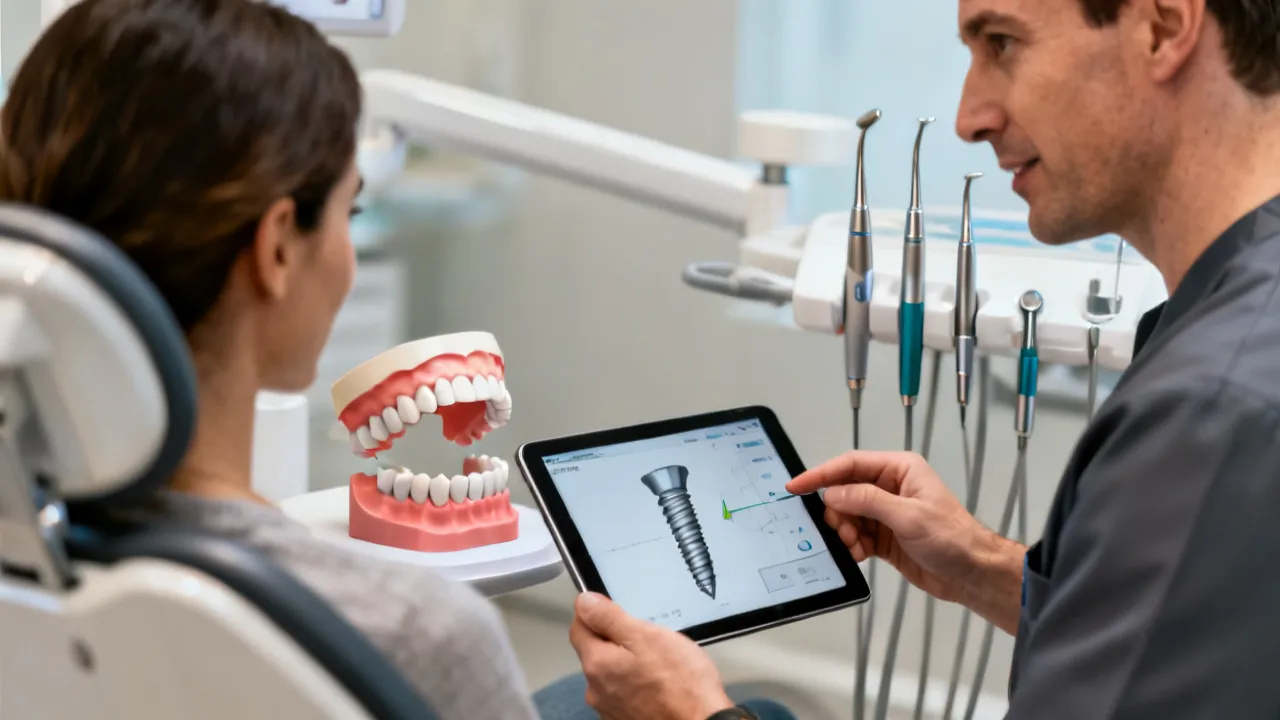
Digital scanning, guided surgery, and three-dimensional imaging can support planning in suitable cases, but technology does not replace diagnosis or clinical judgment. Ask what problem a particular technology solves, whether it is necessary for the case, and how it affects the total price.
Digital tools may improve communication and help produce a restoration that fits the planned position. Nevertheless, an advanced device does not guarantee a successful outcome. Bone quality, gum health, hygiene, biting forces, medical history, and long-term maintenance remain important.
Plan for Follow-Up
Patients should know who will handle post-operative questions, what happens if the implant does not integrate as expected, and whether the same clinic will provide the final crown. If treatment is obtained while traveling, identify a qualified provider near the patient’s home for routine maintenance and urgent assessment.
Reference Price Ranges for One Individual Dental Implant
The following figures are the supplied reference ranges for an individual dental implant. They should not be interpreted as complete treatment packages. Depending on the clinic and the patient’s needs, the final bill may also include diagnosis, imaging, extraction, grafting, the abutment, crown, temporary restoration, sedation, and maintenance.
| Country | Currency | Reference price range for one implant |
|---|---|---|
| United States | USD | $3,000–$6,000 |
| United Kingdom | GBP | £2,000–£2,500 |
| Australia | AUD | AU$3,500–AU$6,500 |
| Canada | CAD | CA$3,000–CA$5,500 |
| Spain | EUR | €1,500–€2,500 |
| Chile | CLP | CLP$800,000–CLP$1,500,000 |
| Mexico | MXN | $15,000–$25,000 MXN |
| Colombia | COP | $2,000,000–$4,000,000 COP |
| Peru | PEN | S/ 3,000–S/ 6,000 |
| Argentina | ARS | $80,000–$150,000 ARS |
| Brazil | BRL | R$3,000–R$8,000 |
| Portugal | EUR | €1,000–€2,000 |
| Germany | EUR | €2,000–€3,500 |
| France | EUR | €1,500–€2,500 |
| Italy | EUR | €1,500–€3,000 |
| Japan | JPY | ¥300,000–¥700,000 |
Prices can change because of inflation, exchange rates, laboratory fees, implant brands, clinician experience, clinic location, and case complexity. A comparison table is useful for initial research, but it cannot predict an individual quote. Patients should request current prices directly from clinics and confirm what each figure includes.
Conditions and Requirements Before Implant Treatment
Implant candidacy depends on more than the presence of a missing tooth. The dentist may assess bone volume and density, gum health, bite forces, adjacent teeth, oral hygiene, smoking exposure, and medical conditions. Active periodontal disease generally needs attention before implant placement. Bone grafting may be considered when there is insufficient supporting bone, although the decision depends on the examination.
Medical history should be discussed fully. Relevant information may include diabetes control, medications affecting bone metabolism or blood clotting, immune conditions, previous radiation treatment, allergies, pregnancy, and past reactions to anesthesia. Patients should never stop prescribed medicine without consulting the prescribing clinician.
Oral hygiene is a practical requirement. If a person is unable to clean natural teeth effectively, the same difficulty may affect an implant. Learning 이 닦는 법 before surgery can be more useful than waiting until after placement. A hygienist can demonstrate brush positioning and recommend tools for narrow spaces or sensitive gums.
Bone grafting, sinus-related procedures, or treatment of infection may increase the number of appointments and the total cost. These procedures are not automatically required for every patient. The clinician should explain why a particular additional procedure is recommended, what alternatives exist, and how it affects the timing of implant placement.
Long-Term Maintenance: Brushing, Interdental Cleaning, and Reviews
After the final crown is fitted, maintenance should be treated as an ongoing care plan. Brush the implant crown and neighboring teeth twice daily. Clean beneath or between the restoration as instructed. Some implant crowns have contours that make ordinary floss ineffective or difficult to insert. An interdental brush of the correct size may clean more reliably, but it should not be forced into a tight space.
Water flossers can be useful for some patients, particularly around bridges or difficult-to-reach areas. They should be used according to the manufacturer’s instructions and the clinician’s recommendation. A water flosser does not necessarily replace all other forms of interdental cleaning for every patient.
Professional visits allow the team to identify plaque, inflammation, changes in the bite, loose components, and wear of the crown. A person should seek assessment earlier if an implant feels mobile, chewing becomes uncomfortable, the gums swell, or a component appears damaged.
Maintenance is not limited to the implant itself. Natural teeth beside the implant can still develop cavities, cracks, or periodontal disease. The implant and natural teeth should therefore be considered one connected oral environment. Keeping the neighboring teeth healthy helps preserve function and makes cleaning around the restoration easier.
How Diet and Daily Habits Affect Oral Health
Frequent exposure to sugary or acidic foods and drinks can increase the risk of enamel damage and decay in natural teeth. Water is generally preferable between meals. Sticky snacks may remain on tooth surfaces longer than less adhesive foods. The objective is not to impose a rigid diet but to reduce repeated acid and sugar challenges while maintaining balanced nutrition.
Smoking and tobacco exposure can affect gum health and healing. Patients considering implants should discuss cessation support with a healthcare professional. Alcohol consumption, dry mouth, nighttime grinding, and inconsistent sleep may also influence oral comfort or treatment planning. The relevance of each factor depends on the individual’s medical and dental history.
Teeth grinding and clenching can place substantial forces on natural teeth, crowns, and implants. A person who wakes with jaw soreness, headaches, fractured fillings, or worn teeth should mention these symptoms during an examination. A dentist may consider bite evaluation or a protective appliance when appropriate. Such devices should be professionally designed rather than purchased without guidance when implant treatment is involved.
When to Seek Dental Advice
Arrange a dental examination if bleeding occurs repeatedly during brushing, gums are swollen or tender, teeth become sensitive, breath odor persists, or a tooth feels loose. Urgent care may be required for facial swelling, fever, difficulty swallowing, uncontrolled bleeding, trauma, or severe pain. A missing tooth should also be evaluated rather than ignored indefinitely, because neighboring teeth and the bite may change over time.
Patients with implants should contact a dental professional if the implant crown feels different, food becomes trapped repeatedly, the bite changes, or there is a persistent unpleasant taste around the restoration. A loose crown is not necessarily the same as a loose implant, but both require assessment. Delaying care because discomfort is mild can allow inflammation or mechanical problems to progress.
FAQs About 이 닦는 법 and Dental Implants
How long should I brush my teeth?
Many dental professionals recommend brushing for approximately two minutes twice daily. The exact duration is less important than thorough coverage of all surfaces. A timer can help people who routinely stop after only a few seconds.
Is harder brushing more effective?
No. Excessive pressure can irritate the gums and wear tooth surfaces. Gentle, controlled movements at the gumline are usually more appropriate. An electric brush with pressure feedback may help users who are unsure how much force to apply.
Why do my gums bleed when I brush?
Bleeding can be associated with plaque-related inflammation, an overly forceful technique, ill-fitting cleaning tools, or other conditions. Do not simply abandon brushing. Use gentle technique and arrange a professional assessment if bleeding persists or is accompanied by swelling, pain, or recession.
Can I brush normally after receiving an implant?
Post-operative instructions vary according to the procedure and healing stage. The surgical site may need special protection initially, while other teeth can usually be cleaned as directed. Follow the operating clinician’s instructions rather than applying a general routine immediately after surgery.
Do implants need brushing if they cannot get cavities?
Yes. The implant itself is not a natural tooth, but bacteria can inflame the gums and bone around it. Cleaning the crown, gumline, and nearby spaces helps support the tissues that maintain the implant.
Are mini dental implants always less expensive?
Not necessarily. Mini implants may be appropriate in selected situations, but suitability depends on anatomy, function, restoration design, and the clinician’s assessment. Compare the complete treatment plan rather than assuming that a smaller component guarantees a lower total cost.
What does a low-cost implant advertisement usually include?
It may include only the implant fixture or a limited stage of treatment. Ask whether the price includes the abutment, crown, imaging, extraction, grafting, temporary restoration, anesthesia, and follow-up. Written itemization is essential for meaningful comparisons.
Is dental tourism suitable for everyone?
No. It may involve travel, multiple visits, language barriers, different regulations, and challenges arranging follow-up care. Patients should assess the complete financial and medical plan, verify credentials, and identify how complications will be managed before making a decision.
How can I compare clinics in another language?
Use the clinic’s patient-information pages to learn terminology, then request a written treatment plan in a language you understand. An independent interpreter may be appropriate for complex consent discussions. Do not sign documents that you cannot read or have explained clearly.
Can insurance pay for an implant?
Coverage varies by plan and jurisdiction. Some policies exclude implants, apply waiting periods, or impose annual limits. Ask the insurer for a written pre-treatment estimate and confirm whether the policy covers the fixture, abutment, crown, and related procedures separately.
What is the most important part of 이 닦는 법?
Consistency and complete coverage are central. Place the bristles near the gumline, use light pressure, clean all tooth surfaces, and add daily interdental care. A dental professional can personalize the technique for implants, braces, crowns, recession, or sensitive areas.
Expert Checklist for Choosing an Affordable Implant Plan
- Confirm the diagnosis and ask whether tooth preservation is possible.
- Obtain an itemized estimate rather than relying on a headline price.
- Verify the dentist’s license, training, and relevant experience.
- Ask which implant system and restorative materials will be used.
- Clarify whether imaging, extraction, grafting, abutment, crown, and follow-up are included.
- Review insurance exclusions, waiting periods, annual limits, and payment terms.
- Calculate travel, accommodation, interpretation, and time-away costs for overseas care.
- Request copies of imaging, implant records, and laboratory information.
- Understand the plan for complications, repairs, and maintenance.
- Learn and practice correct 이 닦는 법 before treatment.
A Practical Daily Oral-Care Schedule
A simple schedule can make the recommendations easier to follow. In the morning, brush all surfaces with fluoride toothpaste and clean the tongue gently if needed. During the day, drink water regularly, limit repeated sugary snacks, and rinse with water after acidic drinks when appropriate. At night, clean between the teeth first if that is the easiest time to remember, then brush carefully for approximately two minutes.
People with implants or extensive dental work may need a longer evening routine. For example, they may brush natural teeth and implant crowns, use an interdental brush beneath a bridge, and inspect the gumline with a mirror. The sequence should remain comfortable and should not cause bleeding through forceful manipulation. A consistent routine is more sustainable than an elaborate routine that is abandoned after a few days.
Conclusion
Correct 이 닦는 법 is a basic but powerful part of preventive dental care. A soft brush, gentle gumline technique, complete surface coverage, fluoride toothpaste, and daily interdental cleaning can support the health of natural teeth and the tissues around dental implants. When tooth replacement is necessary, patients should judge affordability through the complete treatment pathway rather than a single advertised figure.
Comparing reputable educational resources, licensed providers, itemized plans, insurance conditions, and long-term maintenance requirements can make the decision more informed. Price ranges differ widely by country, region, clinic, materials, and clinical complexity. A careful examination and transparent written plan remain the foundation of safe treatment.
The most useful approach is preventive and realistic: protect natural teeth whenever possible, treat gum disease before implant surgery, learn a manageable brushing technique, and plan for maintenance after treatment. Cost matters, but safety, quality, follow-up access, and long-term function are also part of value. Patients who understand these factors are better prepared to discuss options with a qualified dental professional.
References and Links
The following links are the online resources referenced or described in this article:
- Dental Views: Low-Cost Dental Implants
- Atlantic Dental Group
- DentaVacation
- Rockville Dental Arts, Spanish Page
- Union City Mini Dental Implants, Spanish Page
- Cigna: Guide to Dental Implants, Spanish Page
- Rubi Odonto
- Odontologia Velasco
- DentalVidas
Disclaimer
1. The above information comes from online resources, and the data is as of October 2023.
2. Dental implant prices are for reference only and may vary by region, clinic and doctor.
3. General oral-hygiene information cannot diagnose dental disease or determine whether an implant is appropriate. Patients should consult a qualified dental professional for an examination, individualized brushing instructions, treatment planning, and advice about urgent symptoms.