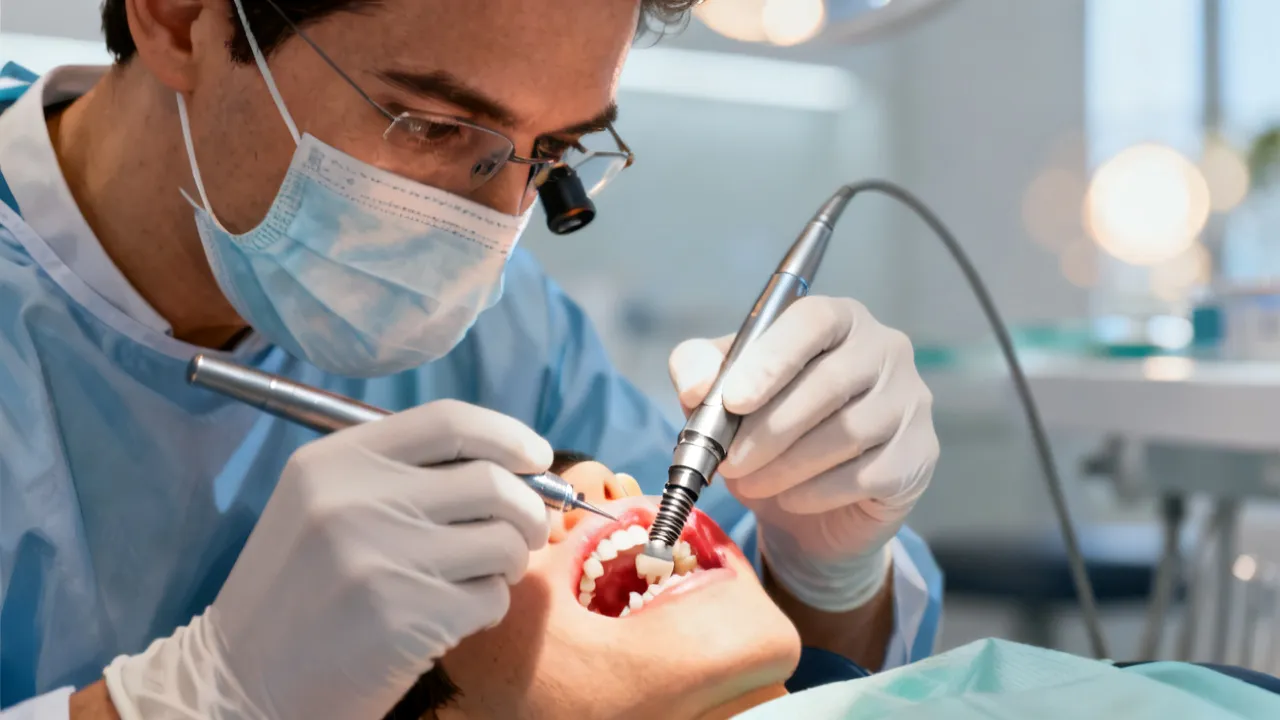
IRM Cement in Temporary Dental Restorations
This guide explains IRM cement, including its composition, clinical uses, benefits, limitations, handling considerations, and relationship to restorative treatment. IRM is a reinforced zinc oxide–eugenol material commonly used for temporary fillings, intermediate restorations, and selected endodontic procedures. The article also outlines how patients can compare implant providers and estimated individual implant costs across English-, Spanish-, Portuguese-, German-, French-, Italian-, and Japanese-speaking markets.
What Is IRM Cement?
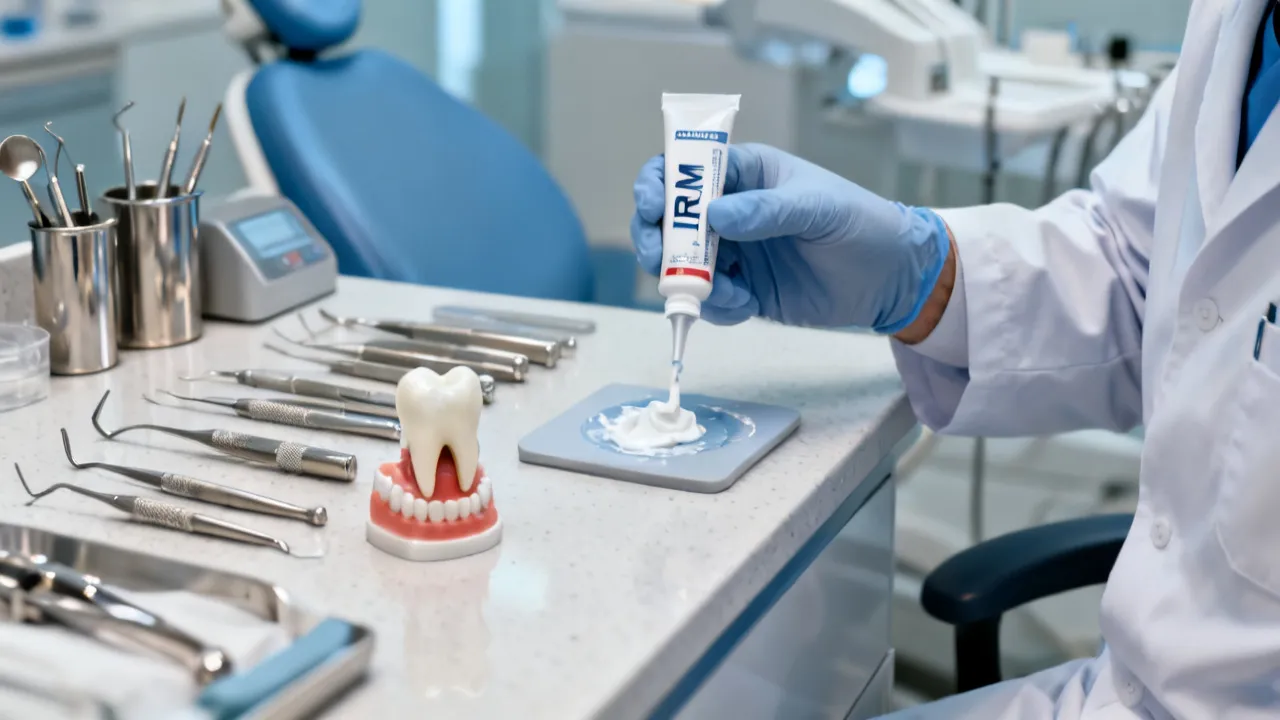
IRM cement is a reinforced zinc oxide–eugenol dental material used primarily for temporary restorations and selected intermediate dental procedures. The name “IRM” is commonly associated with “Intermediate Restorative Material.” It is generally supplied as a powder and liquid that are mixed chairside, although the precise formulation, packaging, setting characteristics, and approved indications vary by manufacturer.
From a materials perspective, IRM cement belongs to the zinc oxide–eugenol family. Zinc oxide is the principal powder component, while eugenol contributes to the setting reaction and to several of the material’s characteristic clinical properties. Reinforcing agents are incorporated into many IRM formulations to improve strength, wear resistance, and durability compared with conventional, unreinforced zinc oxide–eugenol materials.
The resulting material can often be placed efficiently and removed when a permanent restoration or another treatment stage is ready. This makes it useful in treatment plans that must be completed over several appointments. A dentist may use IRM cement while waiting for a tooth to heal, while laboratory work is being completed, or while a diagnosis is clarified.
IRM cement is not the same as a permanent crown, definitive composite restoration, ceramic inlay, implant-supported prosthesis, or other long-term restorative solution. Its role is usually temporary or intermediate. A temporary restoration can protect a prepared tooth and support short-term function, but it still requires follow-up according to the dentist’s instructions.
Patients should therefore view IRM cement as part of a treatment sequence rather than as a universal long-term solution. Even when it feels comfortable, the material may need to be replaced or removed. Delaying the next stage of treatment can allow leakage, recurrent decay, fracture, or progression of an underlying dental condition.
Why Dentists Use IRM Cement
Dental treatment frequently occurs in stages. A tooth may need to be observed over time, treated internally, protected between appointments, or prepared for a permanent restoration. IRM cement can be useful in these situations because it combines practical handling with reasonable short-term durability.
- Temporary cavity restoration: It can cover a prepared cavity while the dentist evaluates symptoms or determines the next restorative step.
- Intermediate restoration: It may protect a tooth for a limited treatment period when a definitive restoration cannot be placed immediately.
- Endodontic access sealing: After an access opening is created during root canal treatment, a temporary material may be placed to seal the opening between appointments.
- Emergency dental care: A dentist may use a temporary restorative material to protect a damaged tooth until definitive care can be arranged.
- Temporary sealing after restorative preparation: A prepared tooth may require coverage while a laboratory-made crown, bridge, or inlay is being produced.
- Selected base or liner applications: In specific circumstances, a clinician may use a zinc oxide–eugenol material beneath another restoration, provided that the product instructions and the planned restorative material are compatible.
- Management of carious primary teeth: Some formulations may be used in selected pediatric or interim restorative situations, depending on the dentist’s diagnosis, the child’s age, the extent of decay, and the product’s approved indications.
The appropriate use depends on the tooth, the amount of remaining tooth structure, moisture control, the planned permanent material, the expected duration of use, and the patient’s ability to return for care. A dentist should make the final decision after an examination and, where appropriate, radiographic assessment.
How IRM Cement Works
When the powder and liquid are mixed, zinc oxide reacts with eugenol to form a zinc eugenolate matrix. Reinforcing particles and other formulation details influence the material’s strength, working time, setting behavior, resistance to moisture, and ability to withstand chewing forces. The dental professional must follow the manufacturer’s instructions for the powder-to-liquid ratio, mixing technique, placement, and finishing.
Small changes in handling can affect clinical performance. Too much liquid may produce a weaker or softer mix, while an incorrect powder-to-liquid ratio can change working time and consistency. Insufficient mixing may result in an uneven material. The operator must also consider the operating field. Saliva, blood, crevicular fluid, or inadequate isolation may interfere with adaptation and sealing.
Depending on the formulation, the material may be mixed on a treated paper pad, glass slab, or other surface approved by the manufacturer. The powder may be incorporated gradually into the liquid until the desired consistency is achieved. The clinician then carries the material to the prepared tooth, adapts it to the cavity, removes excess, and checks the bite after the material has set sufficiently.
IRM cement generally offers a relatively sedative effect in some clinical circumstances because of its eugenol component. This does not mean that it treats the cause of tooth pain, eliminates infection, repairs a fracture, or reverses irreversible pulp disease. Pain that continues or worsens after placement should be reported to the dental office, especially if it is accompanied by swelling, fever, drainage, a bad taste, or difficulty opening the mouth.
Key Clinical Properties
| Property | Clinical significance |
|---|---|
| Short-term protection | Helps cover and protect a prepared or damaged tooth during a staged treatment plan. |
| Reinforced formulation | Provides greater short-term resistance than some conventional zinc oxide–eugenol materials, although it is not equivalent to a definitive restoration. |
| Eugenol content | May provide a soothing clinical quality but can affect compatibility with certain resin-based materials. |
| Chairside mixing | Allows the dentist to control consistency and place the material during the appointment. |
| Removability | Usually permits later removal when permanent treatment is ready. |
| Thermal insulation | May help reduce direct thermal stimulation of exposed or recently prepared dentin in selected situations. |
| Limited long-term wear resistance | Means that heavy chewing forces, bruxism, or extended use may lead to wear, fracture, or loss of the restoration. |
| Moisture sensitivity during placement | Requires appropriate isolation so that the material can adapt and seal as intended. |
These properties are useful, but no dental material performs identically in every mouth. Occlusal pressure, bruxism, saliva exposure, cavity size, preparation design, tooth position, and appointment timing all influence the outcome. A small temporary restoration in a protected area may perform differently from a large restoration covering a heavily loaded molar.
IRM Cement Compared With Permanent Restorative Materials
IRM cement is often selected because it is practical for an interim stage. Permanent materials are selected for long-term anatomy, aesthetics, wear resistance, bonding, strength, and function. The comparison below is general and does not replace the product instructions or a dentist’s treatment plan.
| Material | Typical role and considerations |
|---|---|
| IRM cement | Temporary or intermediate restoration; useful for selected short-term applications and generally removable. |
| Glass ionomer cement | May chemically interact with tooth structure and release fluoride; indications vary by product and clinical situation. |
| Composite resin | Often used for tooth-colored definitive or semi-definitive restorations; requires effective isolation and bonding procedures. |
| Amalgam | Historically used for posterior restorations; current use depends on local regulations, clinical judgment, and patient factors. |
| Ceramic or indirect restoration | Laboratory or digitally produced restoration designed for longer-term function and appearance. |
| Resin-modified materials | May offer different handling, bonding, or moisture characteristics; suitability depends on the clinical objective and manufacturer instructions. |
One especially important issue is eugenol compatibility. Eugenol-containing materials may interfere with the polymerization or bonding performance of some resin-based materials. The dentist must determine whether IRM cement should be removed completely before placing a resin restoration and whether an alternative temporary material is preferable.
This issue is particularly relevant when a temporary filling is planned beneath a future composite, bonded inlay, veneer, or other resin-containing restoration. The final dentist may need to remove residual temporary material, clean the preparation, and prepare the tooth again before applying the definitive bonding system. Patients should not interpret this possibility as evidence that IRM cement was used incorrectly; it is a materials-compatibility consideration.
Benefits of IRM Cement
Practical short-term protection
IRM cement can cover exposed dentin and reduce the direct impact of food, temperature changes, and mechanical irritation. This is valuable when a tooth is between treatment stages. By filling an open cavity, it may also reduce the amount of food packing that can irritate the gums or cause discomfort.
Efficient chairside use
Because it is mixed and placed in the dental office, IRM cement can be used during a single appointment without waiting for a laboratory restoration. This can help a dentist manage urgent care, protect a tooth after preparation, and provide a functional interim seal while a more extensive plan is organized.
Removal when needed
A temporary material should not permanently obstruct the next treatment phase. IRM cement is generally selected in part because it can be removed when the definitive procedure is ready, although removal must be performed carefully to preserve the tooth. The dentist may use hand instruments, rotary instruments, or other appropriate techniques depending on the location and amount of material.
Useful in endodontic treatment sequences
After root canal treatment begins, the access cavity may need a temporary seal between appointments. The dentist chooses the material based on the required seal, the expected interval, the tooth’s condition, the presence of medication inside the tooth, and the final restorative plan. A temporary seal is important because contamination between appointments can compromise treatment.
Potentially useful for symptom observation
In some cases, a dentist may use an intermediate restoration while observing how a tooth responds. This may be relevant when the diagnosis is uncertain or when the clinician wants to evaluate symptoms before committing to a definitive restoration. Observation does not replace treatment when disease is clearly present, but it can be one component of a carefully monitored plan.
Limitations and Precautions
IRM cement is not intended to solve every restorative problem. Its limitations are particularly important when a tooth is exposed to high biting forces or when the restoration must remain in place for an extended period.
- It may wear, fracture, or dislodge under heavy occlusal forces.
- It is generally not selected as the final cosmetic restoration for a visible tooth.
- It may not be appropriate where a strong adhesive bond is required.
- Eugenol may be incompatible with some resin-based restorative systems.
- It does not replace removal of decay, treatment of pulpal disease, or management of periodontal infection.
- It may not be suitable for patients with specific sensitivities or allergies to ingredients.
- It can be difficult to maintain when the temporary restoration is large, thin, or exposed to moisture.
- It may not restore a severely weakened tooth sufficiently for normal chewing.
- It should not be placed without considering the patient’s bite and the restoration planned afterward.
Patients should contact their dentist if the material falls out, the tooth becomes sharply sensitive, chewing becomes painful, or the bite feels uneven. Attempting to repair or permanently glue the material at home may complicate later treatment. Household adhesives can be toxic to oral tissues and are not substitutes for dental materials.
Patients who grind or clench their teeth should mention this before a temporary restoration is placed. Bruxism can increase the likelihood of fracture or dislodgement. The dentist may adjust the bite, recommend a protective appliance, shorten the expected interval before definitive treatment, or select another temporary approach.
What Patients Can Expect During Placement
- Assessment: The dentist evaluates the tooth, symptoms, existing restoration, bite, and gum condition. An X-ray may be recommended.
- Diagnosis and treatment planning: The dentist explains whether the material is intended for a short emergency period, a root canal interval, a laboratory waiting period, or another purpose.
- Preparation: Decay, fractured material, or contaminated temporary material may be removed. The dentist may numb the area if necessary.
- Isolation: The tooth is kept as dry as practical. The method may include cotton rolls, suction, a rubber dam, or another isolation approach.
- Mixing: The dental professional combines the powder and liquid according to the manufacturer’s instructions.
- Placement: The material is inserted into the prepared area and adapted to the tooth.
- Finishing: Excess material is removed, margins are checked, and the surface may be shaped to reduce interference with chewing.
- Occlusal adjustment: The dentist checks the patient’s bite and removes excess material if necessary.
- Follow-up: The office explains how long the material is expected to remain and when the permanent stage should occur.
The time required varies with the tooth and the broader procedure. A temporary restoration may be placed during an emergency appointment, after a root canal visit, or while a permanent crown is being made. Patients should ask whether the tooth has been fully treated or merely protected until the next appointment.
Aftercare for an IRM Cement Restoration
Follow the treating dentist’s instructions first. In general, patients may be advised to avoid chewing hard or sticky foods on the treated side until the material has adequately set. If the dentist provides a setting-time instruction, it should be followed carefully.
Brush and floss as directed, but take care around the restoration. When flossing near a temporary restoration, pulling the floss upward can sometimes dislodge the material; many dental offices advise sliding the floss out through the side. The correct technique depends on the location and design of the restoration.
Keep the follow-up appointment. A temporary restoration that feels comfortable may still require replacement or completion of the planned treatment. Delaying definitive care can allow leakage, recurrent decay, fracture, or progression of underlying disease.
Patients should also monitor the bite. A temporary restoration that is slightly high may cause pain when chewing or tenderness in the tooth-supporting tissues. This can often be corrected quickly by the dentist. Persistent pressure sensitivity should not simply be assumed to be part of normal healing.
When to Seek Prompt Dental Attention
Some discomfort may occur after dental treatment, but certain symptoms require professional review. Seek prompt advice for persistent or increasing pain, facial swelling, fever, pus, difficulty swallowing, restricted mouth opening, or a restoration that repeatedly dislodges.
Emergency services may be appropriate when swelling affects breathing or swallowing, or when a serious facial injury has occurred. A temporary cement should not be used as a substitute for urgent medical or dental evaluation.
Contact the dental office promptly if the tooth becomes extremely sensitive to hot or cold, if pain wakes you at night, or if pain continues after the expected recovery period. These symptoms may indicate that the underlying pulp or supporting tissues need further evaluation.
IRM Cement and Dental Implants
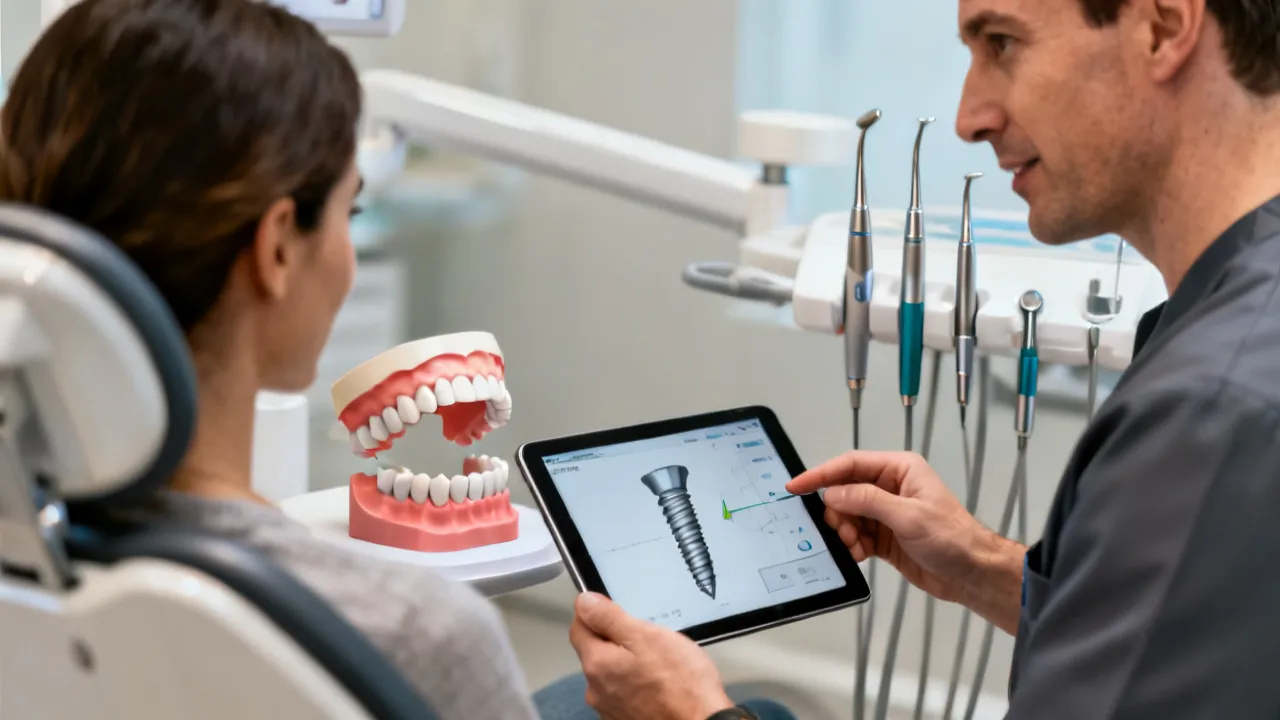
IRM cement is not an implant material. A dental implant is a surgically placed component, usually made from a biocompatible material such as titanium or a ceramic material selected by the dental team. The implant supports an abutment and crown, bridge, or denture system after healing and restorative planning.
IRM cement may appear in an implant patient’s treatment pathway, but usually for a separate reason. For example, it may temporarily restore a neighboring tooth, seal an access opening, or protect a provisional restoration in a broader treatment plan. It does not integrate with bone and does not replace an implant fixture.
Patients considering implants should distinguish between the price of an implant fixture and the total treatment cost. A complete estimate may include consultation, imaging, extraction, bone augmentation, the implant component, abutment, temporary restoration, final crown, sedation, laboratory work, and follow-up visits. Individual prices therefore require careful definition.
Stages of Individual Implant Treatment
Replacing one missing tooth with an implant can involve several distinct stages. The first is examination and diagnosis. The dentist evaluates the space, neighboring teeth, gum health, bone volume, bite, medical history, and aesthetic requirements. Digital scans or three-dimensional imaging may be advised when they are relevant to surgical planning.
If a failing tooth remains, extraction may be required before or during implant treatment. Some patients are suitable for immediate implant placement, while others need a healing period. If the bone is too narrow or too shallow, bone grafting or another augmentation procedure may be recommended. These procedures can add cost and time.
Implant placement is followed by a healing or integration period in many treatment plans. During this time, the patient may wear a temporary tooth or provisional prosthesis. Once the implant is stable and the tissues are ready, the abutment and final crown are fabricated and fitted. Adjustments may be necessary to achieve appropriate contact, appearance, and bite.
Long-term maintenance includes professional examinations, hygiene care, monitoring of the gums around the implant, and attention to the crown or prosthesis. An implant cannot develop tooth decay in the same way as a natural tooth, but the surrounding tissues can become inflamed or infected. Daily cleaning and regular professional care remain important.
How to Obtain Dental Implants at Lower Cost in English-Speaking Markets
Lower treatment cost should be approached through comparison and planning rather than by choosing a provider solely on the lowest advertised figure. The following process can help patients assess options in the United States, the United Kingdom, Australia, and Canada.
- Confirm that an implant is clinically appropriate. A dentist should assess bone volume, gum health, bite, medical history, smoking status, and the condition of adjacent teeth. An implant is not automatically the best option for every missing tooth.
- Request a written, itemized estimate. Ask whether the quoted amount includes the implant fixture, abutment, crown, diagnostic imaging, extraction, bone grafting, provisional teeth, sedation, and review appointments.
- Compare qualified providers. Check the professional registration system applicable to the jurisdiction. In the United States, patients may review state dental board information; in the United Kingdom, the General Dental Council is a relevant regulatory body; Australia and Canada use their own professional and regional registration structures.
- Ask whether treatment is staged. A staged plan may separate extraction, healing, implant placement, integration, and crown placement. Understanding each stage helps prevent unexpected charges.
- Review insurance and payment arrangements. Dental plans may cover selected parts of implant-related treatment, but exclusions, annual limits, waiting periods, and preauthorization rules vary. Patients should obtain written confirmation.
- Consider dental schools or teaching clinics. University clinics may offer supervised treatment at different rates. Availability, eligibility, waiting times, and treatment complexity vary.
- Compare implant systems responsibly. A lower price should not be based on unclear component identity or an implant system with limited local support. Ask how replacement parts and records will be managed.
- Evaluate travel costs. Treatment in another city or country may involve transportation, accommodation, time away from work, and follow-up visits. These expenses belong in the total comparison.
- Check the aftercare policy. Ask who handles complications, what warranty terms mean, and whether follow-up is provided locally. A written policy is more useful than a verbal assurance.
- Avoid rushed decisions. A second opinion can clarify whether bone grafting, periodontal treatment, or an alternative restoration is necessary before implant surgery.
In the United States, regional differences in professional fees can be substantial, so comparisons should be made between complete treatment plans rather than headline prices. In the United Kingdom, patients may compare private care with eligibility and availability within public dental services, although implant treatment through public systems is subject to clinical criteria and local arrangements. In Australia and Canada, location, specialist involvement, laboratory fees, and local demand can also affect estimates.
How to Obtain Dental Implants at Lower Cost in Spanish-Speaking Markets
Spanish-speaking markets include countries with different health systems, currencies, regulatory frameworks, and levels of private dental coverage. Patients should communicate in Spanish when possible and request treatment documents in a language they understand.
- Begin with a complete diagnosis. Request an examination, periodontal evaluation, and appropriate imaging. A panoramic image or three-dimensional scan may be recommended when it affects surgical planning.
- Separate clinical necessity from optional upgrades. Ask which components are medically necessary and which relate to brand, aesthetics, sedation, or convenience.
- Compare local and regional clinics. In Spain, Mexico, Chile, Colombia, Peru, and Argentina, private clinic pricing may vary between capital cities, urban centers, and smaller communities. Travel should not compromise follow-up access.
- Verify credentials and facilities. Confirm the dentist’s license, surgical training, sterilization procedures, implant system, and emergency arrangements.
- Ask for a Spanish-language plan. The document should identify the diagnosis, proposed procedure, materials, stages, risks, estimated timeline, and total or stage-based charges.
- Review payment plans carefully. Monthly payment arrangements can improve budgeting, but patients should understand interest, administrative fees, cancellation provisions, and what happens if treatment changes.
- Assess dental tourism cautiously. Traveling to Mexico or another country may reduce the quoted clinical fee, but airfare, lodging, translation, additional appointments, and complication management may alter the final amount.
- Confirm records and component details. Obtain implant brand information, lot documentation where available, radiographs, and operative notes so another dentist can provide future care.
- Protect time for healing. A patient who returns home immediately after surgery may have difficulty accessing the original provider. Plan for scheduled reviews and unexpected concerns.
Examples of Spanish-language information sources include the Spanish version of Rockville Dental Arts, Union City Mini Dental Implants, and Cigna’s guide to dental implants. These resources may help patients understand terminology, but they do not replace an individualized consultation.
How to Obtain Dental Implants at Lower Cost in Portuguese-Speaking Markets
Brazil and Portugal are important Portuguese-speaking markets for dental care. Local terminology may differ: patients may encounter “implante dentário,” “prótese sobre implante,” and “avaliação odontológica.” Even when communication is easy, the treatment plan should still be documented in detail.
- Compare complete packages. Determine whether the quotation includes surgery, implant, abutment, temporary prosthesis, final prosthesis, imaging, and maintenance.
- Confirm the dentist’s professional registration. In Brazil, patients can ask for the dentist’s registration details with the relevant regional dental council. In Portugal, verify the professional’s registration through the appropriate national professional structure.
- Ask about the laboratory. The final crown or prosthesis depends significantly on laboratory work. Confirm the material, expected number of appointments, and adjustment policy.
- Check whether bone procedures are separate. Sinus lifting and bone grafting may be quoted independently. They can affect both cost and treatment time.
- Consider teaching clinics and regulated payment programs. Eligibility and waiting times vary, but supervised educational settings may be an option for some patients.
- Request implant documentation. Brand, model, dimensions, and clinical records are valuable if future maintenance is provided by another clinic.
- Include maintenance in the budget. Implant-supported teeth require professional review and daily hygiene. Initial treatment cost is only one part of long-term care.
Rubi Odonto, Odontologia Velasco, and DentalVidas illustrate different types of Portuguese-language dental information: a clinic offering several dental services, a clinic describing implants and prosthodontics, and a provider of dental plans. Patients should verify current services, credentials, prices, and coverage directly before making decisions.
Estimated Cost of One Individual Dental Implant
The following ranges are provided for one individual dental implant in the listed countries. They are reference figures rather than quotations. The term “individual dental implant” can be interpreted differently: some providers mean the implant fixture only, while others use it to describe a tooth replacement that includes the abutment and crown. Patients should ask which components are included.
| Country and code | Currency | Estimated price range |
|---|---|---|
| United States (US) | USD | $3,000–$6,000 |
| United Kingdom (GB) | GBP | £2,000–£2,500 |
| Australia (AU) | AUD | AU$3,500–AU$6,500 |
| Canada (CA) | CAD | CA$3,000–CA$5,500 |
| Spain (ES) | EUR | €1,500–€2,500 |
| Chile (CL) | CLP | CLP$800,000–CLP$1,500,000 |
| Mexico (MX) | MXN | $15,000–$25,000 |
| Colombia (CO) | COP | $2,000,000–$4,000,000 |
| Peru (PE) | PEN | S/ 3,000–S/ 6,000 |
| Argentina (AR) | ARS | $80,000–$150,000 |
| Brazil (BR) | BRL | R$3,000–R$8,000 |
| Portugal (PT) | EUR | €1,000–€2,000 |
| Germany (DE) | EUR | €2,000–€3,500 |
| France (FR) | EUR | €1,500–€2,500 |
| Italy (IT) | EUR | €1,500–€3,000 |
| Japan (JP) | JPY | ¥300,000–¥700,000 |
Exchange rates, inflation, tax treatment, laboratory charges, implant brands, specialist fees, and clinical complexity can change the final amount. Currency conversion should be performed using a current, reputable financial source, and the clinic’s written quotation should take priority over an online estimate.
Comparing Websites About Lower-Cost Dental Implants
Online resources can help patients build a vocabulary and identify questions for a consultation. They differ substantially in purpose. Some are clinic websites, some publish educational material, some discuss insurance, and some promote dental travel. The table below compares the supplied sources without placing links inside the table.
| Website or organization | Primary information and useful comparison point |
|---|---|
| Dental Views | Discusses lower-cost dental implants, treatment types, benefits, costs, and common questions; useful for preliminary price and process research. |
| Atlantic Dental Group | Clinic-based information covering general and restorative dental services; useful for comparing the scope of services offered by a private provider. |
| DentaVacation | Focuses on dental tourism, international treatment options, cost comparisons, and travel considerations; users should assess follow-up and regulation carefully. |
| American Dental Health Plans | Provides information related to dental insurance and coverage; useful for understanding how plan benefits may affect treatment budgeting. |
| Rockville Dental Arts | Spanish-language clinic information covering implants and other dental services; useful for patients seeking Spanish communication. |
| Union City Mini Dental Implants | Specializes in mini dental implant information and services; patients should confirm whether the proposed system suits their anatomy and treatment objective. |
| Cigna | Spanish-language educational material about dental implants, treatment concepts, and patient questions; useful as general background information. |
| Rubi Odonto | Portuguese-language clinic information describing orthodontics, whitening, implants, and related care in Brazil. |
| Odontologia Velasco | Portuguese-language information about implants, prostheses, aesthetics, and technology used in clinical services. |
| DentalVidas | Portuguese-language dental plan information for individuals, families, and organizations, including network and emergency-care descriptions. |
source: www.dentalviews.com/low-cost-dental-implants/
source: www.atlanticdentalgrp.com
source: www.dentavacation.com
source: rockvilledentalarts.com/es
source: unioncityminidentalimplants.com/es
source: www.cigna.com/es-us/knowledge-center/guide-to-dental-implants
source: www.rubiodonto.com.br
source: odontologiavelasco.com.br
source: dentalvidas.com.br
How to Evaluate an Online Dental Implant Offer
A highly visible price is not necessarily a complete price. Before booking, ask the provider to answer the following questions in writing:
- Is the quoted amount for the implant fixture alone or for the complete tooth replacement?
- Are the consultation and three-dimensional scans included?
- Is extraction included if the tooth is still present?
- Could bone grafting or sinus augmentation be required?
- Who will perform surgery and who will place the final crown?
- Which implant brand and model are planned?
- What type of abutment and crown will be used?
- How many visits are expected?
- What happens if the implant does not integrate with the bone?
- Are emergency reviews and adjustments included?
- How will records be provided if the patient moves or travels?
Patients should also examine the website’s wording. Educational content should distinguish estimates from guaranteed prices, identify clinical exclusions, and encourage examination. A site that presents one universal price for every patient may not reflect the variables involved in implant treatment.
Conditions That May Affect Implant Eligibility
Successful implant treatment depends on more than the missing tooth itself. The dentist may assess:
- Available bone height and width
- Gum health and periodontal stability
- Active cavities or infection
- Smoking or nicotine use
- Diabetes control and other medical conditions
- Medications that influence bone metabolism or healing
- Oral hygiene and ability to attend follow-up visits
- Bite forces, clenching, and grinding
- Expectations regarding appearance and function
Some conditions can be managed before surgery. For example, periodontal inflammation may require treatment, a damaged tooth may need extraction, or insufficient bone may require augmentation. These steps affect both the treatment timeline and the total cost. A responsible clinician should explain whether a proposed implant plan is immediate, staged, conditional, or dependent on additional treatment.
Industry Expert Perspective: Why Material Selection Matters
From an industry and clinical-materials perspective, the central question is not whether IRM cement is “better” than every alternative. The relevant question is whether its properties match the purpose, duration, and restorative material that follow. A temporary cement must be sufficiently stable for the intended interval, removable without unnecessary damage, and compatible with the definitive procedure.
The same principle applies to dental implants. A low initial estimate may be reasonable when the case is straightforward and the scope is clearly defined. It becomes misleading when essential stages are omitted. Experienced treatment planning therefore emphasizes biological suitability, component traceability, operator training, infection control, occlusal design, and long-term maintenance rather than price alone.
For IRM cement, the clinician must consider the planned definitive restoration. If a resin-based restoration is anticipated, the eugenol component and the preparation for bonding deserve particular attention. If a temporary material will remain under heavy function, fracture and marginal breakdown become more relevant. Material selection should be documented as part of the treatment plan.
Common Misunderstandings About IRM Cement
“IRM cement is a permanent filling.”
Usually, it is selected for temporary or intermediate use. The dentist may decide that a particular application can remain for a longer period, but patients should not assume that it is intended to be permanent.
“A comfortable tooth no longer needs treatment.”
Comfort is encouraging but does not prove that decay, pulp disease, a crack, or infection has been resolved. The planned review remains important.
“IRM cement can be used for an implant.”
IRM cement is not an implant fixture and does not replace implant surgery or an implant-supported crown. It may be used elsewhere in a patient’s treatment plan.
“The lowest implant advertisement is the lowest total cost.”
A quoted amount may exclude diagnostics, extraction, grafting, the abutment, the crown, temporary teeth, maintenance, or complication management. Only an itemized plan permits a meaningful comparison.
“Dental tourism always reduces expenses.”
Travel may change the clinical fee, but transport, accommodation, currency conversion, additional visits, and management of complications must be included in the calculation.
“Temporary cement can repair a cracked tooth permanently.”
A temporary material may protect a tooth while the dentist determines whether a crown, root canal, extraction, or another treatment is needed. It cannot restore structural strength to a severely cracked tooth on a permanent basis.
Frequently Asked Questions
What is IRM cement used for?
It is commonly used for temporary fillings, intermediate restorations, temporary sealing after endodontic access, and selected short-term restorative applications. The exact indication depends on the product and the dentist’s assessment.
How long can IRM cement remain in a tooth?
The intended duration varies according to the tooth, restoration size, bite, moisture exposure, and treatment plan. The dentist should provide the expected review interval. A patient should not extend the material’s use without professional advice.
Can IRM cement be placed over a painful tooth?
A dentist may use a temporary material after examining the cause of pain, but placement alone does not diagnose or cure the underlying problem. Severe or persistent pain requires reassessment.
Can IRM cement be used under composite resin?
Compatibility must be evaluated carefully because eugenol-containing materials may affect certain resin-based bonding or polymerization processes. The treating dentist should follow the restorative system’s instructions and remove or replace the temporary material when appropriate.
What should I do if my IRM restoration falls out?
Contact the dental office and protect the tooth from hard or sticky foods. Do not use household glue or attempt a permanent repair. If swelling, fever, or severe pain occurs, seek prompt dental care.
Does IRM cement contain eugenol?
Traditional IRM formulations are associated with zinc oxide and eugenol chemistry, but product formulations differ. Patients with known sensitivities should inform the dentist and ask which material is being used.
Is an individual implant price the same as the complete cost of replacing one tooth?
Not necessarily. The complete cost may include diagnostics, extraction, grafting, implant placement, abutment, temporary restoration, final crown, sedation, and follow-up. Ask for an itemized estimate.
Can I reduce implant costs by traveling abroad?
Travel may reduce or increase the overall cost depending on the clinical fee and associated expenses. Verify credentials, implant documentation, follow-up arrangements, and emergency care before choosing treatment abroad.
Are mini dental implants suitable for everyone?
No. Suitability depends on bone anatomy, bite, the intended prosthesis, medical factors, and the dentist’s assessment. A mini implant is not automatically an equivalent substitute for a conventional implant.
Does dental insurance cover implants?
Coverage varies by plan. Some policies exclude implants, while others provide limited benefits for specific components or related procedures. Patients should request written confirmation of coverage, exclusions, deductibles, and annual limits.
How can I compare dental clinics fairly?
Compare qualifications, diagnosis, materials, treatment stages, total costs, aftercare, complication policies, and accessibility. A price comparison is meaningful only when the clinical scope is similar.
Practical Checklist Before Treatment
- Obtain a diagnosis and suitable imaging.
- Ask whether a temporary restoration, permanent restoration, bridge, denture, or implant is appropriate.
- Request the treatment plan in writing.
- Identify every included and excluded fee.
- Confirm the material and implant system where relevant.
- Ask about expected healing and review appointments.
- Discuss medical conditions, medications, smoking, and allergies.
- Clarify what to do if IRM cement dislodges or pain develops.
- Keep copies of radiographs, invoices, consent documents, and implant records.
- Plan maintenance after the definitive restoration is placed.
Conclusion
IRM cement remains a useful material for carefully selected temporary and intermediate dental applications. Its value comes from practical handling, short-term protection, removability, and a formulation that may provide greater resistance than some conventional zinc oxide–eugenol materials. It is not, however, a universal permanent filling and not an implant material.
For patients comparing dental implant care, affordability should be evaluated together with diagnosis, professional credentials, component quality, follow-up, travel requirements, and the complete treatment scope. Online clinic, insurance, educational, and dental-tourism websites can support initial research, but an in-person examination and written treatment plan remain essential.
Disclaimer
The information above comes from online resources, and the data is as of October 2023. Dental implant prices are for reference only and may vary by region, clinic, and doctor. IRM cement indications, composition, handling instructions, and compatibility may also vary by manufacturer and clinical situation. This article is educational and does not replace diagnosis, informed consent, or advice from a licensed dental professional.