IRM Cement and Affordable Implant Planning
This guide explains IRM cement, its composition, clinical uses, handling considerations, and relationship to temporary dental treatment, while also outlining practical ways to evaluate low-cost dental implant care. IRM cement is a reinforced zinc oxide–eugenol material commonly used for intermediate restorations and temporary sealing. The article also compares dental information websites, reviews planning conditions, and presents reference price ranges across English-, Spanish-, Portuguese-, German-, French-, Italian-, and Japanese-speaking markets.
Executive Overview
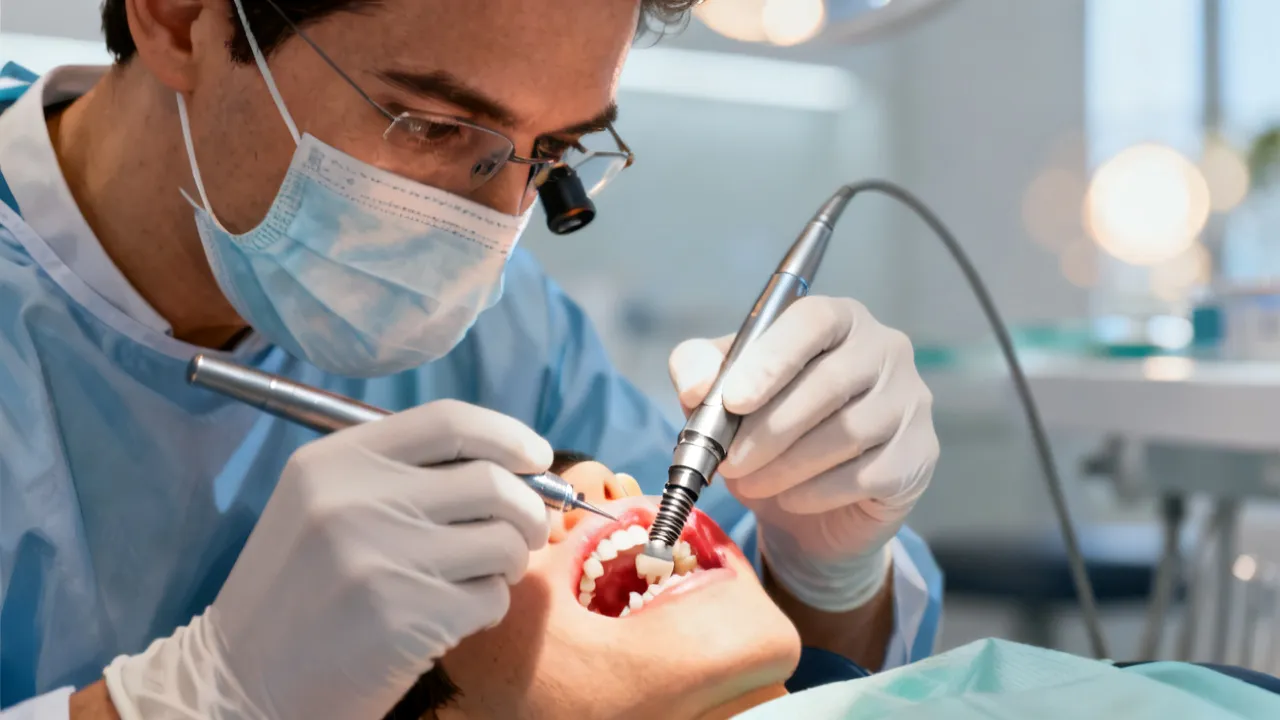
IRM cement is a reinforced zinc oxide–eugenol dental material generally used for intermediate restorations, temporary fillings, provisional cementation, and short- to medium-term sealing of prepared teeth. The abbreviation “IRM” is commonly understood as “Intermediate Restorative Material.” It is not the same as an implant fixture, implant-abutment cement, bone graft, or permanent restorative cement. Its purpose is to protect a tooth or provide a temporary restoration while the dentist completes diagnosis or definitive treatment.
From an industry perspective, the most important issue is not simply the purchase price of a dental material or the advertised price of an implant. Clinical suitability, diagnosis, treatment planning, sterilization, laboratory quality, follow-up, and the dentist’s qualifications have a greater influence on long-term value. A low initial quote can become more expensive if it excludes imaging, extraction, bone augmentation, provisional teeth, the abutment, the crown, medication, or follow-up visits.
Patients considering dental implants should therefore separate two decisions:
- Material decision: whether IRM cement is appropriate for a temporary or intermediate dental restoration.
- Treatment-planning decision: how to obtain safe, appropriately supervised implant care at a manageable cost.
IRM cement can be useful before an implant is placed, particularly when a damaged tooth requires temporary protection or when a treatment plan must be staged. However, it does not replace a permanent crown, does not integrate with bone, and should not be presented as an implant solution.
What Is IRM Cement?
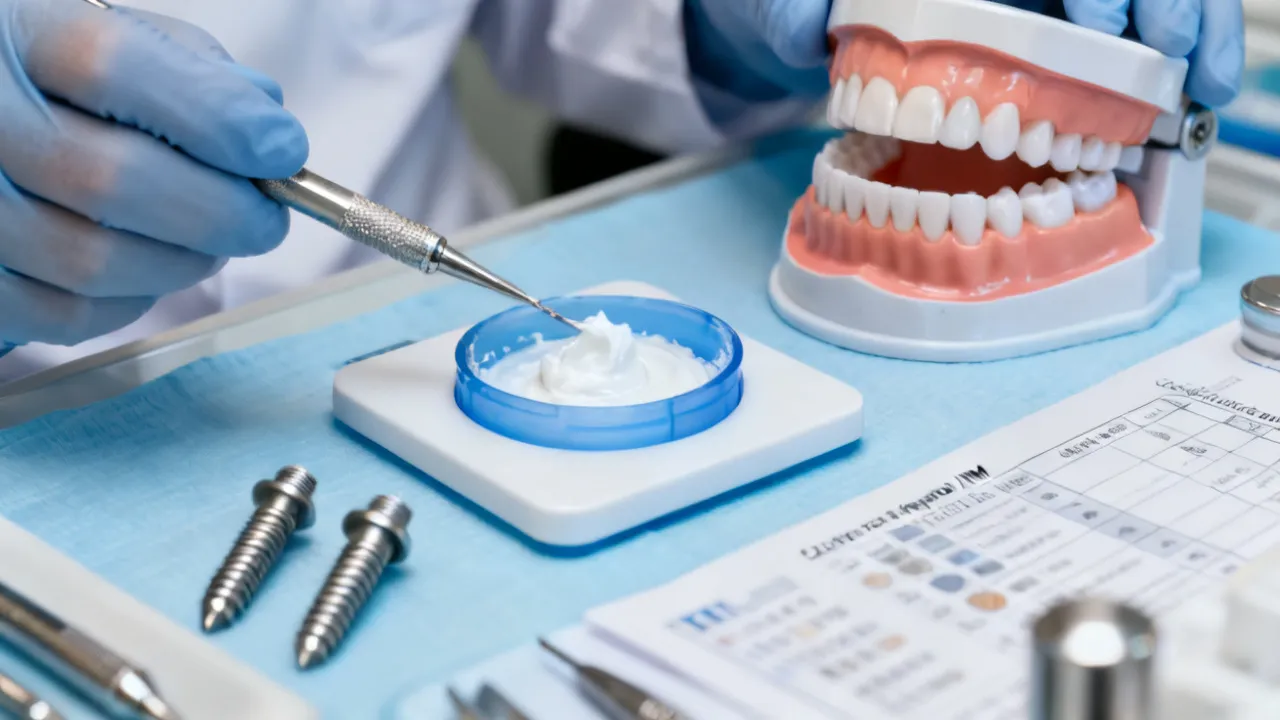
IRM cement is a reinforced form of zinc oxide–eugenol material. Traditional zinc oxide–eugenol products combine zinc oxide powder with a liquid containing eugenol. Reinforcing agents are added to improve strength and handling compared with conventional temporary zinc oxide–eugenol formulations. The resulting material is designed for dental procedures in which a restoration is intended to remain for an interim period rather than serve as the final long-term restoration.
The material is usually supplied as a powder and liquid system or in another manufacturer-specified format. The dentist follows the product’s instructions for proportioning, mixing time, working time, setting time, and placement. These details differ among products, so professional use should always follow the manufacturer’s instructions and applicable local regulations.
Several properties explain why clinicians may select IRM cement:
- It is relatively simple to mix and place in a dental setting.
- It can provide a temporary seal over prepared tooth structure.
- Its opacity and handling characteristics can be useful in interim restorative procedures.
- Eugenol may have a soothing effect on the dentin–pulp complex in selected circumstances, although this does not remove the need for diagnosis.
- The restoration can generally be removed more readily than many definitive restorative materials when the next treatment phase begins.
- It may be useful when a clinician needs to observe a tooth’s symptoms before committing to a permanent restoration.
- It can support staged treatment when the patient needs time to arrange laboratory work, specialist care, or a subsequent appointment.
These advantages must be balanced against limitations. IRM cement is not intended to provide the same wear resistance, esthetics, marginal durability, or long-term strength as a definitive composite, ceramic, cast restoration, or other permanent material. Moisture control, occlusal forces, cavity design, remaining tooth structure, and the planned duration of use all affect performance.
The term “temporary” should also be understood clinically rather than as a precise calendar period. A restoration may be intended to remain for a few days, several weeks, or longer depending on the treatment sequence. The appropriate duration depends on the tooth and the material’s indication. Patients should not assume that a temporary restoration can safely remain indefinitely simply because it appears intact.
Common Dental Uses
IRM cement may be used in several clinical situations, depending on the dentist’s diagnosis and the product’s approved indications.
Intermediate restorations
An intermediate restoration protects a tooth while the dentist observes symptoms, completes endodontic treatment, awaits a laboratory restoration, or schedules a subsequent procedure. For example, a tooth with extensive decay may require temporary sealing after caries removal. The dentist may use IRM cement while deciding whether the tooth is restorable, requires root canal therapy, or needs extraction.
This approach can be helpful when the diagnosis is not yet certain. A tooth may be sensitive because of reversible irritation, deep decay, a crack, an occlusal problem, or irreversible pulpal disease. Temporarily sealing the tooth may protect it while the dentist reviews the response. Nevertheless, symptom improvement alone does not prove that the underlying disease has been eliminated.
Temporary sealing after endodontic treatment
During root canal therapy, the access opening may need a temporary seal between appointments. A suitable temporary material helps limit contamination while the treatment is being completed. The success of the seal depends on proper isolation, sufficient material thickness, sound surrounding tooth structure, and timely continuation of treatment.
If the temporary seal is lost, the canal system may become exposed to saliva and bacteria. Patients should contact the treating dental office rather than waiting for the next planned appointment. A dentist may need to replace the material, assess contamination, or modify the treatment schedule.
Temporary restoration after tooth preparation
When a tooth is prepared for a crown, inlay, onlay, or another definitive restoration, a temporary material may protect the prepared surfaces. Whether IRM cement is suitable depends on the final restorative material and bonding protocol. Eugenol-containing materials can interfere with the polymerization or bonding of certain resin-based products. The dentist may therefore choose a eugenol-free temporary material when a resin cement or adhesive restoration is planned.
The dentist should consider the entire restorative sequence before selecting a temporary cement. The ideal temporary material is not merely one that can be placed quickly; it must also be compatible with the definitive restoration, removable when required, sufficiently sealed, and appropriate for the patient’s bite and remaining tooth structure.
Temporary management of fractured or carious teeth
In selected cases, a clinician may use IRM cement to cover exposed or weakened tooth structure temporarily. This can reduce sensitivity and protect the area while the patient arranges definitive care. Temporary coverage should not be interpreted as treatment of the underlying cause. Decay, pulpal inflammation, periodontal disease, and structural cracks still require assessment.
Use during staged treatment
Dental treatment is sometimes divided into stages because the patient requires specialist evaluation, healing time, financial planning, or laboratory fabrication. IRM cement may be used as one part of this staged approach. For example, a patient may receive a temporary restoration after extraction or during the period before a definitive bridge, denture, or implant-supported crown is completed.
What IRM Cement Does Not Do
Clear communication is especially important because patients sometimes encounter dental terminology without a full explanation. IRM cement does not:
- replace a dental implant or implant crown;
- stimulate osseointegration;
- repair a missing tooth permanently;
- serve as a substitute for bone grafting when grafting is clinically required;
- guarantee protection against recurrent decay or leakage;
- make an unsafe treatment plan clinically appropriate;
- restore the full appearance or function of a missing tooth;
- eliminate the need for periodontal treatment, endodontic treatment, or extraction when those procedures are indicated.
A dental implant is a surgically placed fixture, usually made from a biocompatible material such as titanium or a ceramic alternative. It is inserted into the jawbone and later restored with an abutment and crown or another prosthesis. IRM cement belongs to a different category: temporary or intermediate restorative materials used on teeth or in selected provisional dental procedures.
Patients should be cautious when promotional content uses the words “cement,” “implant,” and “restoration” without explaining how they relate to one another. A cement may retain a crown, temporarily seal a tooth, or hold a provisional component, but it is not itself a replacement tooth or a fixture embedded in bone.
Clinical Advantages and Limitations
| Aspect | Clinical analysis |
|---|---|
| Primary role | Intermediate restoration, temporary sealing, or provisional protection of a prepared tooth. |
| Strength | Reinforced compared with conventional zinc oxide–eugenol, but generally not a replacement for a definitive restoration under heavy long-term function. |
| Handling | Usually convenient for dental professionals when the powder-to-liquid ratio, mixing, and placement instructions are followed. |
| Biological considerations | Eugenol-containing materials may be suitable in selected situations but require consideration of pulp status, allergies, soft-tissue contact, and future bonding procedures. |
| Removal | Often more practical to remove than a permanent restorative material when the next treatment phase starts. |
| Esthetics | Generally less suitable than tooth-colored definitive materials for visible, long-term restorations. |
| Moisture sensitivity | Performance depends on adequate isolation and the clinician’s ability to control saliva, blood, and other fluids during placement. |
| Maintenance | Requires review if it remains in place beyond the initial appointment or if the patient notices sensitivity, fracture, looseness, or food trapping. |
From a clinician’s viewpoint, the material should be selected according to the treatment objective rather than convenience alone. A temporary restoration that remains in place longer than intended may deteriorate, fracture, develop marginal leakage, or allow the underlying condition to progress. Patients should ask how long the material is expected to remain and what appointment completes the treatment sequence.
Temporary restorations may also be affected by chewing habits. Hard foods, sticky foods, bruxism, a deep bite, and reduced tooth structure can increase the likelihood of fracture or dislodgement. A dentist may recommend chewing on the opposite side, avoiding particularly hard foods, and maintaining careful oral hygiene around the restoration.
Handling and Placement Considerations
IRM cement should be mixed and placed by a trained dental professional. The exact procedure varies according to the product, but several general principles apply.
- Diagnosis comes first. The dentist evaluates symptoms, radiographs, vitality or sensibility findings where appropriate, periodontal status, occlusion, and restorability.
- Isolation is important. Saliva, blood, and crevicular fluid can compromise adaptation and sealing. The clinician uses appropriate isolation methods for the tooth and procedure.
- Proportioning must be controlled. Excess liquid or powder can change handling, strength, setting, and dimensional behavior.
- Mixing must follow the instructions. The operator needs a uniform consistency within the product’s working time.
- The cavity or access must be prepared appropriately. Unsupported enamel, infected tissue, debris, and excessive moisture may affect the result.
- The material must be placed with adequate thickness. An excessively thin layer may be less resistant to chewing forces and may not provide the intended seal.
- Occlusion should be checked. An excessively high temporary restoration can cause tenderness or contribute to fracture.
- The next treatment stage should be scheduled. Temporary material is most effective when it is part of a defined treatment plan rather than an indefinite solution.
- Instructions should be provided. Patients should understand what to eat, how to clean the area, and which symptoms require prompt contact.
Patients should not attempt to mix or place professional dental cement at home. Dental materials require controlled preparation, appropriate isolation, clinical judgment, and safe disposal. Internet instructions cannot substitute for a dental examination. Household adhesives, over-the-counter repair products, and improvised filling materials may damage the tooth, injure oral tissues, trap bacteria, or complicate later treatment.
IRM Cement and Implant Treatment
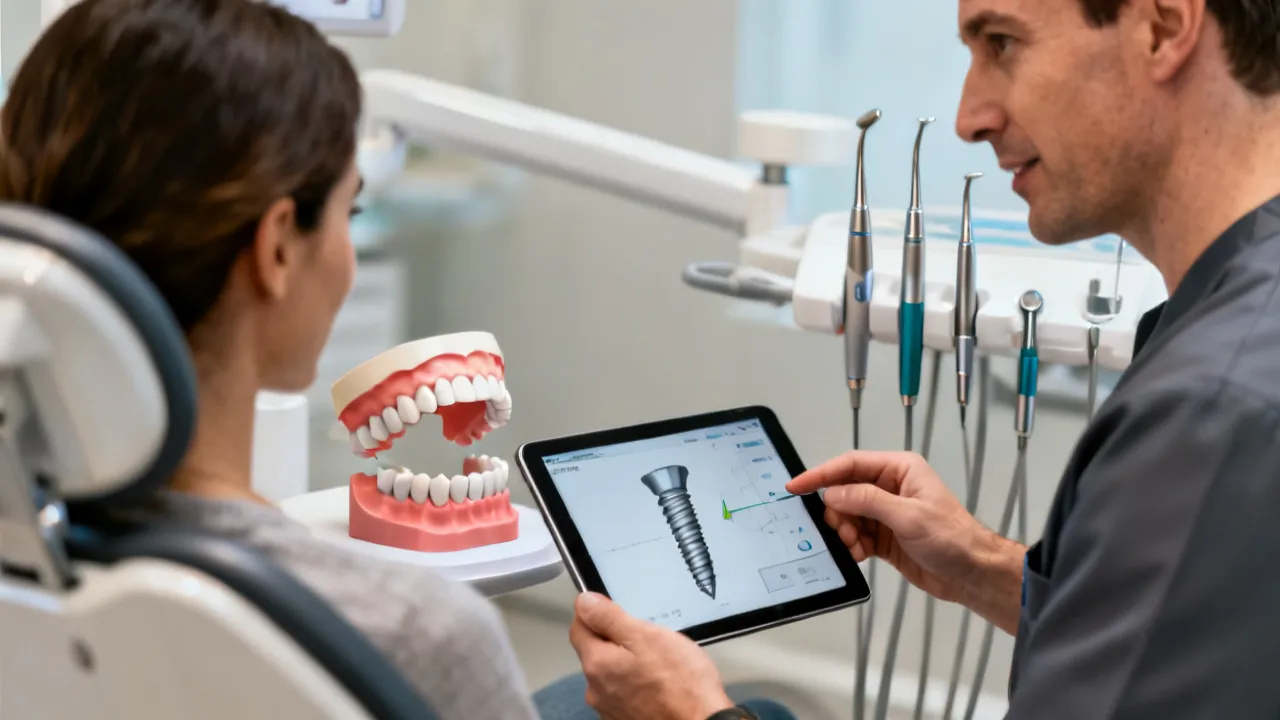
IRM cement may appear in an implant treatment pathway, but its role is usually peripheral and temporary. A patient might receive an interim restoration after extraction, during healing, or while a laboratory prepares a definitive prosthesis. In another situation, a neighboring tooth may need temporary protection before implant surgery. The implant itself, however, requires surgical planning and prosthetic restoration through separate components.
Implant treatment commonly involves:
- medical and dental history review;
- clinical examination and periodontal assessment;
- two-dimensional or three-dimensional imaging when justified;
- evaluation of bone volume and anatomical structures;
- extraction or management of a failing tooth, when required;
- possible bone or soft-tissue augmentation;
- implant placement;
- a healing or integration period determined by the clinician;
- placement of an abutment and crown or another prosthesis;
- maintenance visits and monitoring.
A trustworthy quote identifies which of these stages are included. It also states whether the quoted figure covers one individual implant only or the complete tooth replacement. The phrase “implant price” may refer to the fixture alone, the surgical appointment, the implant plus abutment, or the complete restored tooth. Comparing unlike packages can create a misleading impression of savings.
When a temporary restoration is used during implant care, the dentist must also consider the surgical site, the patient’s bite, hygiene access, and the desired appearance. A provisional tooth may be designed for appearance but not for full chewing function. Patients should ask whether they may chew normally, whether the provisional is removable, and how it should be cleaned.
How to Obtain Dental Implants at Lower Cost in English-Speaking Countries
Patients in English-speaking markets can reduce avoidable expenses without compromising essential clinical standards by planning carefully. The following process is more reliable than choosing a clinic solely because its headline price is the lowest.
1. Confirm whether an implant is necessary
A missing tooth may be managed with an implant-supported crown, fixed bridge, removable partial denture, or another approach. Each option has different clinical indications, maintenance needs, and costs. Request a diagnosis based on an examination and appropriate imaging. The cheapest procedure is not necessarily the most suitable, but unnecessary treatment should also be avoided.
2. Obtain a written, itemized treatment plan
Ask for separate prices for consultation, imaging, extraction, bone grafting, implant placement, abutment, temporary tooth, final crown, laboratory work, sedation, and follow-up. In the United States, Canada, the United Kingdom, and Australia, billing terminology can differ among clinics. Written documentation makes comparison more meaningful.
3. Compare several qualified providers
Patients may consult a general dentist, prosthodontist, oral and maxillofacial surgeon, periodontist, or an appropriately trained implant dentist. Review professional registration, scope of practice, infection-control information, and the clinic’s approach to complications. Patient testimonials can provide context, but they should not replace professional credentials or a clinical consultation.
4. Ask about dental insurance and payment arrangements
Dental insurance may contribute to some components of implant-related care, although coverage varies substantially. Some plans exclude implants, impose waiting periods, limit annual benefits, or cover an alternative restoration instead. Ask the insurer for written confirmation and distinguish insurance reimbursement from the clinic’s total charge.
Clinics may also offer staged payment arrangements or treatment plans that separate surgical and restorative phases. Patients should review interest, administrative charges, cancellation terms, and what happens if additional treatment becomes necessary. Financing can make treatment manageable, but a patient should calculate the total repayment rather than focusing only on the monthly installment.
5. Consider dental schools and teaching clinics
University dental clinics can sometimes provide lower fees under supervision by qualified faculty. Appointment availability may be limited, and treatment may take longer because procedures are part of an educational environment. Patients should ask who performs each stage, who supervises the work, and how urgent complications are handled.
6. Improve oral health before surgery
Active periodontal disease, uncontrolled caries, poor plaque control, and tobacco use may increase treatment complexity or threaten implant outcomes. Treating these factors before surgery can reduce the risk of additional procedures. A preventive visit, professional cleaning, and a personalized maintenance plan may be financially sensible even though they add an initial expense.
7. Avoid comparing materials by brand name alone
Implant systems, crowns, abutments, grafting materials, and temporary restorations differ in design and cost. A lower-priced material is not automatically inferior, and a premium label is not an automatic guarantee of success. Ask which components are being used, whether replacement parts remain available, and how the clinic documents the implant system for future care.
8. Plan for maintenance
Implants require professional reviews and daily home care. A quote that excludes hygiene visits, radiographic monitoring, replacement of a worn crown, or treatment of peri-implant disease is incomplete from a long-term budgeting perspective. Maintenance costs should be discussed before surgery.
9. Ask whether treatment can be staged
Some patients may be able to spread treatment over multiple months. Staging may allow time to complete periodontal therapy, save funds, use insurance benefits in separate coverage periods, or address one urgent tooth before treating other areas. Staging is not appropriate for every condition, so the dentist should explain the clinical consequences of postponement.
How to Obtain Dental Implants at Lower Cost in Spanish-Speaking Countries
Spanish-speaking markets include countries with very different healthcare systems, currencies, regulations, and dental fees. Patients should assess each clinic locally rather than assuming that a Spanish-language website represents the same service model everywhere.
Useful steps include:
- Use a local consultation first. A dentist should examine the mouth, review imaging, and explain whether the site requires extraction, grafting, sinus-related treatment, or periodontal care.
- Request the proposal in Spanish. The document should describe the implant brand or system, surgical stage, prosthetic stage, temporary restoration, laboratory fee, taxes, and follow-up policy.
- Confirm professional credentials. Patients should check the relevant national or regional dental registry where available and confirm who is responsible for surgery and prosthetic restoration.
- Clarify emergency access. Ask who manages pain, swelling, loosening, infection, or a fractured temporary tooth outside normal appointment hours.
- Compare complete treatment costs. A low surgical fee may exclude the final crown or abutment. Compare the total restored tooth rather than one line item.
- Ask about language and informed consent. Patients should understand the diagnosis, alternatives, risks, expected healing, and maintenance obligations before agreeing.
- Consider travel carefully. Domestic treatment may reduce transport and accommodation costs. If traveling within or between countries, allow time for consultation, imaging, surgery, healing, and follow-up.
Spanish-language resources can help patients understand basic implant terminology. Cigna’s Spanish guide, for example, is an educational insurance resource rather than a substitute for an individualized treatment plan. Rockville Dental Arts and Union City Mini Dental Implants provide Spanish-language clinic information, but patients should independently confirm the scope of services, location, credentials, and current fees before making a decision.
How to Obtain Dental Implants at Lower Cost in Portuguese-Speaking Countries
In Portuguese-speaking markets, especially Brazil and Portugal, patients may begin with clinics offering general dentistry, prosthodontics, orthodontics, or implant services. As elsewhere, the safest approach is to compare complete care and follow-up rather than relying on promotional language.
- Ask whether the consultation includes a panoramic image or whether imaging is billed separately.
- Confirm whether the quotation is for the “implante” alone or includes the “pilar” and “coroa.”
- Ask whether bone grafting, extraction, provisional teeth, and laboratory work are included.
- Review the dentist’s registration and specialist training through the relevant professional authority.
- Request information about the material and manufacturer of the implant and whether documentation will be provided.
- Request a written warranty policy that explains exclusions, maintenance requirements, and the response to complications.
- Ask about installment arrangements, cancellation terms, and the effect of missed appointments.
- Confirm whether the dentist or clinic will provide records in a form another provider can understand if the patient relocates.
Rubi Odonto, Odontologia Velasco, and DentalVidas represent different types of Portuguese-language dental resources: a clinic offering several dental services, a clinic describing restorative and aesthetic care, and a company offering dental plans. Their online information can support initial research, but it should be checked against a direct consultation and the patient’s own clinical findings.
Dental Tourism: Cost, Continuity, and Risk
Dental tourism can appear economical when treatment prices are compared across currencies. Nevertheless, a responsible comparison includes travel, accommodation, time away from work, translation, insurance, additional appointments, and the cost of managing a complication after returning home. Healing schedules may also make it impossible to complete every stage during one trip.
Patients considering treatment abroad should ask the following questions:
- Who performs the surgery and who completes the crown?
- Is the clinic regulated by the relevant national authority?
- What happens if the implant does not integrate or the crown fractures?
- Will the clinic provide implant passport information, radiographs, operative notes, and laboratory records?
- Can a local dentist access compatible components if a replacement is required?
- Are consultation and diagnostic fees included in the advertised price?
- Does the clinic recommend treatment based on an examination or only on photographs?
- How many days must the patient remain locally after surgery?
- Will the clinic provide a named contact for postoperative concerns?
- What is the plan if the patient develops fever, severe swelling, uncontrolled bleeding, or an allergic reaction?
DentaVacation is a dental tourism information resource that discusses treatment abroad and cost comparisons. Such resources may help patients identify questions to ask, but the final decision should be based on independent clinical evaluation, verified credentials, and a realistic plan for follow-up.
Traveling for treatment also creates a continuity issue. A local dentist may be willing to provide emergency care but may not accept responsibility for work completed elsewhere. Patients should not assume that a domestic warranty applies to an overseas procedure. The written terms should identify the provider’s responsibilities, travel requirements, time limits, and exclusions.
Reference Price Ranges for One Individual Dental Implant
The following figures are reference ranges for an individual dental implant in the specified markets. They should not be interpreted as a universal quotation or as the cost of a complete implant-supported tooth. Depending on the clinic, the total restored tooth may require separate charges for imaging, extraction, grafting, the abutment, provisional restoration, crown, sedation, and maintenance.
| Country and currency | Reference price range for one individual dental implant |
|---|---|
| United States (US) — USD | $3,000–$6,000 |
| United Kingdom (GB) — GBP | £2,000–£2,500 |
| Australia (AU) — AUD | AU$3,500–AU$6,500 |
| Canada (CA) — CAD | CA$3,000–CA$5,500 |
| Spain (ES) — EUR | €1,500–€2,500 |
| Chile (CL) — CLP | CLP$800,000–CLP$1,500,000 |
| Mexico (MX) — MXN | $15,000–$25,000 MXN |
| Colombia (CO) — COP | $2,000,000–$4,000,000 COP |
| Peru (PE) — PEN | S/ 3,000–S/ 6,000 |
| Argentina (AR) — ARS | $80,000–$150,000 ARS |
| Brazil (BR) — BRL | R$3,000–R$8,000 |
| Portugal (PT) — EUR | €1,000–€2,000 |
| Germany (DE) — EUR | €2,000–€3,500 |
| France (FR) — EUR | €1,500–€2,500 |
| Italy (IT) — EUR | €1,500–€3,000 |
| Japan (JP) — JPY | ¥300,000–¥700,000 |
Currency conversion can change the apparent difference between markets. Patients should compare the local invoice, tax treatment, inclusions, and expected follow-up rather than converting a headline figure alone. Argentina and other markets with substantial currency fluctuations require particular care when reviewing older published prices.
Price ranges can also change because of inflation, laboratory costs, exchange rates, implant-system availability, clinician experience, and regional demand. A quotation should include the date on which it was prepared and the period for which the price is valid. Patients should ask whether the clinic may change the price if treatment is delayed or if the surgical findings differ from the initial estimate.
Websites Providing Information on Lower-Cost Dental Implants
The following comparison focuses on the type of information each website presents. It does not rank providers, confirm clinical quality, or guarantee the accuracy of current prices. A website’s presence in a comparison does not constitute an endorsement.
| Website or resource | Primary features and practical use |
|---|---|
| Dental Views | Discusses lower-cost dental implants, treatment types, benefits, cost considerations, process information, and common questions for patients researching implant care. |
| Atlantic Dental Group | Clinic-based information covering general dental services, implants, orthodontics, cleaning, emergency care, appointments, and practice details. |
| DentaVacation | Dental tourism resource describing treatment abroad, international cost comparisons, available procedures, travel planning, and patient considerations. |
| ADHP / American Dental Health Plans | Insurance-oriented information concerning dental plans, coverage options, enrollment, and ways insurance may help manage dental expenses. |
| Rockville Dental Arts | Spanish-language clinic information covering implants, whitening, cleaning, orthodontics, and emergency dental services. |
| Union City Mini Dental Implants | Spanish-language information focused on mini dental implants and related treatment considerations for selected missing-tooth situations. |
| Cigna | Spanish-language educational guide explaining dental implants, treatment stages, and general insurance-related considerations. |
| Rubi Odonto | Portuguese-language clinic resource describing orthodontics, whitening, implants, team information, and patient-service context in Brazil. |
| Odontologia Velasco | Portuguese-language clinic resource covering implants, prostheses, aesthetic dentistry, and the use of contemporary dental technology. |
| DentalVidas | Portuguese-language dental-plan resource offering information for individuals, families, and companies, including network and emergency-service details. |
Source of the information:
source: www.dentalviews.com/low-cost-dental-implants/
source: www.atlanticdentalgrp.com
source: www.dentavacation.com
source: rockvilledentalarts.com/es
source: unioncityminidentalimplants.com/es
source: www.cigna.com/es-us/knowledge-center/guide-to-dental-implants
source: www.rubiodonto.com.br
source: odontologiavelasco.com.br
source: dentalvidas.com.br
How to Compare Implant Quotes Properly
Two quotations should only be compared after their clinical scope has been aligned. A quote for implant placement alone is not equivalent to a quote for an implant-supported crown. Patients can use the following checklist:
| Question | Why it matters |
|---|---|
| Does the price include the consultation and imaging? | Diagnosis and three-dimensional planning may be billed separately. |
| Is tooth extraction included? | A failing tooth may need removal before or during implant treatment. |
| Is bone augmentation included? | Insufficient bone may require an additional procedure and healing period. |
| Does the quote include the implant fixture, abutment, and crown? | These are separate components in many treatment plans. |
| Is a temporary tooth included? | Patients may need an interim restoration during healing or laboratory production. |
| What follow-up is included? | Postoperative reviews and prosthetic adjustments are important for continuity. |
| What is the complication policy? | The patient should understand how infection, loosening, fracture, or non-integration is managed. |
| Are taxes, medication, and sedation included? | These additional charges can materially change the final cost. |
| Is maintenance included during the first year? | Early reviews can identify hygiene, bite, or prosthetic problems before they become more complex. |
The same principle applies to IRM cement. A clinic may list an intermediate restoration as a small separate charge, include it in an endodontic fee, or use another temporary material according to the final restoration. Patients should ask what material is planned and why. If a resin-based crown or adhesive restoration will follow, the dentist should consider whether an eugenol-containing material could affect the bonding protocol.
Safety, Contraindications, and Patient Communication
IRM cement is not appropriate for every situation. The dentist may avoid or modify its use when the patient has a known sensitivity to an ingredient, when the material will contact tissues in an unsuitable manner, when the restoration must withstand demanding long-term forces, or when the final procedure requires a bonding system that could be affected by eugenol. The operator must also consider the tooth’s pulpal and periodontal condition.
Patients should contact a dental professional promptly if a temporary restoration falls out, if pain increases, if swelling develops, if the tooth becomes sensitive to biting, or if a sharp edge injures the cheek or tongue. Delaying care because the material was described as temporary can allow a manageable problem to become more complex.
Before implant treatment, disclose relevant medical information, including medications that affect bleeding or bone metabolism, diabetes status, immune conditions, allergies, pregnancy, smoking or nicotine use, and previous complications with anesthesia or dental surgery. The dentist decides which issues require medical coordination.
Patients should also disclose habits that may influence treatment, such as clenching, grinding, nail biting, chewing ice, or frequently consuming hard foods. A night guard or other protective measure may be recommended after the definitive restoration is placed. These measures do not guarantee longevity, but they may reduce avoidable mechanical stress.
Industry Expert Perspective
An experienced restorative or implant professional would normally assess value across three dimensions: biological safety, technical predictability, and continuity of care. A temporary material such as IRM cement can be highly useful when it is placed for a defined reason, maintained properly, and replaced or removed on schedule. It becomes a concern when it is used to postpone diagnosis indefinitely or when a provisional restoration is treated as a permanent solution.
The same reasoning applies to implant costs. A clinic that explains limitations, alternatives, component details, and follow-up may provide better value than a clinic that advertises a very low figure without specifying inclusions. Patients should be cautious of guarantees that omit biological variability. Even well-planned implants can encounter complications, and informed consent should address both common and serious risks in language the patient understands.
For clinicians, documentation is central. The patient should receive records of imaging, implant system, lot or component information where applicable, surgical notes, prosthetic specifications, and maintenance recommendations. This documentation is particularly important when a patient changes dentists, relocates, or receives treatment across national borders.
From a practice-management perspective, transparency also reduces misunderstandings. A written treatment plan should distinguish between the diagnostic phase, surgical phase, healing phase, restorative phase, and maintenance phase. It should identify which services are optional, which are clinically necessary, and which may become necessary only after imaging or surgical inspection. This structure helps patients make decisions based on total care rather than a single promotional number.
Frequently Asked Questions
What does IRM stand for in dentistry?
IRM commonly refers to “Intermediate Restorative Material.” It is generally a reinforced zinc oxide–eugenol material used for temporary or intermediate restorations and sealing procedures.
Is IRM cement a permanent filling?
It is generally intended for intermediate or temporary use rather than indefinite service. The dentist determines how long it should remain based on the tooth, the treatment plan, occlusion, and the product’s instructions.
Can IRM cement be used with a dental implant?
It may be used in a temporary restoration somewhere in the treatment pathway, but it is not the implant fixture and does not replace an implant crown or abutment. Compatibility with the planned prosthetic materials must be assessed by the dentist.
Can patients buy and apply IRM cement themselves?
Professional dental materials should be used by trained clinicians. Correct diagnosis, isolation, mixing, placement, occlusal adjustment, and follow-up cannot be safely managed through home application.
Does eugenol affect dental bonding?
It can affect some resin-based bonding or polymerization protocols. The significance depends on the material, the clinical sequence, and the manufacturer’s instructions. The dentist should select a temporary material compatible with the planned definitive restoration.
What is the cheapest way to replace one missing tooth?
There is no universally cheapest appropriate option. A removable partial denture, fixed bridge, or implant-supported crown may each be reasonable in different circumstances. A dentist should compare clinical suitability, initial cost, maintenance, expected longevity, and the effect on neighboring teeth.
Does a low implant price include the crown?
Not necessarily. Some advertisements refer only to the implant fixture or surgical placement. Patients should ask specifically whether the abutment, temporary tooth, final crown, laboratory work, imaging, and follow-up are included.
Are dental schools suitable for lower-cost implant care?
Teaching clinics may offer reduced fees under faculty supervision, but treatment can take longer and availability may be limited. Ask about the supervising dentist, the student’s role, appointment scheduling, and management of complications.
Is dental tourism always less expensive?
No. Travel, accommodation, additional appointments, exchange-rate changes, missed work, and treatment of complications can alter the total cost. The quality and continuity of care must be evaluated alongside the price.
How can patients check a clinic’s reliability?
Review professional registration, qualifications, infection-control policies, written treatment plans, component documentation, informed-consent procedures, and follow-up arrangements. Independent clinical advice is useful when a proposal involves extensive surgery or multiple procedures.
What should a patient do if temporary IRM cement falls out?
Contact the treating dental office. Keep the area clean, avoid chewing hard foods on that side, and do not attempt to permanently reseal the tooth with household products. Urgent attention is appropriate if there is swelling, severe pain, fever, or difficulty swallowing.
Are the implant price ranges in this article current quotations?
No. They are reference ranges supplied for comparison and should not be treated as a clinic quotation. Prices vary by region, clinic, dentist, treatment complexity, materials, currency, and included services.
Can an implant be placed immediately after extraction?
Immediate placement may be possible in selected cases, but it is not suitable for every patient. The dentist must evaluate infection, bone volume, gum tissues, the position of neighboring structures, primary stability, and the planned restoration. A delayed approach may be safer or more predictable when the site needs to heal or receive grafting.
Why might bone grafting be recommended?
After tooth loss, the jawbone can change in volume and shape. If the available bone is insufficient for the planned implant position, grafting or another augmentation procedure may be recommended. The need depends on anatomy and the desired prosthetic outcome, not simply on the patient’s preference.
How long does implant treatment take?
The timeline varies. Some cases can be completed in a relatively short sequence, while others require extraction healing, graft maturation, implant integration, soft-tissue management, and laboratory fabrication. The dentist should provide an approximate schedule while explaining that healing and clinical findings can change it.
Practical Patient Checklist
Before accepting treatment, patients can prepare the following information:
- the diagnosis and available alternatives;
- the number of teeth involved;
- the required imaging;
- the expected treatment stages and approximate timing;
- the material planned for temporary restorations, including IRM cement where relevant;
- the implant manufacturer and prosthetic components;
- the full itemized price and payment schedule;
- the risks, limitations, and likely maintenance needs;
- the clinic’s policy for emergencies and complications;
- the records that will be provided after treatment;
- the professional credentials of the clinician performing surgery and restoration;
- the estimated cost of future hygiene appointments and prosthetic maintenance.
A second opinion can be especially valuable when the proposed plan includes extraction, bone grafting, multiple implants, immediate loading, or a substantial financial commitment. The purpose is not to delay necessary care but to improve understanding before treatment begins.
Patients may find it useful to take notes during consultations or request permission to receive a written treatment summary. Important terms include “fixture,” “abutment,” “crown,” “provisional,” “graft,” “integration,” “occlusion,” and “maintenance.” Understanding these terms makes it easier to compare proposals from different clinics.
Conclusion
IRM cement is a useful dental material when its role is limited to an appropriate temporary or intermediate indication. Its reinforced zinc oxide–eugenol composition, manageable handling, and provisional sealing function make it relevant in staged restorative and endodontic care. It is not a permanent substitute for a definitive restoration and is not an implant material.
For patients seeking lower-cost dental implants, the strongest strategy is transparent comparison. Verify the diagnosis, compare complete treatment plans, check professional credentials, confirm insurance or payment conditions, consider teaching clinics where appropriate, and include follow-up in the budget. Online resources can help organize questions, but only a qualified dental professional can determine whether IRM cement, an implant, a bridge, a removable prosthesis, or another treatment is suitable for an individual patient.
Cost should be considered together with safety and continuity. A properly planned treatment with clear documentation may be more economical over time than an inexpensive procedure that requires travel, repeated repairs, or replacement of undocumented components. Patients should seek a plan that explains not only what will be done, but also why it is recommended, what alternatives exist, what is included in the quoted price, and how future problems will be managed.
Disclaimer
1. The information above comes from online resources, and the data is as of October 2023.
2. Dental implant prices are for reference only and may vary by region, clinic, and doctor. The listed ranges may not include consultation, imaging, extraction, bone grafting, temporary restorations, abutments, crowns, laboratory charges, taxes, medication, sedation, travel, or follow-up care. This article is educational and does not replace an examination, diagnosis, treatment plan, or professional medical advice.
3. Product indications, handling requirements, regulatory status, and compatibility can vary between dental materials and manufacturers. Clinicians should consult the applicable product documentation and professional guidance before using IRM cement or any other restorative material.